
Sharks have a fearsome reputation, but the real risk to swimmers varies enormously from one species to the next. Some account for most serious bites on record, while others are shy, gentle giants. Here are eighteen sharks and what the Florida Museum’s research and the International Shark Attack File say about the danger each one actually poses.
Read next on Morning Overview: Over 20 trillion gallons of rain fell on the Four Corners states and Nevada in two weeks
1. Great white shark: The Most Feared
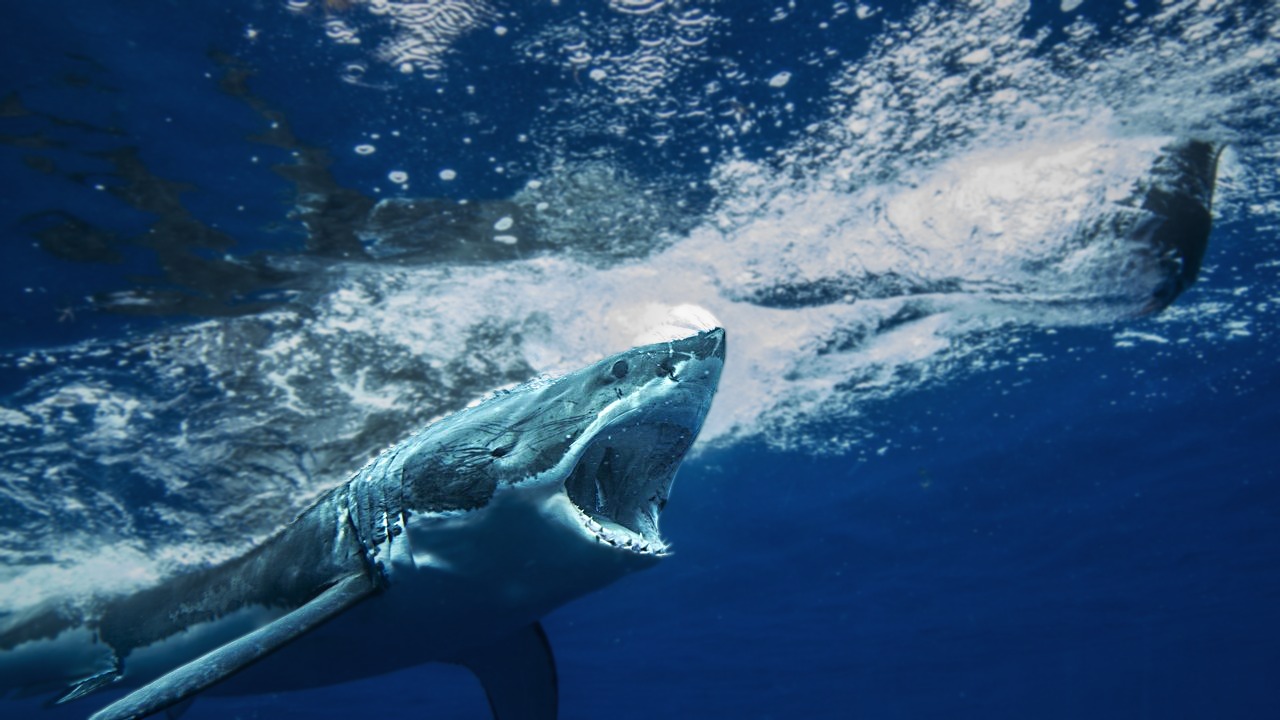
The white shark has been credited with more fatal attacks on humans than any other species of shark. The Florida Museum says that record comes down mainly to its size, its power and the way it feeds.
Even so, global population estimates for the species are unknown, and it is listed as Vulnerable on the IUCN Red List. Its maximum size remains a subject of contentious debate among scientists.
2. Tiger shark: Second on the List
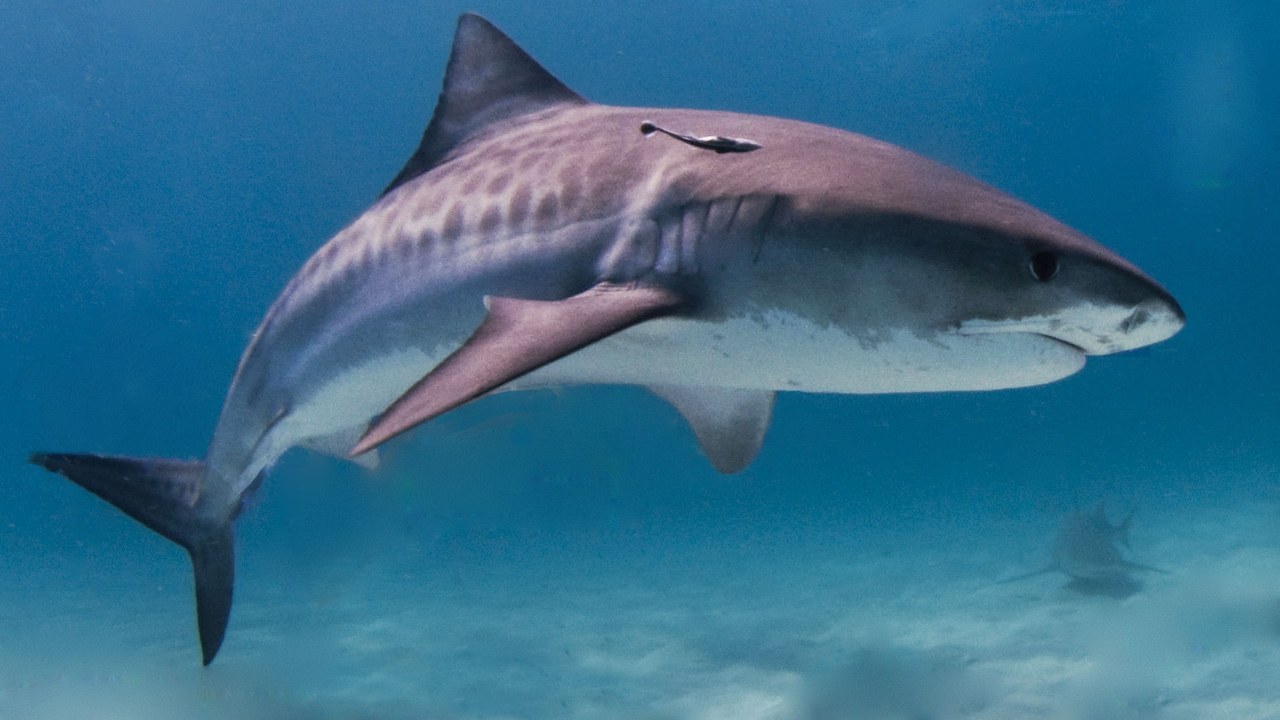
The tiger shark is second only to the white shark in reported attacks on humans. The Florida Museum notes it commonly reaches 10 to 14 feet and weighs 850 to 1,400 pounds.
Tiger sharks are often curious and unaggressive when divers meet them, yet they are one of the three species most commonly implicated in shark attacks and fatalities worldwide.
3. Bull shark: The River Roamer
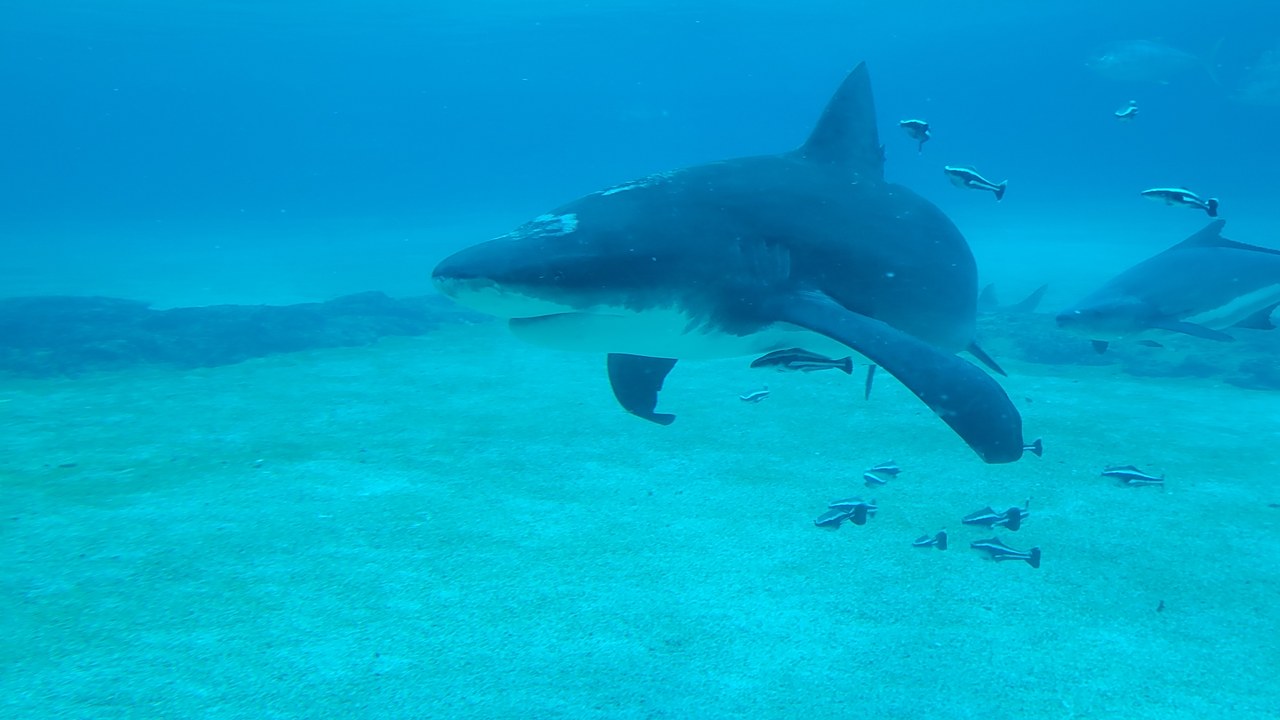
The International Shark Attack File credits bull sharks with at least 100 unprovoked attacks on humans around the world, 27 of them fatal, and the true number is likely higher.
The museum adds that the species may be responsible for more attacks than the records show. Bull sharks reach a maximum reported length of about 13 feet and a maximum reported weight of nearly 700 pounds, making them one of the bulkiest sharks swimmers may meet.
4. Oceanic whitetip shark: The Shipwreck Shark
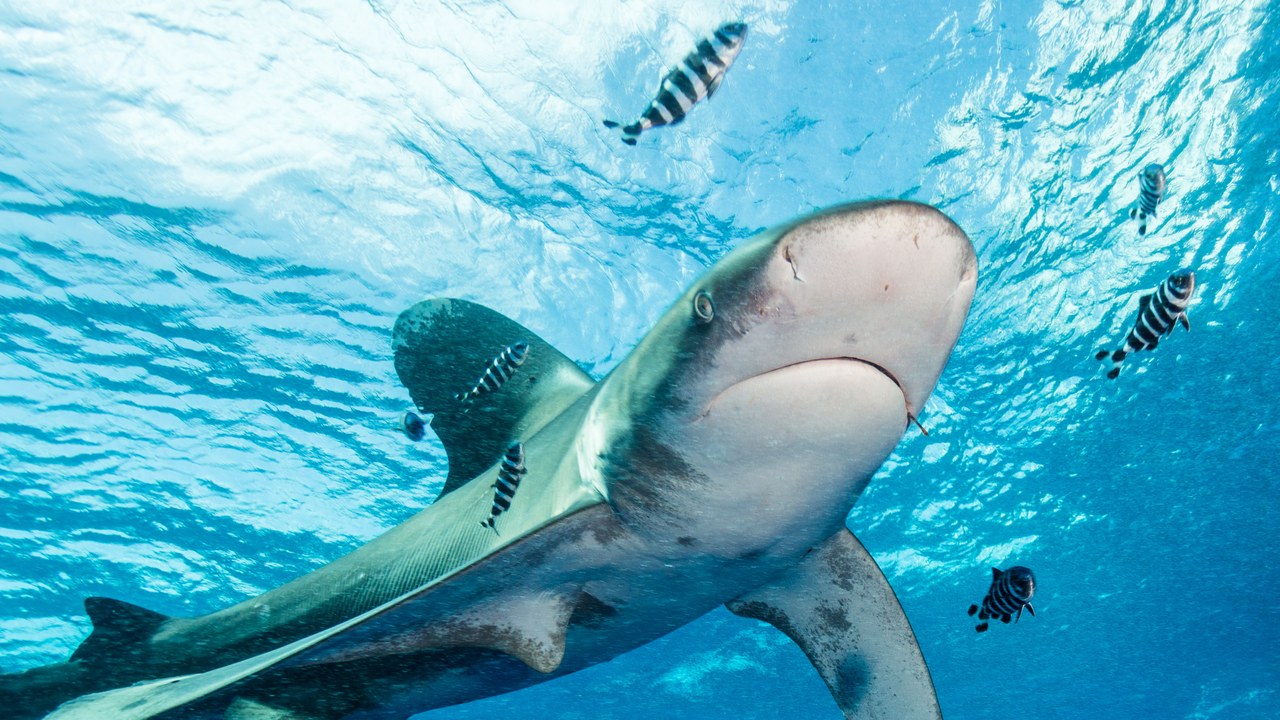
Although it lives mostly far offshore, the oceanic whitetip is considered potentially dangerous to humans. The Florida Museum says it is often the first species seen around mid-ocean disasters.
During both World Wars it was a major concern for survivors of torpedoed ships and downed planes. Some individuals reach 11 to 13 feet, though most specimens are less than 10 feet long.
5. Shortfin mako: Built for Speed
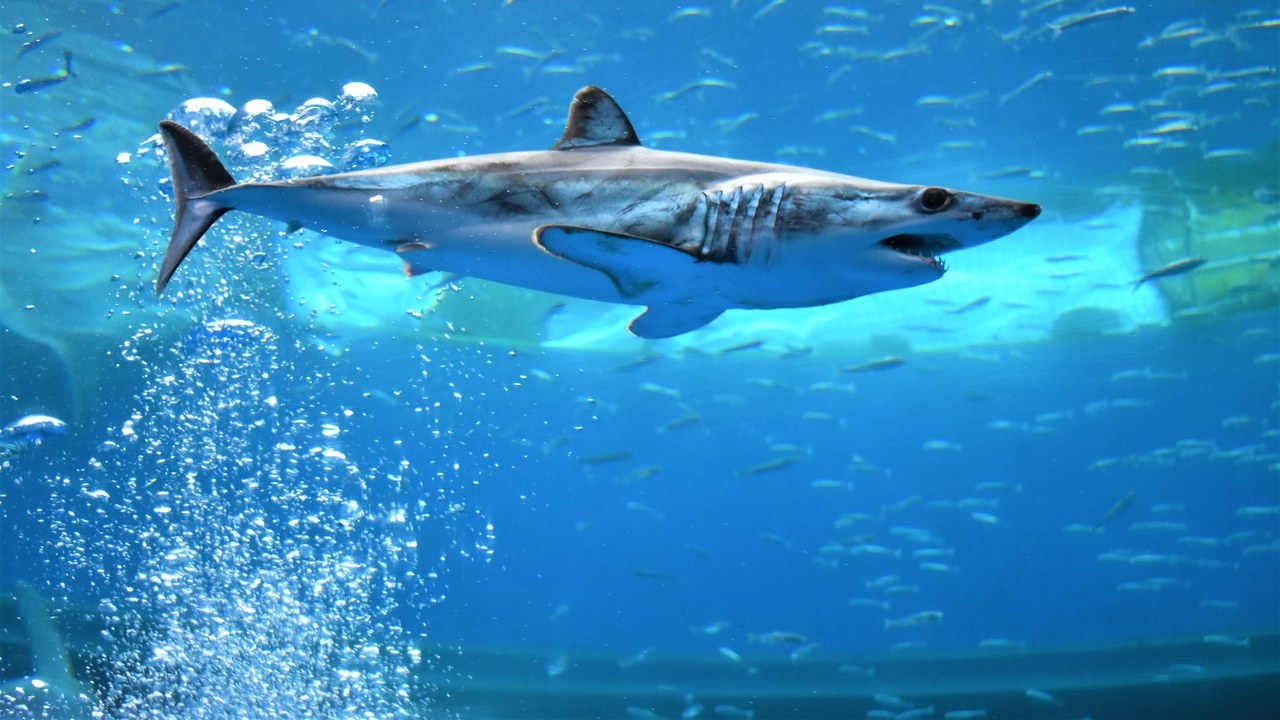
The shortfin mako’s power and speed make it potentially dangerous to people. The Florida Museum counts 10 unprovoked attacks on humans by the species, one of them fatal.
Divers who have met makos say they often swim in a figure-eight pattern and approach with mouths open. Females grow to about 9 feet on average, with a maximum near 13 feet.
6. Great hammerhead: The Biggest Hammerhead
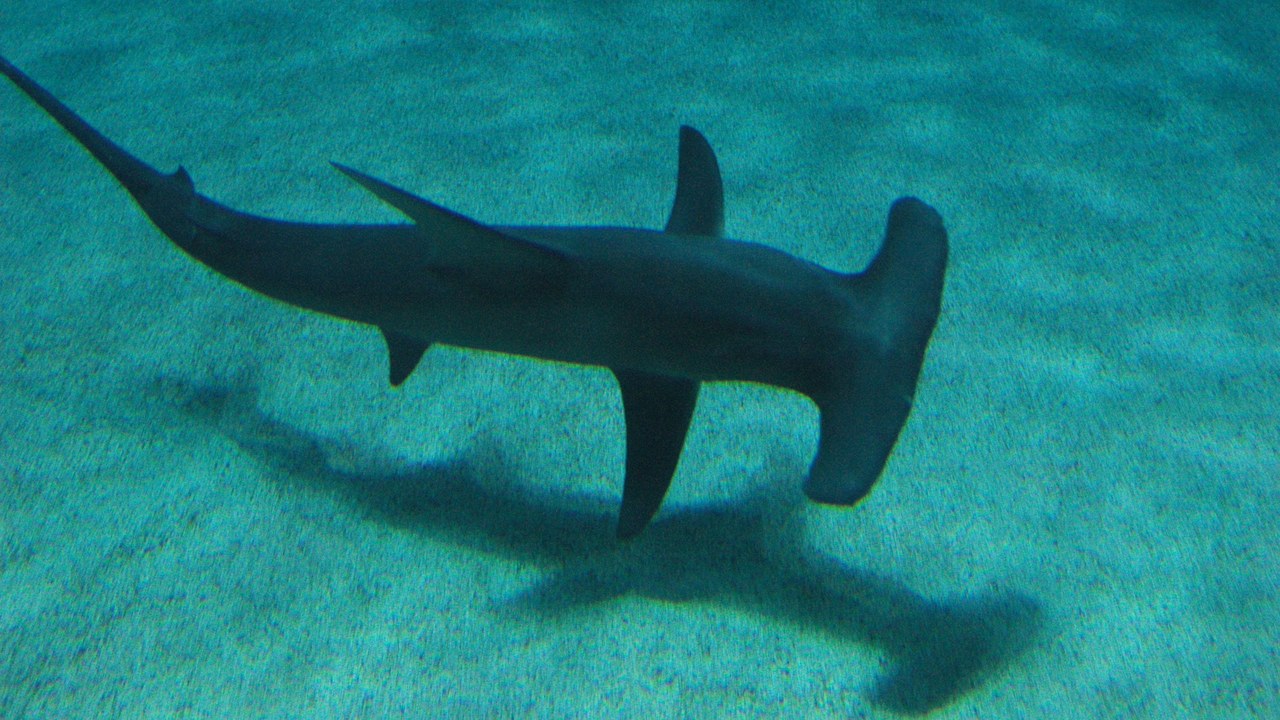
The great hammerhead is the largest of the hammerheads, averaging over 500 pounds. The Florida Museum says the whole genus has 17 unprovoked attacks on record, none fatal.
Few of those attacks can be pinned on this species specifically, because the hammerheads involved are hard to tell apart. Its large size still makes it potentially dangerous; the world-record great hammerhead was caught off Sarasota, Florida.
7. Whale shark: The Gentle Giant
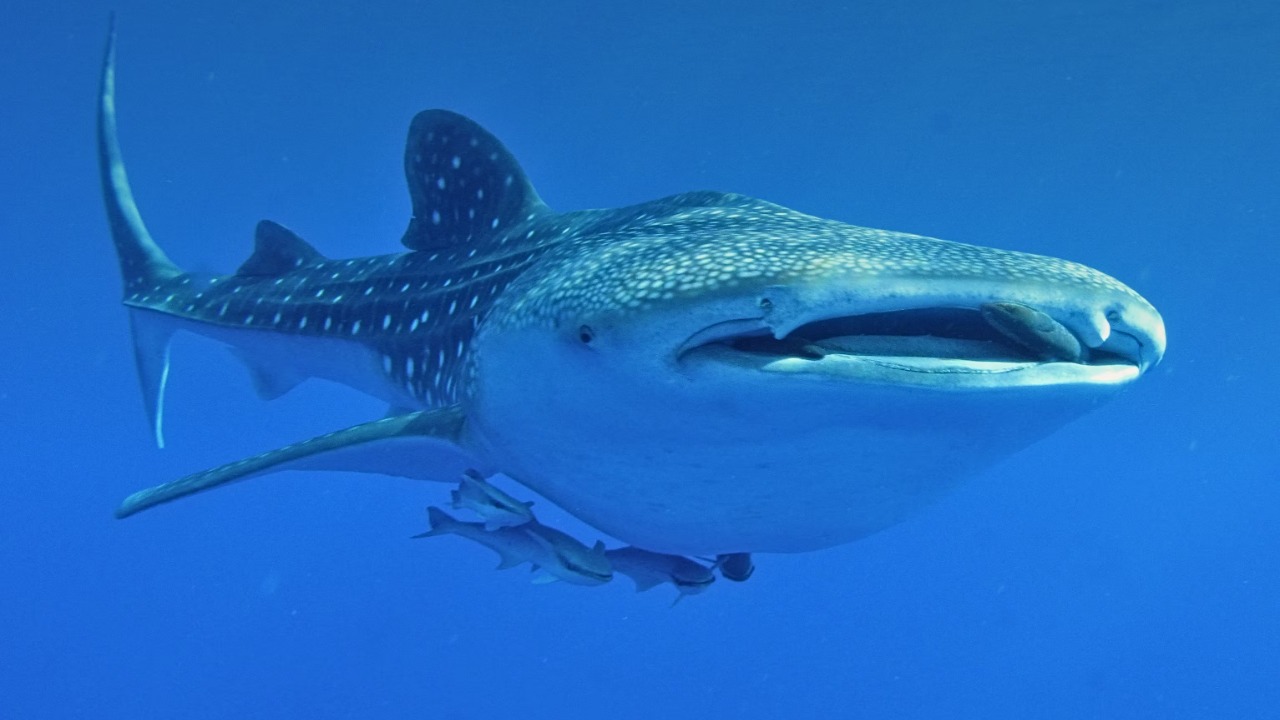
The whale shark is the largest living fish, thought to reach about 20 meters. The Florida Museum considers it generally harmless, though a few have rammed sportfishing boats, possibly after being provoked.
In practice the sharks are more at risk from people than the reverse. They are often struck accidentally by vessels while basking or feeding at the surface, one of the hazards facing the largest fish in the sea.
8. Basking shark: Big but Benign
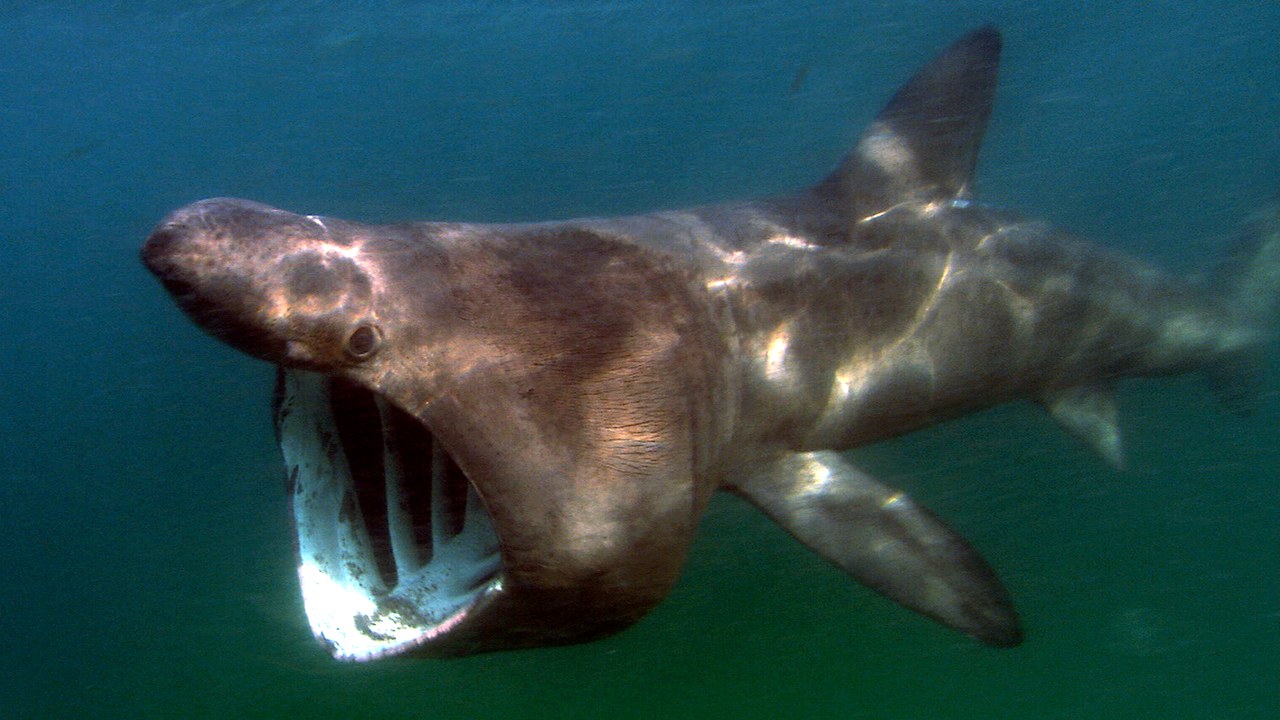
Second only to the whale shark in size, the basking shark can reach 40 feet. The Florida Museum says it is not dangerous to passive observers and is generally tolerant of divers and boats.
Its sheer size and power still demand respect, and there are reports of sharks attacking boats after being harpooned. Contact with its skin should be avoided, because its large dermal denticles can cause injury.
9. Lemon shark: Little Threat
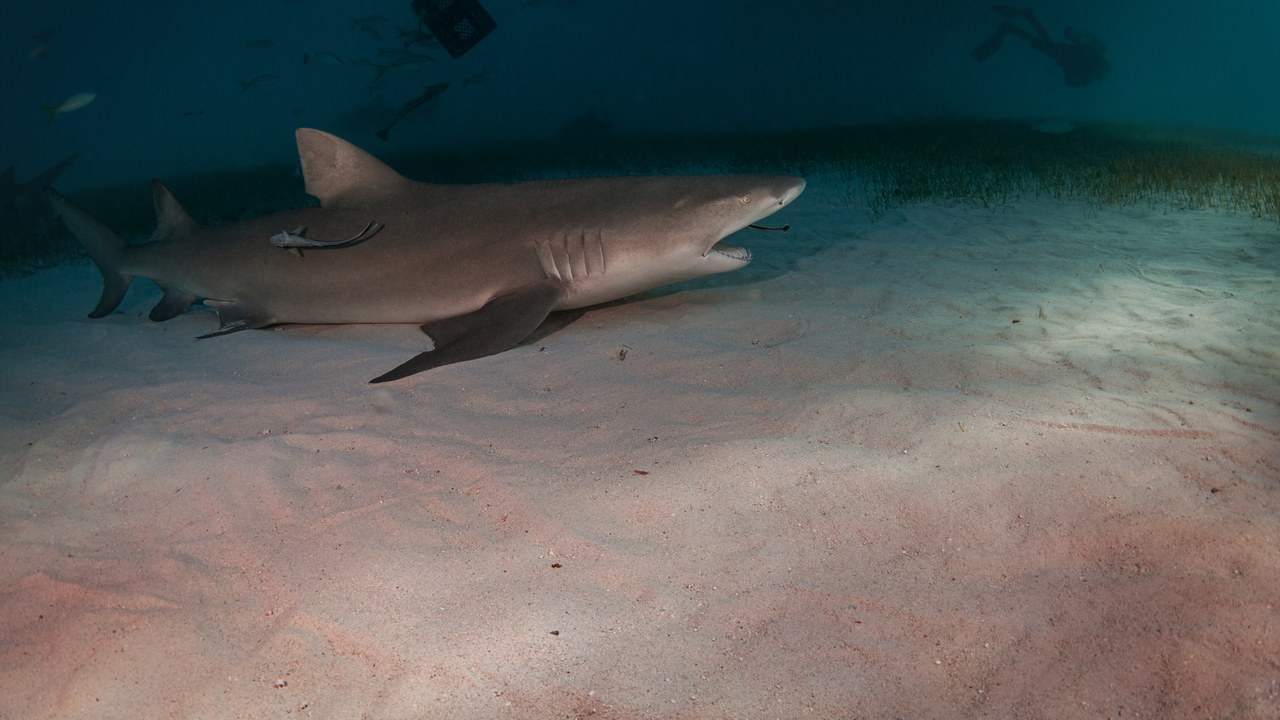
Lemon sharks represent little threat to humans. The Florida Museum notes only 10 unprovoked attacks by the species, all in Florida and the Caribbean, and none fatal.
That is notable because lemon sharks inhabit coastal waters in close proximity to swimmers. They are one of the larger shark species, commonly reaching 8 to 10 feet in length, and can weigh up to about 550 pounds.
10. Nurse shark: The Bite That Won’t Let Go
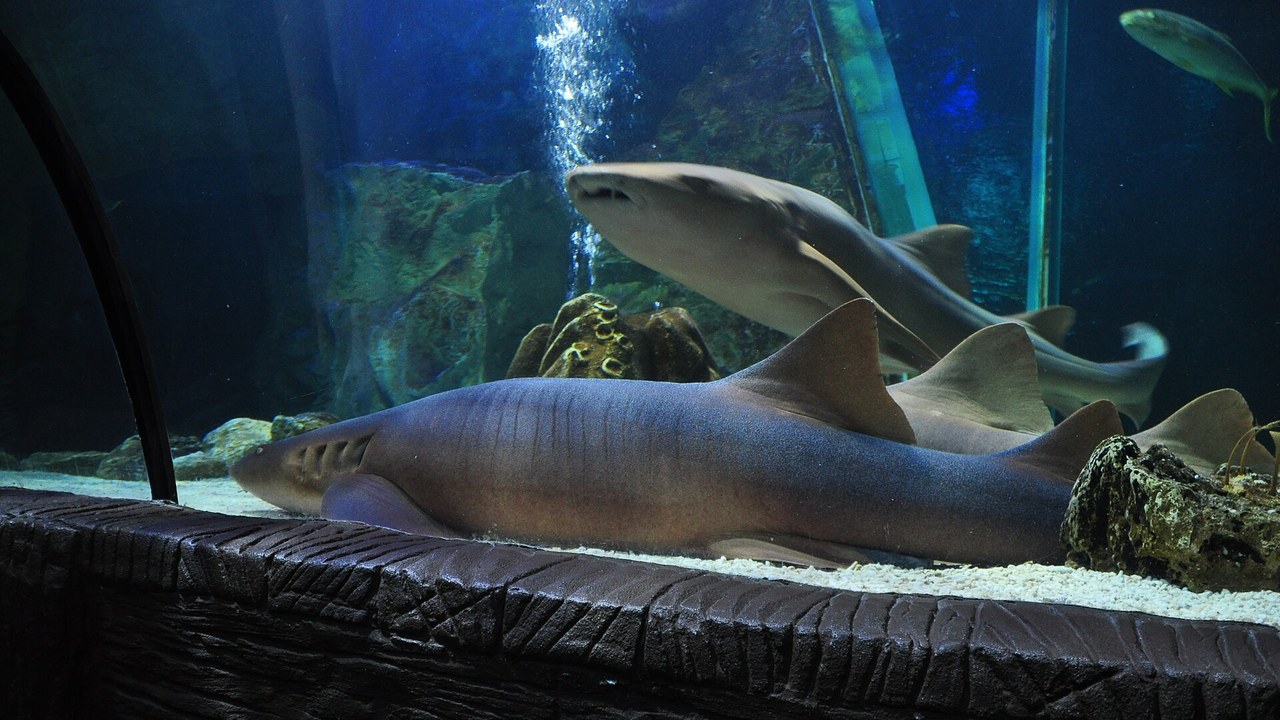
Nurse sharks are not generally aggressive and usually swim away when approached. But the Florida Museum warns that, if disturbed, they can bite with a powerful, vice-like grip.
In some instances the jaws lock and can only be released using surgical instruments. Some unprovoked attacks on swimmers and divers have been reported, and females mature at roughly 7.5 to 8 feet long.
11. Blacktip shark: A Beachgoer’s Shark
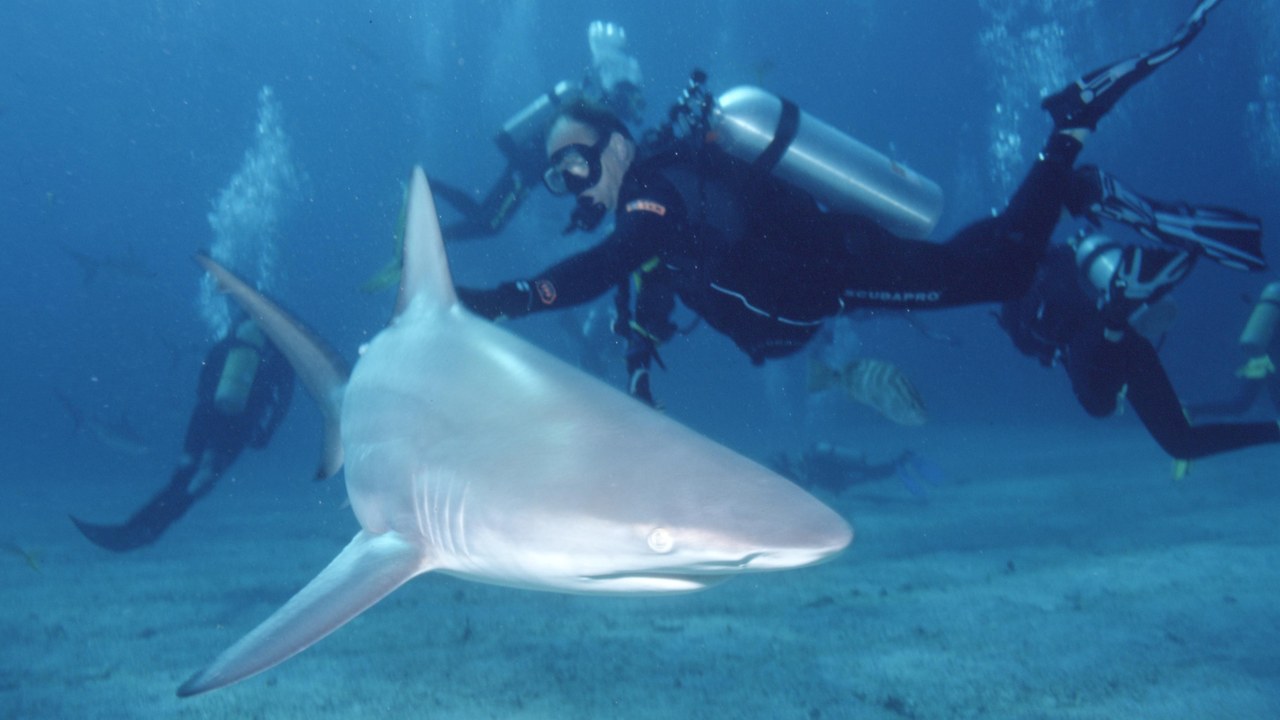
Records from the International Shark Attack File show blacktip sharks have been responsible for 29 unprovoked attacks on humans worldwide, including in Florida, the Carolinas, Virginia and Alabama.
Blacktips grow to a maximum of about 8 feet, with adults averaging around 4.9 feet. Attacks attributed to the species have also been reported in the Bahamas and the British Virgin Islands, as well as along the U.S. Atlantic and Gulf coasts.
12. Sand tiger shark: All Teeth, Little Aggression
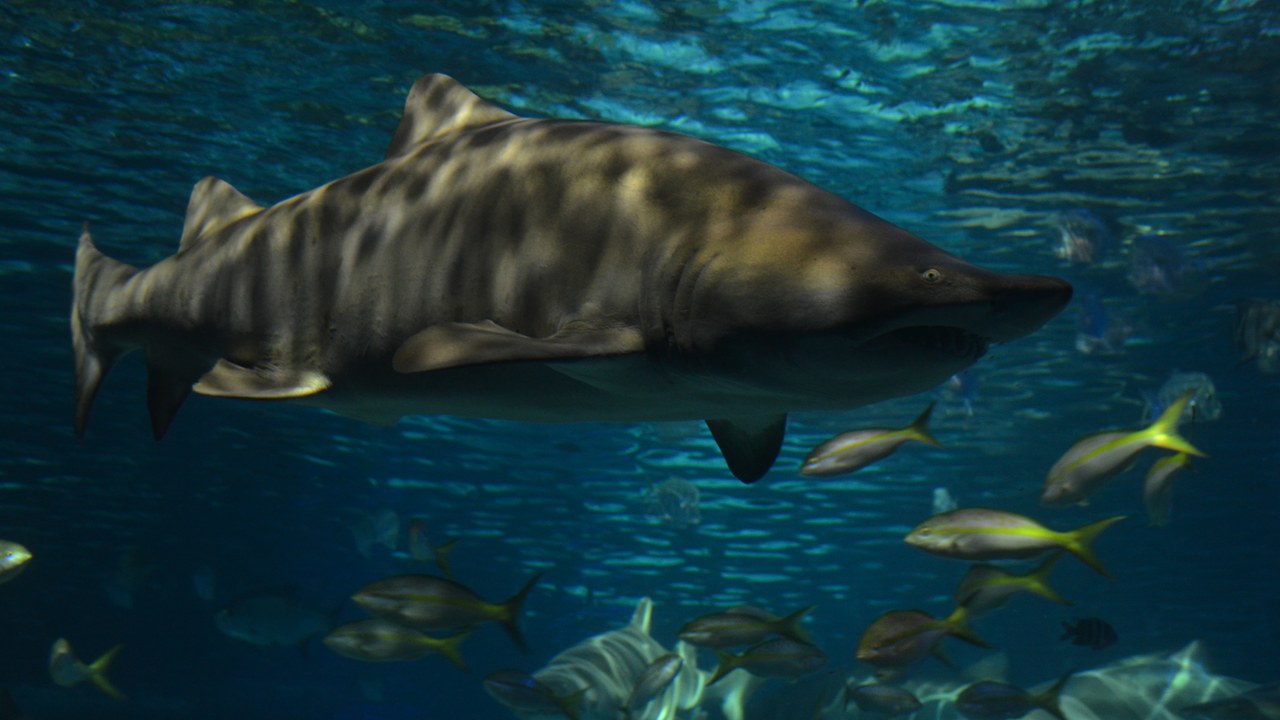
Sand tigers are not aggressive unless provoked, but their size and conspicuously protruding teeth demand respect. The Florida Museum notes a handful of bites on spearfishers carrying speared fish.
There are also accounts of sand tigers stealing fish from stringers and spears underwater. They average four to nine feet long, with a maximum believed to be about 10.5 feet in females and 9.9 feet in males.
13. Caribbean reef shark: The Reef Patroller
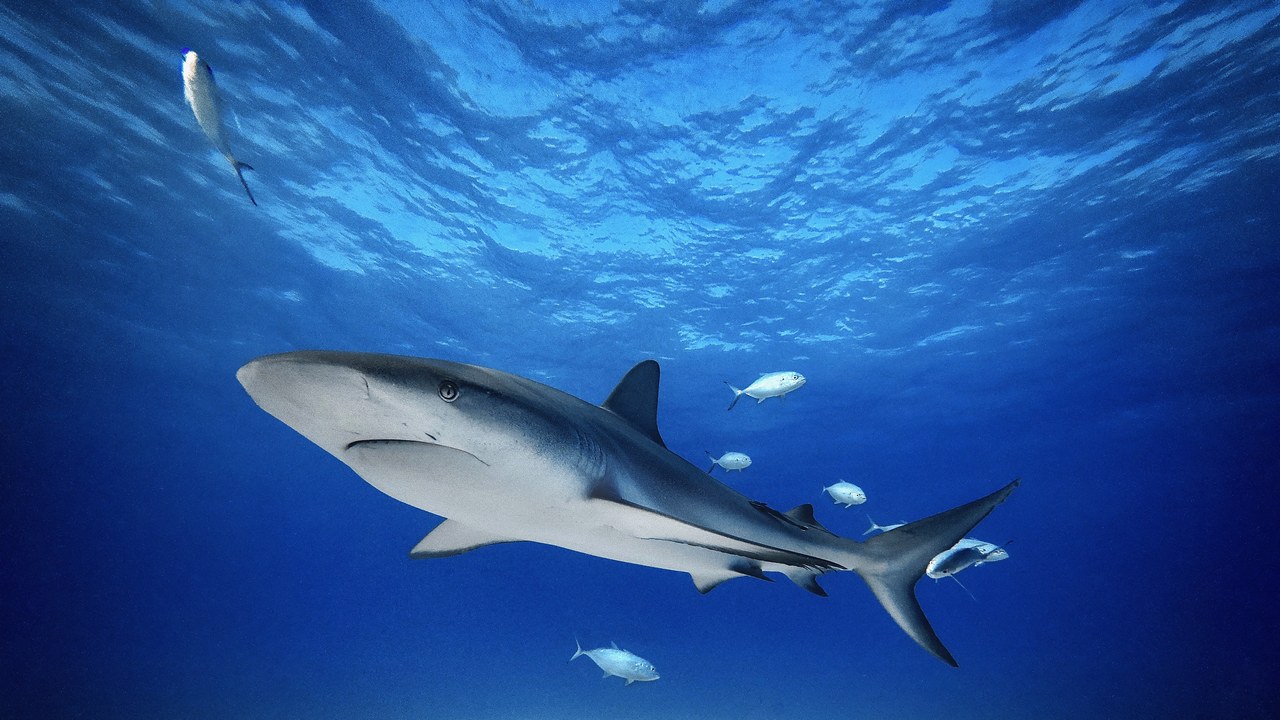
The Caribbean reef shark infrequently attacks humans. The Florida Museum says a person is more likely to be bitten if the shark feels cornered with no escape route.
In that situation, the museum says, the shark may rake the victim during the attack, much as it would attack natural prey. The species reaches a maximum recorded length of about 116 inches, roughly 9.7 feet, and matures at about 5 feet in males.
14. Silky shark: Dangerous by Size
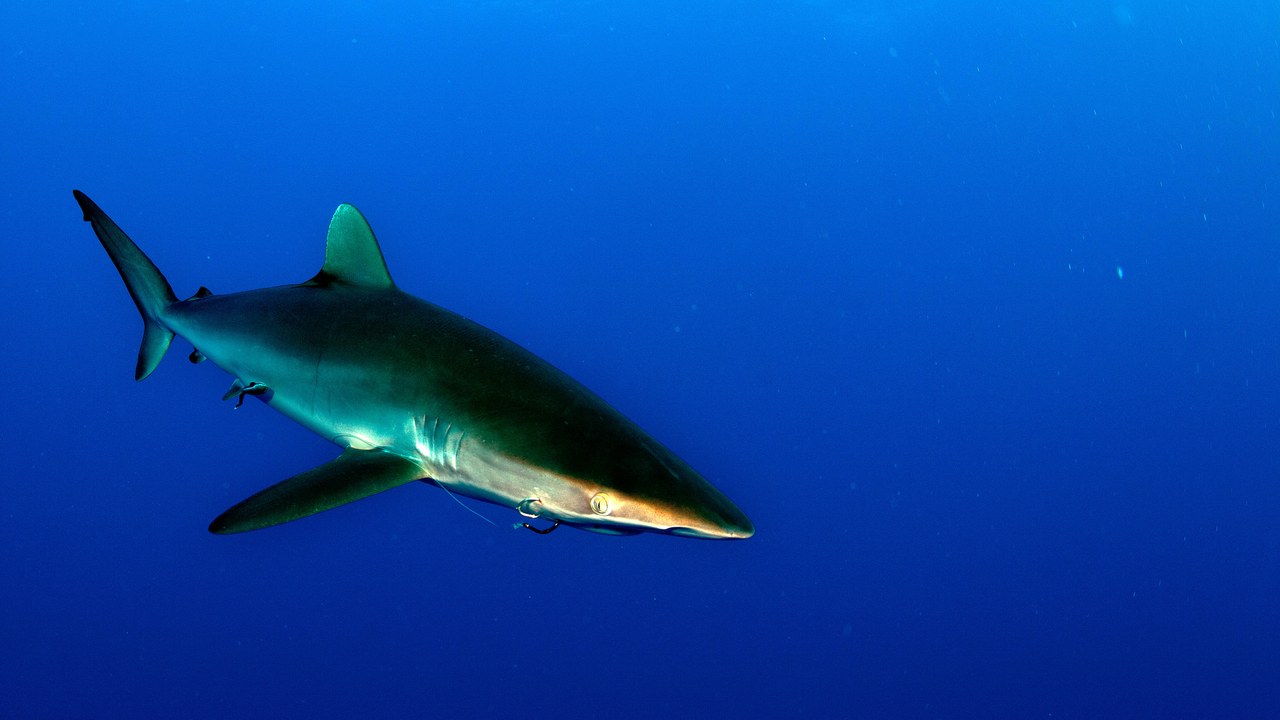
The silky shark is considered potentially dangerous mainly because of its size, up to about 10 feet. Its offshore habits make contact with people rare, though the Florida Museum says it has been implicated in a few attacks.
Silky sharks have been seen with head raised, back arched and tail lowered, a posture believed to be a threat display meant to warn intruders away.
15. Bonnethead: The Shy Hammerhead
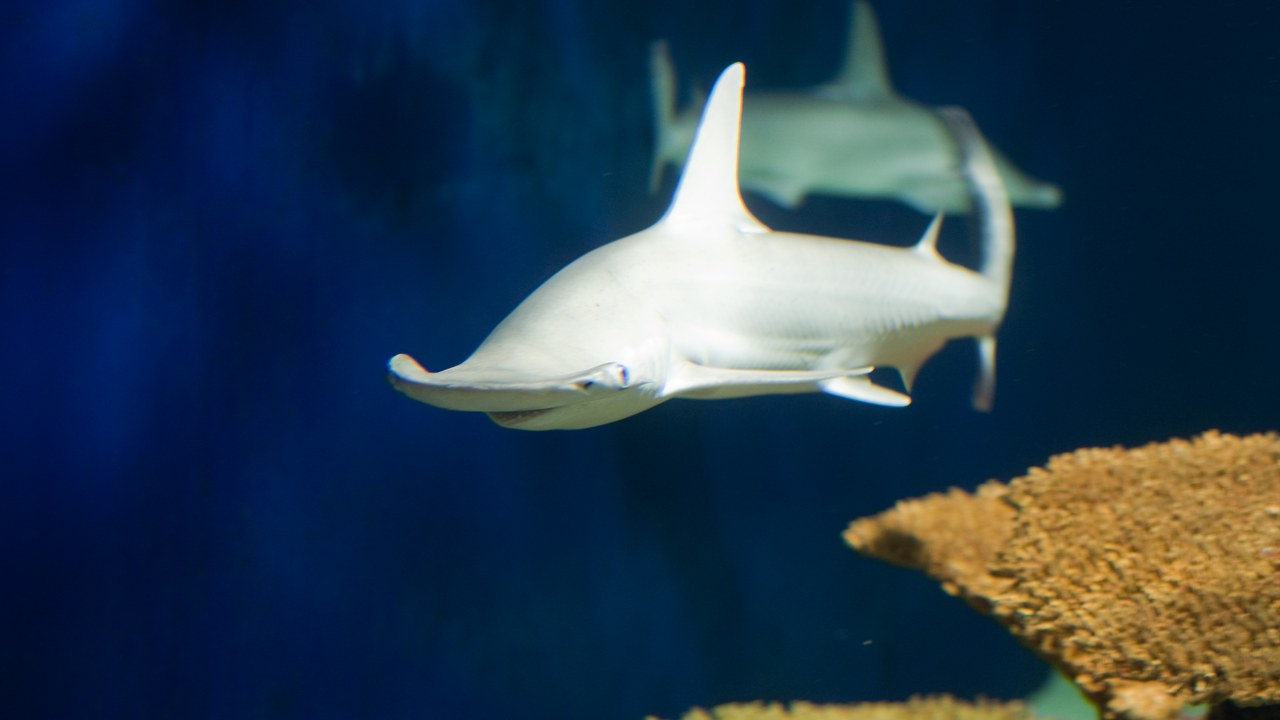
The bonnethead is a small member of the hammerhead family, reaching an average of 3 to 4 feet. The Florida Museum considers it harmless to humans and describes it as rather shy.
It is listed as a species of Least Concern because its population numbers are high. Bonnetheads reach a maximum length of about 59 inches, making them one of the smallest members of the hammerhead family.
16. Zebra shark: Harmless Unless Provoked
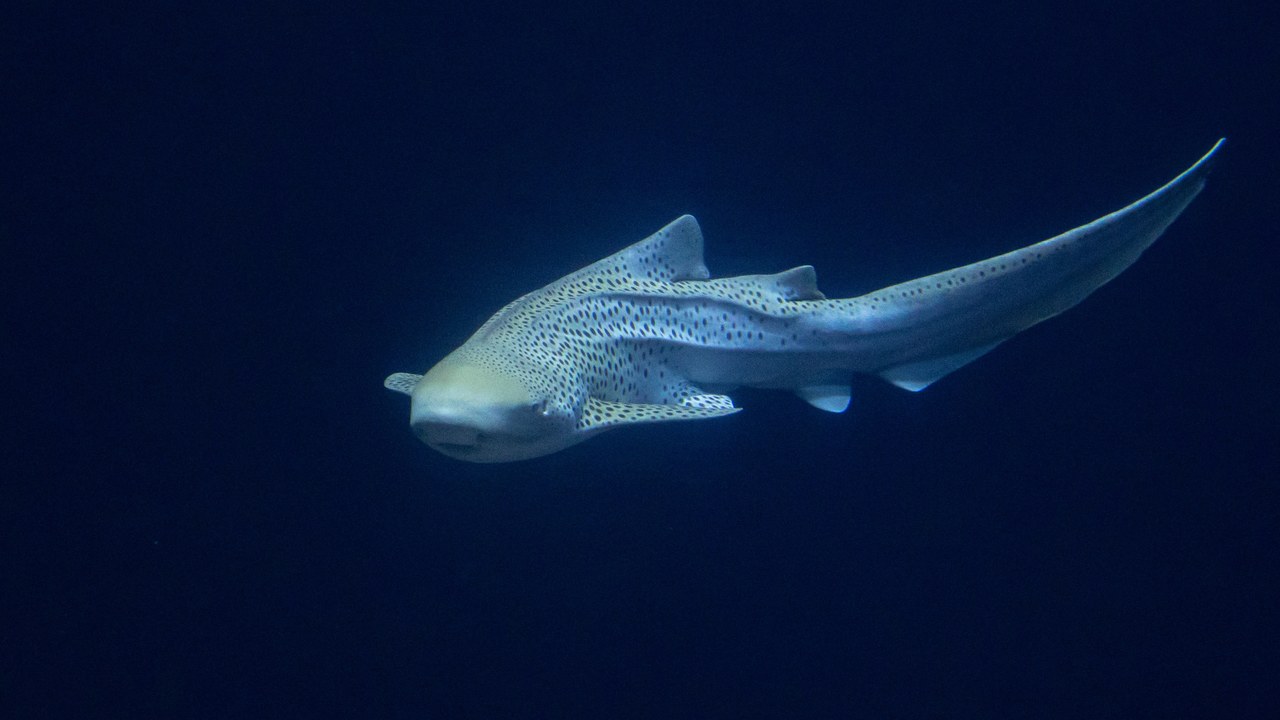
Zebra sharks are generally harmless to humans, though they may bite if provoked. The Florida Museum says the International Shark Attack File lists one unprovoked attack, which caused no injuries.
The IUCN lists the species as Endangered, with population declines driven by inshore fisheries. Adults reach a maximum reported size of about 8 feet, and males mature at roughly 4.9 to 5.9 feet long.
17. Greenland shark: The Arctic Mystery
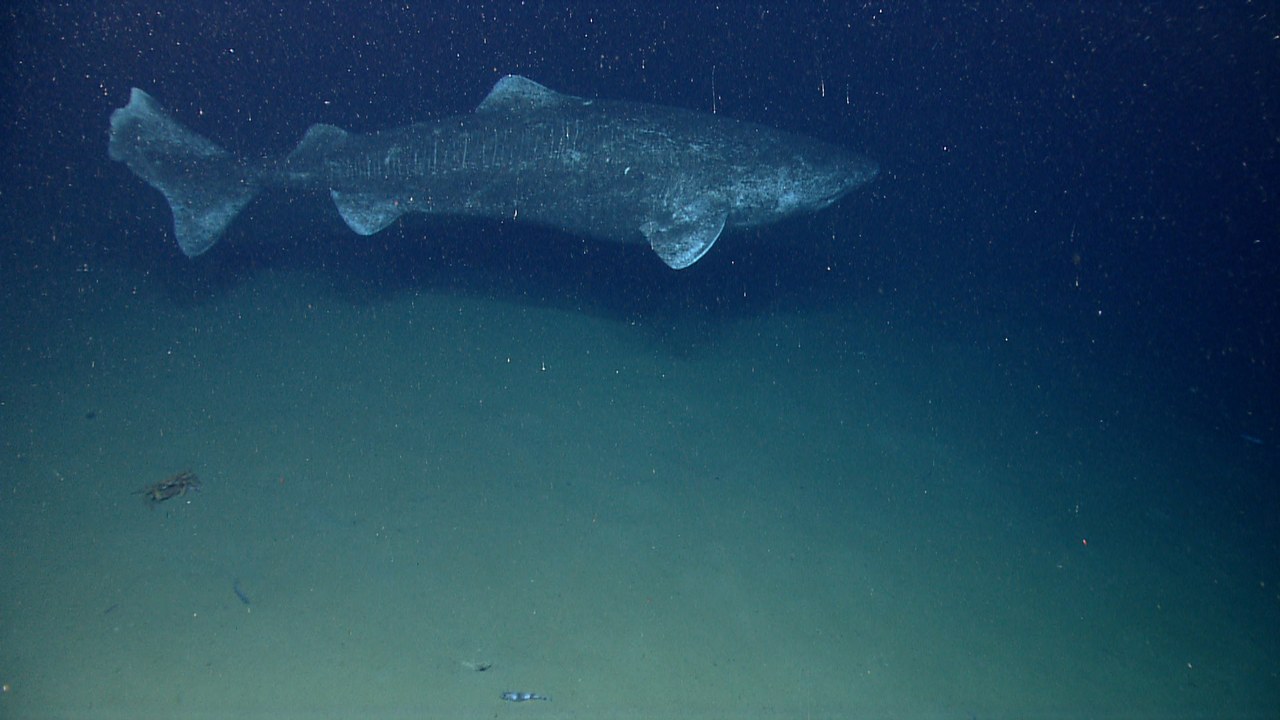
There has only been one reported attack on a human by a Greenland shark. The Florida Museum says it dates to around 1859, when one caught near Pond Inlet, Canada, reportedly held a human leg.
That story was merely a report and was never scientifically investigated. Greenland sharks average 8 to 14 feet long, with females the larger sex, and the biggest reach about 21 feet.
18. Blacktip reef shark: Bites Without Danger
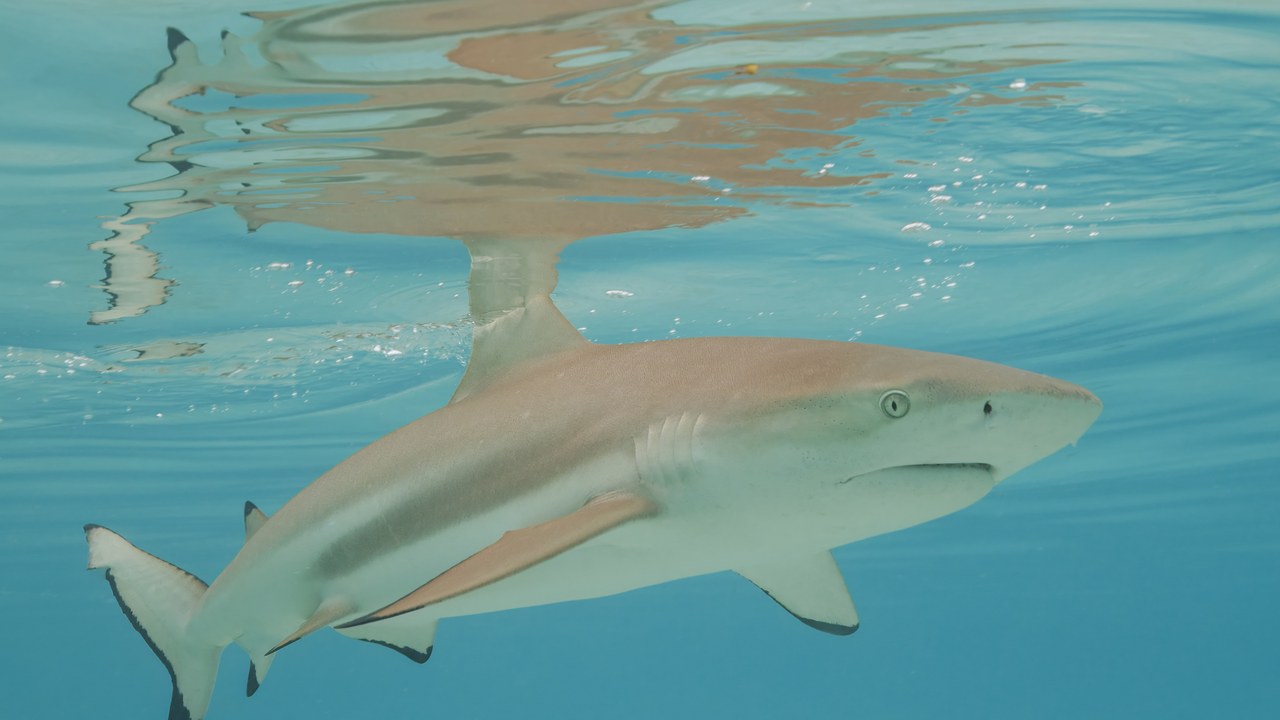
Blacktip reef sharks occasionally bite people who are swimming or wading, but they do not pose a serious threat. The Florida Museum notes the ISAF has recorded just 11 unprovoked bites since 1959.
These sharks are generally less than about 5 feet long, though size at birth, at maturity and at full growth varies from region to region, and some individuals have been recorded larger.
More from Morning Overview
- The FAA wants $2.39 million from a flight school it says flew a Cessna about 280 times with an unapproved part
- A $1 billion gas plant planned for Superior, Wisconsin, has been abandoned
- Shaq spent $1.3 million on three Rolls-Royce Phantoms to prove a point to a salesman
- The Justice Department asked courts to undo approvals for three offshore wind farms, one already making power
