
Long before SUVs filled suburban driveways, a handful of rugged wagons and off-roaders were hauling ranchers, hunters and families over roads that barely existed. Many started as spartan work vehicles and ended up as prized collectibles. Here are ten rugged classics that paved the way for today’s SUVs, from Detroit, Japan, Britain and Germany.
Read next on Morning Overview: Cadillac cut the price of its cheapest EV, which goes up to 317 miles on a charge
1. Ford Bronco (1966-77): The Collector Favorite
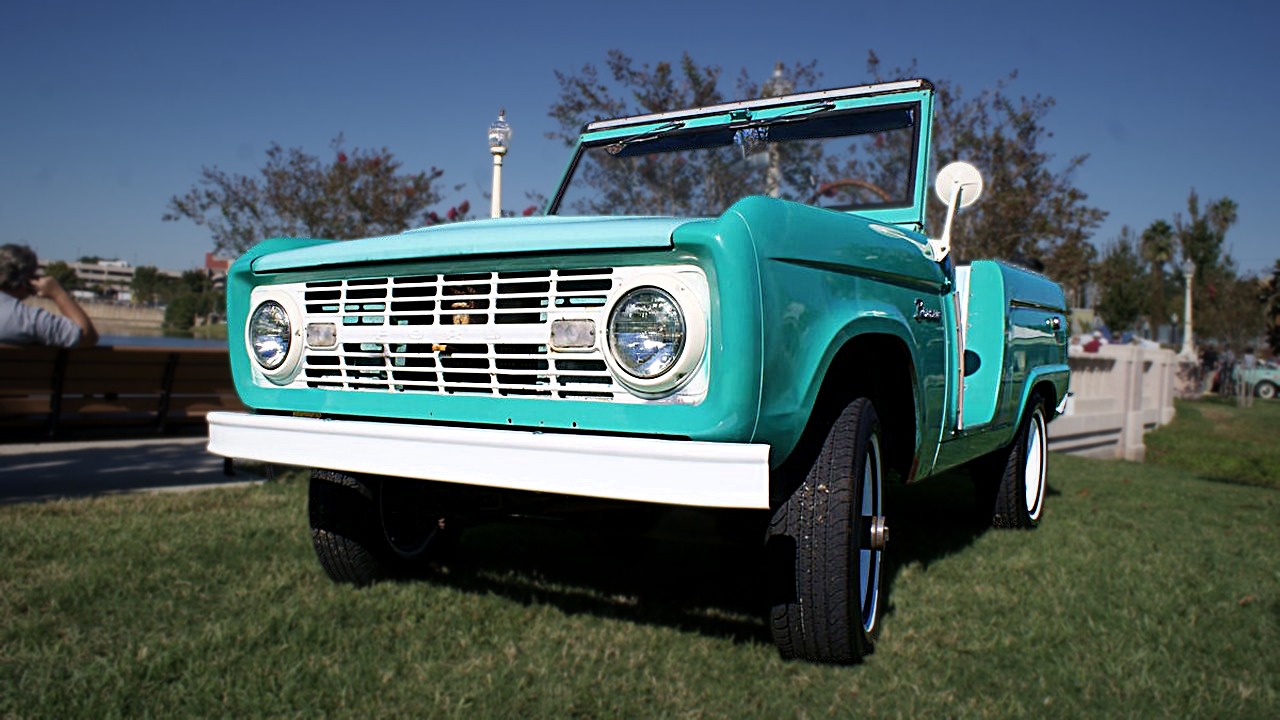
Ford’s first-generation Bronco, built from 1966 to 1977, was not the first vehicle of its type, but it upped the ante so much that GM followed with the Blazer and Jimmy and Dodge later added the Ramcharger, Hagerty wrote in 2020.
It is by far the most popular Bronco generation among collectors, and Hagerty found values nearly doubled between 2016 and 2019. In its 2020 analysis, Hagerty put the average value of a first-generation truck in good condition at $40,100, with near-perfect factory V8 examples at $80,000 or more.
2. International Harvester Scout: Half a V8, All Attitude
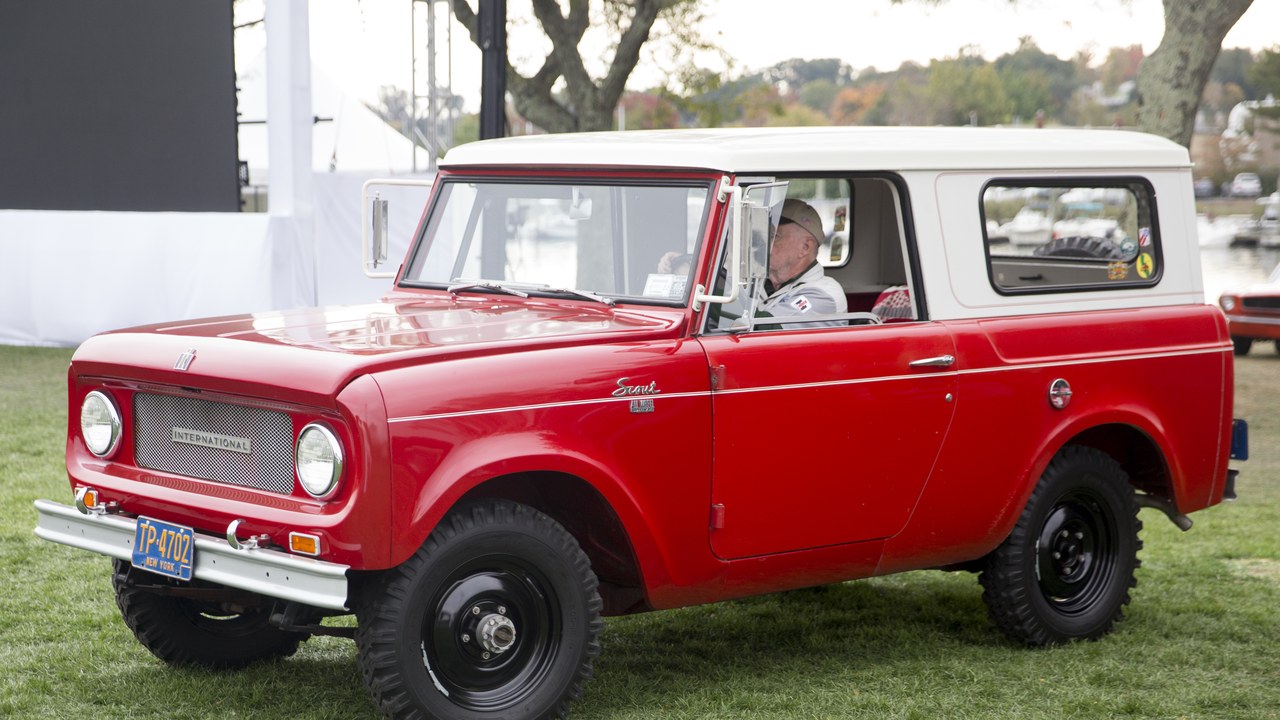
International Harvester’s Scout came from design chief Ted Ornas, who wanted a small utility vehicle to complement the company’s light trucks, Hagerty’s profile explains. Its 152-cubic-inch slant-four was essentially the right bank of International’s 304 V8, making 93 horsepower.
International expected buyers to want two-wheel-drive pickups, but demand was strongest for Travel Top wagons with optional four-wheel drive. By 1964 more than 100,000 Scouts had been built, and the company celebrated with its first limited edition, the Red Carpet Special.
3. Toyota Land Cruiser (FJ40 era): Toyota’s American Breakthrough
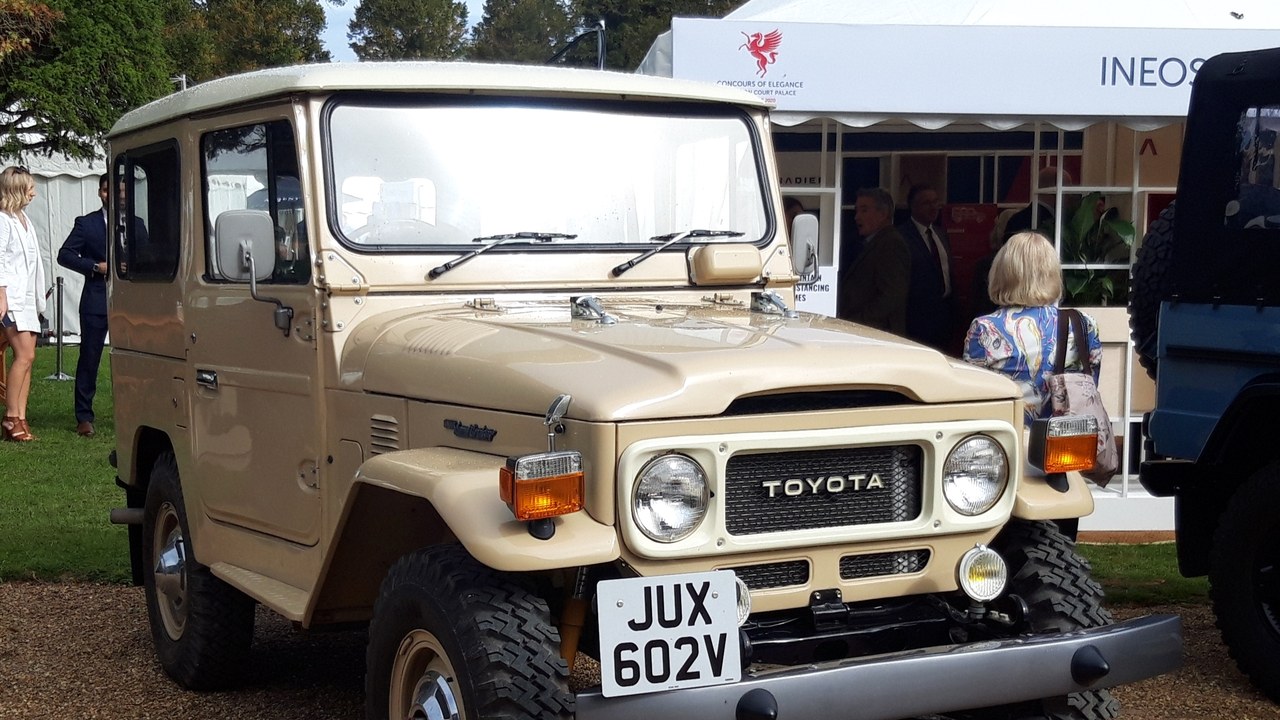
Toyota launched the FJ40 series utility vehicle in 1960, and official importation to the United States began in 1963, Hagerty notes. Within two years, the FJ40 Land Cruiser was the best-selling Toyota in America.
It came as an open-bodied or fully enclosed two-door, while the longer FJ45 offered wagons and a pickup that was rarely sold here because of the 25% “Chicken Tax” on light trucks. Many owners later swapped in small-block Chevrolet V8s, though Hagerty notes Toyota’s six was essentially a reverse-engineered version of Chevrolet’s 235-cubic-inch Stovebolt six.
4. Jeep Wagoneer (SJ): The First Luxury 4×4
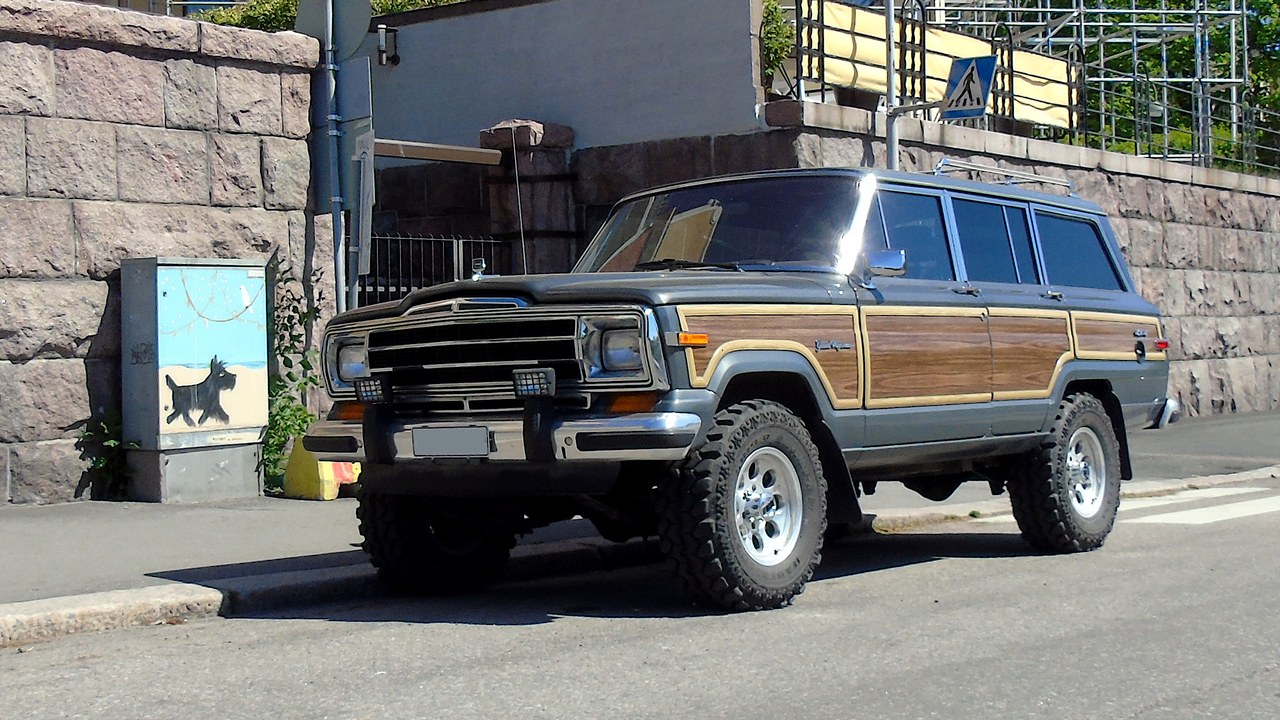
The Jeep Wagoneer, built from the 1963 to 1991 model years, was a truck-based station wagon that became a progenitor of the modern sport-utility vehicle, according to Wikipedia. It was the first Jeep line completely distinct from the CJ.
Designed by a team led by Brooks Stevens, it was meant to balance off-road ability with the features of a premium sedan or wagon. The upscale Super Wagoneer arrived for 1966, and from 1971 to 1991 the model wore its famous simulated woodgrain body-side paneling.
5. Mercedes-Benz G-Class: From Army Truck to Icon
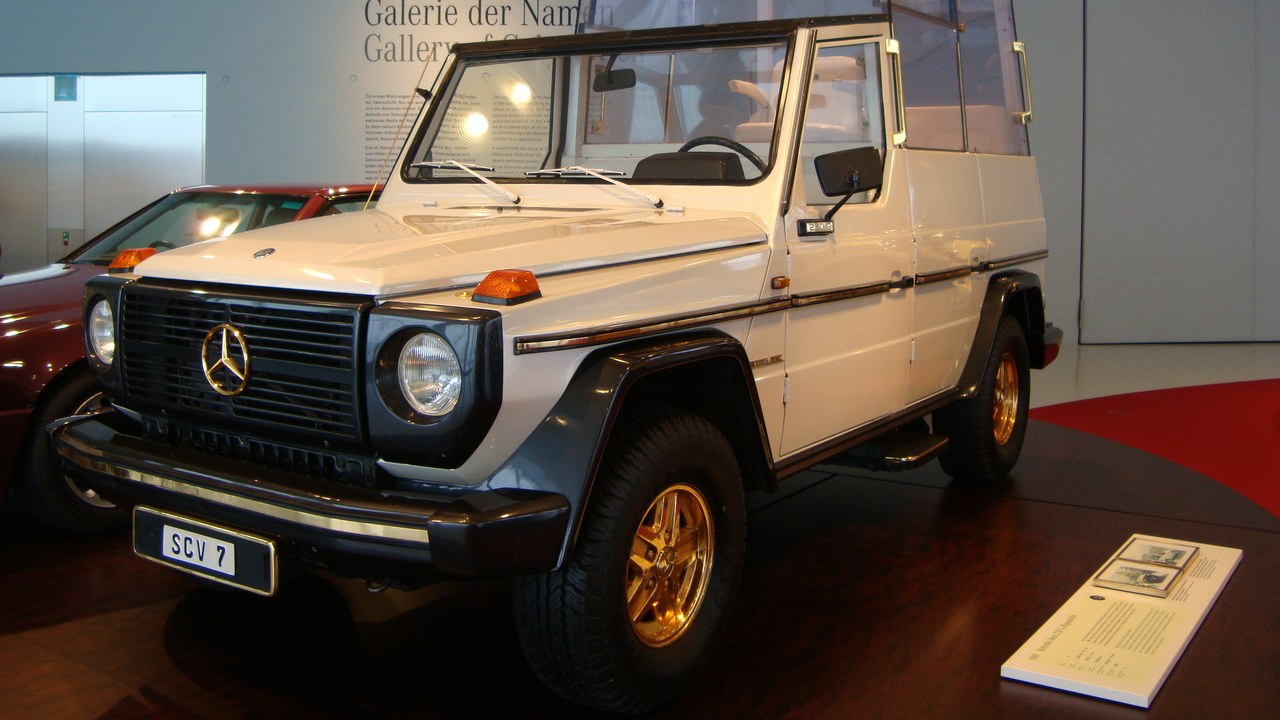
The Mercedes-Benz G-Class, nicknamed the G-Wagen, was originally developed as a military off-roader before more luxurious versions joined the line, Wikipedia explains. Its boxy body-on-frame design uses three fully locking differentials, a rare feature on a passenger vehicle.
It has been in production for 47 years, outlasting the GL-Class that was meant to replace it, and only the Unimog has a longer run in Daimler’s history. The 500,000th G-Class was built in April 2023, painted green in tribute to a famous 1979 launch photo.
6. Chevrolet Suburban (classic): The Original Carryall
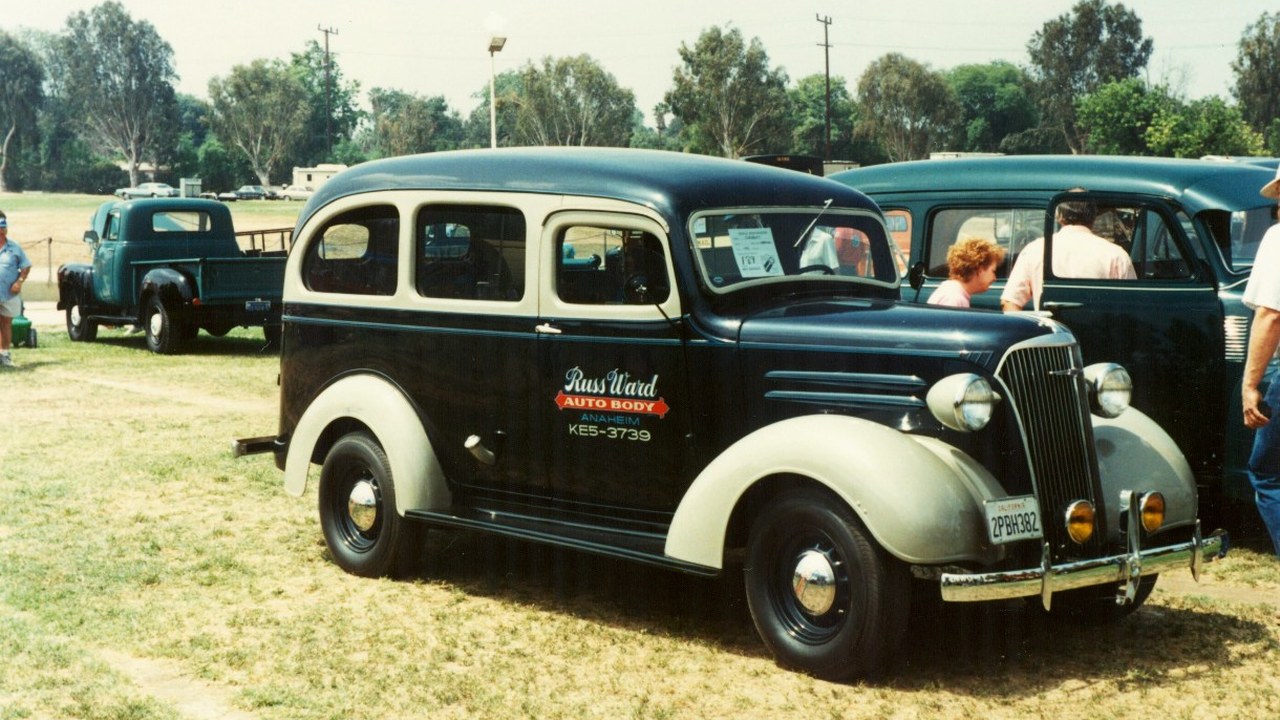
Dig far enough into SUV history, Jalopnik writes, and the trail leads to the 1935 Chevrolet Suburban Carryall, which bolted a wagon body onto a heavy-duty truck chassis. Its name described the job: to carry all the passengers and luggage it could.
Jalopnik says it could easily be called the first large-scale utility vehicle, though it lacked the “sport” part of SUV. Ranchers, hunters and people living far from paved roads relied on wagons like it, and the Suburban name continues today.
7. Chevrolet K5 Blazer: A Shortened Pickup
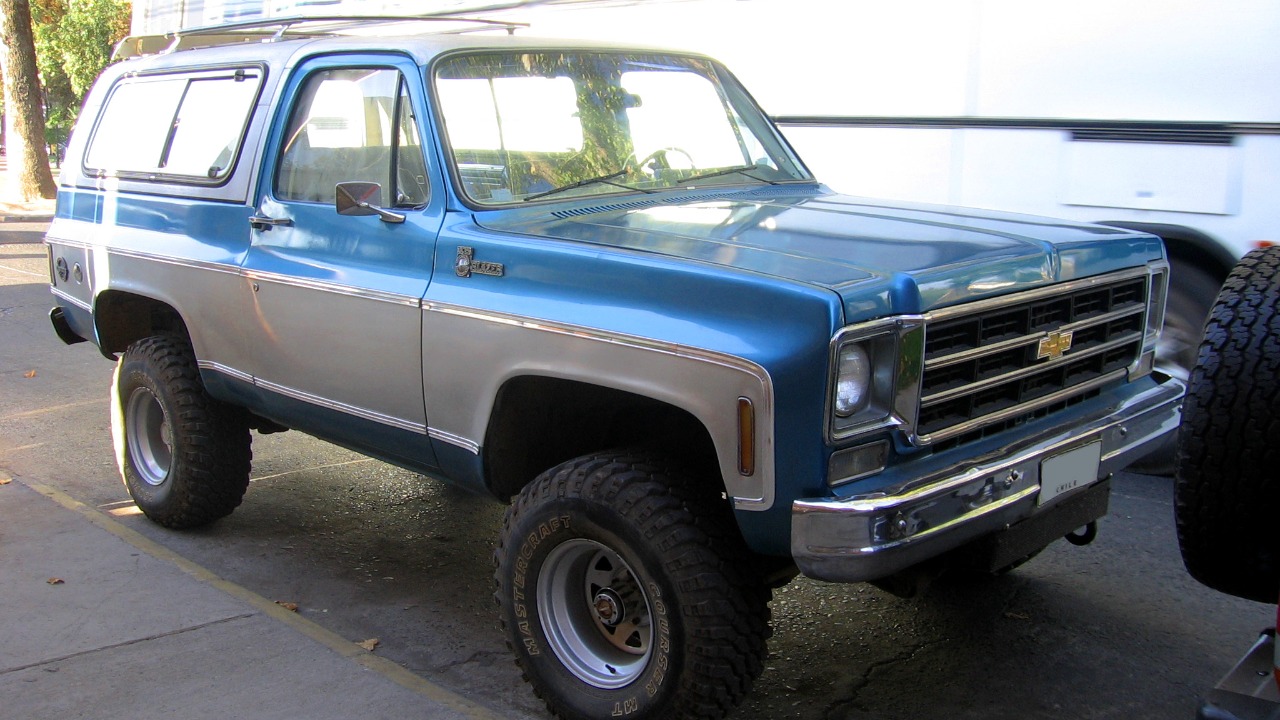
The Chevrolet K5 Blazer, marketed from the 1969 to 1994 model years, was a shortened version of Chevrolet’s half-ton C/K pickup, Wikipedia notes. For its first two generations it was a half-cab pickup with a removable rear top.
GMC sold its own version as the Jimmy from 1970 to 1991. When GM redesigned its full-size SUVs for 1992, the Jimmy became the Yukon, and the full-size Blazer was replaced for 1995 by the Chevrolet Tahoe, a shorter-wheelbase version of the Suburban.
8. Land Rover Series / Defender: Born in Solihull
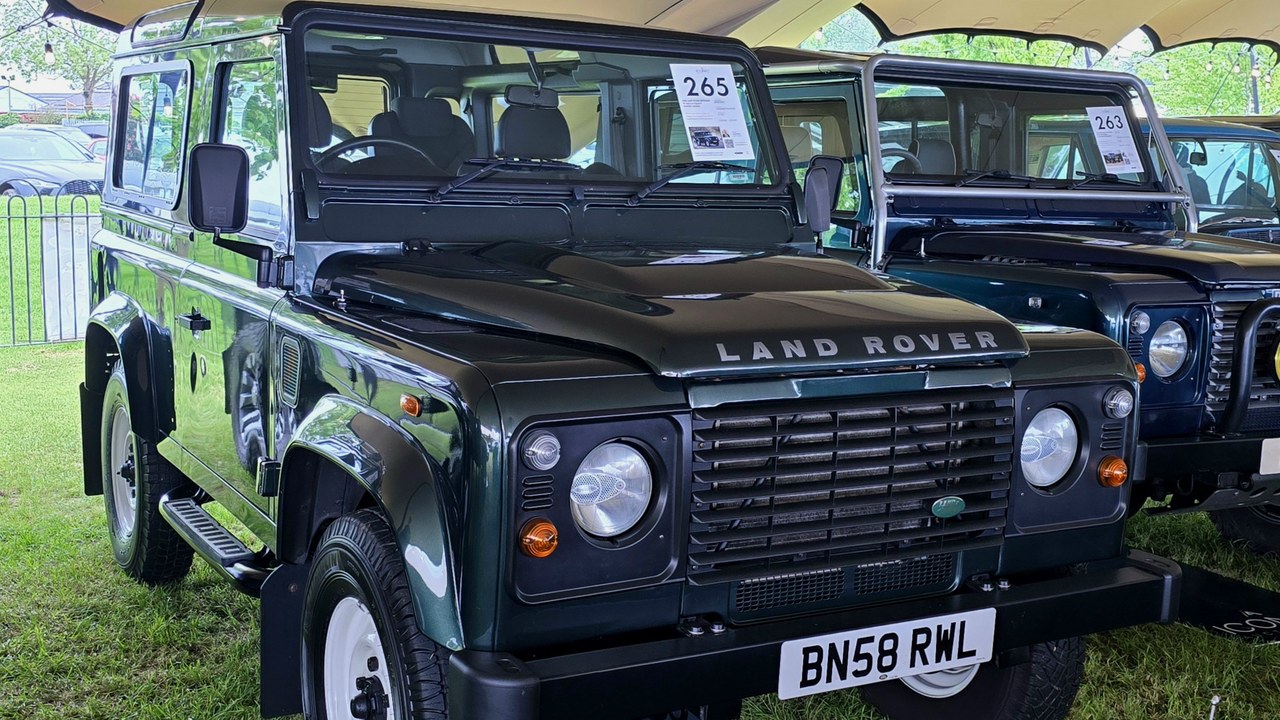
Land Rover built its first 4×4, the Series I, at its Solihull plant in England in 1948, just after World War II, JLR’s media archive recounts. In 2015 the company re-created that original production line inside the Defender plant.
The exhibit marked the start of a year of celebration as the Defender, the Series I’s descendant, entered its final year of production in the United Kingdom. Restorer Phil Bashall sourced original parts for five Series I replicas, which took five weeks to build.
9. Toyota Hilux: Built for 140 Countries
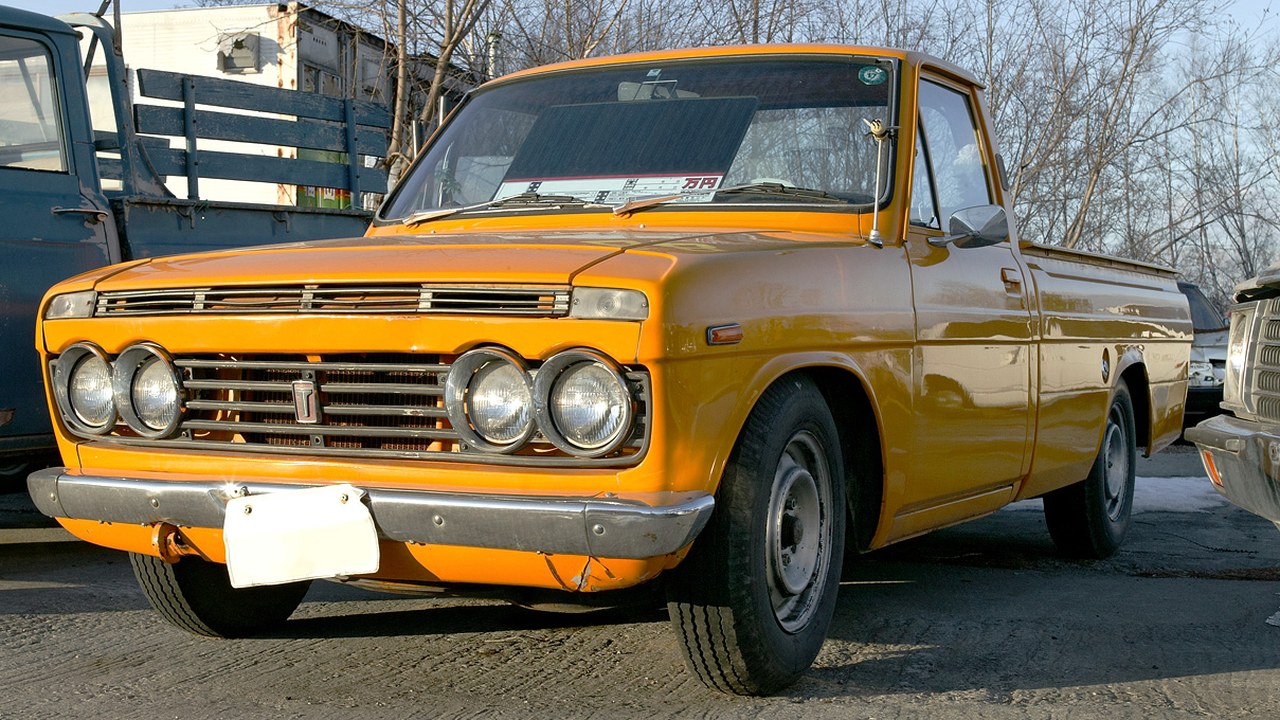
The Toyota Hilux debuted in March 1968 as a new bonnet-type truck that replaced the Briska and Light Stout, and it was developed and built by Hino Motors, according to Toyota’s Hilux history.
Later generations leaned into recreation. Toyota’s third-generation brochure in 1978 read, “Hilux California, born in Japan, raised in the U.S.,” a nod to trucks that doubled as passenger cars. The seventh generation, launched in 2004, went on sale in more than 140 countries, and the second generation of 1972 had already stretched the wheelbase on both long and short versions.
10. International Harvester Travelall: Four Doors First
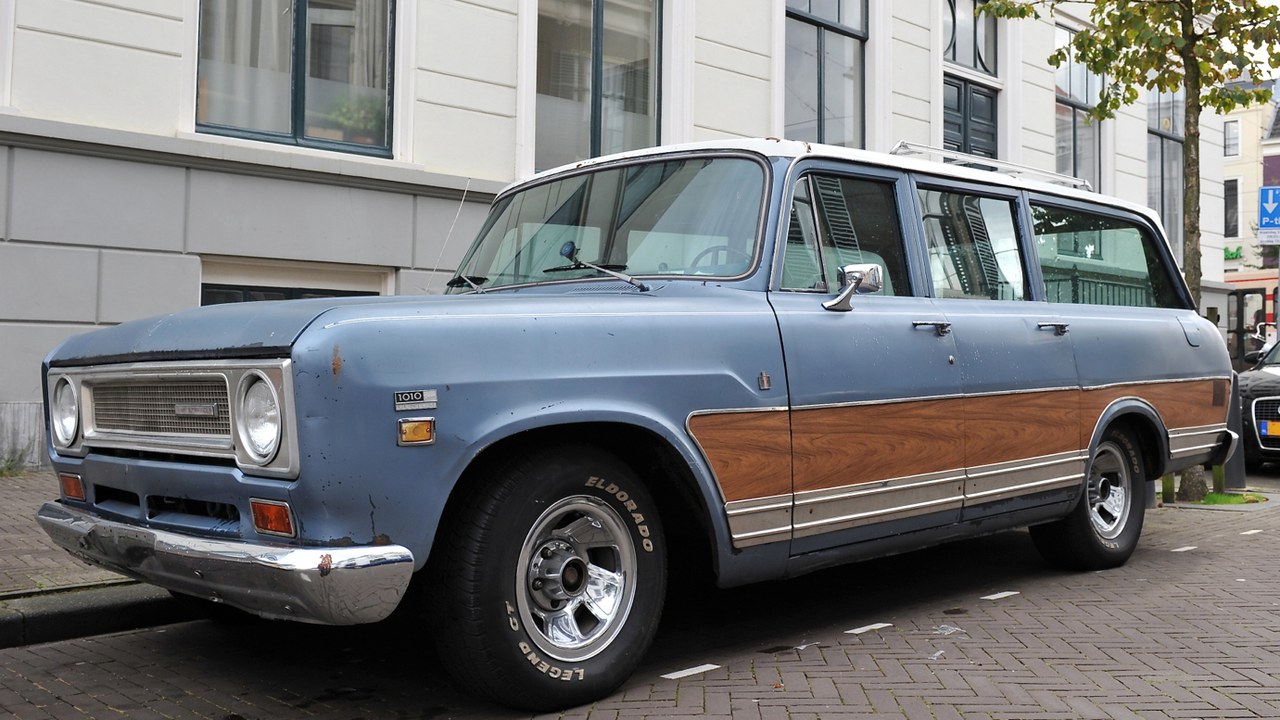
The International Travelall, built from 1953 to 1975, was a station wagon on a truck chassis and the first vehicle in its segment to offer four passenger doors, Wikipedia notes. It competed against the Chevrolet Suburban for its entire production run.
Because International did not build passenger cars, the Travelall used the company’s pickup chassis and is considered a forerunner of today’s full-size SUVs. After the 1975 model year, International ended production, later focusing its road vehicles on commercial trucks.
More from Morning Overview
- 11 engines built to run well past 200,000 miles
- Two Kentucky residents died when a small plane crashed at Missouri’s Lake of the Ozarks, and the NTSB is investigating
- A handful of car transmissions are so tough that mechanics say they almost never die
- Melting permafrost is setting off a newly identified kind of catastrophic landslide, scientists say
