
Most animals measure their lives in years or decades, but a select few keep going long after the people who first studied them are gone. Some are giants of the deep ocean, and others are slow-moving reptiles or humble shellfish on the seafloor. These are eight animals whose lifespans are believed to top a century.
Read next on Morning Overview: The Justice Department asked courts to undo approvals for three offshore wind farms, one already making power
1. Greenland shark: The Oldest Known Vertebrate
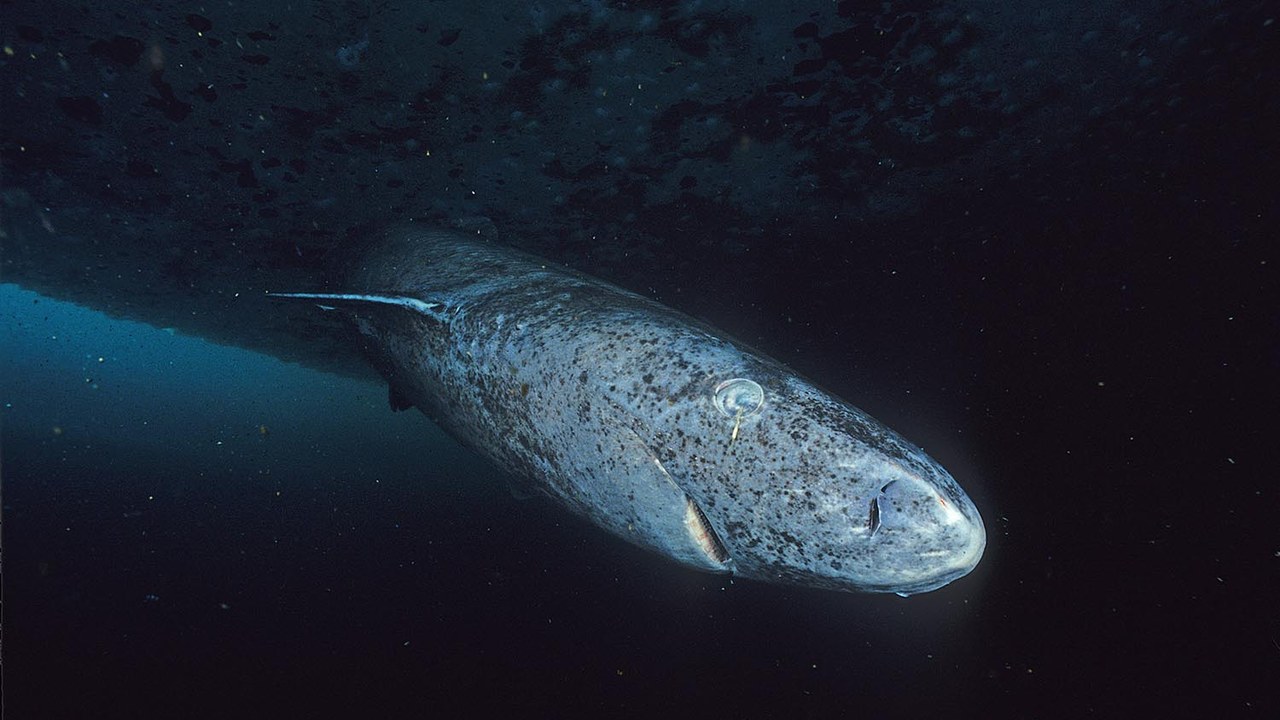
Greenland sharks are the longest-living vertebrates known to science. The oldest individuals researchers have recorded were about 400 years old, with the possibility of approaching 500, according to BBC Wildlife’s roundup. That means some sharks alive today may have been born around 1625.
Their pace of life is extraordinarily slow. Females are thought to reach sexual maturity only around 150 years of age, and their pups are born alive after a gestation estimated at 8 to 18 years. The sharks can grow to about 7 meters long and weigh nearly a tonne, cruising the cold, dark waters of the North Atlantic.
2. Ocean quahog: A Clam That Outlives Centuries
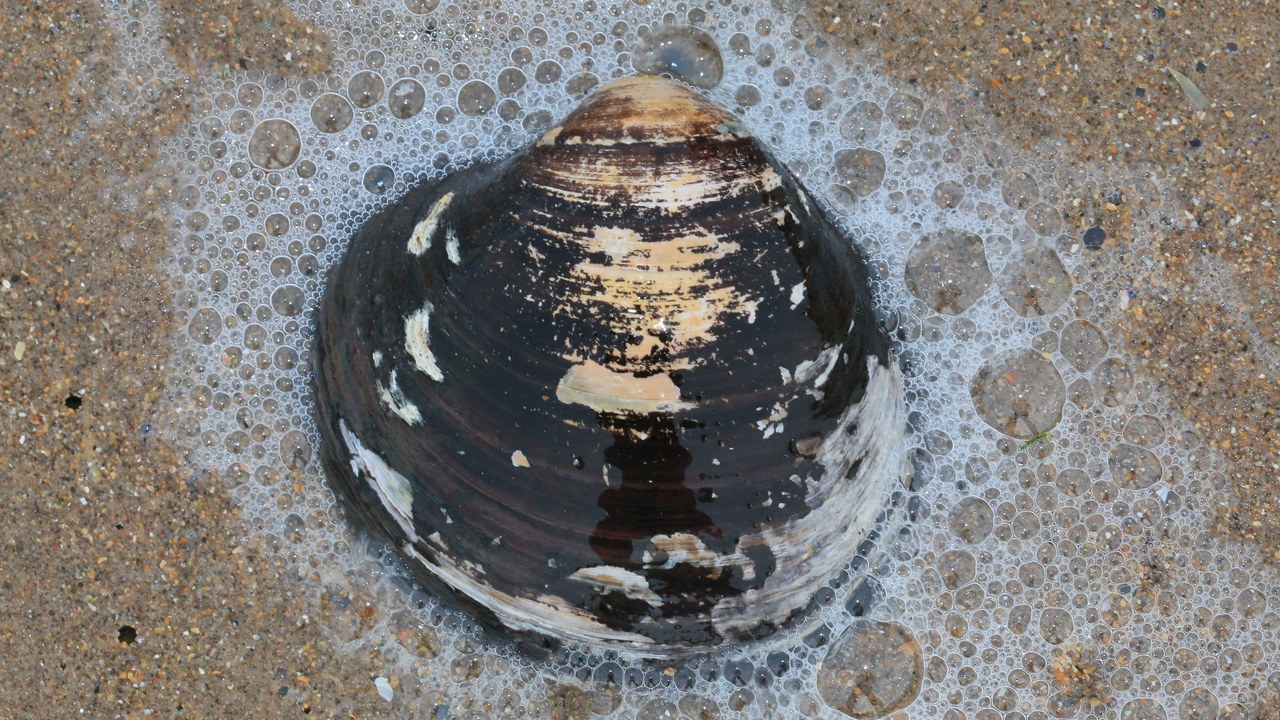
Ocean quahogs are among the longest-lived marine organisms in the world. Off the East Coast of the United States, where they are harvested commercially, these clams can live for at least 200 years, according to NOAA Fisheries. They are found from Newfoundland to Cape Hatteras, North Carolina.
The commercial fishery focuses on two regions, Maine and Long Island, New York, where hydraulic dredges are the main gear. Juveniles face many predators, including crabs, sea stars, haddock and cod, but the adults that survive can carry on for generations. Their extreme lifespans have made them a reference point for research on aging in the ocean.
3. Bowhead whale: Harpoon Tips From the 1800s
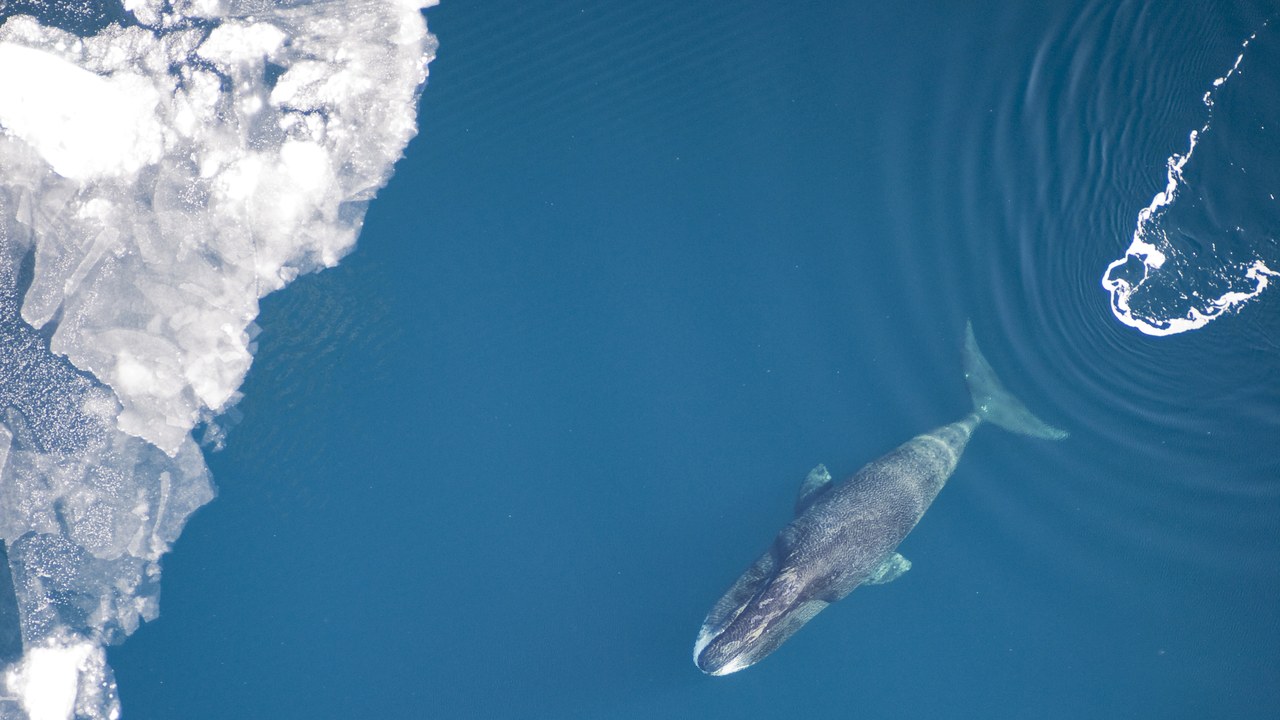
In 2007, Inuit hunters caught a bowhead whale with six harpoon fragments dating back to the 1800s still lodged in its side, according to WorldAtlas. The find confirmed that these whales can live more than 200 years, and that they are remarkably resilient.
Bowheads, also known as Greenland right whales, are the only baleen whales that make the freezing subarctic waters their year-round home. They also have the largest mouth of any animal, nearly a third of their body length. Finding weapons that old inside a living whale gave researchers rare physical evidence of an age that is otherwise hard to measure.
4. Red sea urchin: A Spiny Survivor on the Seafloor
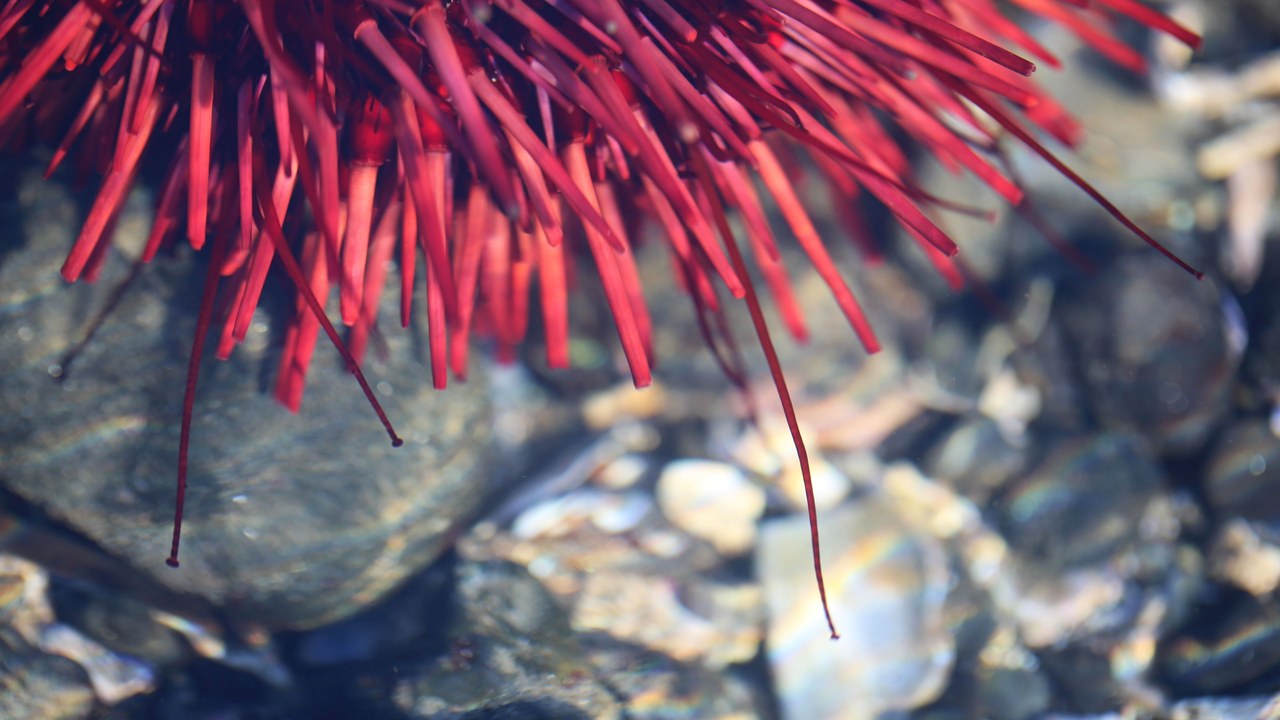
The red sea urchin lives in shallow Pacific waters from Alaska to Baja California, usually on rocky shores. Its lifespan often exceeds 30 years, but the largest reported specimens, found in British Columbia, are estimated to be around 200 years old, according to BBC Wildlife.
Scientists think that longevity may be linked to the urchin’s indeterminate growth, meaning it keeps growing throughout its life rather than stopping at a set size. It also reproduces for its entire life and shows no increase in mortality rate with age. A sea urchin’s body is covered by sharp spines, and it can regenerate spines that are damaged.
5. Aldabra giant tortoise: A Tortoise Believed to Reach 255
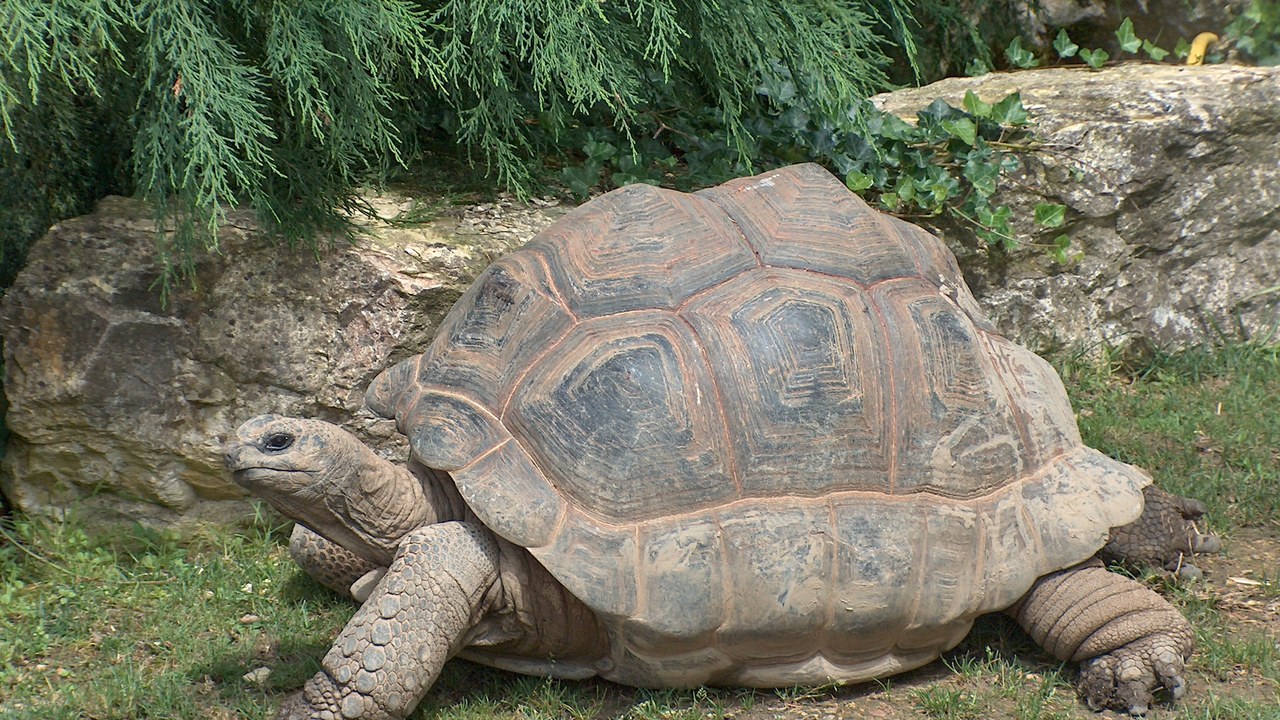
Aldabra giant tortoises, native to Aldabra Island in the Seychelles, are the largest and oldest tortoise species on Earth, according to History.com. They typically live 100 to 200 years. One specimen in a zoo in Kolkata, India, was believed to be 255 years old when he died in 2006.
Males can weigh up to 550 pounds. Scientists once credited the tortoise’s long life to its very slow metabolism, but now think other genetic and biological processes also play a role. Such ages are hard to confirm, but the species is consistently counted among the longest-lived land animals ever documented,.
6. Galapagos giant tortoise: Darwin’s Tortoise Lived to 176
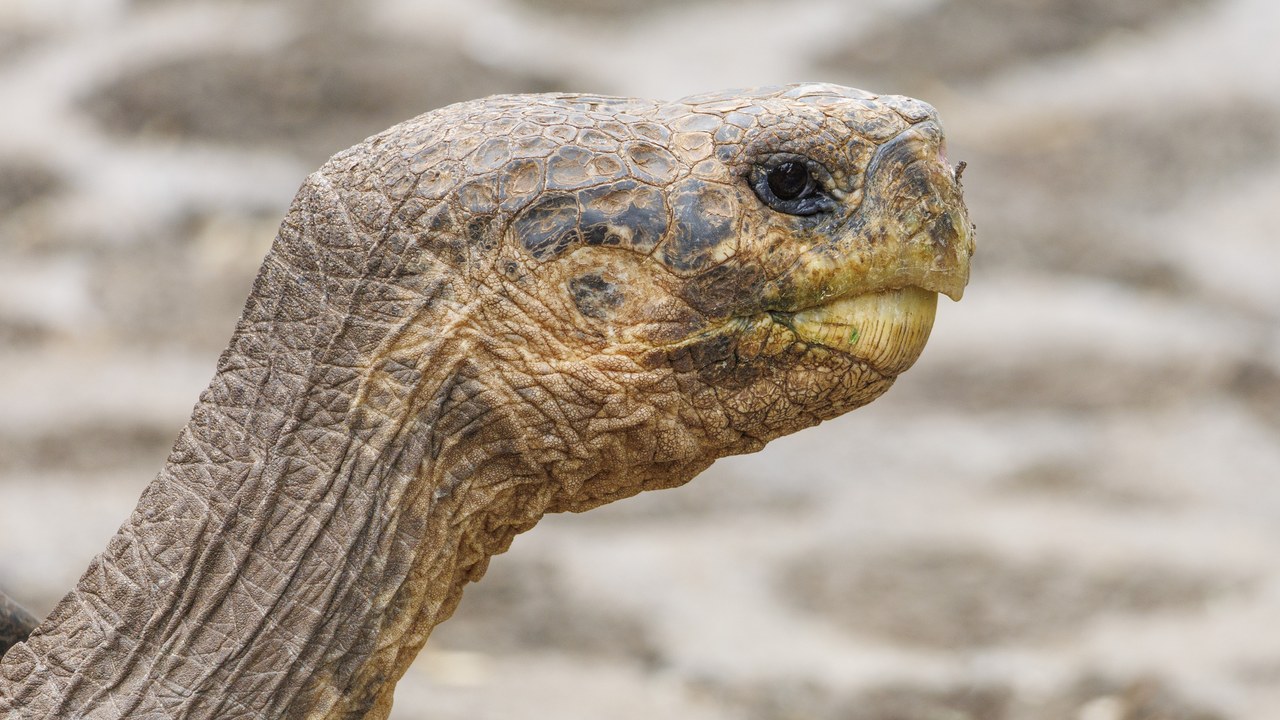
Galapagos giant tortoises routinely live past 100 years. One famous example was Harriet, a tortoise linked to Charles Darwin, who died in 2006 at the age of 176, according to WorldAtlas. During her long life, Harriet was associated with both Darwin in the 1800s and Steve Irwin in the 2000s.
The site suggests that the giant tortoise’s slower pace of life may be one secret to its longevity. Another record-holder cited there was a Madagascar tortoise that Captain Cook gave to the royal family of Tonga. It lived until 1965, when it was at least 188 years old, making tortoises the land champions of long life.
7. Tuatara: A Living Fossil Still Fathering Young
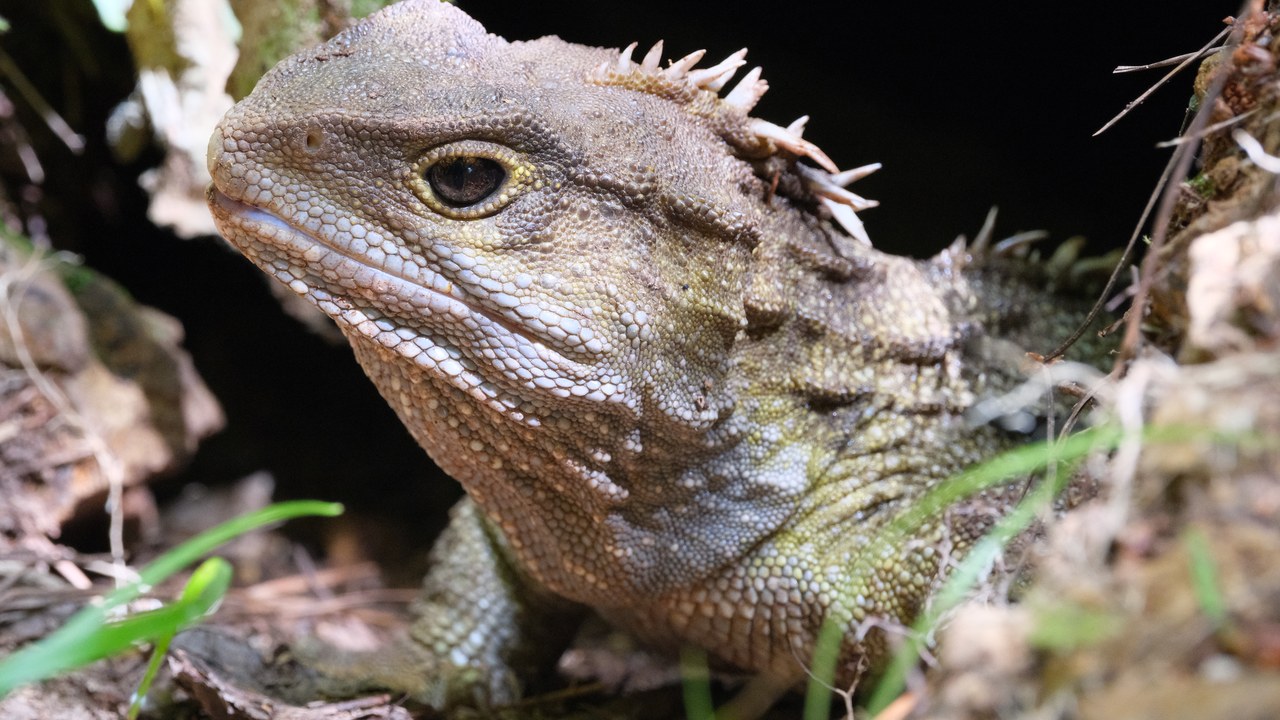
Tuataras are often called living fossils, distant cousins of dinosaur-era reptiles that are distinctly different from lizards and found only in New Zealand. Henry, the oldest living tuatara at about 120 years old, lives at the Southland Museum and Art Gallery, according to WorldAtlas, and was still fathering young past his hundredth birthday.
Unlike many reptiles, tuataras are nocturnal and prefer cool temperatures rather than basking in the sun. Henry’s late-life fatherhood made headlines because it showed how long these reptiles can remain active. For a species that has outlasted its dinosaur-era relatives, a century or more of life fits the long view, and it keeps Henry among the most famous residents of New Zealand’s far south.
8. American lobster: A Shellfish That May Reach 100
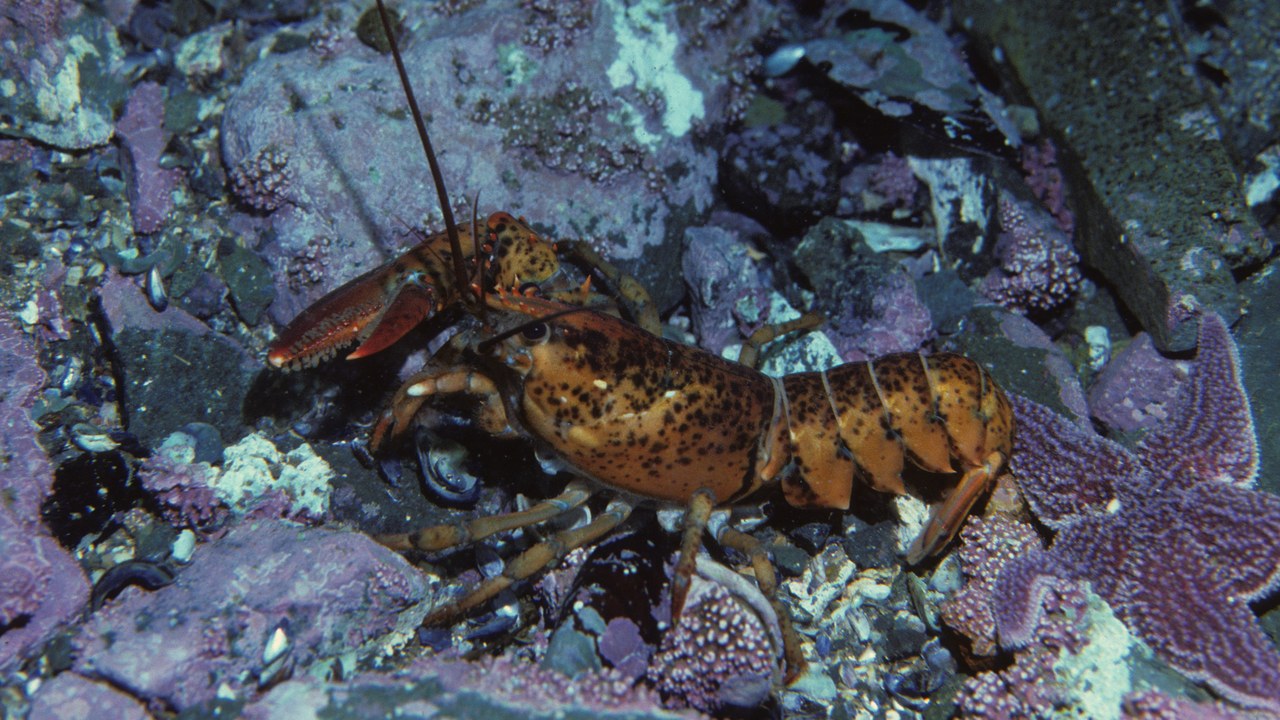
American lobsters have a long life span, though it is difficult to pin down their exact age. Because they shed their hard shell when they molt, they leave no lasting evidence of how old they are. Even so, scientists believe some American lobsters may live to be 100 years old, according to NOAA Fisheries.
Lobsters molt about 20 to 25 times over 5 to 8 years before they can reproduce and reach the minimum legal size for harvest. Females can carry from 5,000 to more than 100,000 eggs under their tails for 9 to 11 months. Those that avoid traps and predators keep growing throughout their long lives on the Atlantic seafloor.
More from Morning Overview
- Neanderthals in Spain carved a wooden object that matches nothing archaeologists have ever found
- The FAA wants $2.39 million from a flight school it says flew a Cessna about 280 times with an unapproved part
- A $1 billion gas plant planned for Superior, Wisconsin, has been abandoned
- Shaq spent $1.3 million on three Rolls-Royce Phantoms to prove a point to a salesman
