
Venom is one of nature’s most efficient inventions, a chemical weapon delivered by fang, spine, harpoon or tentacle. Some of these animals hide in reef rubble, while others slide through farm fields and backyards. Here are 20 venomous creatures carrying some of nature’s deadliest weapons, from Australian snakes to a dragon in Indonesia.
Read next on Morning Overview: Shaq spent $1.3 million on three Rolls-Royce Phantoms to prove a point to a salesman
1. Inland taipan: The Snake That Bites Again and Again
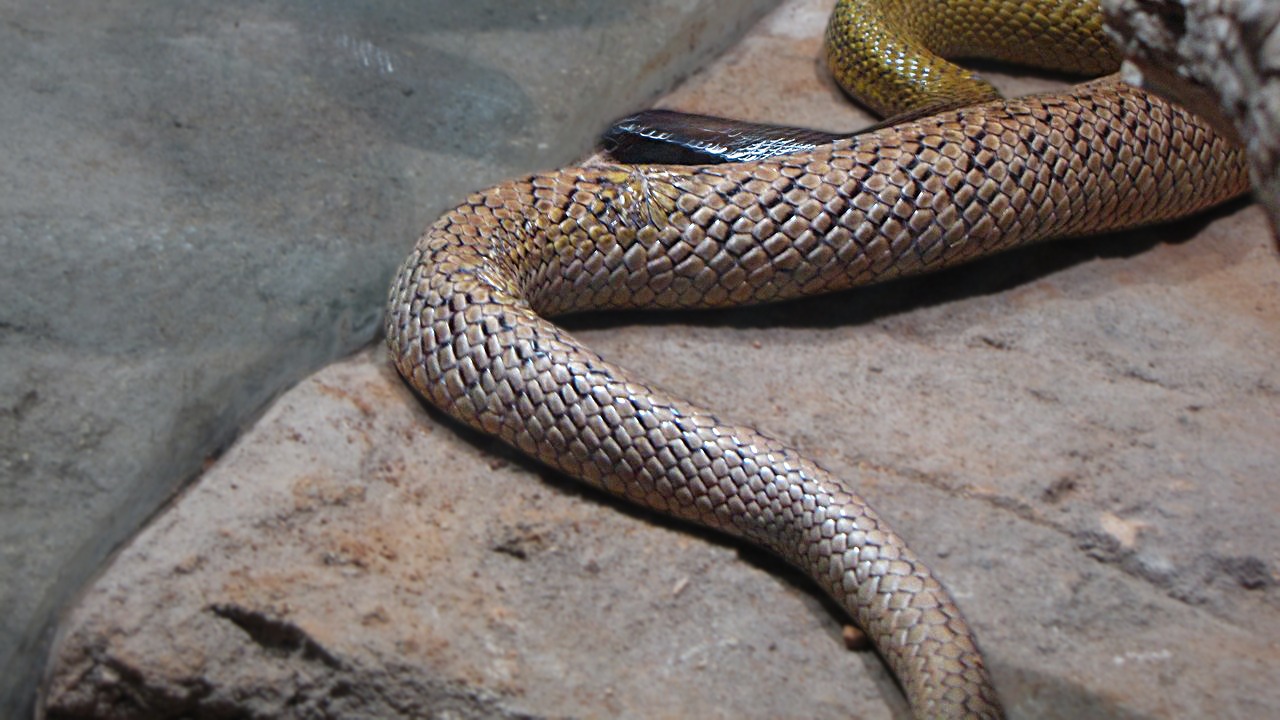
The inland taipan does not strike once and retreat. It can deliver up to eight envenoming bites in a single attack, holding its prey while it injects extremely toxic venom deep into the tissue, according to its Wikipedia entry.
This shy snake lives in the remote, arid interior of Australia, where it hunts small mammals in cracked soil. Its venom is ranked among the most toxic of any snake, though bites on people are rare because it lives so far from towns.
2. Blue-ringed octopus: The Tiny Octopus With Blue Warning Rings
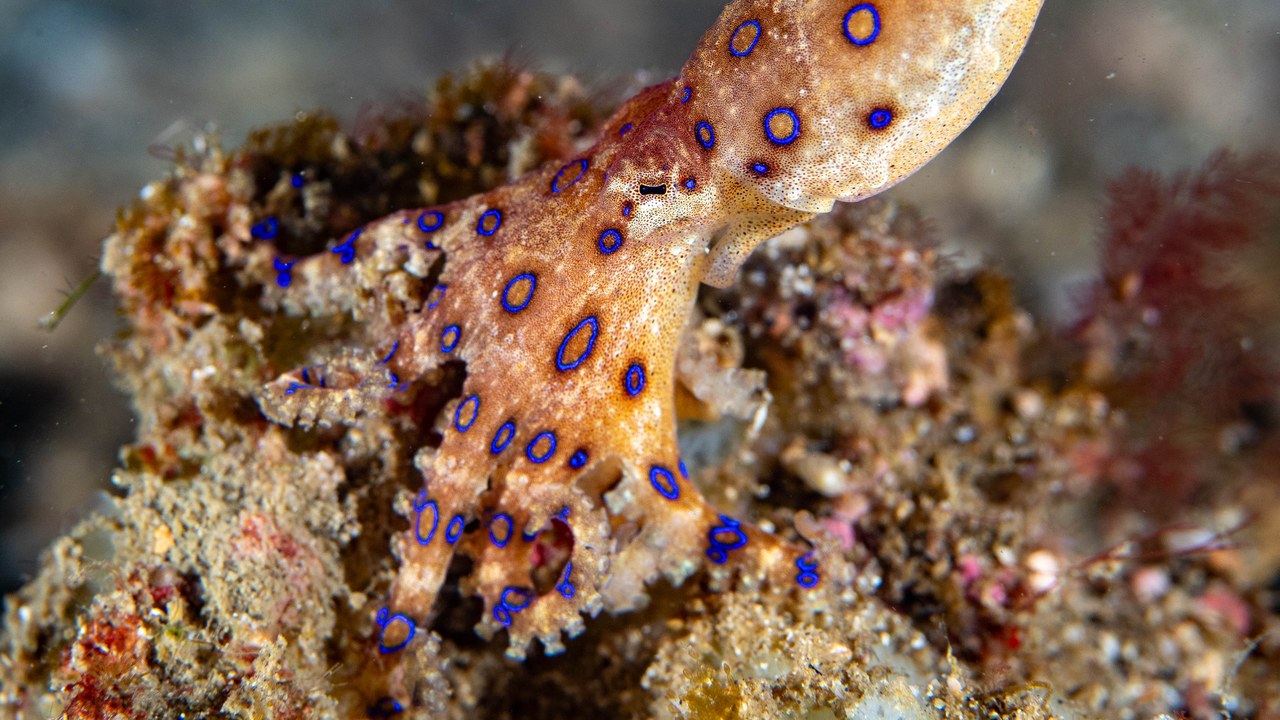
Blue-ringed octopuses are only 12 to 20 centimeters long, yet they rank among the world’s most venomous marine animals, as their Wikipedia entry notes. Their venom carries tetrodotoxin, a powerful neurotoxin.
The four species live in tide pools and coral reefs of the Pacific and Indian oceans, from Japan to Australia. Their yellowish skin carries blue and black rings that flash brighter when the animal is threatened, a warning worth heeding by anyone poking around rock pools.
3. Stonefish: The Fish That Looks Like a Rock
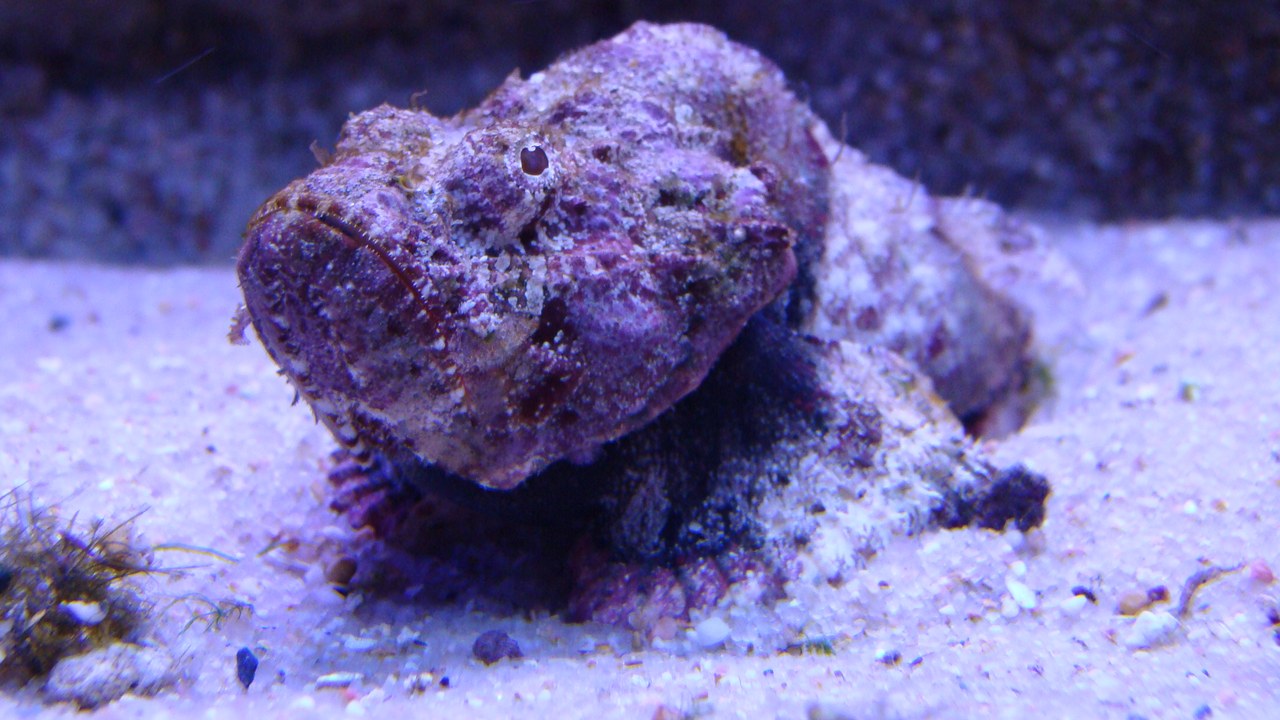
Stonefish are the most venomous fish known, and their stings can be fatal to humans, according to the stonefish genus entry. Their antivenom is the second-most administered in Australia.
The danger comes from their camouflage. A stonefish rests motionless on the seafloor looking like an encrusted rock, and the venom sits in spines along its back. Waders and swimmers who step on one in shallow water can suffer intense pain within moments.
4. Geographic cone snail: The Snail With a Poison Harpoon
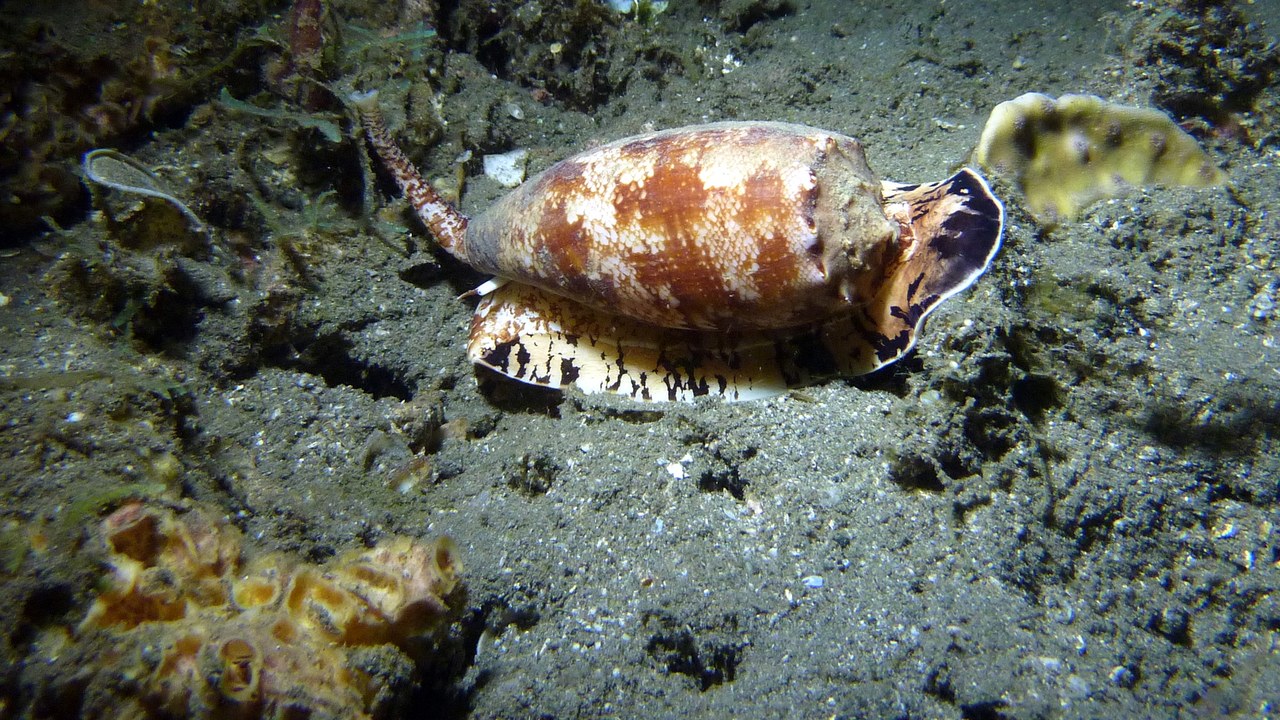
The geographic cone snail fires a venom-tipped harpoon into its prey, and its sting is the most toxic known among Conus species, its Wikipedia entry reports. It has been linked to about 36 human deaths over 300 years.
This predatory snail lives on reefs of the tropical Indo-Pacific and hunts small fish. Its patterned shell is attractive to collectors, which is exactly how people get stung: picking up a living cone snail can bring the harpoon straight into a hand.
5. Black mamba: Africa’s Fast and Feared Mamba
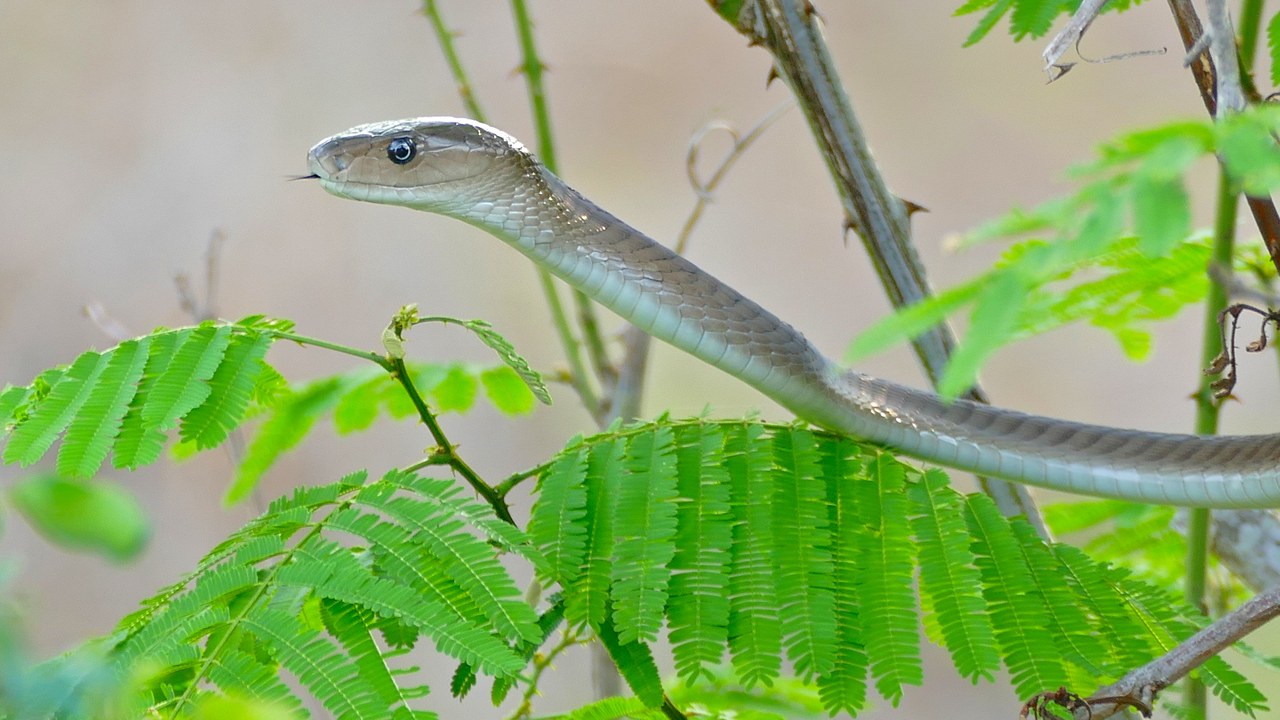
The black mamba is the second-longest venomous snake and commonly grows to about 3 meters, according to its Wikipedia entry. Its neurotoxic venom often causes symptoms within ten minutes and is frequently fatal without antivenom.
Despite its name, the snake is usually brown or gray. The “black” refers to the inside of its mouth, which it shows when threatened. It is native to parts of sub-Saharan Africa and is one of the continent’s most feared snakes.
6. King cobra: The Longest Venomous Snake on Earth
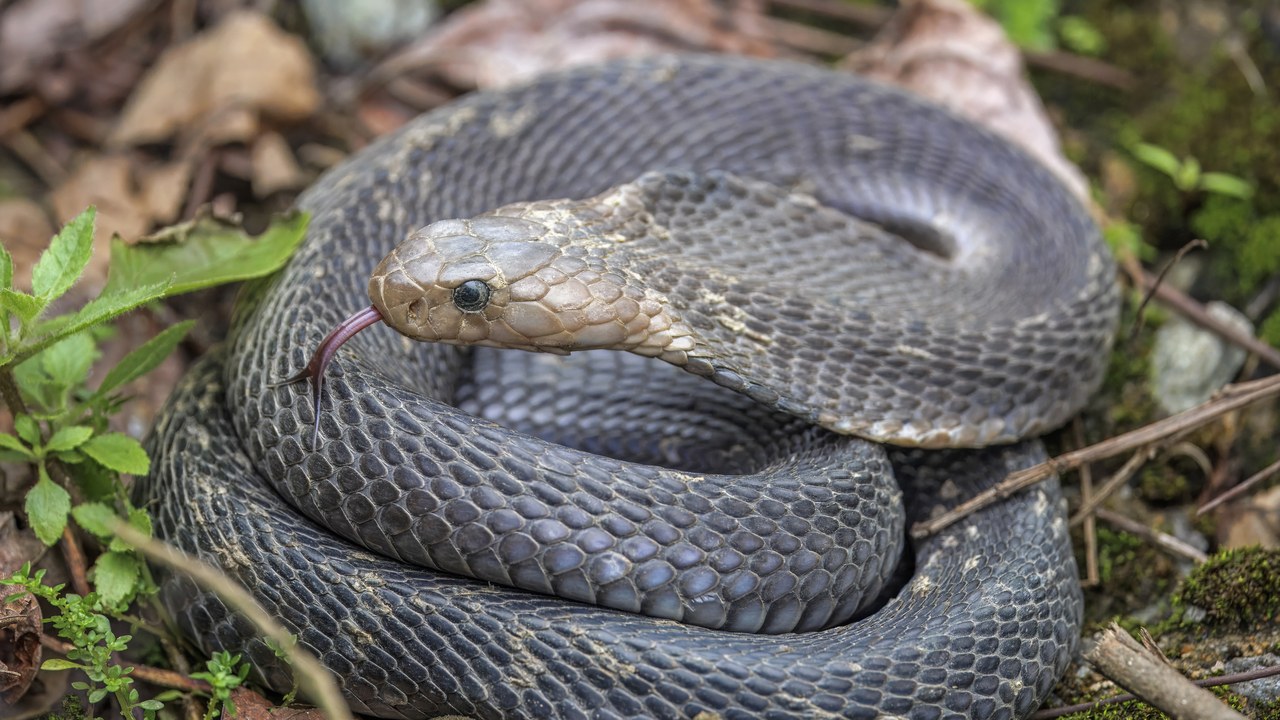
The king cobra averages 3.18 to 4 meters long and has reached a record 5.85 meters, making it the world’s longest venomous snake, according to its Wikipedia entry. Its bite delivers an immense venom yield that demands prompt antivenom.
King cobras live across forests of South and Southeast Asia. They feed mostly on other snakes, including venomous ones, and can raise the front third of their bodies off the ground while spreading a narrow hood.
7. Brazilian wandering spider: The Spider That Wanders at Night
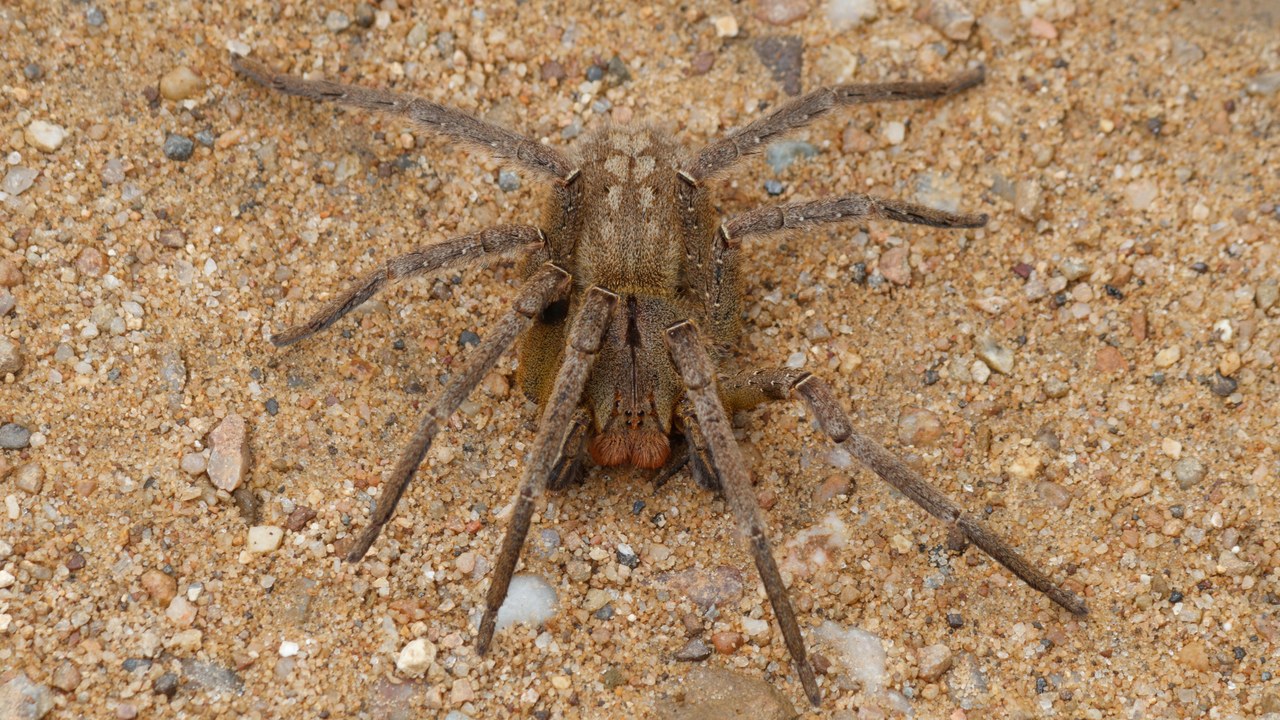
Phoneutria spiders, better known as Brazilian wandering spiders, range across northern South America, with one species in Central America, according to their Wikipedia entry. Their bodies measure 17 to 48 millimeters long.
Their reputation outruns most real bites. One study found only 2.3% of bites needed antivenom, but a few deaths are well attested. These spiders roam the forest floor at night rather than sitting in webs, which is how they end up in homes and banana shipments.
8. Saw-scaled viper: The Viper That Sizzles a Warning
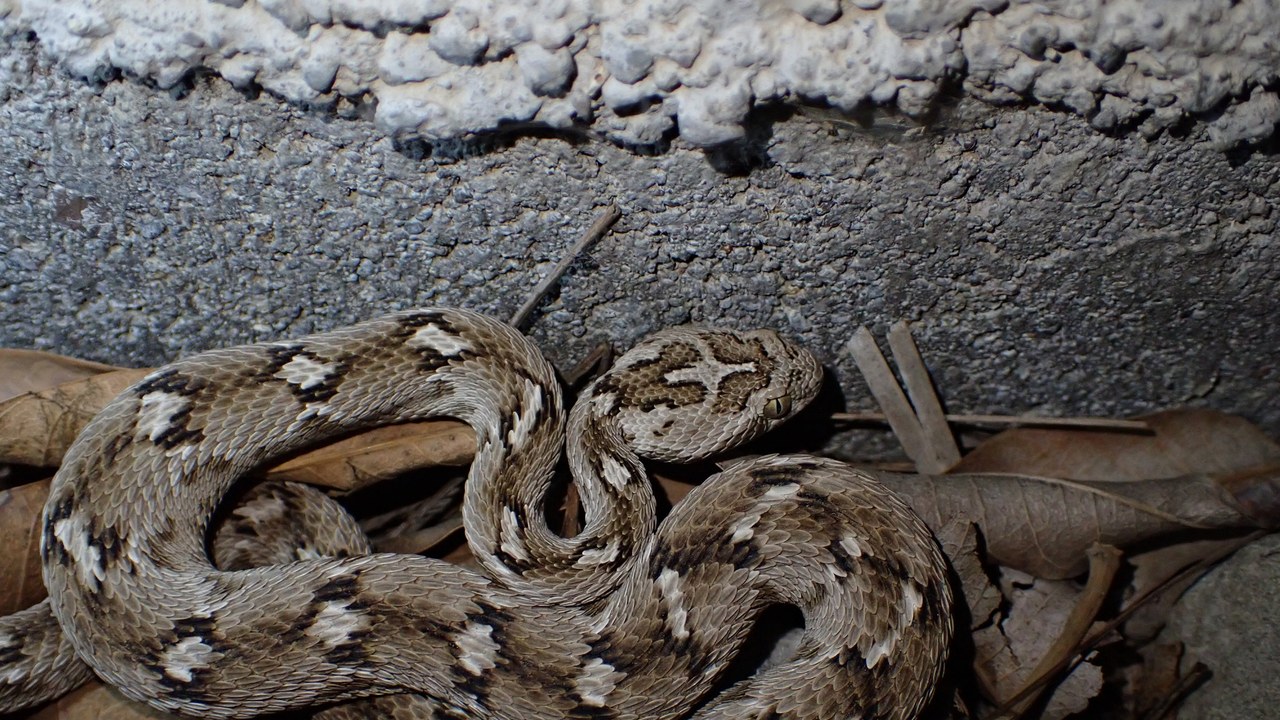
Saw-scaled vipers range from Africa and the Middle East to India and Sri Lanka and mostly bite after dark, according to their Wikipedia entry. Their venom can cause clotting failure that persists for days to weeks.
These small vipers rub sections of their bodies together to make a “sizzling” warning sound. Some species are responsible for more snakebite cases and deaths than almost any other snakes in the world, largely because they live close to farms and villages.
9. Eastern brown snake: Australia’s Backyard Danger
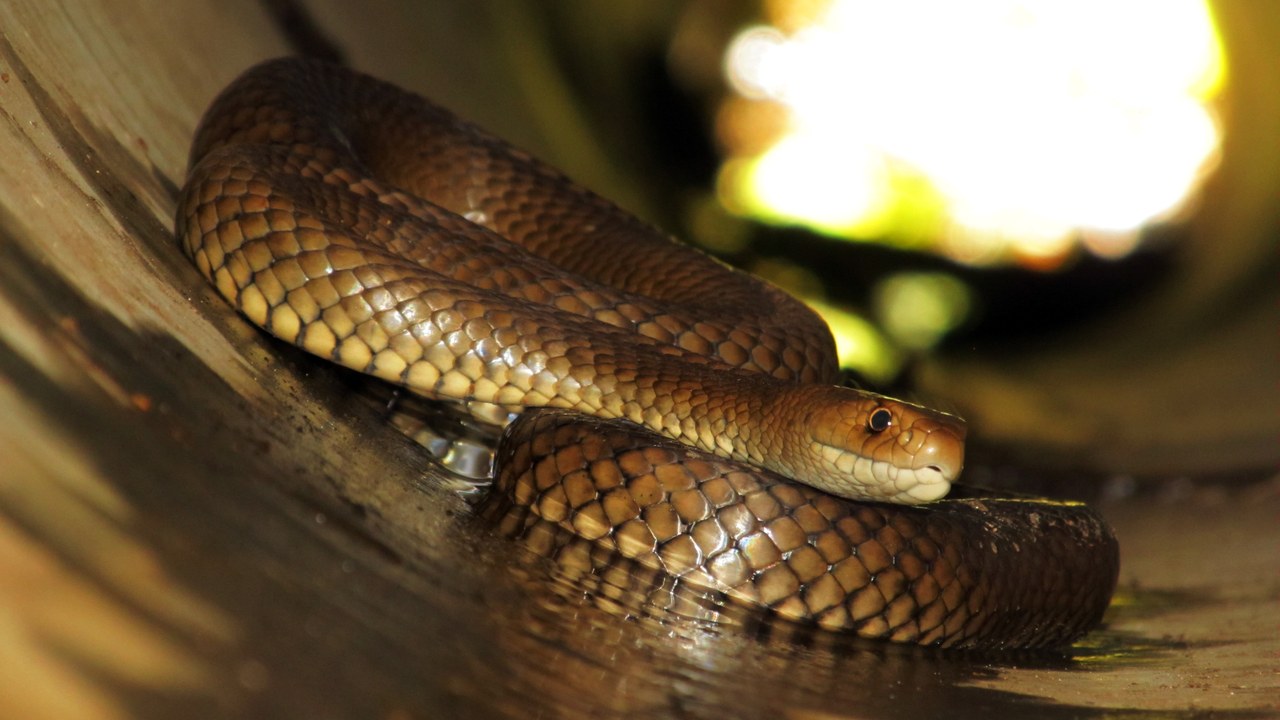
The eastern brown snake’s venom contains the clotting toxin pseutarin-C, the neurotoxin textilotoxin and at least two other enzymes, according to its Wikipedia entry. That mix attacks both the blood and the nerves.
The snake is found across eastern Australia and thrives in farmland and on the edges of towns, where it hunts mice. That closeness to people helps explain why it is linked to more snakebite deaths in Australia than any other species.
10. Deathstalker scorpion: The Scorpion Named for Death
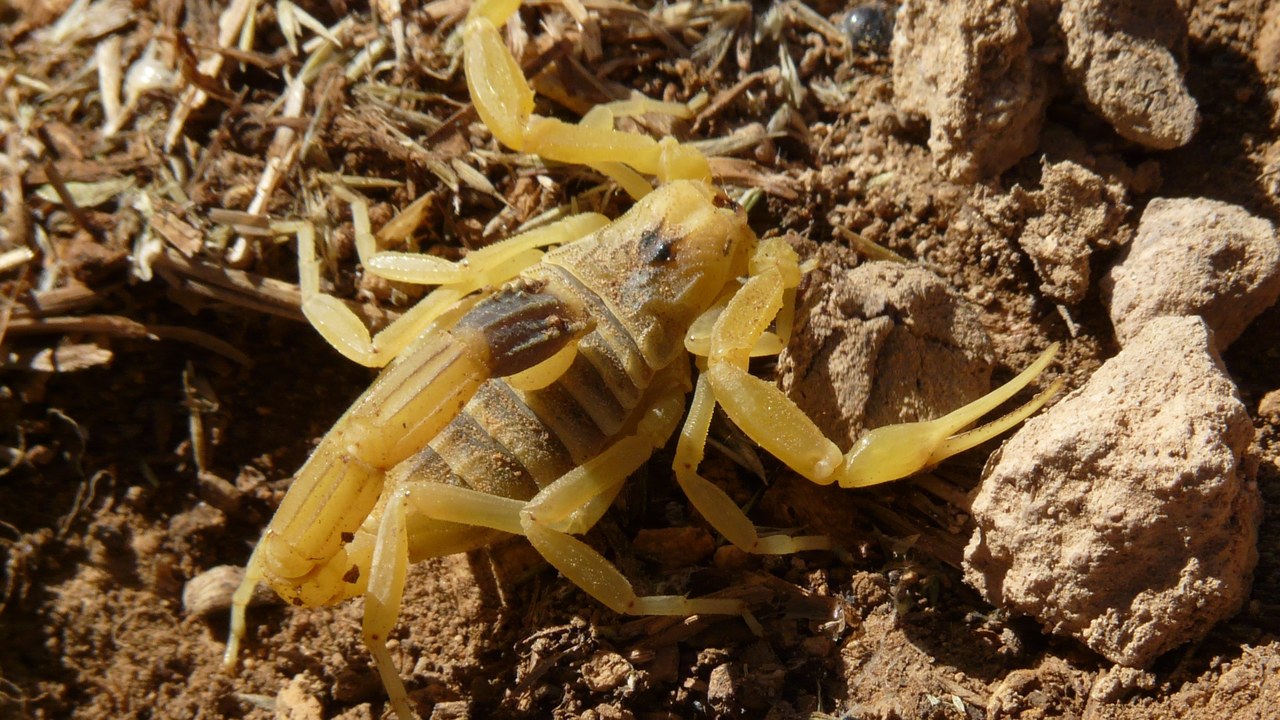
The deathstalker is also called the Palestine yellow scorpion, and its venom contains neurotoxins including chlorotoxin and charybdotoxin, according to its Wikipedia entry.
This pale yellow scorpion lives in deserts and scrubland across North Africa and the Middle East. Its sting is intensely painful and can be dangerous for children and older adults. Scientists, though, have studied chlorotoxin for medical uses, including research on helping surgeons see brain tumors.
11. Cape cobra: The Cobra That Moves In Next Door
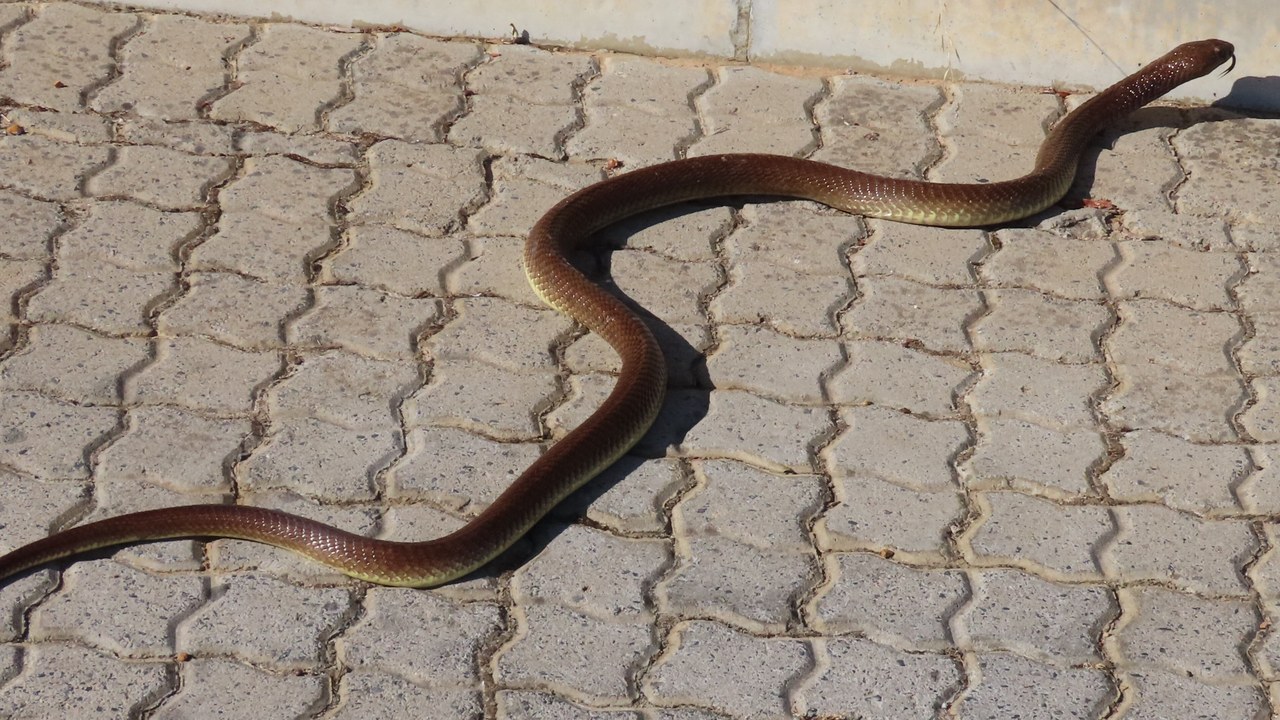
The Cape cobra is regarded as one of Africa’s most dangerous cobras because of its potent venom and its habit of turning up around houses, its Wikipedia entry notes. It strikes readily when threatened.
Found in southern Africa, it comes in colors from butter yellow to reddish brown and nearly black. Its search for rodents and birds often brings it into farmyards and gardens, where an encounter with a startled cobra can turn serious quickly.
12. Fer-de-lance: The Viper Behind Most Bites in Its Range
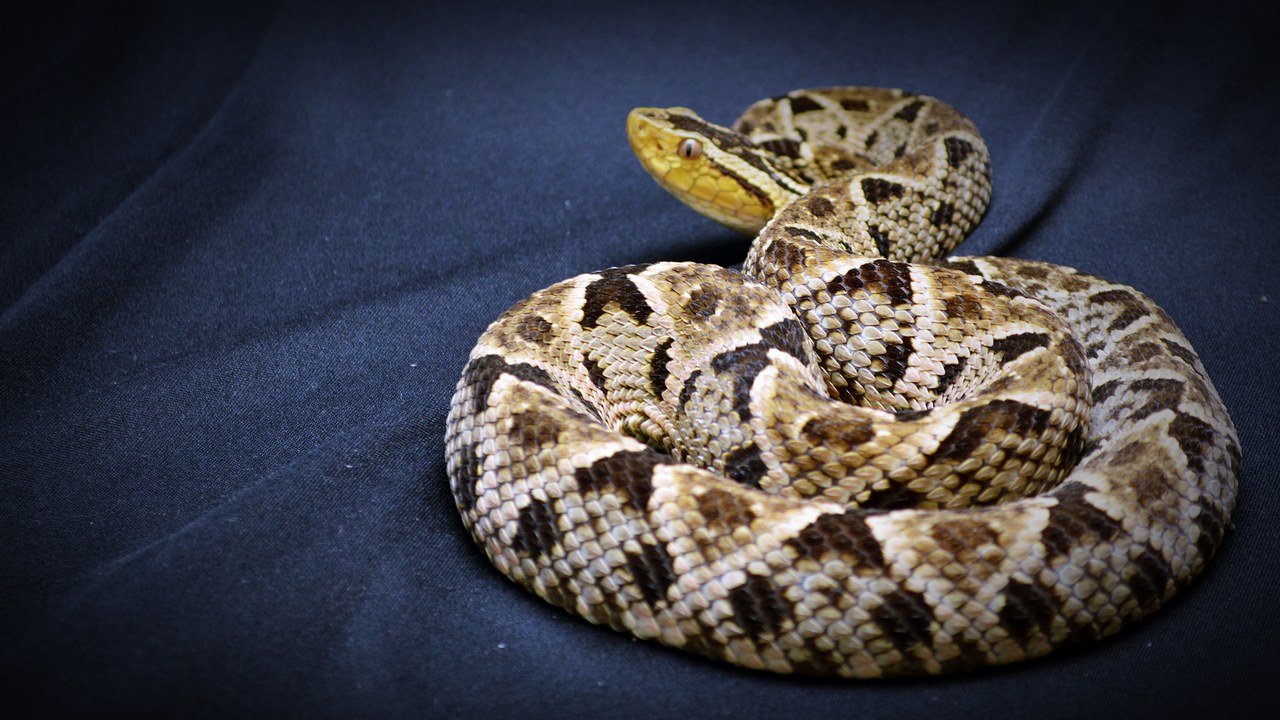
Bothrops asper, the fer-de-lance, grows up to 2.5 meters long and causes 50 to 70% of snakebites in Colombia’s Antioquia and Choco states, according to its Wikipedia entry.
In one Venezuelan state, it was blamed for all recorded snakebite deaths. The pit viper lives from Mexico through Central America into northern South America, often near plantations and rivers, which puts farm workers squarely in its path.
13. Gaboon viper: The Snake With the Longest Fangs
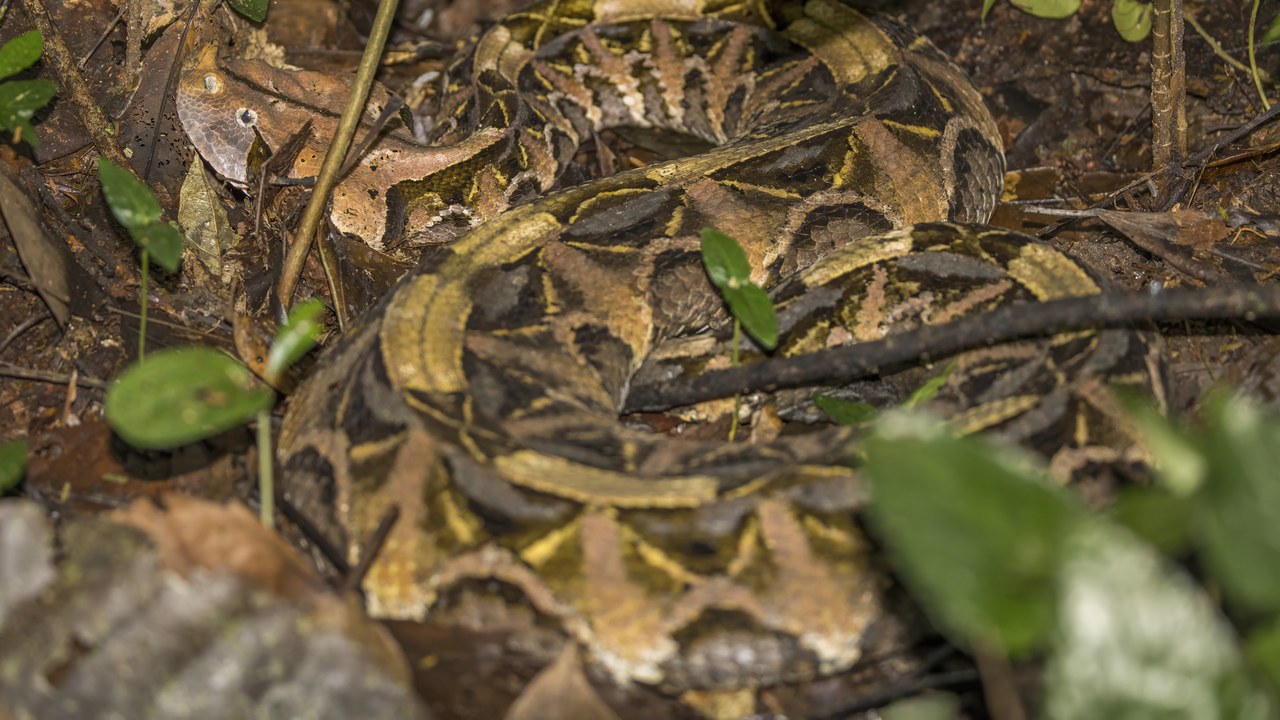
A Gaboon viper’s fangs can reach 55 millimeters, the longest of any venomous snake, according to its Wikipedia entry. Bites are rare, though, because this sluggish rainforest viper seldom attacks.
It is one of the heaviest vipers in Africa and lives in the rainforests and savannas south of the Sahara. Its pattern of browns, purples and creams makes it almost invisible in leaf litter, where it waits for prey to wander close.
14. Puff adder: The Puff Adder’s Heavy Dose
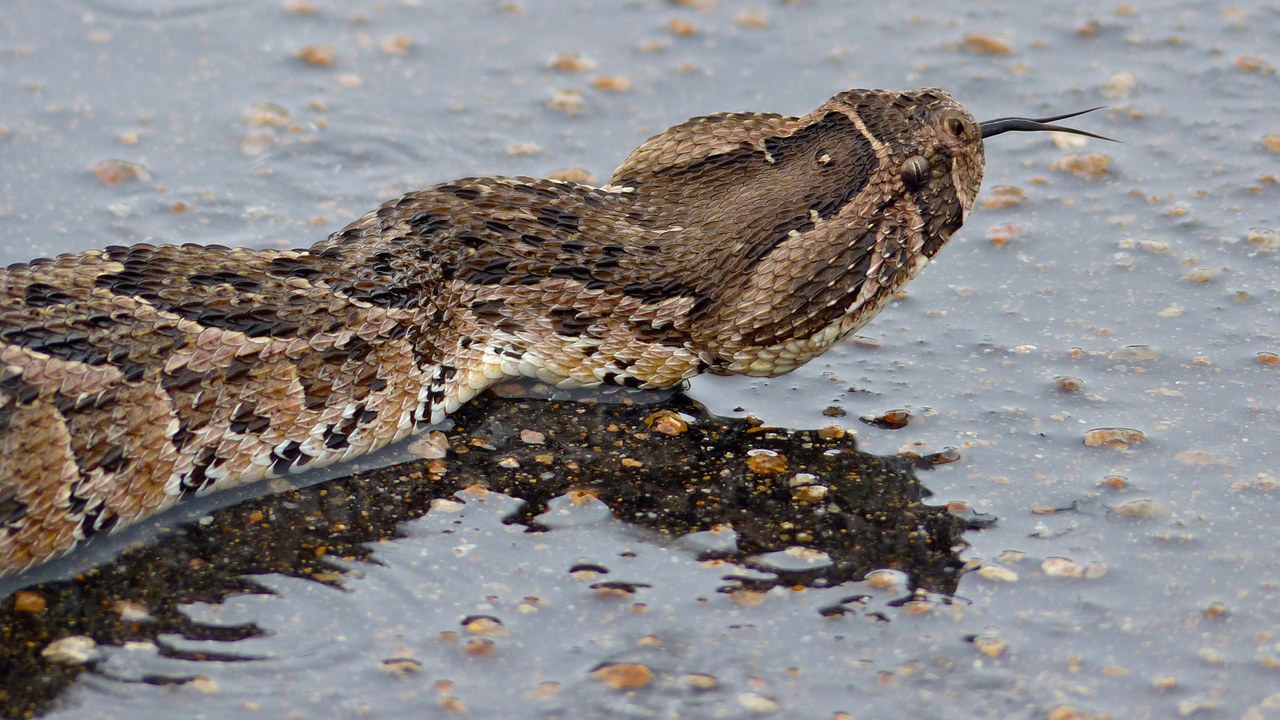
A puff adder’s venom yield is typically 150 to 350 milligrams, and about 100 milligrams is thought to be enough to kill a healthy adult man, its Wikipedia entry reports.
The snake is found across much of Africa and parts of the Arabian Peninsula. It relies on camouflage rather than fleeing, so people walking through grass can step right onto it. It hisses and puffs up loudly when disturbed, which gives the species its name.
15. Indian cobra: The Hooded Cobra of India
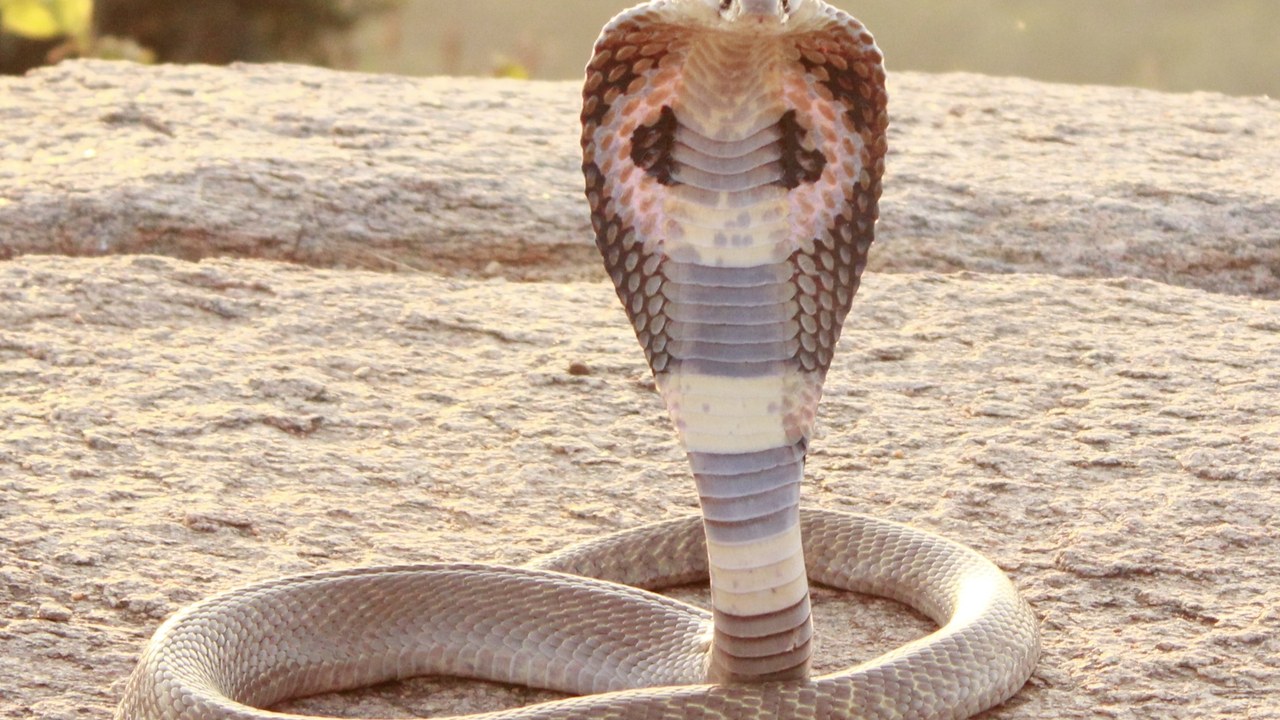
The Indian cobra’s venom carries a powerful neurotoxin and cardiotoxin that paralyze muscles and, in severe bites, can cause respiratory failure or cardiac arrest, according to its Wikipedia entry.
It is one of the Big Four snakes responsible for most snakebites in South Asia. The spectacle-shaped mark on the back of its hood makes it instantly recognizable, and it has a long place in the region’s culture and religion.
16. Russell’s viper: One of South Asia’s Big Four
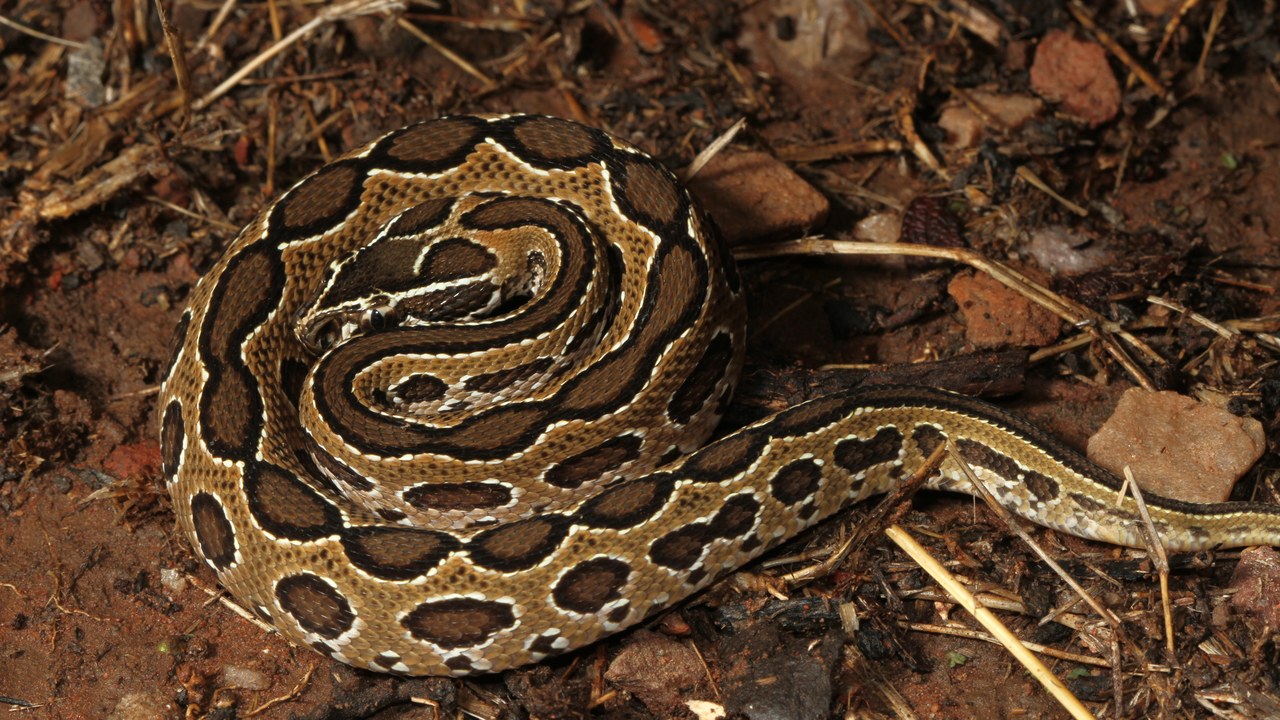
Russell’s viper is known for an extremely painful bite and is one of the Big Four venomous snakes of South Asia, its Wikipedia entry reports. Each snake produces a considerable quantity of venom.
Its body carries three rows of dark, ringed spots, and it often lives in farmland where rodents gather. That brings it into close contact with farmers, and it is blamed for a large share of serious snakebites across India and nearby countries.
17. Tiger snake: The Snake That Swims and Climbs
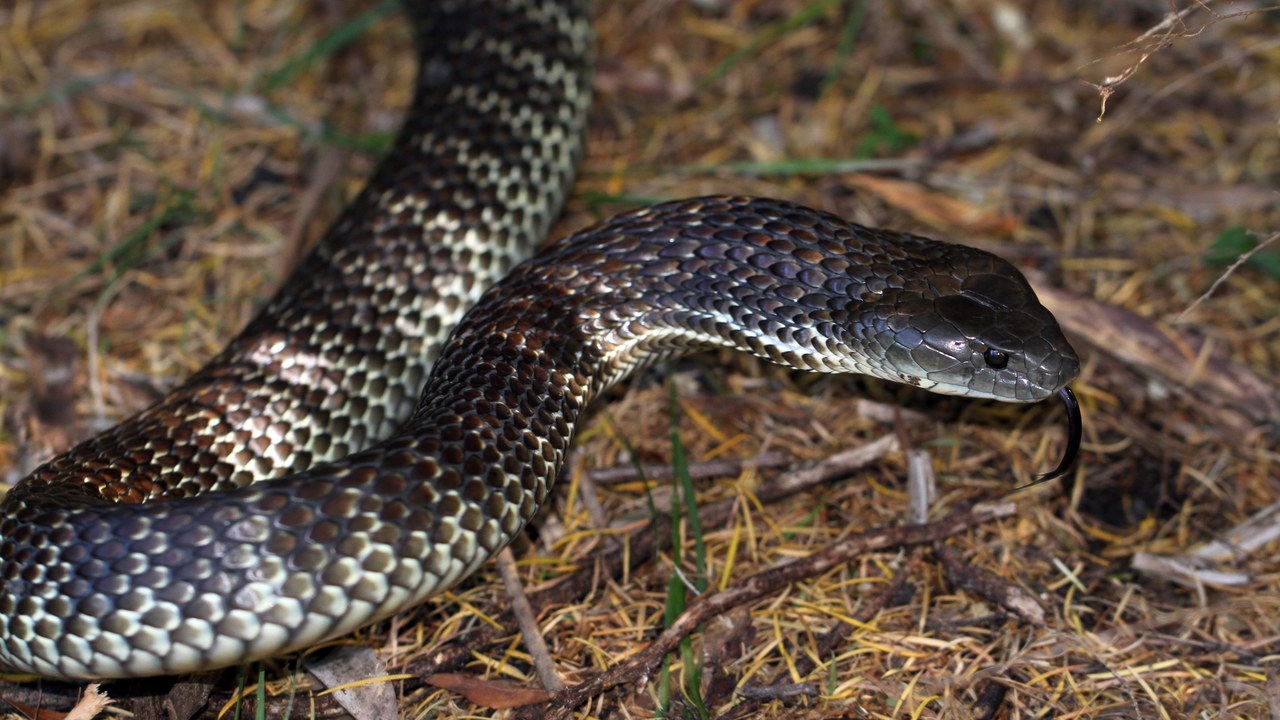
The tiger snake is a large, highly venomous snake of southern Australia and Tasmania, according to its Wikipedia entry. It swims well and can climb into trees and buildings.
Many tiger snakes carry bands like a tiger, though colors vary widely from one population to the next. It is often found near creeks, wetlands and coastal areas, where frogs are plentiful, and its venom attacks both the nerves and the blood.
18. Beaked sea snake: The Sea Snake Fishermen Fear
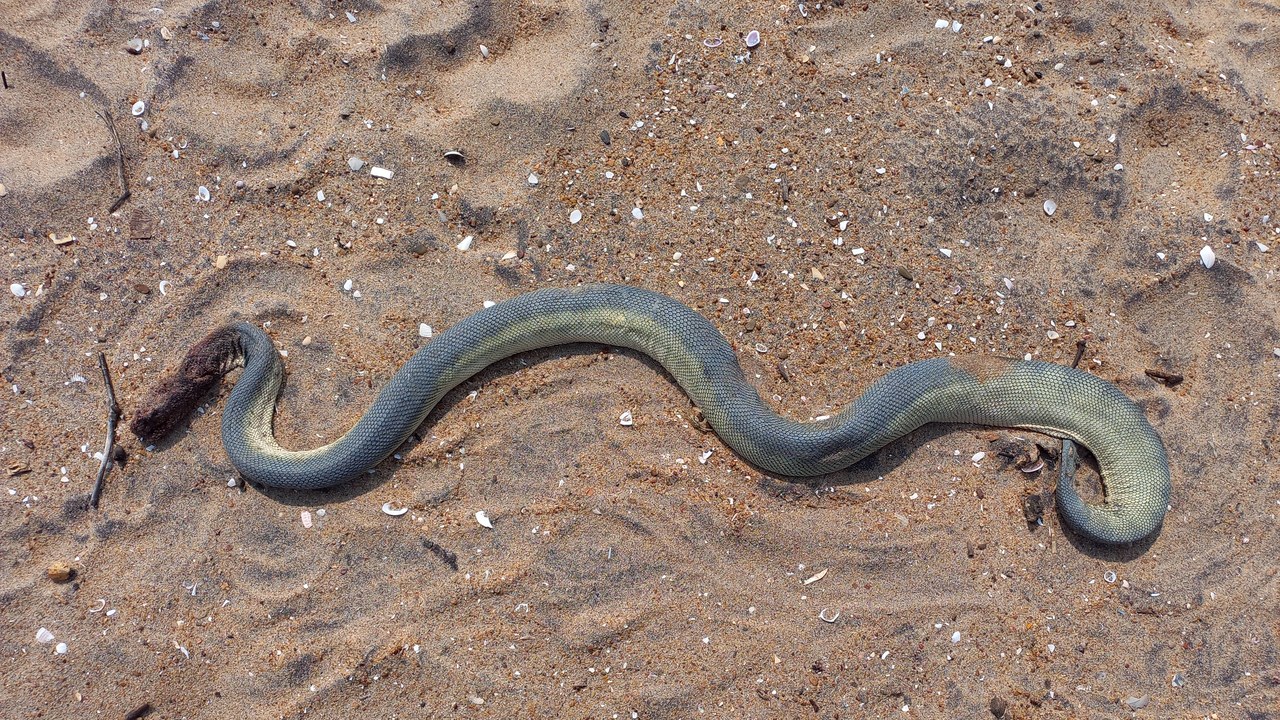
The beaked sea snake is common across the tropical Indo-Pacific, and its venom is so potent that about 1.5 milligrams is estimated to be lethal, according to its Wikipedia entry.
Some herpetologists describe it as cantankerous. It lives in shallow coastal waters and estuaries, and fishermen pulling up nets are often the people at risk. It is blamed for a large share of sea snake bites and deaths.
19. Portuguese man o’ war: The Floating Colony With 30-Meter Tentacles
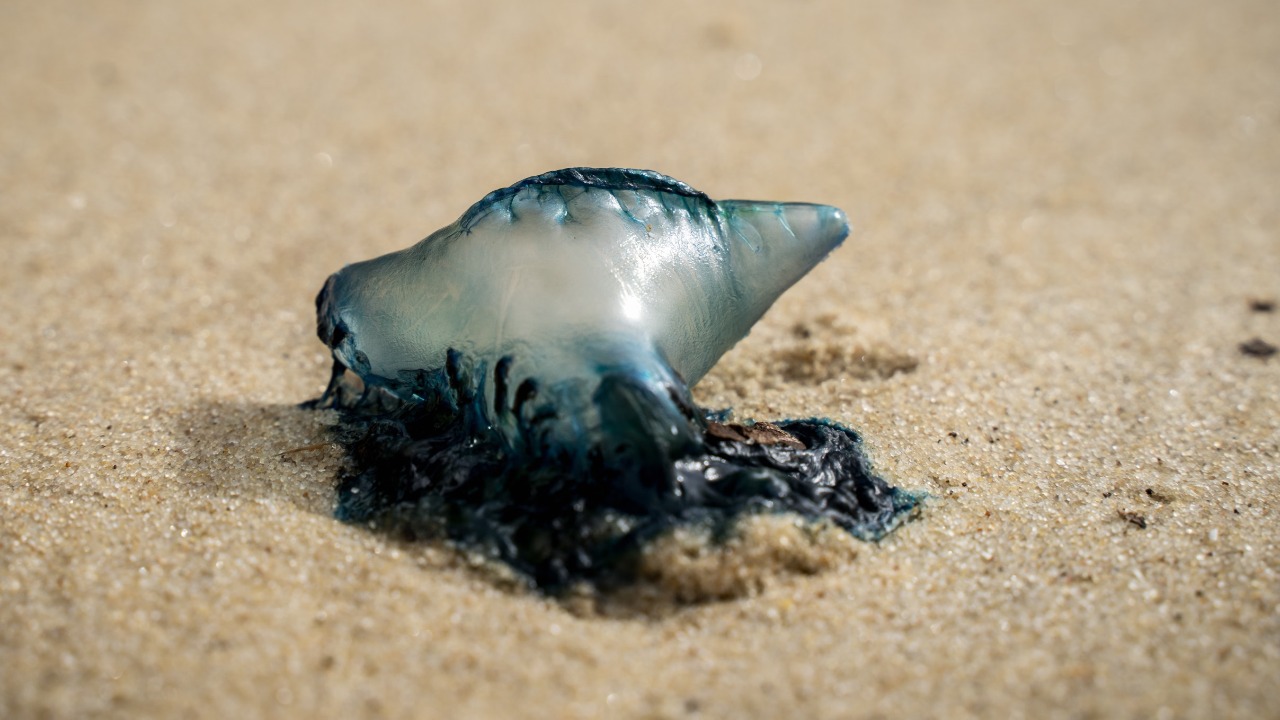
The Portuguese man o’ war’s tentacles can trail up to 30 meters below the surface, loaded with venomous stinging cells that paralyze and kill fish and other small prey, according to its Wikipedia entry.
It is not a single jellyfish but a colony of tiny organisms working together beneath a gas-filled float. Winds push it across warm oceans and onto beaches, where even stranded specimens can still deliver a painful sting.
20. Komodo dragon: The Dragon With a Venomous Bite
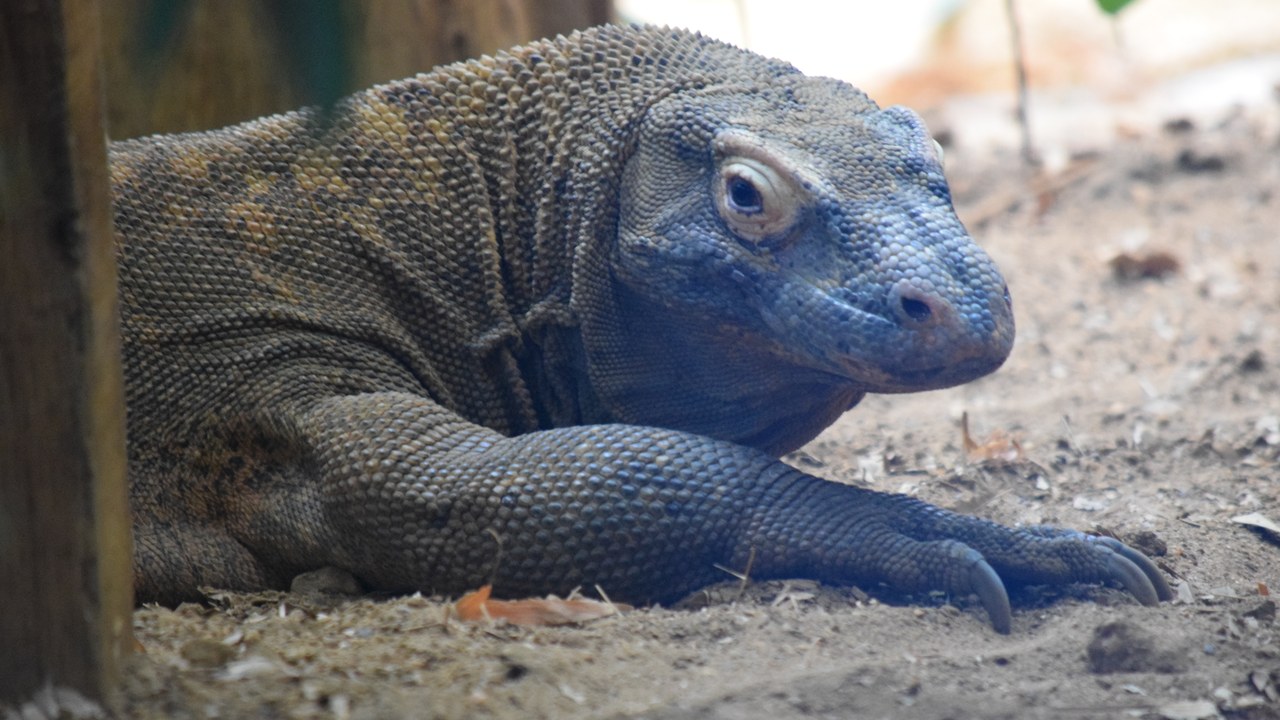
Researchers found glands in a Komodo dragon’s head that secrete several toxic proteins, according to its Wikipedia entry. Komodo National Park logged 24 attacks on people from 1974 to 2012, five of them fatal.
The Komodo dragon is the largest living lizard and lives only on a handful of Indonesian islands, including Komodo, Rinca and Flores. It ambushes deer and pigs, and its venom is thought to help bring down prey after a bite.
More from Morning Overview
- New FCC rules on how people can stop robocalls and texts take effect Nov. 25
- Neanderthals in Spain carved a wooden object that matches nothing archaeologists have ever found
- The FAA wants $2.39 million from a flight school it says flew a Cessna about 280 times with an unapproved part
- A $1 billion gas plant planned for Superior, Wisconsin, has been abandoned
