
Some of the costliest invaders in the United States arrived as pets, as fur stock, as pond cleaners or as stowaways in cargo. Once loose, they ate native wildlife, stripped forests and crops, fouled water pipes and even caused power outages. Here are nineteen foreign pests and predators that federal and state agencies are still working to contain.
Read next on Morning Overview: The Justice Department asked courts to undo approvals for three offshore wind farms, one already making power
1. Burmese python: The Everglades Giant
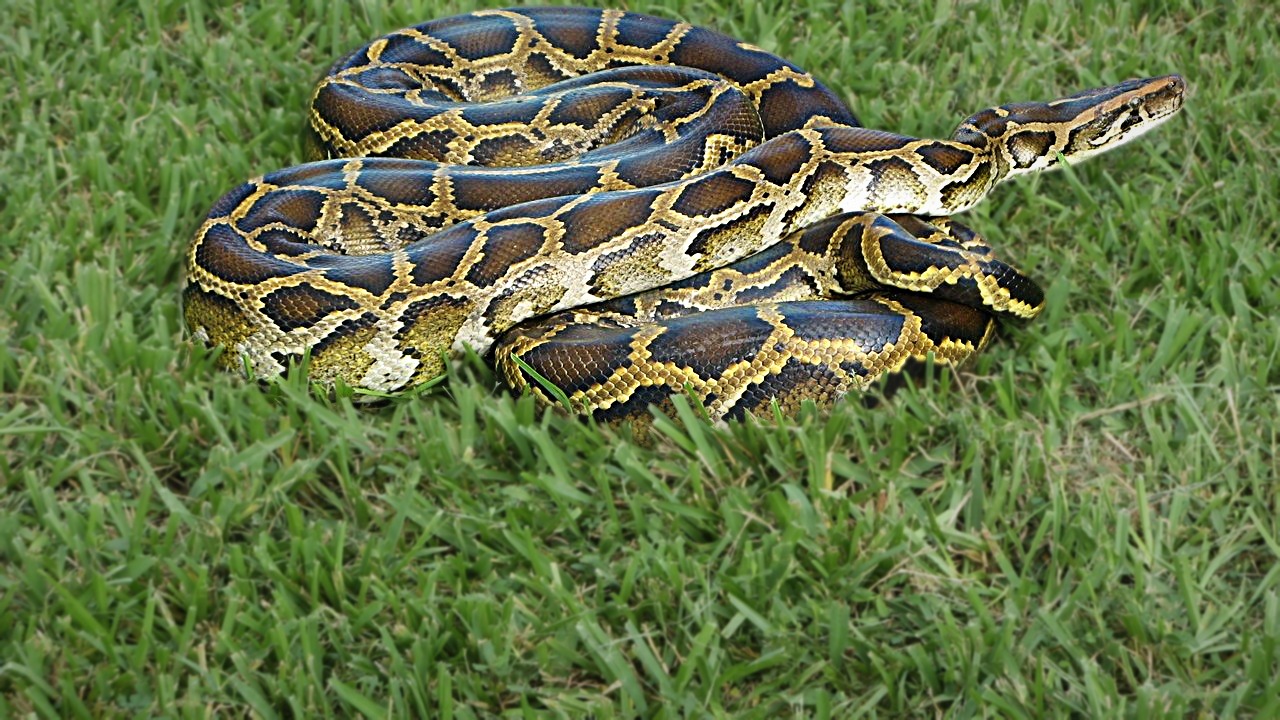
Native to southeastern Asia, the Burmese python now has an established invasive population across much of southern Florida, throughout the Greater Everglades, according to a U.S. Geological Survey synthesis of the science.
The researchers write that pythons have severely impacted native species and ecosystems and rank among the most intractable invasive-species problems anywhere. Inaccessible habitat and the snakes’ cryptic, resilient nature make them extremely hard to detect.
2. Cane toad: Poison on the Patio
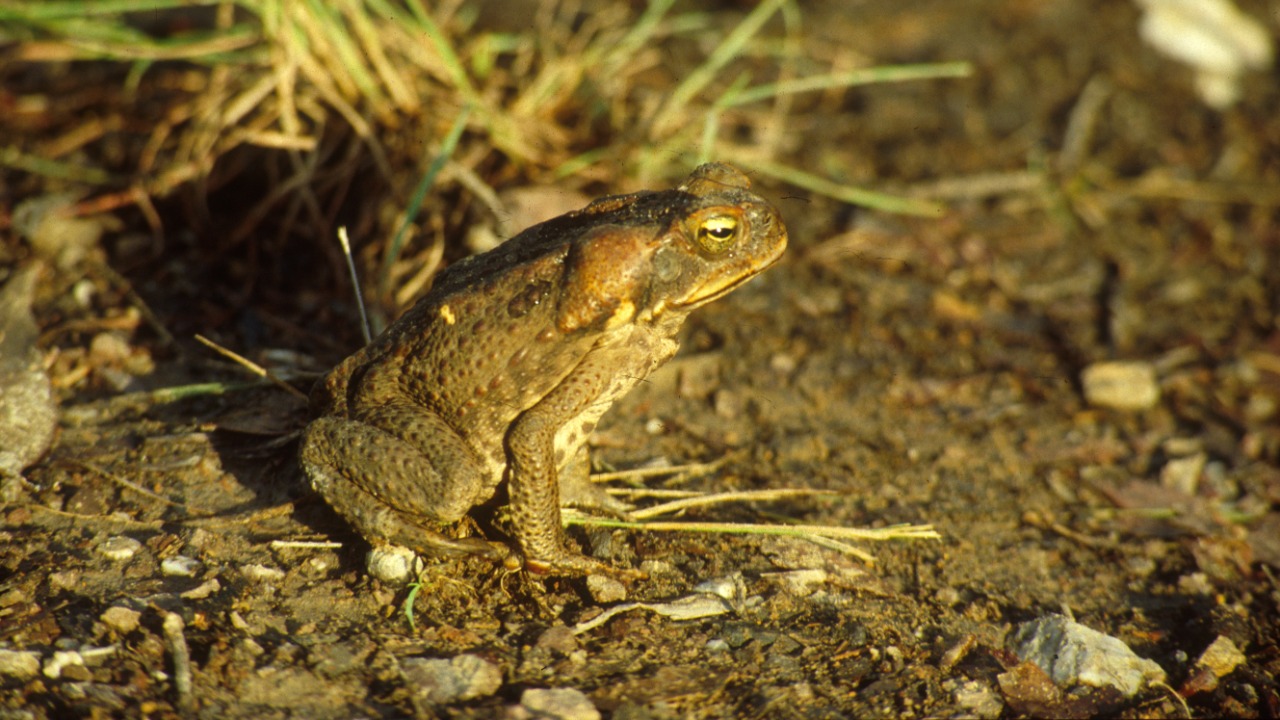
The cane toad, also called the bufo or marine toad, is a large nonnative amphibian whose shoulder glands secrete a potent milky-white toxin, bufotoxin, the Florida Fish and Wildlife Conservation Commission warns.
It is poisonous to most animals that bite it, including dogs. Native from the Amazon basin north to the lower Rio Grande Valley, it grows 6 to 9 inches, breeds year-round in Florida and can be humanely removed from private property.
3. Silver carp: The Fish That Flies
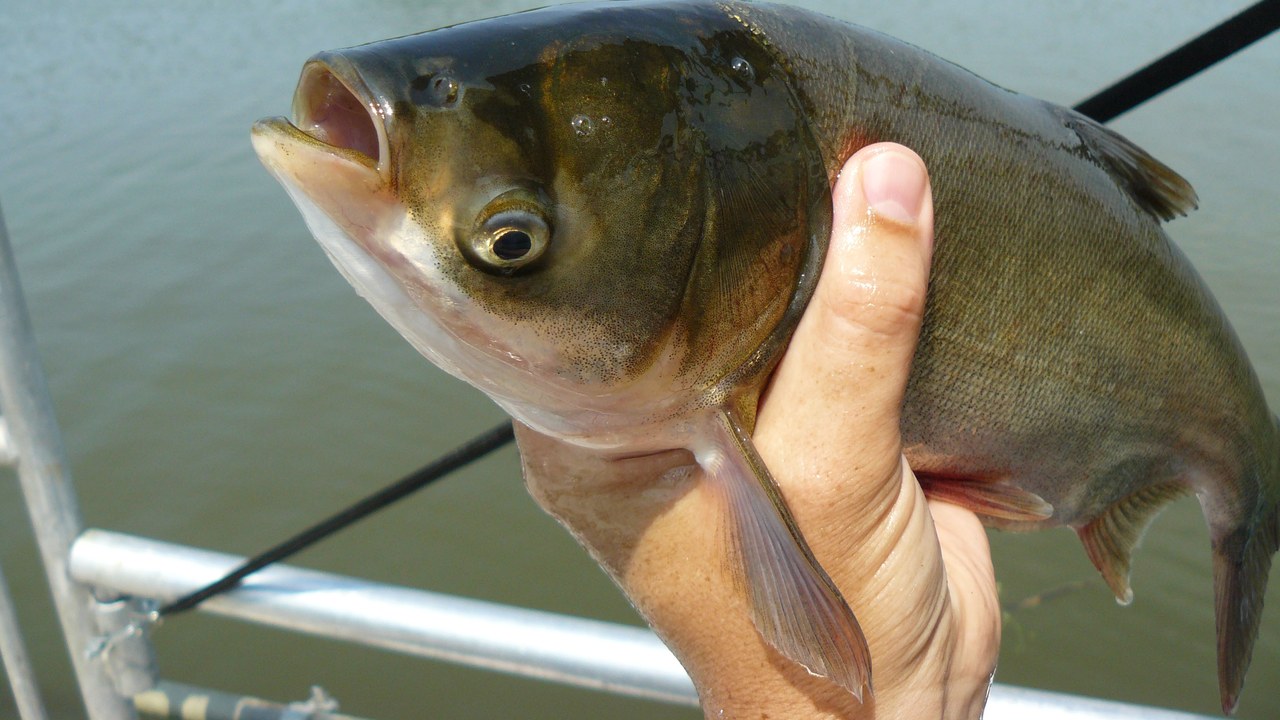
Silver carp leap as high as 10 feet out of the water when startled by boat motors and have injured boaters and damaged equipment, the National Park Service reports.
Imported to control algae in ponds, they filter plankton so efficiently and breed so quickly that native fish relying on plankton are put at risk. Large populations are already established in waters connected to the Great Lakes Basin, including the Illinois River and the Chicago Area Waterway System.
4. Bighead carp: A 111-Pound Escapee
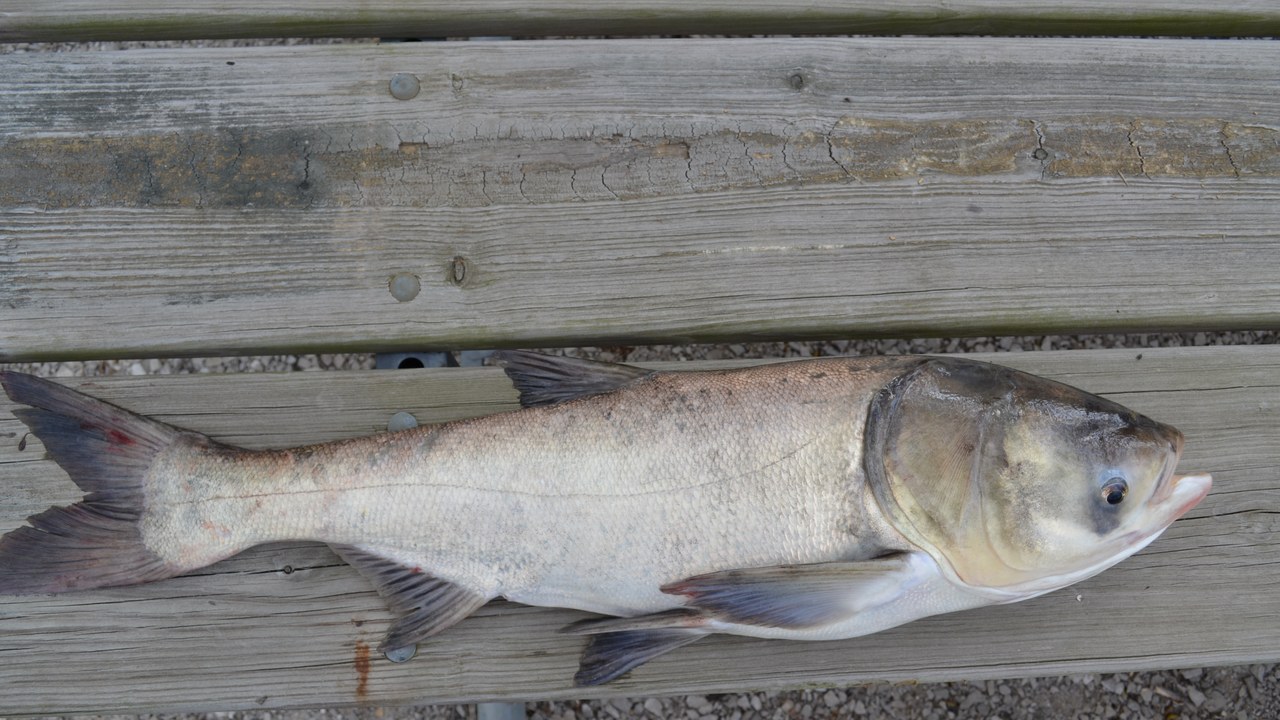
Fish farmers imported bighead carp in the 1970s to keep aquaculture ponds clean, but floods breached some ponds and released the fish into the Mississippi River, according to the National Park Service.
Bighead carp can reach 59 inches and weigh up to 111 pounds. Lacking a true stomach, they feed almost constantly on plankton, competing with mussels, larval fish and paddlefish. Most states in the Mississippi basin have now reported them.
5. Quagga mussel: Stowaway in the Ballast
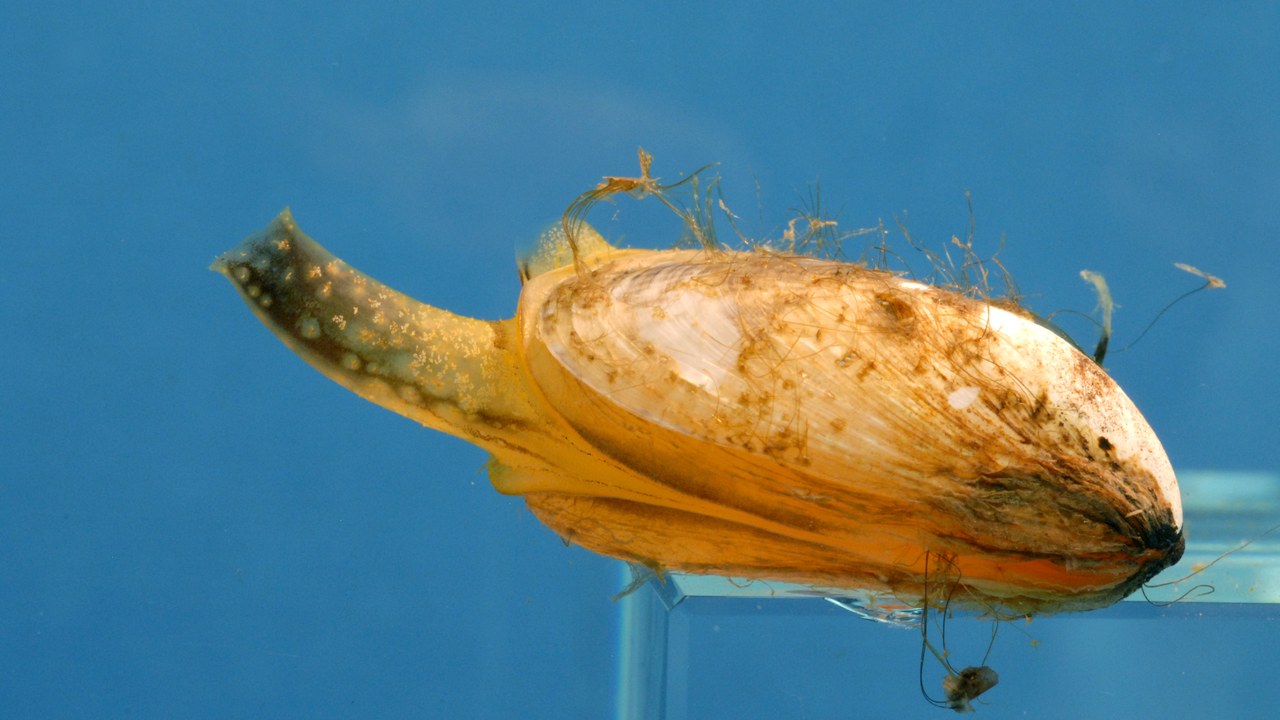
Native to eastern Europe and western Asia, the quagga mussel reached the United States in the 1980s when ships discharged ballast water into the Great Lakes, North Dakota Game and Fish says.
The small striped bivalve anchors itself to hard surfaces with hair-like byssal threads, fouling water pipes and equipment in the power and water industries at significant cost. Once established, the agency notes, there is no good control method, so boaters are urged to clean, drain and dry gear.
6. Spotted lanternfly: A Pest From China
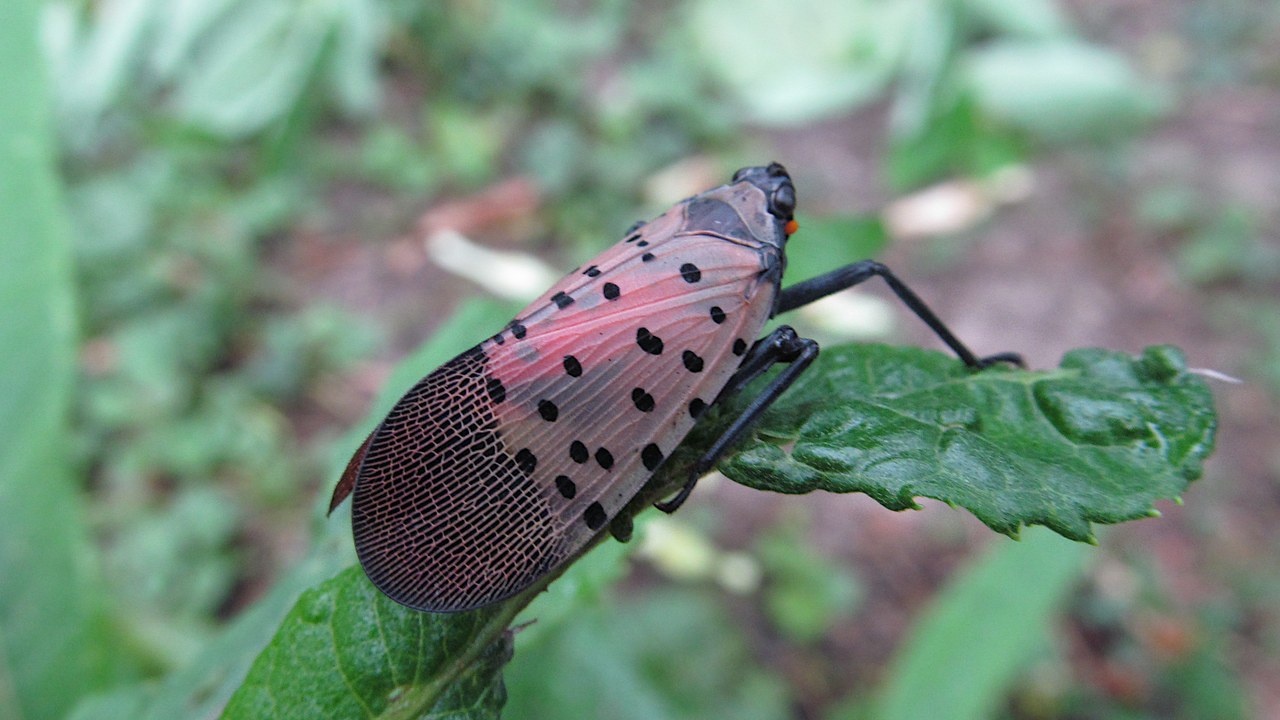
A native of China, the spotted lanternfly was discovered in Pennsylvania in 2014 and has since spread to 13 other states, according to the National Invasive Species Information Center.
The insect is a voracious eater of woody and ornamental trees and many crops, posing a serious threat to vineyards, fruit trees and timber. Left unchecked, Pennsylvania alone could lose hundreds of millions of dollars. USDA researchers have found the pest is attracted to vibration, a possible new way to trap it.
7. Emerald ash borer: Killer of Ash Trees
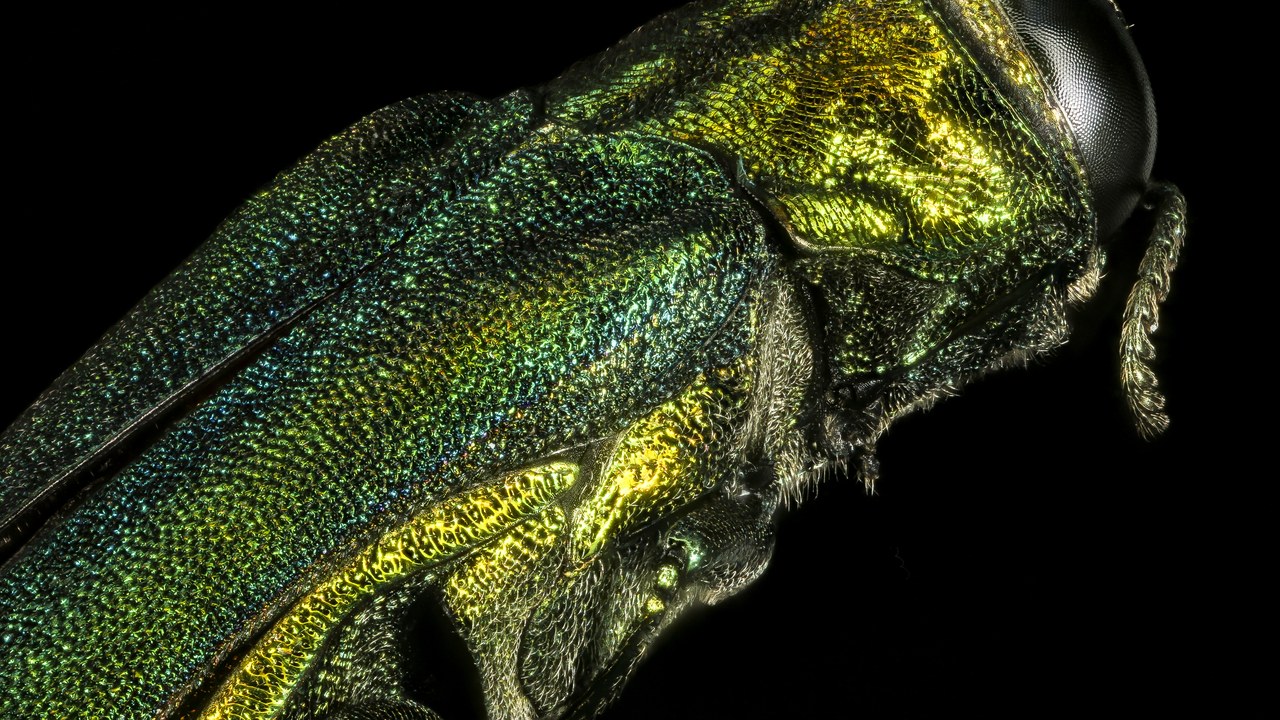
First detected in southeast Michigan in 2002, the emerald ash borer has caused the death and decline of tens of millions of ash trees and has turned up in 38 states and the District of Columbia, the USDA reports.
The half-inch metallic green beetle lays eggs in bark crevices, and its larvae tunnel beneath the bark, leaving S-shaped galleries and D-shaped exit holes. People spread it long distances by moving infested firewood, logs or nursery stock.
8. Feral hog: Millions of Pigs Gone Wild
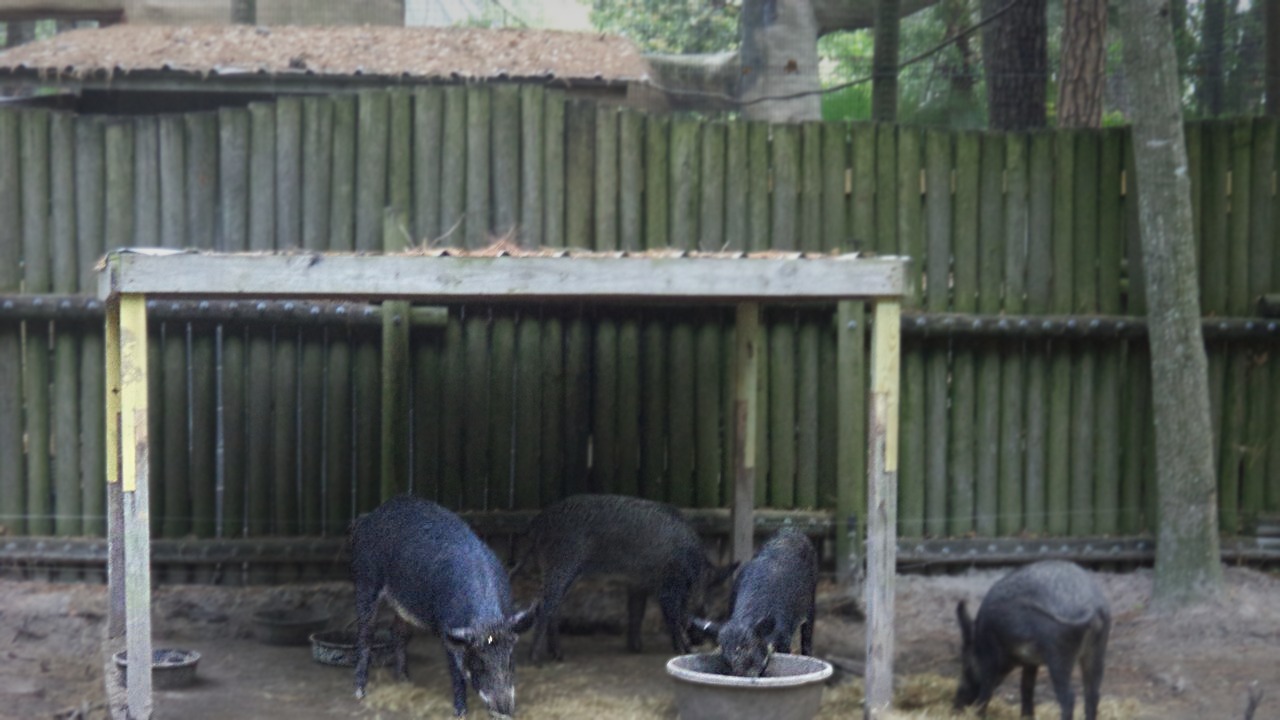
Despite more than $100 million in federal money, an estimated 6 million to 9 million feral swine still roam the United States, the Associated Press reported in a 2022 story carried by WUNC, which put their damage at $2.5 billion a year.
The hogs tear up planted fields, out-eat deer and turkeys and even eat turkey eggs and fawns. They had been wiped out in 11 of the 41 states where they were reported in 2014 or 2015.
9. Nutria: The Marsh Destroyer
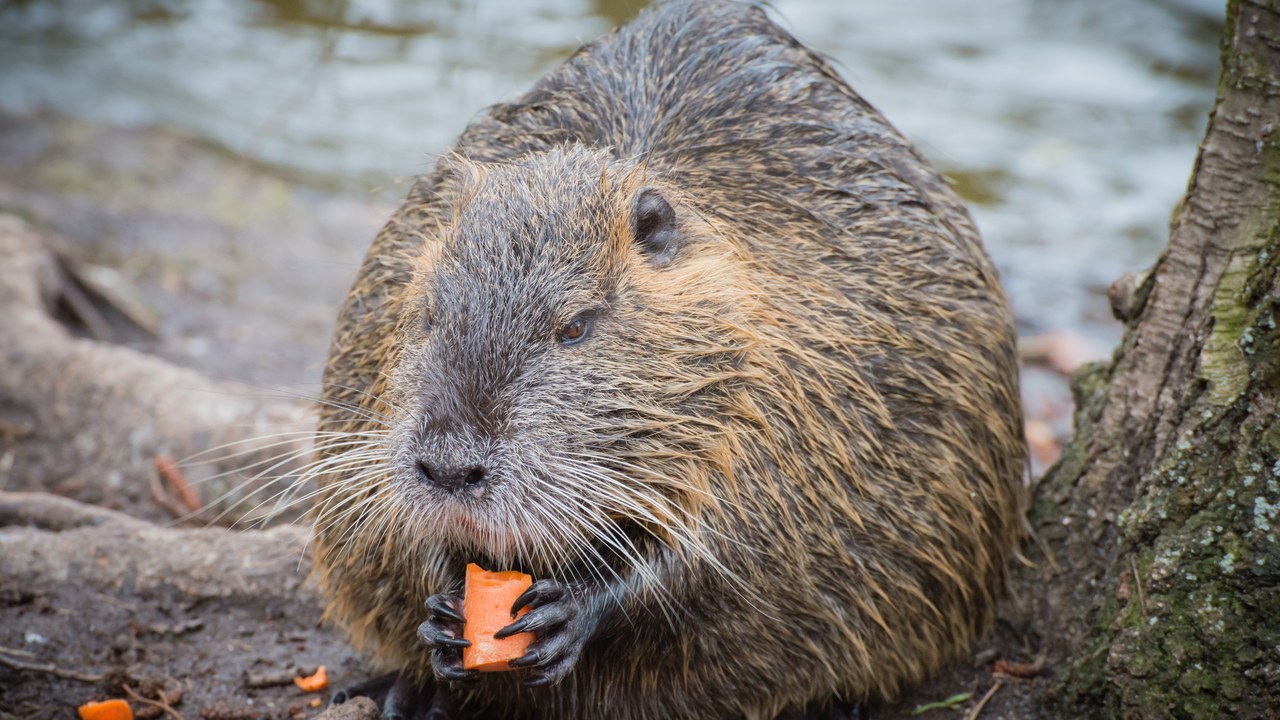
Nutria, large semi-aquatic rodents native to South America, were introduced into the United States in 1899 for the fur trade, and they now have established populations in 17 states, USDA Wildlife Services says.
They eat the roots, rhizomes and tubers of marsh plants, often damaging a marsh so badly it turns into open water. Wildlife Services is leading the first large-scale North American effort to eradicate a mainland population, on Maryland’s Delmarva Peninsula.
10. Red lionfish: A Reef Predator
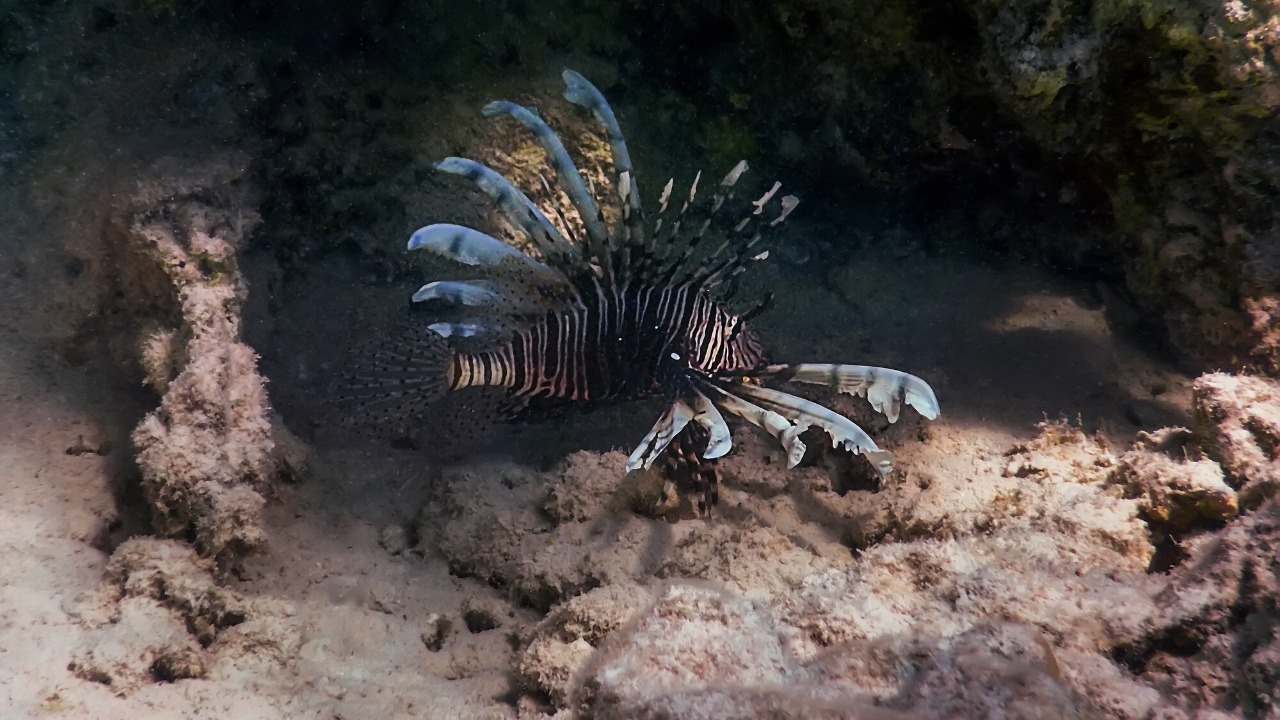
The first lionfish was reported in South Florida waters in 1985, and the Indo-Pacific species has since been reported along the coast from Florida to North Carolina, according to NOAA.
A popular aquarium fish, it may have been released intentionally. Lionfish grow as large as 18 inches and compete for food with overfished snapper and grouper, and scientists fear they could also kill off algae-eating parrotfish, letting seaweed overtake reefs.
11. Brown tree snake: Guam’s Silent Invader
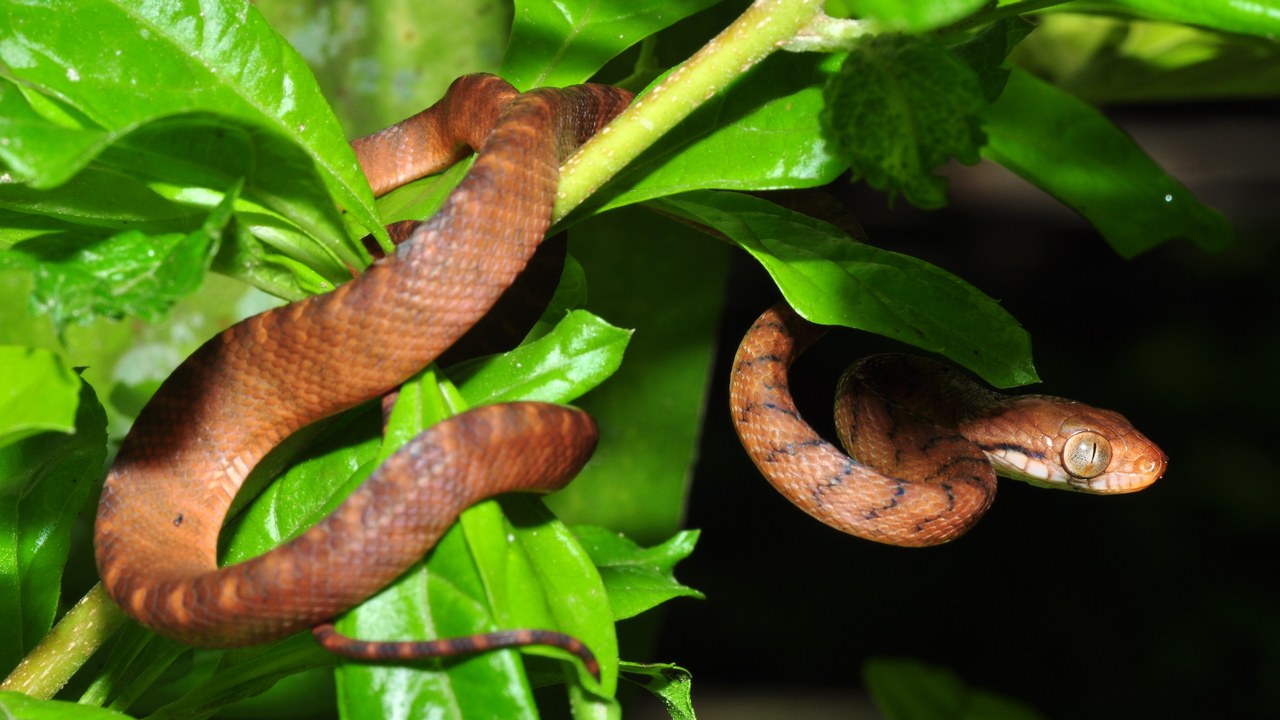
The brown treesnake probably reached Guam hidden in ship cargo from the New Guinea area, about 1,100 miles to the south, according to a U.S. Geological Survey fact sheet.
The first sightings came inland from the seaport in the early 1950s, and by 1968 the snakes had probably spread across the island. With no natural population controls and plenty of vulnerable prey, they became an exceptionally common pest causing major ecological and economic damage.
12. Green iguana: Five Feet of Lizard
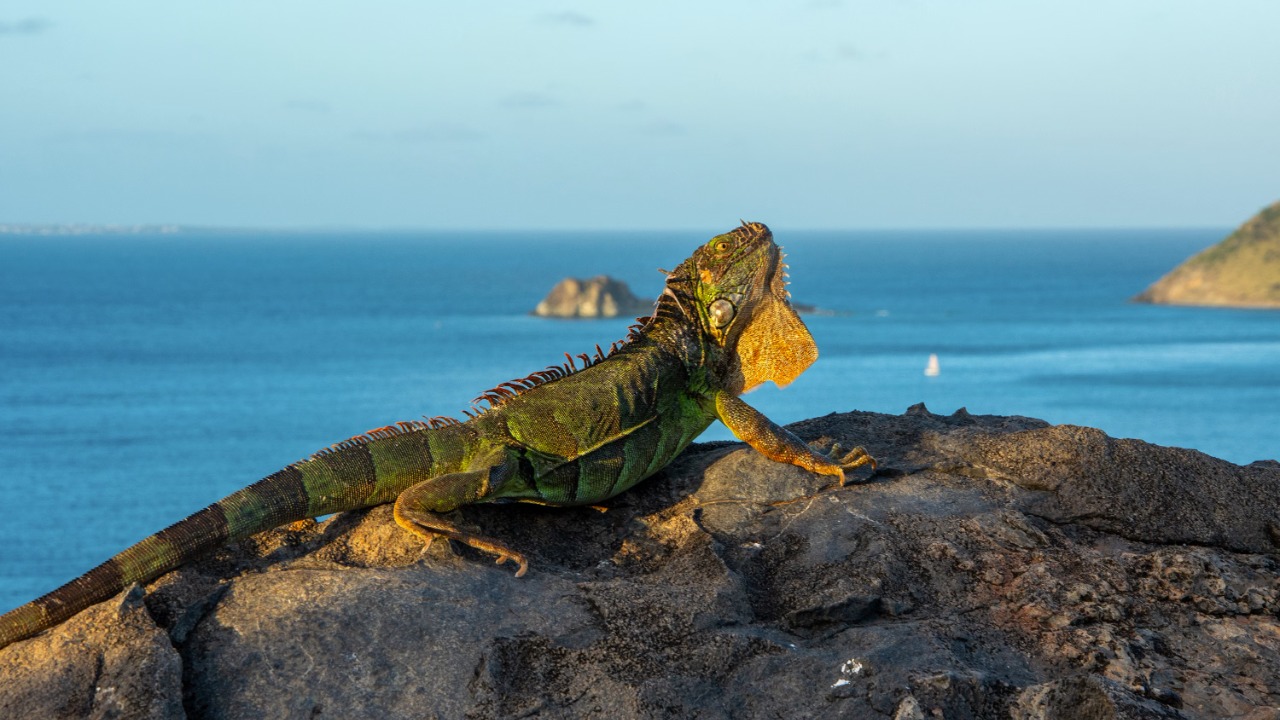
Green iguanas were first reported in Florida in the 1960s in Hialeah, Coral Gables and Key Biscayne, and they now range along both coasts, the Florida Fish and Wildlife Conservation Commission says.
Males can top five feet and weigh up to 17 pounds. Iguanas eat hibiscus, roses, orchids and garden greens, can stay submerged for up to four hours and may be humanely killed without a permit on 32 public lands in south Florida.
13. Cuban tree frog: The Frog That Cuts Power
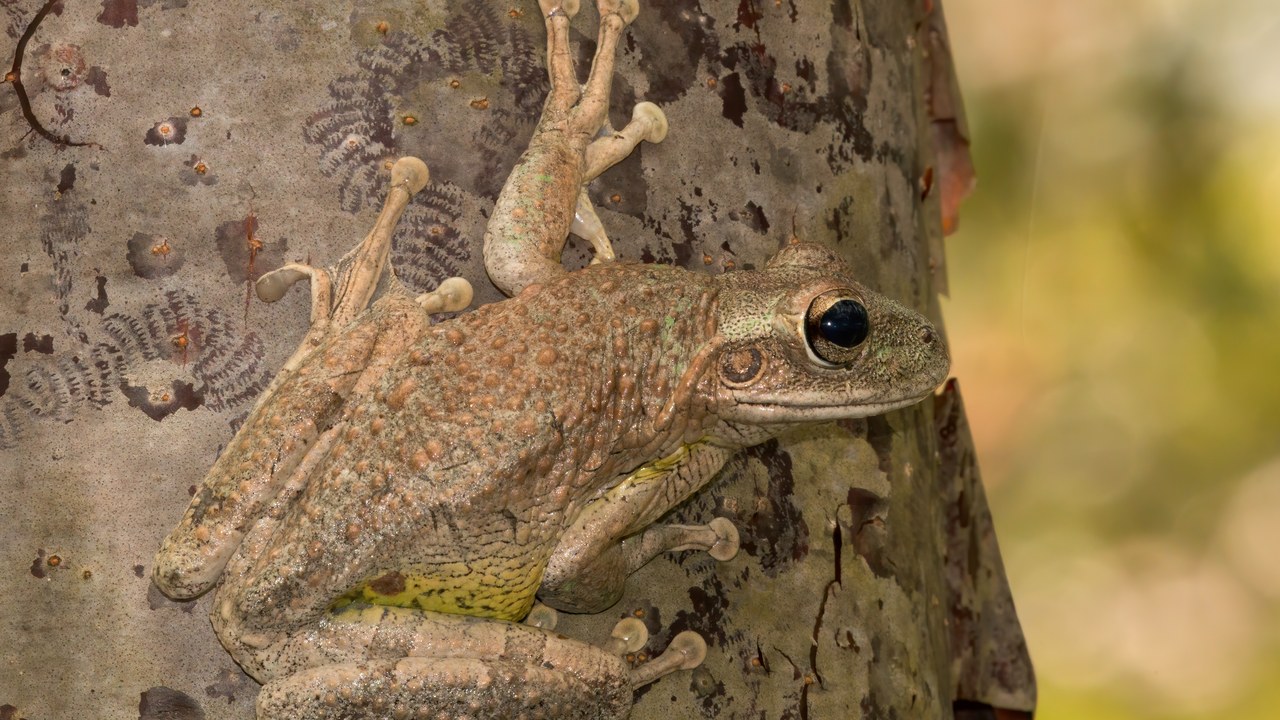
Cuban tree frogs, native to Cuba, the Bahamas and the Cayman Islands, probably arrived in South Florida in shipping crates in the early 20th century, a University of Florida expert said in a 2007 UF/IFAS report.
Growing more than 6 inches long, they may wipe out native tree frogs by outcompeting or eating them. They can also short-circuit utility equipment, causing blackouts, with a single incident costing up to $10,000 in repairs.
14. Argentine black and white tegu: An Egg Thief

The Argentine black and white tegu, a South American lizard that can reach nearly five feet, has been documented eating American alligator eggs in Florida, state wildlife officials report.
Tegus also threaten gopher tortoises, American crocodiles, sea turtles and ground-nesting birds. Females lay an average of 35 eggs a year, and tegus are now on Florida’s prohibited species list and may be humanely killed on 32 commission-managed lands.
15. Giant African land snail: A Snail Florida Keeps Fighting
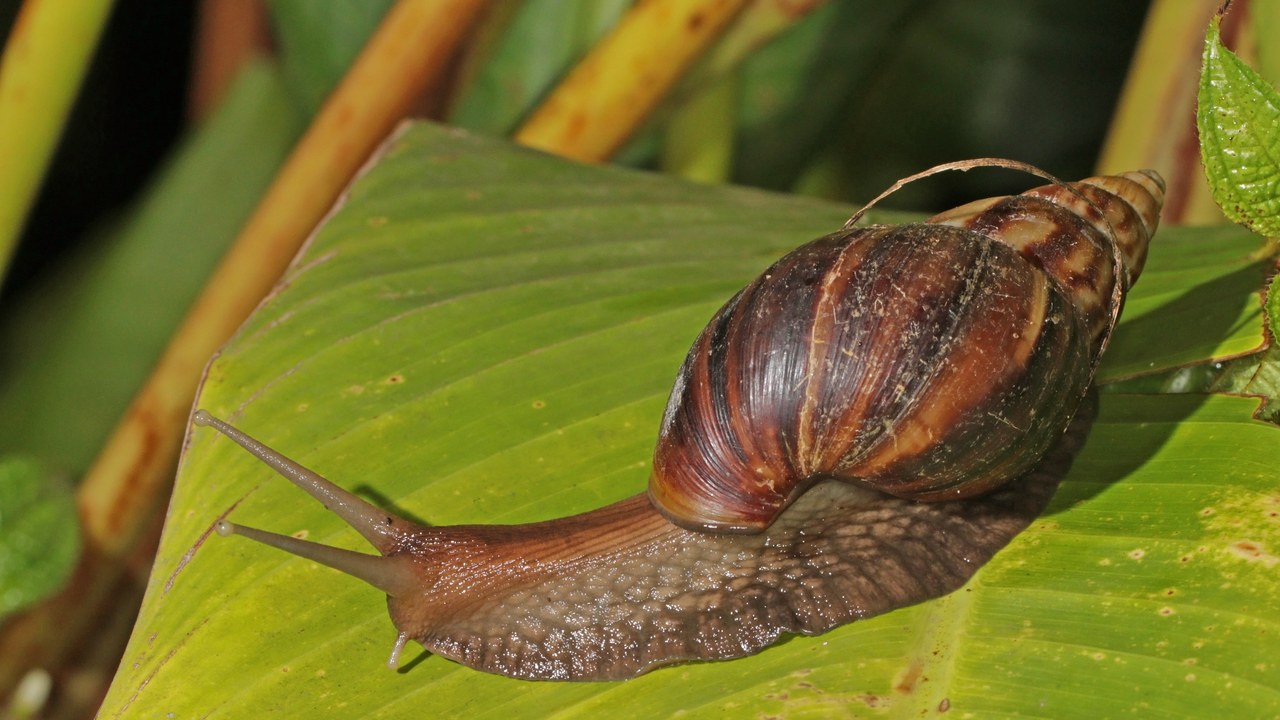
The giant African land snail, which attacks hundreds of plant species, was first introduced to Hawaii in 1936 and to the continental United States in 1966, the National Invasive Species Information Center says.
Often imported as a pet, it is one of the most invasive pests on the planet. The snail was established twice in southeastern Florida and eradicated both times, then a new population was reported in New Port Richey, Pasco County, in June 2022.
16. Brown marmorated stink bug: The Uninvited Houseguest
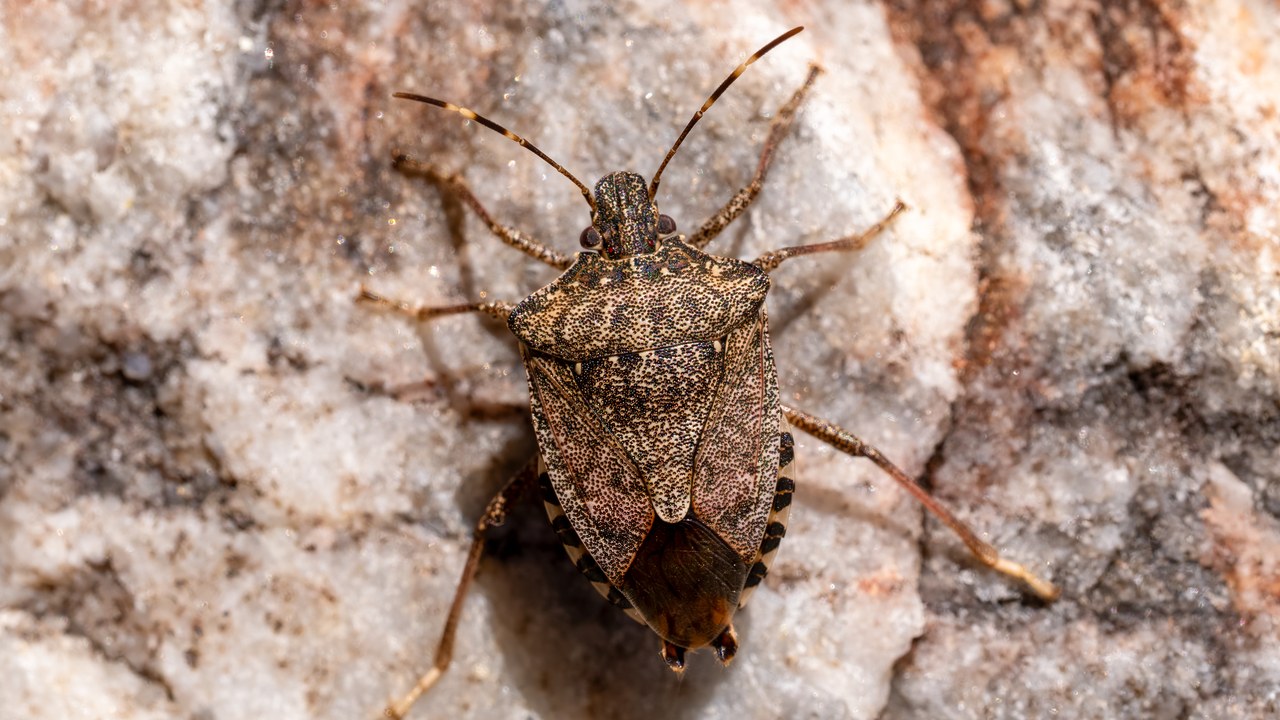
Originally from East Asia, the brown marmorated stink bug was first confirmed in Allentown, Pennsylvania, in 2001, although specimens were collected as early as 1996, according to the National Invasive Species Information Center.
It is now present throughout much of the country and is a serious threat to fruit crops, garden vegetables and ornamentals. On warm fall days it gathers on houses and can enter them in large numbers looking for a place to spend the winter.
17. Red imported fire ant: 260 Million Acres and Counting
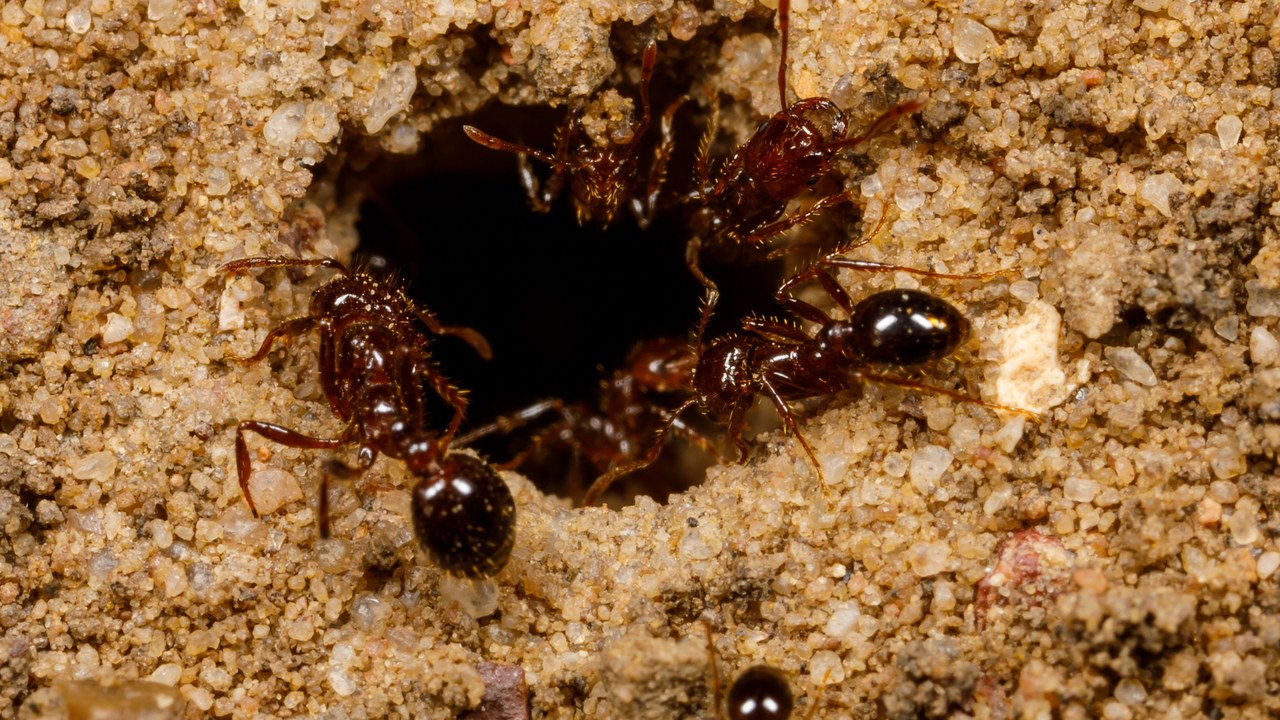
The red imported fire ant arrived accidentally from South America at Mobile, Alabama, and now infests more than 260 million acres across most of nine southeastern states and Puerto Rico, Texas A&M researchers report.
It reached Texas in the 1950s and spread through mating flights, colony movements and floodwaters. Newly mated queens can hitch rides on cars, trucks and trains, and nursery stock or soil shipments can move entire colonies.
18. Japanese beetle: Leaves Turned to Lace
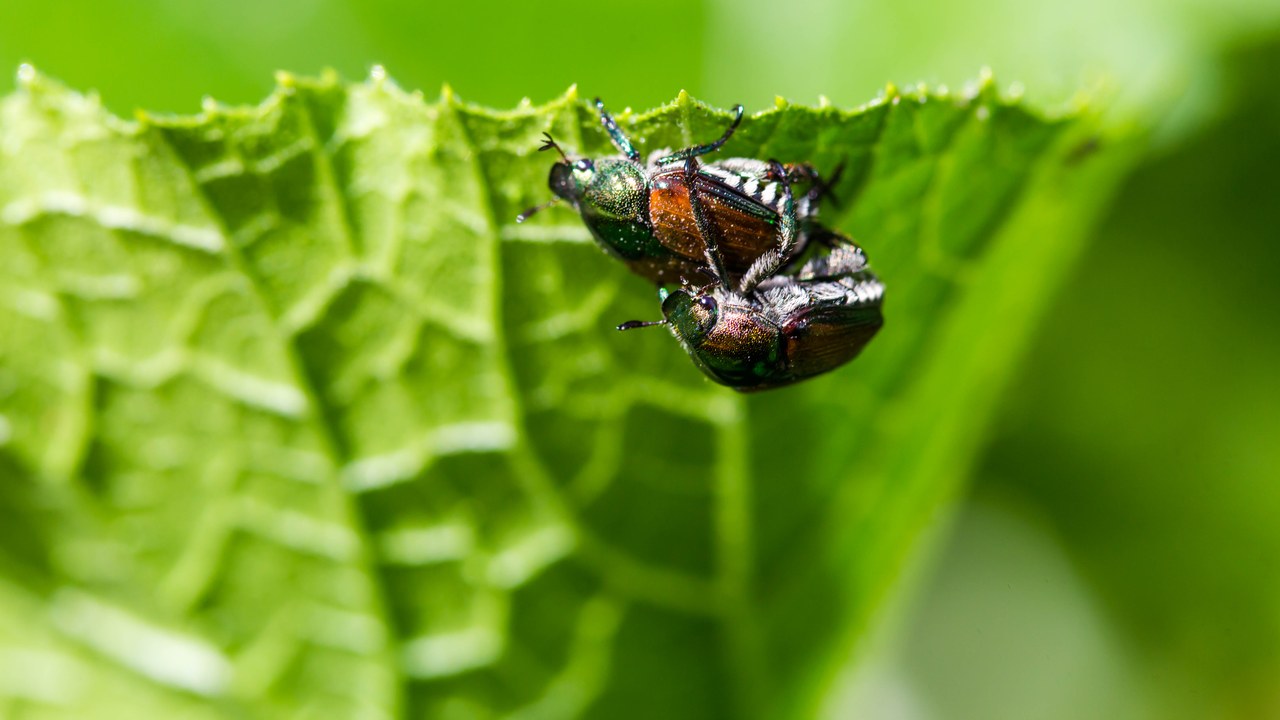
Native to Japan, the Japanese beetle was first discovered in New Jersey in 1916 and has since spread through most of the Eastern and Central United States, according to the USDA.
Adults feed on more than 300 ornamental and agricultural plants, chewing holes until leaves resemble lace, while underground grubs gnaw grass roots and kill turf. APHIS regulates air cargo to keep hitchhiking beetles from reaching Western states.
19. Spongy moth: A 150-Year-Old Problem

The spongy moth has been a costly and persistent problem in Massachusetts since its introduction in 1869, and a dry-spring outbreak pushed defoliation to more than 900,000 acres in 2017, the state’s fact sheet says.
Its caterpillars prefer oaks, maples, birches, poplars, willows, apple trees and hawthorns. A healthy hardwood can survive one complete defoliation, but repeated years of feeding can kill it, and conifers can die after a single heavy defoliation.
More from Morning Overview
- Neanderthals in Spain carved a wooden object that matches nothing archaeologists have ever found
- The FAA wants $2.39 million from a flight school it says flew a Cessna about 280 times with an unapproved part
- A $1 billion gas plant planned for Superior, Wisconsin, has been abandoned
- Shaq spent $1.3 million on three Rolls-Royce Phantoms to prove a point to a salesman
