
Winter in the far north and the high mountains can drop far below zero for months at a time. A handful of animals do not just endure those conditions but are built for them, with fur, fat and feet designed to keep the cold at bay. Here are eight animals whose bodies are made to survive brutal cold.
Read next on Morning Overview: Shaq spent $1.3 million on three Rolls-Royce Phantoms to prove a point to a salesman
1. Polar bear: Fur on the Soles of Its Feet
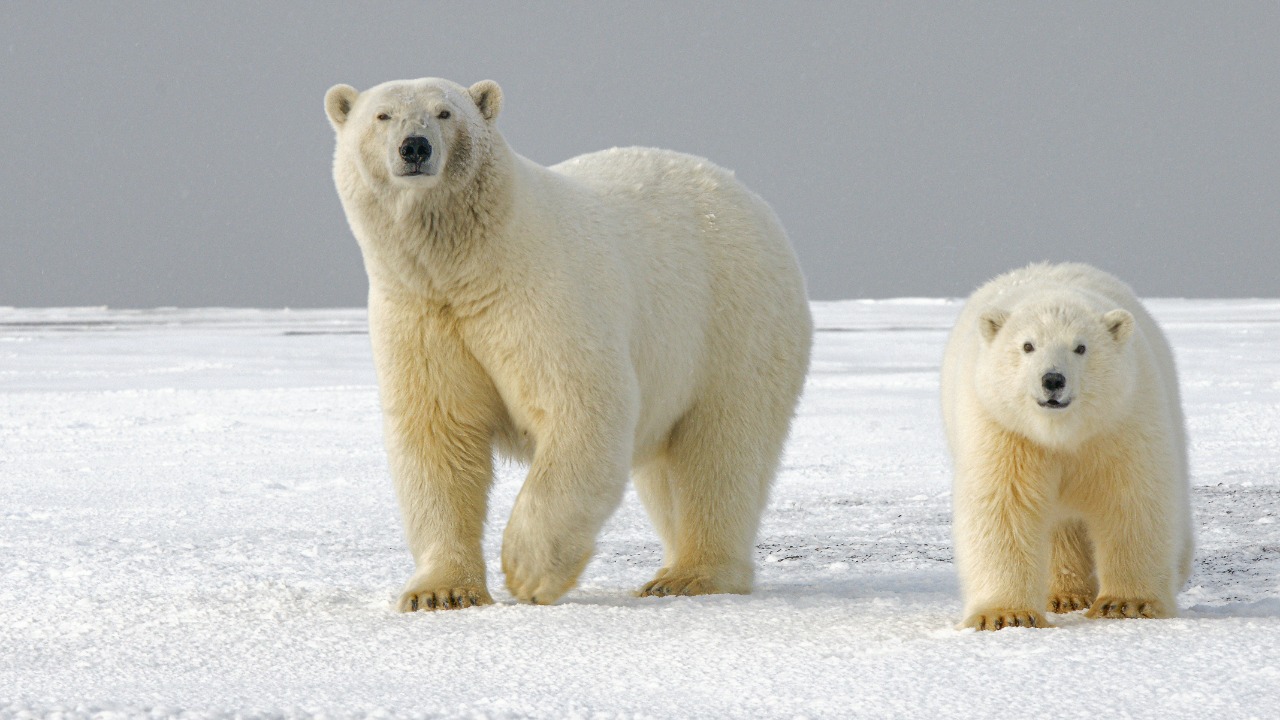
Polar bears live in one of the planet’s coldest environments and rely on a thick coat of insulated fur that covers a warming layer of fat, according to National Geographic’s profile. Fur even grows on the bottoms of their paws, which protects against frozen surfaces and gives the bears a good grip on ice.
Under that white coat, polar bears have black skin, the better to soak in the sun’s warming rays. They are also strong swimmers, paddling with large, slightly webbed front paws, and some have been seen swimming hundreds of miles from land. Adults weigh 900 to 1,600 pounds, a bulk that helps hold in heat on the Arctic sea ice.
2. Arctic fox: Comfortable at Minus 58
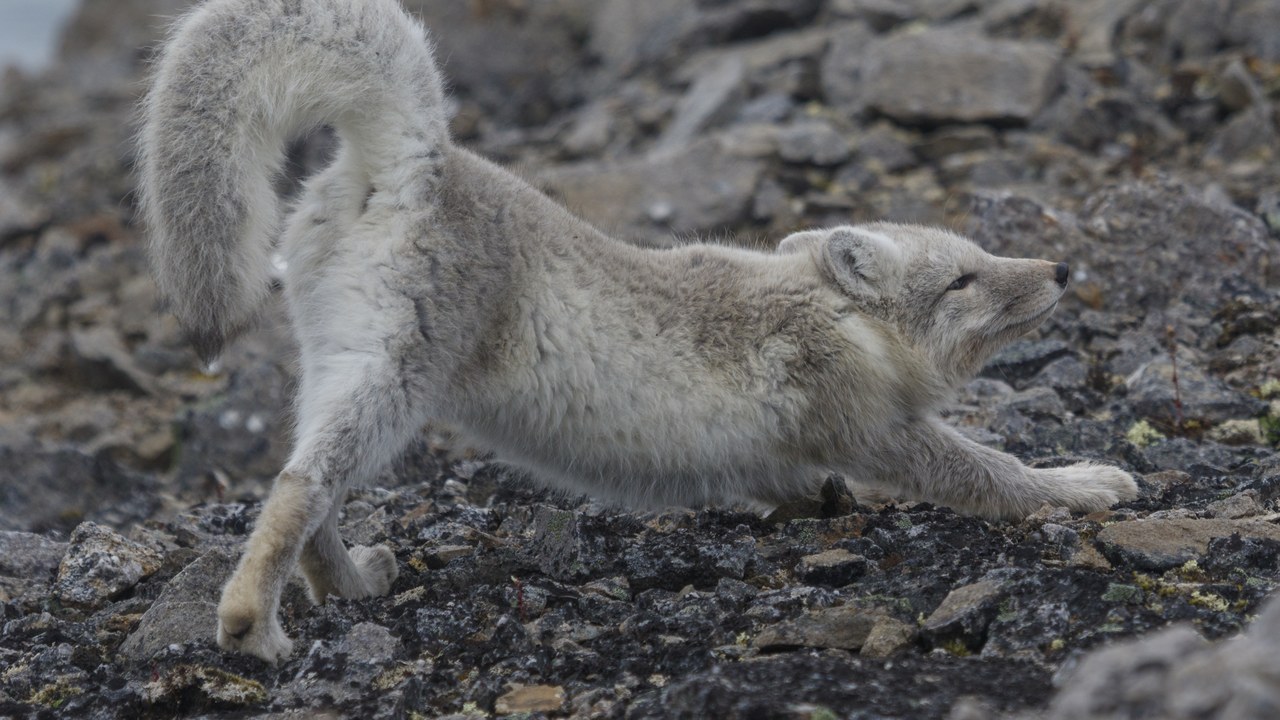
The arctic fox is a remarkably hardy animal that can survive temperatures as low as minus 58 degrees Fahrenheit in the treeless lands where it lives, according to National Geographic. Furry soles, short ears and a short muzzle all limit the heat it loses, and in a blizzard it may tunnel into the snow to build a shelter.
Its coat changes with the seasons, white or blue-gray in winter for camouflage on snow and brown or gray in summer among tundra rocks and plants. When prey is scarce in winter, arctic foxes follow polar bears to eat the scraps left from their kills. The thick tail helps with balance and can also be wrapped around the body for warmth.
3. Snow leopard: Built-In Snowshoes
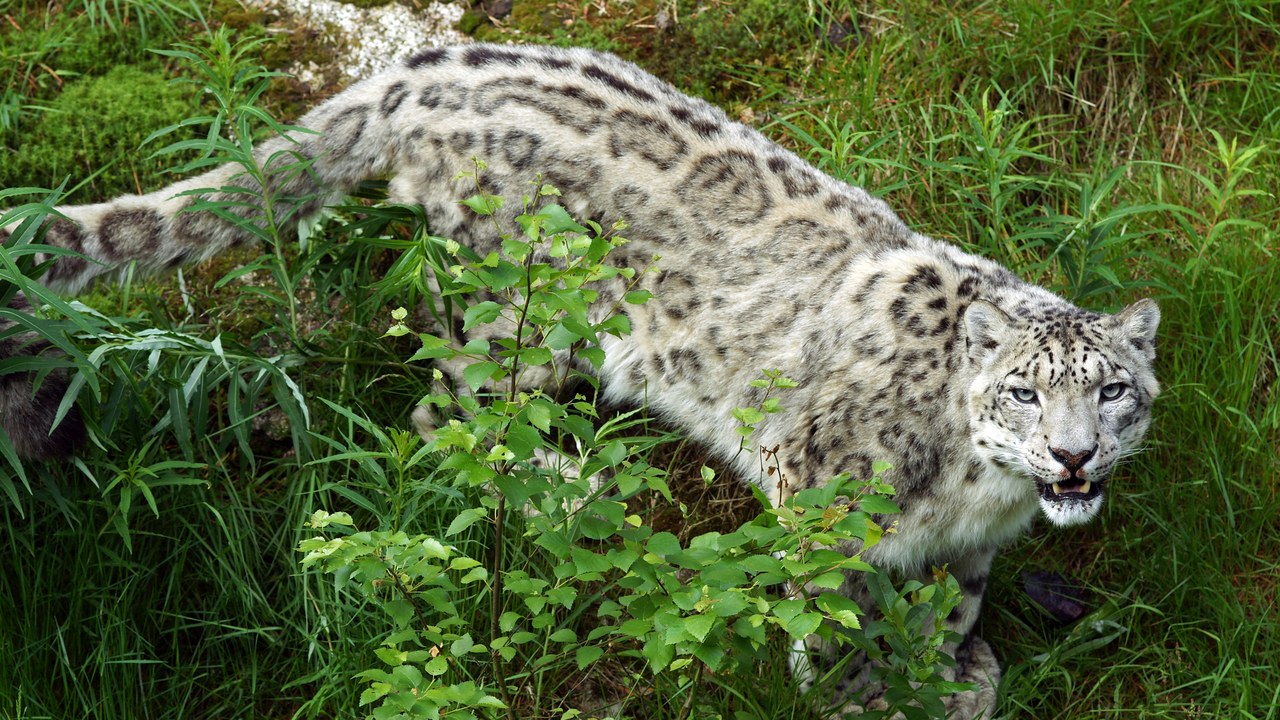
Snow leopards live in high mountain ranges across Asia, including the Himalayas, and are insulated by thick hair in shades of gray or creamy yellow, according to National Geographic’s fact sheet. Their wide, fur-covered feet act as natural snowshoes, spreading their weight across deep drifts on steep, rocky slopes.
They also use their long tails for balance and as blankets, wrapping them over sensitive body parts against the severe mountain chill. The cats are powerful jumpers, able to leap as far as 50 feet, and they are so shy and reclusive that they are rarely seen in the wild. A male may need up to 80 square miles of territory to find enough prey.
4. Moose: Hooves That Clear the Snow
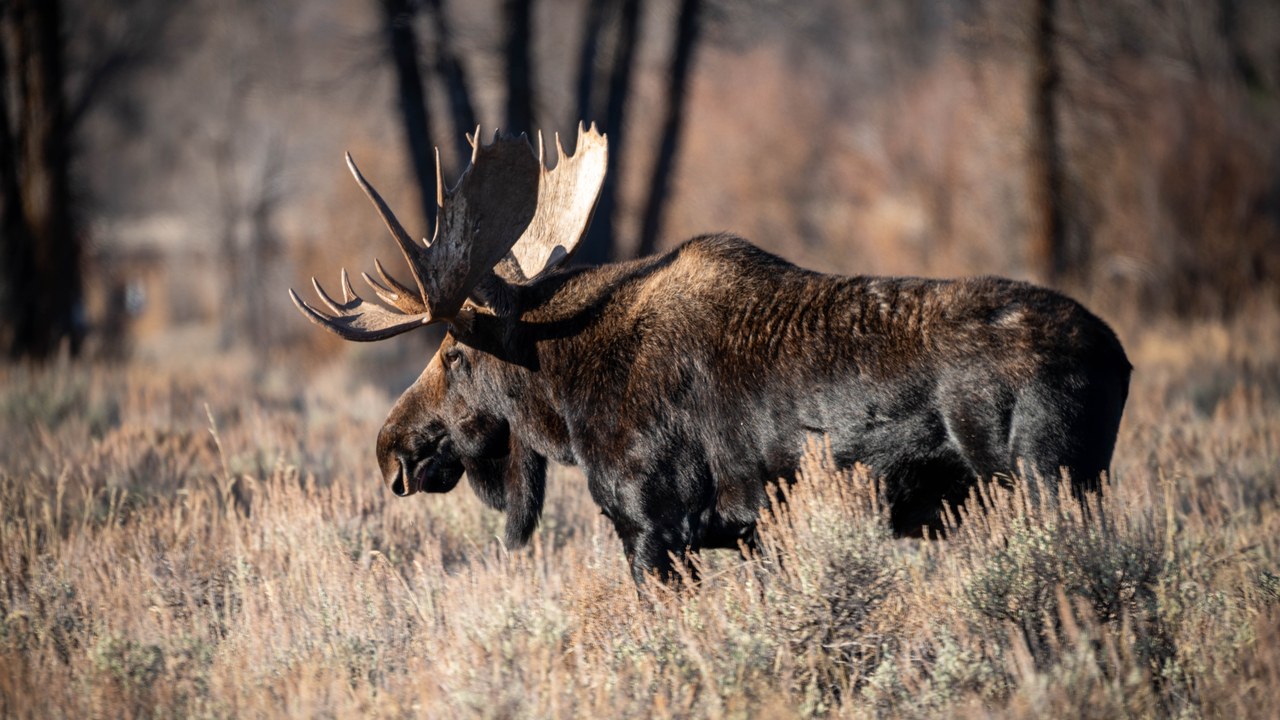
Moose are the largest members of the deer family, standing 5 to 6.5 feet at the shoulder. In winter they eat shrubs and pinecones, and they scrape snow away with their large hooves to reach mosses and lichens underneath, according to National Geographic. Those same hooves act as snowshoes that hold up the heavy animals in soft snow.
The hooves help in muddy or marshy ground too, which is where moose spend much of the warmer months feeding on aquatic plants. Despite weighing up to 1,800 pounds, moose are good swimmers that have been seen paddling several miles at a time. Their size and long legs let them move through deep snow that stops smaller animals.
5. Bowhead whale: A Whale Made for Sea Ice
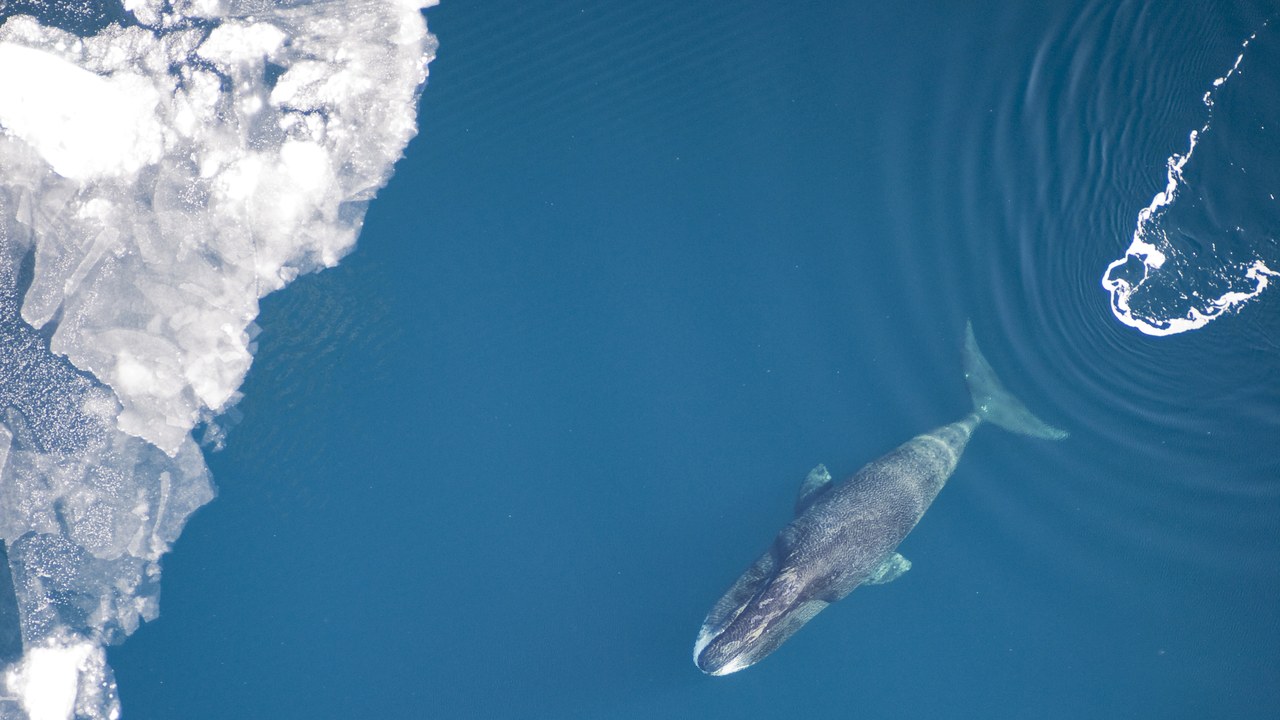
Bowhead whales are among the few whale species that live almost exclusively in Arctic and subarctic waters with seasonal sea ice, mostly between 60 and 75 degrees north latitude, according to NOAA Fisheries. Of all large whales, the bowhead is the most adapted to icy water, with a layer of insulating blubber that can be up to 1.6 feet thick.
The whales can reach 62 feet in length and weigh up to 200,000 pounds, and evidence suggests some live more than 200 years. Commercial whaling off Alaska pushed the worldwide population below 3,000 animals by the time it effectively ended in 1921. Today the species is listed as endangered throughout its range and remains protected.
6. Muskox: A Coat Like a Beard
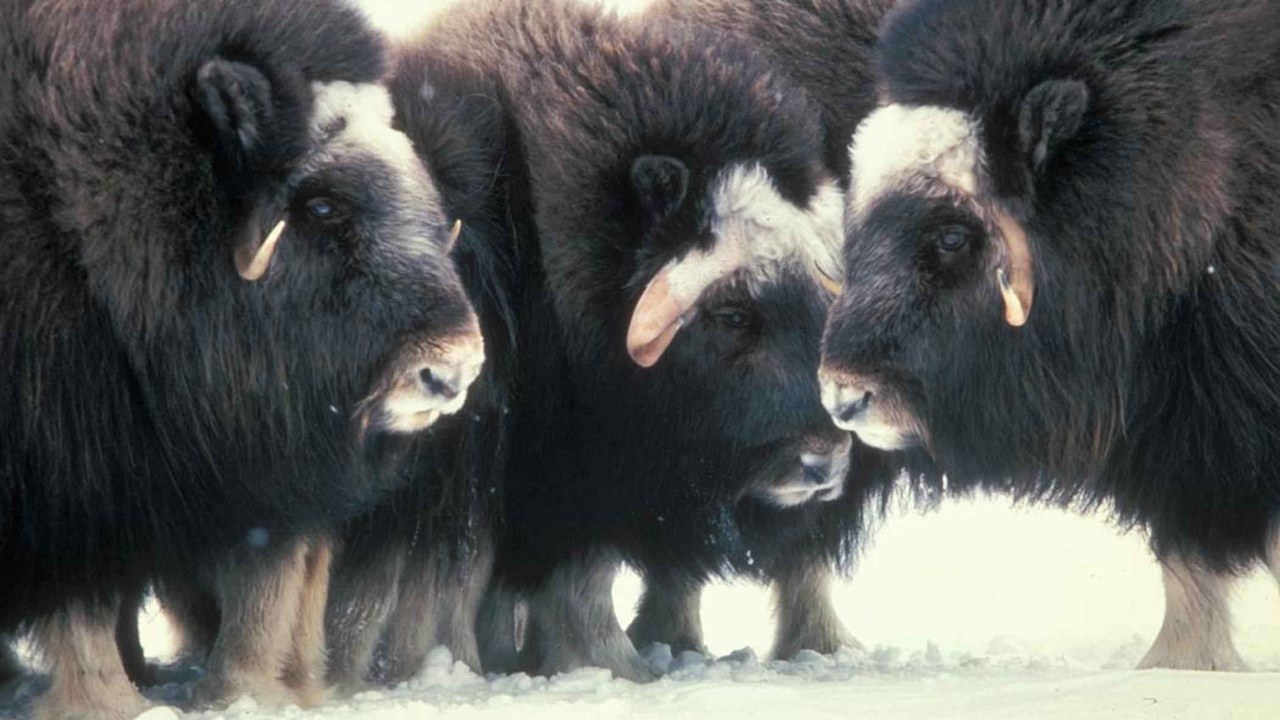
The muskox carries a coat with two layers: a long, coarse outer coat over a short, fine underhair, according to the Alaska Department of Fish and Game. The Inupiaq name for the animal means the animal with skin like a beard, a reference to the long guard hair that hangs nearly to the ground.
Mature bulls stand about 5 feet at the shoulder and weigh 600 to 800 pounds, and both sexes grow horns. Muskoxen once roamed across northern Europe, Asia, Greenland and North America at the end of the last ice age. They disappeared from Alaska by the 1920s, but the state now holds about 4,000 of them, living through some of the harshest winters on the continent.
7. Caribou: Hooves That Spread on Tundra
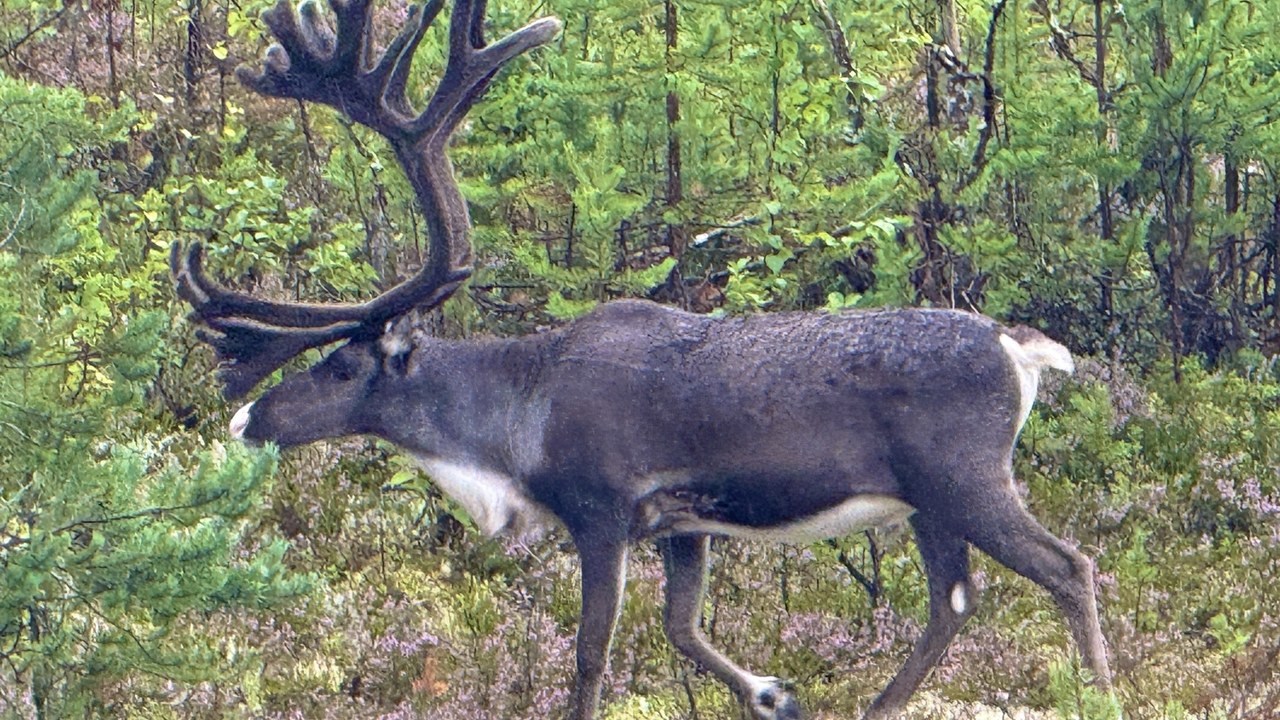
Caribou have large, concave hooves that spread widely to support them in snow and soft tundra, according to the Alaska Department of Fish and Game. The same feet work as paddles when the animals swim. Caribou are also the only members of the deer family in which both males and females grow antlers.
Large herds migrate long distances between summer and winter ranges, a journey that can reach 400 miles. Newborn calves weigh about 13 pounds and can double their weight in 10 to 15 days, a fast start that matters in a short Arctic summer. In Europe the animals are called reindeer, while in Alaska and Canada that name is used only for the semi-domesticated form.
8. Pacific walrus: Life on the Sea Ice
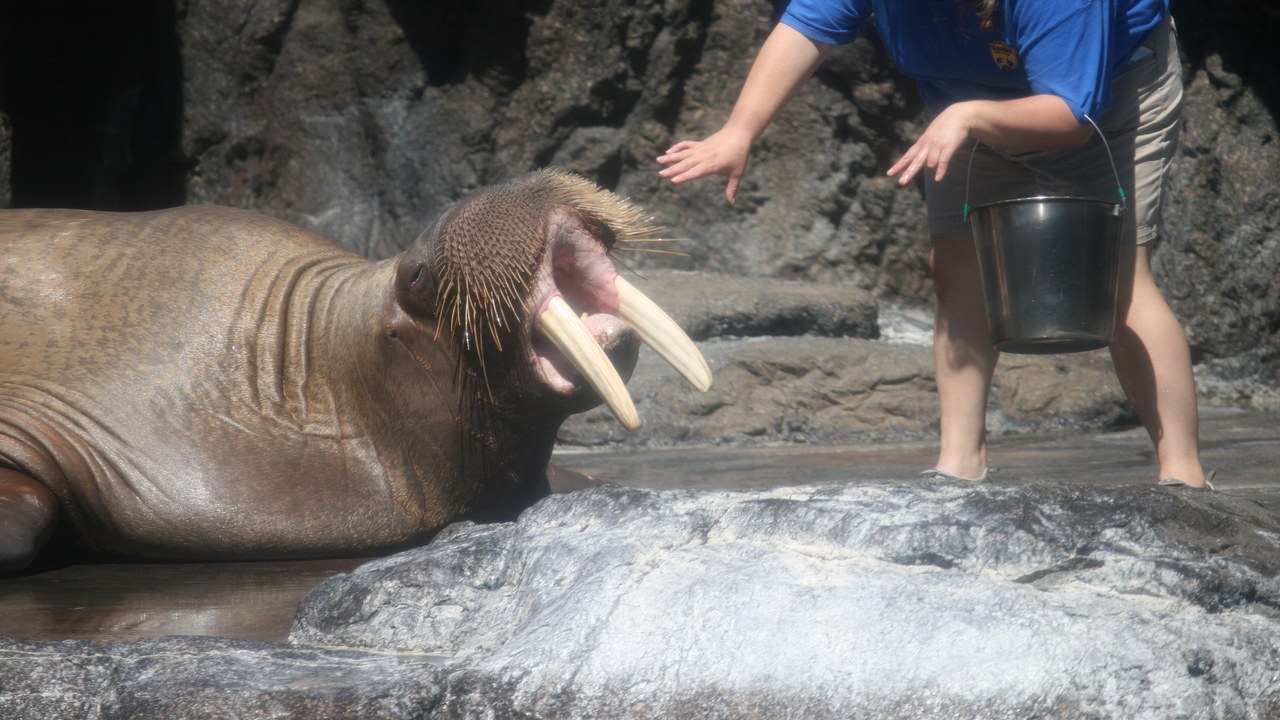
Pacific walruses live in the Bering and Chukchi seas, where they haul out on sea ice and along the coasts of Russia and Alaska, according to the Alaska Department of Fish and Game. Their tough hide can be an inch thick, and adult bulls reach 12 feet in length and may weigh up to 2 tons.
The ice is central to their life cycle. Walruses mate in the water in mid-winter, and calves are born on ice floes weighing about 140 pounds. Both males and females carry long ivory tusks, which are upper canine teeth that grow throughout life, and hundreds of sensitive whiskers help them search the frigid seafloor for food.
More from Morning Overview
- New FCC rules on how people can stop robocalls and texts take effect Nov. 25
- Neanderthals in Spain carved a wooden object that matches nothing archaeologists have ever found
- The FAA wants $2.39 million from a flight school it says flew a Cessna about 280 times with an unapproved part
- A $1 billion gas plant planned for Superior, Wisconsin, has been abandoned
