
Birds of prey survive by turning one skill into a weapon, whether that is raw speed, crushing talons, silent flight or hearing sharp enough to hunt in darkness. Some patrol American backyards, while others rule remote rainforests and Arctic tundra. Here are eighteen birds of prey and the deadly skill each one relies on to catch its next meal.
Read next on Morning Overview: Shaq spent $1.3 million on three Rolls-Royce Phantoms to prove a point to a salesman
1. Peregrine falcon: The Fastest Dive on Earth
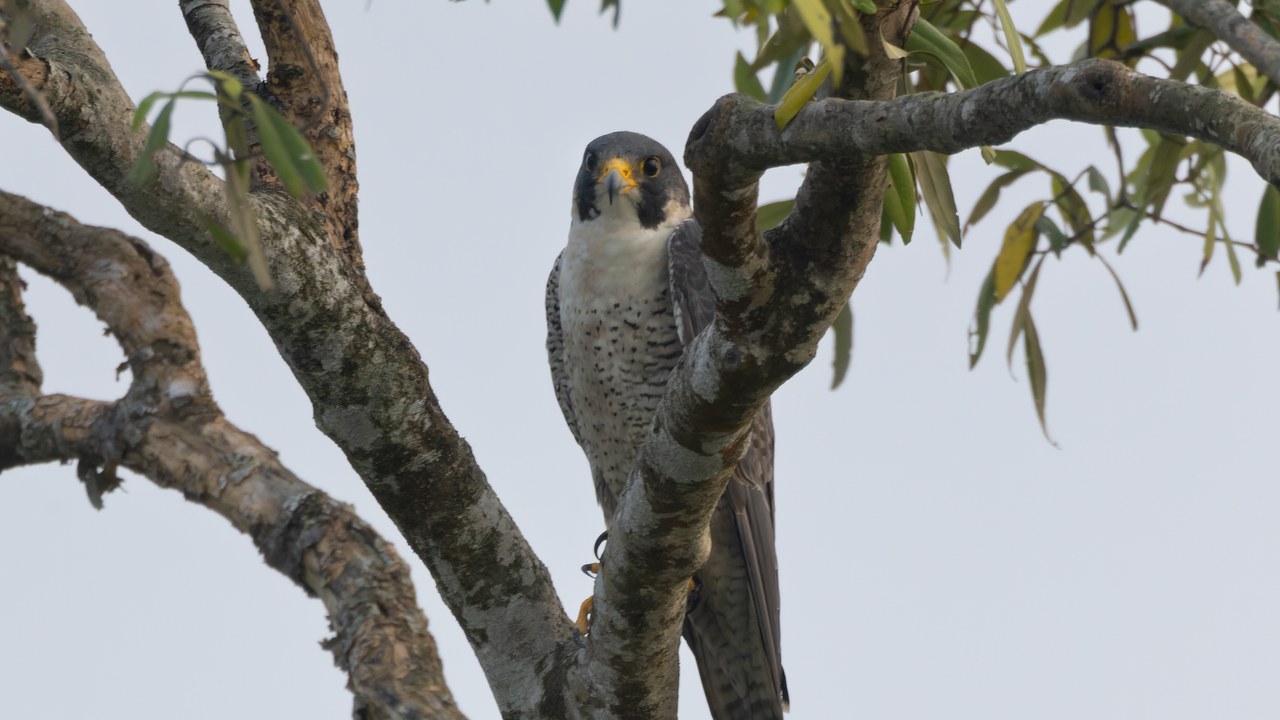
Speed is the peregrine falcon’s weapon. The Peregrine Fund says biologists have clocked it diving at more than 200 mph, and it uses that speed to take prey ranging from small songbirds to large ducks.
Despite that power, it is a compact bird, with a wingspan of 31 to 48 inches and a weight of 1 to 3.5 pounds. It is a strong, efficient flier, and peregrines near the equator tend to find more prey year-round than those in harsher climates.
2. Golden eagle: Power on the Wing
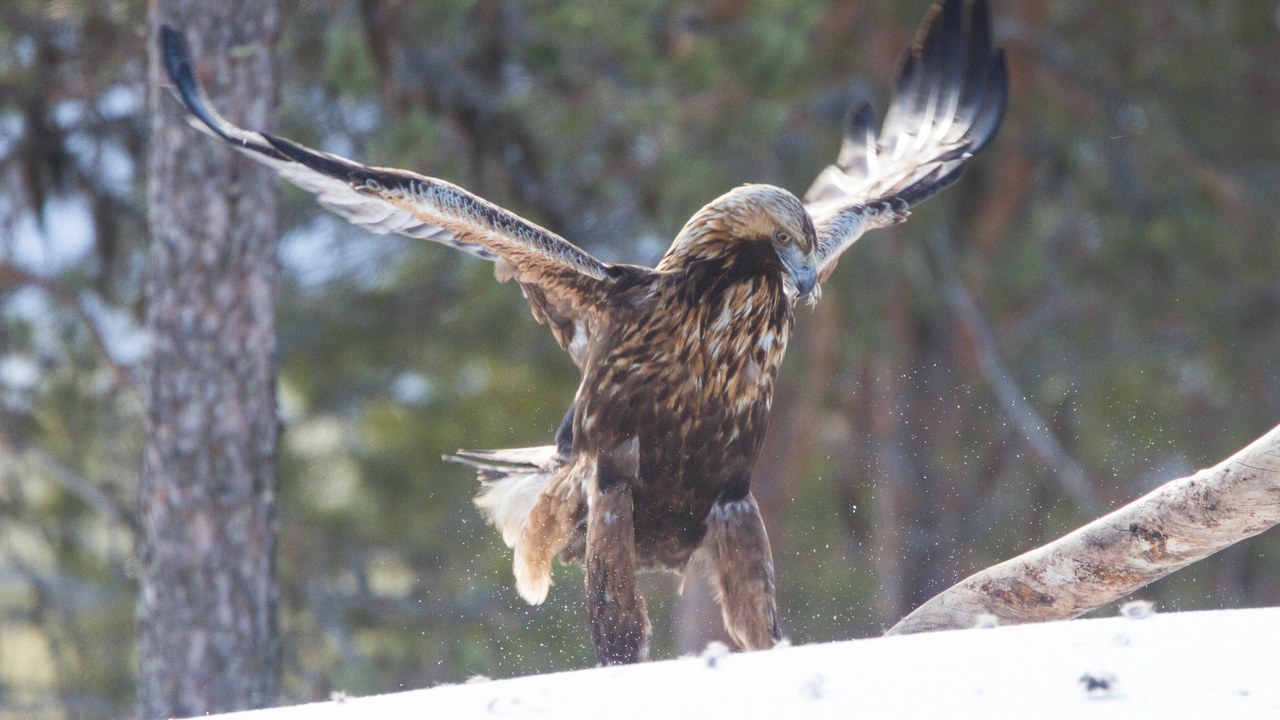
The golden eagle combines size with fast, agile flight. It carries a wingspan of 6.5 to 7.5 feet, weighs 7 to 13 pounds, and, according to The Peregrine Fund, people have used these eagles to hunt prey including rabbits and even wolves.
Named for the golden hue on its head and neck, it is also resourceful: because a tortoise shell is too hard to break into, golden eagles carry tortoises in their talons and fly high into the sky.
3. Harpy eagle: Talons Like a Grizzly’s Claws
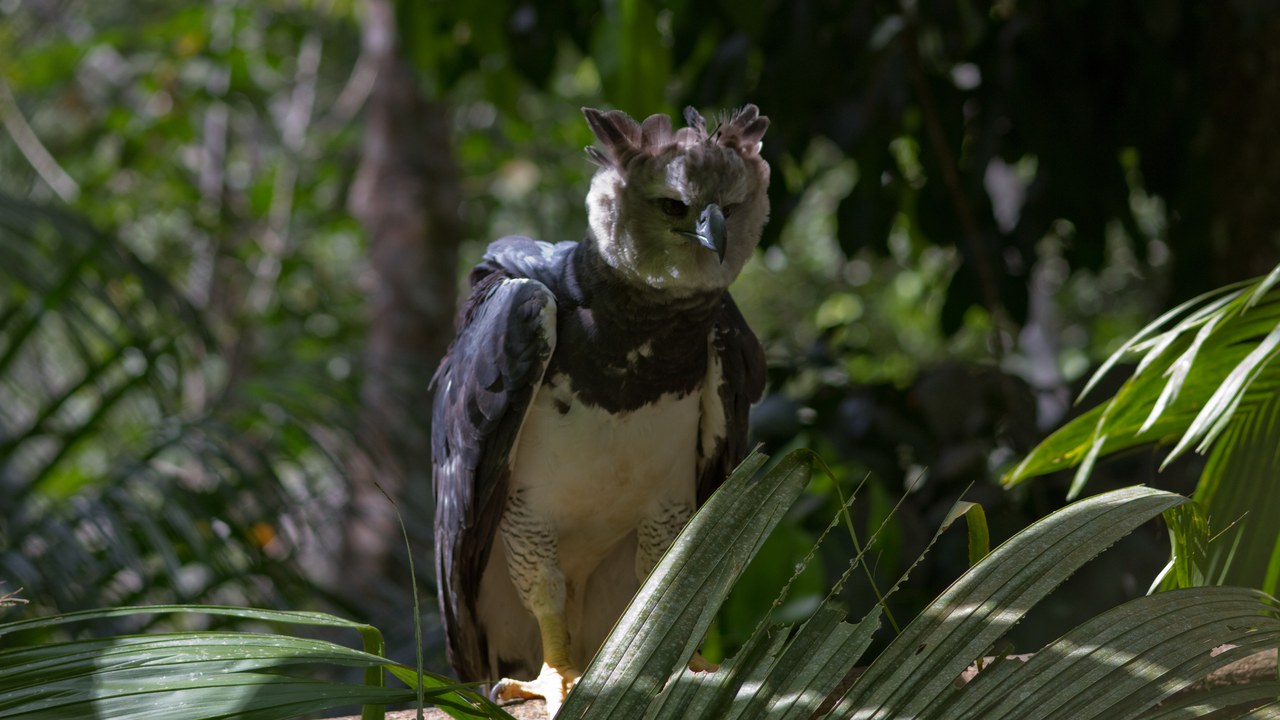
The harpy eagle is among the world’s largest and most powerful eagles. Its rear talons measure about 3 to 4 inches long, the same size as a grizzly bear’s claws, and it can weigh up to 20 pounds.
Its wingspan reaches about 6.5 feet. Pairs keep bringing fresh green twigs and branches to the nest even after a chick hatches, and the species is listed as Vulnerable.
4. Philippine eagle: A Monkey-Eating Giant
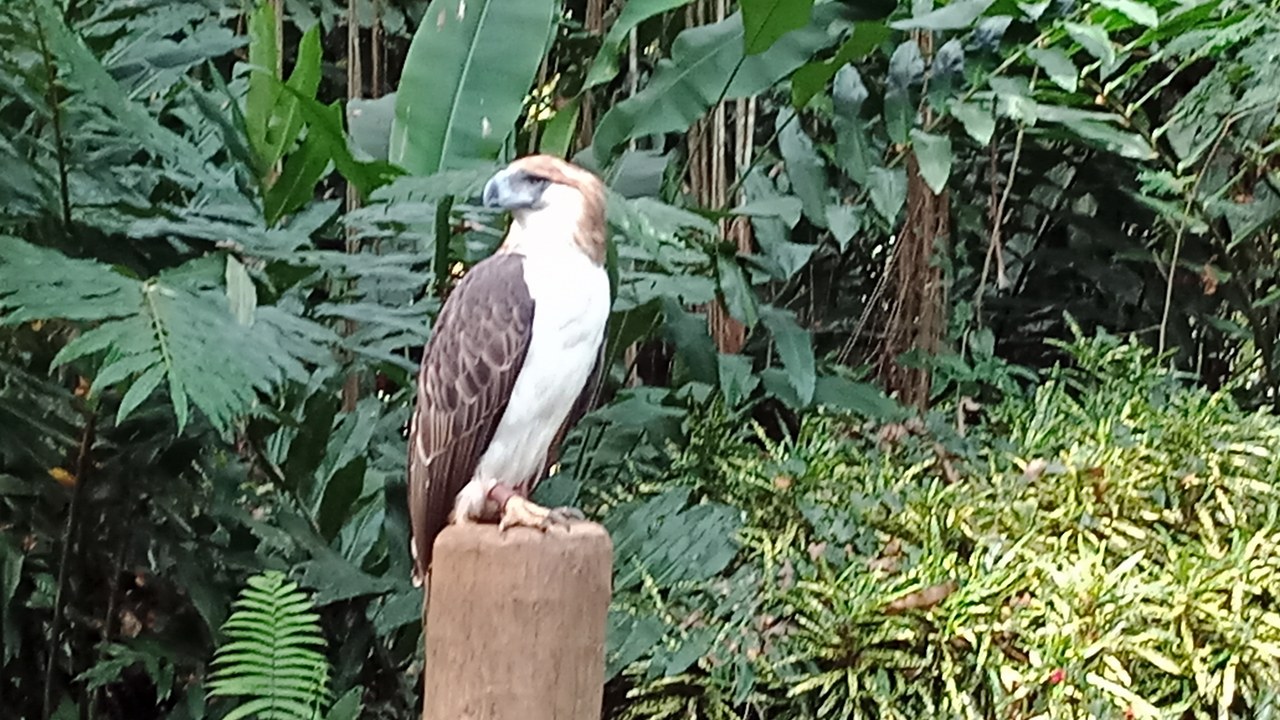
The Philippine eagle is one of the largest eagles in the world, with a 6.5-foot wingspan and a weight of up to 18 pounds. The Peregrine Fund notes it hunts animals such as monkeys and civets in the forests of the Philippines.
It was named the country’s national bird in 1995, but it is critically endangered. Chainsaws and bulldozers are taking the nesting trees and prey it depends on.
5. Bald eagle: A Fisher and a Thief
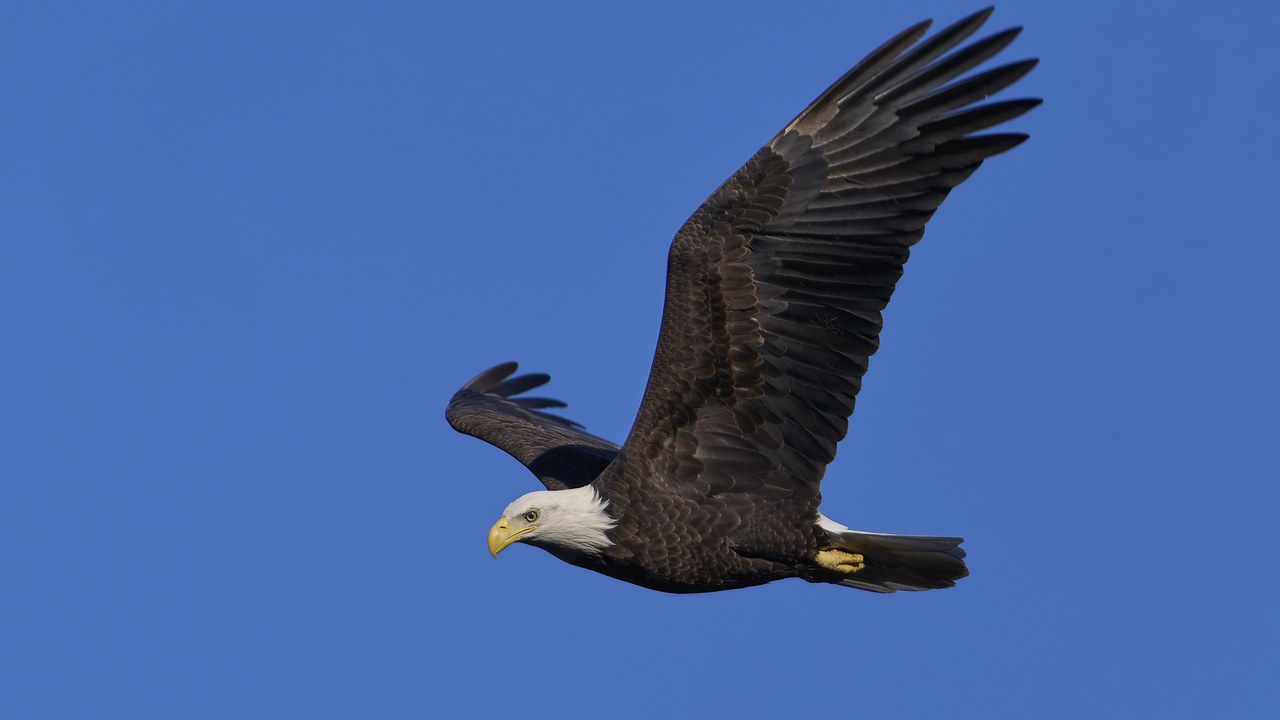
The bald eagle feeds mainly on fish, snatching them from coasts, rivers and large lakes. It has a 6- to 7.5-foot wingspan, and The Peregrine Fund notes it will also steal food from other birds and scavenge.
Hundreds may gather where salmon spawn and die. That opportunistic streak reportedly put off Benjamin Franklin, yet the bird became the national symbol of the United States, found on the presidential seal and money.
6. Gyrfalcon: The Biggest Falcon
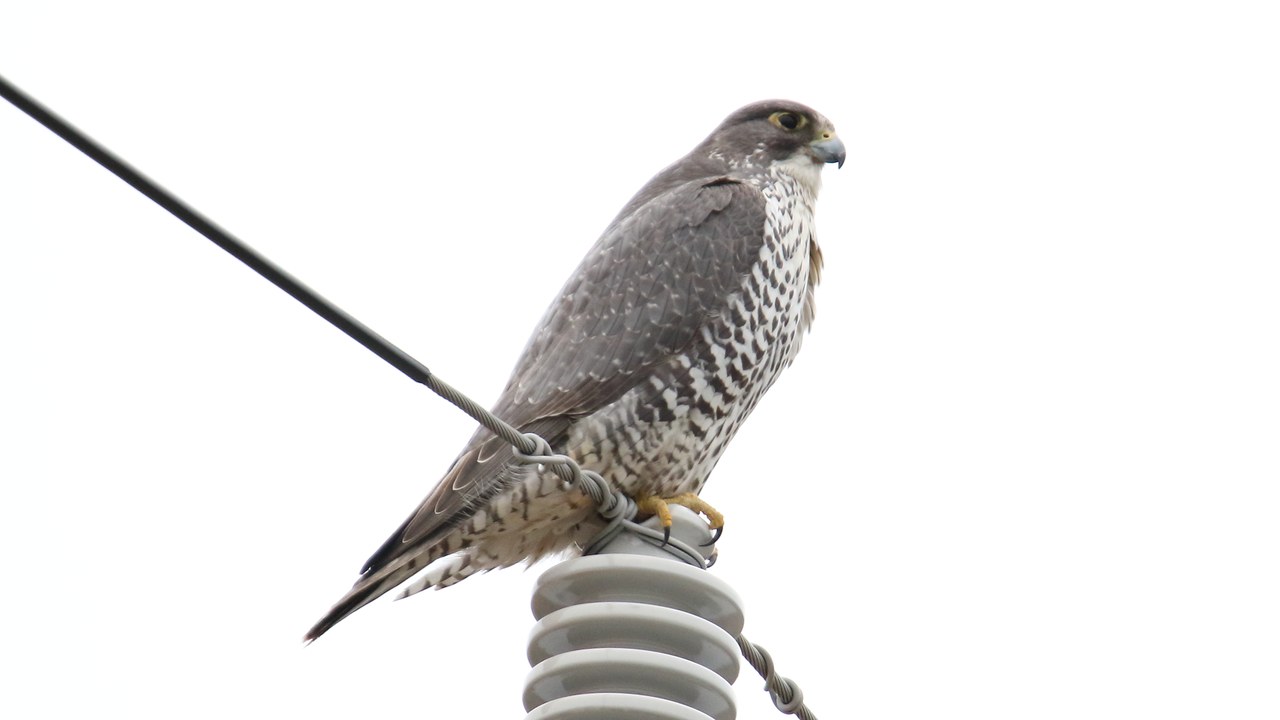
The gyrfalcon is the largest true falcon in the world. It is 20 to 25 inches long and weighs 2 to 4.5 pounds, and The Peregrine Fund studies it alongside its main Arctic prey, the ptarmigan.
Biologists reach its remote nesting grounds on foot, by kayak, helicopter, boat and even dogsled. The Peregrine Fund also co-hosted a conference on gyrfalcons and ptarmigan in a changing world.
7. Merlin: Small but Ferocious
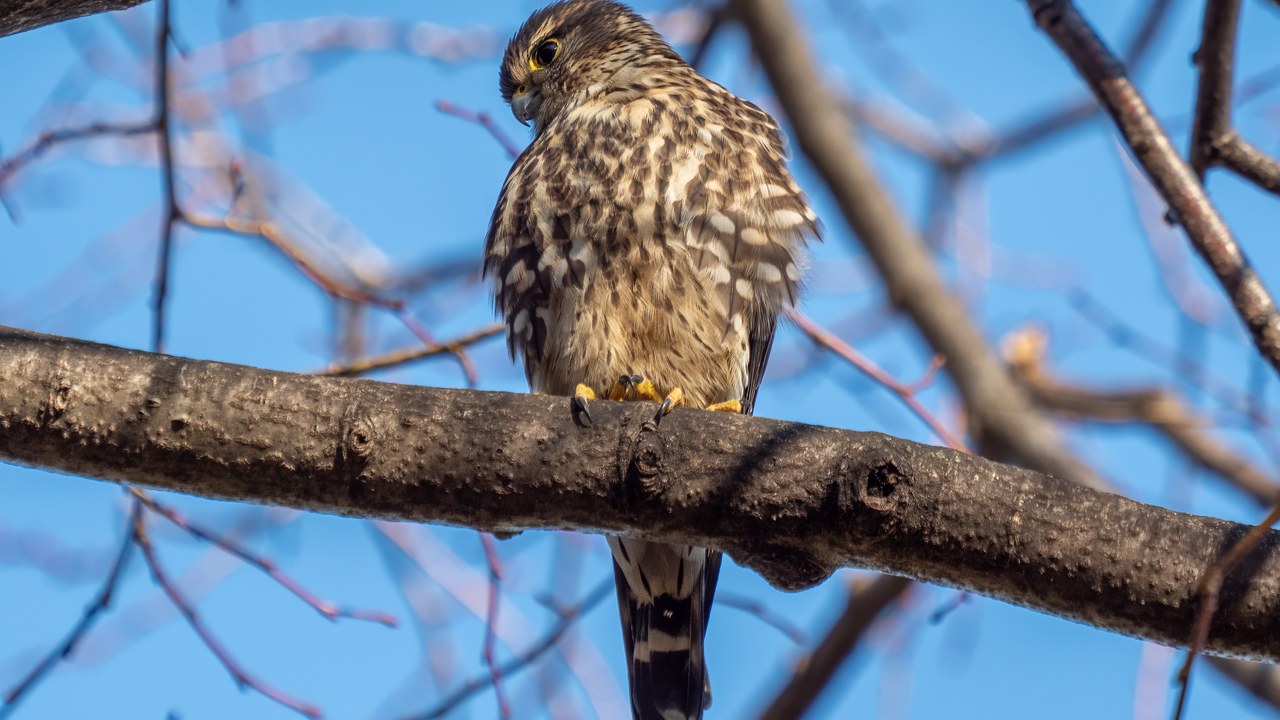
The merlin is a small falcon, just 5 to 8 ounces, that was once known as the Pigeon Hawk. The Peregrine Fund says that, like all falcons, it catches its prey with speed and agility.
These smallish falcons are true world travelers, found in many regions of the world, though they are not as widely distributed as peregrine falcons or ospreys.
8. American kestrel: The Tiny Power-Line Hunter
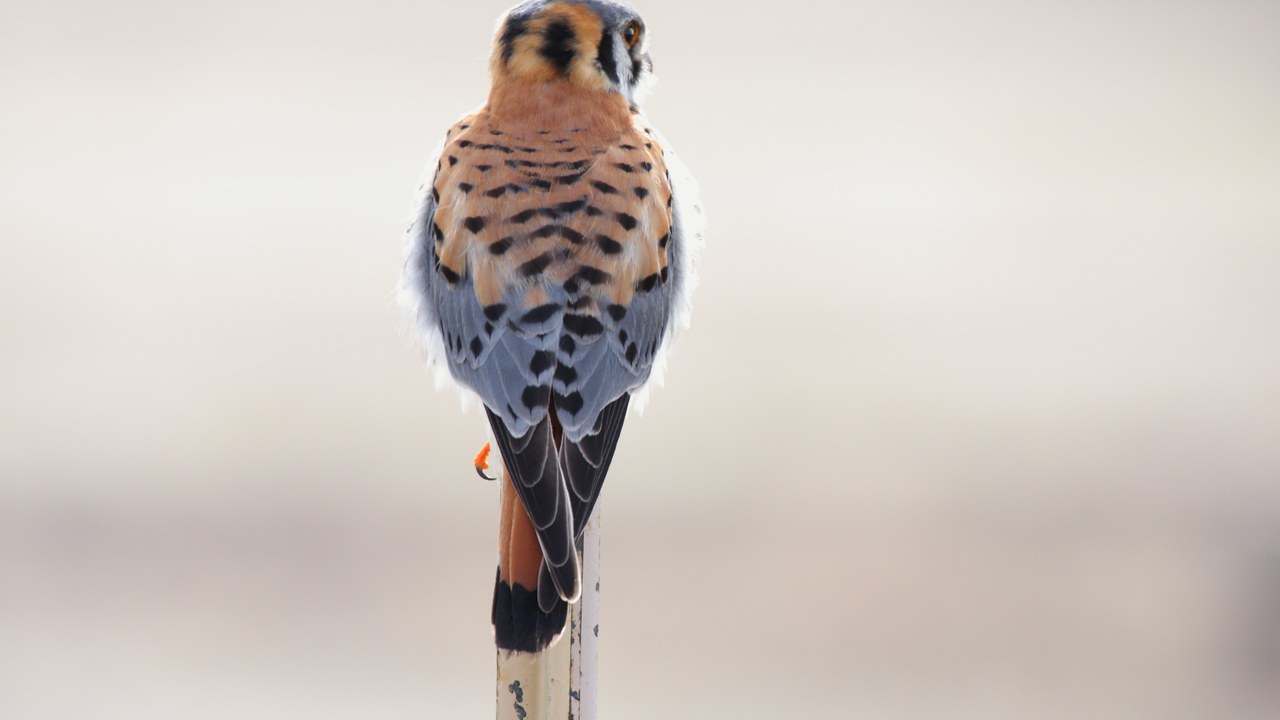
The American kestrel weighs just 3 to 6 ounces, yet it is a capable predator. The Peregrine Fund notes that where there are perches such as power lines and trees, good nesting cavities and plenty of prey, kestrels tend to be found.
Young kestrels practice hunting with their parents before they have to survive on their own. Because much of their prey hibernates or leaves in winter, many kestrels must travel to where the food is.
9. Red-tailed hawk: The Voice of Hollywood
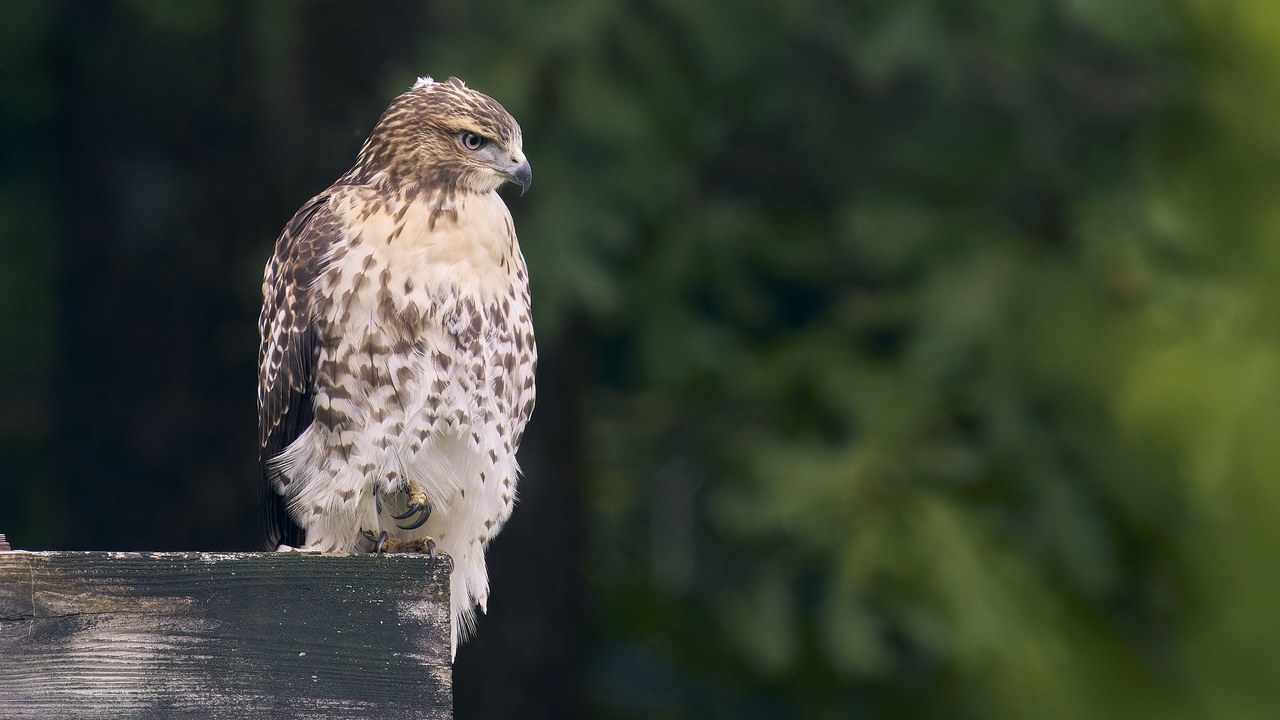
The red-tailed hawk is a large raptor with a 3.5- to 4.5-foot wingspan that soars in search of prey. The Peregrine Fund notes its call is often the sound Hollywood uses when almost any bird of prey appears on screen.
It is quite vocal and often heard calling as it soars. In some parts of its range, though, it is killed for preying on chickens or captured by people who wrongly believe it will make a good pet.
10. Cooper’s hawk: The Backyard Ambusher
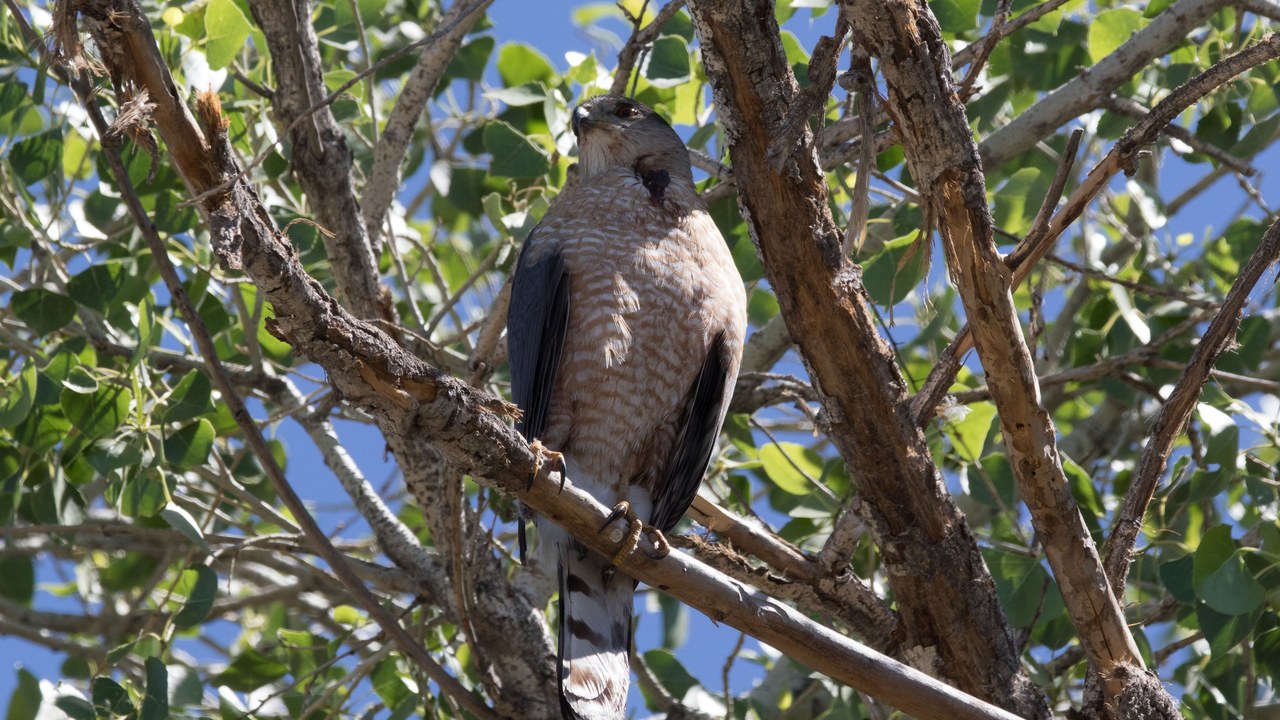
The Cooper’s hawk relies on stealth. Feeding mostly on birds and small mammals, it hunts by approaching through dense cover and then pouncing with a rapid, powerful burst of flight, according to the National Audubon Society.
It lives everywhere from forests and canyons to urban and suburban neighborhoods. Females reach 17 to 18 inches long, with a wingspan of up to nearly 3 feet.
11. Harris’s hawk: The Team Hunter
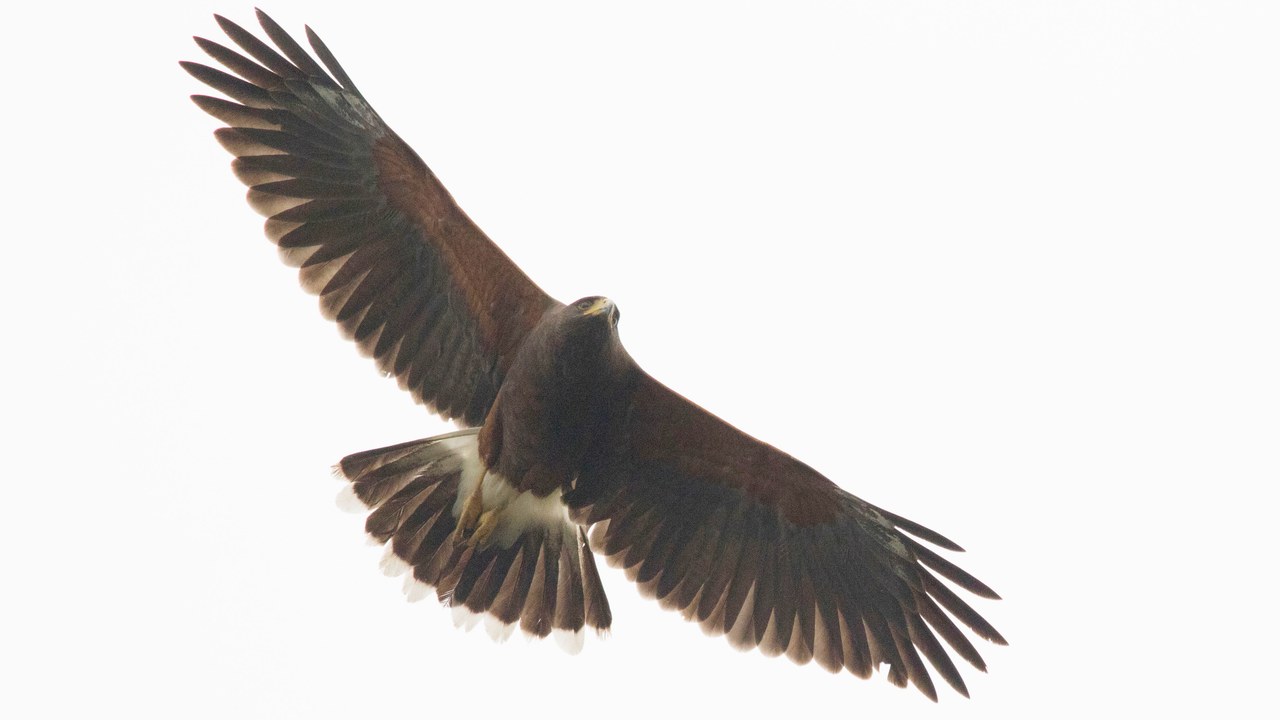
The Harris’s hawk is more sociable than most birds of prey. The National Audubon Society notes it is often seen in groups of three or more, perched close together on poles or giant cactus in the Southwest.
Two or more may hunt cooperatively, working together to chase prey into the open. It may look lethargic when perched, but when hunting it is dashing and powerful, pursuing prey through dense brush.
12. Northern harrier: A Hawk That Hunts by Ear
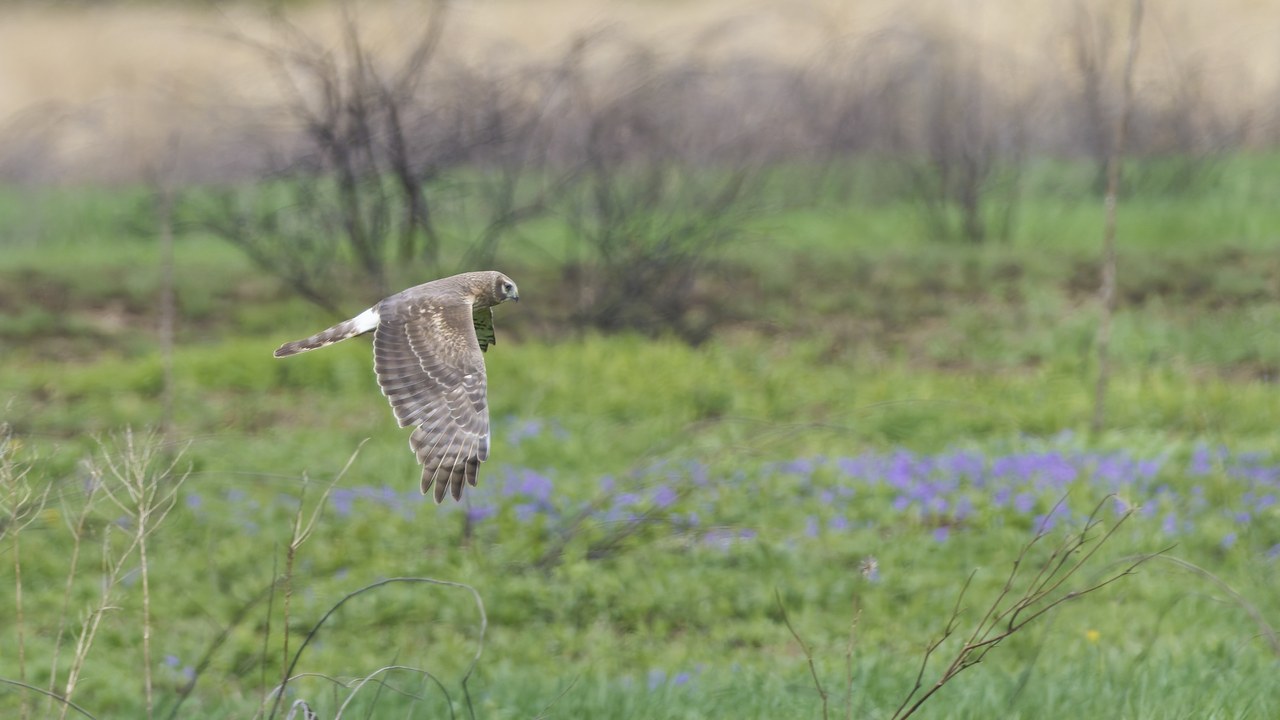
At close range, the northern harrier’s face looks rather like an owl’s. Like an owl, and unlike most hawks, it may rely on its keen hearing to locate prey as it courses low over fields and marshes.
That low, slow quartering flight is the harrier’s signature. During nesting, once the young are about two weeks old, the female does much of the hunting for them.
13. Osprey: The Diving Fisher
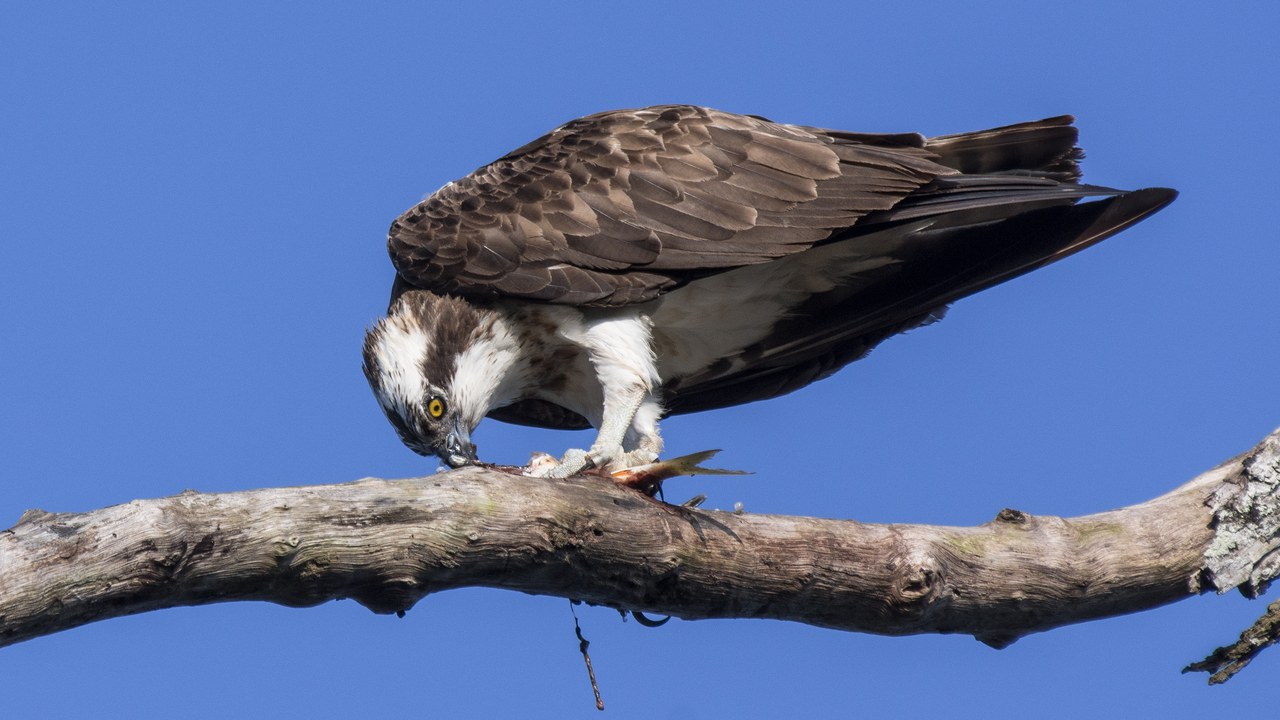
The osprey hunts fish in a way few raptors can match. The Peregrine Fund says it can completely submerge while diving and still fly away with its prey, while most other fish-eating birds of prey can only pluck fish from the surface.
As it plunges, it closes a semi-transparent third eyelid, called a nictitating membrane, to protect its eyes. Ospreys are found across much of the world, usually near large bodies of water.
14. Great horned owl: The Tiger of the Sky
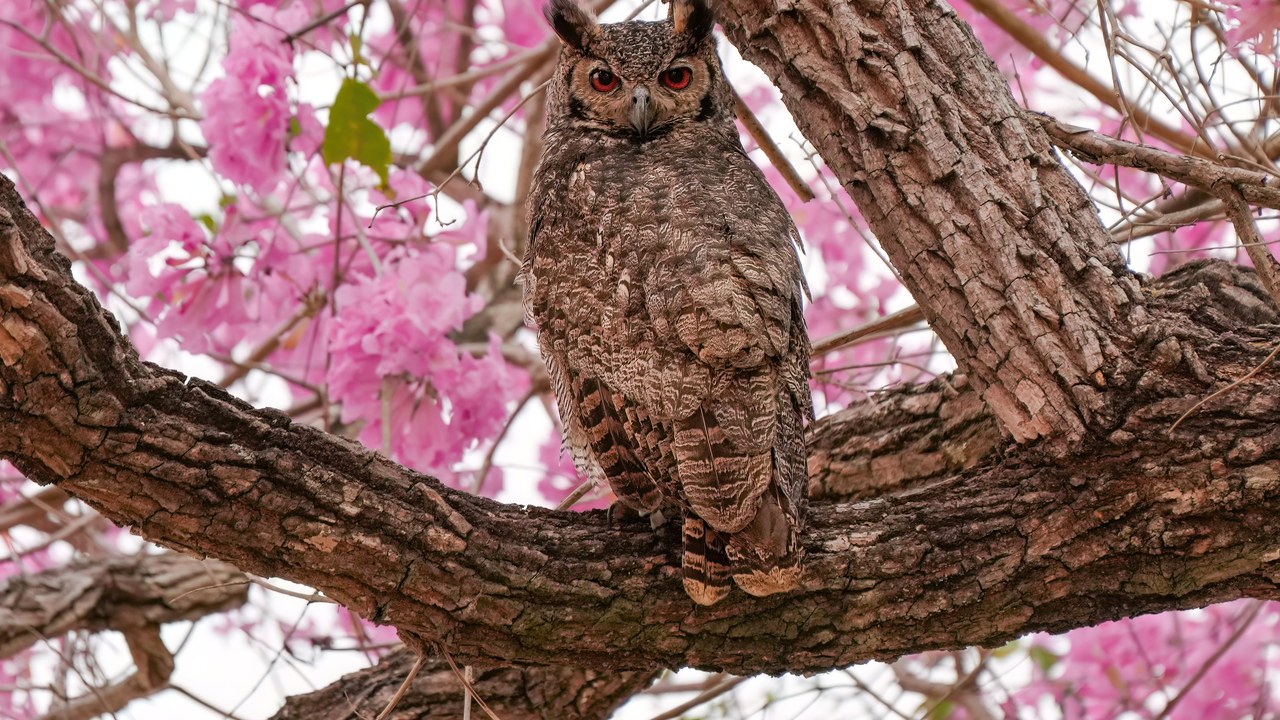
The great horned owl is called the tiger of the sky for good reason. The Peregrine Fund says it captures a wide variety of prey, sometimes larger or heavier than the owl itself.
It is one of the few species that regularly preys on skunks. Its adaptability and broad diet let it survive in almost any habitat, with a wingspan of 3 to 5 feet and a weight of up to 5.5 pounds.
15. Snowy owl: A Daytime Owl
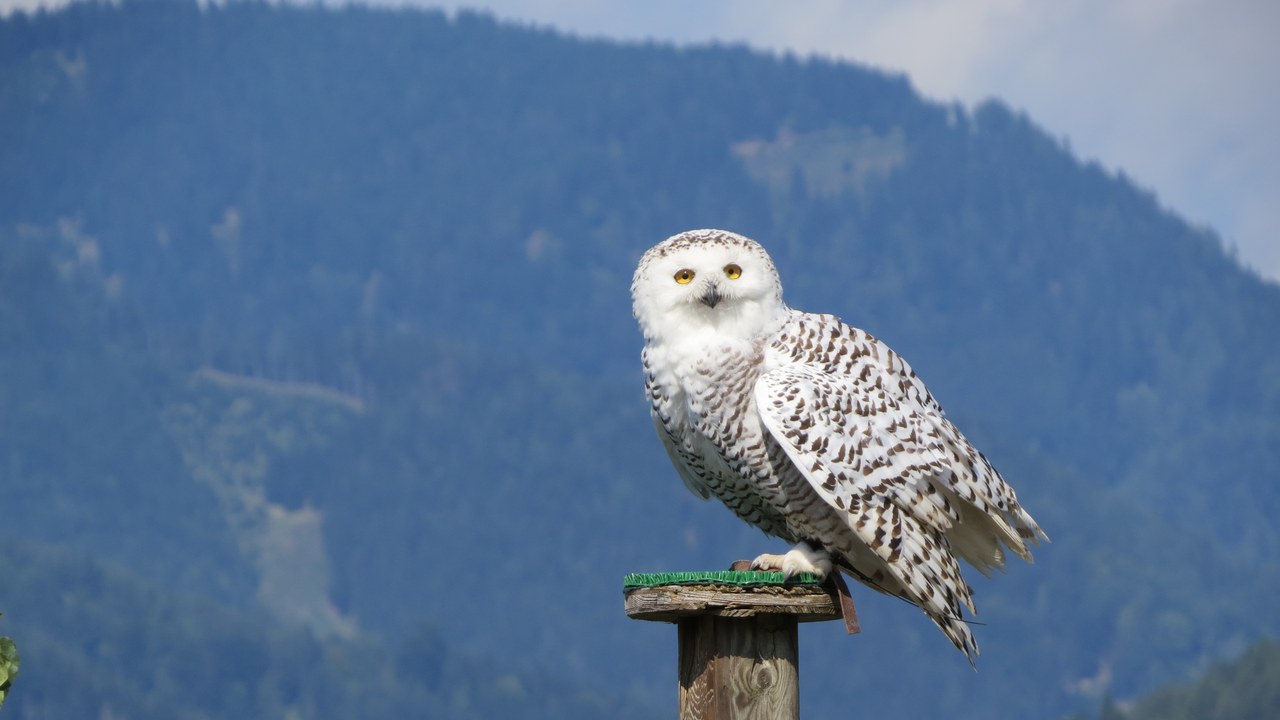
Unlike most owls, the snowy owl hunts in daylight, especially in the long days of the Arctic summer. The Peregrine Fund says lemmings and voles are its main prey, and their numbers shape the owl’s breeding success.
In years when prey is abundant, the owls may have very successful breeding seasons and raise many young. The species is now listed as Vulnerable, with a wingspan of about 4.5 feet and a weight of up to 6.5 pounds.
16. Barn owl: Hearing That Finds Prey in the Dark
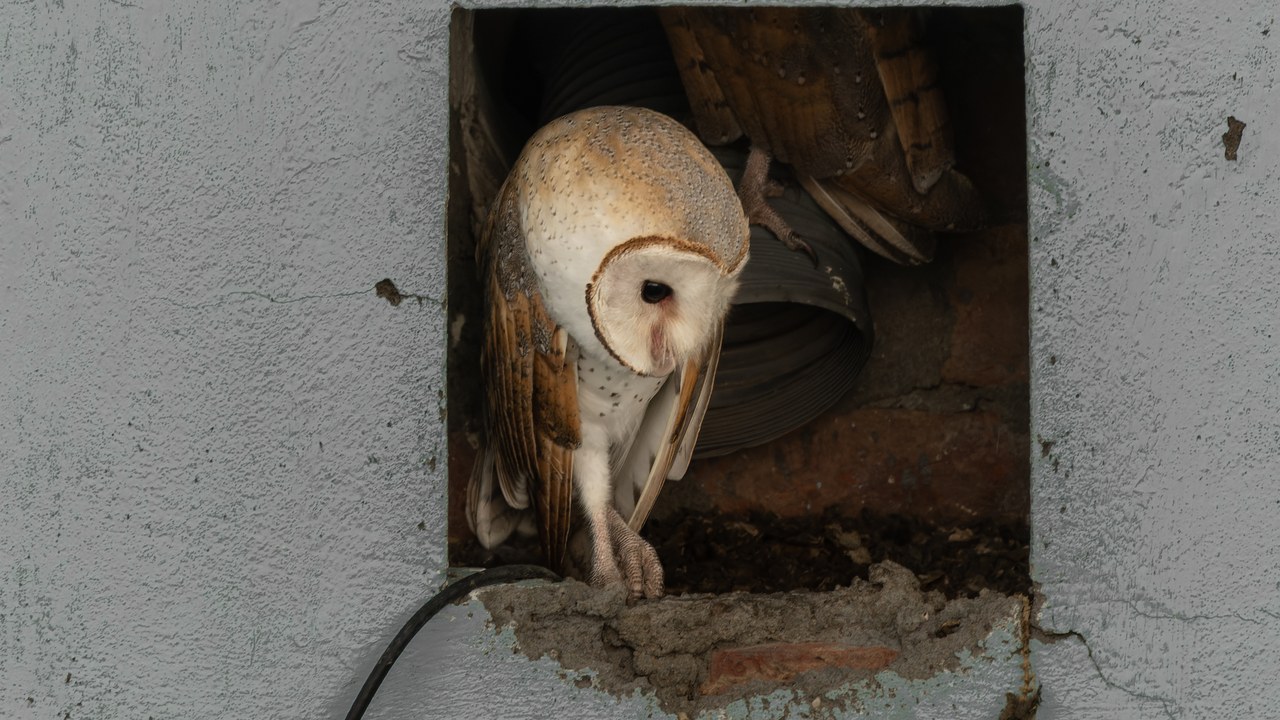
The barn owl relies on its ears. The Peregrine Fund says that of all owls studied, it seems best at identifying exactly where a sound is coming from, and it can memorize the many sounds tied to a type of prey.
That hearing lets it pinpoint prey and maneuver to catch it in near darkness. It is a light bird, weighing 8 to 21 ounces, with a wingspan of about 3.5 feet.
17. Eurasian eagle-owl: A Giant Among Owls
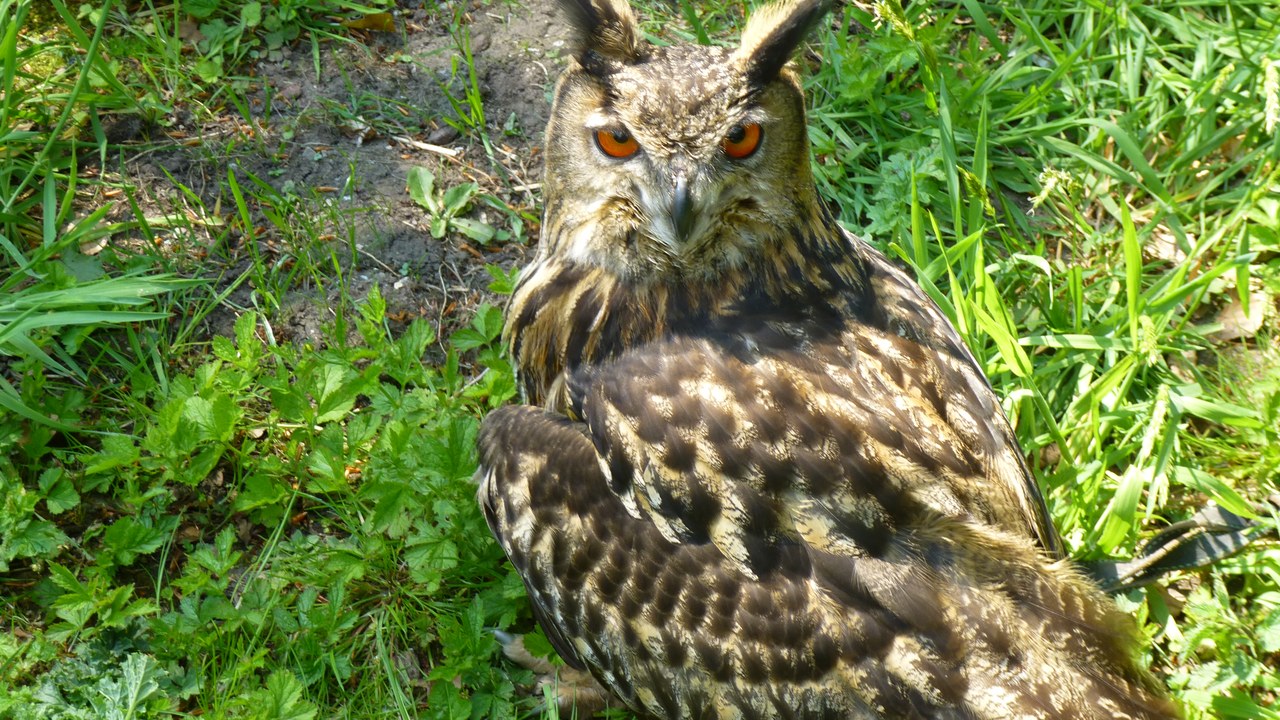
The Eurasian eagle-owl is among the world’s largest owls, with a 5- to 6-foot wingspan and a weight of up to 9 pounds. The Peregrine Fund says it combines fast, powerful flight with long, fast glides.
Its pumpkin-orange eyes and feathery ear tufts make it one of the most striking owls anywhere. As a top predator, it helps keep populations of prey animals in balance across its range.
18. Secretarybird: The Snake-Stomping Bird
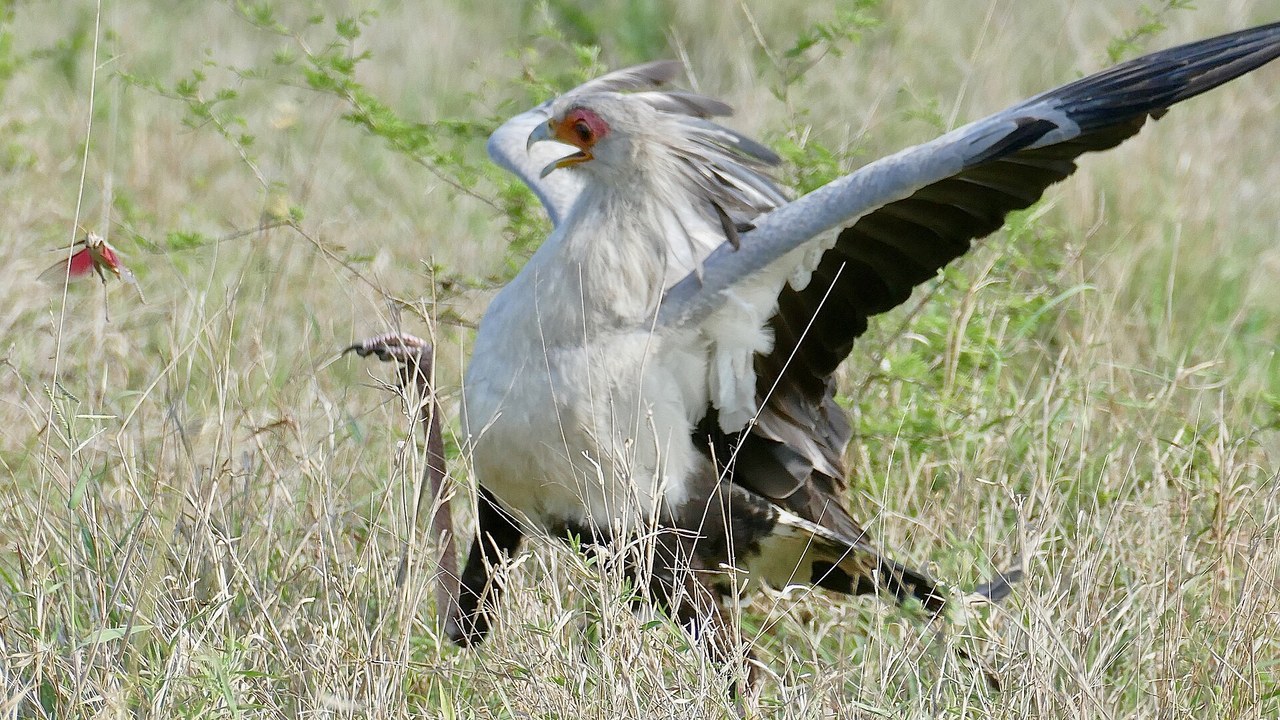
The secretarybird has the longest legs of any bird of prey. The Peregrine Fund says it eats snakes, including venomous puff adders and cobras, and stomps on prey until it is dead or knocks it down with a speedy kick.
Heavy scales on its lower legs may protect it while striking. It also stomps near shrubs to flush hidden animals into the open. The species is listed as Endangered.
More from Morning Overview
- New FCC rules on how people can stop robocalls and texts take effect Nov. 25
- Neanderthals in Spain carved a wooden object that matches nothing archaeologists have ever found
- The FAA wants $2.39 million from a flight school it says flew a Cessna about 280 times with an unapproved part
- A $1 billion gas plant planned for Superior, Wisconsin, has been abandoned
