
Some of the most damaging animals in America did not evolve here. They arrived on ships, through the fur and pet trades, or by deliberate release, and some now cost more than a billion dollars a year. Here are ten invasive species that have taken hold across the United States, from rooting wild pigs to a spider the size of your hand.
Read next on Morning Overview: Neanderthals in Spain carved a wooden object that matches nothing archaeologists have ever found
1. Feral swine: The Pig Problem
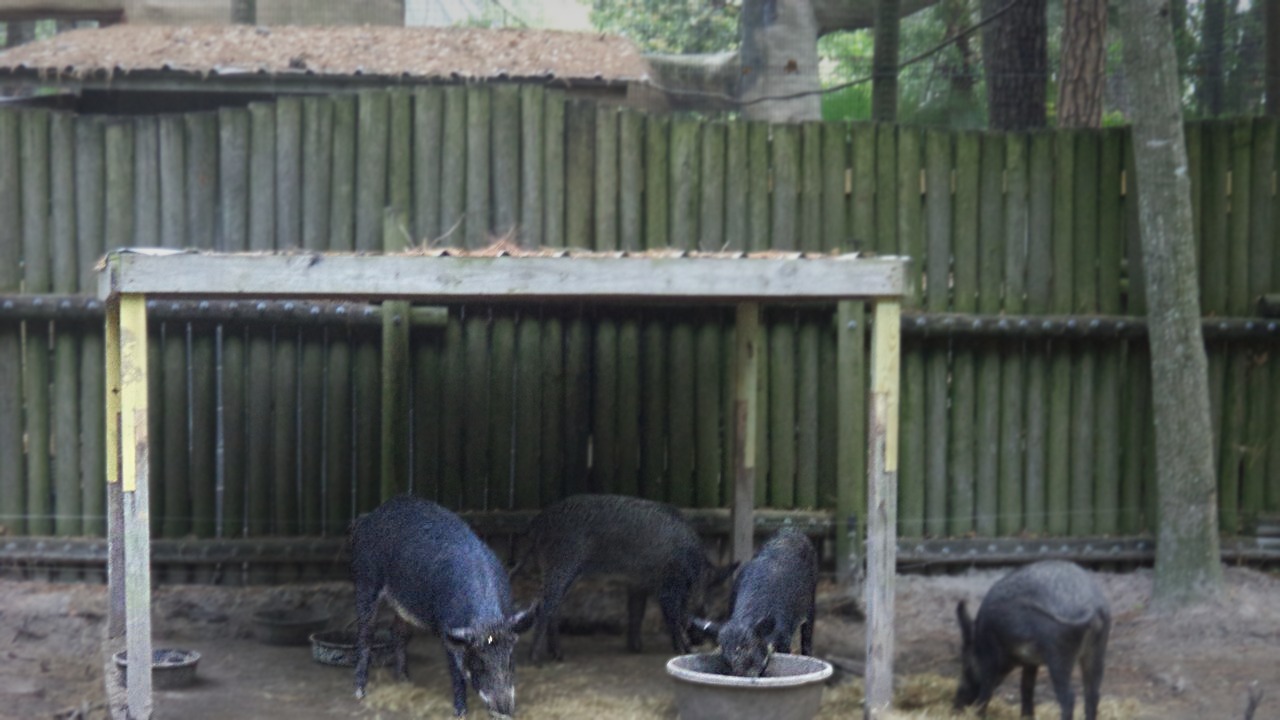
Feral swine are destructive mainly because they dig, and dig seriously. Their rooting turns native plant communities into bare soil, collapses ground nests, muddies waterways and helps invasive weeds spread, A-Z Animals reports.
A national assessment commonly cited by agriculture groups puts annual U.S. agricultural losses from feral swine at more than $1.6 billion, without even counting erosion and water-quality damage. They are also hard to manage because they bounce back fast, and USDA Wildlife Services describes them as a population that can expand its range rapidly without sustained pressure.
2. Bighead and silver carp: Millions of Pounds and Counting
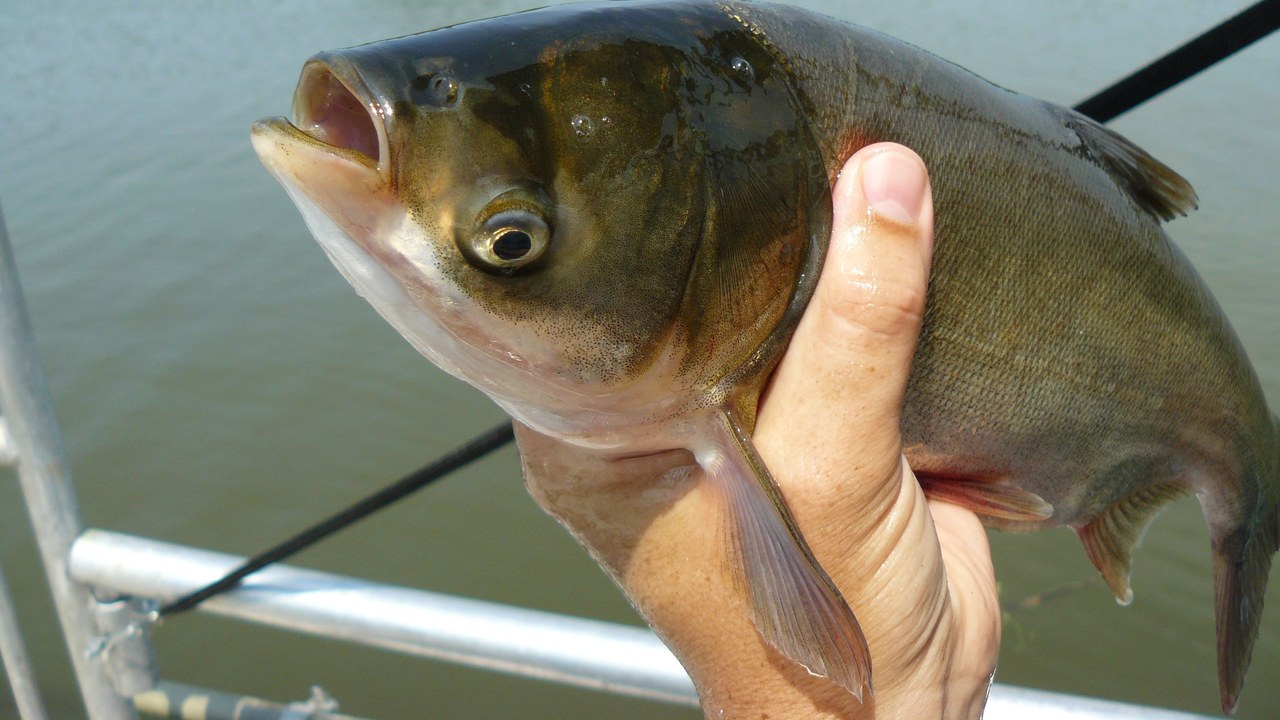
Bighead and silver carp compete with native fish by eating plankton, and at high numbers they can completely change what a river can support. They also spread easily through connected waterways, A-Z Animals reports.
The removal effort is enormous. More than 15 million pounds of carp were harvested from Kentucky and Barkley lakes in 2024, and more than 74 million pounds since 2013. Kentucky has even raised payments to commercial fishers to keep the pressure on, and its officials say evidence suggests the strategy is reducing carp numbers in both lakes.
3. Red imported fire ant: A Billion-Dollar Sting
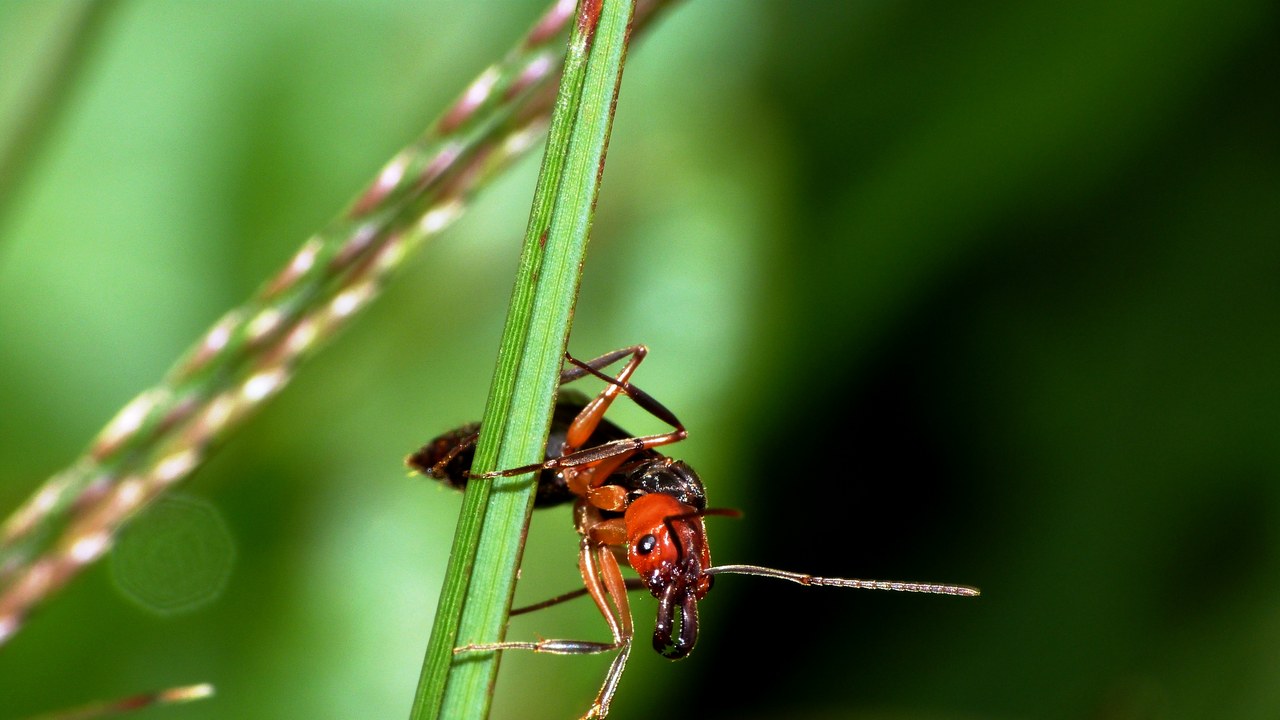
The red imported fire ant can damage wildlife, especially ground-nesting species, along with livestock, people and even infrastructure. It thrives in disturbed, human-altered landscapes across warm Southern states and feeds on the buds and fruits of various crops, A-Z Animals notes.
The costs add up quickly once colonies are established. Texas A&M AgriLife Extension has estimated the fire ant’s annual impact in Texas alone at around $1.2 billion when damage and control costs are combined, making prevention and treatment a recurring expense across the region.
4. Nutria: Eating the Marsh Away
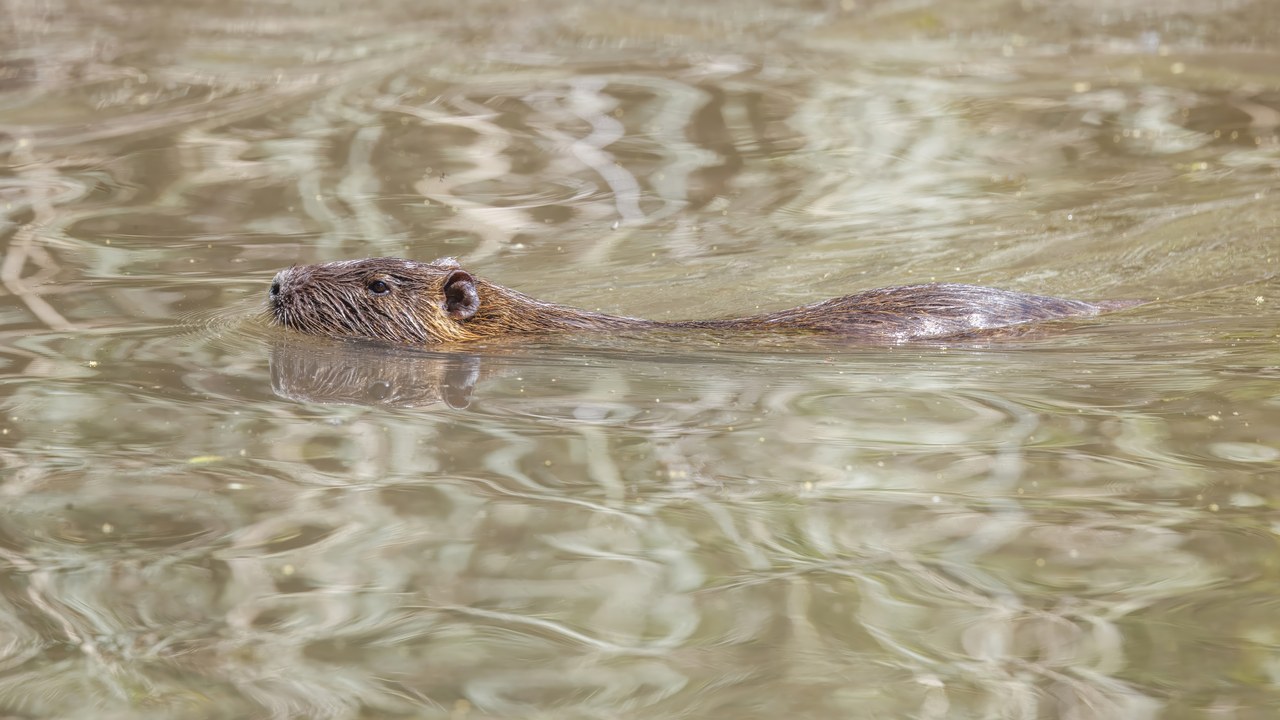
Nutria were brought to Louisiana through the fur trade and became established in its coastal marshes. Like feral hogs, they wreck wetlands, eating the plants that hold marsh soils together, A-Z Animals reports.
When nutria graze vegetation down to the roots, the marsh loses structure and erosion speeds up, and some areas are left with open water as their only future. That destroys wildlife habitat and weakens the marsh’s ability to buffer storms. Louisiana runs a Coastwide Nutria Control Program, which a state biologist calls essential to keeping the population manageable.
5. Zebra mussel: Pipe-Clogging Hitchhikers
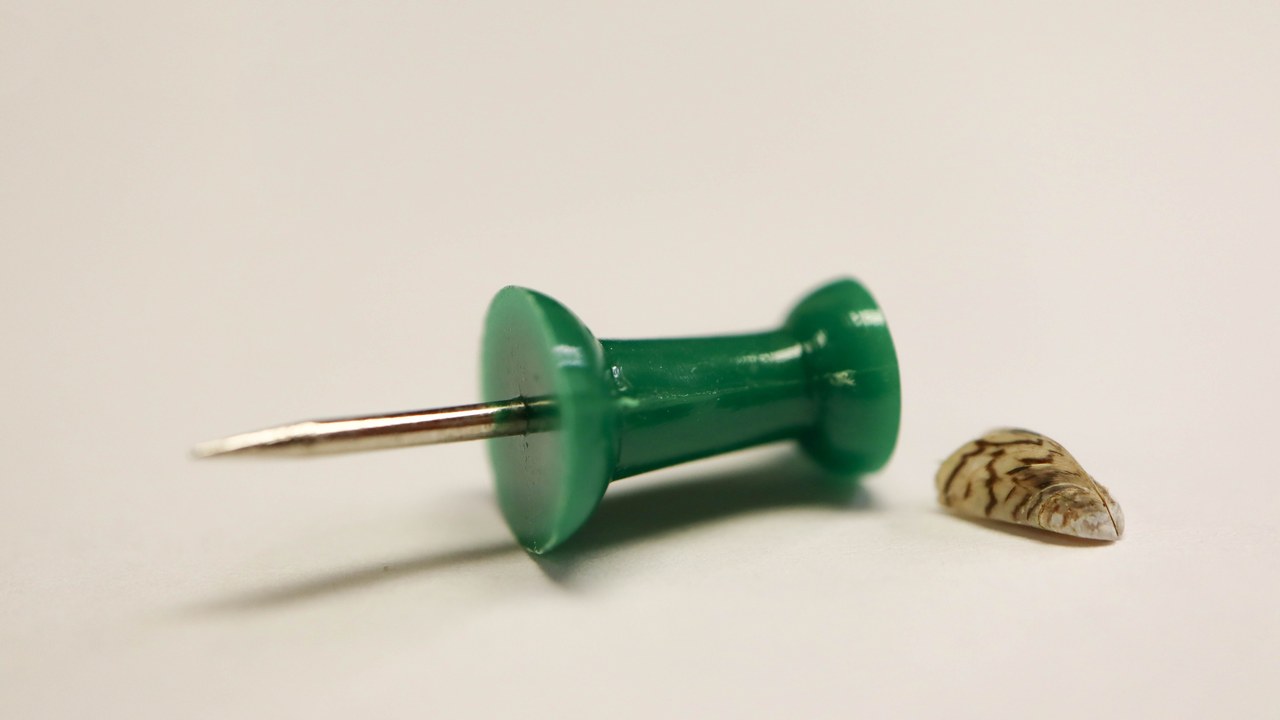
Zebra mussels were introduced to the Great Lakes region in the 1980s, likely by European commercial ships, and they have been clogging pipes in ways that cost businesses millions ever since, Salon reports.
They also compete with native wildlife for food, particularly algae, and because they are filter feeders that accumulate pollution, they are not safe to eat. A-Z Animals adds that invasive mussels coat infrastructure of all kinds and strip plankton from waterways, shifting the food base that native fish depend on.
6. Spotted lanternfly: Beautiful and Destructive
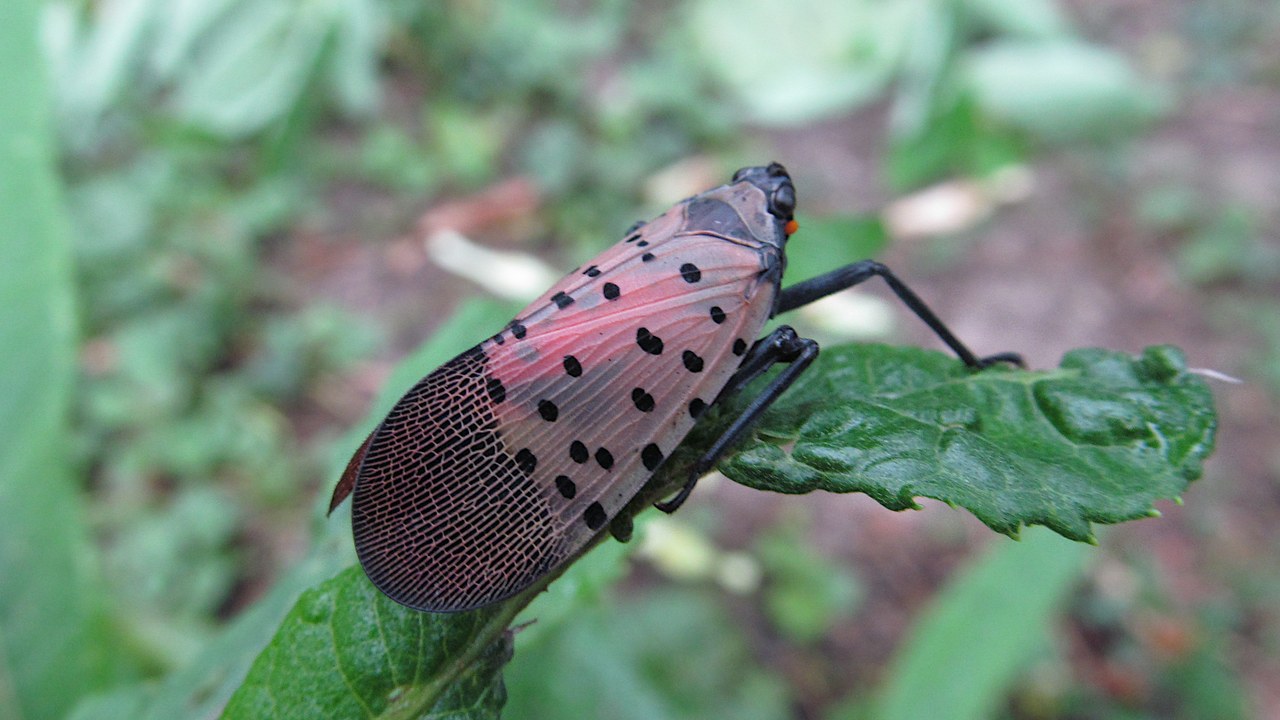
First seen in Pennsylvania in 2014, the spotted lanternfly is an attractive insect, with moth-like wings and a bright red body. But it has had a devastating effect on the Northeast, gobbling up vineyards and damaging the stock of Christmas tree growers, Salon reports.
Tourism has taken a hit too, since nobody wants swarms of winged insects crashing an outdoor wedding. The lanternfly also excretes a sticky honeydew on which black sooty mold grows, a substance that is slippery underfoot and dangerous if accidentally swallowed.
7. European starling: A Shakespeare-Inspired Mistake
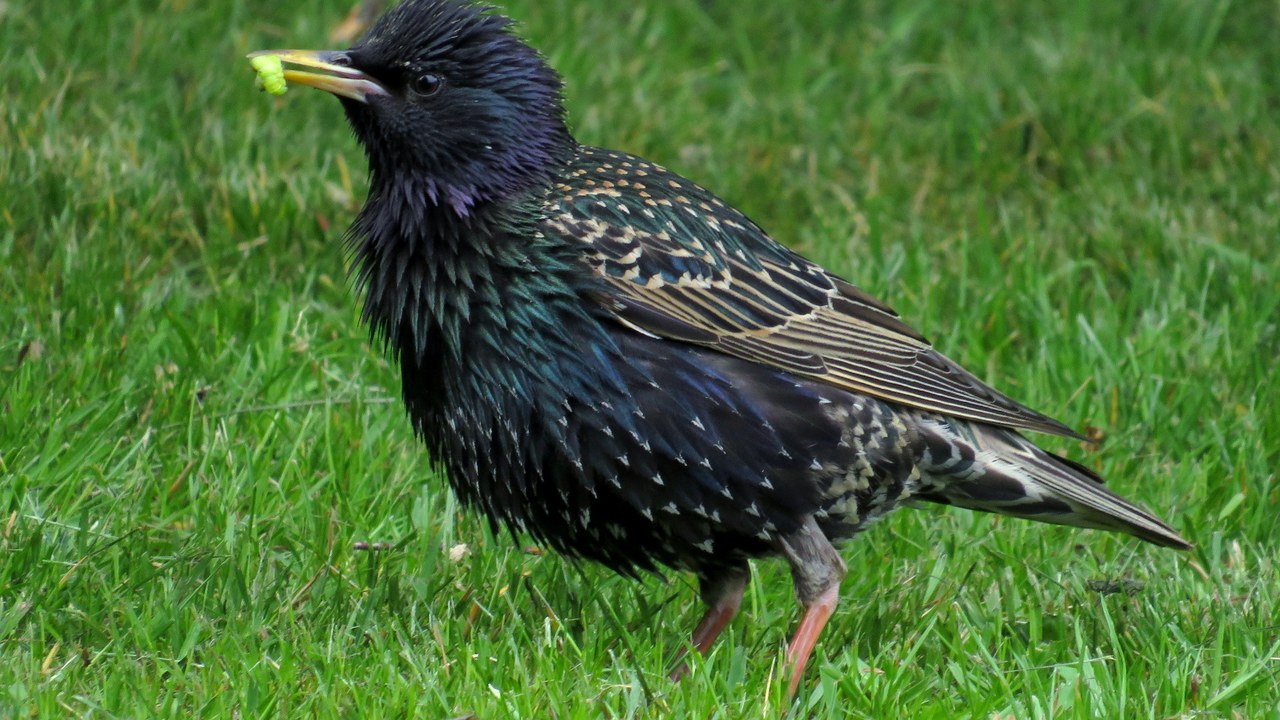
In Shakespeare’s “Henry IV, Part 1,” Hotspur talks of a starling that “shall be taught to speak.” Inspired by Shakespeare’s love of starlings, German expat Eugene Schieffelin released 60 of the birds in New York’s Central Park in 1890.
More than a century later, more than 220 million starlings live in the United States, Salon reports. They are major pests, estimated as of 2007 to cause $800 million in damage to American agriculture every year, and their droppings can carry parasites and microorganisms such as E. coli.
8. Joro spider: Big, Bright and Mostly Harmless
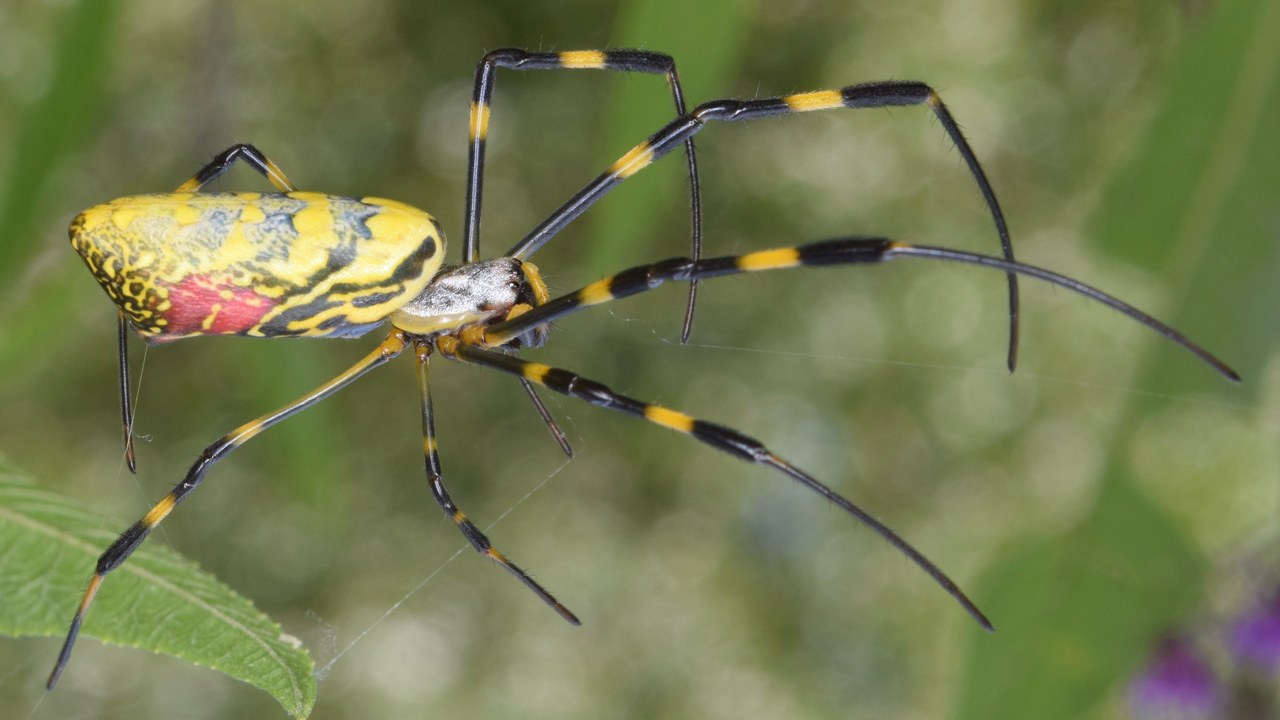
The Joro spider from Asia is venomous, as big as your hand and covered in a dizzying array of exotic colors, so many people assume it is a major threat. That is simply not true, Salon reports.
Joro spiders rarely attack humans, and when they do, their fangs are too short to pierce human skin. They do not seem to be harming local ecosystems in any major way. Their biggest threat is the large webs they spin, which are easy to walk into by accident. Expert advice is simple: if you see one, leave it alone.
9. Burmese python: The Everglades’ New Top Predator
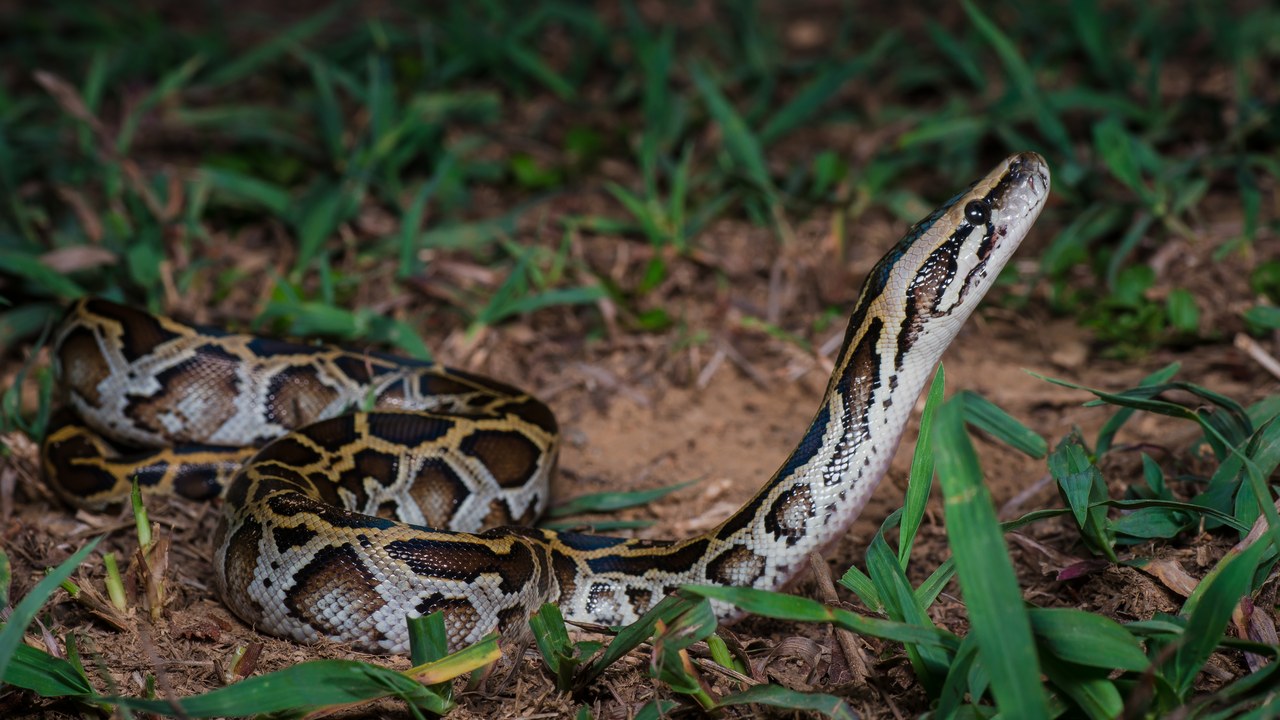
Burmese pythons from Southeast Asia are terrorizing the Florida Everglades, knocking alligators off their perch as the swamp’s top predator. They are so stealthy that even Florida Fish and Wildlife Conservation Commission experts struggle to spot them, let alone kill them.
Since the snakes were determined to be established in 2002, U.S. Geological Survey researchers have found that deer, raccoons, marsh rabbits, bobcats and possums have declined by as much as 99 percent in some cases. Humans have little to fear from them, but native animals do.
10. Emerald ash borer: The Glittering Tree Killer
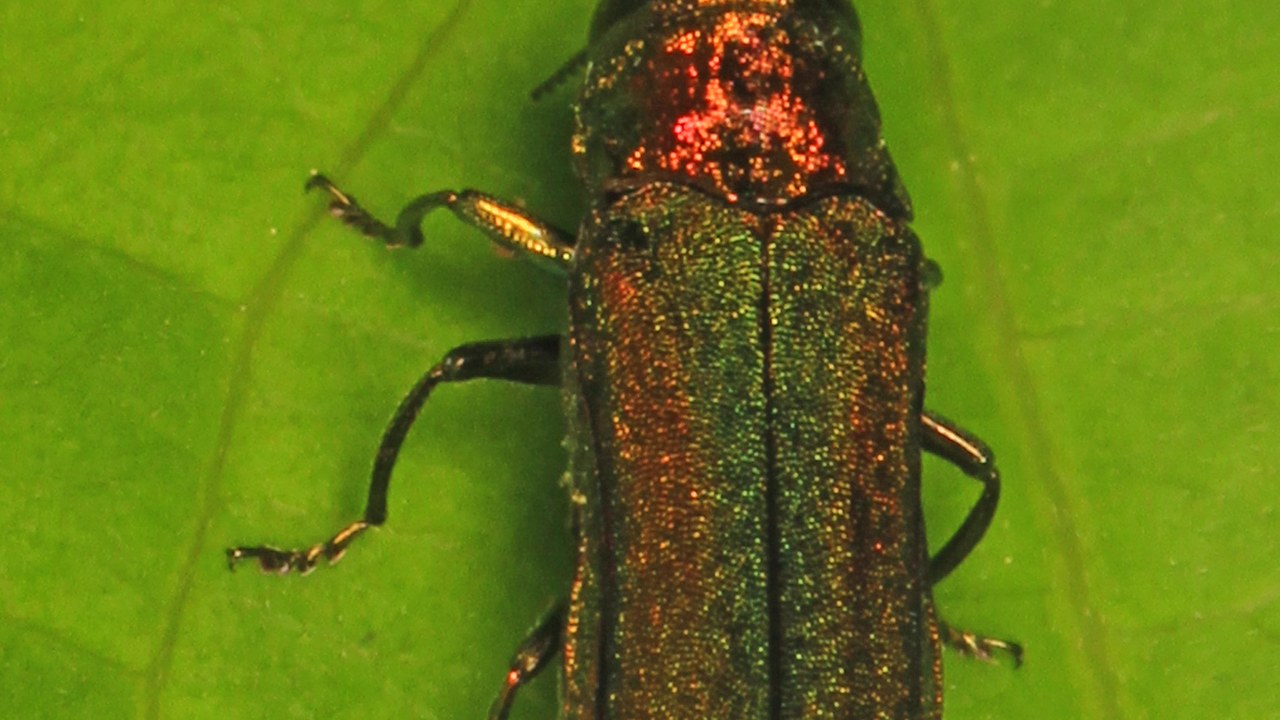
The emerald ash borer arrived in southeastern Michigan in 2002 from its native range in Russia, China and Japan, and has since marched across the Midwest, according to the Illinois pest survey.
It ruins ash trees whose durable wood is used for flooring, bowling alleys, church pews, baseball bats and electric guitars. The beetles sparkle like jewels, but they bore nickel-sized holes in trees, and their larvae etch squiggly trails into the bark. Tens of millions of ash trees have been killed since its arrival.
More from Morning Overview
- Winter weather advisories cover I-80, I-70 and the Bighorns with up to 15 inches of snow
- Arizona’s governor declared a statewide emergency after Flagstaff logged its wettest Nov. 1 on record
- Zero Motorcycles unveiled an electric motorcycle targeted at under $8K and a street-legal dirt bike at EICMA
- New FCC rules on how people can stop robocalls and texts take effect Nov. 25
