
In the years after World War II, American automakers poured chrome, V8 power and dramatic styling into cars built to announce success. Pillarless hardtops, tailfins and hand-built luxury coupes defined an era that collectors still chase today. Here are ten chrome-laden American cars from the luxury golden age, with the stories behind each one.
Read next on Morning Overview: Winter weather advisories cover I-80, I-70 and the Bighorns with up to 15 inches of snow
1. Cadillac DeVille: The Millionth Cadillac
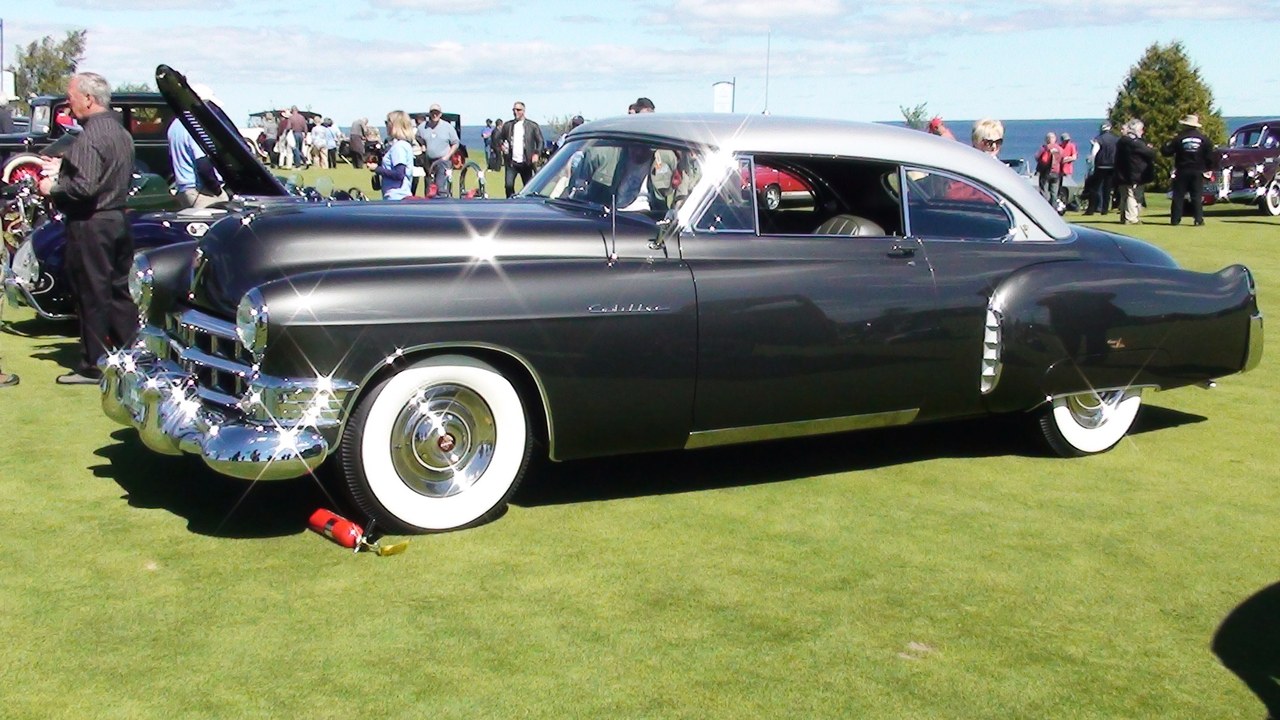
The 1949 Coupe de Ville was the one-millionth Cadillac built, and its modern overhead-valve engine made it the first Cadillac V8 to reach 160 horsepower, GM’s heritage collection notes.
It was not a convertible, yet its roof had no B-pillar between the side windows, a configuration that came to define the hardtop and offered better visibility. The 1949 Coupe de Ville cost $3,496 and could reach 100 mph, setting the pattern for the pillarless luxury hardtops that followed through the 1950s.
2. Buick Riviera (1963): GM’s Answer to the Thunderbird
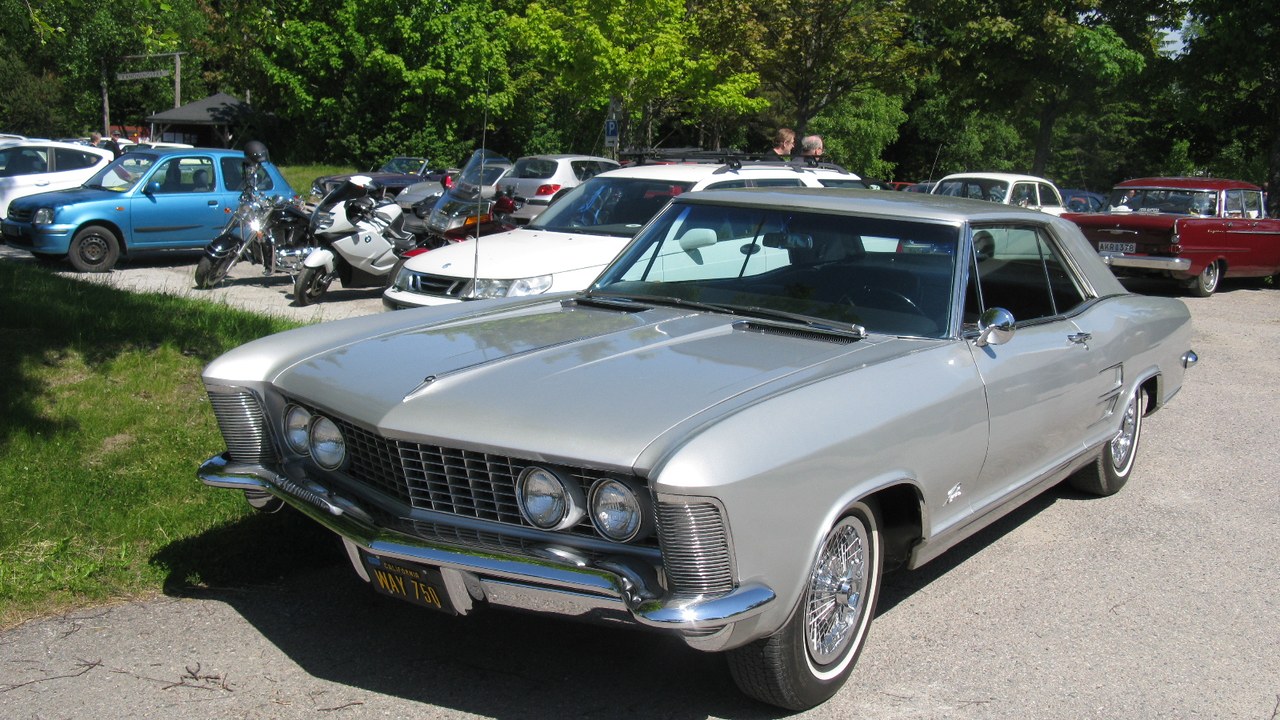
The 1963 Buick Riviera caused a sensation when it debuted at the Paris Auto Salon in October 1962, earning praise from Pininfarina, Raymond Loewy and Sir William Lyons, Hagerty recounts.
GM design chief Bill Mitchell wanted a car more daring and elegant than the Thunderbird. The Riviera offered a 325-horsepower 401 or a 340-horsepower 425 V8, and its $4,333 base price barely undercut the Thunderbird’s $4,445. Buick sold out its planned 40,000 cars for 1963, though Thunderbird still outsold it two to one.
3. Ford Thunderbird (1955-57): A Personal Car of Distinction
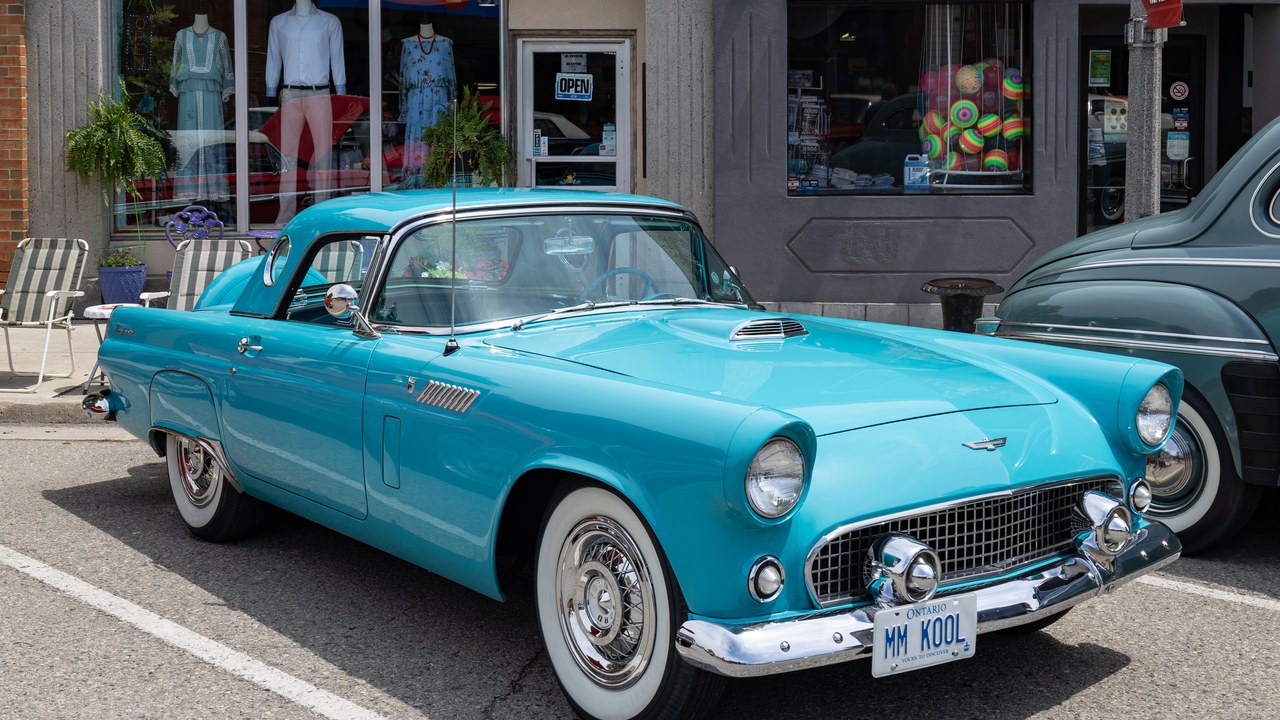
Ford’s first-generation Thunderbird, a two-seat convertible built for the 1955 to 1957 model years, was the company’s first two-seater since 1938, Wikipedia notes. Ford called it “a personal car of distinction.”
Developed in response to the Chevrolet Corvette, it focused more on comfort than speed and helped create the personal luxury car as a mass-market segment. Ford planned to build 10,000 for 1955 but sold 16,155 at a list price of $2,944, after 3,500 orders arrived in the first 10 days.
4. Chrysler 300B: One Horsepower per Cubic Inch
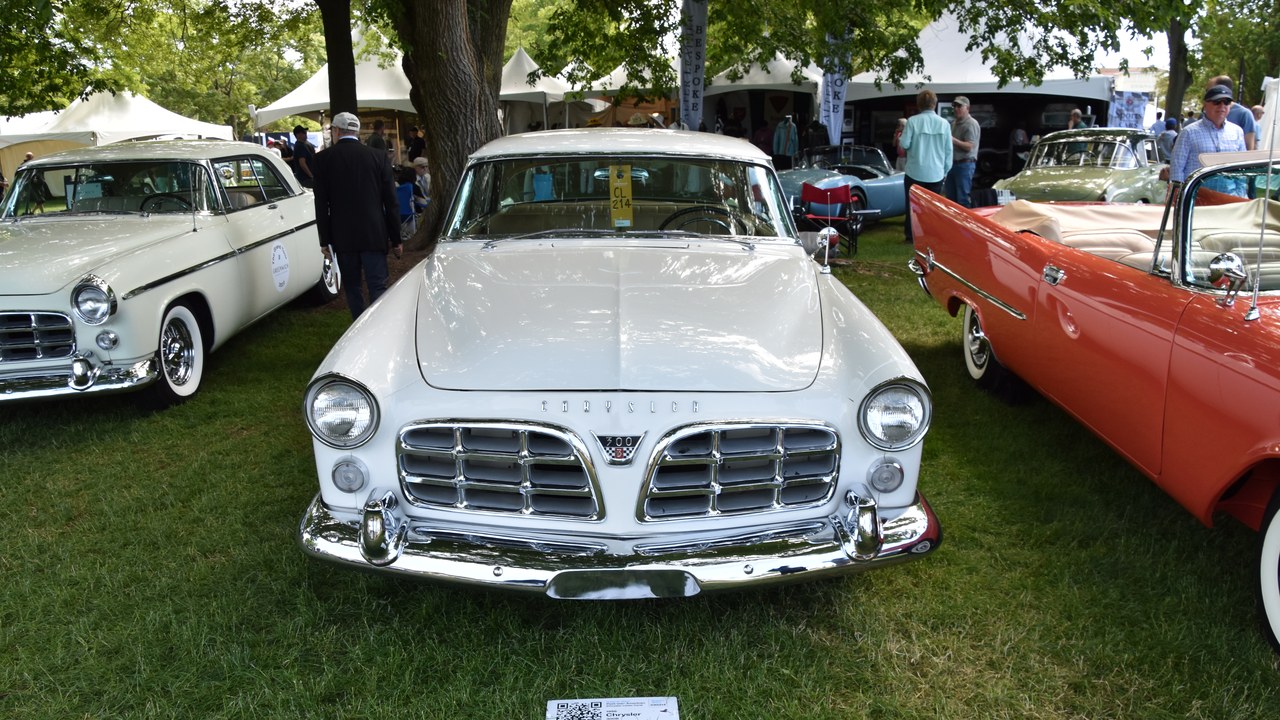
The 1956 Chrysler 300B offered two versions of a 354-cubic-inch Hemi V8 making 340 or 355 horsepower, and it became the first American car to produce one horsepower per cubic inch, according to Wikipedia.
The 300 “letter series” cars are considered the beginning of the muscle car, though larger and more expensive. NASCAR team owner Carl Kiekhaefer raced 300Bs among other cars and won 22 of 41 races, including 16 in a row, essentially running the cars as built, leather interiors and all.
5. Continental Mark II: A $10,000 Halo
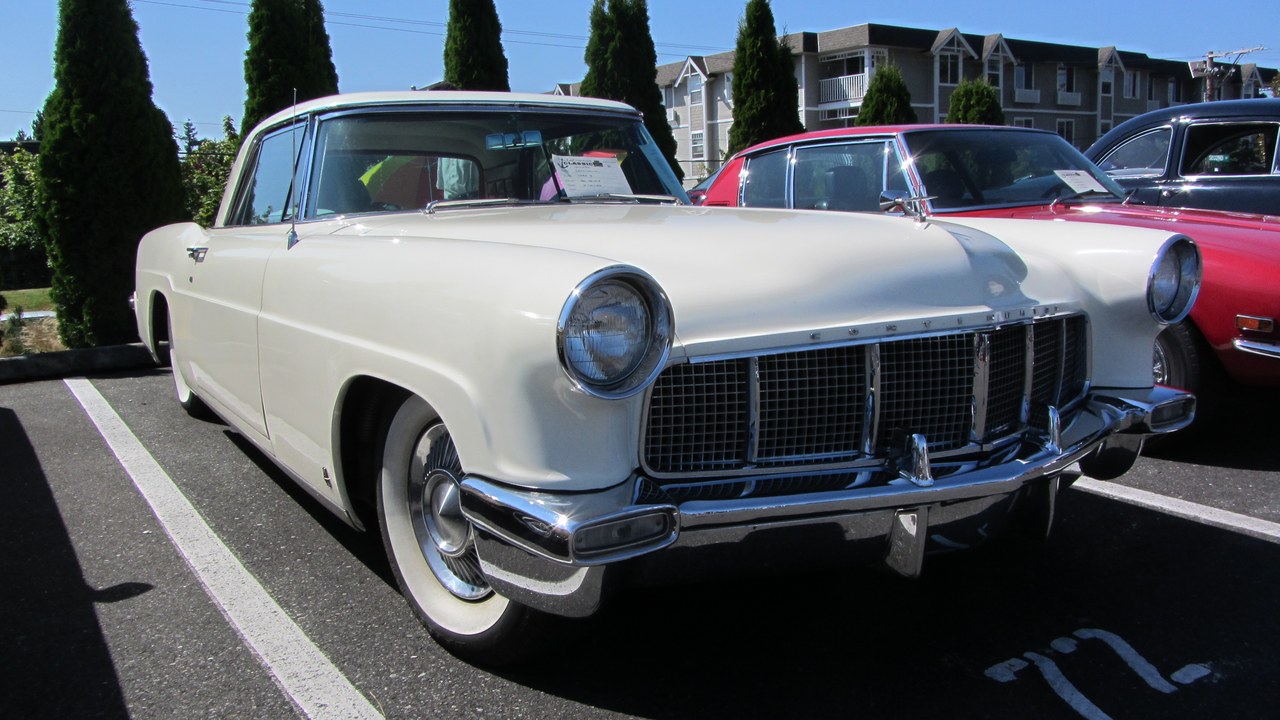
William Clay Ford, just 30 years old, led the team that created the 1956 Continental Mark II, a revival of his father Edsel’s prewar Lincoln Continental, The Henry Ford museum explains.
Its clean lines stood in stark contrast to the chrome confections typical of the era, and a 300-horsepower, 368-cubic-inch Lincoln V8 powered it. Power steering, brakes and windows were standard, and air conditioning was the only option. At $10,000, more than twice a regular Lincoln, it was a halo car that Ford likely lost money on.
6. Packard Caribbean: Packard’s Last Luxury Car

The Caribbean, introduced in November 1952 for the 1953 model year, is considered the last luxury car Packard ever produced, according to the Audrain Automobile Museum.
The 1955 Caribbean convertible’s 352-cubic-inch V8 made 275 horsepower, and it came loaded with power steering, brakes, windows, seat and top, a signal-seeking radio and leather upholstery. It cost $5,932 new, a couple thousand dollars above the average convertible of the time, and only around 500 were made that year. The museum’s example wears tri-tone Jade White, Fire Opal Red and Onyx paint with factory chrome wire wheels.
7. Chevrolet Impala (1958): Longer, Lower, Wider
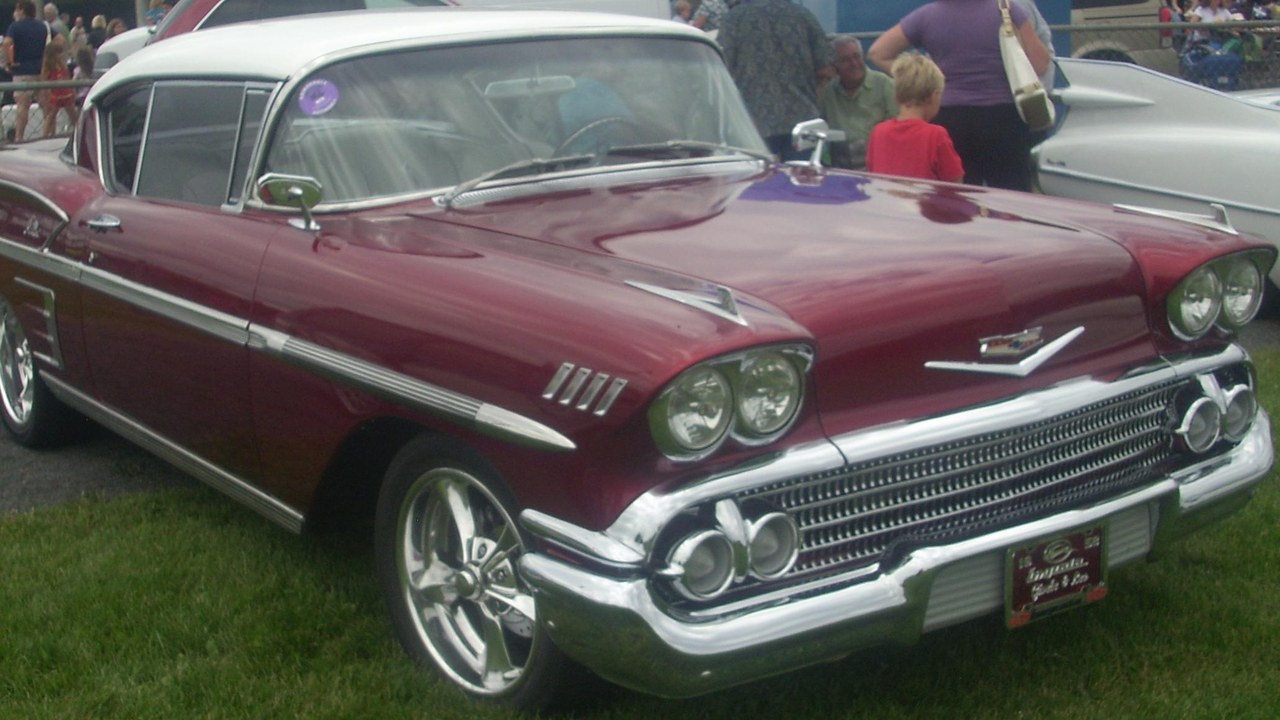
The Impala debuted for 1958 as the top-of-the-line Bel Air two-door hardtop and convertible, distinguished by its symmetrical triple taillights, Wikipedia’s history explains. It was one of the anniversary models GM introduced to mark its 50th year.
The 1958 Chevrolets were longer, lower and wider than before and were the first with dual headlamps, while sculptured rear fenders replaced the 1957 tailfins. The name came from a 1956 Motorama show car named for the African antelope, and the Impala remained Chevrolet’s most popular full-size model through the mid-1980s.
8. 1957 Chevrolet Bel Air: A Classic by Accident
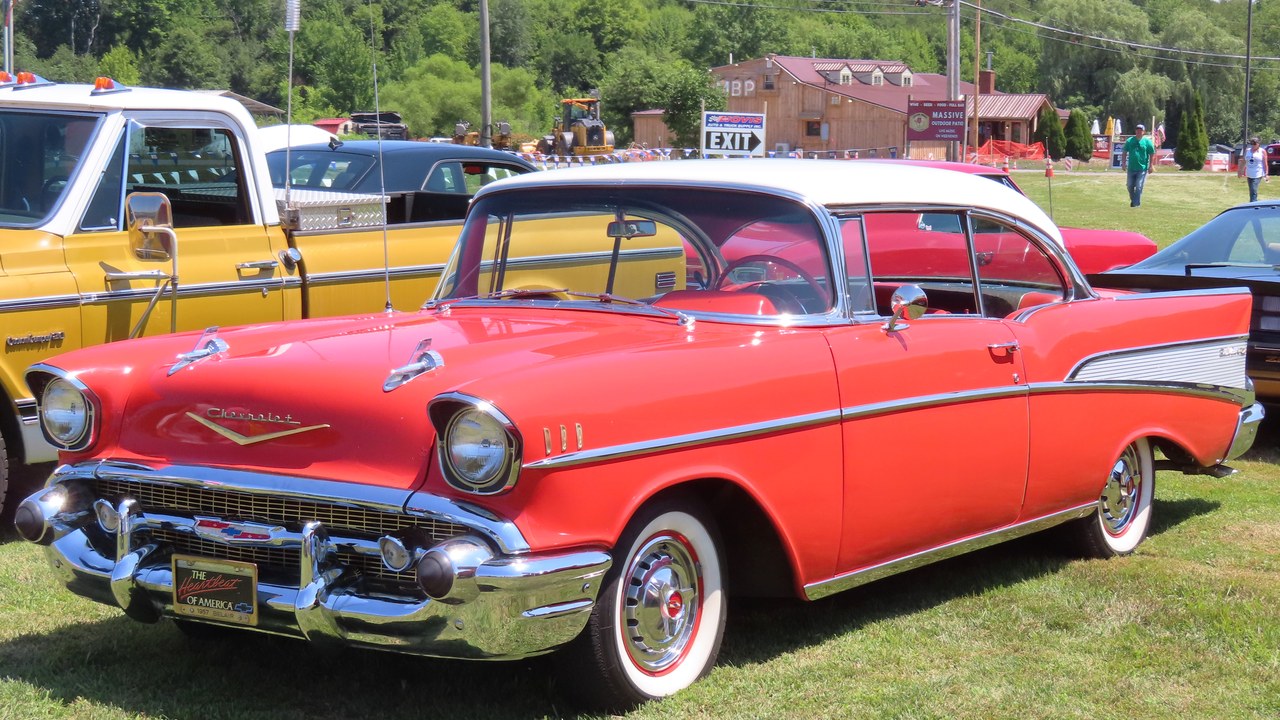
The 1957 Chevrolet was introduced in September 1956 in three series, the upscale Bel Air, the mid-range Two-Ten and the economy One-Fifty, and it remains a popular, sought-after classic, according to Wikipedia.
GM executives originally wanted an all-new car for 1957, but production delays forced the 1955 to 1956 design to soldier on for another year. Chief engineer Ed Cole ordered changes, including a new dashboard and air ducts relocated to the chrome headlight pods, that helped make the 1957 a classic.
9. Pontiac Bonneville (1957): Only 630 Built
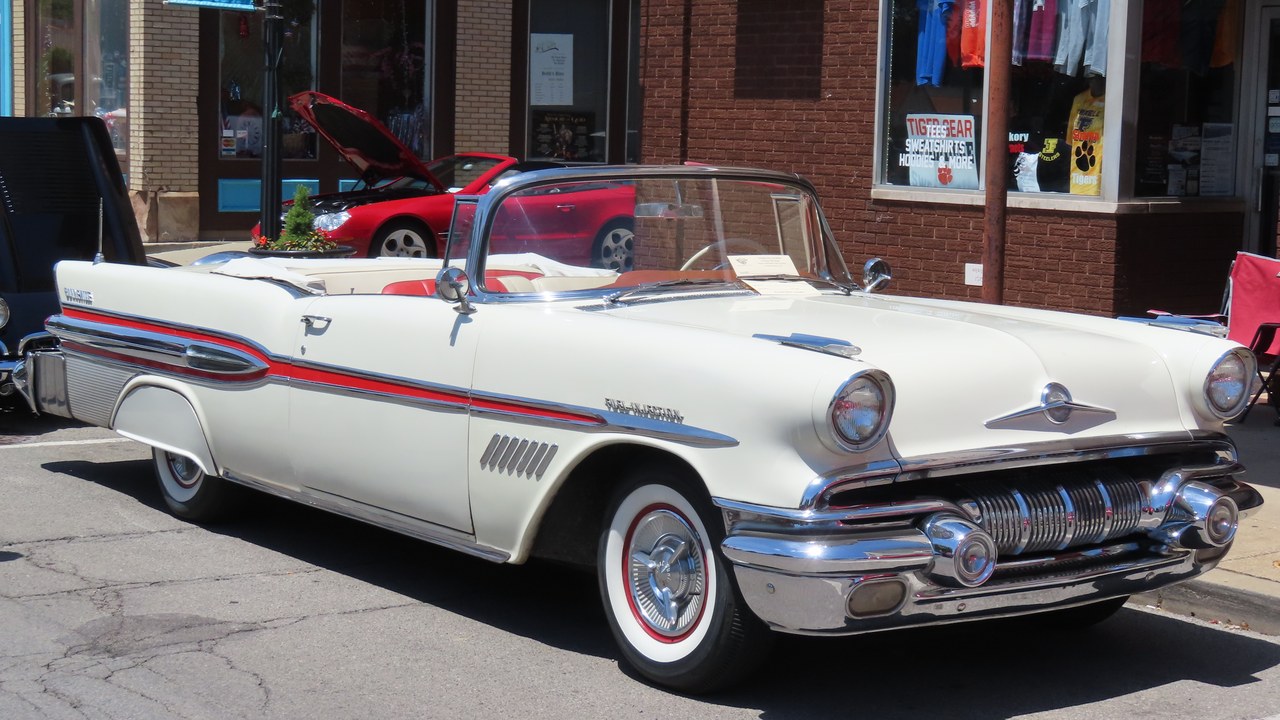
Pontiac built only 630 Bonnevilles for 1957, all fuel-injected convertibles, reportedly released one to a dealer, Old Cars Weekly reports. A Rochester fuel-injection unit helped wring about 310 horsepower from its 347-cubic-inch V8.
With a base price of about $5,800, a small fortune in 1957, the 4,285-pound car came with power steering, power brakes, an eight-way power seat, leather and a Hydra-Matic transmission. Pontiac claimed the Bonnevilles were the fastest cars it had ever built, and Old Cars Weekly noted that prices often climbed into six figures at auction.
10. Buick LeSabre (1959): Buick’s Best Seller
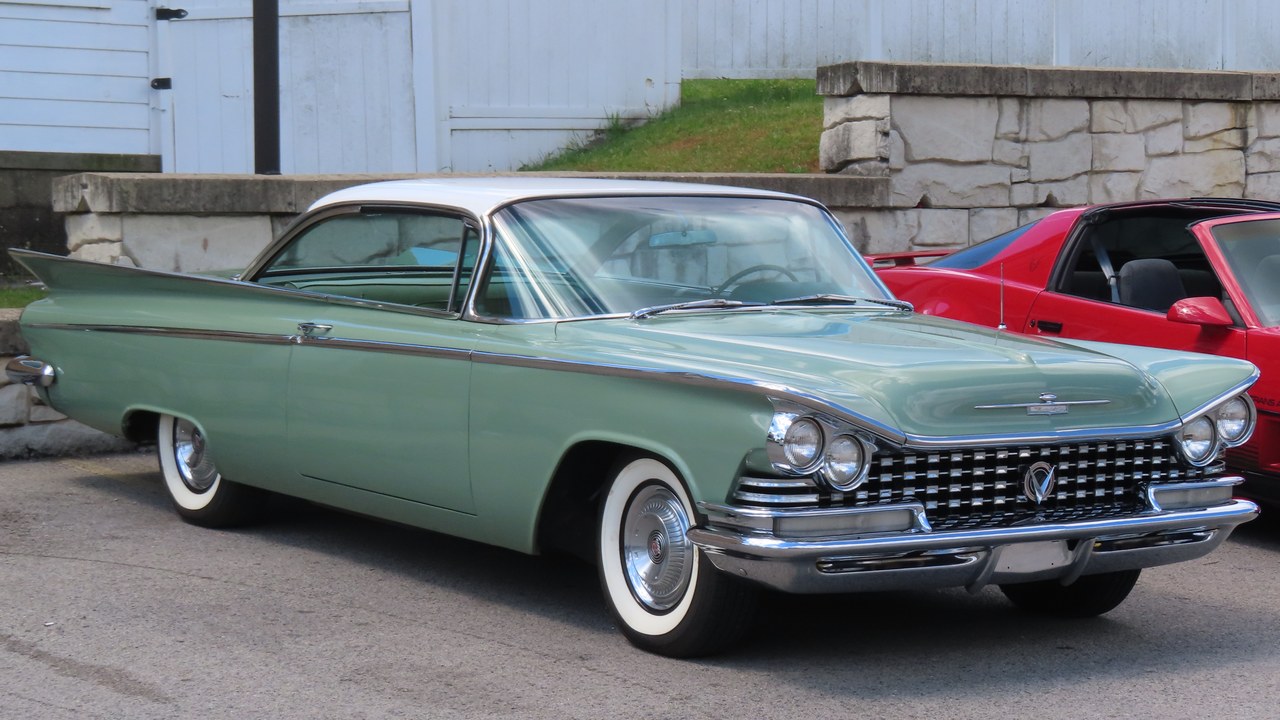
The Buick LeSabre arrived for 1959 as the new name for what had been the Buick Special, and it went on to become Buick’s entry-level full-size car through eight generations until 2005, Wikipedia notes.
The name first appeared on the 1951 Le Sabre show car, which introduced aircraft-inspired features such as the wraparound windshield and tailfins. The LeSabre was consistently Buick’s best-selling full-size car, and of the four nameplates Buick introduced for 1959, it lasted the longest. It was offered as a convertible, sedan, hardtop and station wagon over most of its run.
More from Morning Overview
- Two Kentucky residents died when a small plane crashed at Missouri’s Lake of the Ozarks, and the NTSB is investigating
- A handful of car transmissions are so tough that mechanics say they almost never die
- Melting permafrost is setting off a newly identified kind of catastrophic landslide, scientists say
- Cadillac cut the price of its cheapest EV, which goes up to 317 miles on a charge
