
Mount Etna towers more than 3,400 meters over eastern Sicily and erupts so often that its ash regularly shuts the island’s main airport. Its lava has buried villages, reached the walls of Catania and been fought with explosives to save a town. These eight pictures follow Europe’s restless giant from its summit craters to the communities living on its flanks.
Read next on Morning Overview: 11 engines built to run well past 200,000 miles
Mount Etna: Ash Over Sicily Again
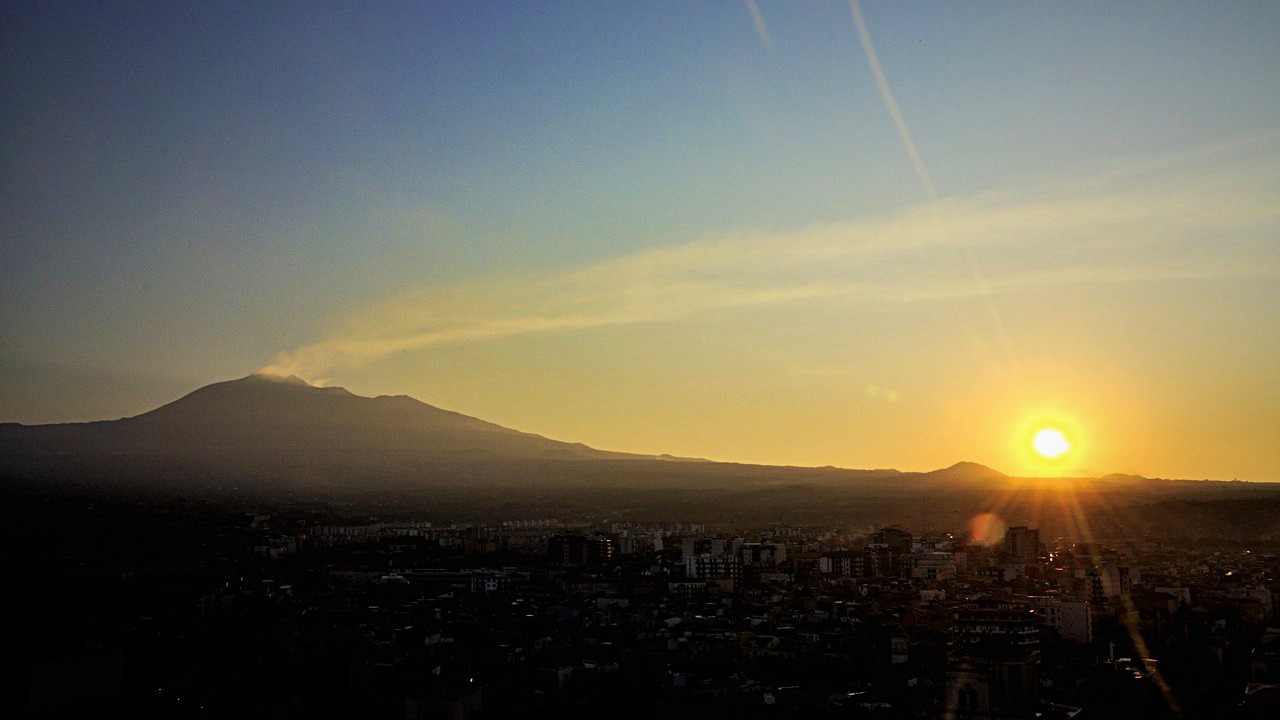
Etna came back to life in late September 2026. On 27 September, heavy ash emissions and unfavorable winds led Sac, the company that runs Catania’s airport, to close the airspace, and Euronews reported that all arrivals and departures were suspended until 23:59 that Sunday.
Flights had first been halted until noon before the stop was extended. The closure triggered a domino effect across Sicilian airports, and an Italian association warned of speculative air fares, citing a Verona to Palermo route that shot up to around 1,180 euros.
Catania-Fontanarossa Airport: An Airport at the Volcano’s Mercy
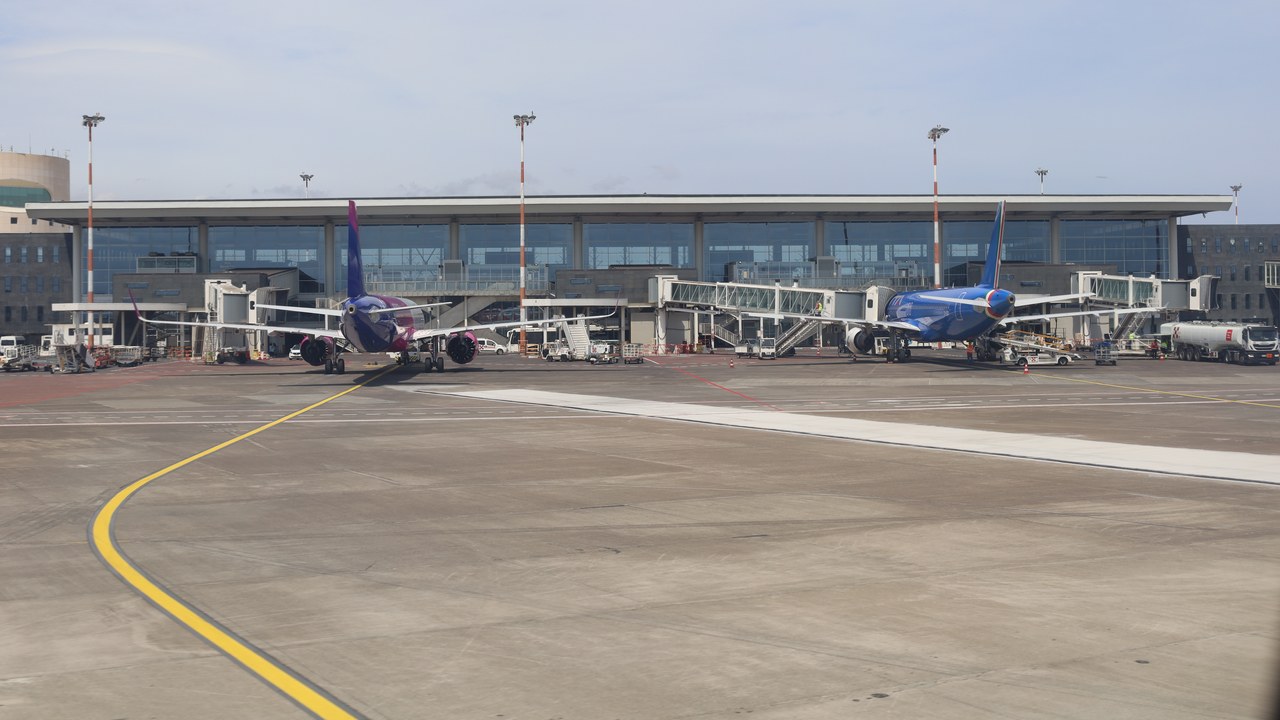
Catania-Fontanarossa airport has repeatedly been brought to a standstill by Etna’s ash. During the September 2026 shutdown, diverted aircraft crowded Comiso, Palermo and Trapani, and Euronews reported that thousands of travelers were left stranded searching for alternatives.
Transport unions Filt Cgil, Fit Cisl and Uiltrasporti Sicilia called the situation “total chaos” and criticized the absence of any contingency plan for an Etna eruption, which they described as a structural rather than unforeseeable event. Airport managers urged passengers to check flight status with their airlines before heading to the terminal.
Southeast Crater: A Crater Born in 1971
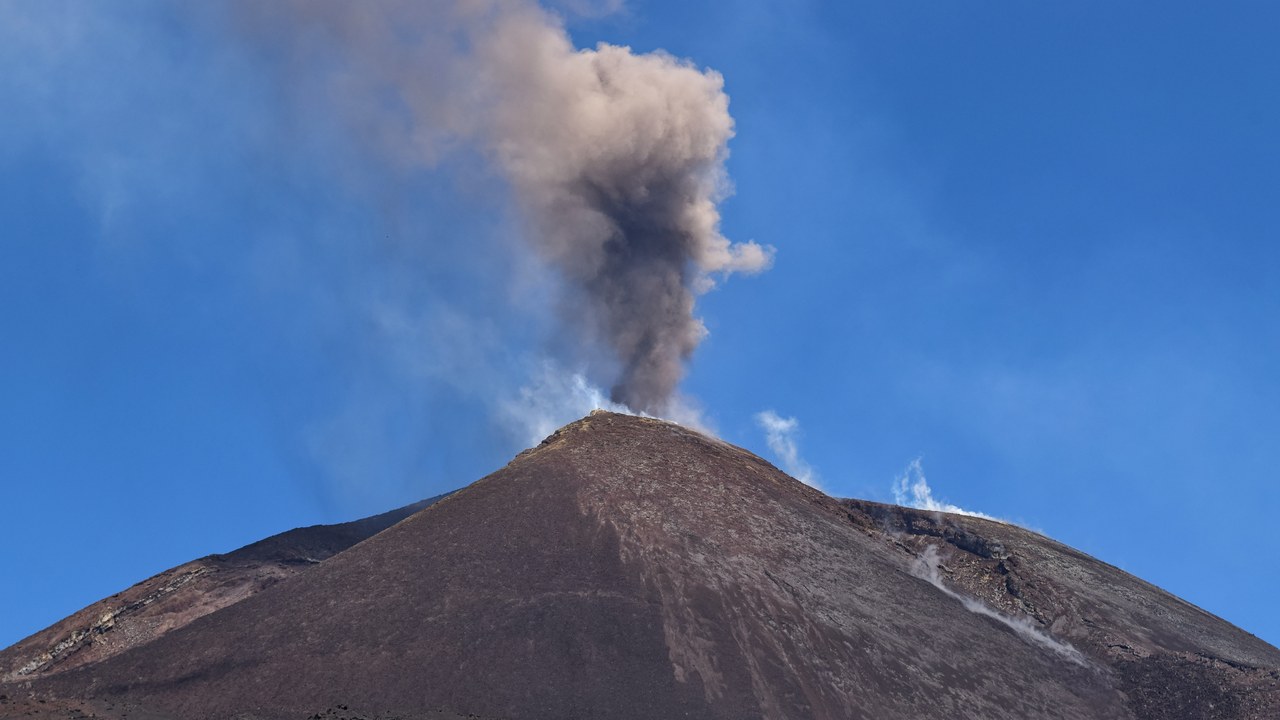
Etna’s Southeast Crater began as a small degassing pit during the late stages of the 1971 eruption and stayed quiet until spring 1978. According to an account of Etna’s summit craters, it has since been the site of major eruptions, including one of the most violent in recent decades on 5 January 1990.
From September 1998 to February 1999, 22 powerful episodes built its cone to an unprecedented height of about 3,260 meters. Then, between 26 January and 29 August 2000, the crater produced 66 violent eruptive episodes, and further paroxysms followed.
Valle del Bove: A Flank That Collapsed
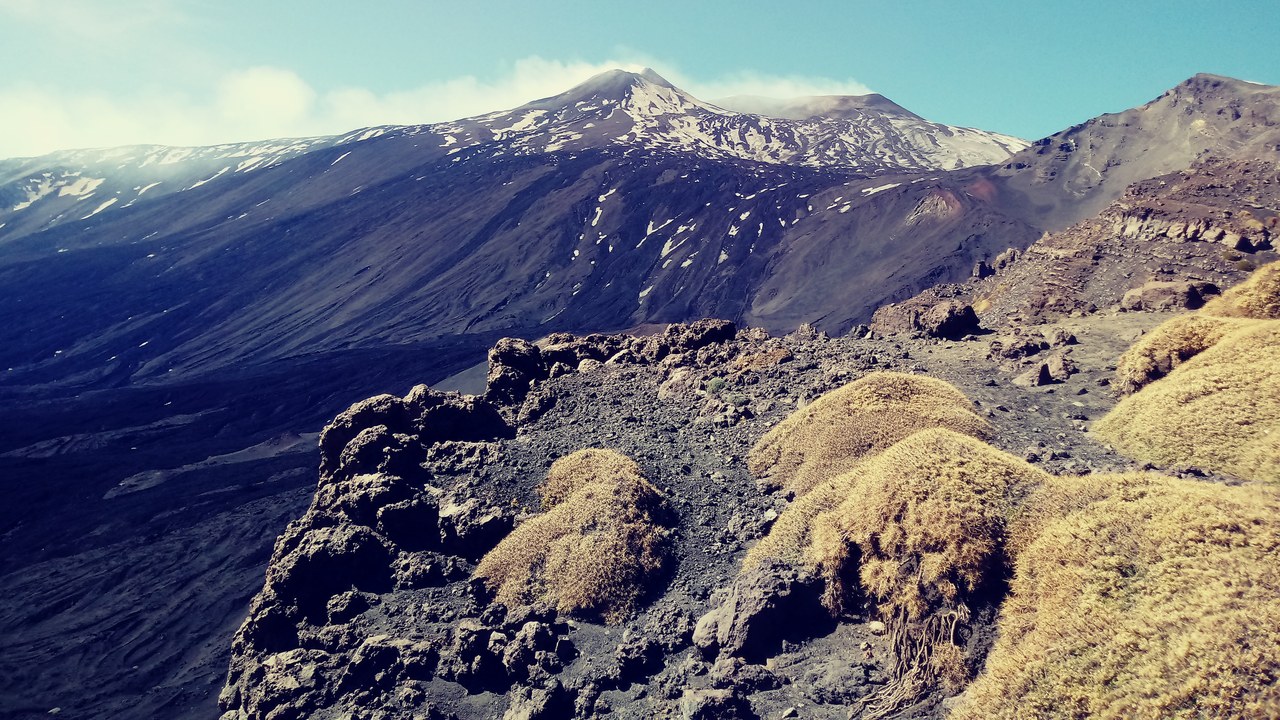
The Valle del Bove is a huge depression on Etna’s eastern side. The volcano’s geological history explains that it is the former eastern flank of the volcano, which collapsed about 64,000 years ago, exposing the older volcanic edifices beneath.
That collapse helps geologists read Etna’s long evolution, which over time has shifted from southeast to northwest, from offshore to onshore. Today’s summit belongs to the Mongibello system, which developed in two stages beginning about 15,000 years ago. Etna’s height varies with summit eruptions and stood at 3,403 meters in September 2024.
Monti Silvestri: A Chain of Cones by the Tourist Hub
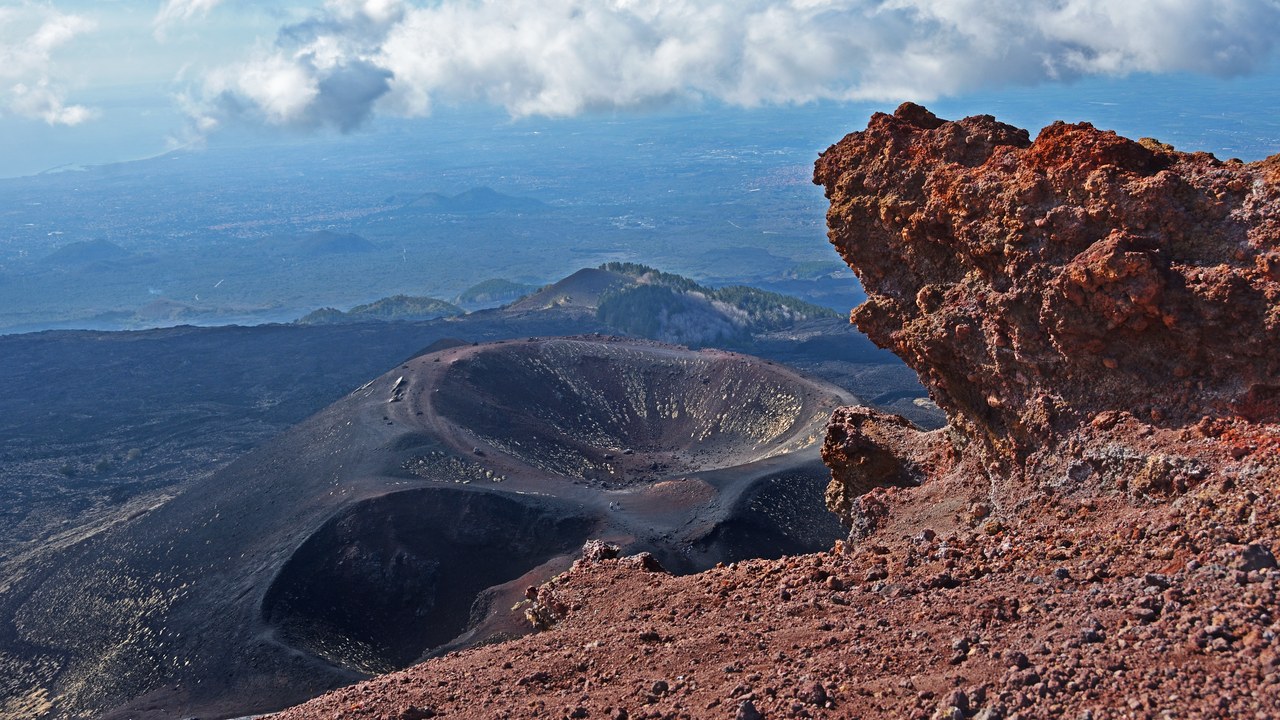
Etna erupts from many places on its flanks as well as its summit. The survey of Etna’s cones and craters counts more than 300 flank eruptive centers, and names Monti Silvestri, a chain of cones along the 1892 eruption fissure, as one of the most impressive.
The cones sit close to the tourist facilities near Rifugio Sapienza on Etna’s southern flank. Eruptions at higher sites like this tend to build rows of smaller cones, while those farther downslope build larger, more isolated ones.
Catania: The Lava That Reached the City Walls
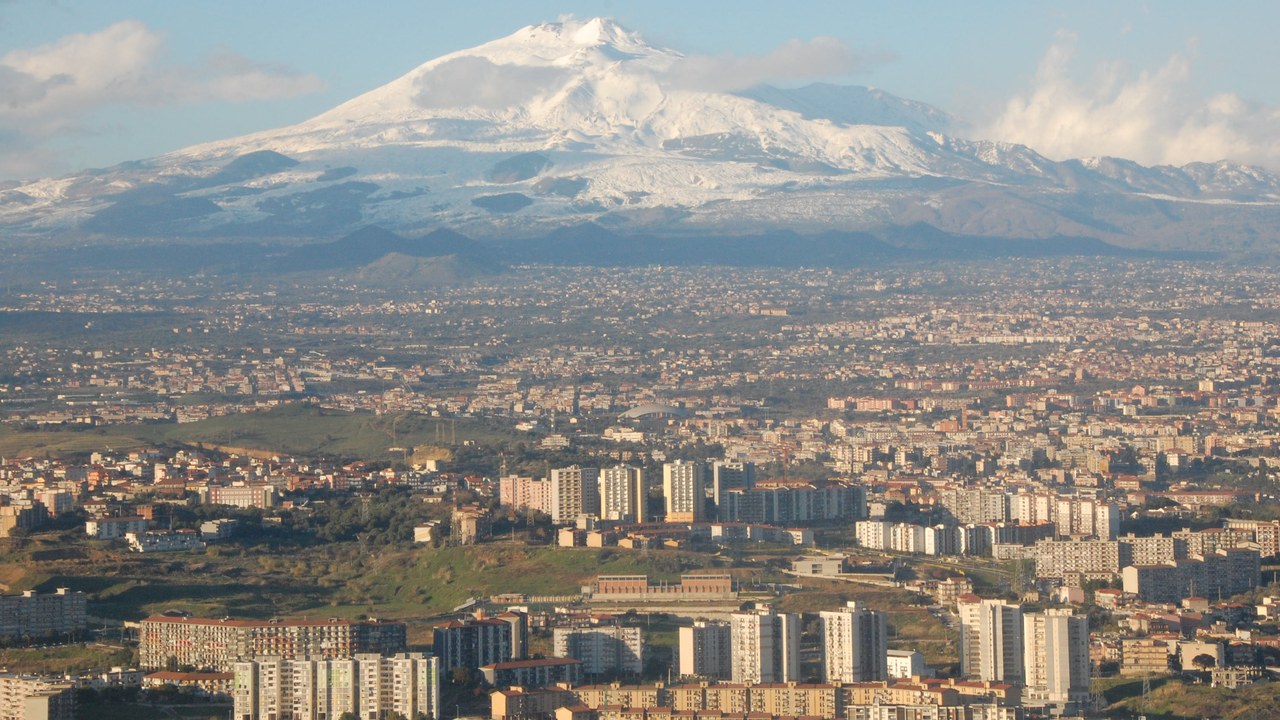
Etna’s most destructive eruption since 122 BCE began on 11 March 1669. The record of the 1669 eruption says its lava destroyed at least 10 villages on the southern flank before reaching the city walls of Catania five weeks later, on 15 April.
The walls diverted most of the lava into the sea south of the city, filling Catania’s harbor. A small portion broke through a weak section on the western side and destroyed a few buildings before stopping behind the Benedictine monastery, without reaching the city center. Contemporary accounts mention no deaths, despite later reports of thousands.
Monti Rossi: The Cone Built in 1669
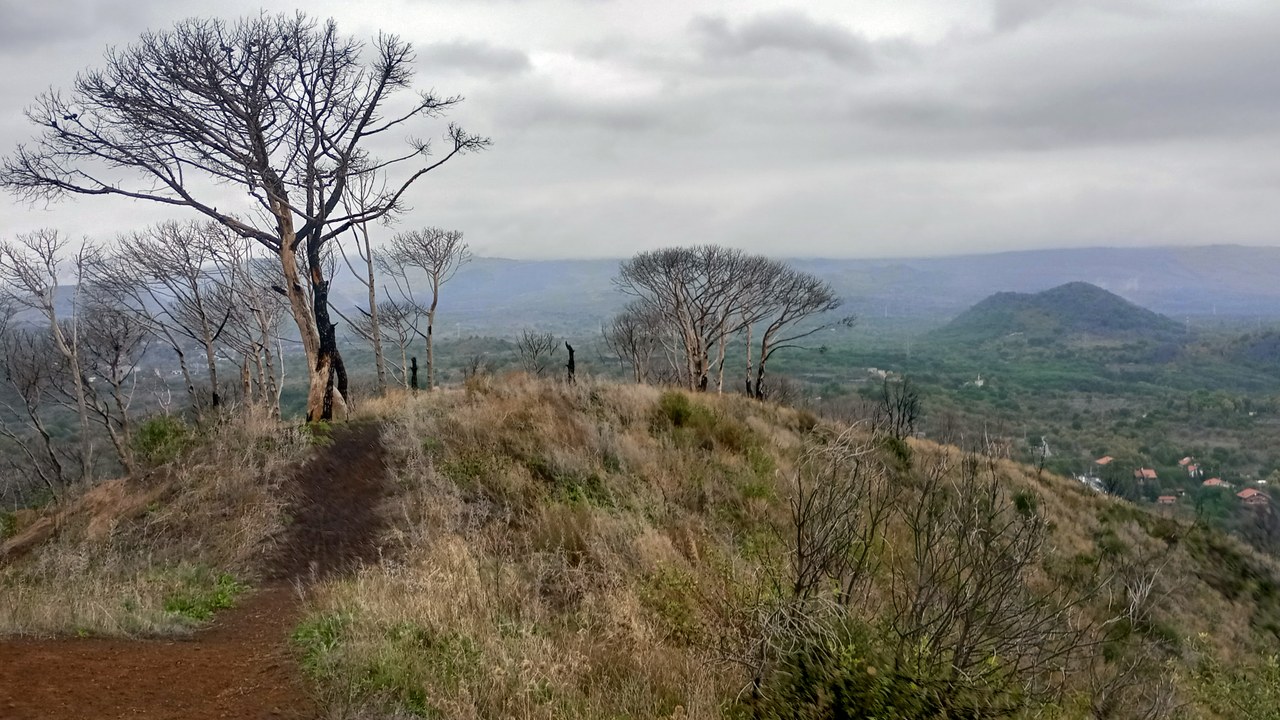
The 1669 eruption built its own landmark. The guide to Etna’s cones describes Monti Rossi as the large cone formed at the main vent of that eruption on Etna’s south flank, a conspicuous isolated cone near the town of Nicolosi.
The 1669 eruption devastated Nicolosi completely, covering it with tephra deposits several meters thick. Today the cone is a public park, and buildings of Nicolosi now extend up the flank of Etna beside it. Many of Etna’s flank cones, like those nearby, have horseshoe-shaped craters open on the downslope side.
Zafferana Etnea: The Town Saved by Explosives
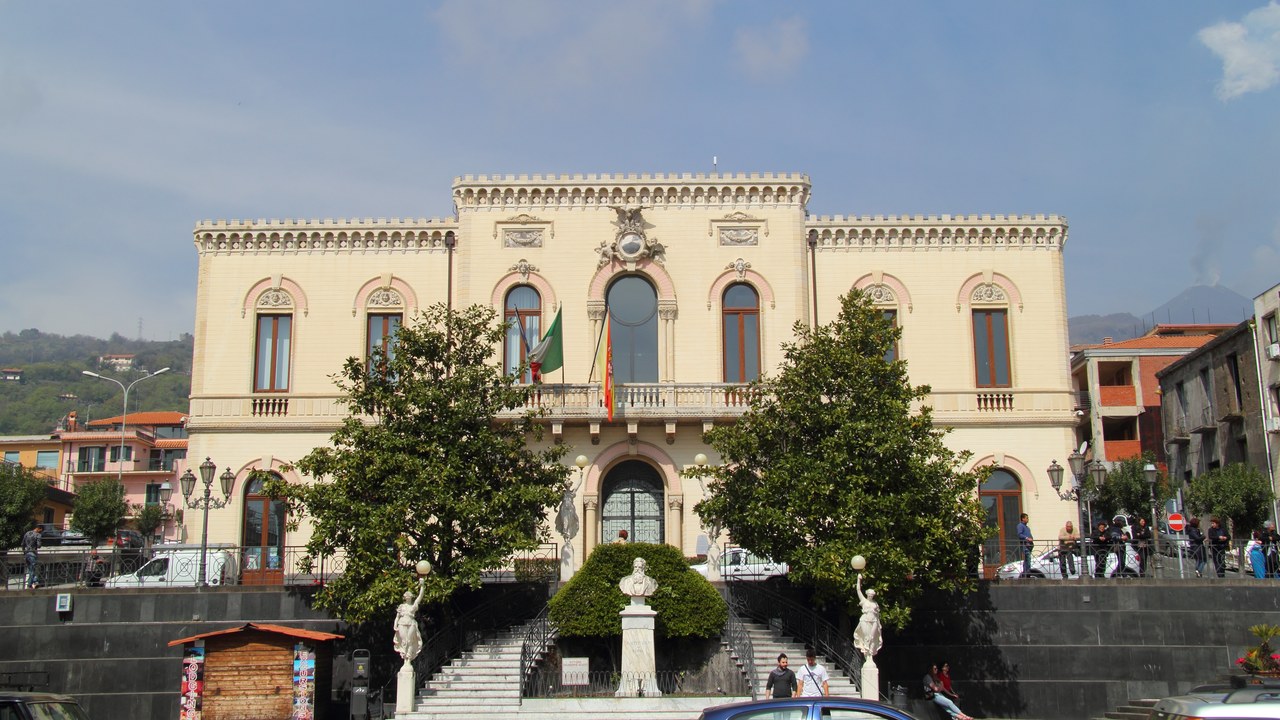
During the 1991 to 1993 eruption, advancing lava flows threatened the town of Zafferana Etnea. The volcano’s eruption history says diversion efforts, including one known as Operation Hot Rock, saved the town with the loss of only one building a few hundred meters from its edge.
Earlier eruptions had not always ended that way. In 1928 a large lava flow destroyed the town of Mascali, the first population center lost to Etna since 1669. In June 2013, Etna was added to the list of UNESCO World Heritage Sites.
More from Morning Overview
- A $1 billion gas plant planned for Superior, Wisconsin, has been abandoned
- Shaq spent $1.3 million on three Rolls-Royce Phantoms to prove a point to a salesman
- The Justice Department asked courts to undo approvals for three offshore wind farms, one already making power
- Over 20 trillion gallons of rain fell on the Four Corners states and Nevada in two weeks
