
The Endangered Species Act was signed in 1973 to keep species from vanishing, no matter the cost. Some of the animals it protected had dwindled to a few dozen individuals, and several have since recovered enough to come off the list. Here are ten rare American species that rebounded under its protection, and how they came back.
Read next on Morning Overview: Zero Motorcycles unveiled an electric motorcycle targeted at under $8K and a street-legal dirt bike at EICMA
1. Bald eagle: The National Bird Returns
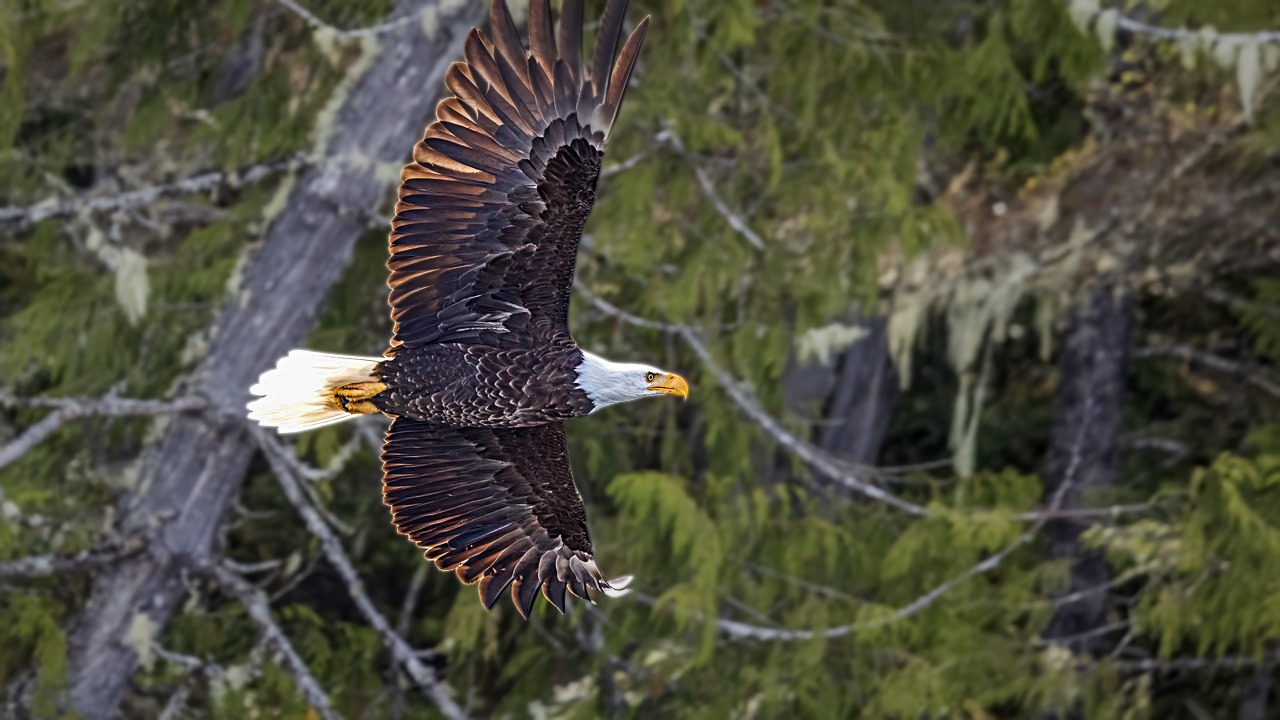
The bald eagle has been the national bird since 1782, but DDT poisoned the lakes and streams where it caught fish, while illegal hunting and habitat loss added to the damage. By the 1960s, WorldAtlas reports, the population was as low as about 480.
The bird gained protection when the Endangered Species Act passed in 1973, and with other federal efforts its numbers slowly rose until it was removed from the threatened list in 2007. The Endangered Species Coalition counted some 14,000 breeding pairs in 2021.
2. Peregrine falcon: Back From Local Extinction
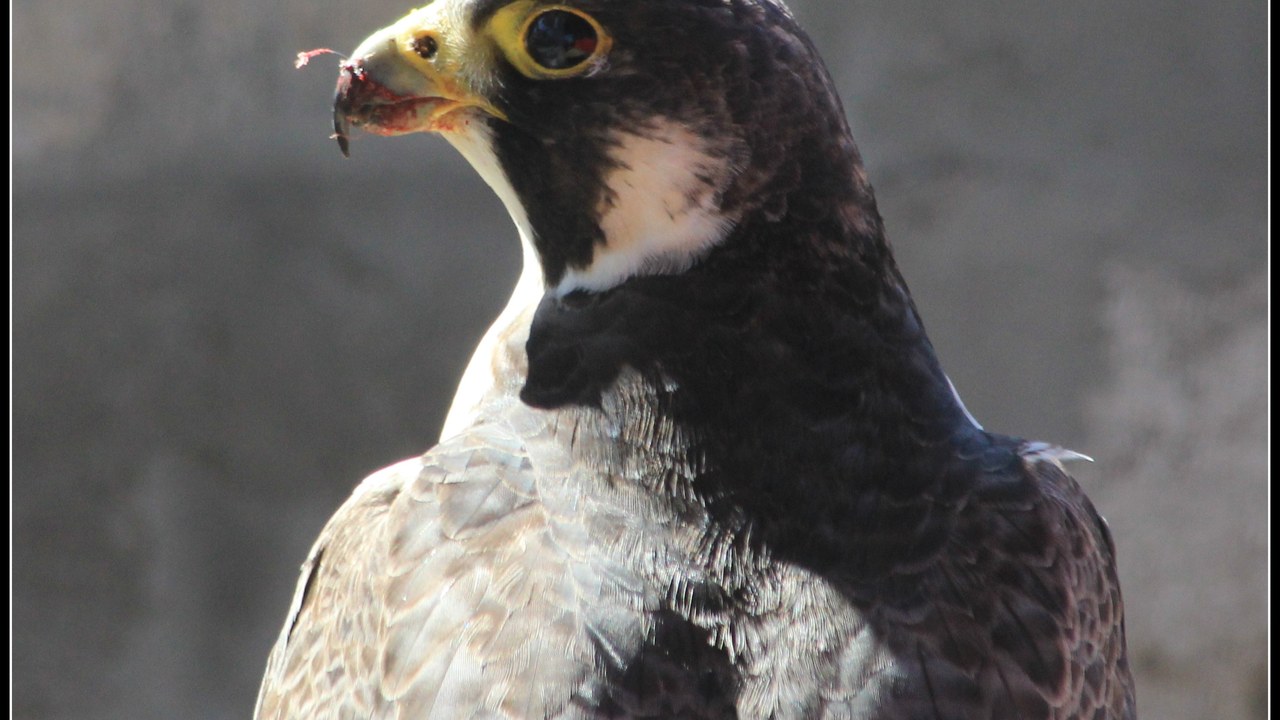
The U.S. peregrine falcon population fell from an estimated 3,900 in the mid-1940s to just 324 birds in 1975, and the falcon was considered locally extinct in the eastern United States, the Endangered Species Coalition says.
The coalition calls its comeback truly remarkable, with roughly 3,500 nesting pairs in the coalition’s 2021 tally. CBS News notes that two peregrine subspecies, including the American peregrine, recovered, and that the falcon is still protected under the Migratory Bird Treaty Act after its delisting.
3. Whooping crane: Fifty Birds Left
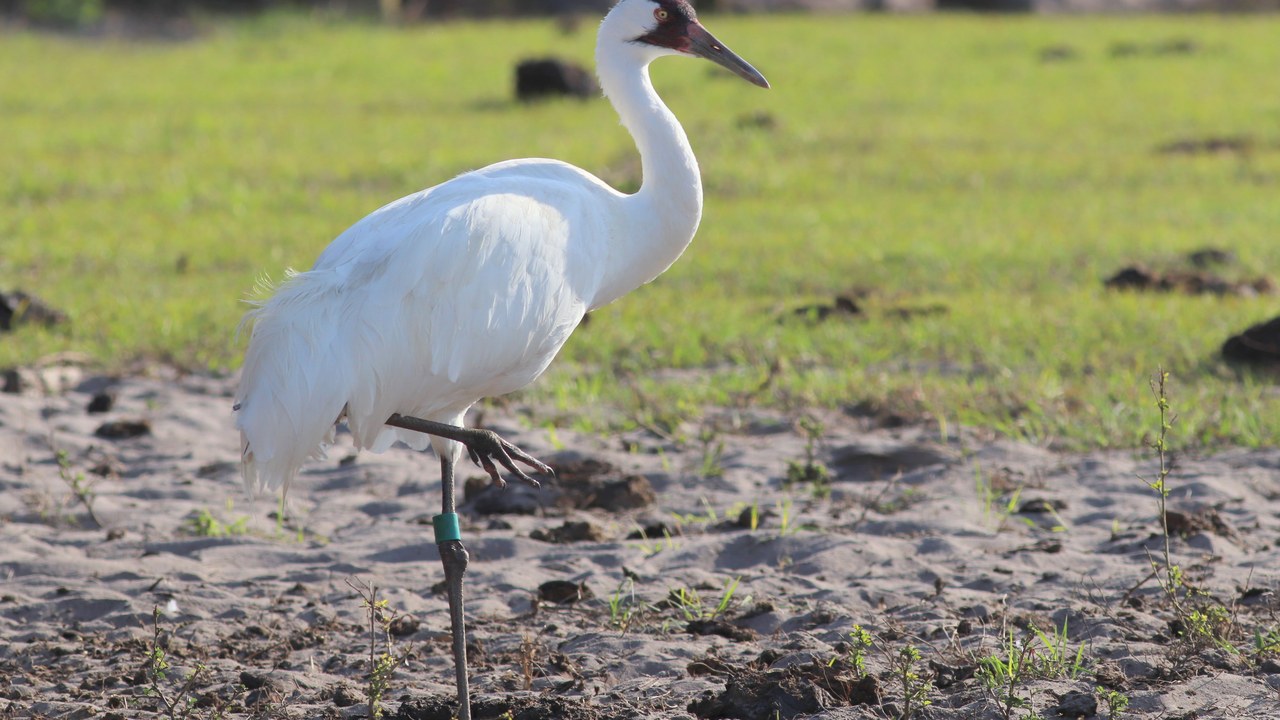
When the whooping crane was listed as endangered in 1967, just 50 birds remained, according to the Endangered Species Coalition.
By the coalition’s estimate, the population had climbed to about 603 birds, which it calls a testament to the progress the Endangered Species Act makes possible. The crane is not out of danger, though. It remains one of North America’s most threatened birds, at risk from oil and gas development and from collisions with aerial power lines. The coalition compiled its estimate for Endangered Species Day in May 2021.
4. California condor: From 10 Birds to Hundreds
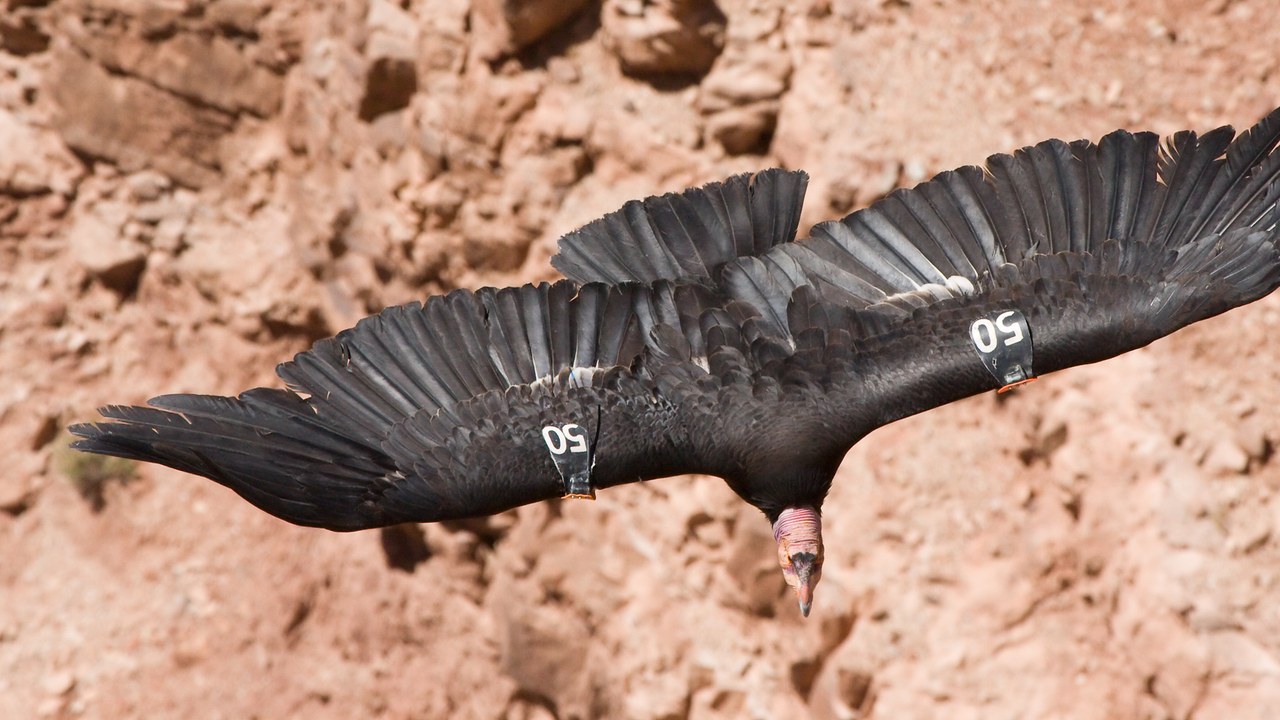
Lead poisoning from bullet fragments in carrion, along with the pesticide DDT, nearly drove the California condor to extinction in the mid-20th century, the coalition explains.
As few as 10 condors flew in the wild in the 1980s. The elimination of DDT and the protections of the Endangered Species Act kept the bird from disappearing forever. By the coalition’s 2021 count, condors had rebounded to 435 worldwide, with 237 of them flying over the American Southwest The coalition compiled those figures for Endangered Species Day in May 2021.
5. Brown pelican: Wiped Out in Louisiana

Pesticides wiped out the brown pelican in Louisiana in the 1960s, but the bird was reintroduced there and brought back from the brink of extinction, CBS News reports.
Habitat destruction and DDT had taken a heavy toll, the Endangered Species Coalition adds. Ambitious reintroduction programs worked so well that the brown pelican was fully delisted in 2009, and by 2014 Louisiana’s population numbered 16,500 nesting pairs Delisted species lose their legal protection under the Act, but CBS notes that scientists must keep monitoring them for at least five years afterward.
6. American alligator: Five Million Strong
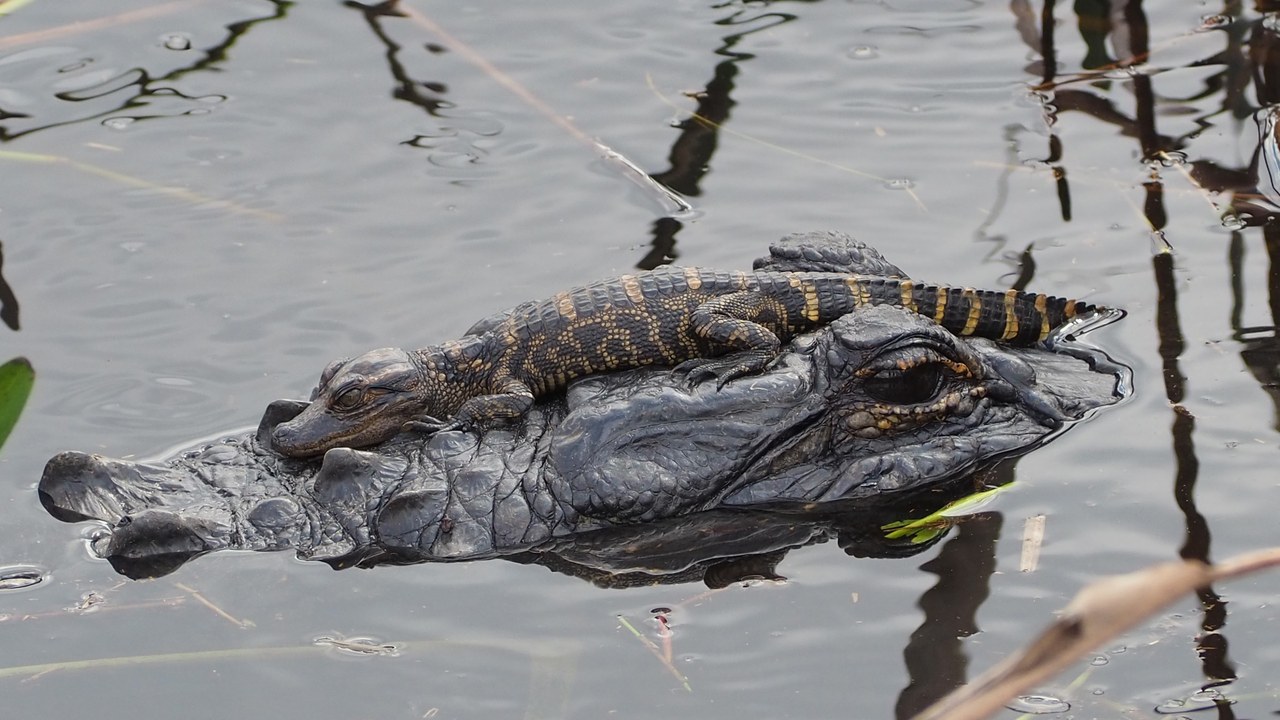
By the 1950s, the American alligator had been hunted and traded to near-extinction, the Endangered Species Coalition says, and CBS News notes that habitat loss also drove its decline across Southern states.
Captive breeding and strong enforcement of habitat protections and hunting rules brought it back. The coalition put the population at around 5 million from North Carolina through Texas, with the largest numbers in Louisiana and Florida. Because it closely resembles the endangered American crocodile, it still shares some protections where the two overlap.
7. Gray wolf: The Wolves of the Woods
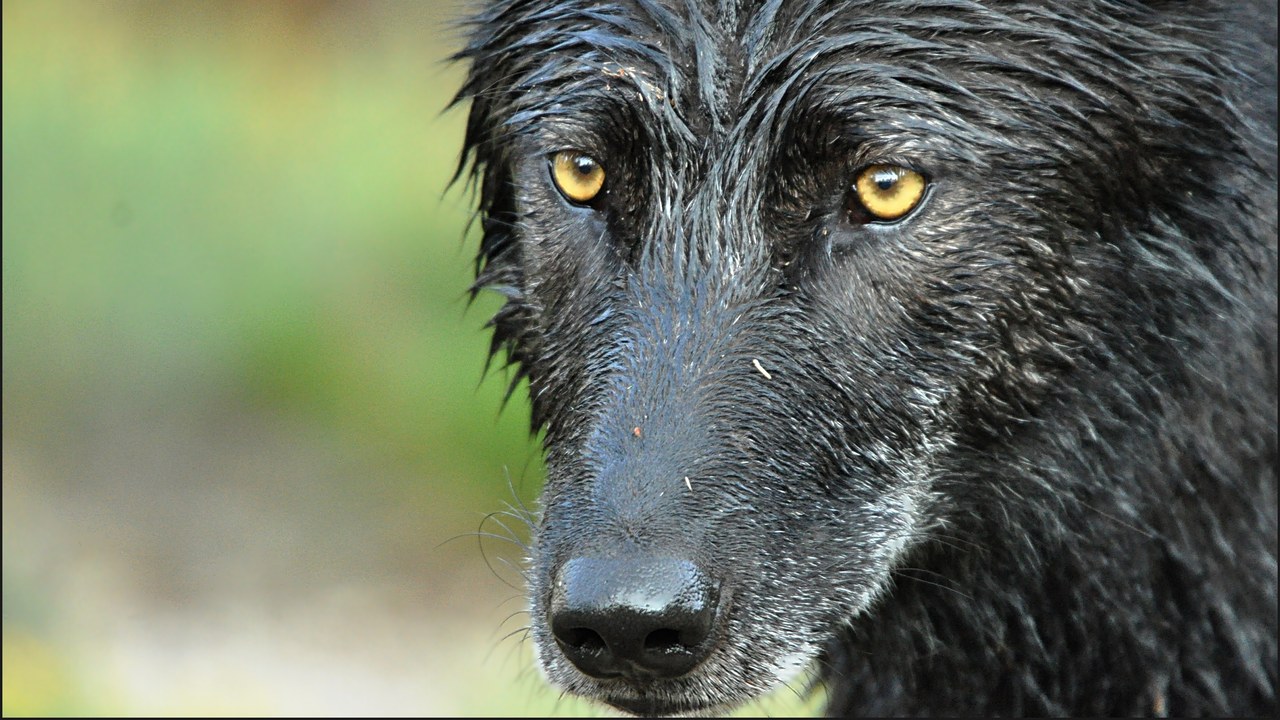
Gray wolves once roamed two-thirds of the United States, with an estimated peak of up to two million. Hunting and habitat destruction pushed them close to extinction, and by the 1960s only about 300 survived in the woods of Wisconsin and Minnesota, WorldAtlas reports.
Because wolves are crucial to the balance of many ecosystems, they were protected under the Endangered Species Act in 1974. Breeding and reintroduction programs helped their numbers and territory grow, and WorldAtlas puts the population at about 6,000 across states including Idaho, Wyoming and Washington.
8. Humpback whale: A Whale-Sized Rebound
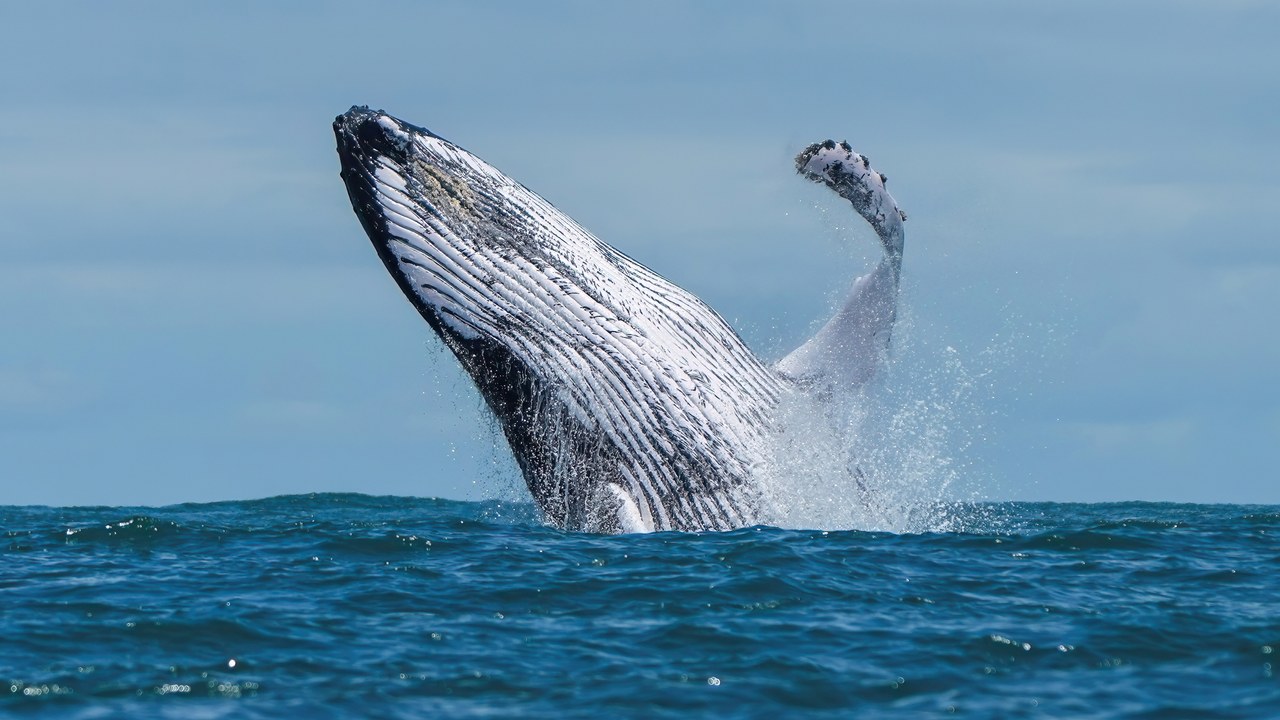
Commercial whaling nearly drove humpback whales to extinction, slashing their numbers from around 125,000 to a mere 1,200 by 1966, according to the Endangered Species Coalition.
Protections from the International Whaling Commission, the Endangered Species Act and the Marine Mammal Protection Act turned that around, allowing the population to recover dramatically. The coalition’s 2021 tally put humpbacks at more than 21,000, up from a low of just 1,200 in 1966. The coalition compiled that count for Endangered Species Day in May 2021.
9. Island fox: One of the Fastest Recoveries
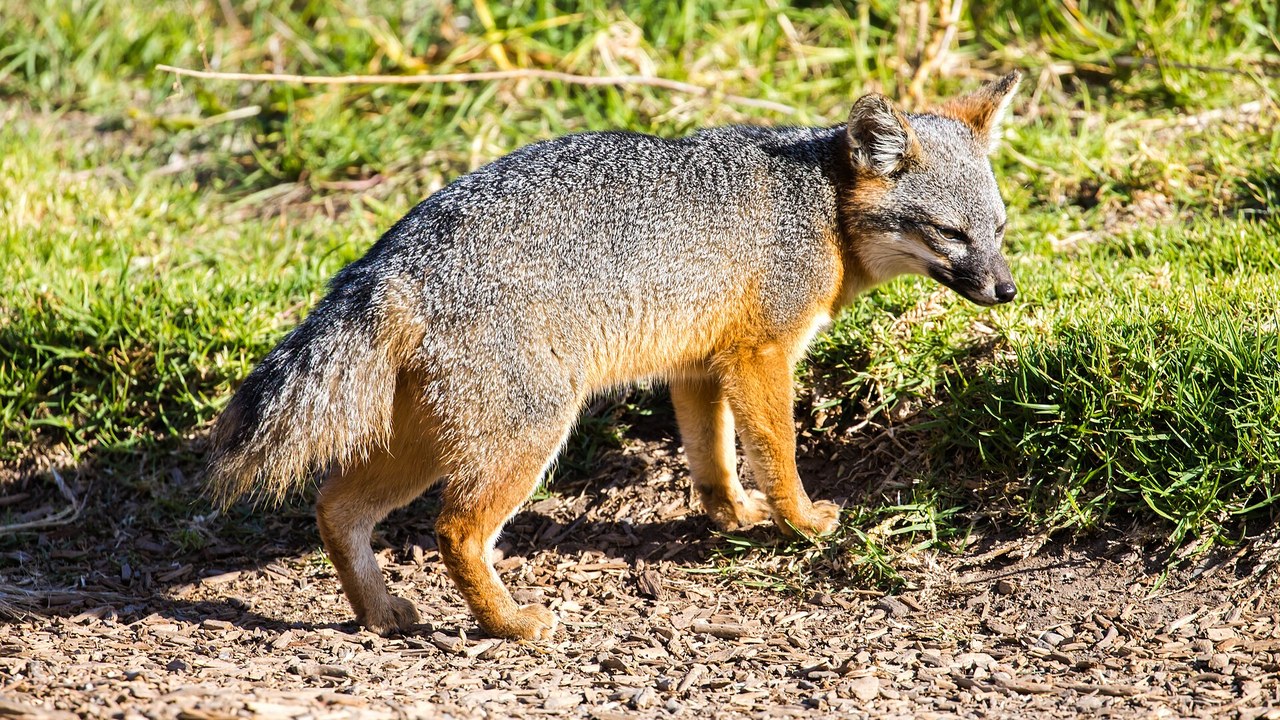
The island fox lives only on California’s Channel Islands. In the late 1900s its numbers fell by up to 90 percent, WorldAtlas reports. A virus spread by an invading raccoon struck Santa Catalina, while golden eagles, which moved in when bald eagles disappeared, preyed on foxes on three other islands.
Listed as endangered in 2004, the foxes recovered through captive breeding, the relocation of golden eagles and the return of bald eagles. They were removed from the list in 2016, one of the fastest mammal recoveries under the Act.
10. Louisiana black bear: A Bear That Doubled
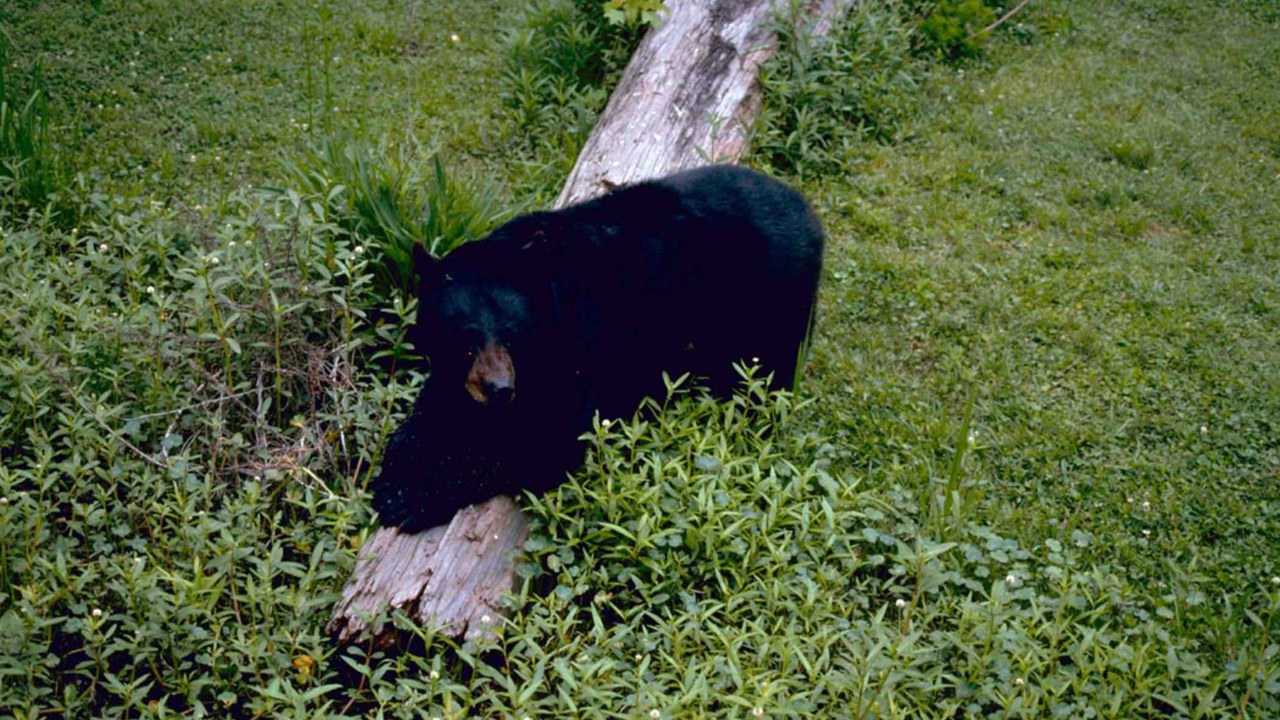
The Louisiana black bear is one of 16 subspecies of American black bear, living in Louisiana and parts of eastern Texas and western Mississippi. Rapid agricultural development destroyed its habitat, and by 1980 80 percent of its land had been taken or ruined.
The bear was listed in 1992. Rehabilitation programs, environmental rules and incentives for landowners helped restore its habitat, and as of 2016 it was no longer considered threatened. WorldAtlas puts its numbers at about 750, double the 1992 count.
More from Morning Overview
- Melting permafrost is setting off a newly identified kind of catastrophic landslide, scientists say
- Cadillac cut the price of its cheapest EV, which goes up to 317 miles on a charge
- Winter weather advisories cover I-80, I-70 and the Bighorns with up to 15 inches of snow
- Arizona’s governor declared a statewide emergency after Flagstaff logged its wettest Nov. 1 on record
