
Many wild species once dwindled so far that their disappearance across the United States looked likely. Legal protection, habitat work, captive breeding and bans on harmful chemicals later turned several of those declines around, sometimes within a few decades. Here are fourteen American animals that rebounded after coming close to the edge.
Read next on Morning Overview: The NSA warns phone owners to switch off Bluetooth whenever they aren’t using it
1. Bald eagle: Symbol Rebounded
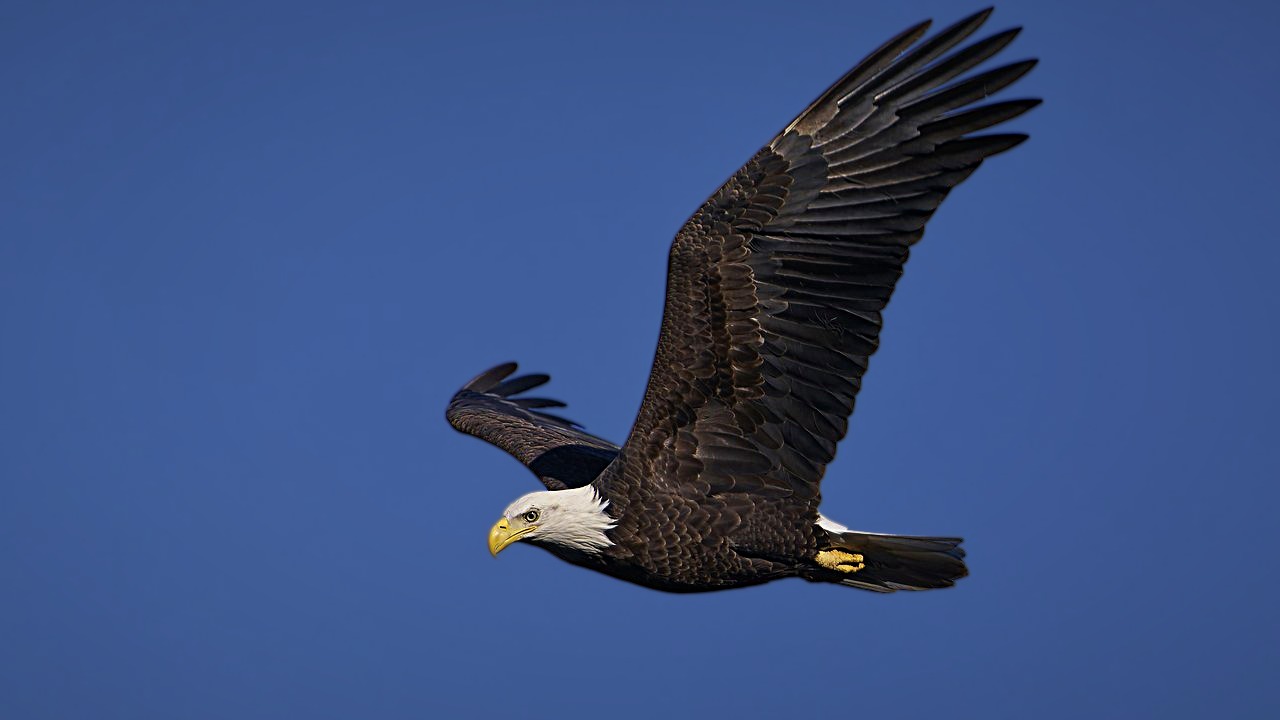
Poisoning by DDT and hunting pushed the national bird toward disappearance in the lower 48. The Interior Department’s account of the delisting notes that it came off the endangered species list in 2007.
Sightings are now routine near lakes, rivers and coasts across much of the country. The recovery is often cited as proof that banning a single pesticide can change a species’ fate within a few decades.
2. American alligator: Swamp Predator Returns
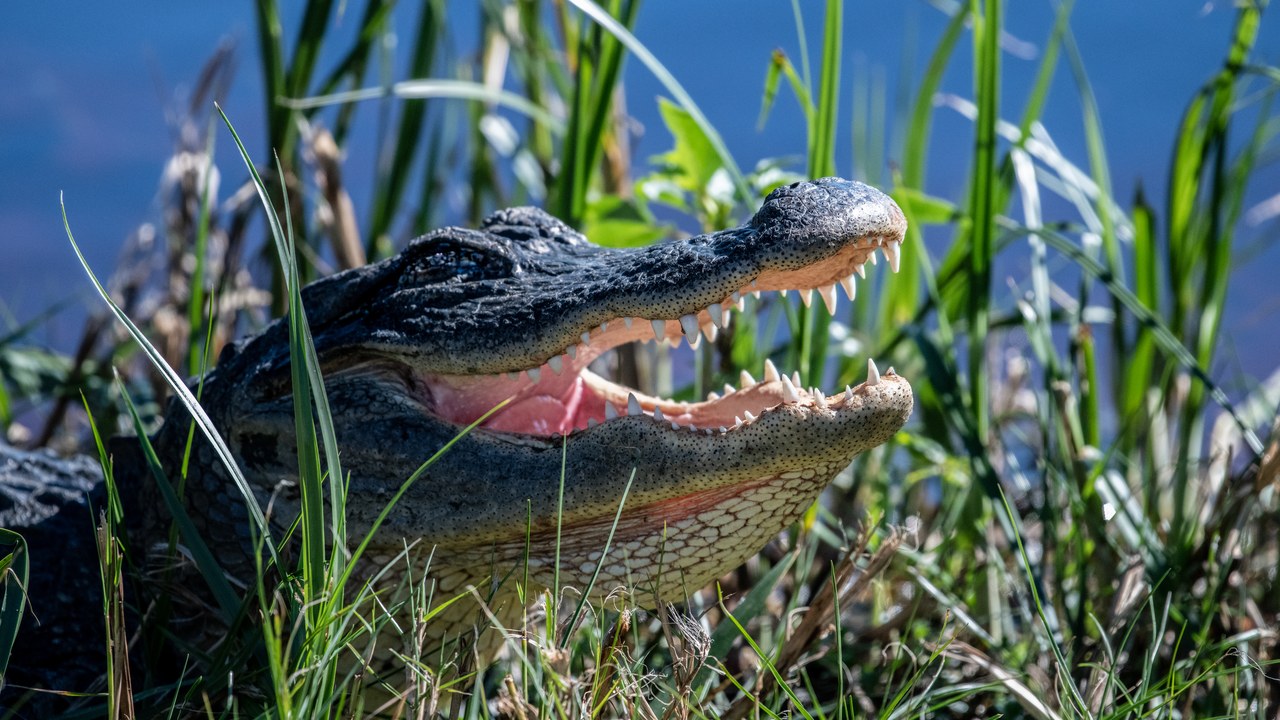
The reptile was listed as endangered in 1967 and delisted in 1987, a recovery the Interior Department’s blog post credits to Endangered Species Act protections.
It is a large freshwater reptile of southeastern wetlands, and its return is among the earliest and most visible federal conservation successes. Residents of the Southeast still need to treat it as a wild predator near water.
3. Whooping crane: From Twenty-One Birds
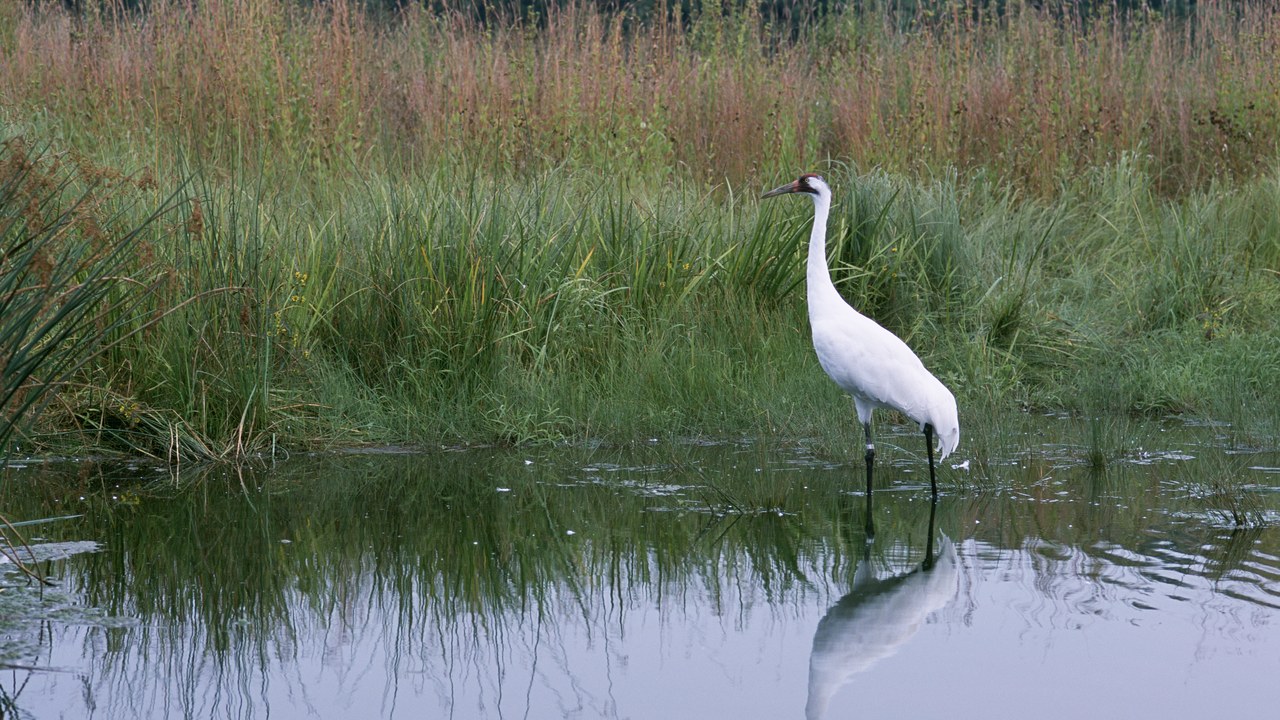
The tallest bird in North America grew from 21 individuals in 1941 to more than 500, a steady recovery described in the Interior Department’s wildlife success story.
Even at that level the species remains far from abundant. The wild flock’s story is a reminder that recovery can take generations, and that a rebound from a tiny base is still a fragile one.
4. Peregrine falcon: Cliff Hunter Back
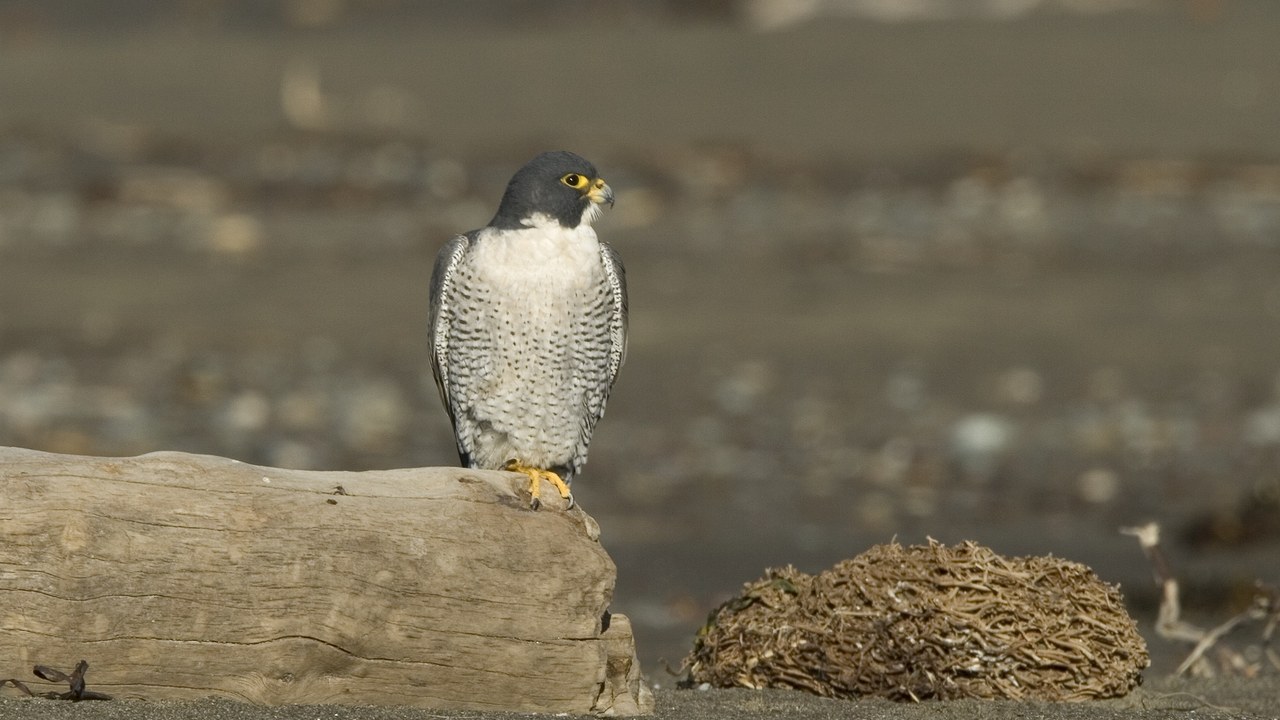
Only 324 nesting pairs were left in the United States by 1975, and the falcon was delisted in 1999. The Interior Department’s conservation report attributes the remarkable recovery to the banning of the pesticide DDT.
The fast raptor now nests on cliffs and, famously, on tall city buildings. Its return pairs a chemical ban with active breeding and release efforts, a combination that has become a template for other birds of prey.
5. California condor: Captured to Be Saved
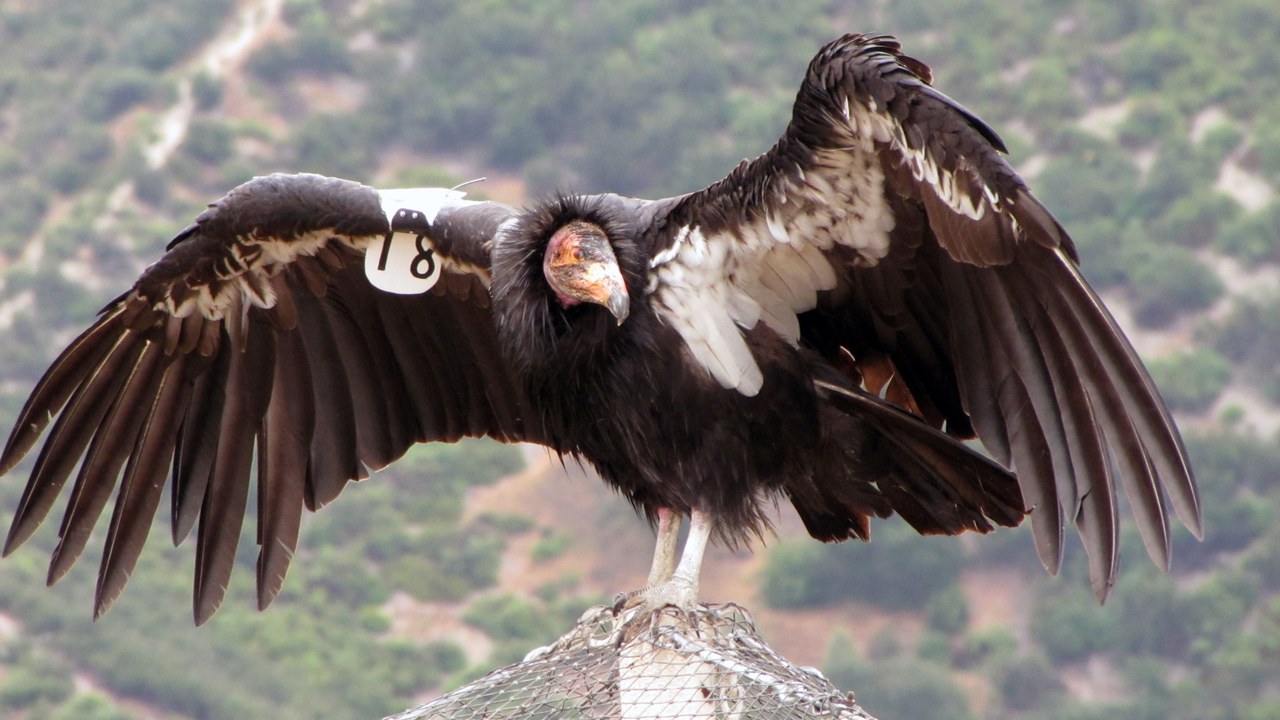
All wild birds were captured in 1987, when only 27 remained, and the 1,000th chick hatched in 2019, according to the National Wildlife Federation’s success stories.
The largest land bird in North America survived through a captive breeding program and later releases. Lead poisoning from ammunition fragments in carcasses remains a hazard, so the population still depends on close monitoring.
6. Gray wolf: Lower 48 Comeback
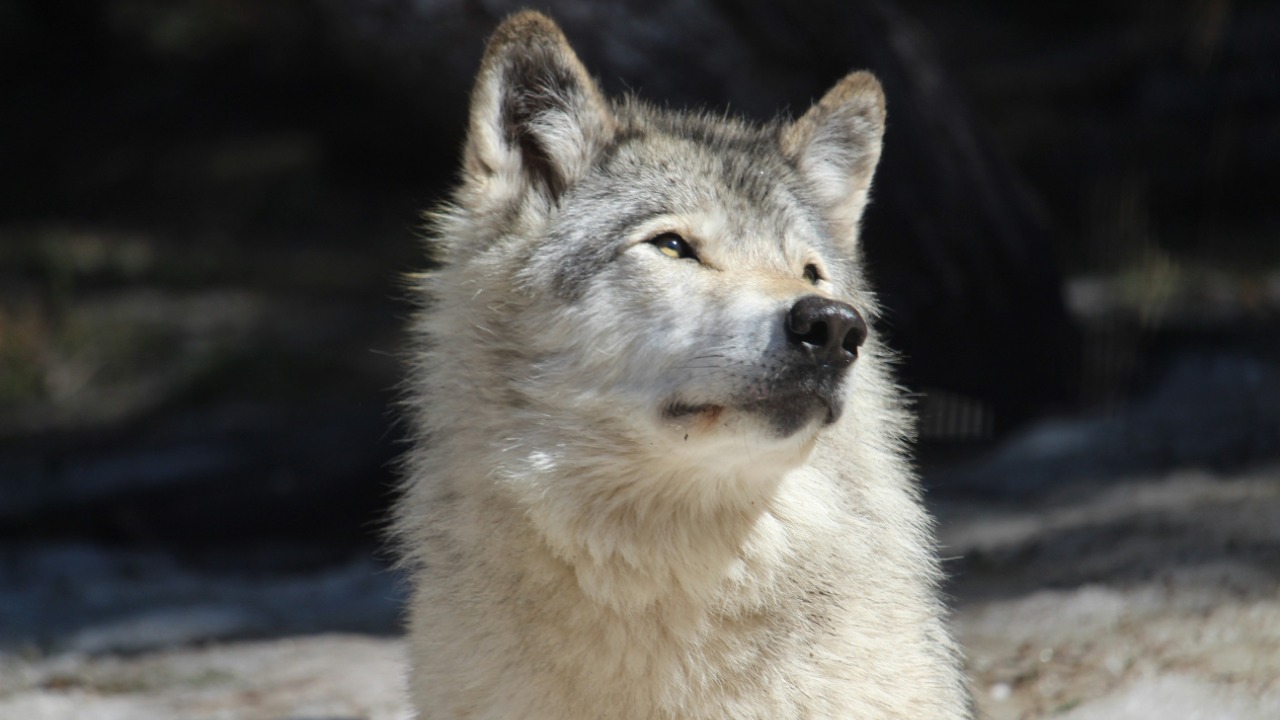
Only about 300 wolves were left in the lower 48 states by 1965, and about 5,500 live there now, Mental Floss reported in its roundup of species comebacks.
The species has not been described as delisted, and its management remains politically contested. The figure still marks a large rebound, though the animal’s status varies by region and over time.
7. Brown pelican: Coastal Bird Vanishes
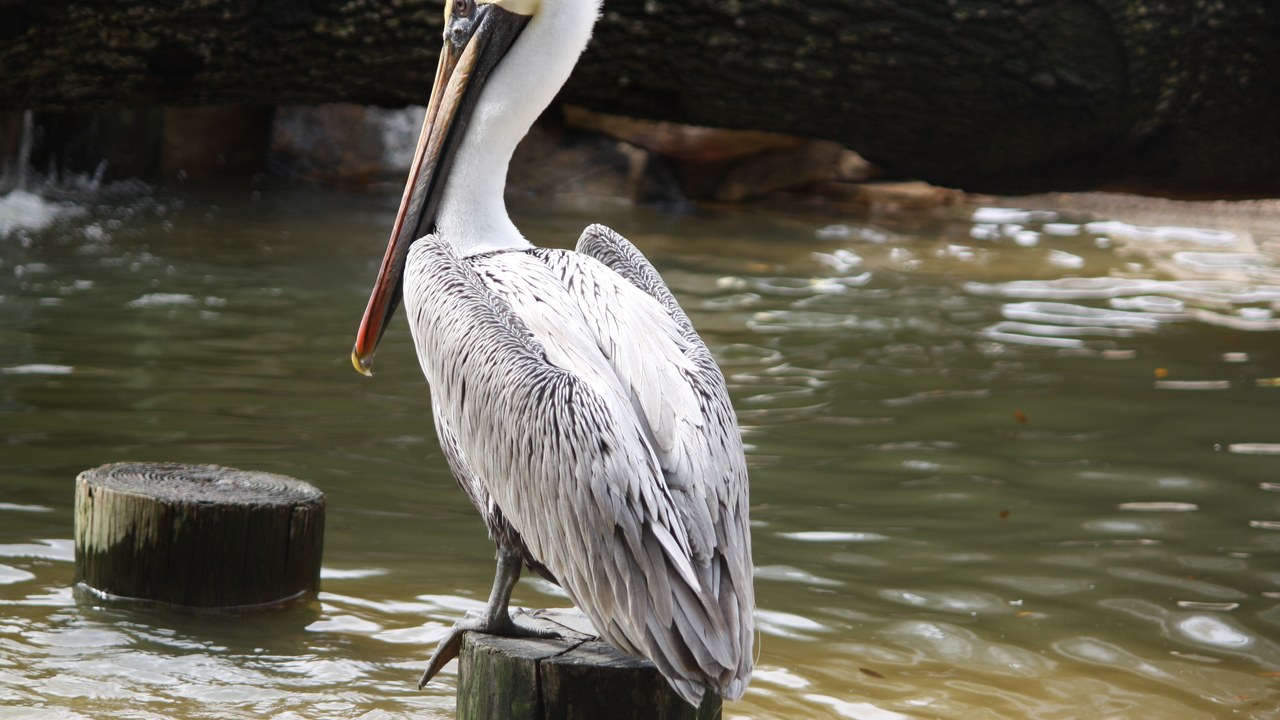
A 1963 census recorded no sightings of the bird in Louisiana, yet it is no longer considered endangered, Mental Floss noted in its list of species rebounds.
The big-billed seabird dives for fish along southern coasts, and Louisiana later adopted it as its state bird. The reversal shows how regional disappearances can be repaired through protection and reintroduction.
8. Humpback whale: Giants in Recovery
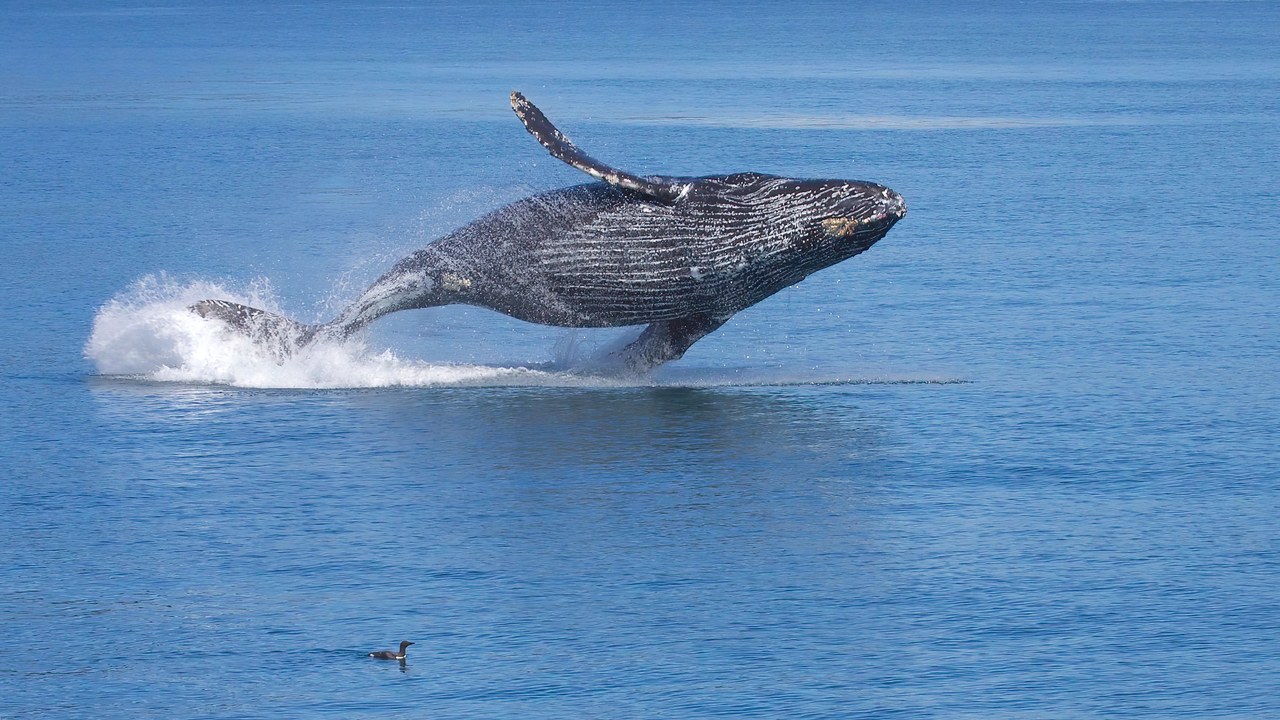
In 2016 NOAA reported that nine of 14 population segments no longer need Endangered Species Act protection, as Mental Floss recounted in its write-up of species comebacks.
Five segments therefore still fall under federal protection. The finding shows that recovery can be uneven within a single species, with some ocean populations rebuilding faster than others. The whales are known for breaching and long migrations between feeding and breeding waters.
9. Black-footed ferret: Written Off, Then Found
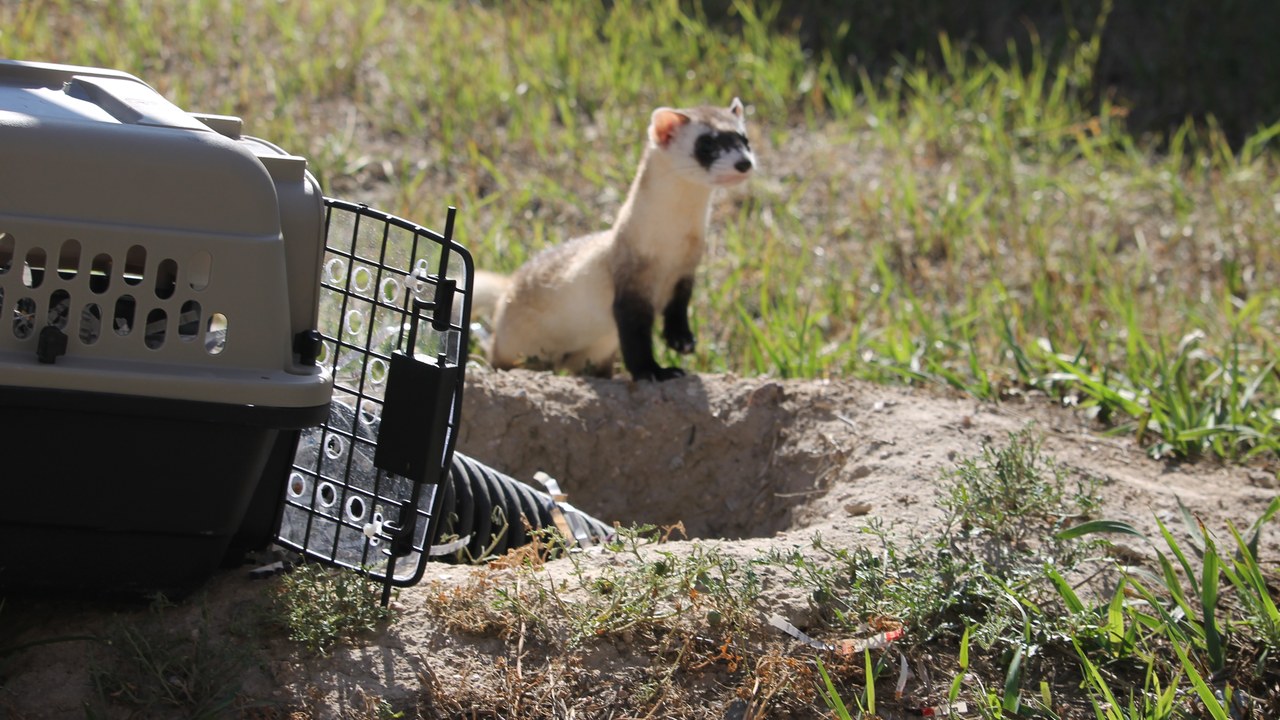
The ferret was written off as extinct in 1979, a wild colony turned up in 1981, and numbers are now over 1,000, according to Mental Floss’s account of species comebacks.
The slim prairie predator depends on prairie dog colonies for food and shelter. Its revival began with a tiny surviving group, which makes it one of the most striking rescues on the list.
10. West Indian manatee: Tripled in Florida
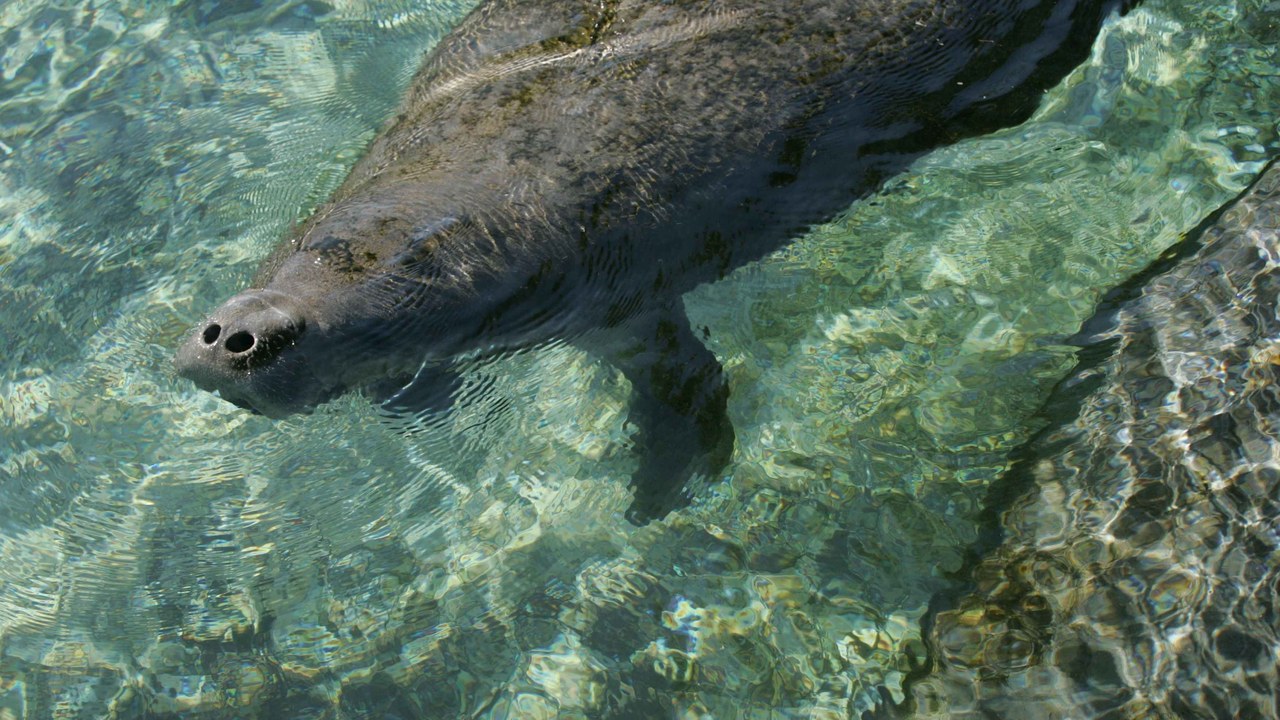
The Florida population has more than tripled since 1991, Mental Floss reported in its list of species rebounds.
The slow-moving marine mammal lives in warm coastal waters and springs. The source gives only the tripling figure, so the rebound is best read as a trend rather than a finished recovery. The animals gather in warm-water springs during cold snaps, which makes them easy to count and to watch.
11. Northern elephant seal: Down to Fewer Than 100
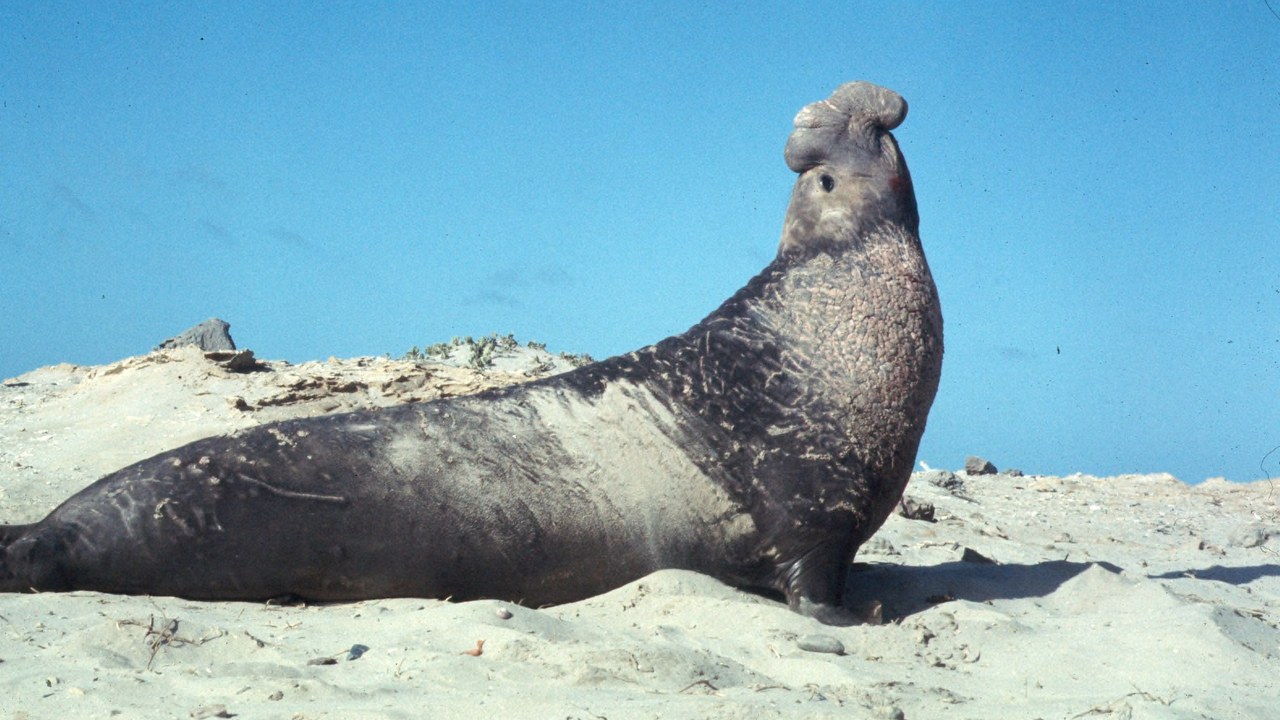
Fewer than 100 survived on Guadalupe Island in 1910, and about 160,000 exist now, Mental Floss reported in its survey of species comebacks.
The huge seal was hunted for its blubber before protection allowed a rebound. Today it hauls out on beaches in large colonies, a scale of recovery few mammals have matched. Males are recognisable by the large, drooping nose that gives the species its name.
12. Island fox: Channel Islands Rescue
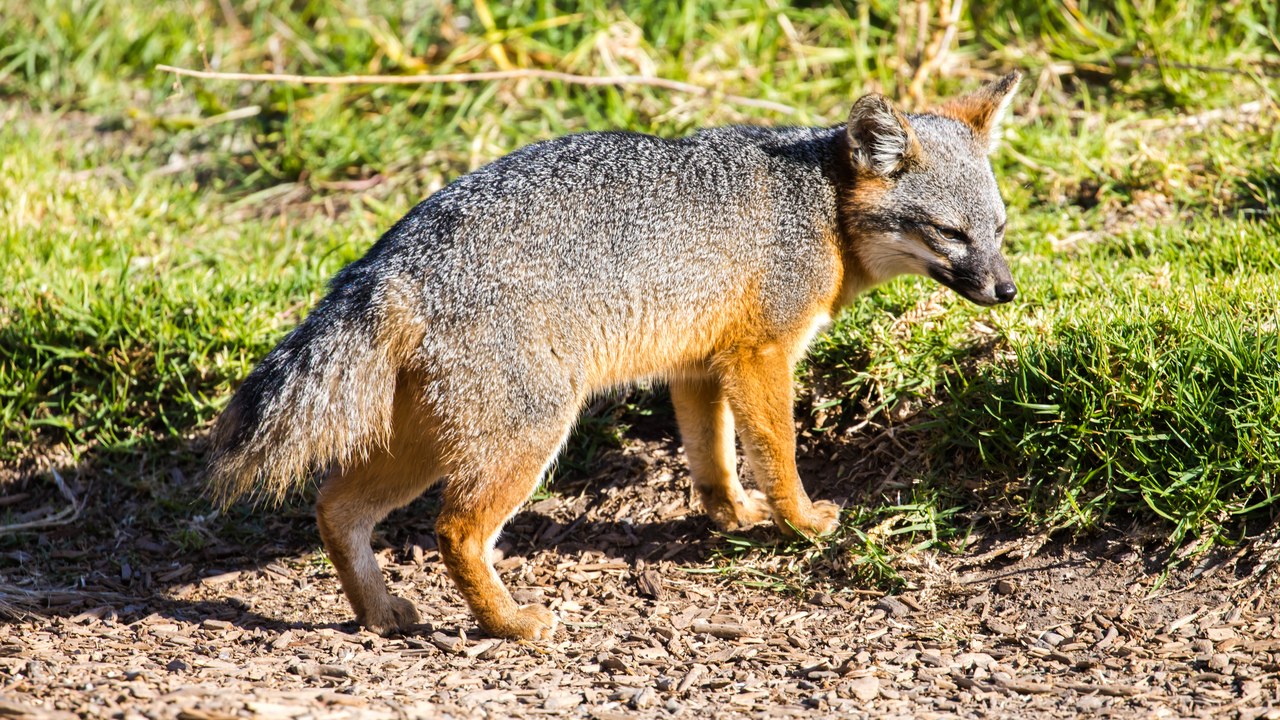
Numbers fell by up to 90 percent, the fox was listed in 2004, and it was delisted in 2016, WorldAtlas reported in its overview of conservation successes.
The small fox lives only on California’s Channel Islands. The quick turnaround from listing to delisting within about twelve years makes it a notable example of rapid recovery. As a small island predator, it lives in a very limited range, which is why protection there carries so much weight.
13. Louisiana black bear: Delisted in 2016
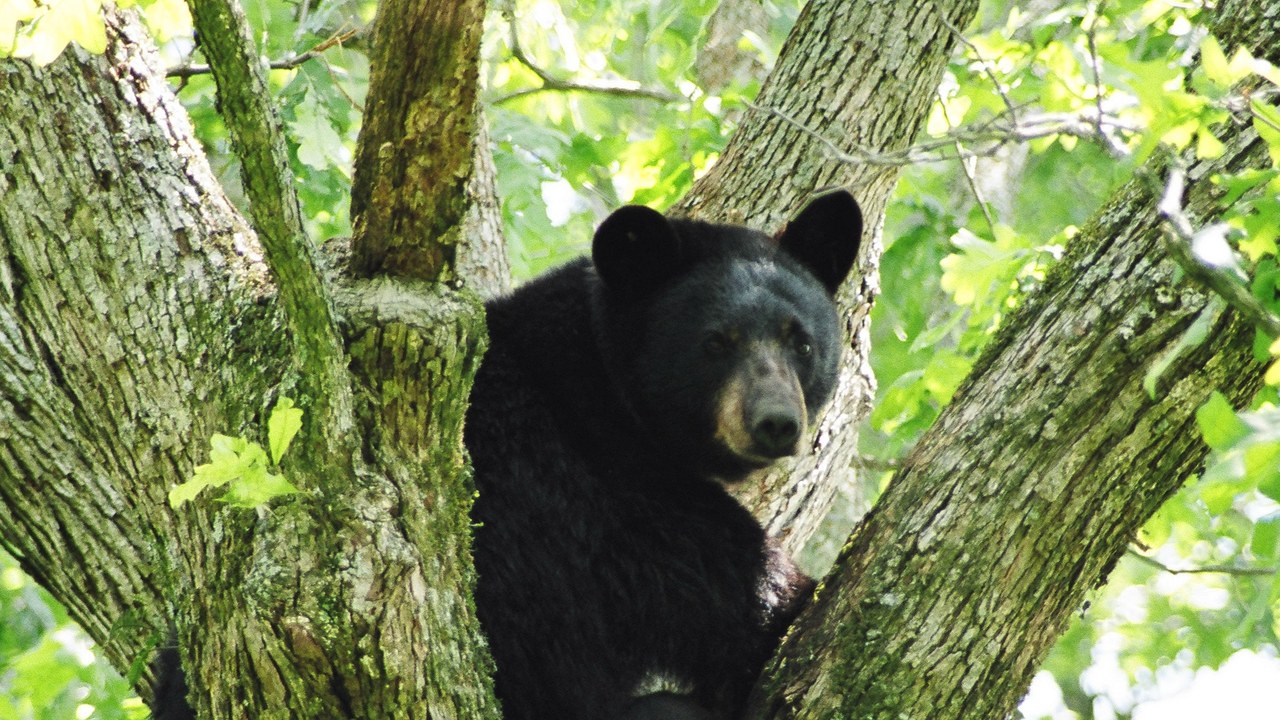
The bear was listed as threatened in 1992 and delisted in 2016, with about 750 today, according to WorldAtlas’s report on conservation successes. As of 2016, it was no longer considered threatened.
It is a regional form of the American black bear found in Louisiana and nearby areas. Its recovery depended heavily on habitat protection and the conservation of bottomland forest.
14. Wild turkey: Two Percent Left
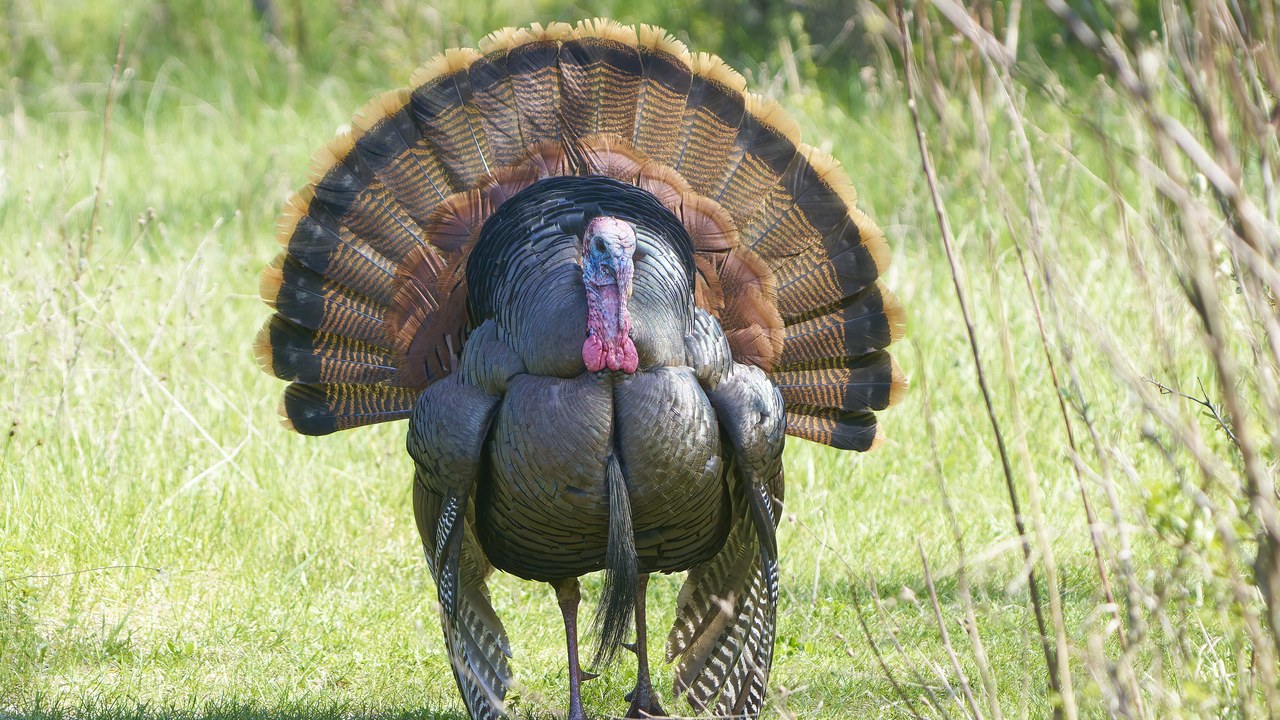
By 1940 only two percent of the original population remained, and about seven million turkeys live in the country now, according to WorldAtlas’s report on wildlife successes.
The big game bird is among the most dramatic recoveries on the list, though it counts as a looser brink case. Hunters and wildlife agencies were central to the restoration.
More from Morning Overview
- Hidden wear was found inside a New Jersey nuclear reactor during its outage
- California’s Long Valley supervolcano is quietly sinking, its biggest drop on record
- Up to 5 feet of snow is burying Donner Pass, and forecasters warn against Sierra travel
- Refiners are making less gasoline and more diesel, and here’s why
