
Main battle tanks from the 1950s through the 2020s are all still in military hands in 2026. Some are new-build designs entering service this decade, while others are Cold War veterans that refuse to retire. Here are fifteen models that show how long a tank can stay on a battlefield.
Read next on Morning Overview: California’s Long Valley supervolcano is quietly sinking, its biggest drop on record
1. M1 Abrams: The American Benchmark
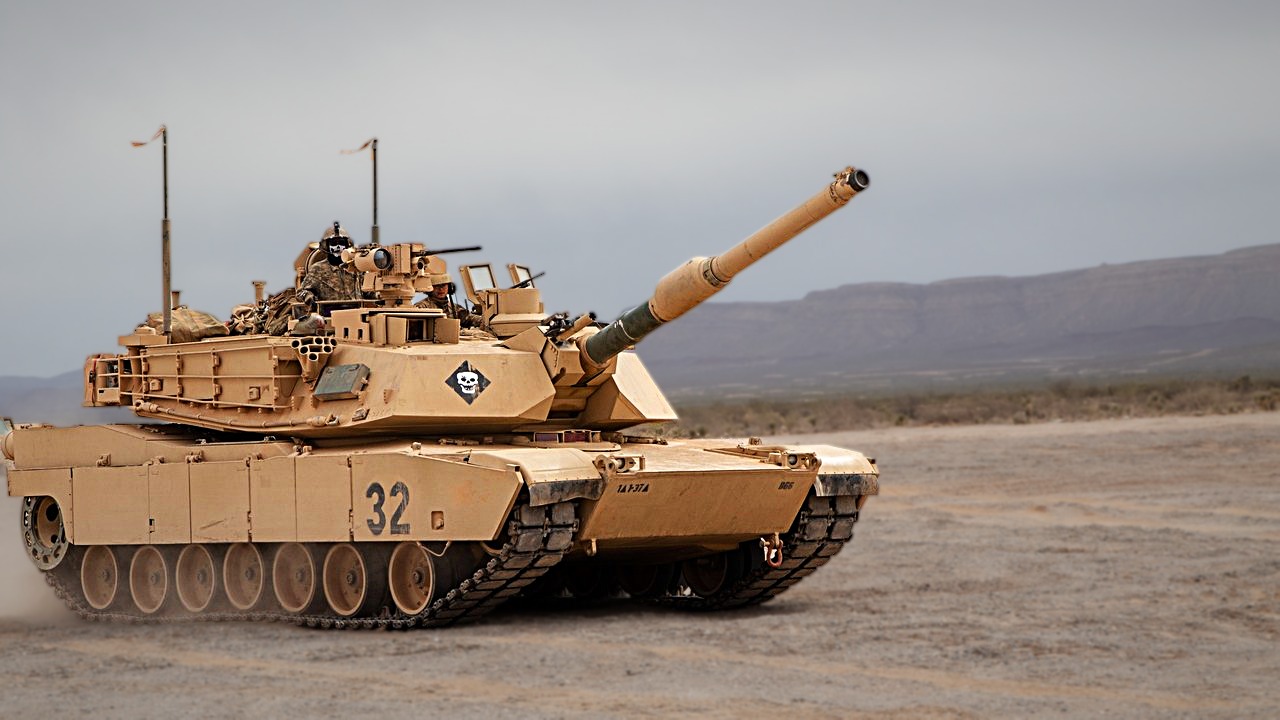
An Australian Defence Department page describes the M1A1 Abrams as armed with a 120mm cannon and crewed by four. That pairing of a large smoothbore gun and a small crew defines the type, and it is why the Abrams sits at the top of this list.
The takeaway is that a defence department outside the United States documents the M1A1 as a current tank rather than a museum piece. A buyer or analyst comparing modern designs can use the 120mm gun and four-person crew as the baseline for everything that follows.
2. Leopard 2: Germany’s Modern Workhorse
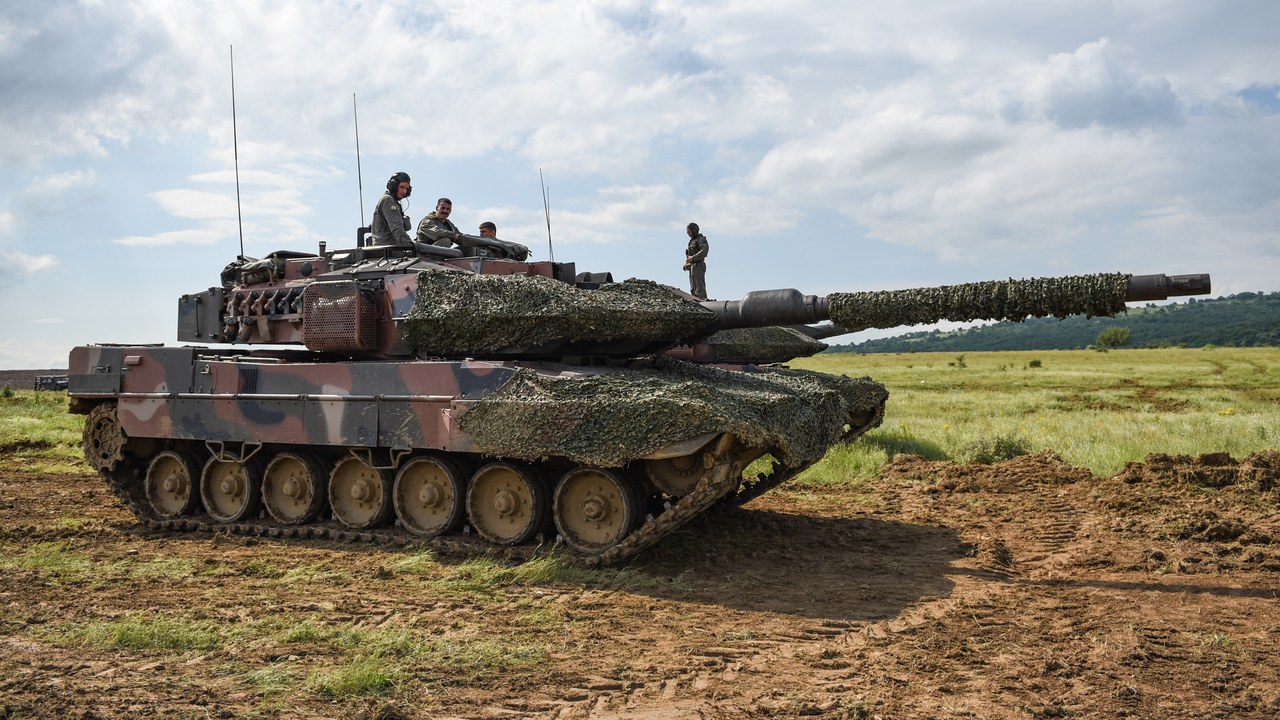
The Leopard 2A8 is entering service in 2024 with a 120mm smoothbore gun and a crew of four, according to a March 2026 24/7 Wall St. ranking. The outlet calls it one of the most technologically refined tanks currently entering service.
The Leopard 2 line shows how a decades-old design keeps being rebuilt rather than replaced. For armies that already operate earlier Leopard 2 models, the newest variant offers a familiar layout and the same main gun, updated for current threats.
3. Leclerc: France’s Networked Heavyweight
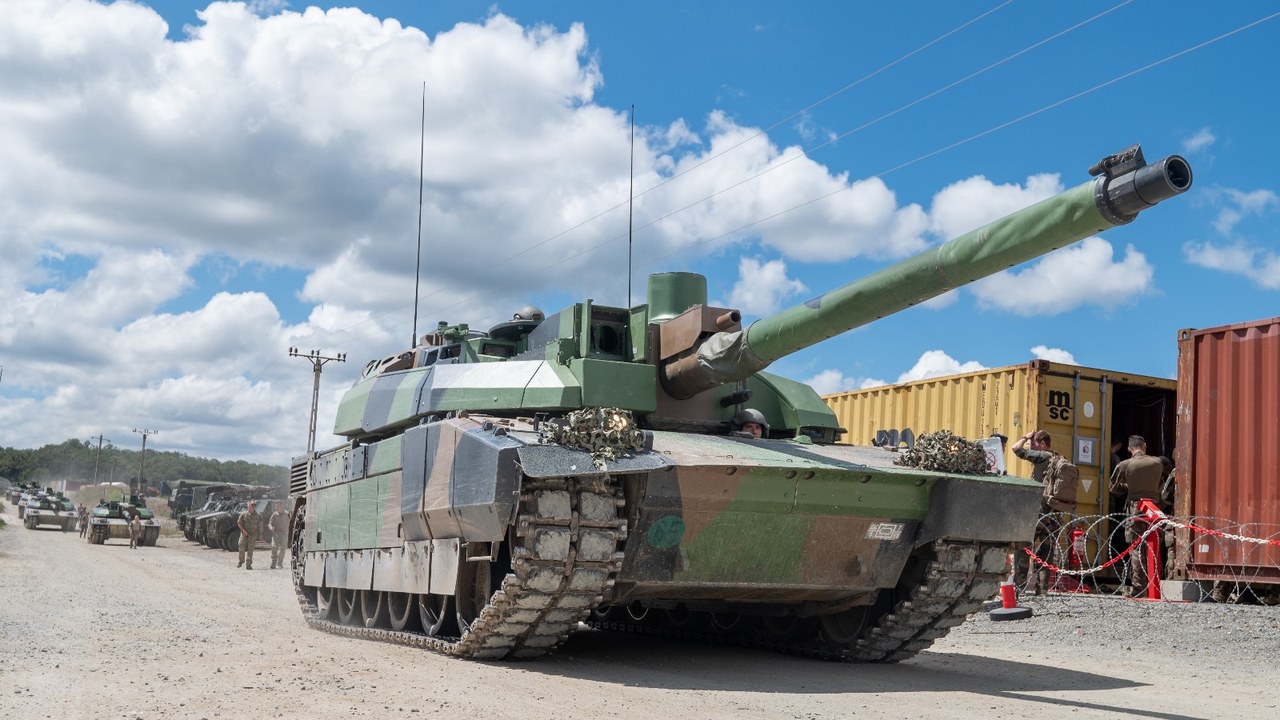
France’s Leclerc XLR, dated 2021 by 24/7 Wall St., carries a 120mm gun and a crew of three. The outlet describes the upgraded tank as a fully networked combat platform, a reminder that sensors and data links now matter as much as armor.
The crew of three is smaller than the four found on the Abrams and Leopard 2, which reflects the Leclerc’s autoloader. The XLR upgrade shows an older design being kept relevant through electronics rather than a new hull.
4. Type 99: China’s Flagship Tank
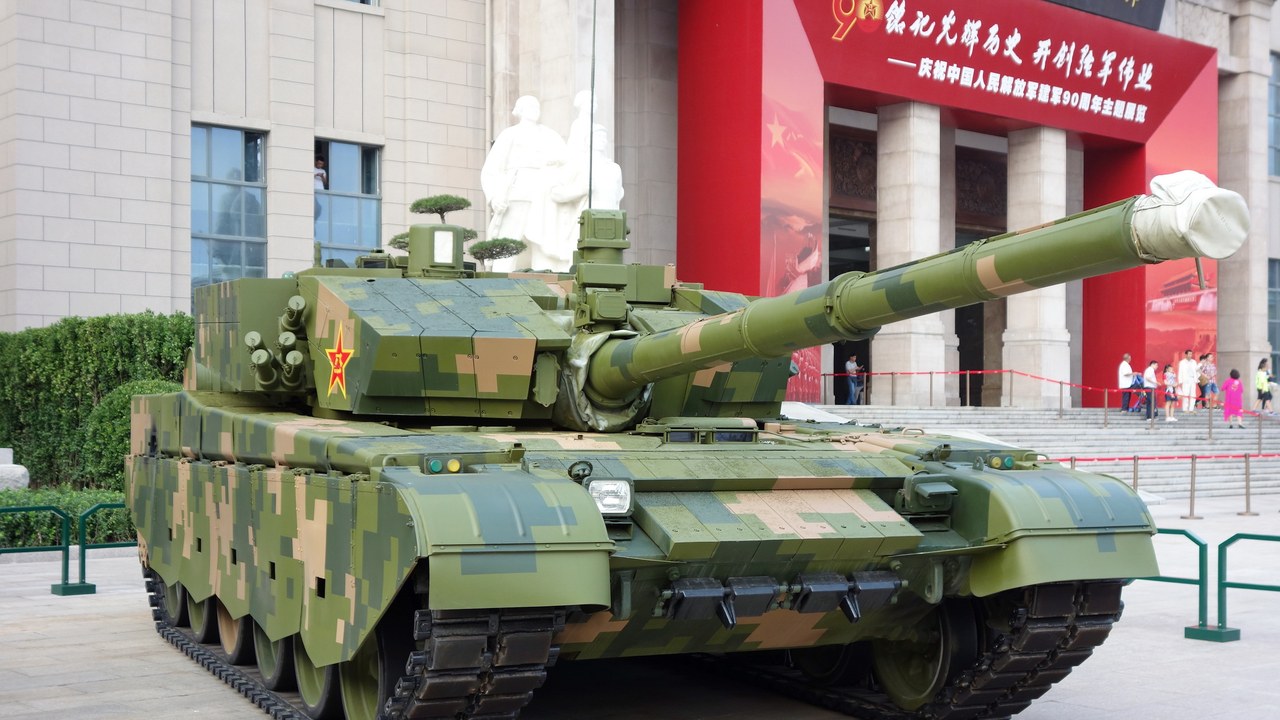
The Type 99A, dated 2011, mounts a 125mm smoothbore gun and uses a crew of three, according to 24/7 Wall St. The publication calls it China’s most advanced domestically produced tank.
The Type 99 family is the Chinese army’s top-end armored vehicle, built around a larger-bore gun than most Western rivals. Anyone tracking the balance of armor in East Asia needs to count it, since it represents what Chinese industry can build at home.
5. K2 Black Panther: South Korea’s Export Tank
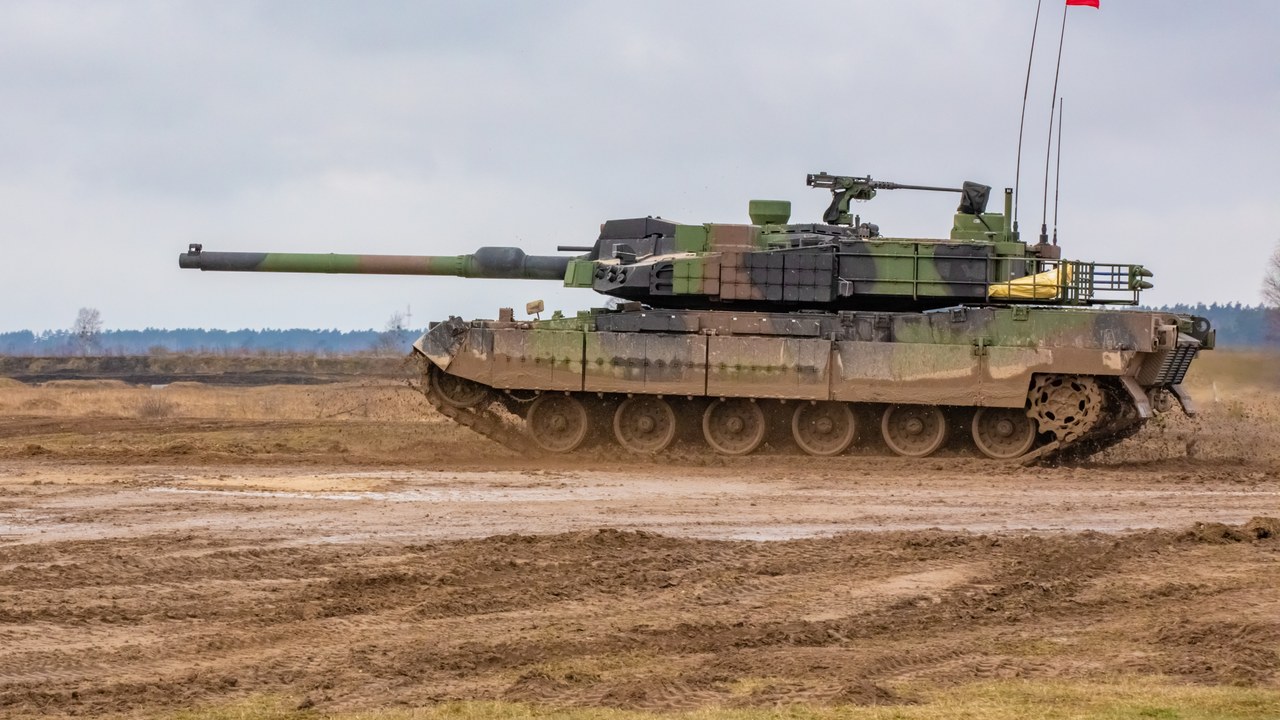
South Korea’s K2 Black Panther carries a 120mm L/55 smoothbore gun fed by an autoloader, per an Army Recognition report. The report puts its engine at 1,500 hp, which moves the 55-ton tank at up to 70 km/h on roads.
Poland signed for 180 more K2s on August 1, 2025, bringing its projected tank fleet to 1,370 units, according to the report. That order shows a newer Hyundai Rotem design entering European service alongside Abrams and Leopard tanks.
6. Arjun: India’s Upgraded Mark 1A
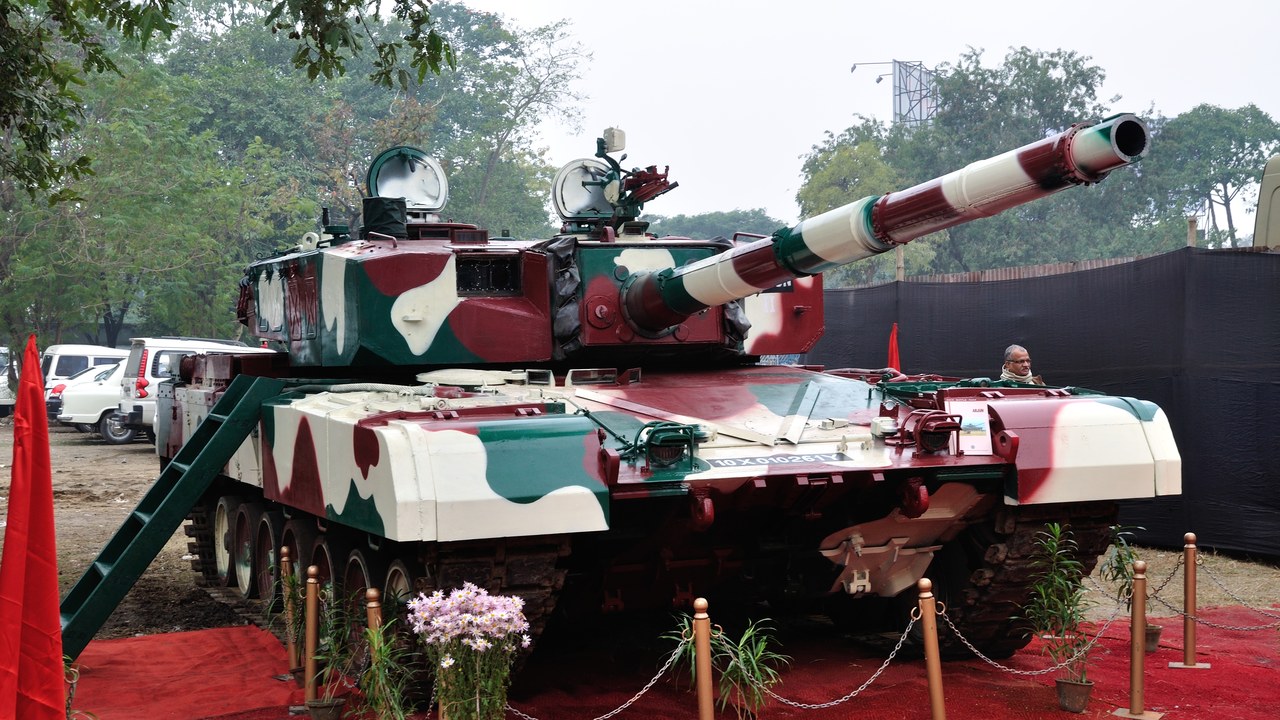
India’s Arjun Mk1A, dated 2021, uses a 120mm rifled gun, and 24/7 Wall St. credits it with improved fire control, armor, and electronics over the earlier version. The rifled barrel sets it apart from the smoothbore guns on many tanks listed alongside it.
The Mk1A designation signals an incremental upgrade rather than a clean-sheet replacement. Readers comparing tank programs can treat it as an example of a nation refining a domestic design through successive improvements.
7. Merkava: Israel’s Protection-First Tank
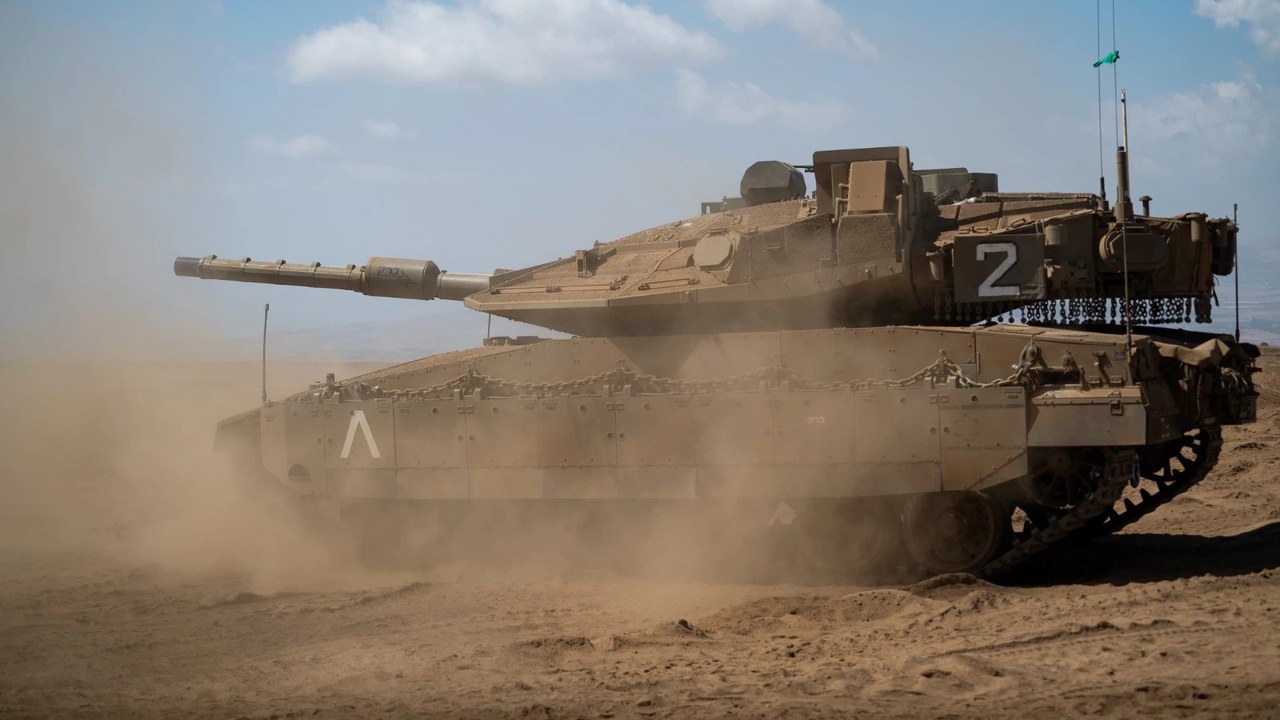
Israel’s Merkava Mk.4 carries a 120mm gun and reaches 64 km/h, and Army Technology’s top-ten feature calls it one of the best-protected tanks in the world. The article ranks it with the leading main battle tanks rather than treating it as a regional curiosity.
The Merkava is built around crew survival, and that priority shapes its design more than raw speed. For an army that fights close to populated areas, a heavily protected tank with a standard 120mm gun is a deliberate trade-off.
8. Type 10: Japan’s Fast Mitsubishi Tank
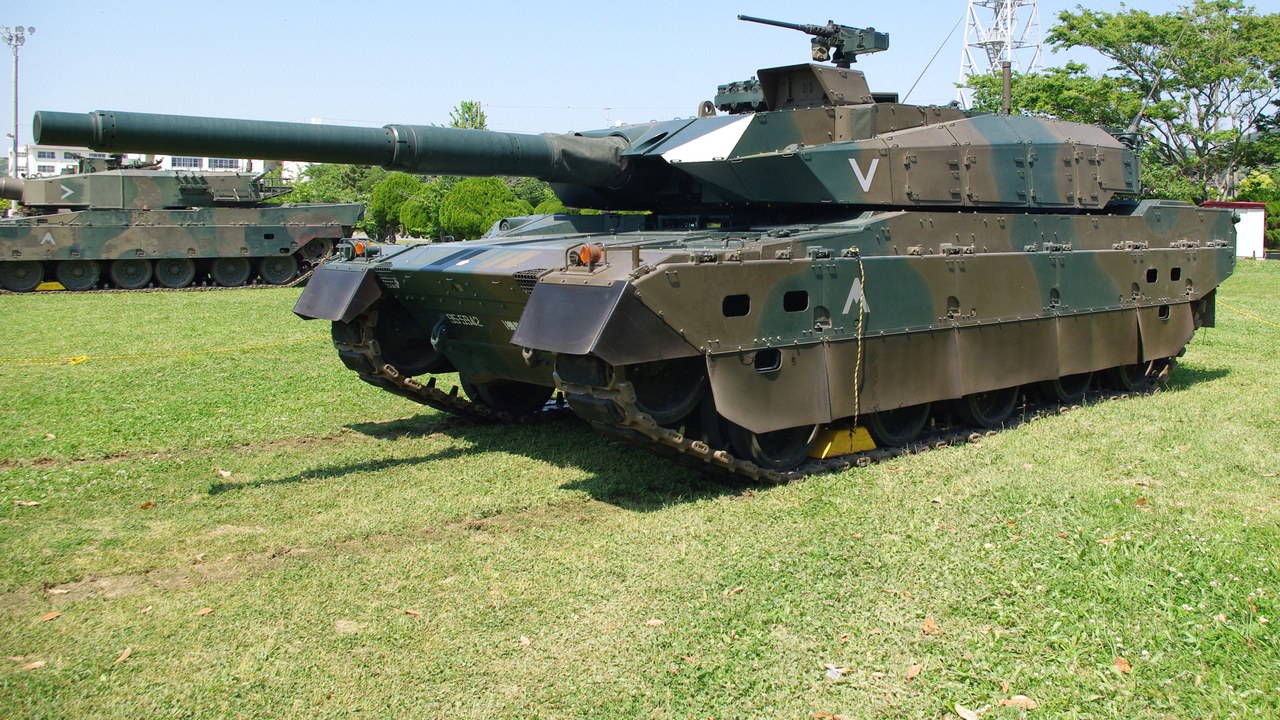
The Mitsubishi-built Type 10 mounts a 120mm gun and reaches a top speed of 70 km/h, and Army Technology’s ranking says it claims outstanding mobility. Among the tanks in this list, that speed figure is the highest quoted.
Mobility is the selling point of the Type 10, which suits a country with varied terrain and a need to move armor quickly. The tank shows that a modern design can trade some bulk for agility while keeping the same 120mm main gun.
9. T-90: Russia’s Combat-Tested Export
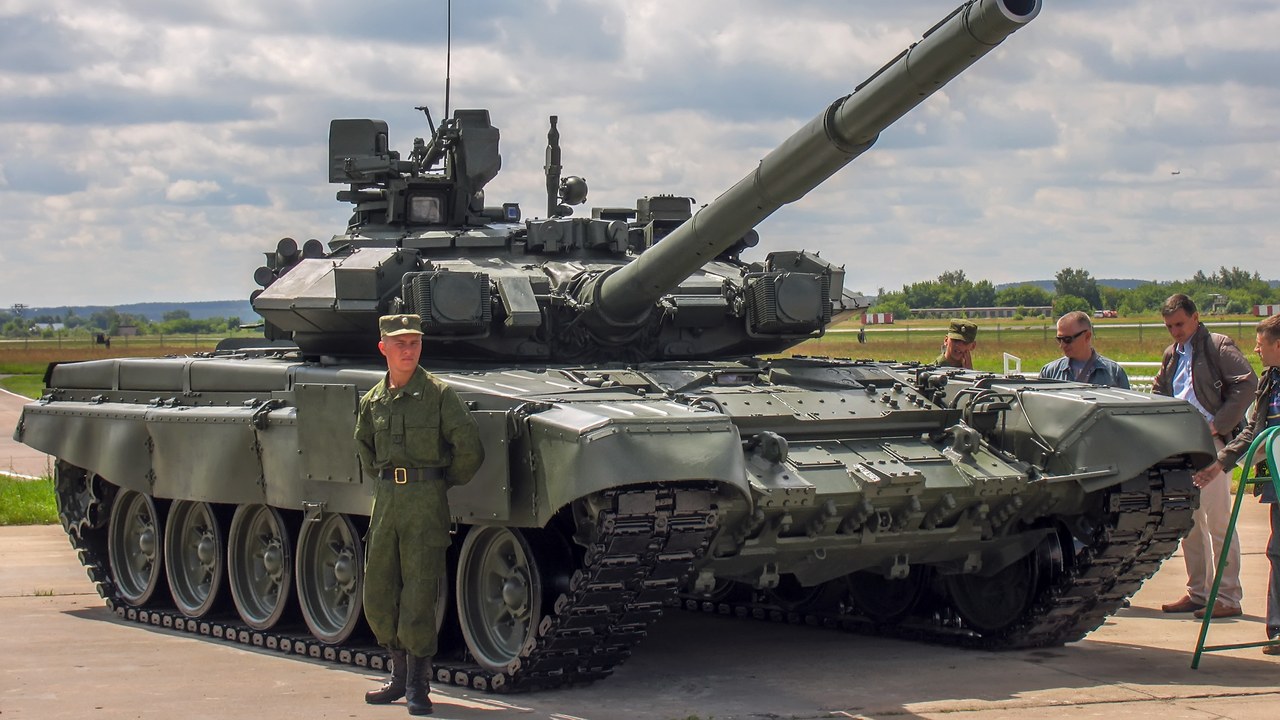
Russia’s T-90MS carries a 125mm gun and travels at 60 km/h, and Army Technology’s feature notes that the tank has seen active service in Ukraine. The 125mm caliber matches the standard Russian smoothbore bore.
Combat use is the clearest proof that a tank is still rolling in an army, and the T-90 has that record. Its listing here also carries a caution, since battlefield exposure tests a design in ways that parade grounds and trials cannot.
10. Challenger 2: Britain’s Upgrade Candidate
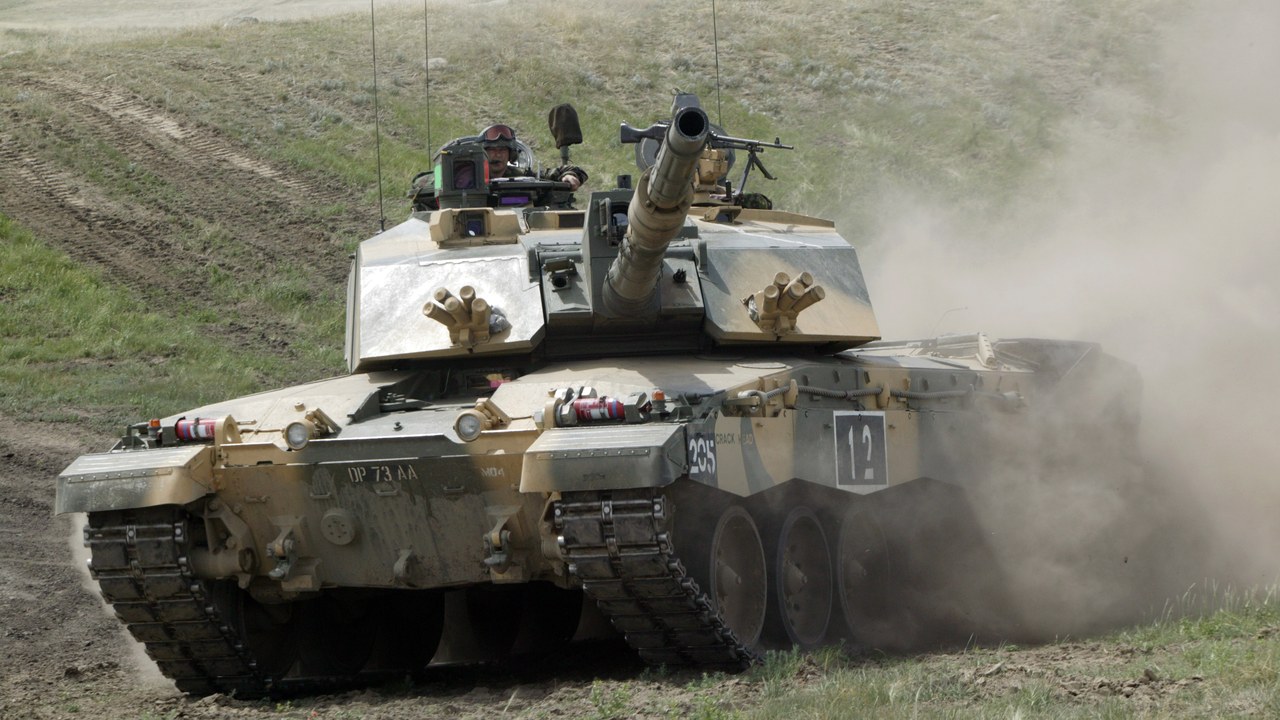
The British Army had 213 Challenger 2 tanks in service as of the end of the first quarter of 2024, Army Technology reported in May 2024. Of those, 148 were being upgraded to the Challenger 3 standard.
The figures show a fleet that is shrinking in its old form while being rebuilt into a new one. For Britain, the Challenger 2 is both a working tank today and the donor platform for its next main battle tank.
11. T-72: The Soviet Cold War Veteran
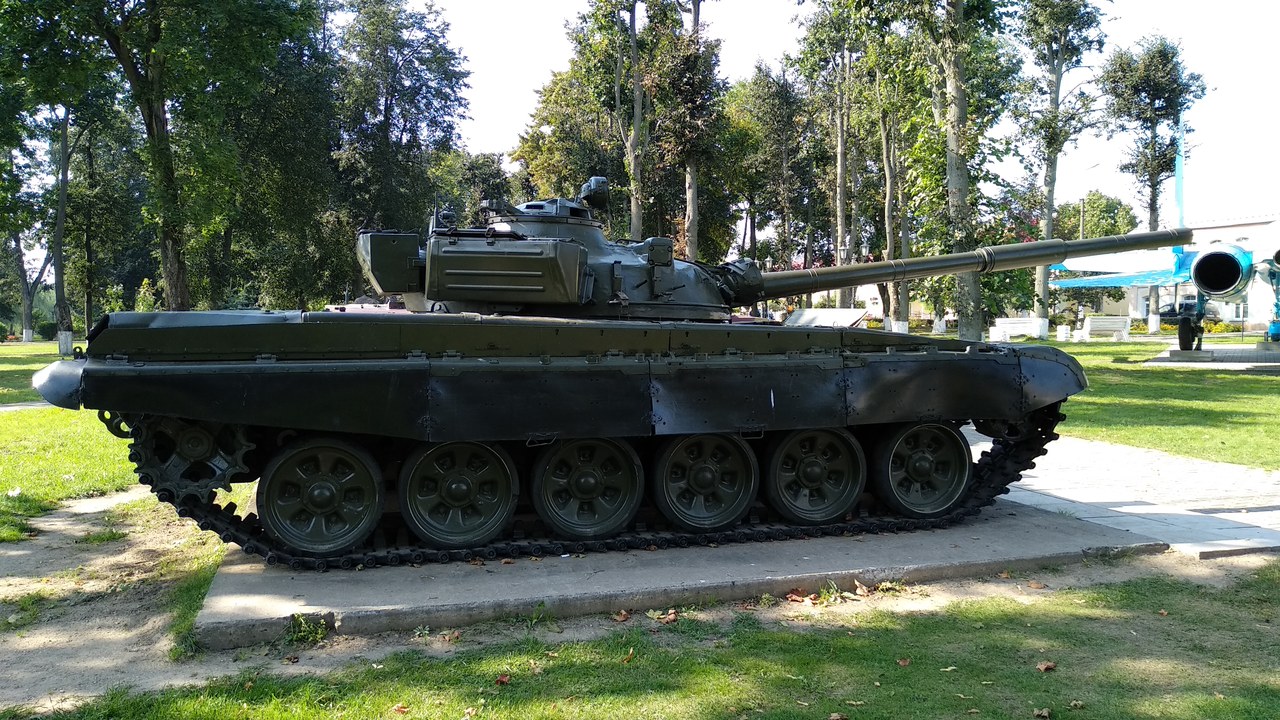
The T-72 is a Soviet design dating to 1972, and SlashGear’s list of old tanks says more than 300 Ukrainian T-72s are believed to have been in combat against Russian forces. The article ranks tanks by age, and this one is still fighting.
The T-72 is a reminder that an older design does not leave service when a newer one arrives. Its age, combined with the sheer number of examples fielded, makes it one of the most widely encountered tanks in current conflicts.
12. Leopard 1: Germany’s Cold War Original
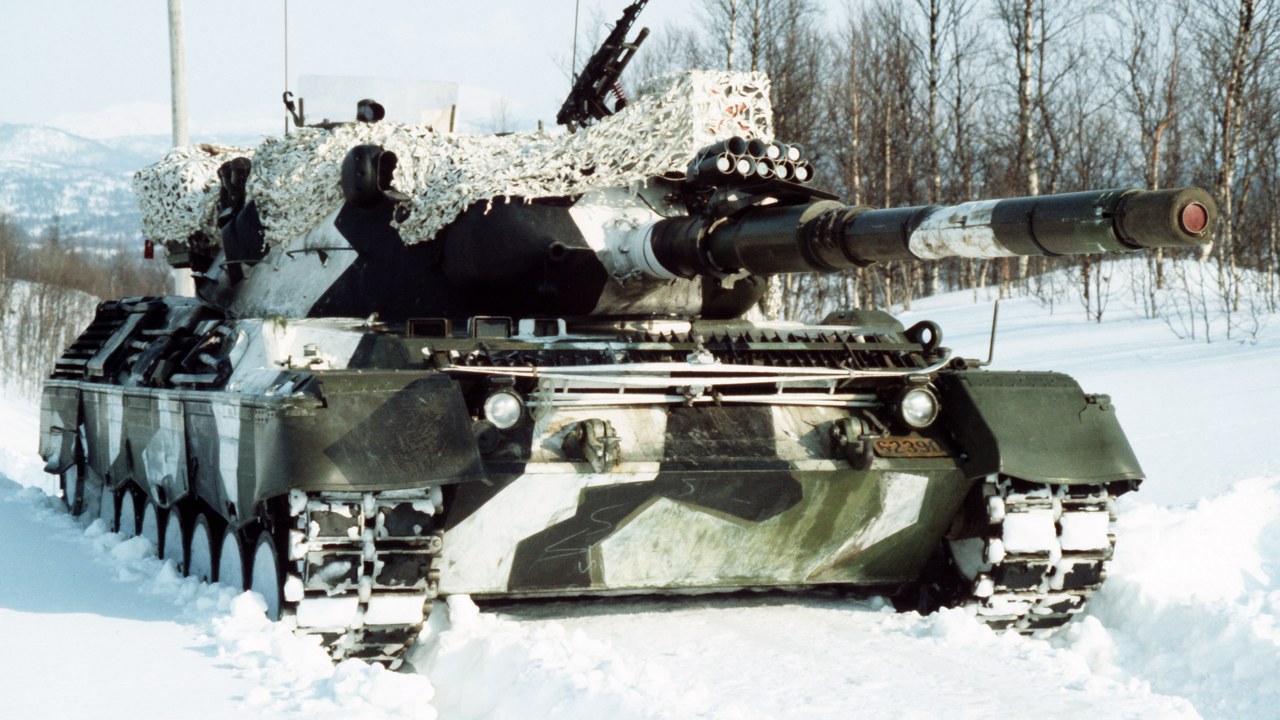
Germany’s Leopard 1 dates to 1965, and SlashGear reports that over one hundred units of the Leopard 1 and its variants were sent to Ukraine. That transfer put a design from the 1960s back into active use.
The Leopard 1 predates the Leopard 2 by years and carries lighter protection. Its role in Ukraine shows that older Western tanks can still fill gaps when newer models are scarce or too costly to hand over.
13. T-55: The Widespread Soviet Classic
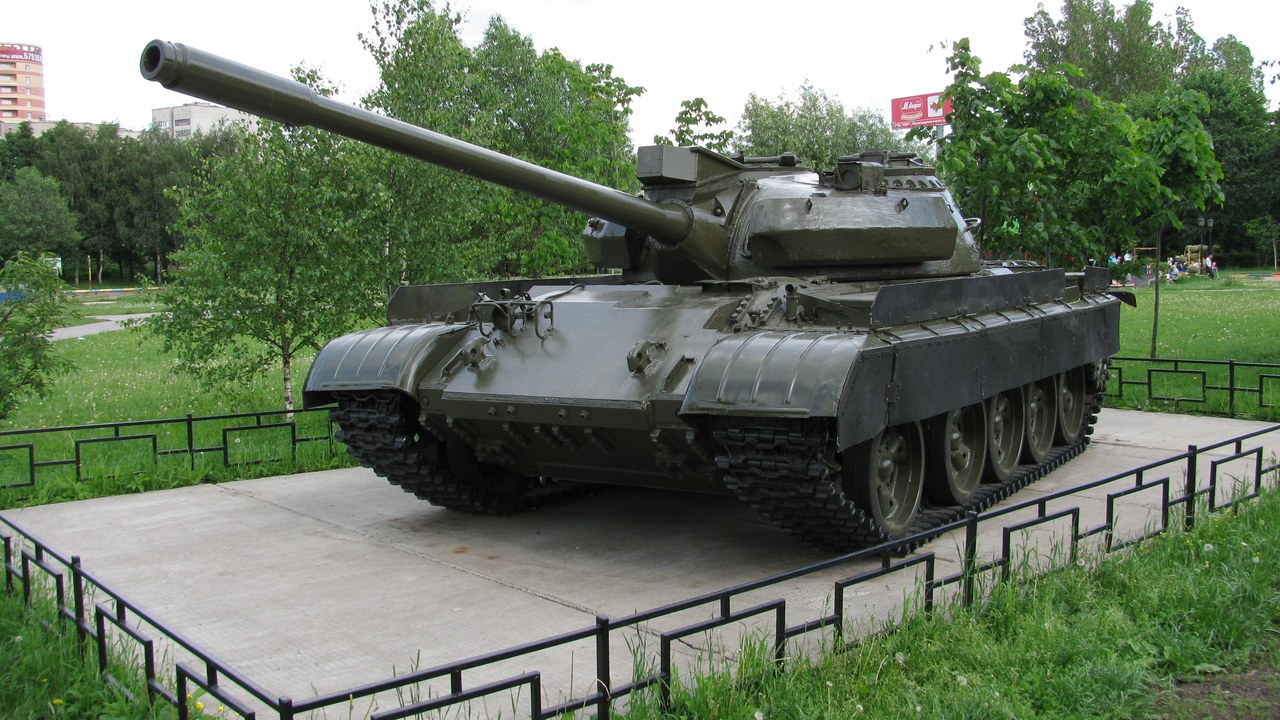
The T-55 is a Soviet tank dating to 1956, and SlashGear notes that it is widely used across Asia, Europe, and even South America. The wide geographic spread shows how many armies took the design.
With roots in the mid-1950s, the T-55 is among the oldest tanks listed here. Its survival across so many regions comes down to abundant numbers and low cost, which keep it appealing for forces that cannot afford modern armor.
14. AMX-30: France’s Cold War Staple
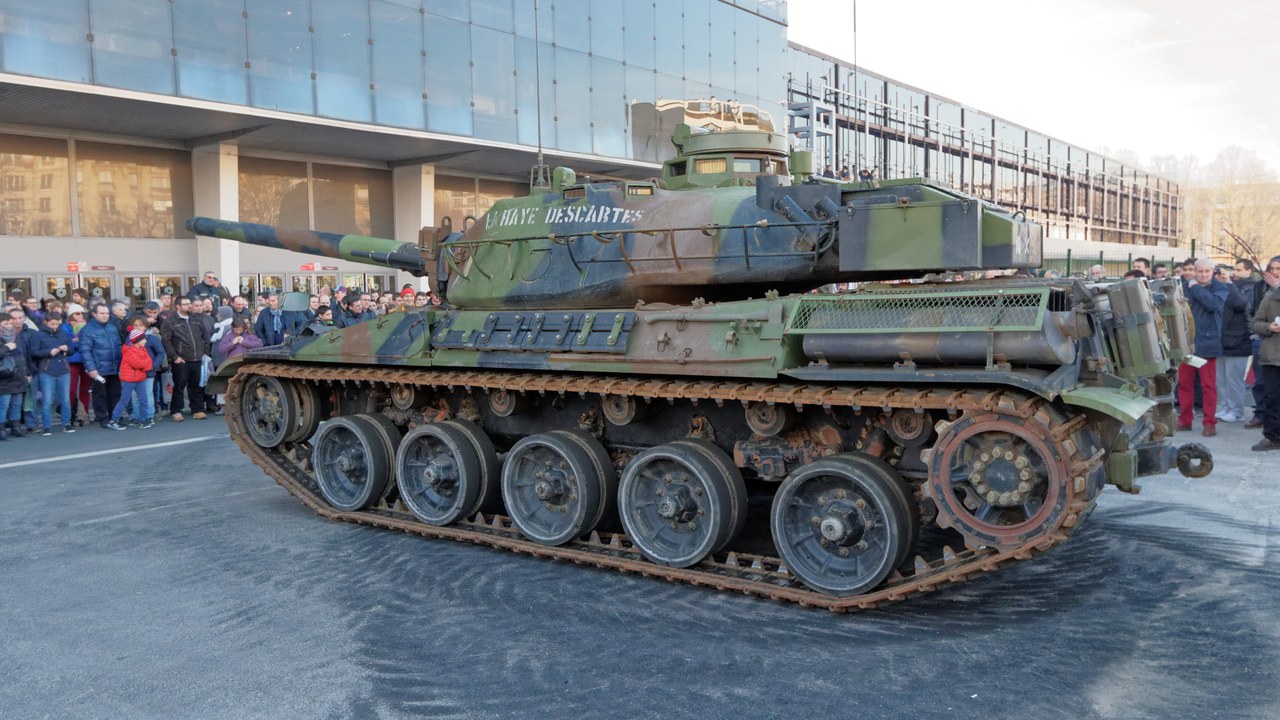
The French AMX-30 first saw action in 1973, according to SlashGear’s age-ranked list, which still counts it as in service somewhere. The inclusion rests on that list rather than on a published fleet figure.
The AMX-30 reflects a different French design philosophy from the later Leclerc, favoring mobility over heavy armor. Its presence here carries a caveat: where and how many remain in service is not spelled out in the source.
15. Type 59: China’s Aging Mainstay
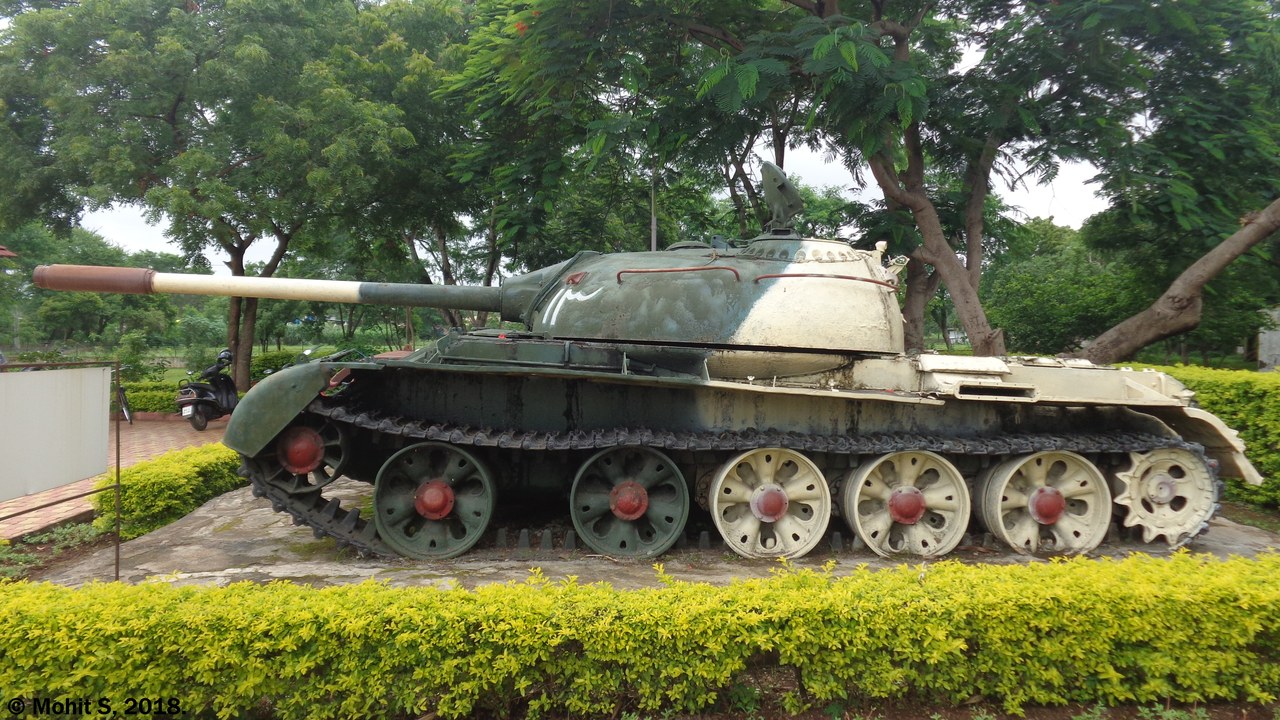
As of 2024, China still has 400 Type 59 derivatives in use, SlashGear reports. The Type 59 is a Chinese-built tank based on a Soviet design, and the derivative count shows how long a basic hull can keep being adapted.
The 400 figure is dated to 2024 and covers derivatives, not only the original tank. It makes the Type 59 the clearest example here of a very old platform that is still counted among an army’s active vehicles.
More from Morning Overview
- Czech Skyfox jets could become Ukraine’s cheap answer to Shahed attack drones
- A windstorm slammed western Washington, blocking I-5 and knocking out power for thousands
- Tesla’s Cybercab has already crashed 8 times, and the worst one came at highway speed
- Hidden wear was found inside a New Jersey nuclear reactor during its outage
