
Africa’s most feared animals are not always the ones with the biggest teeth or the loudest roar. Some kill with venom, some with sheer size and bad temper, and one tiny insect outranks them all. Here are ten African animals whose deadly reputations are backed by real numbers from researchers, zoos and wildlife groups.
Read next on Morning Overview: Cadillac cut the price of its cheapest EV, which goes up to 317 miles on a charge
1. Hippopotamus: The Grass-Eater With a Killer Temper
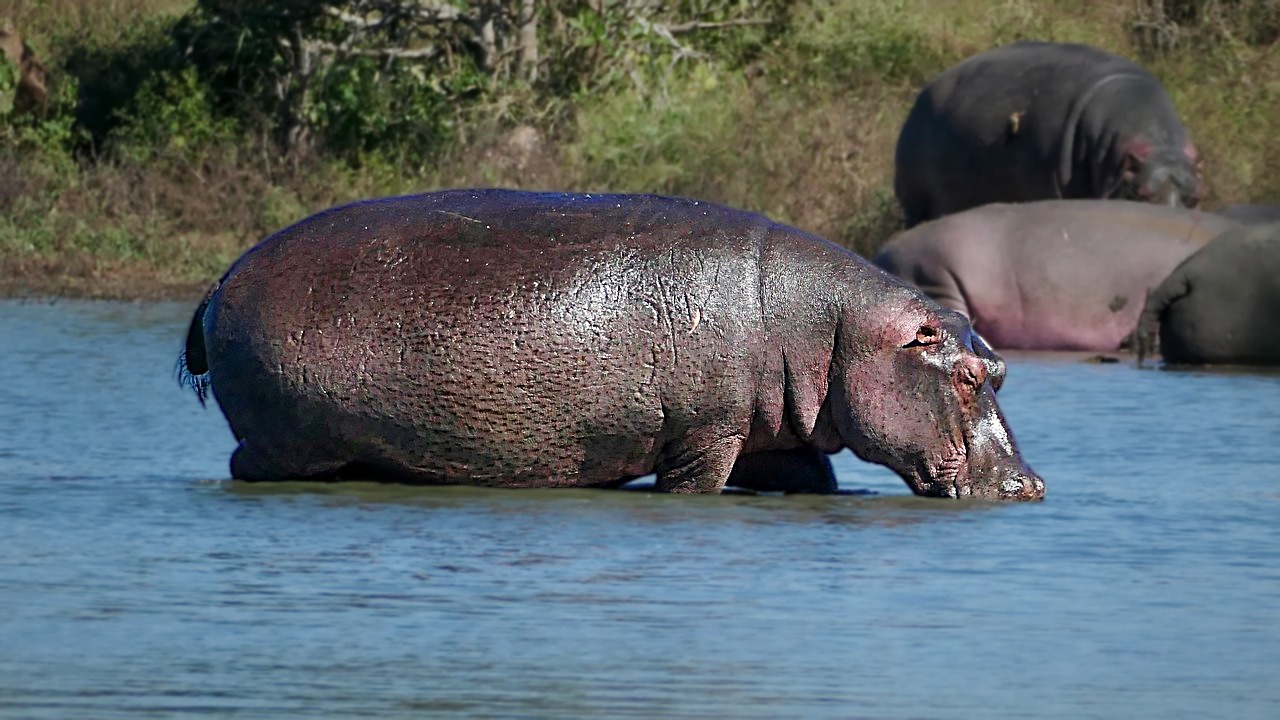
Hippos eat grass, yet National Geographic counts them among Africa’s most dangerous animals. Males can weigh up to 9,920 pounds, run at up to 22 mph on land over short distances, and carry fighting canines that can reach 20 inches. Their jaws open to 180 degrees, and their bite is nearly three times stronger than a lion’s.
Hippos turn aggressive when they sense danger, especially when something or someone encroaches on their habitat. The number of people they kill each year is unknown, but National Geographic says it could be anywhere from 500 to 3,000.
2. African buffalo: The Animal Hunters Call Black Death
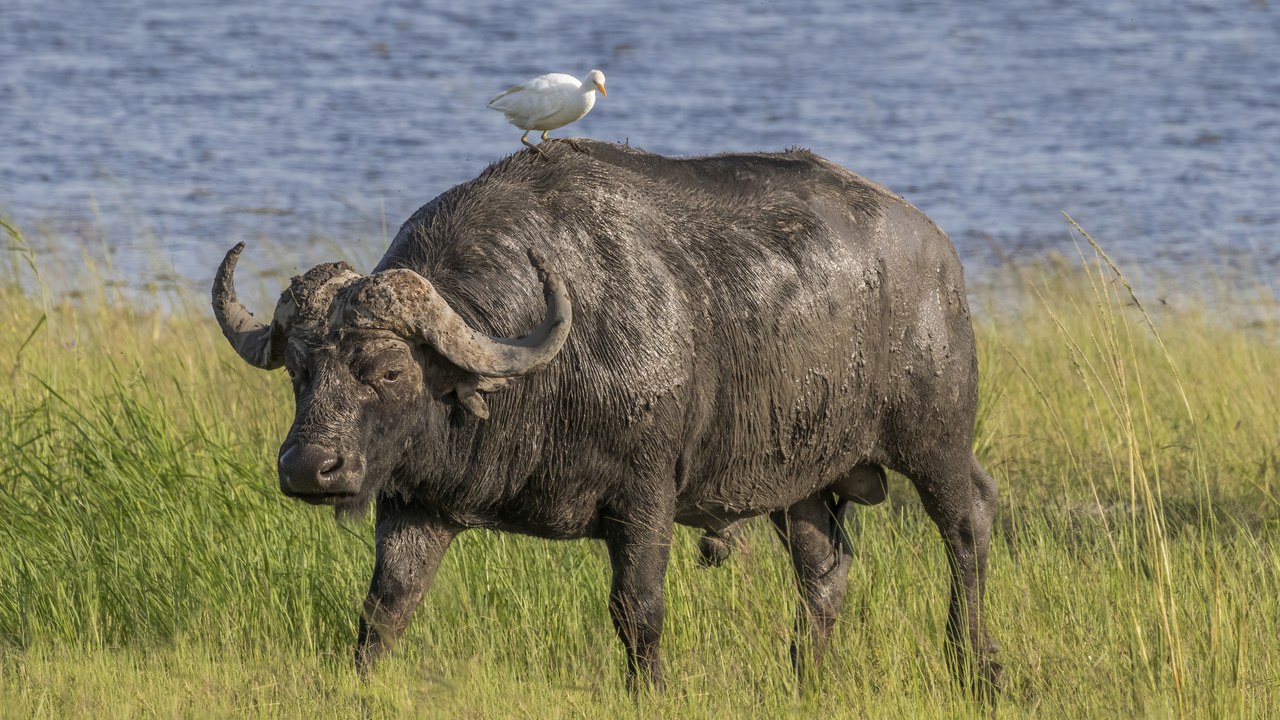
The African buffalo is one of the big five, a group National Geographic describes as the most dangerous animals to hunt in Africa. Hunting websites call it black death for its grumpy, unpredictable nature, and it can run at up to 37 miles per hour.
Experienced hunters have paid the price. In 2018 a South African big game hunter was gored to death by a buffalo after he shot another member of its herd, and two professional hunters were killed by Cape buffalo in Zimbabwe in 2012. The species is listed as near threatened, with about 400,000 adults left.
3. Nile crocodile: The River’s Silent Ambusher
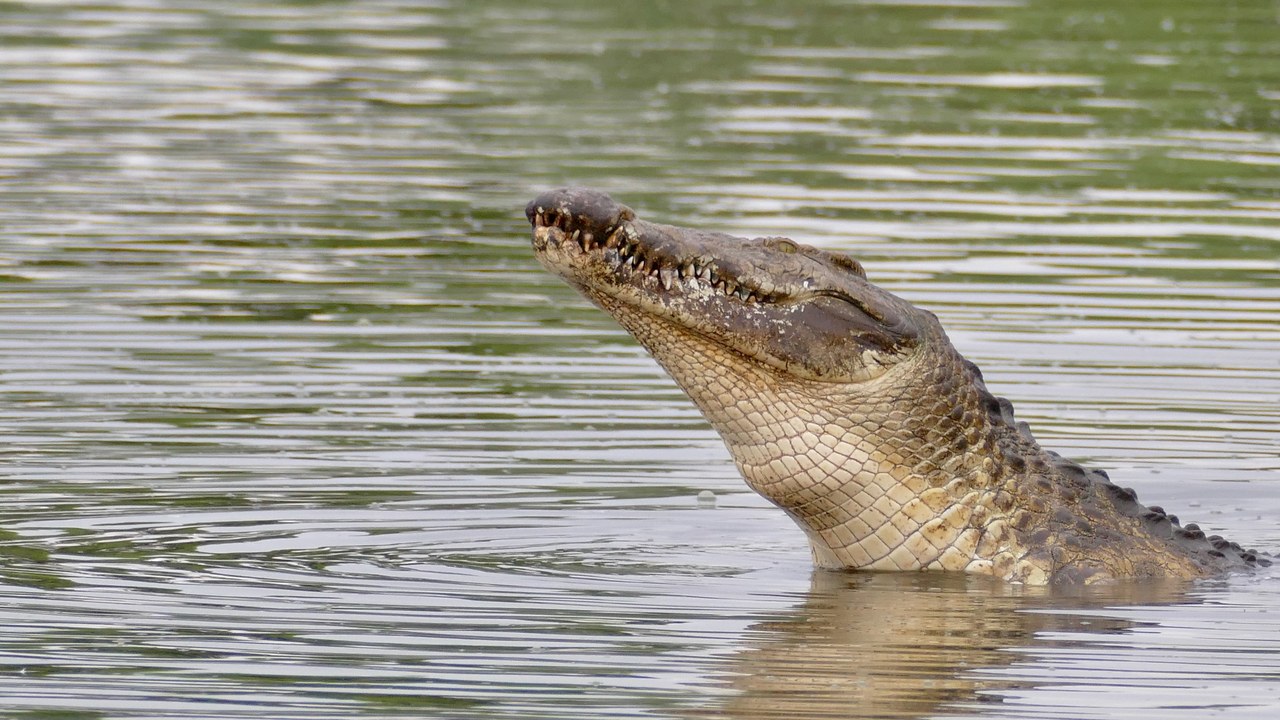
The Nile crocodile has what National Geographic calls a somewhat deserved reputation as a man-eater. Firm numbers are scarce, but estimates are that up to 200 people may die each year in its jaws, largely because so much of its habitat lies close to villages and riverbanks.
Africa’s largest crocodilian can reach about 20 feet and 1,650 pounds, although 16 feet and 500 pounds is more typical. It eats mainly fish but will attack almost anything that crosses its path, including zebras and small hippos. Hunted close to extinction from the 1940s to the 1960s, it has since rebounded in most areas.
4. Black mamba: Widely Called the World’s Deadliest Snake
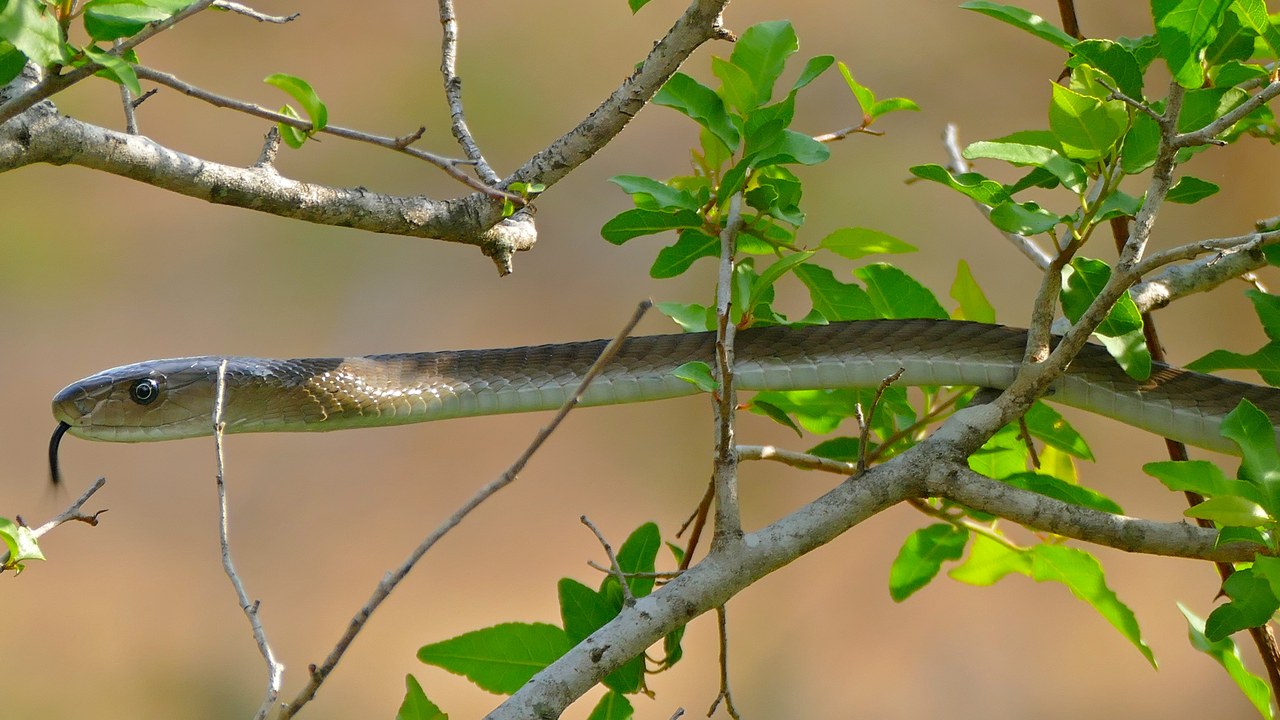
National Geographic says the black mamba is widely considered the world’s deadliest snake. It is Africa’s longest venomous snake, reaching up to 14 feet, and one of the fastest, moving at up to 12.5 mph. When cornered, it strikes repeatedly, injecting large amounts of neurotoxic and cardiotoxic venom.
Before antivenin was developed, a black mamba bite was almost always fatal, usually within about 20 minutes. Antivenin is still not widely available in rural parts of its range, so deaths remain frequent. The snake’s name comes from the blue-black inside of its mouth, which it shows when threatened.
5. Gaboon viper: The Longest Fangs on Earth
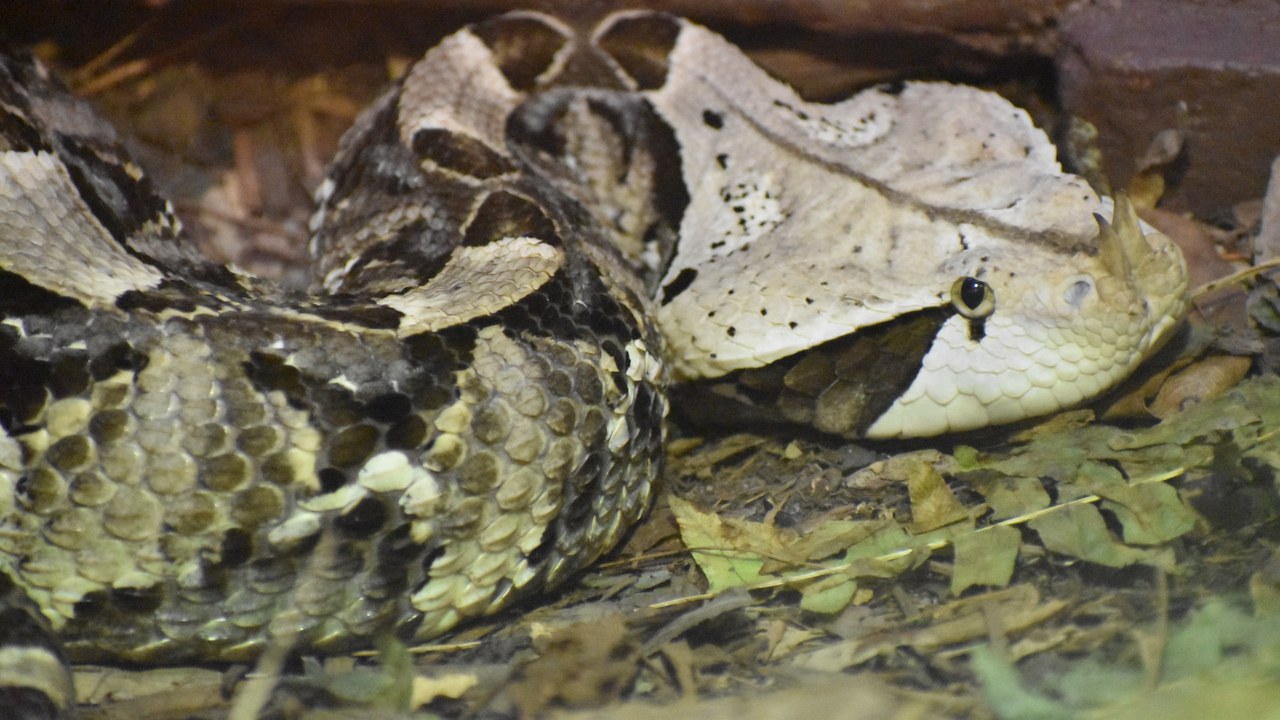
The Gaboon viper holds the record for the longest fangs of any snake. Guinness World Records lists fangs measuring 2 inches on a 6-foot specimen from tropical Africa, long enough to drive venom unusually deep.
The same record entry says the Gaboon viper is considered to produce more venom than any other venomous snake, with a single adult male carrying enough to deliver lethal doses to 30 men. It is usually sluggish and docile, but it is unpredictable and capable of great speed in short bursts, which makes the well-camouflaged snake especially dangerous to anyone who steps too close.
6. Cape cobra: South Africa’s Most Dangerous Cobra
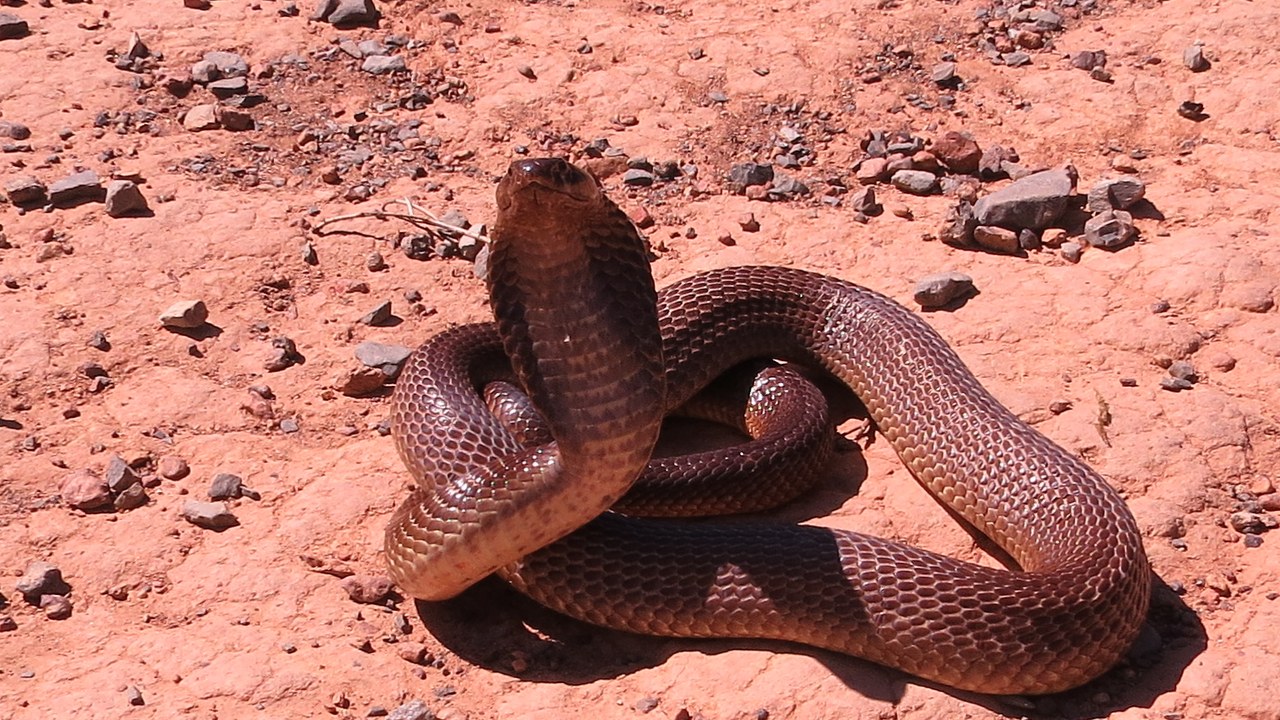
The African Snakebite Institute calls the Cape cobra by far the most dangerous cobra in South Africa. Together with the black mamba, it accounts for the majority of fatal snakebites in the country. It may stand its ground when threatened and is quick to raise a hood and bite.
Its venom is potently neurotoxic, causing progressive weakness, and it can affect breathing rapidly, so victims need urgent hospital care and, in a severe bite, antivenom. The snake lives mostly in the Cape provinces but ranges into the Free State, the North West, southern Botswana and Namibia, and its color varies from near black to yellow.
7. Lion: Behind Hundreds of Deaths in Tanzania
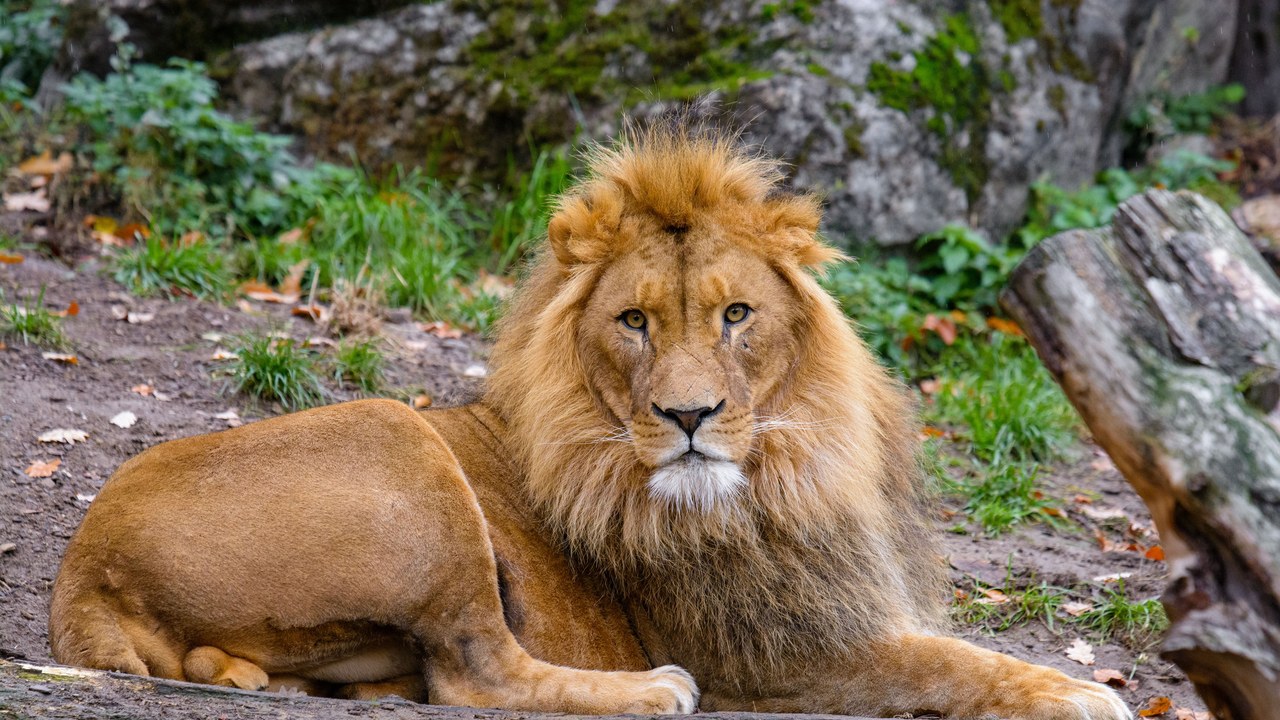
Lions earn their reputation in hard numbers. Research by Craig Packer and Dennis Ikanda, cited by Discover Wildlife, found that lions were responsible for more than 563 deaths in Tanzania between 1990 and 2005, and for 60 percent of all animal attacks in the country’s southeast.
By comparison, hippos accounted for 4.6 percent of attacks in that region. The figures are partly a product of geography, since Tanzania has more lions than any other country, so the ratio would not hold across all of Africa. Even so, few large predators have such a well-documented record of attacks on people.
8. Anopheles mosquito: The Deadliest Animal in Africa
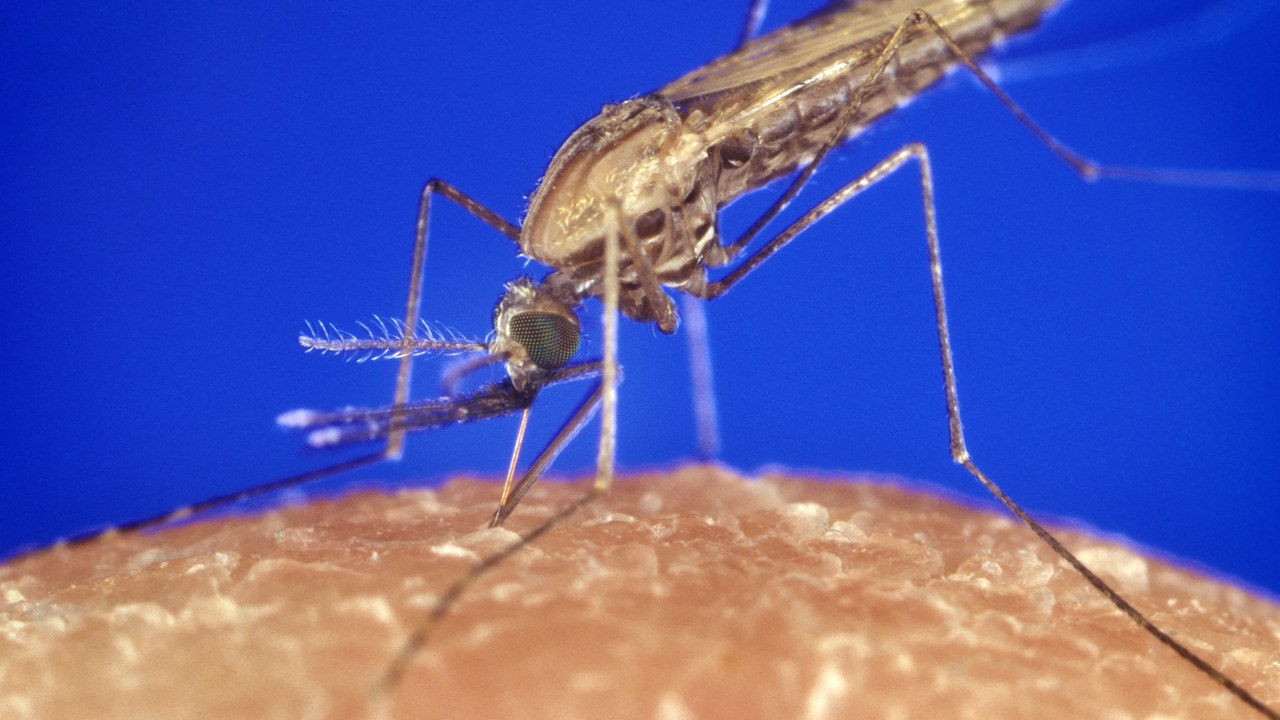
The most dangerous animal in Africa is also one of the smallest. The Anopheles mosquito transmits malaria, which, according to Discover Wildlife’s tally, kills between 530,000 and 1.12 million people in Africa every year, making it the greatest killer of all.
That toll dwarfs every other animal on this list combined. For comparison, the same article puts annual snakebite deaths in Africa at between 3,529 and 32,117. The mosquito itself is only the carrier, but by spreading the parasite from person to person it causes more human deaths than any lion, crocodile or snake.
9. Spotted hyena: The Bone-Crushing Clan Hunter
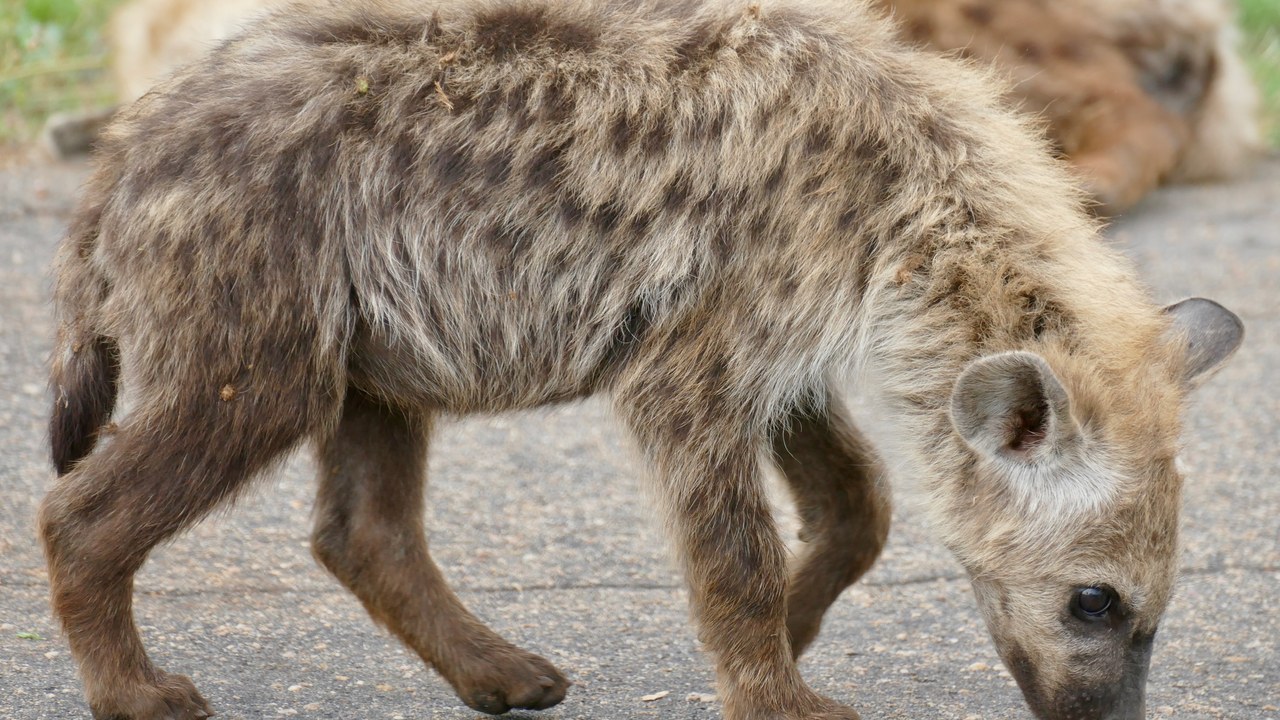
The spotted hyena is often cast as a cartoon villain, but the San Diego Zoo describes a strong, capable hunter with the strongest bite of any mammal. Spotted hyenas weigh 88 to 190 pounds and can chase prey over long distances at up to 37 miles per hour.
Hunting in large clans, they can kill even healthy adult animals, including wildebeest, zebras, young rhinos and Cape buffalo, and they eat nearly every part of a carcass, bones and teeth included. Clans can hold up to 100 members, led by females, and a big enough group can drive lions off a kill.
10. African elephant: Conflict That Turns Deadly
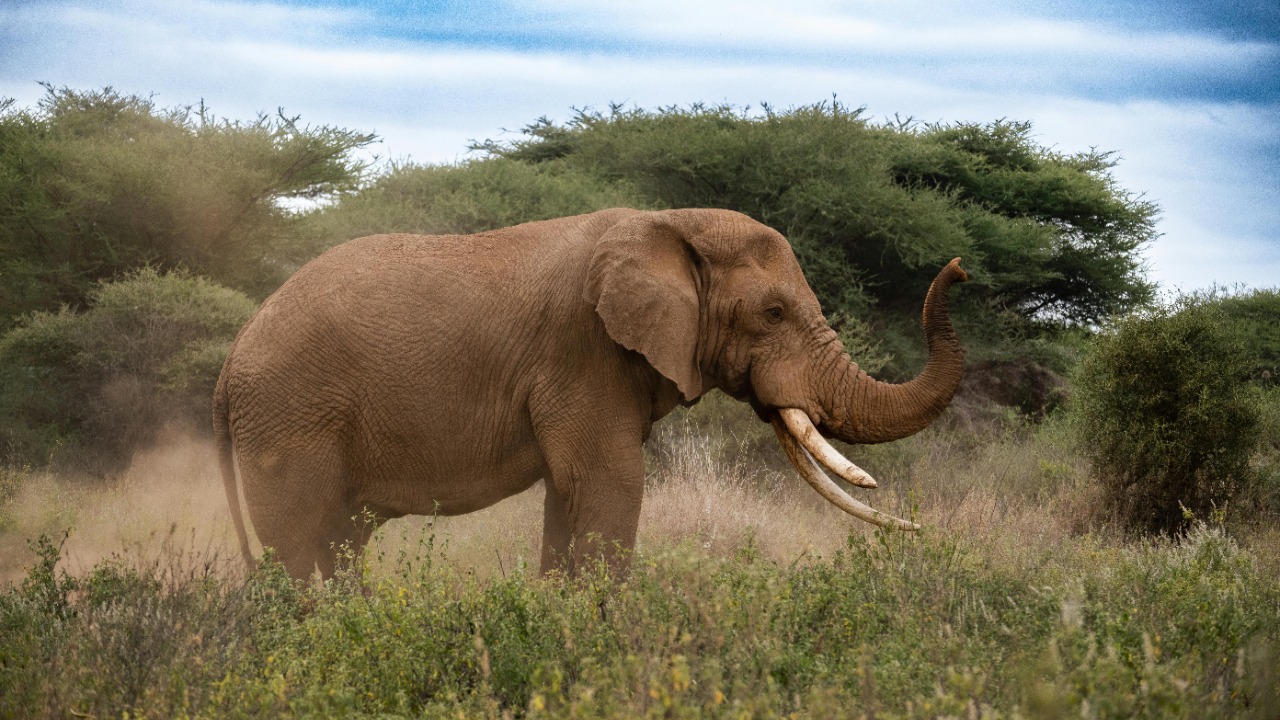
The African elephant is the world’s largest land animal, and its run-ins with people can be fatal on both sides. According to IFAW, around 200 people died in human-elephant conflicts in Kenya between 2010 and 2017, often after crop raiding or people getting too close.
Elephants eat up to 150 kilograms of forage and drink up to 190 liters of water a day, so they range widely, and growing farms, roads and villages push them into closer contact with people. Kenyan wildlife authorities report having to kill up to 120 elephants a year because of those conflicts.
More from Morning Overview
- 11 engines built to run well past 200,000 miles
- Two Kentucky residents died when a small plane crashed at Missouri’s Lake of the Ozarks, and the NTSB is investigating
- A handful of car transmissions are so tough that mechanics say they almost never die
- Melting permafrost is setting off a newly identified kind of catastrophic landslide, scientists say
