
Speed in the wild is rarely about showing off, since it usually decides who eats and who gets eaten. Some animals sprint, some dive from great heights and some cut through open water faster than most boats. Here are ten record-setting speedsters whose top speeds have been measured or carefully estimated by scientists and zoos.
Read next on Morning Overview: Melting permafrost is setting off a newly identified kind of catastrophic landslide, scientists say
1. Cheetah: The Fastest Land Mammal
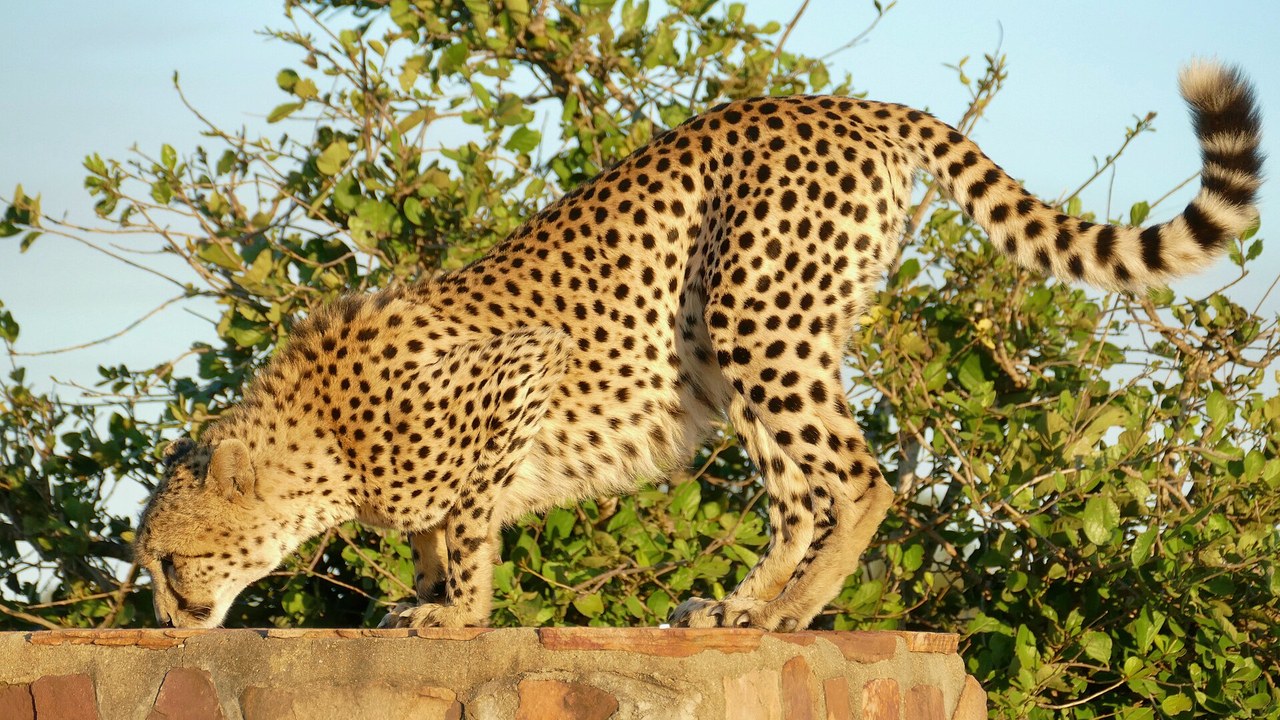
The Smithsonian’s National Zoo calls the cheetah the world’s fastest land mammal, able to bolt at 60 to 70 mph. Just as striking is its acceleration: a cheetah can go from zero to 45 mph in about 2.5 seconds, quicker than many sports cars manage.
That burst is built for short chases rather than long pursuits. The zoo describes cheetahs as built for speed, and the payoff comes in the first few strides, when a hunting cat has to reach full speed before its quarry can react and escape.
2. Peregrine falcon: A 200-MPH Dive
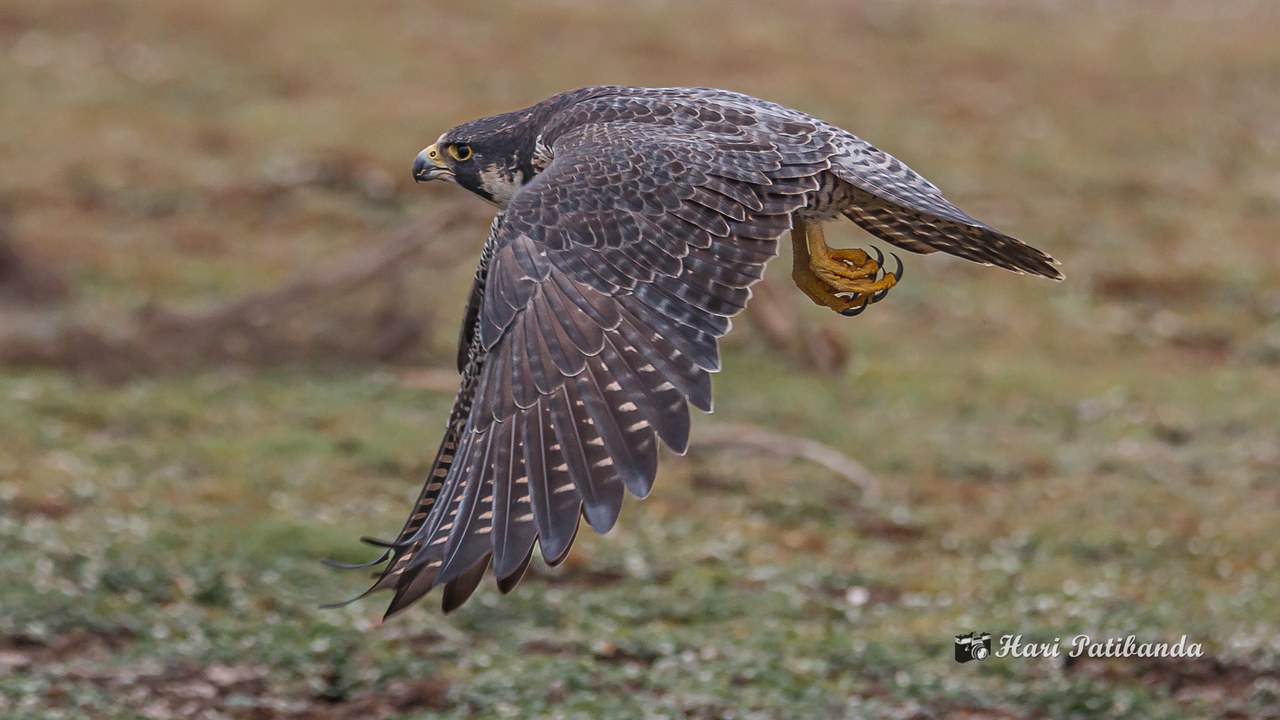
No animal moves faster than a peregrine falcon in a hunting dive. The National Park Service explains that peregrines fly high above their prey, then stoop, or dive, striking birds in midair with a sharp blow. Scientists estimate the speed of that dive at more than 200 miles per hour.
Level flight is far slower, so the record belongs to gravity as much as muscle. Peregrines hunt ducks and, in cities, starlings and pigeons, and their tight, streamlined shape in a stoop is what lets them reach speeds no other bird can match.
3. Pronghorn: America’s Speed Champion
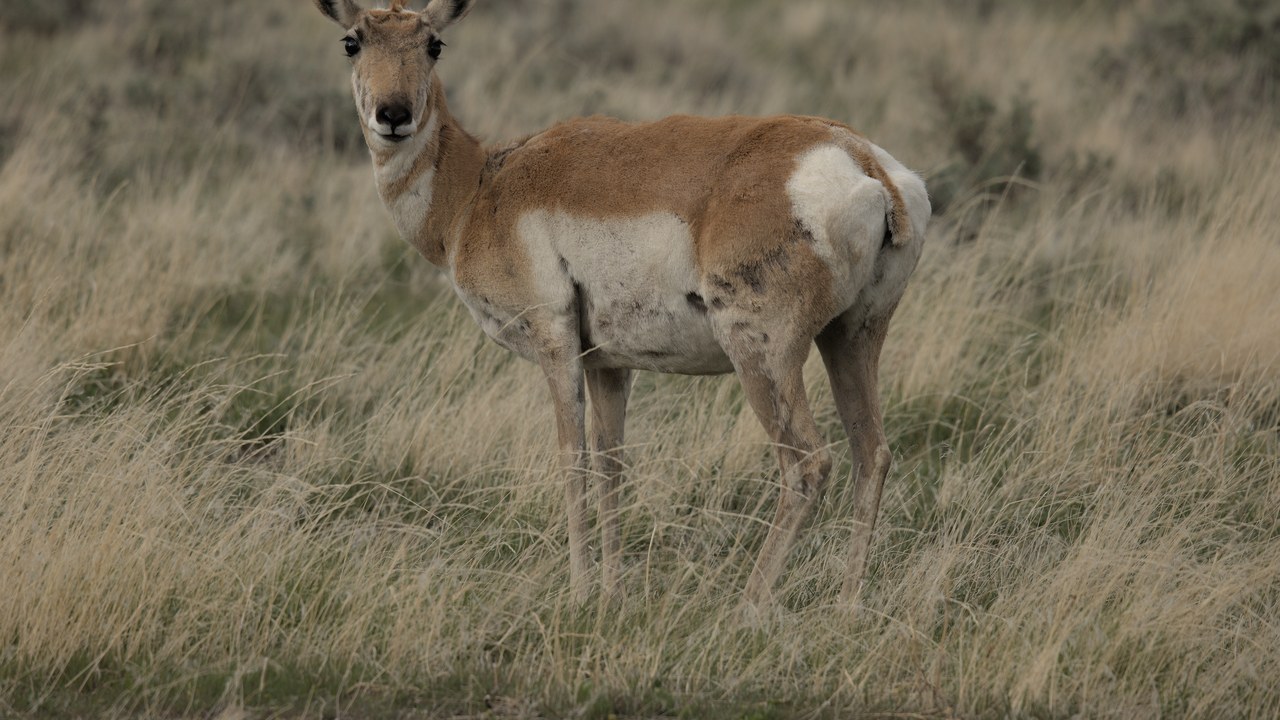
North America’s fastest land animal is the pronghorn, often called an antelope although it is not a true one. According to the National Park Service, pronghorn can run at up to 55 miles per hour, making them the second-fastest land mammal in the world behind the cheetah.
Adults weigh roughly 115 pounds and stand about three feet tall at the shoulder. Unlike the cheetah, the pronghorn pairs speed with serious endurance, which makes it nearly uncatchable for predators on the open prairies of the American West.
4. Sailfish: The Ocean’s Sprinter
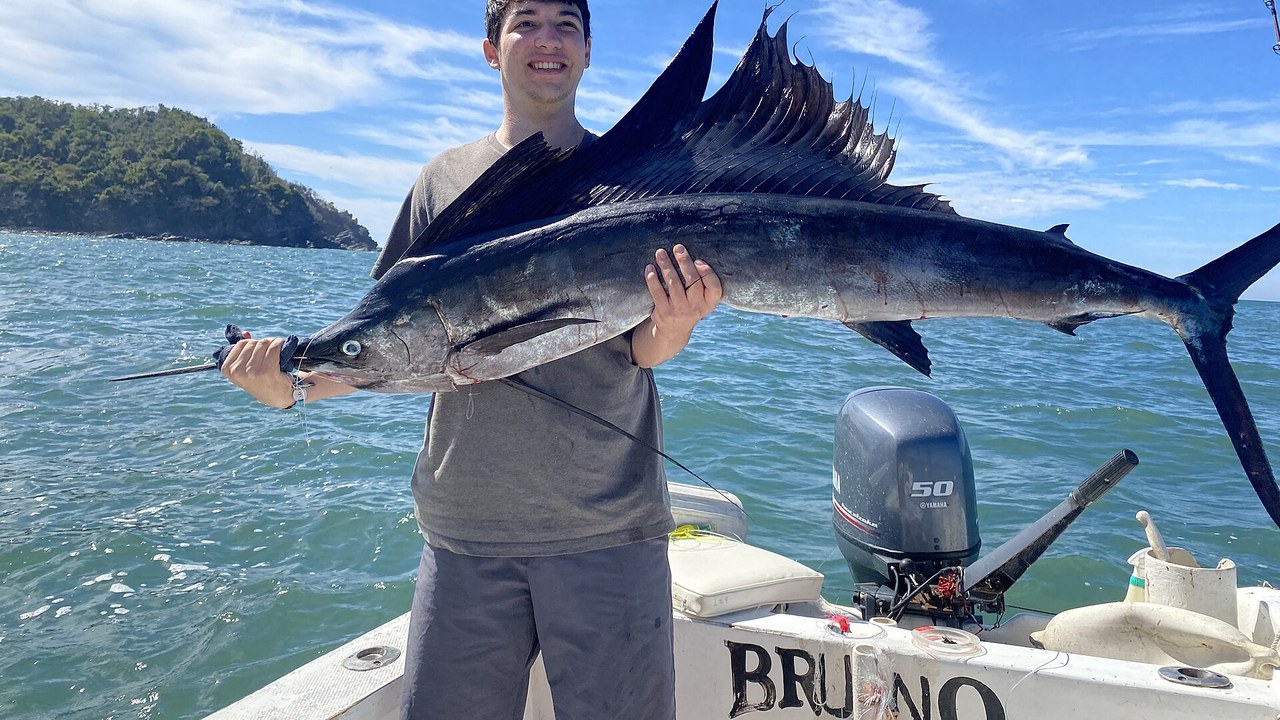
The Australian Museum notes that most sources consider the Indo-Pacific sailfish the fastest fish in the sea. The species has been clocked in excess of 68 mph (110 km/h) over short periods, a speed few marine animals approach.
Sailfish can grow to more than 11 feet long and weigh over 220 pounds. Fishermen have watched groups of them herd schooling fish such as sardines, cruising at half speed with their fins partly folded, then folding the fins back completely as they drive into the school at full speed.
5. Ostrich: The Fastest Bird on Two Legs
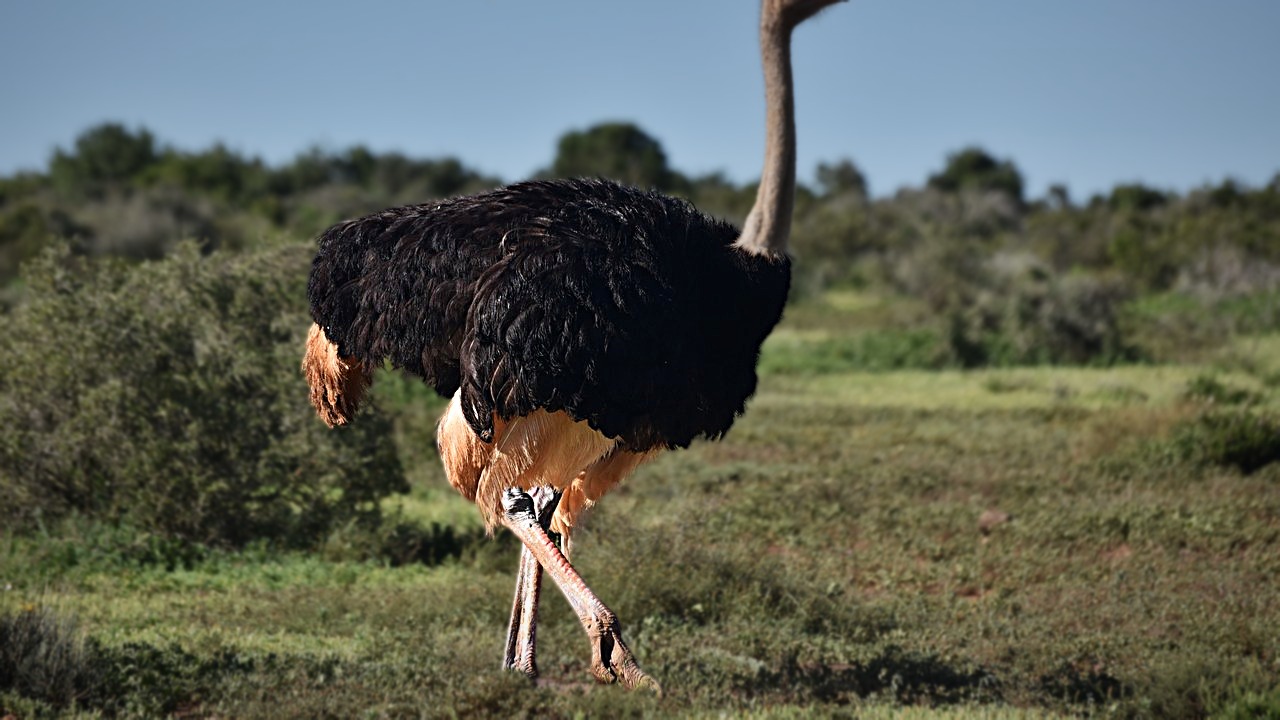
Ostriches cannot fly, but no bird can match them on the ground. The Smithsonian’s National Zoo says scientists have seen ostriches run continuously at 30 to 37 mph and sprint at up to 43 mph, making them the fastest running birds in the world.
The ability to hold 30-plus mph continuously is as impressive as the sprint. Long, powerful legs do the work that wings do for other birds, and on open ground, where hiding is rarely an option, outrunning danger is the best defense a bird this size has.
6. Golden eagle: A Dive to Rival the Peregrine
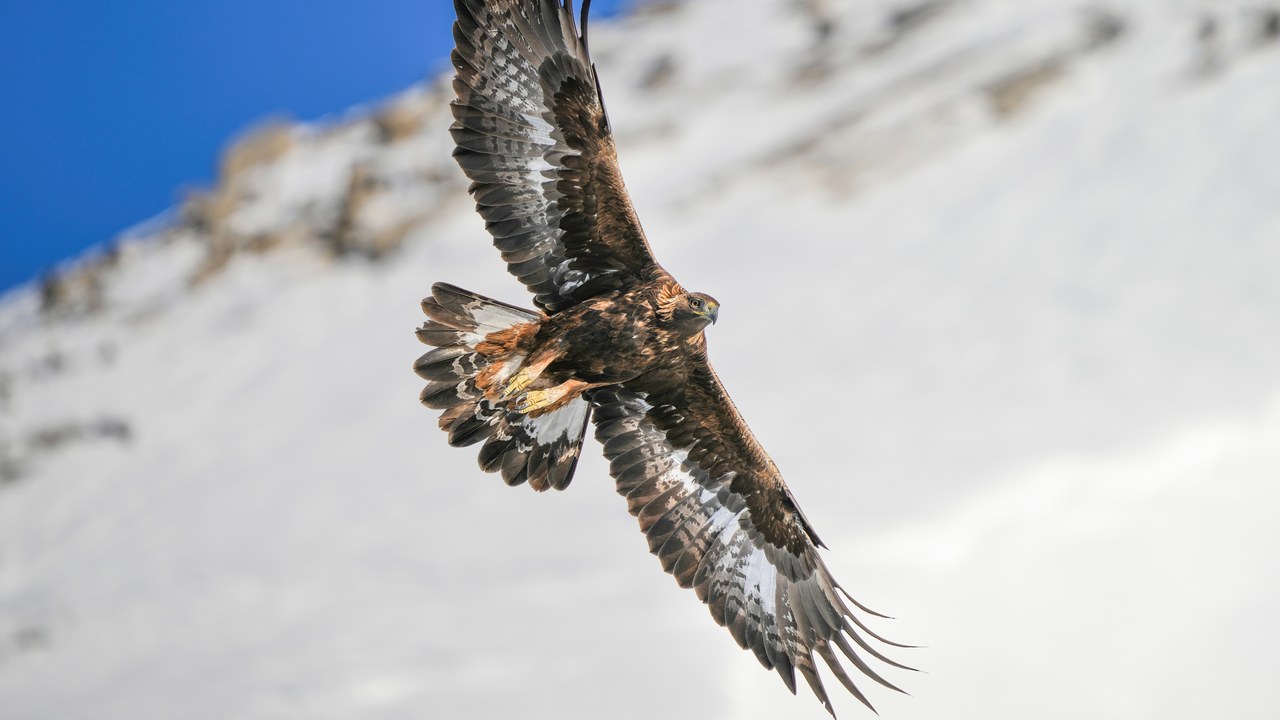
The golden eagle is a large bird, yet it is one of the fastest animals alive. When diving after prey, a golden eagle can reach 150 to 200 mph, and while hunting or displaying it can glide at up to about 120 mph.
Ornithologists consider the golden eagle the equal of the peregrine falcon in stooping and gliding speed, and possibly even its superior, although it is less agile. In a dive, the eagle tucks its legs against its tail and holds its wings tight and partly closed against its body.
7. Greyhound: The Fastest Dog Breed
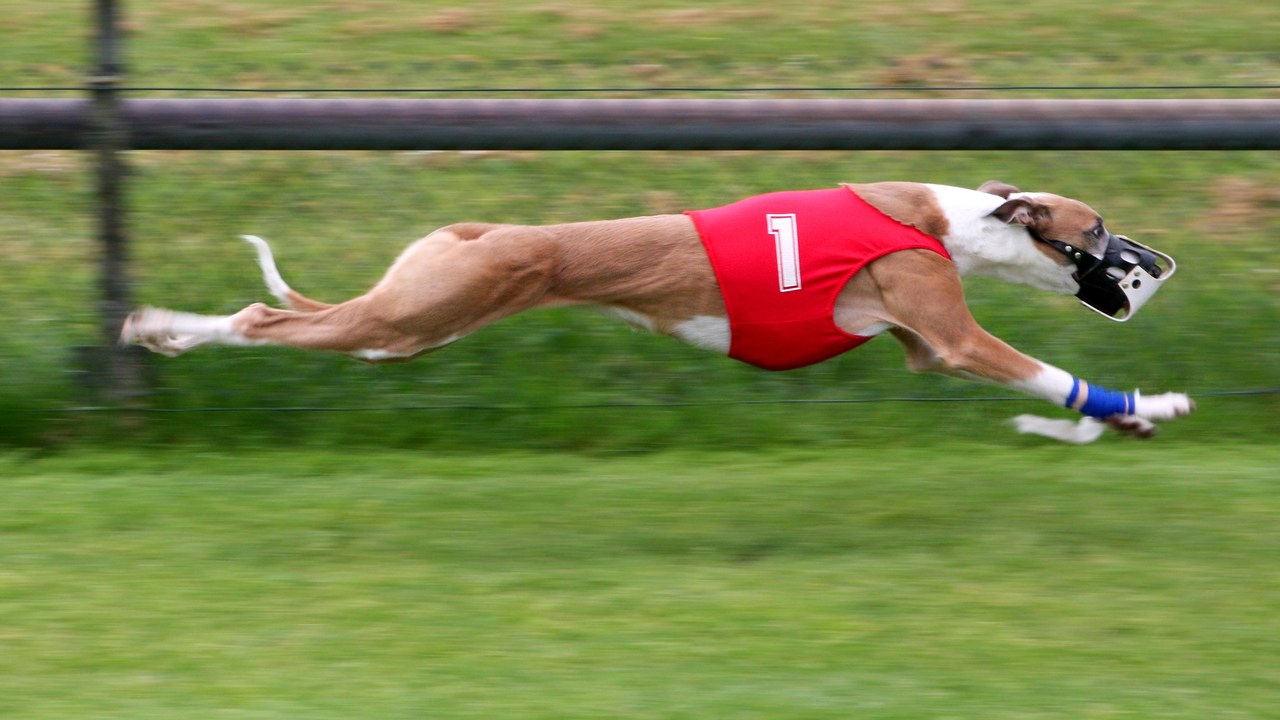
Greyhounds are built for the sprint. Their long legs, deep chest, flexible spine and slim build allow very high speeds, and in racing greyhounds can reach peak speeds of at least 43 mph, with typical winning speeds of roughly 36 to 38 mph.
That makes the greyhound the fastest dog breed. Even a typical race-winning pace is faster than most people can drive through a school zone, and the gap between that pace and the peak figure shows how much a single burst of acceleration can add on the track.
8. American Quarter Horse: The Quarter-Mile Specialist
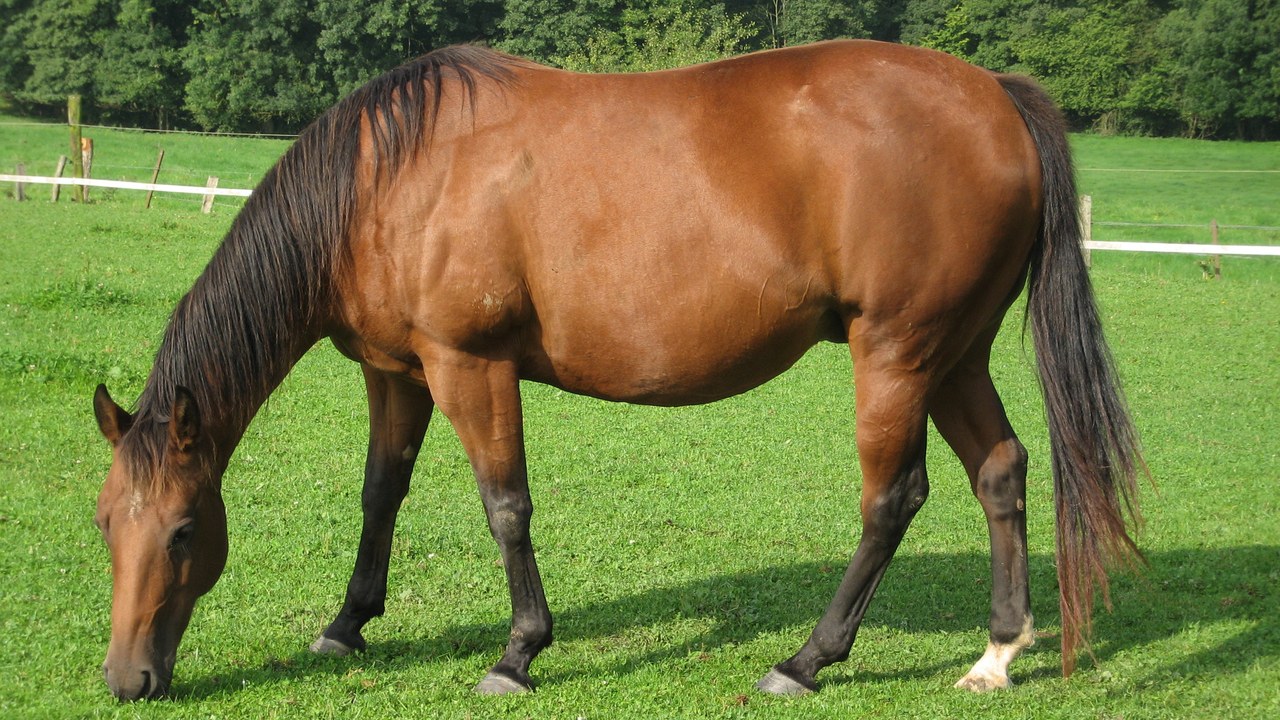
The American Quarter Horse takes its name from its ability to outrun other breeds over a quarter mile or less. Some have been clocked at speeds of up to 55 mph, which puts the breed among the fastest sprinters of any domestic animal.
The figure is a peak for short sprints, which is exactly what the breed was named for. Over longer races other horses hold their pace better, but from a standing start over a few hundred yards, the Quarter Horse remains one of the quickest animals people have ever bred.
9. Orca: The Fastest Marine Mammal
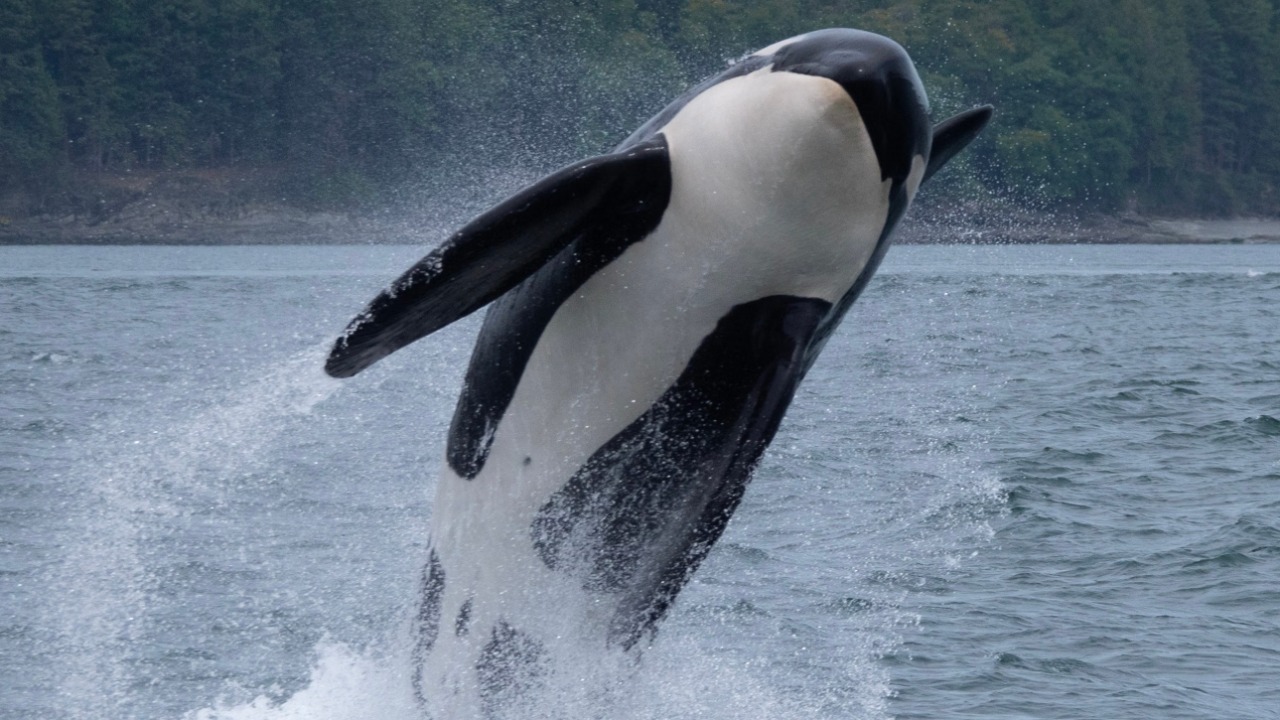
Orcas, also called killer whales, are the fastest marine mammals. They can reach speeds of up to about 35 mph, or roughly 15.5 meters per second, according to the figures gathered in a list of the fastest animals.
For an animal as large as an orca, that pace is remarkable. Water is far denser than air, so every extra mile per hour costs much more effort than it would on land, and few creatures of the orca’s size come anywhere close to matching it.
10. Blue wildebeest: Fast Enough to Survive the Migration
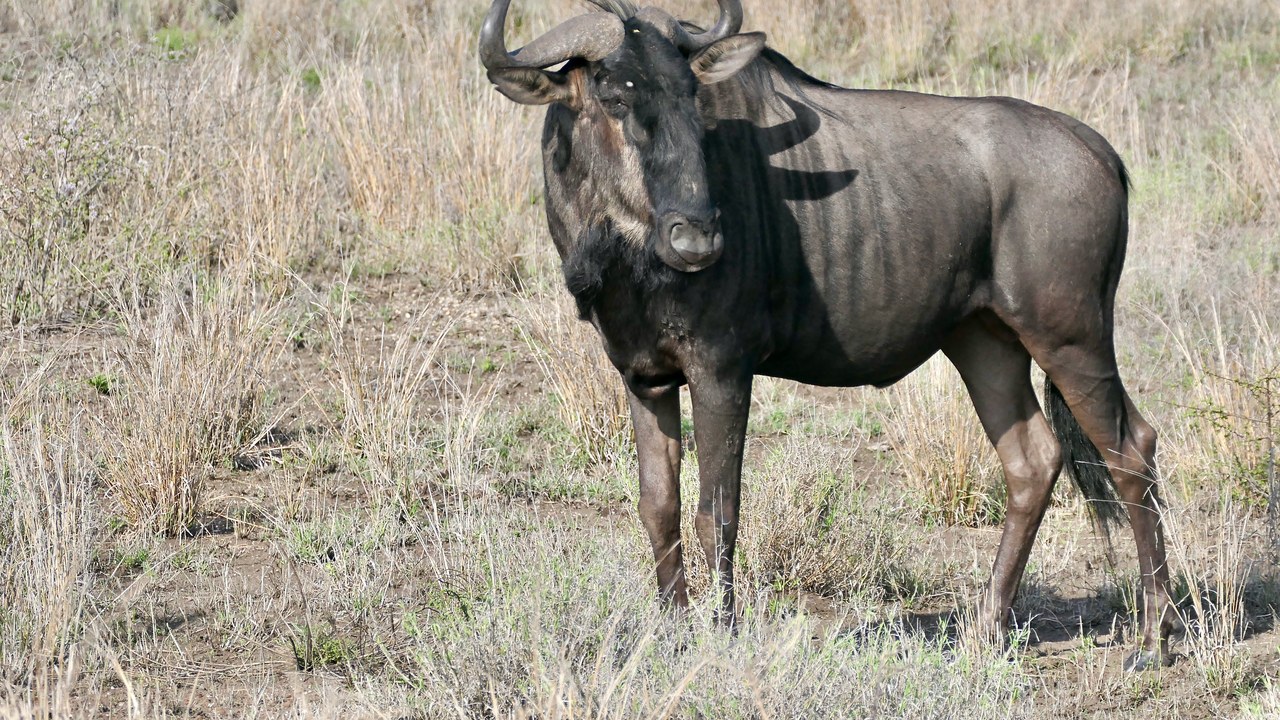
The blue wildebeest is better known for its huge migrations than for speed, yet it can sprint at about 50 mph. Both wildebeest species, the blue and the black, are extremely fast runners, an ability that lets them flee predators.
Even so, wildebeest are better at holding a pace over long distances than at sprinting. On open plains, that combination of stamina and a fast getaway is often what keeps a herd member alive when an attack comes, because a predator that misses its first rush rarely gets a second chance.
More from Morning Overview
- Over 20 trillion gallons of rain fell on the Four Corners states and Nevada in two weeks
- 11 engines built to run well past 200,000 miles
- Two Kentucky residents died when a small plane crashed at Missouri’s Lake of the Ozarks, and the NTSB is investigating
- A handful of car transmissions are so tough that mechanics say they almost never die
