
North America still holds some genuinely enormous animals, on land, at sea and in the air. Park rangers and wildlife biologists keep careful track of how big they grow, and some of the numbers are startling. Here are twelve giants of North American wildlife and how big they get, by the official figures.
Read next on Morning Overview: Arizona’s governor declared a statewide emergency after Flagstaff logged its wettest Nov. 1 on record
1. American bison: America’s national mammal
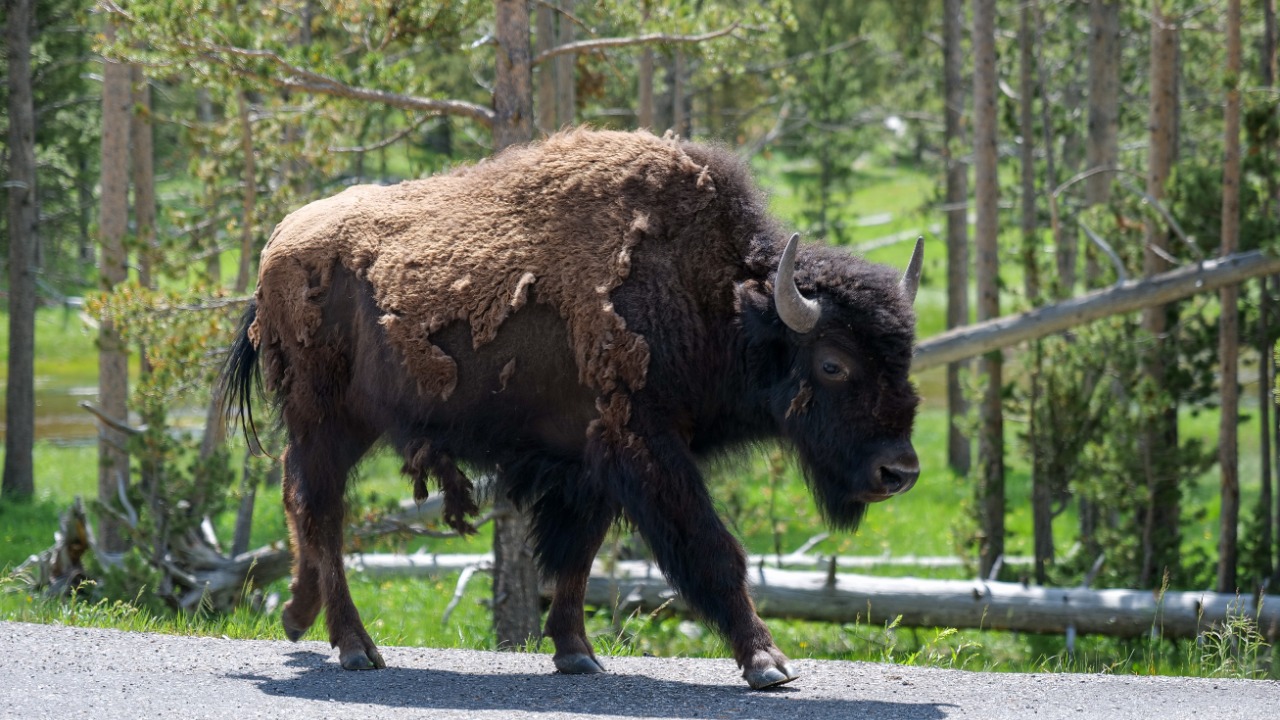
The bison was named America’s national mammal in 2016. The National Park Service lists bulls at about 2,000 pounds and 5.5 to 6 feet tall, with cows at about 1,000 pounds, and calves born weighing just 30 to 70 pounds.
Bison once roamed from Alaska to northern Mexico and from California to western New York, but in the late 1800s they almost went extinct. The American Bison Society helped save them. Cows and calves herd together, while bulls usually stay alone or in small groups outside the rut.
2. Kodiak bear: An island-sized brown bear
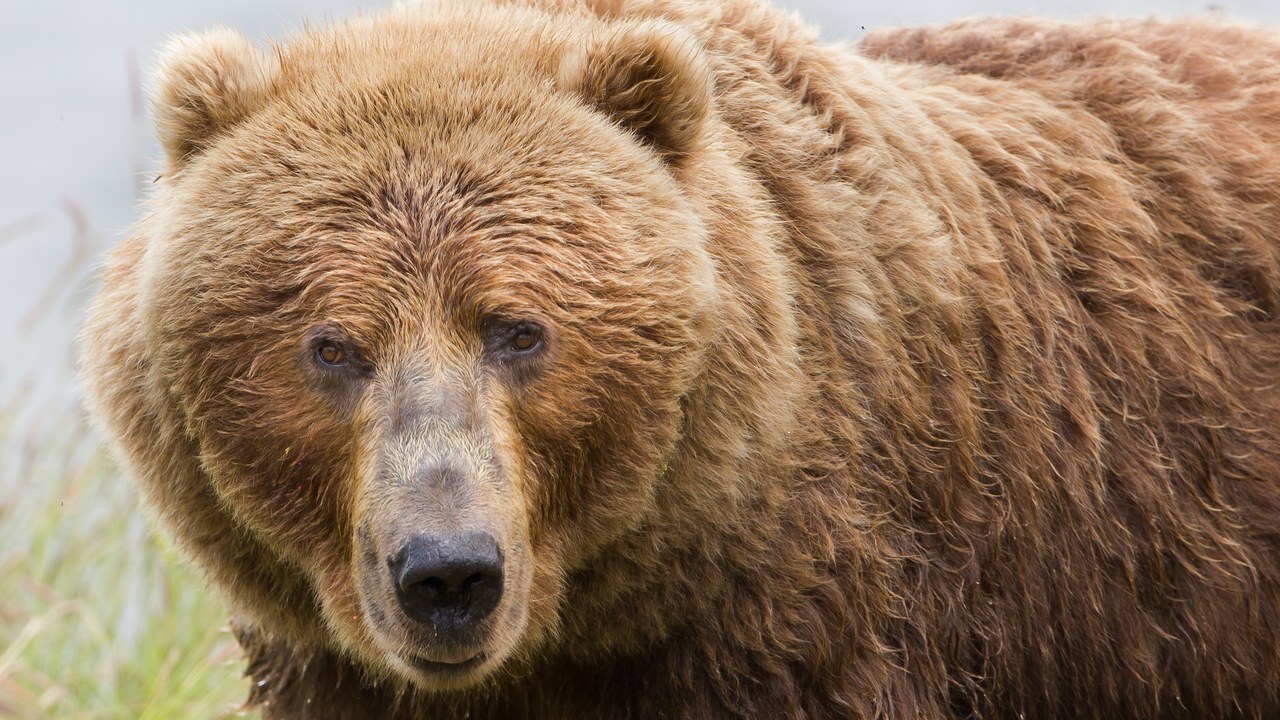
The Kodiak bear is a brown bear subspecies found only on Alaska’s Kodiak Archipelago. The U.S. Fish and Wildlife Service says adult males weigh 600 to 1,400 pounds and females 300 to 700 pounds.
Kodiak and other coastal brown bears can weigh about twice as much as interior brown bears, better known as grizzlies. An estimated 3,500 live on the archipelago, and their cubs weigh less than a pound at birth and are born unable to walk or see.
3. Polar bear: The ice-riding hunter
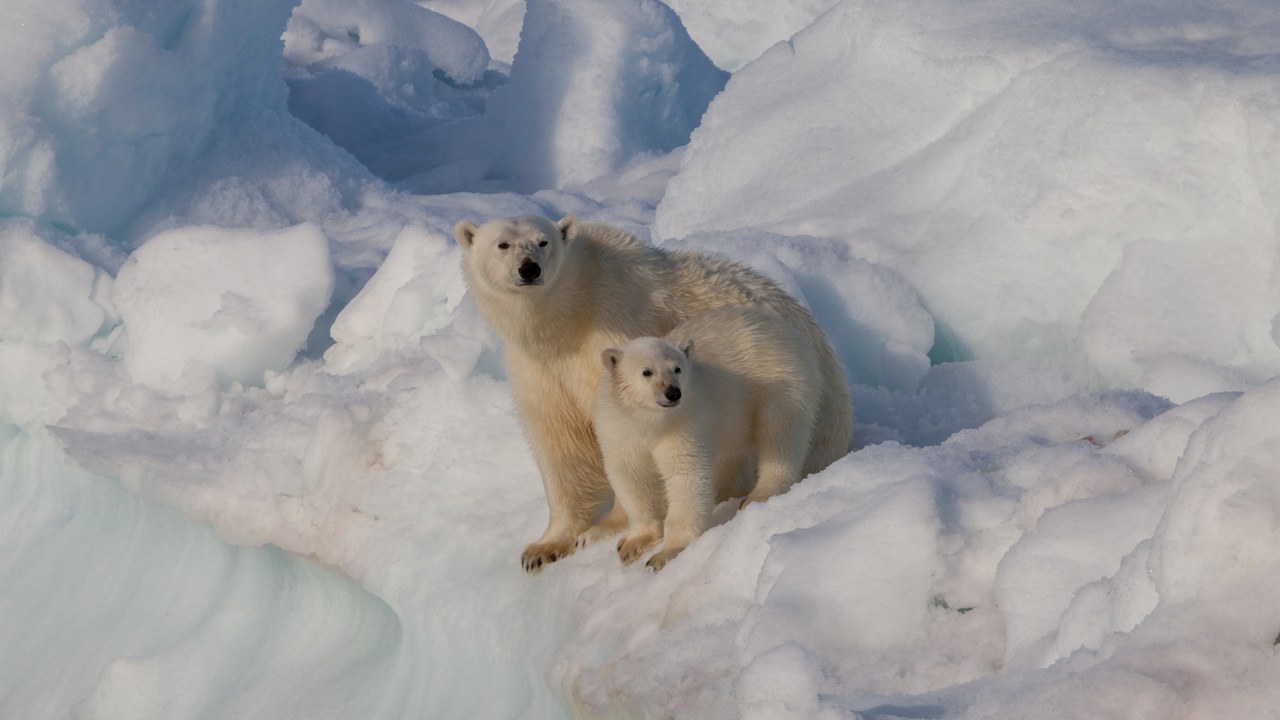
Alaska’s Department of Fish and Game says the largest male polar bears can top 1,700 pounds, though most weigh 600 to 1,200 pounds and measure 8 to 10 feet long. Adult females weigh 400 to 700 pounds.
Ringed seals are their main prey, and polar bears often catch them by waiting at breathing holes in the ice. Scientists recognize 19 separate populations worldwide, two of them in Alaska, and cubs weigh just 1 to 2 pounds when they are born in December or January.
4. Moose: The biggest deer of all
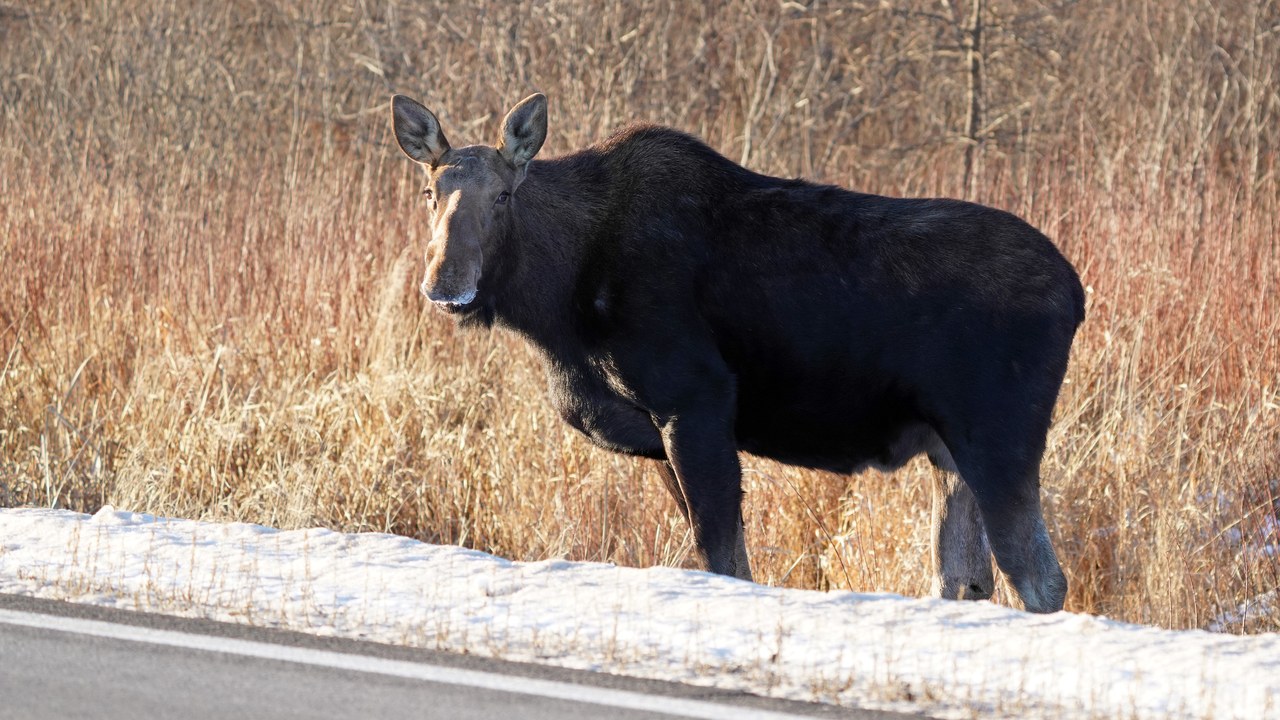
Moose are the largest member of the deer family. At Denali, the National Park Service says adult males can weigh 900 to 1,400 pounds, females 700 to 1,100 pounds, and both stand 5 to 6 1/2 feet at the shoulder on extremely long legs.
Bulls grow broad, palm-shaped antlers each spring, use them to spar during the rut and shed them in early winter. In winter, moose stay in their territory, often in willow marshes, pawing paths through deep snow to reach food.
5. Elk: Antlers that weigh 40 pounds
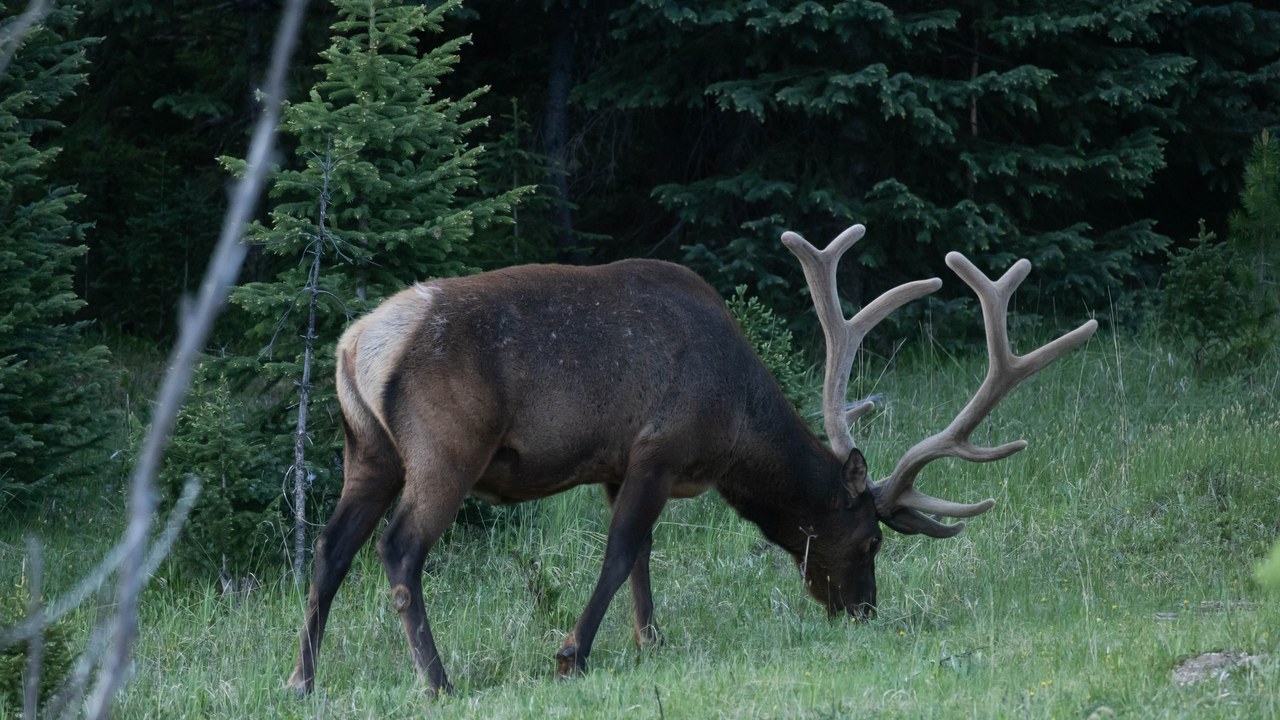
In Rocky Mountain National Park, large bulls can weigh 700 to 1,000 pounds and stand five feet at the shoulder, according to the Park Service. Cows weigh around 300 to 500 pounds and stand about 4 1/2 feet tall.
Only males grow antlers, which can add up to an inch a day in spring and weigh up to 40 pounds on a mature bull. The antlers drop each winter, and the cycle starts again the following spring.
6. Steller sea lion: The largest eared seal
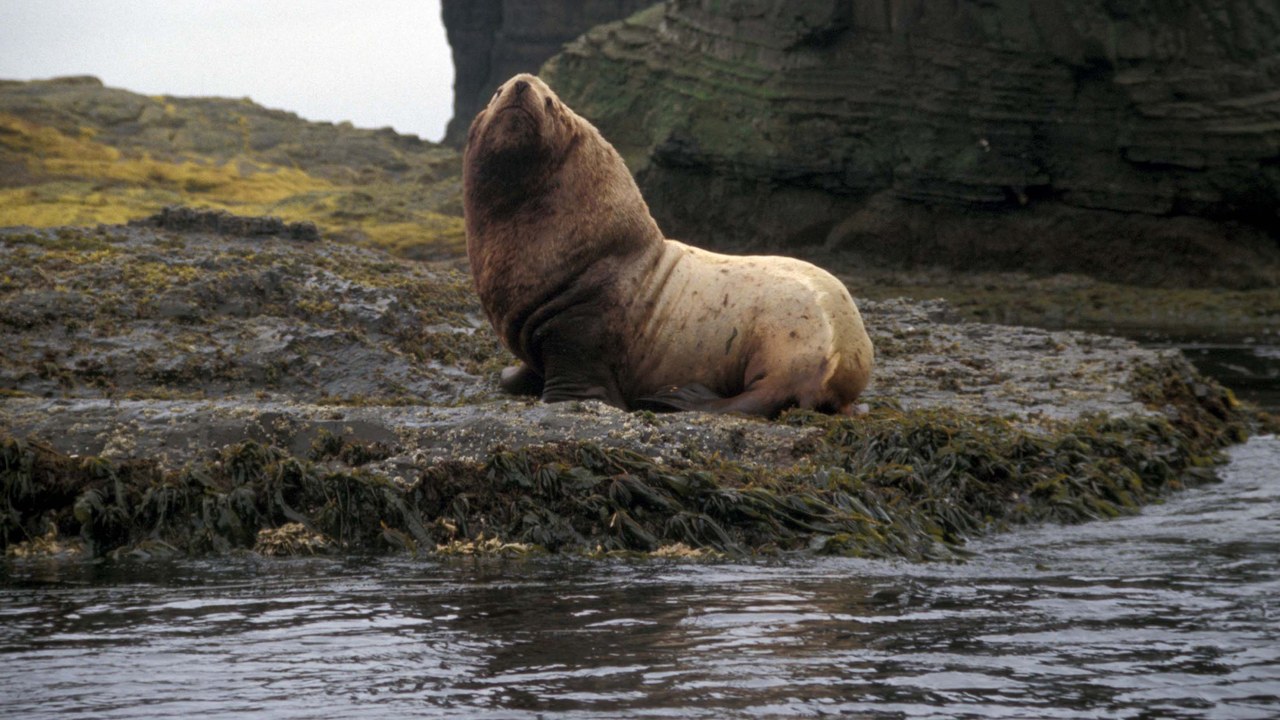
NOAA Fisheries says adult male Steller sea lions may be up to 11 feet long and weigh up to 2,500 pounds. Females are far smaller, at 7.5 to 9.5 feet and up to 800 pounds, so the gap between the sexes is dramatic.
The western population of Steller sea lions is listed as endangered under the Endangered Species Act, and the species is protected throughout its range under the Marine Mammal Protection Act.
7. Walrus: Two tons with ivory tusks
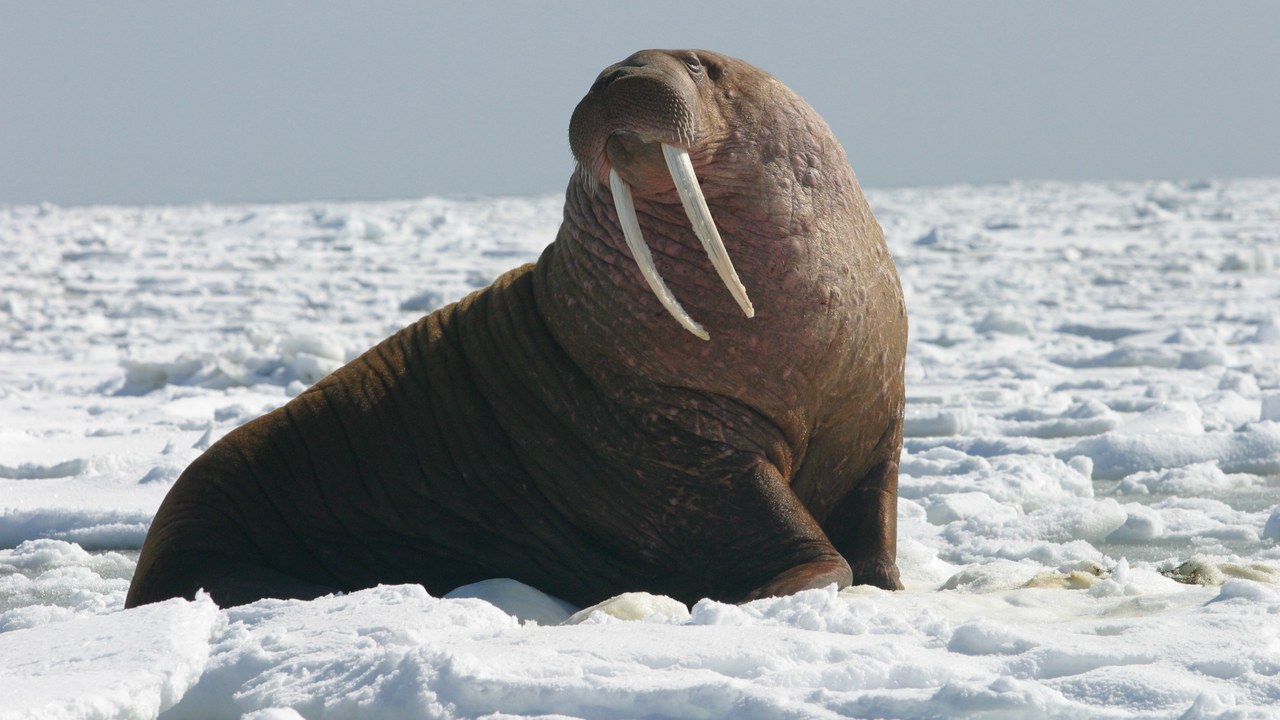
Pacific walruses live in the Bering and Chukchi seas. Alaska’s Department of Fish and Game says adult bulls are up to 12 feet long and may weigh up to 2 tons, while females can weigh more than 1 ton.
Both sexes carry two ivory tusks, long upper canine teeth that grow throughout life and help them haul out onto ice and rocks. They feed on clams, snails and worms, and resting walruses can gather in haulouts of tens of thousands of animals.
8. Northern elephant seal: Nearly 4,400 pounds of seal
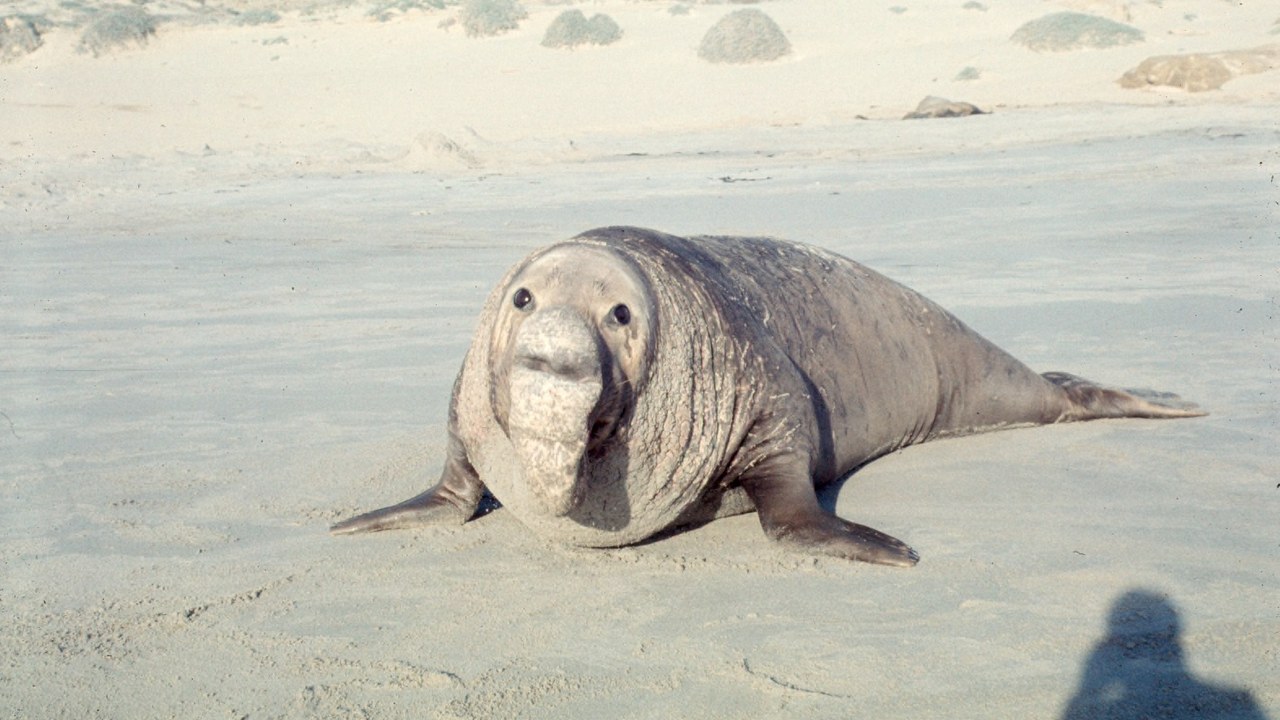
Northern elephant seals are the heavyweights of this list’s seals. NOAA Fisheries says fully grown males can reach over 13 feet and weigh nearly 4,400 pounds, while females grow to about 10 feet and up to 1,300 pounds.
They are found from Alaska down the West Coast, and NOAA lists their lifespan at 13 to 19 years. Entanglement in fishing gear and vessel strikes are among the threats the agency tracks for the species.
9. Gray whale: A 10,000-mile commuter
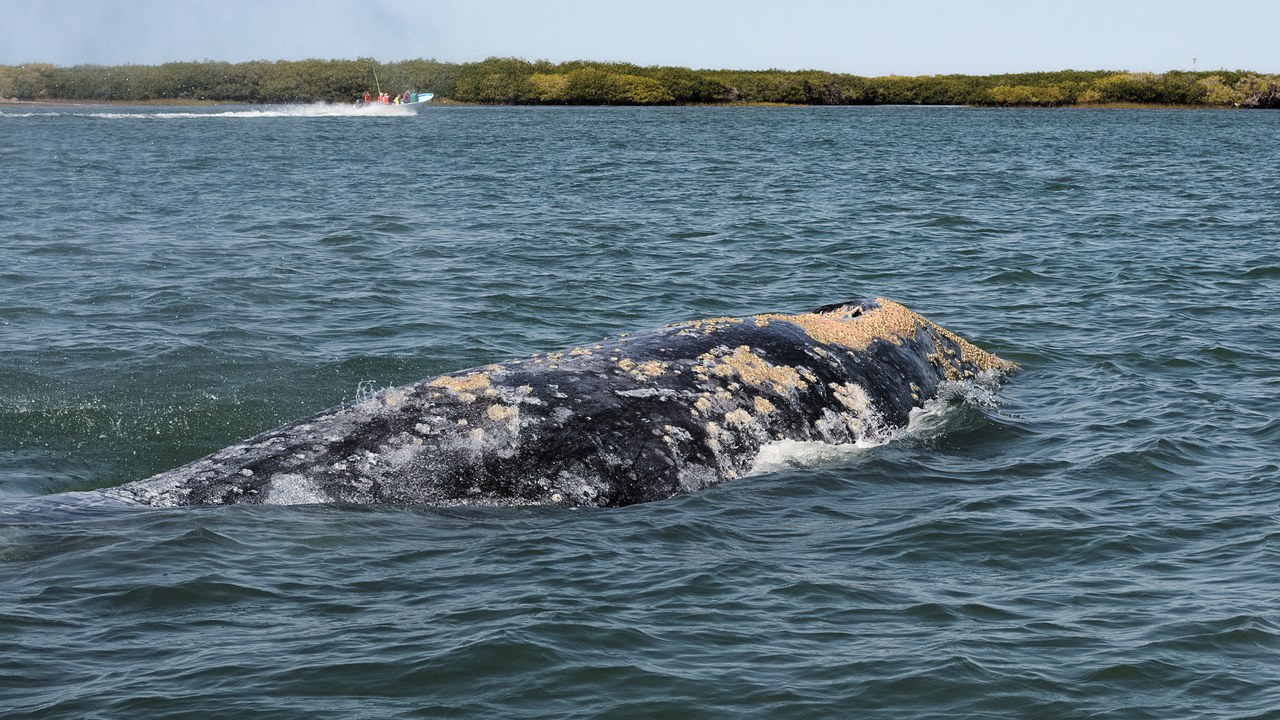
Gray whales can grow to about 49 feet long and weigh approximately 90,000 pounds, NOAA Fisheries says. Even newborn calves are 14 to 16 feet long and weigh about 2,000 pounds, and adult tail flukes are nearly 10 feet wide.
They make one of the longest annual migrations of any mammal, traveling about 10,000 miles round trip and in some cases more than 14,000 miles between summer feeding grounds in the Arctic and wintering and calving areas off Baja California, Mexico.
10. American alligator: Up to 15 feet of reptile
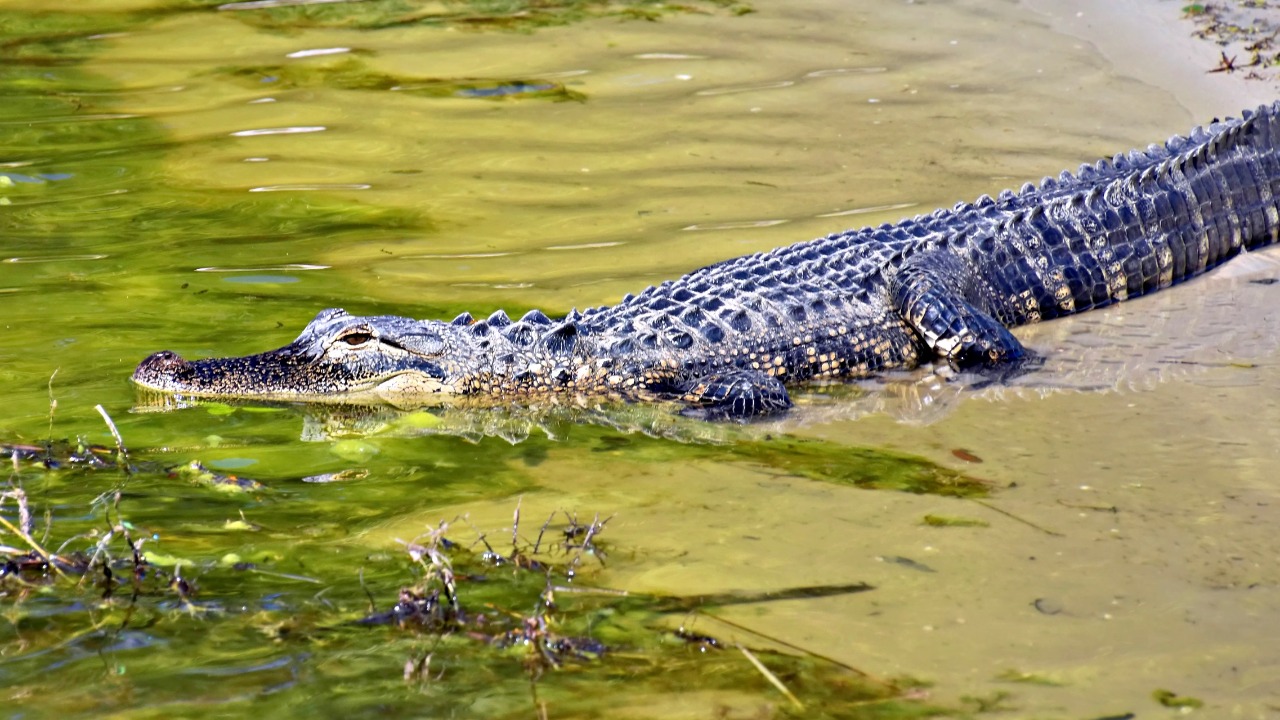
In Everglades National Park, adult male alligators occasionally reach 13 to 15 feet, according to the National Park Service. Females are smaller, with a maximum length of roughly 10 feet.
Females reach sexual maturity at about 6 feet long and build nests above the waterline, since flooding kills most eggs within 12 hours. In the dry season, alligators dig out “alligator holes” that hold water through the winter and shelter many other animals.
11. California condor: North America’s largest land bird
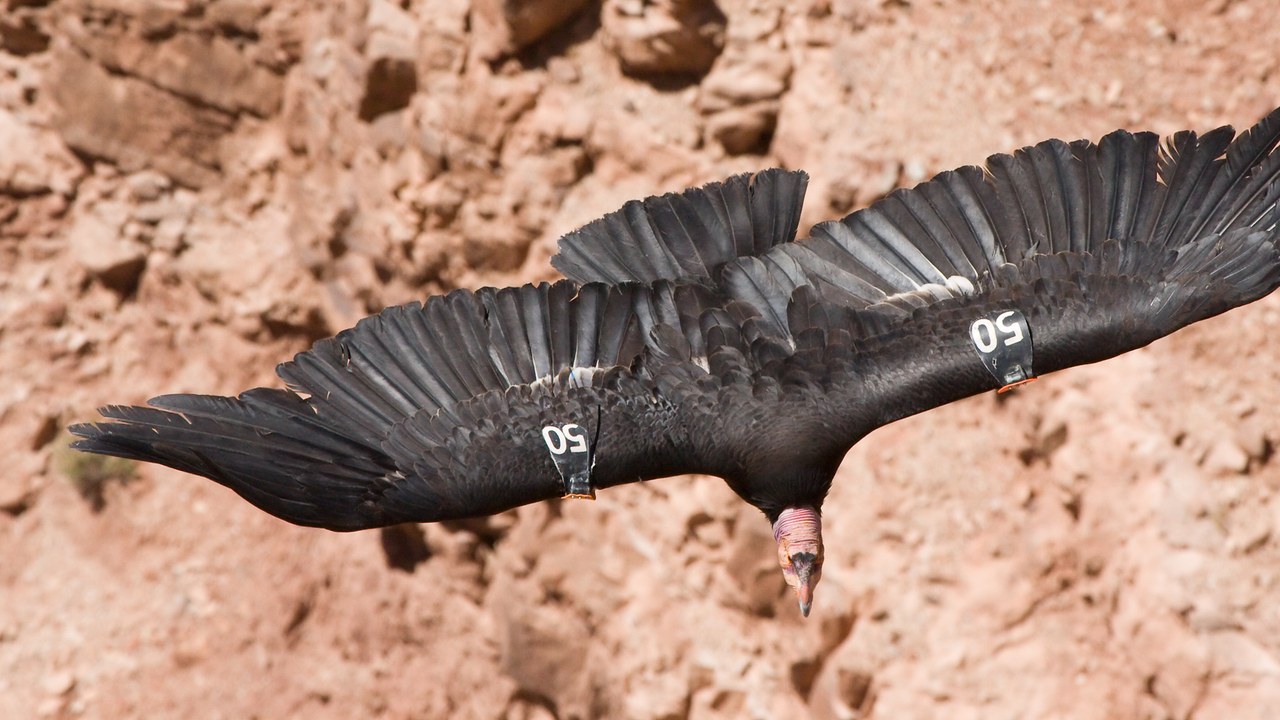
Considered one of the rarest birds in the world, the California condor is the largest land bird in North America, with a wingspan up to 9 1/2 feet and a weight of up to 23 pounds, the National Park Service says.
That wingspan is at least 2 feet longer than the golden eagle’s, the next-largest bird in its region. Condors are scavengers, and there are currently three wild populations: Arizona and Utah, California, and Baja California in Mexico.
12. Whooping crane: Nearly five feet tall
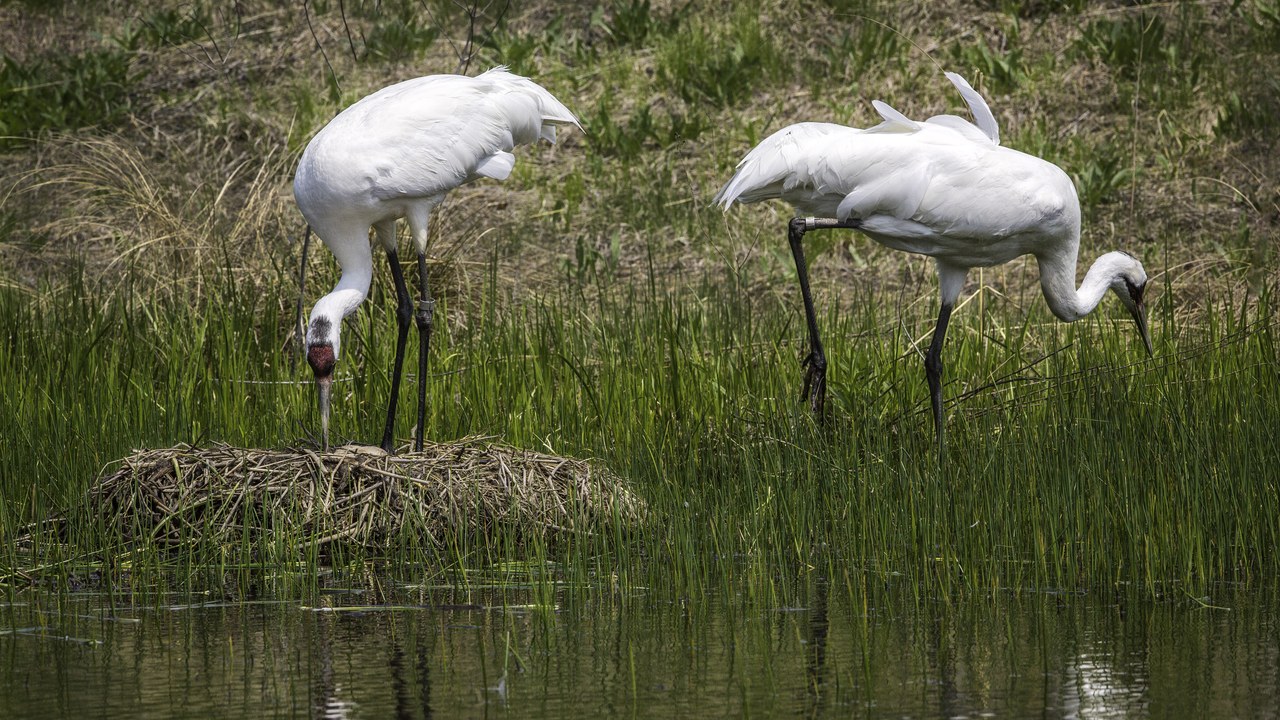
Whooping cranes are North America’s tallest bird. Smithsonian’s National Zoo says they can stand nearly 5 feet tall, with wingspans reaching about 7 feet, roughly the size of a bald eagle’s.
The species hit its lowest point in 1940, when a Louisiana hurricane hit a wild population already down to double digits. Biologists later collected more than 400 wild eggs over several decades to rebuild numbers, though only a few small wild populations remain.
More from Morning Overview
- A handful of car transmissions are so tough that mechanics say they almost never die
- Melting permafrost is setting off a newly identified kind of catastrophic landslide, scientists say
- Cadillac cut the price of its cheapest EV, which goes up to 317 miles on a charge
- Winter weather advisories cover I-80, I-70 and the Bighorns with up to 15 inches of snow
