
The age of giant reptiles did not end with the dinosaurs. Crocodiles longer than a car, turtles heavier than a grand piano and snakes stretching close to 30 feet still live in rivers, oceans and forests today. Here are ten of the largest reptiles alive on Earth, measured by length, weight or both.
Read next on Morning Overview: Winter weather advisories cover I-80, I-70 and the Bighorns with up to 15 inches of snow
1. Saltwater crocodile: The Biggest Crocodilian of All
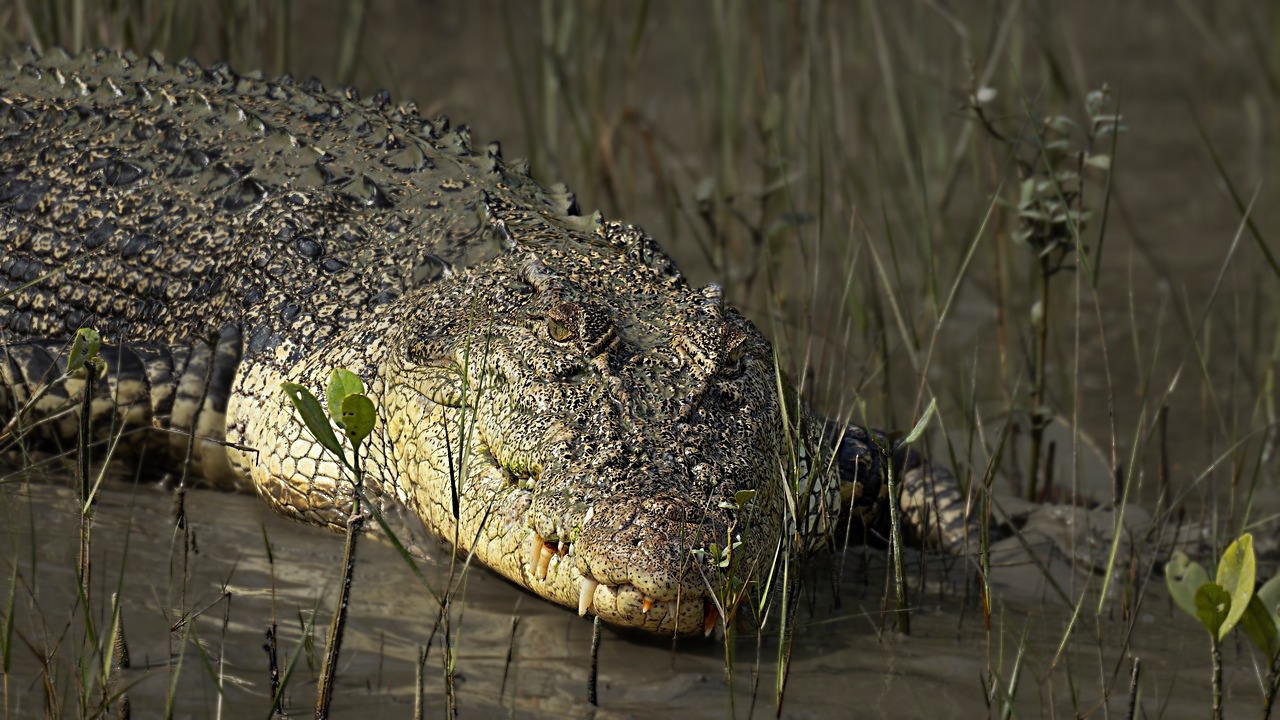
National Geographic calls the saltwater crocodile Earth’s largest living crocodilian. Average-size males reach 17 feet and 1,000 pounds, but specimens 23 feet long and weighing 2,200 pounds are not uncommon. Some say it is the animal most likely to eat a human.
Salties range across the brackish and freshwater regions of eastern India, Southeast Asia and northern Australia, and they have often been spotted far out at sea. They ambush prey at the water’s edge and will take almost anything, including water buffalo, wild boar and even sharks.
2. Komodo dragon: The Heaviest Lizard on Earth
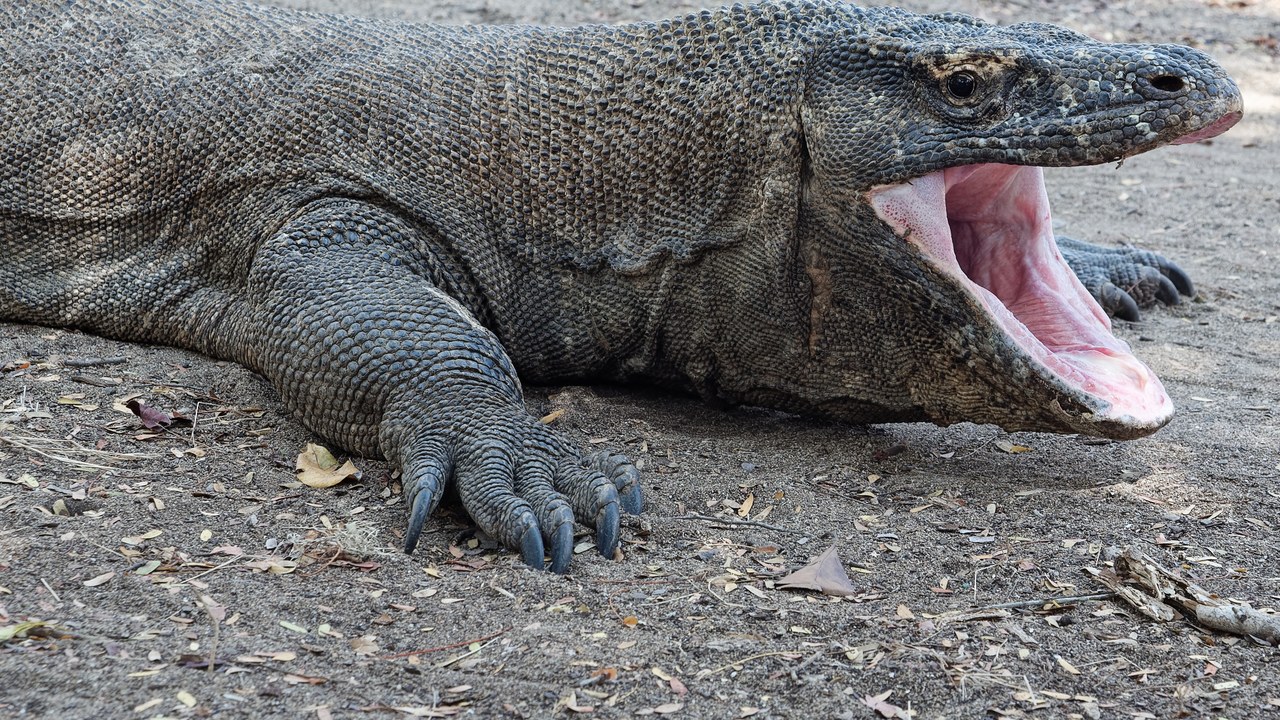
Reaching up to 10 feet long and more than 300 pounds, Komodo dragons are the heaviest lizards on Earth, according to National Geographic. They live on a handful of Indonesia’s Lesser Sunda Islands, where they are the dominant predators.
Komodo dragons eat almost anything, from carrion and deer to pigs and even large water buffalo. They bite with serrated teeth and pull back with powerful neck muscles, and venom glands deliver toxins that lower blood pressure, cause massive bleeding and prevent clotting, sending prey into shock. Females can even reproduce without males, a process called parthenogenesis.
3. Leatherback sea turtle: The Giant Without a Hard Shell
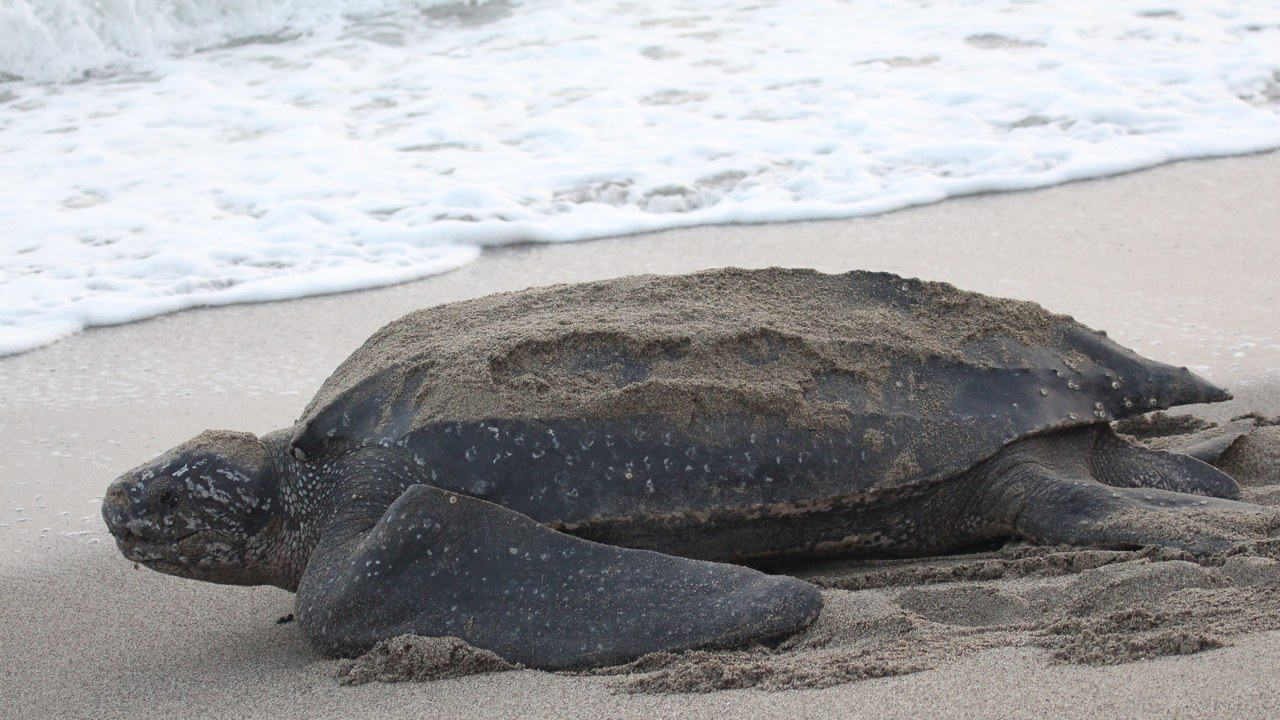
The leatherback is the heavyweight of the sea turtle world. NOAA says leatherback sea turtles weigh between 550 and 2,000 pounds and reach up to six feet long. Instead of a hard shell or scales, they are covered with a firm, rubbery skin.
Leatherbacks range as far north as Canada and the northern Pacific but nest mainly in the tropics, including southeast Florida, Puerto Rico and the U.S. Virgin Islands. The U.S. government lists the species as endangered worldwide, with fishing bycatch, marine pollution and egg harvesting among the main threats.
4. Green sea turtle: The Largest Hard-Shelled Sea Turtle
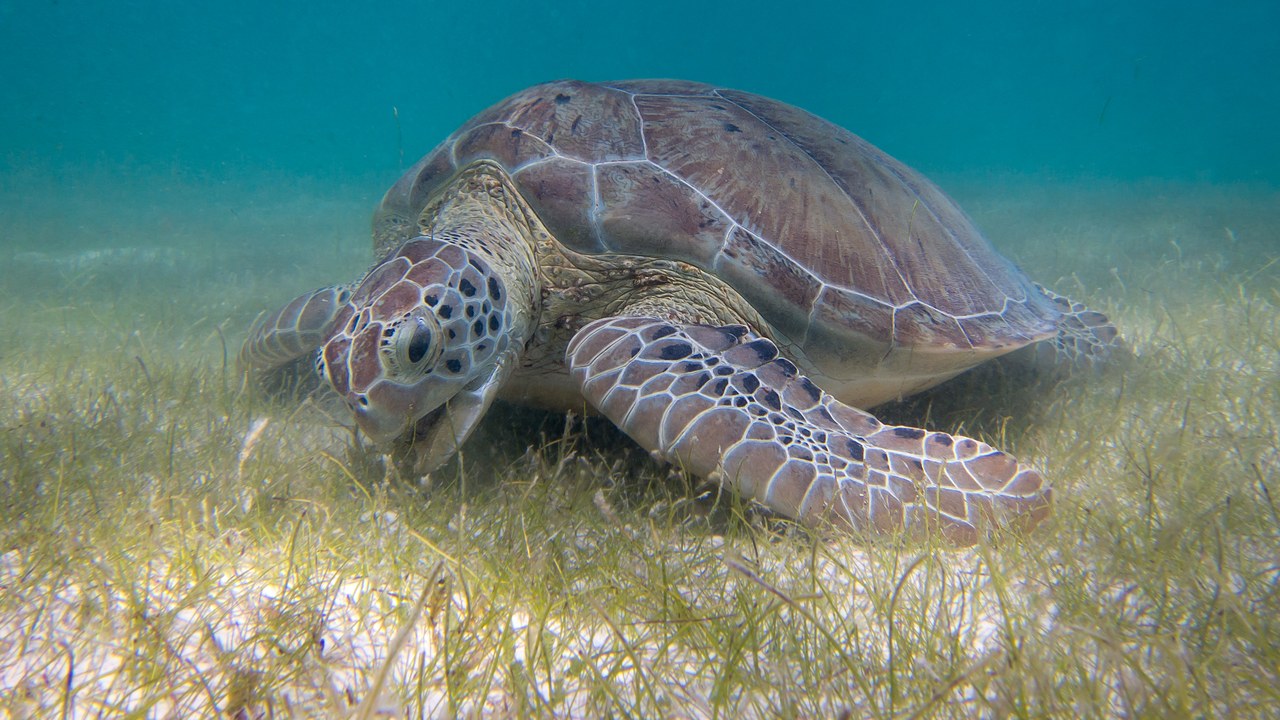
The green sea turtle is the largest hard-shelled sea turtle, according to NOAA Fisheries. A typical adult is 3 to 4 feet long and weighs 300 to 350 pounds. Unlike other sea turtles, adults are mainly herbivores, grazing on seagrasses and algae.
The name comes not from the shell but from the green color of the turtle’s fat. Green turtles nest in more than 80 countries, and the biggest rookeries are enormous: during a peak season, up to 60,000 females nest on Raine Island on Australia’s Great Barrier Reef, and about 30,000 a season nest at Tortuguero in Costa Rica.
5. Burmese python: The Invader of the Everglades
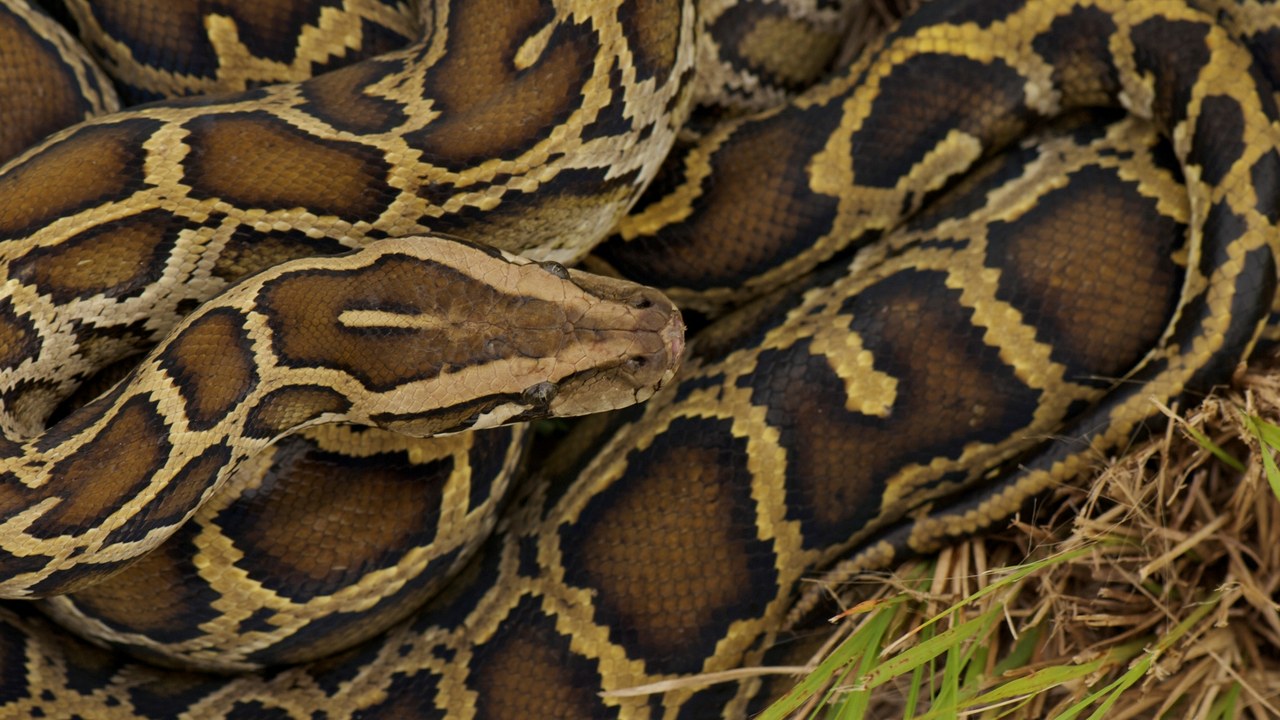
The Burmese python is a nonvenomous constrictor that, according to the U.S. Geological Survey, often grows to approximately 16 feet in the wild. The largest recorded in Florida was a female that measured about 19 feet.
Native to Asia, the snake now has a breeding population in southern Florida, including Everglades National Park. USGS says the wild population is believed to have started from a small number of escaped or released pets in the early 1980s, and the pythons are now among the most concerning invasive species in the park’s protected lands.
6. American alligator: America’s Biggest Reptile
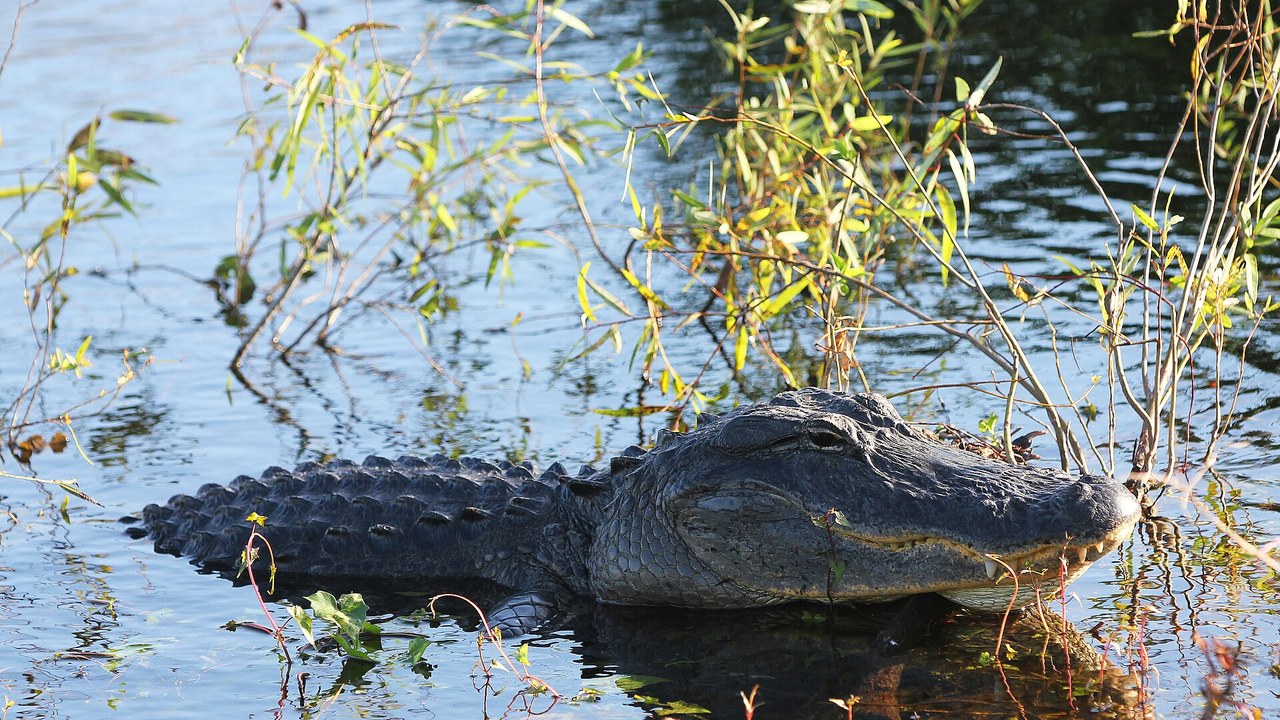
The American alligator is one of the biggest reptiles in the United States. The National Park Service says adult male alligators occasionally reach 13 to 15 feet in length, while the maximum for females is about 10 feet, and both sexes tend to be smaller in South Florida.
Females build nests about 3.5 feet high, guard them for an incubation period of 58 to 63 days, then carry hatchlings to the water in their mouths, 8 to 10 at a time. The young often stay near their mother for a year and sometimes for two or three.
7. King cobra: The Longest Venomous Snake
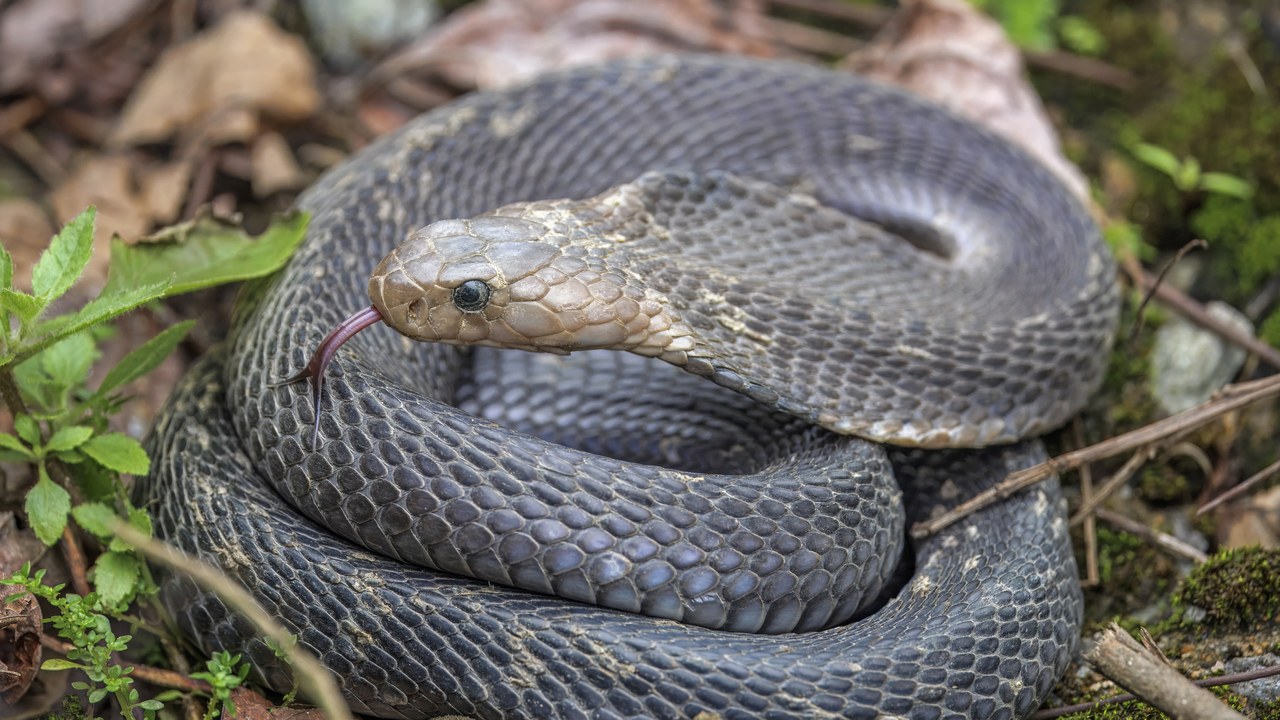
King cobras can reach 18 feet, making them the longest of all venomous snakes, according to National Geographic. When confronted, a king cobra can lift up to a third of its body off the ground and look a full-grown person in the eye.
Its venom is not the most potent, but a single bite can deliver up to two-tenths of a fluid ounce of neurotoxin, enough to kill 20 people or even an elephant. Fortunately, king cobras are shy and avoid people whenever possible, and scientists now split them into four separate species across South and Southeast Asia.
8. Green anaconda: The Heaviest Snake
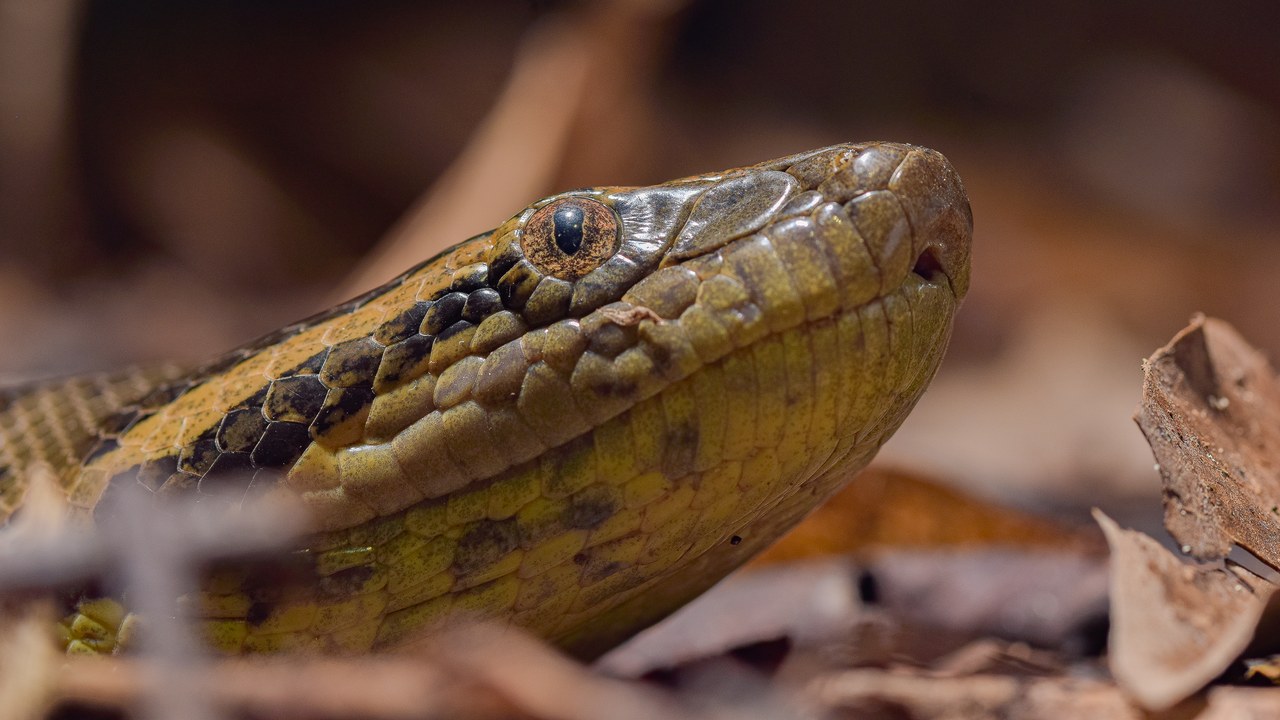
The green anaconda, a nonvenomous South American boa, is considered the heaviest snake and among the longest. BBC Wildlife’s Discover Wildlife says it can weigh up to 80kg and grow up to 9m, or roughly 176 pounds and 30 feet.
Scientists suspect even bigger anacondas may live in remote habitats that are hard to survey. The snake kills by constriction rather than venom, and Discover Wildlife notes it can take prey as large as a deer. That combination of bulk and strength is why the anaconda remains one of the most feared serpents in South America.
9. Galápagos tortoise: The Largest Living Tortoise
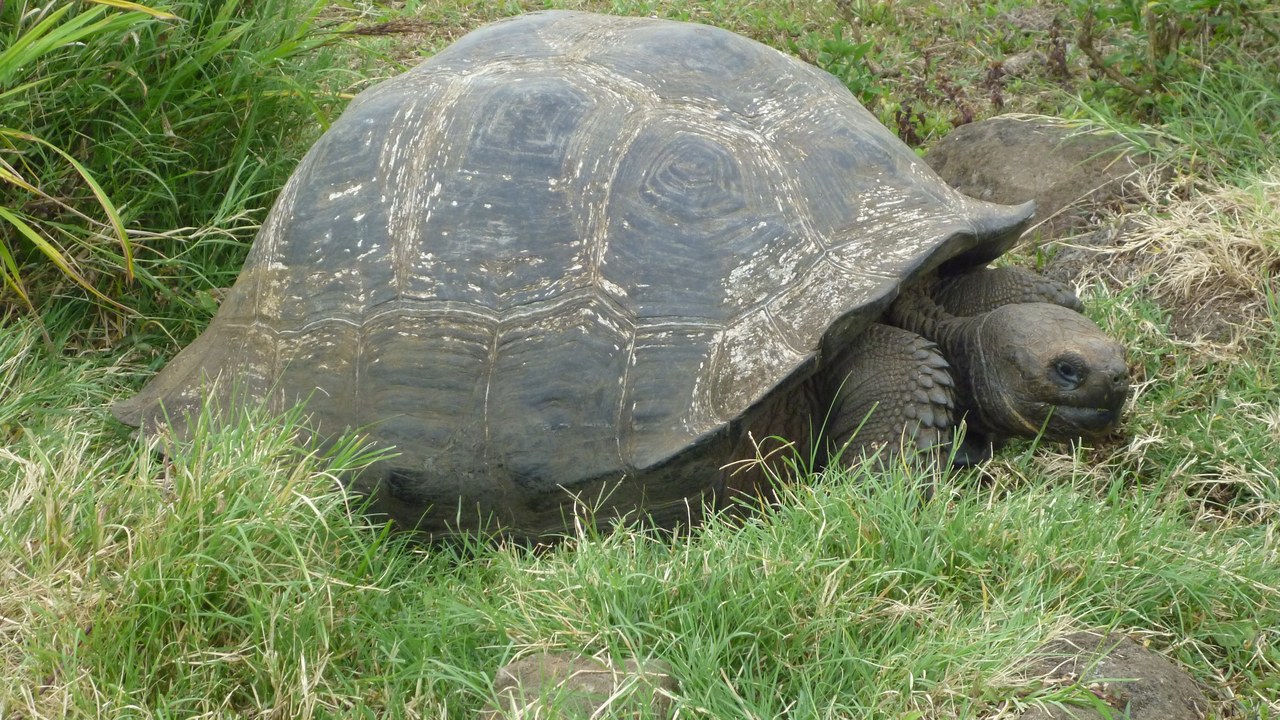
The Galápagos tortoise is the largest living species of tortoise and can weigh up to 919 pounds. It is also the largest living cold-blooded land animal, and wild tortoises can live for more than 100 years, with captive animals reaching up to 177.
Shell shape varies from island to island: tortoises on humid islands are bigger with domed shells, while those on dry islands are smaller with saddleback shells and long necks. Their numbers fell from more than 250,000 in the 16th century to about 15,000 in the 1970s, driven by hunting for meat and oil and by introduced animals.
10. Aldabra giant tortoise: The Indian Ocean’s Giant
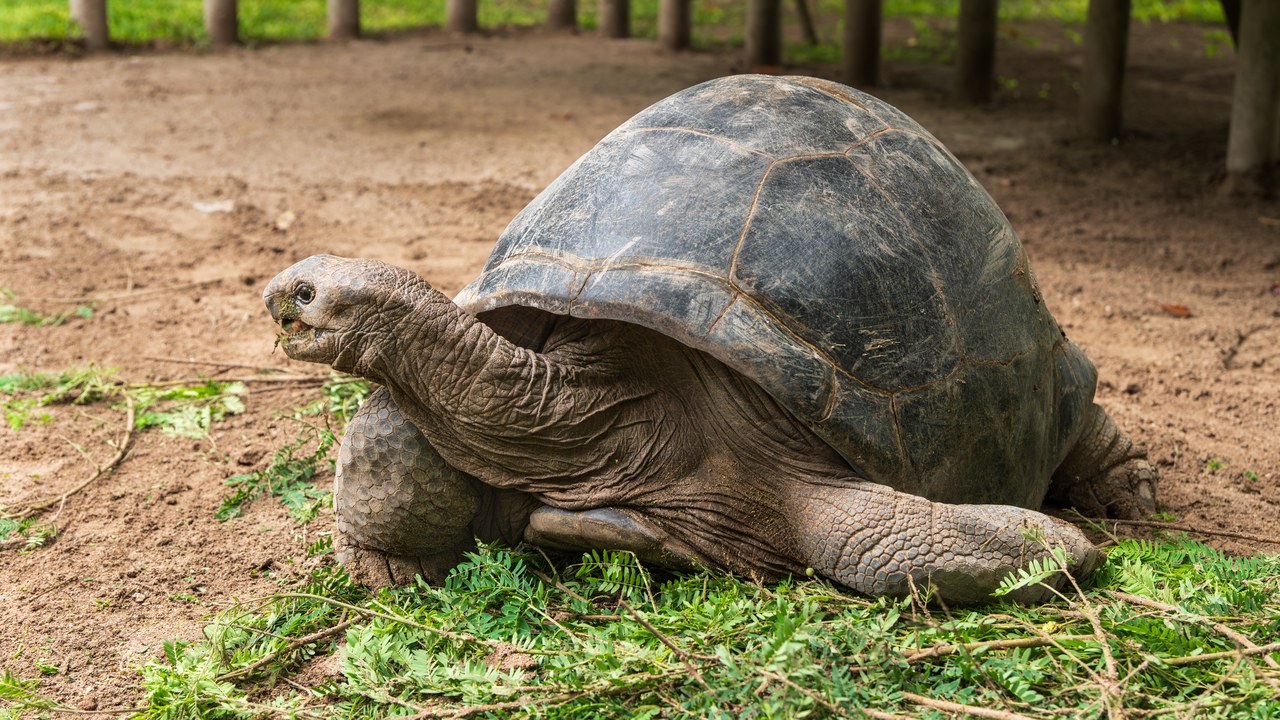
The Aldabra giant tortoise is one of the largest tortoises in the world and similar in size to the Galápagos tortoise. Its shell averages 48 inches long, and males average about 550 pounds, while females are smaller, averaging 36 inches and 351 pounds.
Its unusually long neck lets it feed on branches up to about a meter off the ground. The main population lives on the Aldabra Atoll in the Seychelles, a protected atoll home to some 180,000 giant tortoises, the world’s largest population of the animal.
More from Morning Overview
- Two Kentucky residents died when a small plane crashed at Missouri’s Lake of the Ozarks, and the NTSB is investigating
- A handful of car transmissions are so tough that mechanics say they almost never die
- Melting permafrost is setting off a newly identified kind of catastrophic landslide, scientists say
- Cadillac cut the price of its cheapest EV, which goes up to 317 miles on a charge
