
Far below the reach of sunlight, animals have evolved glowing lures, giant eyes, unhinged jaws and bodies that look borrowed from science fiction. Many are so rarely seen that scientists still know little about them. Here are thirteen deep-sea creatures that look like they came from another planet, and what makes each one so strange.
Read next on Morning Overview: Two Kentucky residents died when a small plane crashed at Missouri’s Lake of the Ozarks, and the NTSB is investigating
1. Humpback Anglerfish: The Black Sea Monster
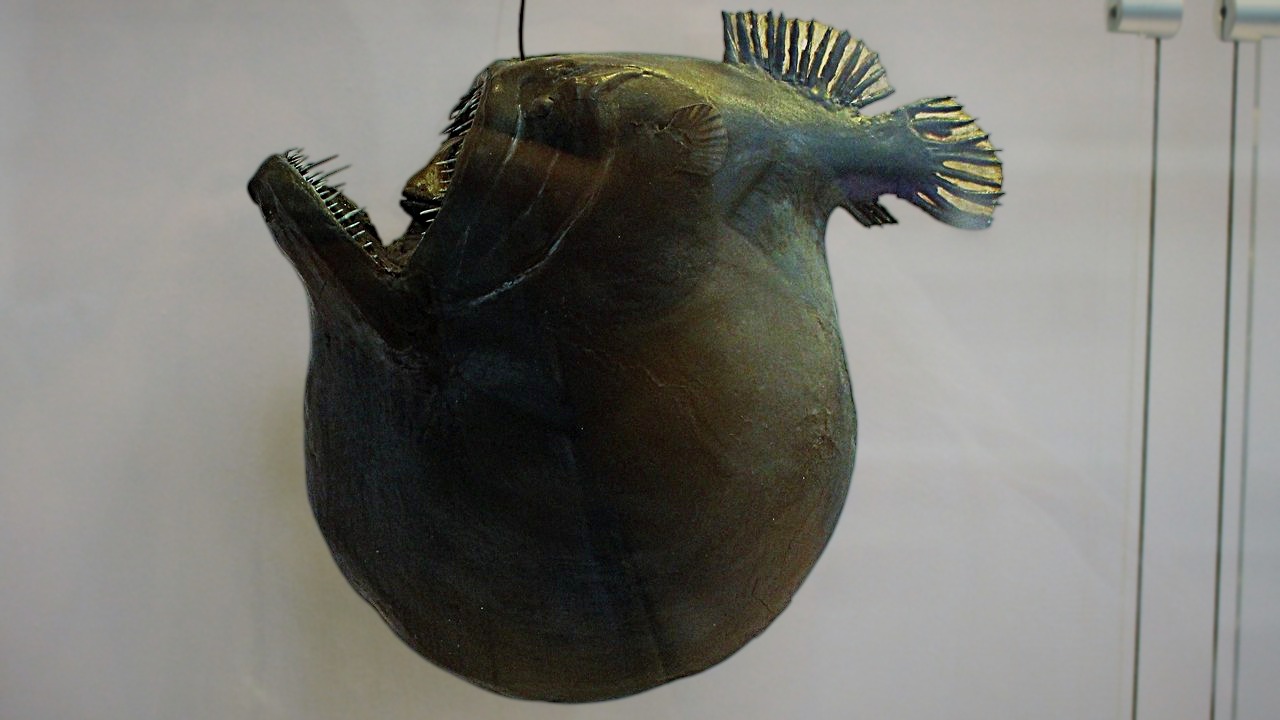
The humpback anglerfish belongs to a family whose name means “black sea monster.” The first specimen was found near Madeira, off northwest Africa, on December 24, 1863, by the English naturalist James Yate Johnson.
Like other anglerfish, it carries a modified fin spine with a bulb on the end protruding from its snout, long thought to lure prey. For decades scientists also misread its males: in 1924 the British ichthyologist Charles Tate Regan realized that a small fish attached to a larger anglerfish was a male, revealing how drastically the sexes differ in size.
2. Vampire Squid: Eyes Bigger Than Its Body Should Allow
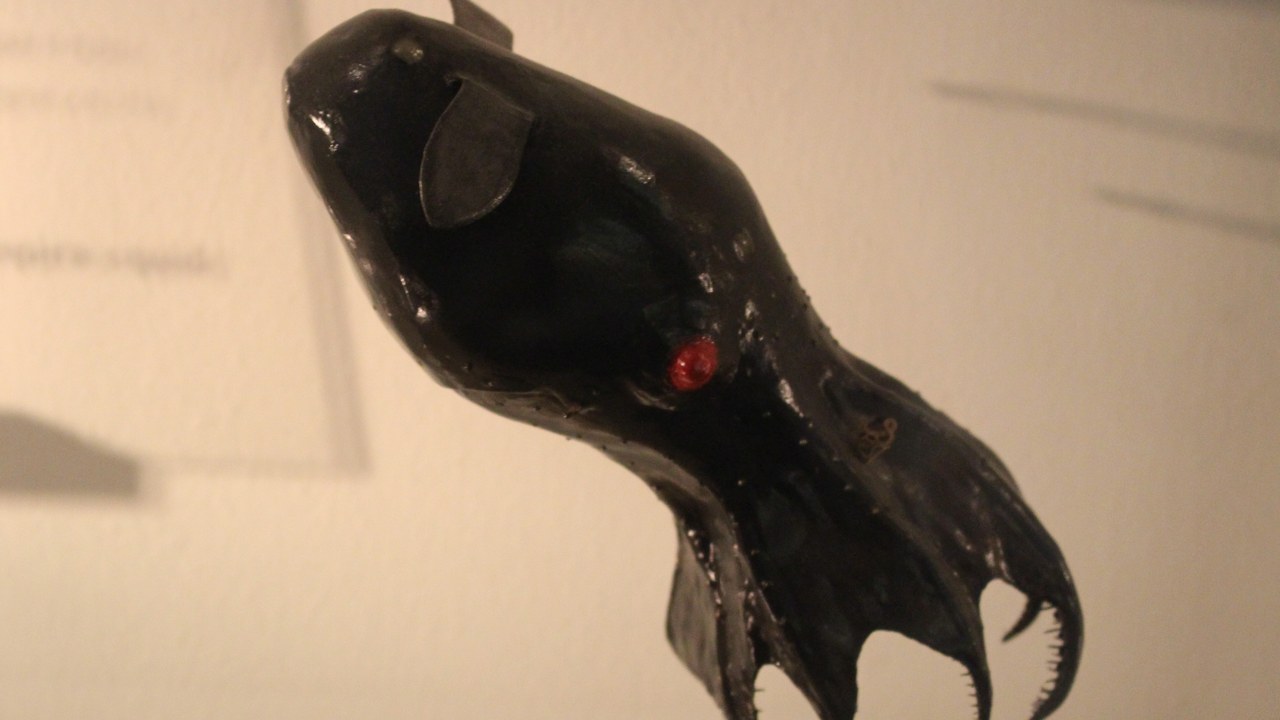
The vampire squid is a small deep-sea cephalopod that grows to about 21 centimeters long. It lives between 600 and 3,300 meters down, in low-oxygen zones where almost no light reaches and the water is just above freezing.
It has the largest eyes relative to body size of any animal in the world, ideal for gathering what little light there is. Because it lives so deep, it is hard to study, and Oceana warns that disturbances such as deep-sea mining could threaten its fragile habitat in the future.
3. Giant Squid: The Legend of the Deep

The giant squid is a deep-ocean species that shows how big animals can grow in the abyss. Recent estimates put females at a maximum length of about 5 meters from the fins to the tips of the long arms, with males slightly shorter.
Its eyes, up to at least 27 centimeters across, are the largest of any living creature except perhaps the colossal squid. Big eyes help detect scarce light in deep water. The first images of a living giant squid in its habitat were not captured until 2004, by a Japanese research team.
4. Goblin Shark: A Shark With a Strange Snout
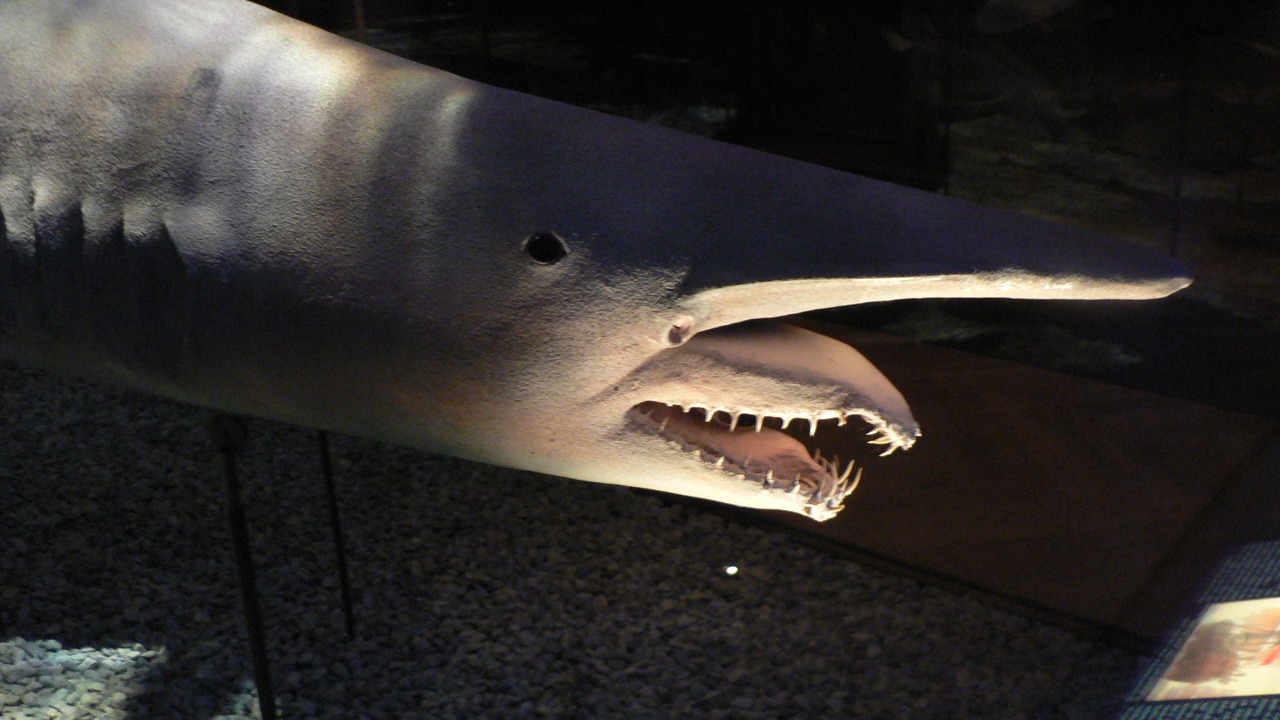
The goblin shark is a mysterious and rarely seen shark of the deep ocean. It can likely reach at least 5.5 to 6 meters long, though that is speculation because so few specimens have ever been seen.
It is thought to live mostly near continental slopes and seamounts as deep as 1,300 meters. In the darkness, it probably relies less on eyesight than on smell, sound and special organs that sense the electric fields of prey such as octopuses, fish, shrimp, squid and crabs.
5. Frilled Shark: The Frilly-Gilled Survivor
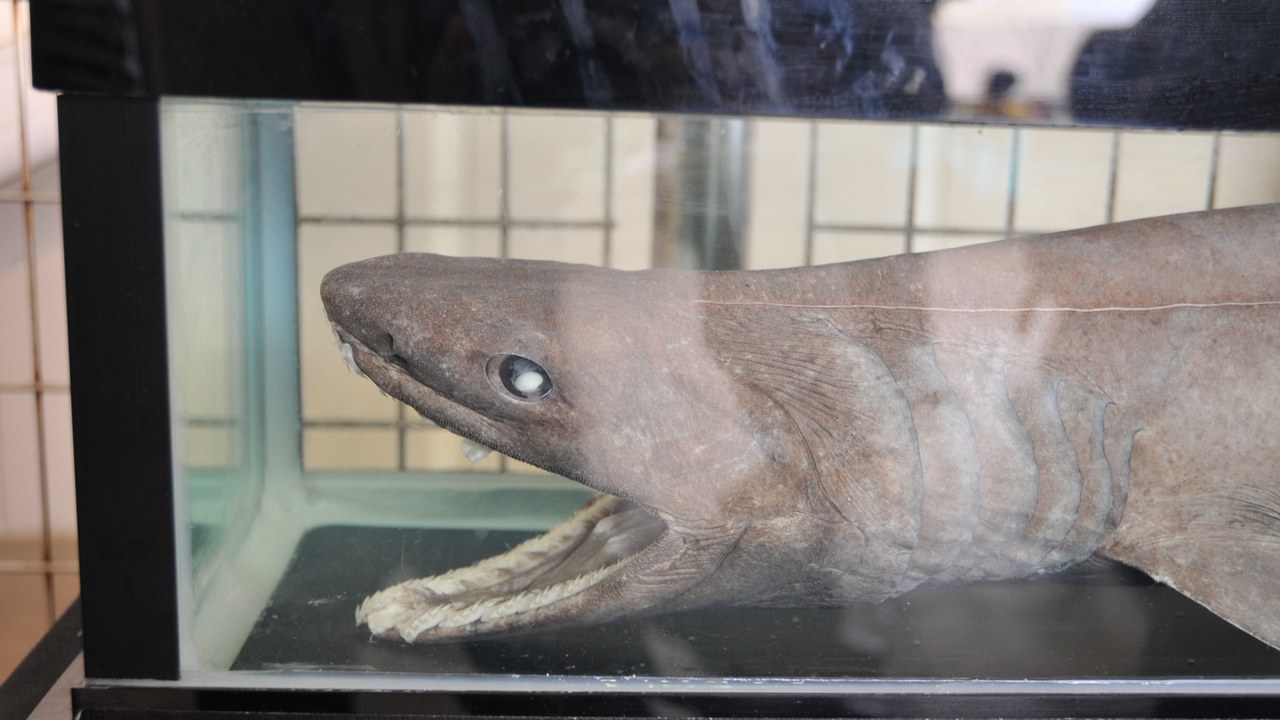
The frilled shark has a long, slender body and can grow up to 2 meters long. Its most distinctive feature is six pairs of gills surrounded by frilly skin, which give the chocolate-brown shark its name.
It lives as deep as 1,520 meters in the Atlantic and Pacific oceans. Because it stays so deep, the frilled shark is rarely seen, and little is known about its behavior, its population numbers or the threats it faces.
6. Pelican Eel: All Mouth
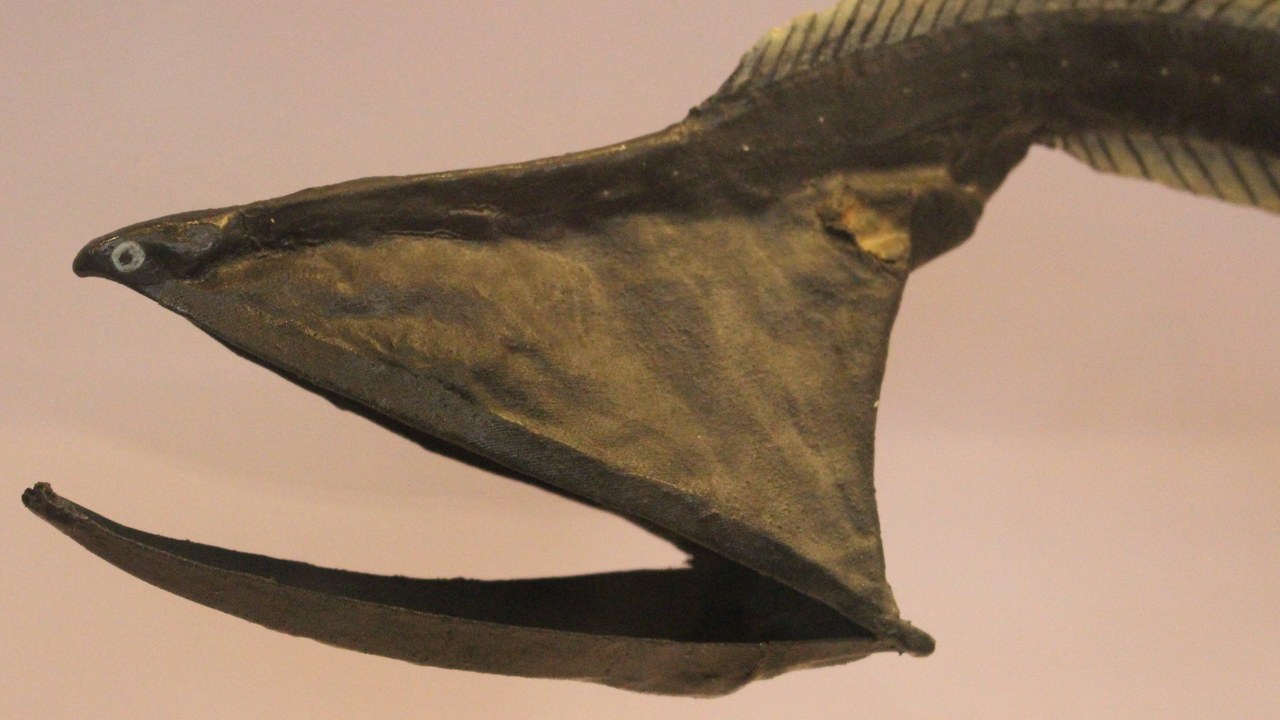
The pelican eel is a deep-sea eel and the only known member of its genus and family. It is also called the gulper eel, pelican gulper and umbrella-mouth gulper.
Its scientific name refers to the pelican, because the fish’s enormous mouth is reminiscent of a pelican’s pouch. Scientists once described it under many different names, but no one has been able to show that more than one species of pelican eel exists. Its family is now grouped with the true eels.
7. Sloane’s Viperfish: Fangs That Don’t Fit
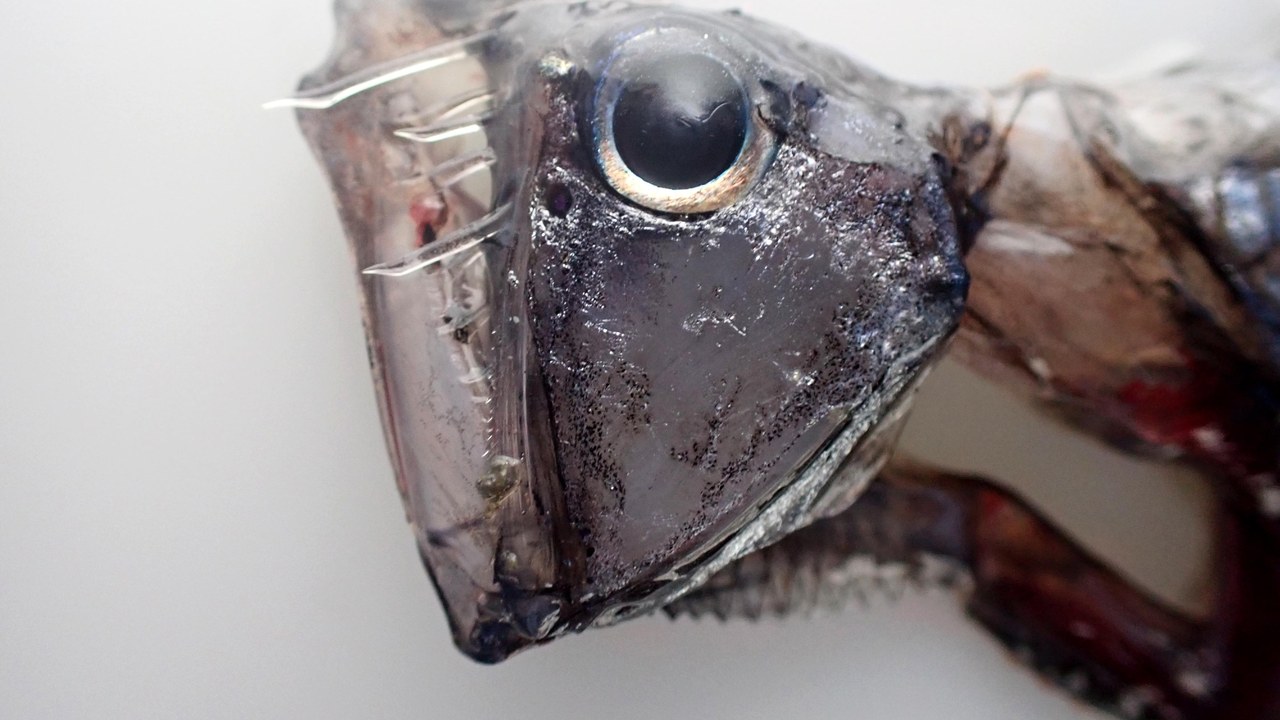
Sloane’s viperfish is a predatory dragonfish found in waters around the world. Its most striking feature is its enormous teeth, set in hinged jaws, and it carries light-producing organs called photophores.
Two rows of photophores run along its belly. Scientists believe the fish can adjust the brightness of that glow to hide its silhouette from predators looking up from below, a kind of camouflage made of light. It was first described by two German scientists in 1801.
8. Giant Isopod: The Ocean Floor’s Pill Bug
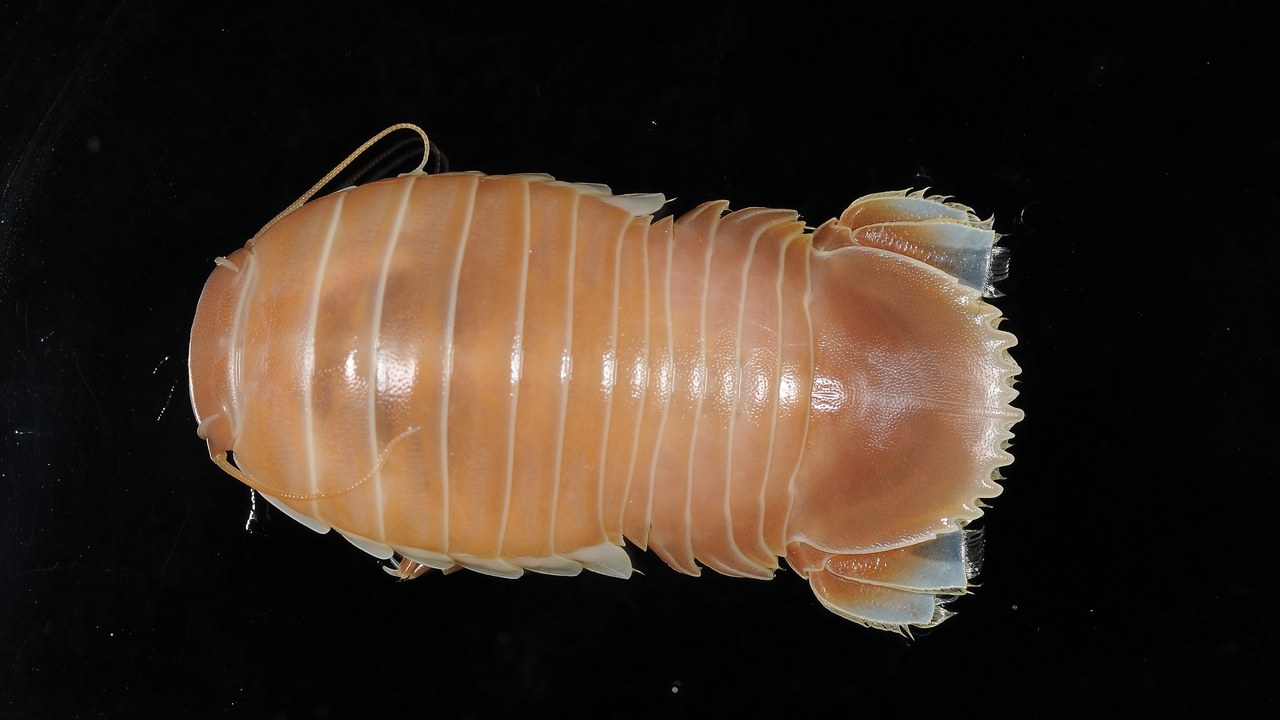
Bathynomus giganteus was the first giant isopod ever documented, described in 1879 after one turned up in fishermen’s nets near the Dry Tortugas in the Gulf of Mexico. It is distantly related to shrimp and crabs.
Typical adults measure 19 to 36 centimeters, and the largest confirmed individual was about 50 centimeters long. These bottom dwellers are abundant in cold waters 310 to 2,140 meters deep in the western Atlantic, the Gulf of Mexico and the Caribbean.
9. Giant Tube Worm: Life Without Sunlight
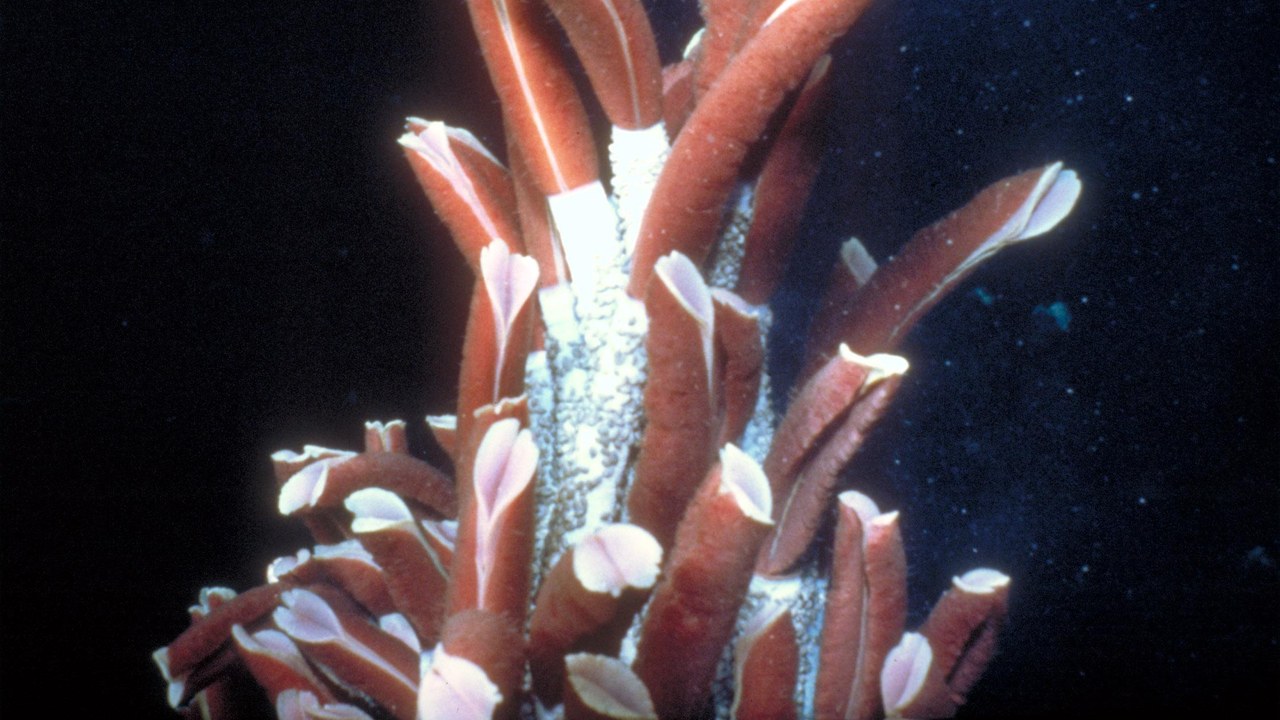
The giant tube worm was first encountered in 1977, during an expedition to hydrothermal vents on the floor of the Galapagos Rift. It lives in large, clustered colonies around deep-sea vents.
Instead of relying on sunlight, the worms depend on symbiotic bacteria that draw energy from chemicals such as hydrogen sulfide pouring out of the vents. The vent water around them ranges from about 2 to 30 degrees Celsius. The worms are found on the East Pacific Rise as well as the Galapagos Rift.
10. Japanese Spider Crab: The Tallest-Legged Crab
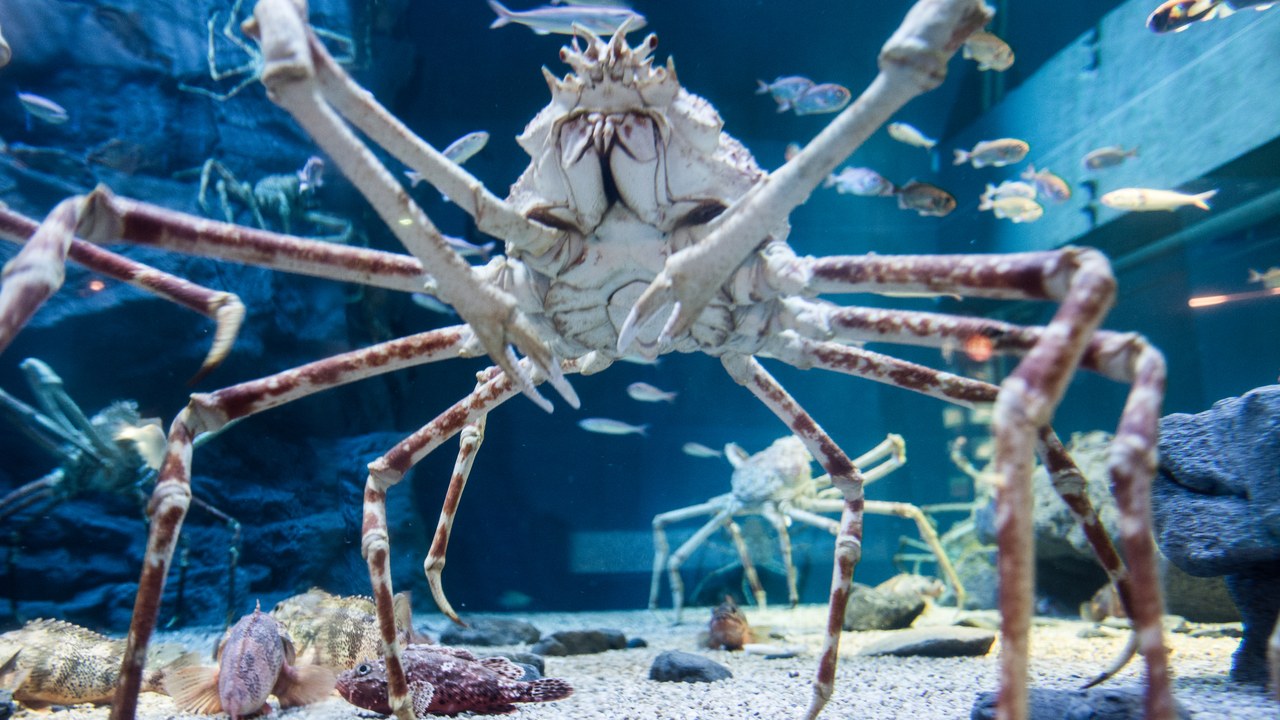
The Japanese spider crab is the largest crab found in the waters around Japan. At around 3.75 meters, it has the largest leg span of any arthropod on Earth.
Its Japanese name, taka-ashi-gani, means “tall-legged crab.” It is the only living member of its genus, which also includes fossil species from millions of years ago, and it is sought by crab fisheries and considered a delicacy. It grows through three main larval stages to reach full size.
11. Giant Oarfish: The Sea Serpent

The oarfish is a deep-sea fish found in oceans around the world, typically living between 300 and 1,000 meters down, below where light can reach. It feeds by sucking squid, small crustaceans, shrimp and fish into its toothless jaws.
Unusually, larger oarfish are known to self-amputate the lower parts of their bodies, sometimes several times in their lives, for reasons no one understands. They are rarely seen alive, and their population status is largely unknown.
12. Coelacanth: The Fish Time Forgot
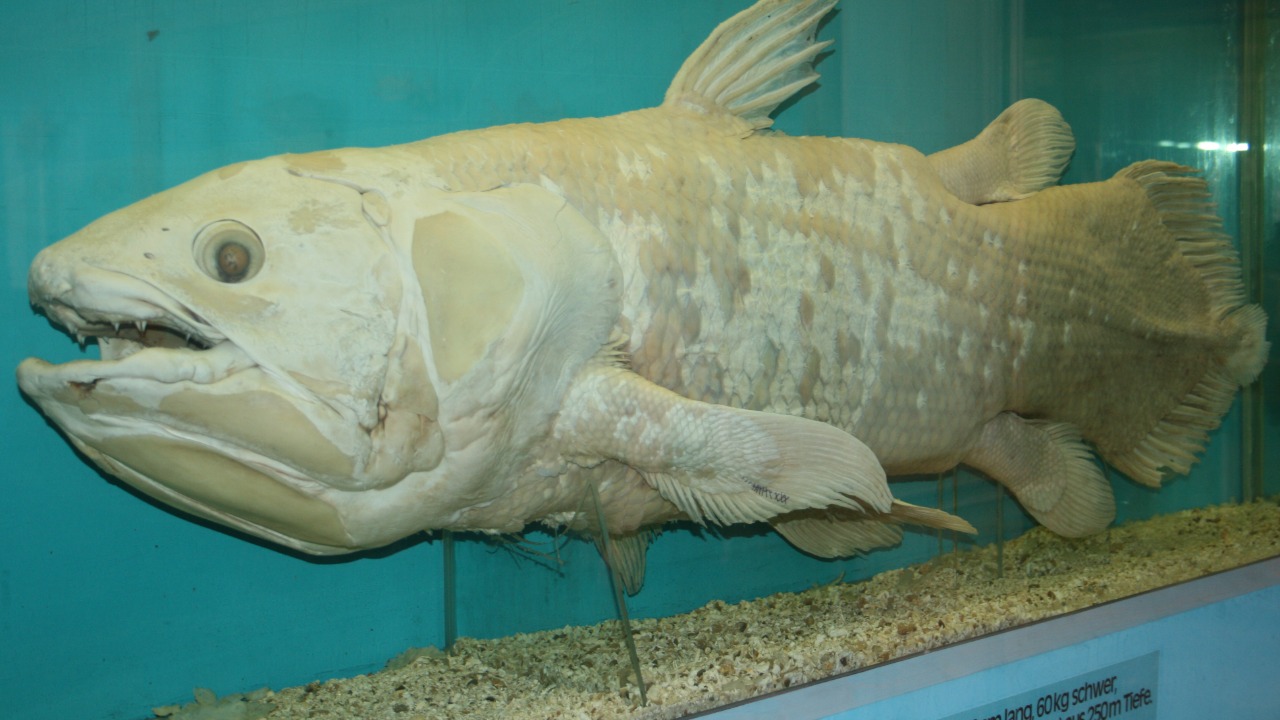
Coelacanths have changed remarkably little over hundreds of millions of years. They grow slowly but can reach 2 meters long, and some estimates suggest they may live more than 100 years.
They live in the Indo-Pacific off the coast of Africa, sheltering by day in underwater caves 100 to 200 meters deep. At night they leave the caves to feed on squid and other fish at depths of 70 to 700 meters.
13. Greenland Shark: The Century-Old Shark
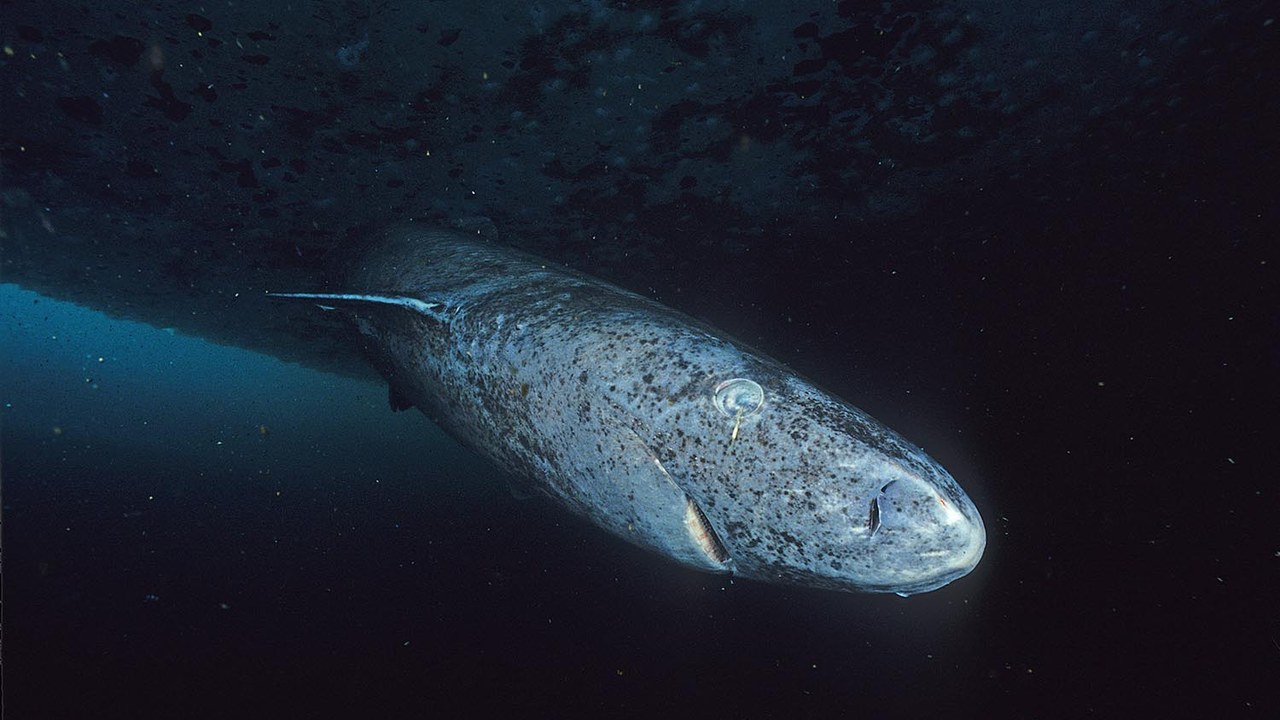
Greenland sharks, also called sleeper sharks, range from the temperate North Atlantic to the Arctic Ocean. Not much is known about their lifespan, but it is suggested these sharks can live well over 100 years.
Adults can grow up to 6 meters long, so large that they have no known natural predators. Their tolerance for extreme cold and deep water means they could turn up well beyond where they have been recorded.
More from Morning Overview
- Shaq spent $1.3 million on three Rolls-Royce Phantoms to prove a point to a salesman
- The Justice Department asked courts to undo approvals for three offshore wind farms, one already making power
- Over 20 trillion gallons of rain fell on the Four Corners states and Nevada in two weeks
- 11 engines built to run well past 200,000 miles
