
Long before they were family pets, most dog breeds were shaped for a specific job, from guarding flocks to pulling sleds and pulling people out of the water. Many still carry those instincts today. Here are eighteen dog breeds that were born to do a job, and the work each one was made for.
Read next on Morning Overview: Shaq spent $1.3 million on three Rolls-Royce Phantoms to prove a point to a salesman
1. Border Collie: The Sheepdog’s Sheepdog
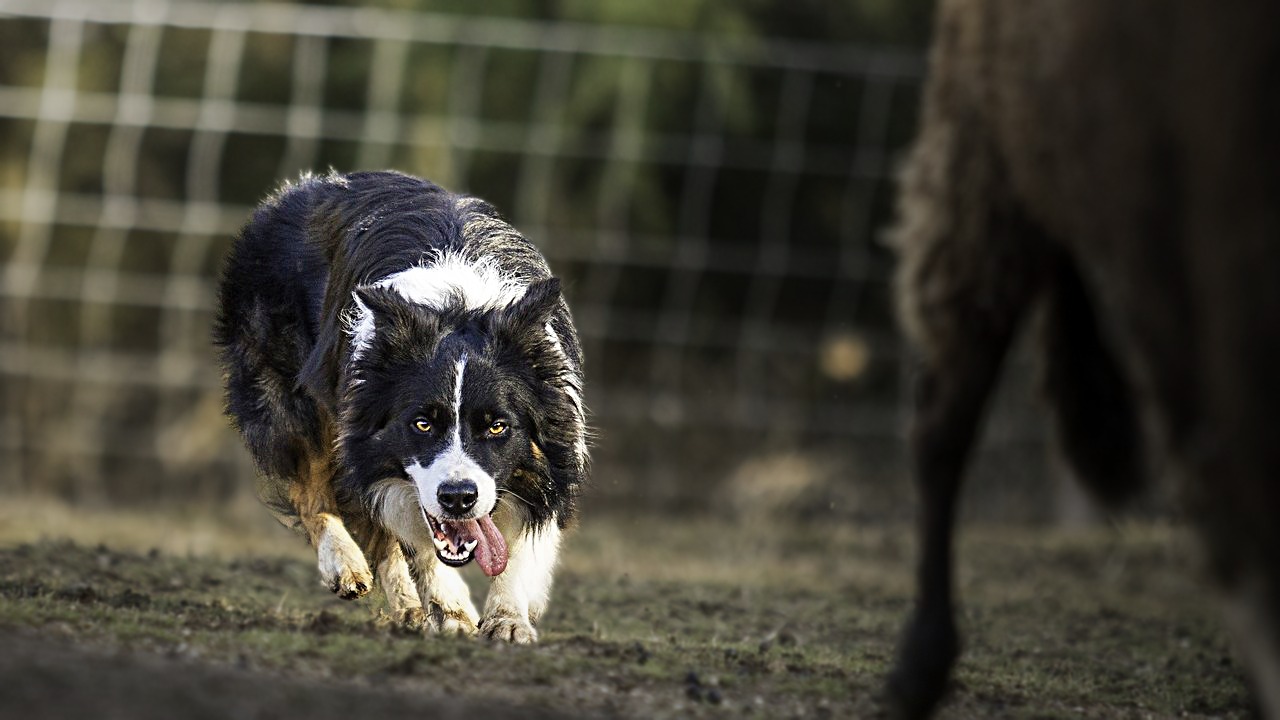
The Border Collie originates in the region of the Anglo-Scottish border and descends from the traditional sheepdogs once found all over the British Isles. It is still kept mainly as a sheep-herding dog or as a companion.
The breed’s skill with livestock is still tested in sheepdog trials, where a dog and its handler collect groups of livestock and move them quietly around a course.
2. German Shepherd: The All-Purpose Worker
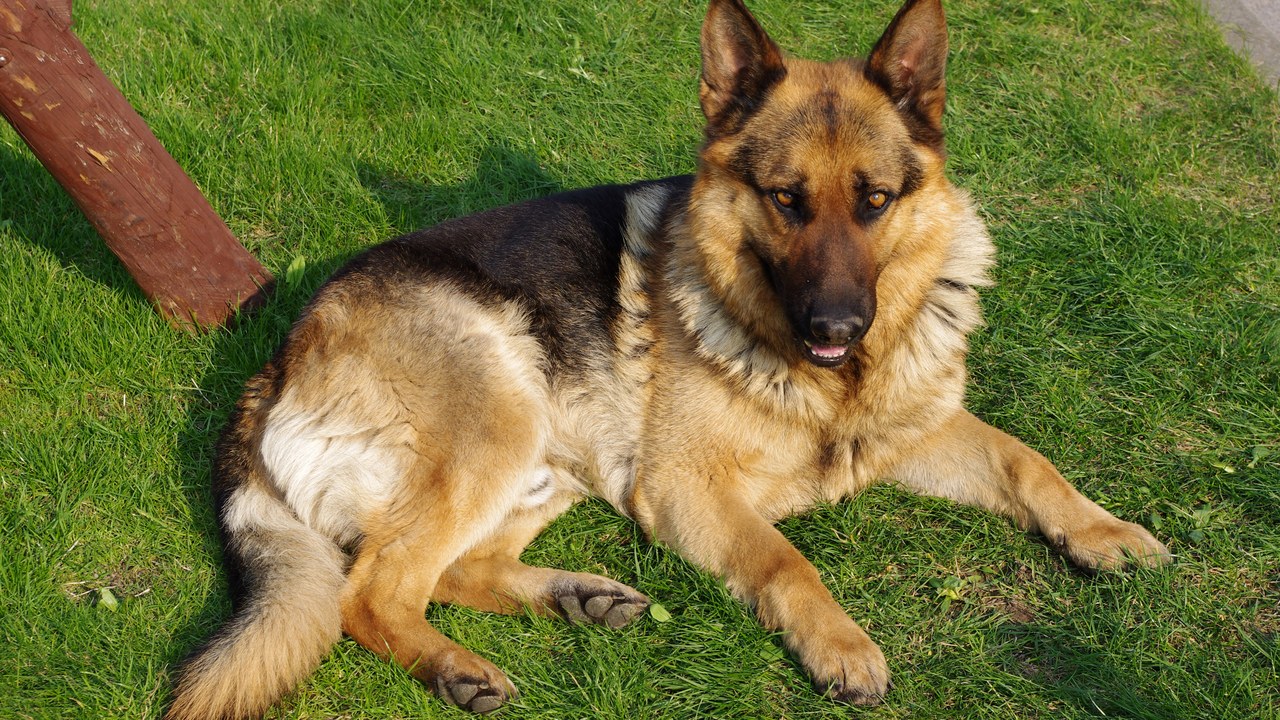
The German Shepherd was developed in Germany from 1899 by Max von Stephanitz, using traditional German herding dogs. It was bred to herd sheep and gained international recognition after the First World War.
It has since been used for many other kinds of work, including disability assistance, search and rescue, police work and warfare. Von Stephanitz insisted the breed was a working dog first and foremost.
3. Labrador Retriever: From Fishing Docks to Family Couches
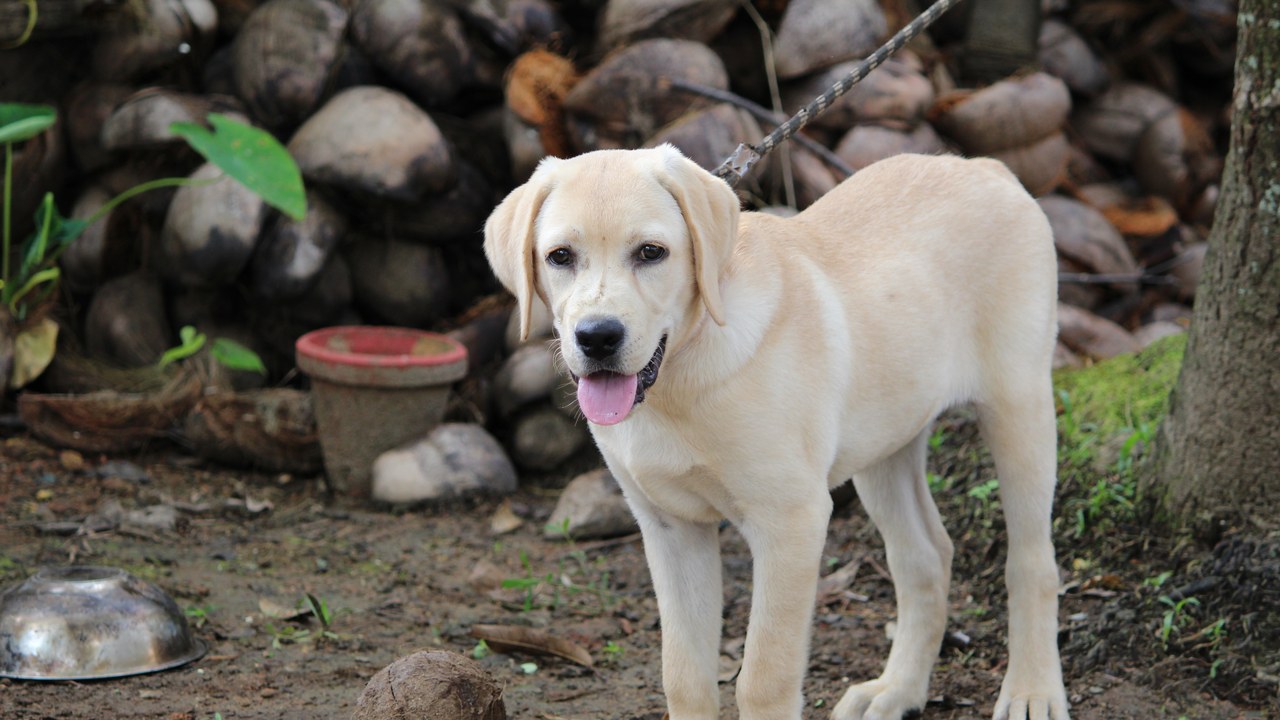
The Labrador Retriever is a British breed of retriever gun dog, bred to bring back game for hunters. Its foundation stock was the St. John’s water dog from Newfoundland.
Specialized breeding has split the breed into field lines bred for working trials and show lines with shorter muzzles and solid heads. All Labradors, whichever side of the Atlantic they live on, descend from British lines.
4. Siberian Husky: Built to Pull in Packs
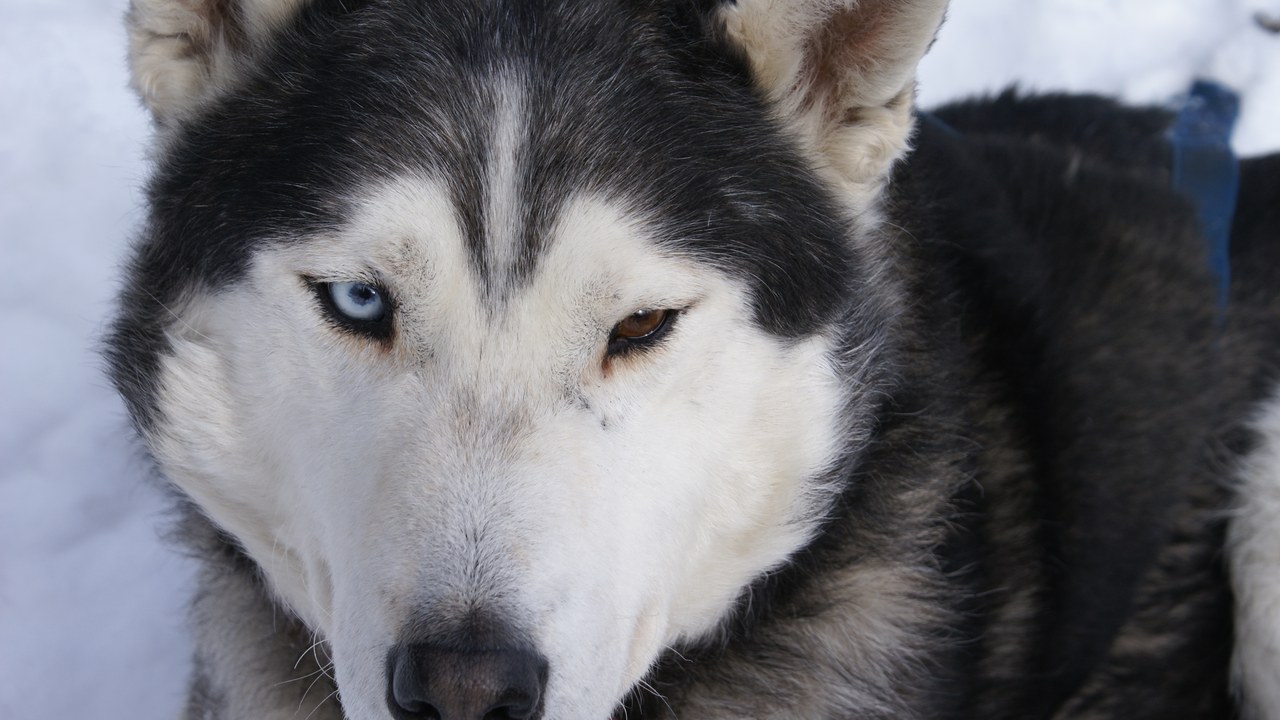
The Siberian Husky is a thickly coated, compact sled dog of medium size and great endurance. It was developed to work in packs, pulling light loads at moderate speeds over vast frozen expanses.
Males typically stand 21 to 23.5 inches tall and weigh 45 to 60 pounds, with a life expectancy of 12 to 14 years. The American Kennel Club describes the northern breed as friendly, fastidious and dignified.
5. Alaskan Malamute: The Arctic Freight Hauler
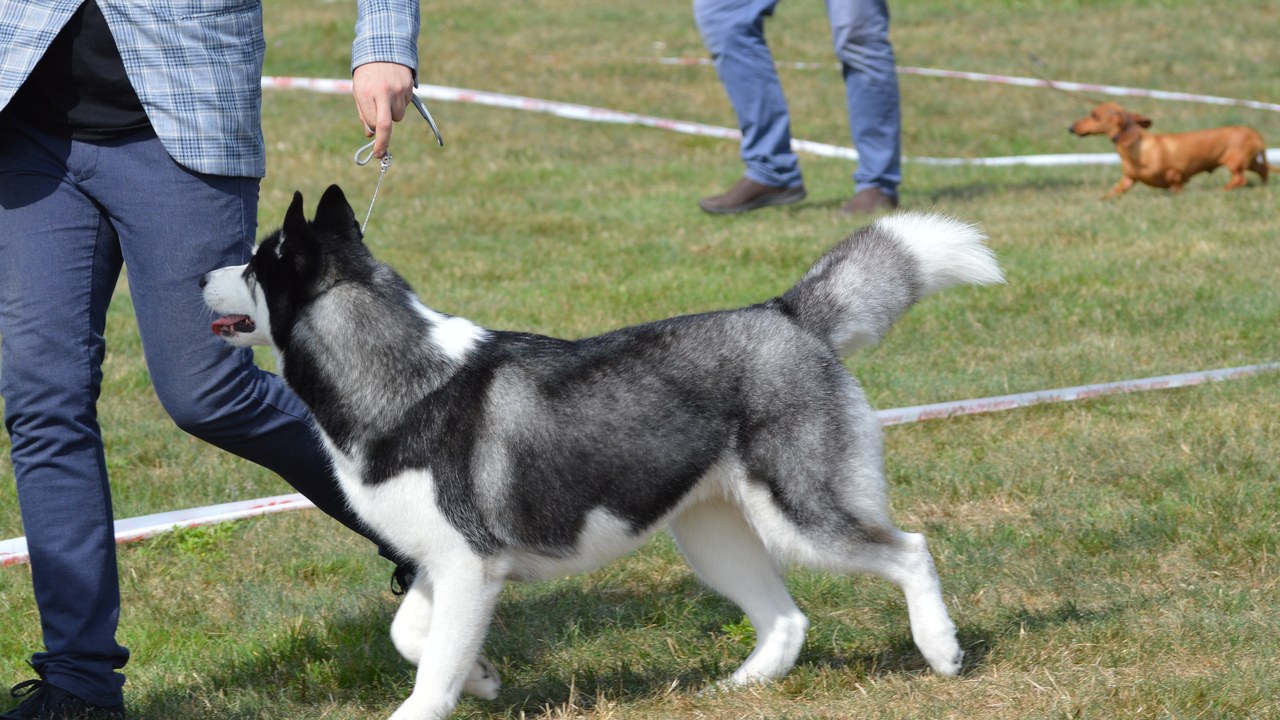
Alaskan Malamutes were thought to be bred by the Malimiut Inupiaq people of Alaska’s Norton Sound region. The breed is heavier and more formidable than the Siberian Husky, which was bred for speed.
The Malamute was bred instead for power and endurance, the original function the breed standard still requires. Genetic studies suggest an East Asian origin similar to that of the Greenland dog.
6. Saint Bernard: The Alpine Rescuer
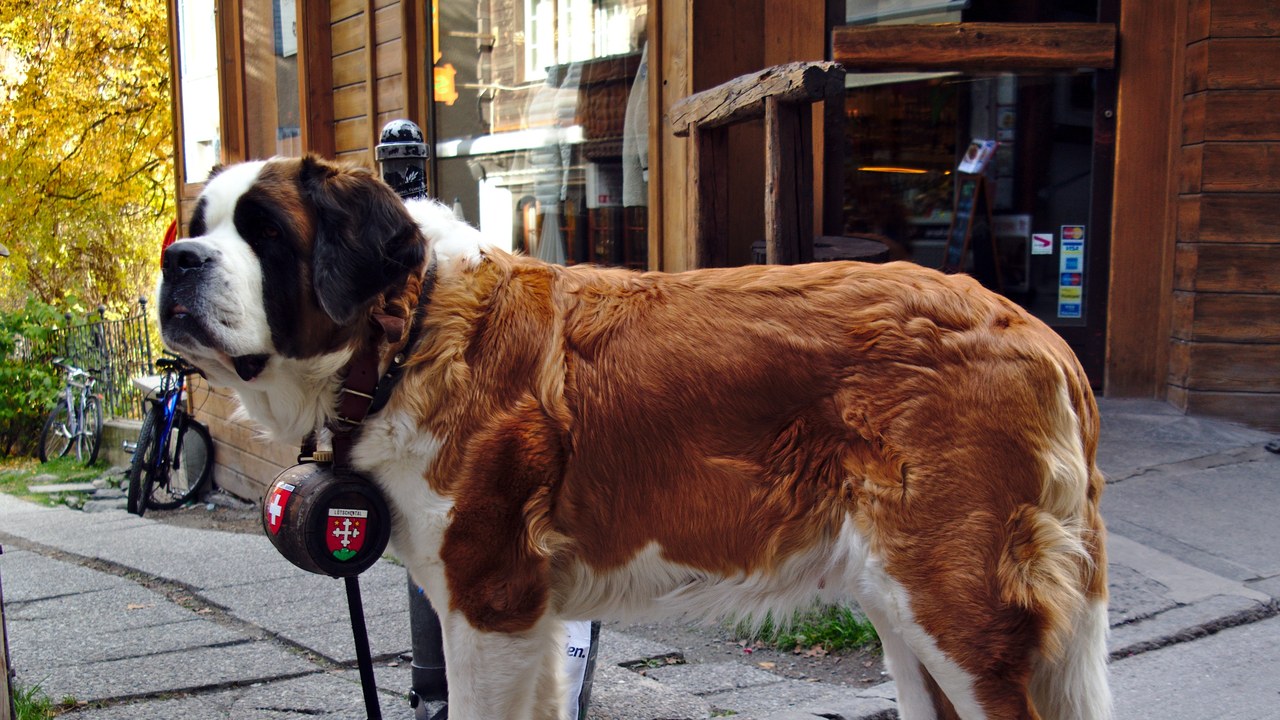
The Saint Bernard is a very large working dog from the Western Alps, originally bred for rescue work by the hospice of the Great St Bernard Pass on the Italian-Swiss border. The hospice acquired its first dogs between 1660 and 1670.
The earliest written records of the dogs come from the hospice’s monks in 1707. The breed became famous through tales of Alpine rescues, as well as for its huge size and gentle temperament.
7. Newfoundland: The Lifeguard Dog
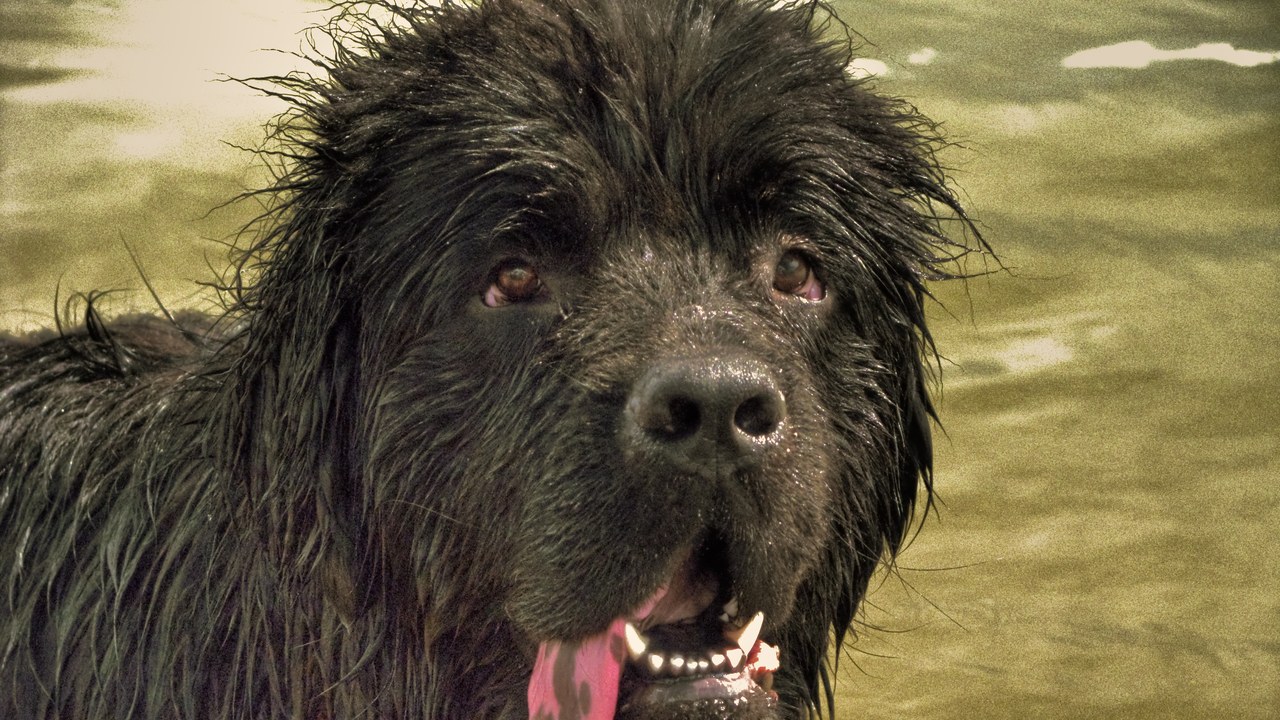
The Newfoundland is a large working dog originally bred and used by fishermen in Newfoundland. Its muscular build, thick double coat, webbed paws and swimming ability make it excellent at water rescue.
In the old Dominion of Newfoundland, only black and black-and-white Landseer dogs were considered proper members of the breed. Today brown and grey coats are recognized as well.
8. Portuguese Water Dog: The Fisherman’s Helper
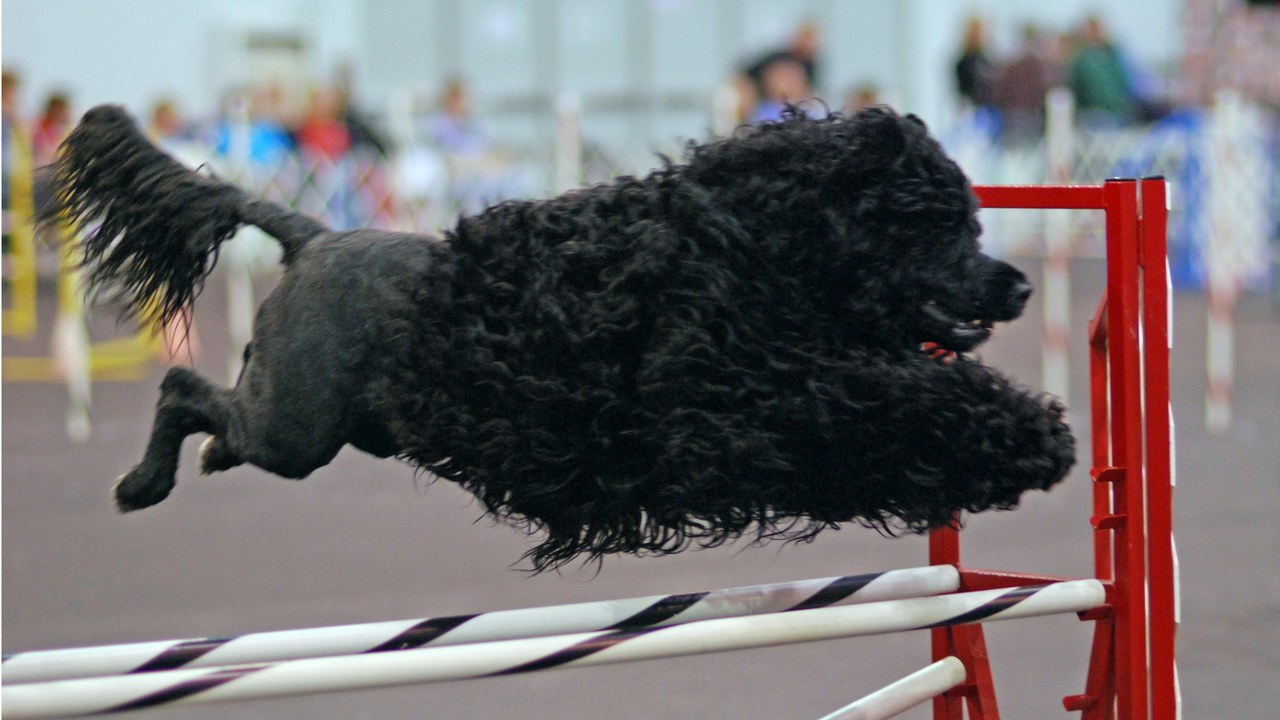
The Portuguese Water Dog was bred to be an all-around fisherman’s helper. Its robust, medium-sized body is covered by a coat of tight, low-shedding curls, and it is built for work in the water.
The American Kennel Club calls it bright, biddable, eager and athletic. Males stand 20 to 23 inches tall and weigh 42 to 60 pounds, and the breed ranks 45th of 210 in AKC popularity.
9. Great Pyrenees: The Wolf Deterrent
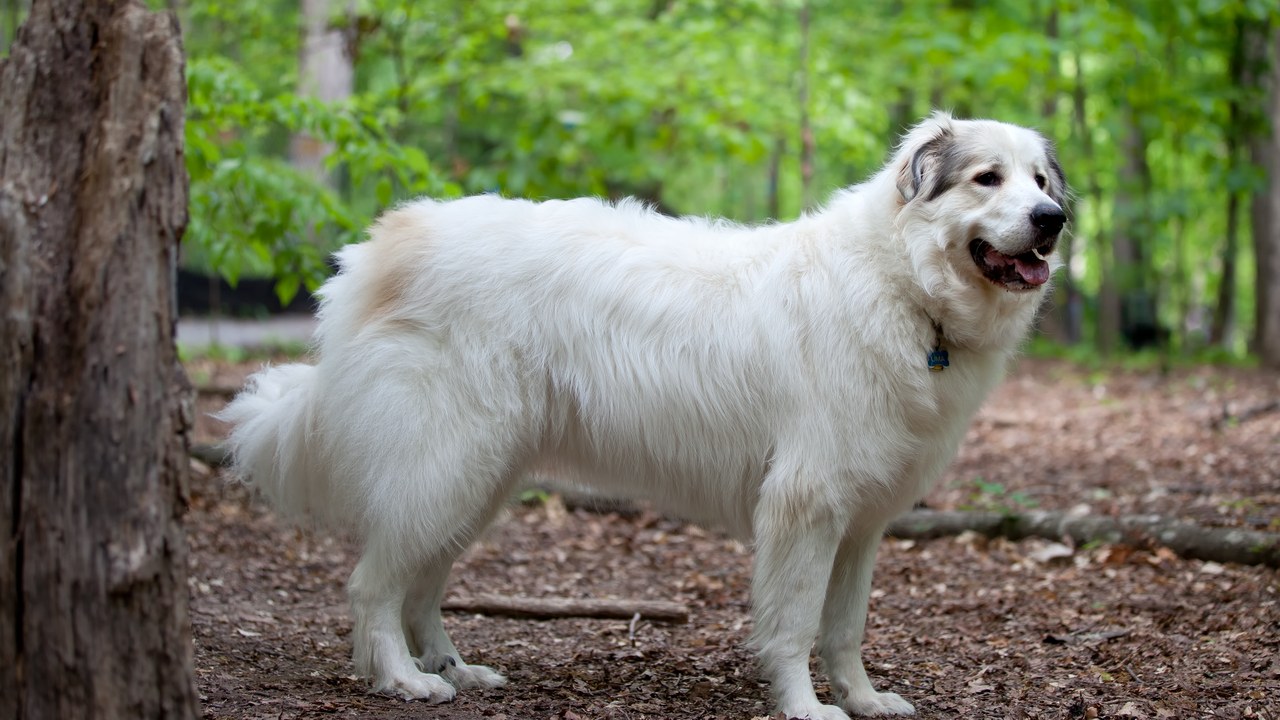
The Great Pyrenees is a large, thickly coated and immensely powerful working dog bred to deter sheep-stealing wolves and other predators on snowy mountaintops. Males stand 27 to 32 inches tall.
Today, according to the American Kennel Club, Pyrs are mellow companions and vigilant guardians of home and family. Males weigh 100 pounds and up, and the breed typically lives 10 to 12 years.
10. Komondor: The Dog in Dreadlocks
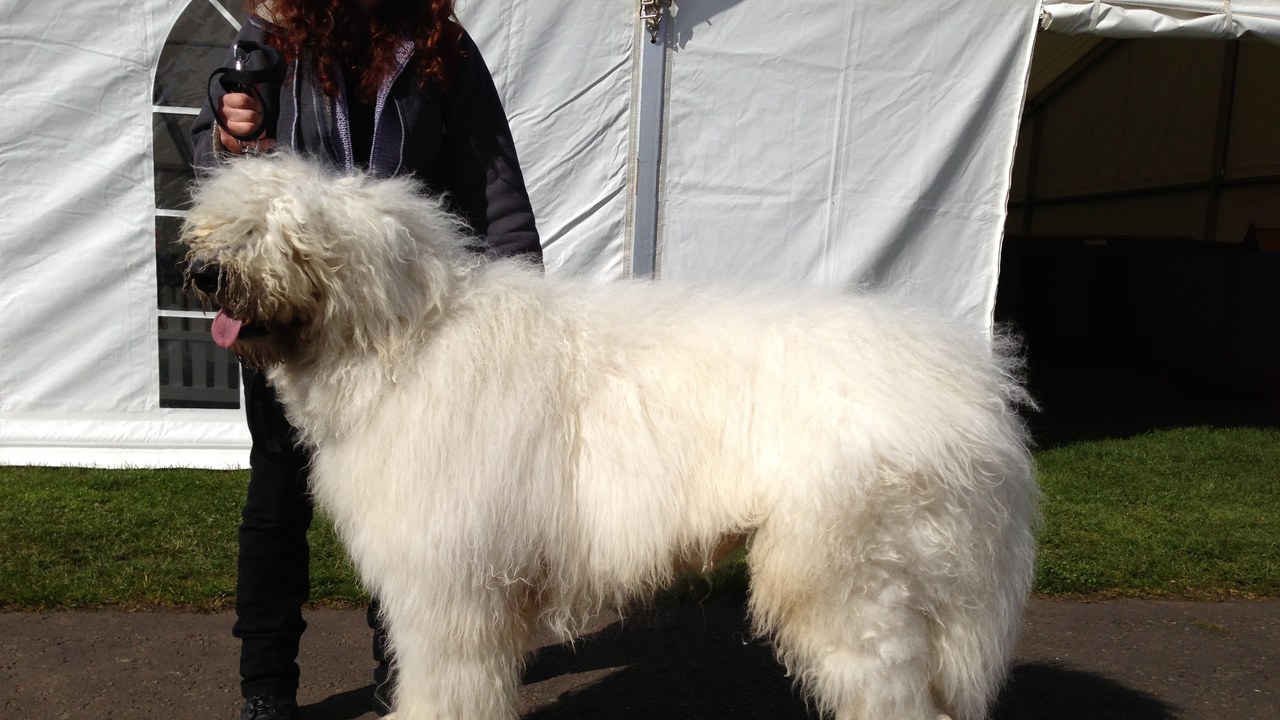
The Komondor is a powerfully large Hungarian flock guardian covered in profuse white cords from head to tail, making it one of the world’s most recognizable breeds. Males stand at least 27.5 inches tall.
The independent, protective Komondor needs a firm, experienced hand in training, the AKC says. It is also rare in America, ranking 186th of 210 breeds in AKC popularity.
11. Bloodhound: The Sleuth Hound
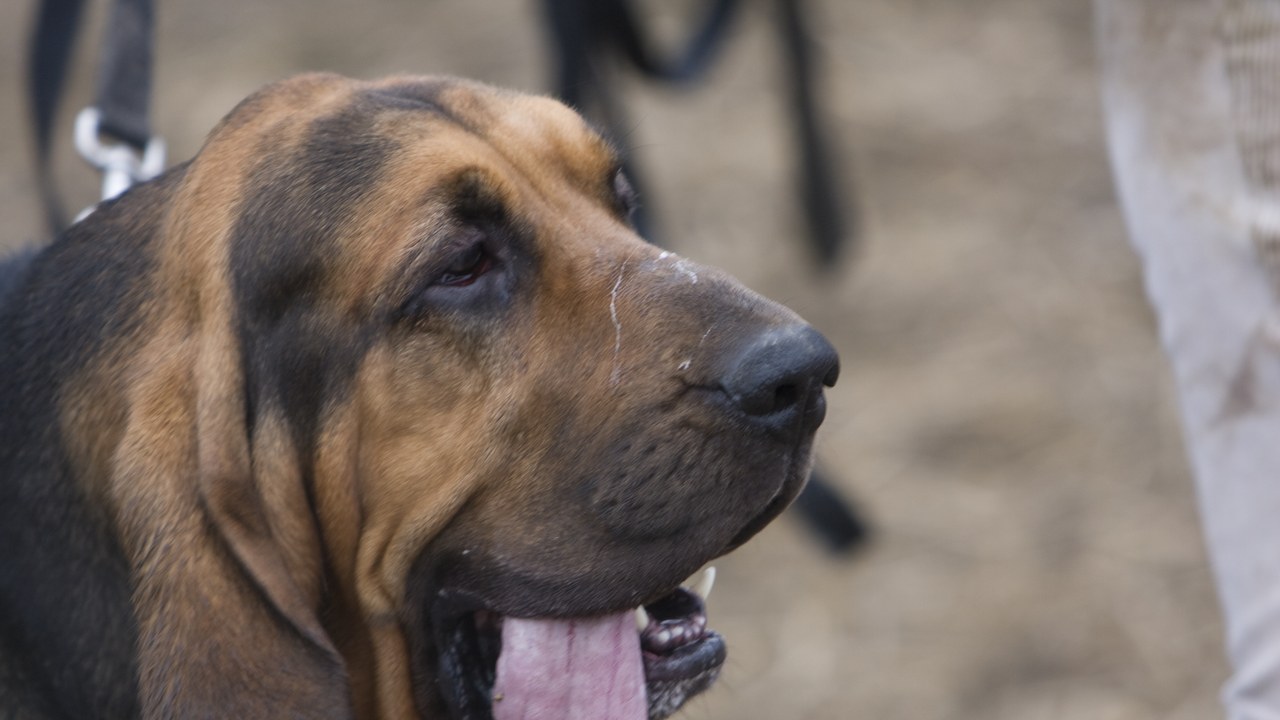
The world-famous “Sleuth Hound” does one thing better than any creature on earth: find people who are lost or hiding. Off duty, the Bloodhound is among the most docile dogs around.
On the trail, though, the AKC describes it as relentless and stubborn on scent. Males stand 25 to 27 inches tall and weigh 90 to 110 pounds, with a life expectancy of 10 to 12 years.
12. Beagle: The Pack Hunter
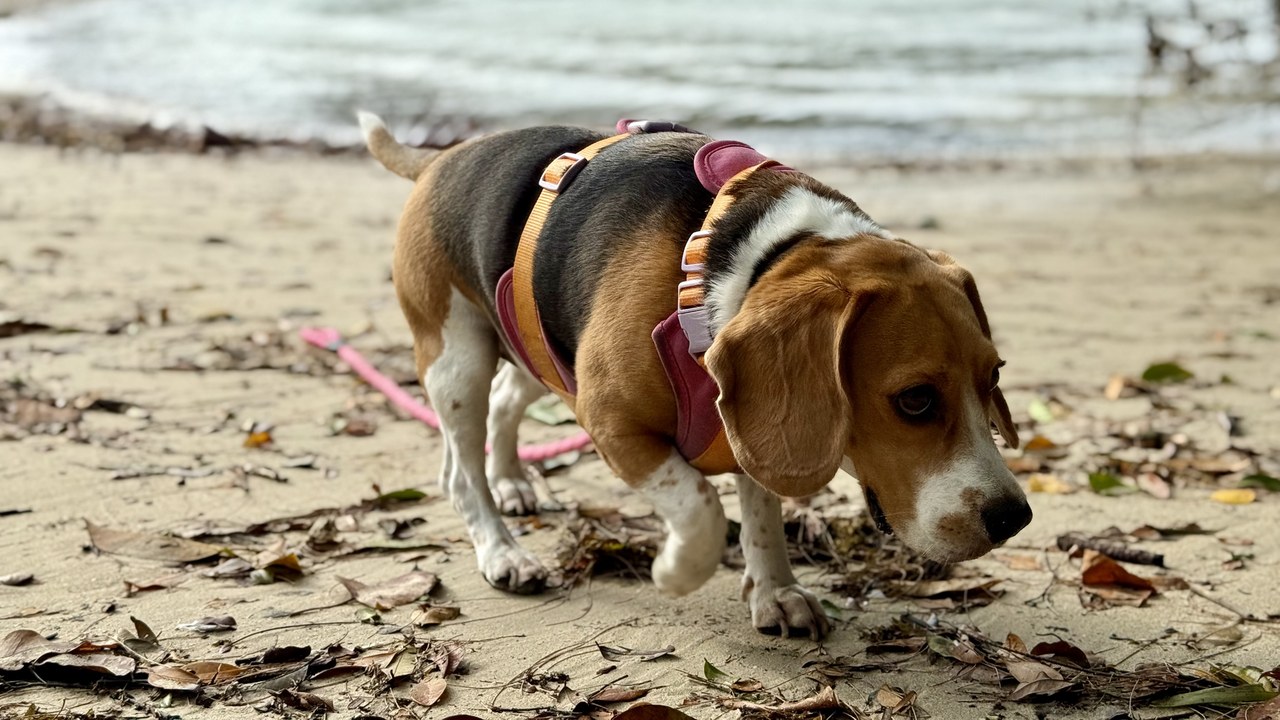
The Beagle is an excellent hunting dog and loyal companion, and its pleading expression makes it famously cute. Beagles were bred to hunt in packs, so they enjoy company and are generally easygoing.
The breed comes in two sizes, 13 inches and under, or 13 to 15 inches, and weighs up to 30 pounds. It ranks seventh of 210 breeds in American Kennel Club popularity.
13. Dachshund: The Badger Dog
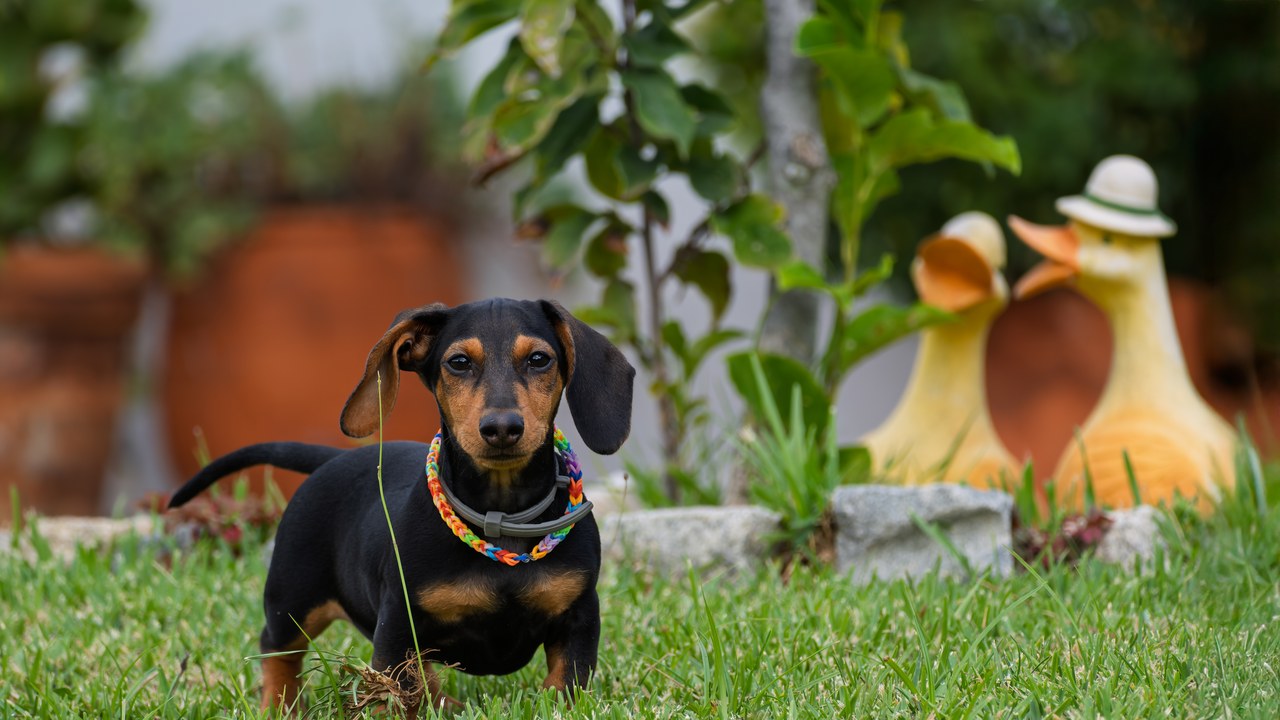
The Dachshund is a German breed of short-legged, long-bodied hound. Its name means “badger dog,” and it was bred to scent, chase and flush out badgers and other burrow-dwelling animals.
The miniature Dachshund was bred to hunt smaller game such as rabbits. The breed comes with smooth, wire-haired or long-haired coats in a variety of colors, and its long, low body was built for following quarry underground.
14. Pembroke Welsh Corgi: The Low-Slung Herder
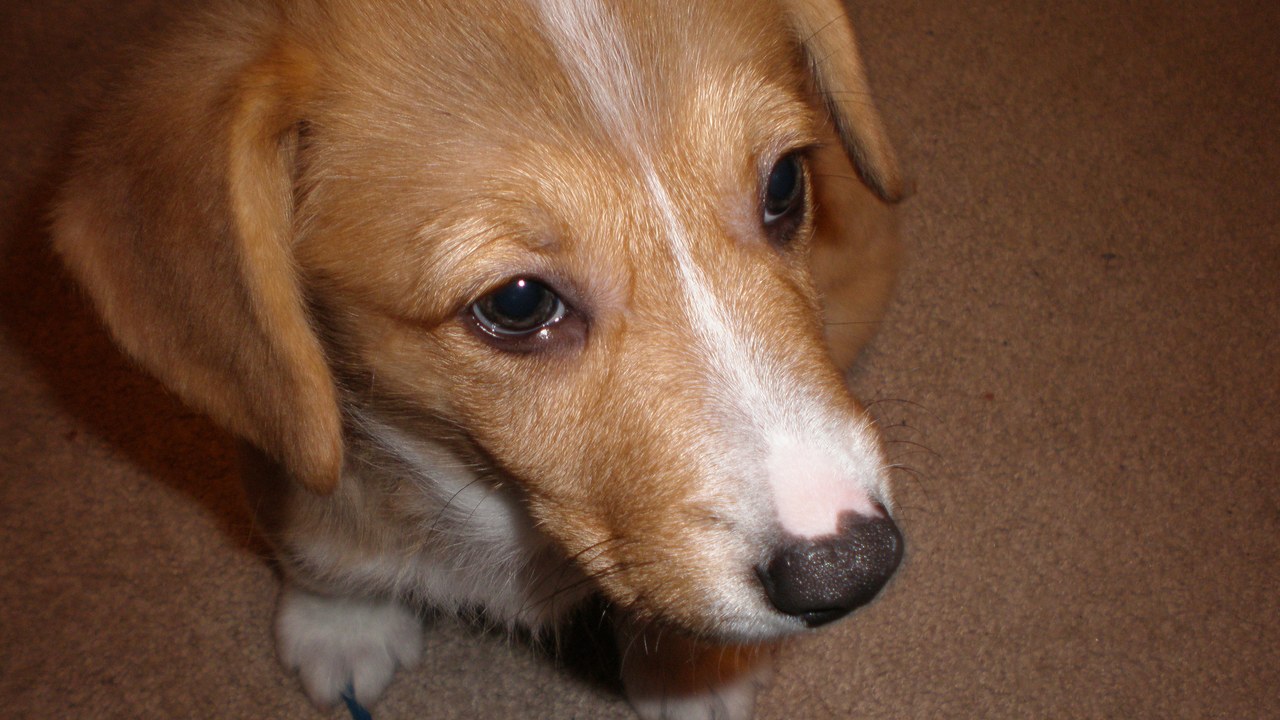
The Pembroke Welsh Corgi is a strong, athletic and lively little herder, and the American Kennel Club calls it one of the world’s most popular herding breeds. It stands just 10 to 12 inches tall.
Despite its size, it is affectionate and companionable without being needy, the AKC says. It weighs up to 30 pounds and ranks 15th of 210 breeds in popularity.
15. Australian Shepherd: The Cowboy’s Dog
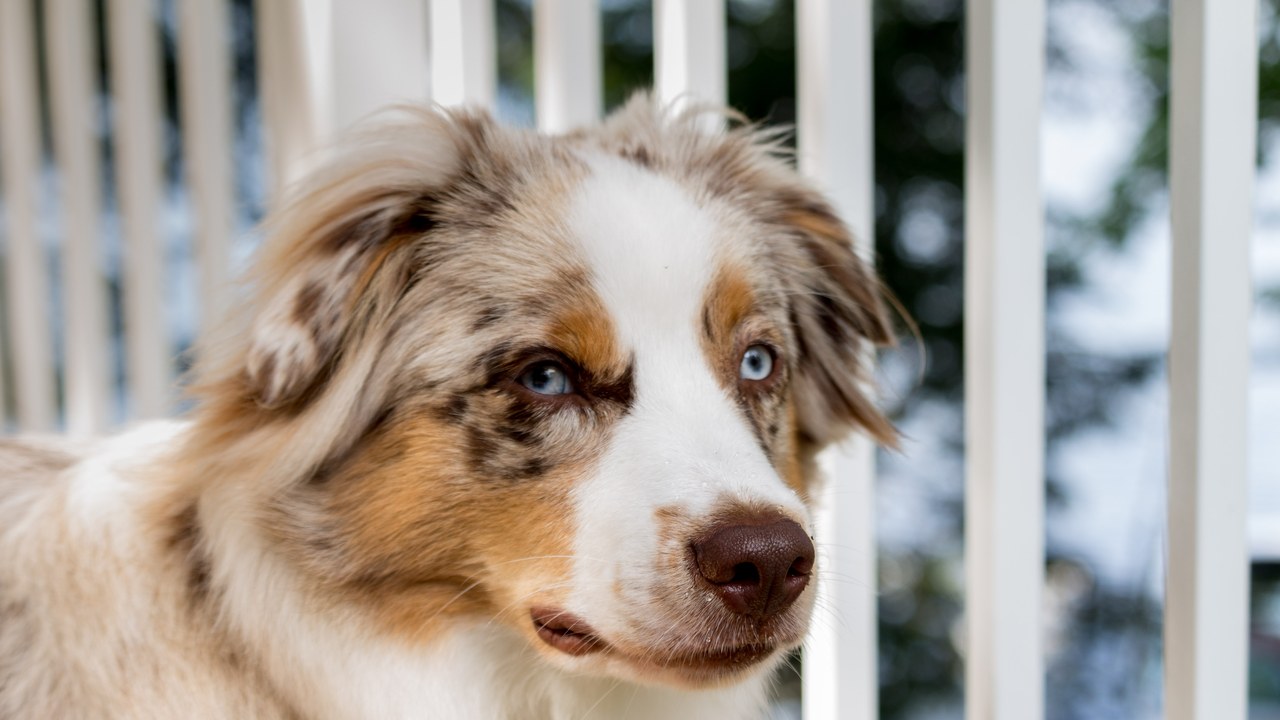
The Australian Shepherd is a lean, tough ranch dog and one of those “only in America” stories: a European breed perfected in California by way of Australia. Aussies are fixtures on the rodeo circuit.
They are closely associated with cowboy life, according to the American Kennel Club. Males stand 20 to 23 inches tall and weigh 50 to 65 pounds, and the breed ranks 12th in AKC popularity.
16. Dalmatian: The Coach Dog
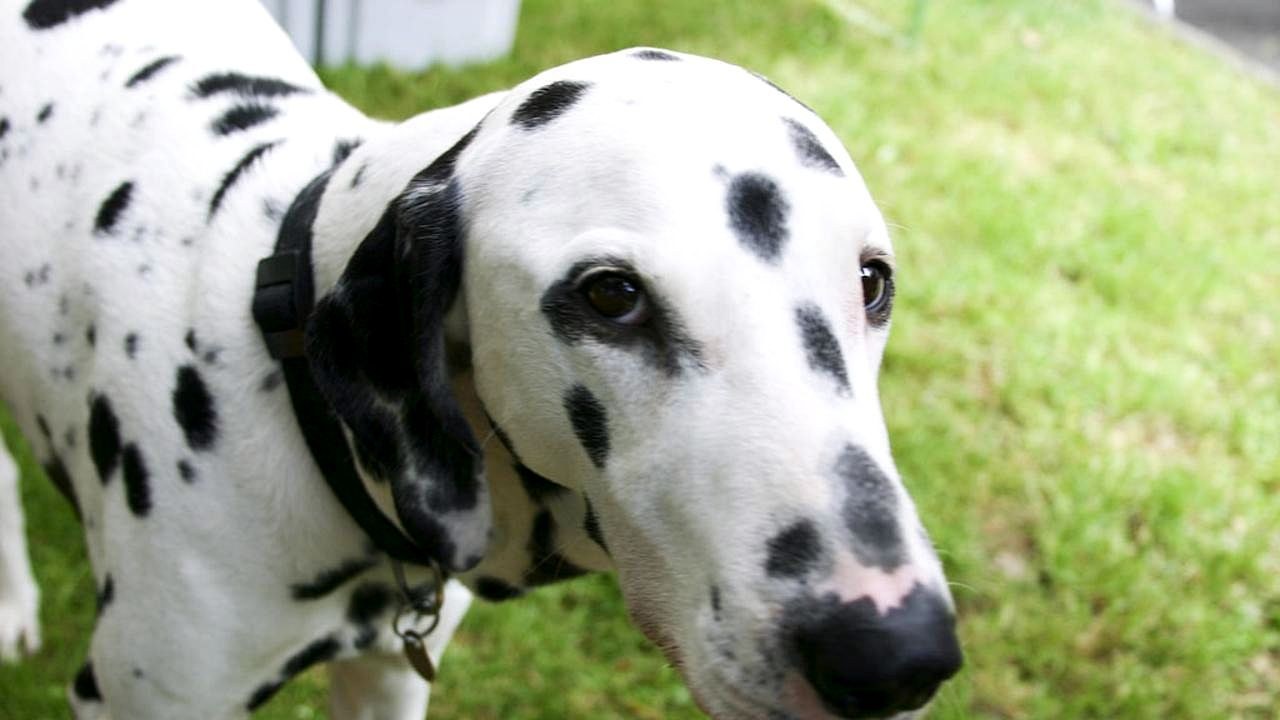
The Dalmatian is famed for its spotted coat and its unique job description. Over its long history, these “coach dogs” have run alongside the horse-drawn rigs of nobles, travelers and firefighters.
The American Kennel Club calls the dignified Dalmatian dogdom’s citizen of the world. It stands 19 to 24 inches tall, weighs 45 to 70 pounds and typically lives 11 to 13 years.
17. Rottweiler: Descended From Roman Mastiffs
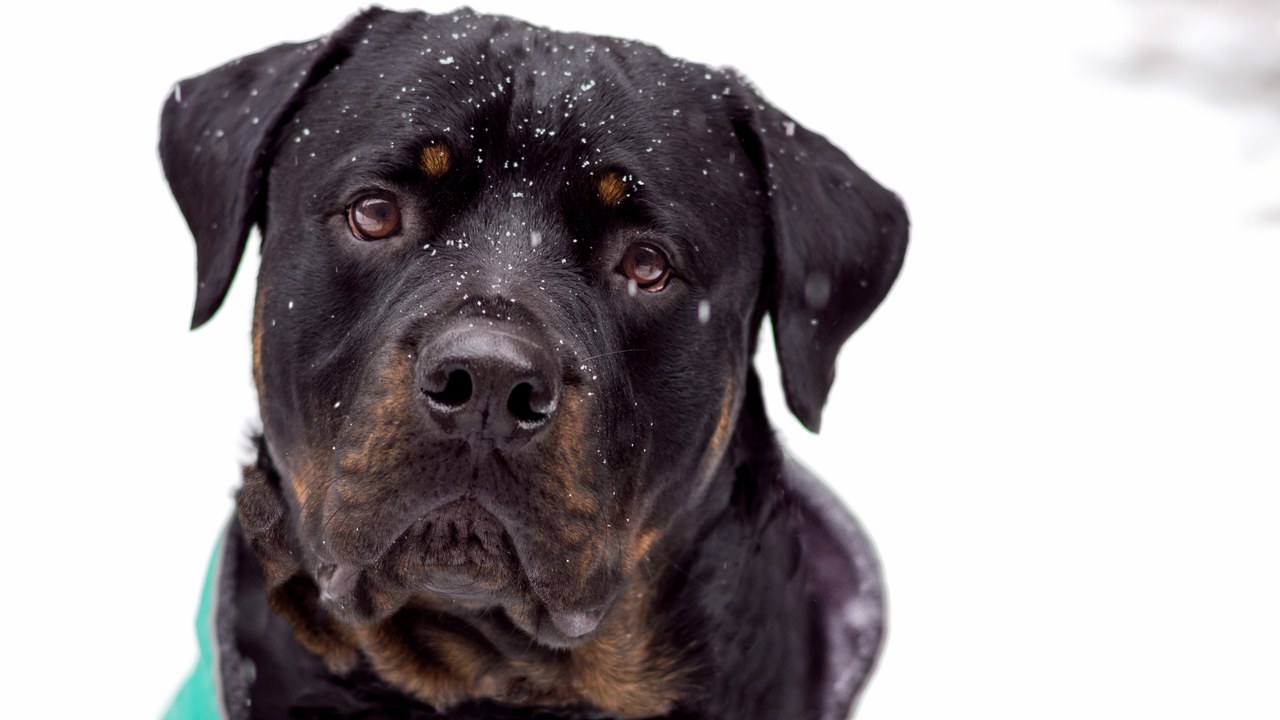
The Rottweiler is a robust working breed of great strength descended from the mastiffs of the Roman legions. Within the family it is a gentle playmate and protector.
The Rottie observes the outside world with a self-assured aloofness, the AKC says, and males stand 24 to 27 inches tall. Males weigh 95 to 135 pounds, and the breed ranks eighth of 210 in AKC popularity.
18. Belgian Malinois: The Elite Working Dog
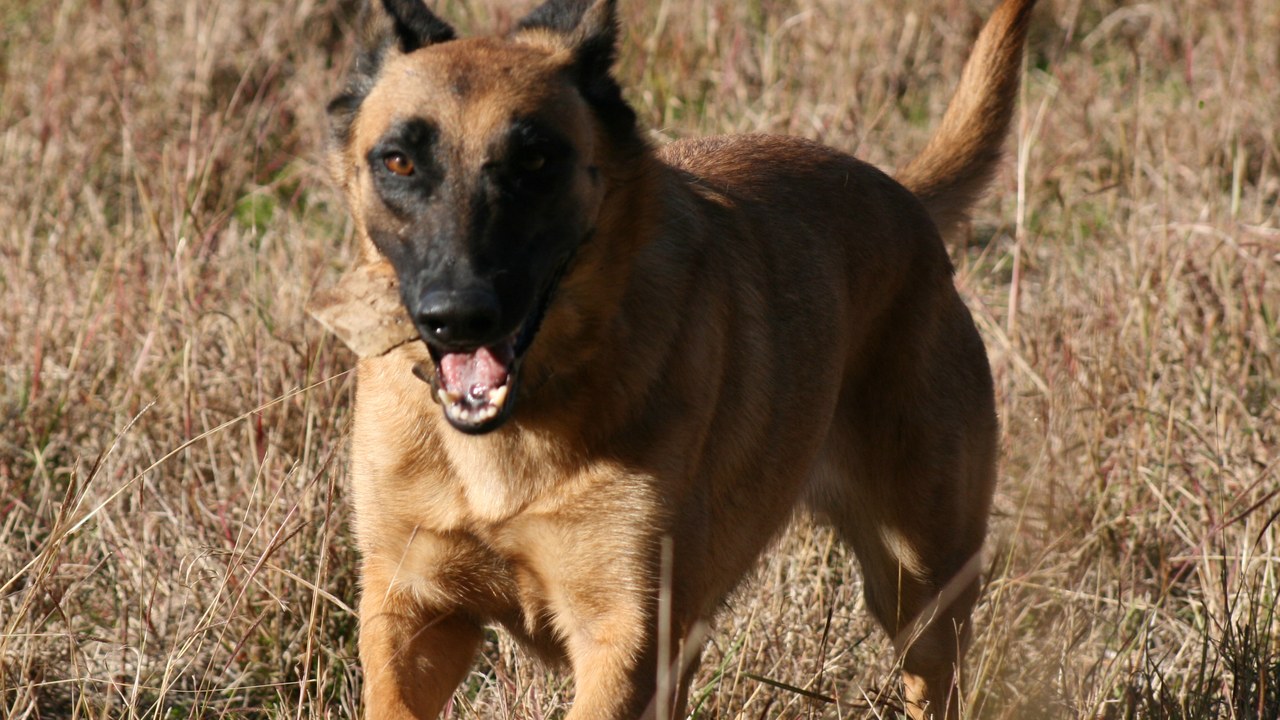
The smart, confident and versatile Belgian Malinois is a world-class worker that forges an unbreakable bond with its human partner, according to the American Kennel Club. It needs plenty of activity.
Denying a Malinois work and company, the AKC says, deprives it of its very reasons for being. Males stand 24 to 26 inches tall, and the breed can live 14 to 16 years.
More from Morning Overview
- New FCC rules on how people can stop robocalls and texts take effect Nov. 25
- Neanderthals in Spain carved a wooden object that matches nothing archaeologists have ever found
- The FAA wants $2.39 million from a flight school it says flew a Cessna about 280 times with an unapproved part
- A $1 billion gas plant planned for Superior, Wisconsin, has been abandoned
