
Attack and transport helicopters have shaped nearly every modern conflict, from jungle airlifts to high-altitude strikes. This selection mixes famous gunships with the utility and heavy-lift machines that move troops and cargo. Here are fifteen of the most important rotorcraft in military service and history.
Read next on Morning Overview: Up to 5 feet of snow is burying Donner Pass, and forecasters warn against Sierra travel
1. Boeing AH-64 Apache: Gulf War Workhorse
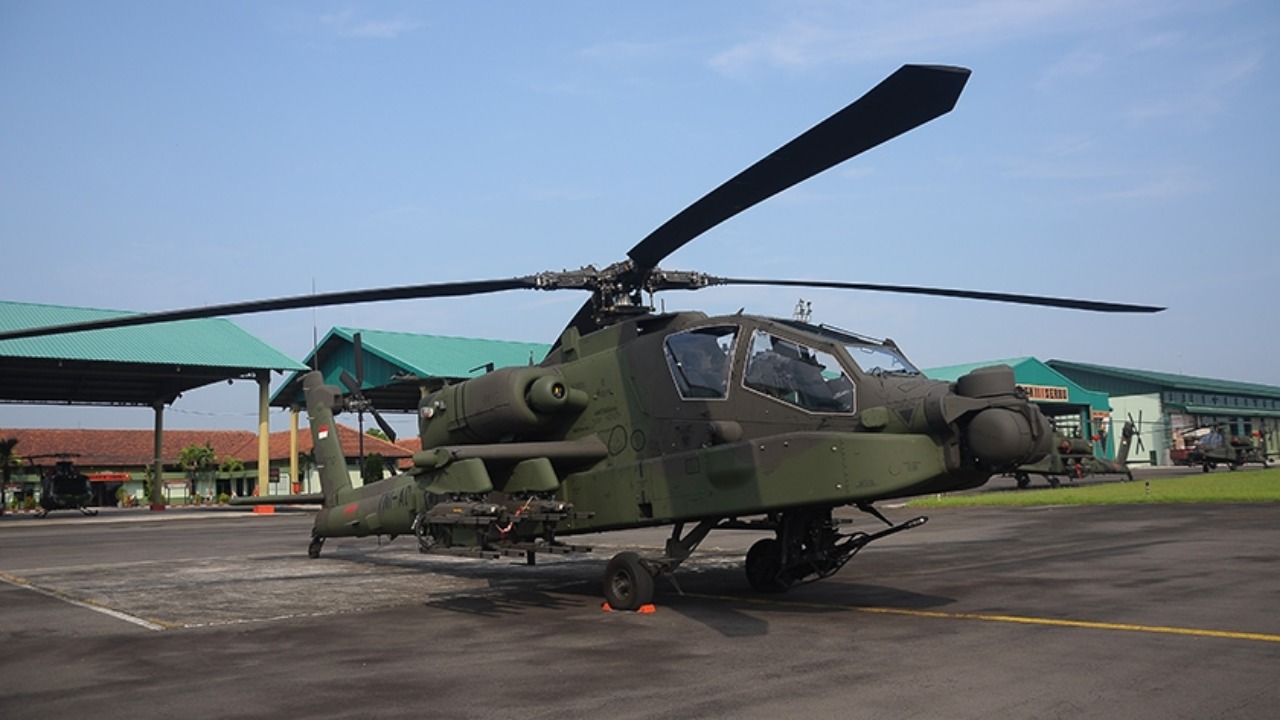
Boeing’s Apache earns the label of the most iconic attack helicopter in the world, according to SlashGear. It carries Hellfire missiles, Hydra rockets and a 30 mm chain gun, and it saw combat in the Gulf War, Iraq and Afghanistan.
That combination of precision missiles and a rapid-fire cannon explains why the type remains the benchmark every other gunship on this list gets measured against.
2. Bell AH-1 Cobra: First Dedicated Gunship
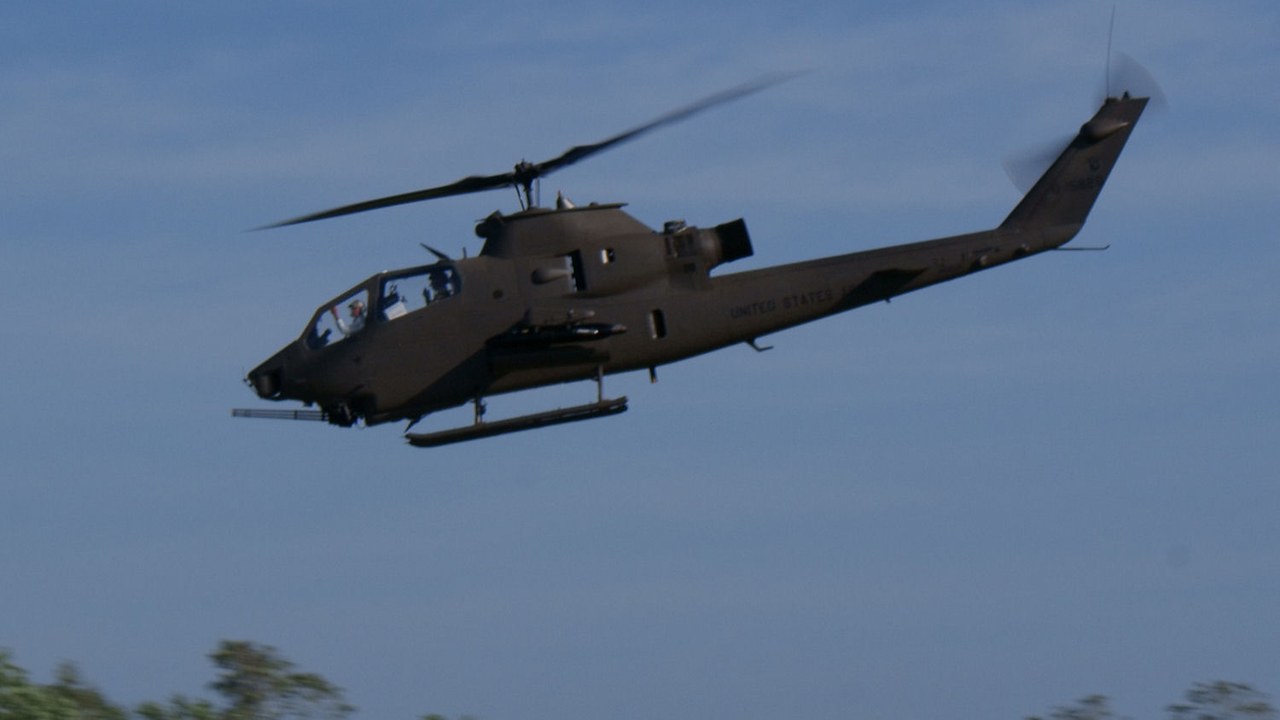
SlashGear describes the Cobra as the world’s first dedicated attack helicopter. It was in full production by June 1967 and reached a top speed of 175 mph.
Earlier armed helicopters were adapted from transports, so this slim, narrow-fuselage design set the template for the whole attack category that followed. Its tandem cockpit and stub wings for weapons became the look most people still associate with a gunship.
3. Mil Mi-24 Hind: Gunship And Troop Carrier
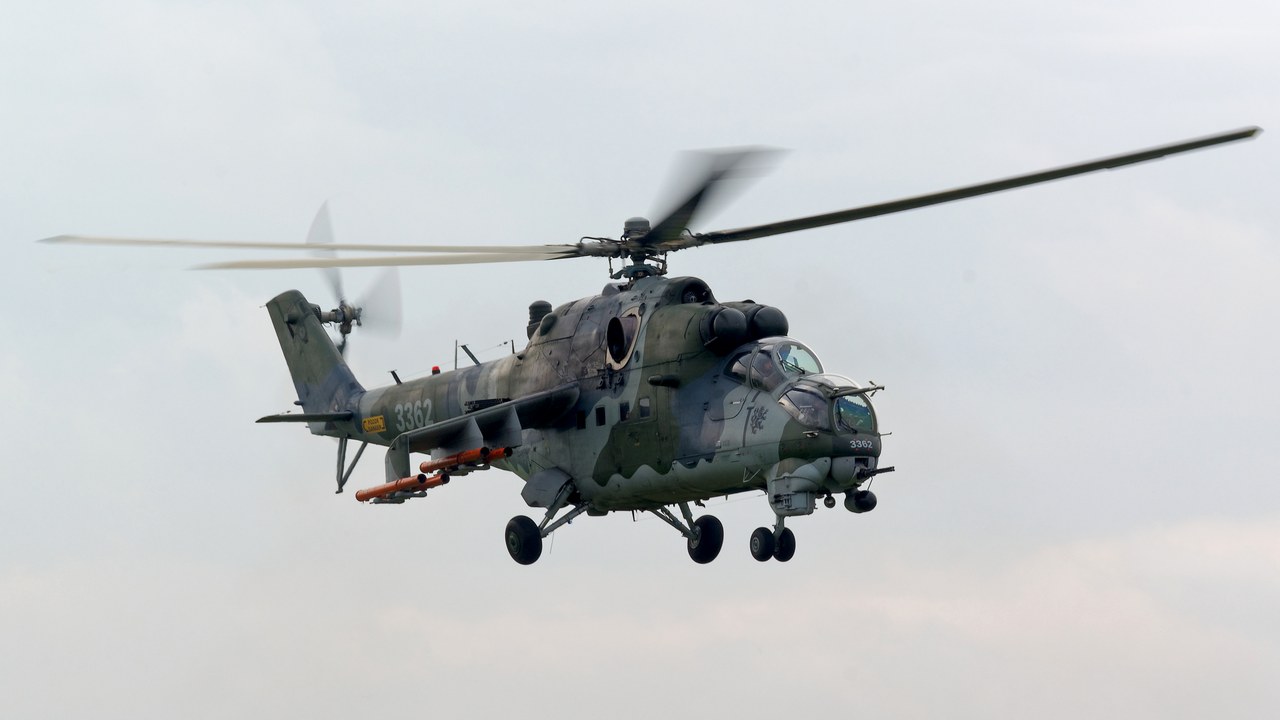
SlashGear calls the Soviet Hind a rugged and heavily armed unit that doubled as a troop carrier. It fought in Afghanistan and Iraq.
Few gunships have combined heavy firepower with a cabin for soldiers, which gives the type its distinctive bulky, multi-role profile and long operational record. Crews could fly assault missions and still bring a squad of infantry along in the rear compartment.
4. Agusta A129 Mangusta: Europe’s First Homegrown Gunship
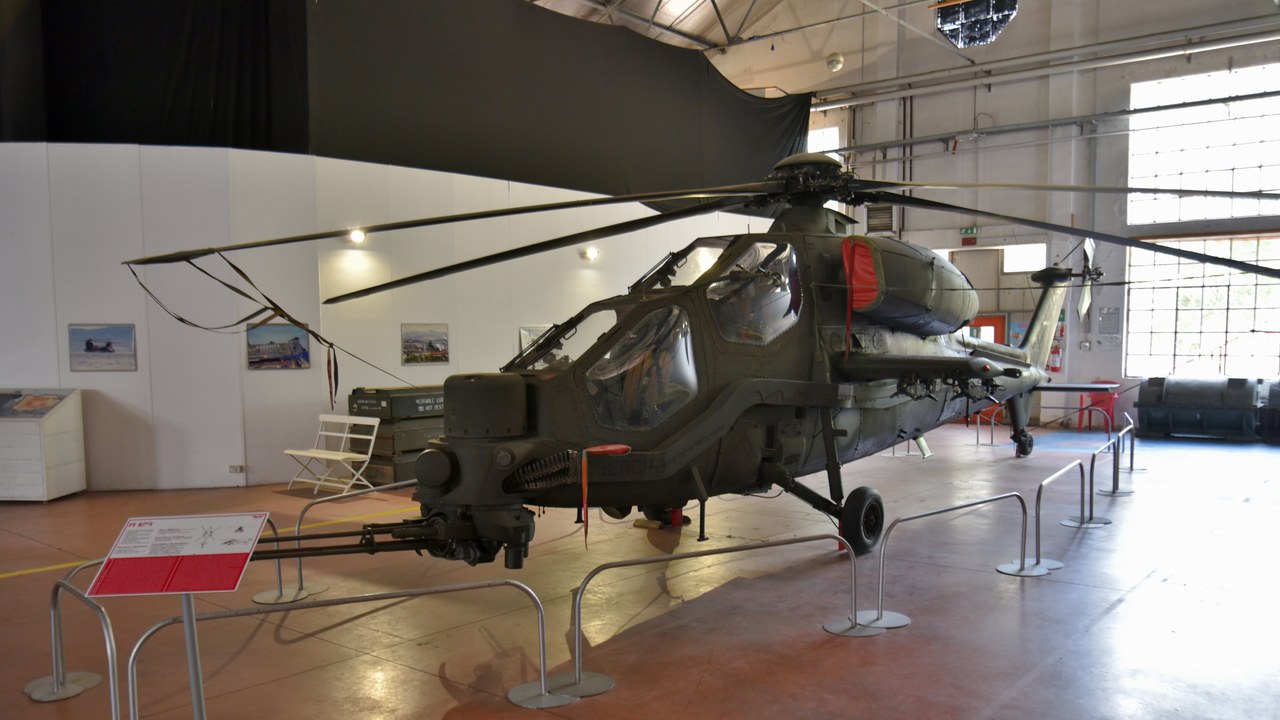
The A129 is the first attack helicopter to be wholly designed and manufactured in Europe, per SlashGear. NATO operations in Somalia, Afghanistan and Iraq form part of its service record.
The Italian design showed that European industry could field a dedicated attack machine without relying on American or Soviet airframes. The Mangusta has since been fielded by Italy and used on NATO-led missions, so it has real combat experience behind it.
5. Eurocopter Tiger: Franco-German Fighter
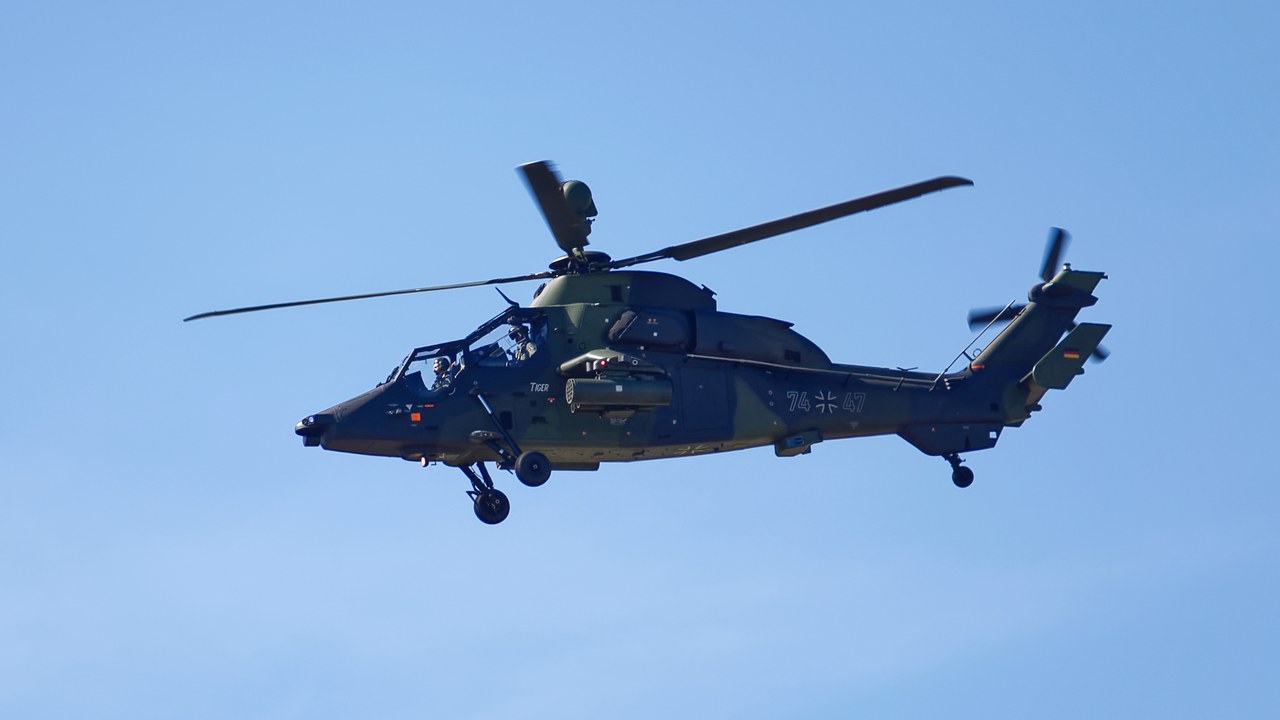
SlashGear ranks the Tiger as Europe’s most advanced attack helicopter. The Franco-German machine has been used in Mali, the Central African Republic, Libya and Afghanistan.
Deployments across several continents point to a type built for expeditionary operations, not only for defending the European plain. It is built by Eurocopter, now part of Airbus Helicopters, and operated by several European air arms.
6. Kamov Ka-50: The Black Shark
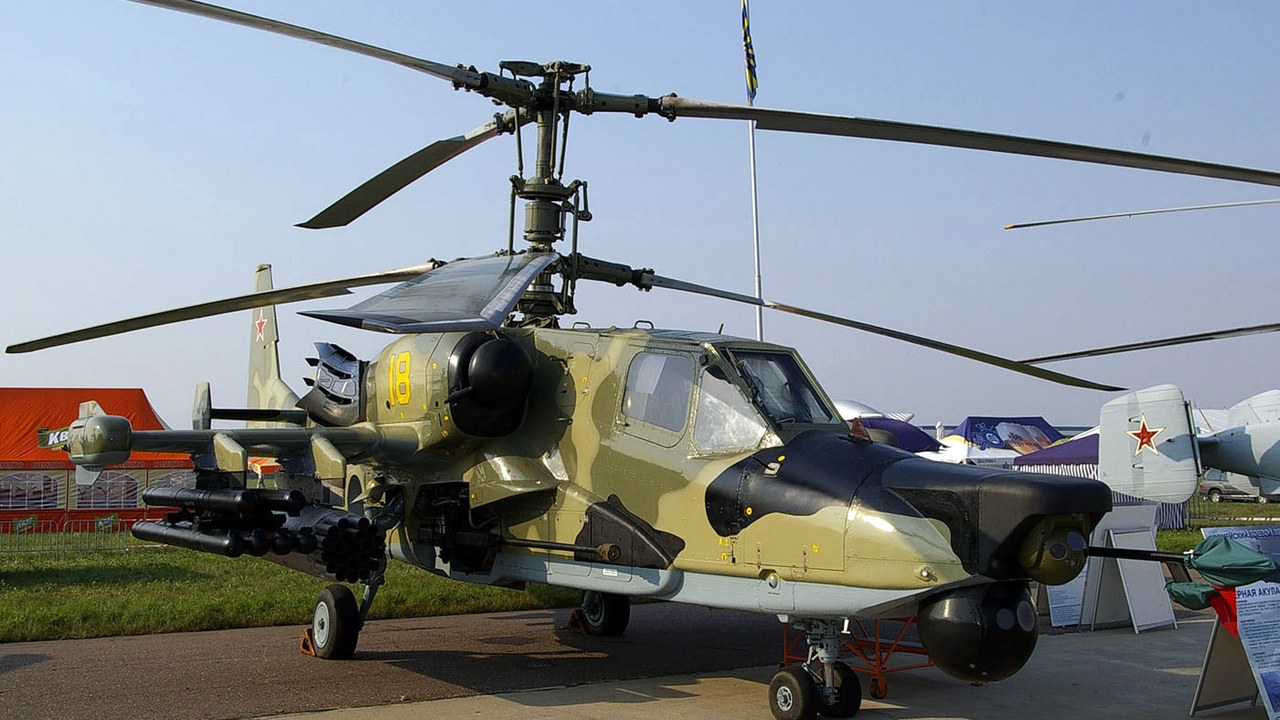
The Ka-50 is a single-seat gunship with coaxial rotors, nicknamed the Black Shark, and it entered limited service from the mid-1990s. SlashGear notes the design was born during the Cold War, when deception was an essential component of military strategy.
The one-pilot cockpit and stacked rotors make it a striking outlier among attack helicopters, and its small production run keeps it a rarity.
7. Bell AH-1Z Viper: Fastest In Frontline Service
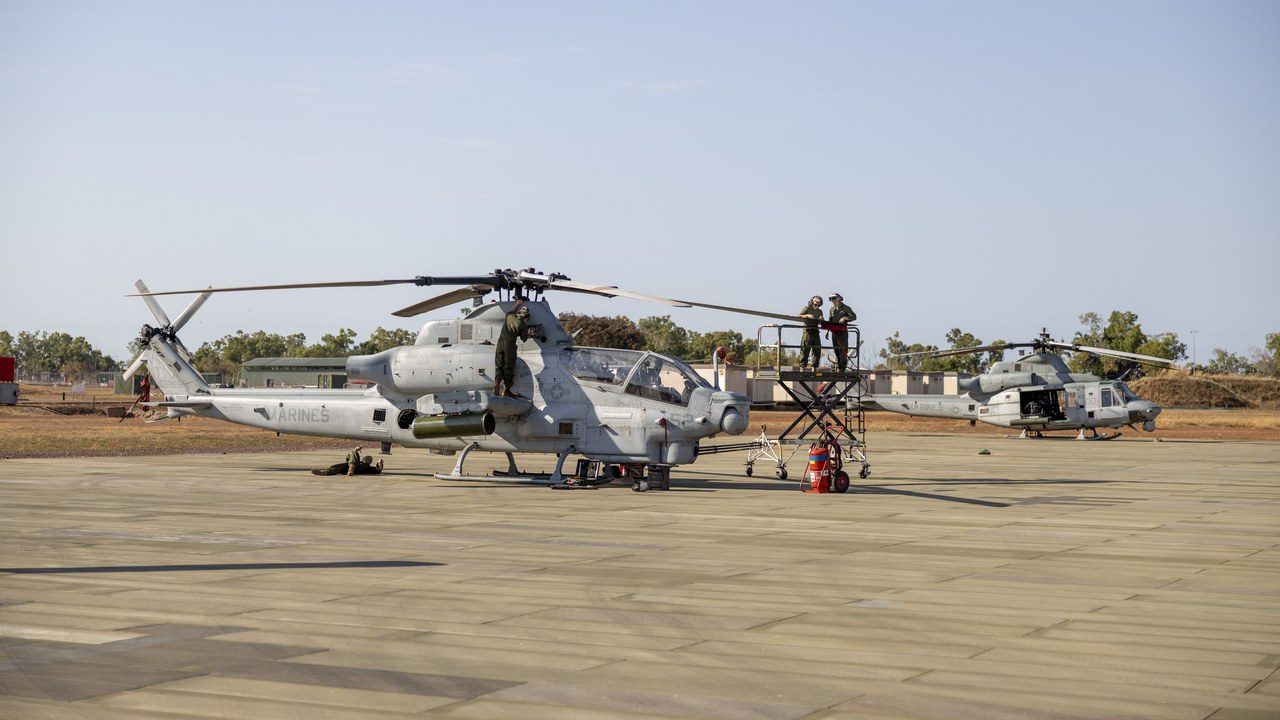
AeroCorner names the Viper the fastest attack helicopter in frontline service at roughly 200 knots, or 230 mph, in its 2026 attack helicopter guide. That figure comfortably tops the speeds quoted for many rival gunships.
Speed matters for a Marine aviation platform that must keep pace with the rest of a strike package and reach targets quickly. That edge reflects the more powerful engines and four-blade rotor of the later Viper variant over earlier Cobras.
8. Kamov Ka-52 Alligator: Ejection Seats Included
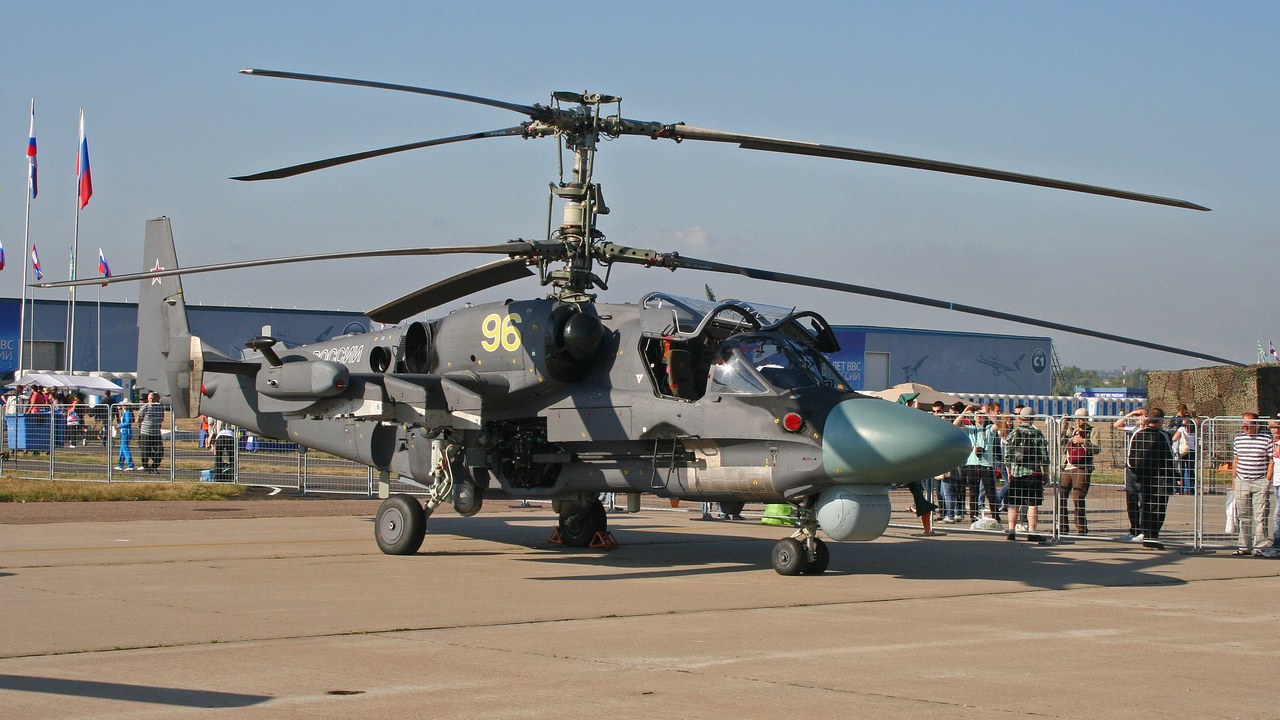
The Ka-52 flies at about 186 mph and, as AeroCorner points out, is one of very few helicopters in the world fitted with crew ejection seats.
Escaping a damaged helicopter with spinning blades overhead is notoriously hard, so the seat system is a rare survival feature in a field where crews usually ride out an emergency. It is also the naval-style, coaxial-rotor cousin of the Ka-50, with a second crew member added.
9. Mil Mi-28 Havoc: Russia’s Answer To The Apache
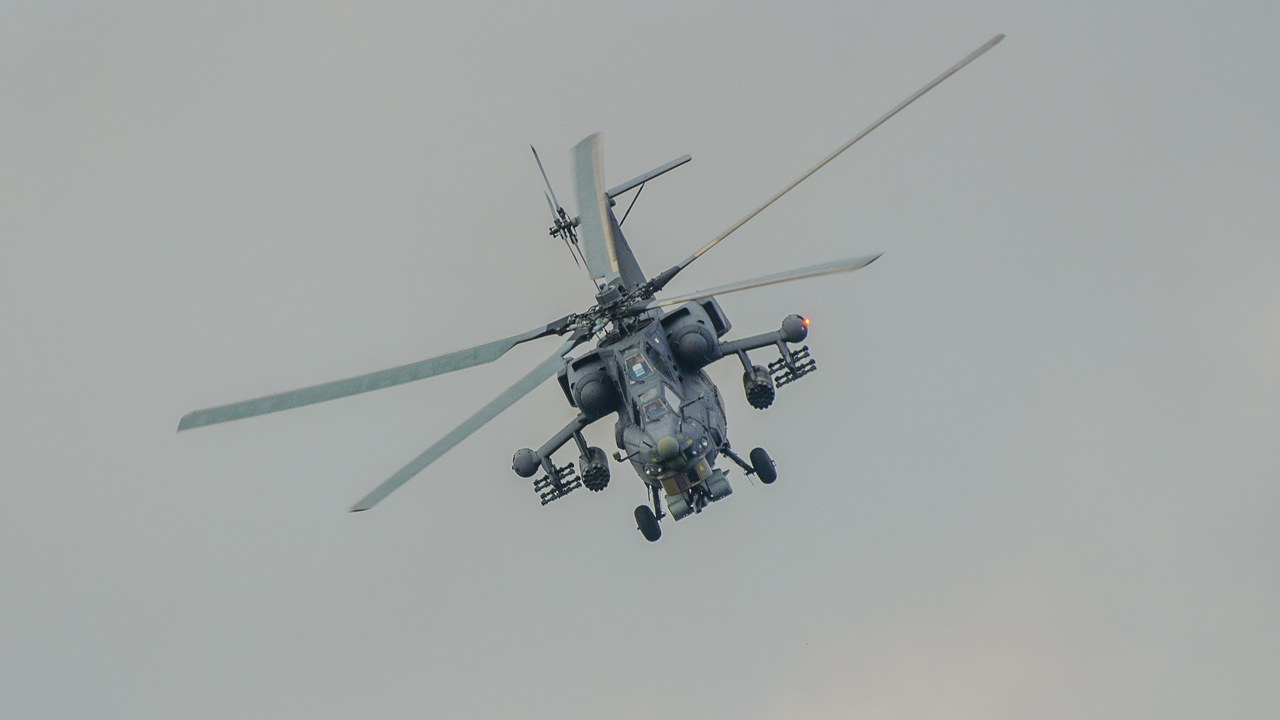
AeroCorner describes the Havoc as Russia’s conventional answer to the Apache. The tandem-seat gunship carries a 30 mm cannon and flies at about 186 mph.
Its layout and armament deliberately echo the American design, and that pairing makes the two a natural point of comparison for anyone weighing Russian and Western approaches. Operators and analysts often line the two up side by side to compare crew layout, armor and weapons.
10. HAL Prachand: Built For The Heights
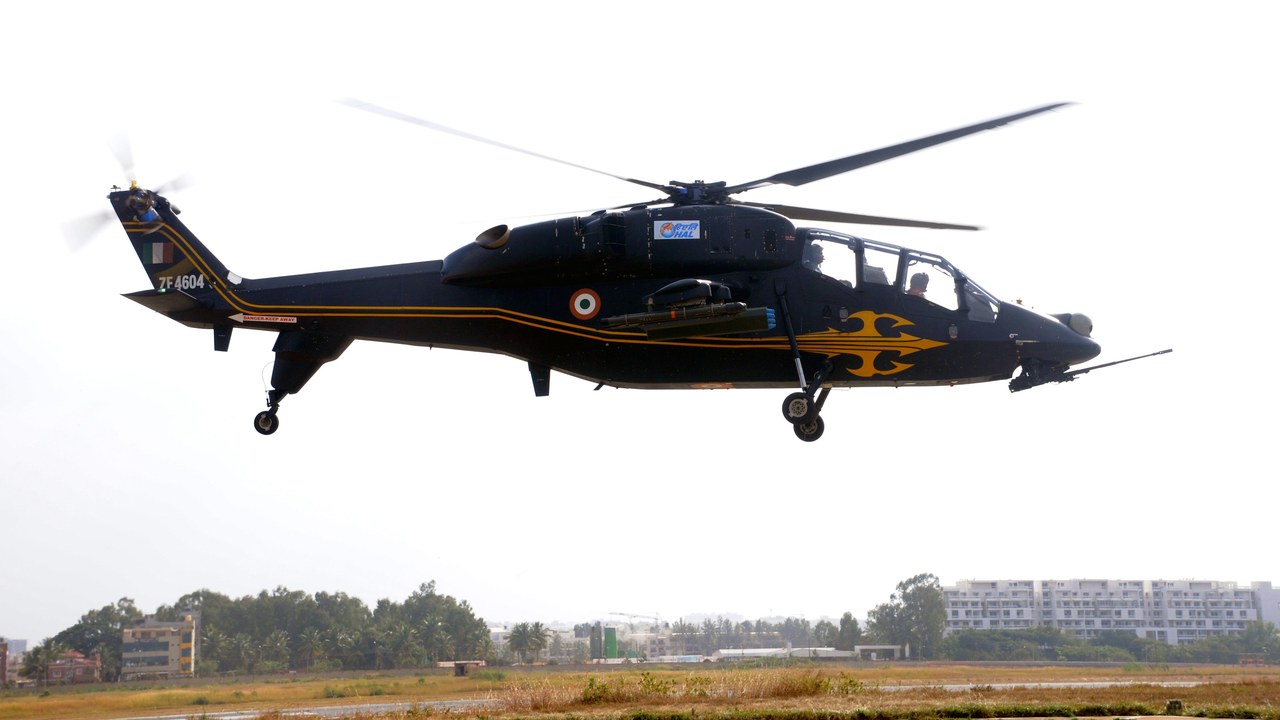
India’s Prachand is a light combat helicopter built to fight above 16,400 feet, according to AeroCorner, a figure also given as 5,000 m.
Thin air at that altitude punishes most helicopters, so a design tuned for the Himalayan border regions fills a niche few foreign gunships can claim. The aircraft is operated by the Indian armed forces and was designed around mountain warfare needs.
11. Denel Rooivalk: The Gunship Nobody Flies
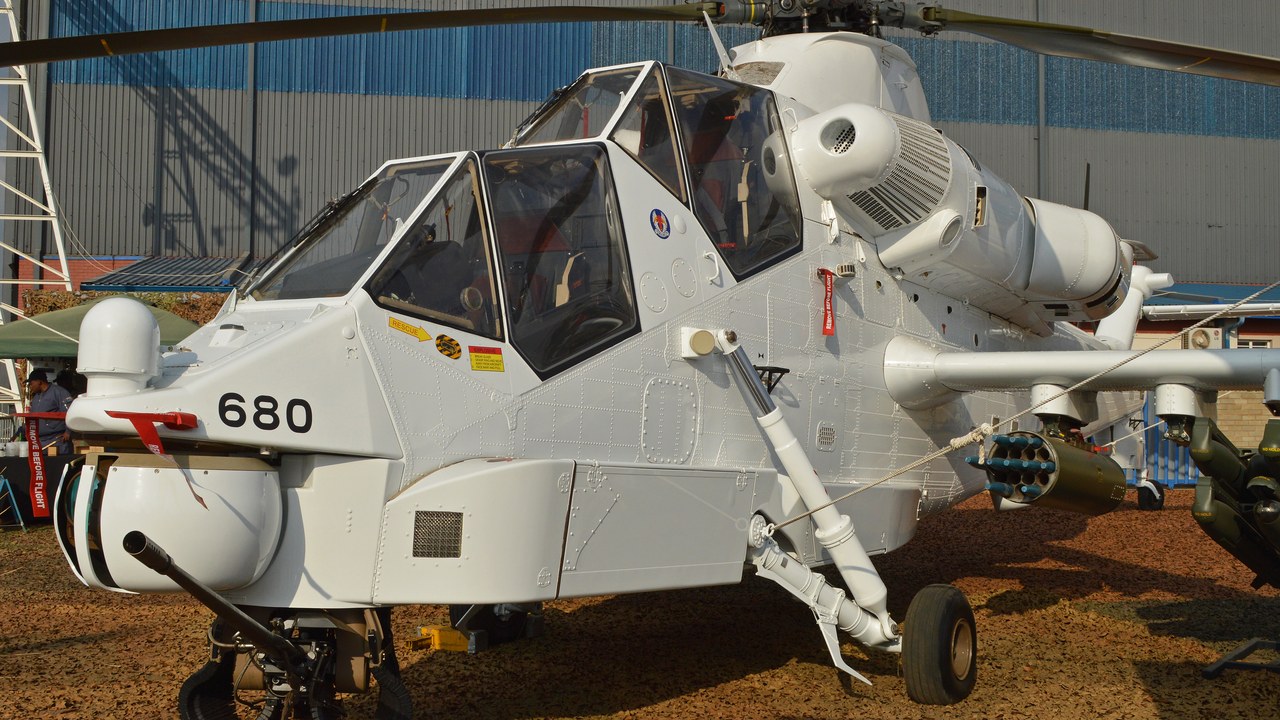
AeroCorner calls the Rooivalk the most impressive attack helicopter almost nobody flies. The South African gunship carries a 20 mm nose cannon and reaches about 172 mph.
Low sales volume and a small operator base mean the type is more often admired for its engineering than seen on foreign battlefields. The design came out of South Africa’s defence industry and remains a point of national pride there.
12. Bell UH-1 Huey: Vietnam’s Workhorse
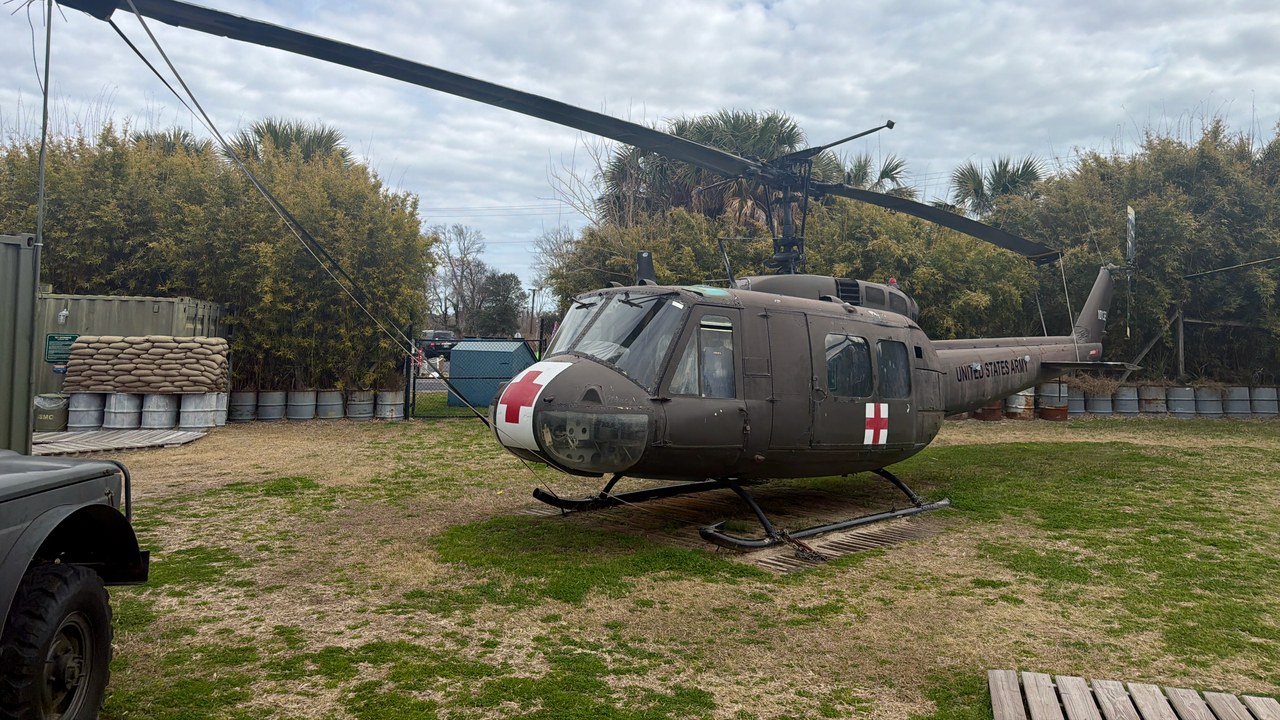
The Huey evolved from a 1955 U.S. Army competition for a new utility helicopter, according to the National Museum of the U.S. Air Force. It cruises around 140 mph, became the Vietnam War workhorse and was also used as a gunship.
The distinctive rotor beat of the Huey became shorthand for the Vietnam era, and its utility role spawned the armed variants that led to the Cobra.
13. Sikorsky UH-60 Black Hawk: Replacing The Huey
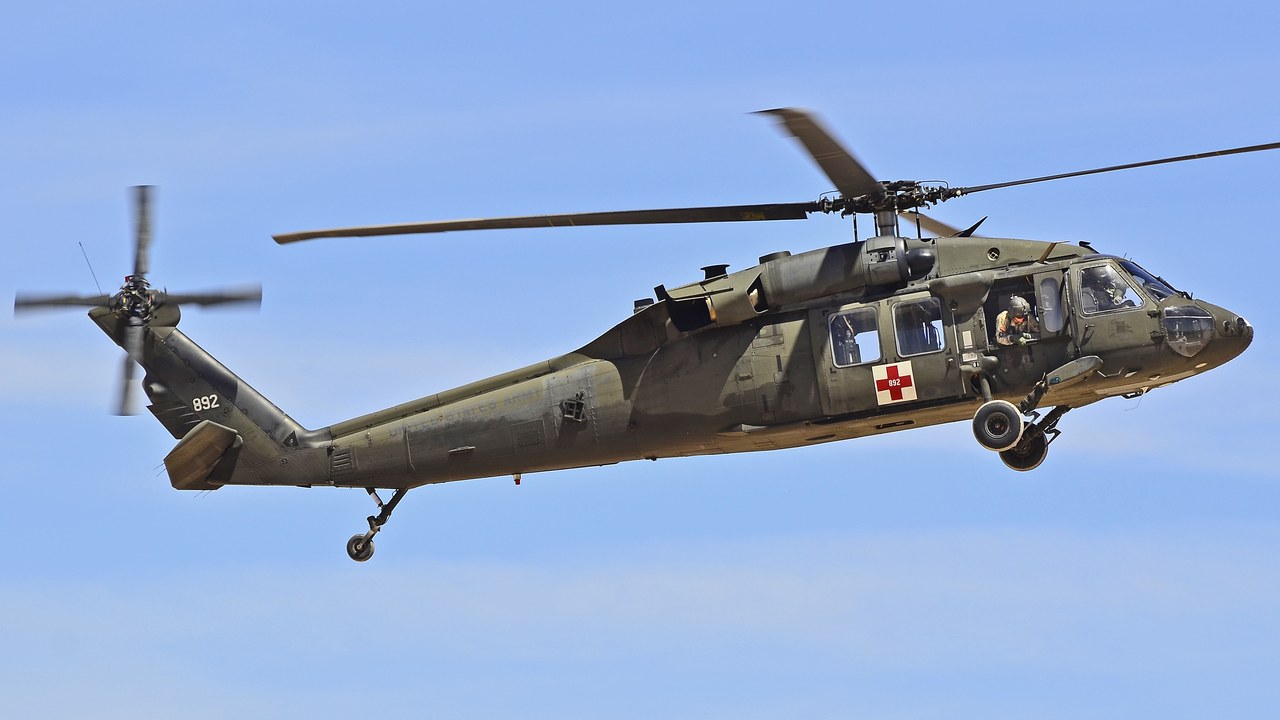
The Black Hawk won the contract to replace the Huey and first entered service in 1979, SlashGear reports. It is also known for its role in Mogadishu in 1993.
Four decades of service make it the standard American utility helicopter, carrying troops and supplies where its predecessor once did. Its two-engine layout and wide cabin also made it adaptable to medevac, assault and special operations roles.
14. Boeing CH-47 Chinook: Heavy Lifter Since 1962
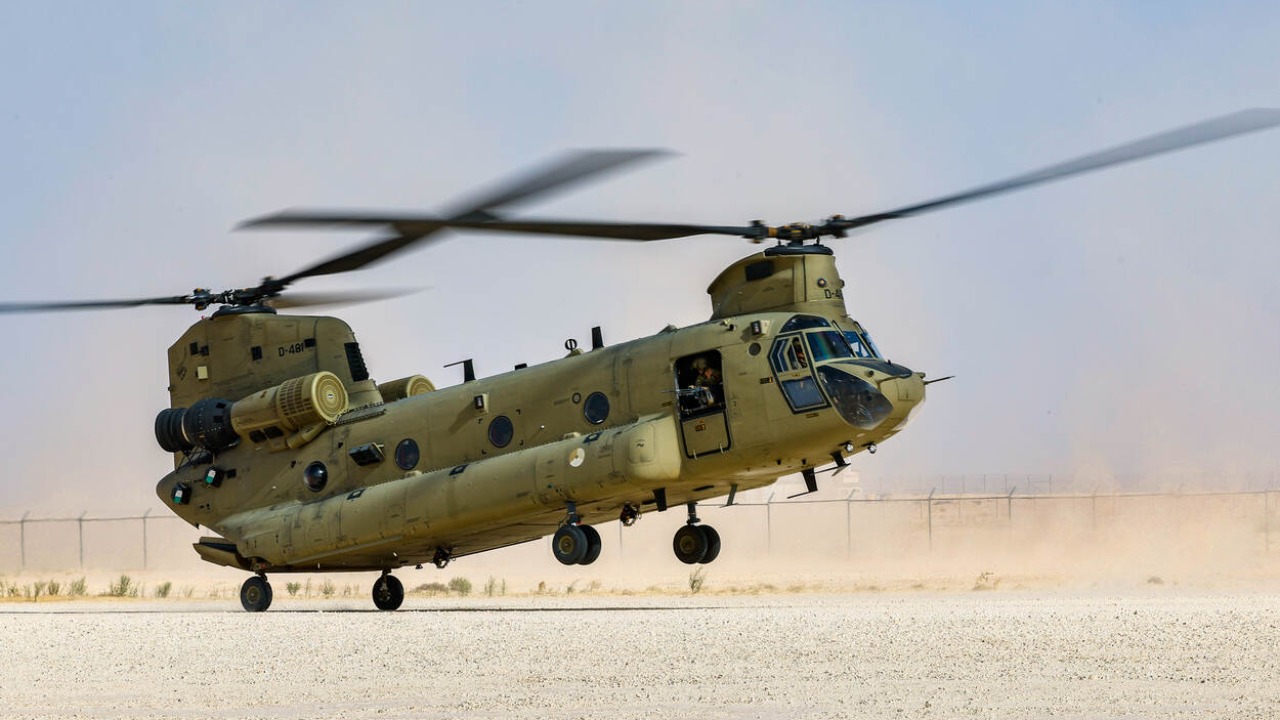
The Chinook’s designation reflects its job, since the CH stands for Cargo Helicopter, notes SlashGear. The tandem-rotor machine has been in Army service since 1962, and modern versions lift nearly 48,000 pounds.
Twin rotors let the aircraft haul loads far heavier than single-rotor types, which keeps it indispensable for moving artillery, supplies and vehicles. It has been upgraded repeatedly while keeping the same basic configuration for decades.
15. Sikorsky CH-53E Super Stallion: Marines’ Ship-To-Shore Hauler
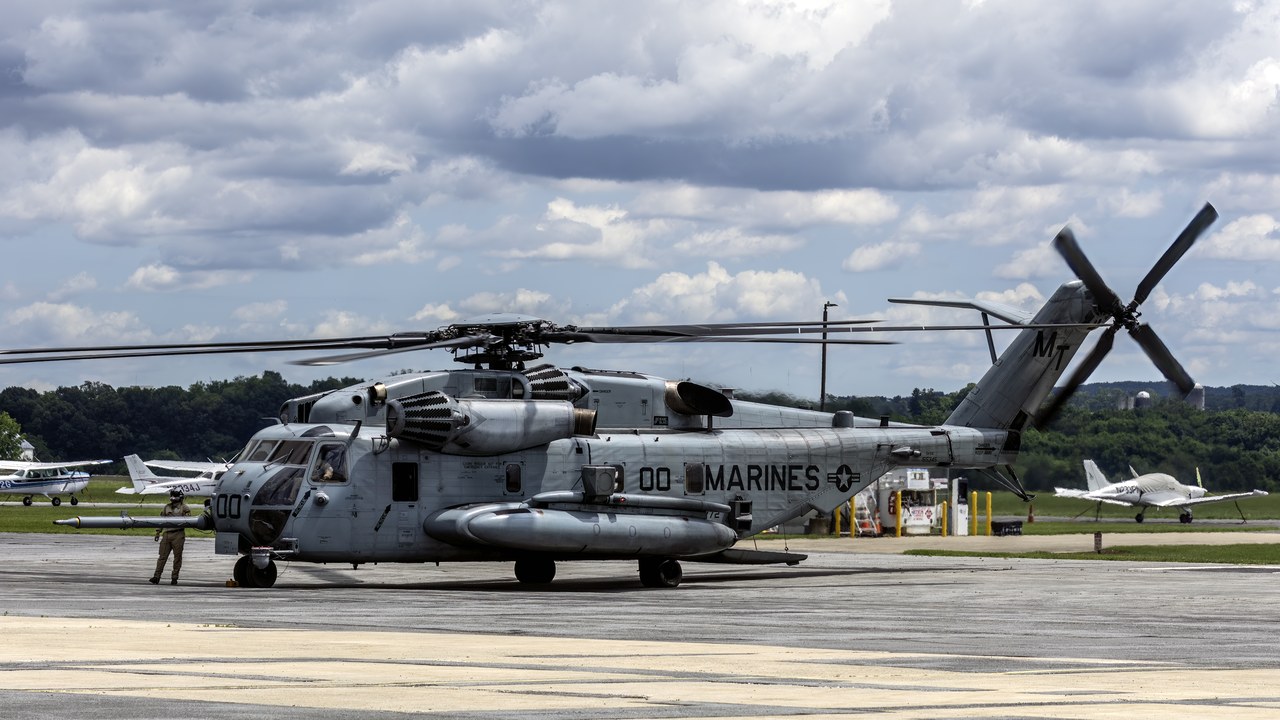
The Marines use the CH-53 family extensively to facilitate ship-to-shore logistical operations, says SlashGear. It began operations in Vietnam in the 1960s, and the CH-53E variant arrived in 1981.
The Super Stallion is the heavy end of Marine aviation, built to move equipment from ships offshore to forces on the beach. The three-engine design gives it the power to lift heavy equipment that smaller helicopters could not move.
More from Morning Overview
- A windstorm slammed western Washington, blocking I-5 and knocking out power for thousands
- Tesla’s Cybercab has already crashed 8 times, and the worst one came at highway speed
- Hidden wear was found inside a New Jersey nuclear reactor during its outage
- California’s Long Valley supervolcano is quietly sinking, its biggest drop on record
