
Primates range from animals that fit in a human palm to apes that can top 500 pounds. Some sing across the treetops, some use tools, and a few survive snow and mountain cold. Here are eighteen primates from tiny tarsiers to mighty gorillas, and what makes each one remarkable.
Read next on Morning Overview: Winter weather advisories cover I-80, I-70 and the Bighorns with up to 15 inches of snow
1. Philippine Tarsier: One of the Smallest Primates
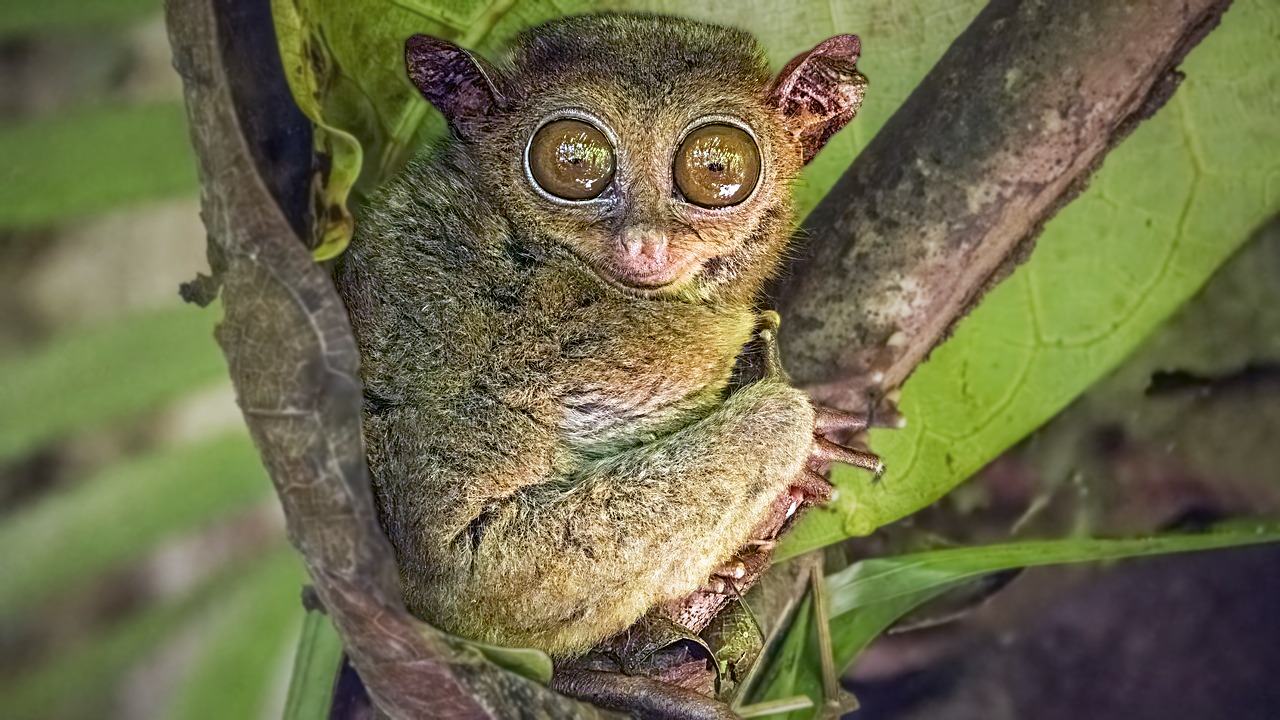
The Philippine tarsier stands just 85 to 160 millimeters tall, making it one of the smallest primates on Earth. It lives in the southeastern Philippines, especially on Bohol, Samar and Leyte.
It belongs to a family of tarsiers roughly 45 million years old, named for its elongated ankle bone. Scientists moved it into its own genus, Carlito, named after the conservationist Carlito Pizarras.
2. Pygmy Slow Loris: The Venomous Primate
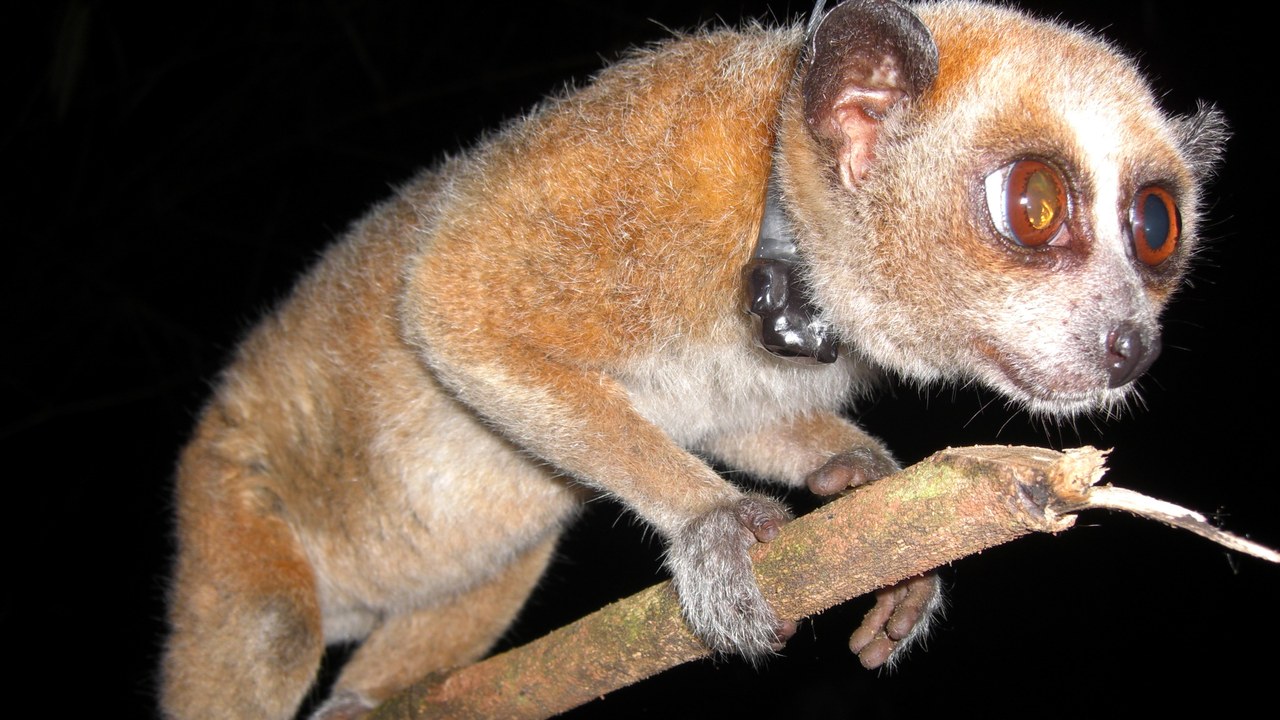
Pygmy slow lorises produce a venom in glands on their upper arms. When it combines with enzymes in their saliva, the result makes their bites extra painful.
The venom is not fast-acting, so lorises use it mainly in territorial fights with each other rather than against predators. They also groom it into their fur to ward off parasites, and they sleep curled in tree hollows by day.
3. Golden Lion Tamarin: Back From 200 Animals
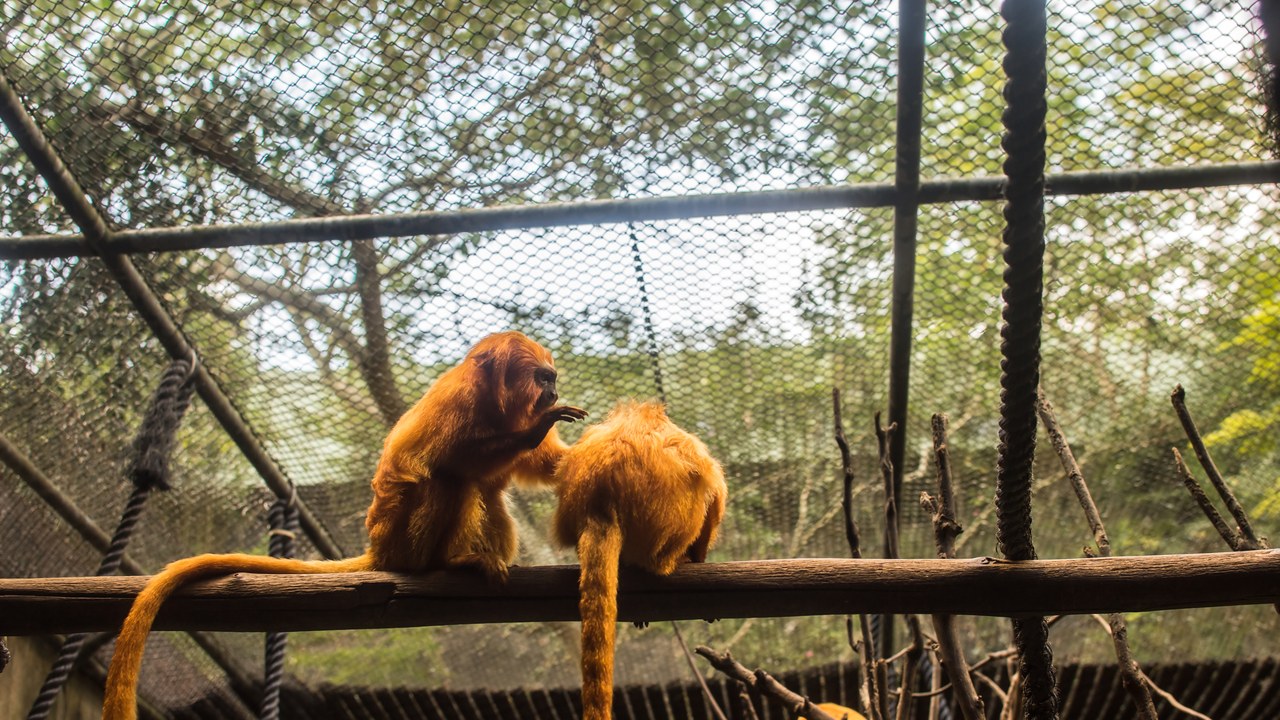
Golden lion tamarins live only in the Atlantic coastal forests of southeastern Brazil, where their numbers once dwindled to about 200 individuals in the wild in the early 1970s.
Intensive conservation work has the endangered species recovering. These small monkeys weigh just 17 to 24 ounces and live in family groups of two to eight, high in the forest canopy.
4. Ring-Tailed Lemur: The Lemur That Walks the Forest Floor
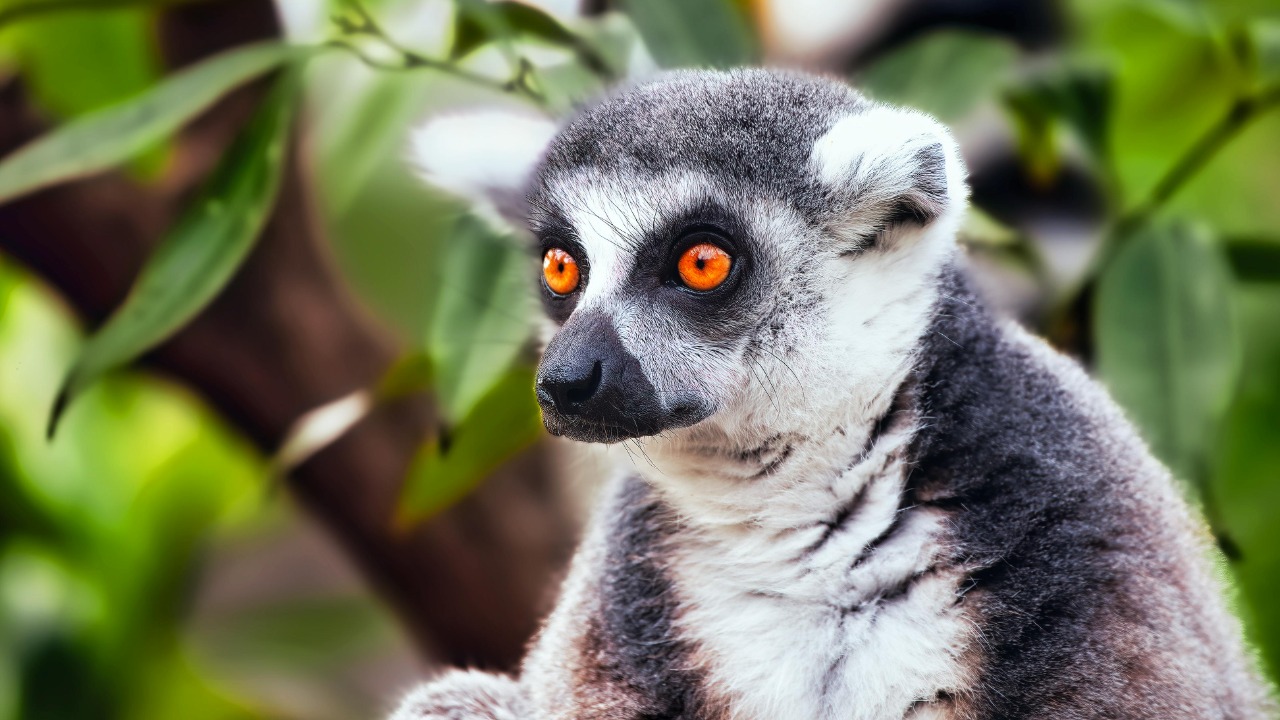
Unlike most other lemurs, ring-tailed lemurs spend about 40 percent of their time on the ground, moving on all fours across the forest floor of Madagascar.
True to their name, their tails, up to 2 feet long, carry 13 alternating black and white bands. They live in groups of three to 25, where females are dominant and stay in their birth group for life.
5. Aye-Aye: The Primate That Taps for Food
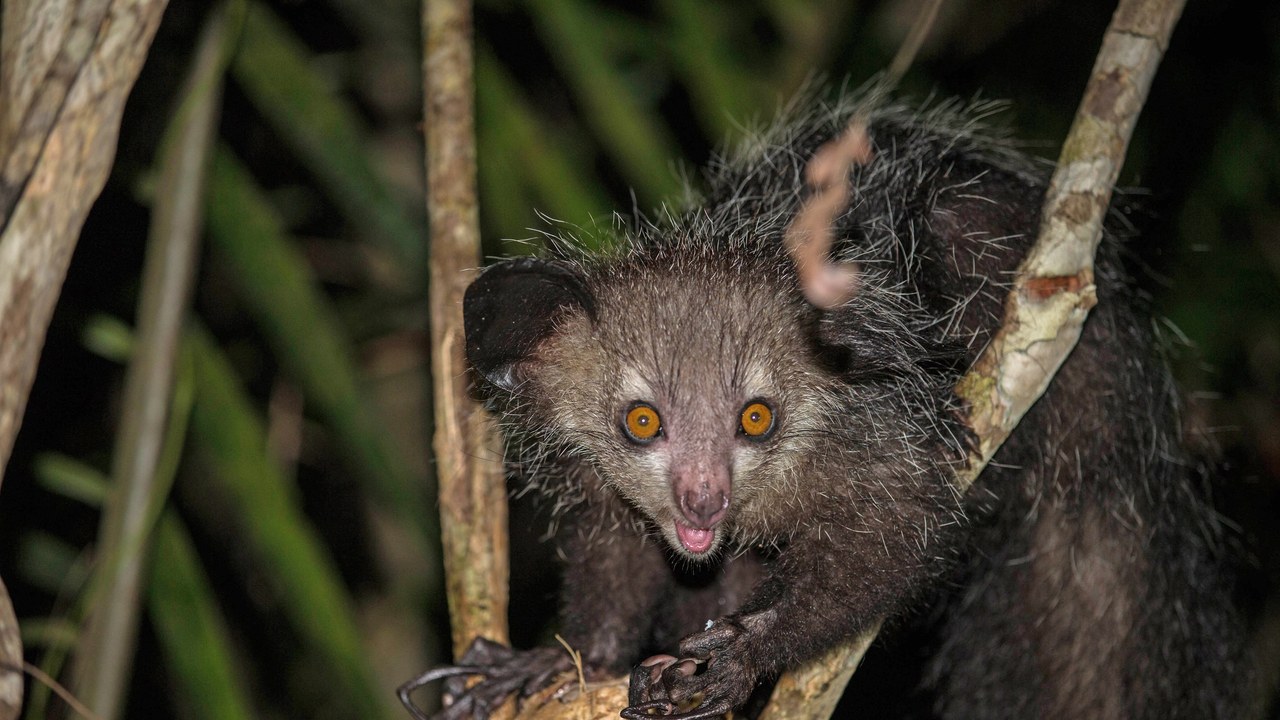
The aye-aye is the world’s largest nocturnal primate, a lemur from Madagascar with ever-growing, rodent-like teeth. It taps on tree trunks and listens for the echo of hollows where grubs hide.
It then gnaws a small hole and fishes the larvae out with a special, thin middle finger. This percussive foraging takes up to 41 percent of its foraging time, a method very few other mammals use.
6. Mantled Howler: Central America’s Leaf Eater
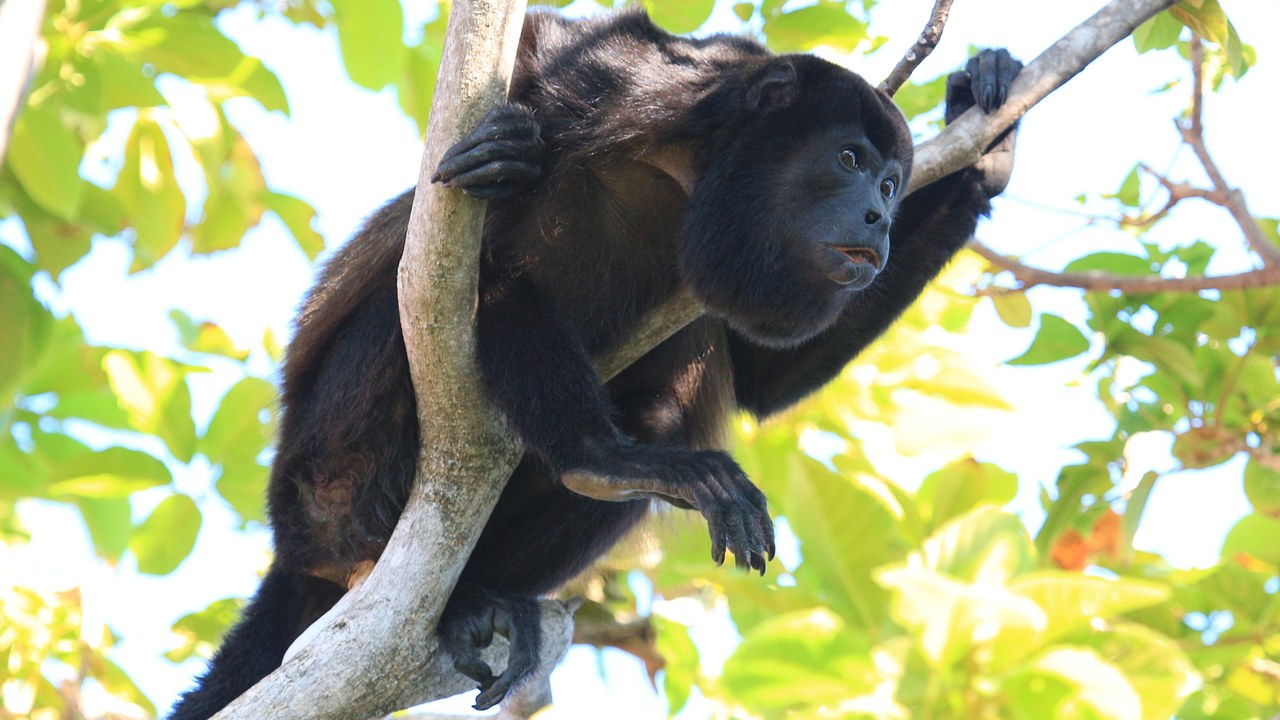
The mantled howler is one of the monkeys most often seen and heard in Central America’s forests, and males can weigh up to 9.8 kilograms. It is the only monkey in the region that eats large quantities of leaves.
Leaves are hard to digest and low in energy, so howlers spend most of each day resting and sleeping. Males also have an enlarged hyoid, a hollow bone near the vocal cords, behind their famous calls.
7. Japanese Macaque: The Snow Monkey
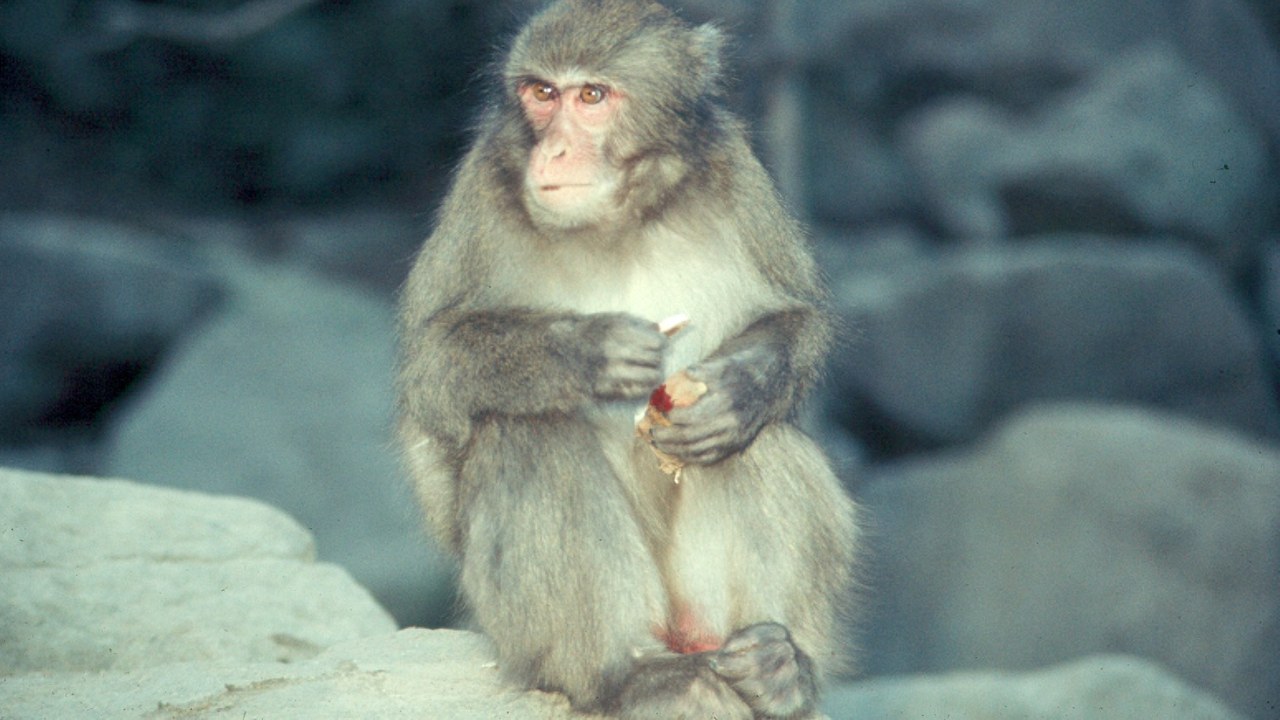
Japan’s macaques are nicknamed snow monkeys because some live where snow covers the ground for months. No other non-human primate lives farther north or in a colder climate.
They have brownish-gray fur, a pinkish-red face and a short tail. Two subspecies are known. In Japan the animal is called Nihonzaru, meaning Japanese monkey, a name that sets it apart from other primates in the language.
8. Golden Snub-Nosed Monkey: Golden Fur for Mountain Snow
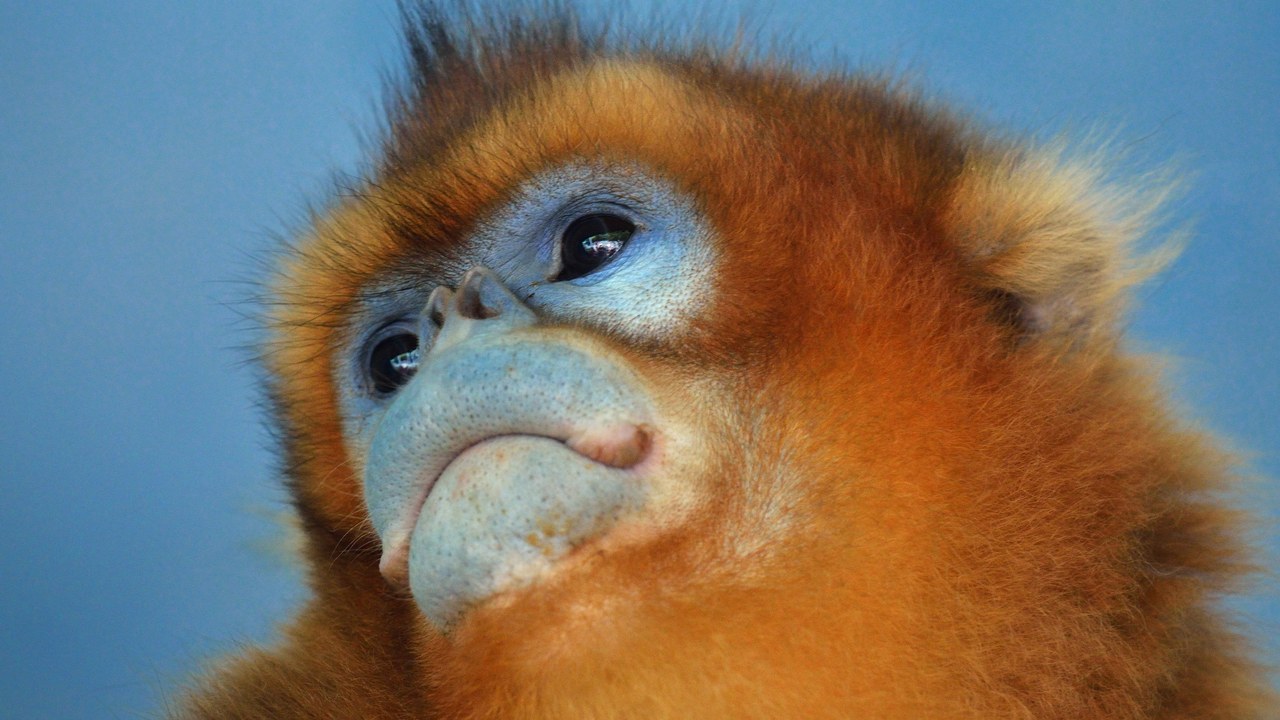
The golden snub-nosed monkey lives in the temperate mountain forests of central and southwest China, at 1,500 to 3,400 meters above sea level. Snow falls often across its range.
It can withstand colder average temperatures than any other non-human primate. Of China’s three snub-nosed monkey species, it is the most widely distributed, and its diet shifts markedly with the seasons.
9. Proboscis Monkey: The Nose That Says It All
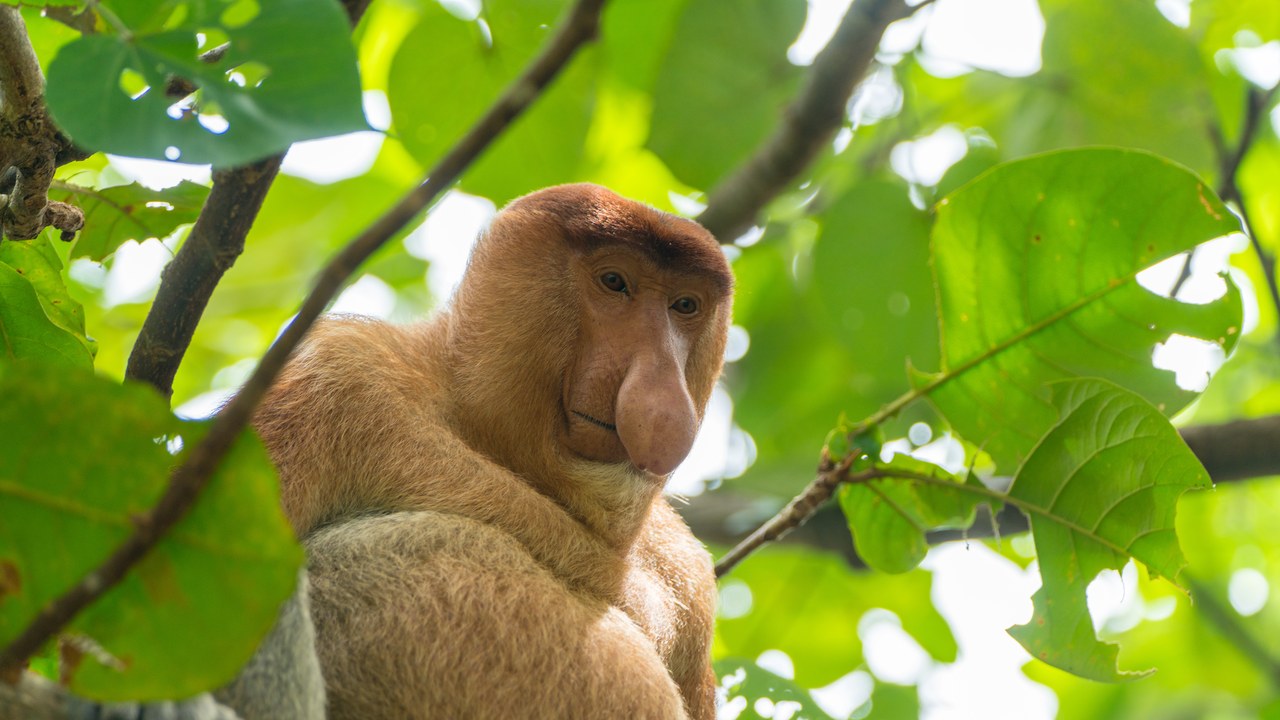
Found only on the island of Borneo, mostly in mangroves and coastal forests, the proboscis monkey is named for its unusually large nose. In males it can exceed 10.2 centimeters and hangs lower than the mouth.
The genus name Nasalis comes from the Latin word for nose. The monkey shares its forests with the Bornean orangutan and has reddish-brown skin and a long tail.
10. Gelada: The Grass-Eating Monkey
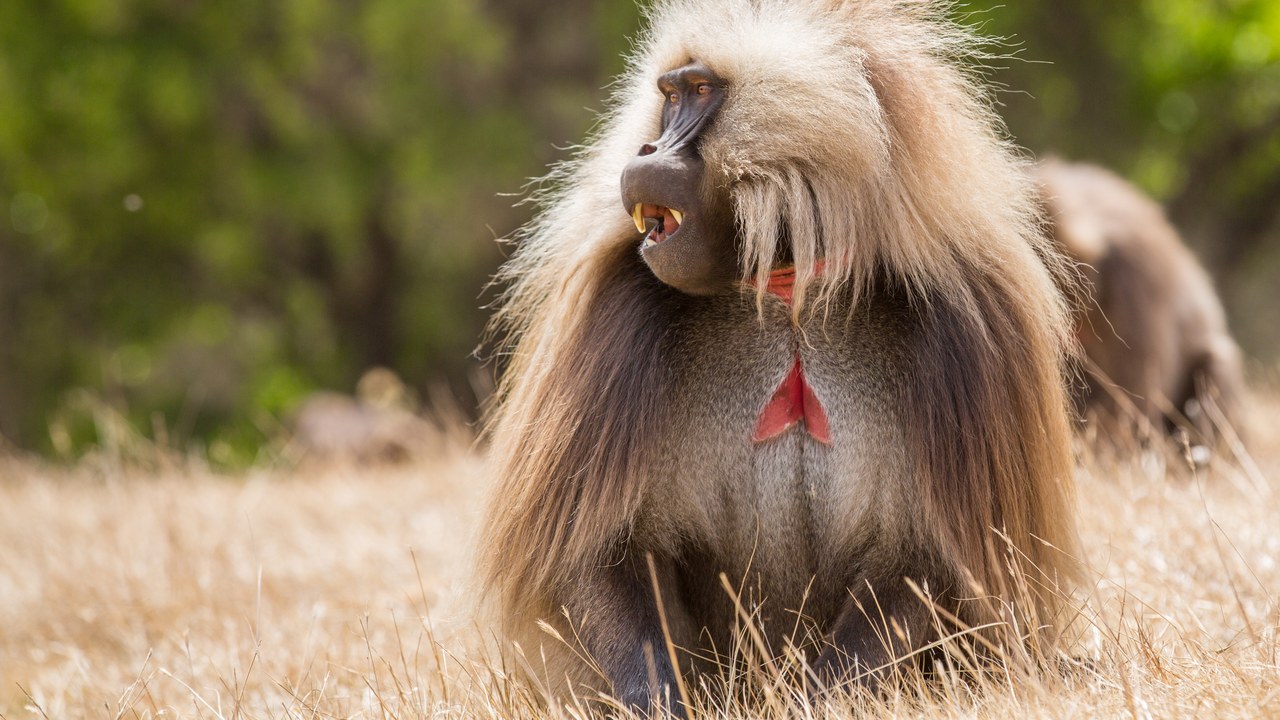
The gelada lives only in the Ethiopian Highlands, at 1,800 to 4,400 meters above sea level, and is the last living member of its genus. Grasses make up as much as 90 percent of its diet.
It is sometimes called the bleeding-heart monkey because adult males have a bright red, hourglass-shaped patch of bare skin on the chest. It spends most of its time foraging on the ground, like its baboon relatives.
11. Mandrill: Nature’s Brightest Face
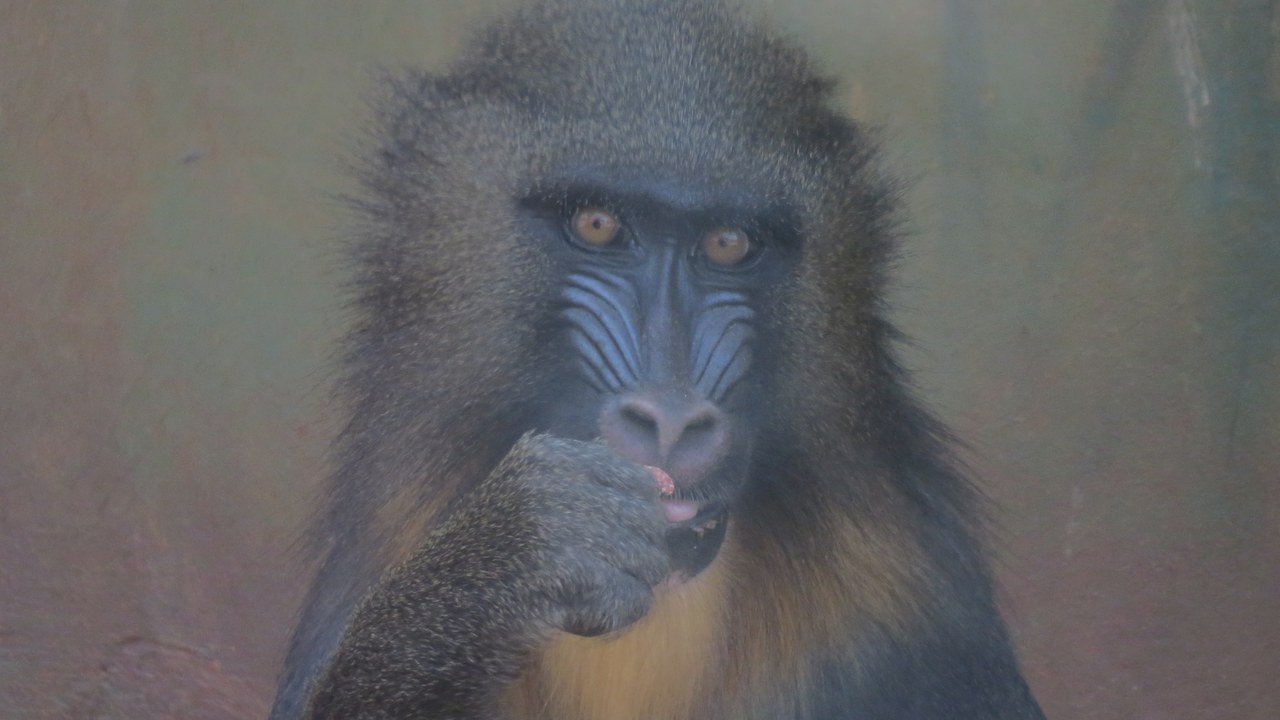
Mandrills are the largest and most colorful of the Old World monkeys, living in the rainforests of equatorial Africa. Adult females are about half the size of adult males and have duller colors.
The male with the brightest, most distinctive face appears to attract the most females. Males forage mostly on the ground for seeds, nuts, fruit and small animals, while females and young feed in the trees.
12. Lar Gibbon: Master of the Swing
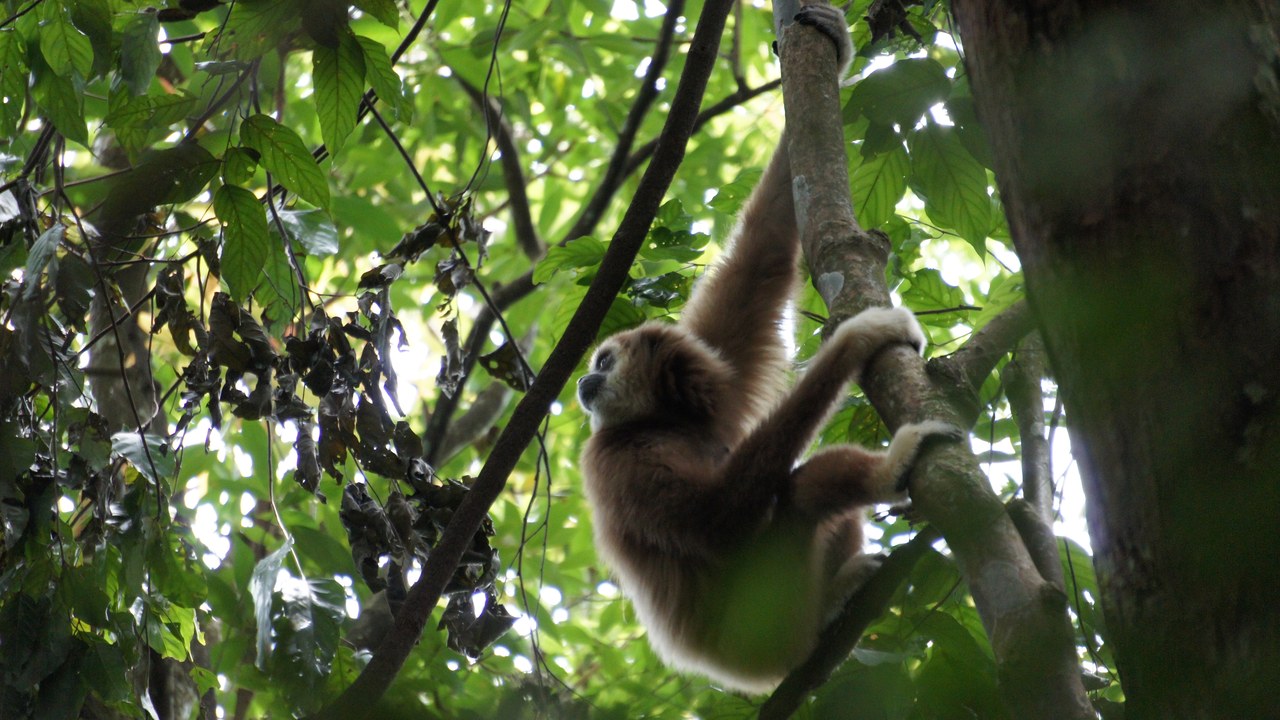
Lar gibbons are true brachiators, propelling themselves through the forest by swinging beneath branches on their long arms. Their hands and feet are white, and a ring of white hair frames the face.
The endangered lar gibbon has the greatest north-south range of any gibbon species. Fruit makes up about half its diet, with leaves, insects and flowers filling out the rest.
13. Siamang: The Gibbon With a Built-In Speaker
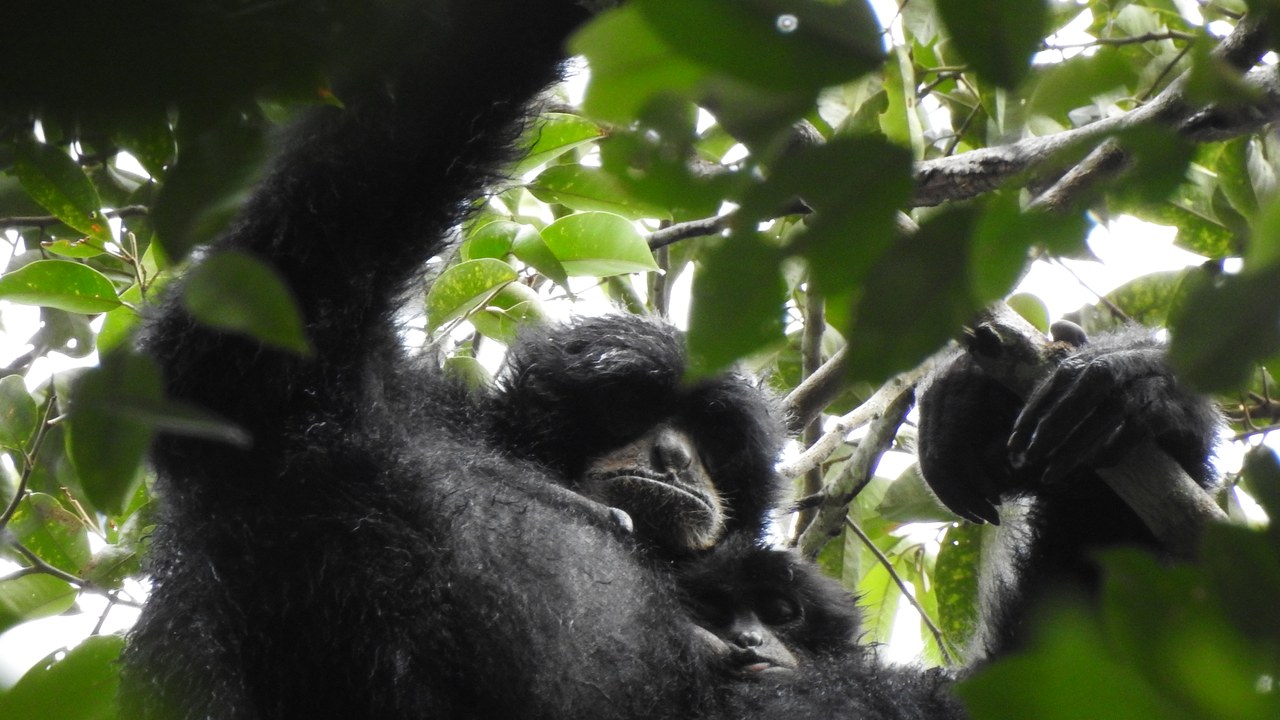
Siamangs are the largest of the gibbons, and both sexes have a grayish or pinkish throat sac that can swell as large as a grapefruit. They inflate it to make a deep boom or a high “wow” call.
Their arms can reach two and a half times the length of the body. Loud calls seem to keep neighboring groups apart, so confrontations between groups are very rare.
14. Bonobo: Where the Females Rule
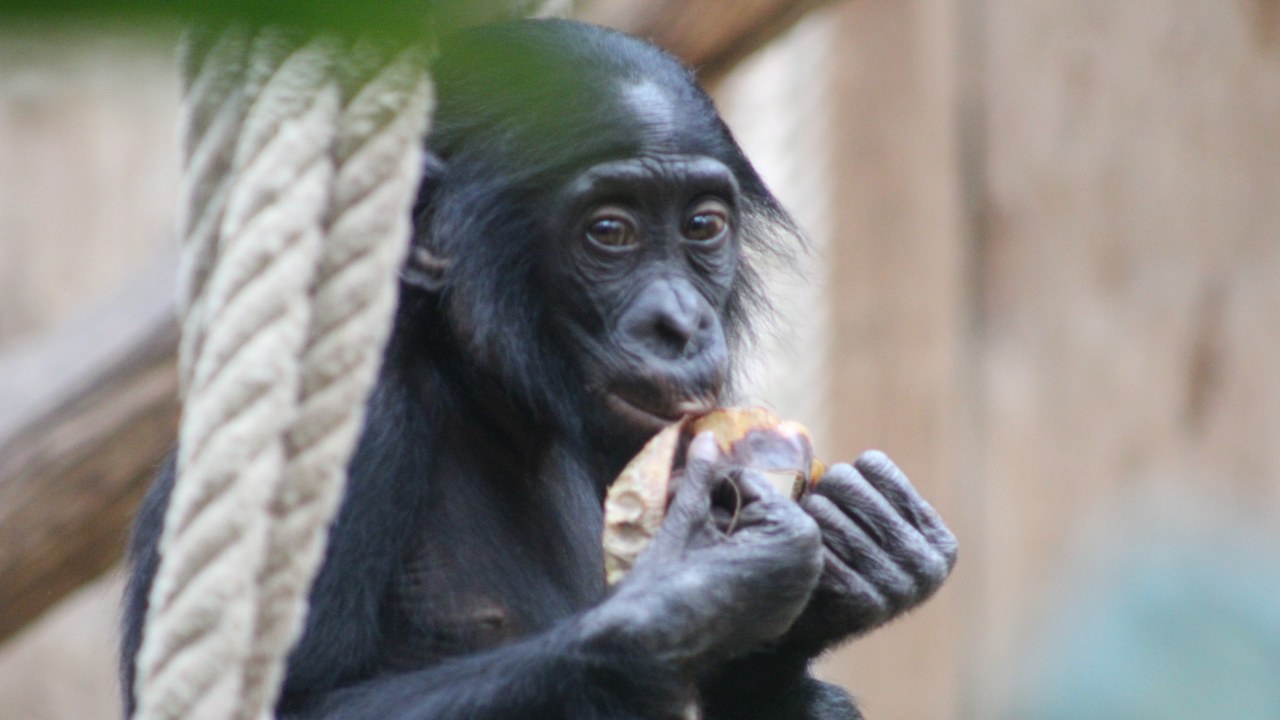
Bonobos are found only in a small part of one country, the Democratic Republic of Congo, in the rainforests of the Congo Basin. In their largely peaceful society, females take charge.
Females keep lifelong bonds with their sons and form strong bonds with each other. Bonobos share many human behaviors, from teaching their young social skills to using tools to get food.
15. Chimpanzee: The Toolmaker
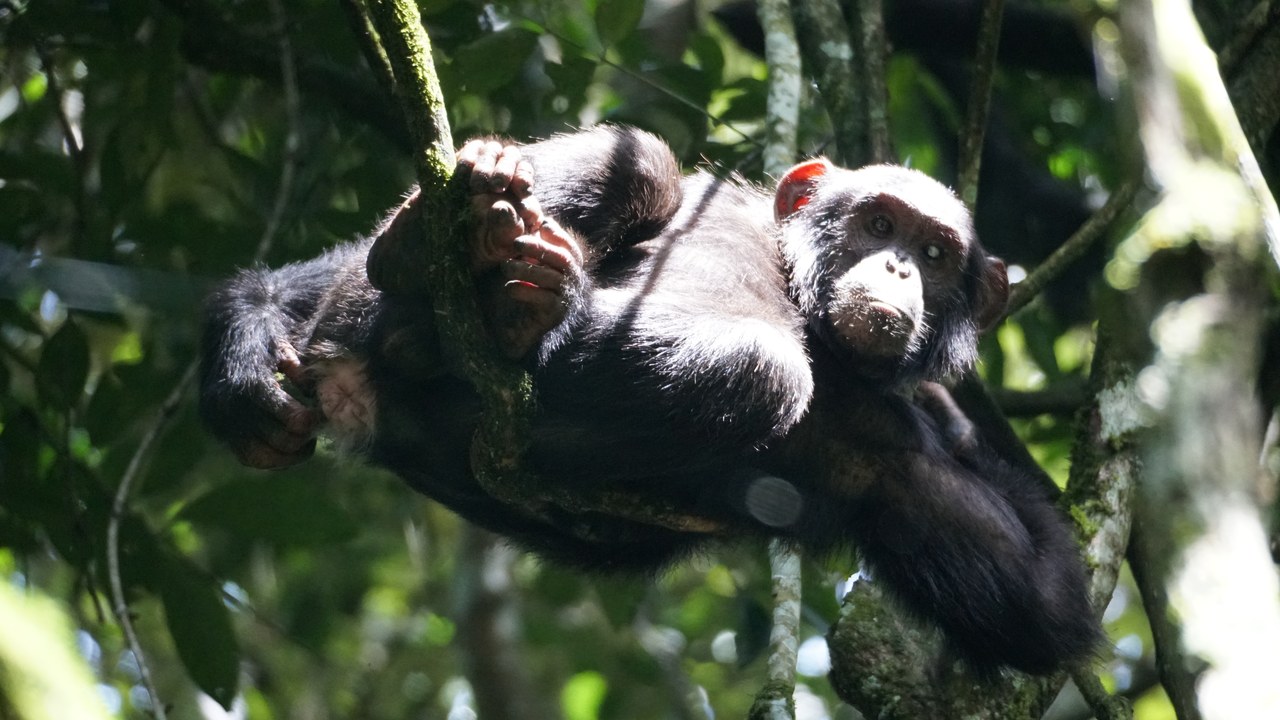
Chimpanzees are famous for using tools to get food. They strip a branch of leaves and dip it into an ant or termite nest, and when water is scarce they chew leaves into a sponge to soak up rainwater from tree holes.
A chimp community can number as many as 100 members, built from family groups of about six to 10. Males usually stay in the community where they were born, while females move to new groups as adults.
16. Orangutan: The Largest Tree-Dweller
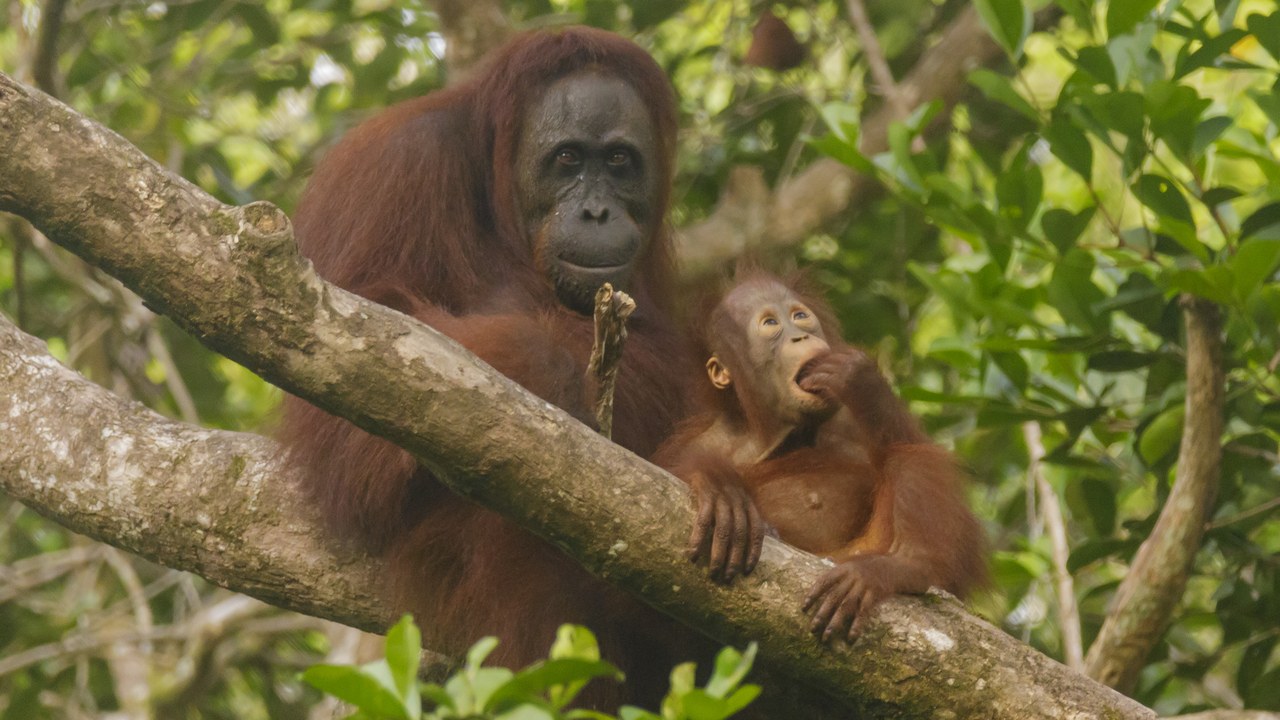
Orangutans are the largest arboreal mammals, built for life in the trees with arms much longer than their legs and grasping hands and feet. Adult males develop large cheek pads that amplify their long calls.
All three orangutan species, the Bornean, Sumatran and the newly discovered Tapanuli, are critically endangered, mainly because of habitat loss. Wild males weigh 170 to 220 pounds.
17. Mountain Gorilla: About 1,000 Left
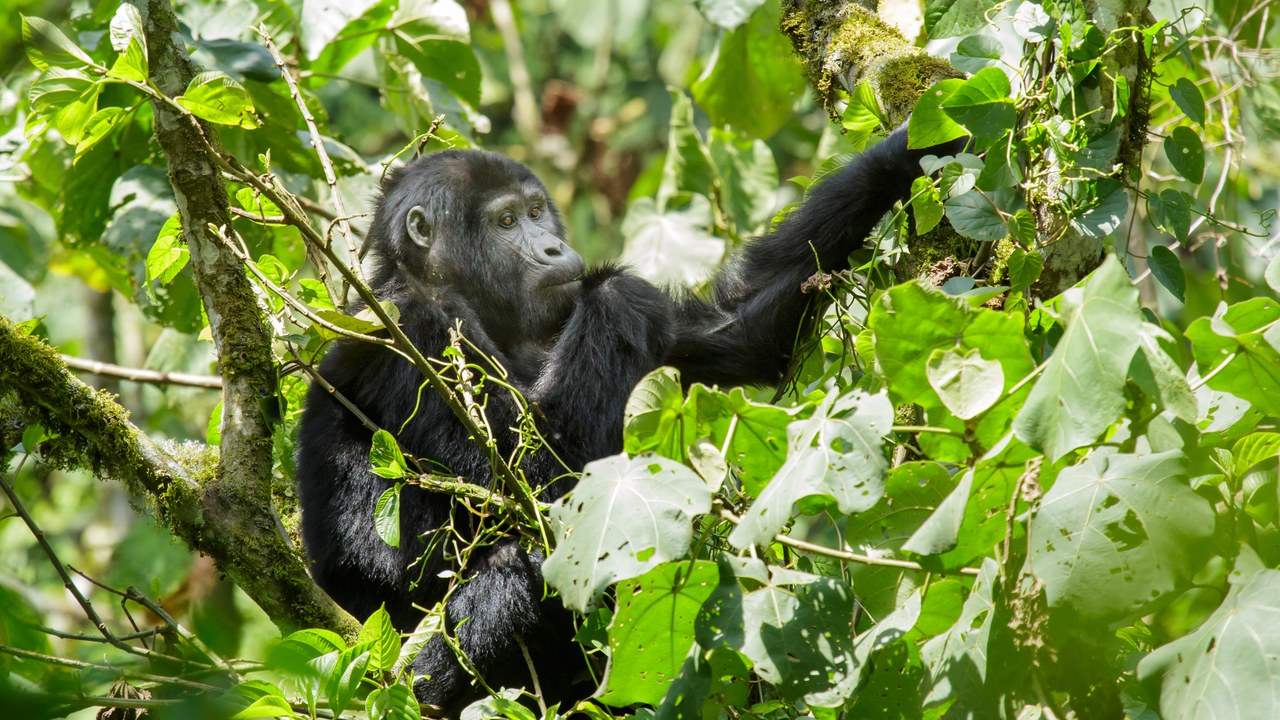
As of 2019, there were an estimated 1,063 mountain gorillas in the world, in two populations: one in the Virunga Mountains spanning Uganda, Rwanda and Congo, the other in Uganda’s Bwindi Impenetrable National Park.
Their thick, long fur lets them live in colder temperatures than other gorillas. Males can weigh 265 to 421 pounds, and the subspecies is listed as endangered.
18. Western Lowland Gorilla: The Silverback
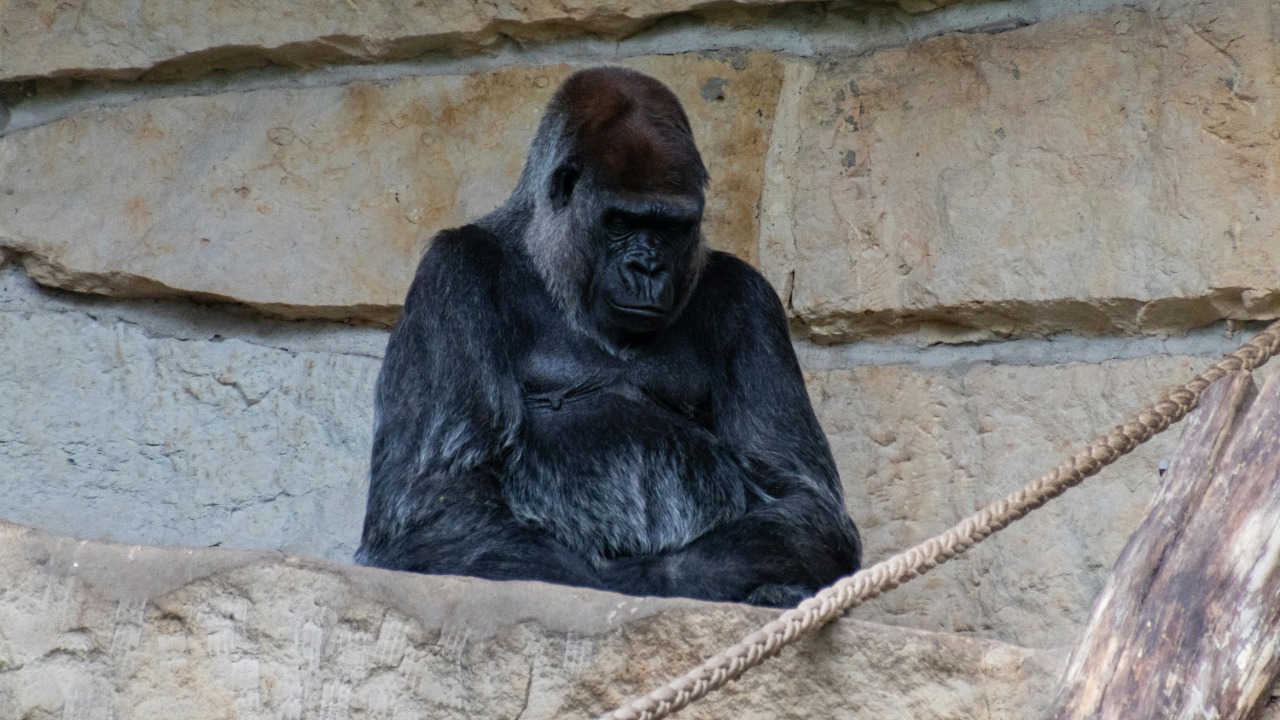
Adult male western lowland gorillas weigh an average of 300 pounds and can reach 500. Mature males, called silverbacks, carry a saddle of white hair across their backs.
Gorillas knuckle-walk on all fours, resting their weight on the third and fourth fingers. Infants carry a white tuft of hair on the rump until about age four, which helps mothers keep track of them.
More from Morning Overview
- Two Kentucky residents died when a small plane crashed at Missouri’s Lake of the Ozarks, and the NTSB is investigating
- A handful of car transmissions are so tough that mechanics say they almost never die
- Melting permafrost is setting off a newly identified kind of catastrophic landslide, scientists say
- Cadillac cut the price of its cheapest EV, which goes up to 317 miles on a charge
