
Many famous ruins spent centuries buried, overgrown or simply unnoticed by the outside world until explorers, storms and archaeologists brought them back into view. The stories behind those returns range from a single sighting to decades of digging, and some are disputed. Here are eighteen ancient sites whose rediscovery stories span jungle, desert and coast.
Read next on Morning Overview: Refiners are making less gasoline and more diesel, and here’s why
1. Machu Picchu: Citadel in the Clouds
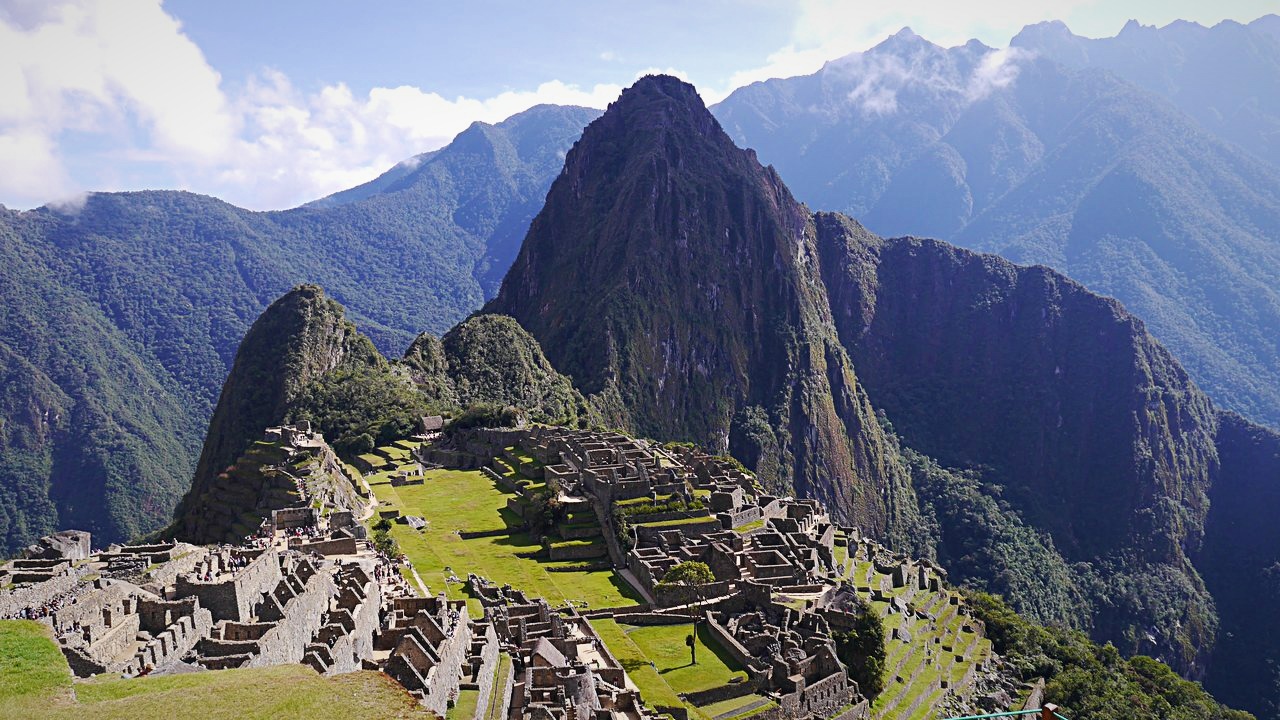
Sciencing’s account of ancient places rediscovered by scientists credits American historian Hiram Bingham with the official rediscovery in 1911 of this Inca citadel. The label is contested, since the site was never unknown to the people living nearby.
The dispute explains why the word rediscovery carries an asterisk here. Visitors today walk terraces and stone buildings that outsiders only began documenting at the start of the twentieth century.
2. Troy: Nine Cities in One Hill
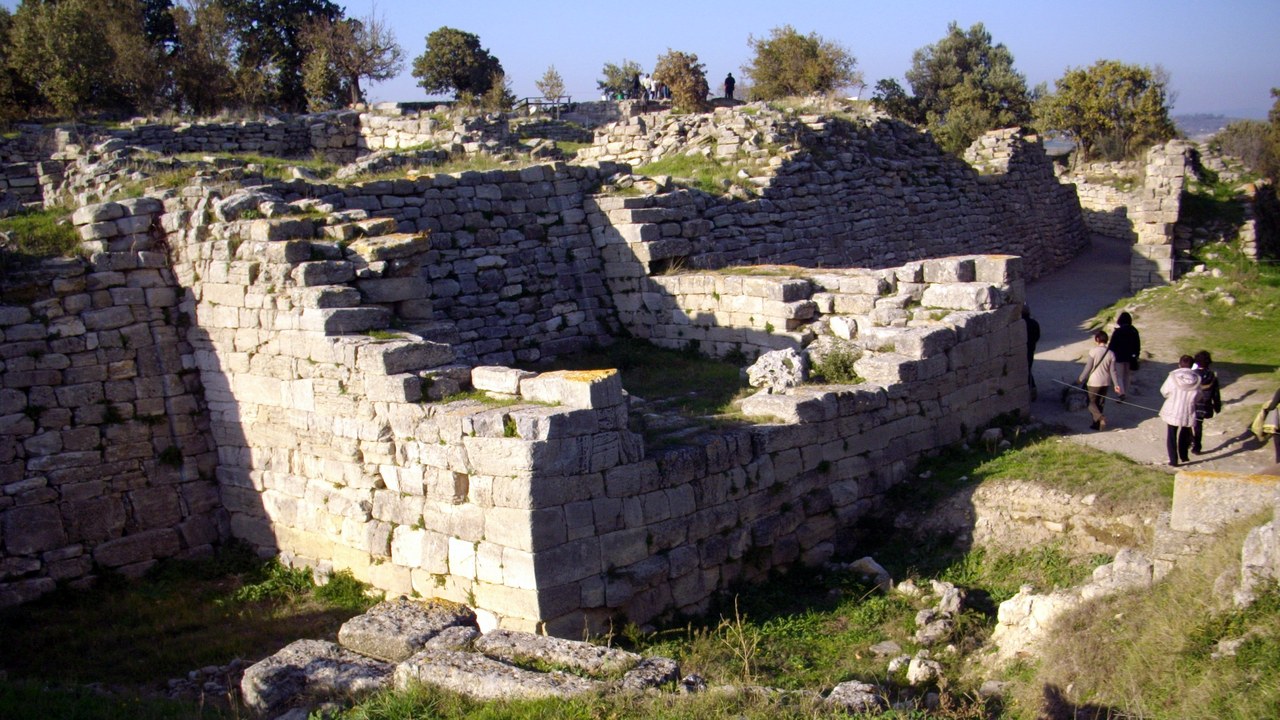
Heinrich Schliemann first systematically excavated the mound at Hisarlik in the 1870s, and the site is described as holding at least nine settlement layers. Each layer marks a separate phase of occupation stacked on the one before.
That stacking is the reason Troy matters to archaeologists as much as to readers of Homer. Interpreting which layer belongs to which era remains a specialist task, and Schliemann’s early digging is itself debated.
3. Petra: The Rose-Red Rock City
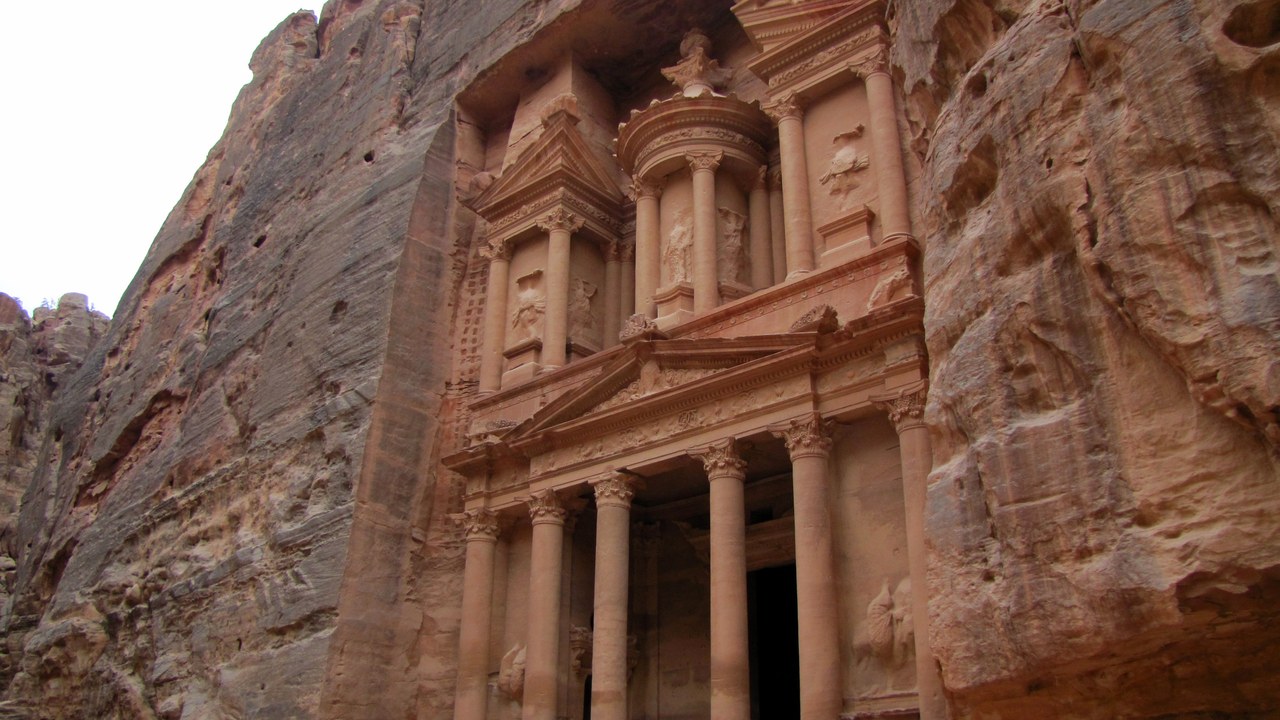
Swiss explorer Johann Ludwig Burckhardt is the man credited in Sciencing’s list of rediscoveries with revealing the existence of Petra to the Western world in 1812. Local communities, of course, had never lost track of the place.
Its facades carved into sandstone cliffs made the news travel quickly once it reached Europe. The story shows how a lost city for one audience can be a well-known landmark for another.
4. Angkor: Khmer Capital Behind the Trees
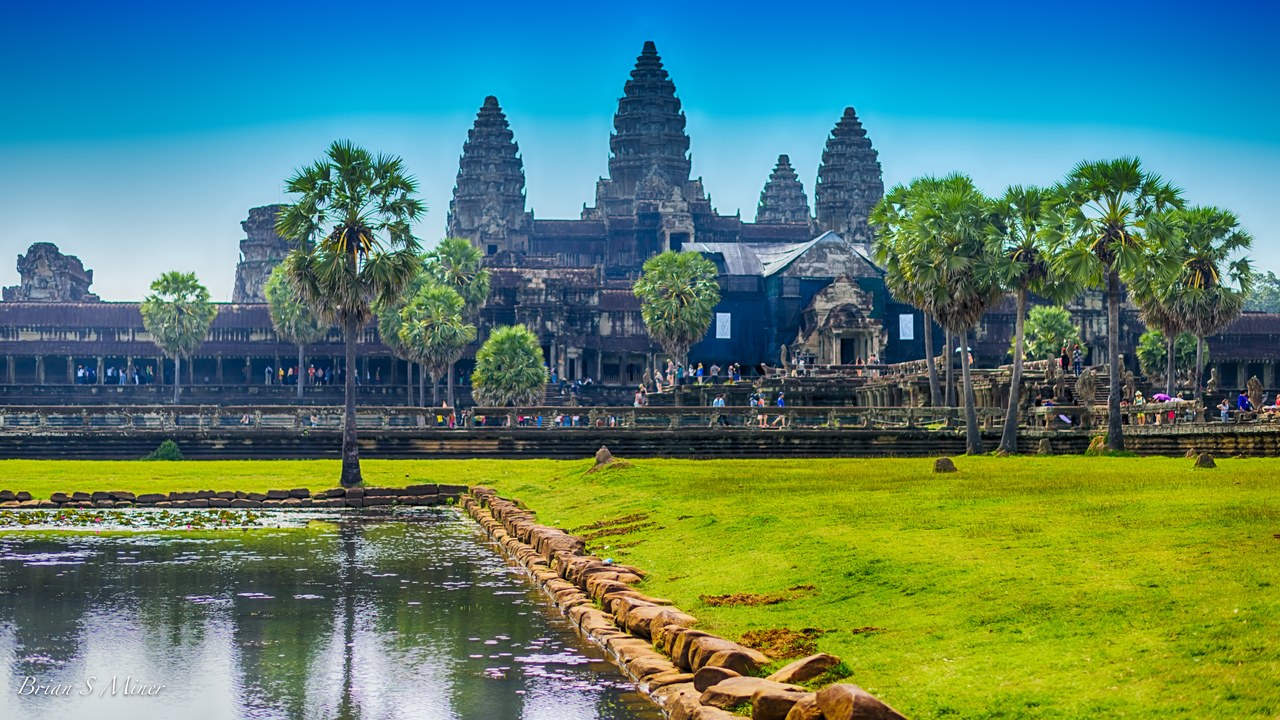
French explorer Henri Mouhot is named in the Sciencing roundup as the figure who brought the Khmer capital to wider European attention in the 1860s. The wording matters, because the temples had remained known and in use in Cambodia.
The distinction between lost and unknown recurs across this list. Angkor’s fame in the West grew from travel writing, and its sprawling temple complex has remained a central symbol of Cambodia since.
5. Mohenjo-daro: Indus Valley Mound of the Dead
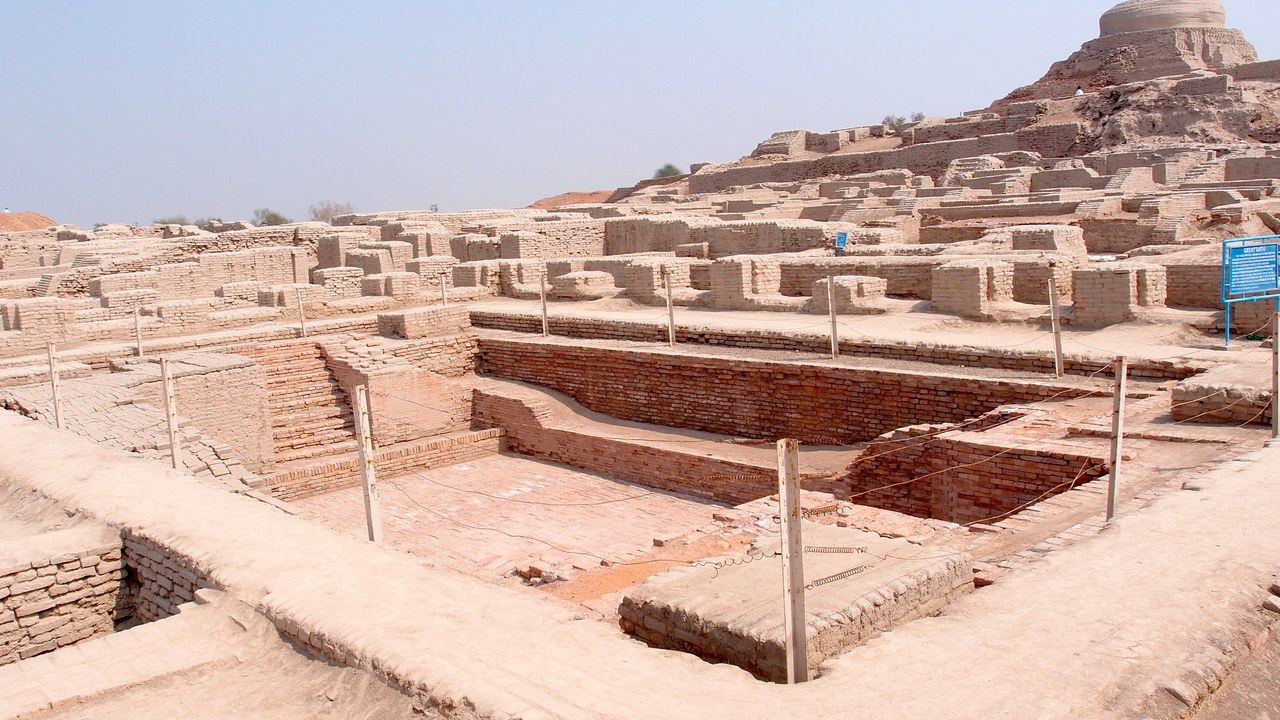
Indian archaeologist R.D. Banerji ended the long silence in 1922, when, in Sciencing’s wording, the city remained hidden until its rediscovery by him. It stands as one of the major cities of the Indus Valley civilisation.
The find pushed the story of urban South Asia far back in time. Brick-built streets and buildings of this kind showed that a sophisticated early civilisation had existed before it was recognised.
6. Babylon: Ishtar Gate Unearthed
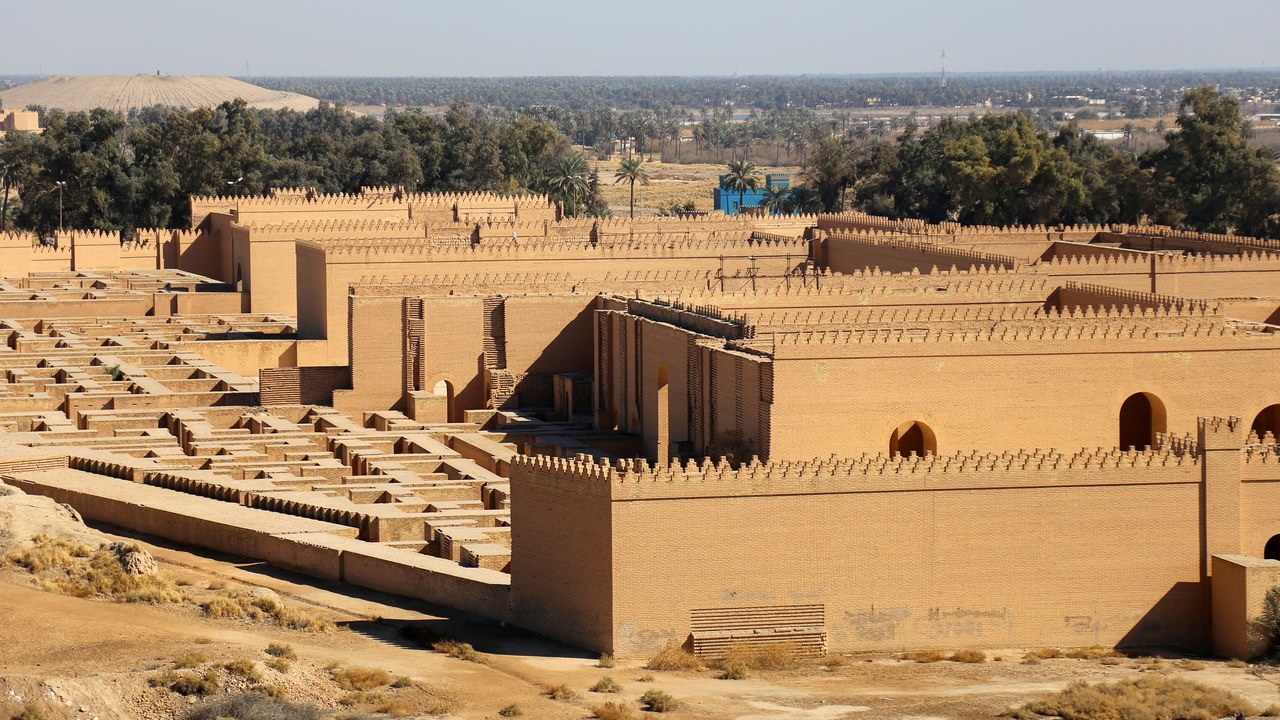
German archaeologist Robert Koldewey led extensive excavations at the ancient Mesopotamian capital from 1899 to 1917, uncovering the Ishtar Gate and palaces. Nearly two decades of digging gave the site one of the longest campaigns on this list.
The gate’s glazed brickwork became the best-known result of those years. Babylon is a reminder that some lost cities were never forgotten by name, only buried and needing a spade to prove it.
7. Hampi: Empire Under the Boulders
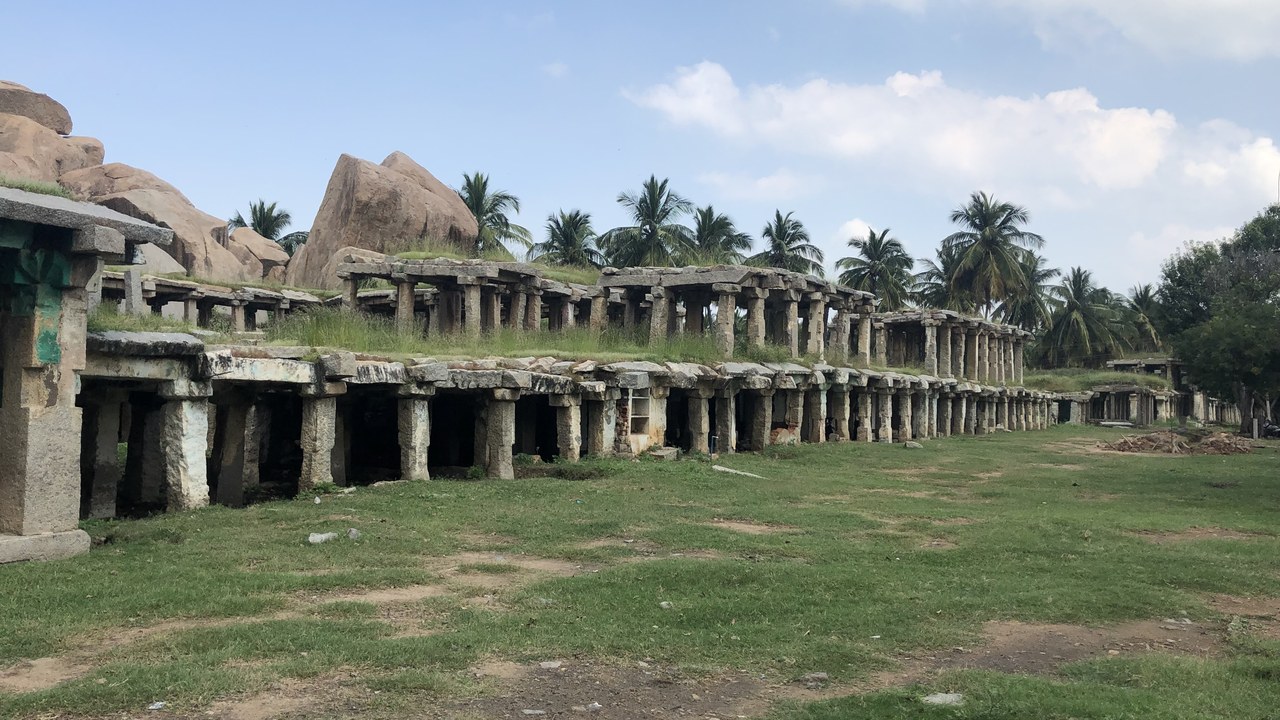
Scottish officer Colin Mackenzie rediscovered Vijayanagara in 1799, and one report notes that he didn’t realise he was looking at the remains of a great empire. The city had been abandoned after a war in 1565.
Mackenzie’s survey made the ruins visible to colonial scholars, though local worshippers had never entirely left the area. Today the granite-strewn site is visited as one of South India’s major heritage landscapes.
8. Caral: Oldest City in the Americas
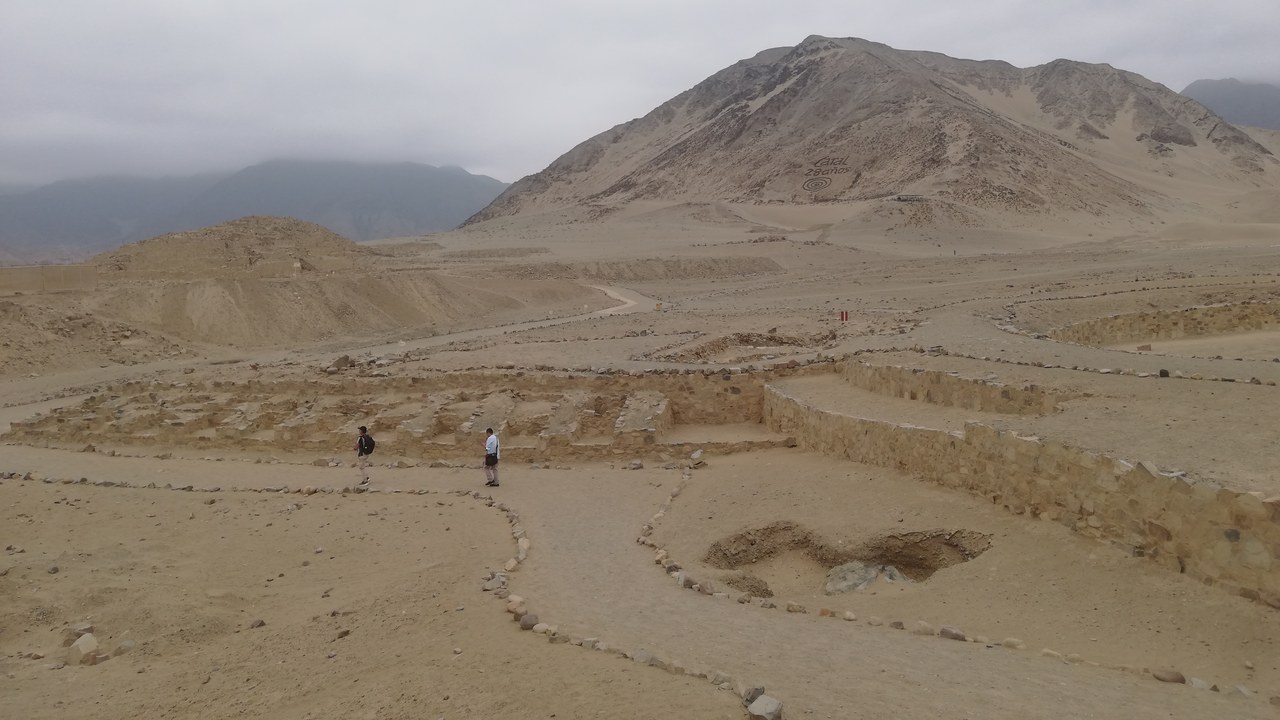
Dated to about 5,000 years ago, Caral is described as the oldest city in the Americas. In 1948 Paul Kosok came across the remains of the ancient settlement while working in Peru.
Its age places it among the earliest urban centres anywhere, far older than the Inca sites that dominate popular imagination. For readers, it widens the timeline of the Americas considerably.
9. Pompeii: Frozen Under Ash
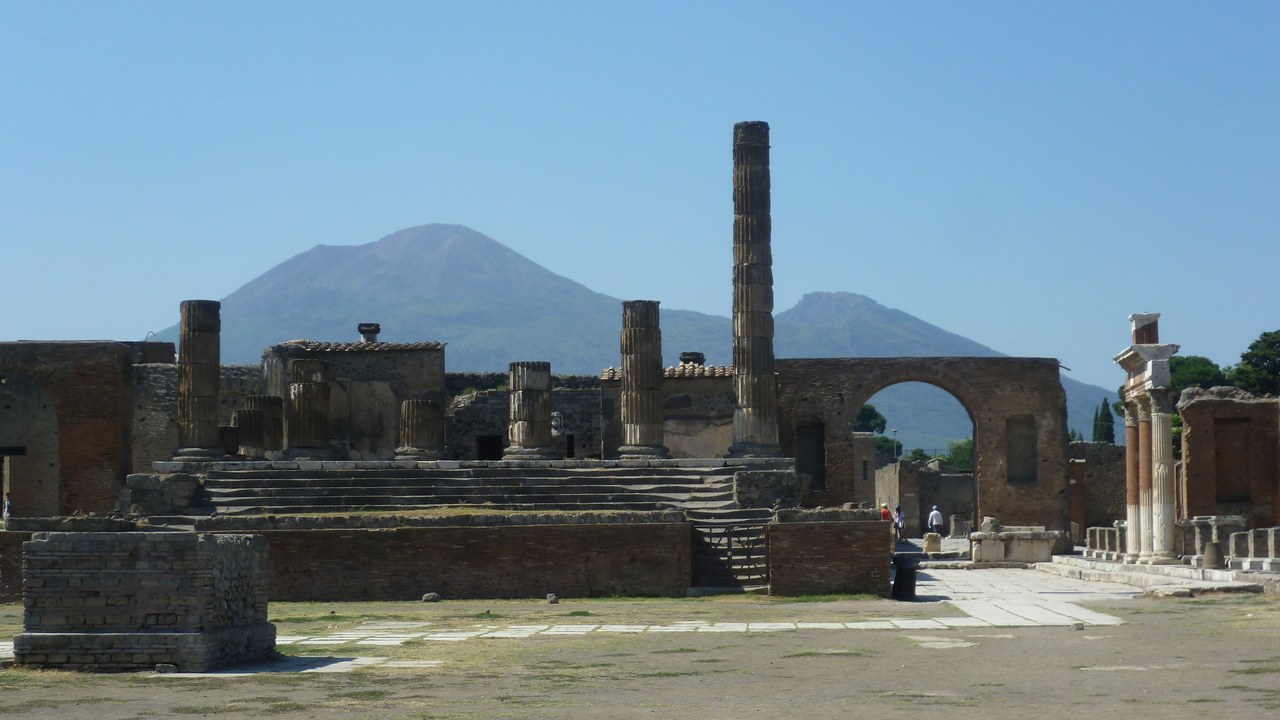
Vesuvius buried the Roman city in AD 79, and workmen digging foundations for a palace found it in 1748. A travel feature calls it the lost and largely forgotten Roman city of Pompeii, though sources disagree about exactly when it was first noticed.
The ash preserved streets, houses and everyday detail in a way few ancient sites match. That conflict over dates is why the 1748 figure here follows a single source’s wording.
10. Skara Brae: Village Bared by a Storm
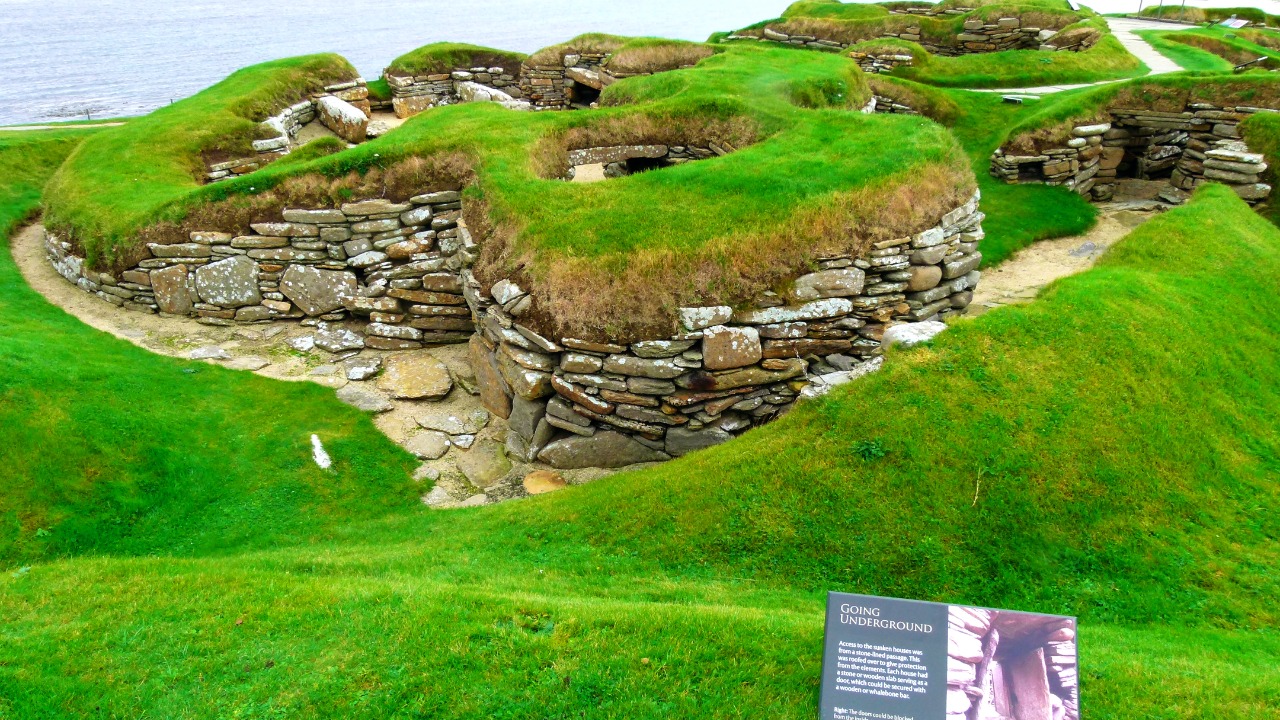
A storm in the winter of 1850 stripped away the covering of this Orkney settlement, and observers uncovered a hidden settlement of stone roofless houses. The village was inhabited from about 3200 to 2200 BC.
Its stone construction survived because the dwellings were built into mounds of earth, a feature of Neolithic life in Scotland. The site shows that weather can be as effective a discoverer as any expedition.
11. Sigiriya: Rock Fortress in the Bush
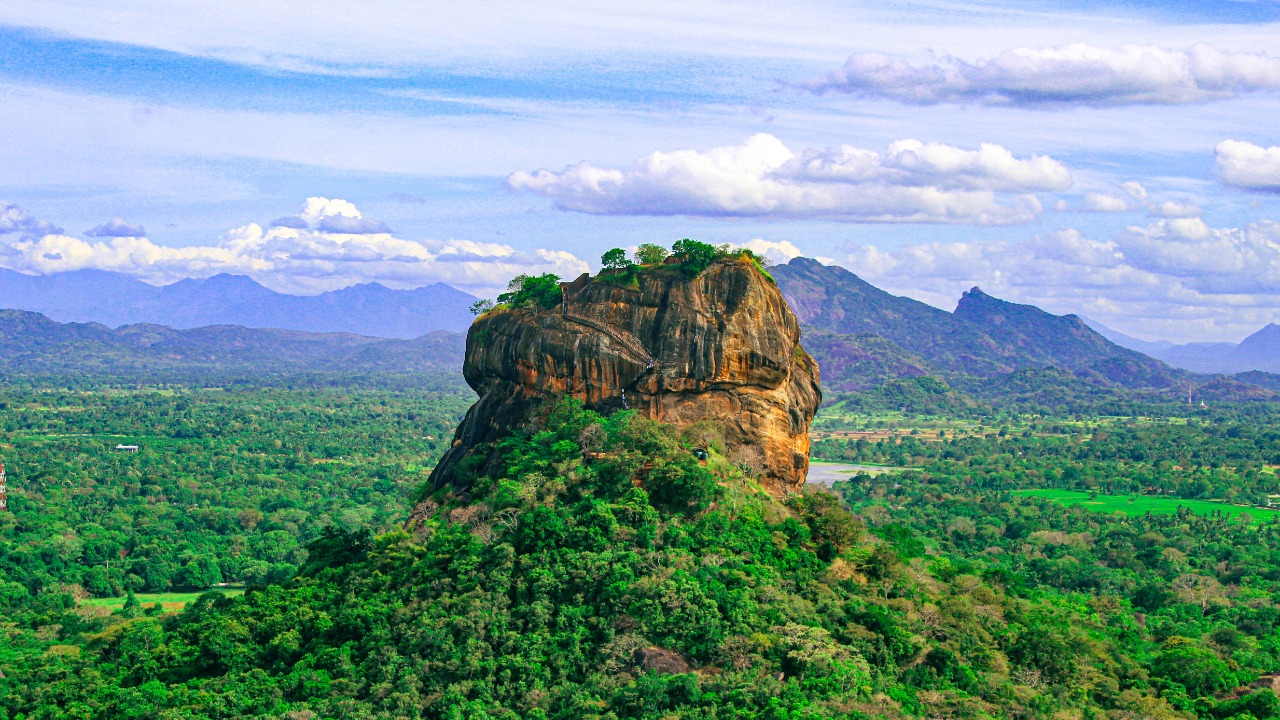
Major Jonathan Forbes rediscovered the site in 1831, and a travel report describes the bush-covered summit of Sigiriya. The citadel had been abandoned from the 14th century, leaving the rock to the forest.
A tall rock rising from the plain of Sri Lanka is hard to lose for long, yet the buildings and gardens around it were forgotten by outsiders. Climbing it today is among the island’s best-known excursions.
12. Ciudad Perdida: Tairona City Behind the Vines
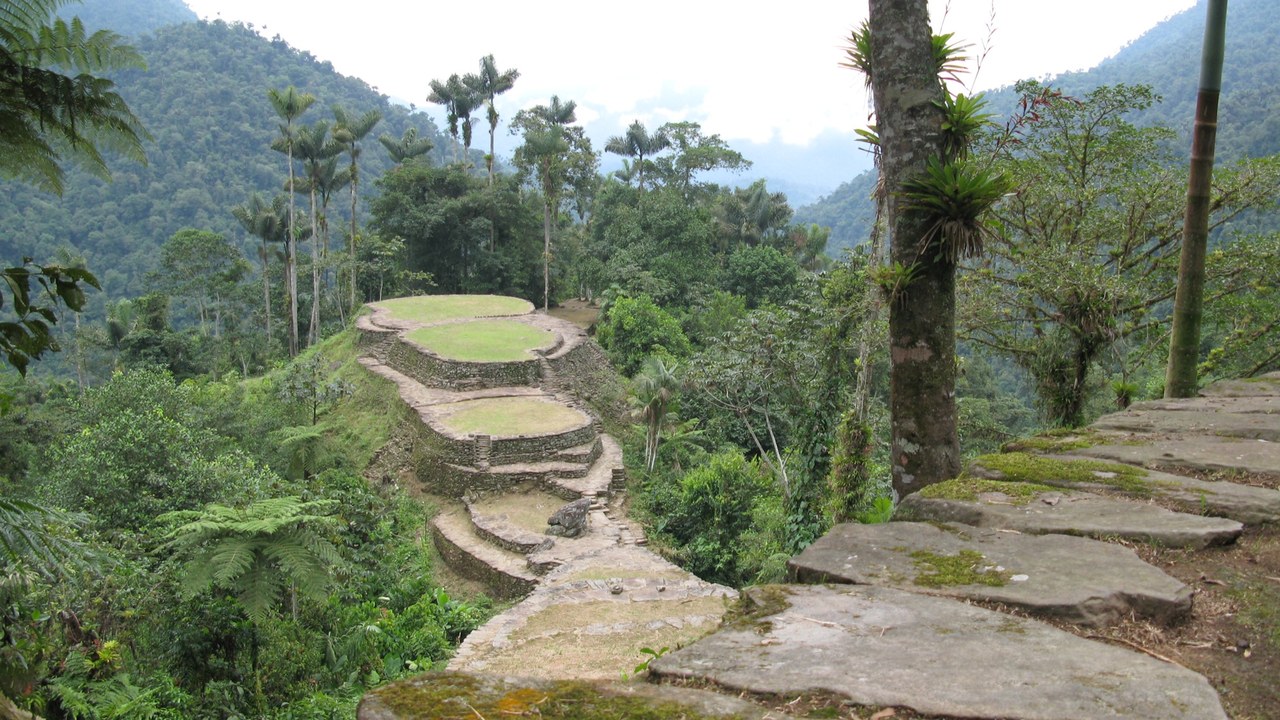
Bird hunters stumbled on the Tairona city in 1972, and reports say they found the ruins of a vast city buried under thick foliage. Dates vary slightly between sources, which describe the find as occurring in the 1970s.
The mountain location in Colombia explains why the site stayed overgrown for so long. Reaching it today takes a multi-day trek, which keeps the experience far removed from mass tourism.
13. Knossos: Palace of the Labyrinth Legend
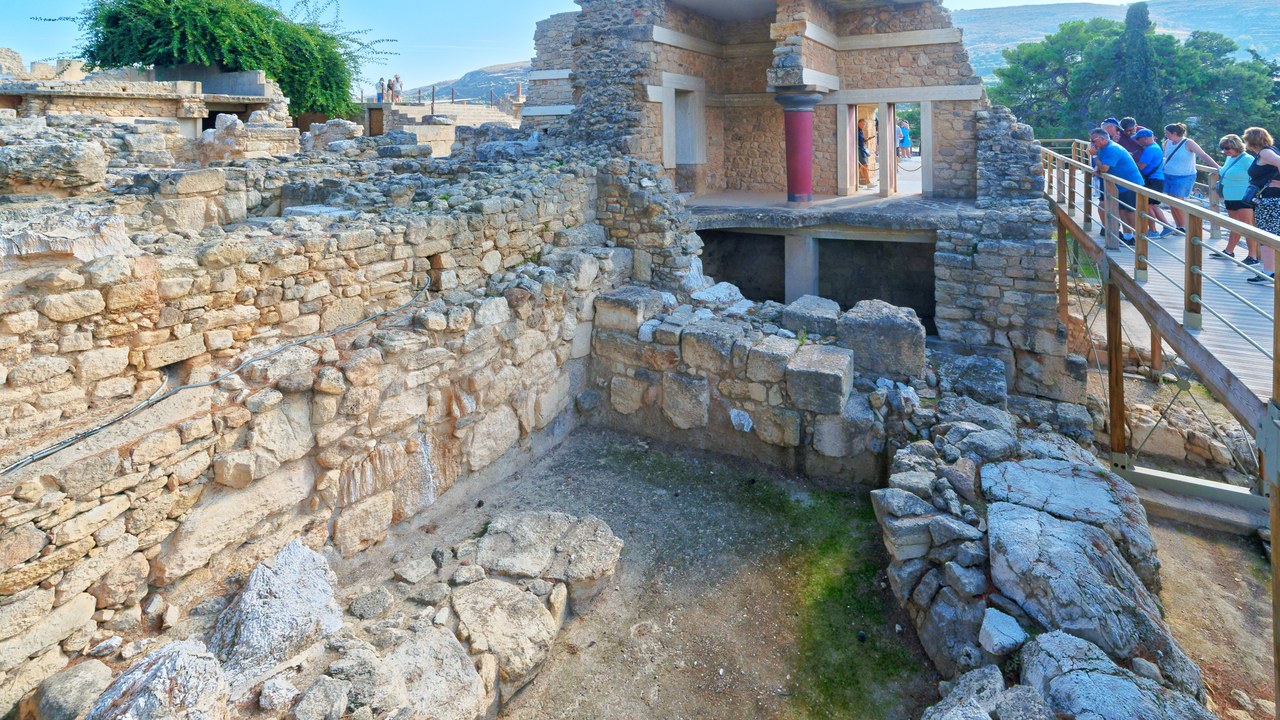
Arthur Evans excavated the Minoan palace complex from 1900 to 1932, and the University of Canterbury notes that he uncovered a great palace complex. Over three decades of work shaped how the Bronze Age Aegean is understood.
Evans’s reconstructions remain controversial among specialists, but the site on Crete is still the focus of Minoan studies. Knossos shows that rediscovery can also mean rebuilding, with all the choices that implies.
14. Mesa Verde: Cliff Palace Seen From the Rim
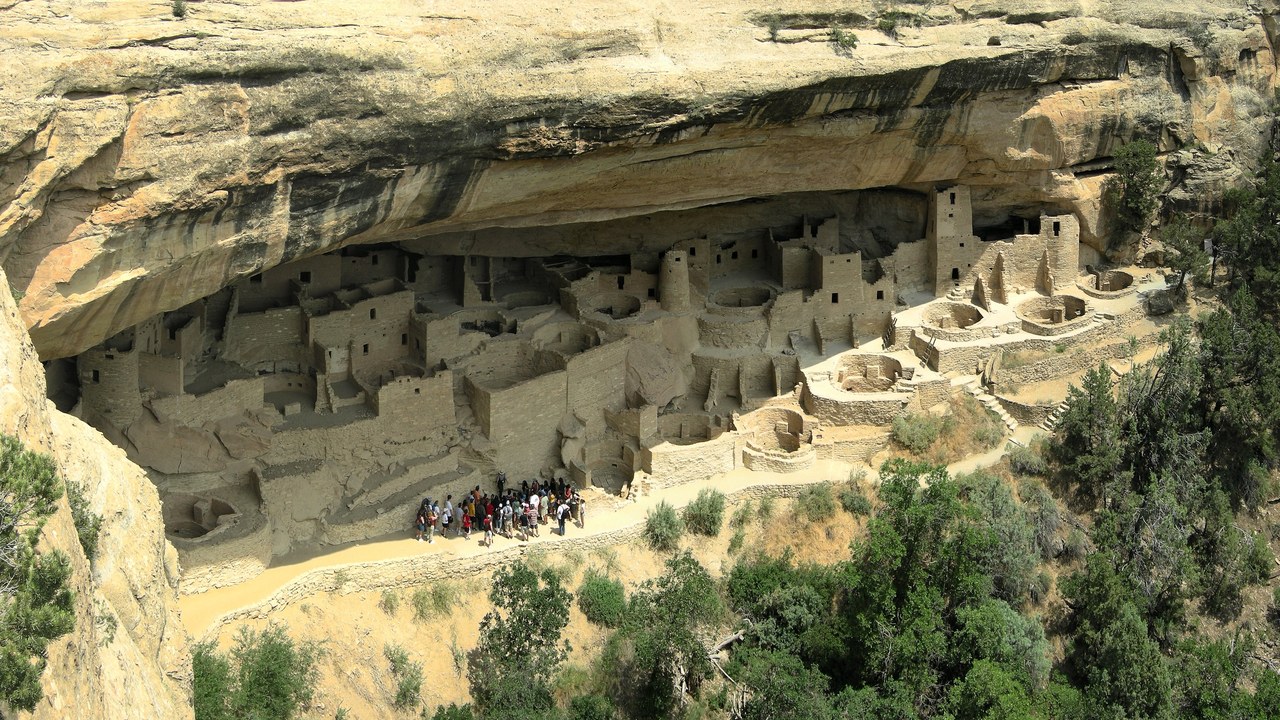
On December 18, 1888, Richard Wetherill and Charles Mason first saw Cliff Palace in the cliffs of southwestern Colorado, according to the National Park Service. The sandstone alcove dwellings had stood empty long before.
The sighting led to the creation of a national park protecting the ancestral Puebloan homes. For visitors, the date marks the moment those buildings entered the written record of the United States.
15. Palenque: Palace Used as a Campsite
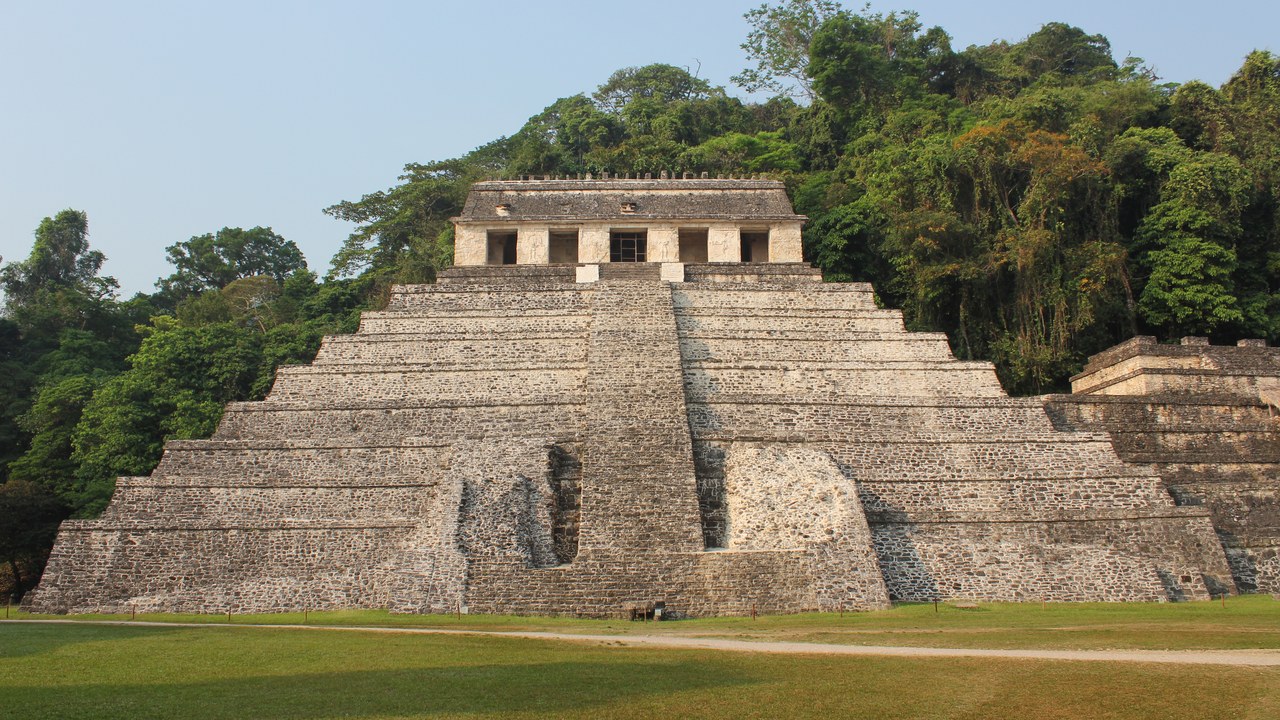
John Lloyd Stephens and Frederick Catherwood reached the Maya city despite a ban by Santa Anna, as recounted by National Geographic’s history of Maya archaeology. The explorers camped in the Palace itself.
Catherwood’s drawings of such places later introduced the Maya world to a wide audience. Sleeping among the ruins was a practical choice in the Chiapas jungle, though it would be unthinkable under modern rules.
16. Chichén Itzá: Pyramid on the Yucatán Plain
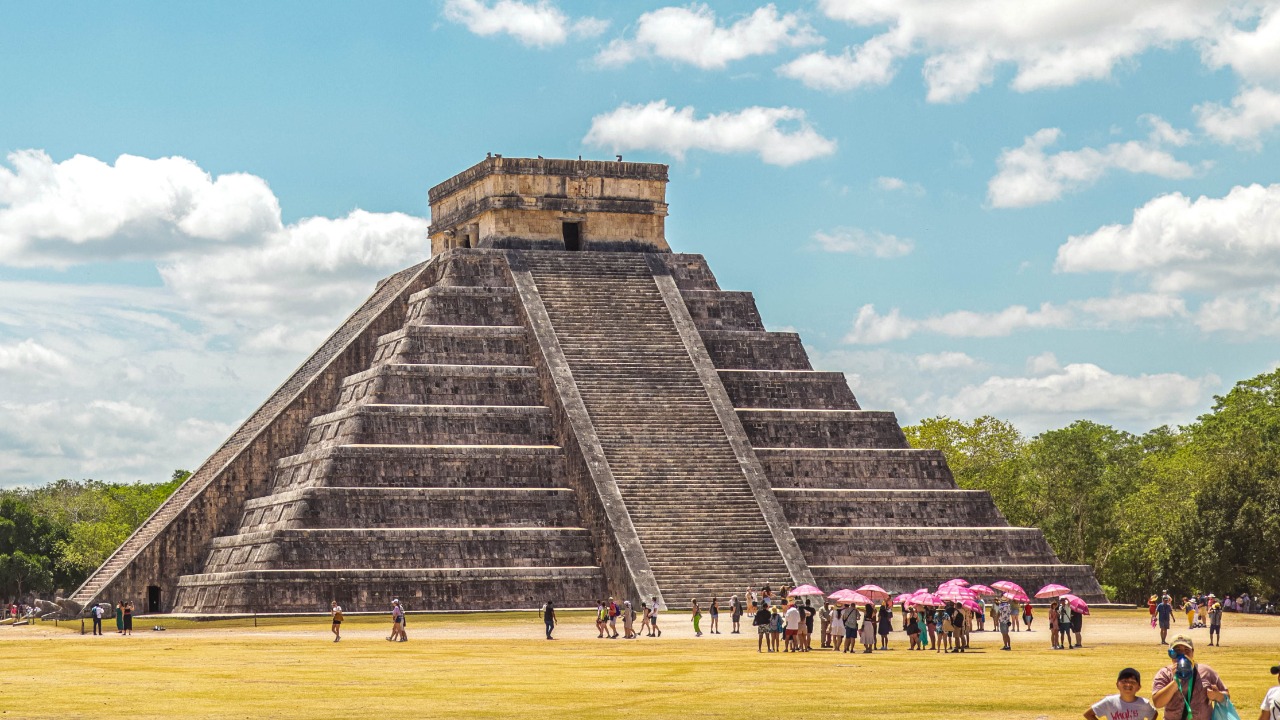
The same pair of explorers reached the Yucatán city on March 15, 1842, a date recorded in the Stephens and Catherwood story. The visit came during their second journey through the Maya region.
The city’s stepped pyramid is now among the most visited ancient monuments in Mexico. Their account helped fix the place in the public imagination well before systematic excavation and tourism arrived.
17. Copán: Fallen Stelae of Honduras
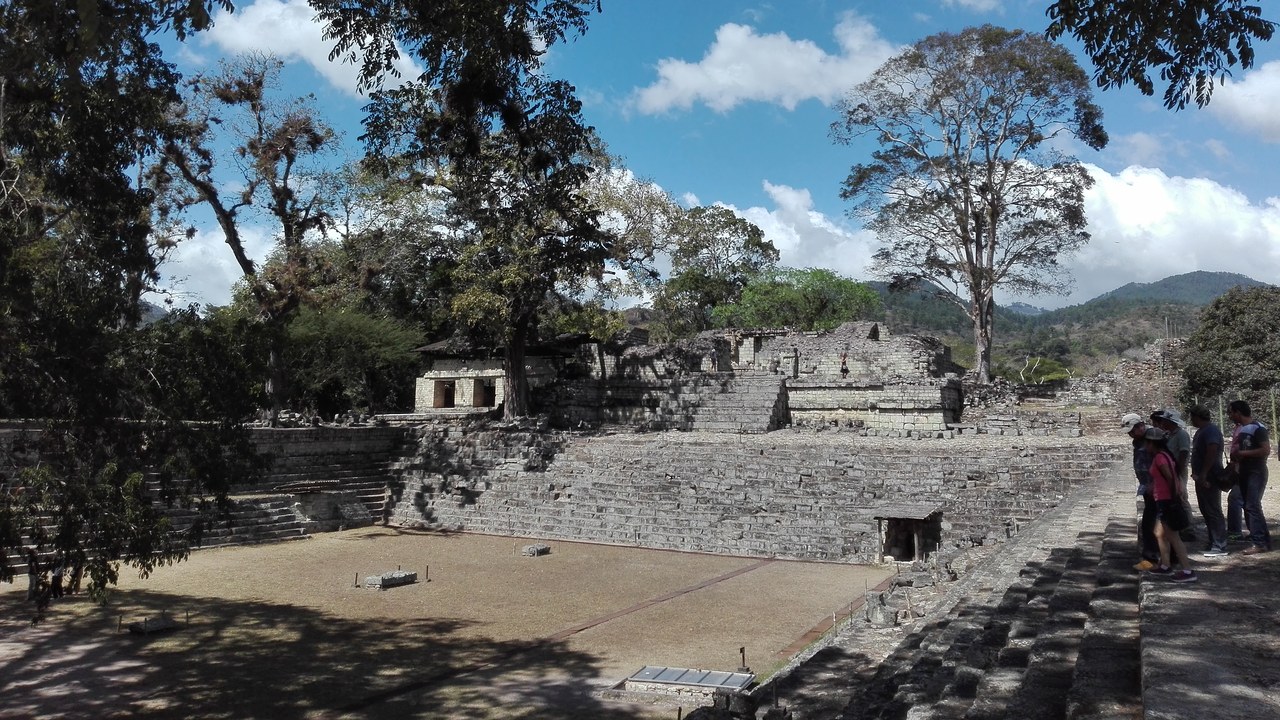
Stephens and Catherwood reached the Honduran city in 1839 and found fallen stelae and carved hieroglyphs. Stephens wrote that the people who reared the monuments had published a record of themselves.
That observation anticipated the later decipherment of Maya writing, which turned the carvings into readable history. Copán is today known for exactly those sculpted monuments and inscriptions. The site in western Honduras sits within a large archaeological park, and its monuments still reward close study.
18. Tulum: Walled Port Above the Caribbean
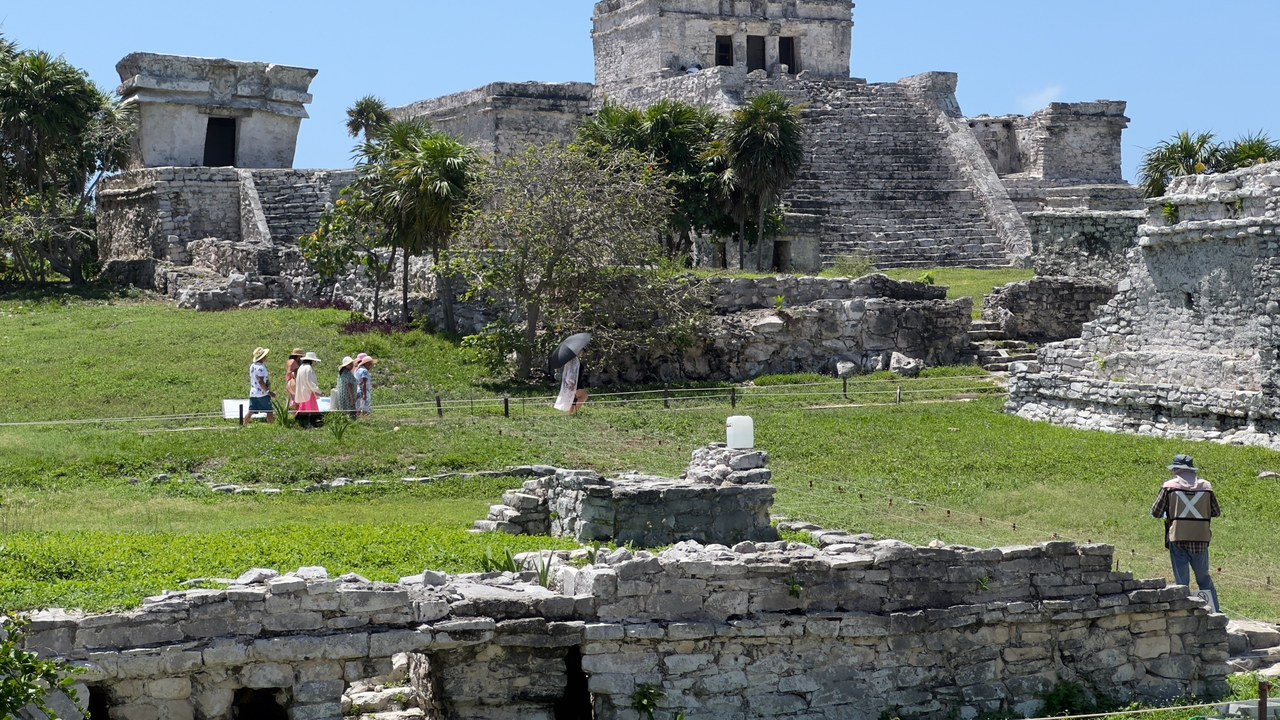
Stephens and Catherwood visited this city on the Yucatán coast in 1841, during their second journey through Maya lands. The walled site sits above the sea, unlike the inland cities visited on other legs of the trip.
Its coastal setting made it a different kind of lost city, one tied to maritime trade rather than jungle isolation. The ruins are now a popular stop for travellers along the Caribbean shore.
More from Morning Overview
- Tesla’s Cybercab has already crashed 8 times, and the worst one came at highway speed
- Hidden wear was found inside a New Jersey nuclear reactor during its outage
- California’s Long Valley supervolcano is quietly sinking, its biggest drop on record
- Up to 5 feet of snow is burying Donner Pass, and forecasters warn against Sierra travel
