
Eighteen penguin species share the planet, and their stories are heading in very different directions. Some colonies have multiplied for decades, while others have lost most of their birds. Here are twelve penguins, from Antarctic giants to a tiny New Zealand diver and the only species living north of the equator, with the facts scientists and conservation agencies have recorded about each.
Read next on Morning Overview: New FCC rules on how people can stop robocalls and texts take effect Nov. 25
1. Emperor penguin: The Giant That Breeds in the Dark
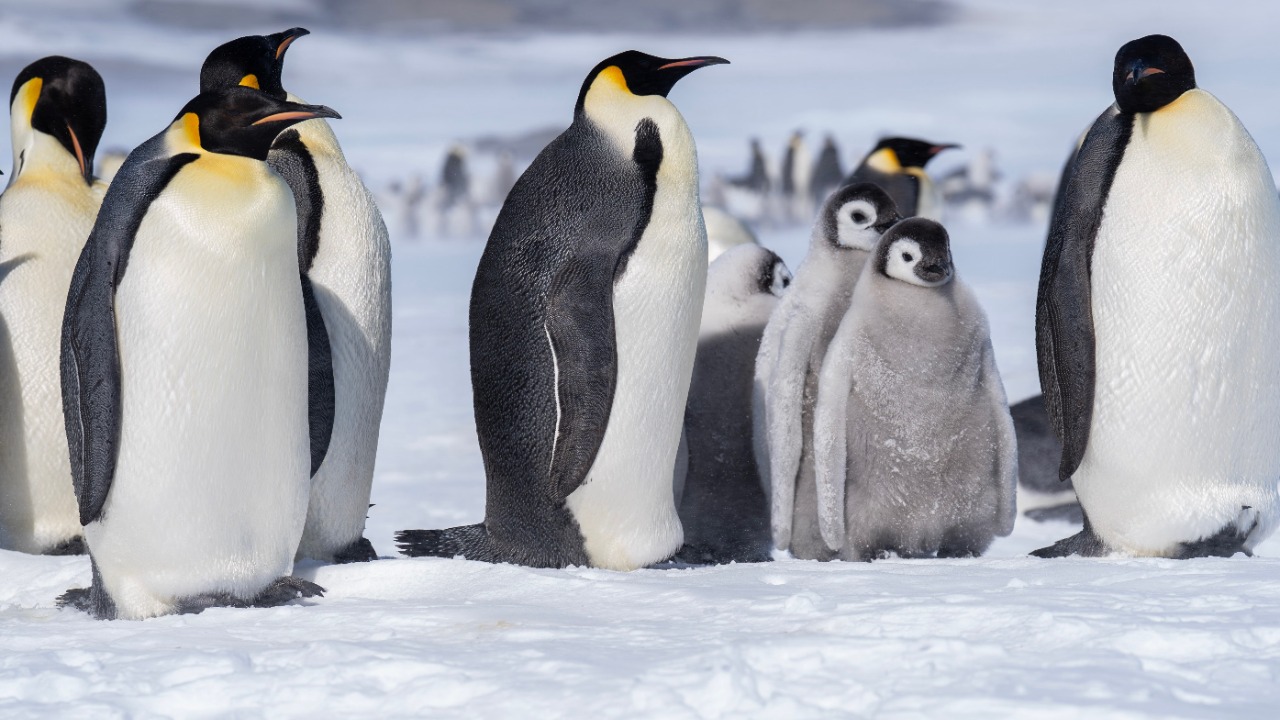
The emperor is the largest of the 18 penguin species, and the Australian Antarctic Program says adults can weigh up to 40 kg (88 lb) at the start of breeding. Emperors are also the only animals that breed during the Antarctic winter, with males alone incubating the eggs.
To survive blizzards of up to 200 km/h, males huddle as many as 10 to a square metre, cutting heat loss by as much as 50%. The program lists the emperor as endangered, with populations projected to decline over the next three generations as the climate changes.
2. King penguin: Hunted for Oil, Now Back in Huge Numbers
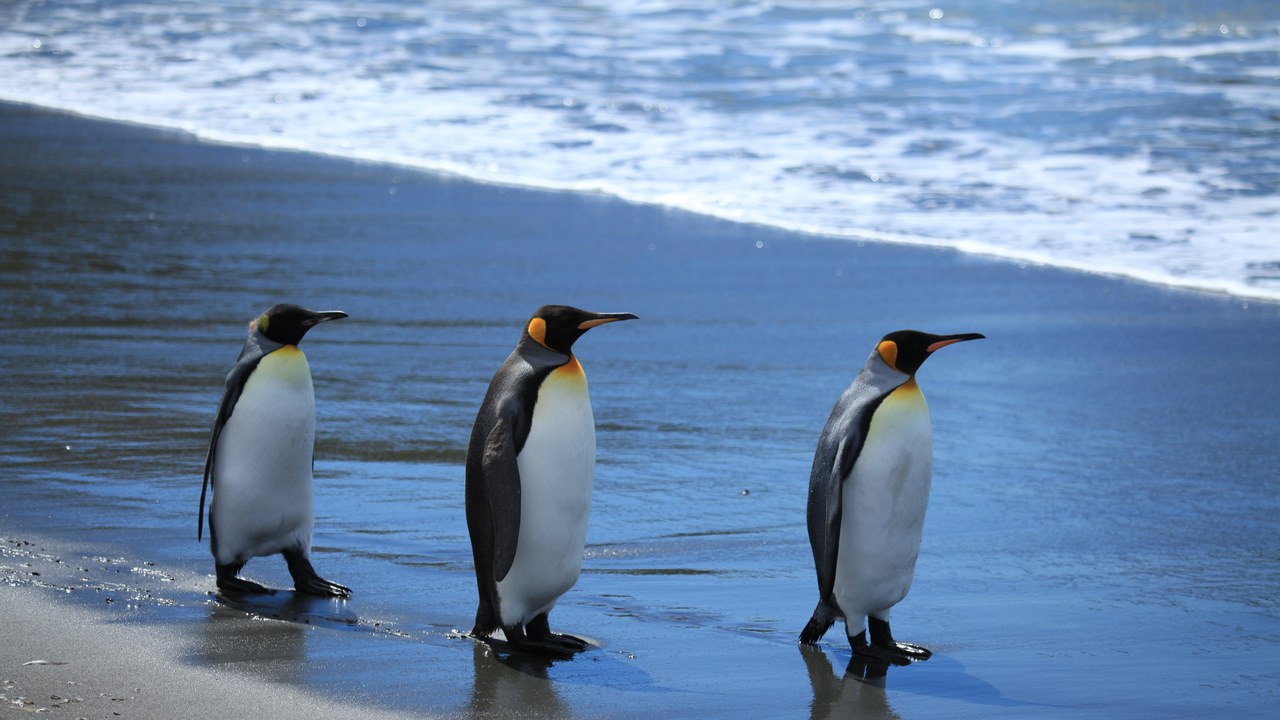
King penguins are the second-largest species, standing 85 to 95 cm tall. Their breeding cycle runs 13 to 16 months, longer than any other penguin’s, and chicks can fast for months while parents feed far out at sea.
In the 19th and early 20th centuries, sealers on sub-Antarctic islands turned to king penguins as a source of oil, and many colonies were nearly wiped out. Since sealing ended, most populations have increased, and the global count appears to have stabilised at roughly 1.6 million breeding pairs.
3. Adélie penguin: The Pebble Thief That Keeps Multiplying
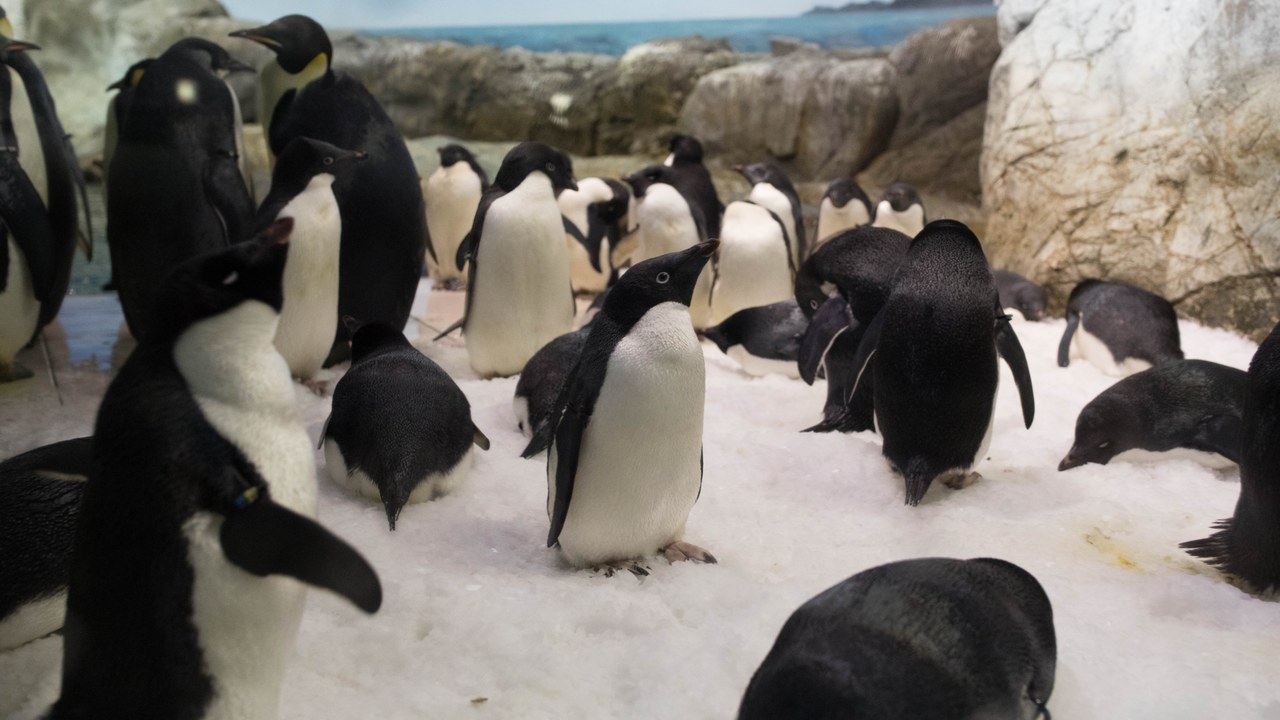
Adélie penguins weigh 3 to 6 kg and are known by the white ring around each eye. Near Australia’s Casey station, Adélie colonies in the Windmill Islands have grown from about 30,000 breeding pairs in the 1950s to nearly 200,000 today.
Nests are built from pebbles, and researchers have filmed birds stealing rocks from their neighbours. Studying 450 nests, a student found that more rocks meant a better chance of raising chicks, because higher nests stay clear of snow and meltwater. On snow, Adélies often drop onto their bellies and toboggan.
4. Chinstrap penguin: The Strap Under the Chin
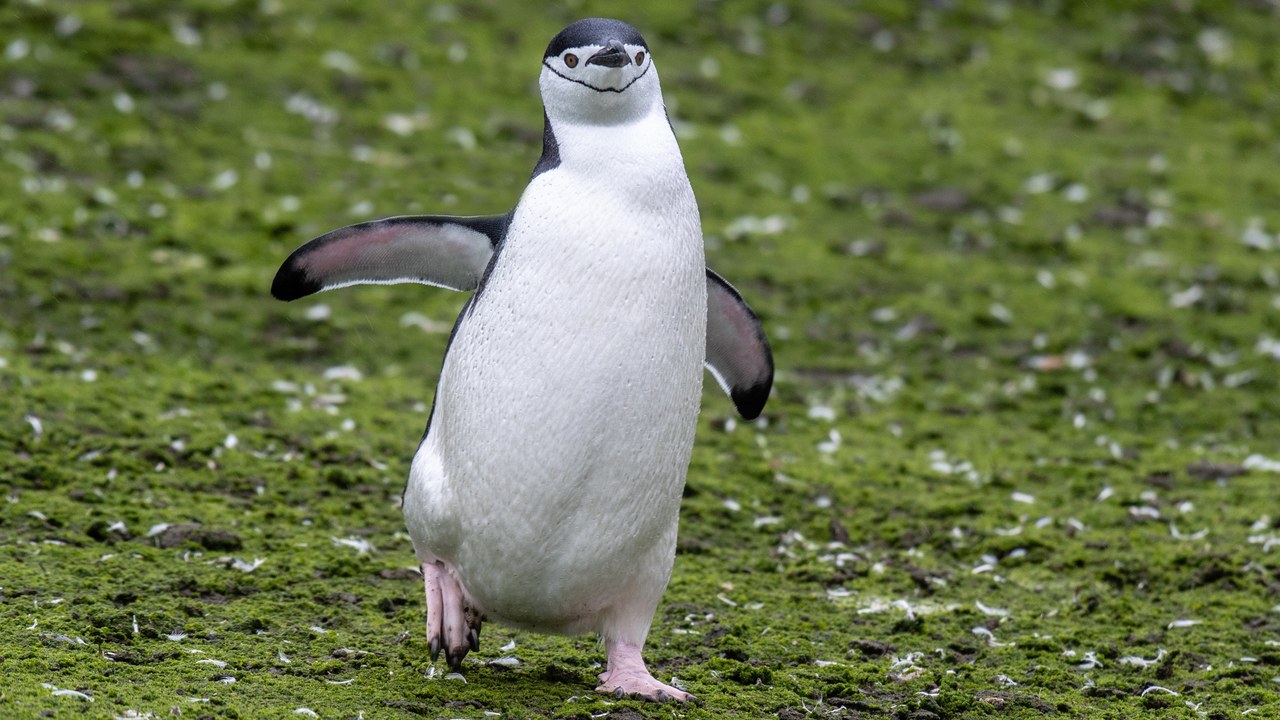
Chinstrap penguins are named for the narrow band of black feathers running from ear to ear just below the chin. Adults weigh 3.5 to 5.5 kg and breed mainly on the Antarctic Peninsula and nearby South Atlantic islands, according to the Australian Antarctic Program.
The species is still listed as least concern, but the program notes recent evidence of a significant decline, linked to reductions in the krill they mainly eat. Unlike many penguins that favour the stronger chick, chinstrap parents generally raise both of their two chicks each summer.
5. Gentoo penguin: The Red-Billed Neighbour of Elephant Seals
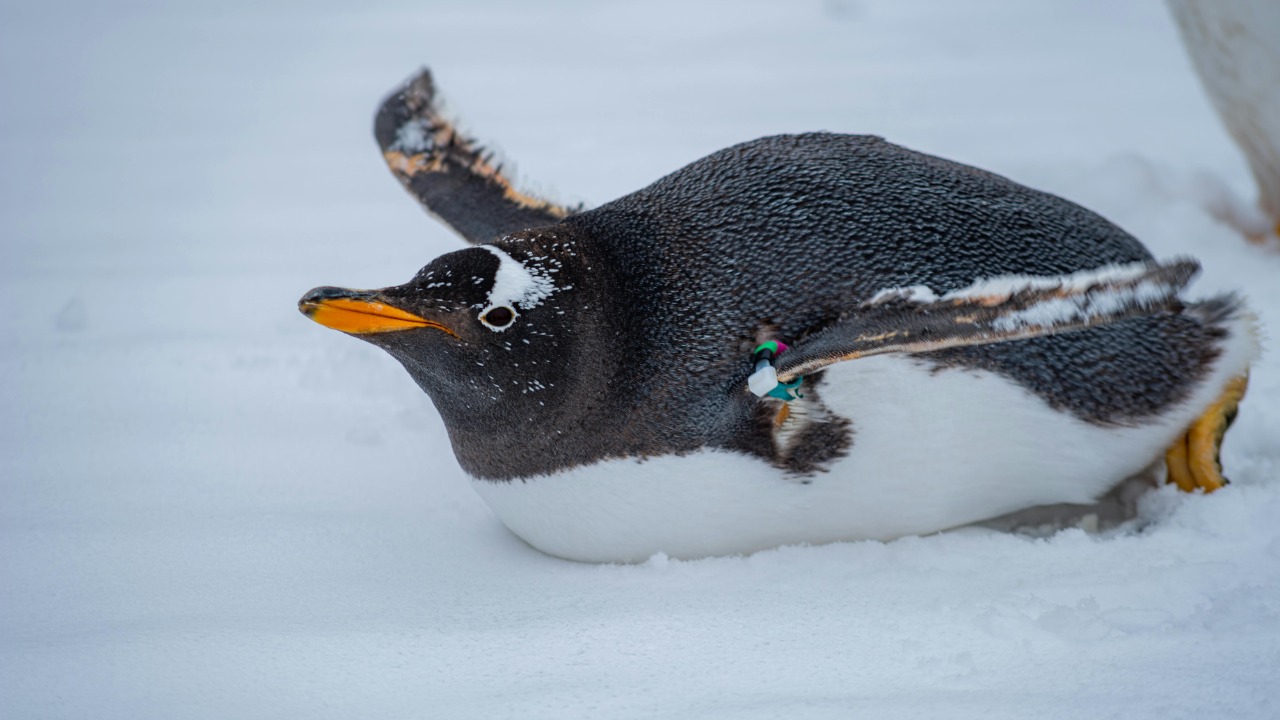
Gentoo penguins are the third-largest penguin species alive, weighing 5 to 8 kg, with a bright red-orange bill and white patches over the eyes. They breed on many sub-Antarctic islands and the Antarctic Peninsula, and the overall population is considered stable.
Life near the beach has its own dangers. Skuas take eggs, leopard seals hunt adults, and nests are often flattened by southern elephant seals moving about the islands. Females lay two eggs, and the chicks fledge at 80 to 90 days old.
6. Macaroni penguin: Two Eggs, but Usually One Chick
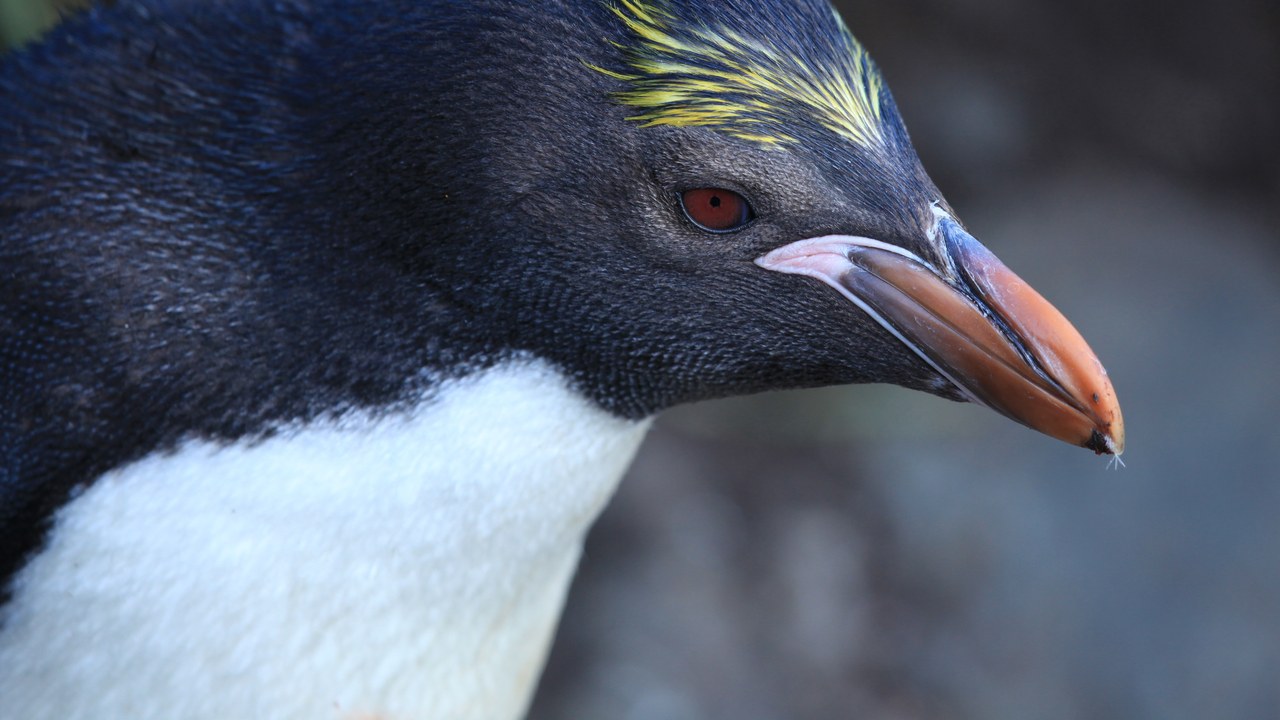
Macaroni penguins wear a golden crest and stand about 70 cm tall. They lay two eggs each season, and the second, bigger egg is typically the only one that hatches, according to the Australian Antarctic Program.
Their numbers are falling. The global population was estimated at 6.3 million breeding pairs in 2013, a rapid decline from previous decades, and the species is listed as vulnerable. Foraging trips can stretch from 24 hours to three weeks, covering anywhere from 50 km to more than 2,000 km.
7. Little penguin: The Smallest Penguin on Earth
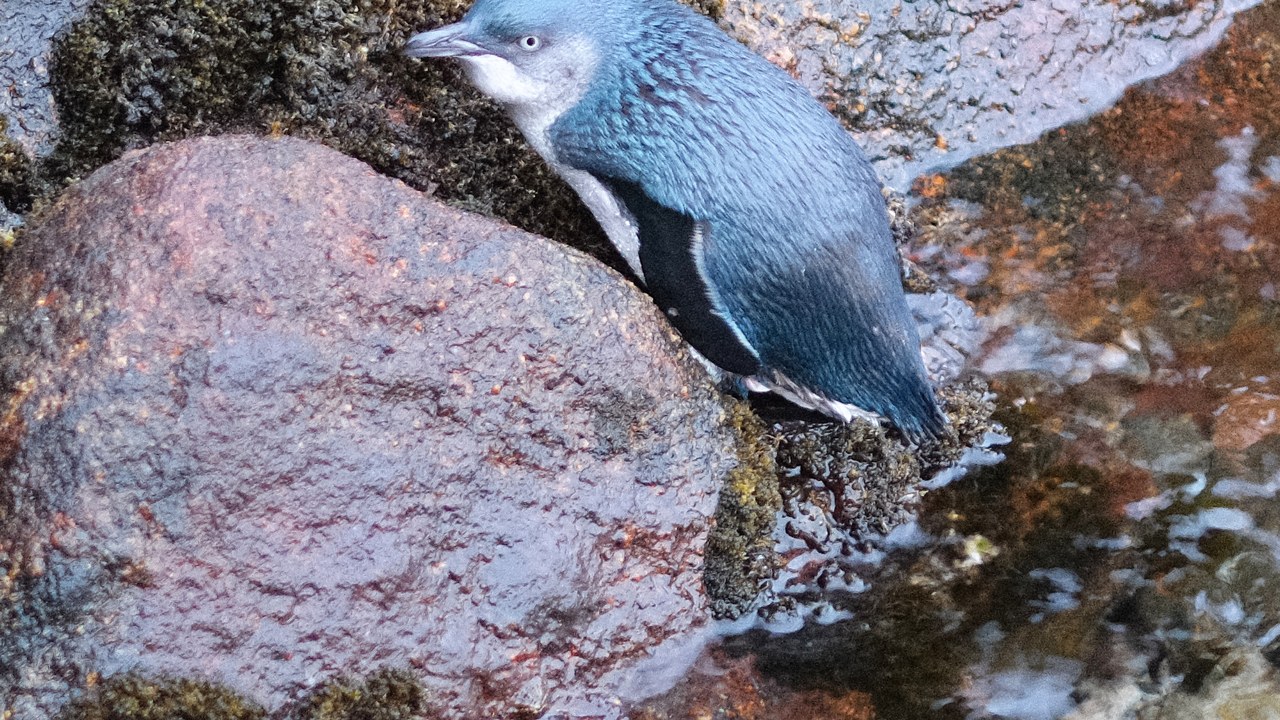
New Zealand’s Department of Conservation describes the little penguin, or kororā, as the world’s smallest penguin, just over 25 cm tall and weighing about 1 kg. It was once called the little blue penguin.
Dogs are likely its greatest threat, along with cats, ferrets, stoats, cars and boats, and the species is listed as at risk and declining. Little penguins come ashore after dark and nest in burrows, rock crevices and caves, and, since people arrived on the coast, under houses, boat sheds and stacks of timber.
8. Yellow-eyed penguin: One of the Rarest Penguins Alive
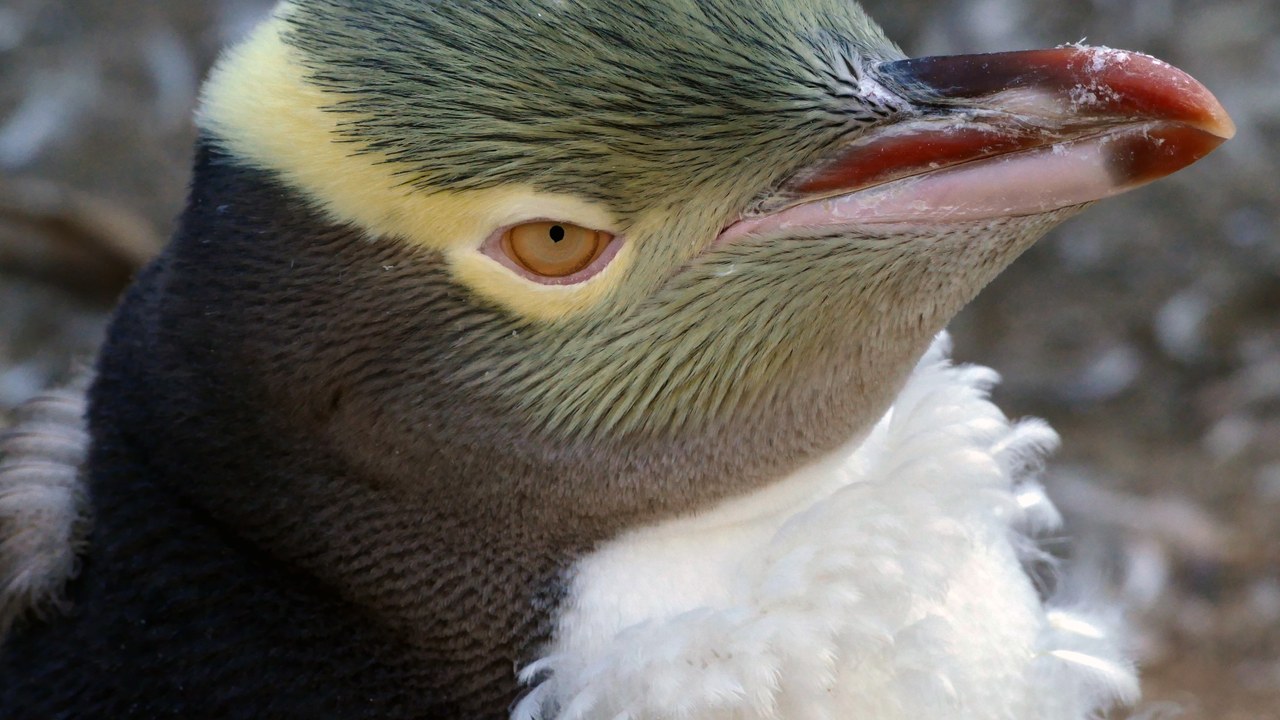
The hoiho, or yellow-eyed penguin, lives only in New Zealand and is thought to be one of the world’s rarest penguin species. The Department of Conservation counted about 741 breeding pairs in the northern population in 1999, and only 265 in 2019.
That 65% drop in two decades followed a series of poor breeding seasons caused by lack of food, disease and predators. The species is classed as Nationally Endangered, with 4,000 to 5,000 mature birds estimated in 2019. The Māori name hoiho means noise shouter, after its shrill call.
9. Galápagos penguin: The Only Penguin North of the Equator
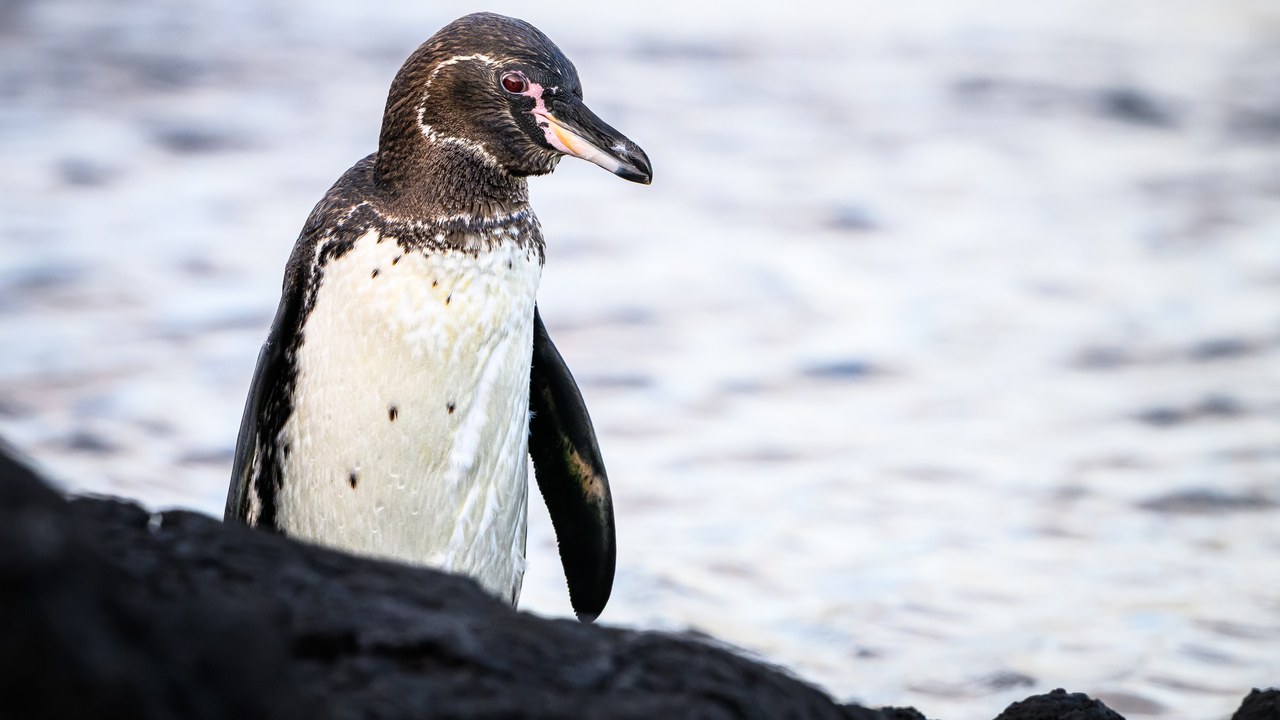
The Galápagos penguin is the only penguin found north of the equator, and the second-smallest species after the little penguin. About 95% of the population lives on Fernandina Island and the western coast of Isabela Island, where the cool Cromwell Current brings food.
With only about 1,500 birds in an average year, it is listed as endangered. El Niño years hit it hardest, because food becomes scarce and the penguins put off breeding. During the 1982-83 El Niño, the population fell by 77%.
10. African penguin: Africa’s Penguin Is Now Critically Endangered
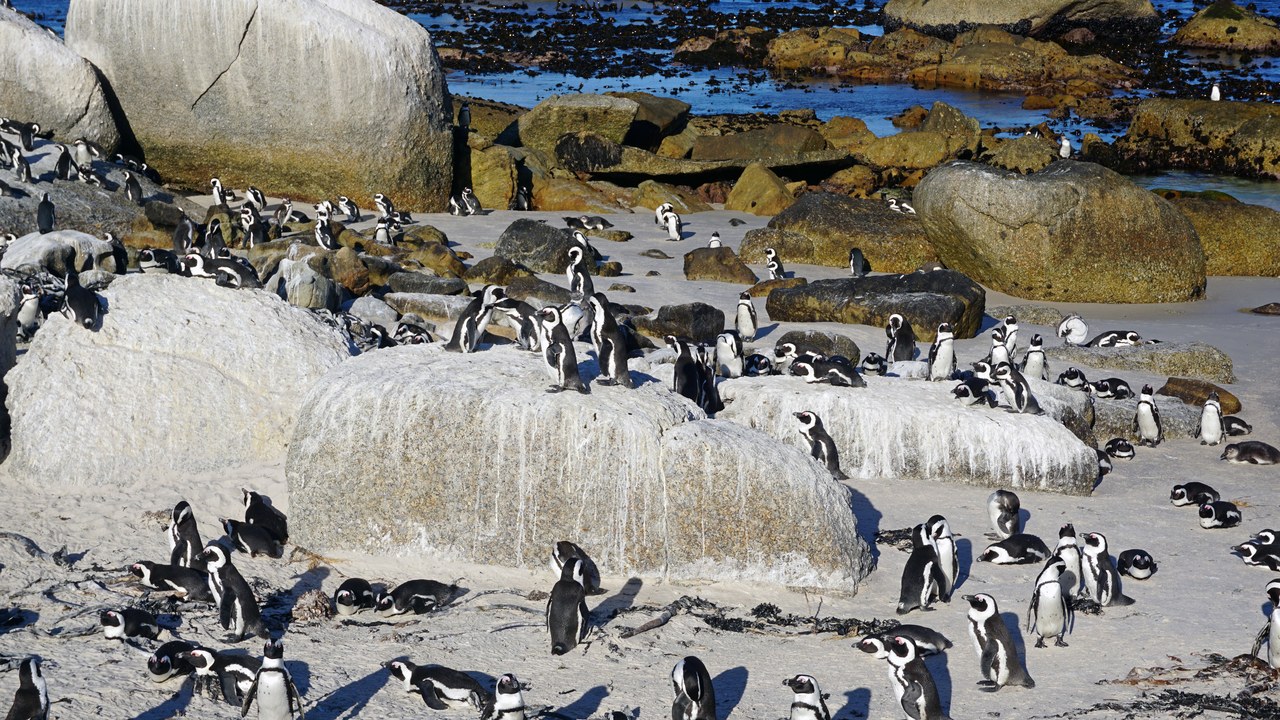
The African penguin is the only penguin found in the Old World, nicknamed the jackass penguin for its loud, donkey-like bray. As of 2024, the IUCN lists it as critically endangered, with around 19,800 mature birds left in a declining population.
Populations in Namibia and South Africa have fallen by 95% since pre-industrial times, and the reclassification came with a warning that the species could become functionally extinct around 2035 if the trend continued. Two of its colonies were founded on the mainland near Cape Town in the 1980s, including the one at Boulders Beach.
11. Humboldt penguin: The Penguin That Nests in Guano
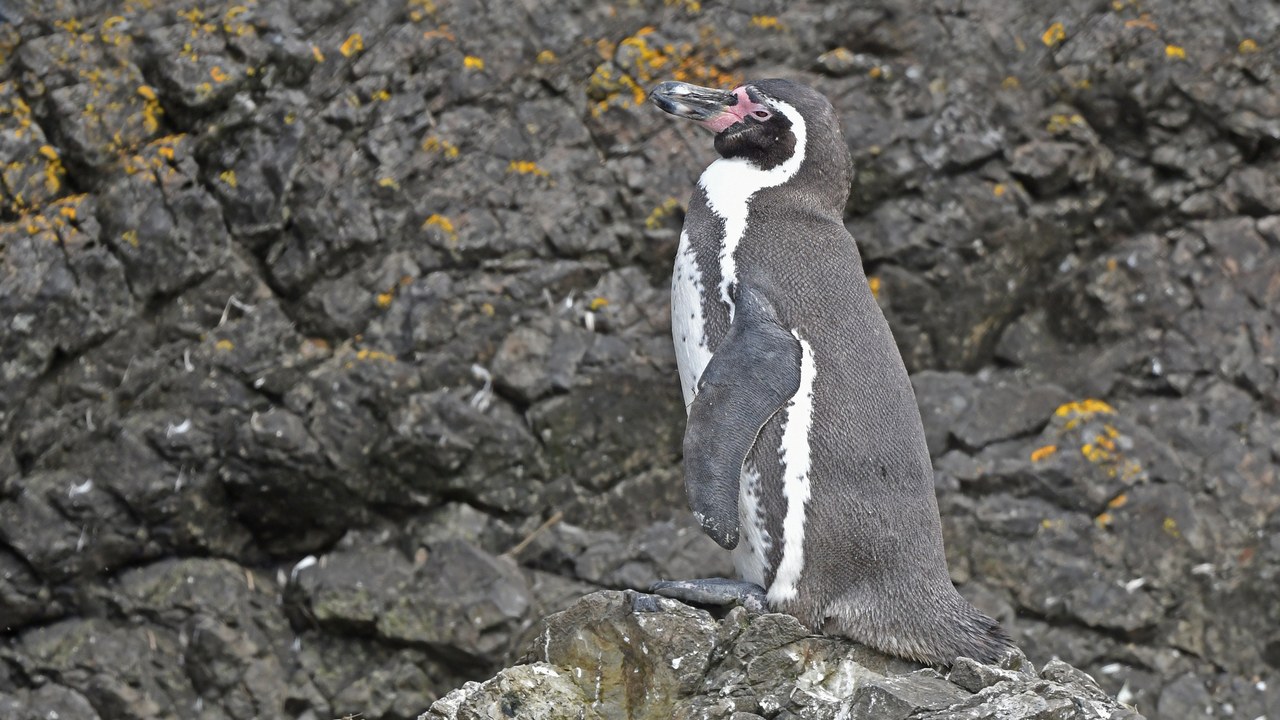
Humboldt penguins live only along the Pacific coast of South America, and 80% of the world’s population is found in protected areas of northern Chile. They nest by burrowing holes in guano, or use scrapes and caves on islands and rocky coasts.
They are the heaviest penguins in their genus, with males averaging about 4.7 kg. The species is listed as vulnerable, with roughly 23,800 mature adults as of 2020. Climate change, overfishing of the sardines and anchovies they eat, and accidental capture in fishing nets all feed the decline.
12. Magellanic penguin: Patagonia’s Long-Distance Commuter
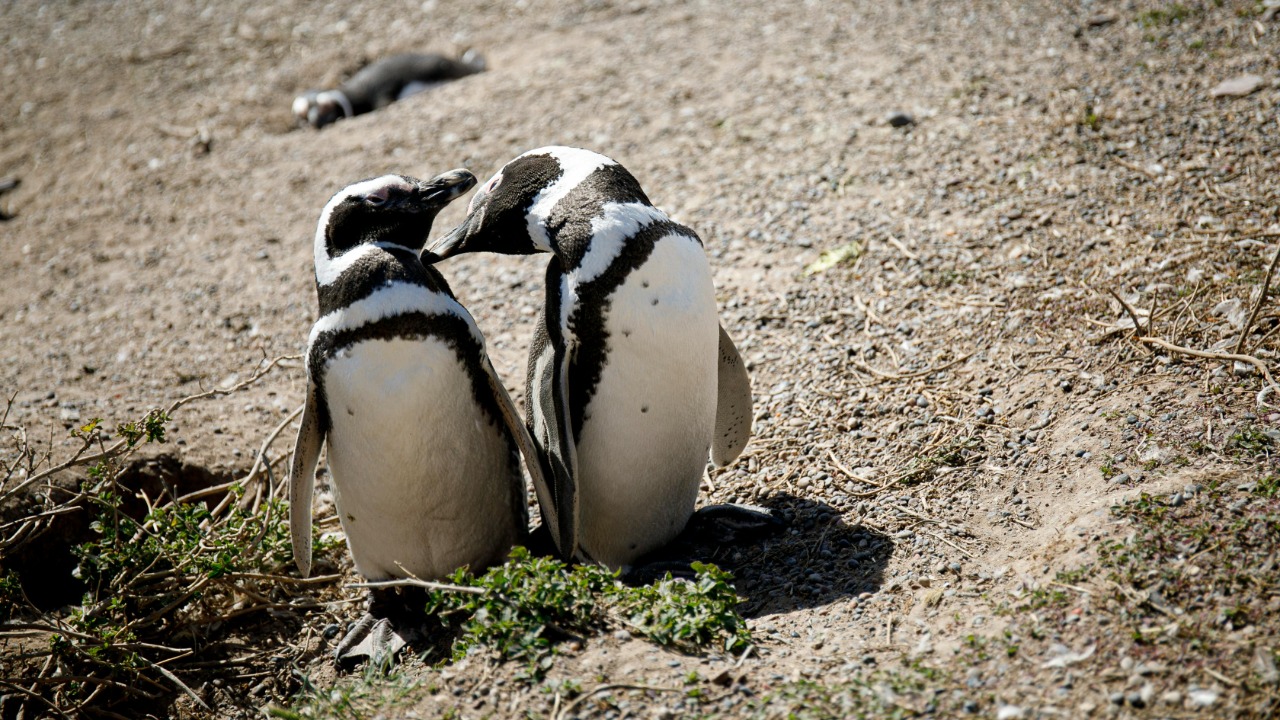
Magellanic penguins breed along the coast of Patagonia in Argentina and Chile and on the Falkland Islands, then migrate north for the winter to feed in waters off Peru and Brazil. Punta Tombo in Argentina hosts one of the largest colonies.
Adults stand 61 to 76 cm tall, with two black bands between the head and breast. The species is still listed as least concern, but oil spills are a serious threat: they kill 20,000 adults and 22,000 juveniles every year off the coast of Argentina.
More from Morning Overview
- Cadillac cut the price of its cheapest EV, which goes up to 317 miles on a charge
- Winter weather advisories cover I-80, I-70 and the Bighorns with up to 15 inches of snow
- Arizona’s governor declared a statewide emergency after Flagstaff logged its wettest Nov. 1 on record
- Zero Motorcycles unveiled an electric motorcycle targeted at under $8K and a street-legal dirt bike at EICMA
