
NASA’s Nancy Grace Roman Space Telescope, launched in August, has spent three months traveling a million miles and switching on its instruments. On December 7, the agency plans to unveil its first images in a live stream. The telescope is built to take wide, deep infrared pictures of the sky, aimed at dark energy, dark matter and planets around other stars.
Read next on Morning Overview: New FCC rules on how people can stop robocalls and texts take effect Nov. 25
Nancy Grace Roman Space Telescope: First Images on December 7
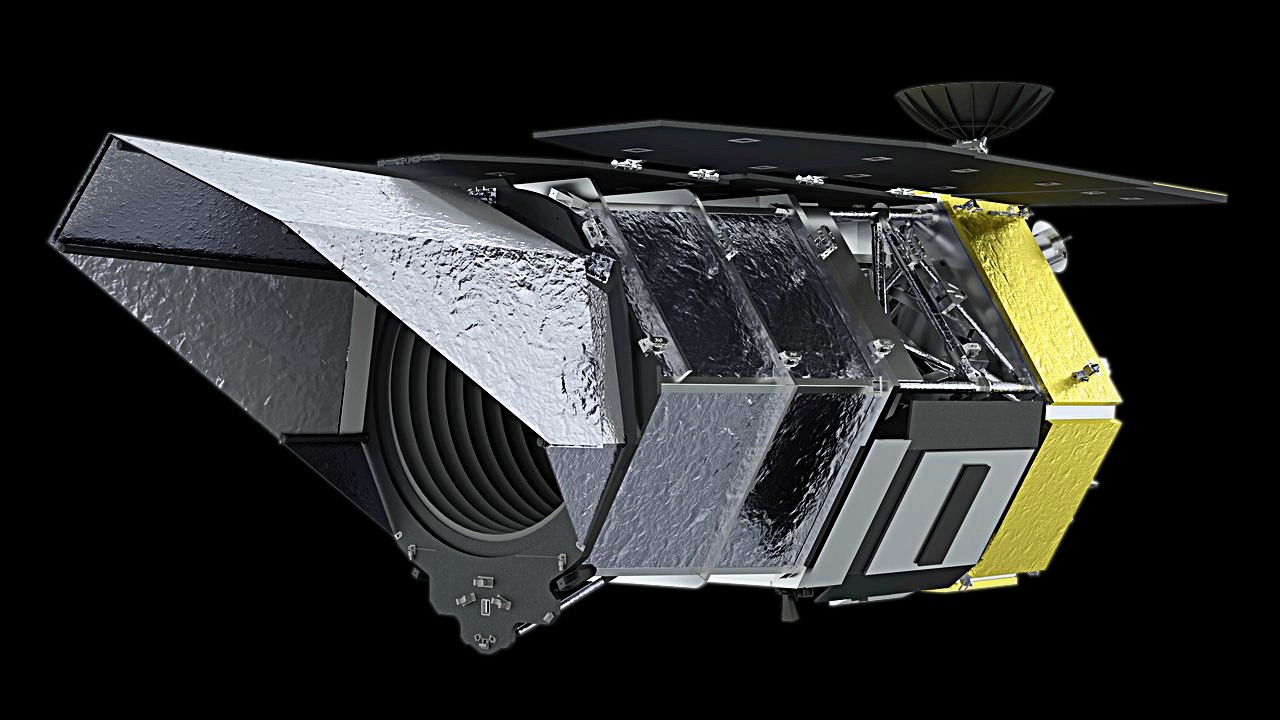
NASA will release the first images from its Nancy Grace Roman Space Telescope at 3:30 p.m. EST on Monday, Dec. 7, during a live stream from the American Geophysical Union meeting in San Francisco, according to a Nov. 17 media advisory.
The agency says the images will showcase capabilities that will soon deliver deep, panoramic, never-before-seen views of the universe. NASA is also inviting the public to claim individual pixels of a first image and receive a digital trading card. The telescope is managed at Goddard, with industrial partners including BAE Systems, L3Harris and Teledyne.
Nancy Grace Roman: The Mother of Hubble
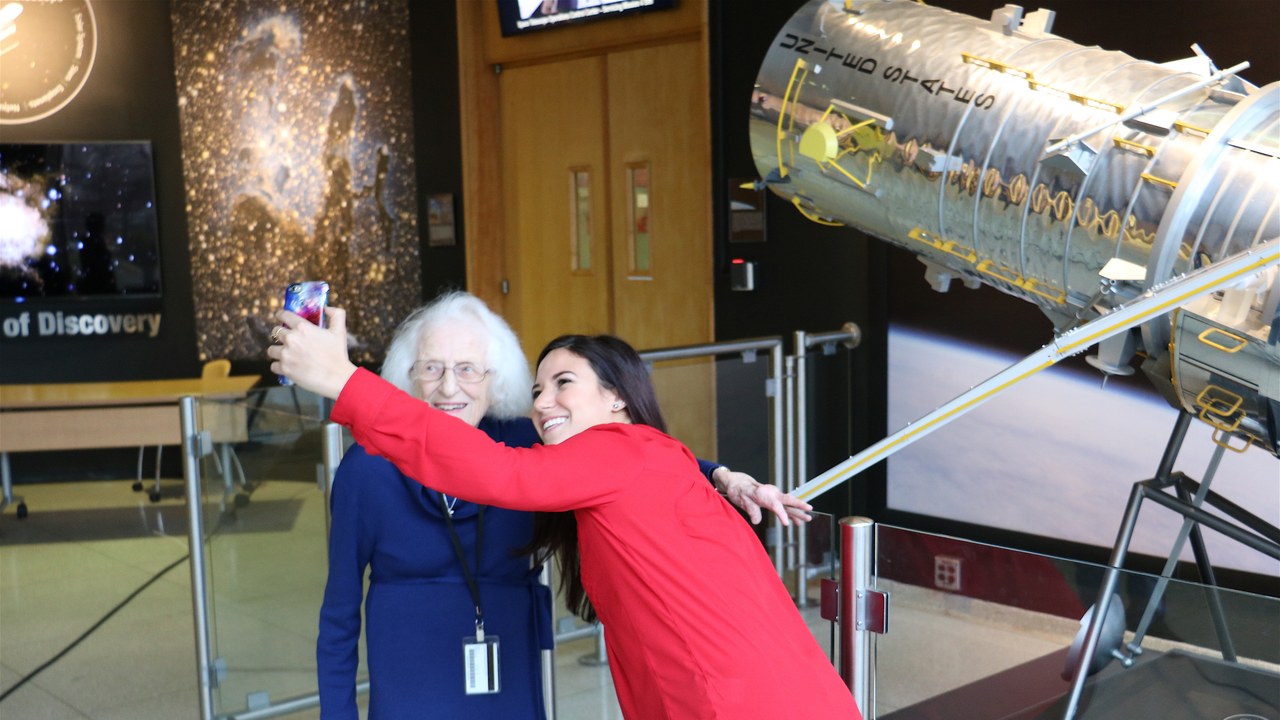
The telescope’s namesake, Nancy Grace Roman, was an American astronomer who became the first female executive at NASA and served as its first chief of astronomy through the 1960s and 1970s. She is counted among the visionary founders of the U.S. civilian space program.
Roman created NASA’s space astronomy program and is known as the Mother of Hubble for her foundational role in planning the Hubble Space Telescope. She was also an advocate for women in science. She died in December 2018, and in May 2020 NASA renamed the Wide Field Infrared Survey Telescope in her honor.
Lagrange point: A Parking Spot a Million Miles Out
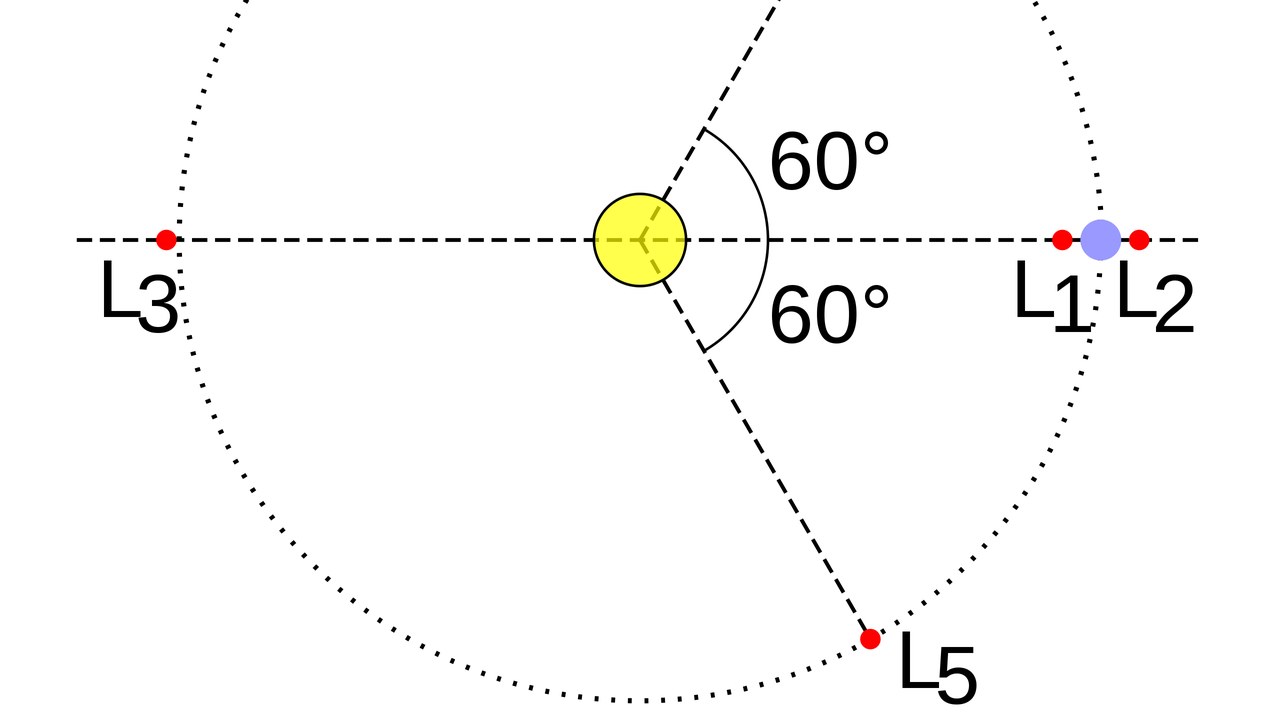
Roman is headed to the Sun-Earth L2 point. Lagrange points are points of equilibrium for small objects under the gravity of two massive orbiting bodies, where gravity and orbital motion balance so that spacecraft need little fuel to hold position.
L2 lies on the Sun-Earth line on the far side of Earth, well beyond the Moon’s orbit. The James Webb Space Telescope works there because its sunshield can block the Sun, Earth and Moon at once, and ESA’s Gaia and Euclid also orbit L2. Roman joins them for the same stable, cold, unobstructed view.
Falcon Heavy: The Ride Up
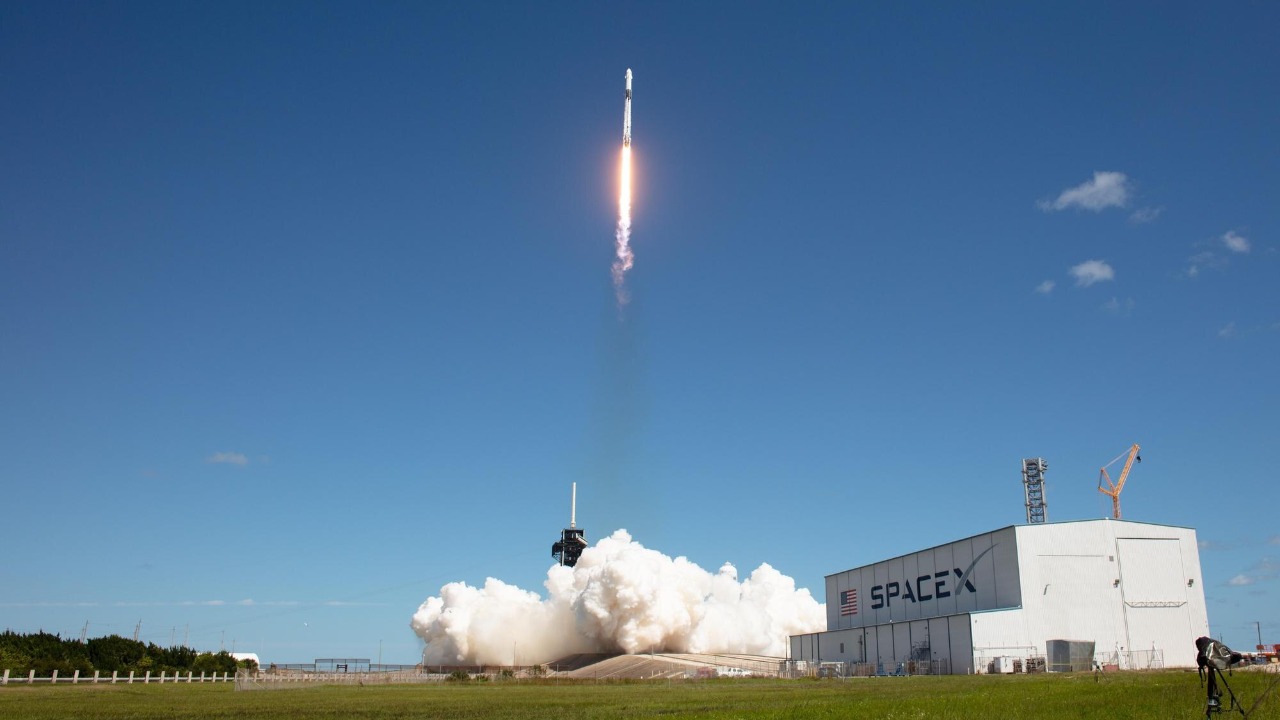
Falcon Heavy is a super heavy-lift launch vehicle built and flown by SpaceX, made of a center core with two Falcon 9 boosters strapped alongside. It is one of the highest-capacity rockets in service.
NASA says Roman launched on Aug. 30 aboard a Falcon Heavy from Kennedy Space Center, beginning a three-month, million-mile trip to its final orbit. The rocket first flew on February 6, 2018, famously carrying a Tesla Roadster as a dummy payload, and has since been certified for national security launches.
Hubble Space Telescope: The Telescope It Builds On

The Hubble Space Telescope was launched into low Earth orbit in 1990 and remains in operation, with a 2.4-meter mirror observing in ultraviolet, visible and near-infrared light. Its observations helped determine the expansion rate of the universe.
Hubble needed an astronaut servicing mission in 1993 to fix a flawed mirror and was upgraded by five shuttle crews in all; it is the only telescope designed to be maintained in space. Roman, by contrast, works a million miles away, and NASA describes its strength as a large field of view able to study vast swaths of sky.
James Webb Space Telescope: Webb’s Neighbor at L2
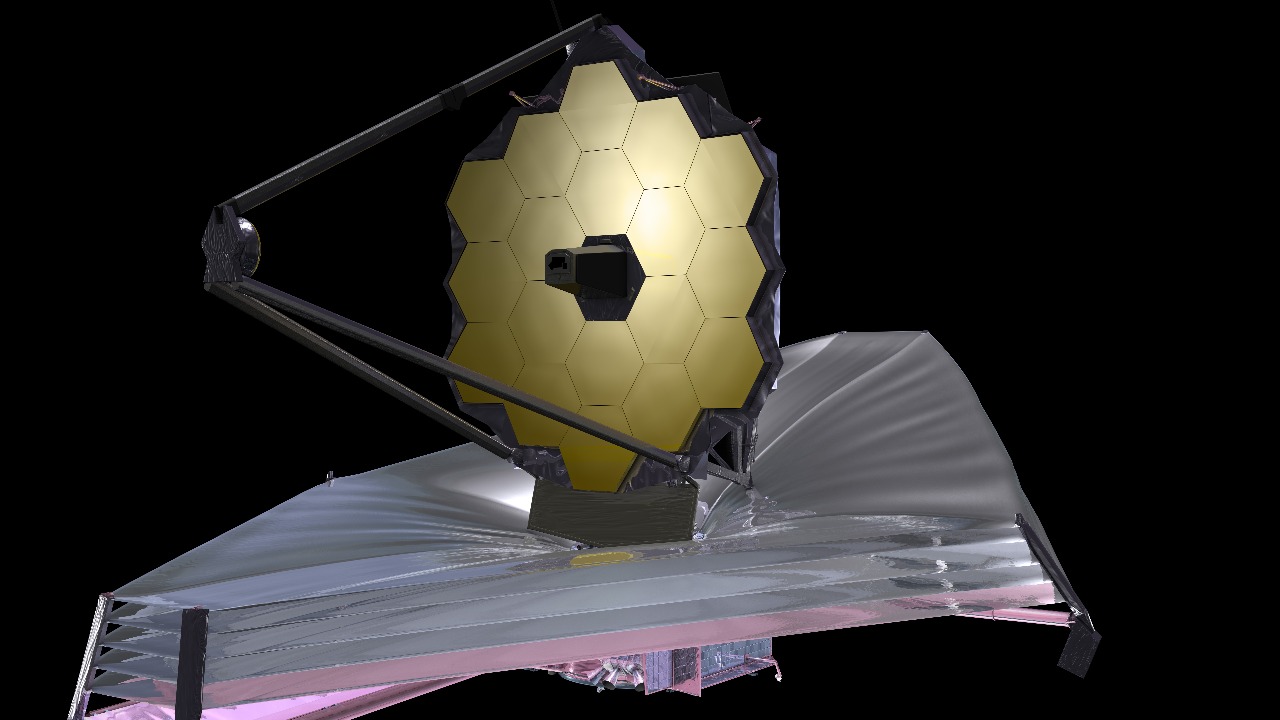
The James Webb Space Telescope is the largest telescope in space, built for infrared astronomy with a 6.5-meter gold-plated mirror. It launched on 25 December 2021 and reached its orbit near L2, about 930,000 miles from Earth, in January 2022.
Webb’s first image was released on 11 July 2022. Webb’s mirror collects about six times as much light as Hubble’s, and it must stay below about minus 370 degrees Fahrenheit to see faint infrared signals. Goddard managed Webb’s development, the same center that manages Roman, which now shares the L2 neighborhood with it.
Goddard Space Flight Center: Where the Mission Is Run
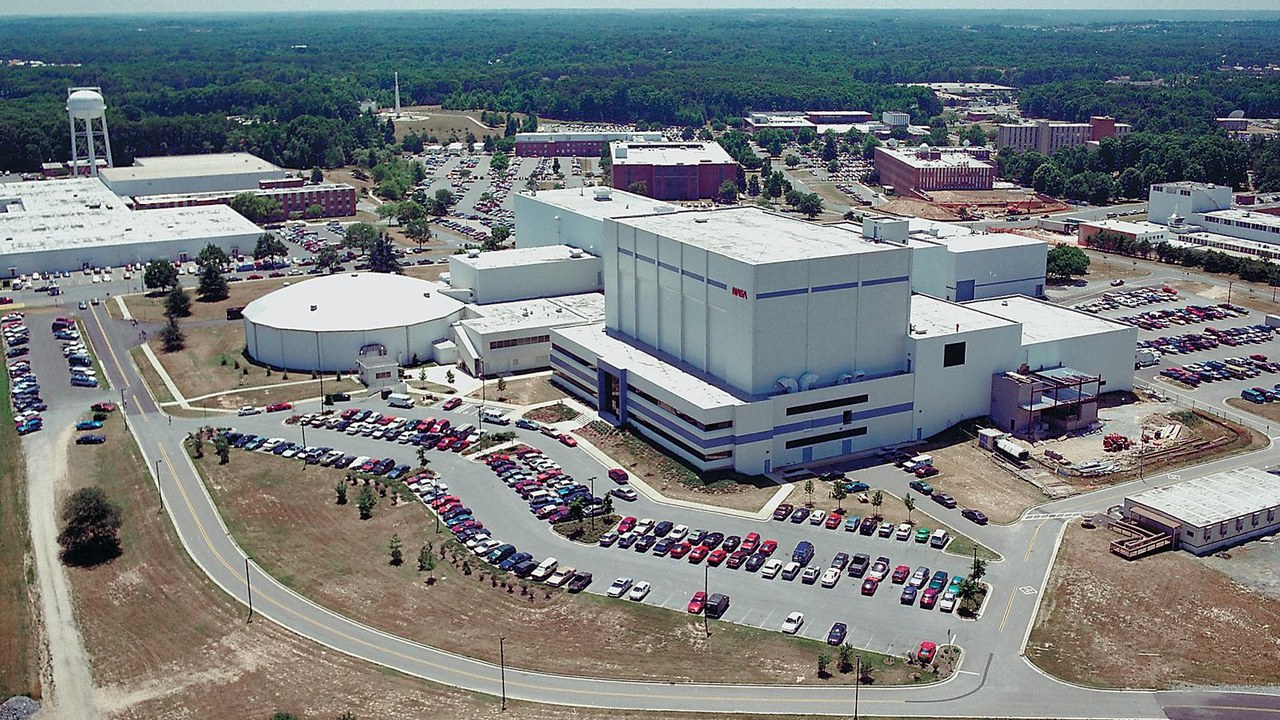
The Goddard Space Flight Center is a major NASA space research laboratory in Greenbelt, Maryland, about 6.5 miles northeast of Washington. Founded on May 1, 1959, as NASA’s first space flight center, it employs about 10,000 civil servants and contractors.
Goddard manages the Roman mission and operates Hubble and Webb, among many others. It is the largest combined group of scientists and engineers in the U.S. devoted to studying Earth, the solar system and the universe from space. NASA’s photos show Roman assembled and tested in a Goddard clean room before its launch.
Gravitational microlensing: Finding Planets by Bending Light
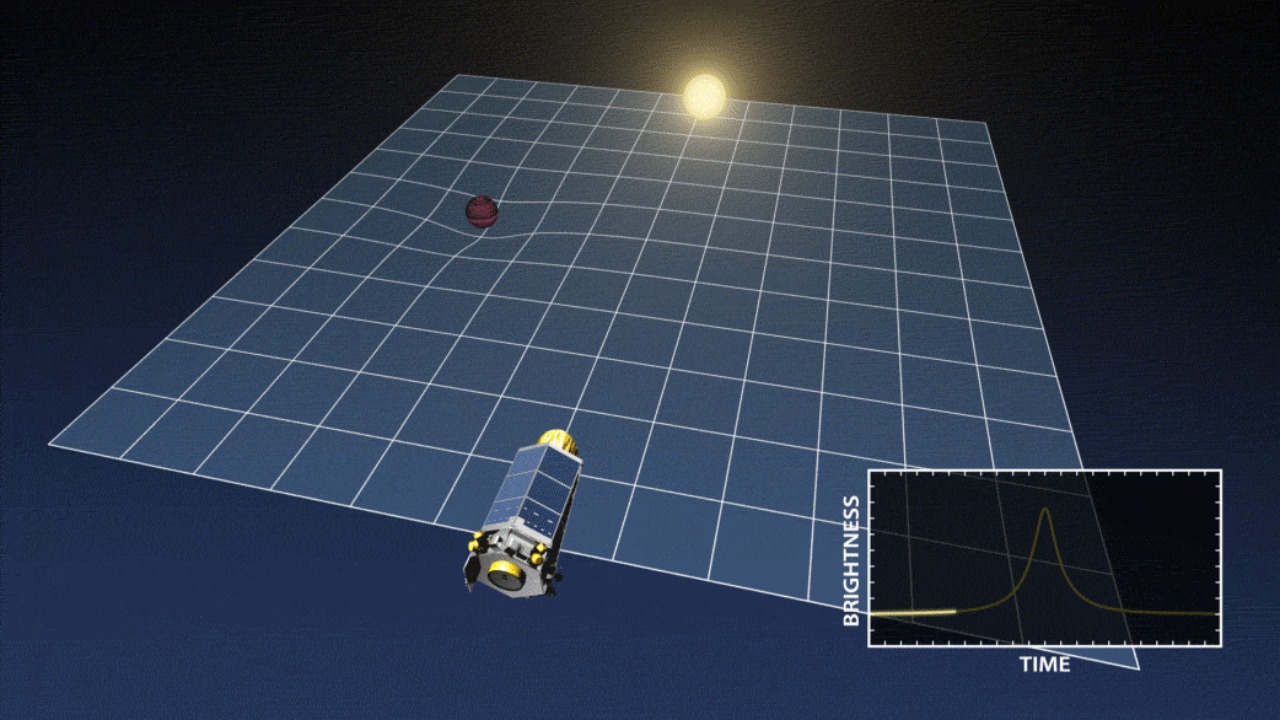
Among the ways astronomers find hidden worlds is gravitational microlensing, which can detect objects from the mass of a planet to the mass of a star regardless of the light they emit. When a foreground object lines up with a distant star, its gravity bends and magnifies the star’s light.
The brief brightening reveals the lens, even if it is a dark planet, brown dwarf or black hole. Microlensing by a single object was first detected in 1989 and has since been used to find exoplanets and probe the Milky Way’s structure. In 2018 it revealed Icarus, then the most distant star ever observed.
Dark energy: The 68 Percent Mystery
Dark energy is a proposed form of energy that drives the accelerating expansion of the universe. Under the standard cosmological model, it makes up about 68 percent of the universe’s total mass-energy, with dark matter at 27 percent and ordinary matter at just 5 percent.
The first evidence came from Type Ia supernovae, whose steady brightness let astronomers measure distances and show that expansion was speeding up. What dark energy actually is remains unknown. NASA lists dark energy as one of the core questions Roman’s wide, deep surveys are designed to explore.
Exoplanet: Thousands of Worlds Still Uncounted
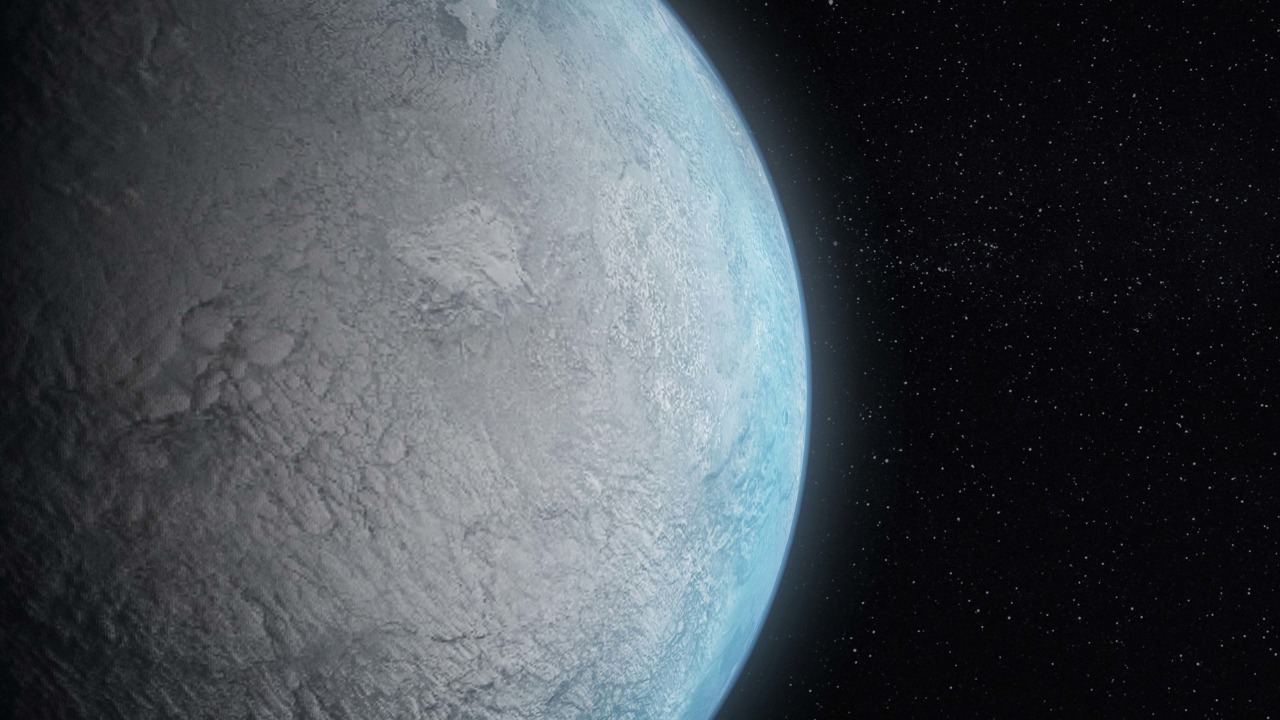
As of 5 November 2026, there are 6,464 confirmed exoplanets in 4,849 planetary systems, planets that orbit stars beyond the Sun. The first was confirmed in 1992 around a pulsar.
Most were found by transit or Doppler methods, which favor big planets close to their stars. About one in five Sun-like stars is estimated to host an Earth-sized planet in its habitable zone. NASA says exploring worlds outside the solar system is one of Roman’s main goals, alongside dark energy and dark matter.
Coronagraph: Blocking a Star to See Its Planets
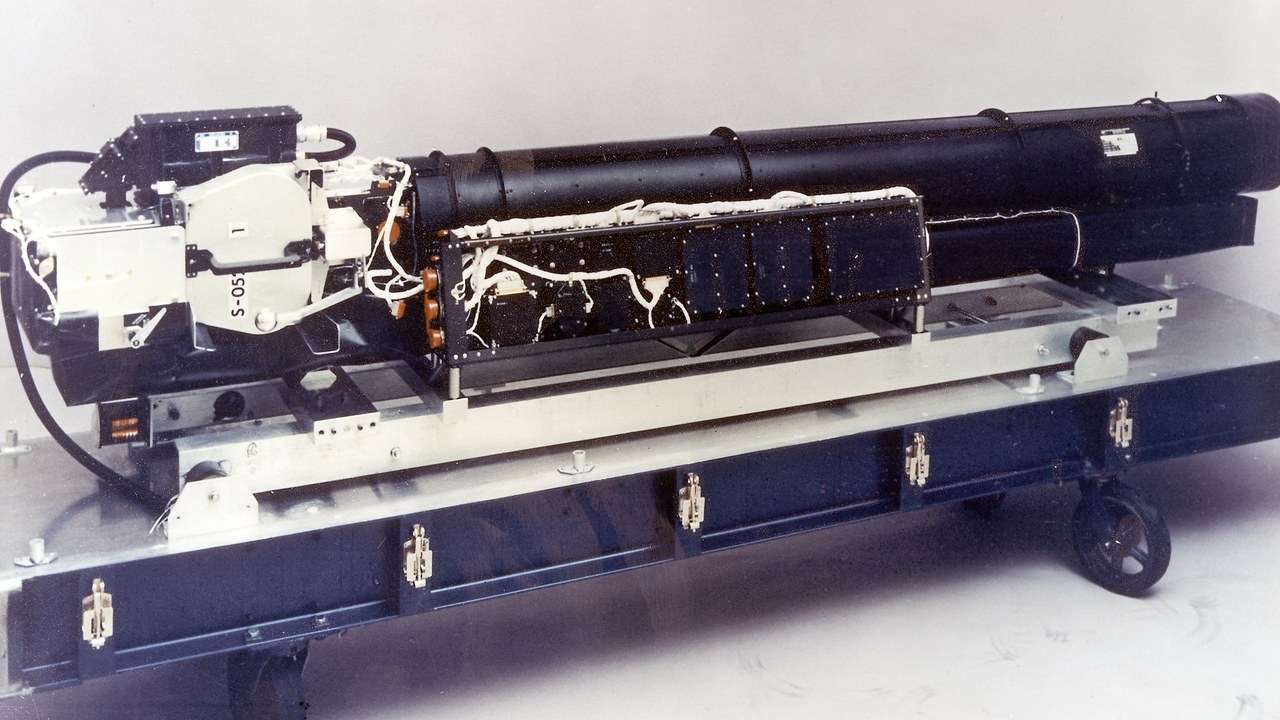
Roman also carries a technology demonstration. A coronagraph is a telescope attachment that blocks direct light from a star or other bright object so that faint objects hidden in its glare can be seen.
Most coronagraphs study the Sun’s corona, but stellar coronagraphs are now used to find planets and dusty disks around nearby stars. NASA says Roman’s coronagraph is a cutting-edge demonstration designed to directly image planets around other stars, testing techniques that future missions could use to photograph Earth-like worlds.
Kennedy Space Center Launch Complex 39A: The Historic Pad It Left From
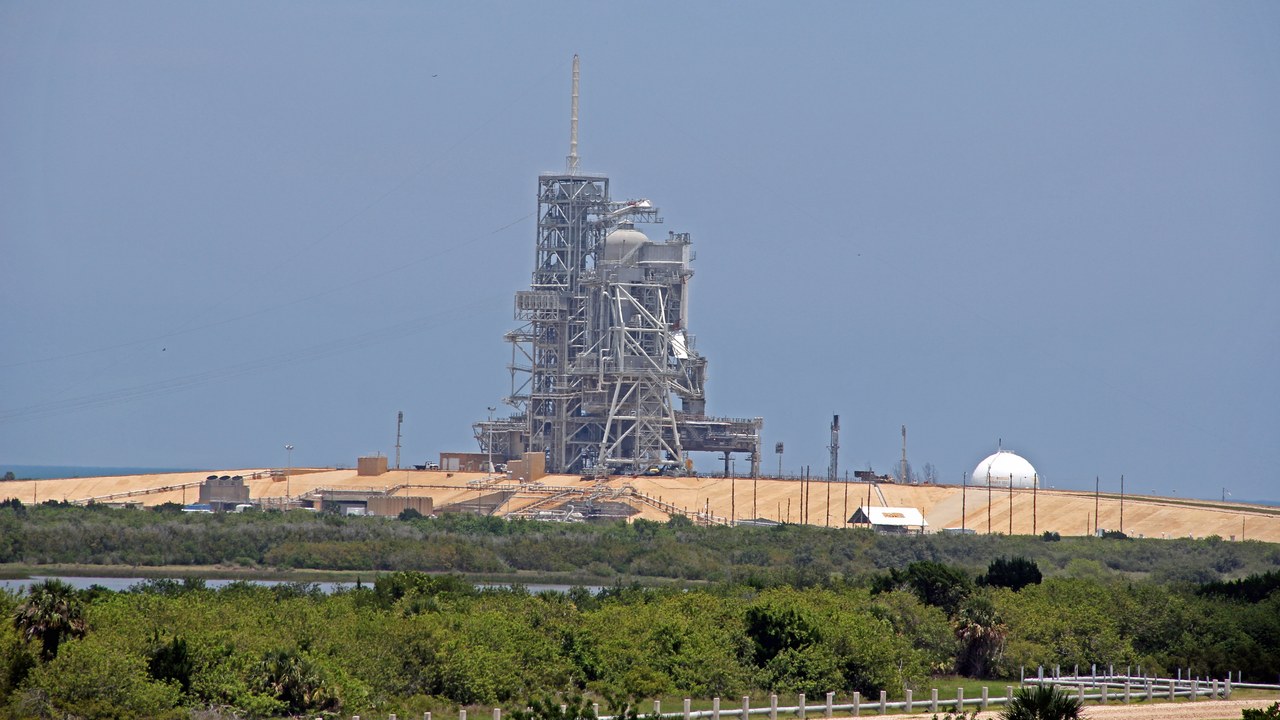
Launch Complex 39A at Kennedy Space Center was built in the 1960s for the Saturn V and supported crewed missions including Apollo 11 and the Space Shuttle. Since 2014 it has been leased by SpaceX for Falcon 9 and Falcon Heavy launches.
Roman lifted off from Kennedy in August on a Falcon Heavy, one of the two SpaceX rockets the pad was leased to support. SpaceX has also been expanding the pad to support Starship operations. A site that once sent astronauts to the Moon is now sending a telescope a million miles out to map the hidden structure of the universe.
More from Morning Overview
- Cadillac cut the price of its cheapest EV, which goes up to 317 miles on a charge
- Winter weather advisories cover I-80, I-70 and the Bighorns with up to 15 inches of snow
- Arizona’s governor declared a statewide emergency after Flagstaff logged its wettest Nov. 1 on record
- Zero Motorcycles unveiled an electric motorcycle targeted at under $8K and a street-legal dirt bike at EICMA
