
In northern Sudan, Polish and Sudanese archaeologists have reached the original floor of the Great Church of Jesus, the largest cathedral of medieval Nubia, for the first time. The building once rose more than six stories over Old Dongola, capital of a Christian kingdom that held its ground for centuries. Its story runs through ancient pyramids, a vanished city under Lake Nasser and the Nile itself.
Read next on Morning Overview: Neanderthals in Spain carved a wooden object that matches nothing archaeologists have ever found
Old Dongola: The Floor Worshippers Walked On
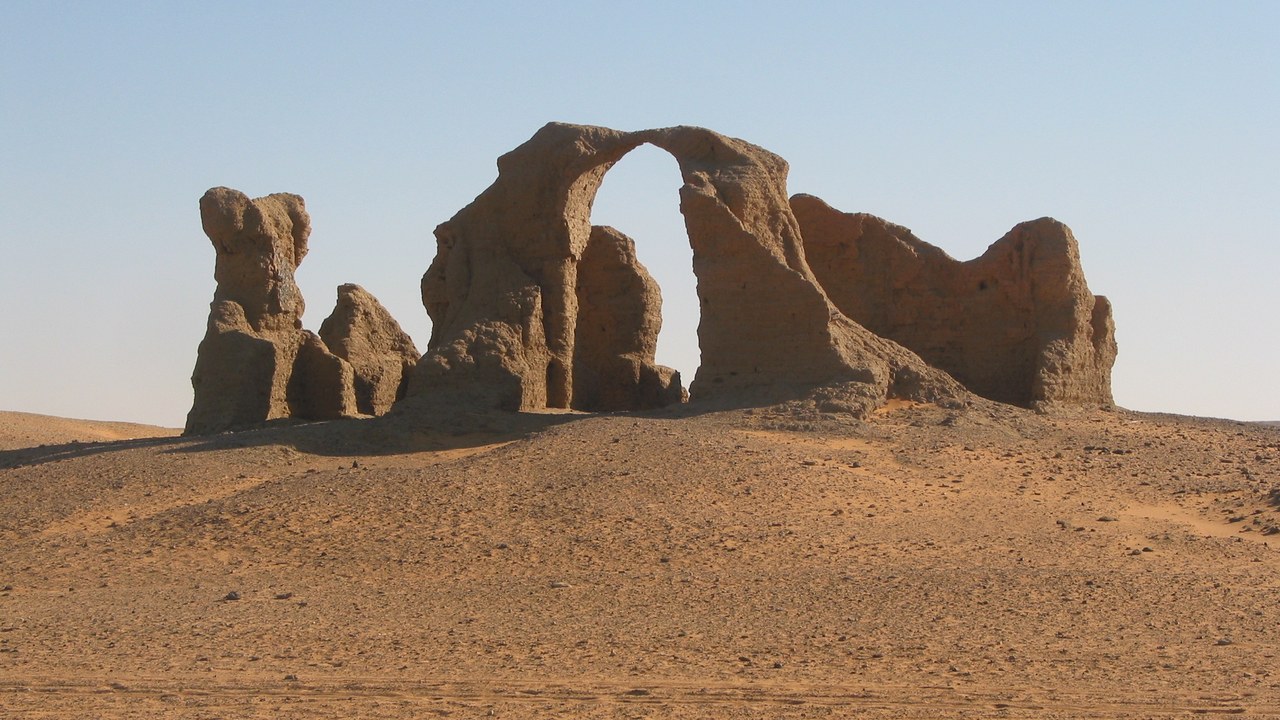
Excavations within the medieval Great Church of Jesus in Old Dongola uncovered a section of the original cathedral floor for the first time, Archaeology magazine reported on Nov. 9, 2026. The team also found the base of a vast staircase.
The cathedral measured about 154 by 187 feet and stood more than six stories high, likely the seat of the Bishop of Dongola, one of the most senior Christian figures in medieval sub-Saharan Africa. The work was a joint project of the University of Warsaw’s Polish Centre of Mediterranean Archaeology and Sudan’s National Corporation for Antiquities and Museums.
Makuria: The Kingdom That Built It
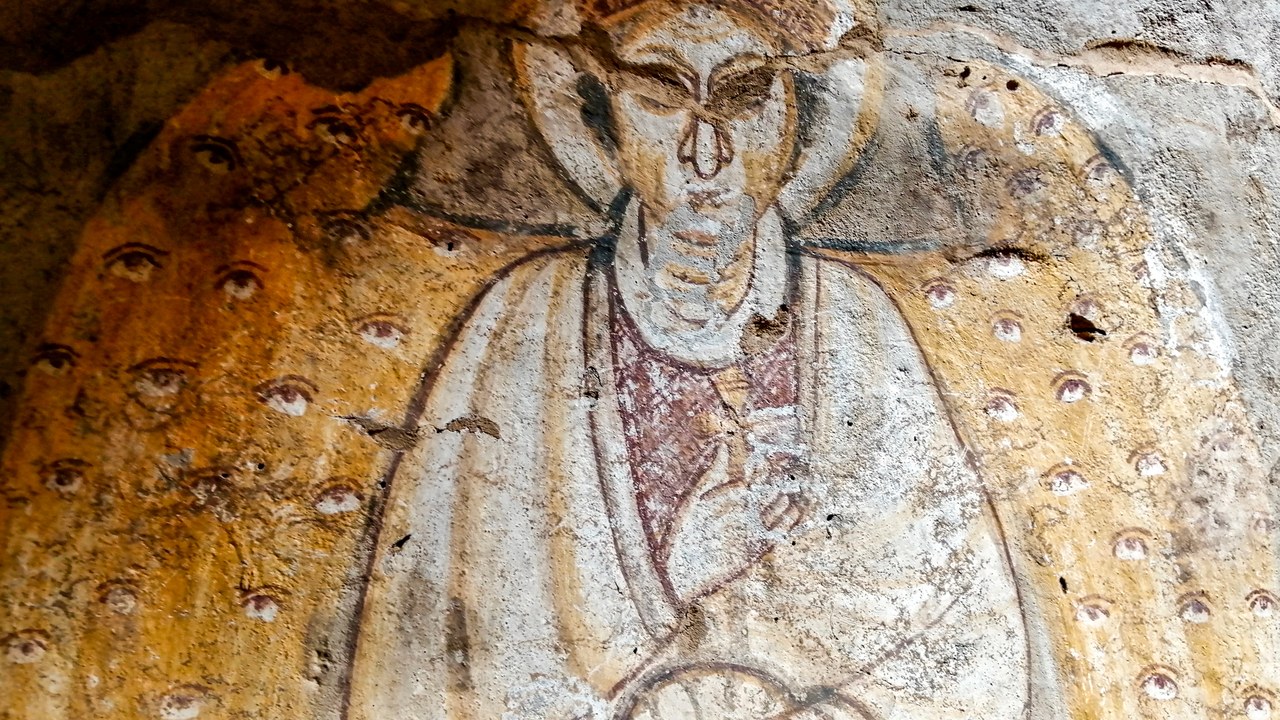
Old Dongola was the capital of Makuria, a medieval Nubian kingdom in what is today northern Sudan and southern Egypt. Founded around 500, the city sat about halfway between the Nile’s third and fourth cataracts, and the kingdom converted to Christianity in the mid-6th century.
In 652, Makuria repelled an Arab army that besieged Dongola, and the resulting Baqt treaty kept largely unbroken peace with Egypt until the 13th century. Its cultural peak, from the 9th to 11th centuries, produced the Throne Hall, the great cruciform church and richly painted church walls. The kingdom declined in the 13th and 14th centuries and collapsed around the late 15th.
Nubia: A Region of Empires
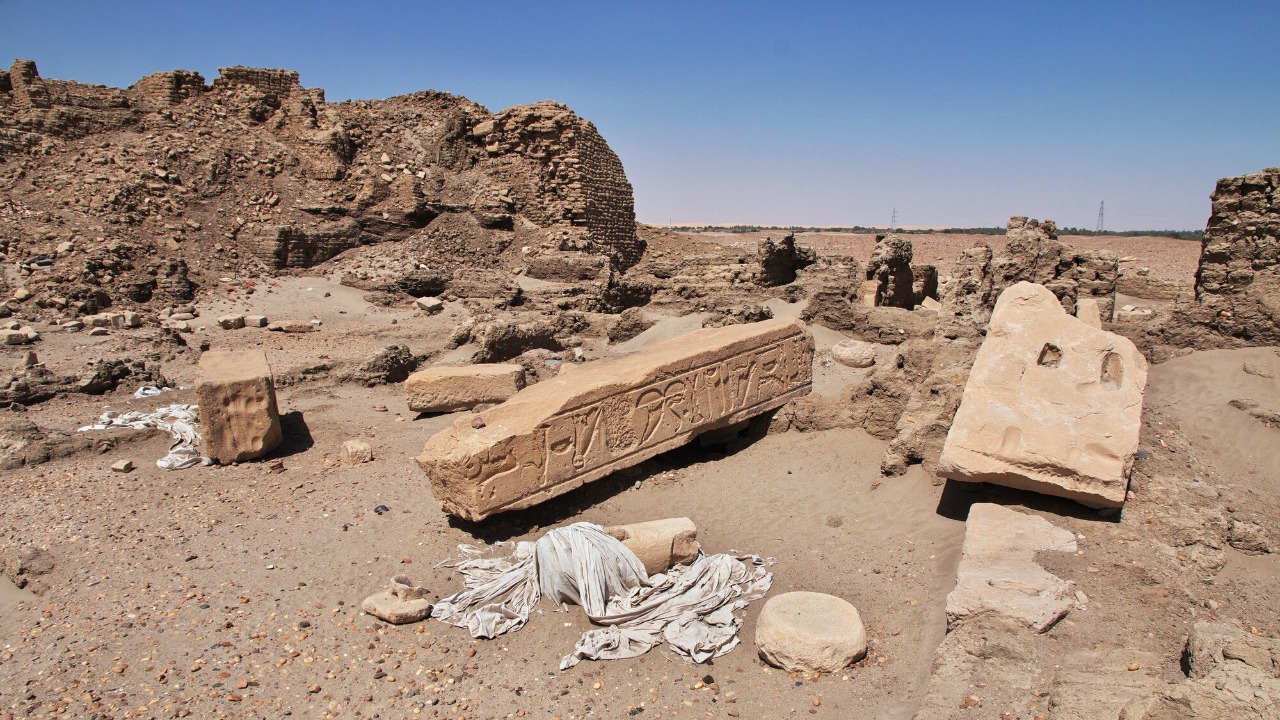
Nubia is a region along the Nile between the confluence of the Blue and White Niles and the First Cataract, stretching from near Khartoum to south of Aswan. It was home to the Kerma culture, one of Africa’s earliest civilizations, from around 2500 BC.
Its most famous power, the Kingdom of Kush, conquered Egypt in the eighth century BC and ruled it as the 25th Dynasty. After Kush collapsed in the 4th century AD, three Christian kingdoms rose: Nobatia, Makuria and Alodia. Makuria and Alodia lasted roughly a thousand years before their decline led to the region’s partition in the 16th century.
Faras: A Cathedral Now Underwater
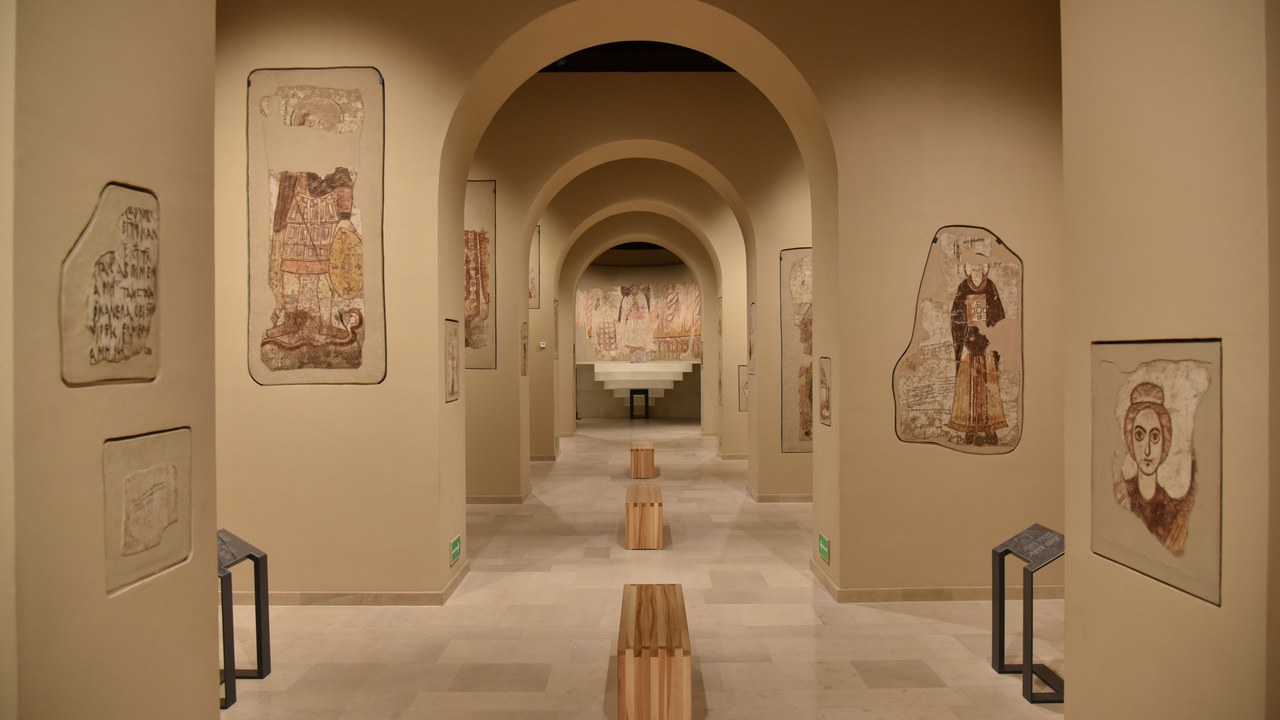
Dongola was not Nubia’s only great church. Faras, a major city in Lower Nubia, was flooded by Lake Nasser in the 1960s and is now permanently underwater. Before the water rose, a Polish team led by Kazimierz Michałowski excavated it from 1960 to 1964.
Inside a hill, they found a Christian cathedral founded in 620 and rebuilt twice, its walls covered in paintings preserved under sand. Those paintings are considered the best surviving examples of Christian Nubian art. Many were saved and are now shown in the Faras Gallery of the National Museum in Warsaw.
Throne Hall of Dongola: The Kings’ Hall on the Hill
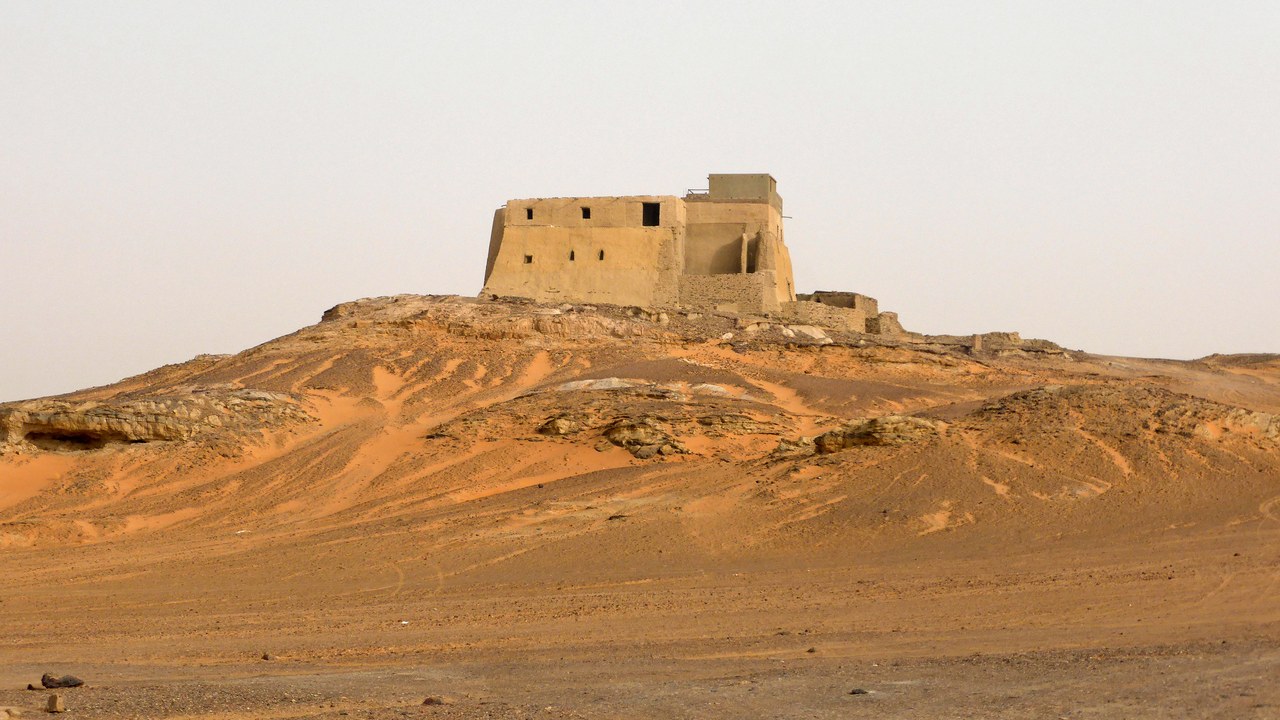
The Throne Hall of Dongola is a two-story brick building on a rocky hill in Old Dongola, overlooking the town and the Nile valley. It was built in the 9th century as the richly decorated ceremonial building of the Makurian kings.
In 1317, during Makuria’s decline, it was converted into a mosque and served that purpose until 1969, when it was closed and made a historic monument. Polish archaeologists began working there soon afterward. It stands in the same city as the cathedral, built during the same golden age of Makurian building.
Nubian pyramids: Pyramids Older Than the Churches
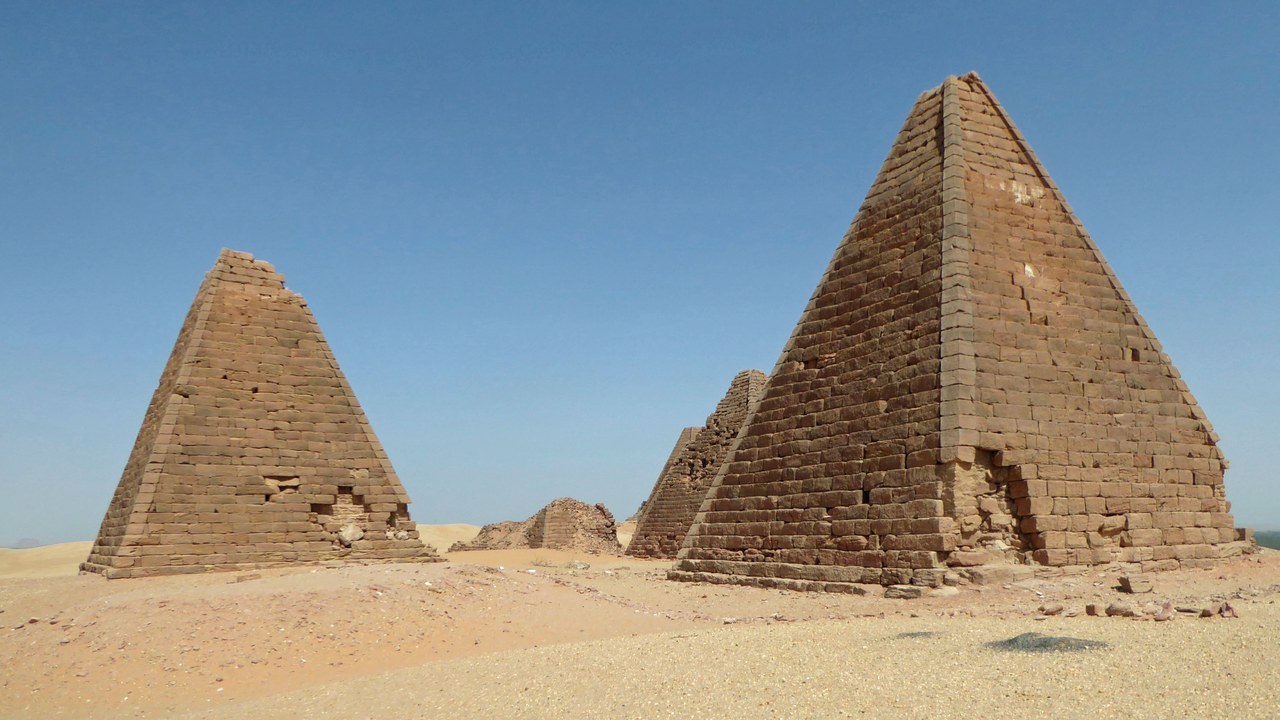
Long before its cathedrals, Nubia built pyramids. The Nubian pyramids were constructed by the rulers of the ancient Kushite kingdoms in what is now northern Sudan, centered over time on Kerma, Napata and Meroë.
They were part of burial customs for royalty and other wealthy Kushites, starting as early as the 7th century BC and continuing for nearly a thousand years, until about 350 AD. They adapt Egyptian New Kingdom architecture in a distinct Nubian style, and they are a UNESCO World Heritage Site.
Meroë: The Old Royal City
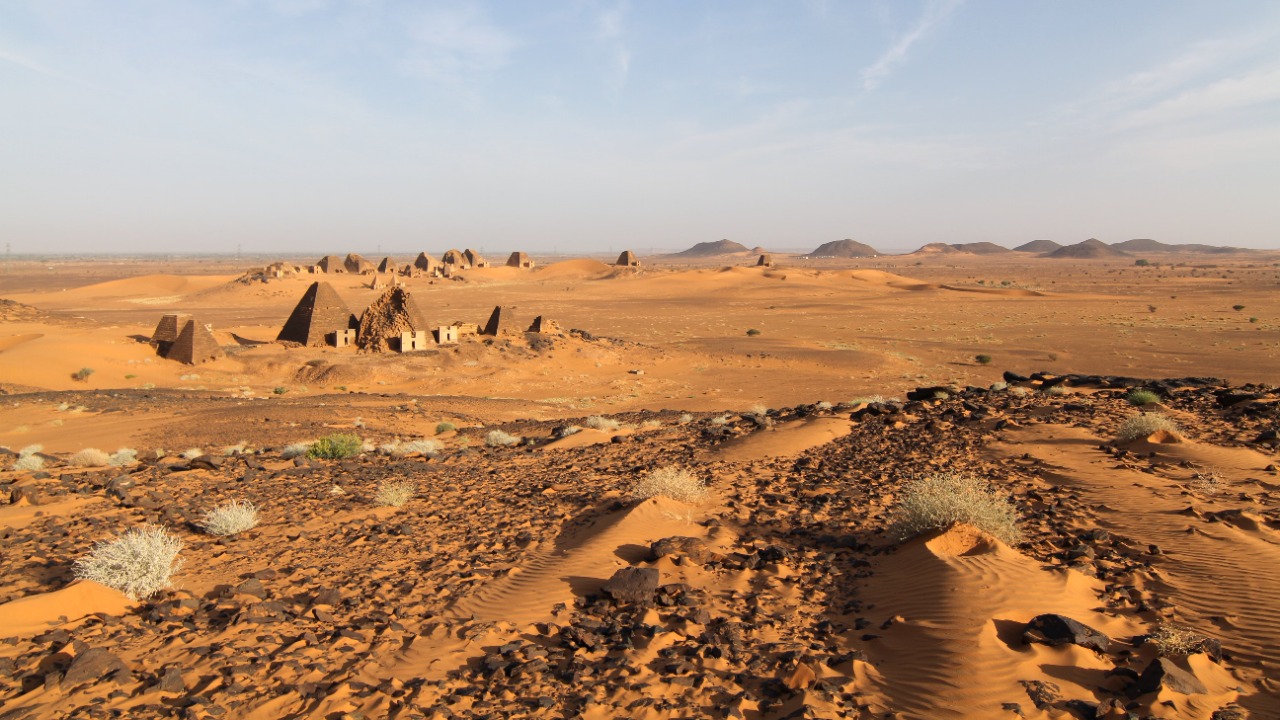
Meroë was an ancient city on the east bank of the Nile about 200 kilometers northeast of Khartoum. It served as the capital of the Kingdom of Kush for several centuries from around 590 BC until the kingdom’s collapse in the 4th century AD.
The site is marked by more than 200 pyramids in three groups, many of them in ruins, with the distinctive size and proportions of Nubian pyramids. Kush was one of the earliest and most advanced states on the African continent, and Meroë’s fall cleared the way for the Christian kingdoms that followed.
Hagia Sophia: The Building It Was Compared To
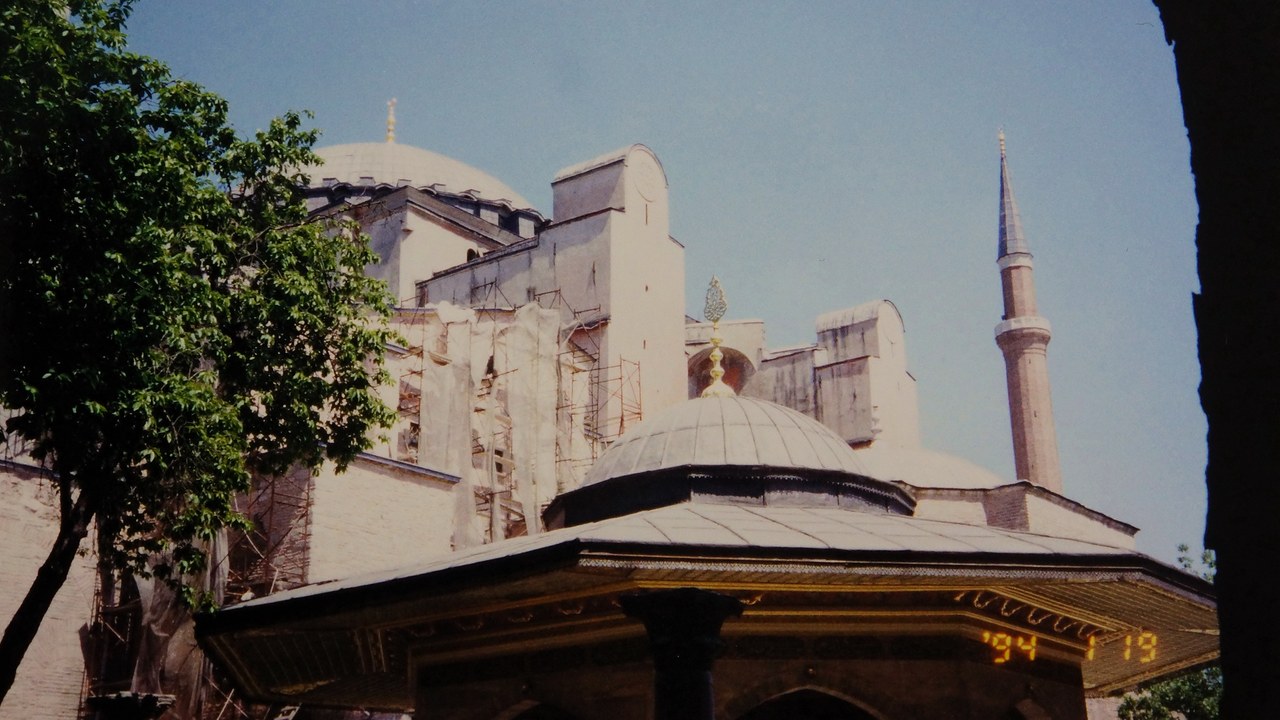
The excavation leader compared the cathedral to Hagia Sophia, completed in AD 537 and then the world’s largest interior space, built in Constantinople under the emperor Justinian I and among the first buildings to use a fully pendentive dome.
“In the history of architecture, certain buildings emerge that, to use a modern term, become trendsetters. Hagia Sophia in Constantinople, modern-day Istanbul, is certainly one such example,” said Artur Obłuski of the University of Warsaw. “The Great Church of Jesus appears to be a natural candidate for such a role in Nubia, and perhaps even in this part of Africa.”
Kingdom of Kush: The Kingdom Before the Kingdom
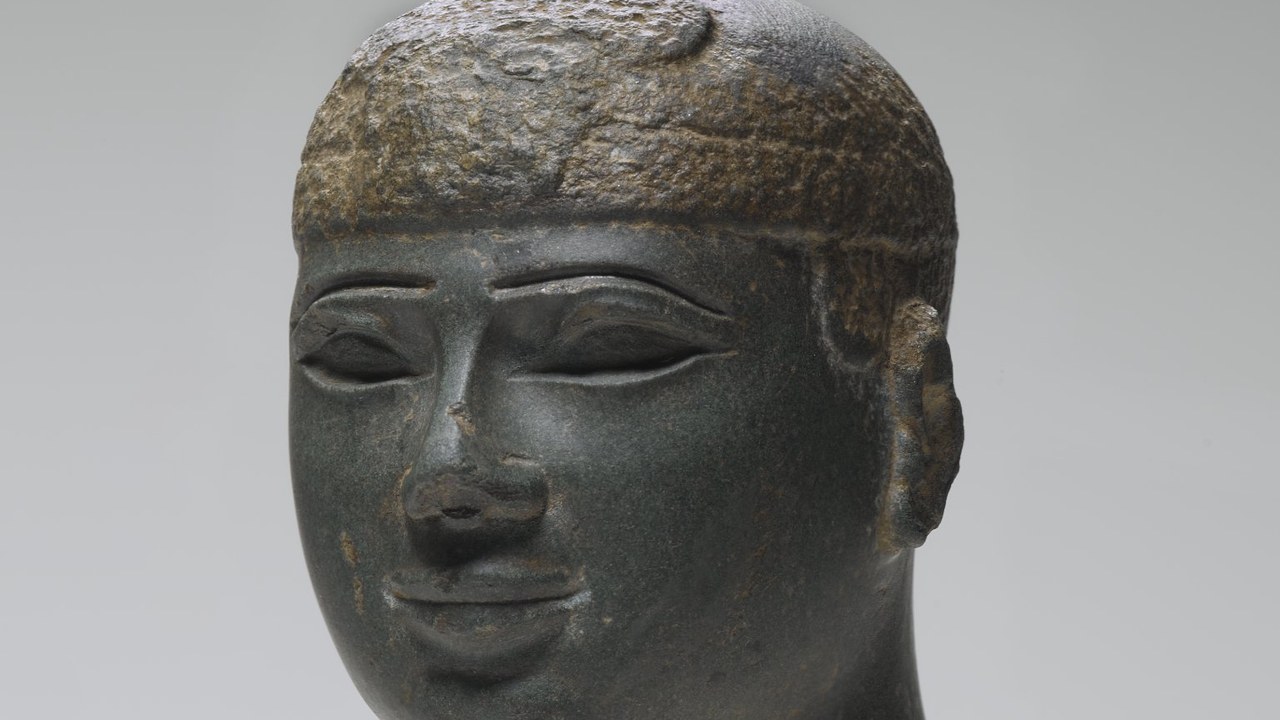
The Kingdom of Kush was an ancient kingdom in Nubia, centered on the Nile Valley in northern Sudan and southern Egypt. Its predecessor, Kerma, controlled the valley between the first and fourth cataracts from about 2450 to 1450 BC, an area as large as Egypt.
In the 8th century BC, Kushite kings took control of Egypt and ruled it as the 25th Dynasty for more than a century until the Assyrians drove them out. Kush survived as a regional power until the 4th century AD, when it broke apart amid climate stress, rebellion and invasion, leading to the Nubian kingdoms of the Christian era.
Nile: The River That Ties It Together

At 4,404 miles, the Nile is the longest river in the world, flowing north through northeast Africa to the Mediterranean. The White and Blue Niles meet at Khartoum, and from there the river crosses the Nubian Desert into Egypt.
South of the second cataract lay Nubia, home of the Kerma culture and the Kushite Empire. Every capital in this story, from Kerma and Meroë to Old Dongola, sat on its banks, and today Egypt and Sudan still depend on the river to irrigate extensive croplands.
Dongola: The Modern Namesake
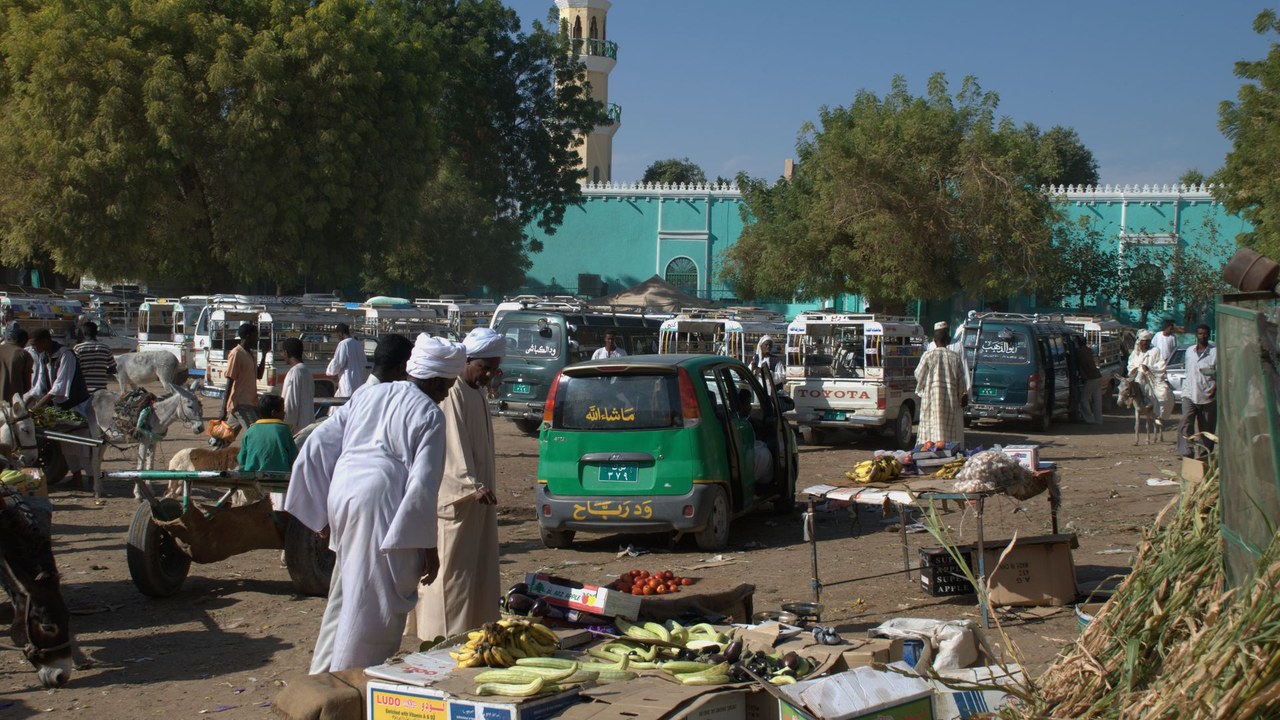
Dongola, also known as New Dongola, is the capital of Sudan’s Northern State on the banks of the Nile. It should not be confused with Old Dongola, the deserted medieval city about 80 kilometers upstream on the opposite bank.
The modern town carries the name of the old capital, while the ruins of Old Dongola, with its throne hall, churches and the newly reached cathedral floor, sit across the river. The distinction matters for anyone following the excavation: the medieval city has been abandoned, while its namesake remains a working regional capital.
Christian Nubia: A Thousand Years of Christian Kingdoms
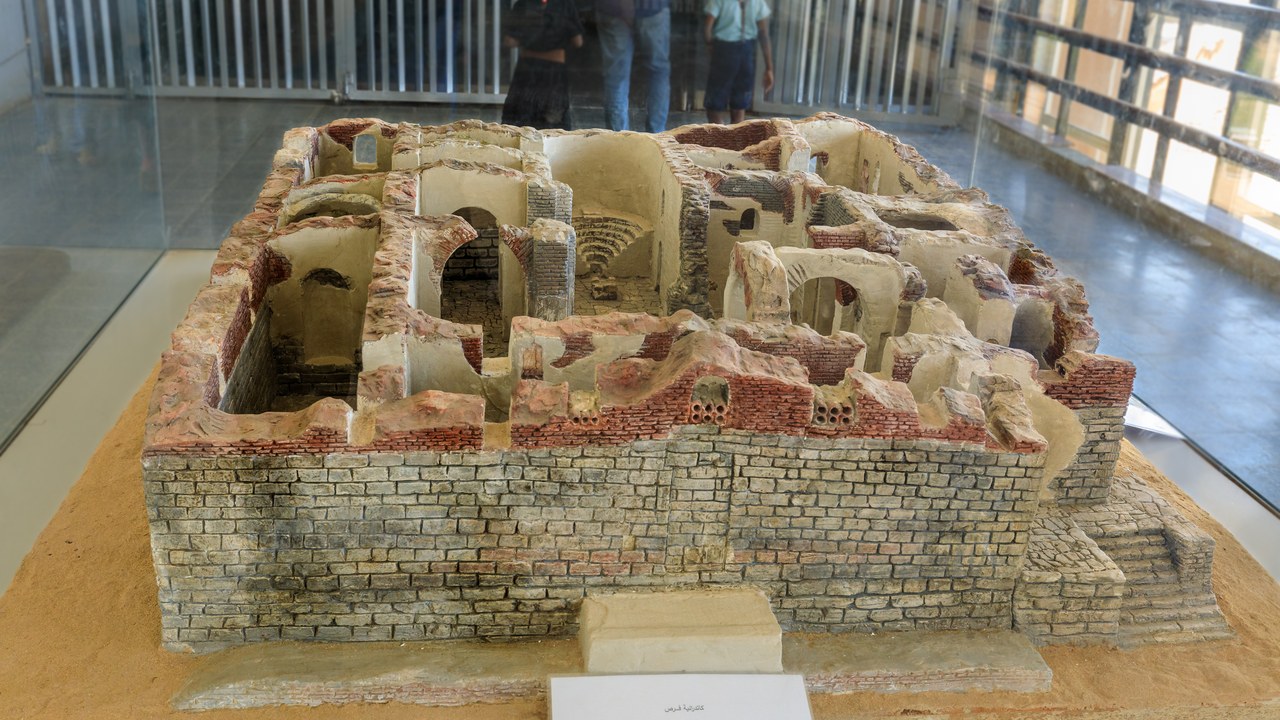
Christianity had been introduced to Nubia by the fourth century, and by the mid-6th century the kings of Nobatia and Alodia had converted, along with Makuria. By the seventh century, Makuria had become the dominant power in the region.
It was strong enough to halt the southward expansion of Islam after Arab forces took Egypt, leading to the Baqt treaty that allowed peaceful coexistence and trade. That long stability is the backdrop for the Great Church of Jesus, built in a capital that remained Christian for centuries while its northern neighbor did not.
More from Morning Overview
- Winter weather advisories cover I-80, I-70 and the Bighorns with up to 15 inches of snow
- Arizona’s governor declared a statewide emergency after Flagstaff logged its wettest Nov. 1 on record
- Zero Motorcycles unveiled an electric motorcycle targeted at under $8K and a street-legal dirt bike at EICMA
- New FCC rules on how people can stop robocalls and texts take effect Nov. 25
