
Size is one of the most dramatic ways life on Earth stands out, from ocean giants longer than a basketball court to land animals that weigh as much as a truck. Scientists measure these record holders by length, height and weight. Here are twelve of the biggest animals on the planet.
Read next on Morning Overview: Cadillac cut the price of its cheapest EV, which goes up to 317 miles on a charge
1. Blue whale: The Largest Animal Ever
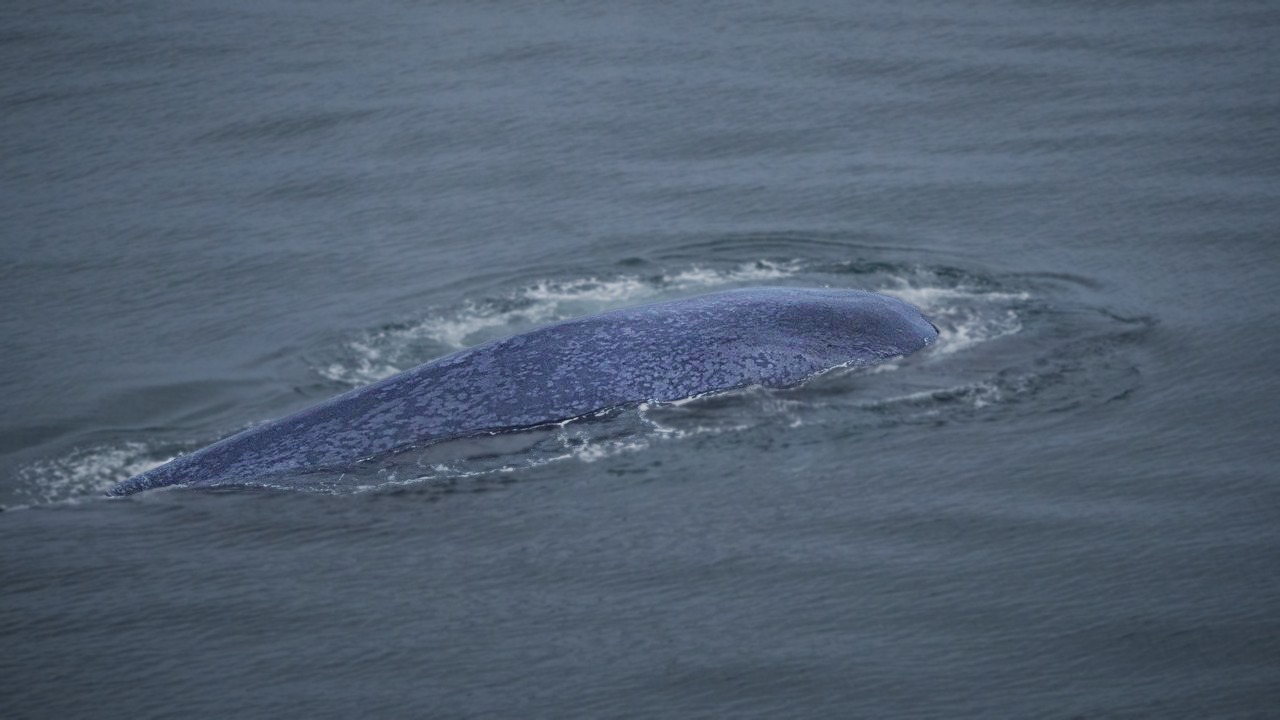
NOAA calls blue whales the largest animals ever to live on the planet, reaching up to 110 feet long and 330,000 pounds. That makes them heavier than any known dinosaur.
Despite their size, blue whales feed on tiny shrimp-like krill, eating several tons a day during the feeding season. Commercial whaling pushed them close to extinction, and their numbers are still recovering. Their calls are among the loudest sounds made by any animal on Earth.
2. Whale shark: The Biggest Fish
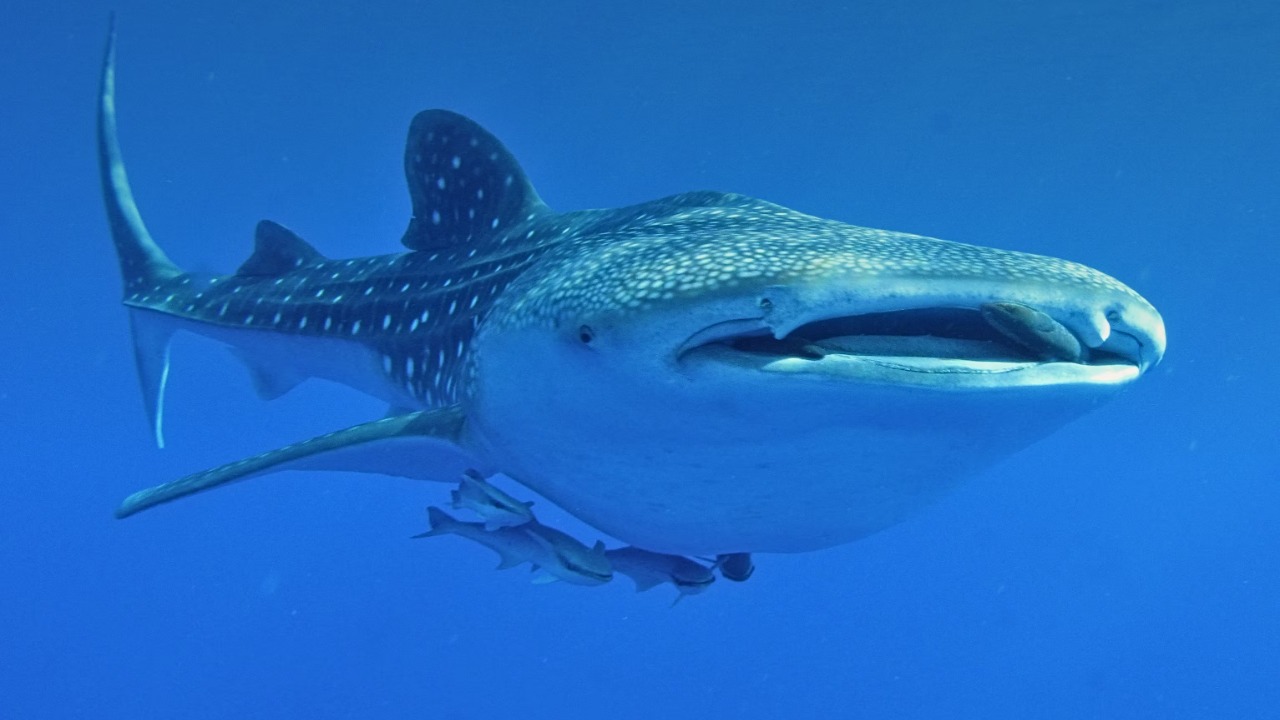
The whale shark is the largest known living fish, and the largest reliably recorded was an 18.8-meter (61.7-foot) female, according to the whale shark entry.
Like the blue whale, it is a gentle filter feeder that strains plankton and small fish from the water. Swimmers in places such as Mexico and the Philippines can snorkel alongside them on guided tours. Each whale shark has a unique pattern of spots, which researchers use to identify individuals.
3. African bush elephant: The Largest Land Animal
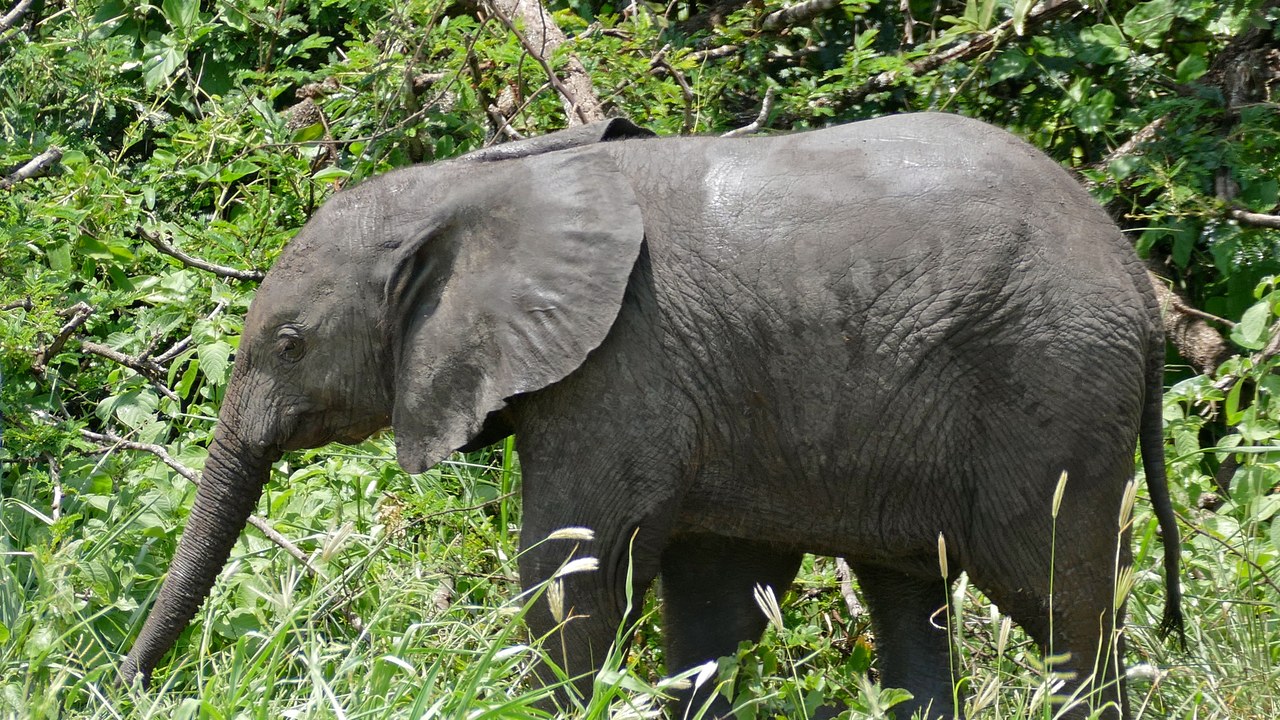
The African bush elephant is the largest living land animal. Full-grown bulls typically stand 10 to 11 feet at the shoulder and weigh about 6 tonnes, according to the African bush elephant entry.
Elephants eat hundreds of pounds of vegetation a day and shape their habitats by knocking down trees and digging for water. Poaching for ivory remains a major threat across much of Africa. Herds are led by older females who remember routes to water during droughts.
4. Giraffe: The Tallest Animal
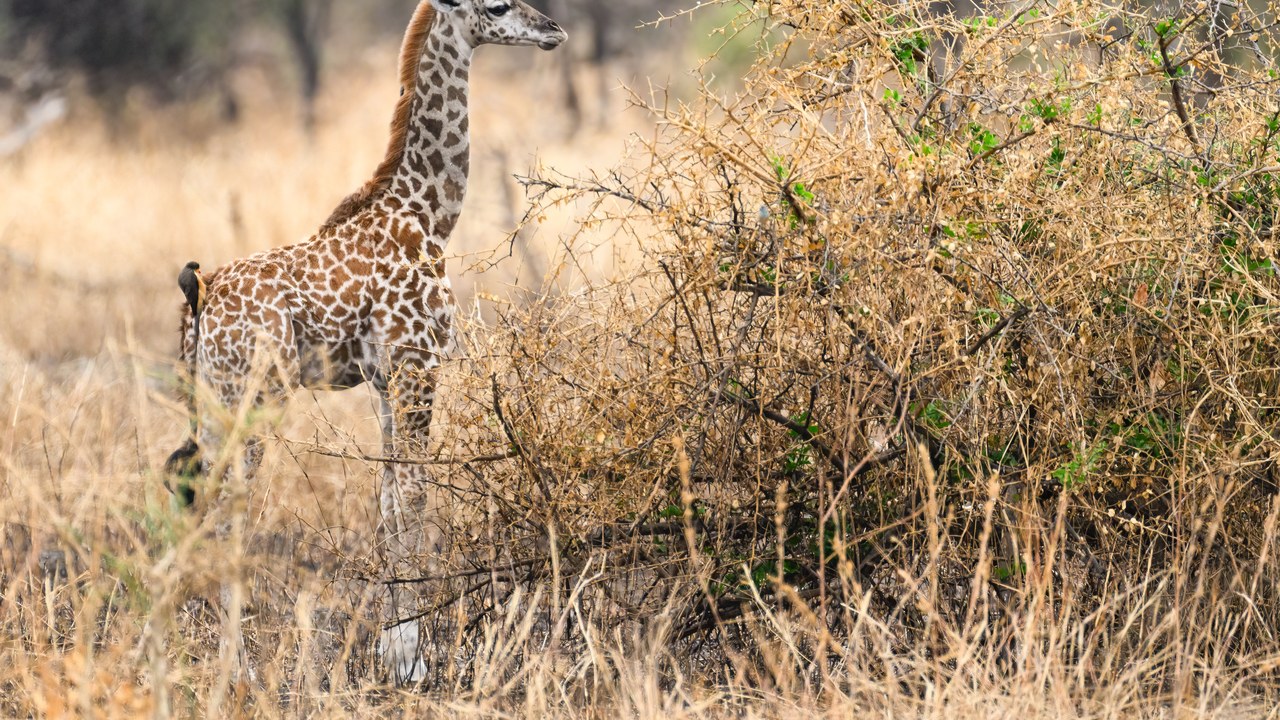
Giraffes are the tallest living land animals at 14 to 19 feet, and an average adult male weighs 1,192 kilograms (2,628 pounds), according to the giraffe entry.
Their long necks let them browse leaves no other animal can reach. A giraffe’s heart must pump blood up that neck to the brain, so it is unusually powerful for an animal of its size. Giraffe populations have declined sharply in recent decades, and several subspecies are now considered threatened.
5. Saltwater crocodile: The Largest Reptile
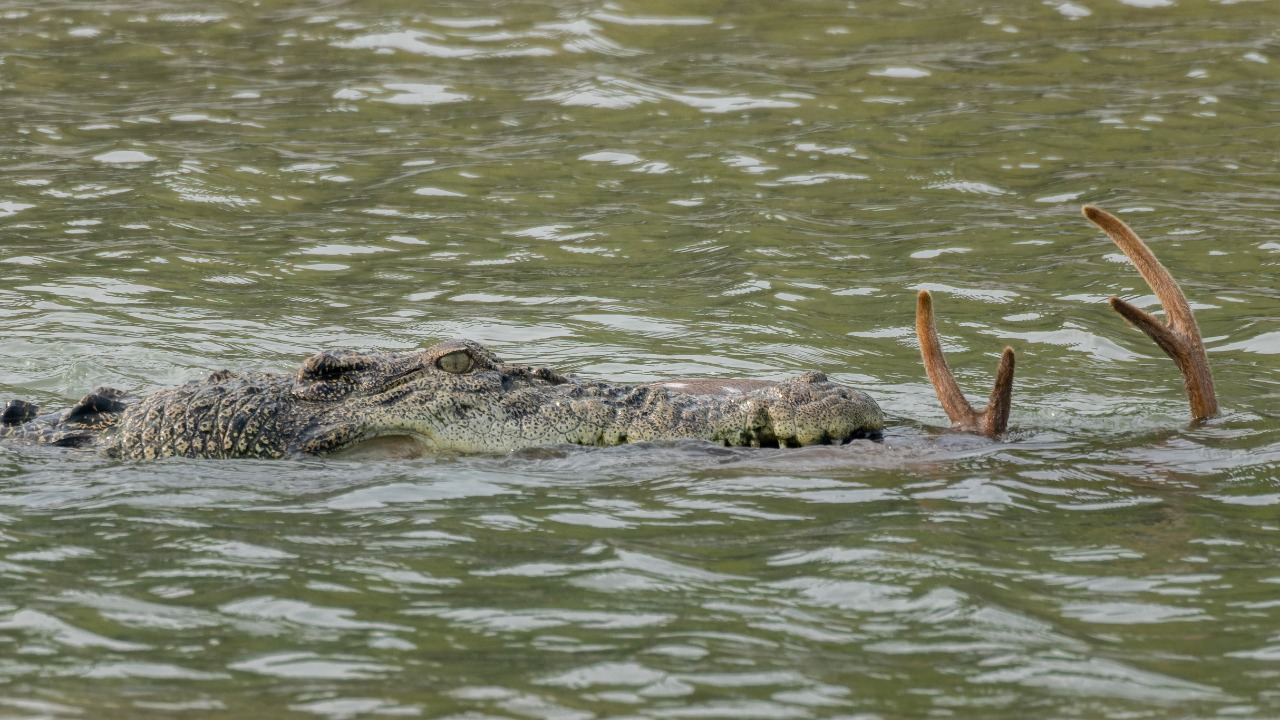
The saltwater crocodile is the largest living reptile, and males can reach 6 meters (20 feet) and weigh 1,000 to 1,500 kilograms, according to the saltwater crocodile entry.
These crocodiles range from India to northern Australia and can swim long distances at sea. They are powerful ambush hunters and are among the few animals that regularly prey on people. A large male can live for 70 years or more, still growing slowly throughout its life.
6. Polar bear: The Largest Land Carnivore
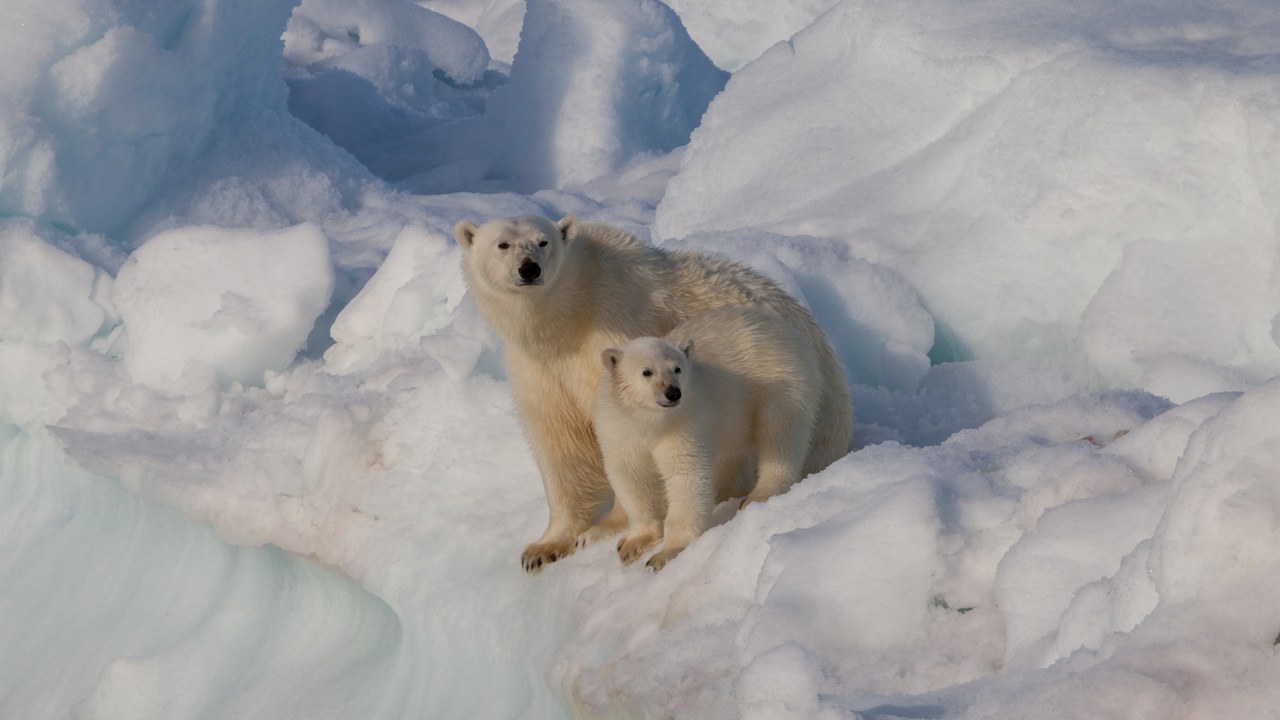
The polar bear is the largest bear and the largest land carnivore by body mass, with adult males weighing roughly 300 to 800 kilograms (660 to 1,760 pounds), according to the polar bear entry.
Polar bears hunt seals from the sea ice of the Arctic. As the ice shrinks in a warming climate, they are forced to spend more time on land, where finding enough food is much harder. Their fur is not white at all; each hair is transparent and hollow.
7. Gaur: The Biggest Wild Cattle
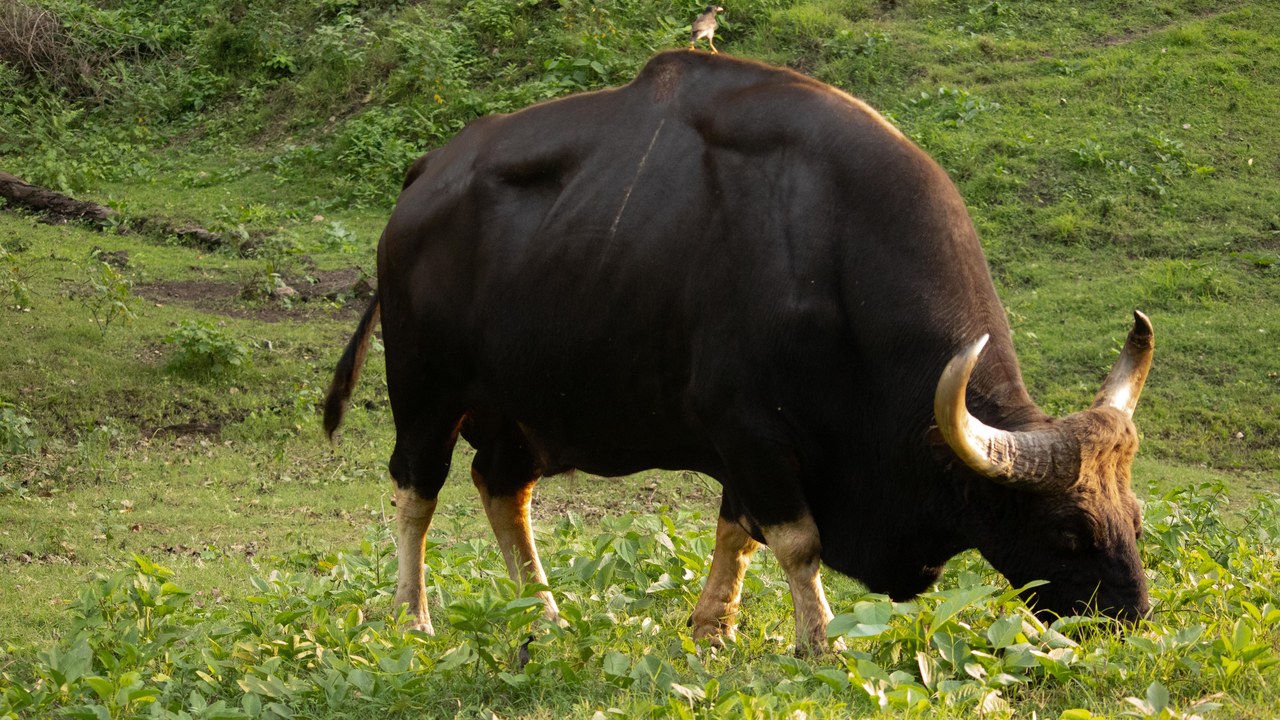
The gaur is the largest living wild cattle species, and males can weigh up to 1,500 kilograms and stand up to 220 centimeters at the shoulder, according to the gaur entry.
Gaur live in the forests of India and Southeast Asia. Their size means adults have few predators, though tigers sometimes take young or weakened animals. Their populations have declined because of hunting and habitat loss, and the species is now listed as vulnerable.
8. Moose: The Tallest Deer
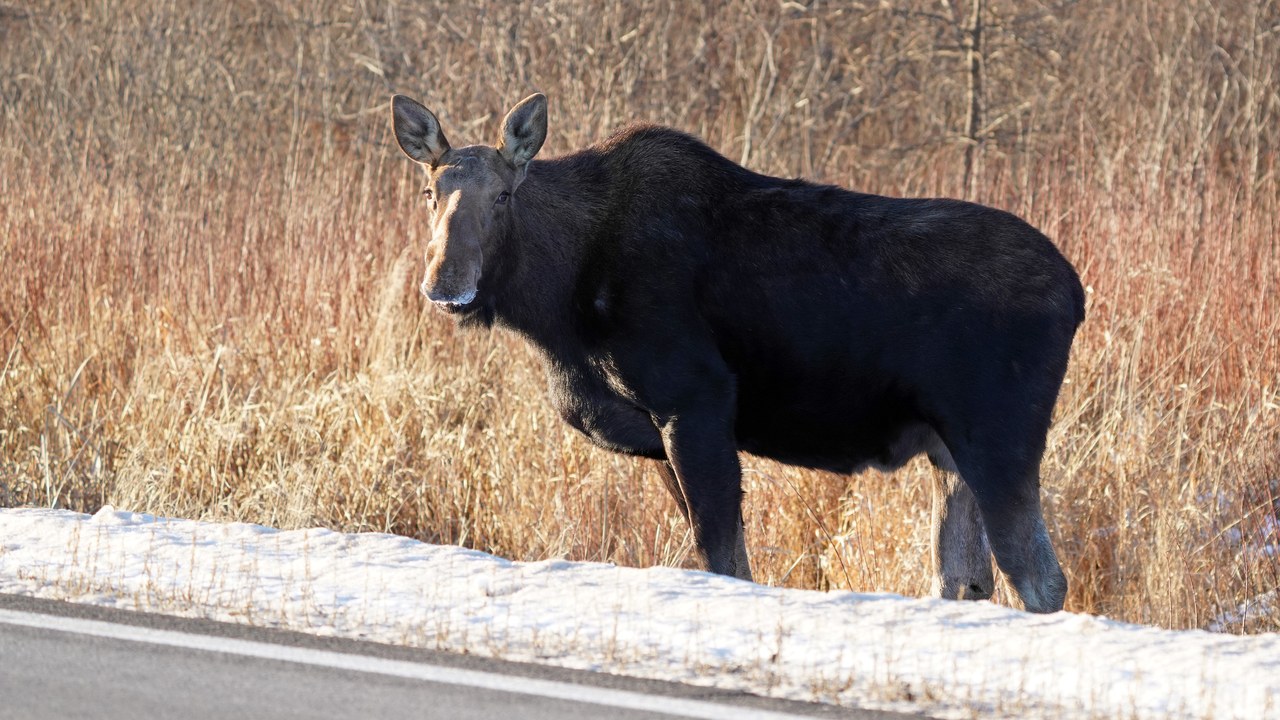
The moose is the world’s tallest and heaviest deer, and the largest confirmed bull weighed 820 kilograms and stood 7 feet 8 inches at the shoulder, according to the moose entry.
Moose are found across northern North America, Europe and Asia. Collisions with moose are a serious danger on northern roads because their height puts the body at windshield level. Bulls grow huge antlers each year and shed them every winter.
9. American bison: North America’s Largest Mammal
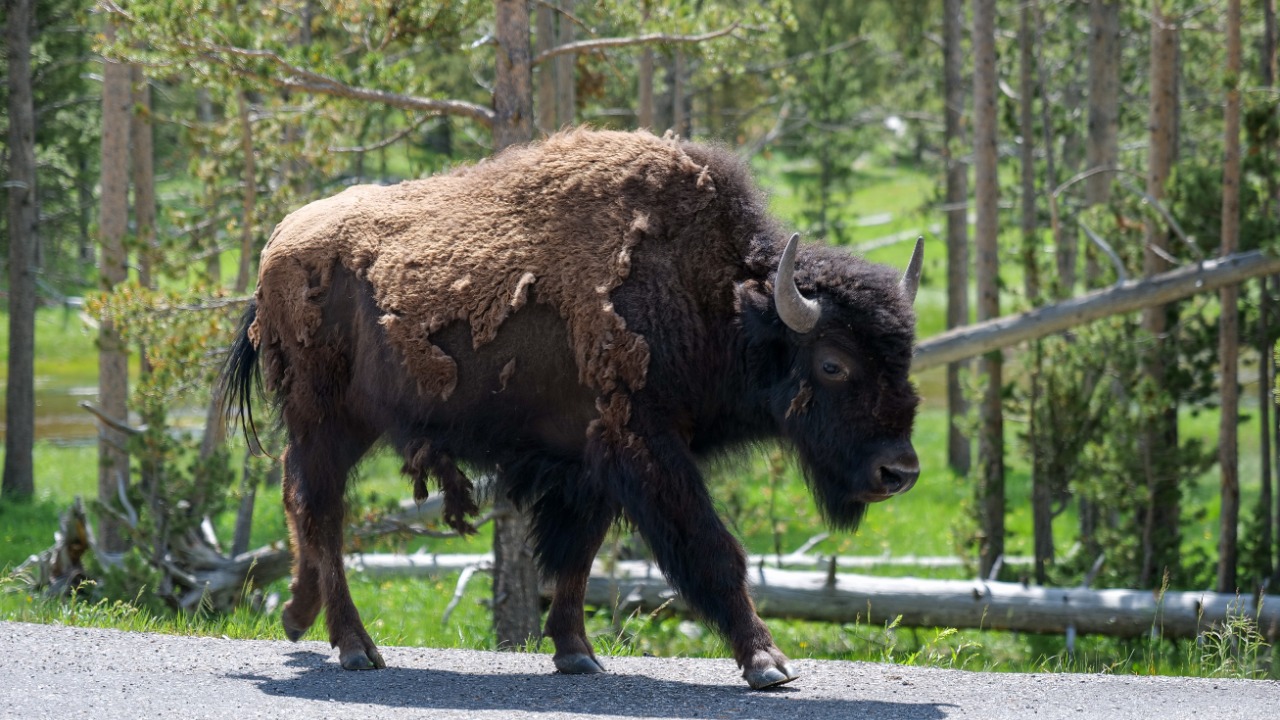
The bison is the largest mammal in North America and became the U.S. national mammal in 2016, according to the National Park Service.
Tens of millions of bison once roamed the continent before hunting reduced them to a few hundred animals. Conservation efforts have since restored herds in places such as Yellowstone National Park. A full-grown bull can weigh around 2,000 pounds and run surprisingly fast for its size, so visitors are urged to keep their distance.
10. Leatherback sea turtle: The Largest Turtle
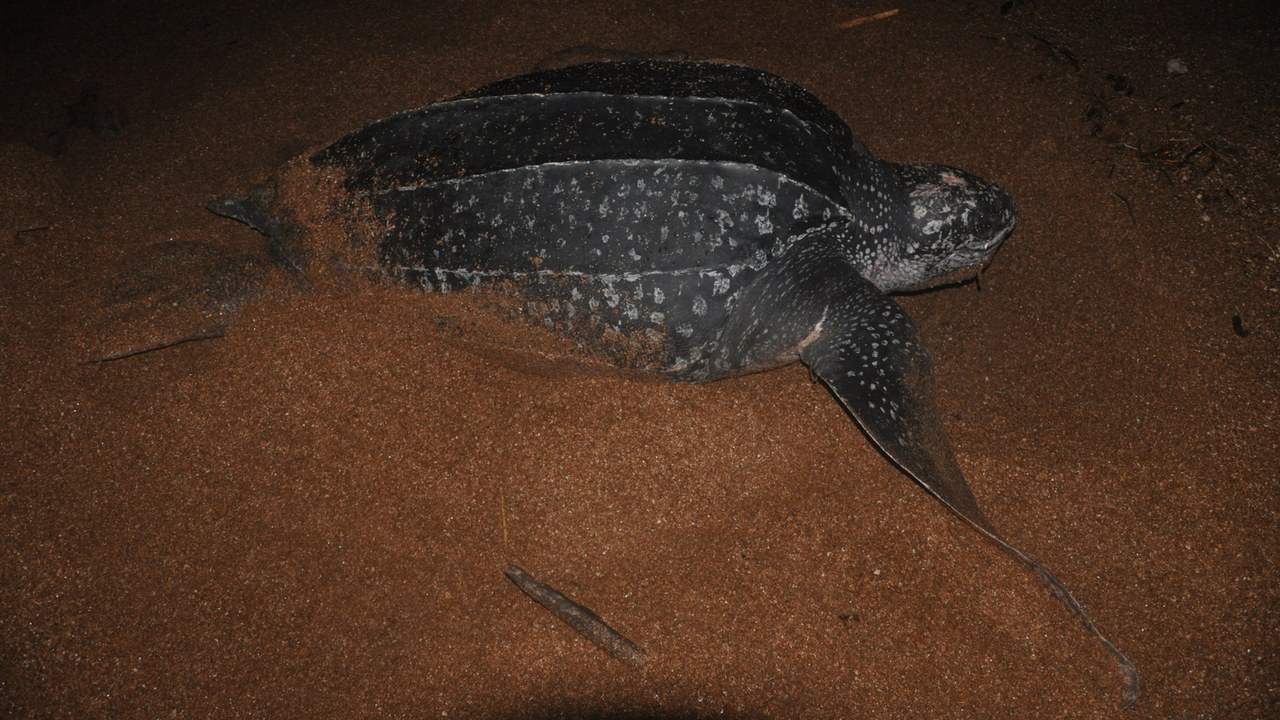
The leatherback is the largest turtle in the world, weighing 750 to 1,000 pounds, and it can dive to about 4,000 feet, deeper than any other turtle, according to NOAA Fisheries.
Instead of a hard shell, the leatherback has a leathery back supported by small bones. It travels across entire oceans to feed on jellyfish. It is listed as vulnerable worldwide, and some populations in the Pacific are critically endangered.
11. Komodo dragon: The Largest Lizard
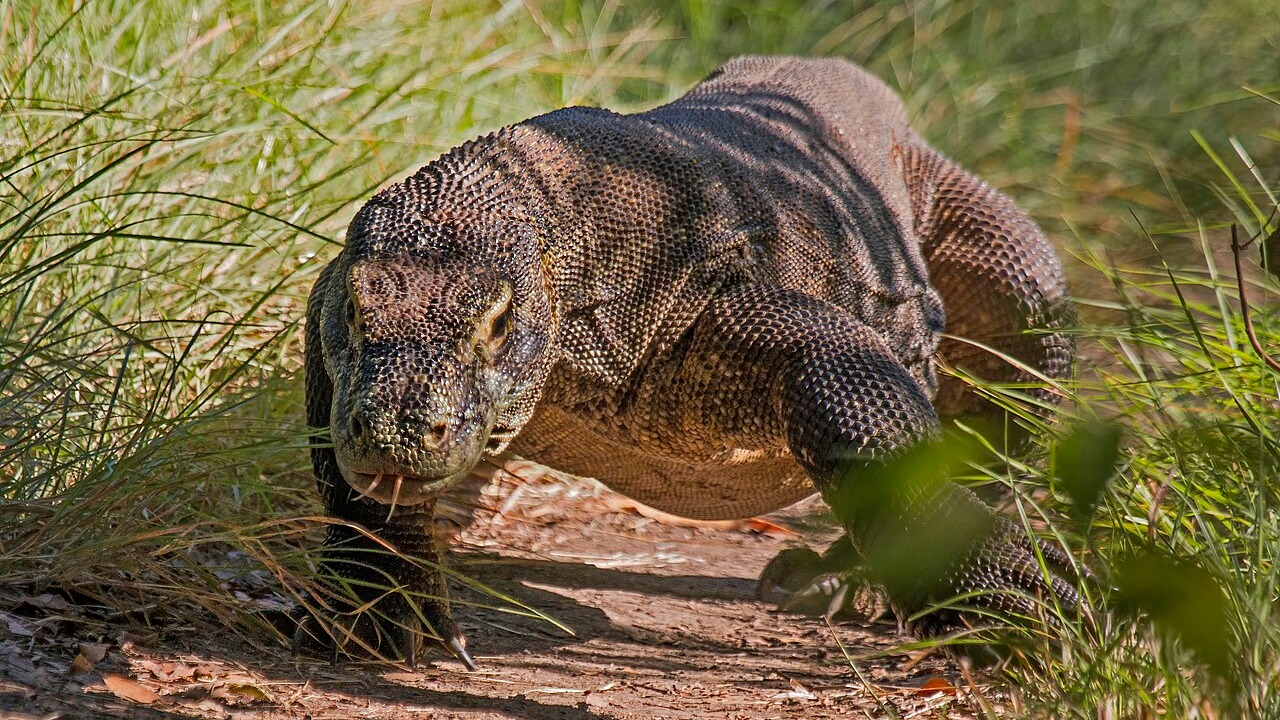
The Komodo dragon is the largest living lizard. The biggest verified specimen was 10.3 feet long and weighed 366 pounds, and its venom stops blood from clotting, according to the Smithsonian’s National Zoo.
Komodo dragons live on a handful of Indonesian islands and can take down prey as large as water buffalo. Their limited range makes them vulnerable to habitat loss. Only a few thousand remain in the wild today.
12. Green anaconda: One of the Largest Snakes
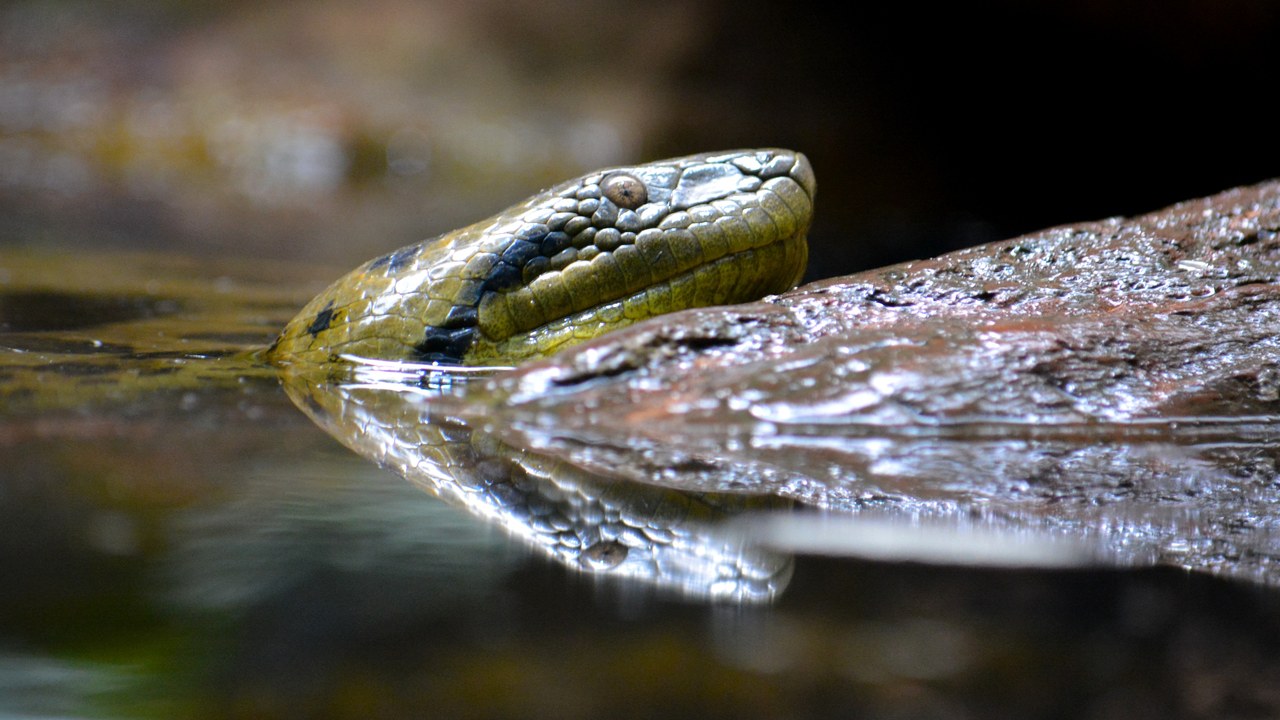
Green anacondas are among the largest snakes in the world and can reach 30 feet and 550 pounds, according to the Smithsonian’s National Zoo.
They live in the swamps and rivers of South America and spend much of their time in water, where their weight is easier to carry. Anacondas kill by constriction, squeezing prey until it cannot breathe. Females are much larger than males, sometimes several times heavier. They can live 10 years.
More from Morning Overview
- 11 engines built to run well past 200,000 miles
- Two Kentucky residents died when a small plane crashed at Missouri’s Lake of the Ozarks, and the NTSB is investigating
- A handful of car transmissions are so tough that mechanics say they almost never die
- Melting permafrost is setting off a newly identified kind of catastrophic landslide, scientists say
