
Every famous dinosaur began as a scatter of bones in rock, and each discovery added a piece to the story of how these animals lived. Some are known from a few giant vertebrae, others from skeletons nearly complete. Here are 14 famous dinosaurs and what their fossils reveal, from towering titanosaurs to a tank with a club tail.
Read next on Morning Overview: Two Kentucky residents died when a small plane crashed at Missouri’s Lake of the Ozarks, and the NTSB is investigating
1. Argentinosaurus: The Giant Known From a Few Bones
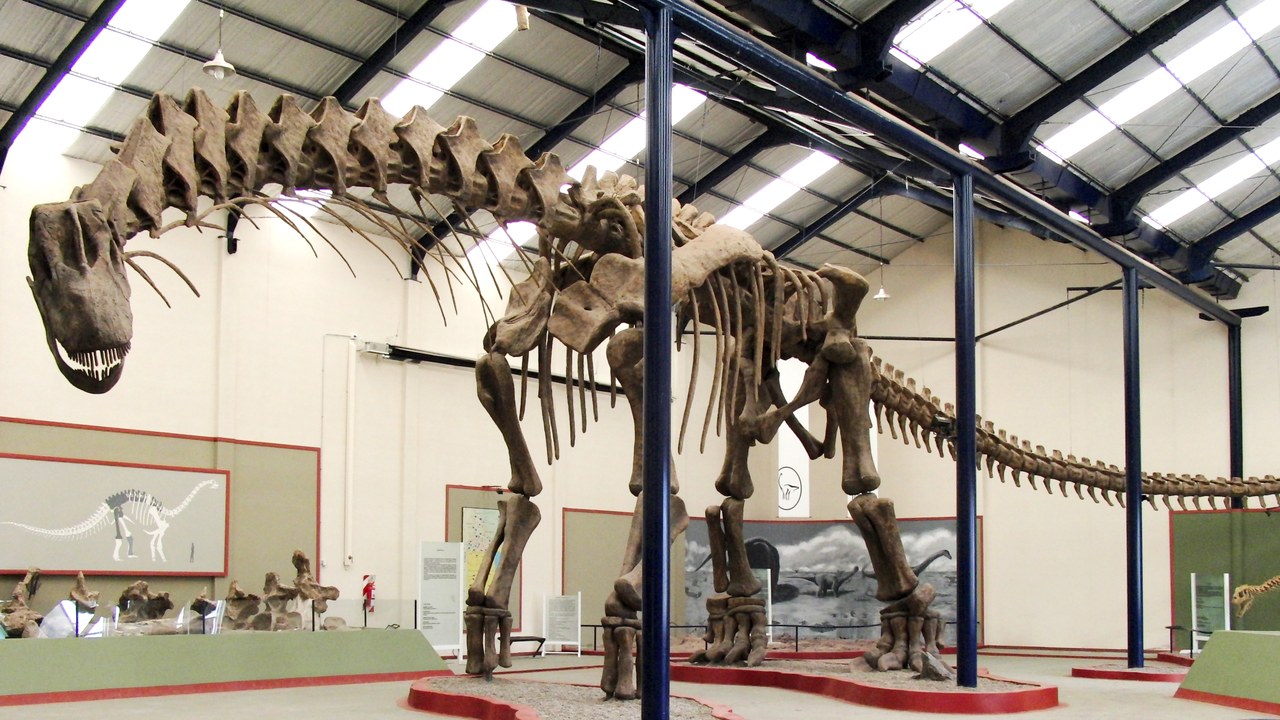
Argentinosaurus was one of the largest land animals of all time, estimated at 30 to 35 meters long and 65 to 80 tonnes, according to its Wikipedia entry. Yet it is known only from fragmentary remains.
Those remains include enormous back vertebrae, some taller than a person, found in Argentina. Scientists scale the rest of the animal from better-known relatives. A reconstructed skeleton at the Museo Municipal Carmen Funes shows the original vertebrae alongside the replica to show how much is still missing.
2. Patagotitan: The Titanosaur Found as a Herd
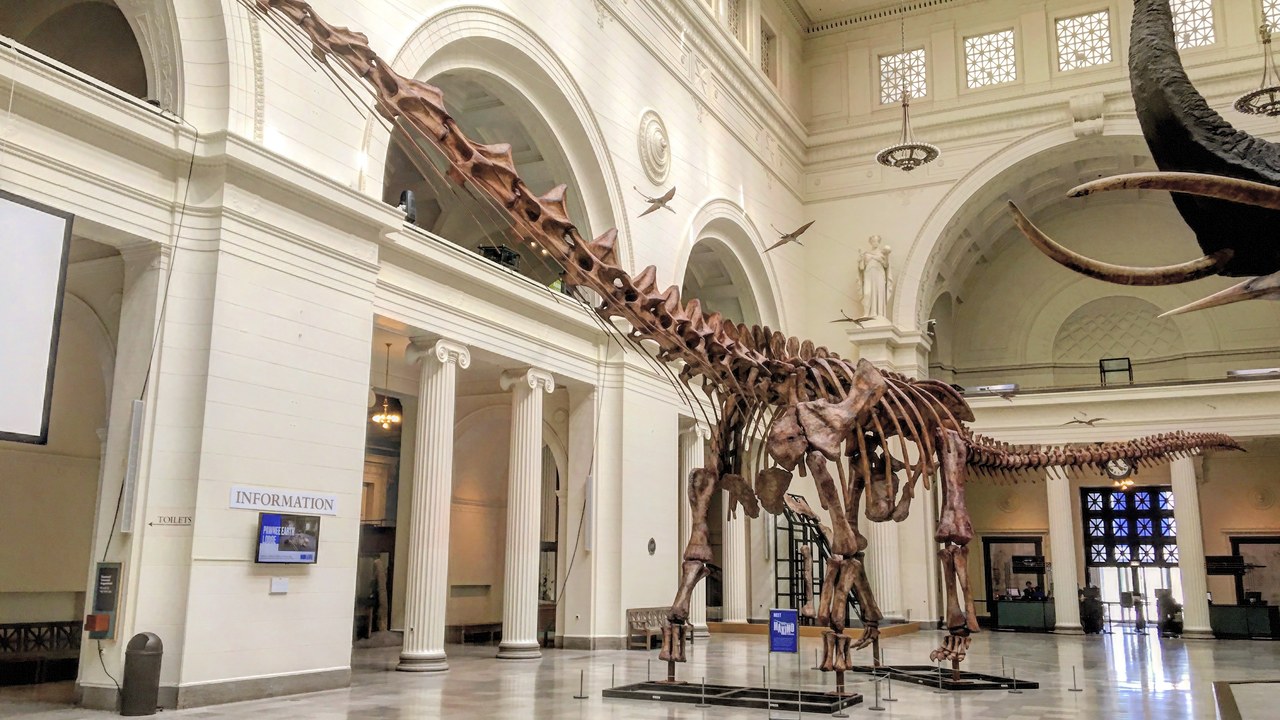
Patagotitan is known from at least six young adults found in Chubut Province, Argentina, according to its Wikipedia entry. It was formally named in 2017 and was first thought to be the largest known titanosaur.
Finding several individuals together gave scientists far more bones to study than usual for a giant sauropod. The bones come from the Cerro Barcino Formation and date to the Early Cretaceous, giving scientists a rare look at a group of giant sauropods that lived and died together.
3. Dreadnoughtus: The Dinosaur That Feared Nothing
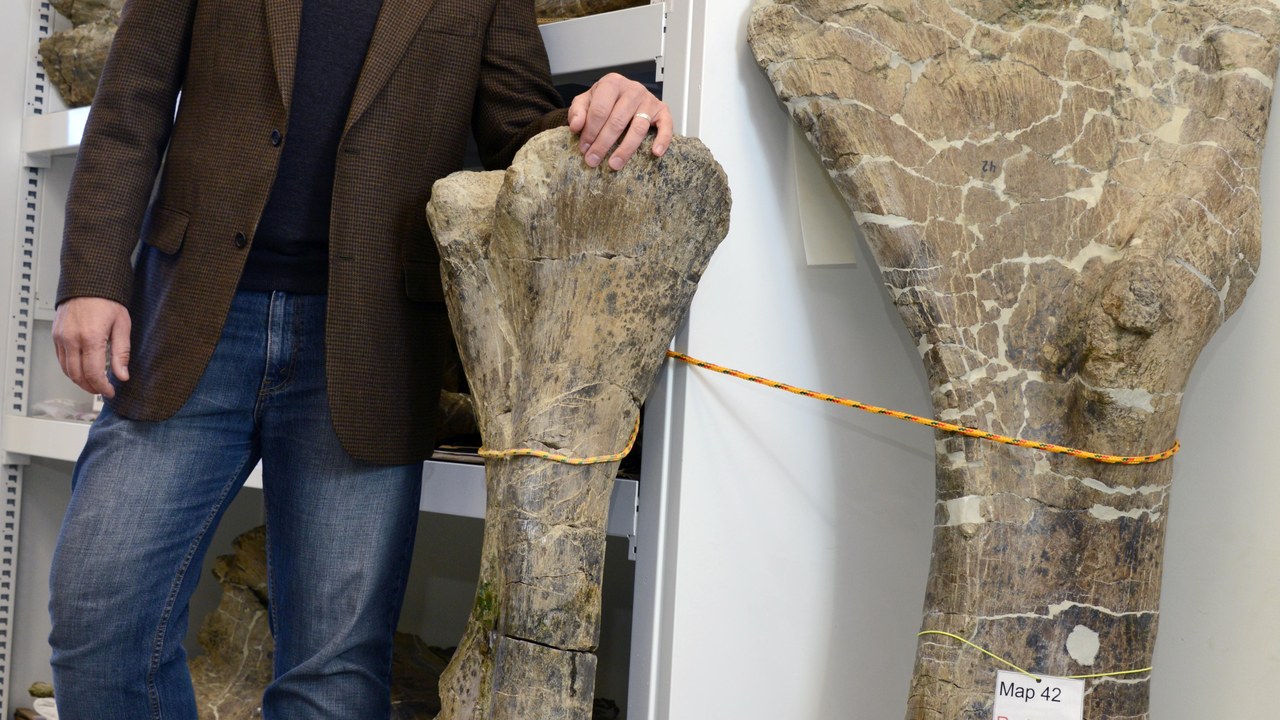
Dreadnoughtus was found as two partial skeletons in rocks about 76 to 70 million years old in Argentina, according to its Wikipedia entry. Its immature type specimen measures about 26 meters long.
That animal weighed up to about 49 metric tons and was still growing when it died. Dreadnoughtus is known from more complete skeletons than any other gigantic titanosaur, which makes it a valuable yardstick. Discoverer Kenneth Lacovara named it for its size, which left it little to fear.
4. Brachiosaurus: The Arm Lizard
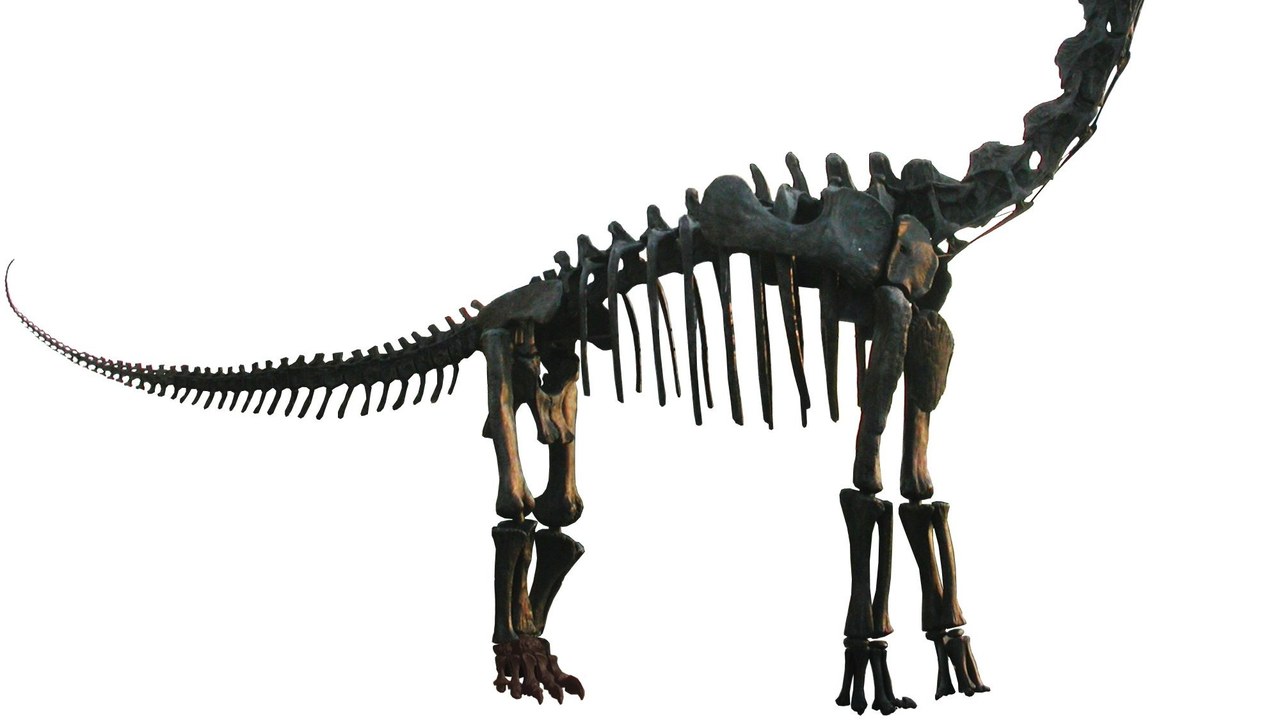
Brachiosaurus was described by Elmer S. Riggs in 1903 from fossils found in western Colorado, according to its Wikipedia entry. It lived about 155.6 to 145.5 million years ago in the Late Jurassic.
Its name means “arm lizard,” because its front legs were longer than its back legs. That gave it a sloping back and let it hold its neck high to browse in tall trees. A replica of the original skeleton stands outside the Field Museum in Chicago.
5. Diplodocus: The Double-Beam Giant
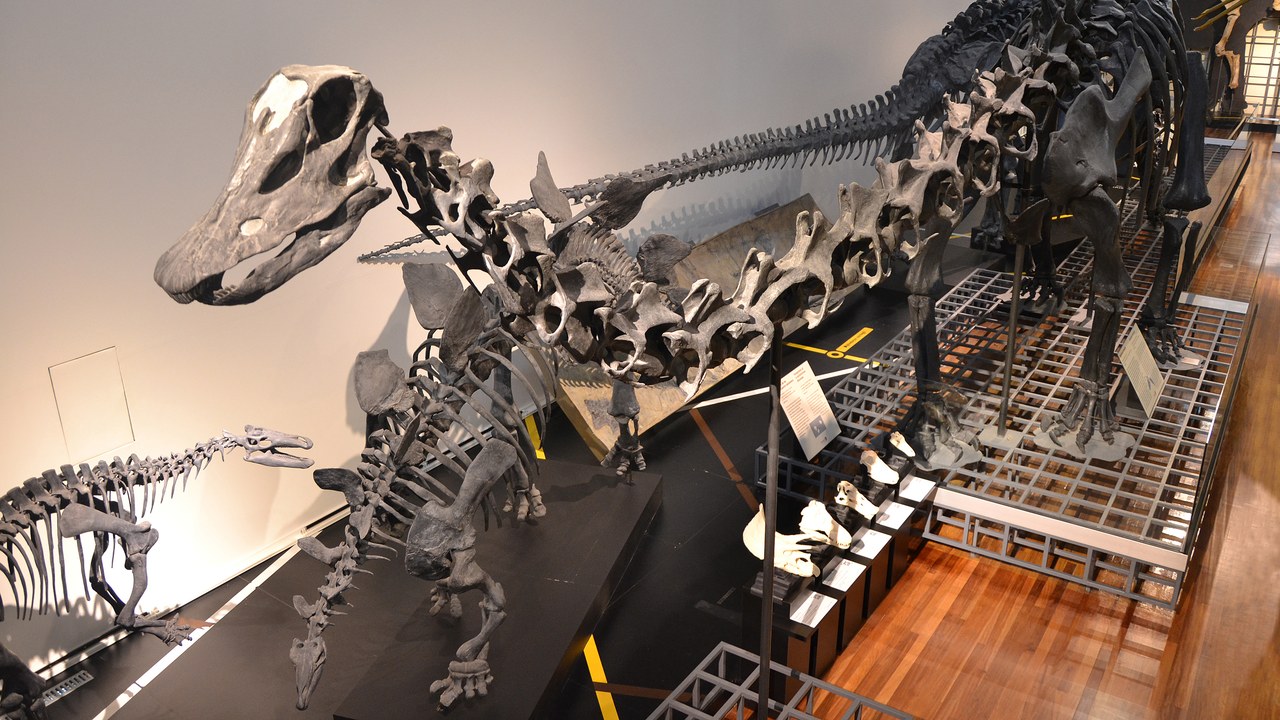
Diplodocus was first found in 1877 and was named by Othniel Charles Marsh in 1878 for the double-beam bones under its tail, according to its Wikipedia entry.
Its whip-like tail and long neck made it one of the longest dinosaurs known. Copies of one skeleton, nicknamed “Dippy,” were sent to museums around the world by Andrew Carnegie, and the original at the Carnegie Museum of Natural History is often called the most famous single dinosaur skeleton in the world.
6. Tyrannosaurus: The Tyrant Lizard King
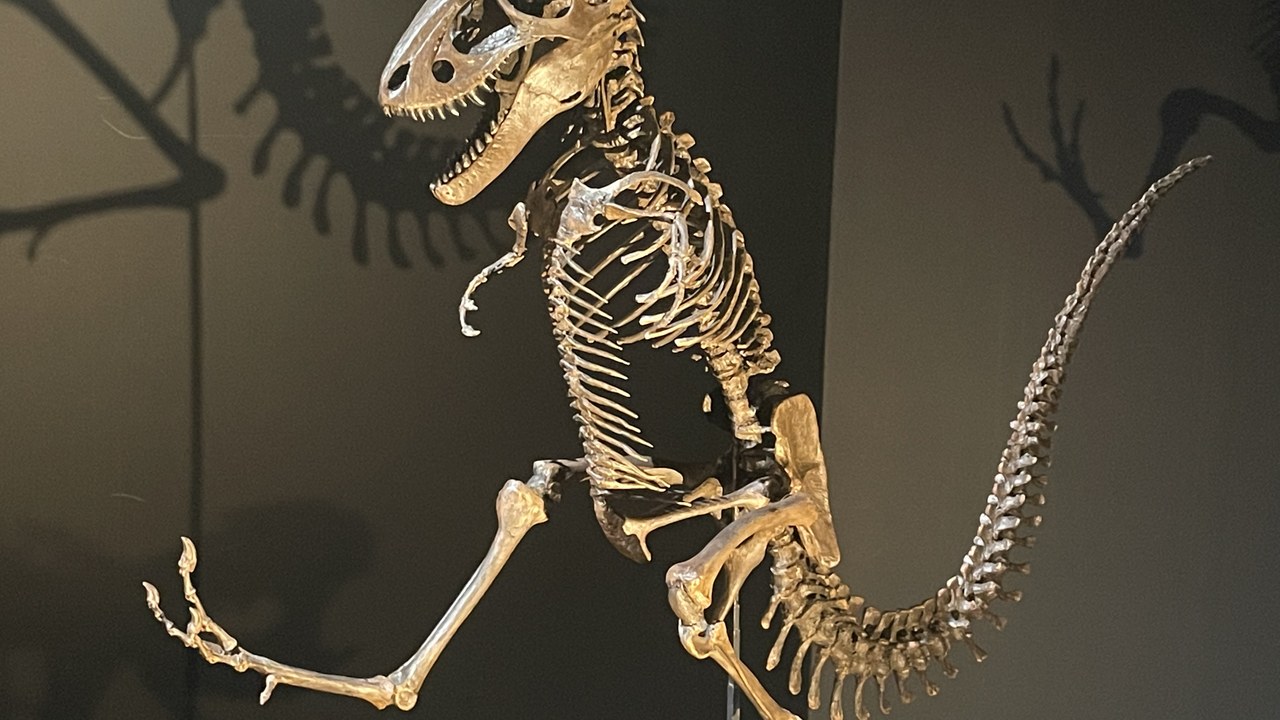
Tyrannosaurus rex is one of the best represented theropods, according to its Wikipedia entry. It lived across western North America, which was then an island continent known as Laramidia.
Dozens of specimens, including some nearly complete skeletons, let scientists study how it grew, how hard it could bite and how it moved. Its huge skull held teeth the size of bananas, and it was one of the last large dinosaurs to live before the mass extinction.
7. Giganotosaurus: The Giant Southern Lizard
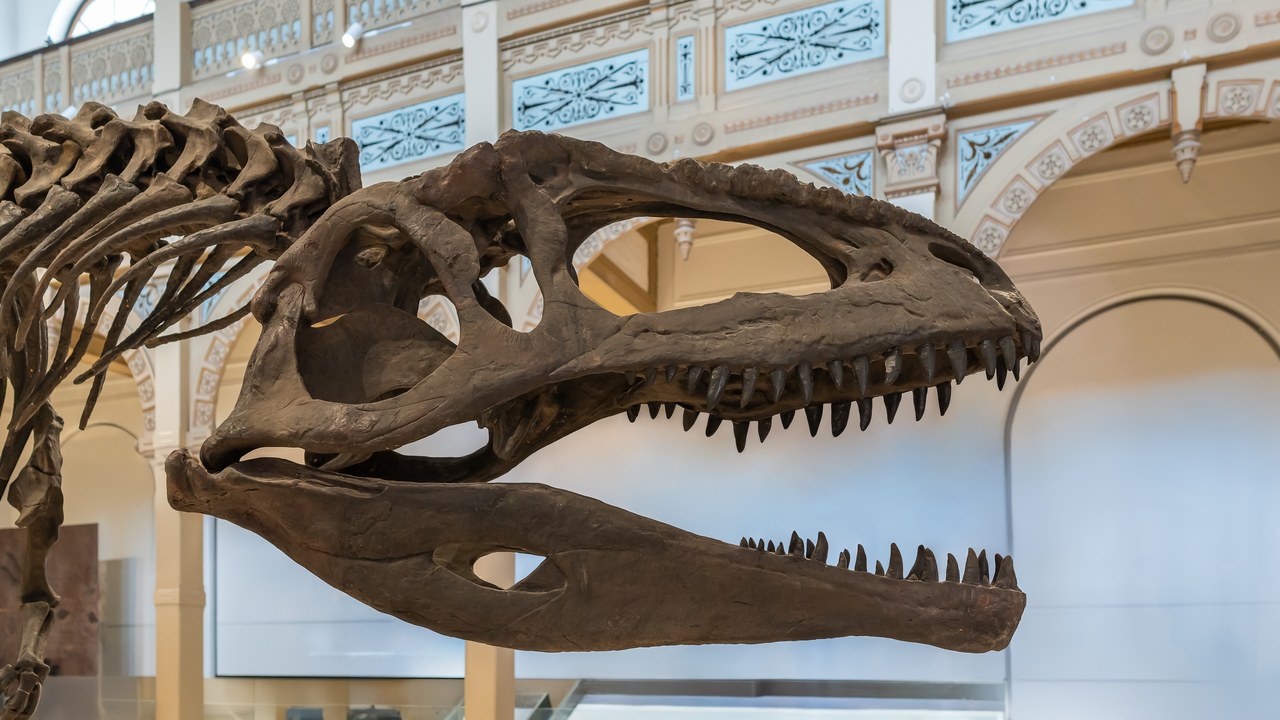
The holotype of Giganotosaurus, found in Patagonia in 1993, is almost 70% complete, according to its Wikipedia entry. The meat-eater lived about 111 to 106 million years ago.
Its name means “giant southern lizard,” and it was one of the largest meat-eating dinosaurs ever found, rivaling or exceeding T. rex in length. Mounted skeletons, such as the one at the Fernbank Museum of Natural History in Atlanta, show a long, narrow skull lined with blade-like teeth.
8. Triceratops: The Three-Horned Face
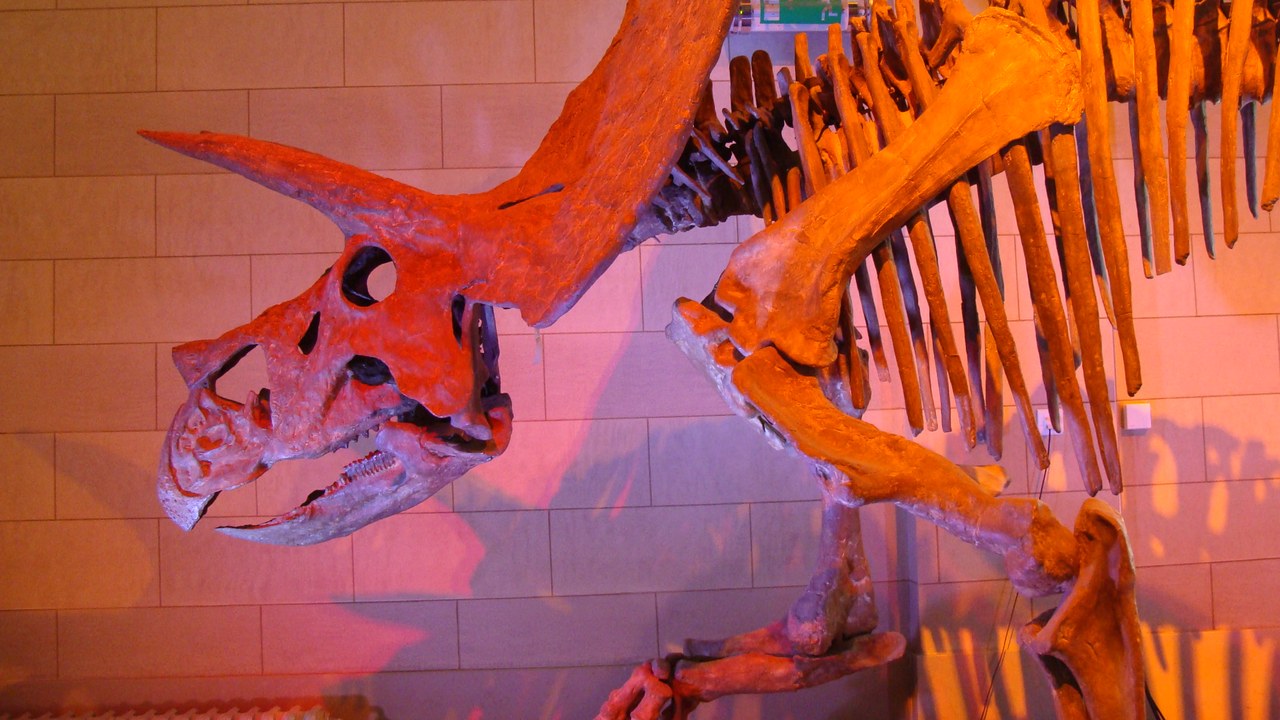
Triceratops was one of the largest ceratopsians, reaching around 8 to 9 meters long and 6 to 10 tonnes, according to its Wikipedia entry. It most likely fell prey to Tyrannosaurus rex.
Its huge skull carried two long brow horns, a shorter nose horn and a wide bony frill. Bite marks on Triceratops bones match the teeth of T. rex, a rare direct clue about predator and prey. It is one of the most common dinosaurs found in the American West.
9. Stegosaurus: The Plates and the Spiked Tail
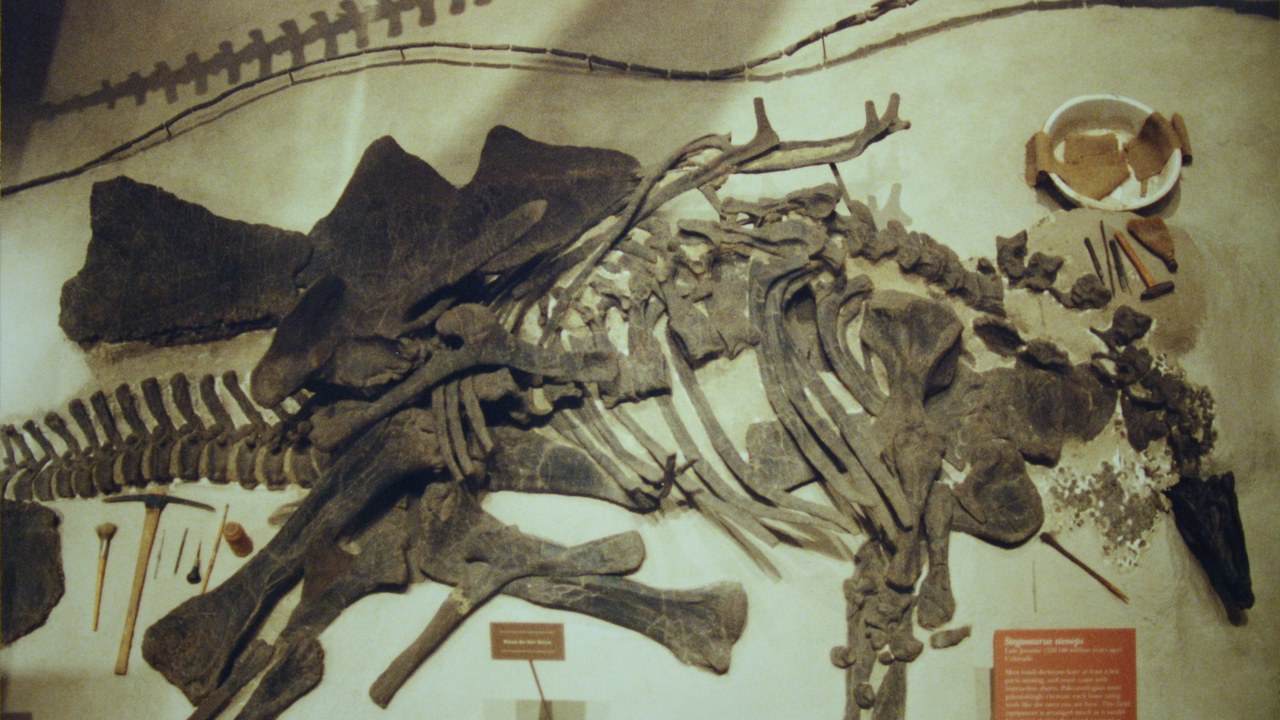
Scientists now generally agree that Stegosaurus used its spiked tail for defense, while its back plates were likely for display and secondarily for regulating body heat, according to its Wikipedia entry.
The tail spikes are so distinctive that they have a nickname, the “thagomizer.” One of the most complete skeletons, a specimen nicknamed Sophie, is on display at the Natural History Museum in London and has helped scientists study how the animal moved and grew.
10. Ankylosaurus: The Living Tank
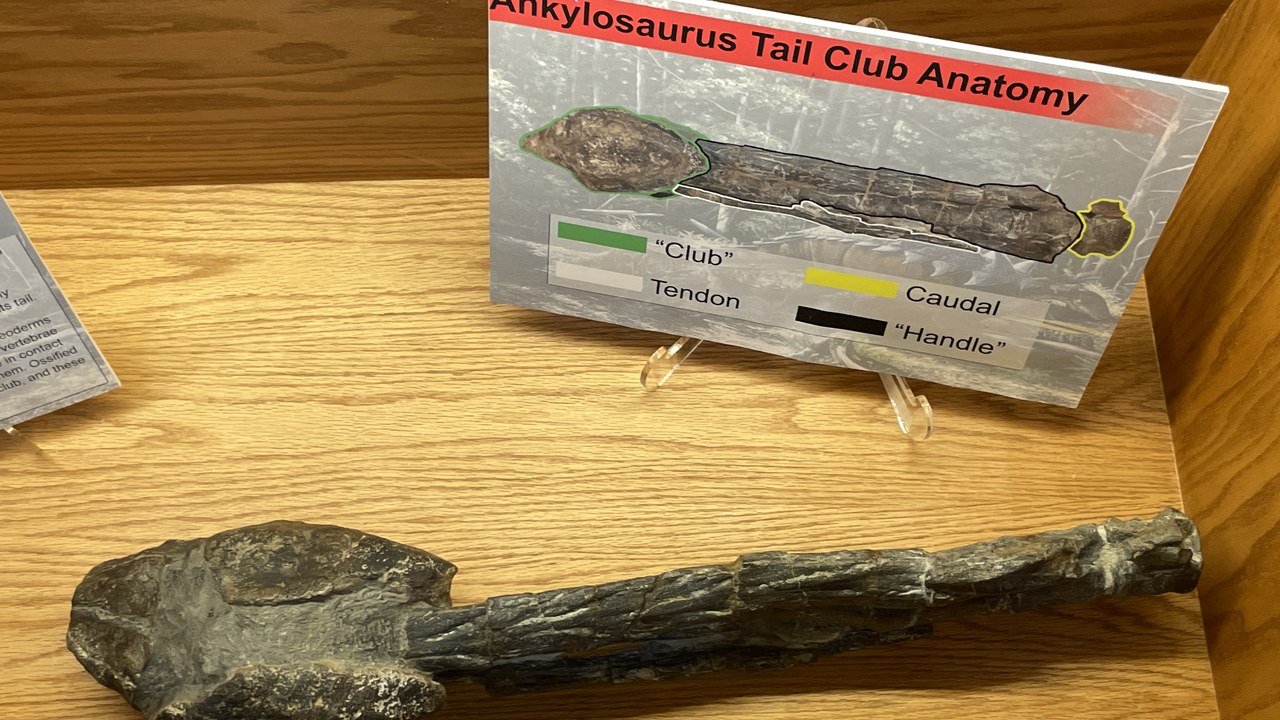
Ankylosaurus was named by Barnum Brown in 1908 and lived about 70 to 66 million years ago, among the last of the non-avian dinosaurs, according to its Wikipedia entry.
Bony plates covered its back, and its tail ended in a heavy club made of fused bone. Fossil tail clubs show the stiffened “handle” of the tail and the knob at its end, which could swing hard enough to break a predator’s leg. Its complete skeleton has never been found.
11. Shantungosaurus: The Biggest Duck-Billed Dinosaur
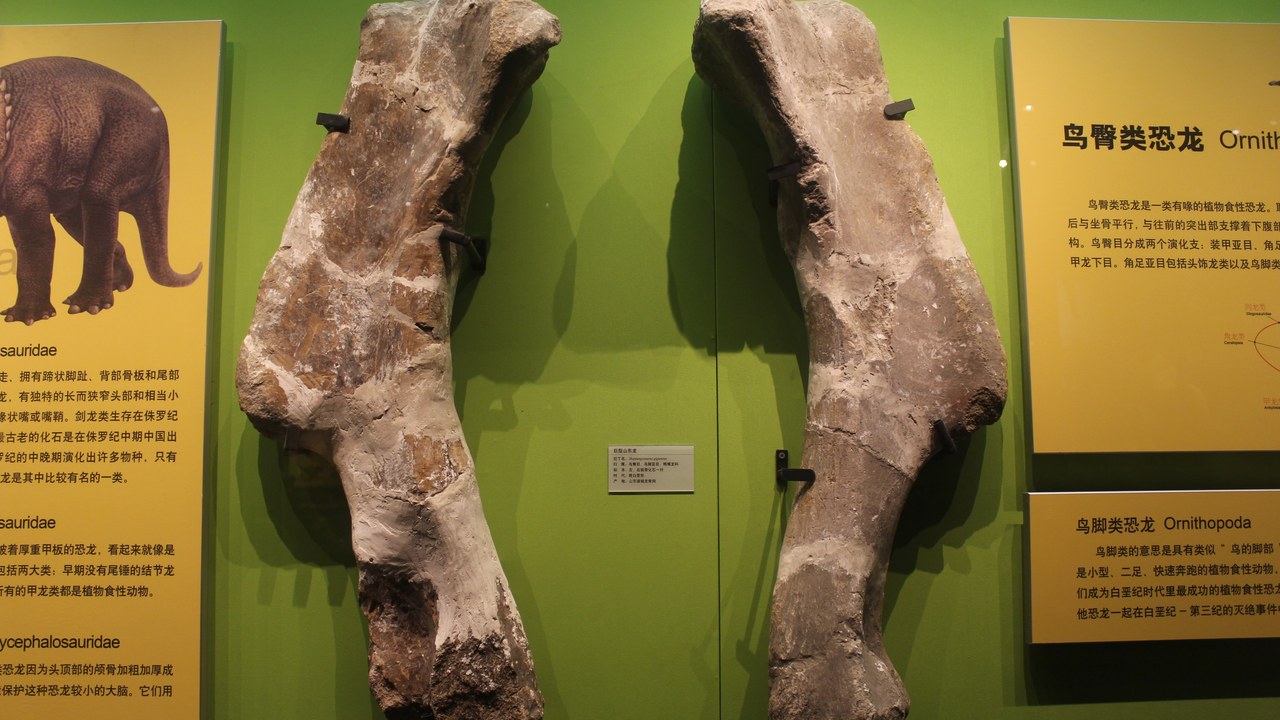
Shantungosaurus is one of the largest known ornithischians, with a 1.63-meter skull, according to its Wikipedia entry. A mounted skeleton in Beijing measures 14.7 meters long.
The biggest individuals may have weighed 16 tonnes, making this plant-eater larger than many meat-eating giants. It was a hadrosaur, or duck-billed dinosaur, and lived in what is now eastern China, where quarries have yielded bones from many individuals. Its skeleton shows the broad, flat beak and rows of grinding teeth hadrosaurs used to chew tough plants.
12. Apatosaurus: The Deceptive Lizard
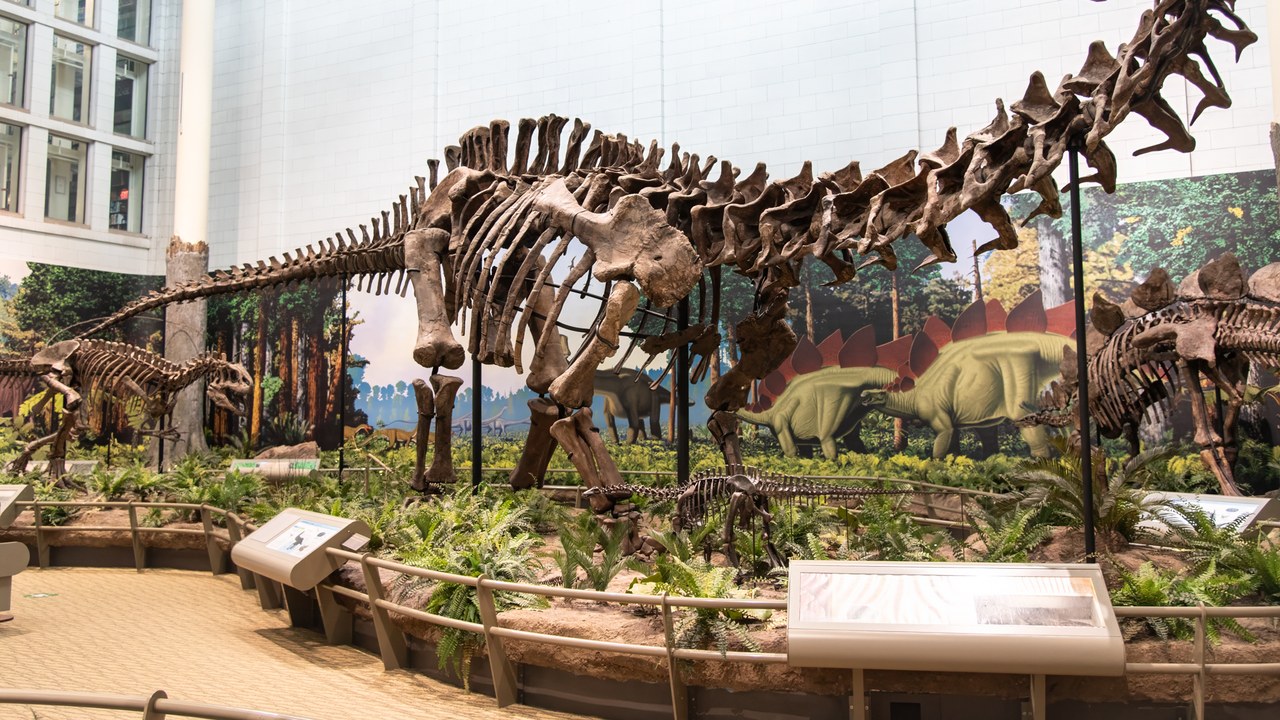
Othniel Charles Marsh named Apatosaurus, the “deceptive lizard,” in 1877, according to its Wikipedia entry. The plant-eating sauropod lived in North America about 152 to 151 million years ago.
For decades, many of its skeletons were displayed with the wrong head, and the name Brontosaurus was long folded into it. A mounted skeleton at the Carnegie Museum of Natural History shows its massive neck, thick legs and long tail, the classic image of a giant dinosaur.
13. Carcharodontosaurus: The Shark-Toothed Lizard
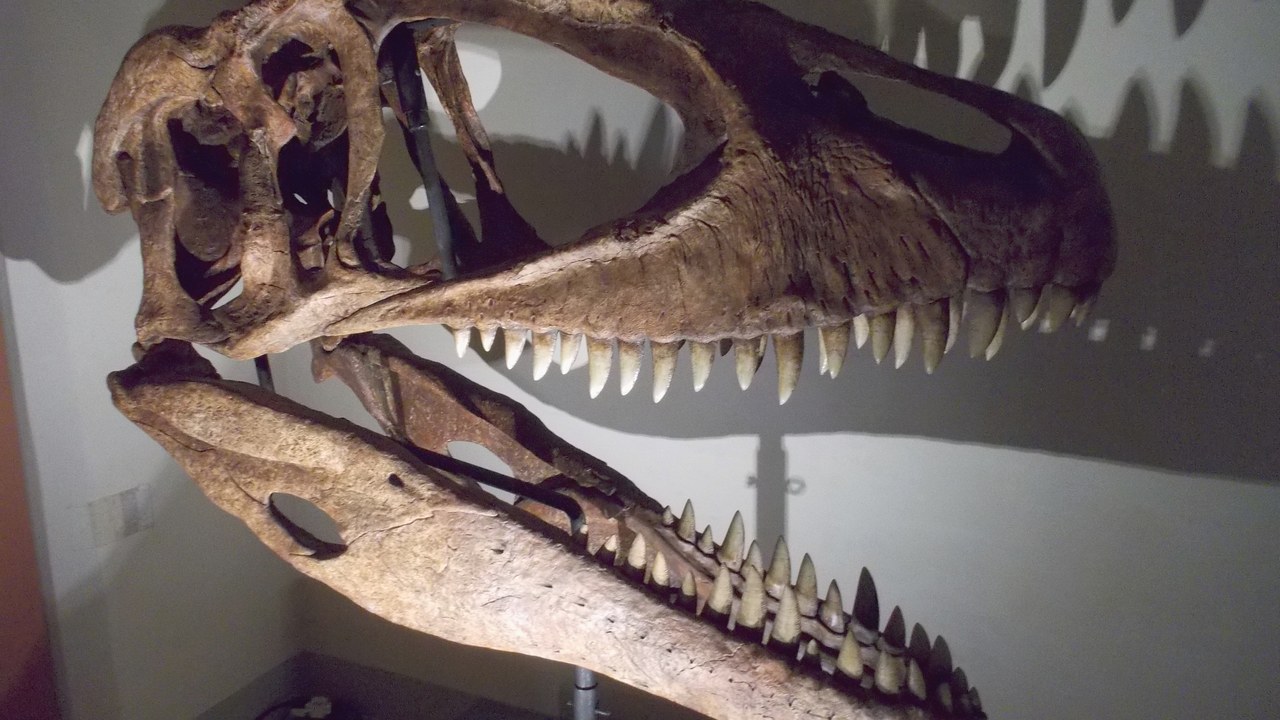
Carcharodontosaurus roamed northwest Africa about 100 to 94 million years ago, according to its Wikipedia entry. The first two teeth were found in Algeria and described in 1925, but they are now lost.
Its name means “shark-toothed lizard,” for its serrated, blade-like teeth. Many of the original fossils were destroyed during World War II, so much of what is known comes from a skull found in Morocco in the 1990s. Casts of that skull show a predator built to slice flesh.
14. Mapusaurus: The Meat-Eaters Found Together
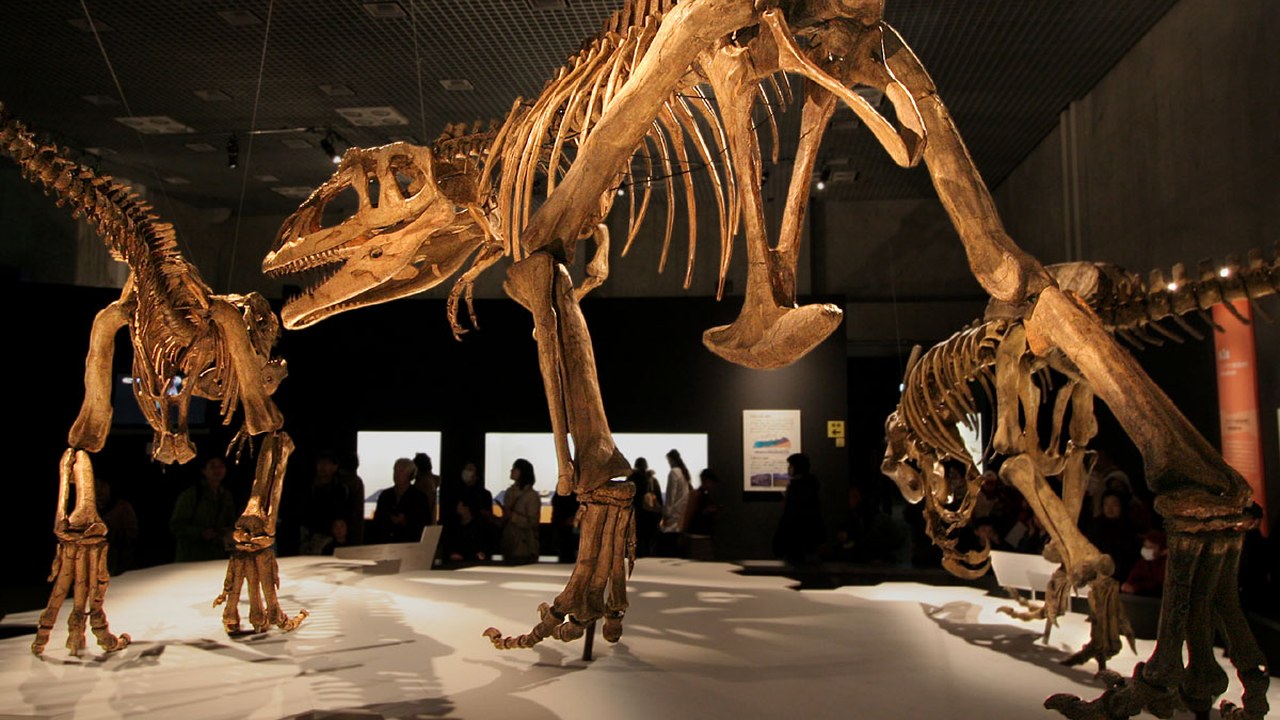
Mapusaurus was one of the largest carcharodontosaurids, estimated at up to 10.2 to 12.6 meters long and 6 to 8 tonnes, according to its Wikipedia entry.
It is known from a bonebed of seven to nine individuals excavated in Argentina between 1997 and 2001. Finding so many together has led some scientists to suggest these predators may have lived or hunted in groups, though that idea is still debated. It was described by Rodolfo Coria and Philip Currie in 2006.
More from Morning Overview
- Shaq spent $1.3 million on three Rolls-Royce Phantoms to prove a point to a salesman
- The Justice Department asked courts to undo approvals for three offshore wind farms, one already making power
- Over 20 trillion gallons of rain fell on the Four Corners states and Nevada in two weeks
- 11 engines built to run well past 200,000 miles
