
Some of the most dangerous creatures on the planet look calm, slow or even harmless until someone gets too close. Their weapons range from crushing jaws and fast-acting venom to diseases carried in a single bite. These are eight wild animals that wildlife experts say people should always give a very wide berth.
Read next on Morning Overview: A $1 billion gas plant planned for Superior, Wisconsin, has been abandoned
1. Hippopotamus: Africa’s Most Underestimated Giant
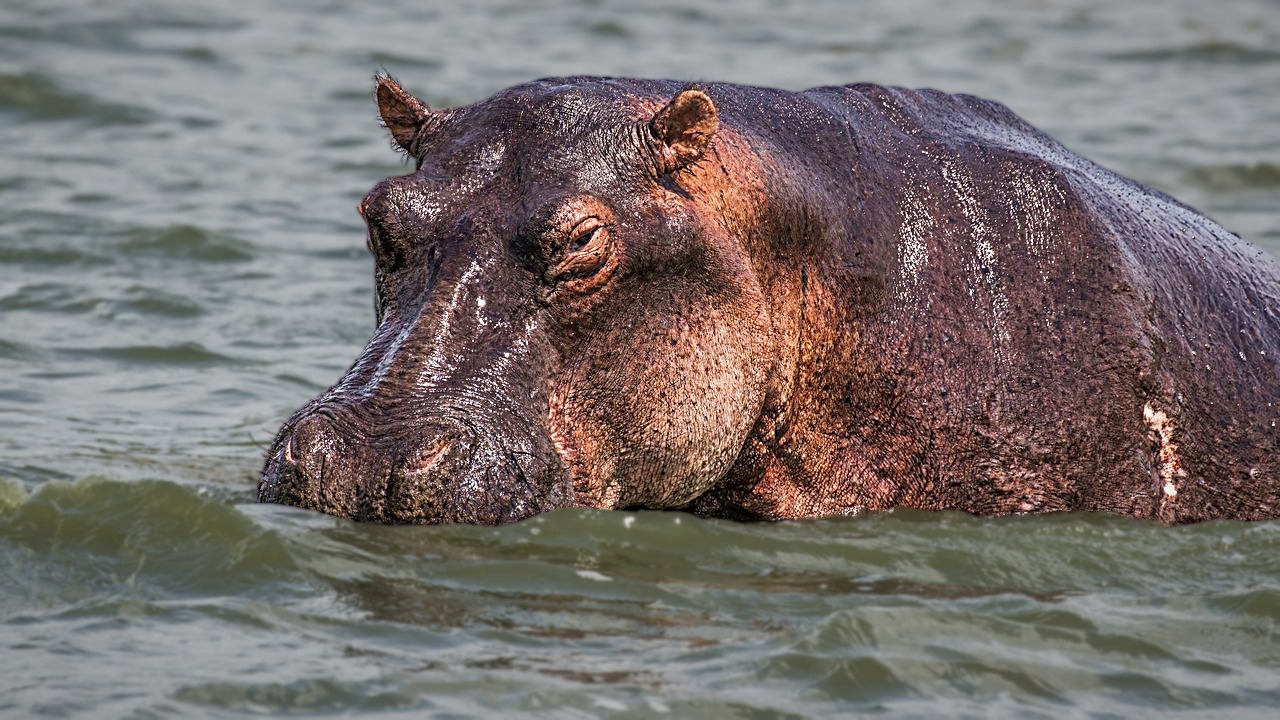
The hippo spends its days lounging in rivers and lakes, which makes it look far more docile than it is. National Geographic’s profile calls it one of Africa’s most dangerous animals, known for its enormous teeth and aggressive, territorial nature. Its jaws can open to 180 degrees, and its bite is nearly three times stronger than a lion’s.
Those stubby legs are deceptive, too. Hippos can reach speeds of up to 22 miles per hour on land over short distances, faster than most people can run. They spend most of the day in rivers, lakes and mangroves to protect their sensitive skin, which puts them right where boats, fishermen and swimmers tend to be.
2. Saltwater crocodile: The Largest Crocodilian on Earth
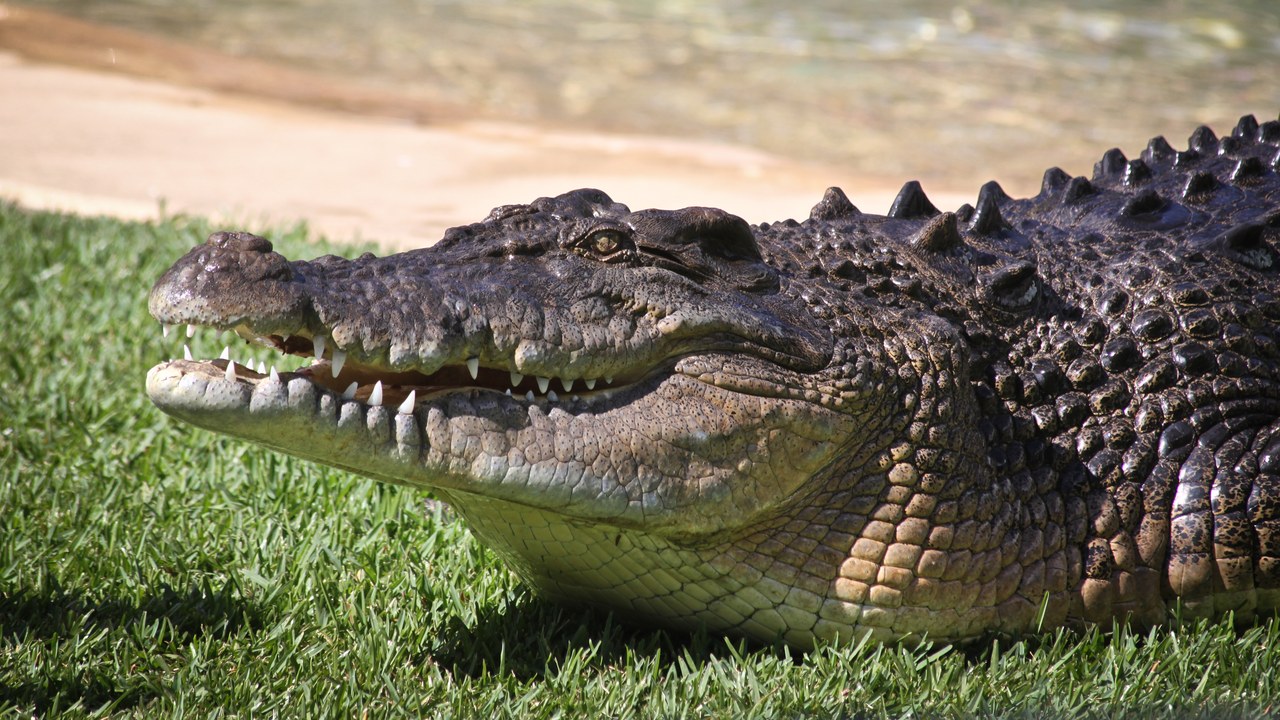
The saltwater crocodile is the largest living crocodilian on the planet, and some researchers consider it the animal most likely to eat a human, according to National Geographic. It hunts by ambush, lying almost completely submerged near shorelines and estuaries before lunging at prey that comes to drink or wade.
Average males reach 17 feet and 1,000 pounds, and specimens of 23 feet and 2,200 pounds are not uncommon. Their range covers brackish and freshwater areas of eastern India, Southeast Asia and northern Australia, and they are strong swimmers often spotted far out at sea, so they can appear well away from where visitors expect them.
3. Black mamba: A Fast and Lethal Snake
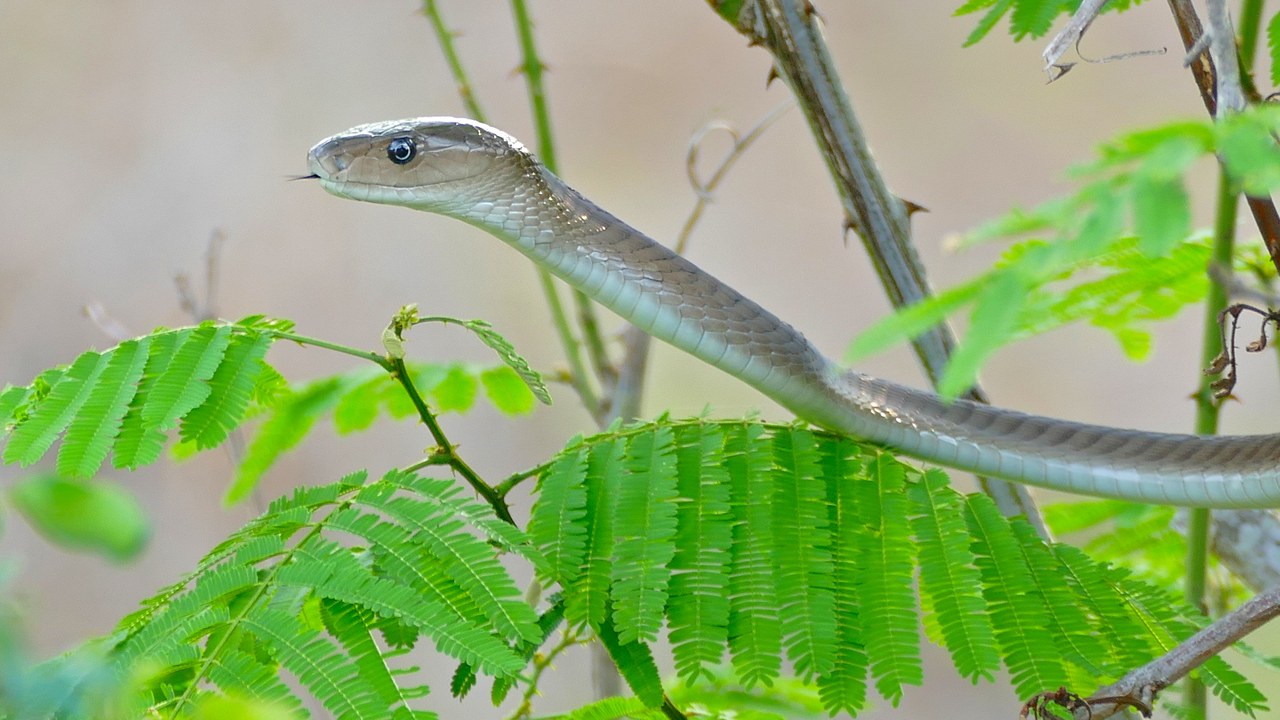
Black mambas are fast, lethally venomous and highly aggressive when threatened, according to National Geographic’s fact file. They have been blamed for numerous human deaths, and African myths exaggerate their abilities to legendary proportions. Many experts still regard the species as the deadliest snake in the world.
The name comes not from the skin, which tends toward olive or gray, but from the blue-black inside of the mouth, displayed when the snake feels threatened. Before antivenin existed, a bite was almost always fatal, usually within about 20 minutes. Antivenin is still not widely available in rural parts of the mamba’s range, and deaths remain frequent there.
4. African buffalo: The Animal Hunters Call Black Death
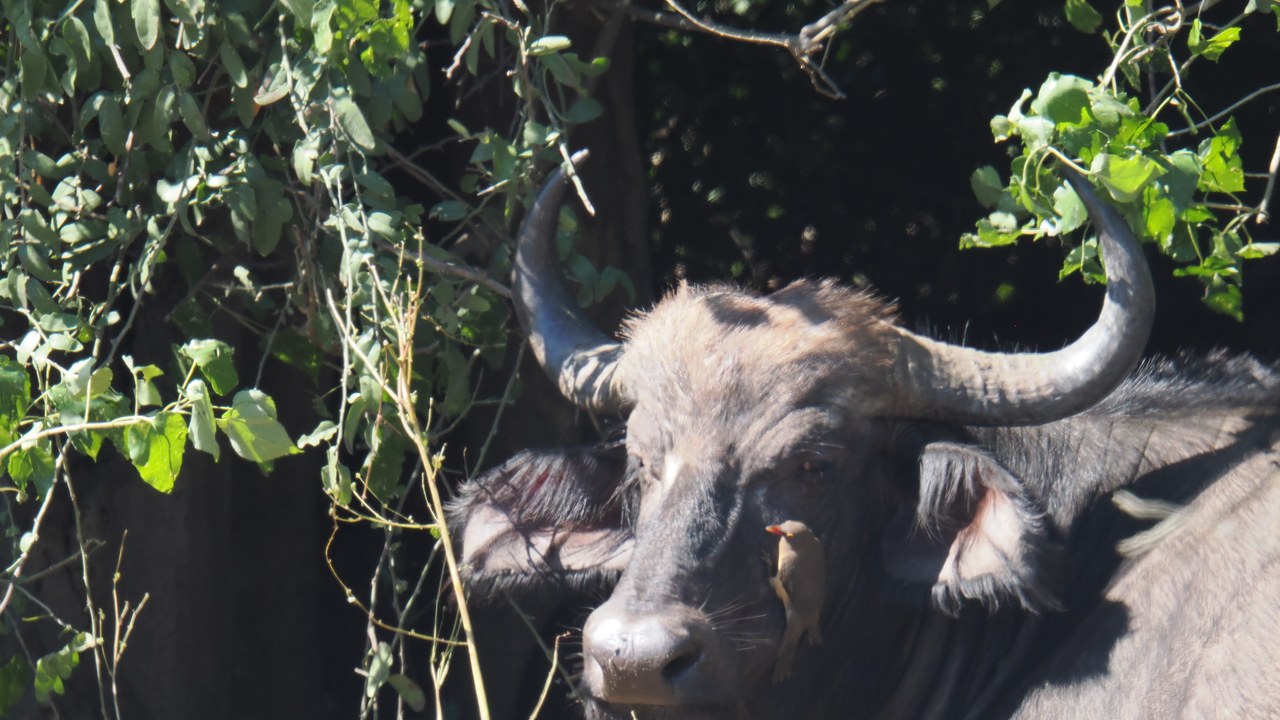
The African buffalo is one of the continent’s big five most dangerous animals to hunt, and its reputation earned it the nickname black death, according to National Geographic. In 2018 a South African big game hunter was gored to death by one, a reminder of how quickly a wounded or cornered animal can turn on people.
That hunter was blindsided after he shot another member of the herd, and two professional hunters were killed by Cape buffalo in Zimbabwe in 2012. Herds of 50 to 500 animals are common. In big adult males, the curved horns meet in the middle of the head and join in a hard shield called a boss, which makes a charging bull a formidable sight.
5. Box jellyfish: Venom That Attacks the Heart
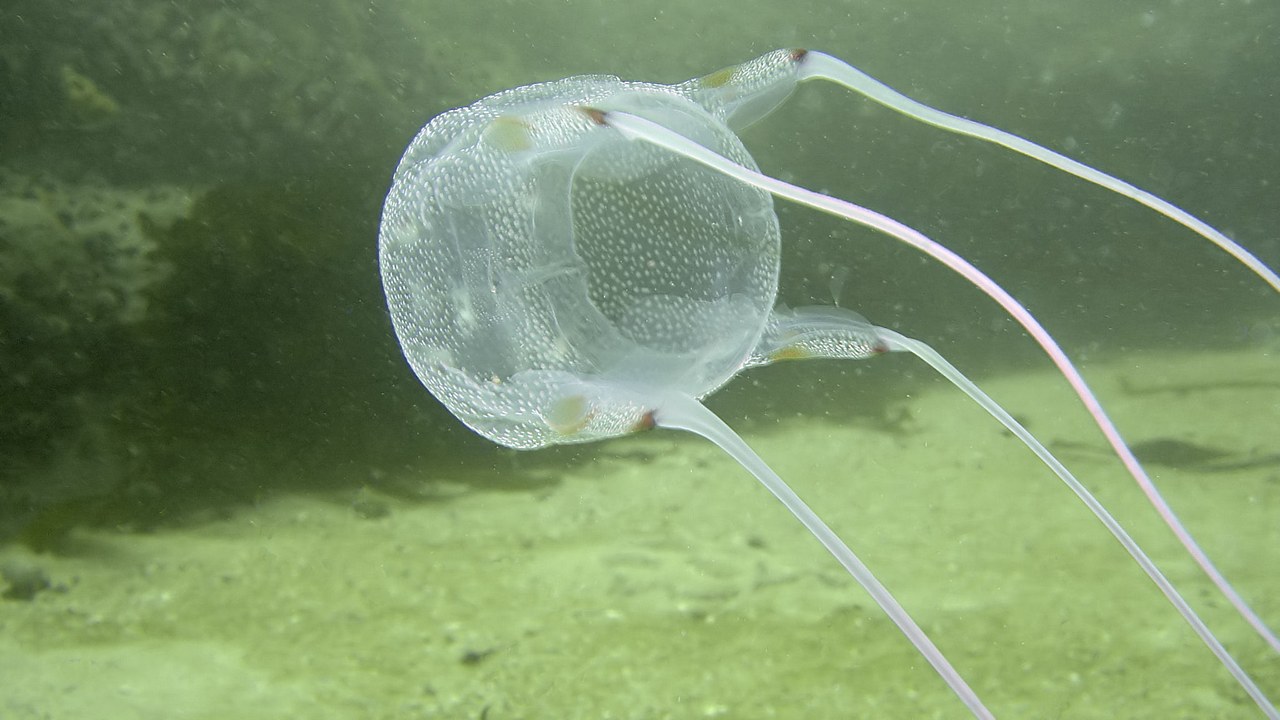
Box jellyfish are pale blue and transparent, which makes them hard to spot in the water, yet their venom is considered among the most deadly in the world, according to National Geographic’s profile. The toxins attack the heart, the nervous system and skin cells at the same time, causing overwhelming pain within moments of a sting.
Victims have gone into shock and drowned, or died of heart failure, before ever reaching the shore. Also called sea wasps and marine stingers, they live mainly in coastal waters off northern Australia and throughout the Indo-Pacific. Survivors of serious stings can be left in pain for weeks, which is why swimmers in those waters are told to heed local warnings.
6. Mosquito: The Deadliest Animal of All
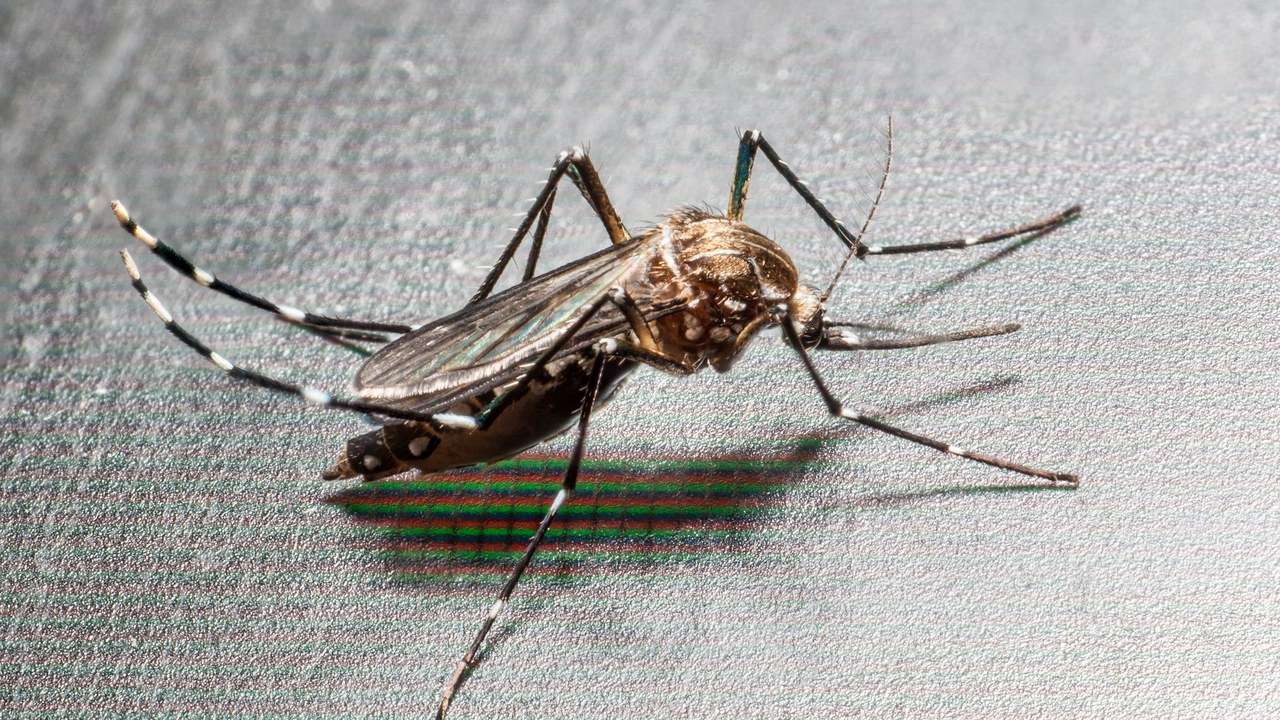
The mosquito is tiny and fragile, yet it is responsible for more human deaths than any predator. According to National Geographic, mosquitoes carry some of humanity’s deadliest illnesses, and mosquito-borne diseases cause millions of deaths worldwide every year. Only the females bite, because they need the protein in blood to produce eggs.
There are more than 3,000 species, but members of just three groups bear primary responsibility for spreading human disease. Anopheles mosquitoes are the only ones known to carry malaria, and others transmit yellow fever and dengue. The insects home in on exhaled carbon dioxide, body odor, warmth and movement, so avoiding this animal means never giving it the chance to land.
7. King cobra: Enough Venom to Kill an Elephant
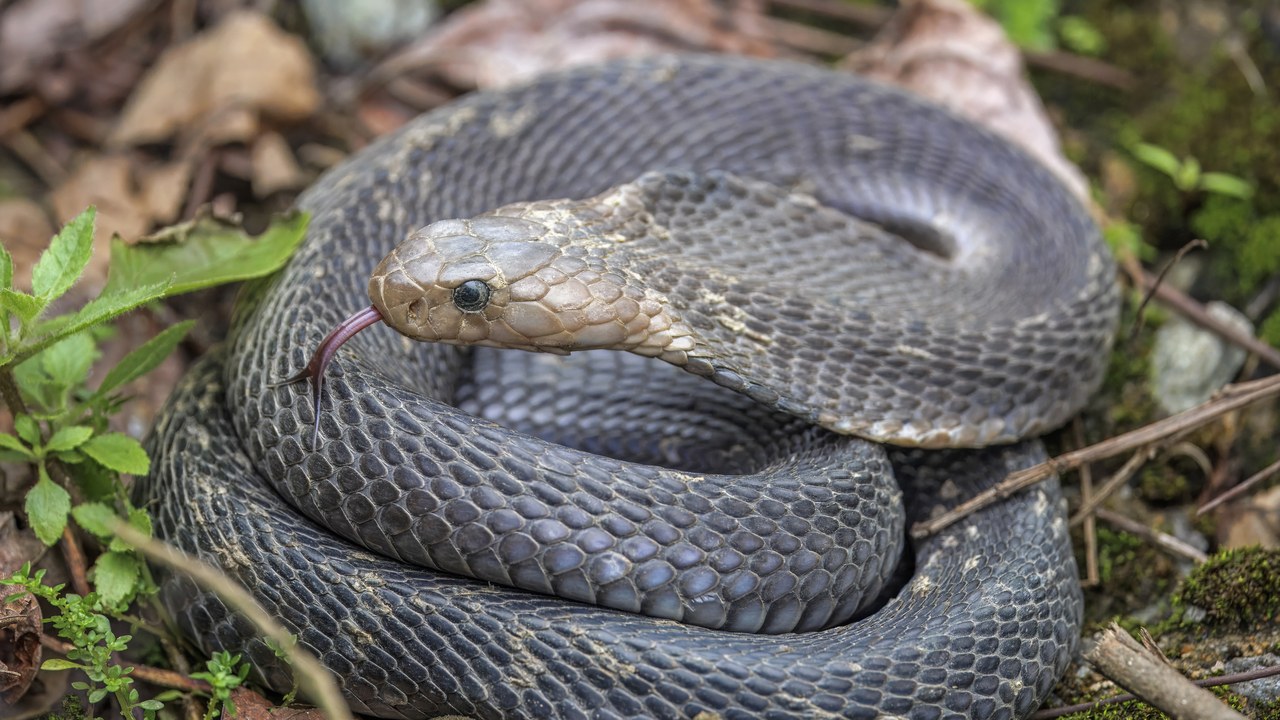
The king cobra is the world’s longest venomous snake and can reach 18 feet. A single bite can deliver up to two-tenths of a fluid ounce of neurotoxin, enough to kill 20 people or even an elephant, according to National Geographic’s fact file. When it feels threatened, it can rear up a third of its body off the ground and still move forward.
Despite that power, king cobras are shy and avoid humans whenever possible, flaring the hood and hissing as a warning first. They are the only snakes in the world that build nests for their eggs, which they guard ferociously until the young hatch. Across India, southern China and Southeast Asia, stumbling onto one of those nests is the real danger.
8. Komodo dragon: A Lizard With a Venomous Bite
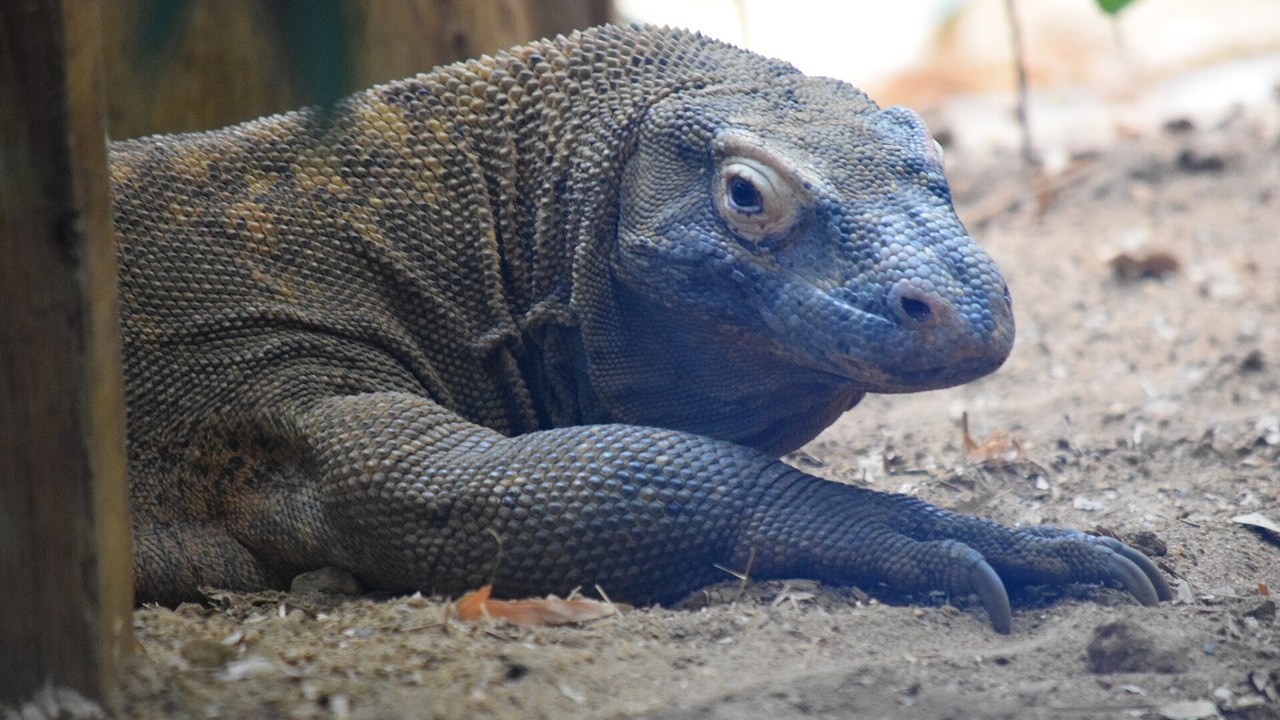
The Komodo dragon, the largest lizard on Earth, is the dominant predator on the handful of Indonesian islands where it lives. Its venom glands are loaded with toxins that lower blood pressure, cause massive bleeding, prevent clotting and induce shock in prey, according to National Geographic.
The dragons eat almost anything, including carrion, deer, pigs, smaller dragons and even large water buffalo. They rely on camouflage and patience, lying in wait for prey to pass before striking. Indonesia created Komodo National Park in 1980 to protect them, and the animals there remain wild predators that visitors are expected to watch only from a safe distance.
More from Morning Overview
- Zero Motorcycles unveiled an electric motorcycle targeted at under $8K and a street-legal dirt bike at EICMA
- New FCC rules on how people can stop robocalls and texts take effect Nov. 25
- Neanderthals in Spain carved a wooden object that matches nothing archaeologists have ever found
- The FAA wants $2.39 million from a flight school it says flew a Cessna about 280 times with an unapproved part
