
High-speed rail turned trips that once took a full day into a morning commute between cities. Japan proved the idea in the 1960s, and Europe, Asia, Africa and North America followed with trains of their own. Here are 11 high-speed trains racing across four continents, from the Shinkansen to Morocco’s Al Boraq.
Read next on Morning Overview: A handful of car transmissions are so tough that mechanics say they almost never die
1. Shinkansen: The Bullet Train That Started It All
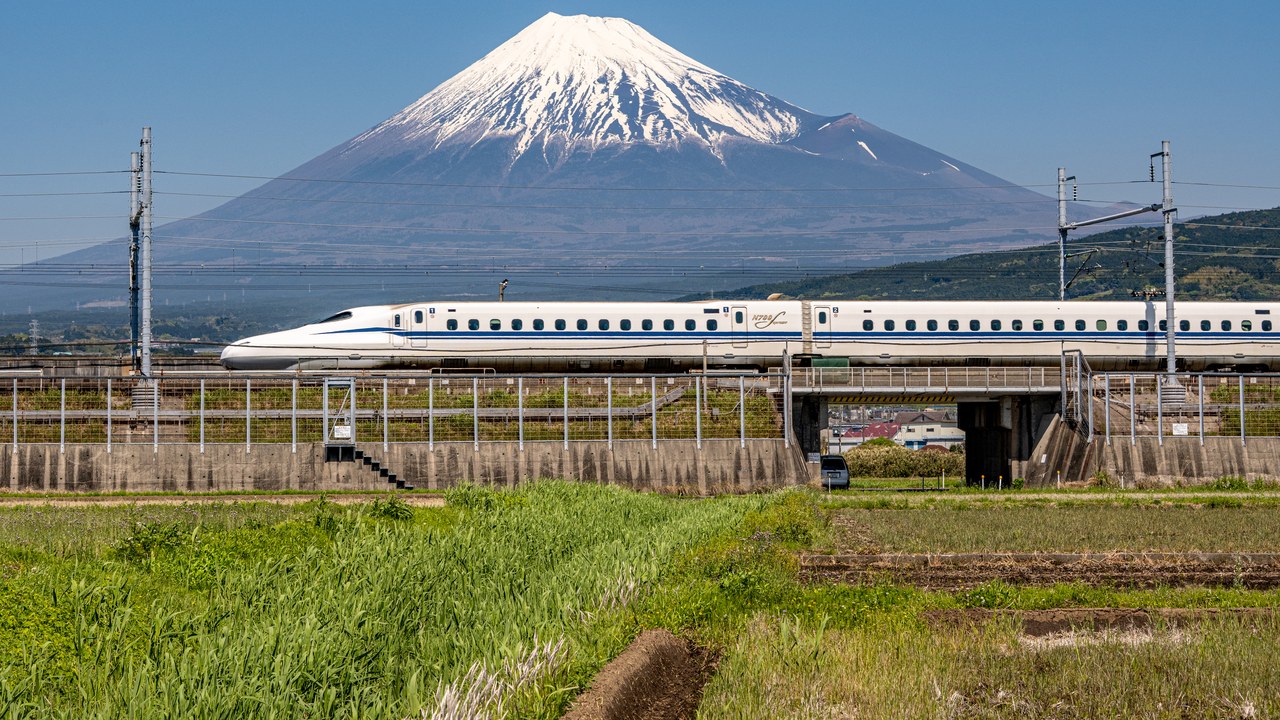
Japan was the first country to build railway lines dedicated to high-speed travel, according to the Shinkansen’s Wikipedia entry. Its older narrow-gauge network could not be adapted for sustained high speeds, so engineers built a new one from scratch.
The first Shinkansen line opened between Tokyo and Osaka in 1964, just in time for the Tokyo Olympics. Today the network reaches much of the country, and its sleek trains, often photographed passing Mount Fuji, have become a symbol of modern Japan and a model copied around the world.
2. Shanghai maglev: The Train That Floats on Magnets
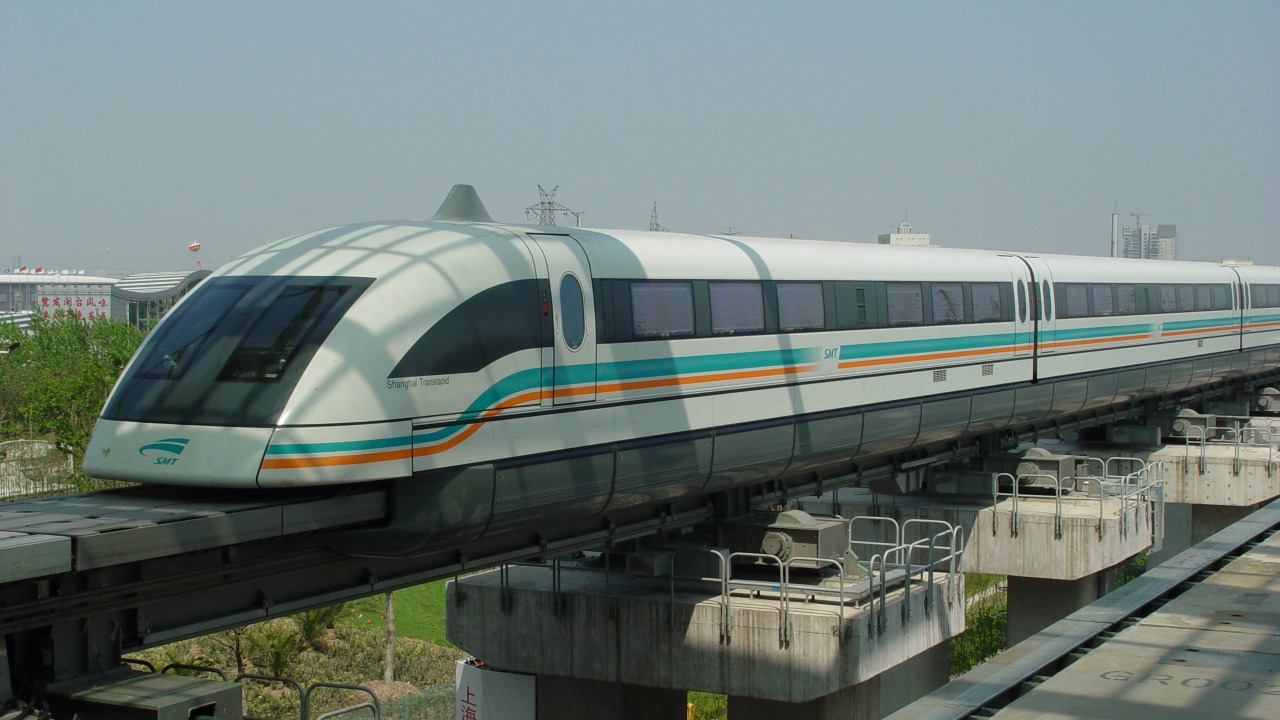
The Shanghai maglev is the world’s first commercial high-speed magnetic levitation line, according to its Wikipedia entry. Instead of wheels on rails, it floats above a guideway using powerful magnets.
It links Shanghai’s Pudong airport with the city’s Longyang Road station. Before May 2021 the train ran at 431 kilometers per hour, the fastest commercial service in the world at the time. It now cruises at a top speed of 300 kilometers per hour, still covering the trip in only a few minutes.
3. TGV: France’s Speed Champion
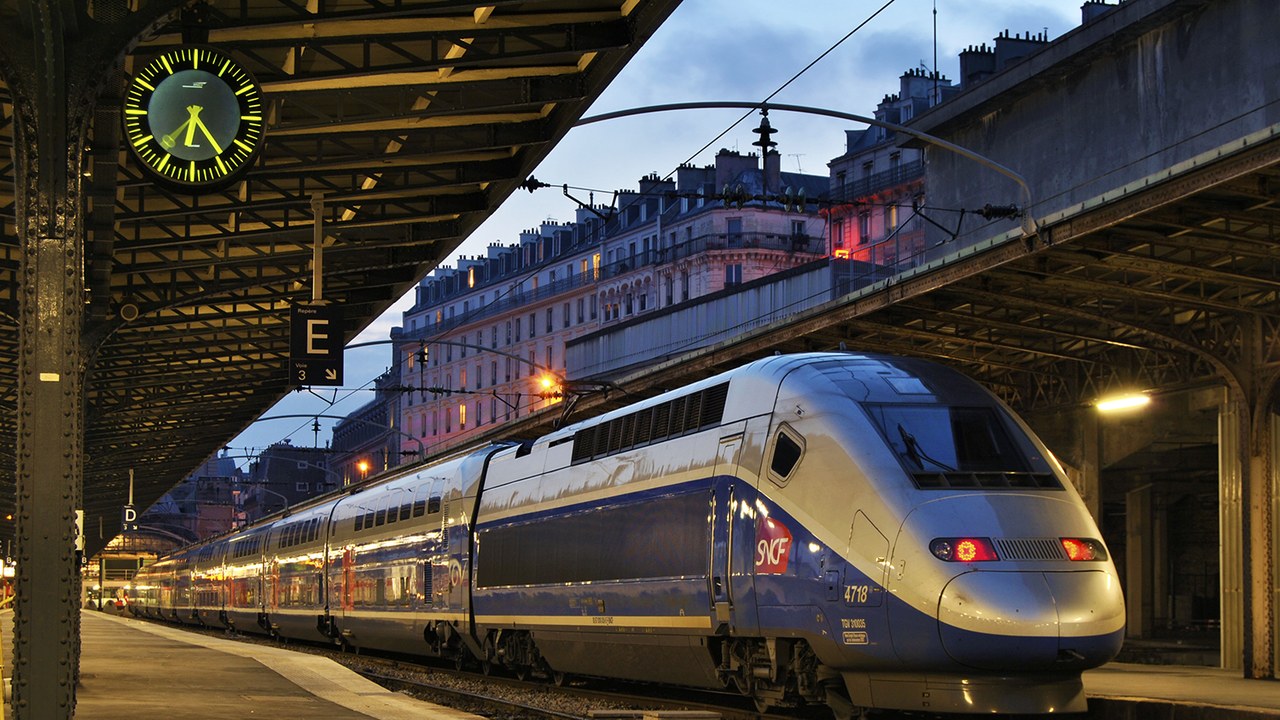
France’s SNCF Voyageurs runs its TGV trainsets at commercial speeds of up to 320 kilometers per hour on the newer lines, according to its Wikipedia entry.
TGV services now reach beyond France into Belgium, Luxembourg, Germany, Switzerland, Italy and Spain. The technology was also exported to Morocco for its Al Boraq service. Many TGV routes use double-deck trains, which let the railway carry more passengers on busy lines without adding extra trainsets.
4. Eurostar: The Train Under the English Channel
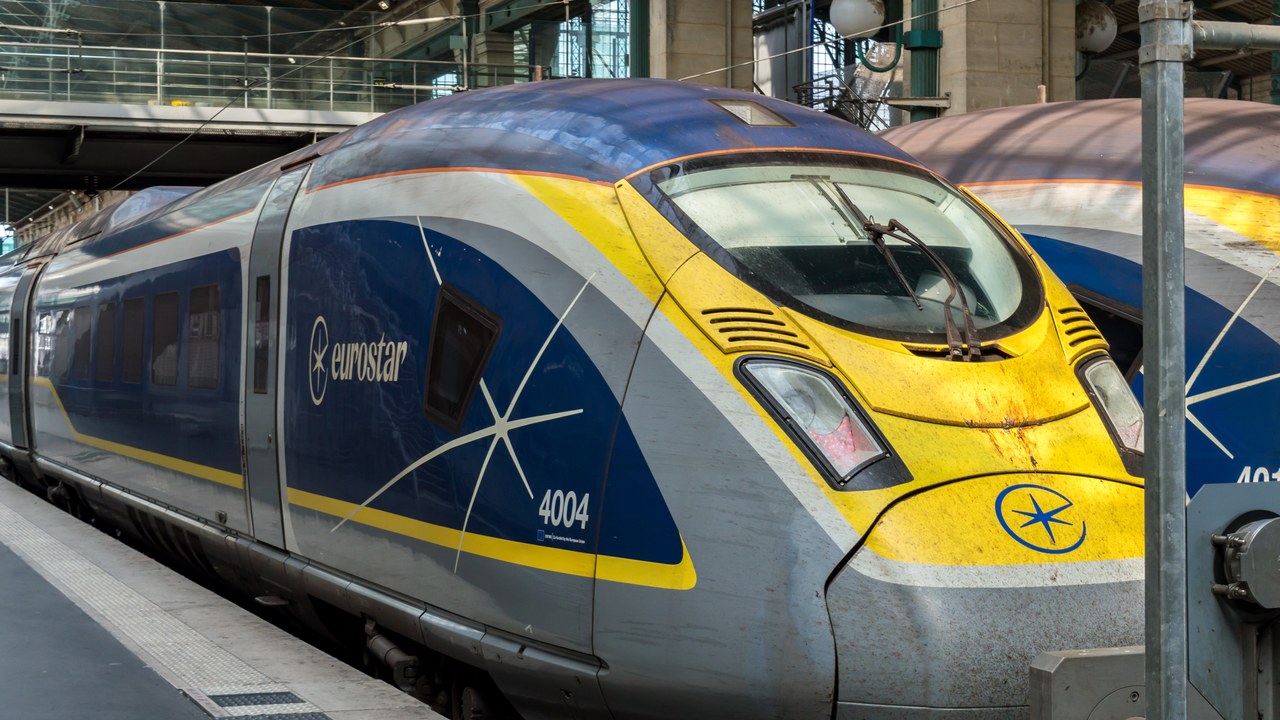
Eurostar links Belgium, France, Germany, the Netherlands and the United Kingdom through the Channel Tunnel and has carried more than 400 million passengers, according to its Wikipedia entry.
Its trains run from London to Paris in a little over two hours, crossing beneath the sea through the tunnel. The company merged with Thalys, which ran high-speed trains within continental Europe, and the combined group now operates both cross-channel and mainland services under the Eurostar name.
5. Frecciarossa 1000: Italy’s Red Arrow
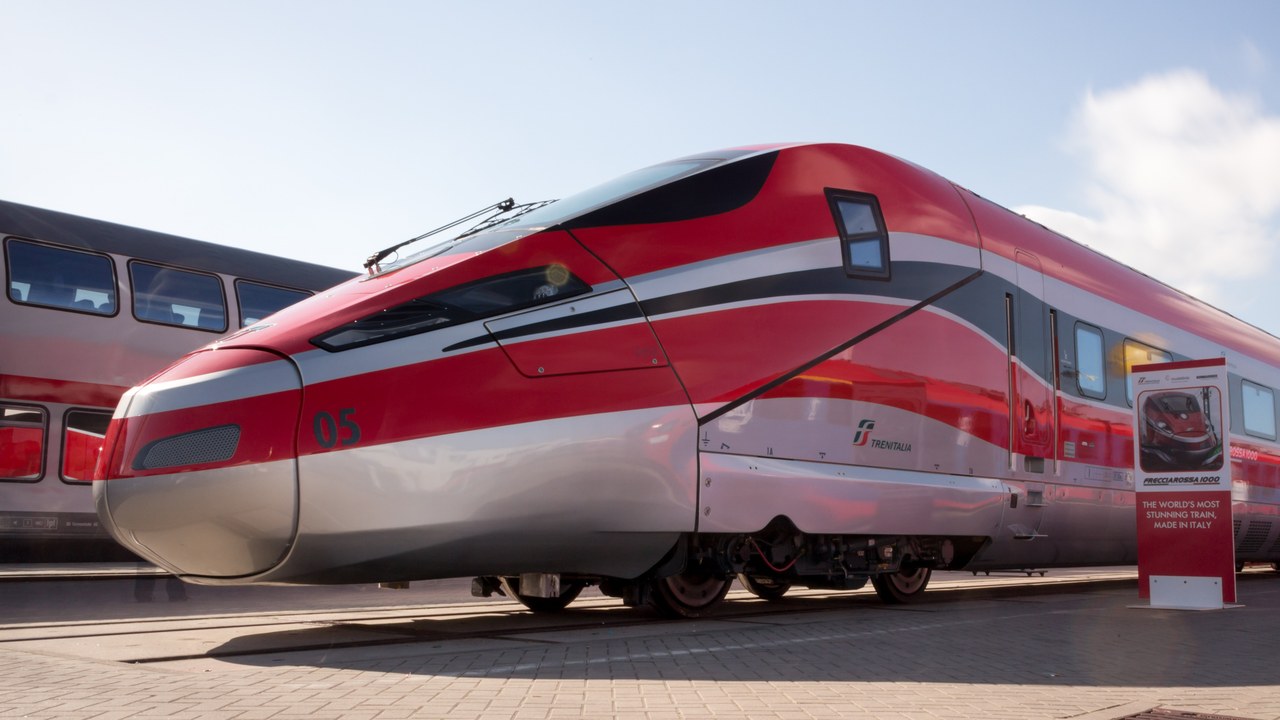
The Frecciarossa 1000 was built by a partnership of Bombardier and AnsaldoBreda for Trenitalia and Spain’s Iryo, according to its Wikipedia entry. It has a design speed of up to 400 kilometers per hour.
That makes it one of the fastest trains in commercial production in Europe, although its service in Italy is limited to 300 kilometers per hour by the track. Its bright red livery and long, pointed nose have made it the face of Italian high-speed travel between cities such as Milan, Rome and Naples.
6. AVE Class 103: Spain’s Velaro on the Madrid-Barcelona Line
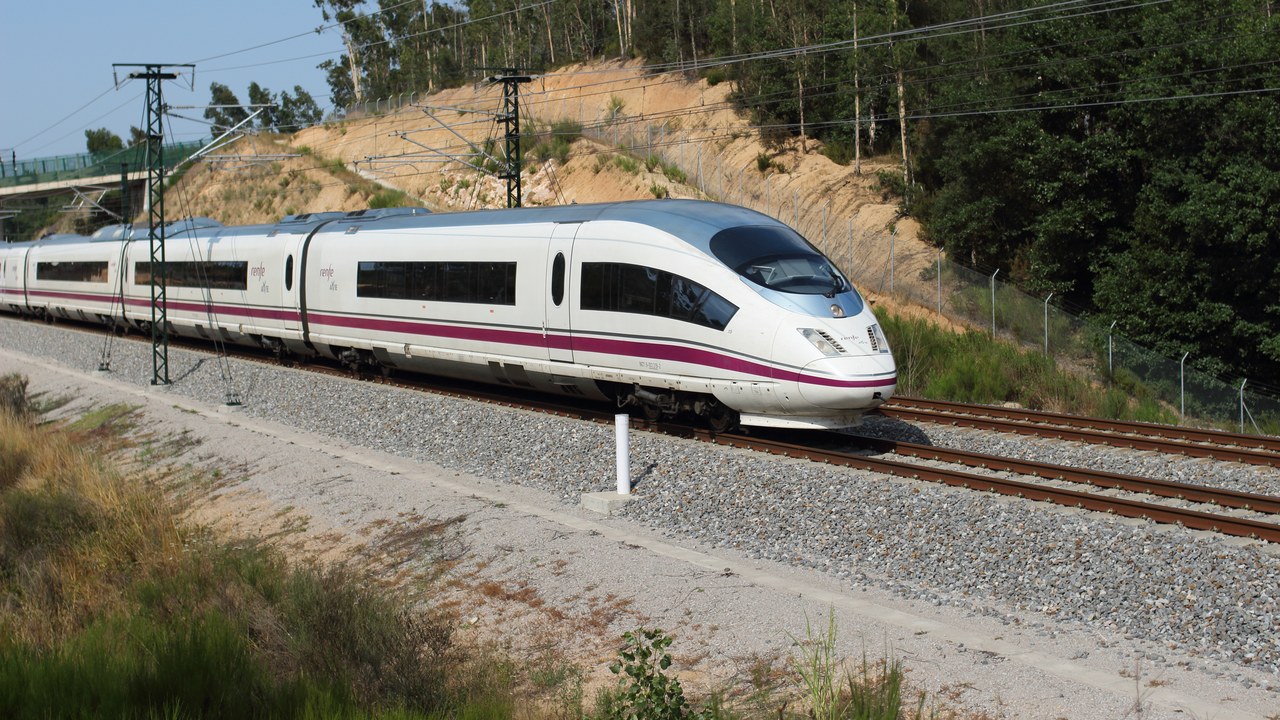
Siemens built Spain’s AVE Class 103 trains from its Velaro family after winning half of a 2001 tender for 32 trains on the Madrid-Barcelona line, according to the Renfe Class 103 entry.
Twenty-six eight-car trainsets were built between 2002 and 2007, each carrying about 404 passengers. They entered service in 2007 and now link Madrid with Barcelona and the French border, helping make Spain’s high-speed network one of the largest in the world.
7. ICE 3: Germany’s ICE 3
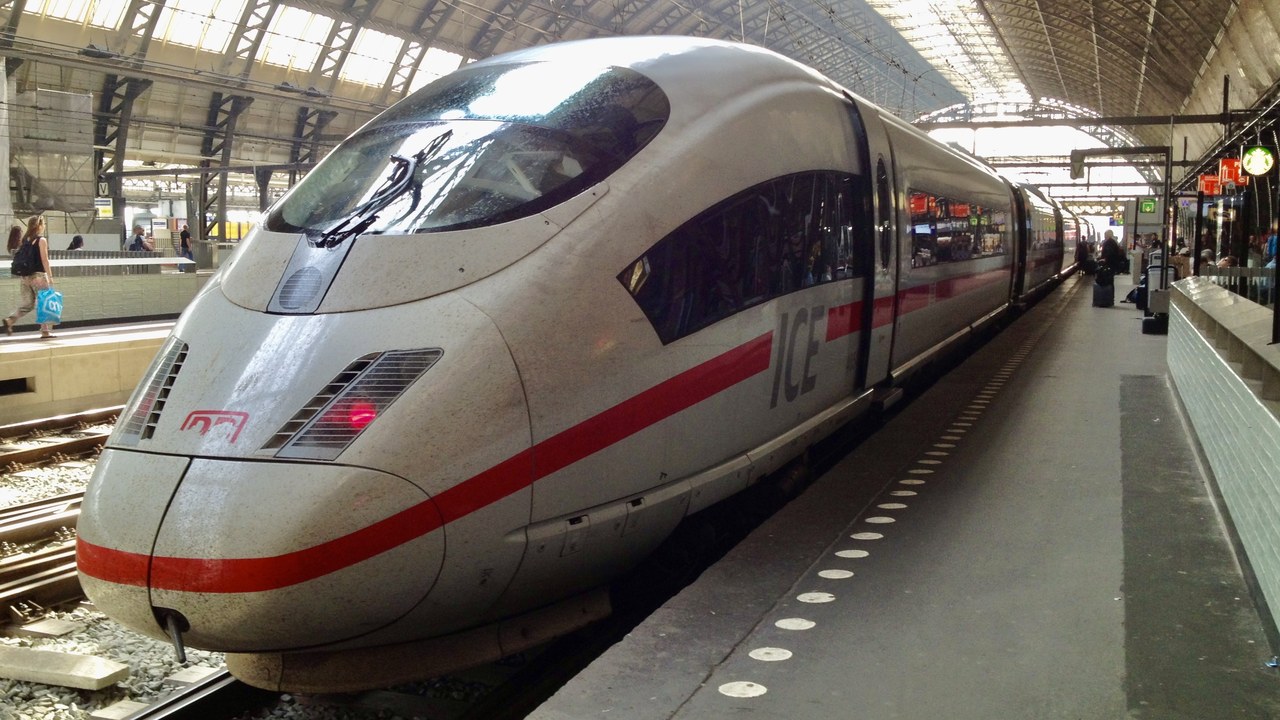
Deutsche Bahn’s ICE 3 family reaches 300 kilometers per hour in Germany and 320 kilometers per hour on French high-speed lines, according to its Wikipedia entry.
The family includes several classes, among them the newer ICE 3neo. Unlike older ICE trains pulled by locomotives at each end, the ICE 3 spreads its motors along the train, which helps it climb steep grades on lines such as the route between Cologne and Frankfurt.
8. KTX-Sancheon: South Korea’s Homegrown Bullet Train
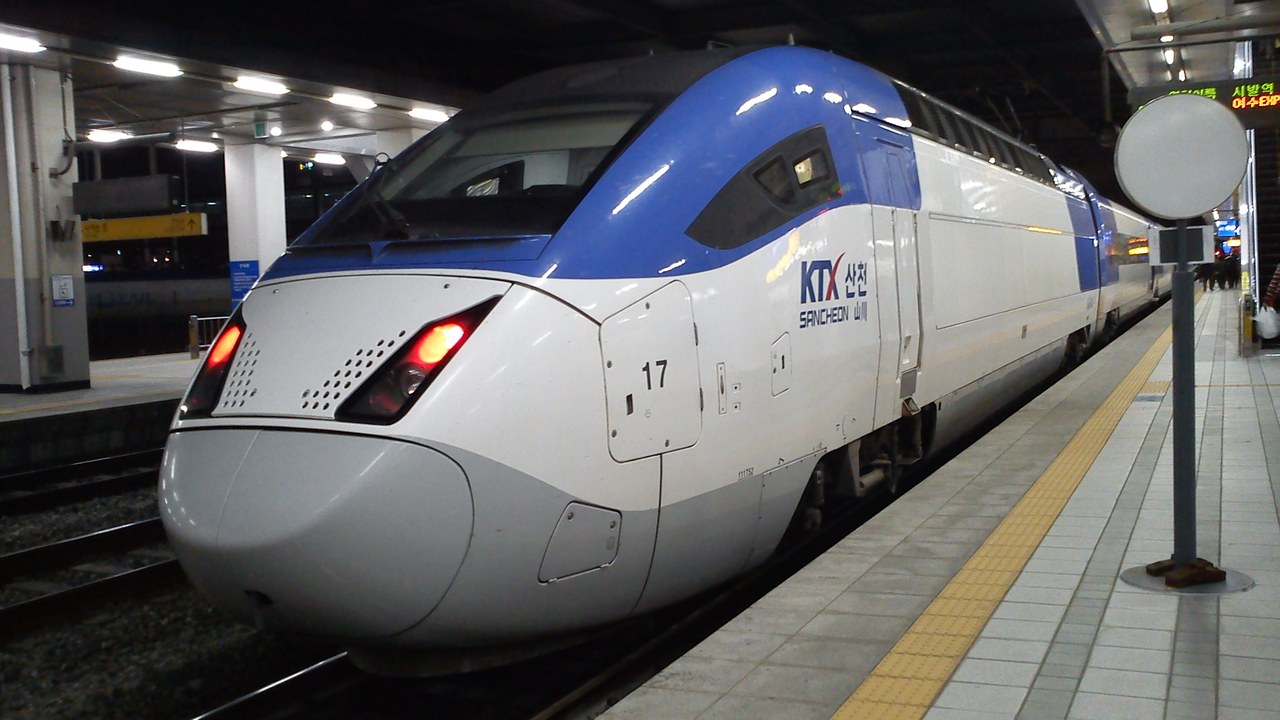
The KTX-Sancheon was built by Hyundai Rotem with a top operating speed of 305 kilometers per hour, according to its Wikipedia entry. It is South Korea’s first domestically developed high-speed train in commercial service.
South Korea’s first high-speed trains were based on French TGV technology. The Sancheon showed the country could design and build its own, and it now runs on Korail’s KTX network linking Seoul with cities such as Busan and Gwangju.
9. Acela: America’s Fastest Train
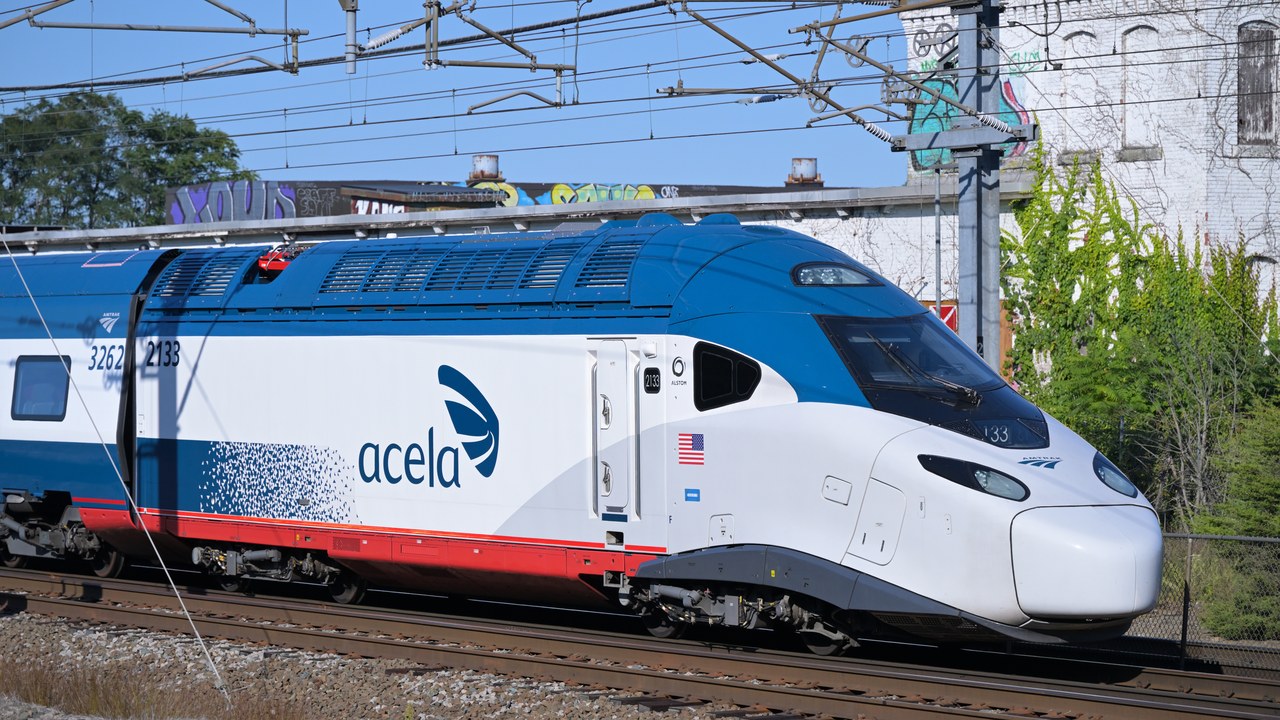
Amtrak’s Acela is the fastest train in the Americas, reaching 160 mph, according to its Wikipedia entry. It hits that speed for only about 40 miles of its 457-mile route between Washington, D.C., and Boston.
The rest of the Northeast Corridor has curves, older bridges and shared tracks that keep speeds lower. Even so, the service carried more than 3.1 million passengers in fiscal 2025, and newer Acela trains have been entering service along the line.
10. Al Boraq: Africa’s First High-Speed Line
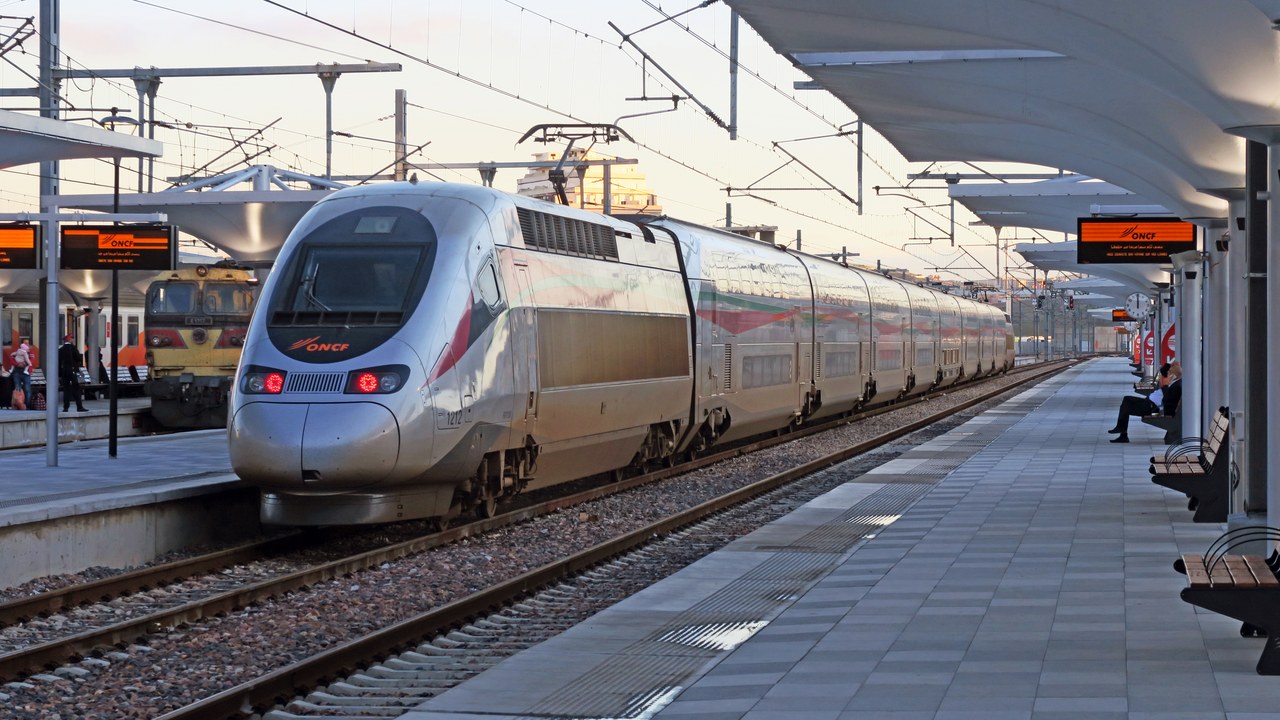
Morocco’s Al Boraq opened on Nov. 15, 2018, as the first high-speed rail service on the African continent, according to its Wikipedia entry. It runs between Casablanca and Tangier.
On the 186-kilometer section from Tangier to Kenitra, trains run on a dedicated high-speed line at up to 320 kilometers per hour. For the final stretch they use upgraded conventional track. The service uses French-built trains derived from the TGV double-deck design.
11. Taiwan High Speed Rail: Taiwan’s West Coast Express
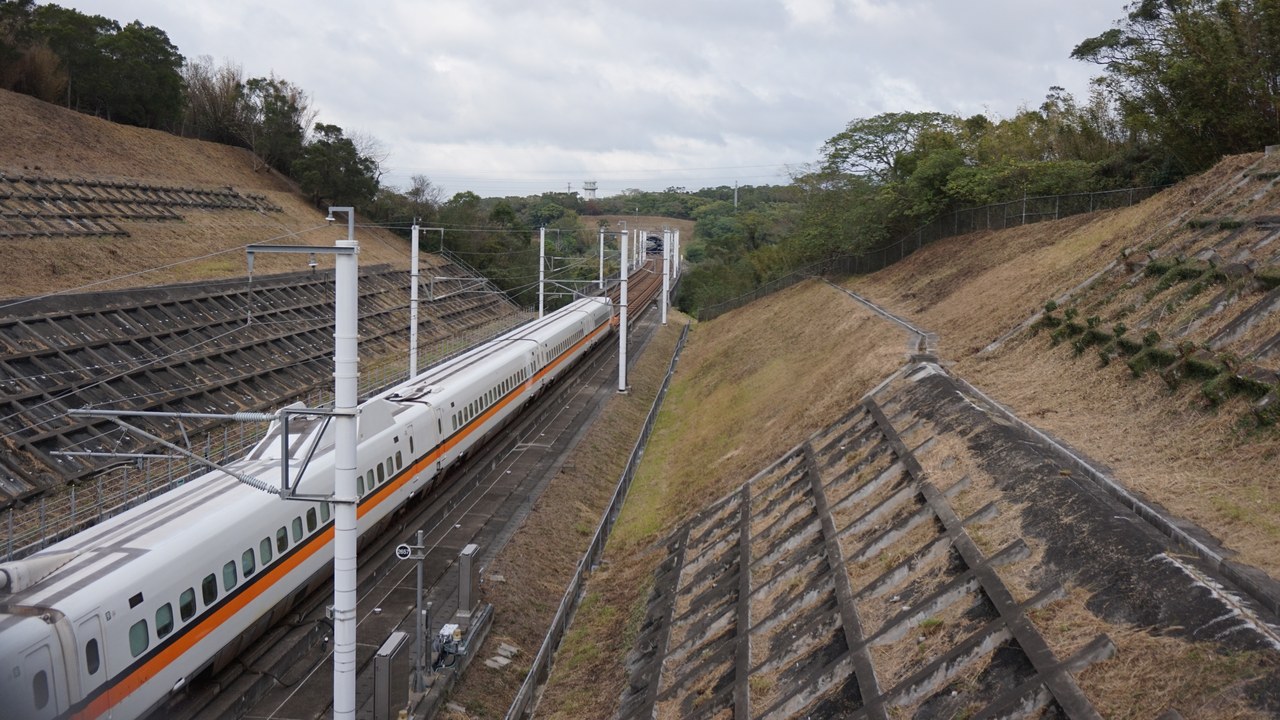
Taiwan High Speed Rail runs a single line of about 350 kilometers down the island’s west coast from Taipei to Kaohsiung, according to its Wikipedia entry. It is built and operated by the private Taiwan High Speed Rail Corporation.
Its trains reach a top speed of 300 kilometers per hour. The 700T trains that serve the line are based on Japanese Shinkansen designs, and the service has turned a long trip down the island into a ride of about 90 minutes on the fastest trains.
More from Morning Overview
- The Justice Department asked courts to undo approvals for three offshore wind farms, one already making power
- Over 20 trillion gallons of rain fell on the Four Corners states and Nevada in two weeks
- 11 engines built to run well past 200,000 miles
- Two Kentucky residents died when a small plane crashed at Missouri’s Lake of the Ozarks, and the NTSB is investigating
