
Most dangerous sea creatures are not sharks but small, quiet animals that sting, spike or bite when a swimmer gets too close. Some carry venom potent enough to kill an adult within minutes, and several have no antivenom at all. Here are eight sea animals that can seriously hurt swimmers.
Read next on Morning Overview: New FCC rules on how people can stop robocalls and texts take effect Nov. 25
1. Box jellyfish: The Most Venomous Marine Animal
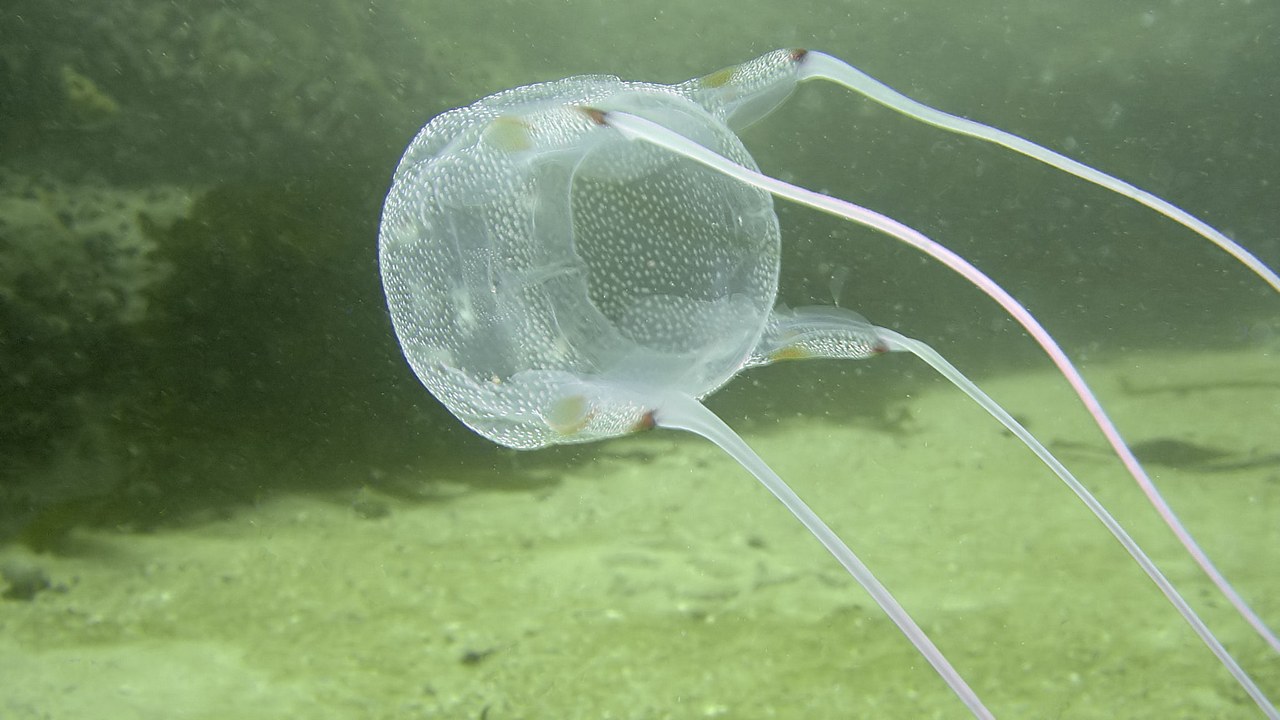
The Australian box jellyfish has tentacles that reach up to about 3 meters (10 feet), and NOAA calls it the most venomous marine animal. Its stings can stop the heart and kill within minutes.
Box jellyfish are nearly transparent, so swimmers rarely see them before contact. In northern Australia, beaches post warning signs during the warmer months and stock bottles of vinegar, which can stop unfired stinging cells from discharging. Lifeguards often require full-body stinger suits for swimmers during the season. Survivors often carry scars. Antivenom exists in Australia. Most stings are not fatal.
2. Portuguese man o’ war: Danger Even After It Washes Ashore
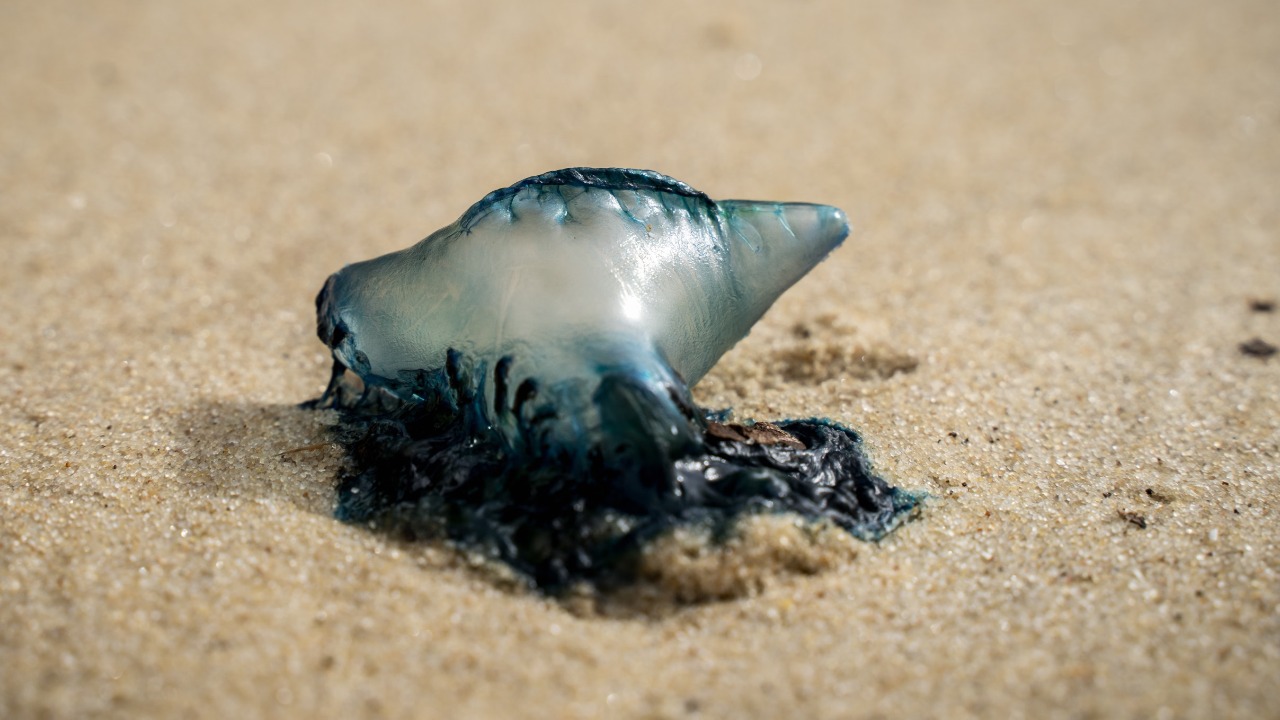
The Portuguese man o’ war has tentacles that average about 30 feet and can stretch about 100 feet. According to NOAA’s Ocean Service, one that has washed ashore may still sting even weeks after stranding.
It is not a true jellyfish but a colony of tiny organisms working together, floating on a gas-filled bladder that acts like a sail. Beachgoers on the Atlantic and Gulf coasts are often stung when they pick up what looks like a harmless blue balloon on the sand. Its tentacles leave long red welts on the skin.
3. Stonefish: Camouflaged and Deadly
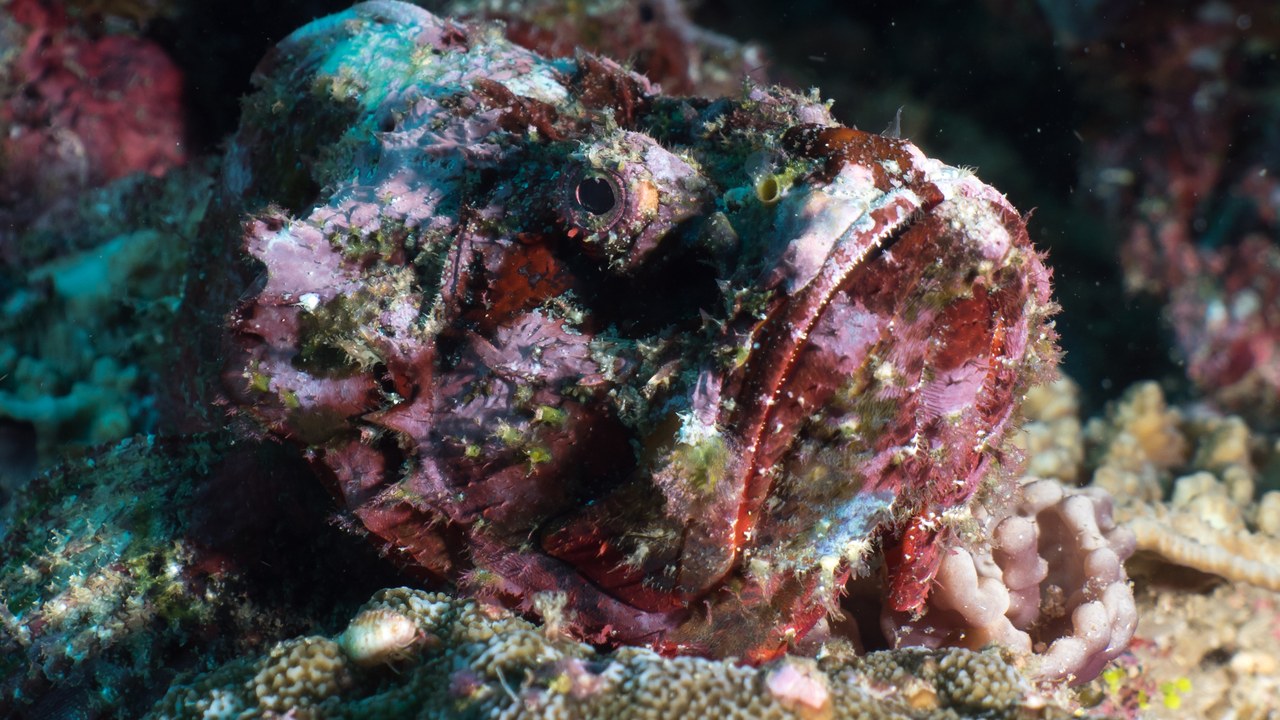
The stonefish blends into rocks and coral so well that people step on it. According to Live Science’s list of venomous sea creatures, an 11-year-old boy died in 2018 after a stonefish sting led to fluid in his lungs.
Its dorsal spines inject venom when pressure is applied, which is why most stings happen to waders and reef walkers. Wearing thick-soled shoes in shallow tropical waters is a simple defense, and hot water can ease the pain while a victim is taken for medical care. It is found across the Indo-Pacific.
4. Crown-of-thorns starfish: A Starfish Covered in Spines
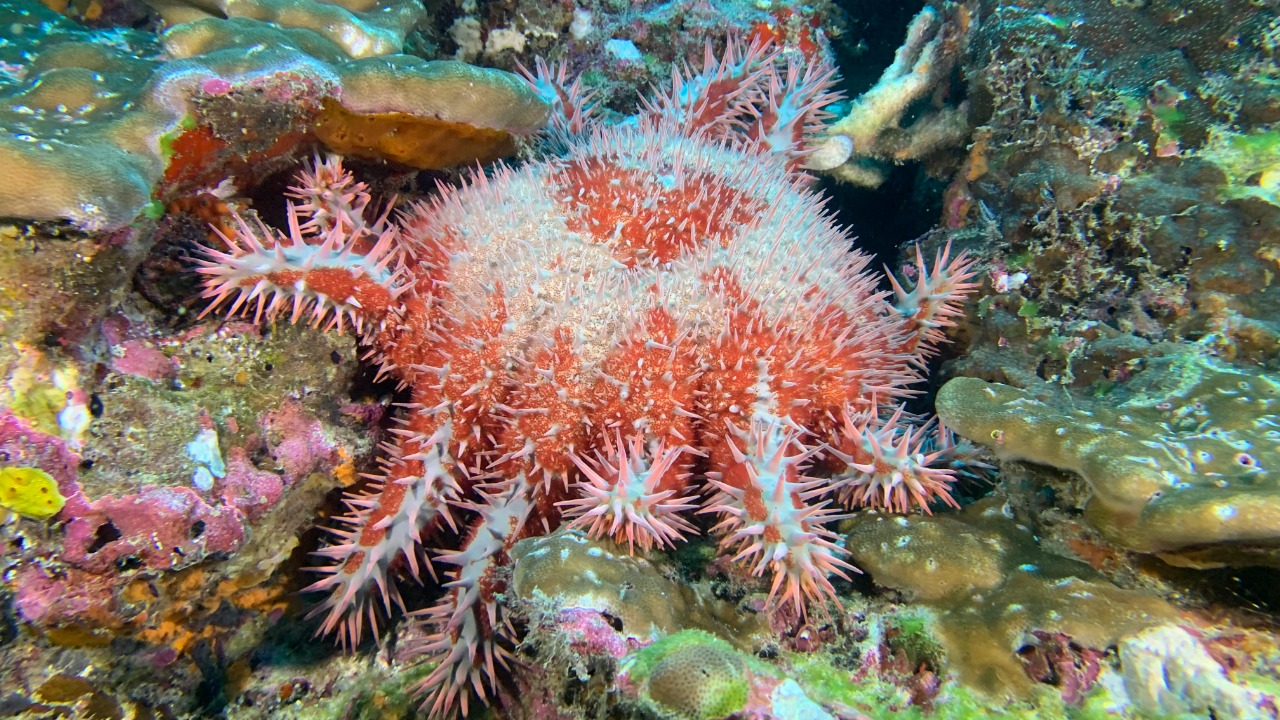
The crown-of-thorns starfish can grow up to 3 feet (1 meter) wide and is covered in venomous spines. According to Live Science, its stings cause pain, vomiting and swelling, and in rare cases anaphylactic shock and death.
The starfish feeds on coral and is a major threat to reefs such as Australia’s Great Barrier Reef during population outbreaks. Divers who help remove them wear heavy gloves, since the spines can break off in the skin and keep causing pain for days. A single starfish can eat a large area of coral in a year.
5. Geography cone snail: A Snail With No Antivenom
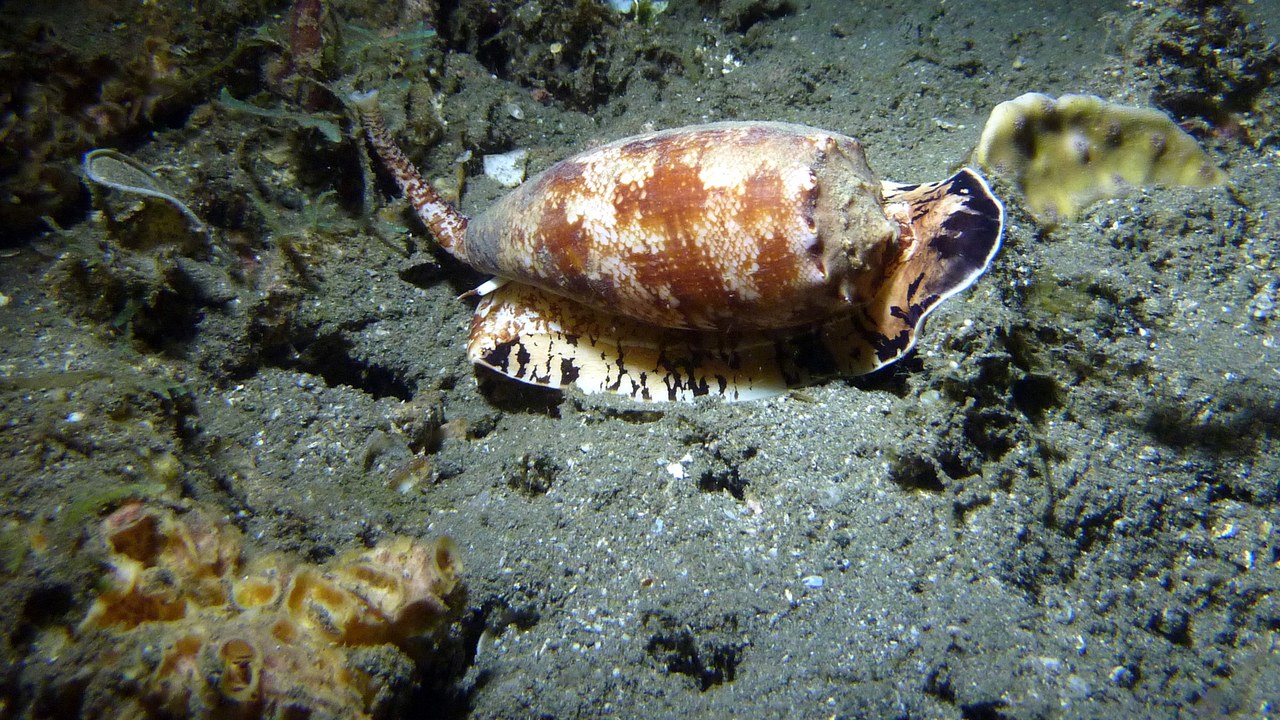
A single geography cone snail carries enough venom to kill up to 700 people, according to WorldAtlas. There have been 30 to 40 documented deaths, and there is no antivenom.
The snail fires a harpoon-like tooth to paralyze fish, and the same weapon can pierce a hand that picks up its attractive shell. Collectors and beachcombers in the Indo-Pacific are warned never to handle live cone shells, no matter how pretty they look. Treatment focuses on keeping the victim breathing until the venom wears off, since nothing can neutralize it.
6. Blue-ringed octopus: Small Enough to Hold, Deadly Enough to Kill
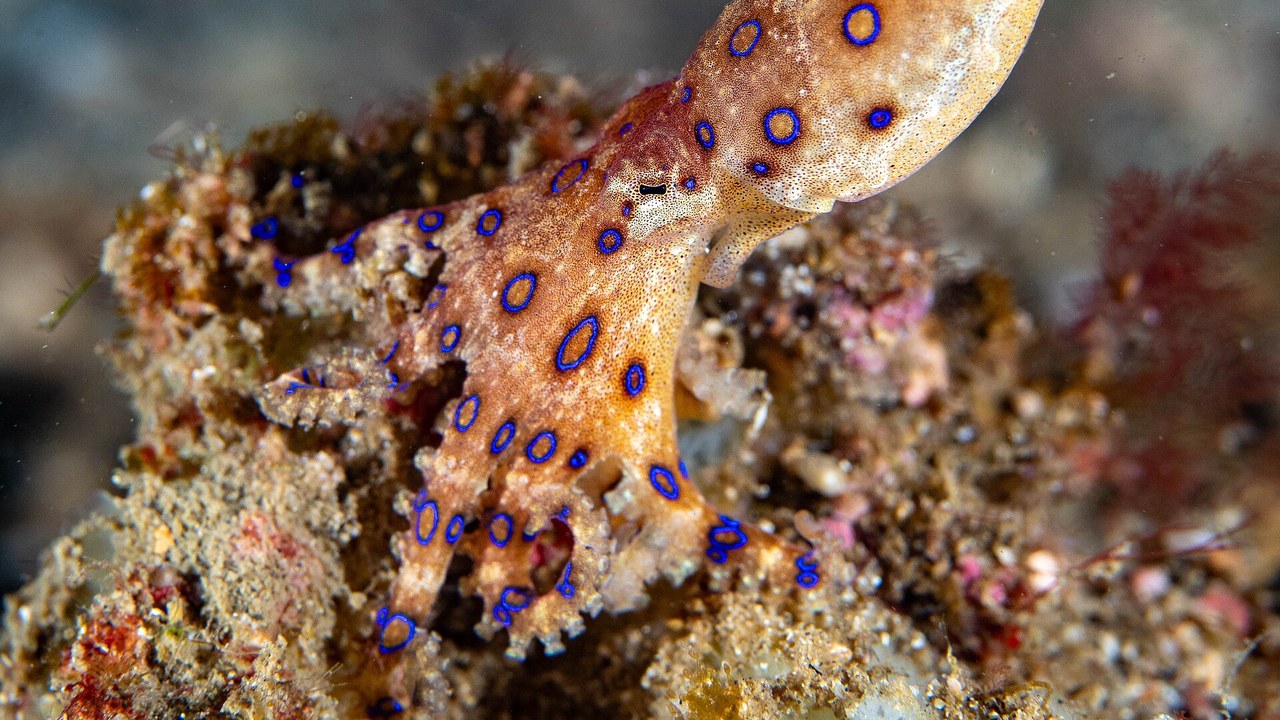
The blue-ringed octopus is about the size of a golf ball, yet one carries enough tetrodotoxin to kill 26 adult humans. According to WorldAtlas, its venom is about 1,000 times more potent than cyanide.
The bite is often painless, so victims may not realize they have been bitten until paralysis sets in. Rescuers can keep a victim alive with artificial breathing until the toxin wears off, which is why fast first aid makes all the difference. It lives in tide pools and reefs from Japan to Australia, often hiding under rocks.
7. Lionfish: Spines That Can Lead to Drowning
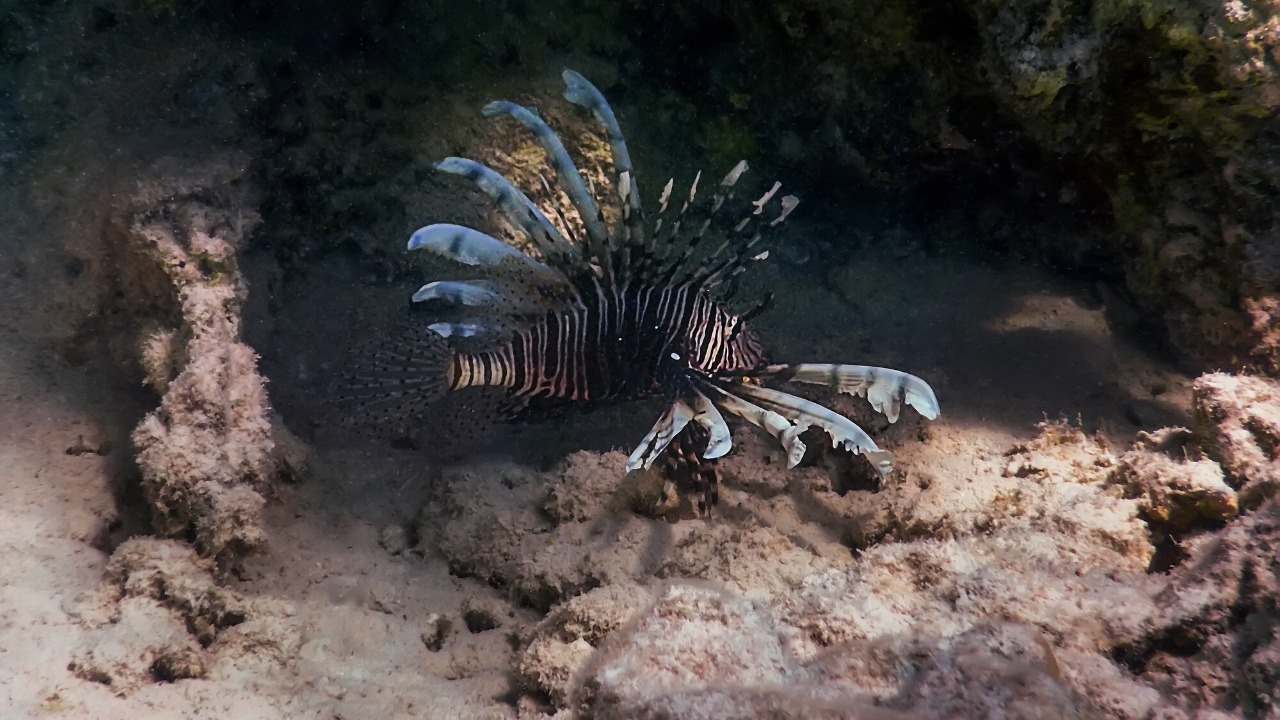
The lionfish’s spines cause intense pain, breathing trouble and temporary paralysis that can lead to drowning, according to WorldAtlas, which calls a sting an agonizing medical emergency.
Lionfish are native to the Indo-Pacific but have invaded the Atlantic, the Caribbean and the Gulf of Mexico, where they eat young reef fish. Many coastal communities now hold lionfish derbies to reduce their numbers, and the fish is safe to eat once the spines are removed. Their striped fins and long spines make them easy to recognize, and divers are taught to keep a safe distance.
8. Lion’s mane jellyfish: Stinging Long After Death
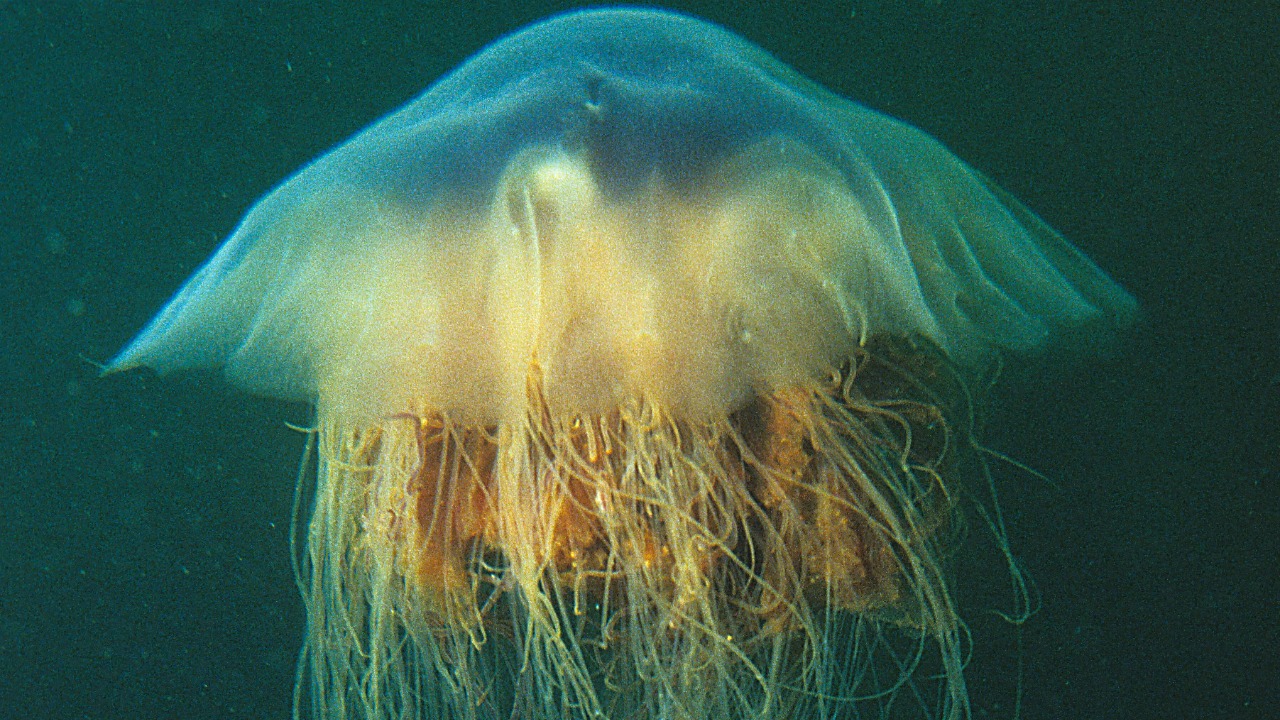
The lion’s mane jellyfish has thousands of microscopic stinging cells that keep firing even after it dies, and detached tentacles can still catch prey for up to 24 days, according to BBC Wildlife’s guide to dangerous beach animals.
It is one of the largest jellyfish in the world, with tentacles that can trail for many meters. Swimmers in cooler northern waters can be stung by fragments drifting near the shore, even when no whole jellyfish is in sight. Rinsing with seawater rather than fresh water helps avoid more stings. Stings are rarely fatal.
More from Morning Overview
- Cadillac cut the price of its cheapest EV, which goes up to 317 miles on a charge
- Winter weather advisories cover I-80, I-70 and the Bighorns with up to 15 inches of snow
- Arizona’s governor declared a statewide emergency after Flagstaff logged its wettest Nov. 1 on record
- Zero Motorcycles unveiled an electric motorcycle targeted at under $8K and a street-legal dirt bike at EICMA
