
Every year, animals cross oceans, deserts and entire continents to find food, mates or warmer weather. Satellite tags, leg bands and tiny transmitters have revealed journeys far longer than scientists once believed possible for creatures of any size. Here are eleven animals that migrate astonishing distances.
Read next on Morning Overview: Neanderthals in Spain carved a wooden object that matches nothing archaeologists have ever found
1. Arctic tern: The Longest Migration on Record
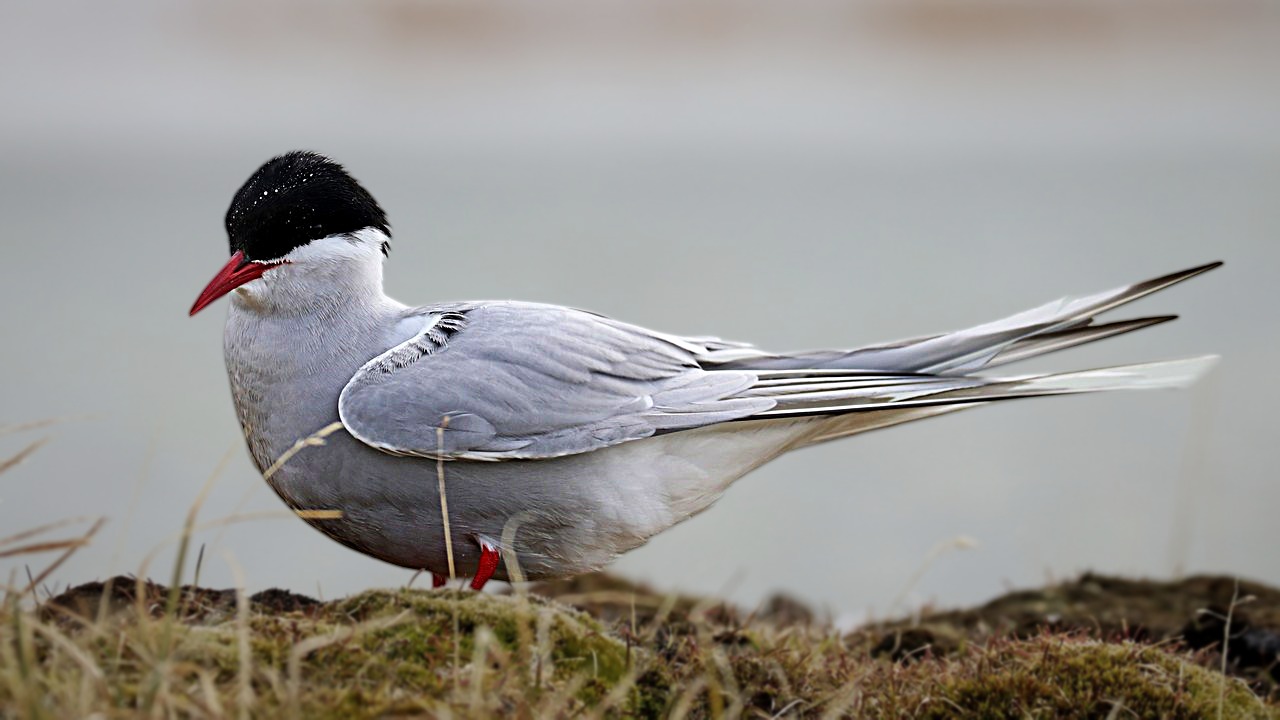
Researchers who fitted Arctic terns with tiny transmitters tracked them on a 44,000-mile route, the longest migration of any animal, according to Smithsonian magazine. The birds fly between Arctic breeding grounds and Antarctic waters every year.
Because they chase summer at both ends of the planet, Arctic terns may see more daylight than any other animal. Over a lifetime of about 30 years, one bird can fly a distance equal to several trips to the moon and back.
2. Bar-tailed godwit: Eleven Thousand Kilometers Nonstop
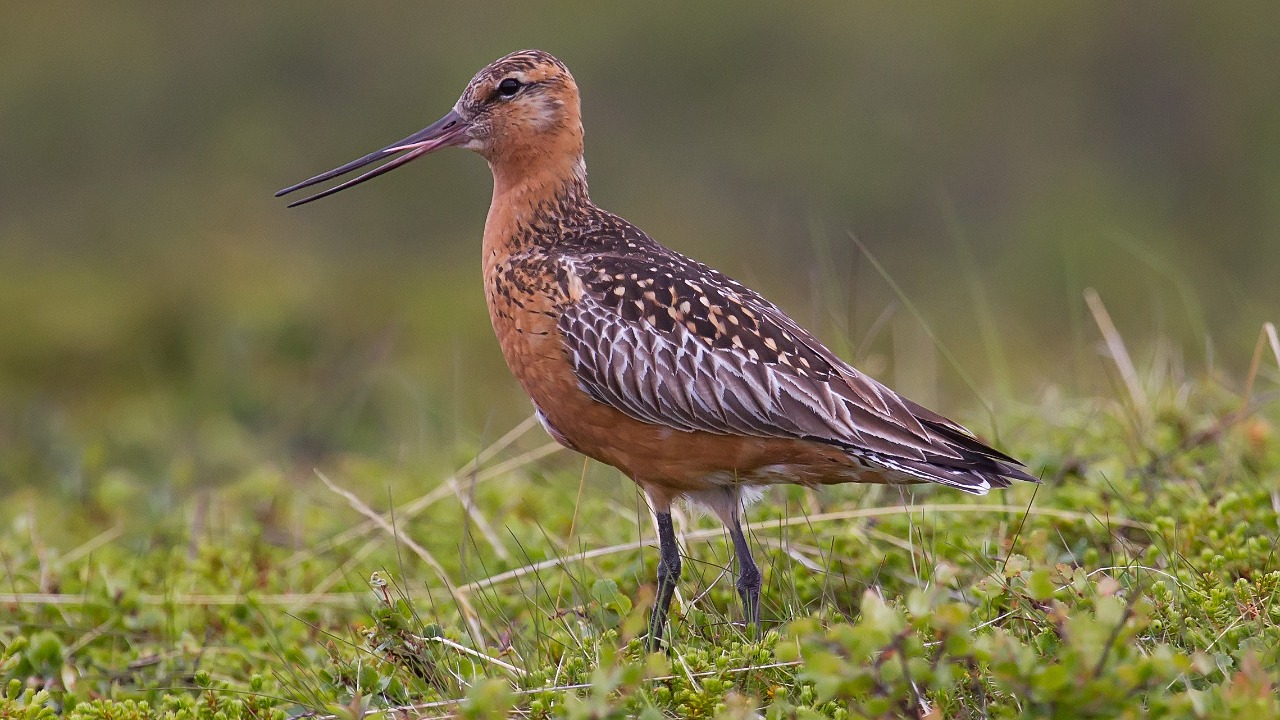
Bar-tailed godwits from Alaska fly about 11,000 km (roughly 7,000 miles) across the Pacific in one nonstop flight, according to research listed by the USGS. They do not stop to eat, drink or rest on the way to New Zealand.
Before leaving, the birds double their body weight with fat and shrink some internal organs to save weight. The flight takes more than a week, making it one of the most extreme endurance feats known in the animal world.
3. Gray whale: A Coastal Marathon
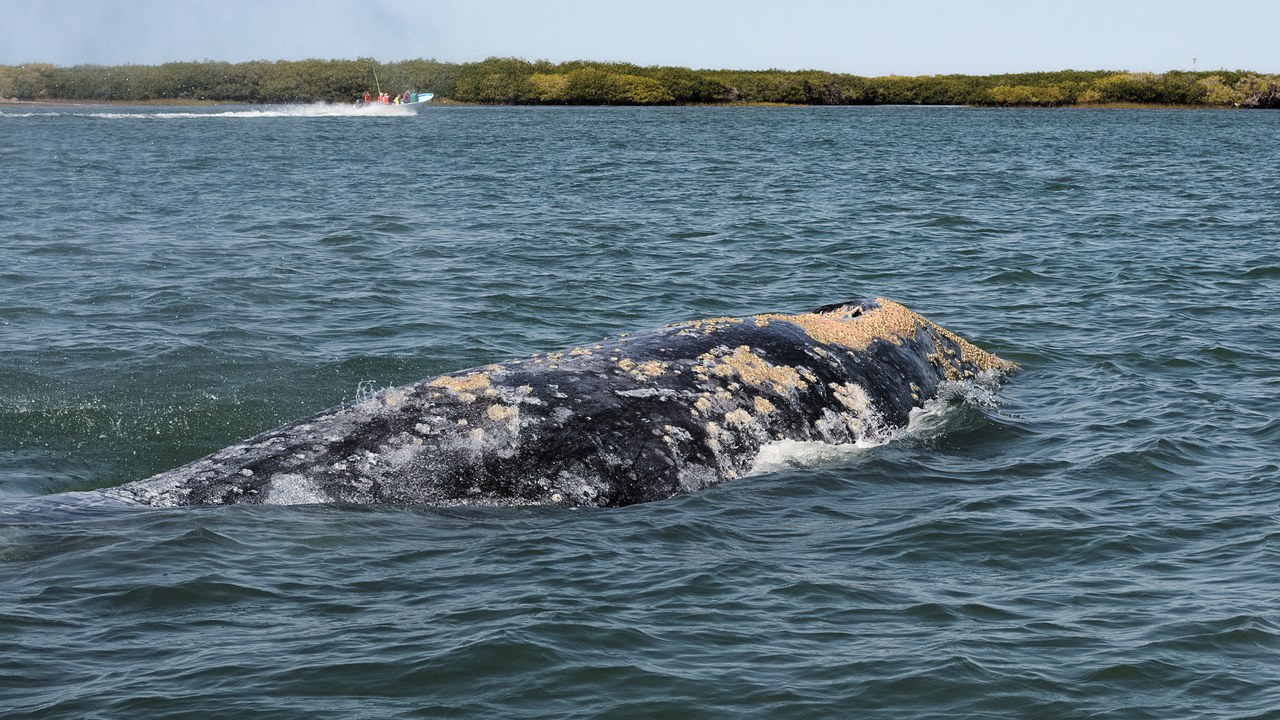
Gray whales travel up to 14,000 miles (22,500 km) along the West Coast of North America, according to WorldAtlas. They move between feeding grounds in the Arctic and breeding lagoons in Mexico.
Their route hugs the coast, which makes them a favorite of whale watchers from Alaska to Baja California. Calves born in the warm lagoons make the long trip north with their mothers within weeks of birth. Their numbers rebounded after whaling ended.
4. Humpback whale: Polar Feeding, Tropical Breeding
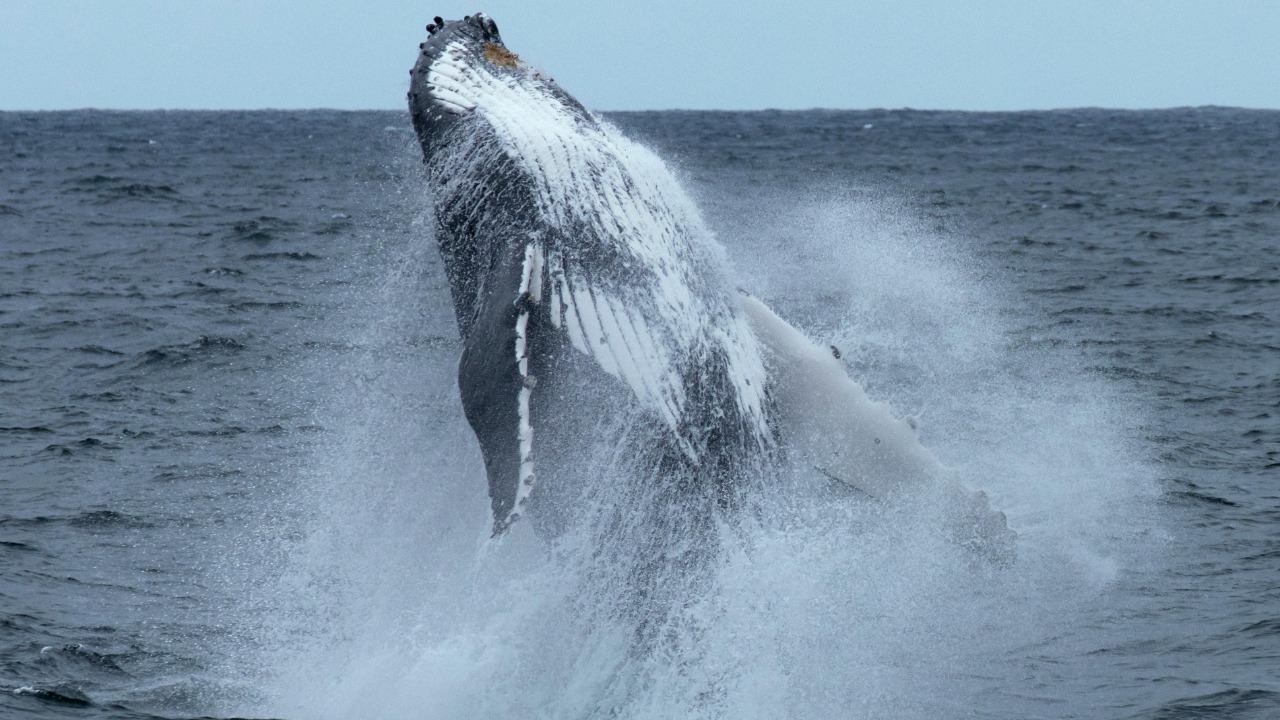
Humpback whales migrate about 5,100 miles (8,300 km) each way between polar feeding grounds and warm breeding waters, according to WorldAtlas. Many barely eat during the months they spend in the tropics.
Males sing long, complex songs on the breeding grounds, and populations in the same ocean share the same tune. Humpbacks have recovered strongly since commercial whaling ended, and they are now common sights off Hawaii, Alaska and New England.
5. Leatherback sea turtle: Crossing Whole Oceans
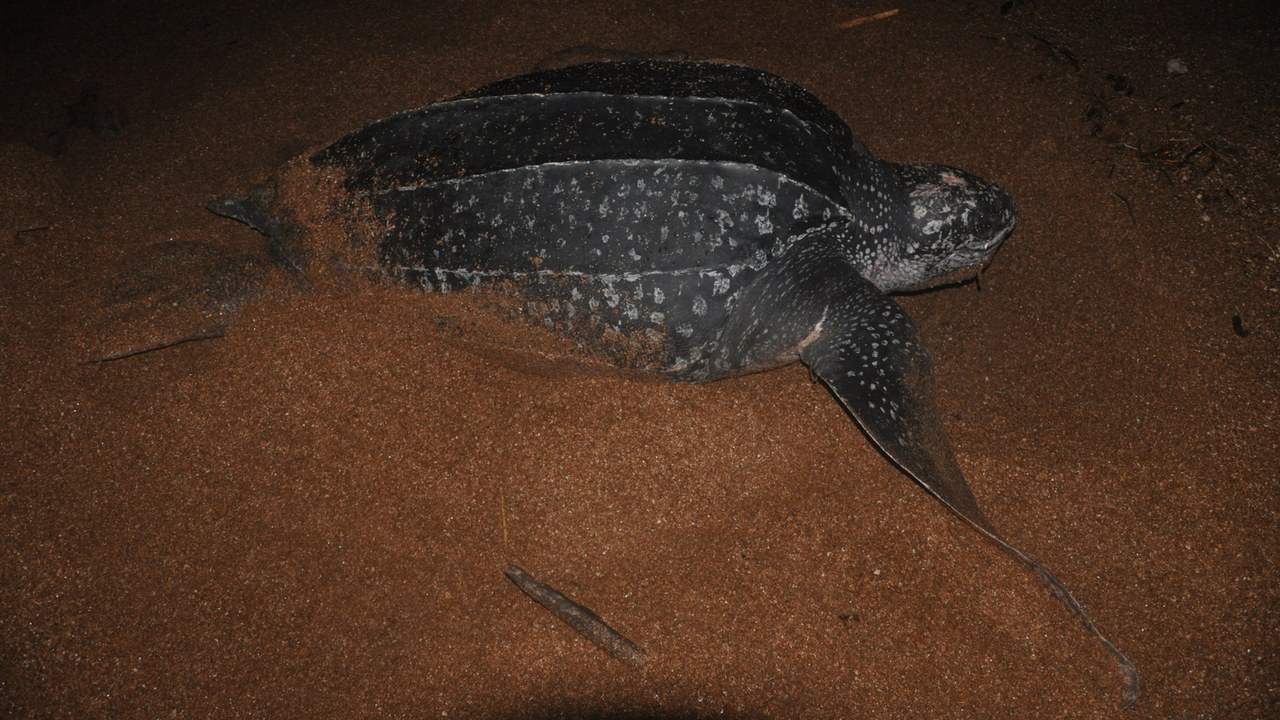
Leatherback sea turtles can travel more than 10,000 miles (16,000 km) each year across entire ocean basins, according to WorldAtlas. They follow jellyfish, their main food, through cold and warm waters alike.
Leatherbacks are the largest turtles on Earth and can keep their bodies warmer than the surrounding water. Females return to tropical beaches to lay eggs, often the same beaches where they hatched. They are listed as vulnerable worldwide, with some populations far more threatened.
6. Monarch butterfly: Fifty Miles a Day
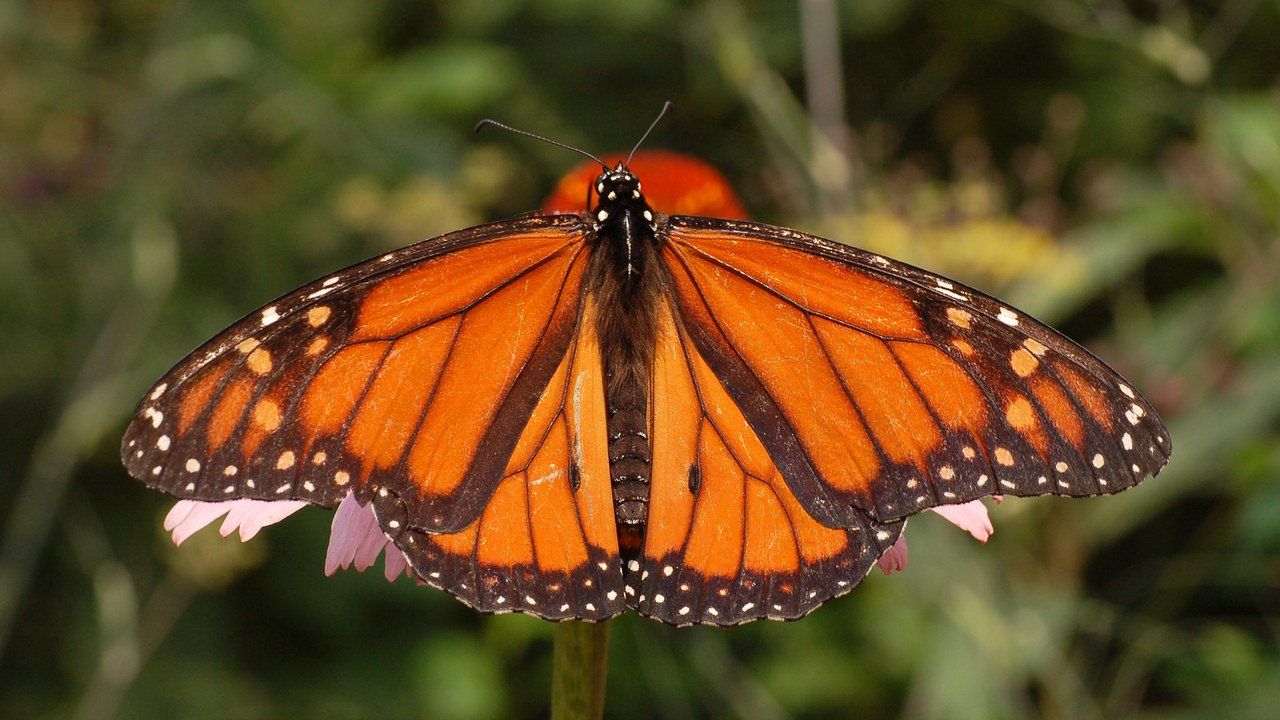
Monarch butterflies fly more than 3,000 miles to Mexico, covering about 50 miles a day, according to the U.S. Fish and Wildlife Service. Eastern monarchs gather by the millions in mountain forests to spend the winter.
No single butterfly makes the round trip. The generation that flies south lives far longer than its parents, and its great-grandchildren are the ones that return north the next fall. Their winter forests are protected as a reserve.
7. Caribou (Porcupine herd): Zig-Zagging Across the Tundra
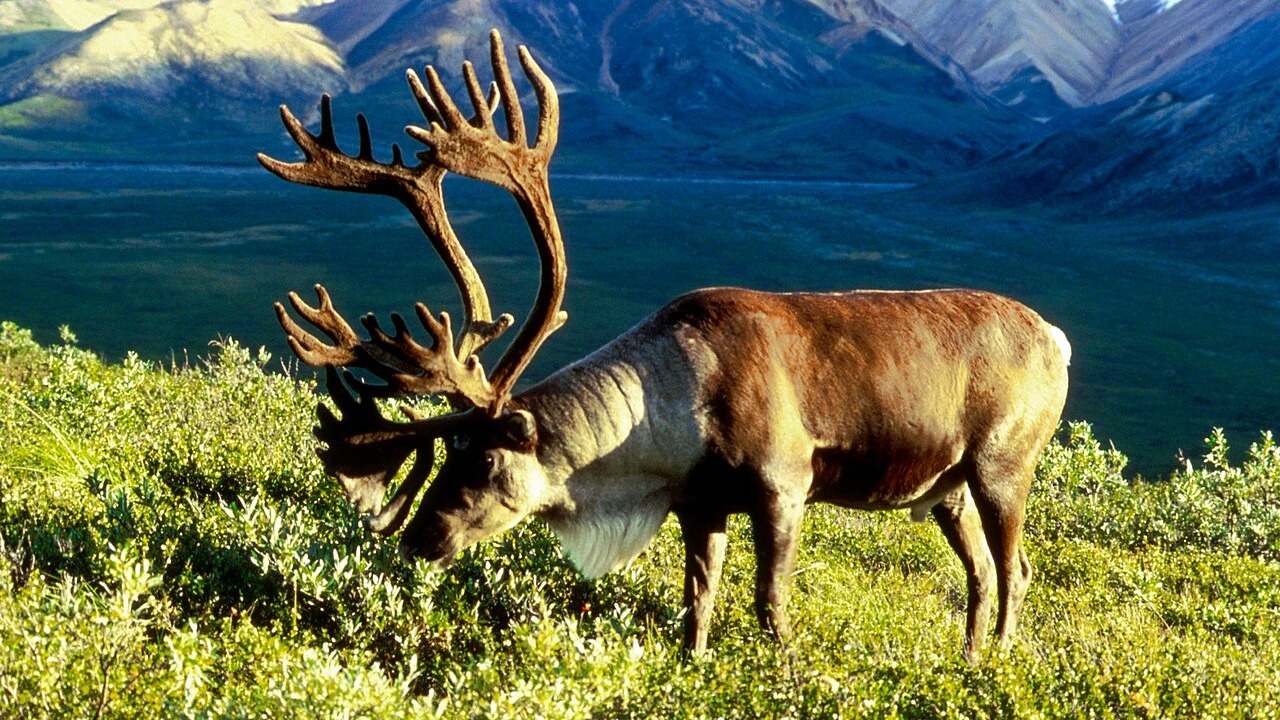
Satellite tracking shows that caribou of the Porcupine herd travel a zig-zag route of more than 3,000 miles a year on their round trip, according to Smithsonian magazine. The herd moves between Alaska and Canada’s Yukon.
The caribou travel to coastal calving grounds where fewer predators and insects bother newborn calves. The herd is vital to Indigenous communities in the region, who have depended on it for food for thousands of years.
8. Blue wildebeest: The Great Migration
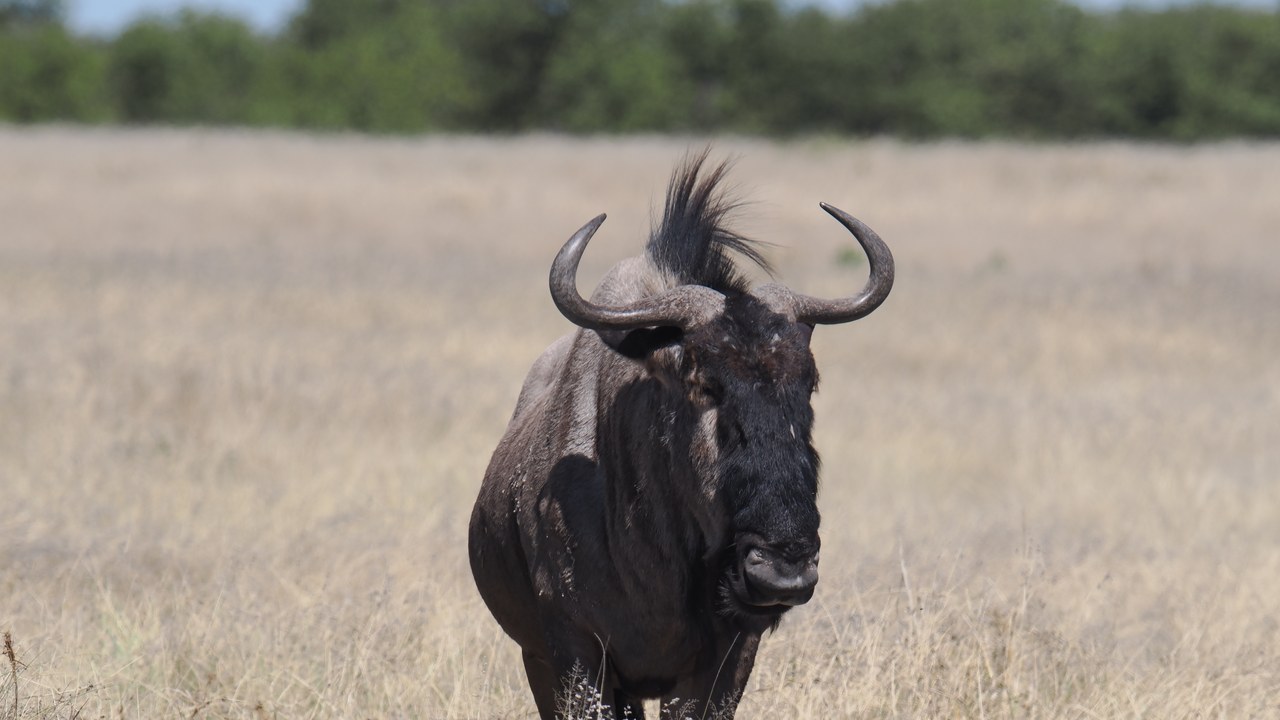
Blue wildebeest make a trek of about 1,000 miles each year in the Serengeti-to-Masai Mara migration, according to Smithsonian magazine. More than a million animals follow the seasonal rains to fresh grass.
The herds must cross rivers filled with crocodiles, scenes that have made the migration one of the most famous wildlife events on the planet. Zebras and gazelles travel with them, sharing the grazing and the risk. Predators follow the herds closely.
9. Northern elephant seal: Most of the Year at Sea
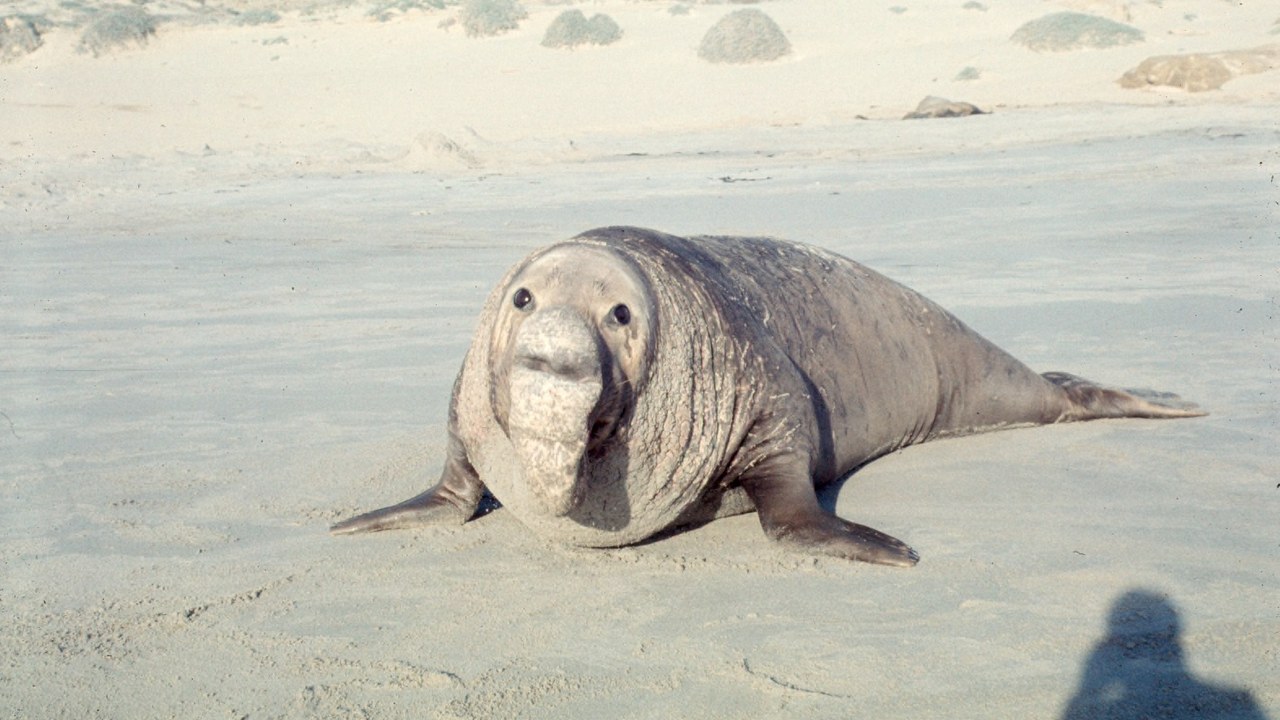
Northern elephant seals travel up to 13,000 miles (21,000 km) a year and spend 250 to 300 days a year entirely at sea, according to WorldAtlas. They dive deep to hunt in the open Pacific.
They come ashore on California and Mexican beaches to breed and molt, where visitors can watch huge males fight for territory. The species was hunted to near extinction in the 1800s and has since made a remarkable recovery.
10. Globe skimmer dragonfly: An Insect Ocean Crossing
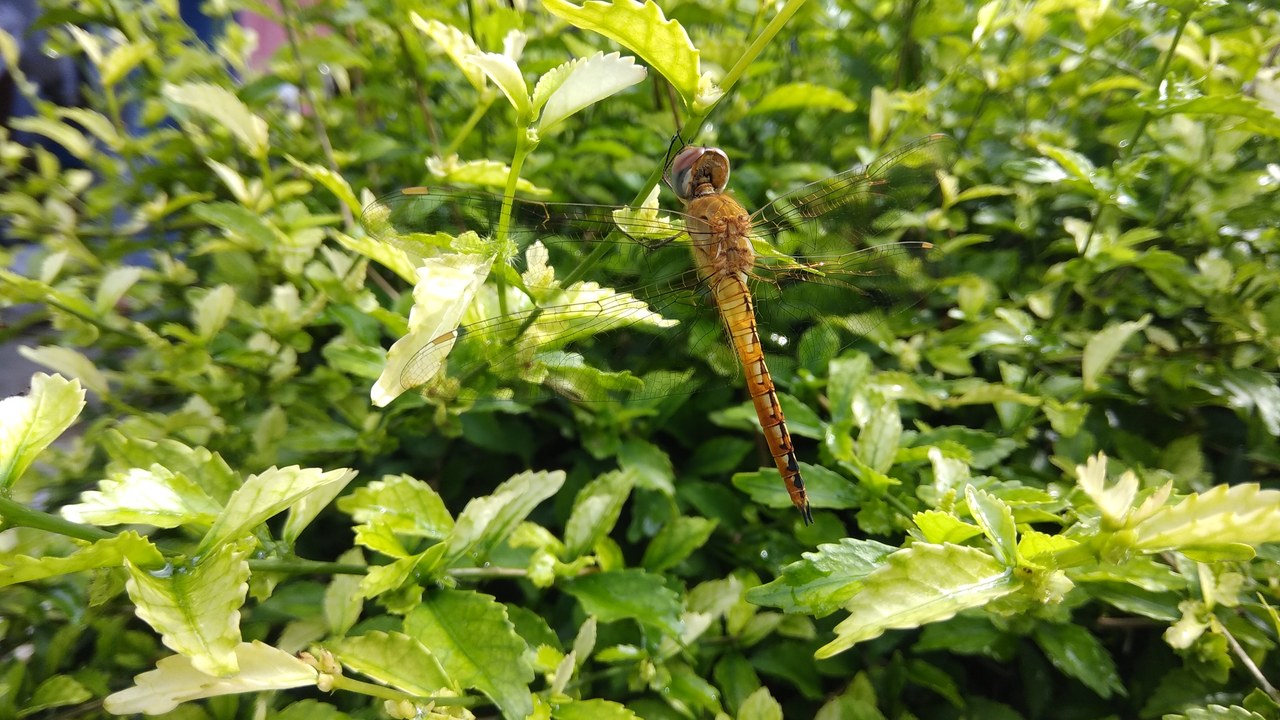
The globe skimmer dragonfly migrates more than 11,000 miles across multiple generations as it follows seasonal rains, according to Smithsonian magazine. Its route crosses the Indian Ocean between India and Africa.
The insects ride high winds to make the crossing, breeding in the temporary pools left by monsoon rains. Scientists consider the journey the longest known migration of any insect. Some individuals fly thousands of feet above the sea, borne along by the monsoon winds.
11. Sockeye salmon: Climbing 6,500 Feet to Spawn
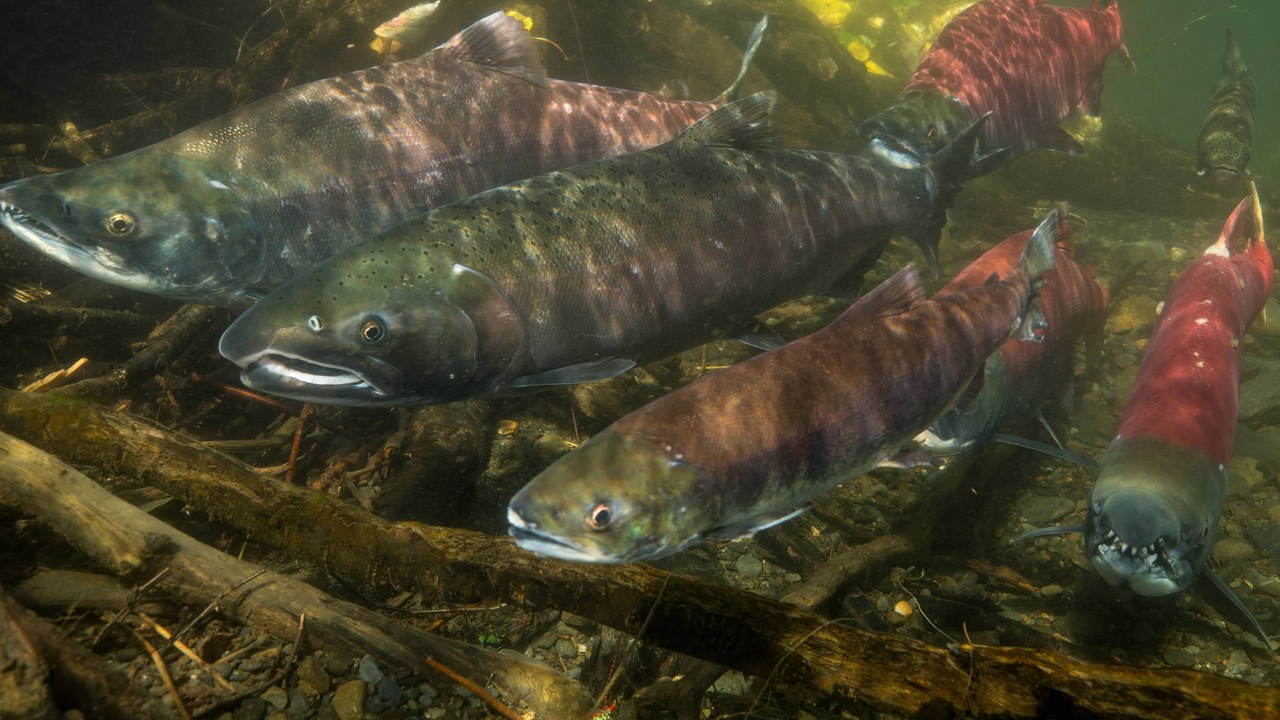
Sockeye salmon bound for Idaho swim more than 900 miles from the ocean to the headwaters of the Salmon River, climbing above 6,500 feet, according to the Idaho Department of Fish and Game.
It is one of the longest and highest salmon migrations in the world, and the fish must pass eight dams on the way. Redfish Lake was named for the bright red sockeye that once filled it every summer.
More from Morning Overview
- Winter weather advisories cover I-80, I-70 and the Bighorns with up to 15 inches of snow
- Arizona’s governor declared a statewide emergency after Flagstaff logged its wettest Nov. 1 on record
- Zero Motorcycles unveiled an electric motorcycle targeted at under $8K and a street-legal dirt bike at EICMA
- New FCC rules on how people can stop robocalls and texts take effect Nov. 25
