
Long before telescopes or printed calendars, people stacked stone so the sky would tell them what day it was. Some of these sites still put on a show when the sun reaches the right spot on the horizon. Here are ten ancient monuments built, or very likely built, to catch the sun and stars.
Read next on Morning Overview: Melting permafrost is setting off a newly identified kind of catastrophic landslide, scientists say
1. Stonehenge: Framed for the solstices
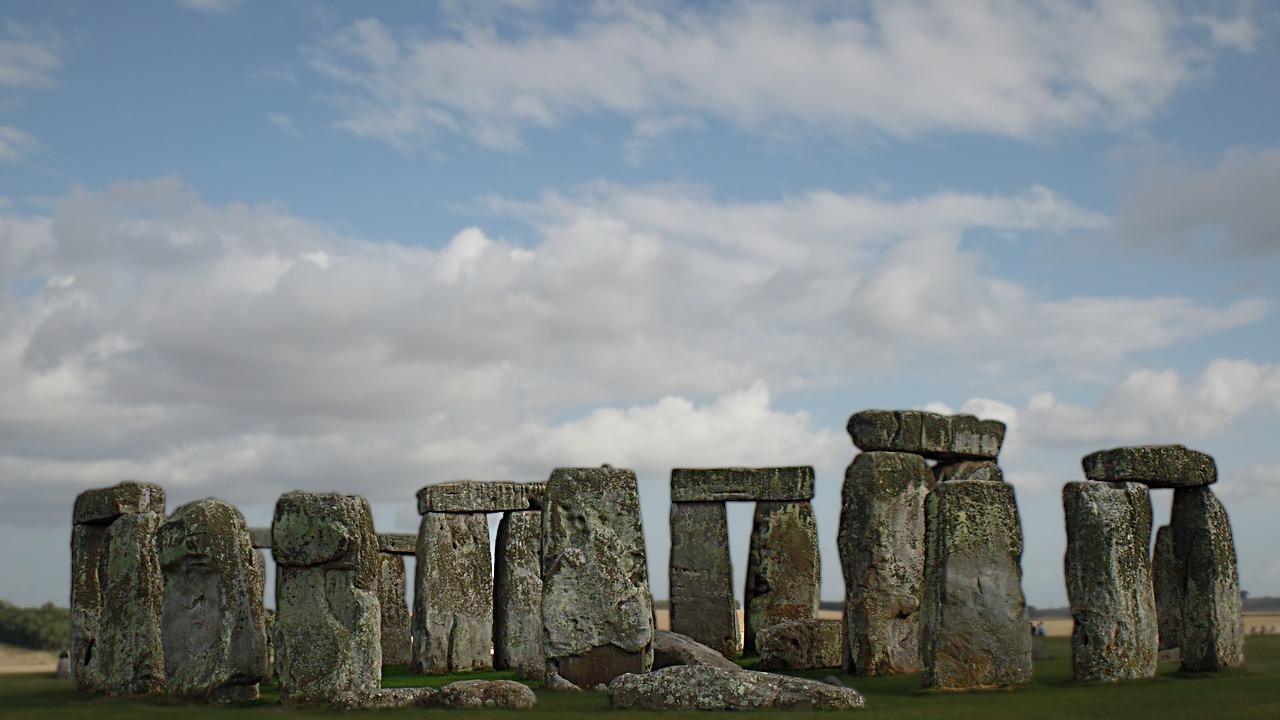
English Heritage, which cares for the monument, says Stonehenge was built to align with the sun on the solstices. On the summer solstice the sun rises behind the Heel Stone in the north-east part of the horizon, and its first rays shine into the heart of the circle.
The winter alignment runs the other way, with the sun setting to the south-west of the stones. English Heritage even runs a live Skyscape website so people anywhere can watch the sun, moon and planets move above the site.
2. Newgrange: A beam through the roof-box
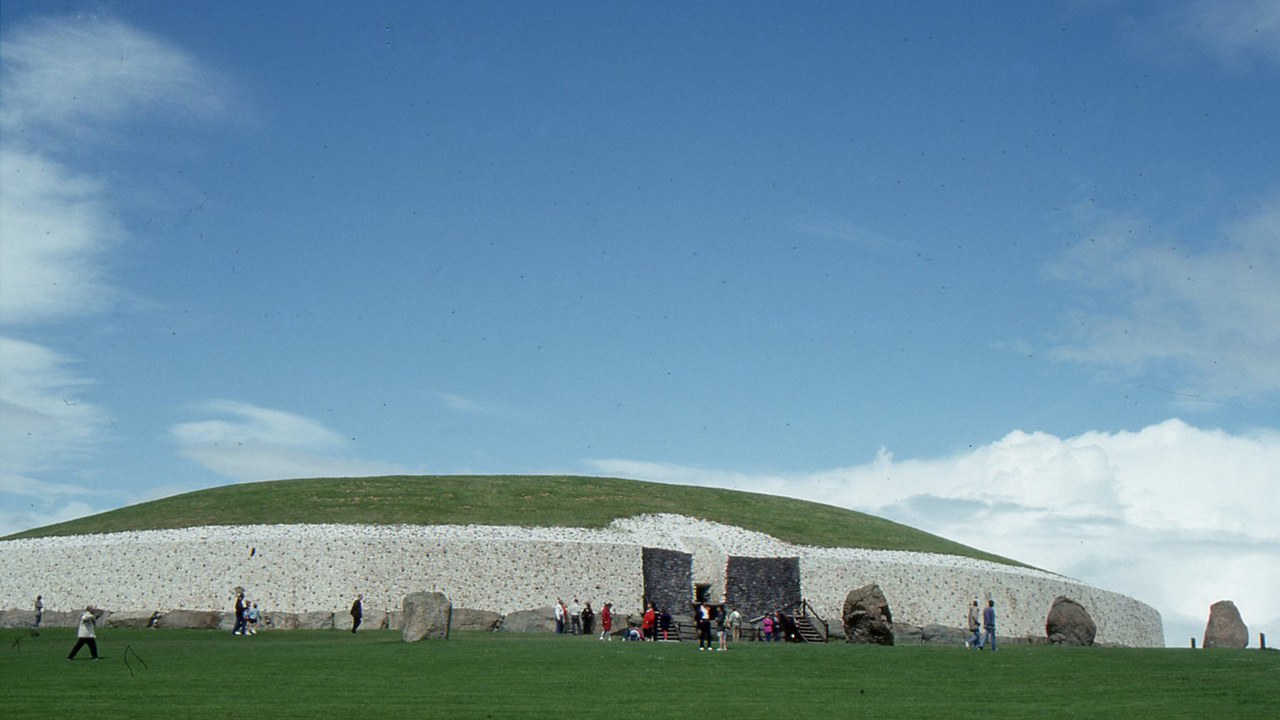
Ireland’s Office of Public Works says that on winter solstice mornings, from December 18 to 22 each year, a beam of sunlight penetrates the roof-box at Newgrange and travels up to 19 meters (62 feet) along the passage to light the inner chamber.
The sun rises over Red Mountain in Donore and shines across the valley into that small opening above the entrance. The tomb sits in the Brú na Bóinne complex in County Meath, where visitors reach Newgrange and neighboring Knowth on guided tours from the visitor centre.
3. Maeshowe: Orkney’s midwinter sunset
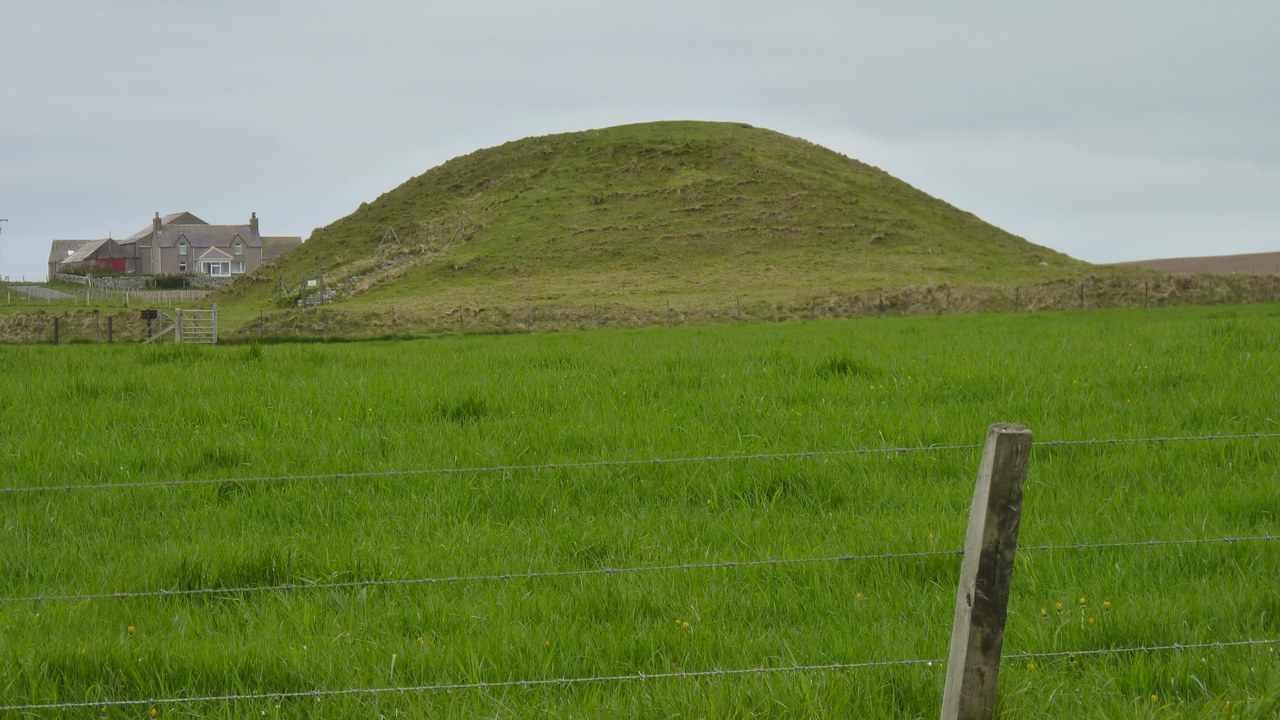
Historic Environment Scotland calls Maeshowe the finest Neolithic building to survive in north-west Europe, built around 5,000 years ago. For three weeks before and after the winter solstice, the setting sun shines straight down its gently sloping passage and lights up the back of the central chamber.
The chambered tomb sits on a platform ringed by a ditch in one of Europe’s richest Neolithic landscapes. It is part of the Heart of Neolithic Orkney World Heritage Site, alongside stone circles, villages and other burial monuments.
4. Calanais Standing Stones: Watching a low-flying moon
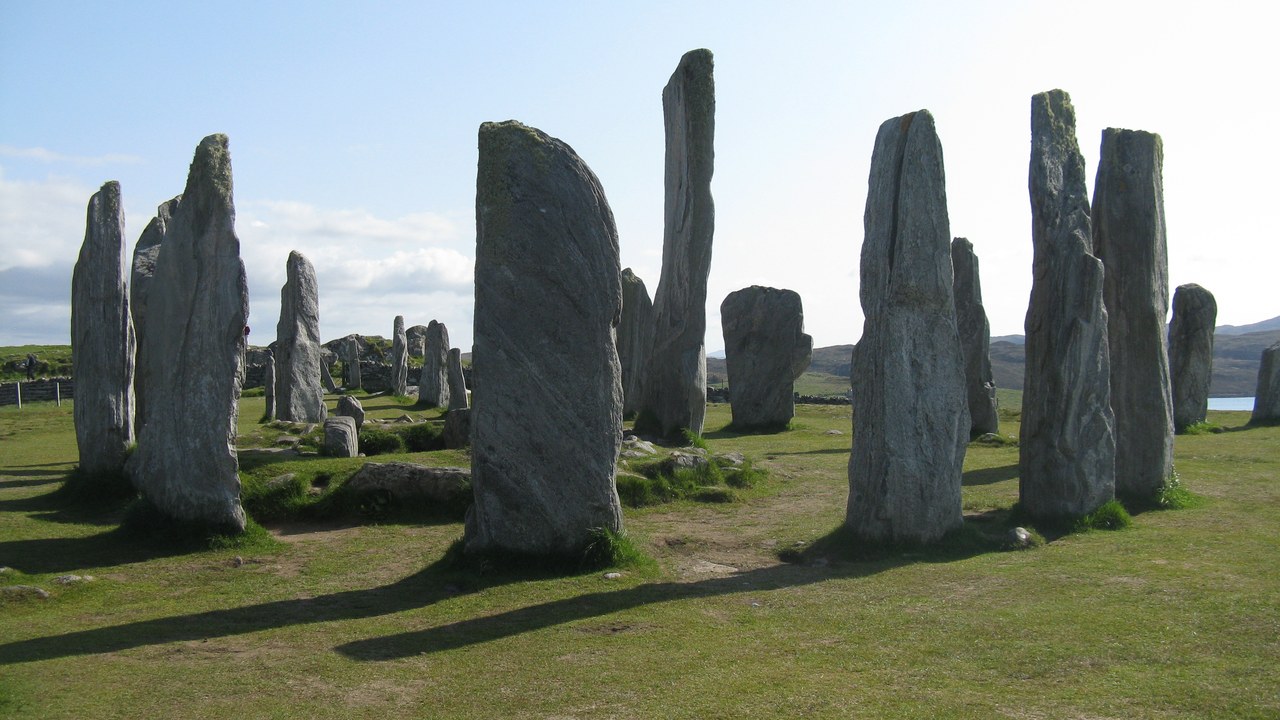
On the Isle of Lewis, the Calanais Standing Stones form a cross-shaped setting erected 5,000 years ago, older than Stonehenge. Historic Environment Scotland says its best guess is that Calanais was a kind of astronomical observatory, used for ritual for at least 2,000 years.
Archaeologist Patrick Ashmore, who excavated there in the early 1980s, pointed to the moon: every 18.6 years it skims especially low over the southern hills, seeming to dance along them. Knowing when that would happen, he wrote, gave earthly authority to those who watched the skies.
5. El Castillo at Chichen Itza: A serpent made of shadow
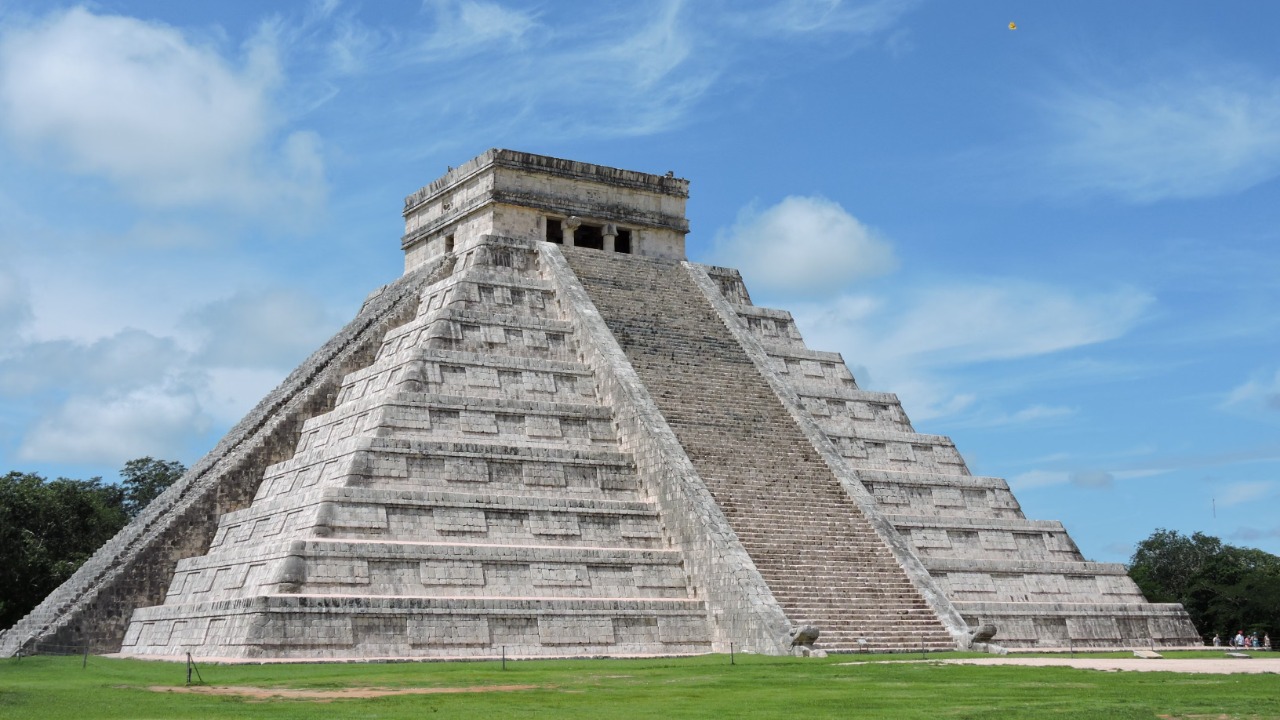
The 79-foot Pyramid of Kukulkán at Chichén Itzá is famous for an effect seen at the spring and fall equinoxes. As the sun sets, seven or so triangular shadows form a snake that seems to slide down the stairway, and the show is visible for about a week either side.
The Exploratorium notes that the shadow body joins a huge carved snake head at the base. Each of the four stairways has 91 steps, and with the final step at the top the total reaches 365, the number of days in a solar year.
6. Chaco Canyon’s Sun Dagger: Light across a carved spiral
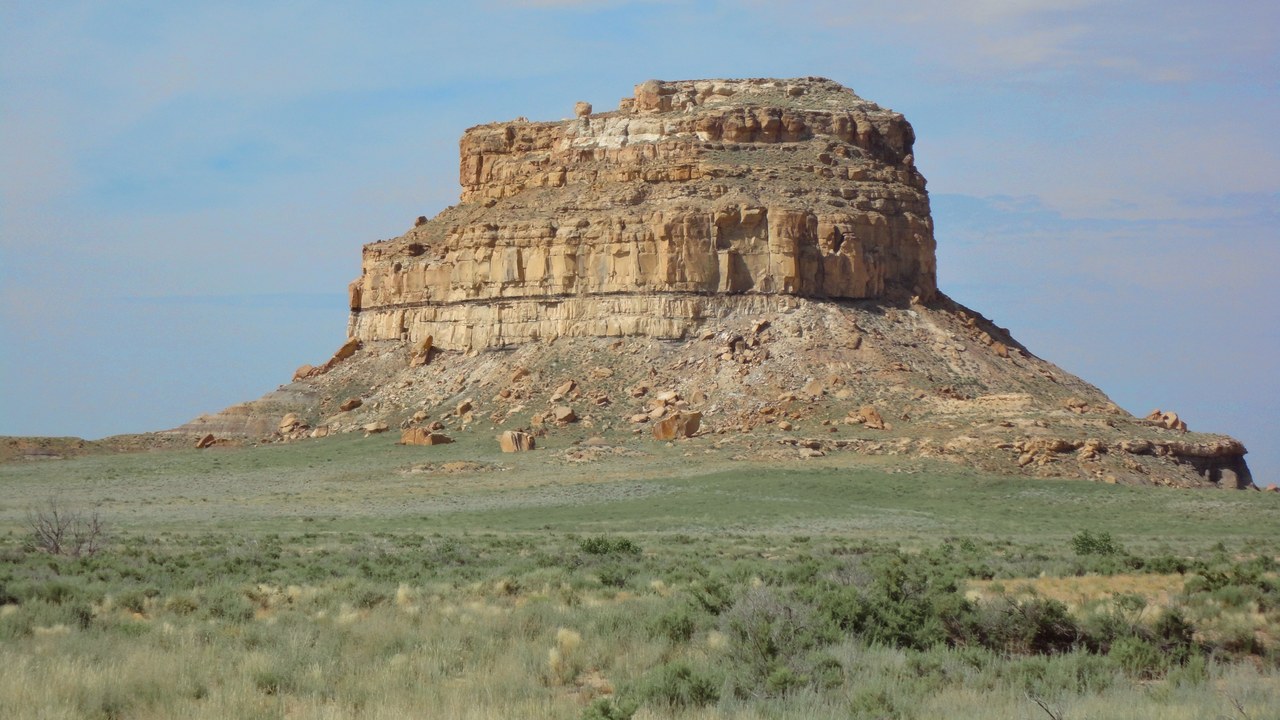
High on Fajada Butte in Chaco Culture National Historical Park, the National Park Service says the Sun Dagger is believed to have marked the solstices and equinoxes. Depending on the time of year, a spot of sunlight fell on carved spirals, lengthened into a dagger shape and slid across them.
The dagger no longer crosses the center of the spiral as it once did, because erosion from foot traffic has shifted the slabs out of position. Chaco holds other sky markers too: a pictograph on the Peñasco Blanco trail may depict a star that exploded on July 5, 1054.
7. Drombeg Stone Circle: An Irish ring set for sunset
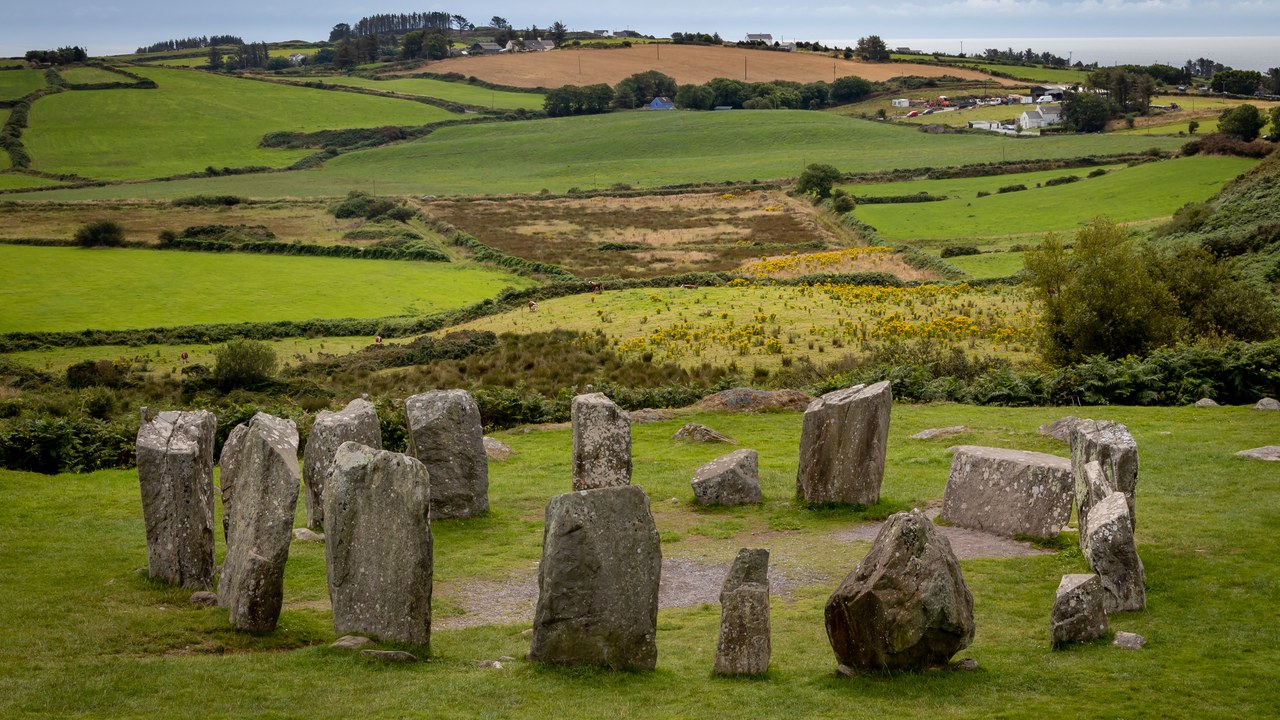
Less than three kilometers east of Glandore in Ireland, Drombeg is one of Ireland’s finest stone circles. Heritage Ireland says it has a north-east to south-west alignment that lets the setting sun mark the winter and summer solstices, and the site was in use from around 1124 to 794 BC.
The circle originally had 17 upright stones. Its largest, the axial stone, carries two shallow cup-marks, one with a carved oval. A 1957 excavation found five pits under the floor, with cremated human remains among fragments of shale and pottery.
8. Ring of Brodgar: Scotland’s biggest stone circle
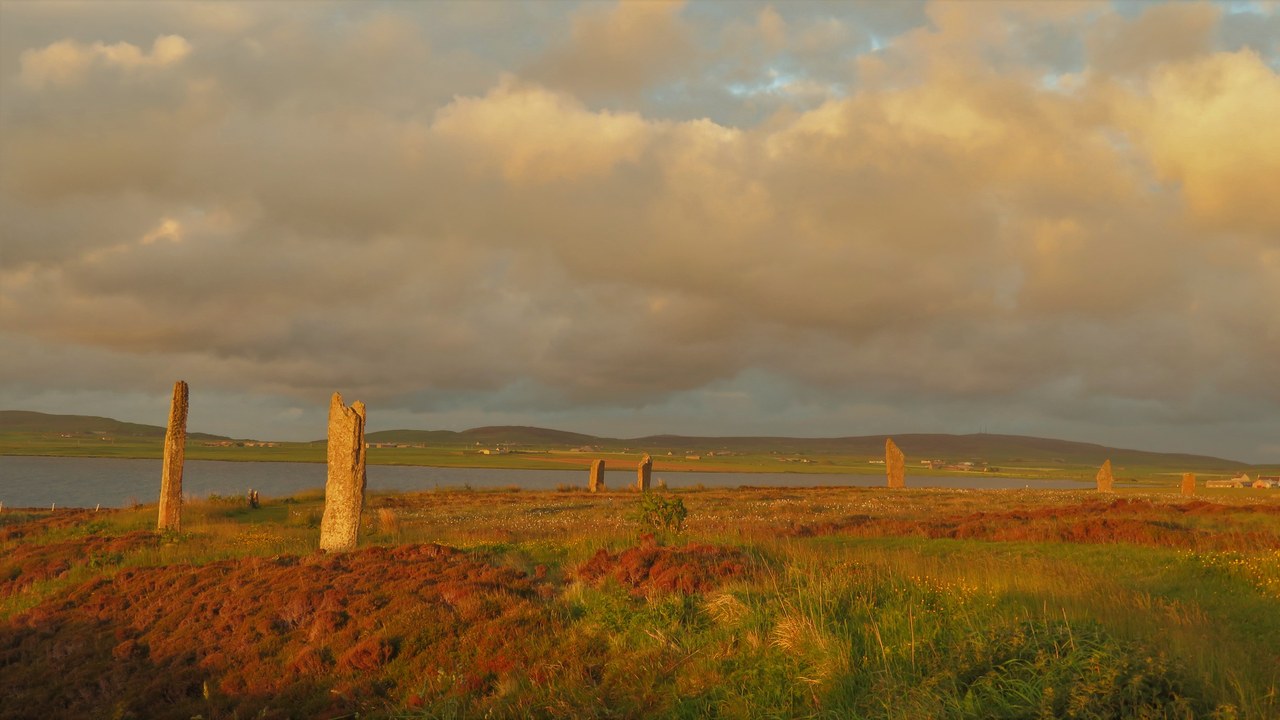
Orkney’s Ring of Brodgar was probably raised between 2600 and 2400 BC. Historic Environment Scotland says it has been suggested the sites in the area were used for observations of the moon, though there is scant evidence for what Neolithic people actually did there.
The ring is 104 meters across and ringed by a rock-cut ditch 136 meters wide, making it the largest stone circle in Scotland. Of the original 60 stones, 36 survive, standing 2.1 to 4.7 meters tall. At least one has been struck by lightning.
9. Castlerigg Stone Circle: Aimed at midwinter sunrise
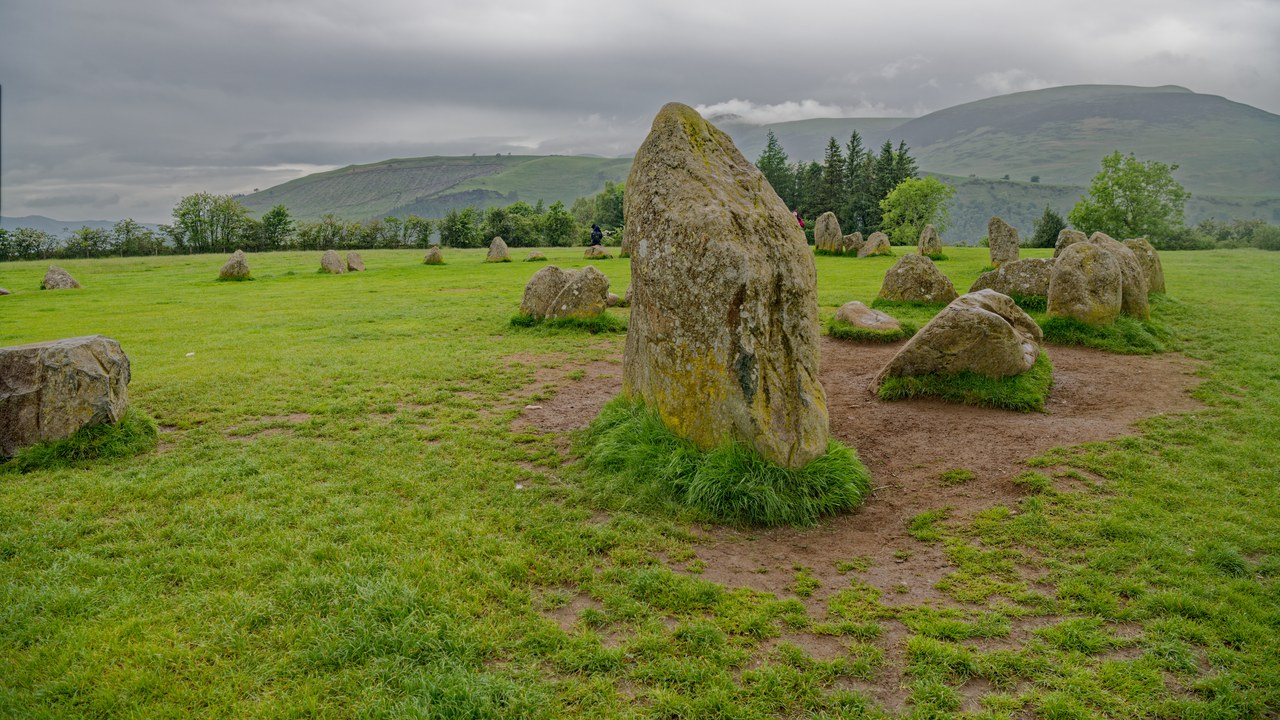
On a hilltop with panoramic views of the Lake District, Castlerigg’s 38 standing stones were probably raised around 4,500 years ago. Various astronomical alignments have been proposed, but English Heritage says it is most likely to have been linked to midwinter sunrise.
The ring is not a perfect circle, measuring 30 to 33 meters across, likely because builders wanted it to look round from the ground. The stones stand 1.0 to 2.3 meters tall, and the largest may weigh 16 tons, which implies dozens of people moved it.
10. Angkor Wat: Sunrise over the central tower
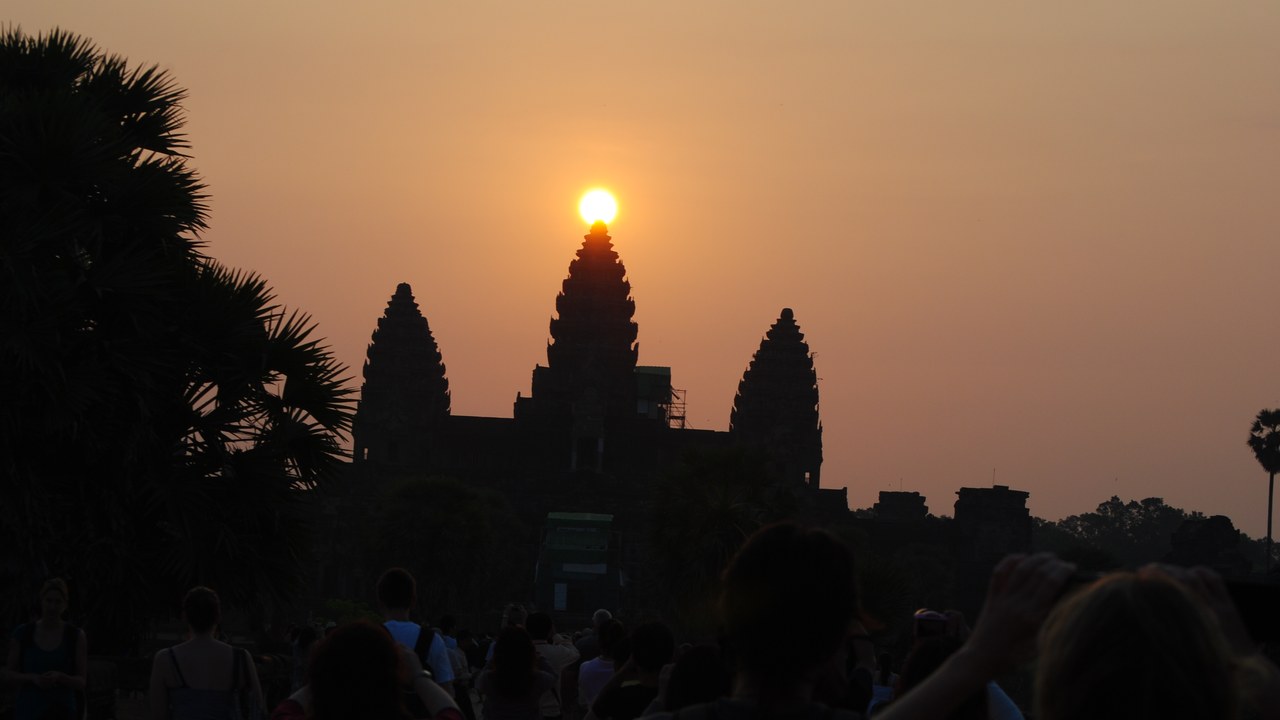
Cambodia’s Angkor Wat stages its show twice a year. On the spring and autumn equinoxes, someone standing in front of the western entrance sees the sun rise directly over the central lotus tower, one of many alignments that point to a fairly elaborate system of astronomy.
Strictly, it is the match between the shadow cast by the central tower and the western entrance bridge. The alignment is not limited to Angkor Wat either: it links the temple with others along the ancient Khmer highway, from the West Mebon to Preah Khan of Kompong Svay.
More from Morning Overview
- Over 20 trillion gallons of rain fell on the Four Corners states and Nevada in two weeks
- 11 engines built to run well past 200,000 miles
- Two Kentucky residents died when a small plane crashed at Missouri’s Lake of the Ozarks, and the NTSB is investigating
- A handful of car transmissions are so tough that mechanics say they almost never die
