
The United States keeps part of its nuclear deterrent hidden under the sea, aboard a class of submarines first commissioned in 1981. Those boats are now being shuffled between coasts as their replacements take shape in the shipyard. This is the story of the Ohio class, from its first patrol to the hull swap the Navy completed this fall.
Read next on Morning Overview: Zero Motorcycles unveiled an electric motorcycle targeted at under $8K and a street-legal dirt bike at EICMA
Ohio-class submarine: The Biggest Boats the Navy Ever Built
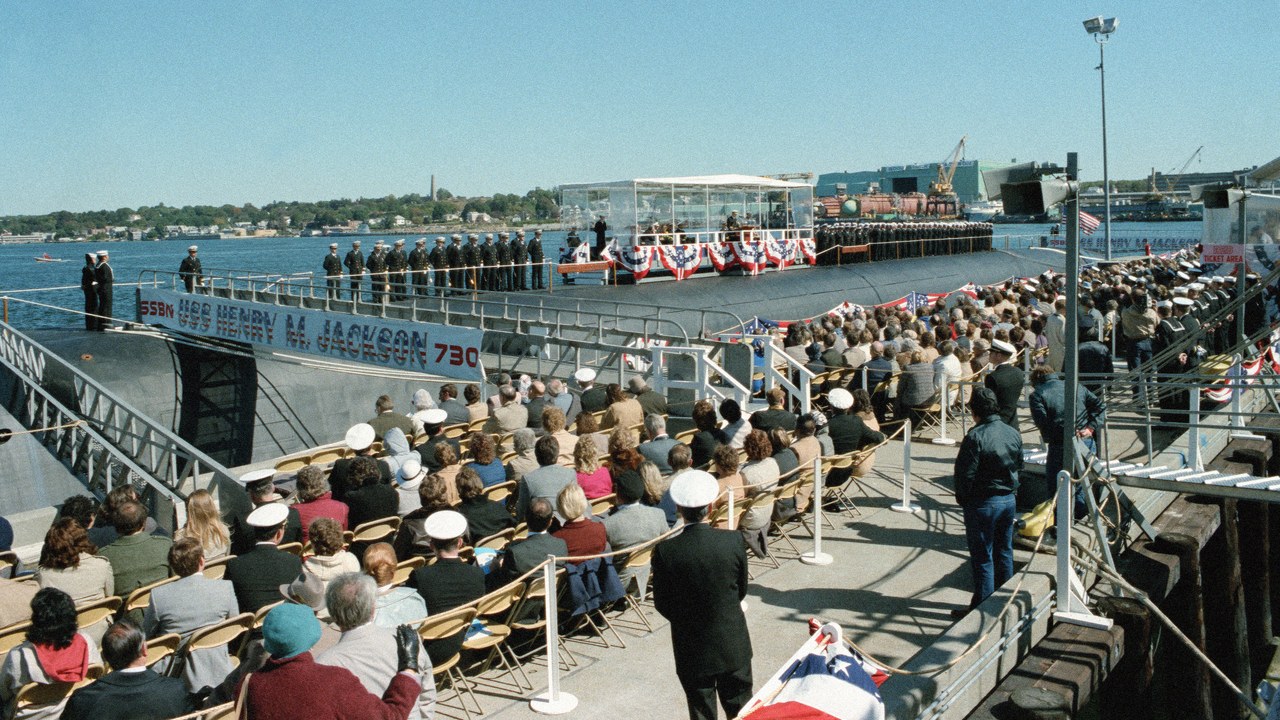
The Ohio class is made up of 14 ballistic missile submarines and four cruise missile submarines. Each displaces 18,750 tons submerged, which makes them the largest submarines ever built for the U.S. Navy and the third-largest anywhere, behind Russia’s Typhoon and Borei classes.
Every boat has two complete crews, called Blue and Gold, which typically serve 70- to 90-day deterrent patrols. Each was built with 24 missile tubes, but four tubes on each ballistic missile boat were deactivated in 2017 under the New START treaty, leaving 20 missiles per submarine.
USS Ohio (SSGN-726): The Lead Boat Commissioned in 1981
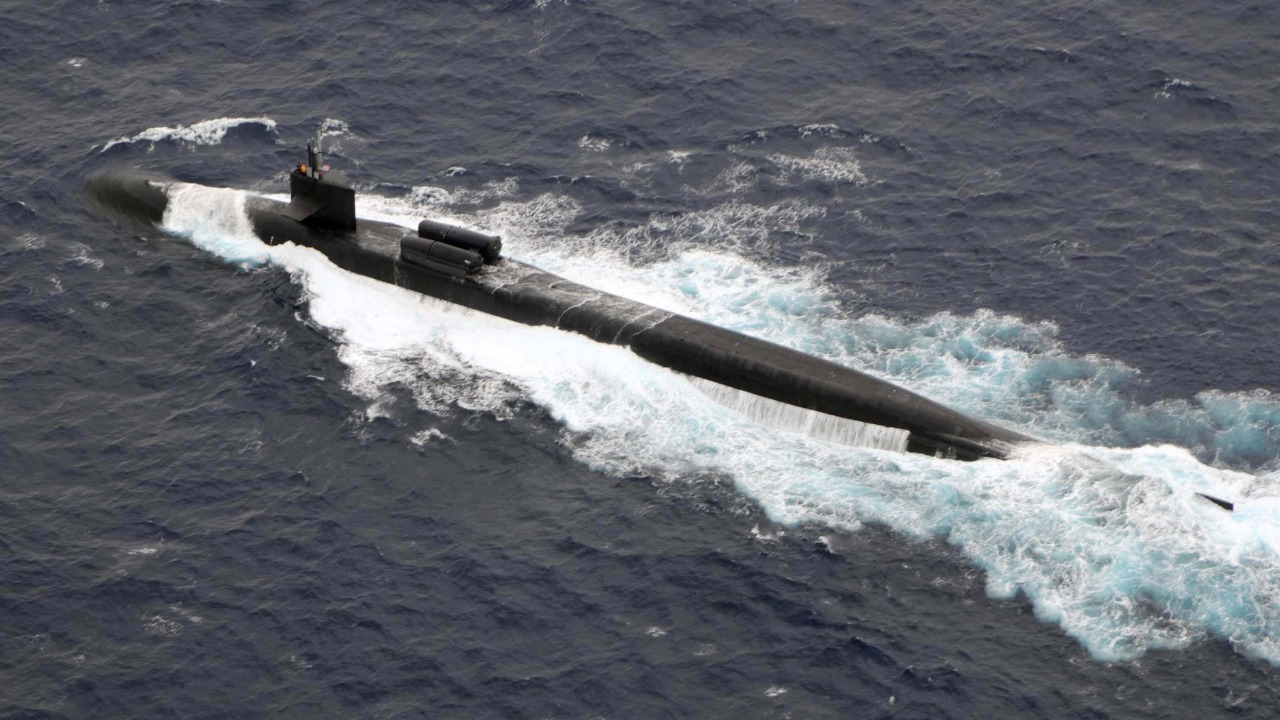
The lead boat was built by General Dynamics’ Electric Boat division in Groton, Connecticut. Its keel was laid on April 10, 1976, it was launched on April 7, 1979 with Annie Glenn, wife of Senator John Glenn, as sponsor, and it was commissioned on Nov. 11, 1981.
Ohio later traded its ballistic missiles for cruise missiles and was redesignated SSGN-726. In December 2020 the Navy announced that the submarine would be decommissioned and enter the ship-submarine recycling program by 2026, making the first boat of the class one of the first in line to leave.
USS Michigan (SSGN-727): A Missile Boat Turned Cruise Missile Carrier
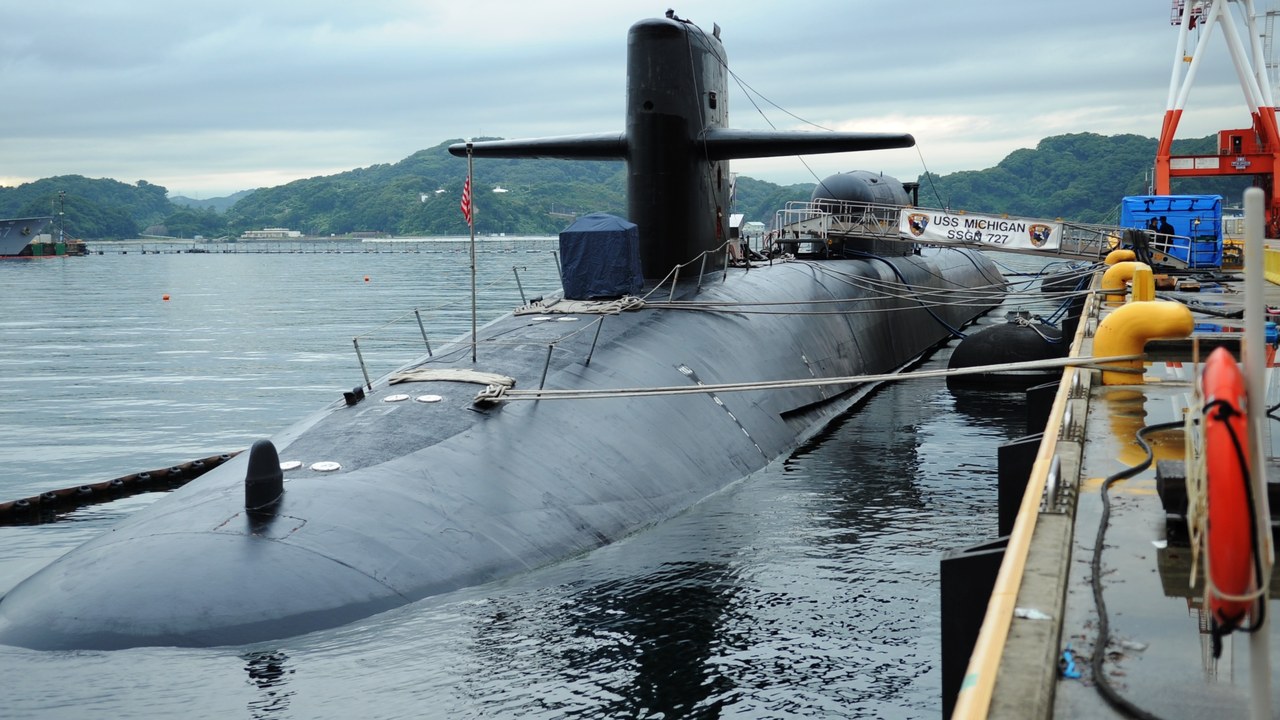
The 1994 Nuclear Posture Review concluded that 14 ballistic missile boats would be enough, so the four oldest, Ohio, Michigan, Florida and Georgia, were picked for conversion into guided missile submarines. They entered conversion from late 2002, and the converted Michigan was delivered in November 2006, with all four back in active service by 2008.
The refit cost around $1 billion per boat. Twenty-two of the 24 big missile tubes were modified so that each converted submarine could carry 154 Tomahawk cruise missiles and 66 special operations personnel, turning a strategic deterrent into a conventional land-attack and commando platform.
Trident II D5: The Missile at the Heart of the Mission
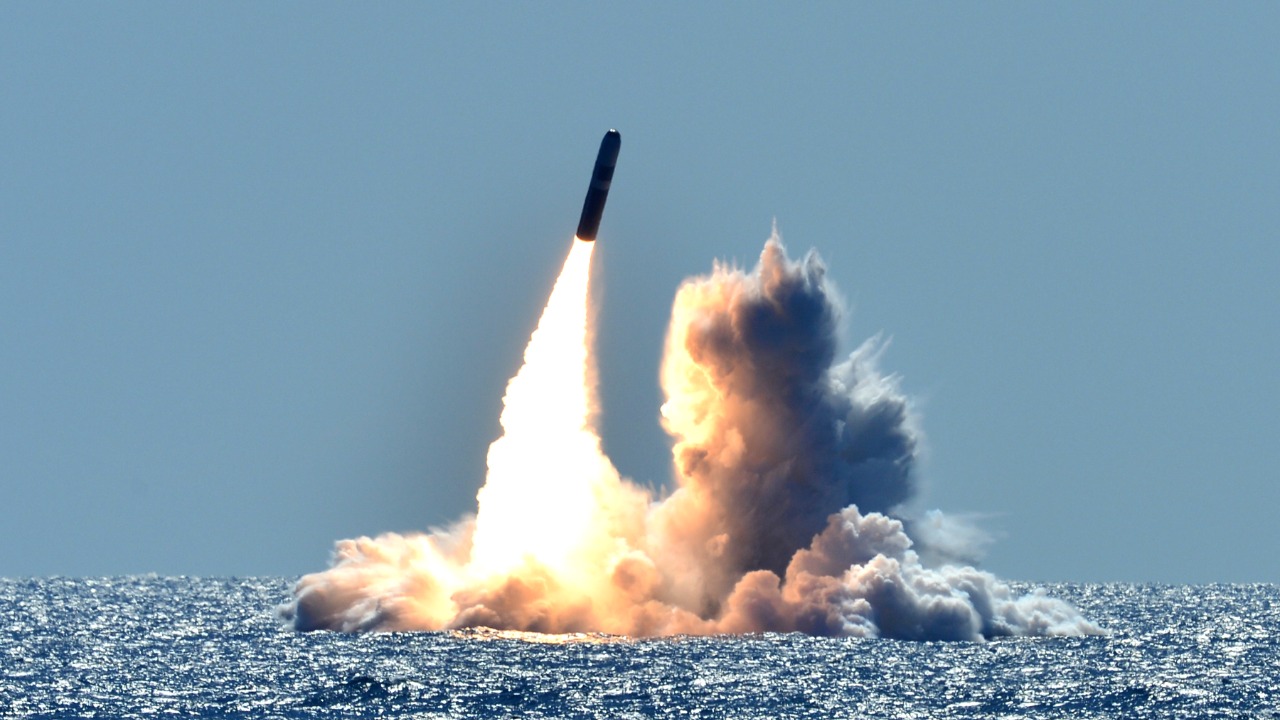
The ballistic missile boats carry the Trident II D5 submarine-launched ballistic missile, and Ohio-class submarines currently carry the Trident II D5 Life Extension weapon system. The Navy plans to keep an evolved version of the missile aboard the coming Columbia-class submarines.
That continuity matters. Keeping the same missile lets the Navy introduce a new submarine design without replacing the strategic weapon at the same time, which reduces technical and operational risk during the handover. A further upgrade, the Trident II D5 Life Extension 2, is being developed to keep the missile in service deep into the Columbia era.
Naval Base Kitsap-Bangor: The Long Trip to the Pacific
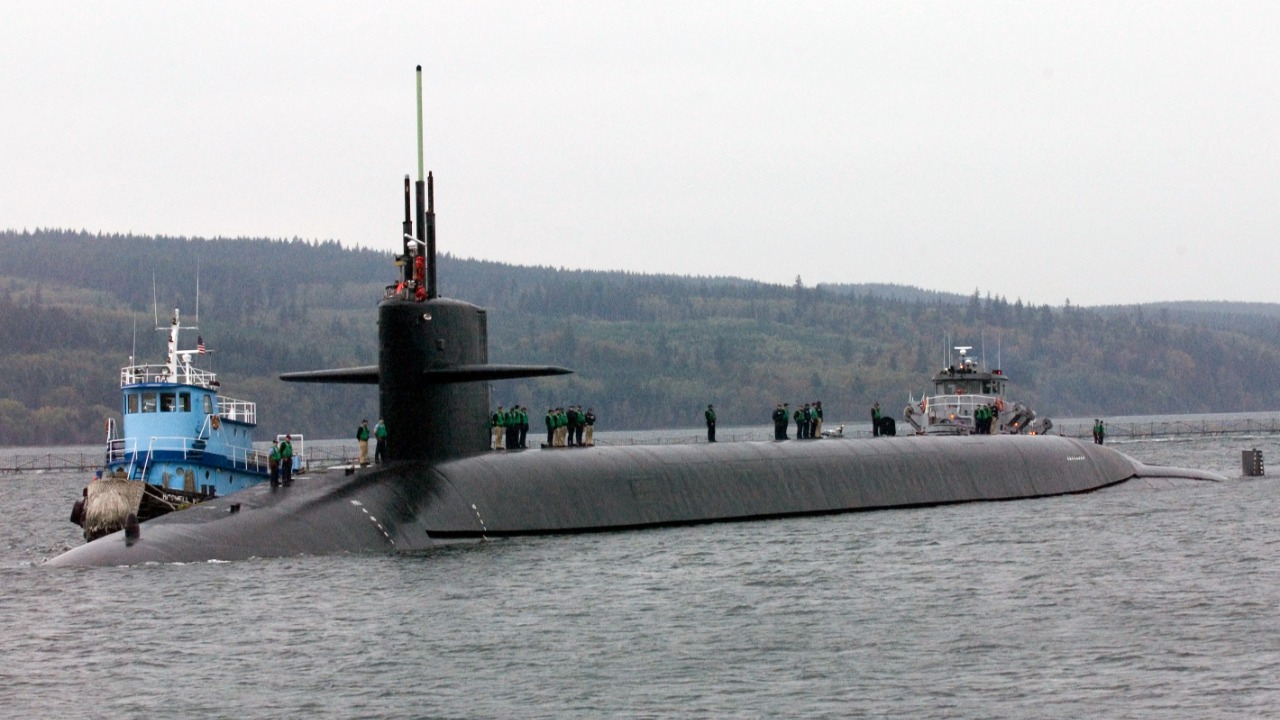
After shakedown work at Electric Boat, Ohio left the Atlantic for her new home port at Bangor, Washington. She sailed by way of Cape Canaveral, where she tested her missile launch systems, then through the Panama Canal, arriving at Bangor on Aug. 12, 1982.
During August and September 1982 the boat took on its first load of Trident C-4 missiles and went through a predeployment refit. In October 1982, Ohio and her Blue Crew set out on the first Trident submarine strategic deterrent patrol, a mission the class has repeated from the Pacific Northwest ever since.
Naval Submarine Base Kings Bay: The Atlantic Home in Georgia
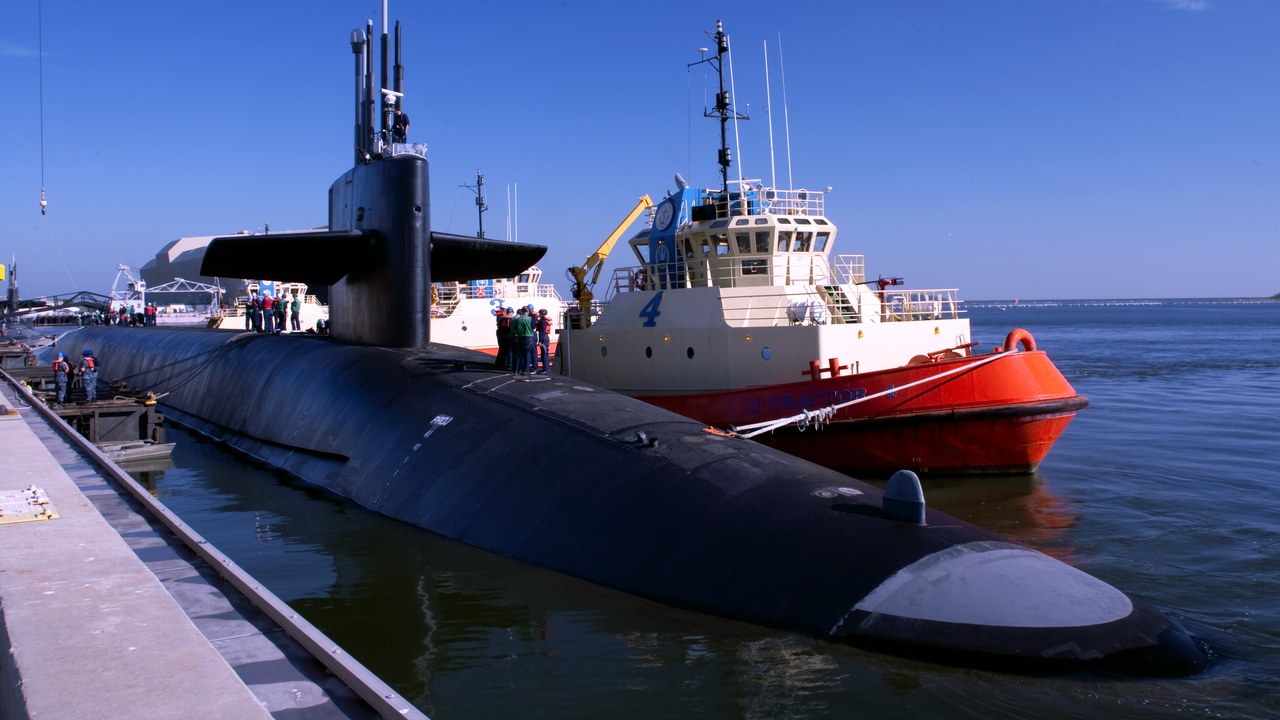
On the other coast, the Navy picked Kings Bay, Georgia, in May 1979 as its preferred East Coast site for the new Ohio-class Trident submarines. Today the base is the Atlantic Fleet’s home port for ballistic missile submarines armed with Trident missiles.
The installation covers about 16,000 acres, and 4,000 of those acres are protected wetlands. Kings Bay also took in Florida and Georgia after their cruise missile conversions were completed in 2006 and 2008, and its squadron list includes the pre-commissioning unit of District of Columbia, the first of the next class.
USS Wyoming (SSBN-742): The Hull Swap of 2026
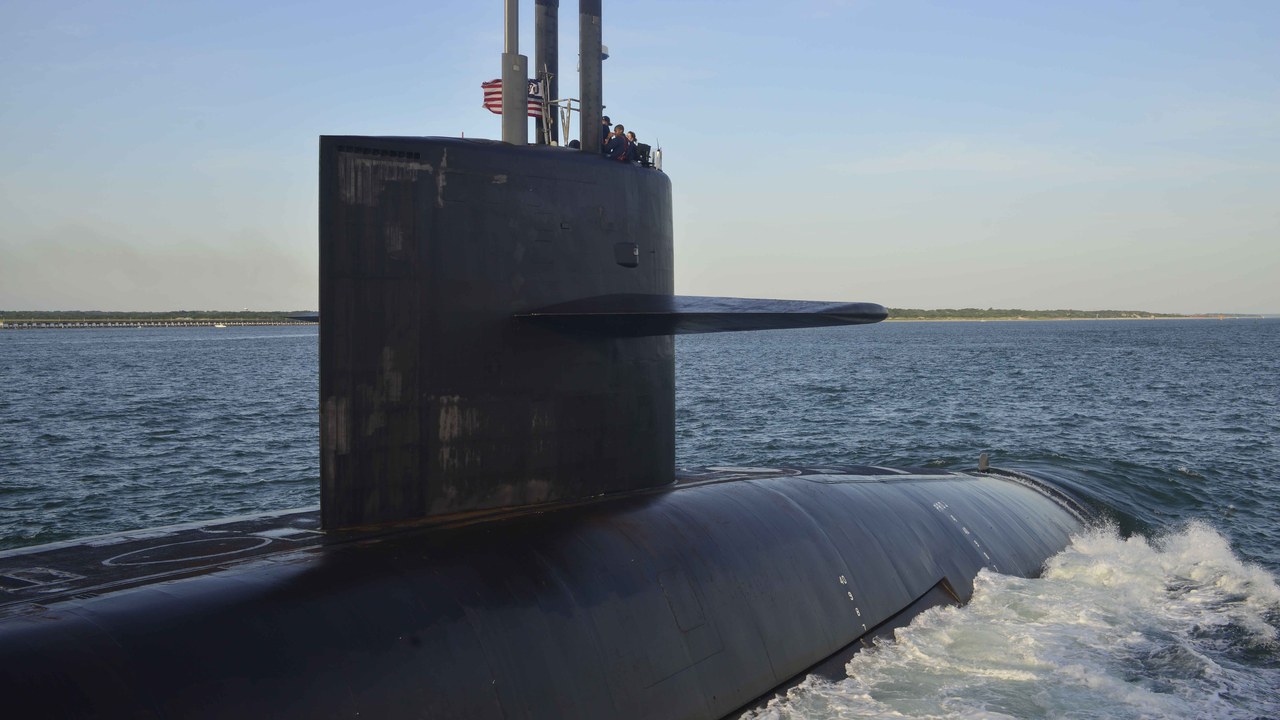
USS Wyoming arrived at Bangor on Oct. 1, 2026, completing an unusual exchange of home ports with the older USS Pennsylvania, which moved to Kings Bay. Pennsylvania entered service in 1989, while Wyoming was commissioned in 1996, making it seven years newer.
Rather than moving crews and their families across the country, the Navy swapped the submarines and kept the sailors largely where they were. The goal is to concentrate newer boats at Bangor before the Columbia class arrives. The Navy plans 12 Columbia-class submarines to replace 14 Ohio-class missile boats, whose service lives have been stretched to about 42 years.
USS Pennsylvania (SSBN-735): The Boat That Set the Patrol Record
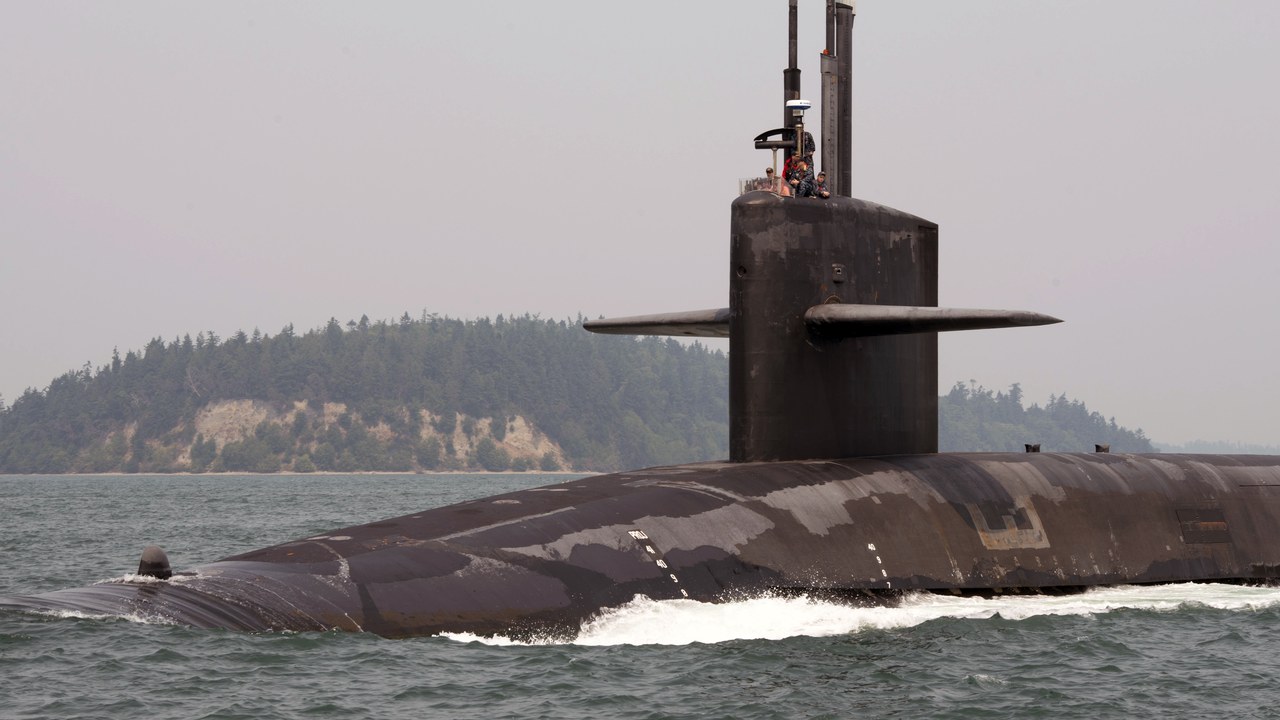
USS Pennsylvania has spent much of its life in the Pacific. While the four oldest boats were being converted to cruise missile carriers, Pennsylvania was one of five submarines transferred from Kings Bay to Bangor, and from January to June 2014 it carried out a 140-day patrol, the longest to date.
A typical patrol lasts around 70 days, and four boats are on station in designated patrol areas at any given time. That routine has to continue without a gap as the class ages. The Ohio boats are to be gradually replaced by the Columbia class beginning in 2031.
More from Morning Overview
- Melting permafrost is setting off a newly identified kind of catastrophic landslide, scientists say
- Cadillac cut the price of its cheapest EV, which goes up to 317 miles on a charge
- Winter weather advisories cover I-80, I-70 and the Bighorns with up to 15 inches of snow
- Arizona’s governor declared a statewide emergency after Flagstaff logged its wettest Nov. 1 on record
