
Across the Southwest, ancestral peoples built stone villages into cliff alcoves and on open mesas, then left them behind centuries ago. Many still stand with rooms, towers and kivas intact, protected today as national parks and monuments. Here are seventeen cliff dwellings and pueblos that ancient Americans built and abandoned, and what archaeologists have learned about why.
Read next on Morning Overview: The Justice Department asked courts to undo approvals for three offshore wind farms, one already making power
1. Cliff Palace: North America’s Largest Cliff Dwelling
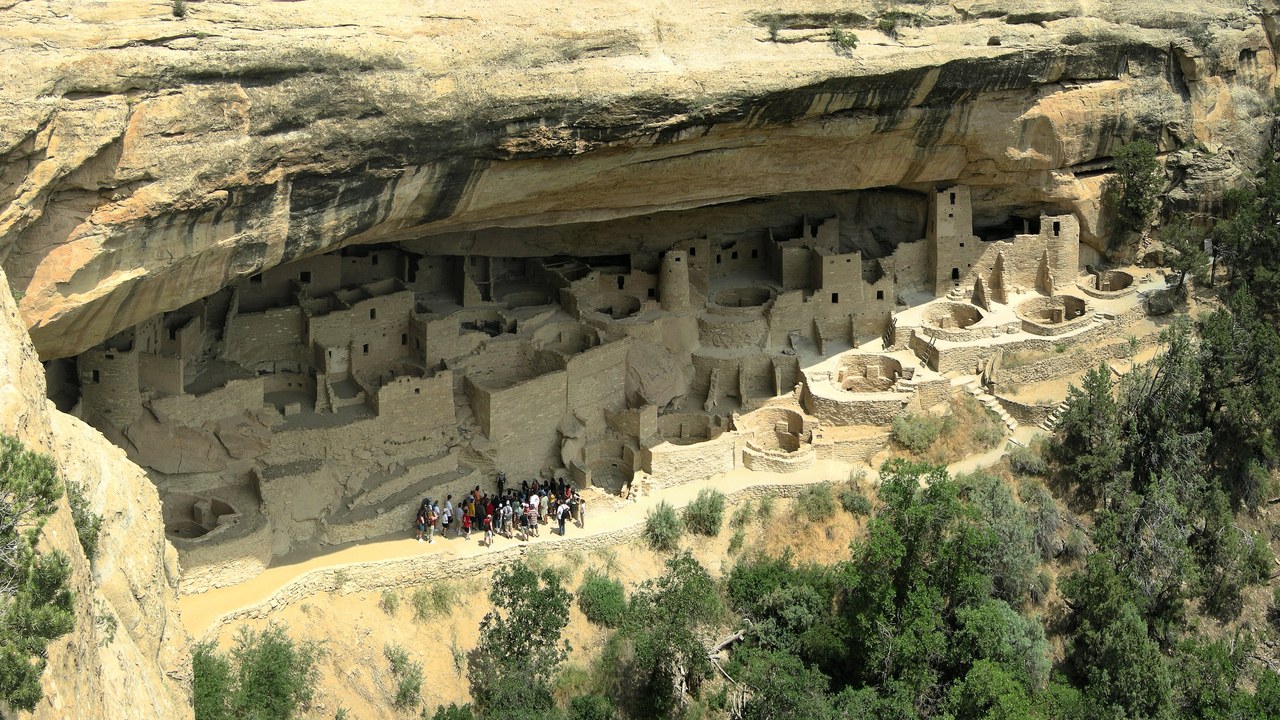
Cliff Palace is the most famous site in Mesa Verde National Park. The National Park Service calls it the largest cliff dwelling in North America, with 150 rooms and 23 kivas that were likely home to more than 100 people.
Despite the name, it was no palace, but a village like any other, except for its size. Ancestral Pueblo people built most of Mesa Verde’s cliff dwellings between 1180 and 1300 CE, among the last structures built in the region before people migrated south.
2. Long House: The Runner-Up
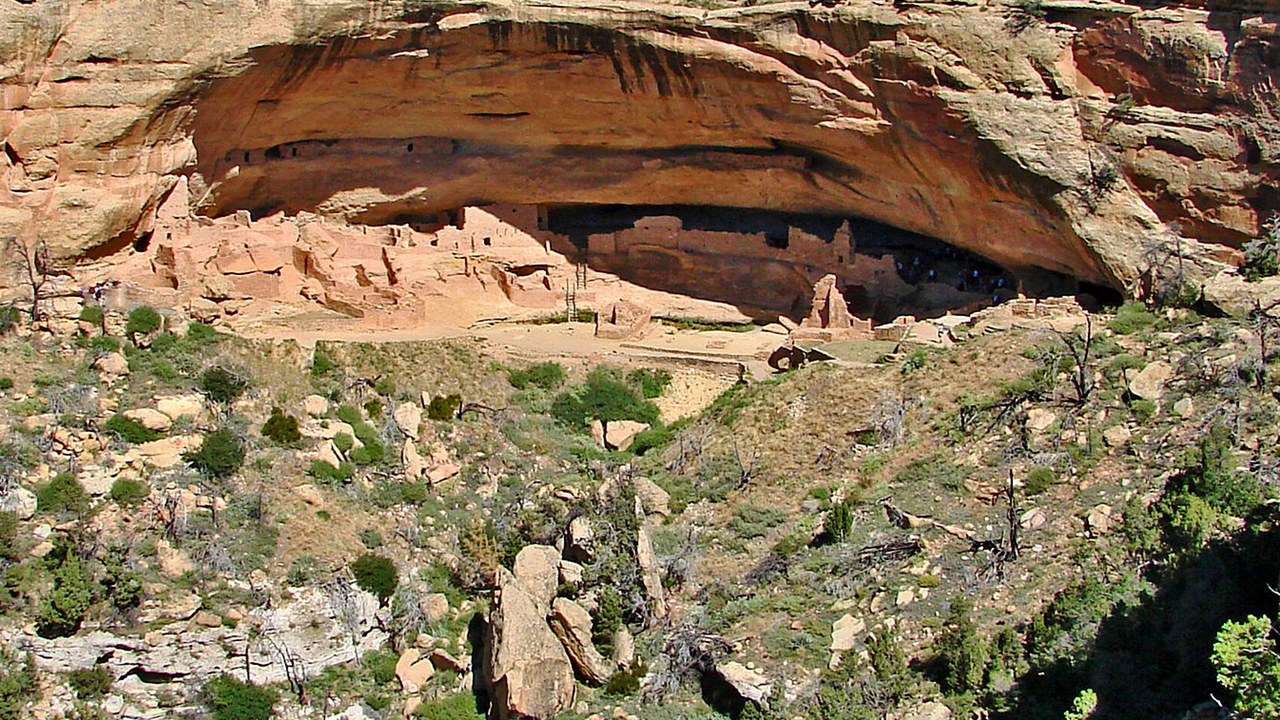
Long House almost spills out of the alcove that holds it, expanding over time as its population grew. It is the second-largest cliff dwelling in Mesa Verde, with 150 rooms, 21 kivas and a large kiva-plaza at its center.
Like other large cliff dwellings, it was home to well over 100 people. Archaeologists think it probably served as a community center for the villages and farms that surrounded it on Wetherill Mesa.
3. Spruce Tree House: Preserved but Off-Limits
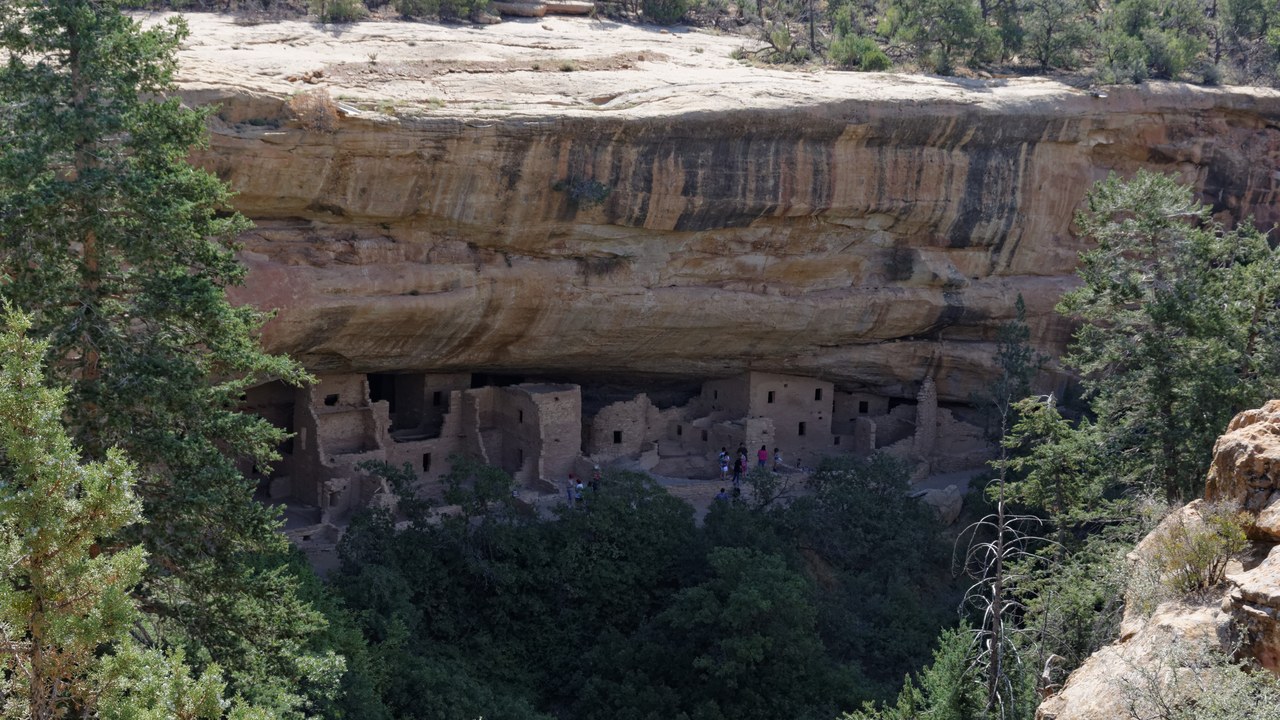
Spruce Tree House is the third-largest cliff dwelling in Mesa Verde and one of the best preserved in the region. Yet, as the park service explains, a rockfall near-miss in 2015 led to its closure until the rock face can be stabilized.
Its name is a historical mix-up. There are no spruces in Mesa Verde, and the village was likely named for Douglas fir trees that were once misidentified as Douglas spruce and still thrive in the cool canyons around it.
4. Balcony House: Balconies That Survived
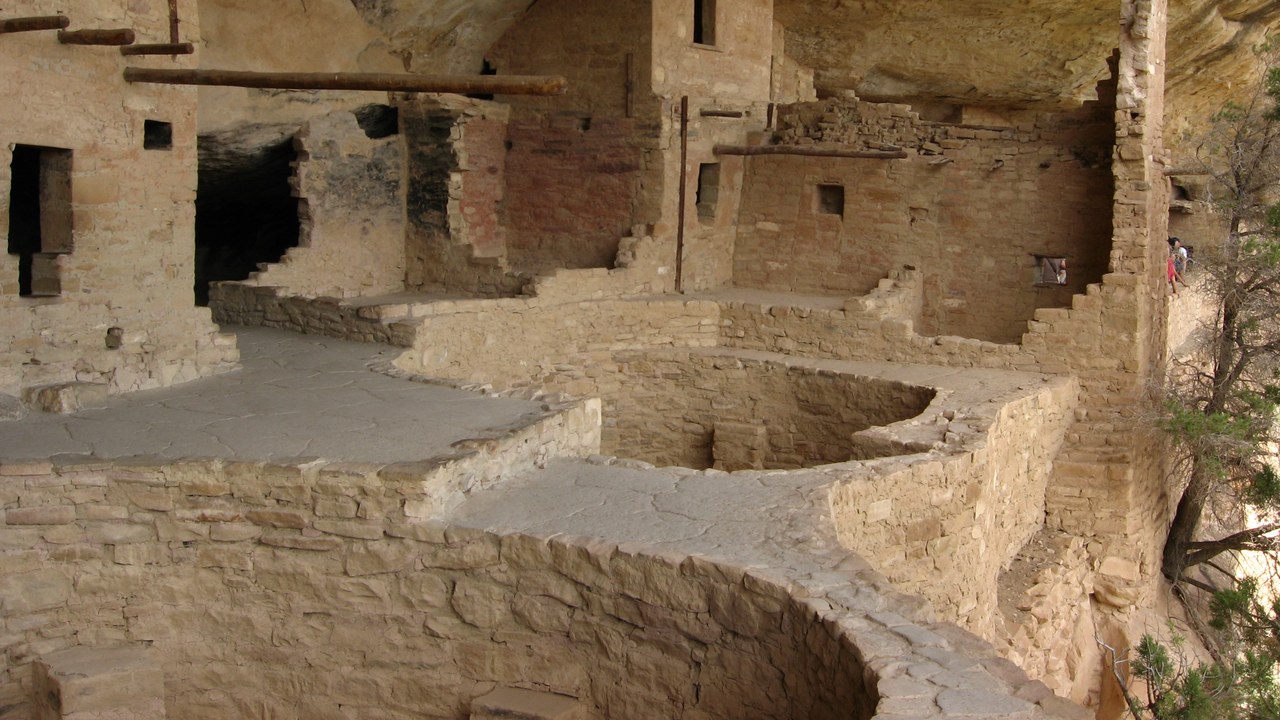
Balcony House is a mid-sized cliff dwelling with 38 rooms and two kivas that would have housed more than 30 people. Its name comes from well-preserved balconies, a common Ancestral Pueblo feature that rarely survived because it was made from plaster and timber.
Two main plazas joined by a narrow passage suggest it may have housed two distinct groups, perhaps extended families. Its alcove faces northeast, making it chilly in winter but close to two springs.
5. Montezuma Castle: A Castle With No Emperor
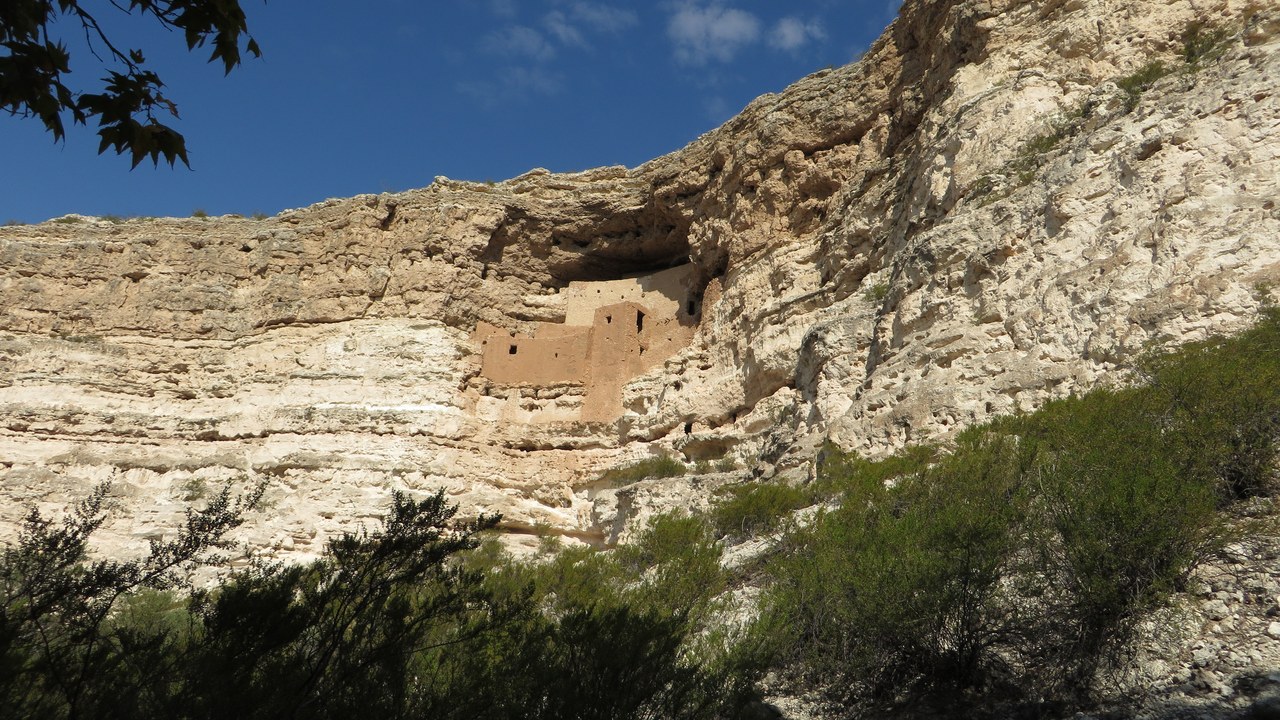
Montezuma Castle in Arizona is one of the best-preserved prehistoric cliff dwellings in North America. On December 8, 1906, President Theodore Roosevelt declared it one of the nation’s first four national monuments under the new Antiquities Act.
Roosevelt called it a place of the greatest ethnological value and scientific interest. Intensive looting had already taken most of its original artifacts, and early visitors reached the ruins by climbing ladders propped against the cliff.
6. Betatakin: Houses on the Cliff
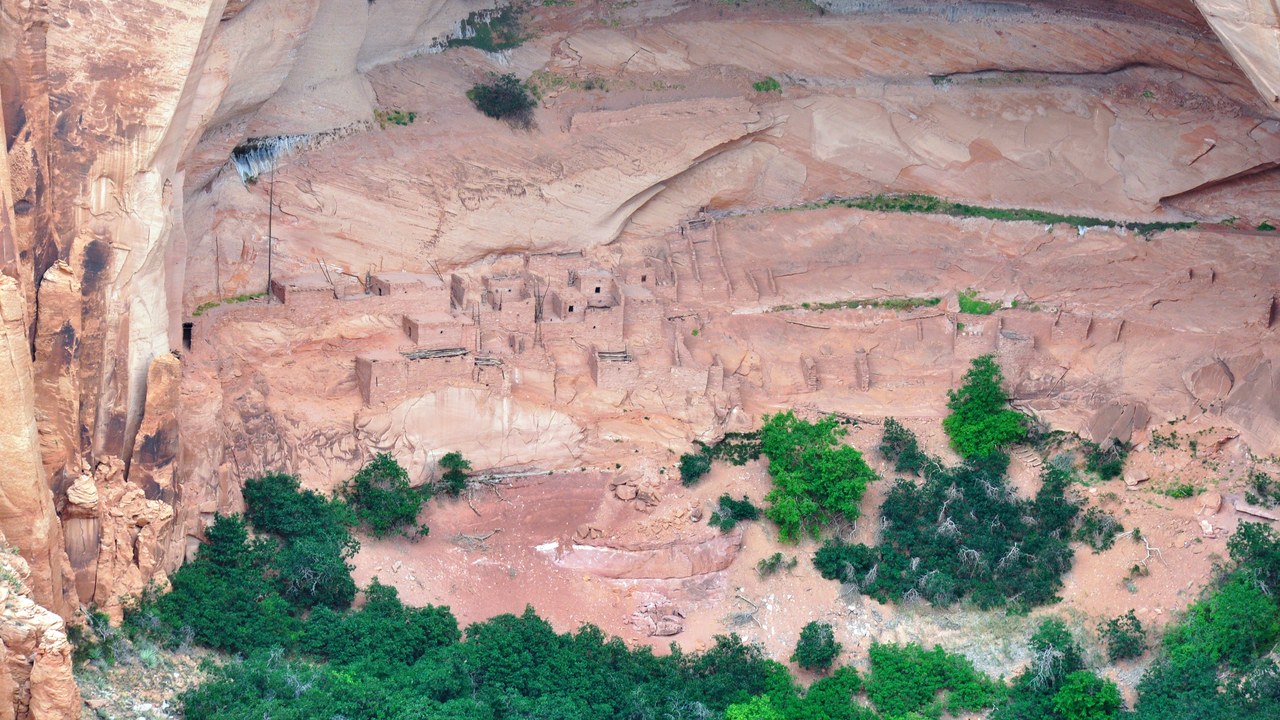
Betatakin sits in a huge alcove in Arizona’s Tsegi Canyon area. Its Navajo name translates to Houses on the Cliff, and Navajo National Monument was created in 1909 to protect it and two other large pueblos from the 13th century CE.
The region’s human story is far older. Archaeological evidence documents people using these canyons over the past several thousand years, beginning with highly mobile hunters and gatherers who followed the seasons.
7. Keet Seel: The Remote Village
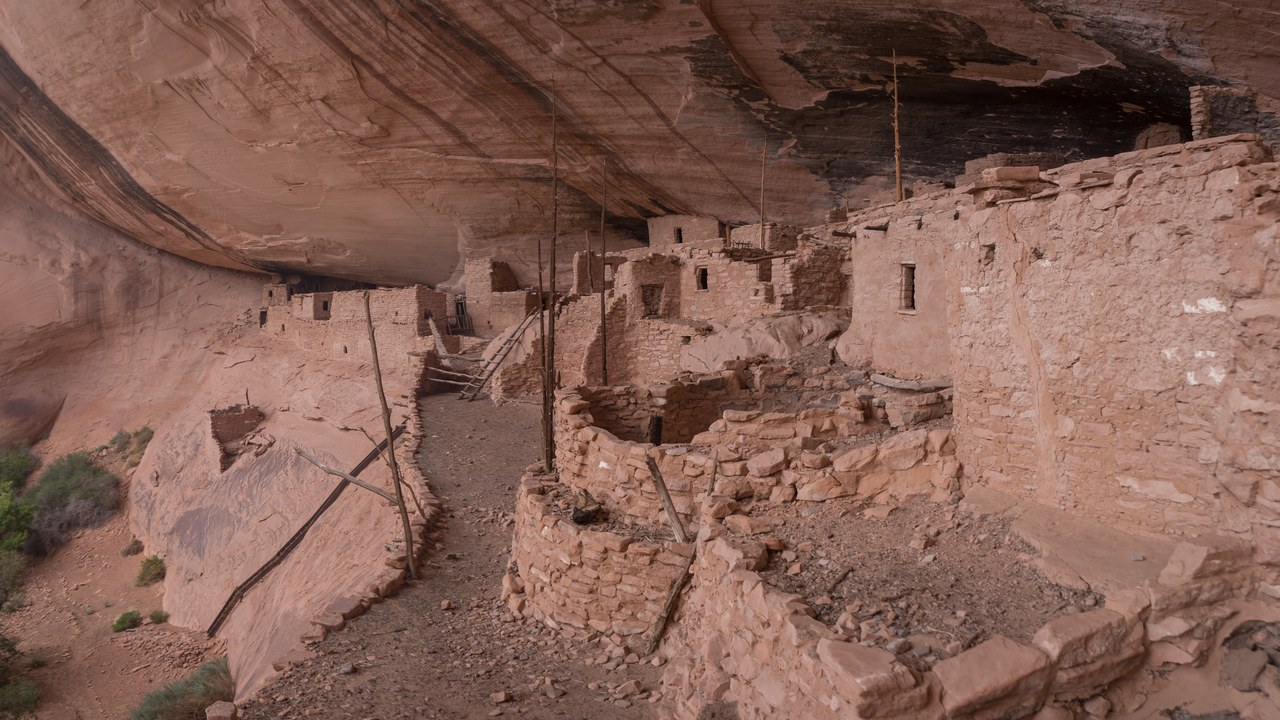
Keet Seel is one of the three large 13th-century pueblos that Navajo National Monument has protected since 1909, along with Betatakin and Inscription House. A white fir log still lies across the entrance of Keet Seel, a detail captured in park photography.
The 1909 designation made it part of one of the earliest national monuments in the Southwest. Archaeological evidence around Keet Seel documents human use of the surrounding canyons over the past several thousand years.
8. Gila Cliff Dwellings: Homes in Five Caves
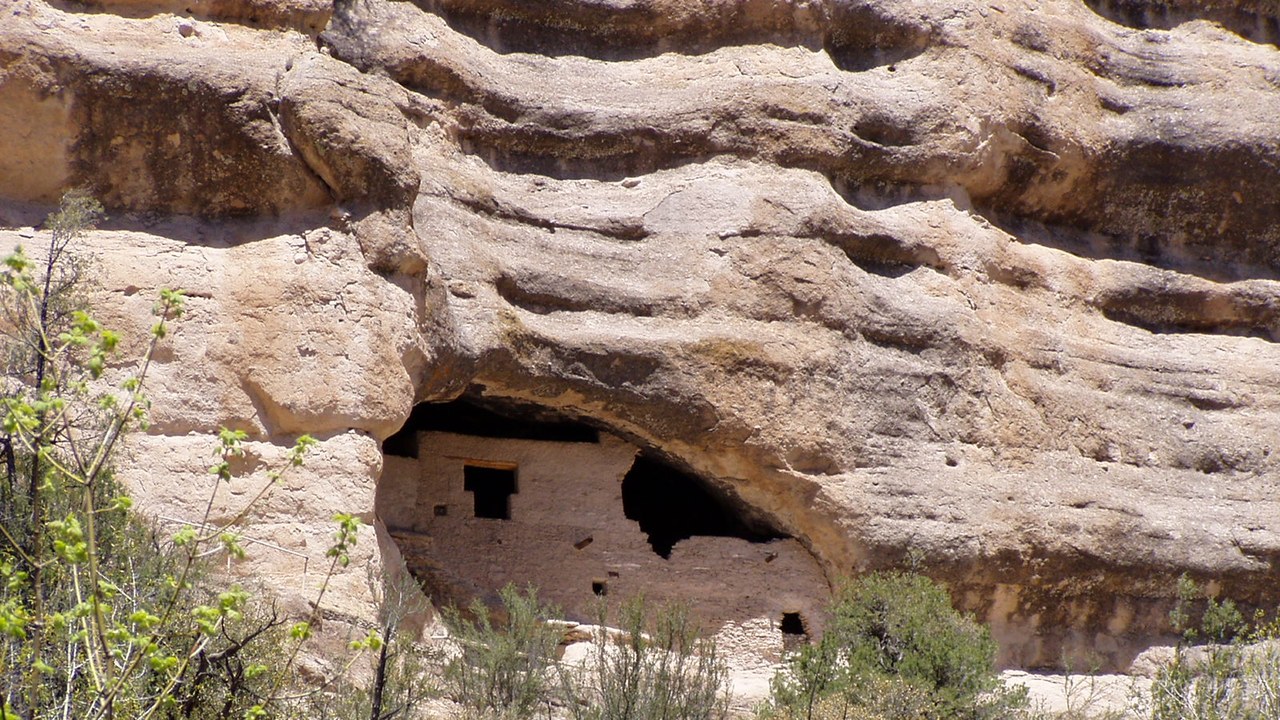
The Gila Cliff Dwellings sit in the Gila Wilderness of southwest New Mexico. The Mogollon people are believed to have lived here from about 1275 into the early 14th century, and archaeologists have identified 46 rooms in five caves.
Those rooms were probably home to 10 to 15 families. President Theodore Roosevelt set aside the 533-acre monument on November 16, 1907, and visitors reach it by driving 45 miles north from Silver City on NM 15.
9. Tonto cliff dwellings: The Salado Strongholds
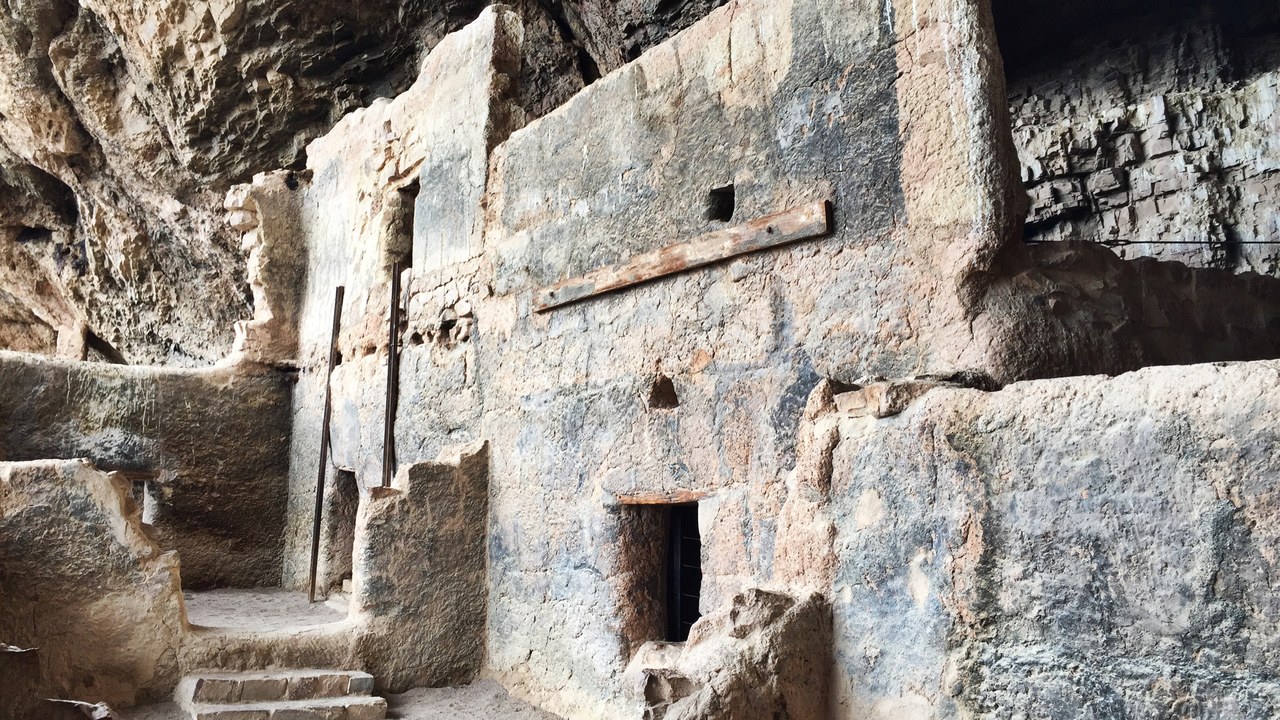
Tonto National Monument in Arizona protects two prehistoric cliff dwellings, known as the Lower and Upper Cliff Dwellings. The park service says the Salado culture that built them left architecture, pottery and textiles of beautiful, complex craftsmanship.
Those artifacts show how much cultural identity and artistic expression mattered to the people of the Tonto Basin. The confluence of the Salt River and Tonto Creek that they knew now lies under Roosevelt Lake.
10. Walnut Canyon: Homes Along a Canyon Rim
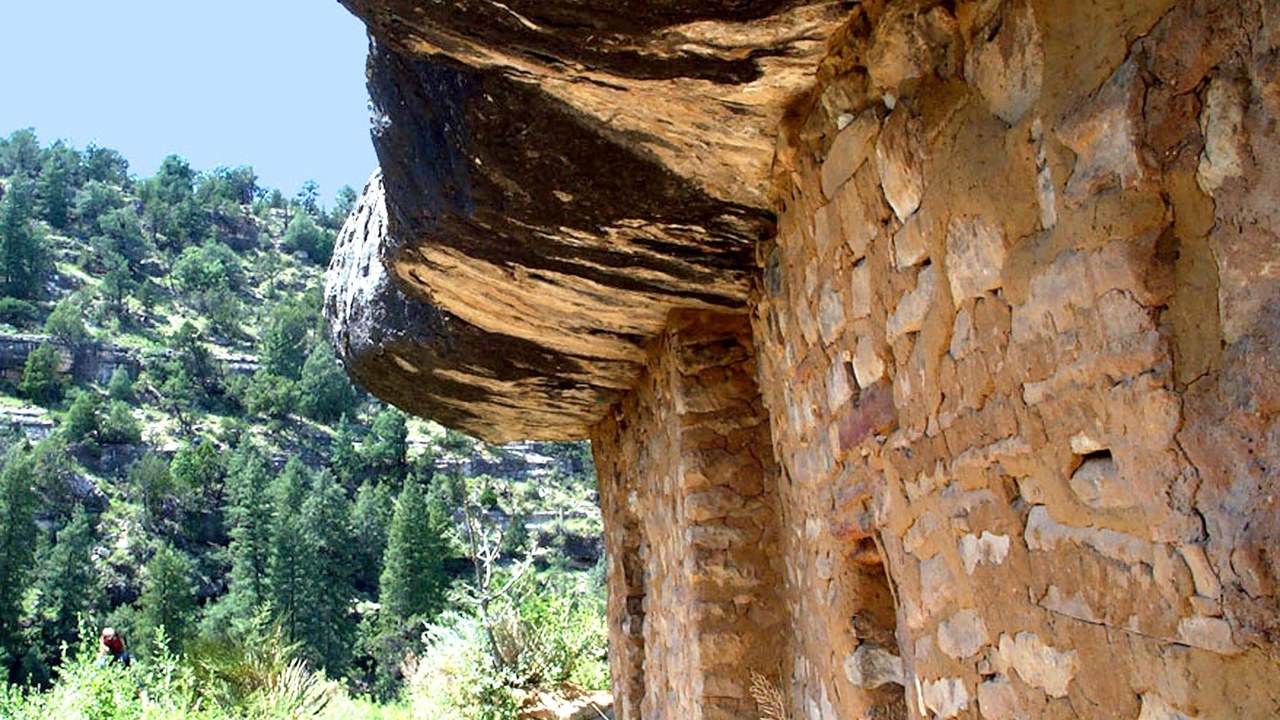
Walnut Canyon, near Flagstaff, Arizona, holds ancient cliff dwellings built into its canyon walls. President Woodrow Wilson established the monument on November 30, 1915 to preserve them.
The Forest Service managed it at first before it moved to the National Park Service in 1934. About 3,600 acres are protected today, and artifacts show that Archaic peoples occupied the canyon at times long before the cliff dwellers.
11. Bandelier: Rooms Carved From Volcanic Rock
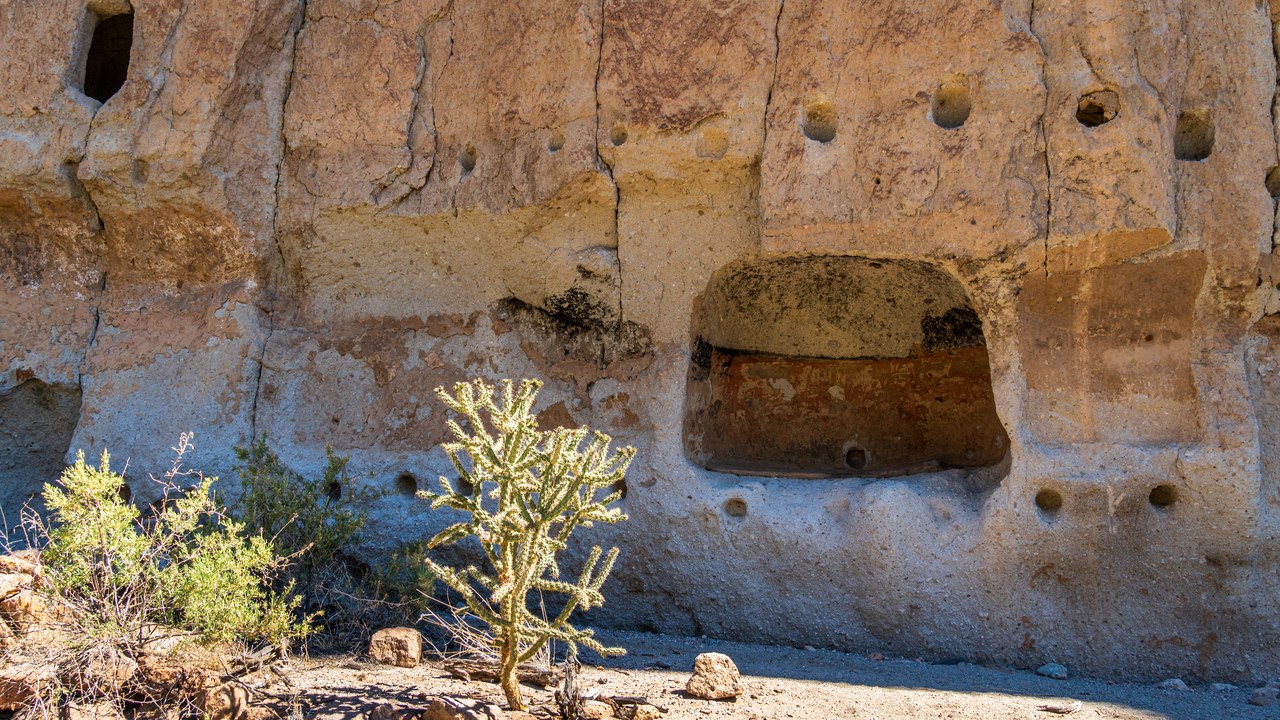
Bandelier National Monument in New Mexico preserves homes of later Ancestral Puebloans, mostly dating between AD 1150 and 1600. Some were built on the canyon floor, while others were cavates carved into the soft volcanic tuff of the canyon wall.
A trail beyond the main loop leads to Alcove House, a shelter cave holding a small reconstructed kiva that hikers can enter by ladder. Over 70 percent of the monument is wilderness.
12. Wupatki: A Cultural Crossroads
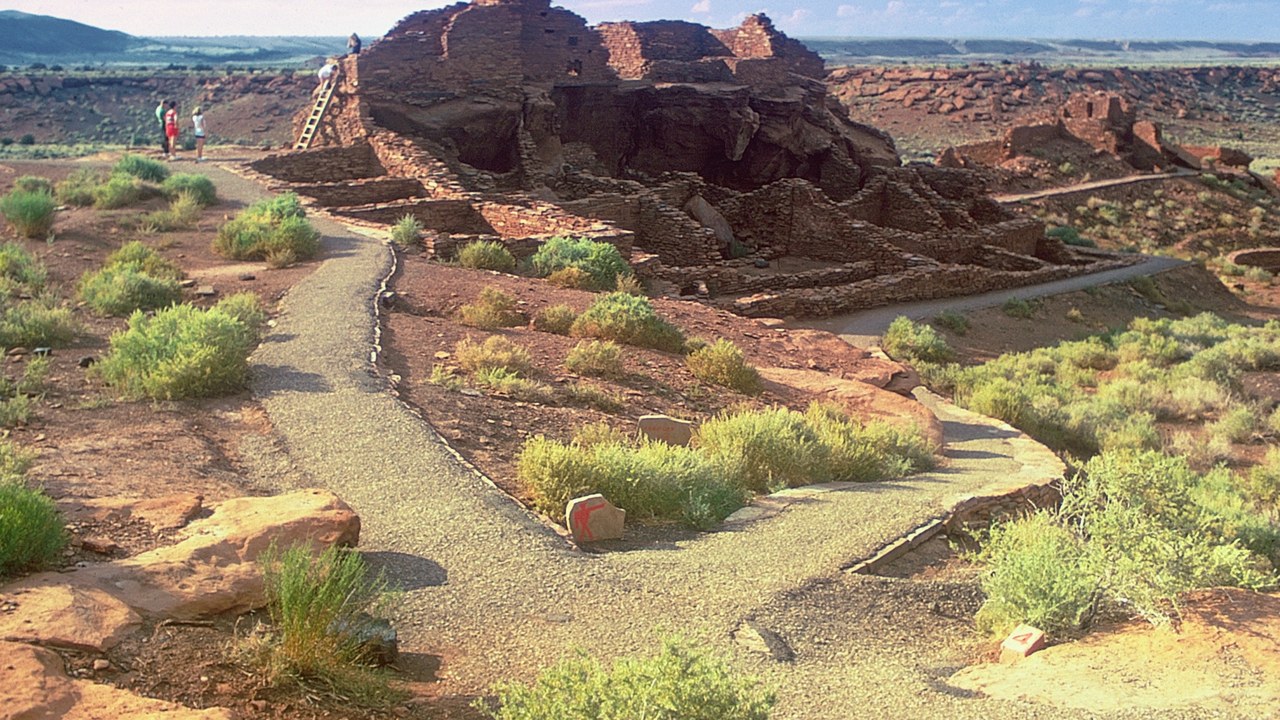
President Calvin Coolidge established Wupatki National Monument on December 9, 1924, to preserve the Citadel and Wupatki pueblos. The park service notes the physical evidence of human history here goes back more than 13,000 years.
Wupatki was a cultural crossroads, home to numerous groups of people over thousands of years. Its boundaries have been adjusted several times and now cover 35,422 acres of northern Arizona.
13. Tuzigoot: A Hilltop Pueblo
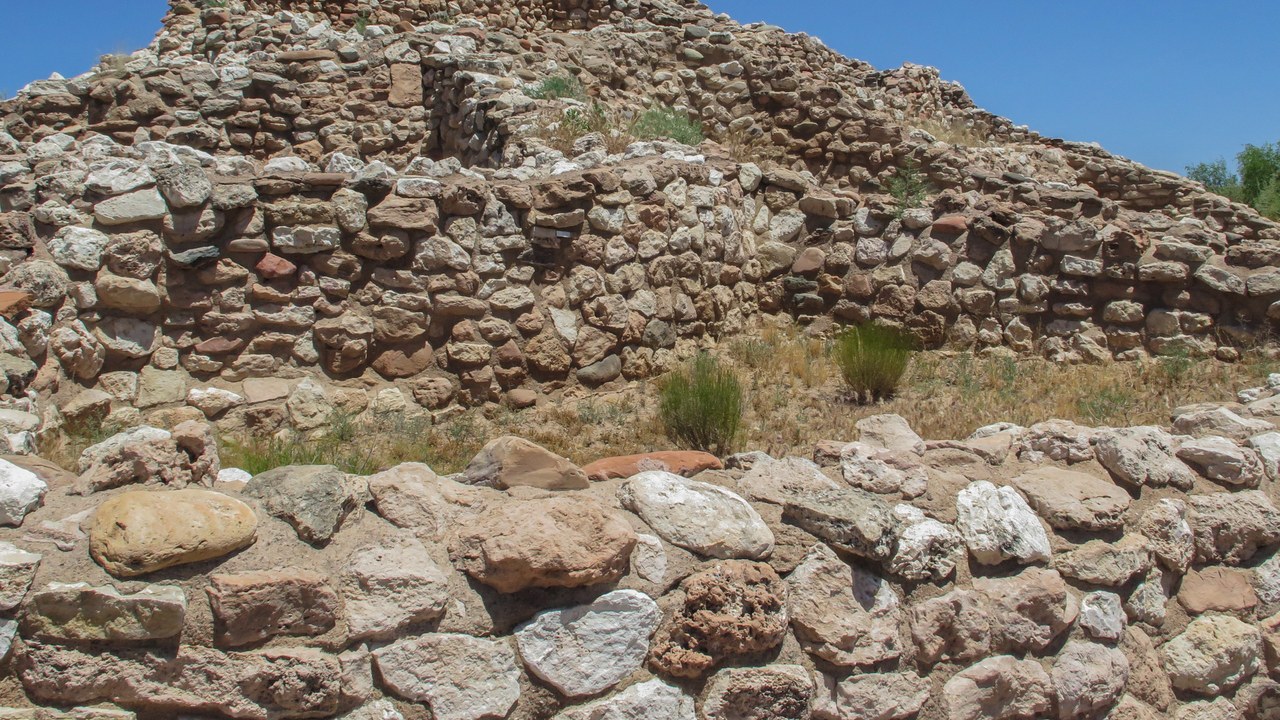
Tuzigoot was a pueblo of more than a hundred rooms, probably home to several hundred people for several hundred years. Its residents were part of a community with trade connections stretching hundreds of miles.
After they left, sometime in the 1300s, the pueblo stood empty until the early 1930s, when American archaeologists excavated it. It became a national monument on July 25, 1939.
14. Hovenweep: The Towers of Hovenweep
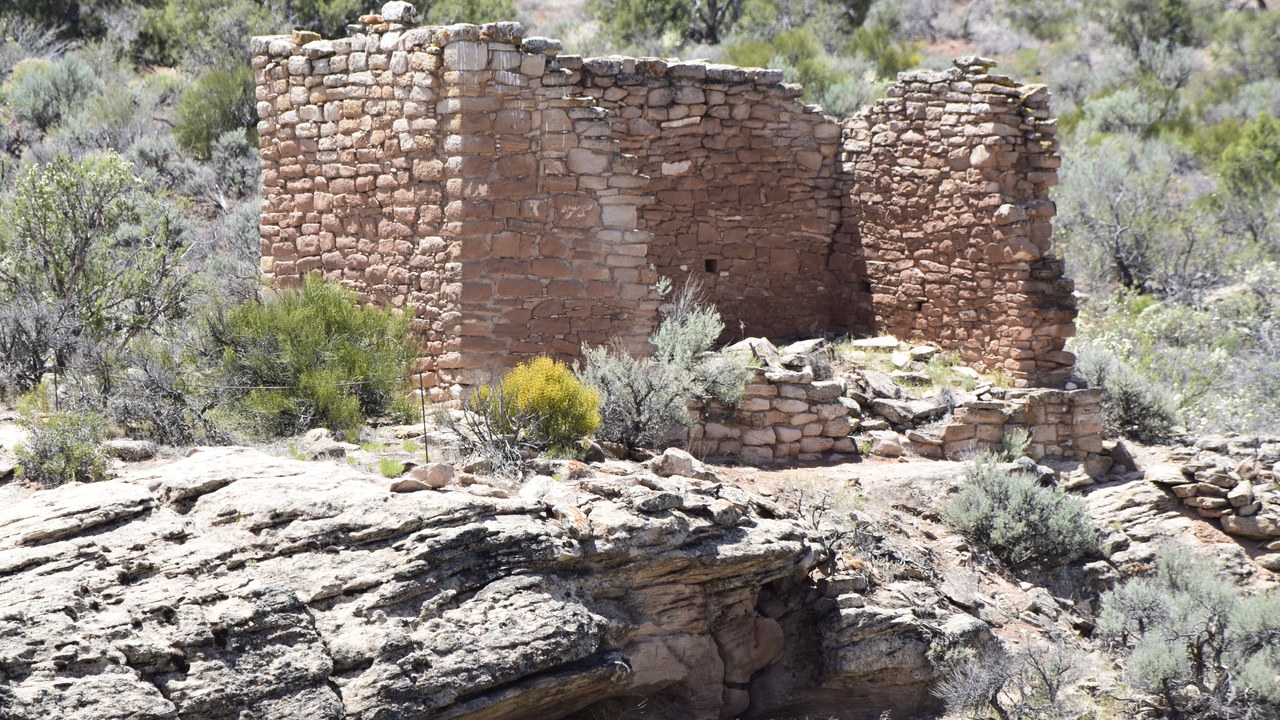
Hovenweep National Monument straddles southwestern Colorado and southeastern Utah. It is best known for six groups of Ancestral Puebloan villages, and evidence shows hunter-gatherers were in the area as early as 8,000 to 6,000 B.C.
Its stone towers were built near kivas and were likely used as lookouts. Sites such as Square Tower and Hovenweep Castle still stand on the canyon rims of Cajon Mesa.
15. Pueblo Bonito: The Heart of Chaco
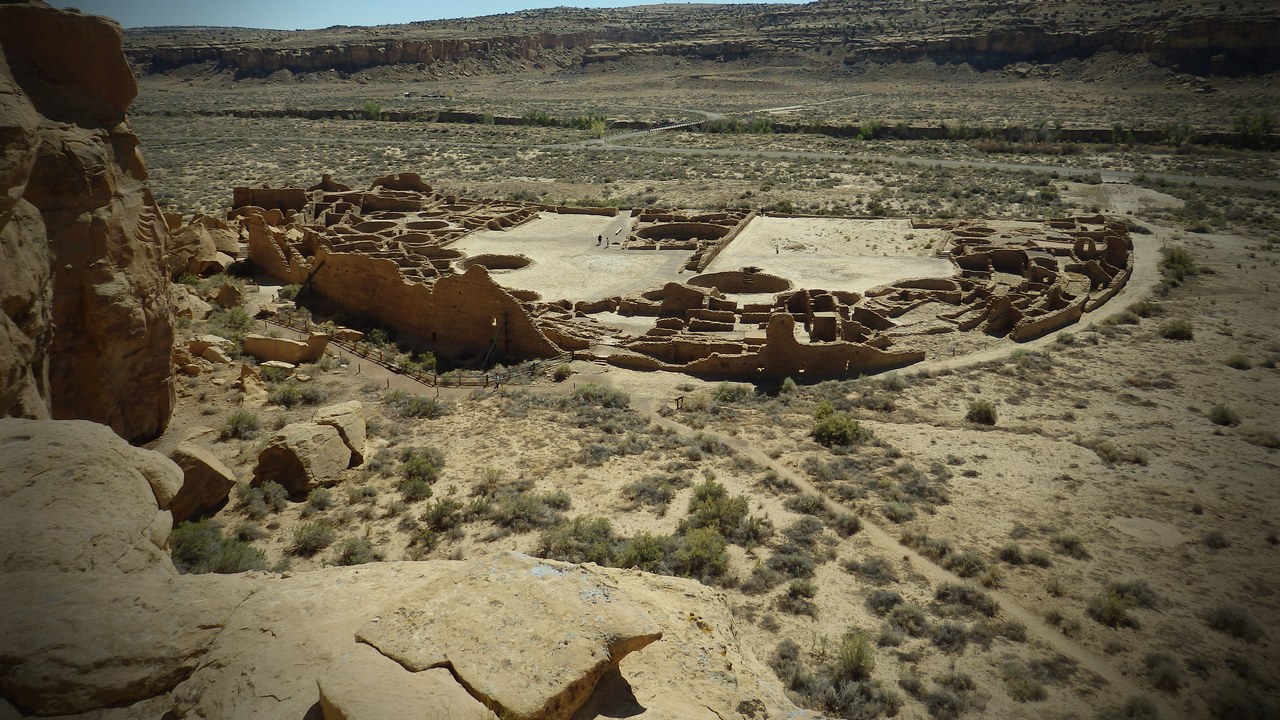
Pueblo Bonito stands in New Mexico’s Chaco Canyon, seen here from the Pueblo Alto trail. The park service describes Chaco as the center of a thriving culture a thousand years ago, despite long winters, short growing seasons and marginal rainfall.
The cultural flowering of the Chacoan people began in the mid-800s and lasted more than 300 years. The monumental scale of its architecture, its far-reaching commerce and its social organization were unlike anything seen before or since.
16. Canyon de Chelly: Homes in the Alcoves
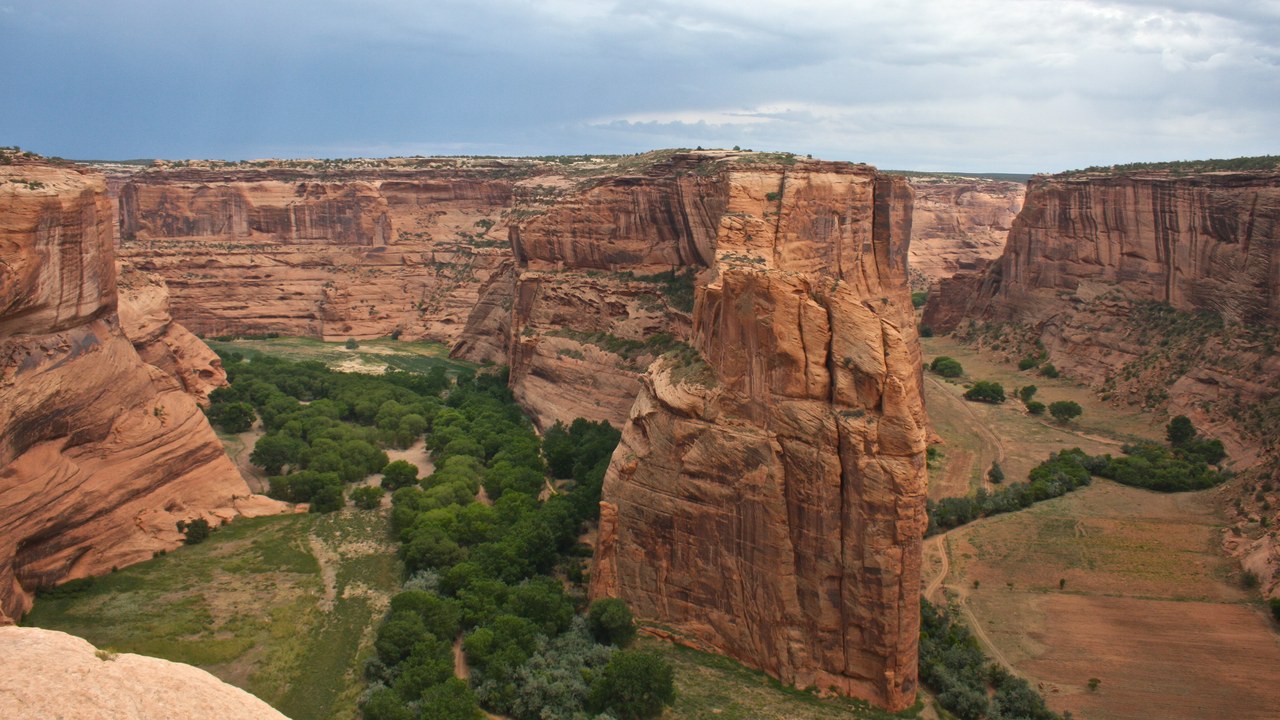
Canyon de Chelly in Arizona was carved by millions of years of uplift and stream cutting. The park service says Ancient Puebloans found the canyons ideal for crops and families, first building pit houses and later homes in alcoves for sunlight and protection.
People thrived there until the mid-1300s, when the Puebloans left the canyons to seek better farmland. Their descendants, the Hopi, later migrated into the canyons to plant fields.
17. Casa Grande: The Great House of the Desert
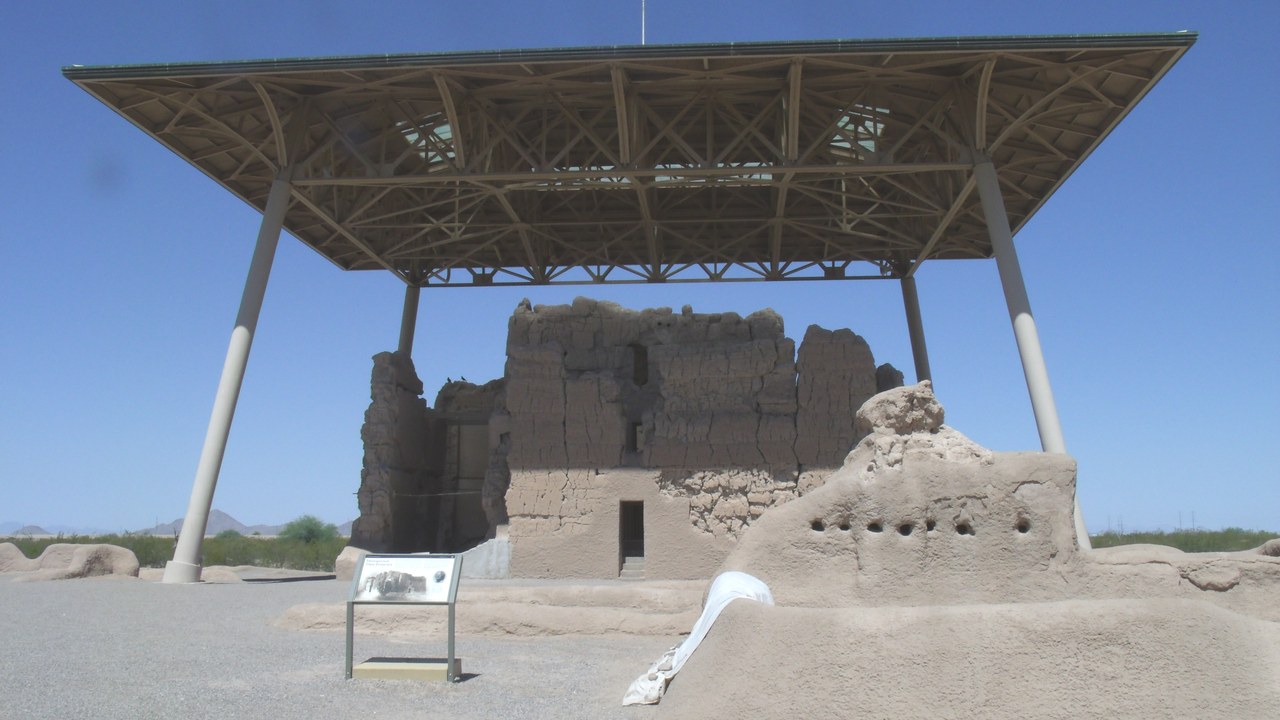
The Casa Grande, or Great House, in Arizona is one of the largest prehistoric structures ever built in North America. The park service notes its purpose remains a mystery, and a protective roof now shelters the earthen walls.
The ancestral Sonoran Desert people who built it also developed wide-scale irrigation farming and trade networks that lasted over a thousand years, until about 1450 C.E.
More from Morning Overview
- Neanderthals in Spain carved a wooden object that matches nothing archaeologists have ever found
- The FAA wants $2.39 million from a flight school it says flew a Cessna about 280 times with an unapproved part
- A $1 billion gas plant planned for Superior, Wisconsin, has been abandoned
- Shaq spent $1.3 million on three Rolls-Royce Phantoms to prove a point to a salesman
