
More than 2,200 years after China’s first emperor was buried, the chamber at the heart of his tomb has never been opened. Scientists who tested the soil and air around the mound found mercury well above normal levels, lending weight to an ancient account of rivers of mercury inside. These eight pictures trace what is known, and why it stays sealed.
Read next on Morning Overview: Over 20 trillion gallons of rain fell on the Four Corners states and Nevada in two weeks
Mausoleum of the First Qin Emperor: A Hill Built to Hide a Palace
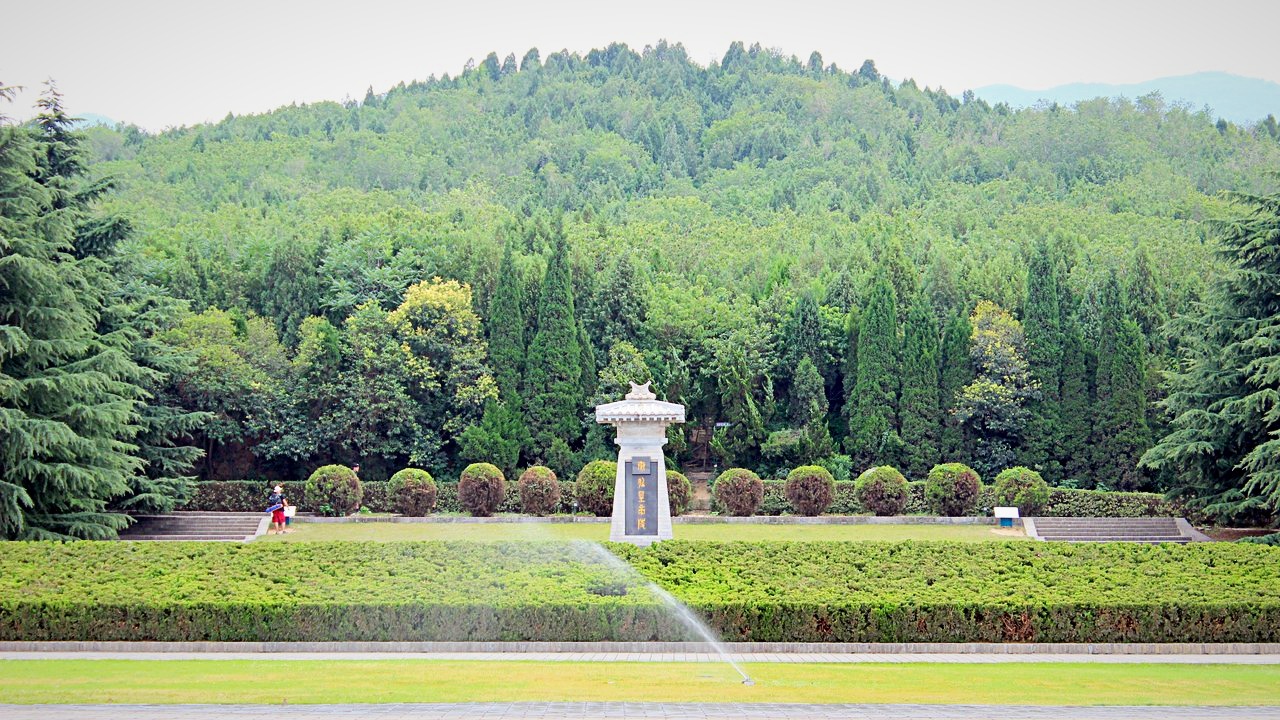
The emperor’s tomb mound rises about 50 meters today from a base of roughly 380 by 330 meters. Radar and gravity surveys described in a 2020 Scientific Reports study put the underground palace at about 140 by 110 by 30 meters, with a central coffin chamber of 80 by 50 by 15 meters whose ceiling sits about 30 meters below the surrounding ground.
Construction ran for 38 years, from 246 BC, when the future emperor became king at 13, until 208 BC, two years after his death. The researchers write that the chamber is understood never to have been opened or looted, and a detailed excavation is postponed until methods exist to protect what is inside from air.
Terracotta Army: Thousands of Faces in Clay
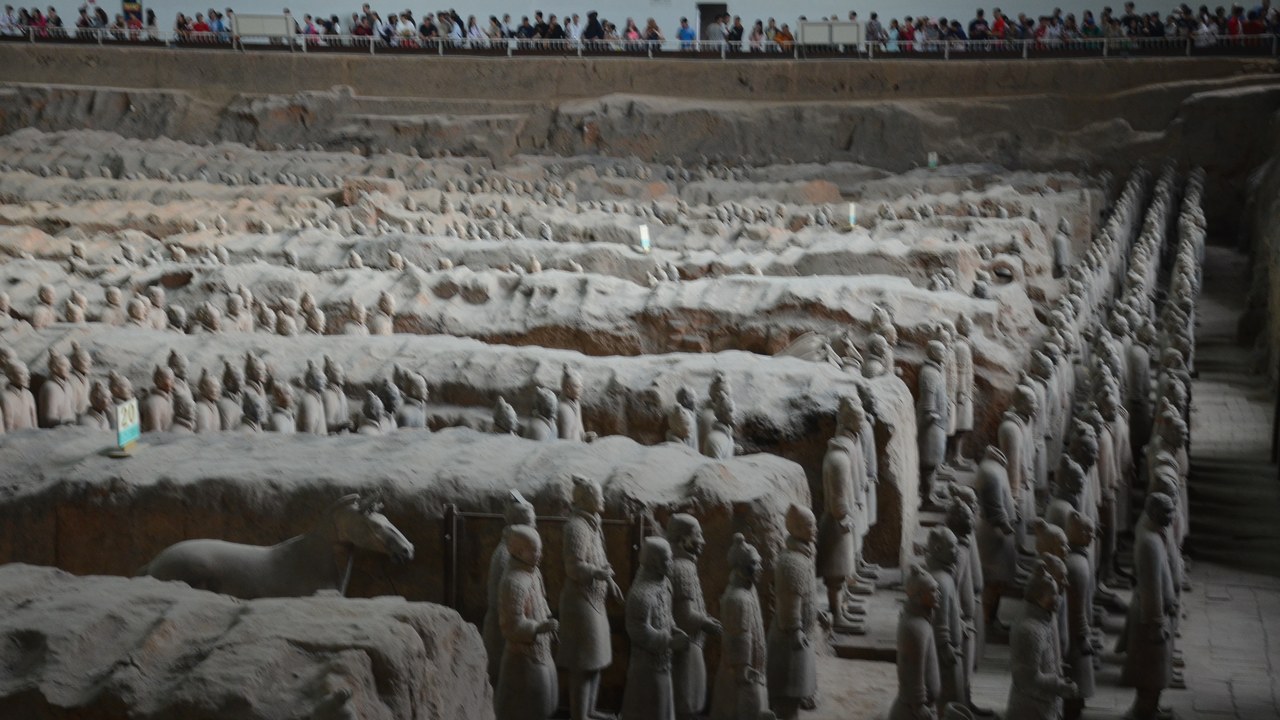
In 1974, workers digging a well outside Xi’an struck what became one of the greatest archaeological discoveries in the world: a life-size clay soldier poised for battle. Government archaeologists sent to the site found not one but thousands of them, each with a unique facial expression and placed according to rank.
The figures are largely gray today, but patches of paint hint at once brightly colored clothes. Excavations have also turned up swords, arrow tips and other weapons, many in pristine condition. The army was made to accompany the first emperor into the afterlife, standing guard over a tomb that has never been entered.
Terracotta Army pits: Corridors Dug for an Army
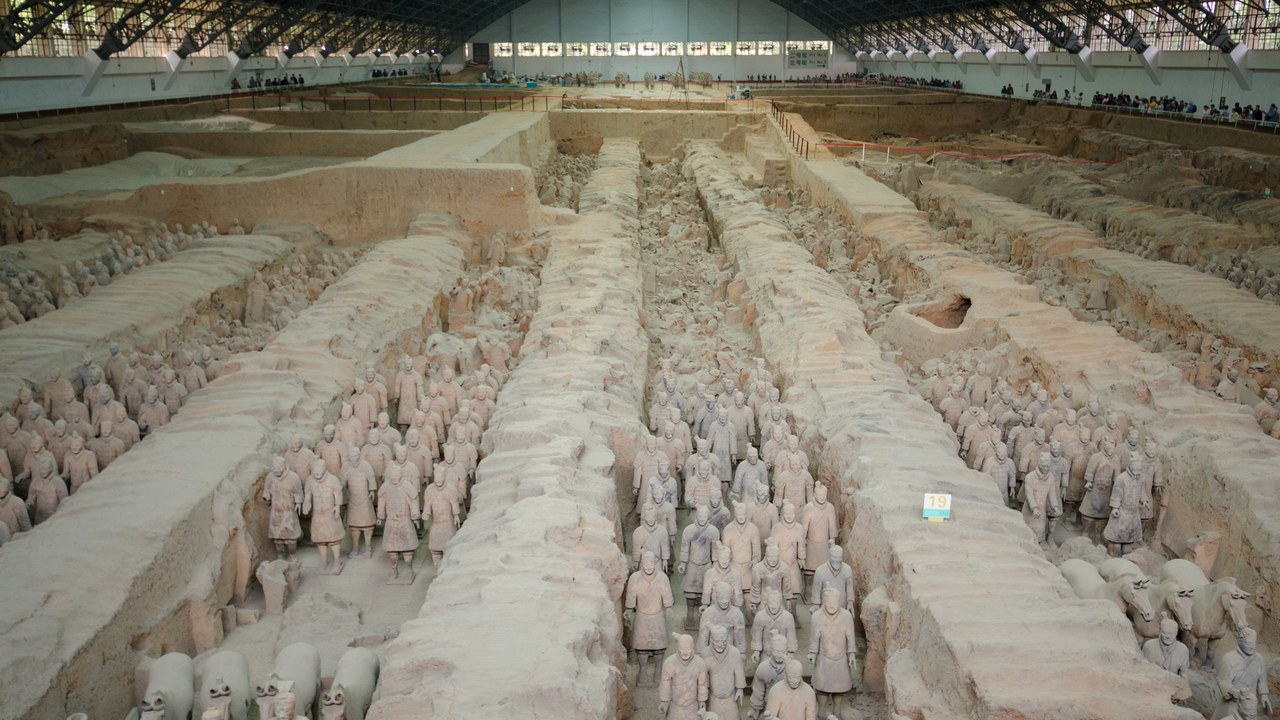
The soldiers stand in trench-like underground corridors, and in some of them clay horses line up four abreast with wooden chariots behind. Four pits have been partially excavated so far. Three hold soldiers, horse-drawn chariots and weapons, while the fourth is empty, evidence that the work was never finished.
Archaeologists estimate the pits may contain as many as 8,000 figures, though the true total may never be known. Test pits dug around the tomb have revealed something very different from the ranks of warriors: figures of dancers, musicians and acrobats caught in mid-performance.
Lintong District: Measuring Mercury in the Air
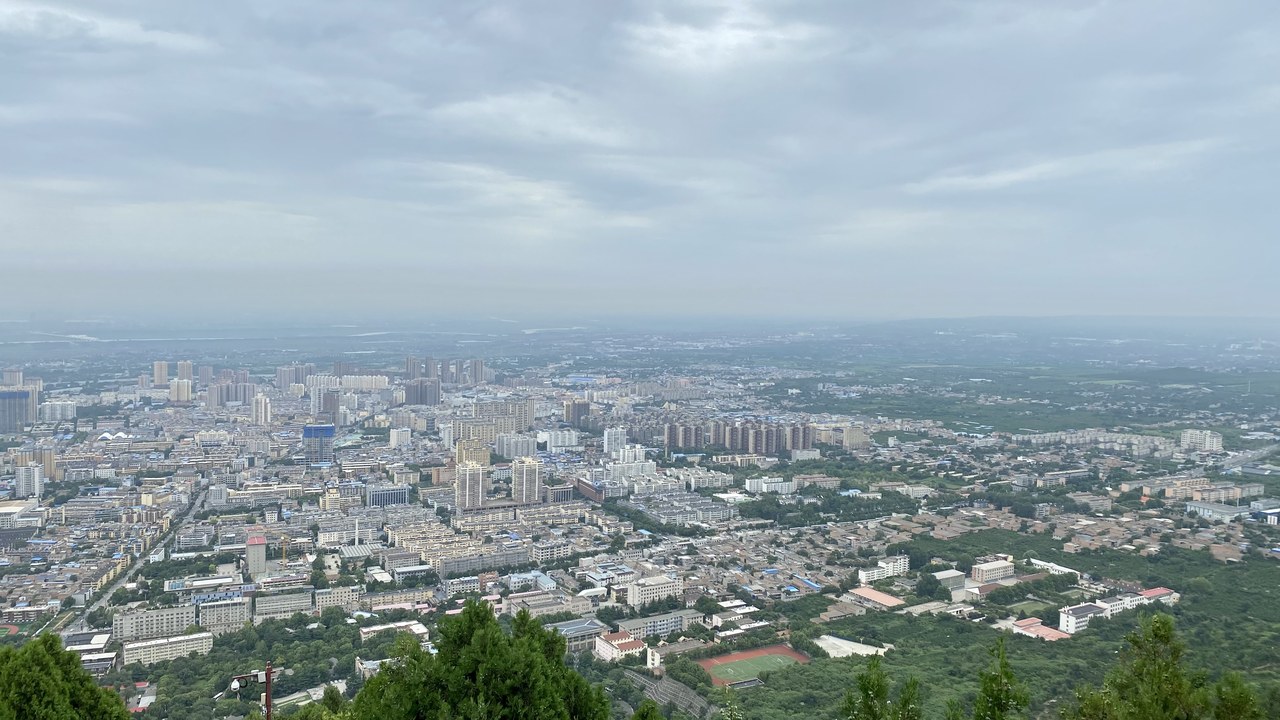
The tomb sits in Lintong, about 30 kilometers northeast of present-day Xi’an. Between July 24 and August 12, 2016, a team used a truck-mounted laser system to scan the air just above the mound, which is mostly planted with pomegranate trees, from three positions around the site.
They recorded mercury of up to about 27 nanograms per cubic meter over the slopes, against a local background of roughly 5 to 10. The hot spots matched places where earlier soil sampling had found mercury of up to 1,440 and 2,204 parts per billion. The authors concluded that mercury is likely escaping through cracks that formed in the tomb over time.
Xi’an: An Ancient Account of Quicksilver Rivers
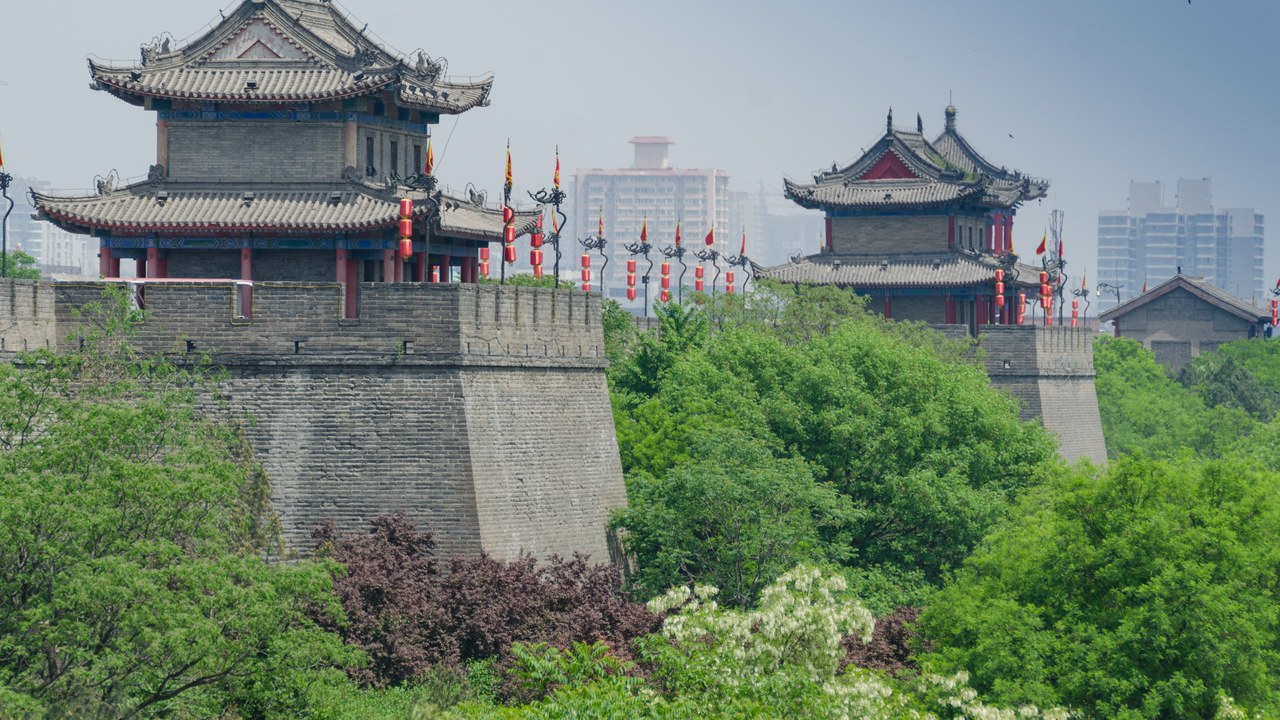
The court historian Sima Qian, writing in the following Han dynasty, described a tomb filled with models of palaces, pavilions and offices, along with fine vessels, precious stones and rarities. His account says the chamber held replicas of the region’s rivers and streams made with mercury, flowing to a sea through hills and mountains of bronze.
Pearls and other gems were said to stand for the sun, the moon and the stars. For centuries that sounded like legend, but modern tests on the mound have revealed unusually high concentrations of mercury, lending credence to at least part of the story.
Qin Shi Huang: The Ruler Who Sought an Elixir
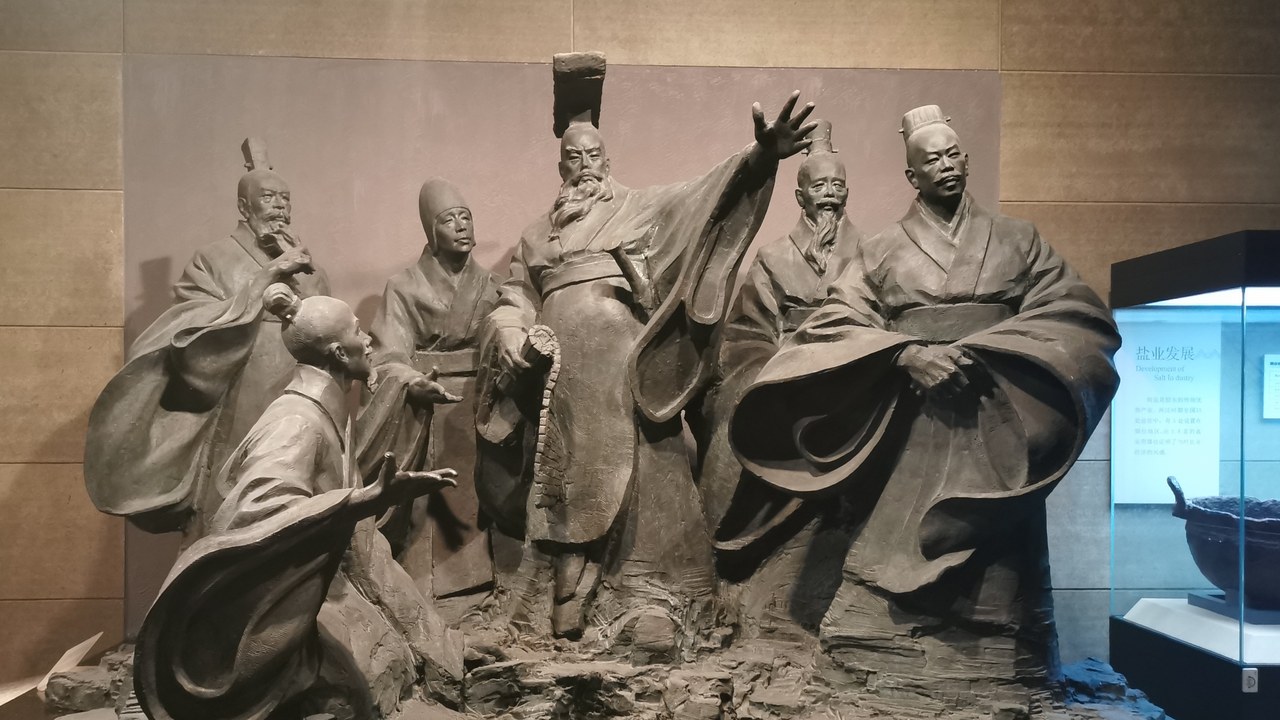
Qin Shi Huang unified China and ruled from 221 to 210 BC. According to the historian Sima Qian, some 700,000 workers built the mausoleum and its surroundings, and the tomb chamber held large amounts of liquid mercury, thought to form rivers and lakes on a map of China.
At the time, mercury was considered an elixir of life, and the researchers note that the emperor’s death was probably caused by mercury poisoning. Their working estimate was that 100 tons or more of mercury may have gone into the chamber. A crude calculation from their air readings suggests about a ton could have leaked out over the centuries.
Ground-penetrating radar: Seeing Inside Without Digging
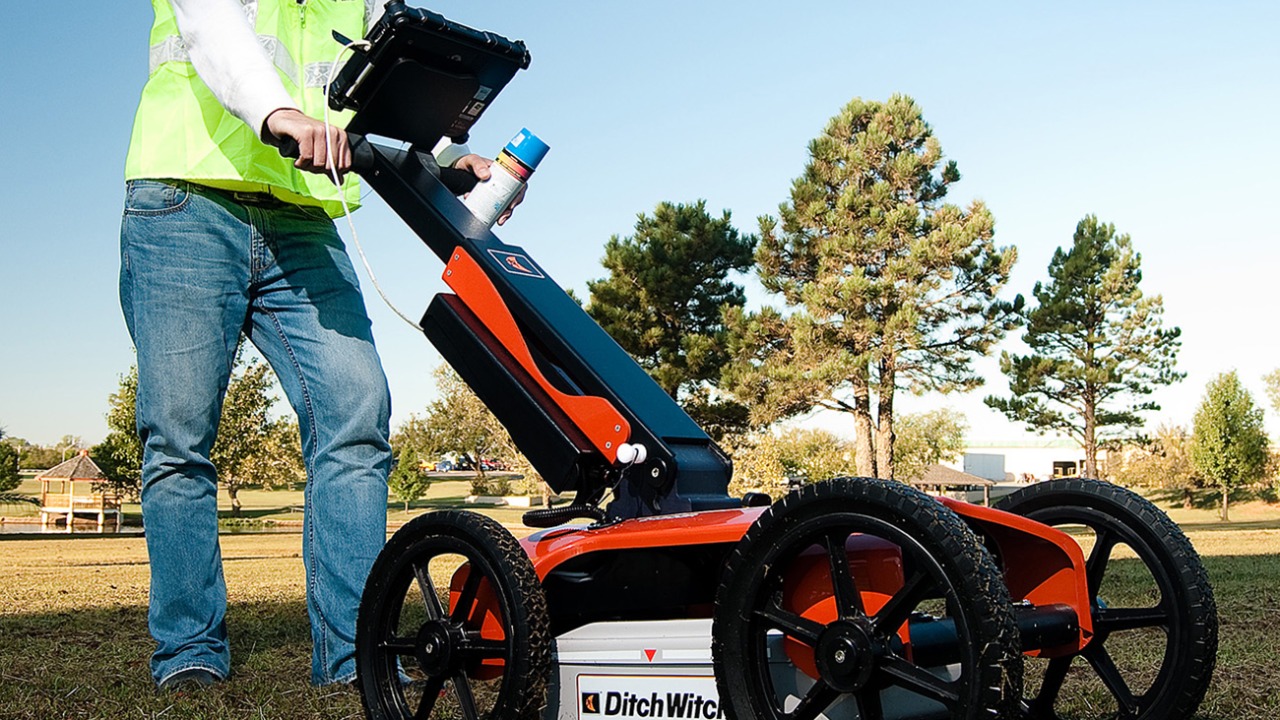
Rather than dig, archaeologists have turned to instruments. Ground-penetrating radar has revealed large cavities and complex internal structures consistent with a multi-level chamber, while studies of the soil near the burial mound have detected unusually high mercury.
The wider complex took roughly 38 years to build and was modeled on Xianyang, the Qin dynasty’s former capital. UNESCO estimates it covers about 56.25 square kilometers, an area comparable to a medium-sized city. Sima Qian also wrote that the tomb may hold automatic crossbows, a claim no one has been able to test.
Terracotta Warrior: Why the Tomb Stays Shut
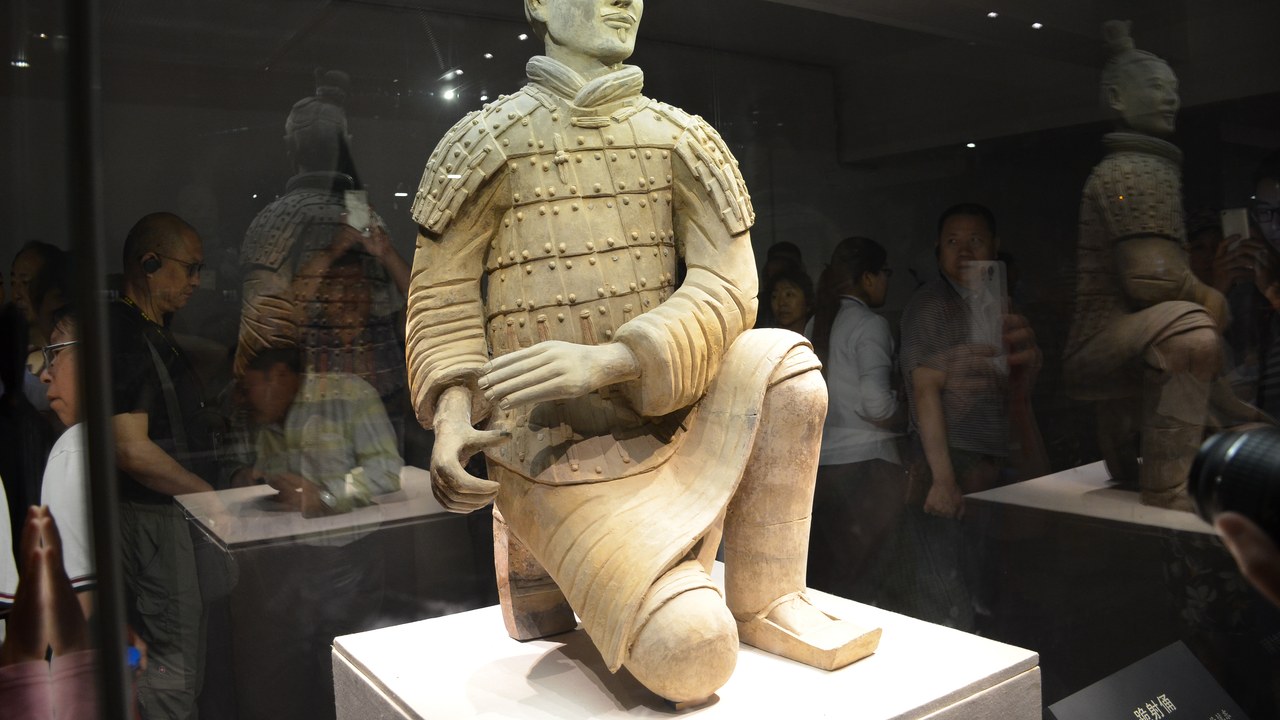
The terracotta figures carry a warning. When the army was exposed in the 1970s, its bright pigments faded within minutes of contact with air, and experts fear that opening the tomb could cause similar irreversible damage that current technology cannot prevent. China’s heritage authority follows a strict rule that excavation should not go ahead unless preservation can be guaranteed.
Health risks add to the caution, since mercury vapor has already been detected at the surface. For now, Chinese authorities and archaeologists have chosen patience, gathering information with non-invasive tools while they wait for better preservation methods.
More from Morning Overview
- The FAA wants $2.39 million from a flight school it says flew a Cessna about 280 times with an unapproved part
- A $1 billion gas plant planned for Superior, Wisconsin, has been abandoned
- Shaq spent $1.3 million on three Rolls-Royce Phantoms to prove a point to a salesman
- The Justice Department asked courts to undo approvals for three offshore wind farms, one already making power
