
Before the 1950s, Detroit built big, soft cruisers and had little interest in small, open two-seaters. Then returning servicemen and a wave of imports from Britain, Germany and Italy taught American drivers what a sports car could be. Here are eighteen British and European sports cars that won over America, from the little MG TC to the Triumph TR6.
Read next on Morning Overview: Arizona’s governor declared a statewide emergency after Flagstaff logged its wettest Nov. 1 on record
1. MG TC: The Car That Started It All
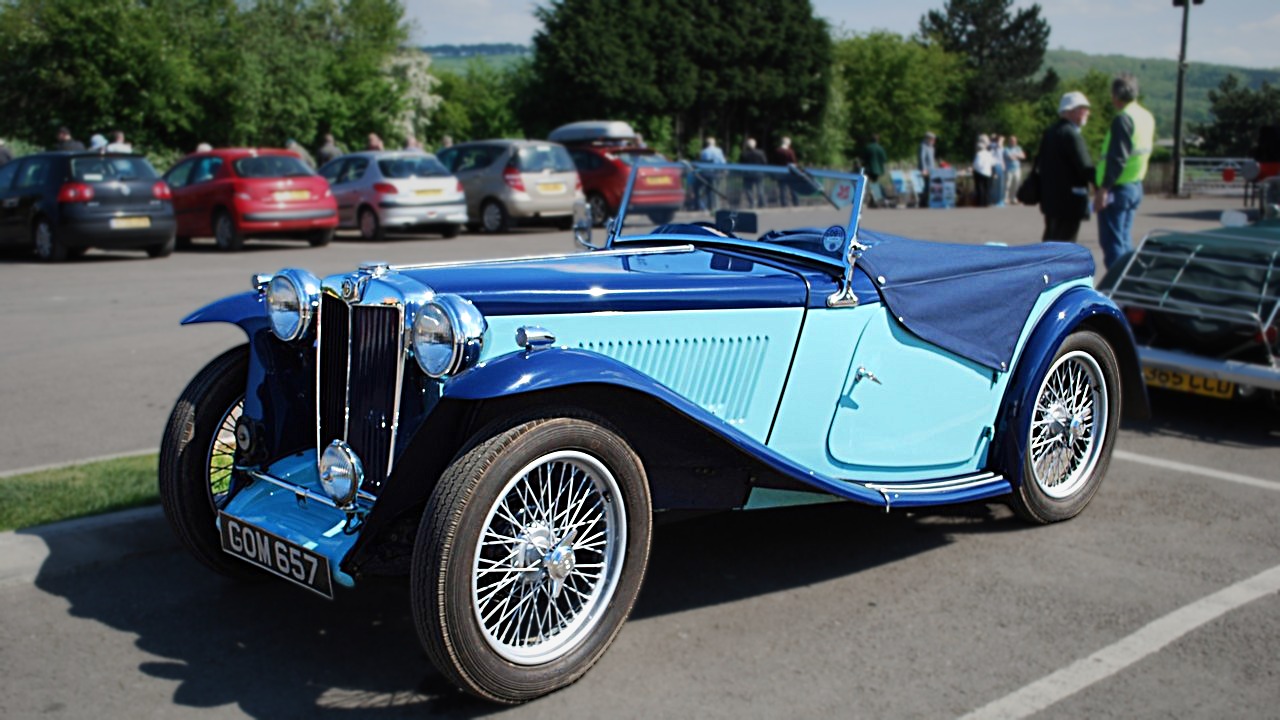
In October 1948, what is widely considered the first postwar road race on American soil was held on the streets of Watkins Glen, New York. Classic Car Hub notes that the cars dominating the sporting classes were MG TCs, brought home by servicemen who had met them during the war.
Those veterans bought MGs, talked about them and raced them, building a market out of enthusiasm alone. The TC taught a generation that a car could be something to drive rather than merely steer.
2. Jaguar XK120: The Fastest Car in the World
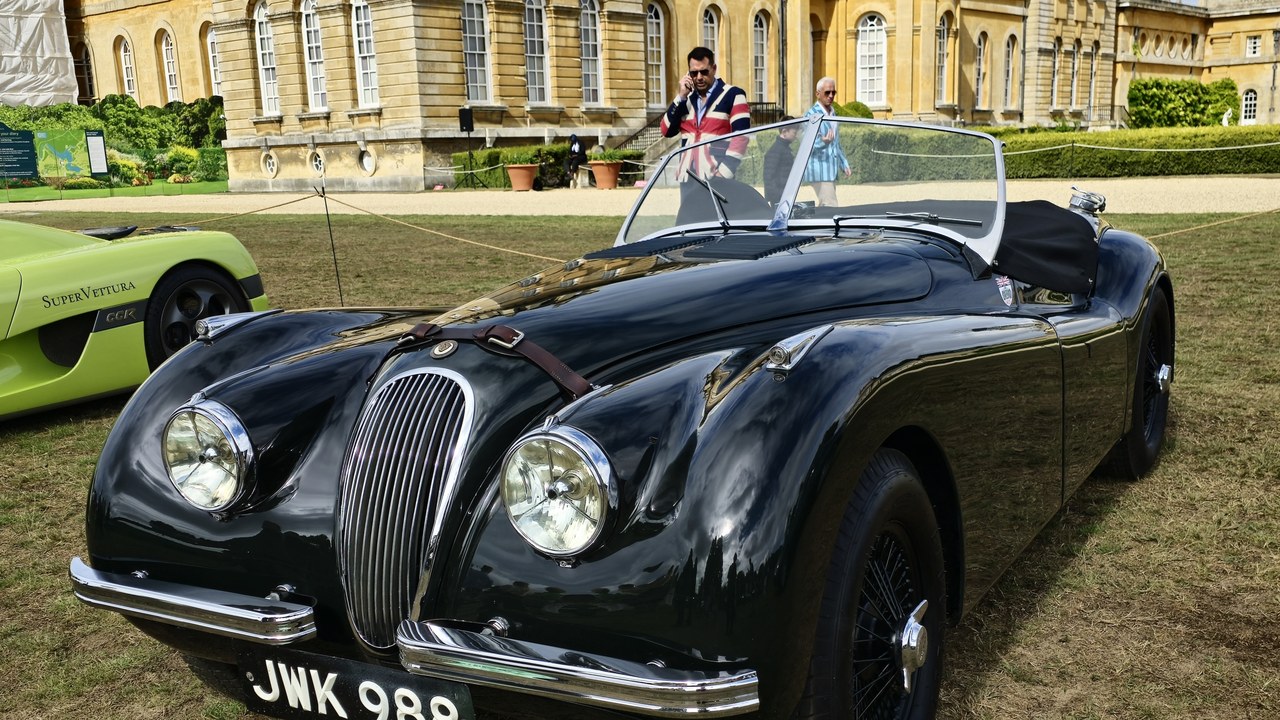
The Jaguar XK120 was built between 1948 and 1954 and was Jaguar’s first sports car since 1939. It was launched at the 1948 London Motor Show as a showcase for the new XK engine, and it caused a sensation that persuaded founder William Lyons to put it into production.
It was the fastest production car in the world at its debut. The very first production XK120 was originally owned by Hollywood star Clark Gable, and the model later grew into the XK140 and XK150.
3. Austin-Healey 100: Fast and Affordable at Last
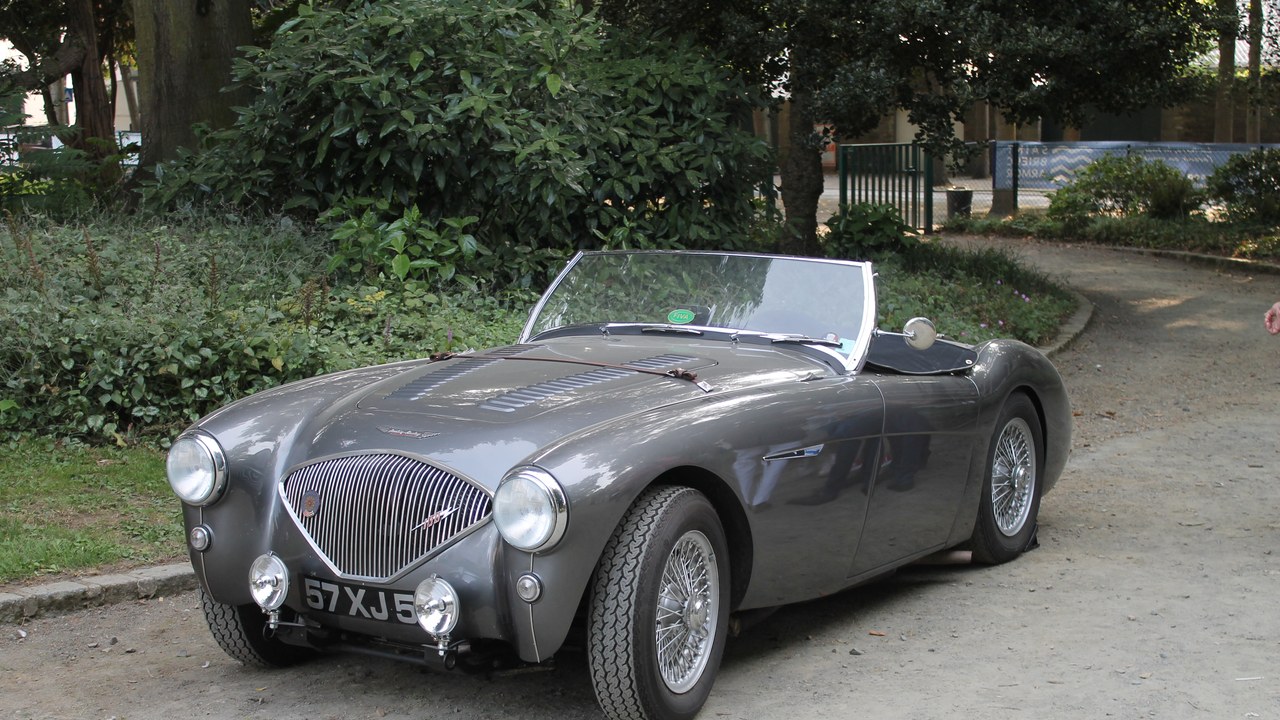
When the Austin-Healey 100 first appeared at the Earls Court show, its handsome styling and 100 mph top speed were revelatory, according to Moss Motoring. Until then, buyers assumed a sports car could be cheap like the MG TC or fast like the XK120, but not both.
Classic Car Hub adds that the car was conceived partly with America in mind. Donald Healey sketched its first layout on a transatlantic liner after a chance conversation with a Nash executive about what American buyers wanted.
4. Triumph TR3: The English Bulldog
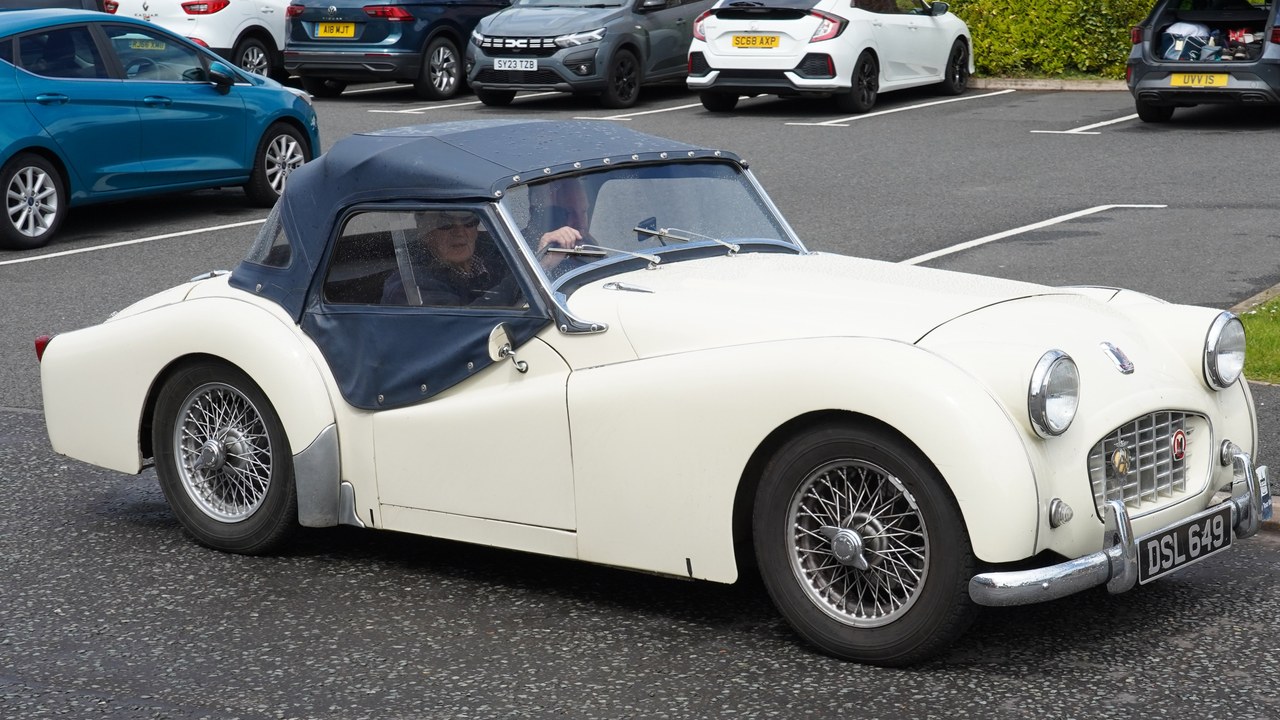
When the TR3’s predecessor, the TR2, made its debut, road testers compared its acceleration to a rocket ship. Moss Motoring points out that the Triumph matched the Healey 100 with less than 2 liters instead of 2.7, at a much lower price.
That price gap shifted the affordable performance crown to Coventry for years. The TR3, offered with a small or wide grille, was durable and rugged rather than pretty, and Moss Motoring calls it the quintessential English bulldog.
5. MG MGA: A Clean Break for MG
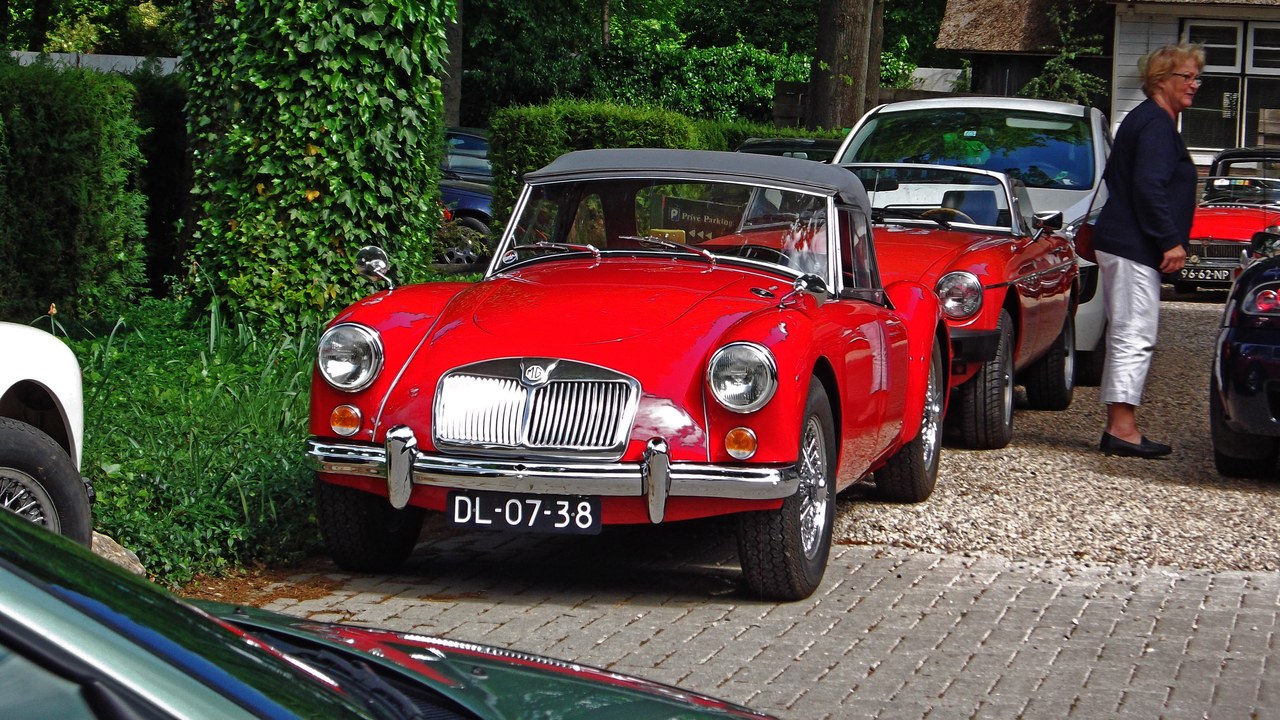
The MGA was produced from 1955 until 1962 and represented a complete styling break from the upright MG sports cars before it. Its streamlined body traded the old separate fenders and running boards for smooth envelope styling.
The design traced back to a 1951 body built for a Le Mans racing MG. A total of 101,476 were made, and the vast majority were exported, with only 5,869 sold on the British home market.
6. Porsche 356: The First Porsche
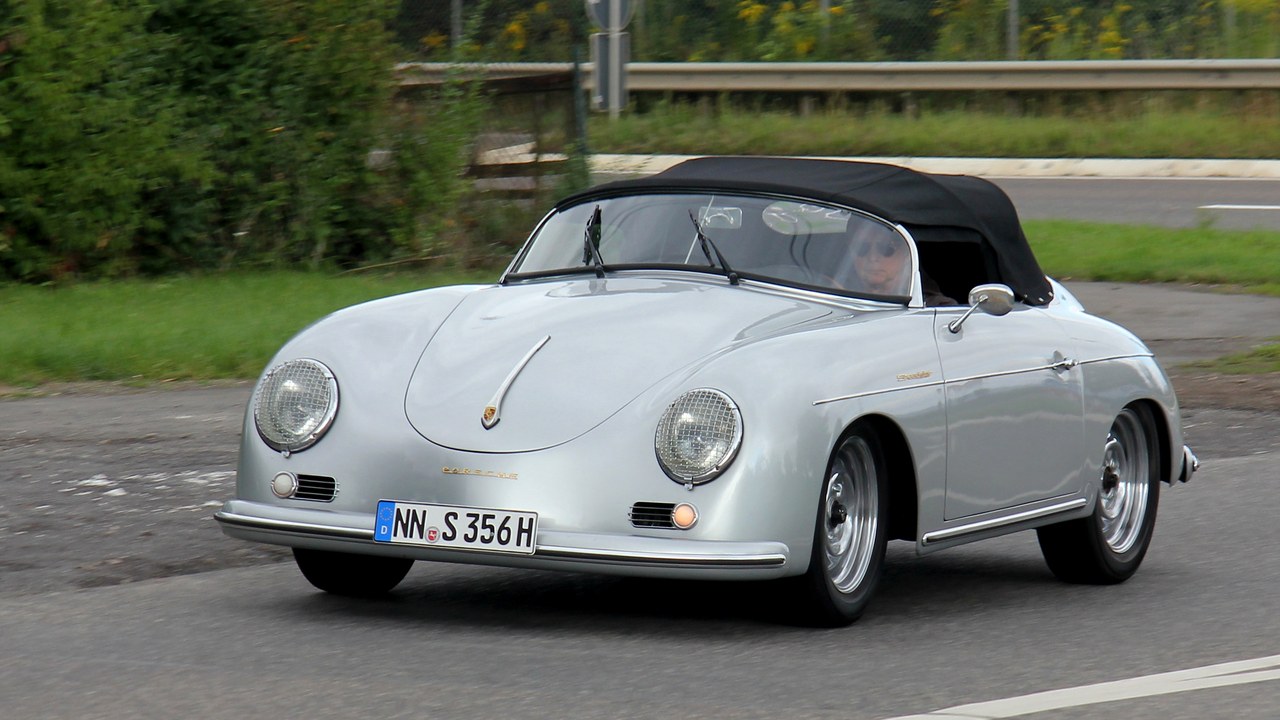
The 356 was the first production Porsche, a light, nimble rear-engined two-door. Production started in 1948 in Gmünd, Austria, where about 50 were built before the factory moved to Zuffenhausen, Germany, in 1950.
America shaped the car too. In late 1954, Max Hoffman, the sole U.S. importer of Porsches, convinced the company to build a stripped-down roadster with a cut-down windscreen, the Speedster. Of the 76,000 original 356s produced, roughly half survive.
7. Mercedes-Benz 300 SL: Wings for the American Market
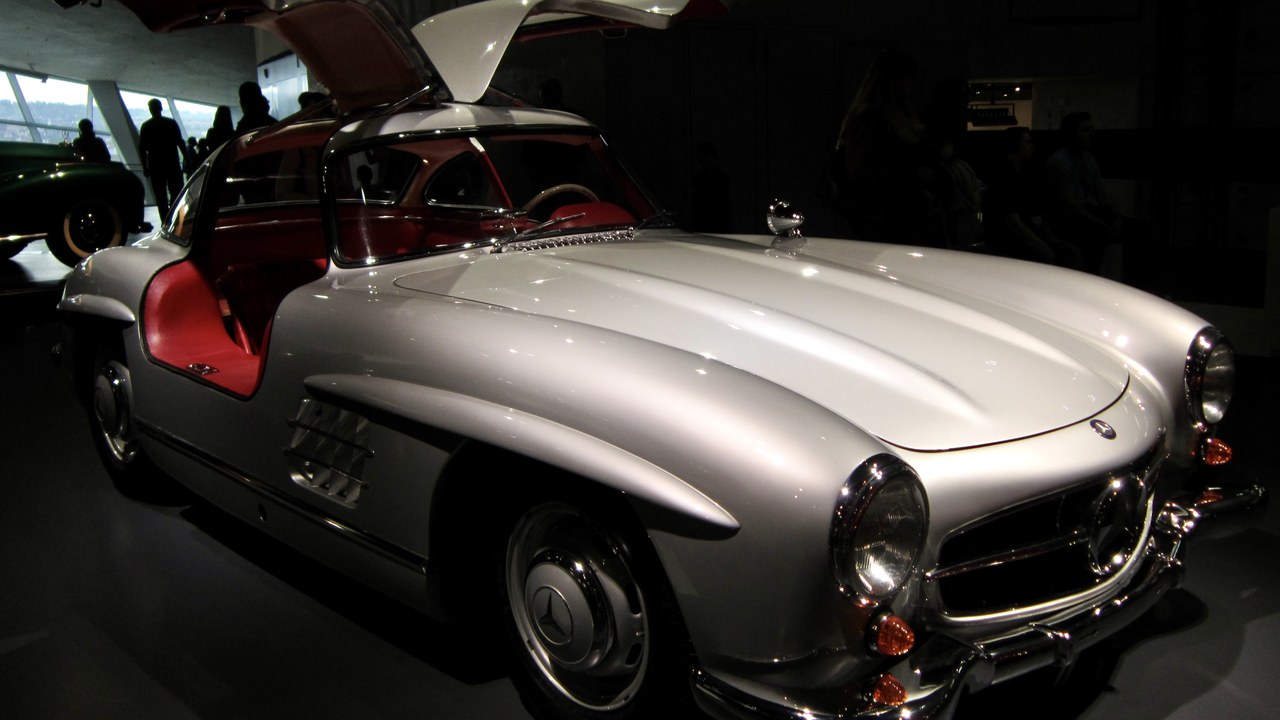
The Mercedes-Benz 300 SL was built from 1954 to 1957 as a gullwing coupe and from 1957 to 1963 as a roadster. It traced its origins to a 1952 racing car that won Le Mans and the Carrera Panamericana.
Importer Max Hoffman saw the demand among American buyers, and an improved 300 SL reached the U.S. market at his suggestion. With fuel injection and up to 162 mph, it was the fastest production car of its time.
8. Austin-Healey Sprite: The Friendliest Face on the Road
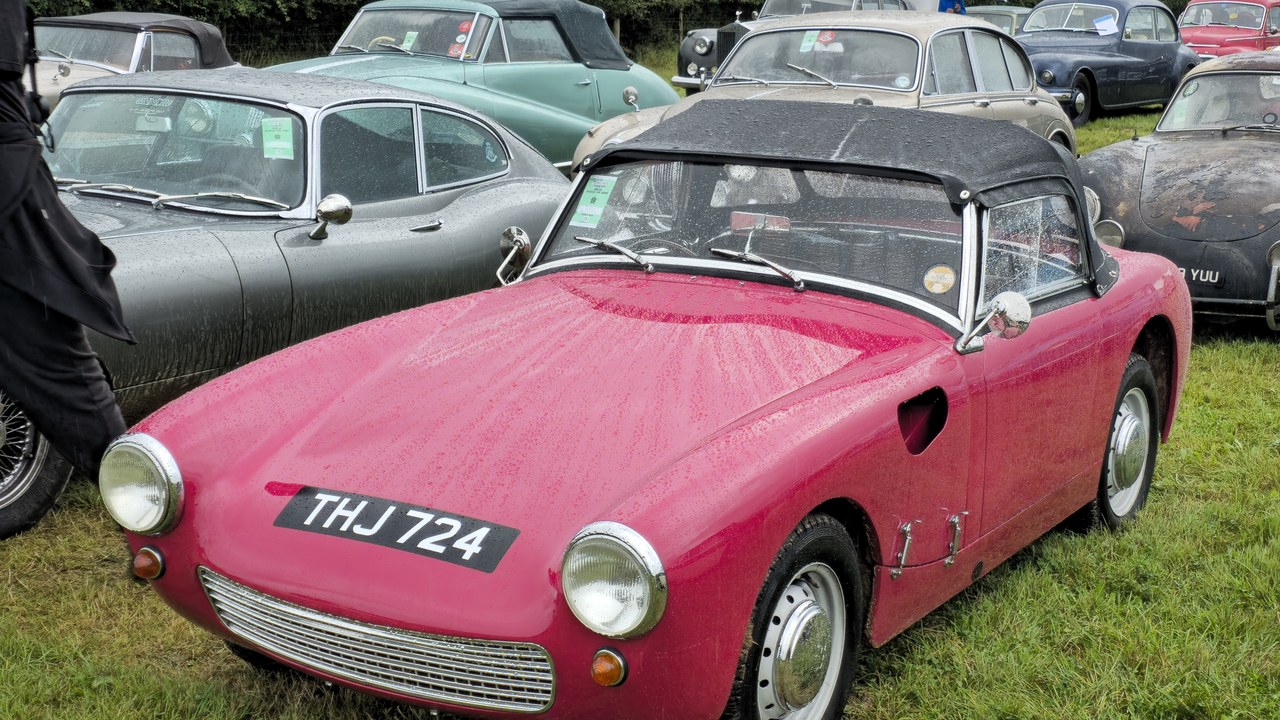
Designer Gerry Coker wanted hidden headlamps for the Sprite, but Donald Healey refused. Moss Motoring argues that the bulging frog-eye lamps that resulted turned a likable little sports car into a lovable automotive icon.
The Sprite was a blast to drive, cheap to buy and easy to maintain, and it proved the old saying that driving a slow car fast beats driving a fast car slow. Moss Motoring readers voted it fifth among all British sports cars.
9. Austin-Healey 3000: The Big Healey
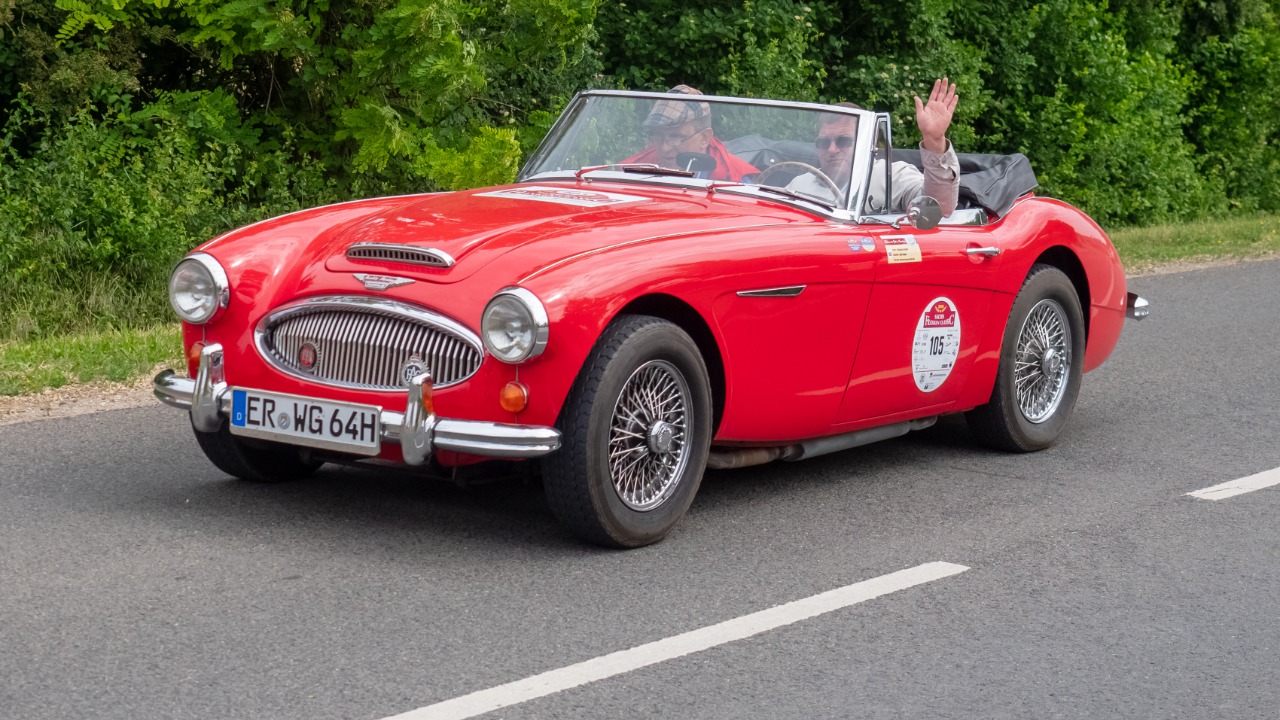
Of all the British sports cars sold in America, the Austin-Healey 3000 was the aspirational choice, according to Classic Car Hub. The MGB was the volume leader and the Triumph TR series the sporting alternative.
Its American career ended abruptly. New federal emissions and safety standards were arriving, and the 3000 was withdrawn from the U.S. in 1967 because it could not meet them. Rather than being expensively redesigned, it was quietly discontinued.
10. Jaguar E-Type: The Greatest of All Time
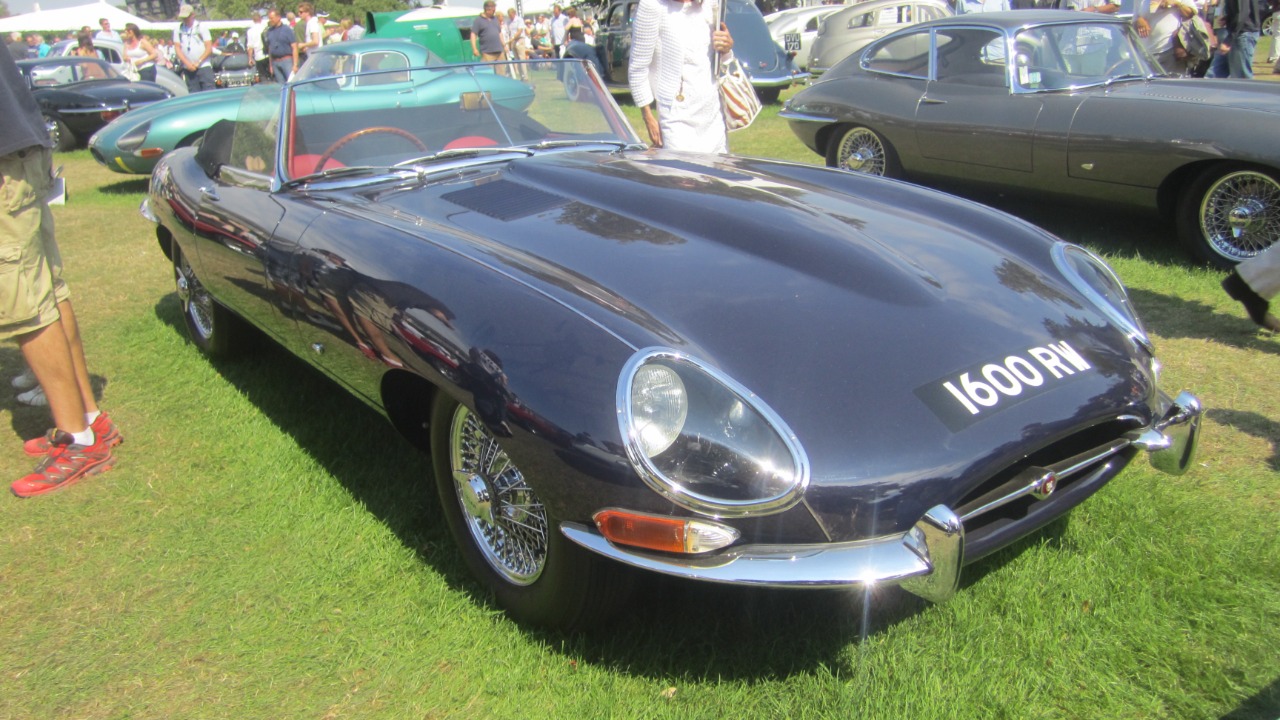
When Moss Motoring asked its customers to name the greatest British sports car of all time, the Jaguar E-Type coasted to a fairly easy victory. Even fans of more affordable MGs, Healeys and Triumphs agreed it was in a class by itself.
Classic Car Hub calls the E-Type, which arrived in 1961, the headline act that convinced American buyers that British engineering was not merely charming but genuinely competitive with the best in the world.
11. Triumph Spitfire: Named After a Fighter Plane
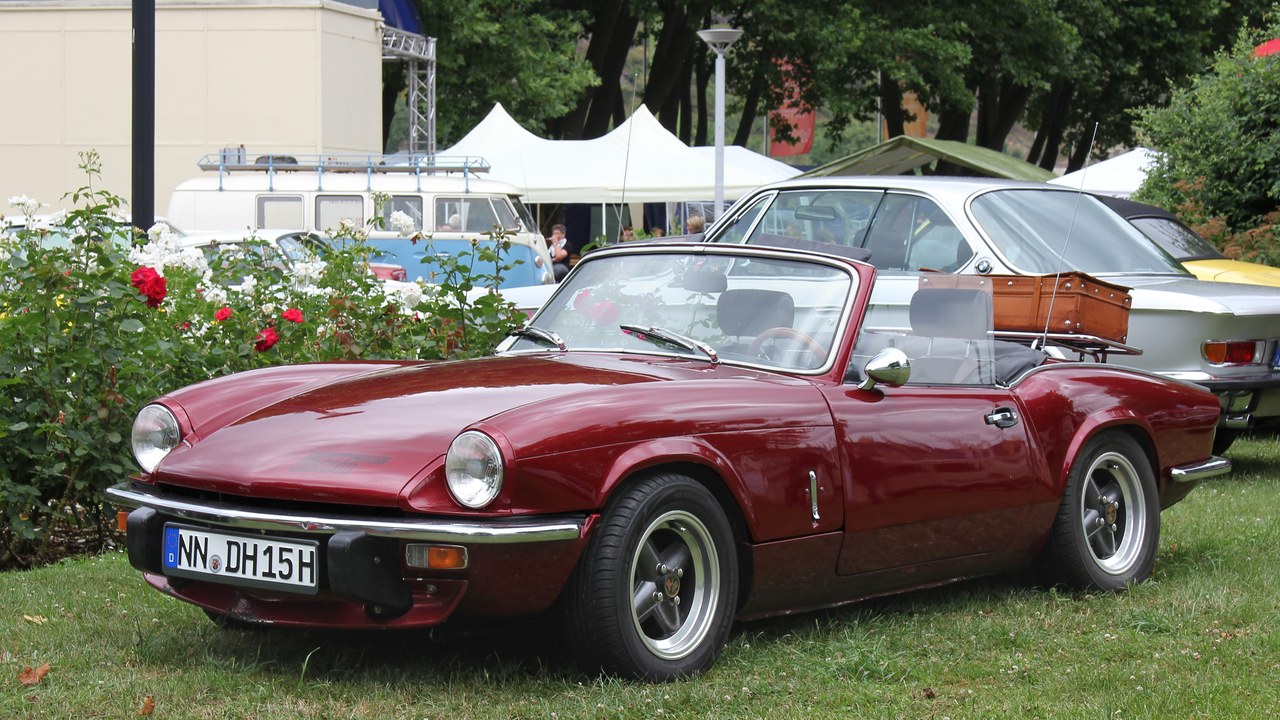
The Triumph Spitfire was styled in 1957 by Italian designer Giovanni Michelotti and introduced at the London Motor Show in 1962. Over five versions built through 1980, approximately 315,000 were produced at Triumph’s Canley works.
It was built on a shortened version of the Triumph Herald sedan’s chassis and shared that car’s running gear and engine. The little roadster took its name from the famous Supermarine Spitfire fighter plane of World War II.
12. MGB: The People’s Sports Car
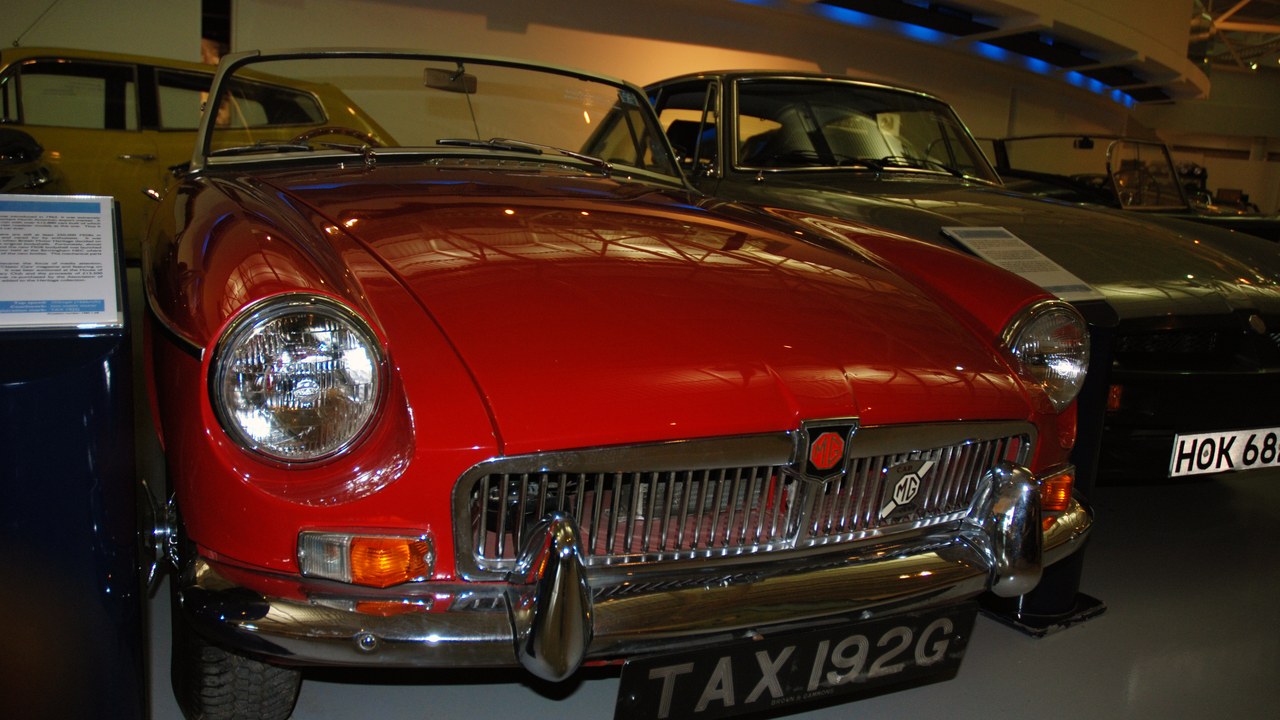
Until the Mazda Miata arrived, the MGB could rightfully claim to be the world’s most popular sports car. From 1962 to 1980, 523,836 found buyers, according to Moss Motoring.
Moss Motoring calls it the people’s sports car, fun, simple and easy for an average owner to maintain. Classic Car Hub notes that more than 60 percent of early MGBs crossed the Atlantic, and the car was the volume leader among British sports cars in America.
13. Lotus Elan: Light Is Right
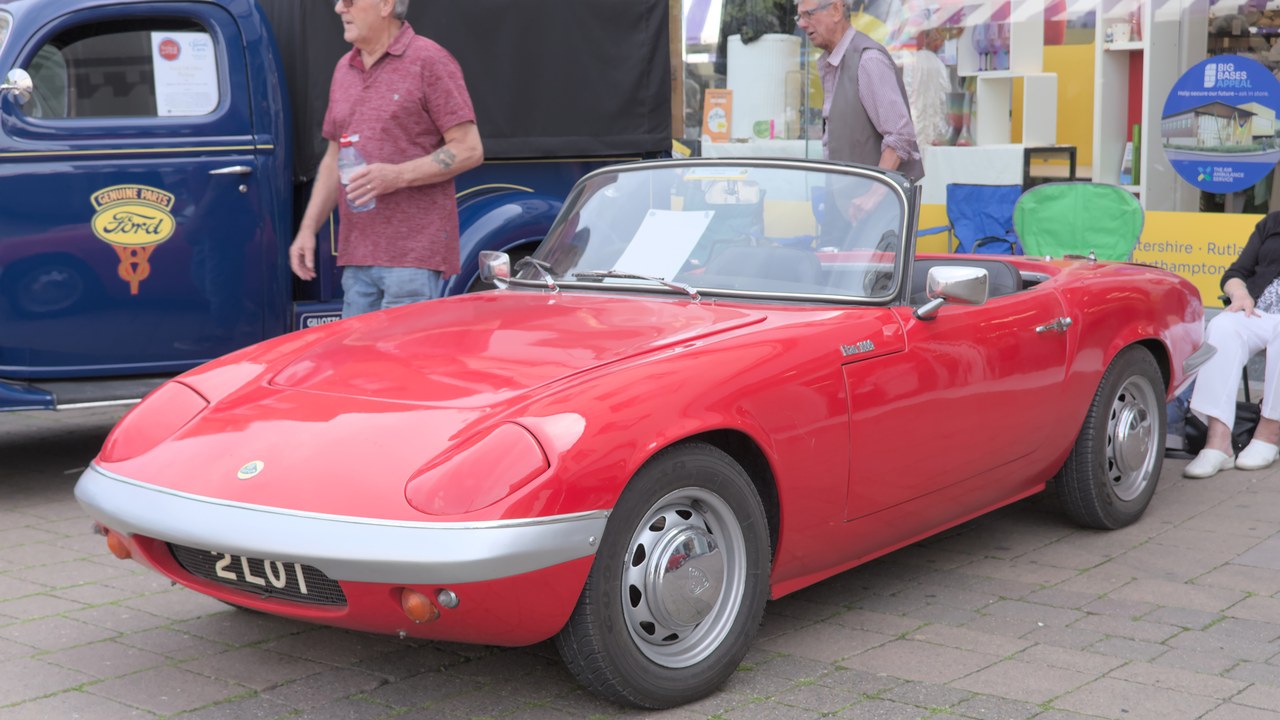
The original Lotus Elan was a rear-drive sports car built from 1962 to 1975. At about 1,500 pounds, it embodied Colin Chapman’s philosophy of minimum weight.
Its structure was a mild steel backbone chassis shaped like a double-ended tuning fork, with a fiberglass body bolted on at 16 points and fitted over the backbone like a saddle. The Elan revived a company stretched thin by the costly and unreliable Lotus Elite that came before it.
14. Triumph TR4: Italian Style From Coventry
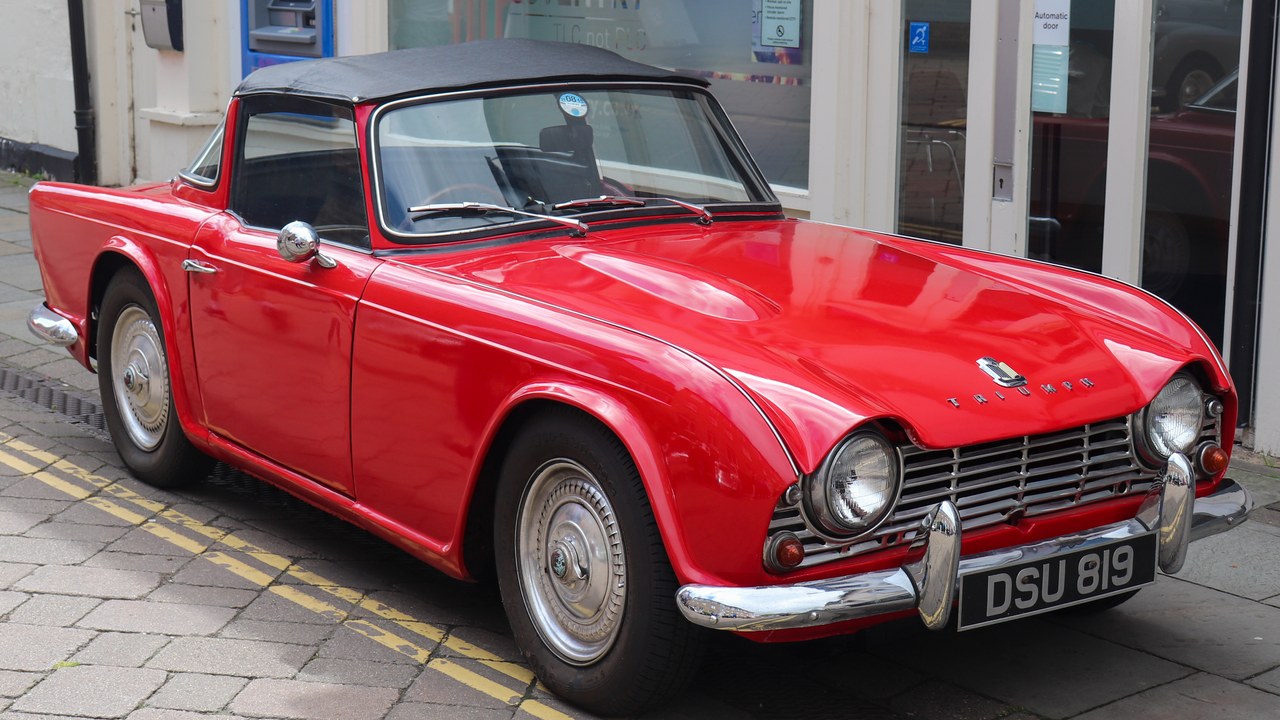
The Triumph TR4 wore Italianate styling by Giovanni Michelotti and kept the ruggedness of the earlier side-curtain Triumphs. Moss Motoring says it was as fast as any Big Healey and faster than the MGB.
It offered a comfortable if narrow cabin and more luggage space than most owners would ever need. The TR4 succeeded on the track, in rallies and in the showroom, and it began a line that grew into the TR4A, TR250 and TR6.
15. Sunbeam Tiger: A V8 With a Shelby Touch
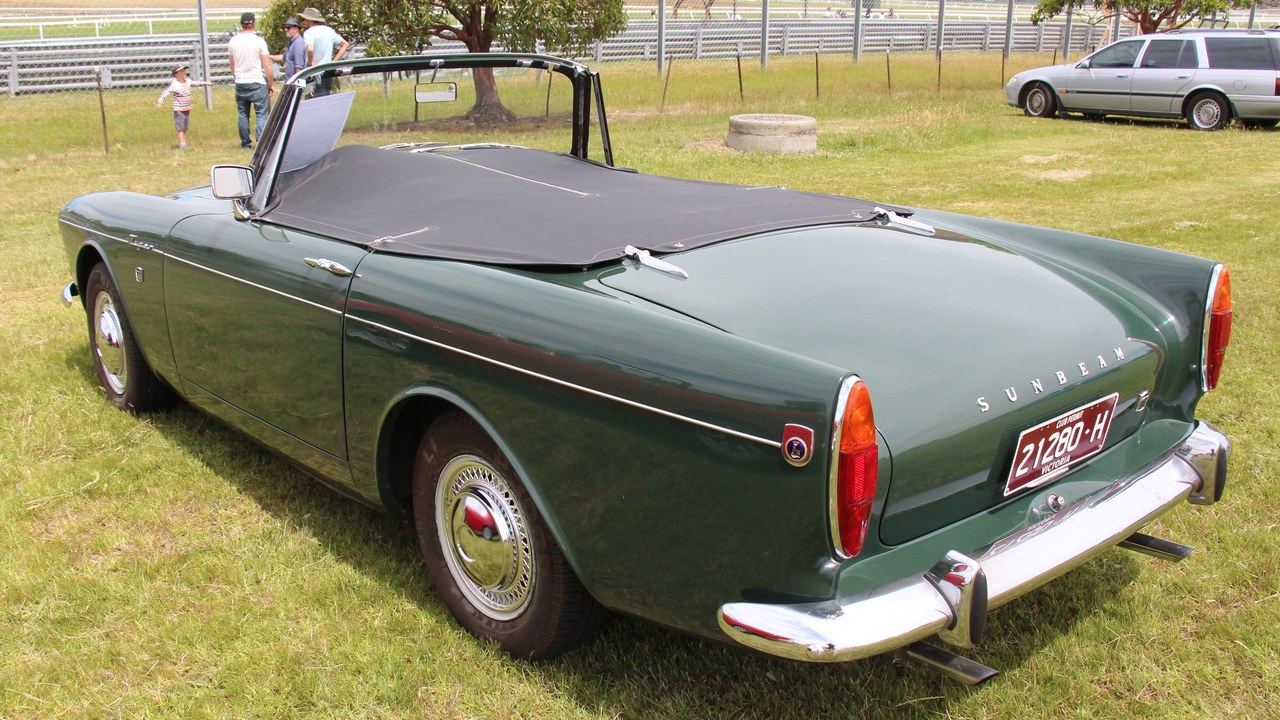
The Sunbeam Tiger was a high-performance V8 version of the Rootes Group’s Sunbeam Alpine roadster, designed in part by Carroll Shelby and produced from 1964 until 1967. Shelby had already done a similar V8 conversion on the AC Cobra.
Most Tigers used a 260-cubic-inch Ford V8. The Mark II, of which only 633 were built in the final year, got the larger 289. Rootes had the cars assembled by Jensen in England and paid Shelby a royalty on each one.
16. Alfa Romeo Spider: The Spider That Ran for Decades
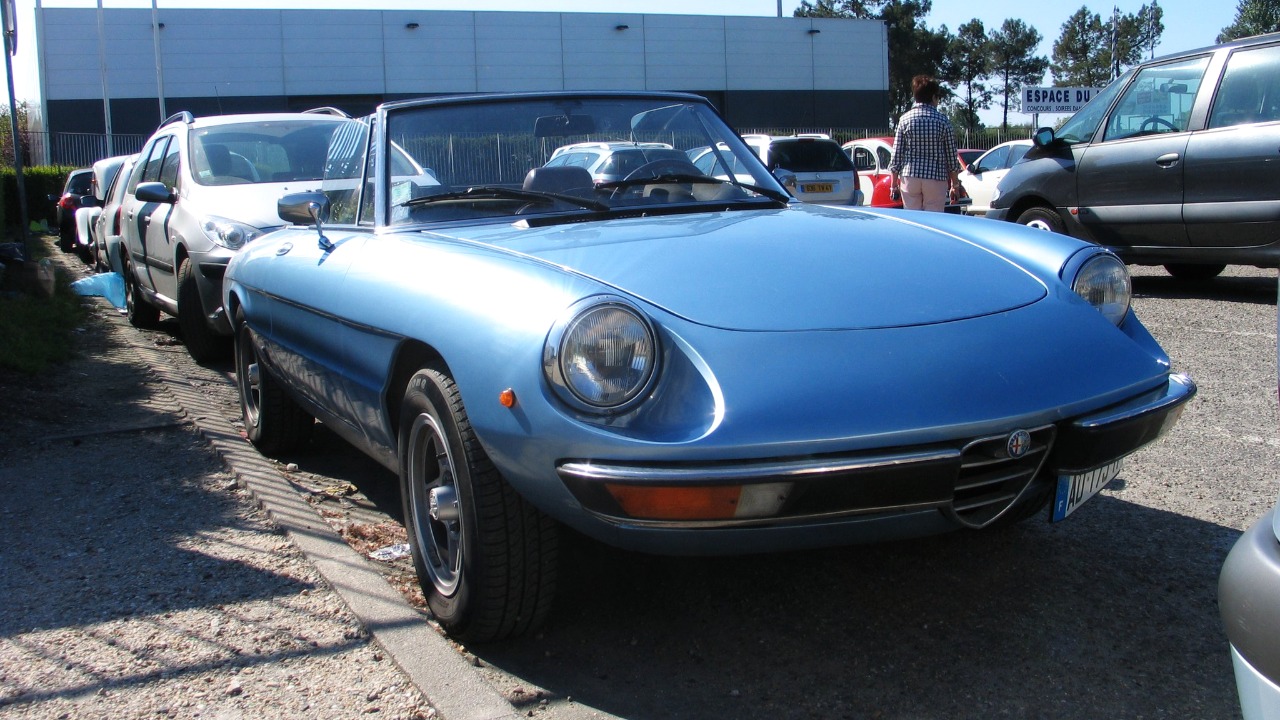
Alfa Romeo built its Spider, a two-seat, front-engined, rear-drive roadster, from 1966 to 1994 in four series. The first three were assembled by Pininfarina in Grugliasco, near Turin.
Before launch, Alfa Romeo held a naming contest that drew more than 100,000 ballots. The winning entry was Duetto, but the name could not be adopted officially because a confectionery maker had already launched a chocolate snack called Duetto.
17. Fiat 124 Sport Spider: Pininfarina for the Masses
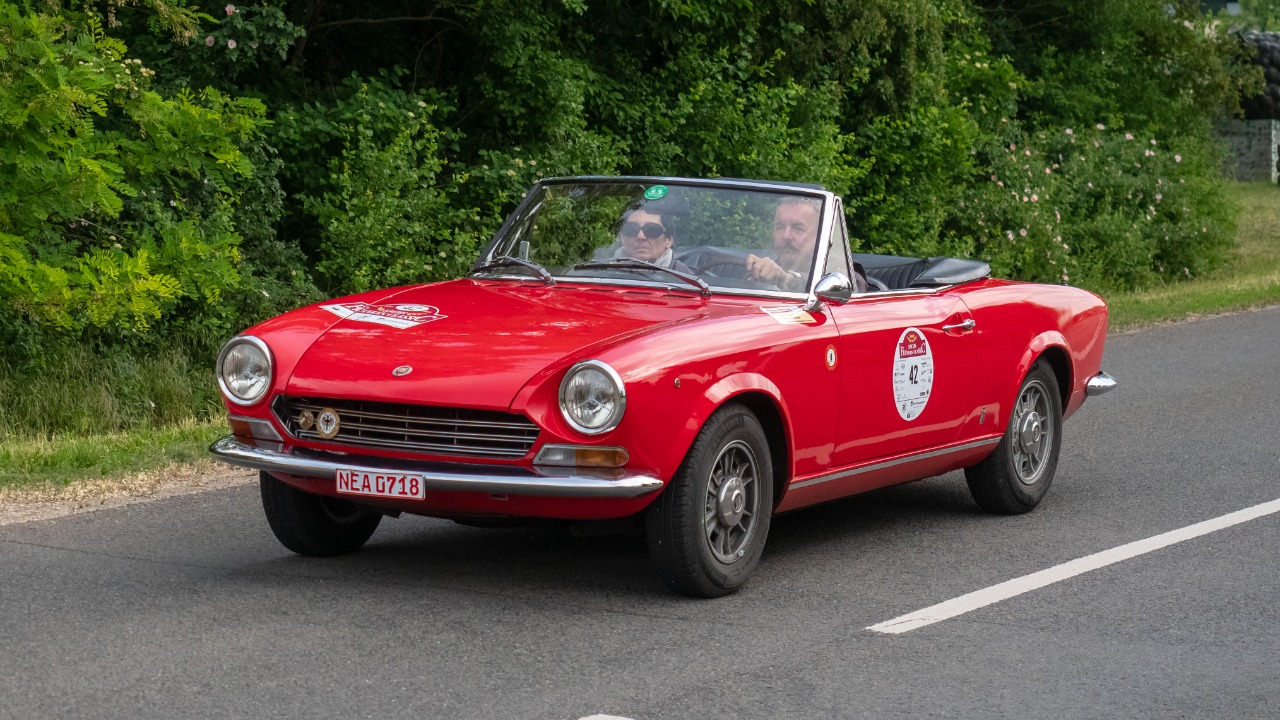
The Fiat 124 Sport Spider was designed and built by Pininfarina, with styling by Tom Tjaarda. It debuted at the November 1966 Turin Auto Show, and Fiat began selling it in the U.S. and Canada in 1968.
Its American run outlasted Fiat’s own interest. After Fiat retired the car, Pininfarina kept building it under its own name, selling it as the Spider Azzurra in North America from August 1982 until 1985.
18. Triumph TR6: The Last of the Breed
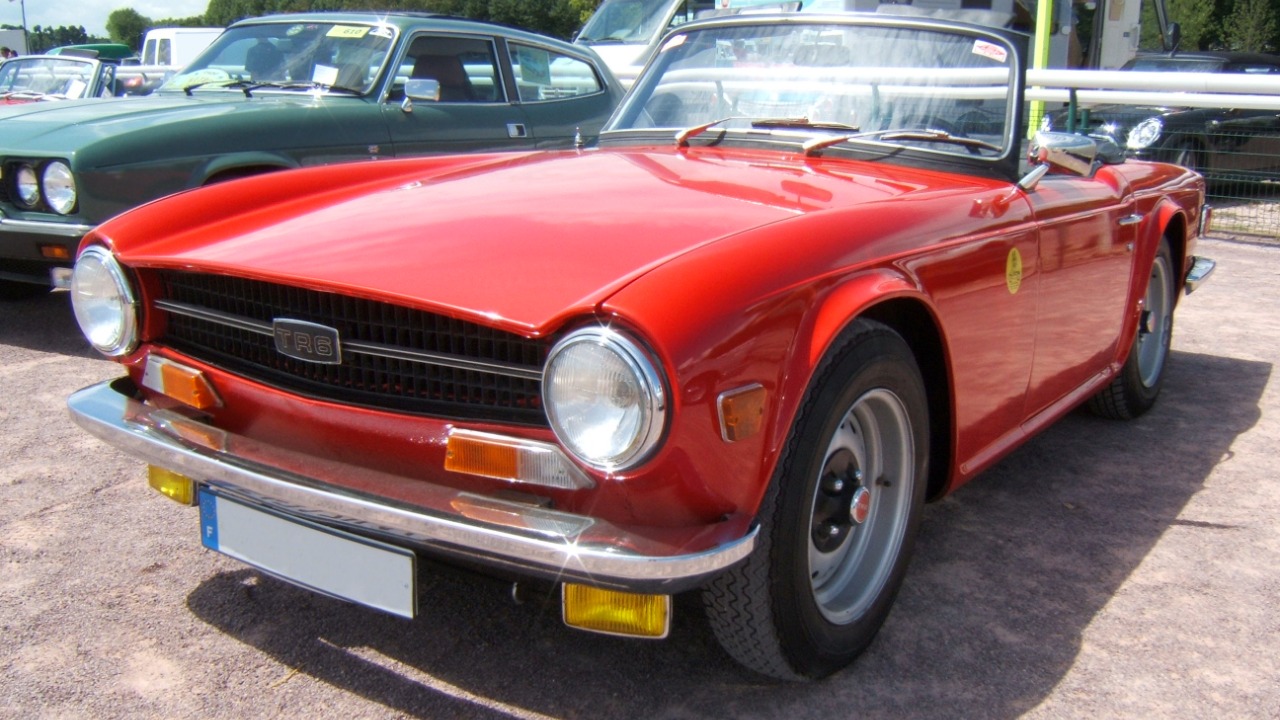
In a Moss Motoring vote of more than 1,100 customers, the Triumph TR6 finished third, a margin that could be counted on one hand behind the Austin-Healey 3000. The two are remembered together as the last of their breed.
America was its biggest market. Classic Car Hub reports that 83,480 of the 94,619 TR6s built went to the U.S. Those cars used twin carburetors making 104 horsepower instead of the British car’s 150-horsepower fuel injection.
More from Morning Overview
- A handful of car transmissions are so tough that mechanics say they almost never die
- Melting permafrost is setting off a newly identified kind of catastrophic landslide, scientists say
- Cadillac cut the price of its cheapest EV, which goes up to 317 miles on a charge
- Winter weather advisories cover I-80, I-70 and the Bighorns with up to 15 inches of snow
