
Sutton Hoo in Suffolk is famous for a royal ship burial packed with Anglo-Saxon gold. Now archaeologists working with Time Team have found a strange grave in a separate cemetery outside the royal mounds, where the buried body survives only as a ghost-like shape in the sand. This is the story of the site, from the 1939 ship dig to its newest mystery.
Read next on Morning Overview: The Justice Department asked courts to undo approvals for three offshore wind farms, one already making power
Sutton Hoo: The Mound That Hid a Ghost Ship
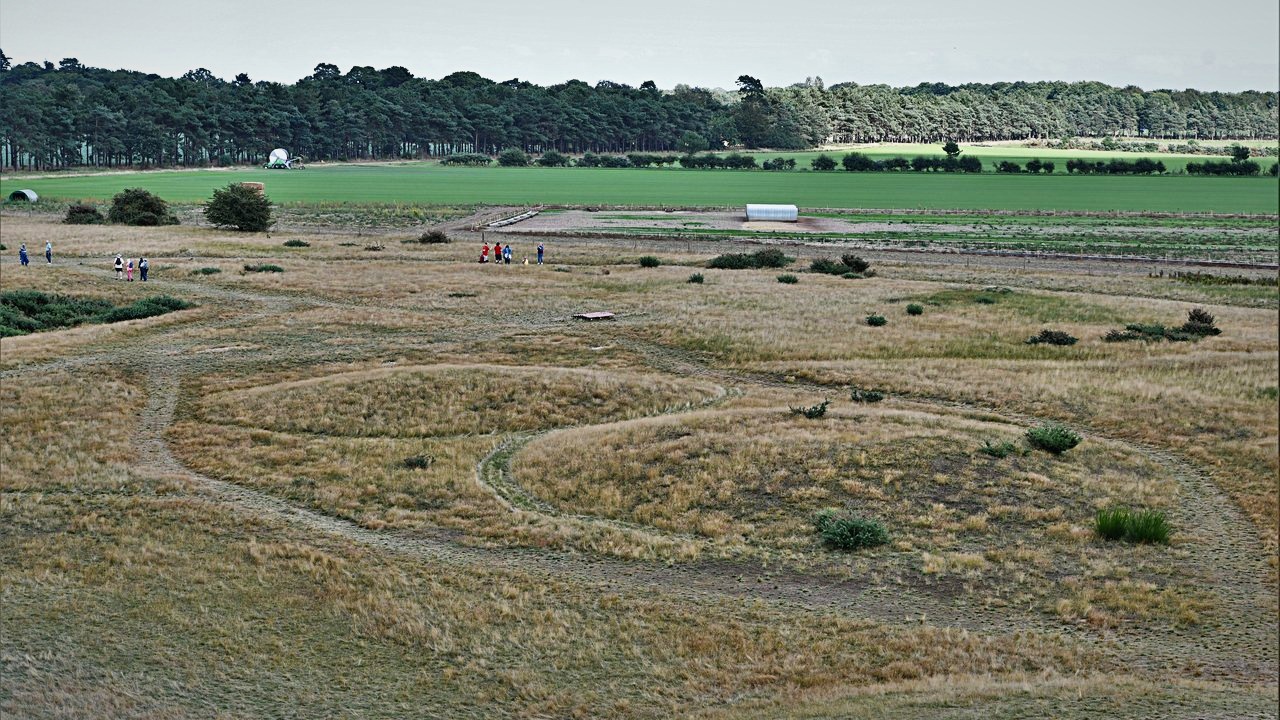
In 1939 a self-taught excavator named Basil Brown began work on the largest barrow on Edith Pretty’s Suffolk estate and soon found the find of a lifetime: the ghostly imprint of an 88-foot ship, its timbers long decayed, around a collapsed burial chamber full of treasure. The mounds he had opened in 1938 were a letdown, already looted and holding only a few minor objects.
Moving the ship took enormous labor. It was dragged uphill from the River Deben, lowered into a huge trench and covered with an earthen mound. The leading theory is that the grave belonged to King Rædwald of East Anglia, who died around 624, and coins found with the burial point to a date of about 625.
Sutton Hoo helmet: Dancing Warriors Cast in Iron
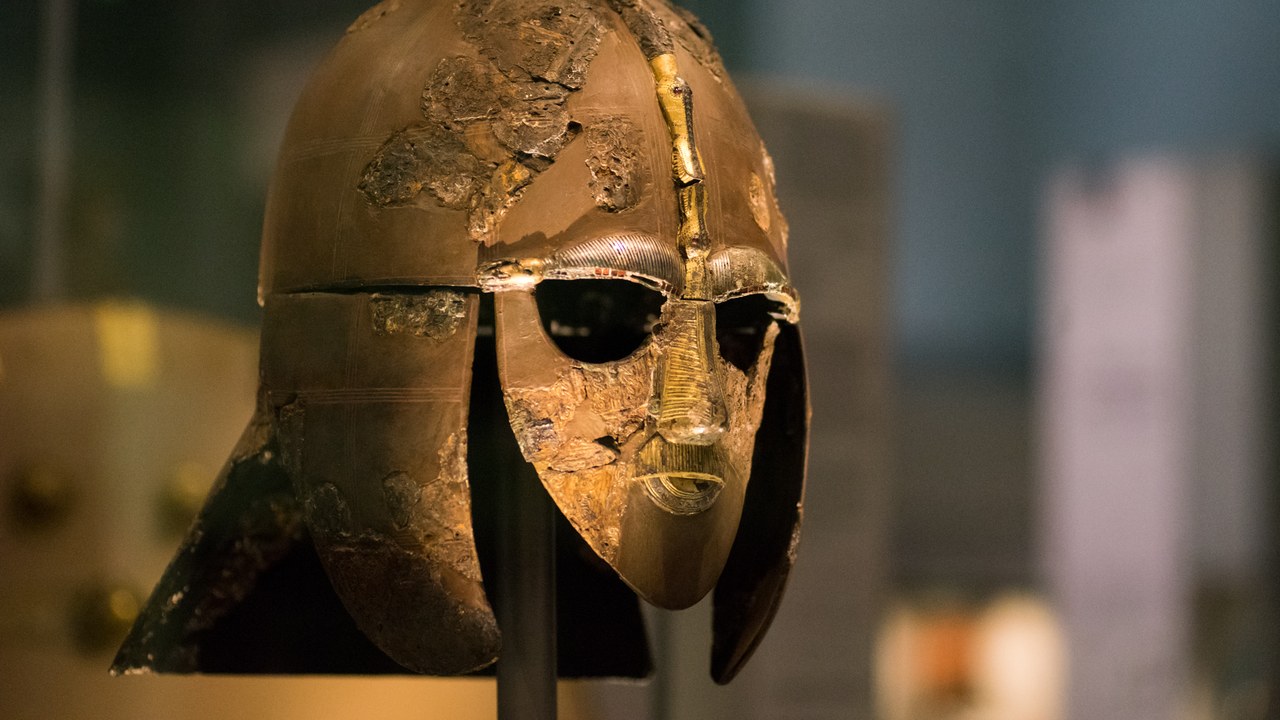
The full-face iron helmet was the most spectacular object in the chamber, but it came out of the ground broken into hundreds of pieces after the chamber collapsed. Skilled conservators at the British Museum spent many years putting it back together.
Its surface is decorated with intricate scenes of dancing and fighting warriors. A dragon forms the nose piece, its outstretched wings make the eyebrows and its tail doubles as a mustache. The garnets set into the helmet are thought to have come from Sri Lanka, a hint of how far the trade links of an East Anglian court could reach in the early 600s.
Sutton Hoo great gold buckle: Gold From a Master Jeweler
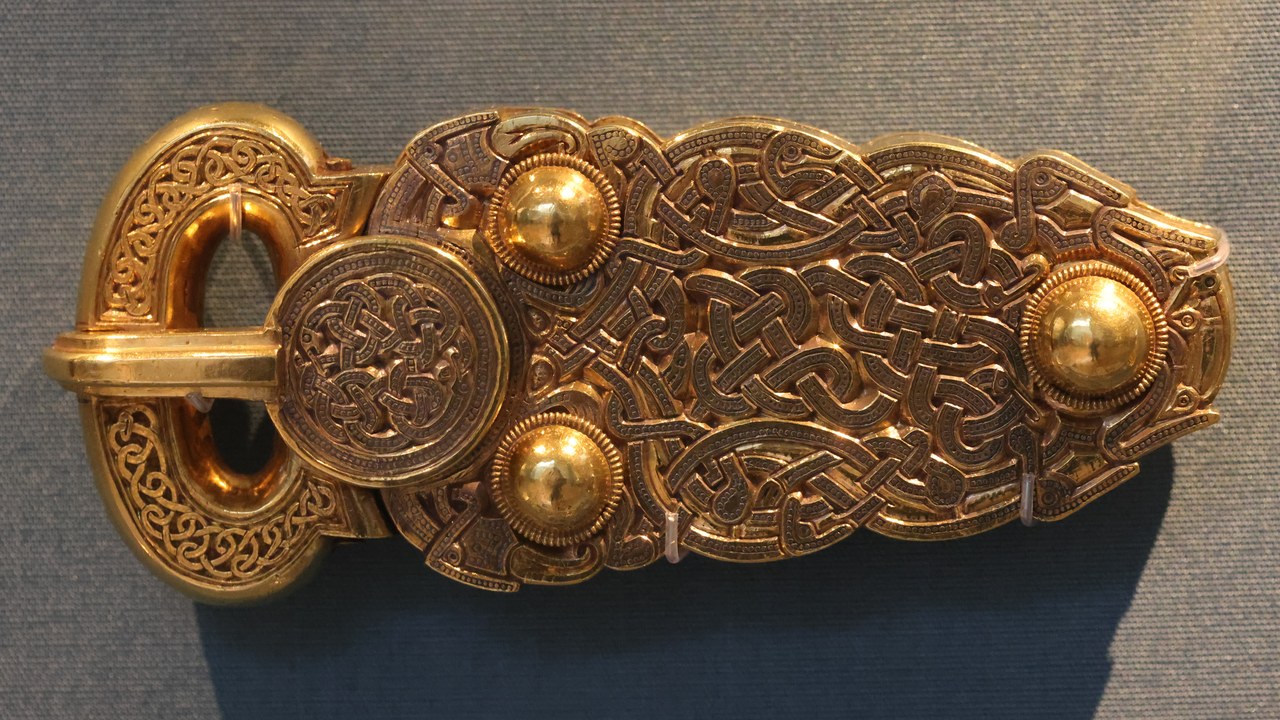
The great buckle was one of dozens of gold and jeweled pieces lifted from the chamber, alongside shoulder clasps for a cloak, a belt, a purse lid, spoons, bowls, platters, shield ornaments and the helmet. Each one shows the skill of a master goldsmith and blends Celtic, Anglo-Saxon and Mediterranean styles.
The objects traveled far before they were buried. A silver platter carries a stamp showing it was made in Constantinople and was already more than 100 years old at the burial, while a large wooden shield is thought to have been a diplomatic gift from Scandinavia. Finds like these helped overturn the old idea that England sank into a lawless Dark Age after the Romans left.
Sutton Hoo purse lid: Thirty-Seven Coins and a Date
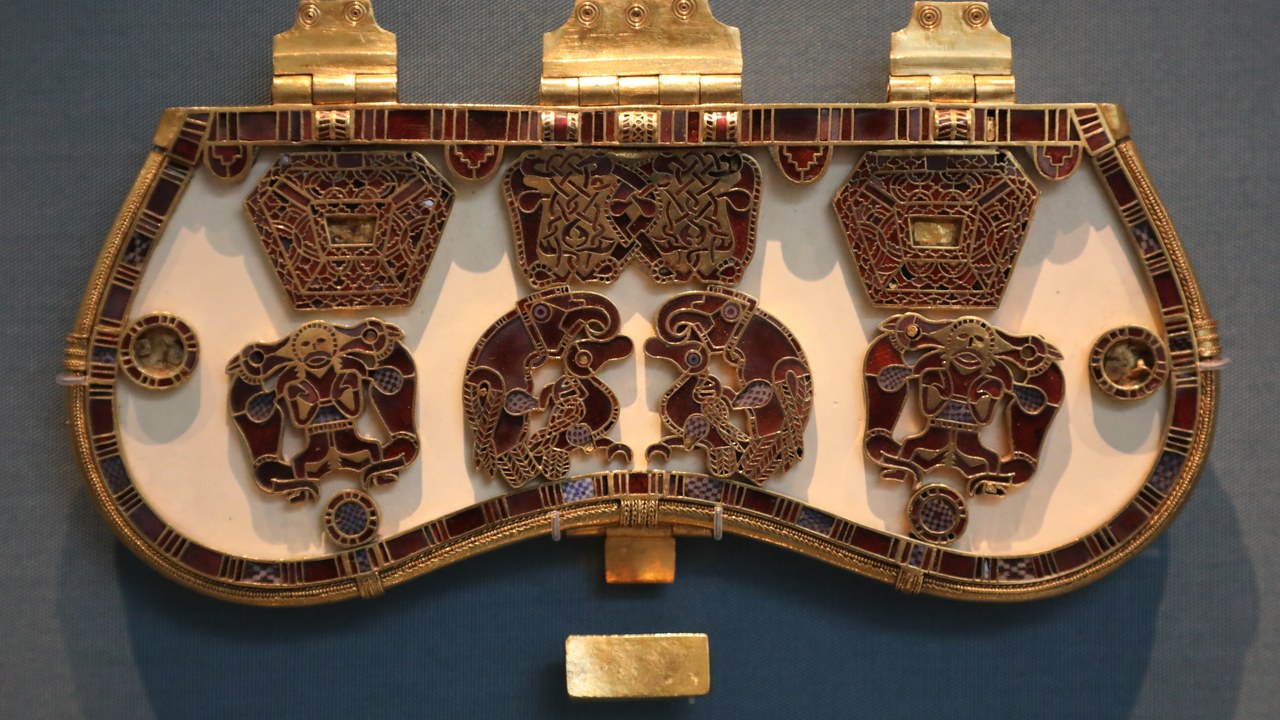
The ornamental purse lid once covered a leather pouch that hung from the waist belt. It is a kidney-shaped frame of cell work enclosing a sheet of horn, and on it are garnet plaques showing birds, wolves devouring men and interlaced animal designs.
Inside the purse were thirty-seven gold coins, each from a different Frankish mint, plus three blank coins and two small ingots. They were deliberately collected, and they are the main evidence for dating the burial. A British Museum curator’s study of the coins narrowed the burial to between 610 and 635, which keeps Rædwald, who died around 624, as the favorite candidate.
Edith Pretty: The Widow Who Started the Dig
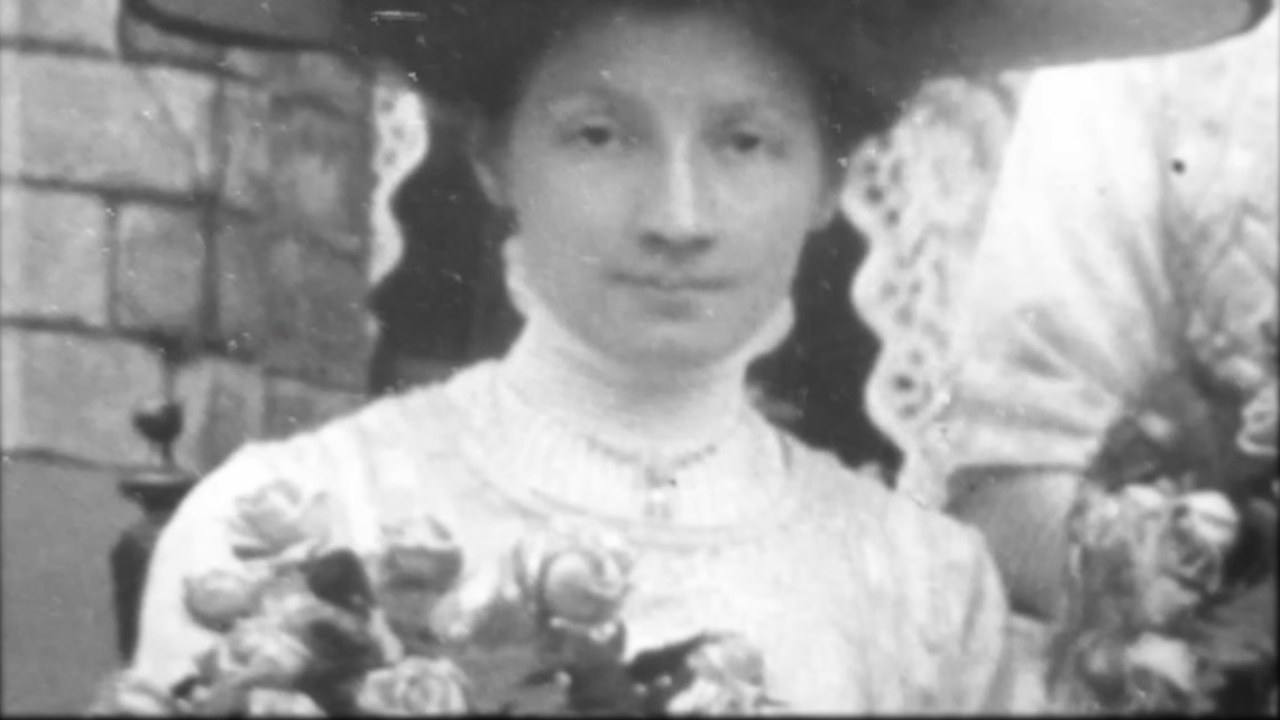
In 1926 Colonel Frank Pretty, a retired officer who had recently married, bought the Tranmer estate beside the mounds. He died in 1934, leaving his widow, Edith Pretty, and a young son. The first dig went ahead under the auspices of the landowner, with Basil Brown doing the work until national scholars took over.
When the treasure came out of the ground, Pretty gave it to the nation. It was at the time the largest gift ever made to the British Museum by a living donor. Her decision is why the helmet, buckle and purse lid belong to the public today rather than to a private collection.
British Museum: Where the Treasure Lives Now
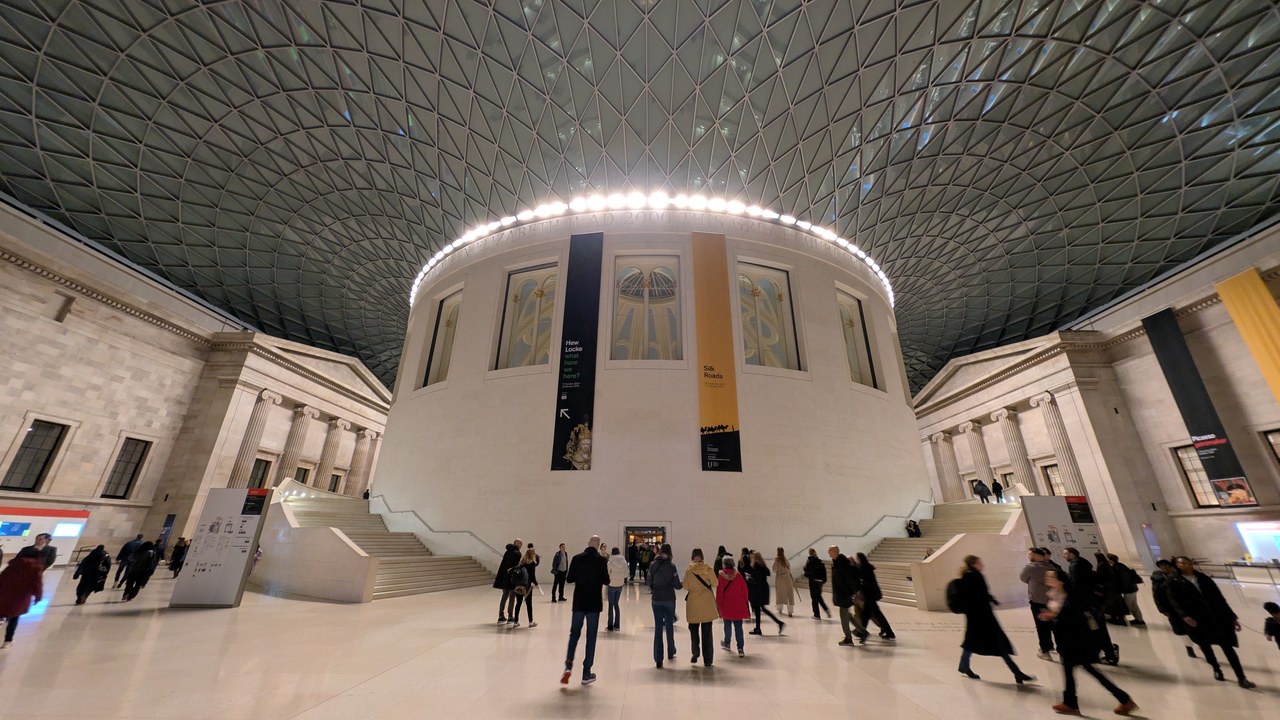
The site itself is in the care of the National Trust, but most of the objects found there are held by the British Museum in London, where the principal items are on permanent display. Replicas of the most important Mound 1 pieces can be seen at the Ipswich Museum.
The museum’s work did not stop at display. After the war, a team led by Rupert Bruce-Mitford reconstructed and replicated the helmet and sceptre, and between 1965 and 1971 a British Museum team reopened the ship impression, which had been left exposed since 1939. Back in Suffolk, the visitor center holds original artifacts, replicas of finds and a reconstruction of the burial chamber.
Sutton Hoo Garden Field grave: A Ghost-Like Shape in the Sand
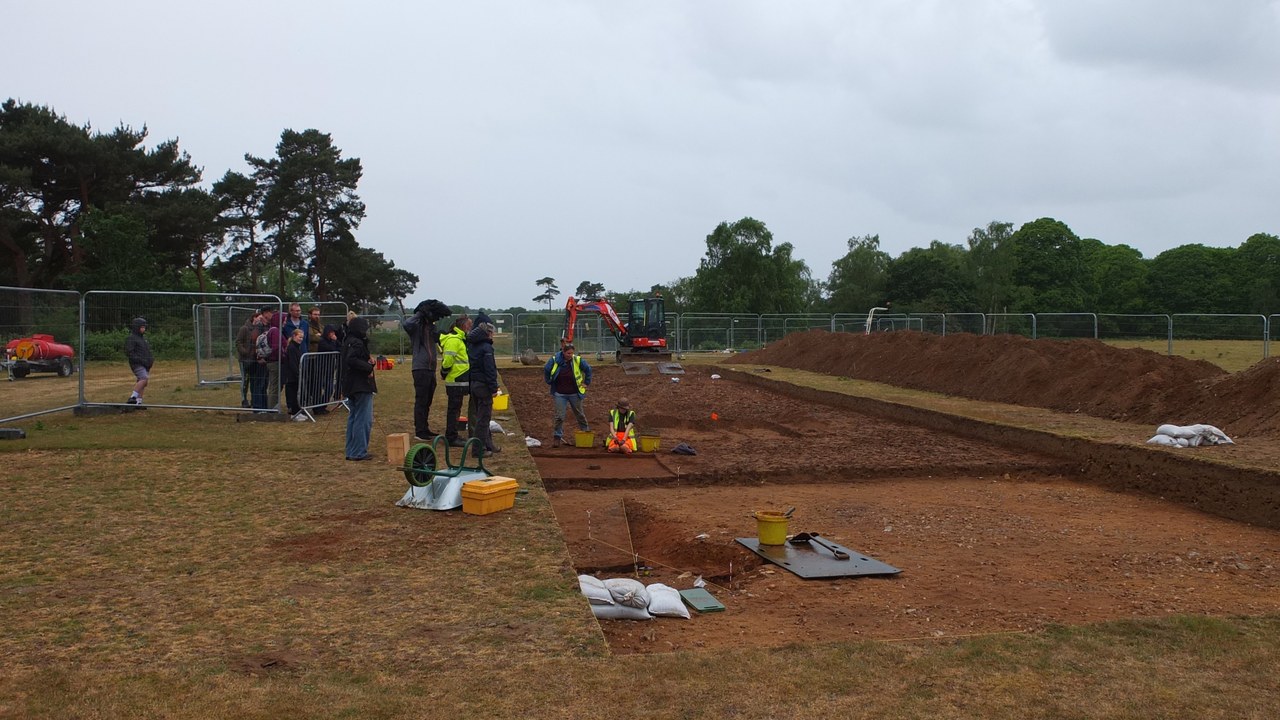
The newest find came from Garden Field, a cemetery separate from the royal mounds and the ship burial ground. During a month-long dig for a new four-part Time Team series hosted by Sir Tony Robinson, the team uncovered a rare sand body buried with beads, tweezers, a knife and a brooch.
These bodies decomposed long ago, leaving a ghost-like shape preserved in the sand. National Trust archaeologist Angus Wainwright said the bones dissolved in the acid soil and were replaced by hard sand that held the form of the person, much like some bodies at Pompeii. Evidence suggests a second burial may lie beneath the first.
Bromeswell bucket: The Bucket That Held a Cremation
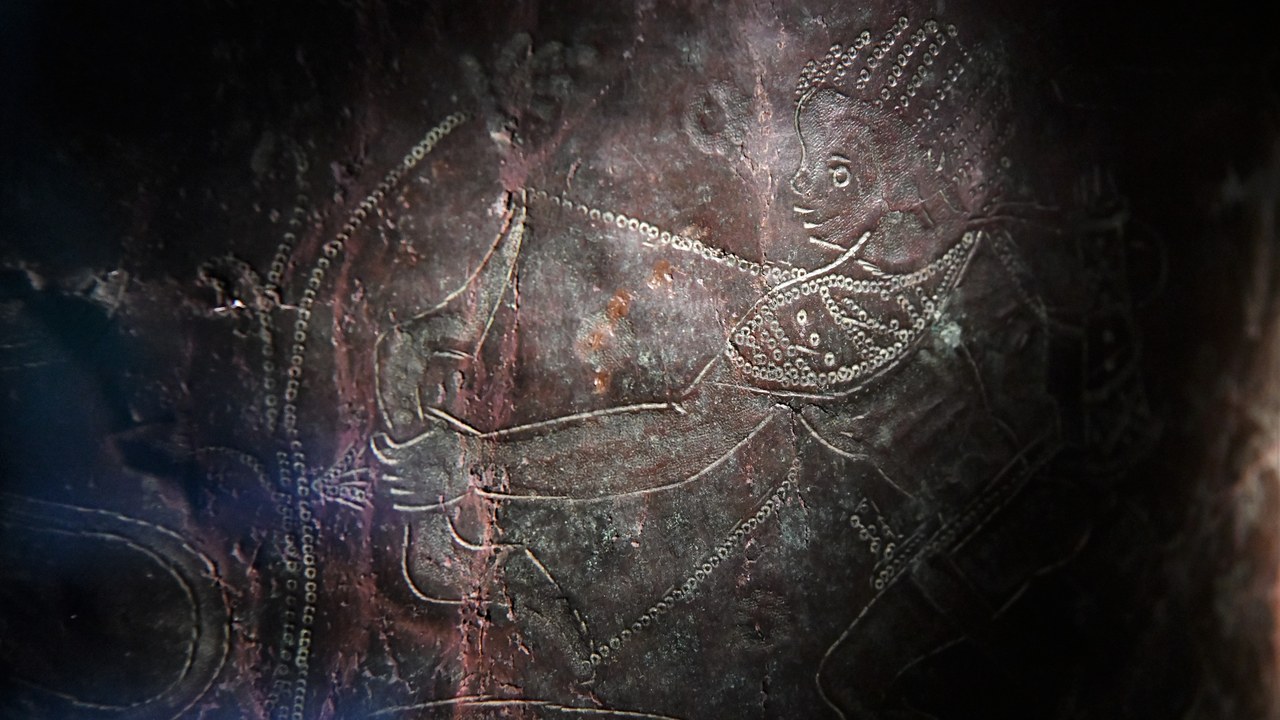
Garden Field had already surprised the team in 2024, when diggers lifted the base of a 6th-century Byzantine bucket in a single block. Laboratory work showed it was intact and had held a cremation burial and grave goods, including human bone and the bones of an animal larger than a pig.
Its letterforms suggest it was made about a century before it reached Suffolk, probably in Antioch, then part of the Byzantine Empire. Pieces first turned up in 1986 and 2012, and the main fragment, decorated with a hunting scene, is on display at Sutton Hoo. The National Trust says the new Time Team series began airing on YouTube on Saturday, November 14.
More from Morning Overview
- Neanderthals in Spain carved a wooden object that matches nothing archaeologists have ever found
- The FAA wants $2.39 million from a flight school it says flew a Cessna about 280 times with an unapproved part
- A $1 billion gas plant planned for Superior, Wisconsin, has been abandoned
- Shaq spent $1.3 million on three Rolls-Royce Phantoms to prove a point to a salesman
