
World War II was the first conflict in which tanks played a critical role, from the deserts of North Africa to the hedgerows of Normandy and the steppes of Russia. Some were built by the tens of thousands, others in the hundreds. Here are fifteen World War II tanks that fought from Normandy to Stalingrad, and what made each one matter.
Read next on Morning Overview: Neanderthals in Spain carved a wooden object that matches nothing archaeologists have ever found
1. Matilda II: Slow but Beloved
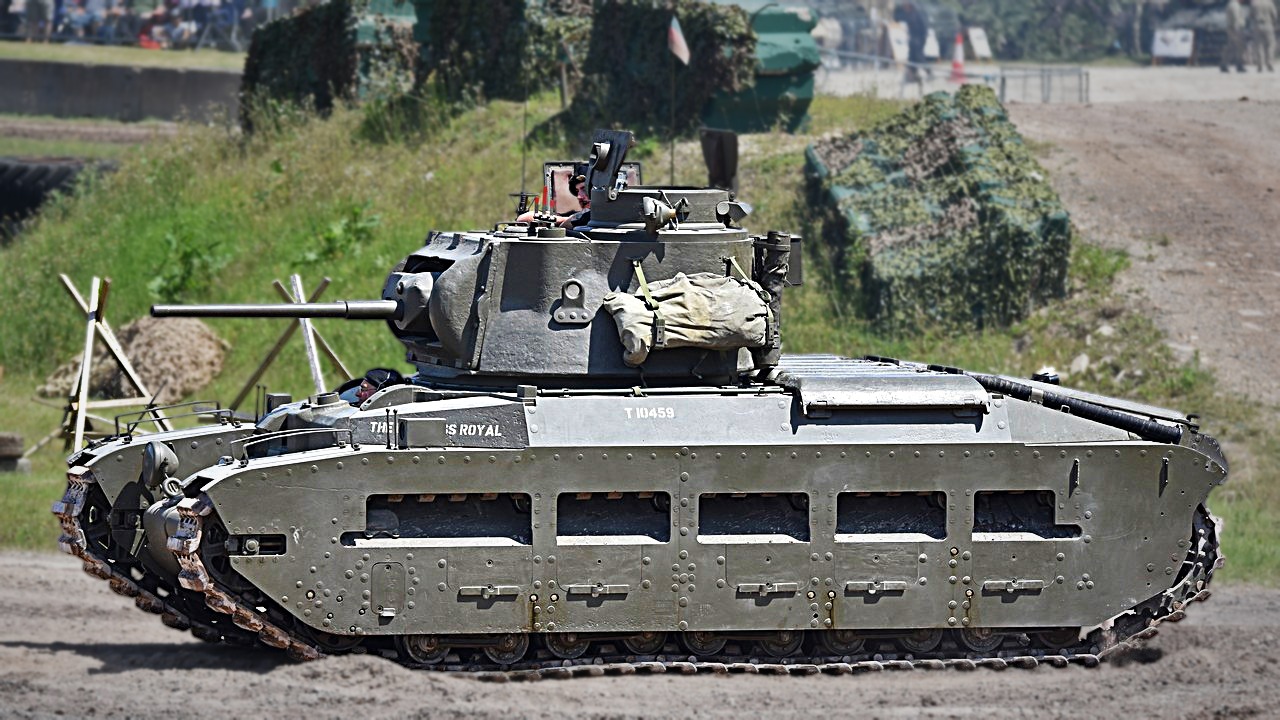
The British Matilda II was well armored, but History Hit notes that its 40 mm gun was soon shown to be inadequate against German tanks. It was also disastrously slow and was often knocked out by artillery before it could reach firing range.
Even so, its reliability and protection earned the affection of British crews. When war broke out in 1939, only two were available for service, yet the Friends of the National World War II Memorial note it was the only British tank to see action throughout the entire war.
2. Panzer IV: Germany’s Workhorse
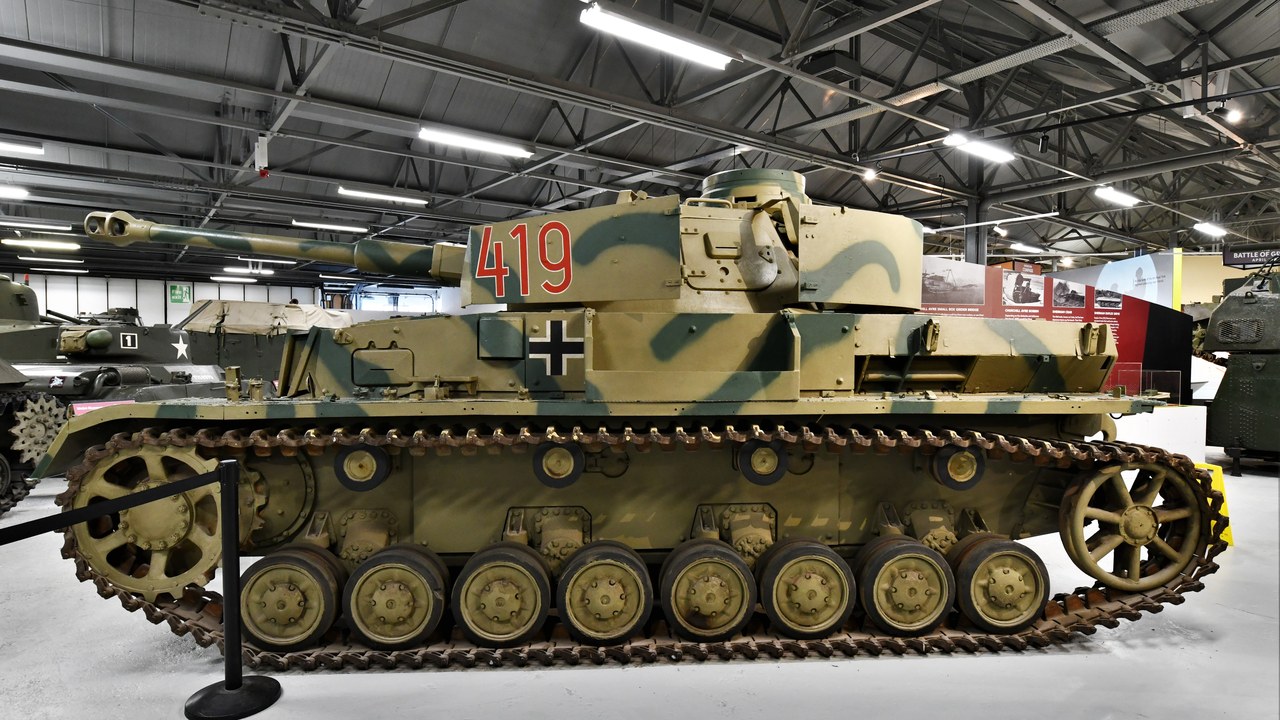
For much of the war, the Panzer IV was the most numerous tank in Germany’s forces, and until D-Day it was the most common on the Western Front, according to the Friends of the National World War II Memorial. It was modified many times, first to counter the Soviet T-34.
Crews complained about its lack of speed, but it excelled in defense and inflicted massive damage in the hedgerows of Normandy, where Shermans struggled to pierce its armor. Of 2,300 German tanks and assault guns used in that battle, only about a hundred survived.
3. Panzer III: Rommel’s Desert Weapon
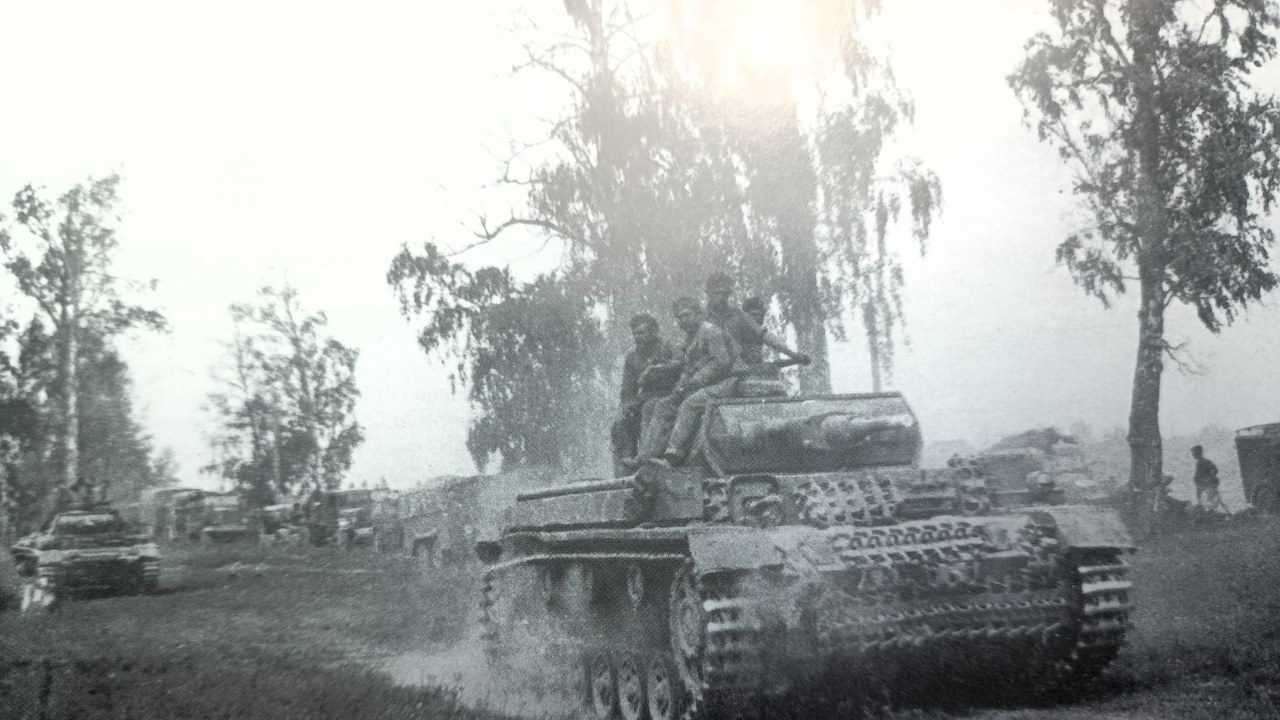
Panzers were central to Germany’s conquests across much of Europe early in the war. History Hit notes that Rommel’s success in North Africa owed much to the Panzer III, which could reach 25 mph.
Its gun grew from 37 mm to 50 mm over the course of its service, though its armor was just 19 mm thick. Alongside the Panzer IV with its 75 mm gun, it gave German crews a sense of confidence built on superior technology and tactics in the first years of the war.
4. Crusader: Too Fragile for the Fight
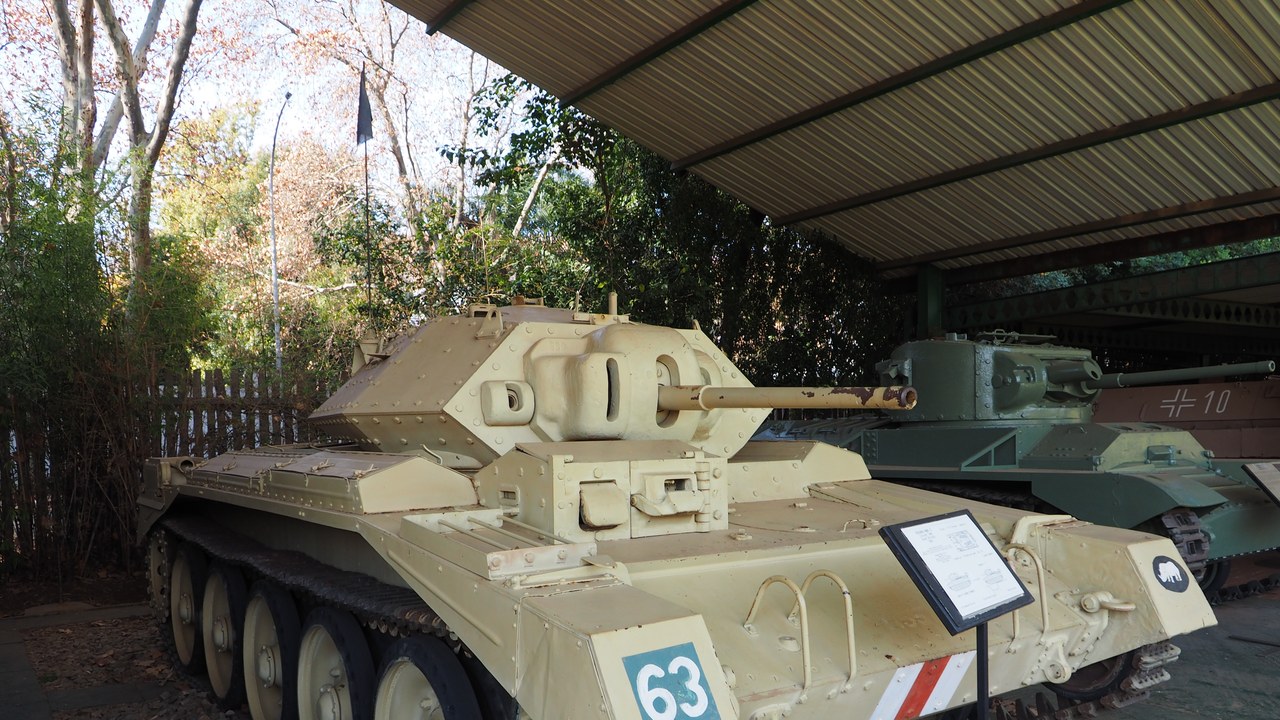
The British Crusader fought in the Western Desert, but History Hit says early models were too lightly armored and so disastrously unreliable that more were lost to mechanical failure than to combat damage.
Its problems reflected a wider British weakness. Britain and France had treated the tank as a tool for reconnaissance and infantry support rather than for breaking through enemy lines, and History Hit concludes that Allied tanks were relatively inadequate until American machines arrived in 1942.
5. T-34: The Tank That Defeated Hitler
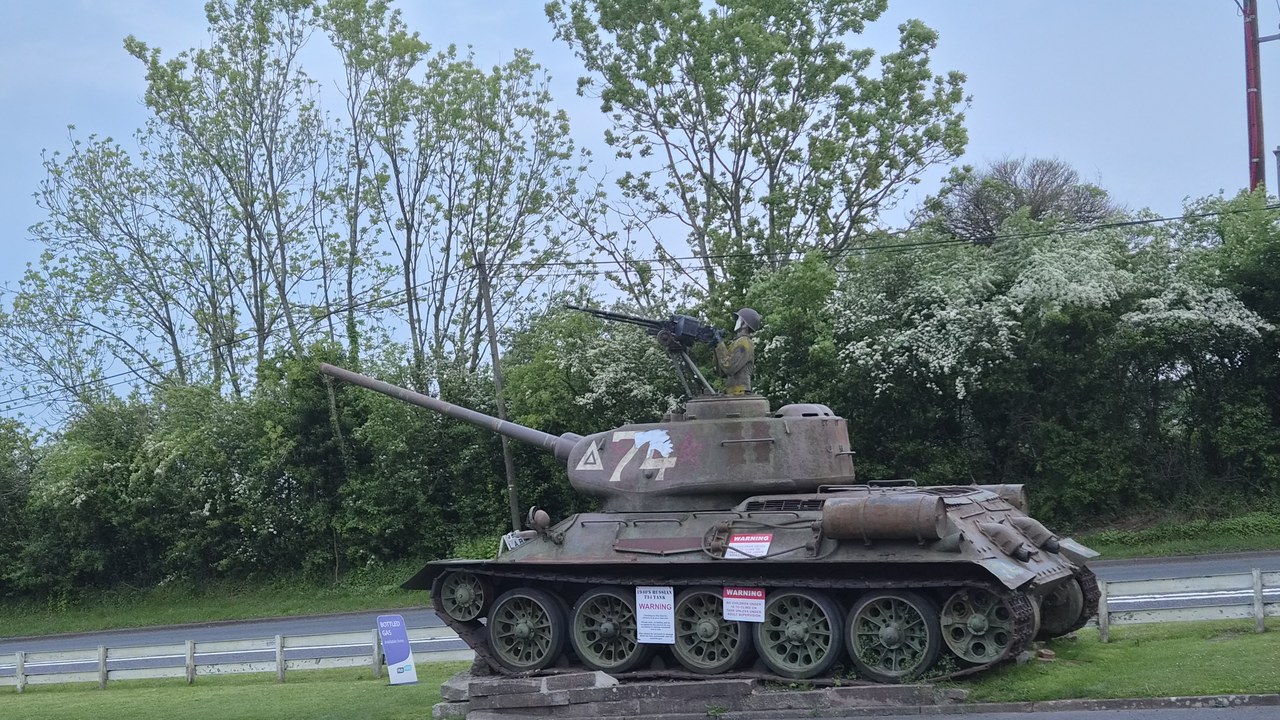
The Soviet T-34 went into full production in June 1940. History Hit reports that it became a benchmark, and around 40,000 had entered combat by the end of the war, built in huge numbers thanks to a simple design that made repairs easy.
Its sloping armor deflected enemy fire, and its wide tracks gave superior mobility on rough ground. It was vital to stopping the German advance in the winter of 1941, and its reliability and sheer numbers proved decisive on the Eastern Front.
6. KV-1: The Soviet Heavyweight
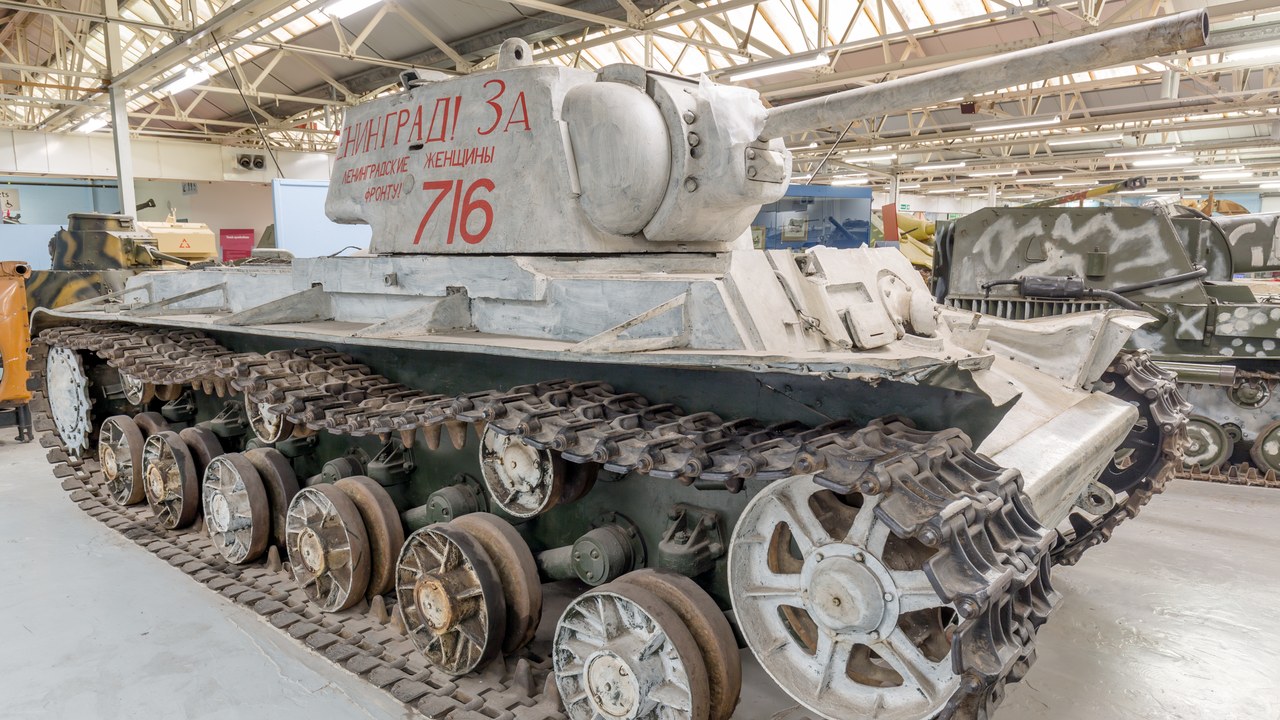
The KV-1 was the heaviest tank the Soviets produced, and its armor was so thick that very few German anti-tank guns could destroy it early in the war. During Operation Barbarossa, it could take out any German tank that confronted it.
It was hard to operate, requiring great strength to drive and offering poor visibility. In the right hands, though, it was formidable. It was said that a single KV-1 held up parts of an entire German armored division for two days in the summer of 1941.
7. M3 Lee/Grant: The Tank That Saved Egypt
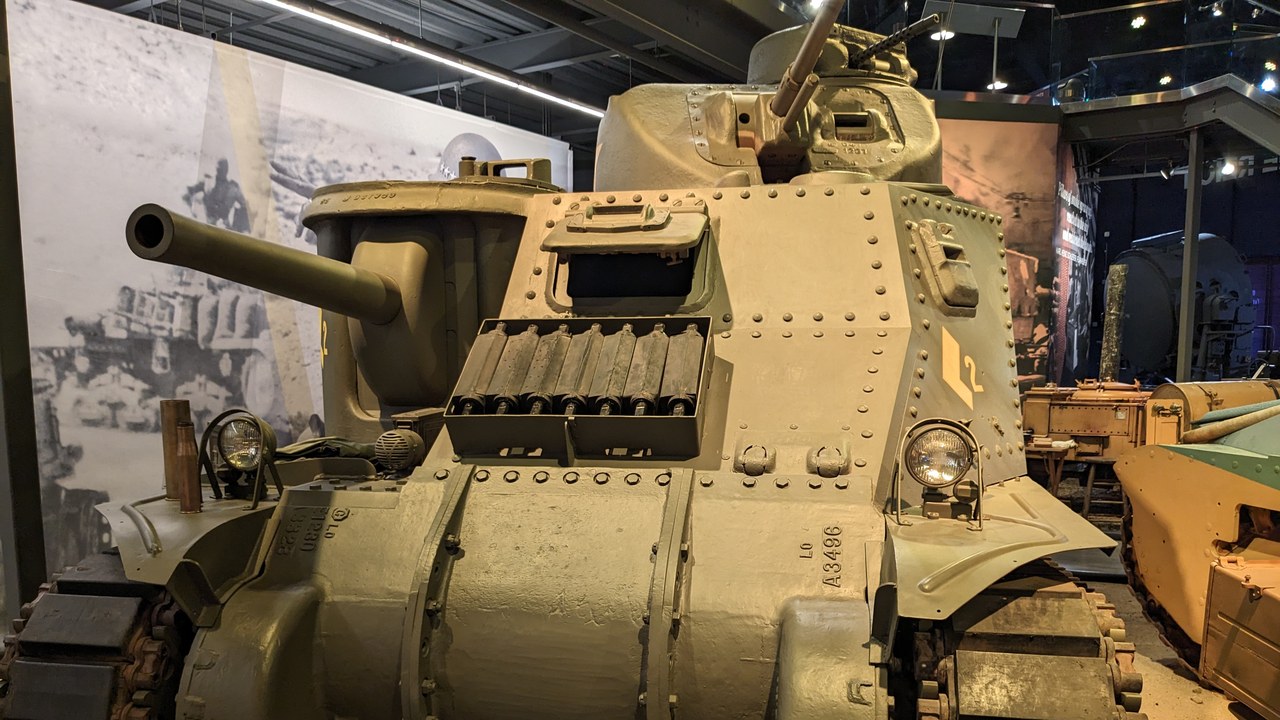
The American M3 looked like a throwback to the 1930s, with a high silhouette and riveted hull. Yet TheCollector notes that its shipment to the 8th Army in early 1942 helped stem the Axis advance toward Egypt at the Battle of Gazala.
It carried a 75 mm gun in the hull and a 37 mm gun in the turret. The British version, the Grant, had heavier armor and a lower height than the American Lee. It remained the backbone of British armor until the Sherman began arriving in September 1942.
8. Churchill: The Funnies
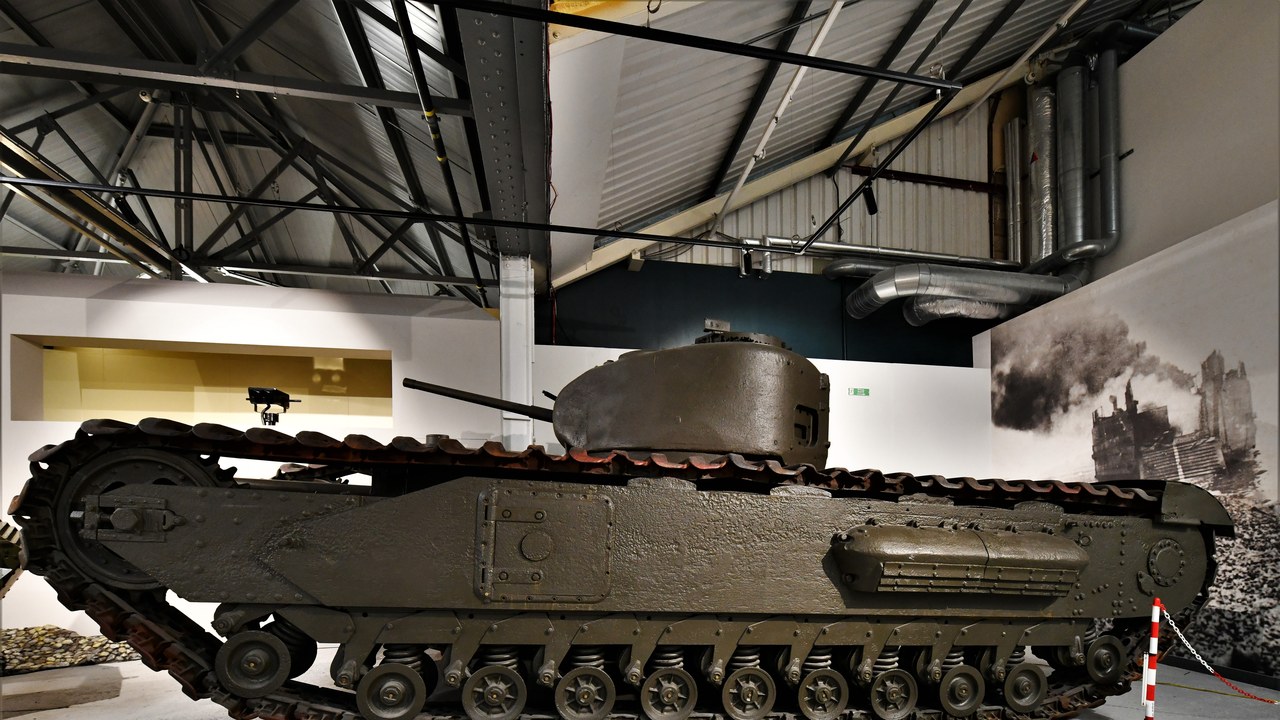
The Churchill had a tragic debut at Dieppe in 1942. After that raid, the British army decided specialist vehicles were needed for the Normandy landings, and the Churchill became the basis for the Funnies, according to TheCollector.
Its armor of up to 152 mm and good cross-country ability made it ideal. Churchills were converted into the Crocodile flamethrower with a range of 150 yards, bridge layers, recovery vehicles, mine-clearing flail tanks, log-carrying ditch fillers and the turretless Kangaroo personnel carrier.
9. M4 Sherman: Built by Detroit
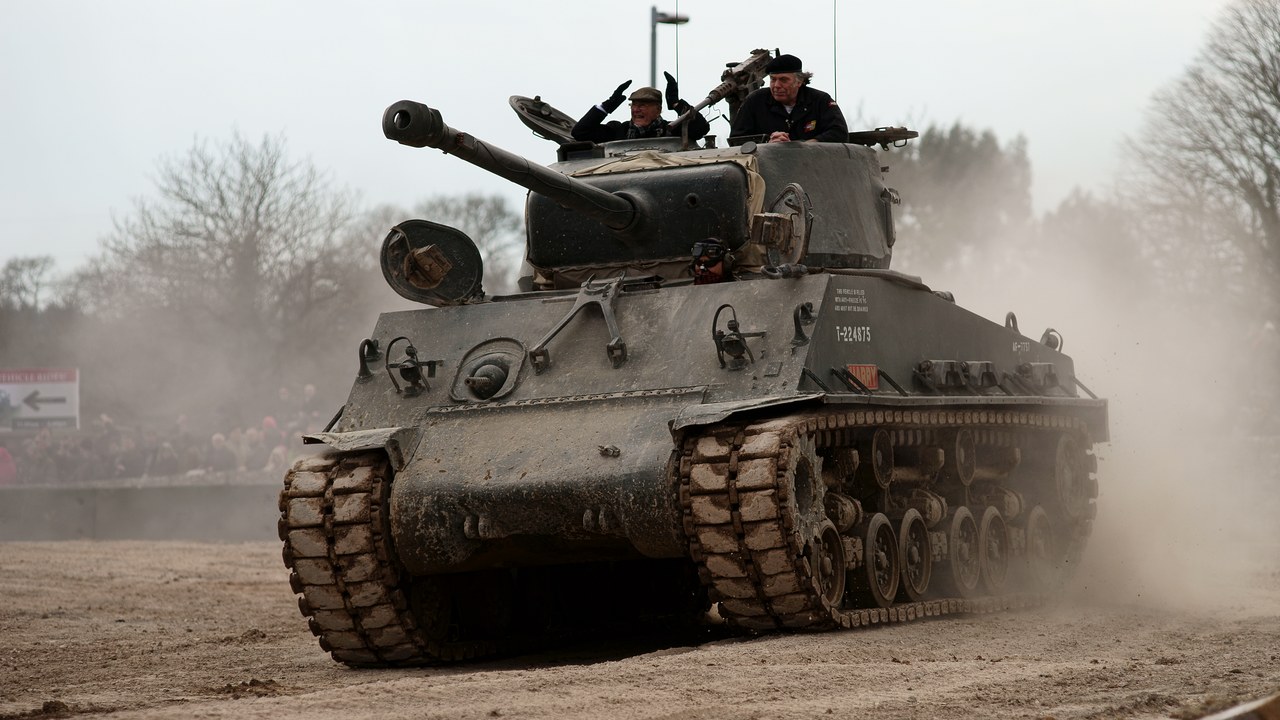
The Sherman was produced at impressive speed by the Ford Motor Company and other American manufacturers. It had a top speed of 30 mph and a range of up to 150 miles, and roughly 50,000 rolled off production lines.
Its 75 mm gun was no match for the Tiger I, and crews complained it caught fire too quickly when hit. But it was more maneuverable and outnumbered German tanks in most key battles. Sheer numbers, good tactics and strong leadership made it a decisive factor in the war.
10. StuG III: The Low-Profile Killer
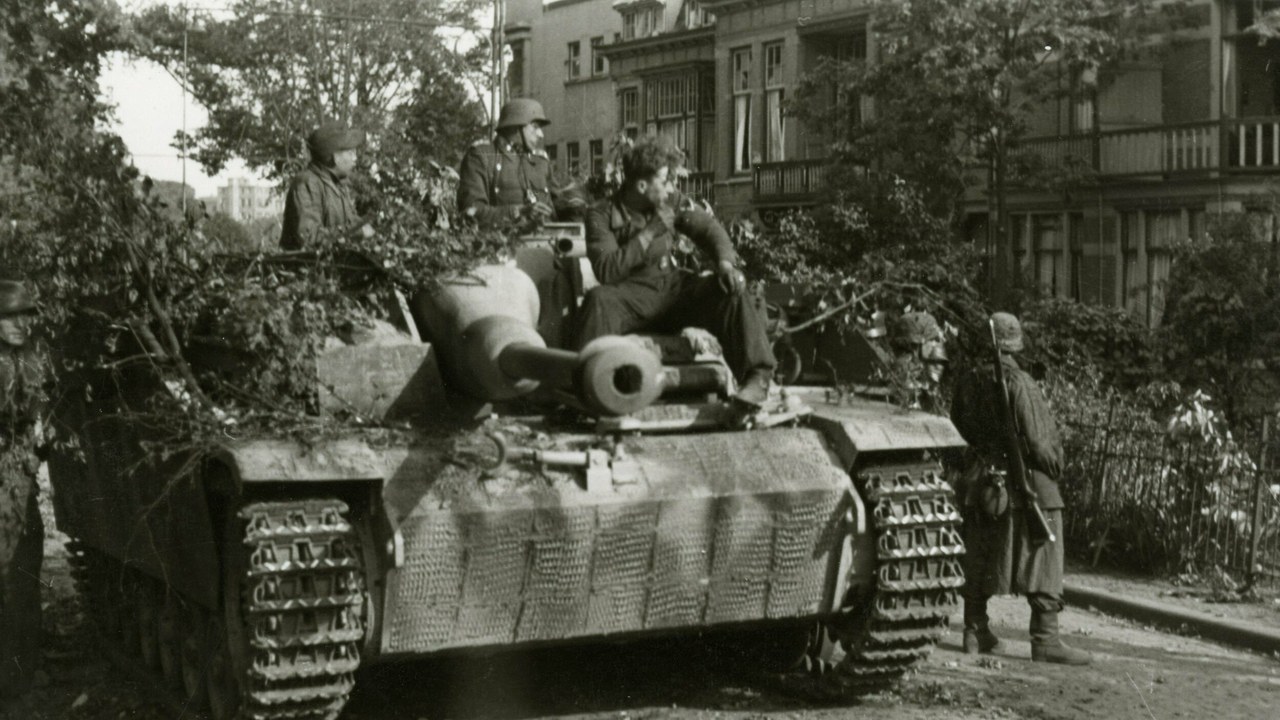
The Sturmgeschütz III was arguably Germany’s most effective armored vehicle, used in every major battle in Europe. Its small, low profile made it easy to hide under branches and brush, and hard to destroy.
Its gun did not sit in a rotating turret, and its armor was inadequate, but Allied tankers feared it because there were so many and their guns were true tank destroyers. About 11,300 were produced by April 1945, though only around a thousand remained operable by then.
11. Tiger I: The Most Feared Gun of the War
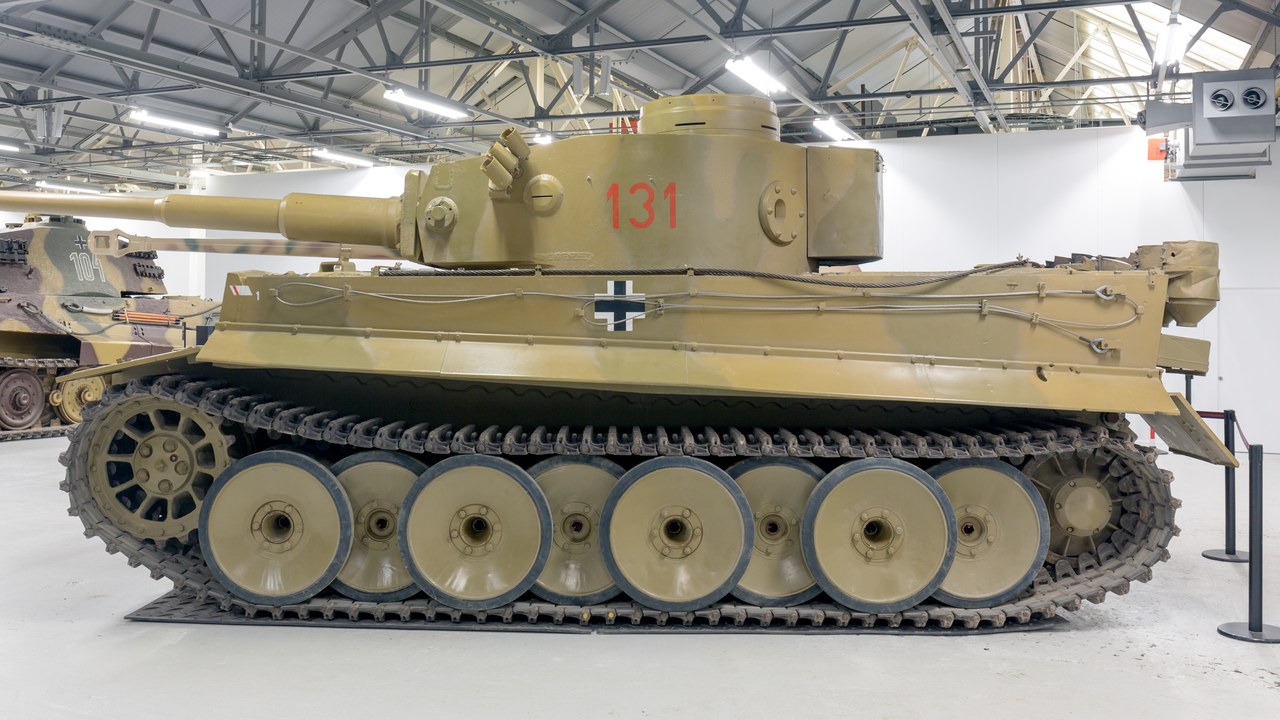
The Tiger I entered service in 1942. According to the Friends of the National World War II Memorial, its 88 mm gun was the most feared of the war, and its armor was nearly impenetrable to most Allied tank rounds.
Only 1,347 were made, yet they accounted for the destruction of more than 10,000 Allied tanks. History Hit adds that its complex overlapping wheels could freeze solid on cold nights, leaving it vulnerable to early morning attacks until a fix arrived later in 1943.
12. Panther: Built to Beat the T-34
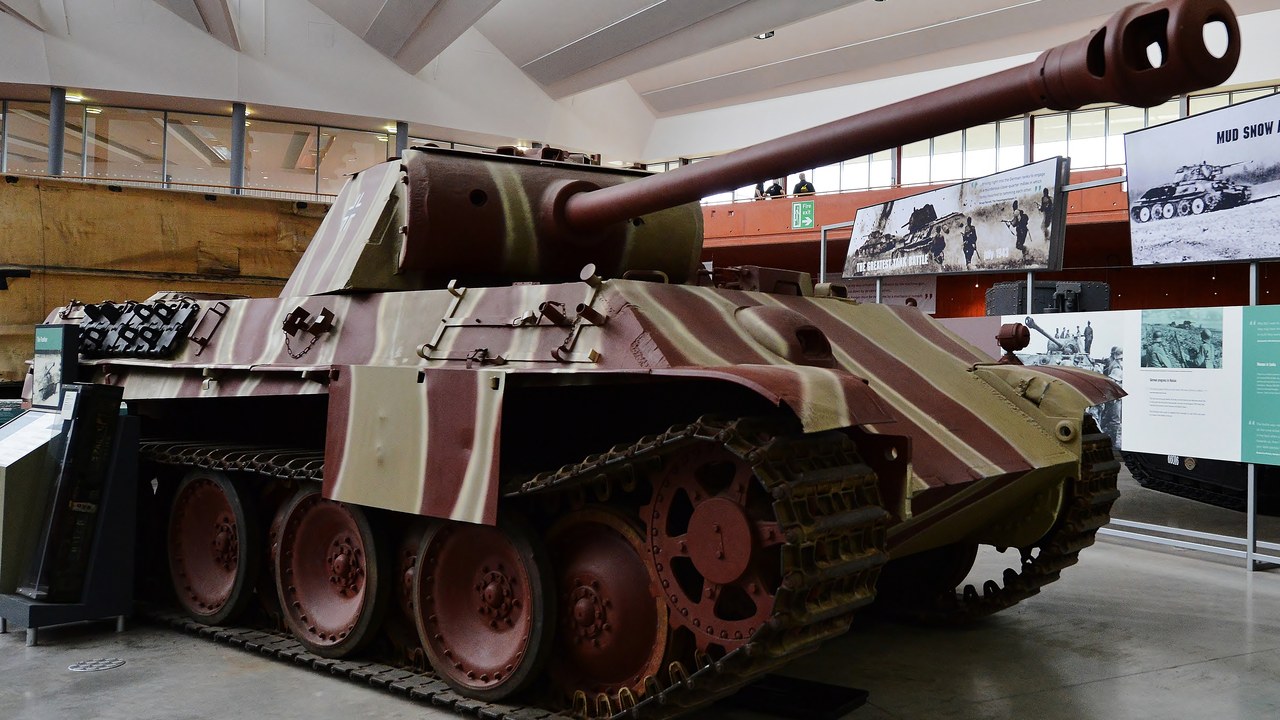
The Panther was developed in response to the T-34, borrowing many of the principles that made the Soviet tank so effective. It had sloping armor, a more powerful engine and a 75 mm gun that could pierce armor from over a kilometer away.
History Hit calls it the finest tank Germany produced during the war, but its designers overlooked the advantages of simplicity. Over-engineering made the Panther complex, slower to produce and harder to repair than the Soviet tanks it was built to beat.
13. Cromwell: The Fastest British Tank
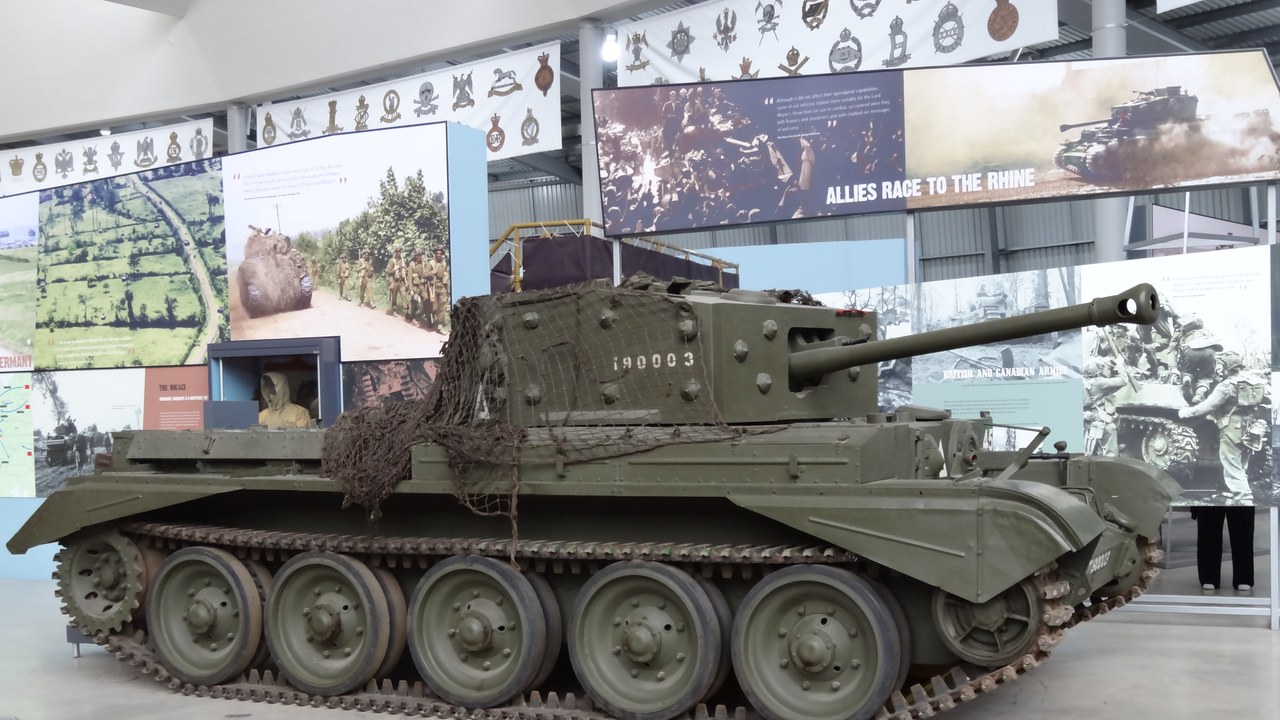
The Cromwell was the fastest British tank of the war, reaching an astonishing 40 mph. That speed let it advance faster than Shermans and often outmaneuver heavier German tanks.
It had another advantage: thanks to a special gearbox, it did not lose power when turning. In a one-on-one fight with a Tiger it was no match, especially because of its lighter armor, but in pursuit it excelled. History Hit adds that it was widely used after the D-Day landings, armed with a 75 mm gun and a reliable Meteor engine.
14. IS-2: The Tiger Killer
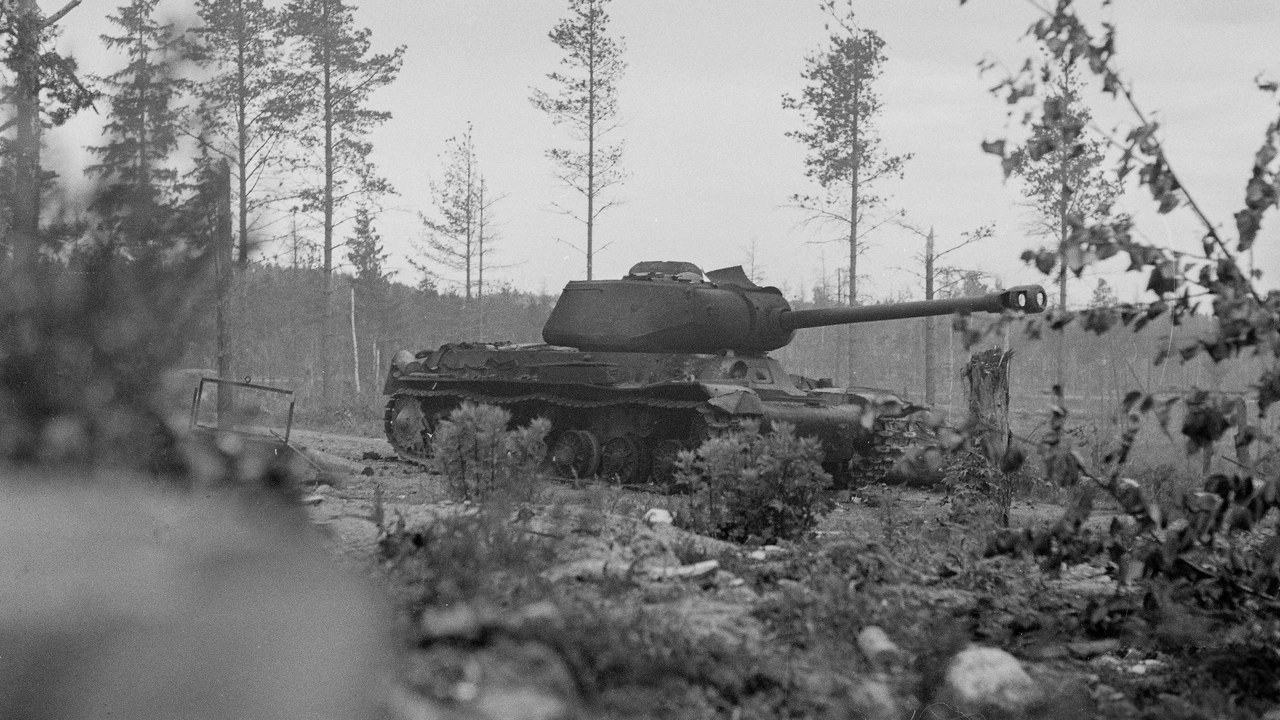
The Soviet IS-2 was the first tank that could engage the Tiger I or Panther on equal terms. Developed in response to the Tiger, it was ten tons lighter, had slightly better armor and carried an excellent 122 mm gun.
It first saw combat in early 1944 as a breakthrough tank, and its massive high-explosive shell was highly effective against fortifications. Its faults were a small magazine of only 28 rounds and a slow rate of fire. Over 3,800 were built, more than twice as many as the Tiger I and Tiger II combined.
15. King Tiger: The Heaviest of Them All
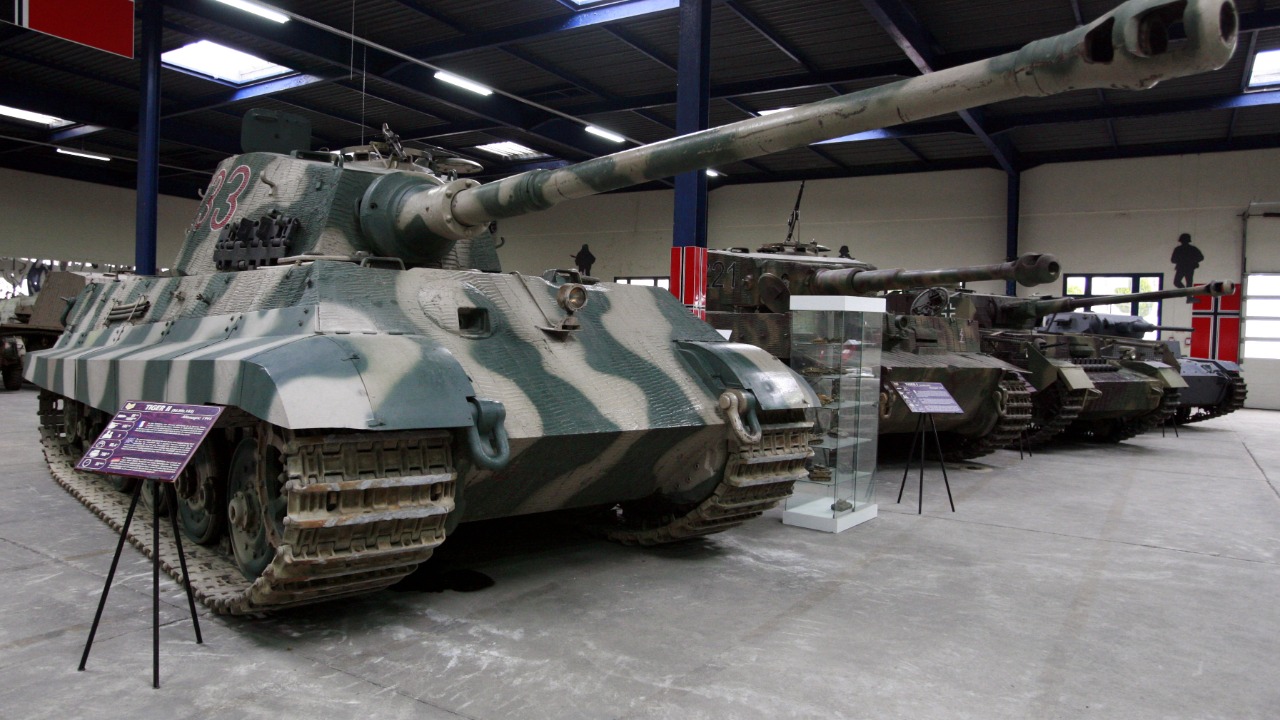
The King Tiger, also called the Tiger II, combined elements of the Panther and the Tiger. History Hit notes that its 88 mm gun had a greater range than any rival, and it carried so much armor that it weighed 68 tonnes.
It was an intimidating prospect on any battlefield, but Germany never built it in meaningful numbers. Only 485 were ever produced, a tiny figure next to the tens of thousands of T-34s and Shermans that rolled off Allied production lines during the war.
More from Morning Overview
- Winter weather advisories cover I-80, I-70 and the Bighorns with up to 15 inches of snow
- Arizona’s governor declared a statewide emergency after Flagstaff logged its wettest Nov. 1 on record
- Zero Motorcycles unveiled an electric motorcycle targeted at under $8K and a street-legal dirt bike at EICMA
- New FCC rules on how people can stop robocalls and texts take effect Nov. 25
