
Long before skyscrapers, people learned that the safest, coolest or holiest place to build was sometimes straight down into the rock. They carved entire cities to hide from invaders, temples out of cliffs and homes to escape desert heat. Here are ten hidden worlds people dug beneath the surface, from Turkey and Vietnam to Ethiopia and Mexico.
Read next on Morning Overview: New FCC rules on how people can stop robocalls and texts take effect Nov. 25
1. Derinkuyu underground city: A City for 20,000
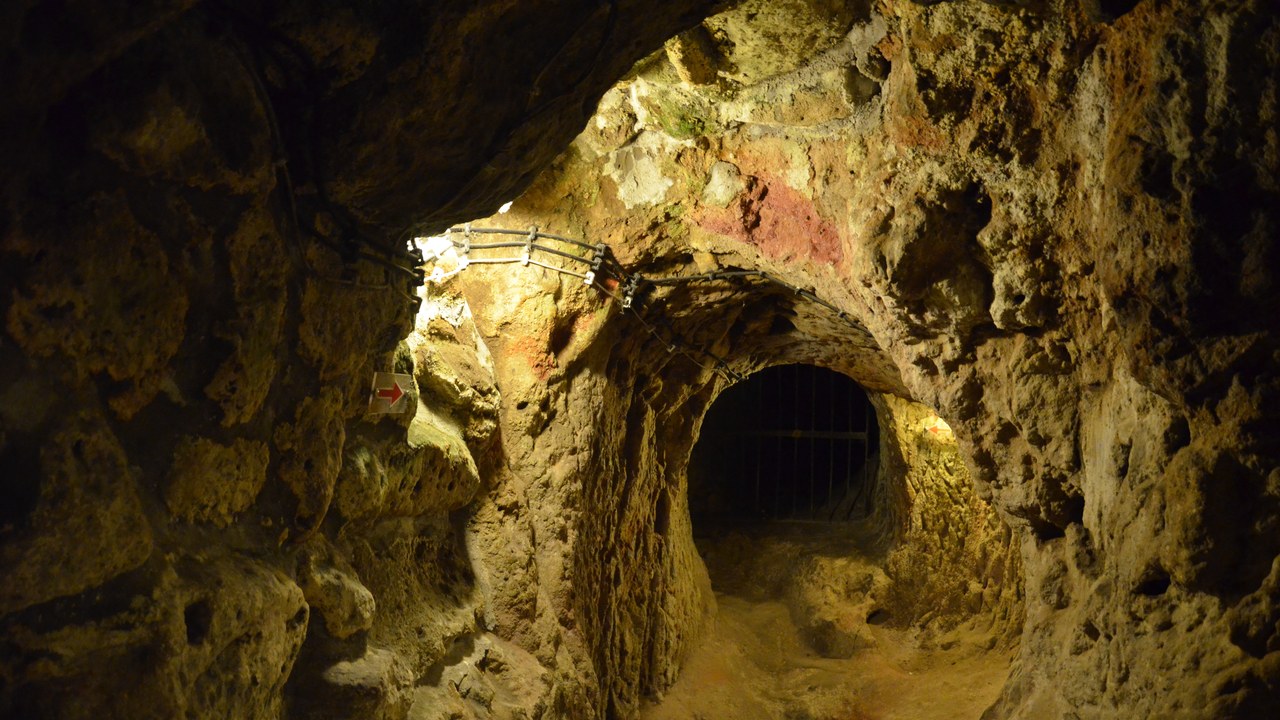
Derinkuyu, an ancient multi-level underground city in Turkey’s Nevşehir Province, reaches a depth of about 85 meters (280 feet) and was large enough to shelter as many as 20,000 people with their livestock and food, according to Wikipedia.
It was carved mostly into tuff, a soft rock formed from compacted volcanic ash, and could be sealed from inside with large rolling stone doors, each floor closing separately. Ventilation shafts reached individual rooms, and a 55-meter shaft served as a well, while staircases led down to a church on the lowest level.
2. Kaymaklı Underground City: Eight Floors Below Cappadocia
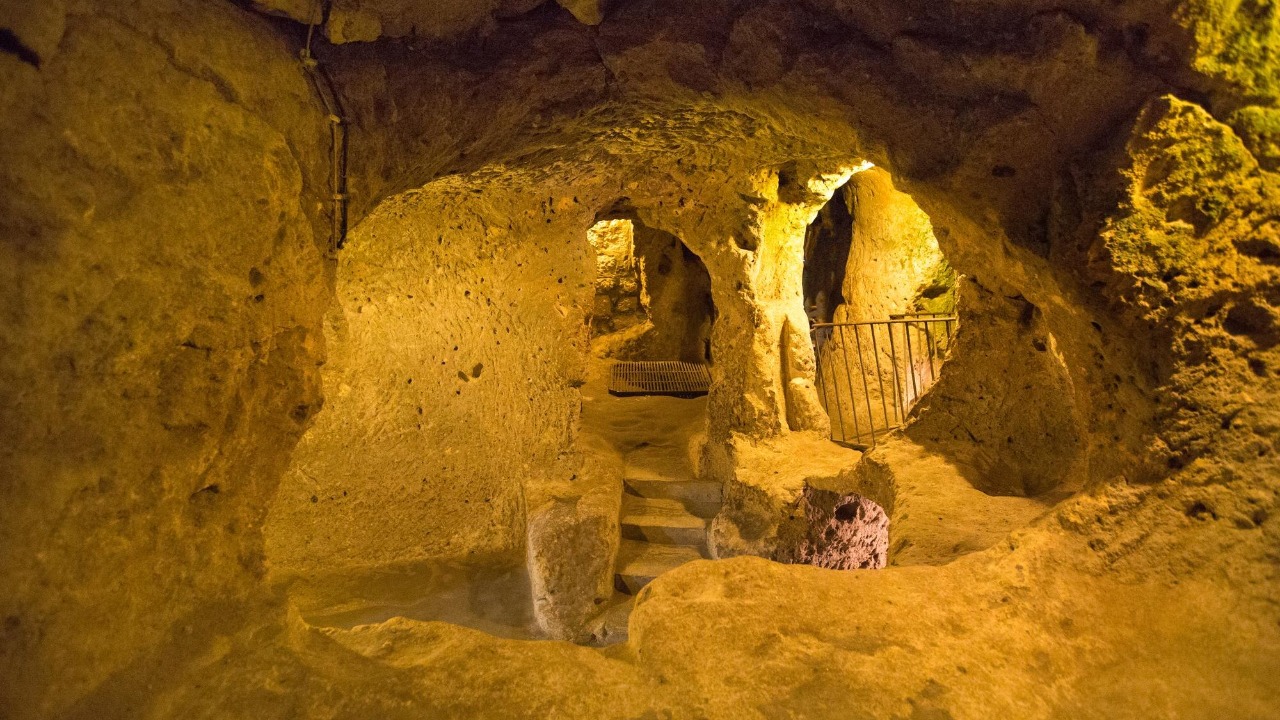
Cappadocia’s underground cities were built to protect locals from marauding armies, and Kaymaklı dwarfs the others with its sprawling layout, Atlas Obscura notes. At its height it held eight floors of subterranean defenses.
The region’s underground cities were likely begun around 2000 BCE and expanded by later civilizations as peoples moved through the area. Like many of its sister cities, the multi-chambered Kaymaklı held storage areas, living quarters, wine-making spaces and stables for animals. Today only four of its eight floors are open to the public.
3. Cu Chi tunnels: Tunnels of Two Wars
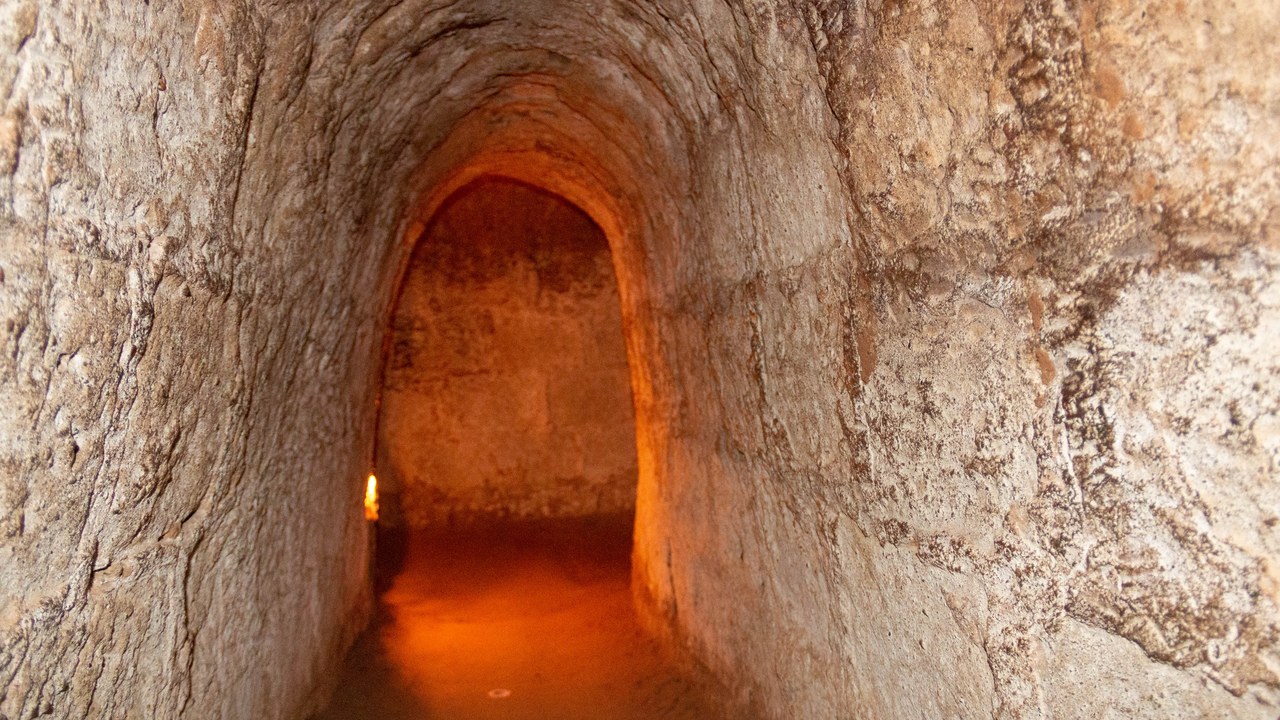
The Cu Chi Tunnels, about 70 kilometers northwest of central Ho Chi Minh City, are an interconnected network dug during the First and Second Indochina Wars, according to a UNESCO tentative-list file submitted by Vietnam.
They began in 1946 as small hidden shelters and grew from 1961 to 1965 into a fortified system of tunnels, bunkers and trenches. The main tunnel ran on three levels, the first about 4 meters down, with passages only 62 centimeters wide and 104 centimeters high.
4. Catacombs of Paris: Six Million Under Paris
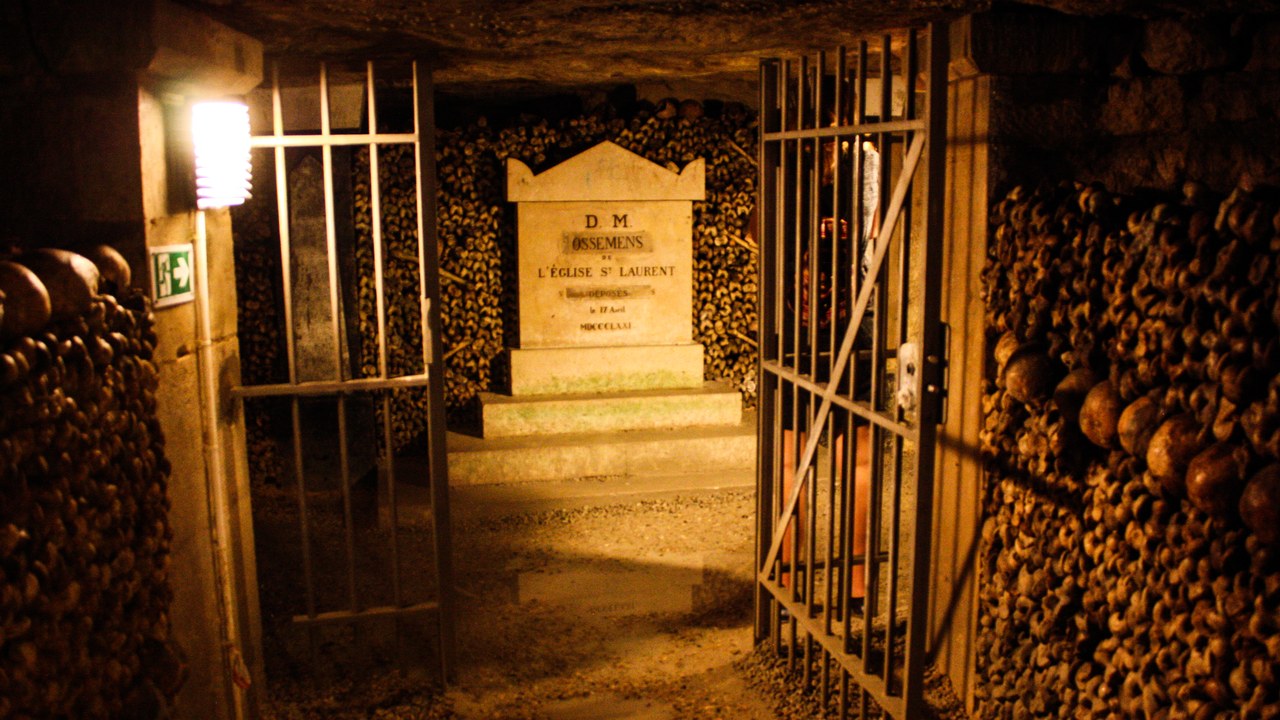
The Catacombs of Paris are underground ossuaries holding the remains of more than six million people, built to consolidate the city’s ancient stone quarries south of the old Barrière d’Enfer, or “Gate of Hell,” Wikipedia’s history explains.
At first a disorganized bone repository, the tunnels were transformed after 1810, when the head of the Paris mine inspection service had skulls, femurs and tibias stacked into the patterns seen today. The ossuary opened to public visitation in 1874 and is now one of the City of Paris museums.
5. Coober Pedy dugout town: Living Underground in the Outback
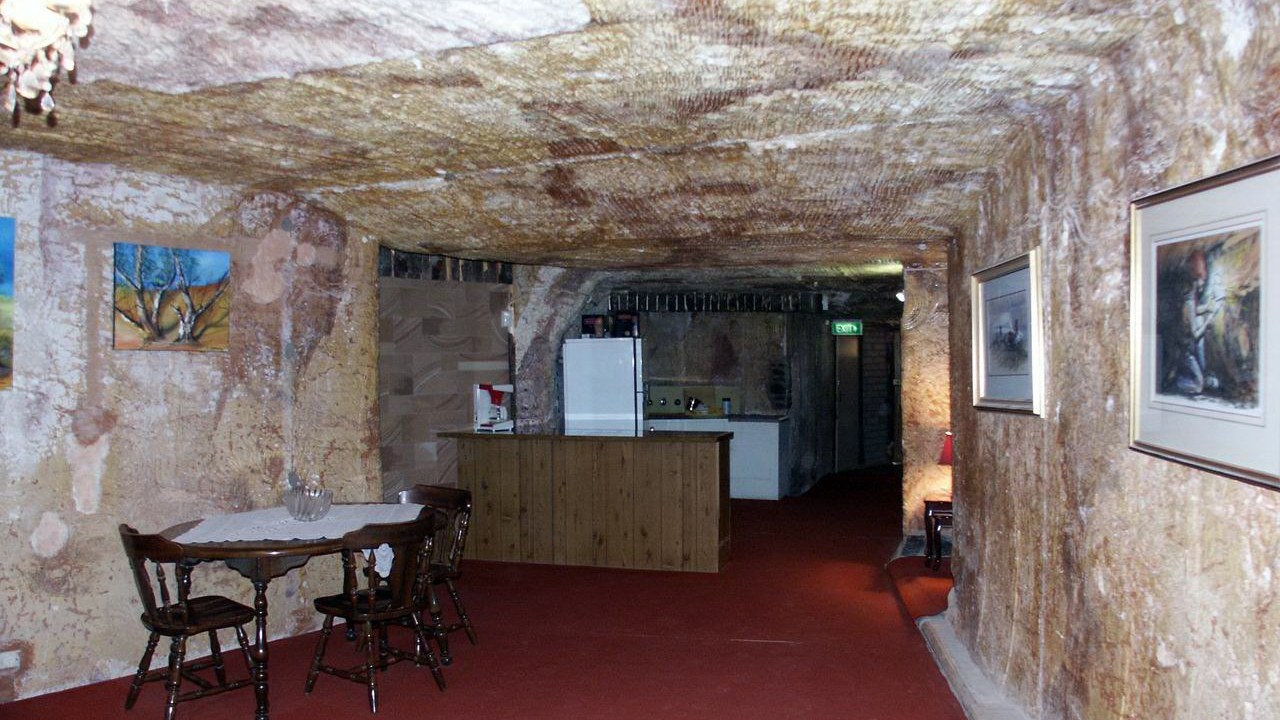
About half of Coober Pedy’s residents live in dugouts carved into the hillsides, where the temperature stays at a constant 75 degrees year-round, Smithsonian magazine reports. Outside, summer temperatures can reach 113 degrees in the shade.
The South Australian town was founded a century ago after a teenager found opals, and an estimated 70% of the world’s opal production is linked to it. Even a Serbian Orthodox church and parts of a hotel sit below ground, while warning signs caution against unmarked holes left by old mining.
6. Wieliczka Salt Mine: Seven Centuries of Salt
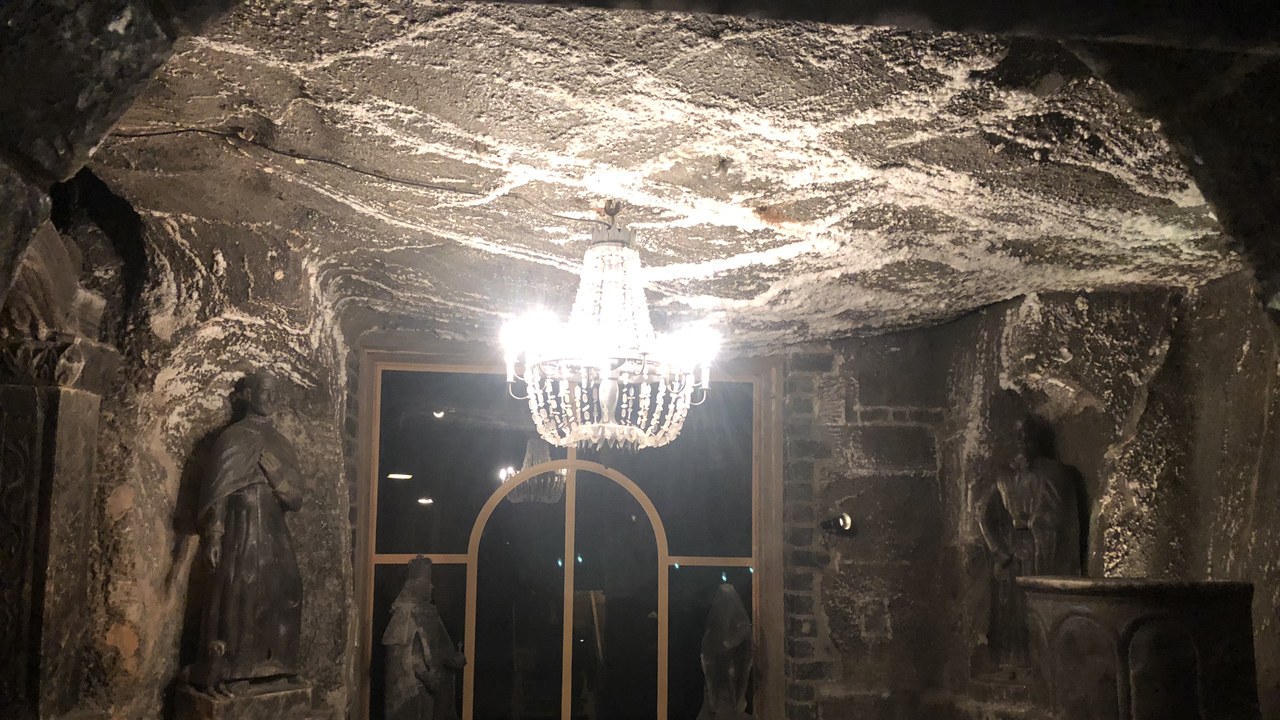
The rock salt deposit at Wieliczka and nearby Bochnia in southern Poland has been mined since the 13th century, making it the oldest operation of its kind in Europe, according to UNESCO’s World Heritage listing.
The two mines were worked continuously until the late 20th century, and their galleries extend to great depths. Old excavations were turned into chapels, workshops and storehouses, filled with statues and decorations sculpted from the salt itself. An underground tourist route has existed since the early 19th century.
7. Ellora Caves: Temples Cut From a Cliff
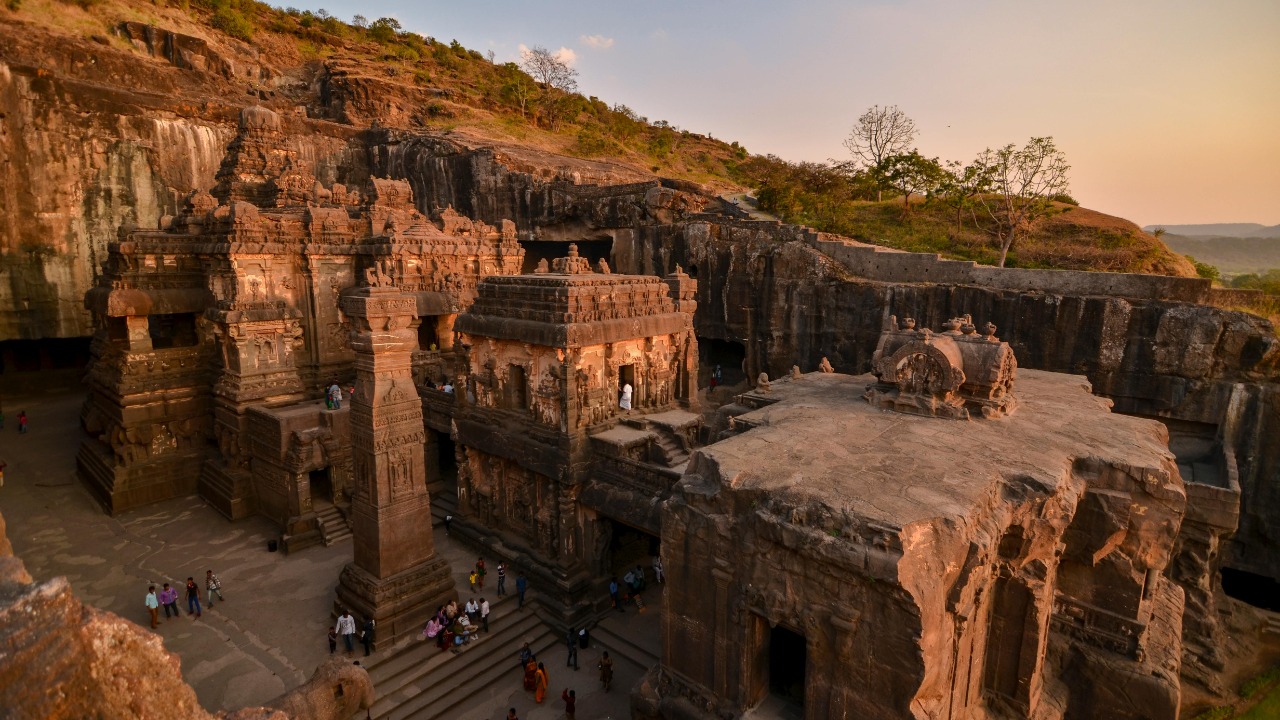
The 34 monasteries and temples at Ellora, extending over more than 2 kilometers, were dug side by side into a high basalt cliff near Aurangabad in Maharashtra, India, UNESCO says.
The monuments date from about A.D. 600 to 1000 and include sanctuaries devoted to Buddhism, Hinduism and Jainism, which UNESCO calls evidence of the tolerance of ancient India. UNESCO calls the complex both a unique artistic creation and a technological exploit, an uninterrupted sequence of monuments that brings ancient Indian civilization to life.
8. Ajanta Caves: Lost in the Jungle
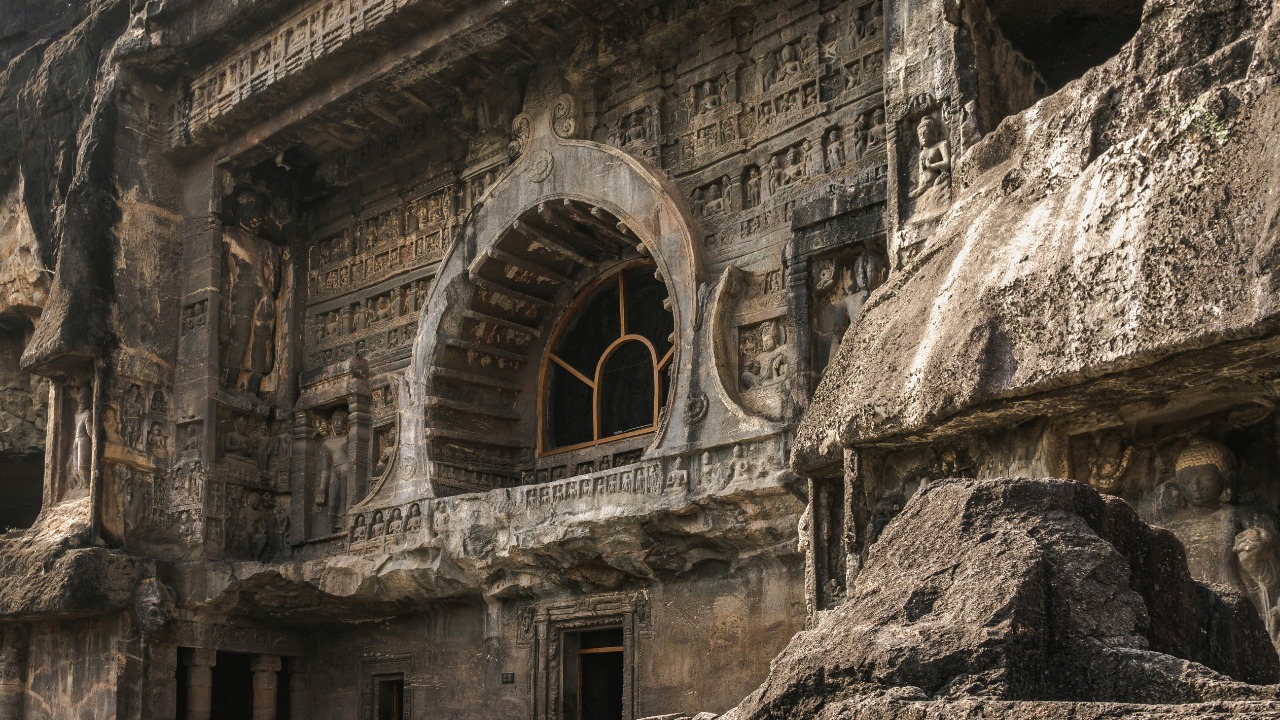
The Ajanta Caves are 30 rock-cut Buddhist monuments dating from the second century BCE to about 480 CE, carved into a 75-meter wall of rock in India’s Maharashtra state, according to Wikipedia.
They include monasteries and worship halls decorated with paintings and sculptures regarded as among the finest surviving examples of ancient Indian art. Covered by jungle for centuries, they were brought to modern attention in 1819 by a British colonel, John Smith, during a tiger hunt. The caves sit in the rocky wall of a U-shaped gorge of the Waghur River.
9. Rock-hewn churches of Lalibela: Churches Carved Downward
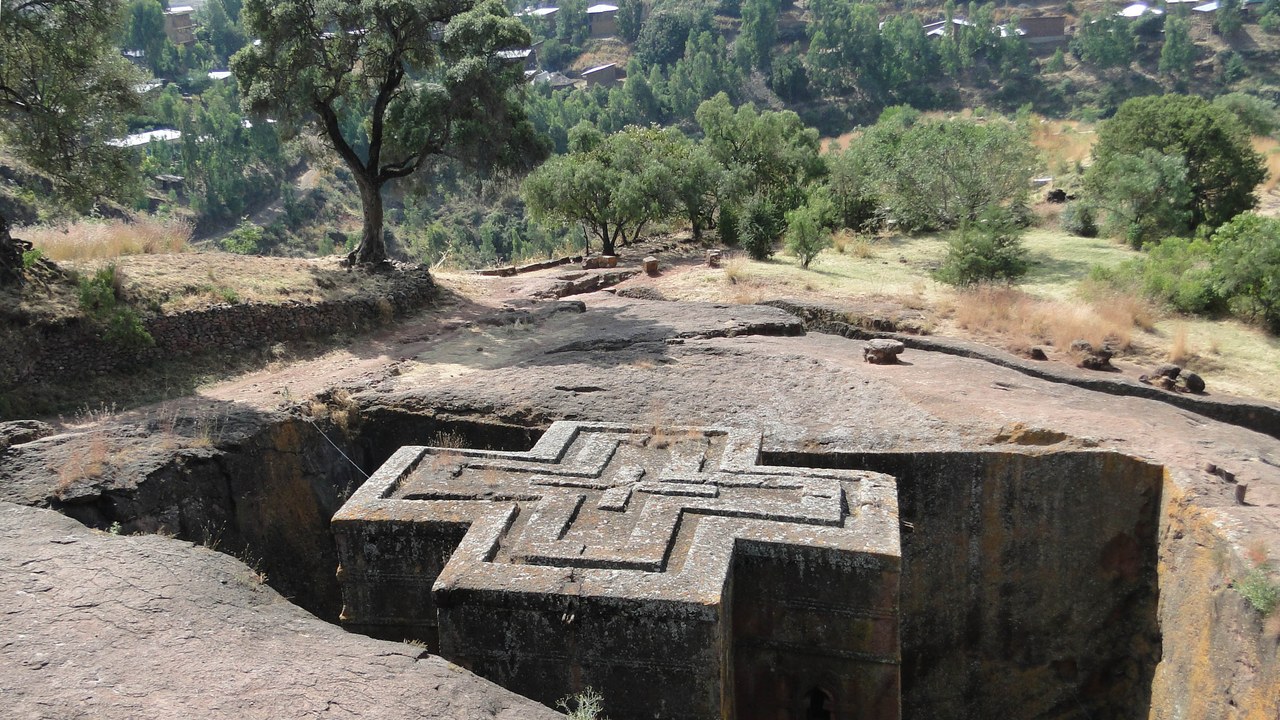
The 11 medieval monolithic churches of Lalibela, a 13th-century “New Jerusalem” in the mountains of Ethiopia, were hewn from the living rock rather than built, according to UNESCO’s World Heritage listing.
King Lalibela set out to build a symbol of the Holy Land after Muslim conquests halted Christian pilgrimages there. The churches are linked by drainage ditches, trenches and ceremonial passages, some opening onto hermit caves and catacombs, and the site remains a place of pilgrimage and devotion. The ditches lay filled with earth for centuries before being cleared in the 20th century.
10. Naica crystal cave mine: Giants in the Heat
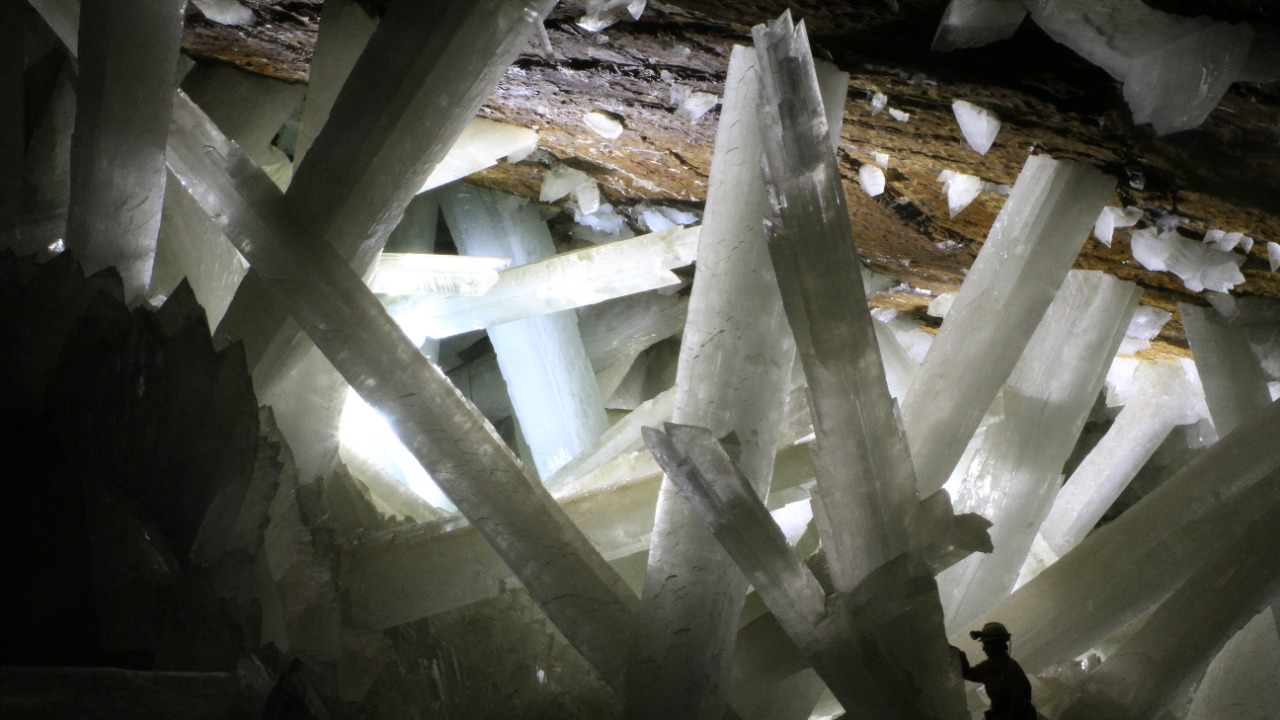
The Cave of the Crystals, connected to Mexico’s Naica Mine at a depth of 300 meters, holds selenite crystals among the largest ever found, the biggest 11.4 meters long and weighing an estimated 12 tonnes, Wikipedia notes.
Miners Juan and Pedro Sánchez discovered it in April 2000 while drilling. When drained, the cave is brutally hot, reaching 58 degrees Celsius with 90% to 99% humidity, heated by magma a few kilometers below. By October 2015 the mine had reflooded, letting the crystals grow again.
More from Morning Overview
- Cadillac cut the price of its cheapest EV, which goes up to 317 miles on a charge
- Winter weather advisories cover I-80, I-70 and the Bighorns with up to 15 inches of snow
- Arizona’s governor declared a statewide emergency after Flagstaff logged its wettest Nov. 1 on record
- Zero Motorcycles unveiled an electric motorcycle targeted at under $8K and a street-legal dirt bike at EICMA
