
When Mount Vesuvius erupted in AD 79, it turned a Roman library into lumps of carbon that no one could open without destroying them. Nearly 2,000 years later, X-ray scans and artificial intelligence are letting scholars read those scrolls without unrolling them at all. These eight pictures follow the scrolls from a buried villa to a particle accelerator.
Read next on Morning Overview: 11 engines built to run well past 200,000 miles
Herculaneum papyri: A Library Mistaken for Charcoal
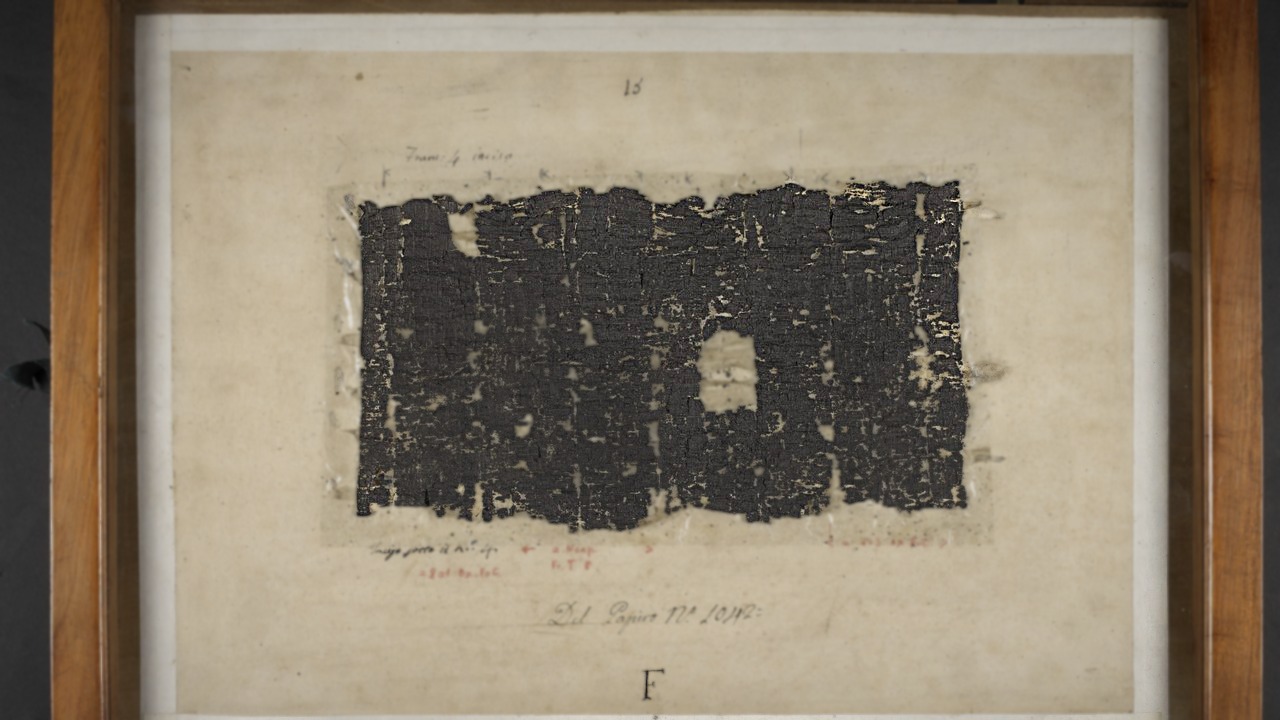
The Herculaneum papyri are more than 1,800 scrolls found in the 18th century in a buried villa at Herculaneum. The eruption’s pyroclastic flows parched them in an instant inside a room starved of oxygen, turning them into compact, fragile blocks that were then sealed under cement-like rock.
To the first diggers they looked like lumps of charcoal, and many were thrown away. Unrolling the survivors by hand proved painfully slow and destructive. By the middle of the 20th century, only 585 rolls or fragments had been completely unrolled and 209 more opened in part, leaving most of the library unread.
Villa of the Papyri: The Richest House in Herculaneum
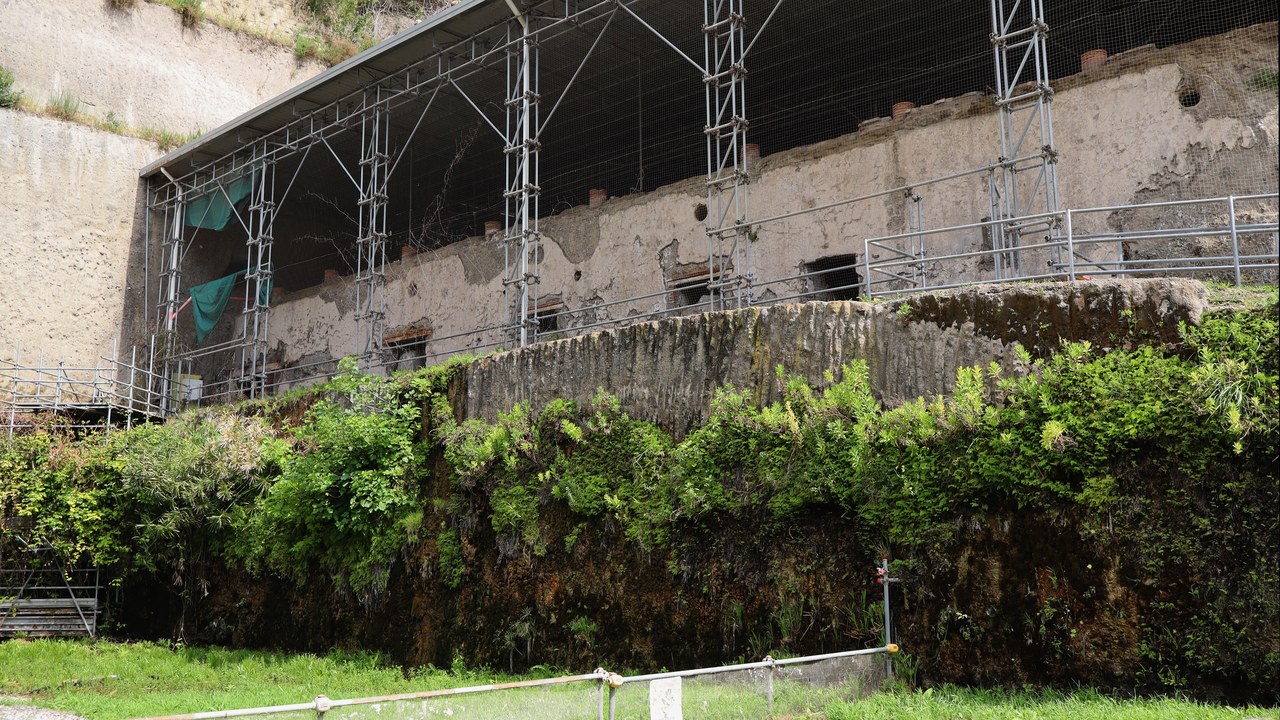
The scrolls gave their name to the Villa of the Papyri, one of the most luxurious houses in Herculaneum and in the Roman world, and the source of the only surviving library from the Greco-Roman world that exists in its entirety. It may have belonged to Lucius Calpurnius Piso Caesoninus, Julius Caesar’s father-in-law.
Eighteenth-century diggers explored it through tunnels until complaints from residents above halted work in 1765, and its exact location was lost for two centuries. A breakthrough through an ancient well came in 1986, and digs in the 1990s revealed two lower floors. Most of the villa is still underground.
National Archaeological Museum, Naples: Where the Villa’s Bronzes Ended Up
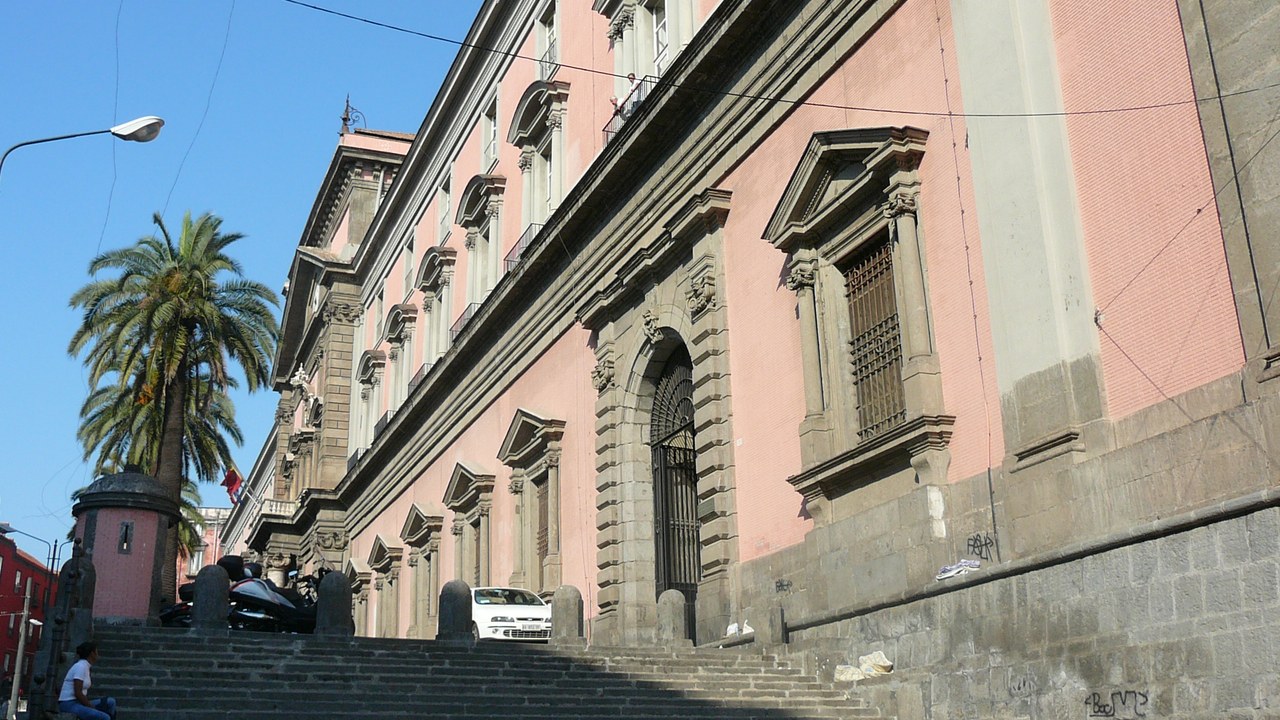
Many of the villa’s treasures went to Naples. The city’s National Archaeological Museum holds Roman artifacts from Pompeii, Stabiae and Herculaneum, including a major collection of ancient Roman bronzes from the Villa of the Papyri.
Among them are the Seated Hermes, a sprawling Drunken Satyr, a bust of Thespis and a pair of strikingly lively runners. The building itself dates to 1585 and began as a cavalry barracks before serving as the seat of the University of Naples. From 1816 to 1861 it was known as the Royal Bourbon Museum.
Mount Vesuvius: The Volcano That Sealed the Scrolls
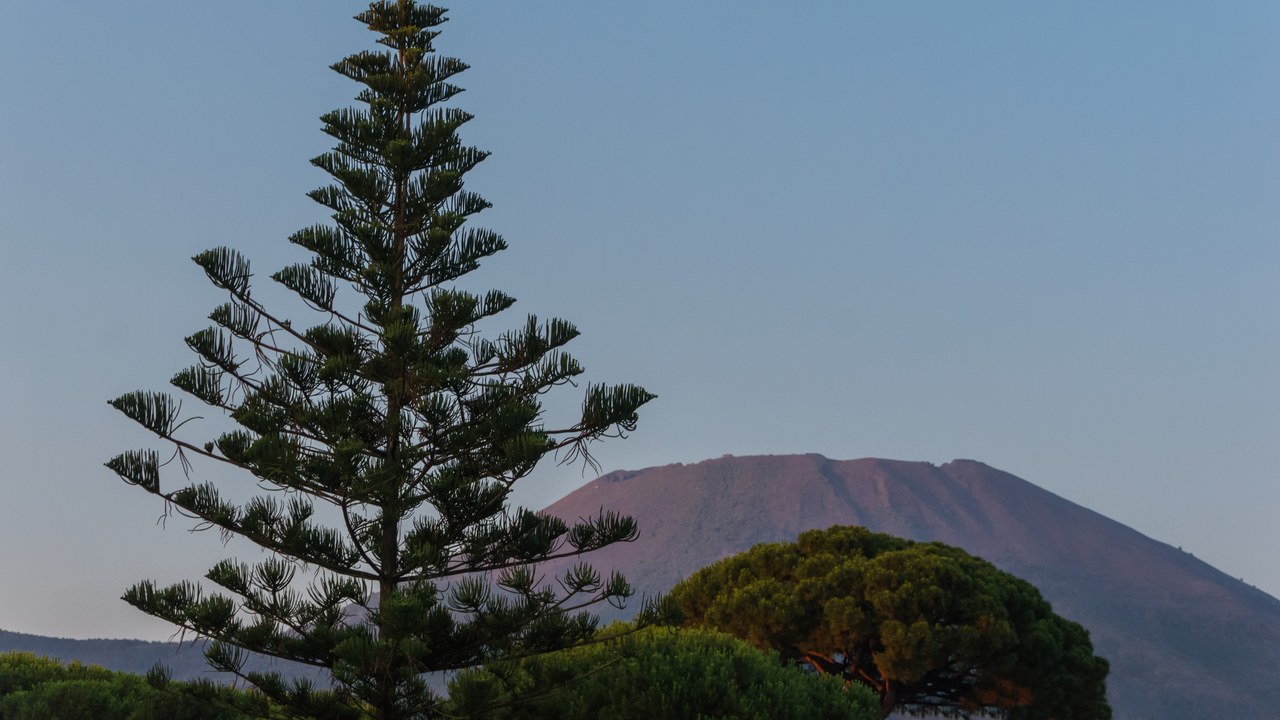
The eruption of Mount Vesuvius in AD 79 is the reason the scrolls exist at all. Bundles of papyrus were carbonized by the intense heat of the pyroclastic flows over an extremely short period, then preserved under layers of volcanic rock.
The same volcano still looms over the dig. In a 2016 open letter, academics urged Italian authorities to consider new excavations, since many more papyri may be buried at the site, warning that “the volcano may erupt again and put the villa effectively beyond reach.” For now, the unopened scrolls already in collections are where the reading is happening.
Getty Villa: A Roman Villa in Malibu
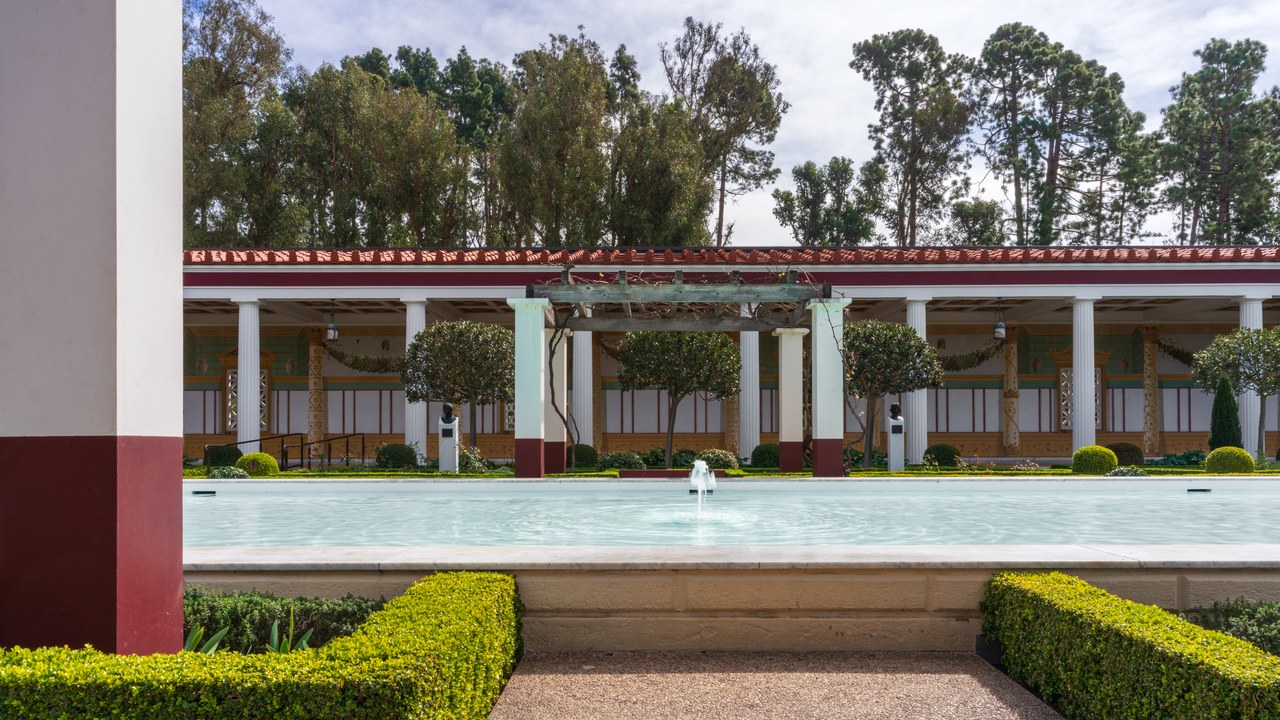
Half a world away, the villa lives on in copy. Oil tycoon J. Paul Getty opened a gallery next to his Pacific Palisades home in 1954, and when he ran out of room he built the Getty Villa, inspired by the Villa of the Papyri and other ancient sites.
It opened in 1974, but Getty never visited it before his death in 1976. Today it is one of two campuses of the J. Paul Getty Museum and holds about 44,000 Greek, Roman and Etruscan antiquities dating from 6,500 BC to AD 400, a California echo of a house still mostly buried in Italy.
Bodleian Library: Royal Gifts to Oxford
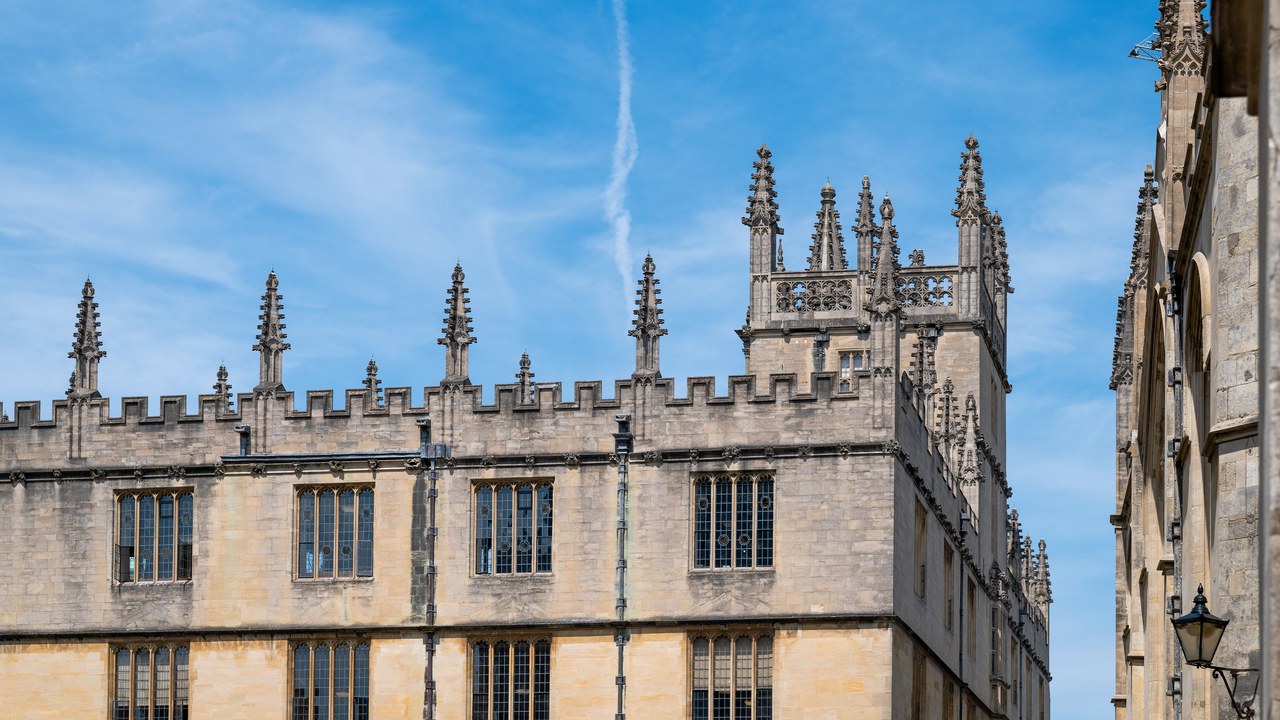
Some scrolls left Naples as royal gifts. In 1810, King Ferdinand of Naples gave eighteen unrolled papyri to the Prince of Wales, the future George IV, who presented four of them to the Bodleian Library in Oxford. The library also holds the Oxford Facsimiles, copies made after the Reverend John Hayter unrolled and partly deciphered about 200 papyri between 1802 and 1806.
Ferdinand used the scrolls as diplomacy, offering six rolls to Napoleon Bonaparte in 1802. In 2018, the computer scientist Brent Seales showed a readable virtual unrolling of parts of a Bodleian scroll, an early step toward reading them without touching them.
European Synchrotron Radiation Facility: X-Rays Strong Enough to Read Ink
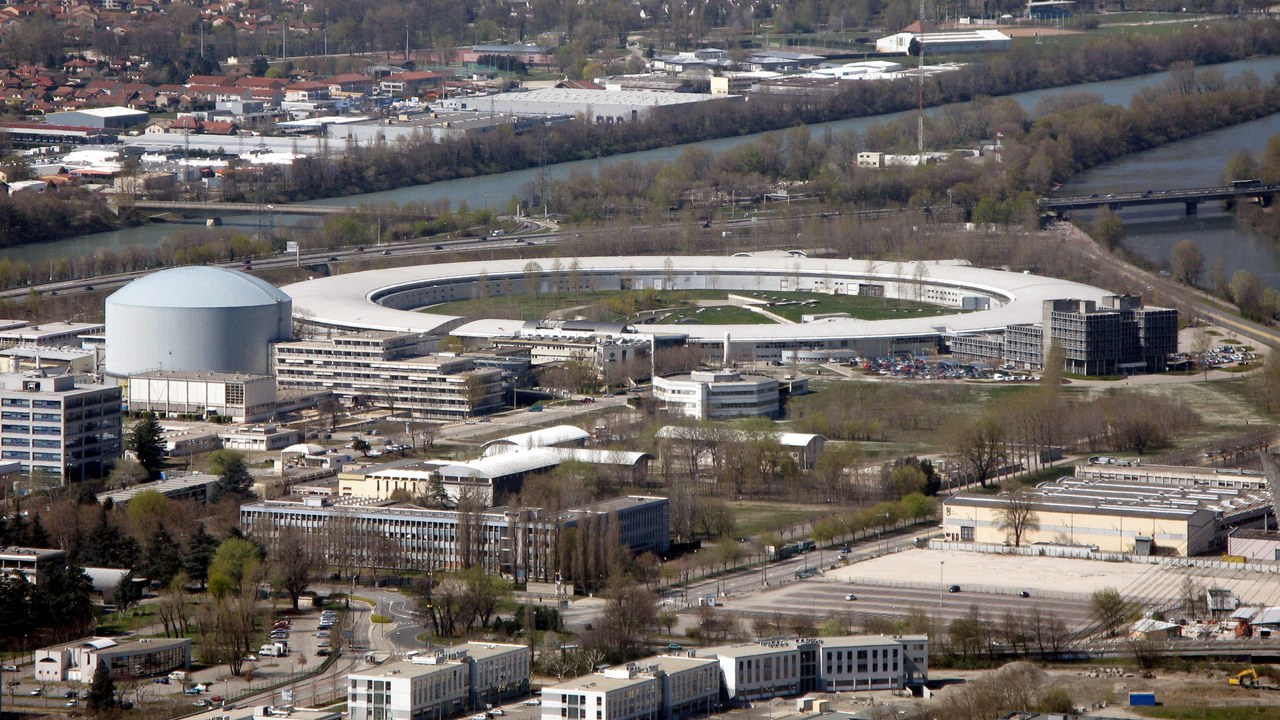
The breakthrough came from the Vesuvius Challenge, an international effort uniting computer scientists, imaging experts and papyrologists. Its team scanned the sealed scroll PHerc. 1667 at the European Synchrotron Radiation Facility in Grenoble, France, using high-resolution X-rays.
They rebuilt the rolled sheets in three dimensions, flattened them into digital pages and trained AI models to spot ink almost invisible against the burned papyrus. Papyrologists then checked every reading. The result was about 1.5 meters, nearly 5 feet, of continuous writing across roughly 20 surviving columns, the first complete digital reading of a sealed Herculaneum scroll.
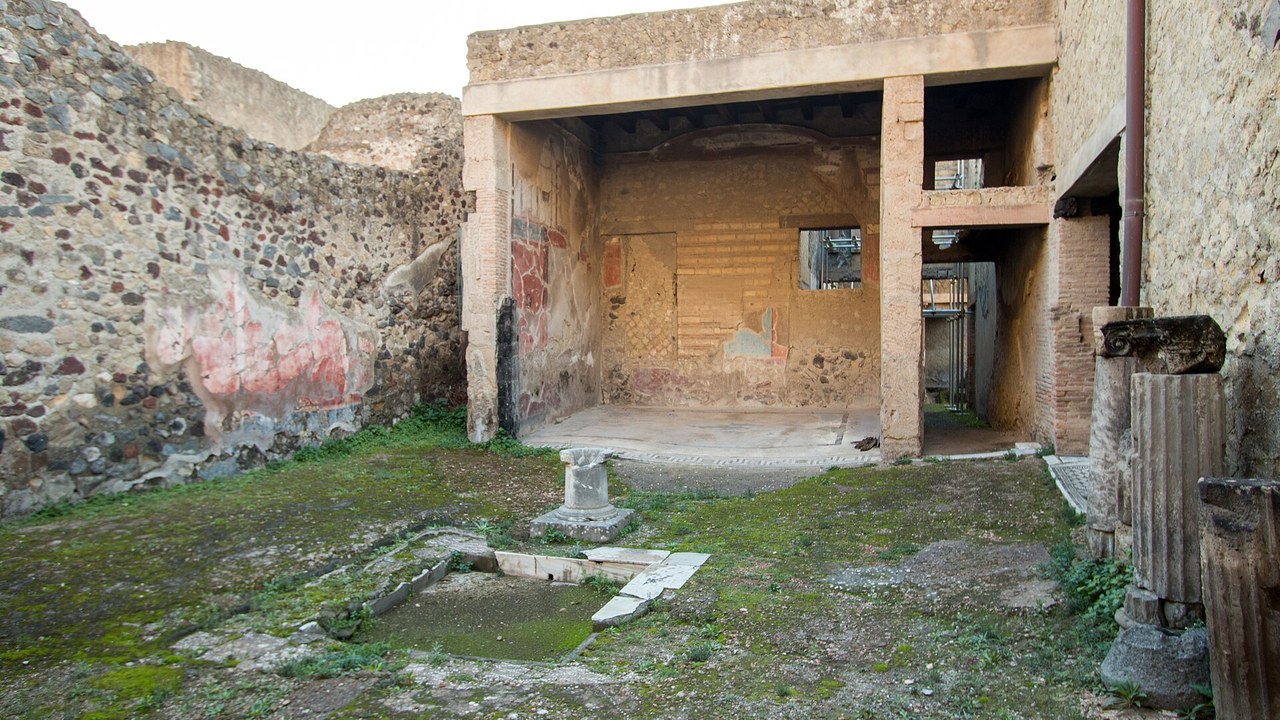
Herculaneum: More Than 600 Scrolls Still Waiting
The recovered text appears to be a work on Stoic ethics dealing with human nature, self-control, learning and moral growth. Its final column names Aristocreon, nephew and student of the philosopher Chrysippus, and the handwriting points to the second century BC, making it one of the oldest scrolls in the Herculaneum library.
Another sealed scroll, PHerc. 139, revealed its title without being opened: Philodemus’ On Gods, Book 8. More than 600 unopened Herculaneum scrolls still wait for study, most of them from the Villa of the Papyri, and the same digital methods offer a way to read them while keeping them intact.
More from Morning Overview
- A $1 billion gas plant planned for Superior, Wisconsin, has been abandoned
- Shaq spent $1.3 million on three Rolls-Royce Phantoms to prove a point to a salesman
- The Justice Department asked courts to undo approvals for three offshore wind farms, one already making power
- Over 20 trillion gallons of rain fell on the Four Corners states and Nevada in two weeks
