
In 1950, only 21,287 cars were imported into the United States, and Detroit dismissed most of them as small and crude. Japanese automakers arrived late in the decade, stumbled at first and then learned fast. Here are fourteen Japanese cars that cracked the American market, from a shaky first try in 1958 to the rotary-powered RX-7.
Read next on Morning Overview: Zero Motorcycles unveiled an electric motorcycle targeted at under $8K and a street-legal dirt bike at EICMA
1. Toyopet Crown: A Rough First Try
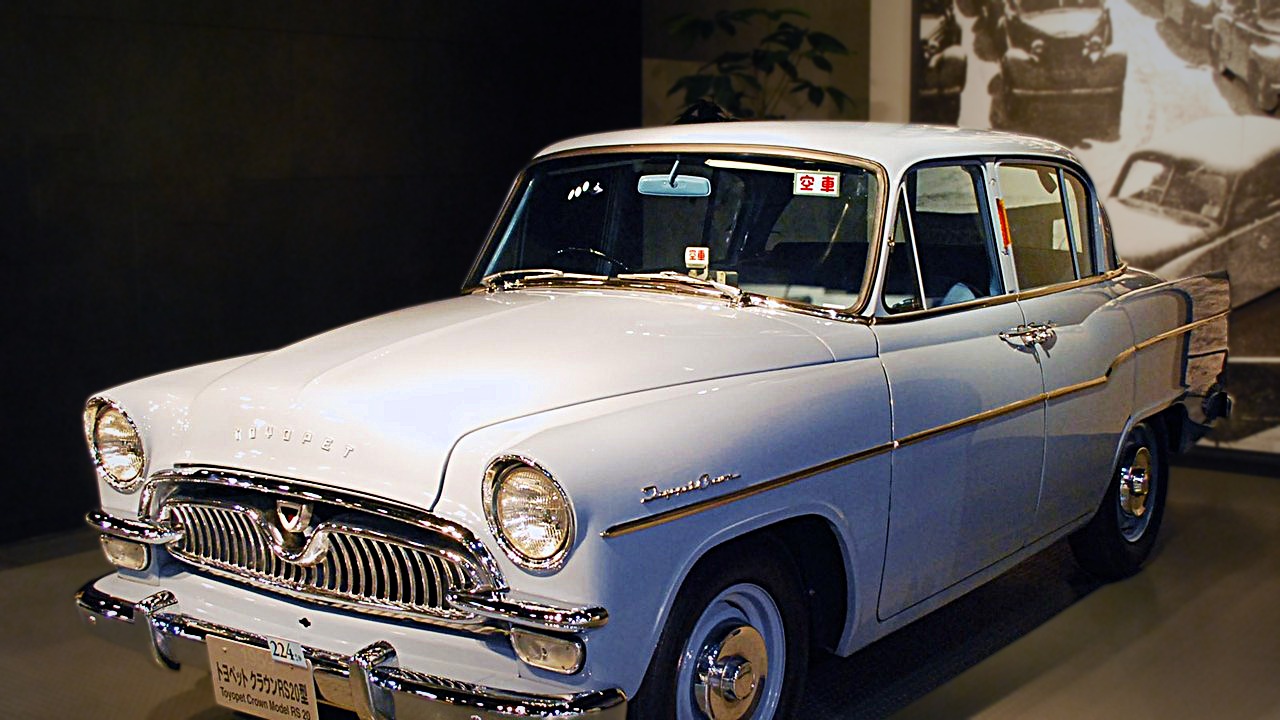
The Toyopet Crown was the first Japanese car exported to and sold in the mainland United States. Toyota’s own UK magazine recounts that it launched through five U.S. dealers in July 1958 at $1,999, and by year’s end just 287 had been sold.
Built for Japan’s rough roads, it struggled on fast American highways and shook badly at 60 mph. Even Toyota’s new sales administrator called it underpowered and overpriced. Toyota stopped exporting the Crown to the U.S. in 1960 to regroup.
2. Datsun Bluebird: Nissan’s Early Lead
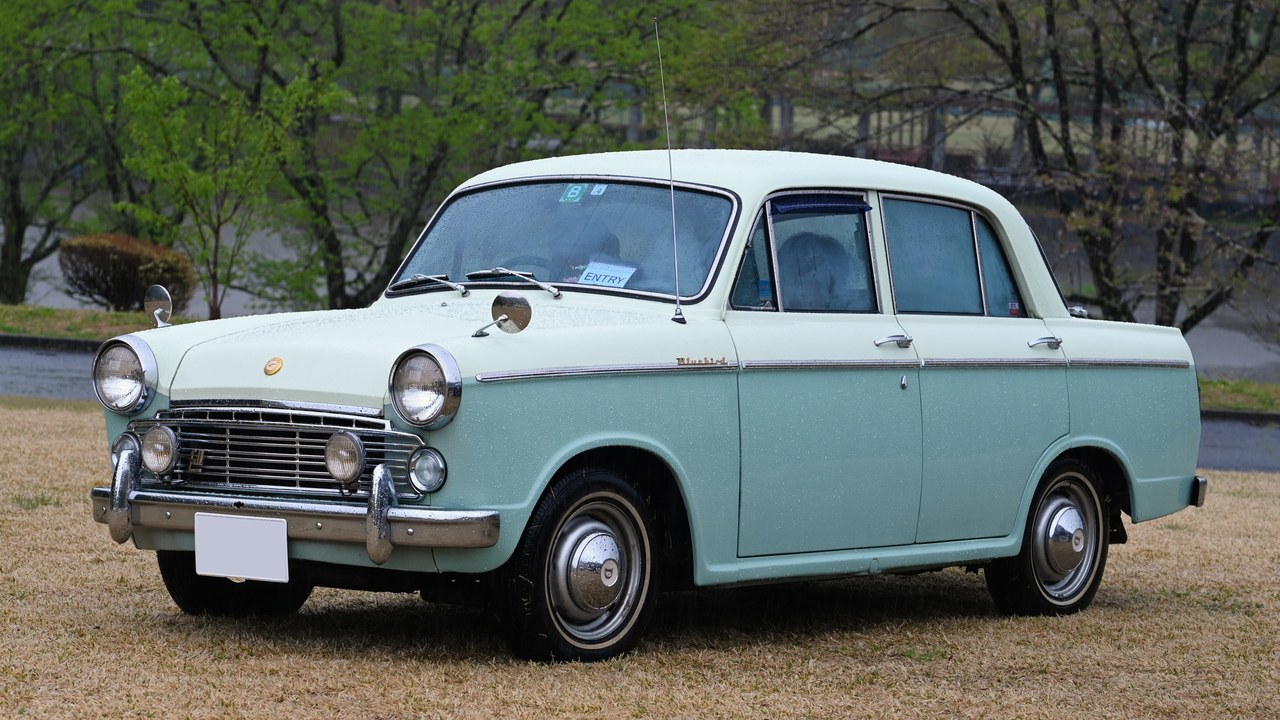
Nissan began importing the Datsun Bluebird to the United States in 1958, according to WardsAuto. It was a time when imports were still a trickle on American roads and Detroit dismissed most of the competition.
Nissan pulled ahead of its rival early. Hagerty notes that when Toyota’s U.S. sales resumed in 1961, its volume was less than half of Nissan’s. By 1967, WardsAuto reports, Datsun had sold 100,000 cars in the United States, a remarkable figure at a time when imports were only beginning to win over American buyers.
3. Toyota Corona: The Comeback Car
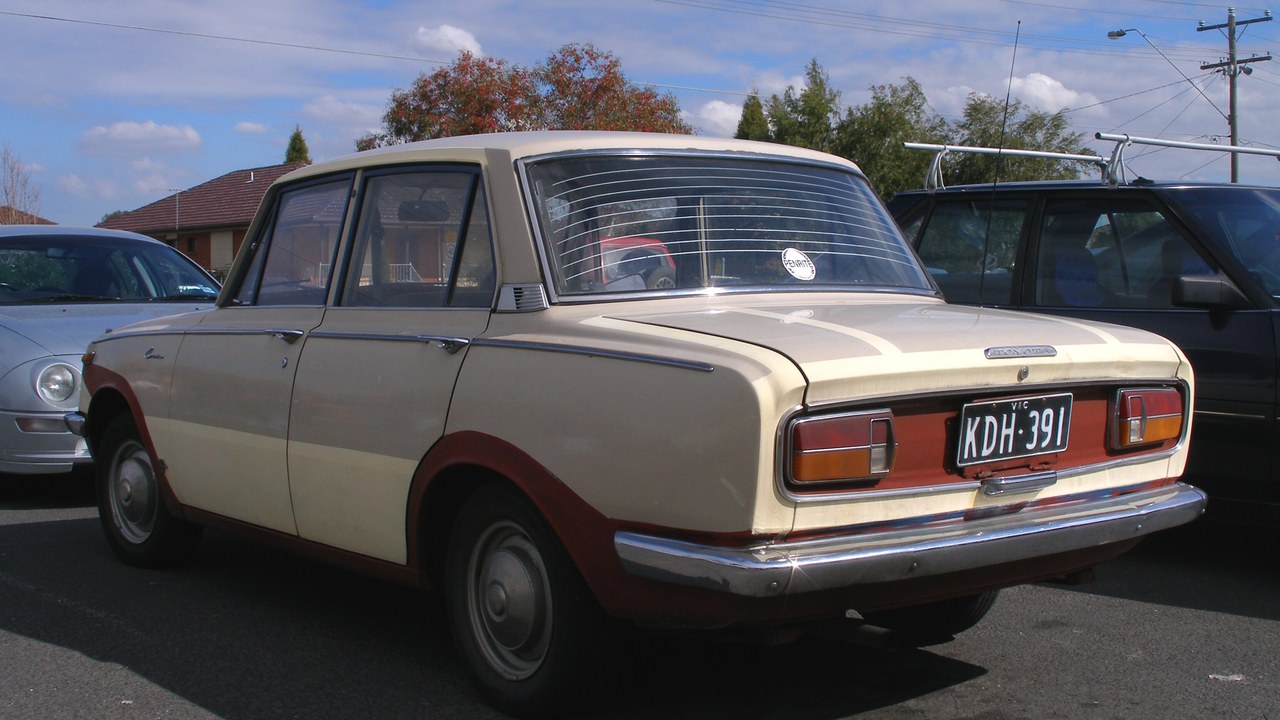
After pulling the Crown, Toyota spent years developing a car better suited to America. It returned to the U.S. passenger car market in June 1965 with the advanced new Corona, which was a runaway success from the outset.
Toyota had learned to adapt the product to the market and focus on the customer. That same year, Hagerty notes, Toyota won the coveted Deming Application Prize for its vastly improved quality, a sign of how far the company had come since the Crown.
4. Toyota Corolla: The World’s Best-Seller
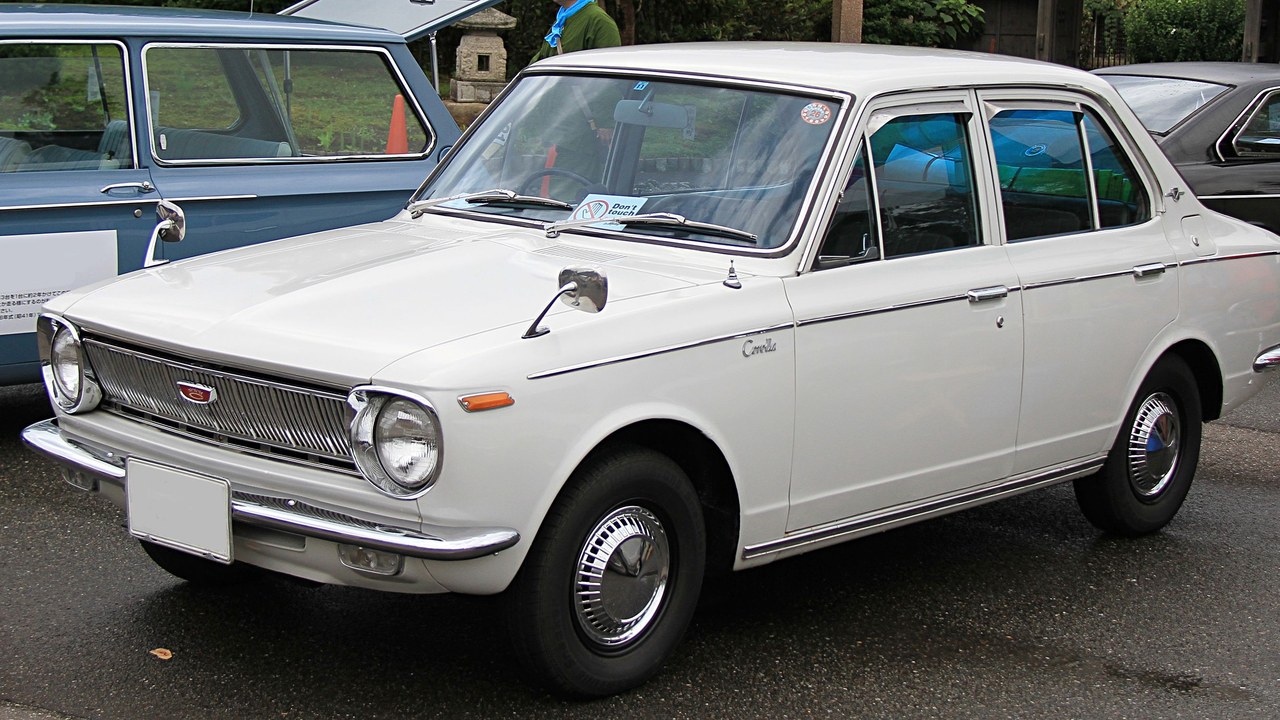
Toyota introduced the Corolla in 1966. According to Hagerty, its consistent success eventually made it the world’s best-selling passenger car, with more than 30 million sold in over 140 countries by 2017.
Its timing in America proved fortunate. The first oil embargo in 1973 spiked demand for small, fuel-efficient Japanese cars, and by 1975 Toyota had passed Volkswagen to become the top-selling import car company in the United States. Toyota went on to become the first import brand to top 1 million U.S. sales, in 1986.
5. Datsun pickup: The Truck That Paved the Way
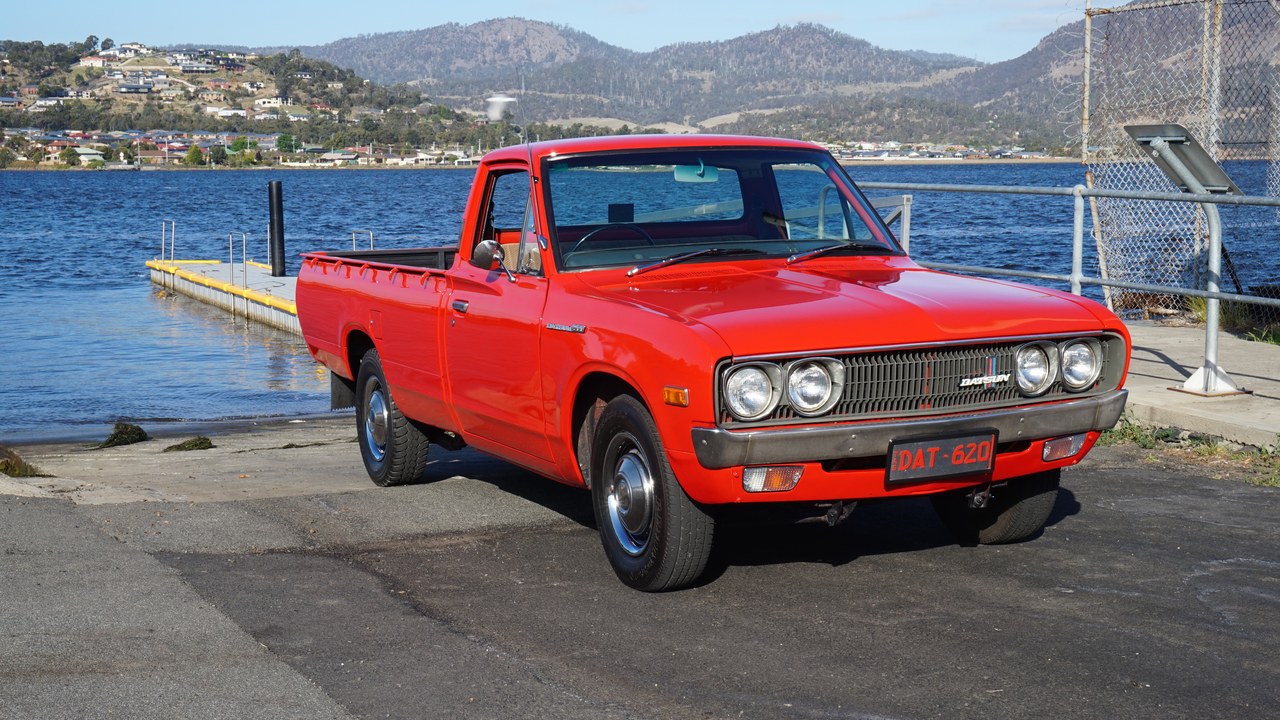
Nissan’s cars were not its first American hit. WardsAuto reports that the company had more success in its first eight years in the United States with the Datsun pickup than with its passenger cars.
Japanese imports kept growing from there. By 1977, WardsAuto notes, imports had eclipsed 2 million units a year in the U.S., driven in large measure by improved Japanese quality and the 1973 fuel crisis that made smaller, more efficient vehicles popular.
6. Datsun 510: A Sedan That Raced Like a BMW
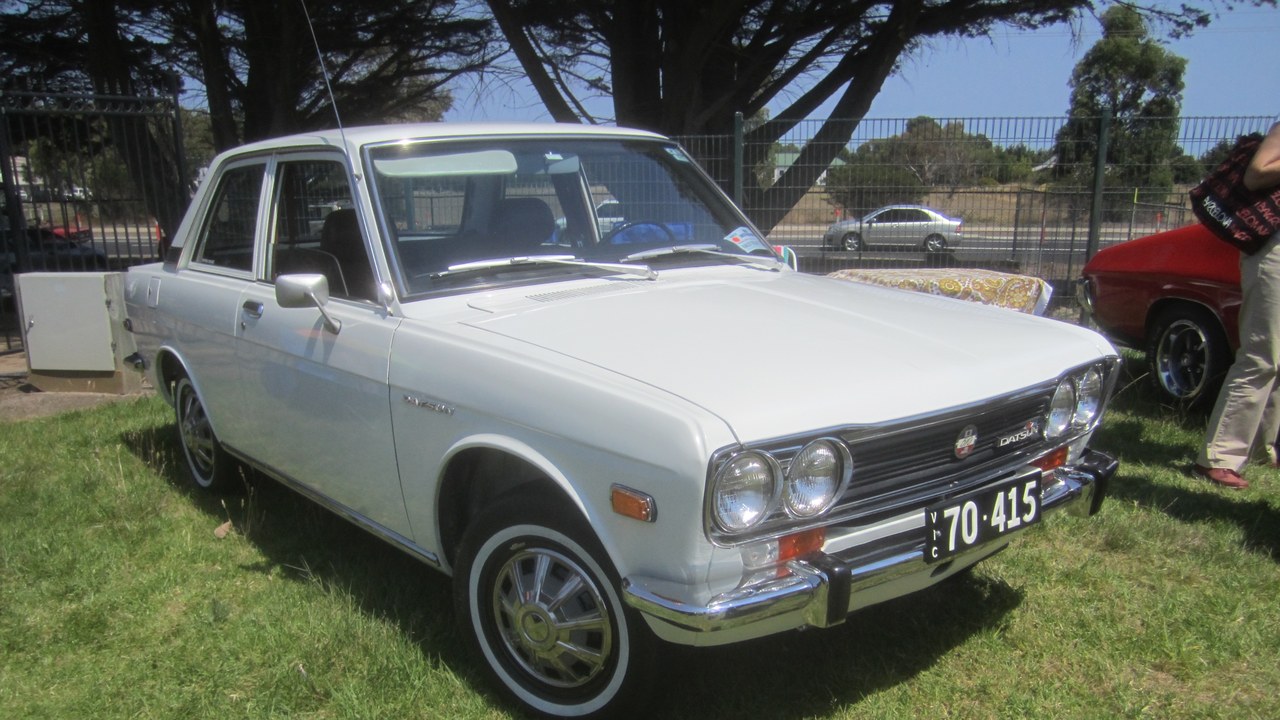
The Datsun 510 was the third generation of the Bluebird, sold from 1968 to 1973. Its engineering was inspired by the 1966 BMW 1600-2, with an overhead camshaft engine and four-wheel independent suspension.
Nissan USA president Yutaka Katayama pushed for a larger, more powerful engine for the American market. The little sedan proved itself on the track too. John Morton won the 1971 and 1972 Trans-Am 2.5 championships in a 510 prepared by Pete Brock’s BRE Racing team.
7. Honda N600: Honda’s Tiny Debut
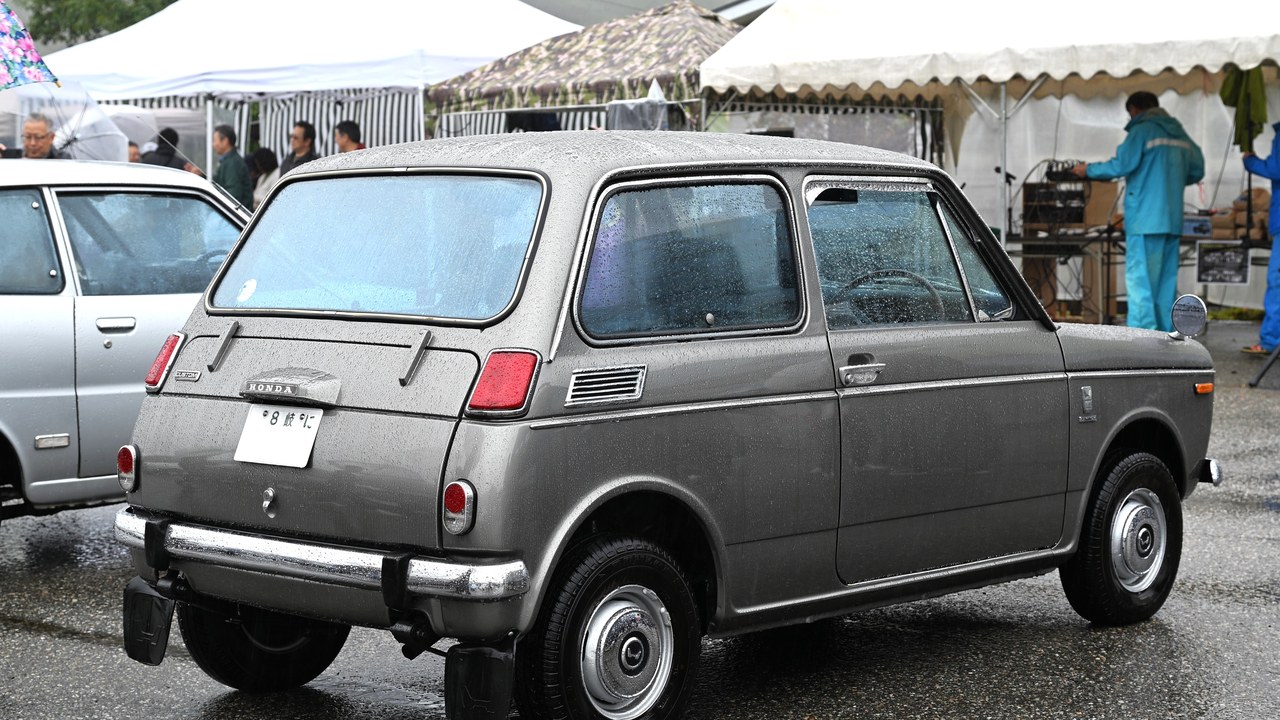
Honda’s first car in America was tiny. The N600 was the larger-engined variant of the N360, a front-drive four-seat city car, and it was developed to target export markets like the United States, where highways demanded higher top speeds.
WardsAuto reports that Honda entered the U.S. market in 1969 with the N600, which boasted a 45-horsepower engine and a price of $1,275. It was marketed through 1973, when a far more important Honda arrived to replace it.
8. Datsun 240Z: The Z That Changed Everything
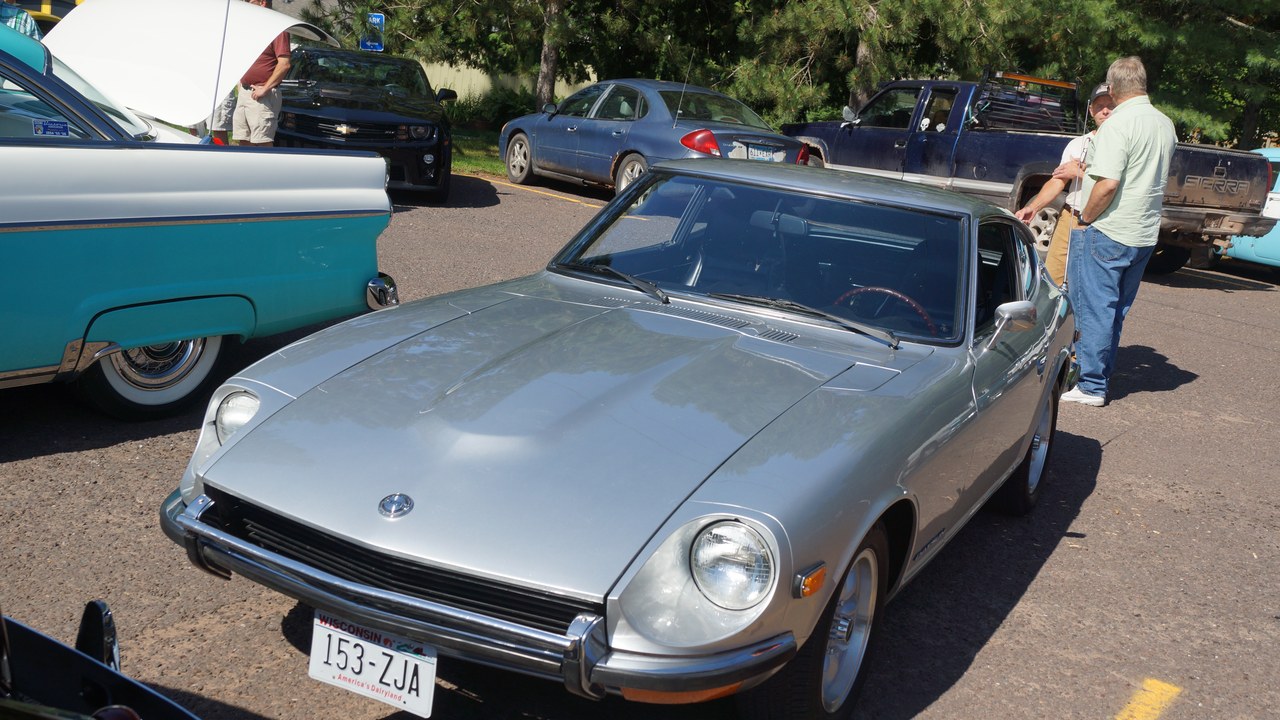
The first-generation Z car, sold in America as the Datsun 240Z, was produced from 1969 to 1978. It was conceived by Yutaka Katayama, president of Nissan Motor Corporation U.S.A., and designed by a team led by Yoshihiko Matsuo.
It was initially sold alongside the smaller four-cylinder Datsun Sports, which was dropped in 1970, and later versions were sold as the 260Z and 280Z. In 1999, Nissan showed a concept car meant to return to the fundamentals that had made the 240Z a market success.
9. Toyota Celica: Toyota’s Pony Car
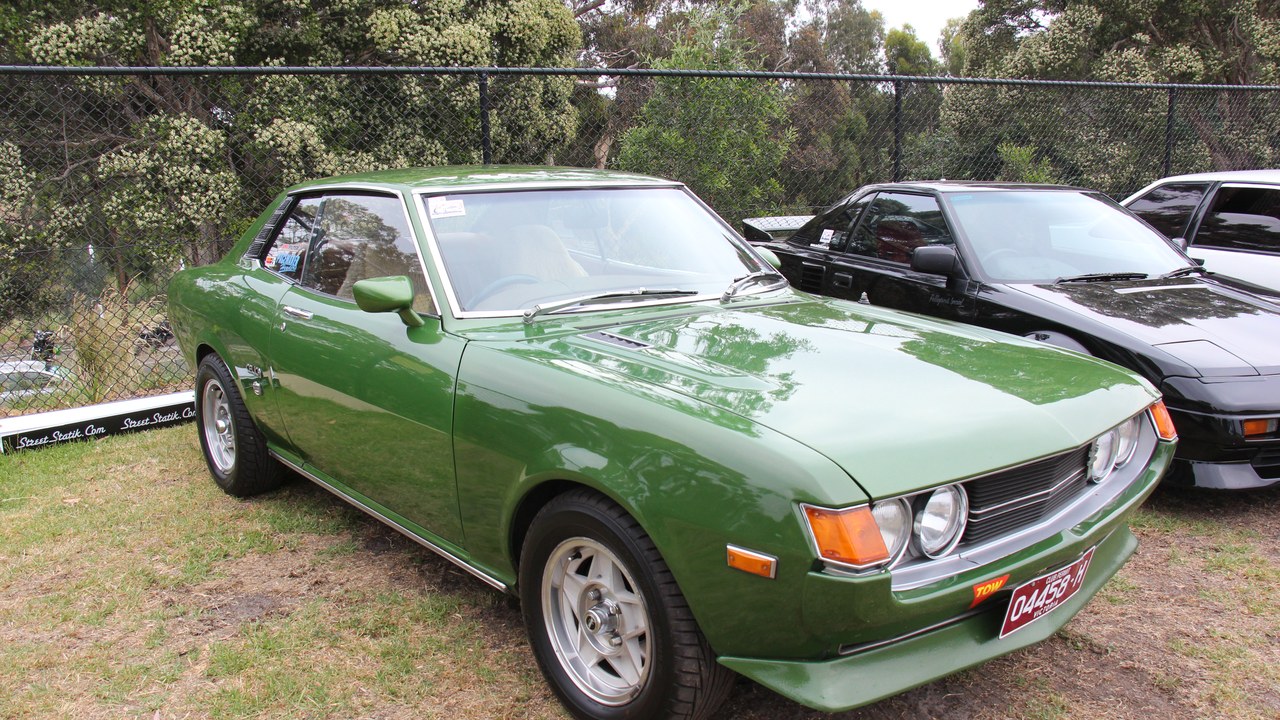
Toyota built the Celica from 1970 until 2006 across seven generations. Its name derives from the Latin coelica, meaning heavenly or celestial, and in 1973 Toyota coined the term liftback for its fastback hatchback version.
The first Celica was aimed squarely at North America as Toyota’s response to the Ford Mustang. Like the Mustang, it put a sporty coupe body on the chassis and mechanicals of a high-volume sedan. The GT Liftback arrived in North America for the 1976 model year.
10. Toyota 2000GT: The Car That Changed Minds

The Toyota 2000GT was a limited-production sports car designed with Yamaha and built under contract by Yamaha from 1967 to 1970. It revolutionized the automotive world’s view of Japan, then seen as a maker of imitative and stodgily practical cars.
Road & Track reviewed a pre-production 2000GT in 1967, called it one of the most exciting and enjoyable cars it had driven and compared it favorably to the Porsche 911. Today it is seen as the first seriously collectible Japanese car, and examples have sold for as much as $1.2 million.
11. Mazda Cosmo: The Rotary Pioneer
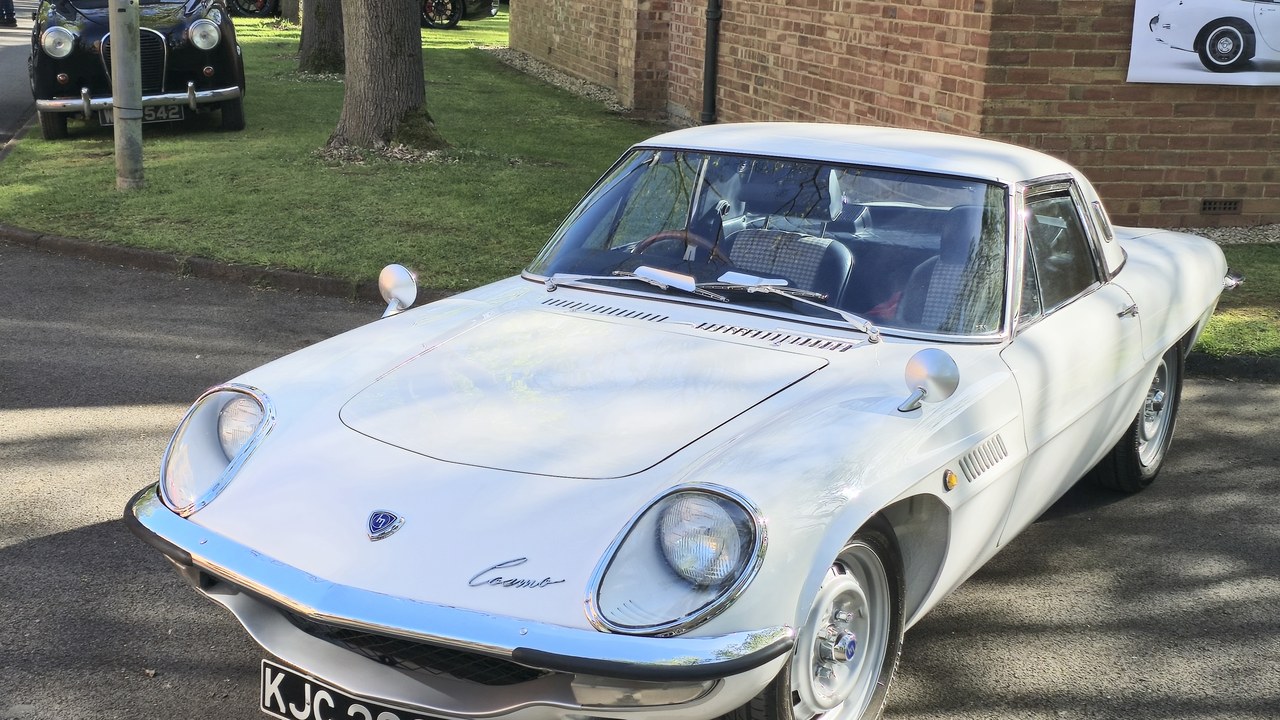
The Mazda Cosmo served as the company’s halo car, and the first Cosmo successfully launched the Mazda Wankel engine. Mazda chose the name to reflect the world’s fascination with the Space Race and to present the rotary as forward-thinking technology.
Full production began in May 1967 and lasted through 1972. The first Cosmos were hand-built at a rate of about one per day, for a total of just 1,176 cars, but the rotary engine they introduced would power Mazdas for decades.
12. Honda Civic: The Little Car That Arrived on Time
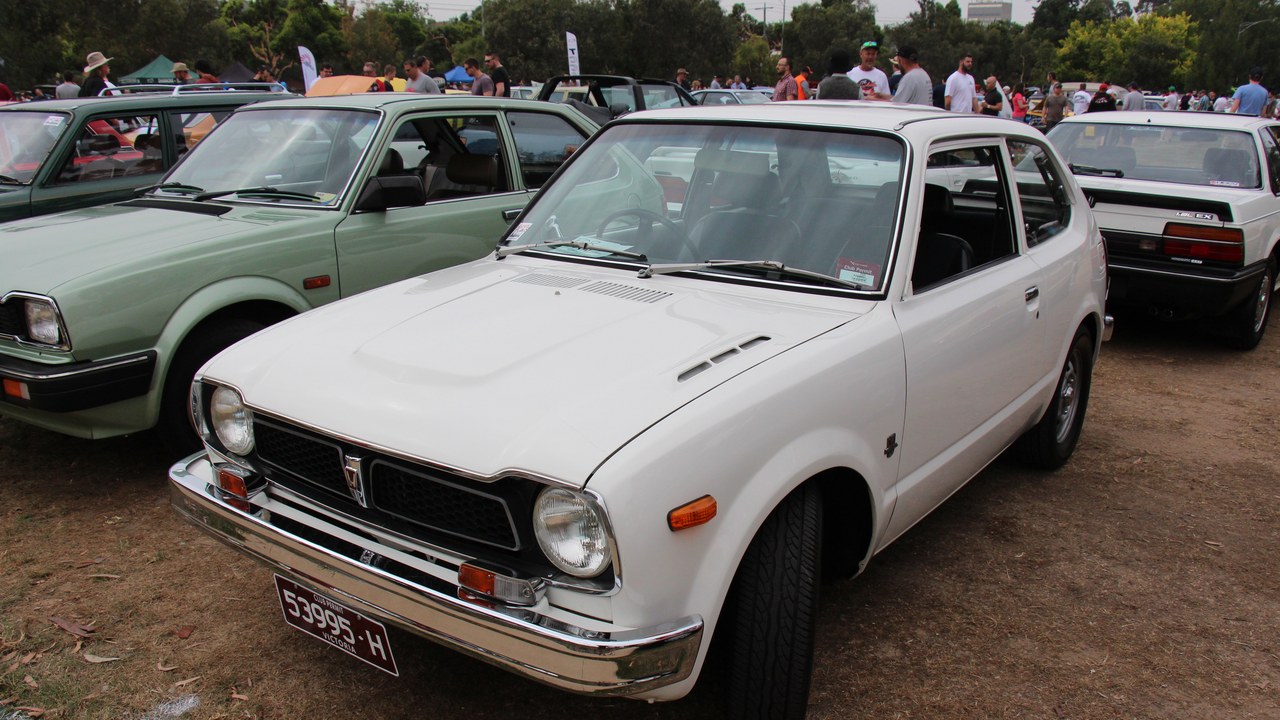
The Honda Civic debuted in 1973, WardsAuto reports, four years after Honda entered the U.S. with the tiny N600. Its arrival coincided with the first oil embargo, which Hagerty notes spiked demand for small, fuel-efficient Japanese cars.
The Civic went on to put down American roots. Honda added Civic production at its plant in Marysville, Ohio, in 1986, and opened a plant in East Liberty, Ohio, in 1989 to build more Civics, along with a third facility in Anna, Ohio, that supplied engines.
13. Honda Accord: Made in Ohio
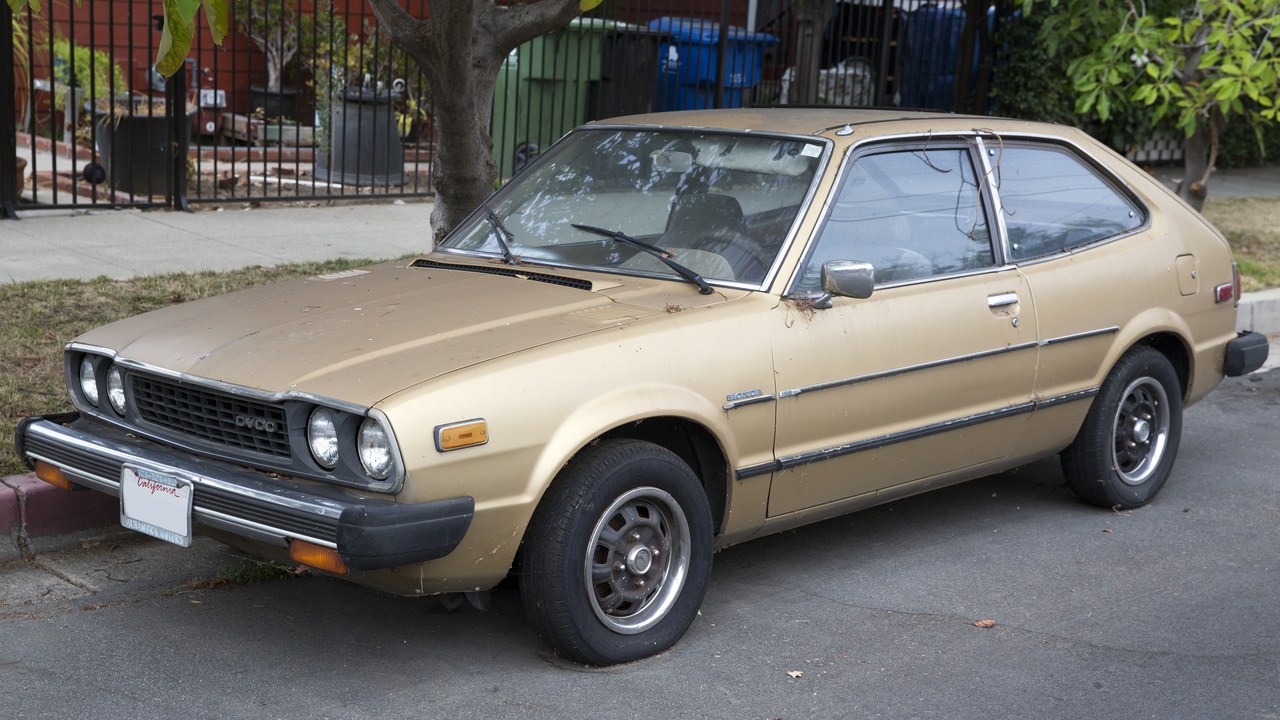
Honda added the Accord in 1976, according to WardsAuto, followed by the Prelude in 1979.
It also made history. Honda became the first Japanese automaker to build cars in the United States when the first U.S.-built Accord rolled off the assembly line in Marysville, Ohio, in 1982. As the value of the yen increased, WardsAuto notes, Japanese automakers began to build more models in the U.S. and even shipped some home for sale in Japan.
14. Mazda RX-7: Rotary Power for the Masses
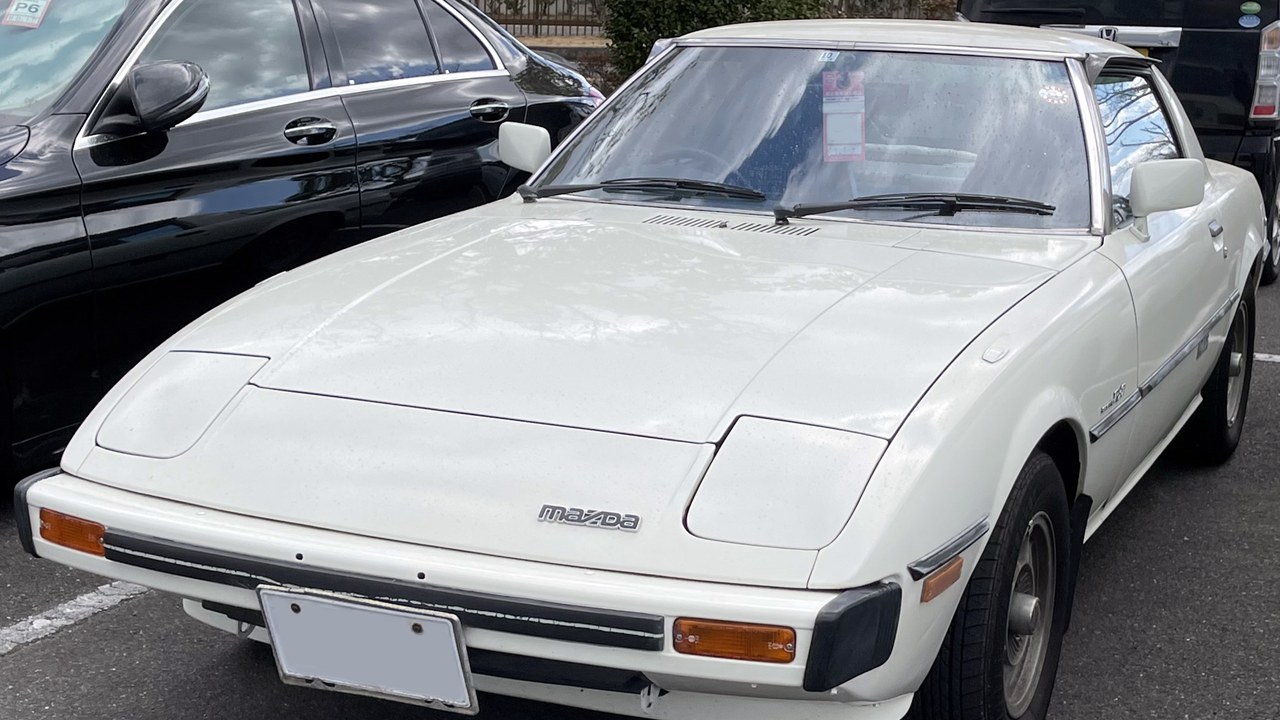
The Mazda RX-7 was a sports car built from 1978 to 2002 across three generations. It used a compact, lightweight Wankel rotary engine, and the first generation was a two-seat coupe with a rear hatchback.
That first generation was the most popular by far, with 471,018 produced. In 1980 Mazda introduced a limited-run North American model known as the Leathersport. More than 800,000 RX-7s were manufactured over the car’s lifetime.
More from Morning Overview
- Melting permafrost is setting off a newly identified kind of catastrophic landslide, scientists say
- Cadillac cut the price of its cheapest EV, which goes up to 317 miles on a charge
- Winter weather advisories cover I-80, I-70 and the Bighorns with up to 15 inches of snow
- Arizona’s governor declared a statewide emergency after Flagstaff logged its wettest Nov. 1 on record
