
Ancient Mesopotamia left behind king lists, letters and star records, yet the exact calendar years of its history have been argued over for decades. A new study in PNAS combines tree rings from Turkey, Babylonian observations of Venus and a volcanic signal in polar ice to settle part of that debate. Here is how the pieces fit together, from Hammurabi’s laws to an Alaskan volcano.
Read next on Morning Overview: The Justice Department asked courts to undo approvals for three offshore wind farms, one already making power
Babylon: A Fall Finally Pinned Down
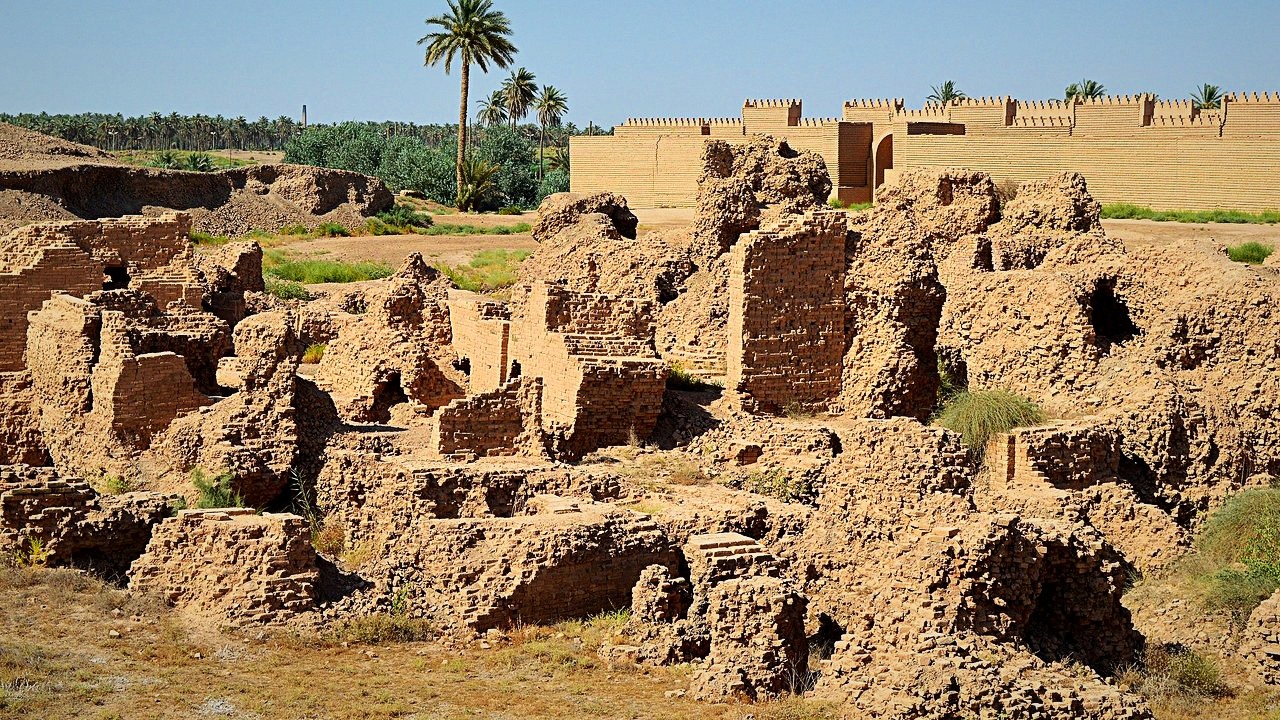
Historians have long known the order in which Mesopotamia’s kings ruled, but not the calendar years. A team led by Charlotte Pearson at the University of Arizona now reports in the Proceedings of the National Academy of Sciences that Babylon fell around 1587 BCE, strongly supporting what scholars call the middle-low chronology.
The question had been argued for decades among high, middle, low and ultra-low timelines, and the answer reaches well beyond Iraq. Mesopotamia’s written record ties the Near East to the eastern Mediterranean in the second millennium BCE, so a firmer date for Babylon helps anchor events across the whole region.
Code of Hammurabi: The Laws Carved in Basalt
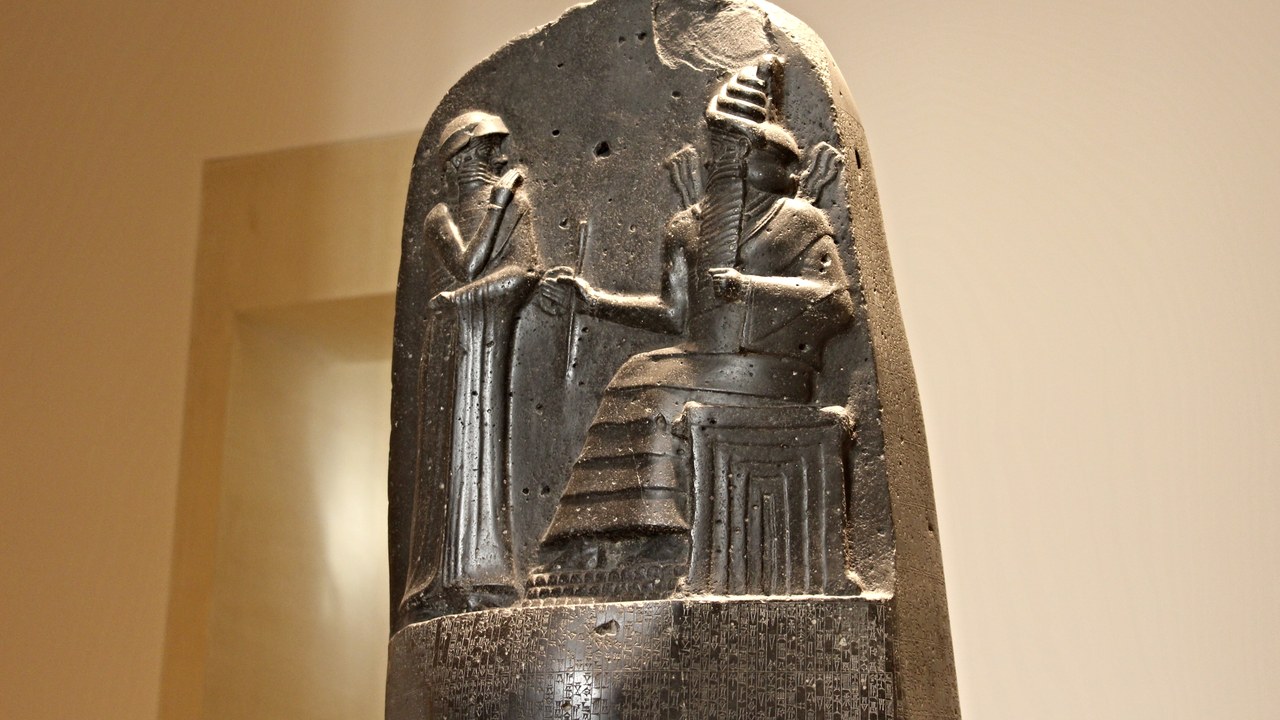
Babylon’s first great age came under the Amorite king Hammurabi, who reigned from 1792 to 1750 BC by the dates most references use and is famous for codifying the laws of Babylonia into the Code of Hammurabi.
The best-known copy is a basalt stele about 7 feet 4 inches tall, topped by a relief of Hammurabi standing before the sun god Shamash. It was rediscovered in 1901 at Susa in present-day Iran, where it had been carried off as plunder, and it now stands in the Louvre. Dates like his reign are exactly what a fixed anchor for Babylon’s fall helps to tighten.
Ishtar Gate: Blue Bricks for a Later King
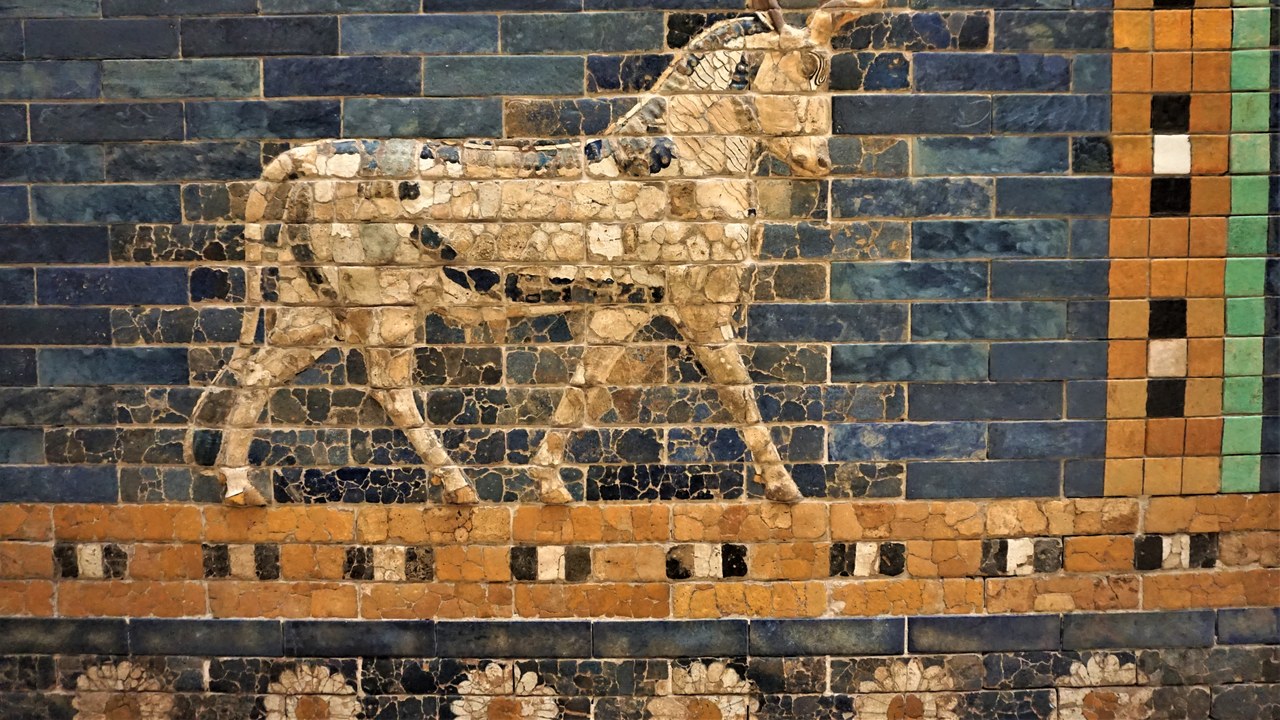
More than a thousand years after Hammurabi, Nebuchadnezzar II rebuilt Babylon on a grand scale and ordered the construction of the Ishtar Gate, the most prominent of eight gates around the city.
German excavators led by Robert Koldewey sent pieces of the blue-glazed gate to Berlin, where Walter Andrae reconstructed them for display; the rebuilt gate now stands in the Pergamon Museum. Replicas were also built at the site in Iraq in the 1960s. Its glazed bricks belong to a far later Babylon than the city whose fall the new study dates.
Lion of Babylon: A Basalt Lion With a Hittite Twist
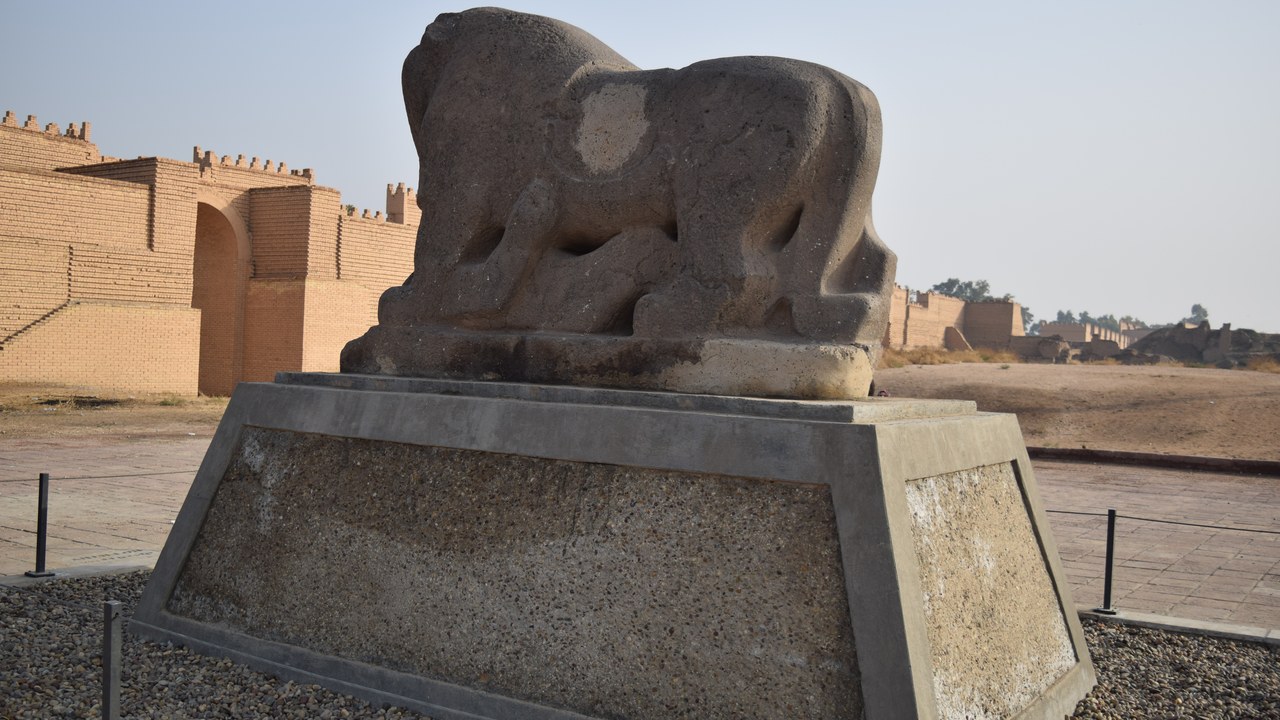
Among the few monuments still standing at the site is the Lion of Babylon, a black basalt statue about two meters long that shows a lion standing over a human figure. It was once credited to Nebuchadnezzar II, but most experts now believe it is of Hittite origin, made during a Hittite occupation of the city.
That possible link matters for this story, since a Hittite king is thought to have sacked Babylon at the end of its first dynasty. The statue has suffered from erosion and climbing tourists; in 2013 the World Monuments Fund and Iraq’s State Board of Antiquities cleaned it, replaced its base and added a security barrier. It is now treated as a national symbol of Iraq.
Cyrus Cylinder: The Other Fall of Babylon
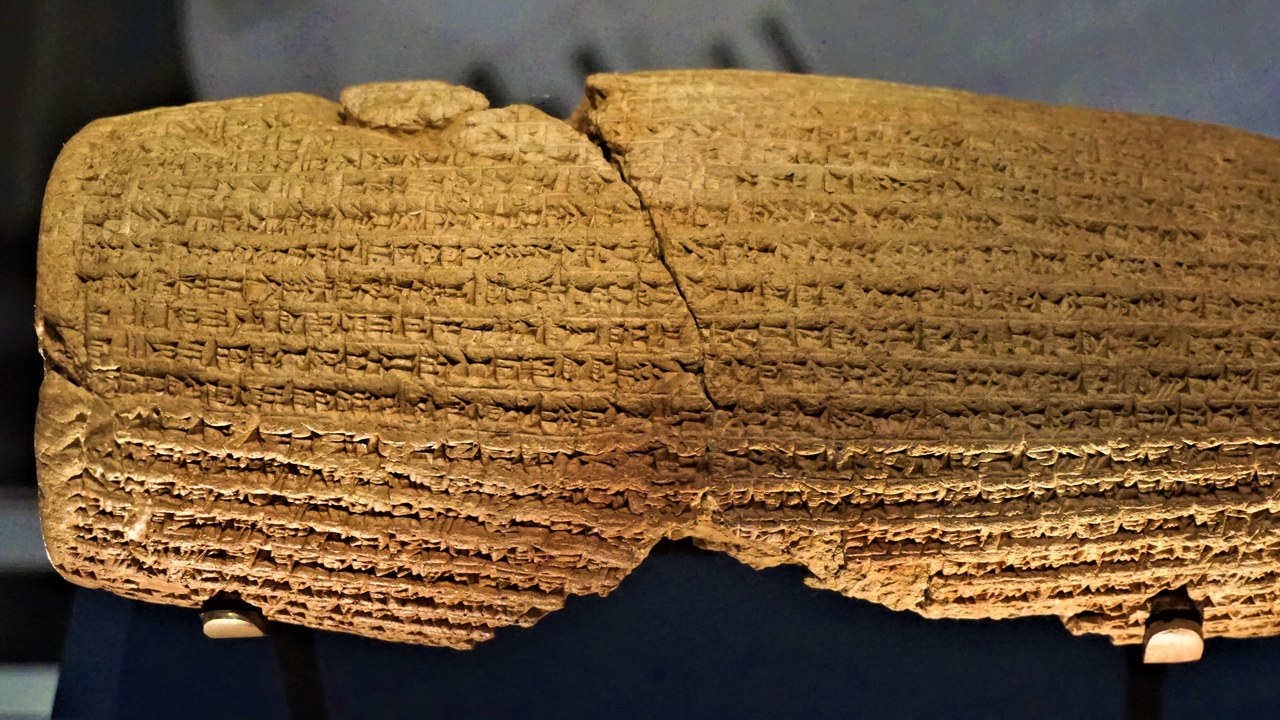
The city’s best-known conquest came much later. In 539 BC the Neo-Babylonian Empire fell to Cyrus the Great, king of Persia, after a military engagement known as the Battle of Opis, a separate event from the fall the new study dates.
The Cyrus Cylinder, a clay cylinder inscribed in Akkadian cuneiform, was found in the ruins of Babylon in 1879 during Hormuzd Rassam’s excavations and is now held by the British Museum. Under Cyrus and the later Persian king Darius I, Babylon became a provincial capital and a center of learning and scientific advancement.
Dendrochronology: Reading Time in Wood
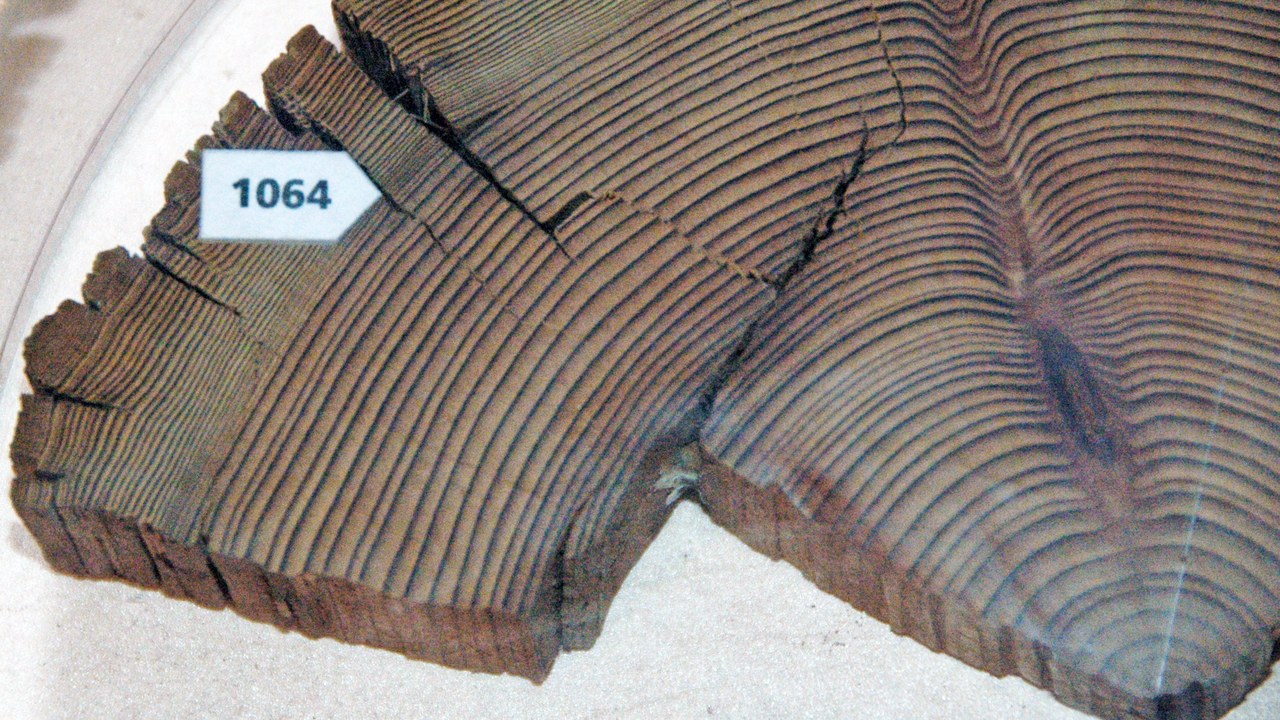
The study began with preserved timbers from archaeological sites in Anatolia, in present-day Turkey. The researchers radiocarbon dated individual tree rings and analyzed the ring patterns to calculate when each tree had been felled.
Tree-ring dating works because each ring marks one year of growth. Measuring radiocarbon one ring at a time and matching it to trees of known age let the team anchor a combined Anatolian chronology running from 2072 BCE to 744 BCE, with a year-by-year climate record as a bonus. Two palaces in Turkey turned out to have been first built around 1837 to 1836 BCE and 1778 BCE.
Venus: Watching the Morning Star

Babylonian astronomers kept careful records of Venus, and the team evaluated those records against the new timeline. At certain times the planet was unusually hard to see, possibly because volcanic haze was hanging in the atmosphere.
The best-known of these records is the Venus tablet of Ammisaduqa, which logs the first and last visibility of Venus on the horizon in the form of lunar dates. A seventh-century BC copy from the library at Nineveh, now in the British Museum, was first published in 1870. Because the astronomical records offer several possible anchor points, each producing a different timeline, the haze gaps helped the team choose.
Kültepe: Where Assyrian Merchants Kept Records
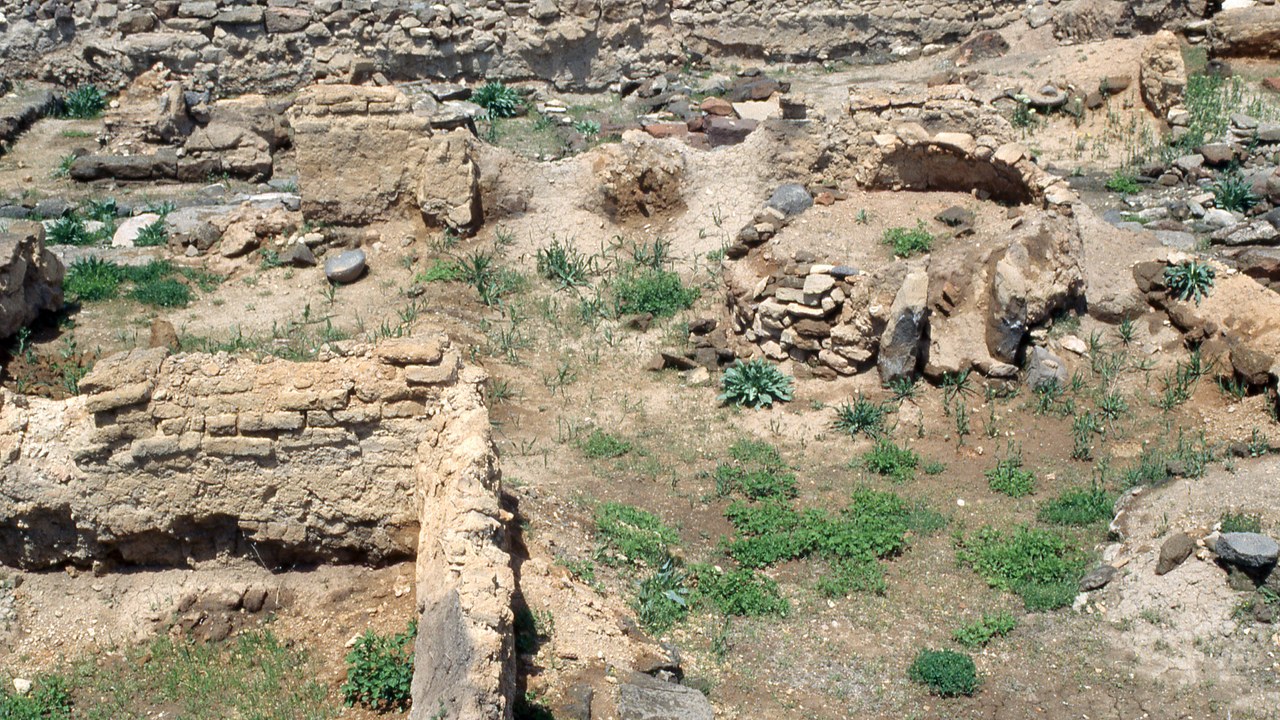
The Anatolian sites in the study were tied to Mesopotamia through the Old Assyrian trade network, whose hub was Kültepe, ancient Kanesh, in central Turkey. Assyrian merchants set up a trading district there, and more than 22,000 cuneiform tablets have been recovered from the site.
Assyria named each year after an appointed official called the limmu, or eponym, and a new copy of the Kültepe eponym list turned up in 2001. Records dated this way let researchers tie felled-tree dates from palace timbers to specific years in the Assyrian calendar, one of the anchors the team used to test the rival chronologies.
Aniakchak: An Alaskan Volcano’s Long Reach

The strongest match for Babylon’s hazy Venus years turned out to be a massive eruption of Alaska’s Aniakchak volcano around 1628 to 1627 BCE, a blast that left its signal in polar ice cores.
Aniakchak today is a broad caldera on the Alaska Peninsula that holds Surprise Lake, with Vent Mountain marking the site of its most recent eruption, in 1931. Combining that ice-core signal with tree rings and archaeology, the team weighed the rival timelines for 2000 to 1500 BCE and found the strongest support for the middle-low chronology.
Hittite Empire: Drought and a Burned Capital
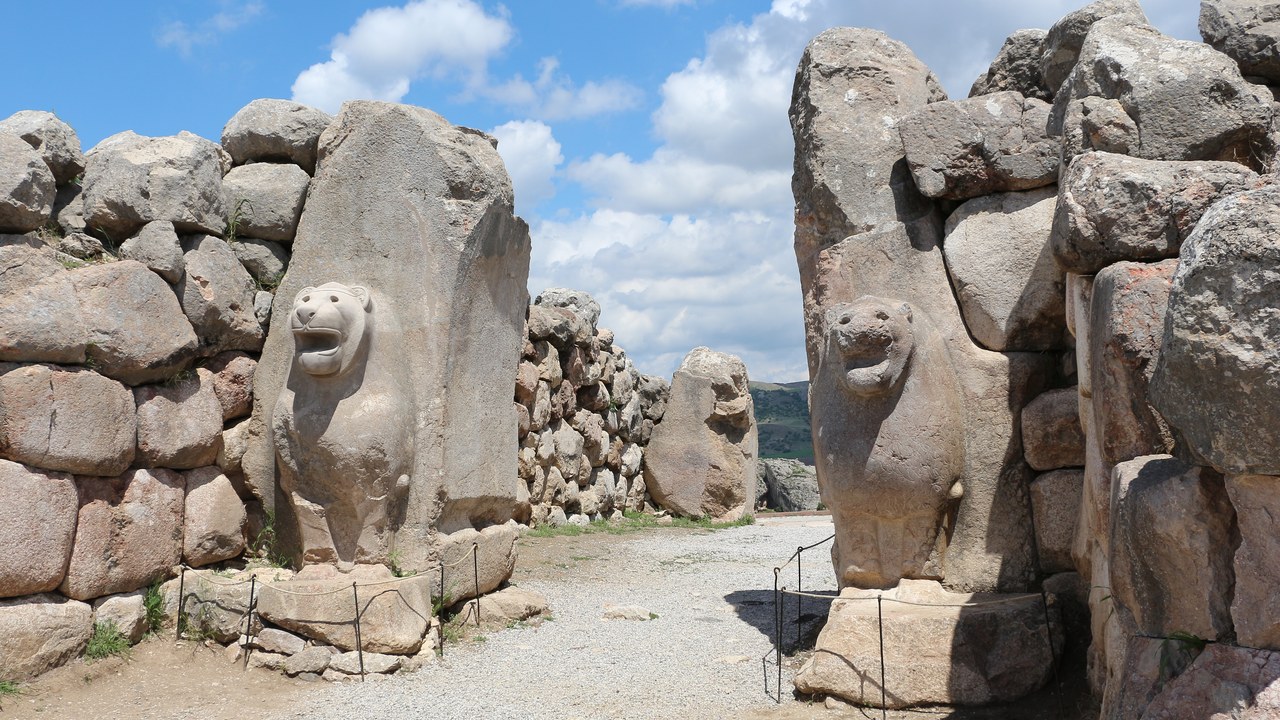
The rings recorded one more turning point: unusually dry conditions from 1228 to 1188 BCE, including a severe drought from 1194 to 1192 BCE across the region the timbers came from.
Two years after that drought, the Hittite capital Hattusa was sacked and burned, and the researchers say the dry spell possibly contributed to the empire’s collapse. The Hittites had an older link to Babylon, too: their king Mursili I is thought to have sacked the city, conventionally dated to 1595 BC. Pearson’s team expects the single-year method to refine many other chronologies.
More from Morning Overview
- Neanderthals in Spain carved a wooden object that matches nothing archaeologists have ever found
- The FAA wants $2.39 million from a flight school it says flew a Cessna about 280 times with an unapproved part
- A $1 billion gas plant planned for Superior, Wisconsin, has been abandoned
- Shaq spent $1.3 million on three Rolls-Royce Phantoms to prove a point to a salesman
