
Egyptian archaeologists digging in the Nile Delta have uncovered a crowded cemetery at the edge of an ancient city, packed with hundreds of stone and clay coffins. Most of the burials date to the age of the Ptolemies, the Greek-speaking dynasty that ruled Egypt until Cleopatra. This is the story of the find and the world those people lived in.
Read next on Morning Overview: The FAA wants $2.39 million from a flight school it says flew a Cessna about 280 times with an unapproved part
Tell Abu Billou cemetery: Hundreds of Coffins in One Courtyard
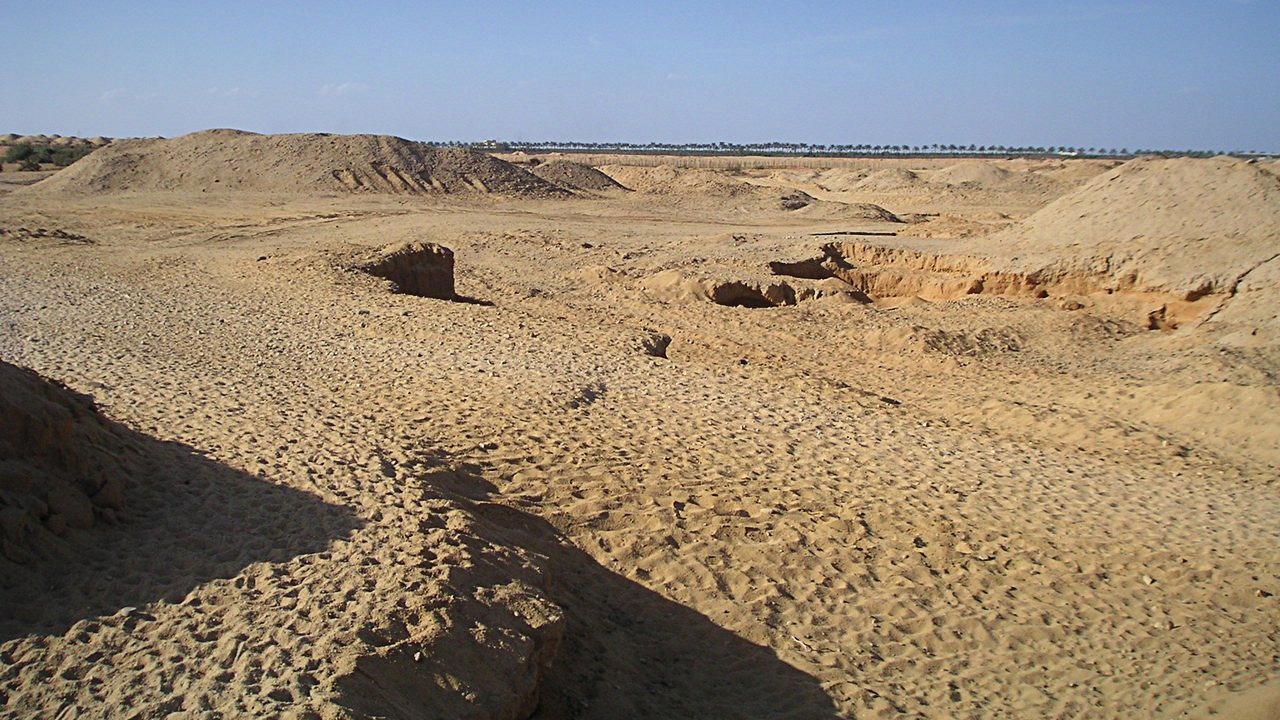
At Tell Abu Billou in Menoufia Governorate, the excavators found an open courtyard filled with burials, with hundreds of stone and clay coffins in the top layer and traces of wooden ones. Builders had also made several vaulted mud-brick tombs and one tomb lined inside with limestone.
Hisham El-Leithy, secretary general of the Supreme Council of Antiquities, said the site had never before produced this many burials and coffins in one open area. Many of the stone coffins are smashed or missing their lids, damage that the regional antiquities director blamed on past vandalism and quarrying. Walls still run beneath the sand in several directions.
Wadi El Natrun: A Valley of Embalming Salt
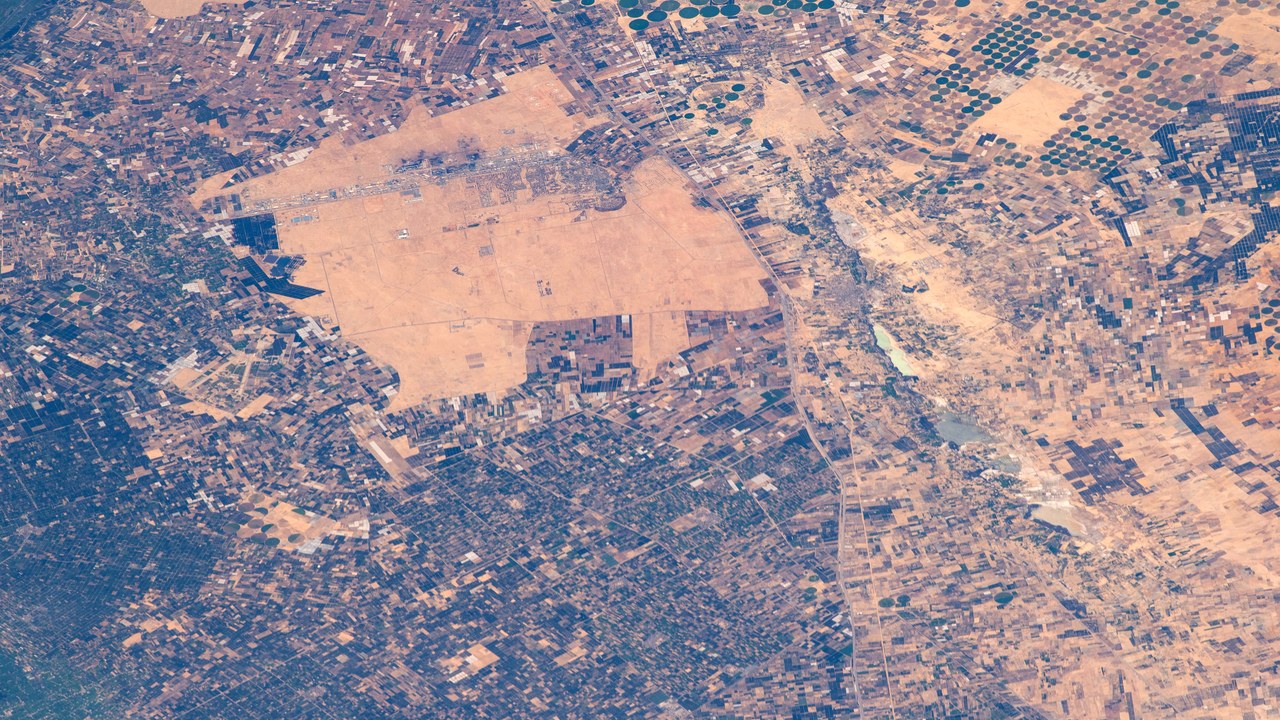
The cemetery lies within the ancient city of Terenouthis, at the eastern entrance to Wadi El Natrun. The valley was known for natron salt, the natural mixture that embalmers used to dry bodies before wrapping them for burial.
That location made the city an important place for the business of death. The human remains found in the coffins are badly preserved, but they still show traces of embalming materials and resins, along with layers of cartonnage and plaster painted yellow, red, blue and gold, showing the dead were prepared according to Egyptian custom.
Scarab amulet: A Single Blue Scarab
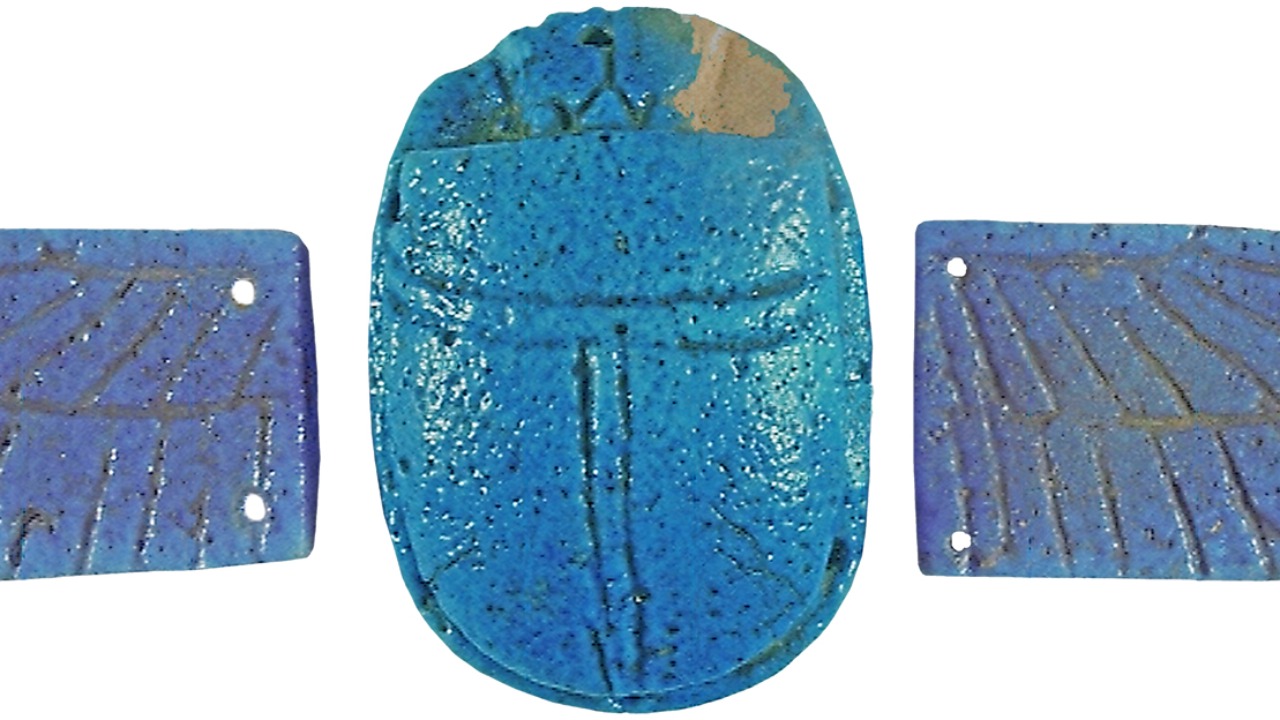
The grave goods give the clearest picture of who was buried here. Among them were schist scarabs and one blue lapis lazuli scarab, along with gold tongue covers, an earring, a necklace pendant and thin gold strips, according to the antiquities officials quoted by Archaeology Magazine.
These were not royal burials. Early study of the grave goods suggests the cemetery served middle-class people, which makes the find a window into how ordinary Egyptians were laid to rest while Greek-speaking kings ruled the country from the coast.
Eye of Horus amulet: Charms to Protect the Dead
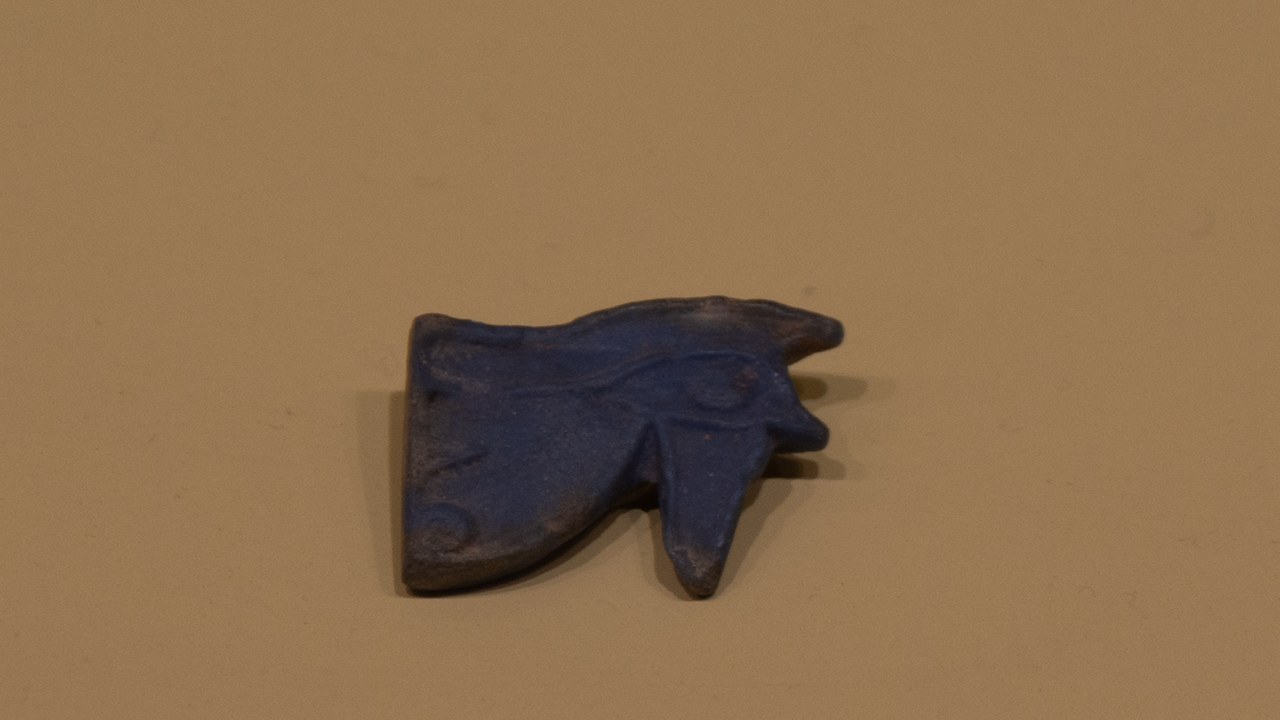
The burials also held Eye of Horus charms and other small amulets, placed with the dead for protection in the afterlife. Other finds included offering tables, small limestone heads, sphinx figurines, broken stone falcons of the god Horus and two falcon burials between the coffins.
Daily News Egypt describes the eye charms as wedjat eyes, the Egyptian name for the symbol. Mohamed Abdel-Badie, head of the Egyptian Antiquities Sector, said the rites at the cemetery honored gods such as Renenutet, Osiris, Isis and Hathor, all worshipped in the area at different times.
Ushabti figurine: Servants for the Afterlife
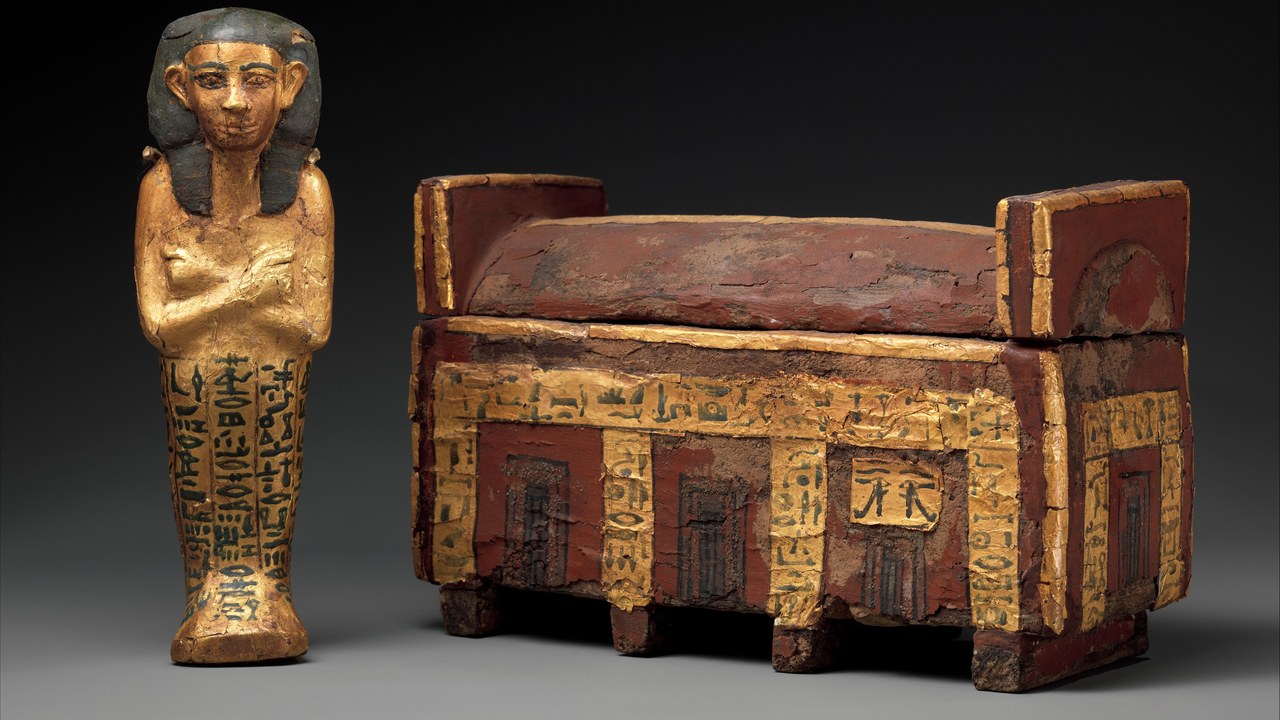
Excavators recovered a large number of faience ushabti figurines, some inscribed in hieroglyphs. The figurines came in different shapes and sizes, a sign of how many people were buried in the courtyard.
Clay coffins turned up in large numbers too. Some have stylized human faces and others are fully shaped like a human body. The team also found several terracotta figures of Isis in the guise of Aphrodite, including part of a vessel lid showing her seated on a lotus flower and nursing the infant Harpocrates.
Hathor: The Goddess of the Turquoise Mines
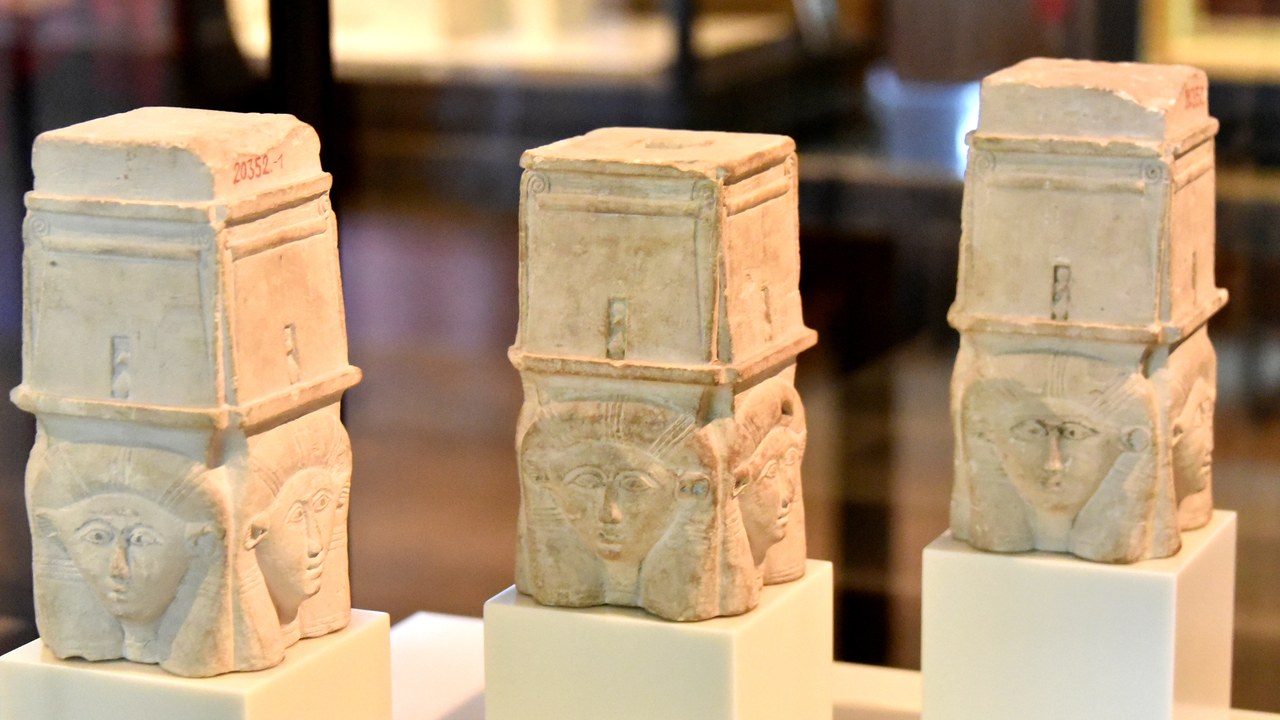
Earlier excavations at Kom Abu Billo uncovered the remains of the city and a temple dedicated to the goddess Hathor as “Lady of Turquoise,” according to Daily News Egypt. Hathor was among the deities whose worship was tied to the area over the centuries.
Her presence shows how long Terenouthis had been a sacred place before the Ptolemaic burials. The new cemetery reflects funerary practices linked to Renenutet, Osiris, Isis and Hathor, deities whose worship was associated with the area at different times.
Ptolemy I Soter: The General Who Became King
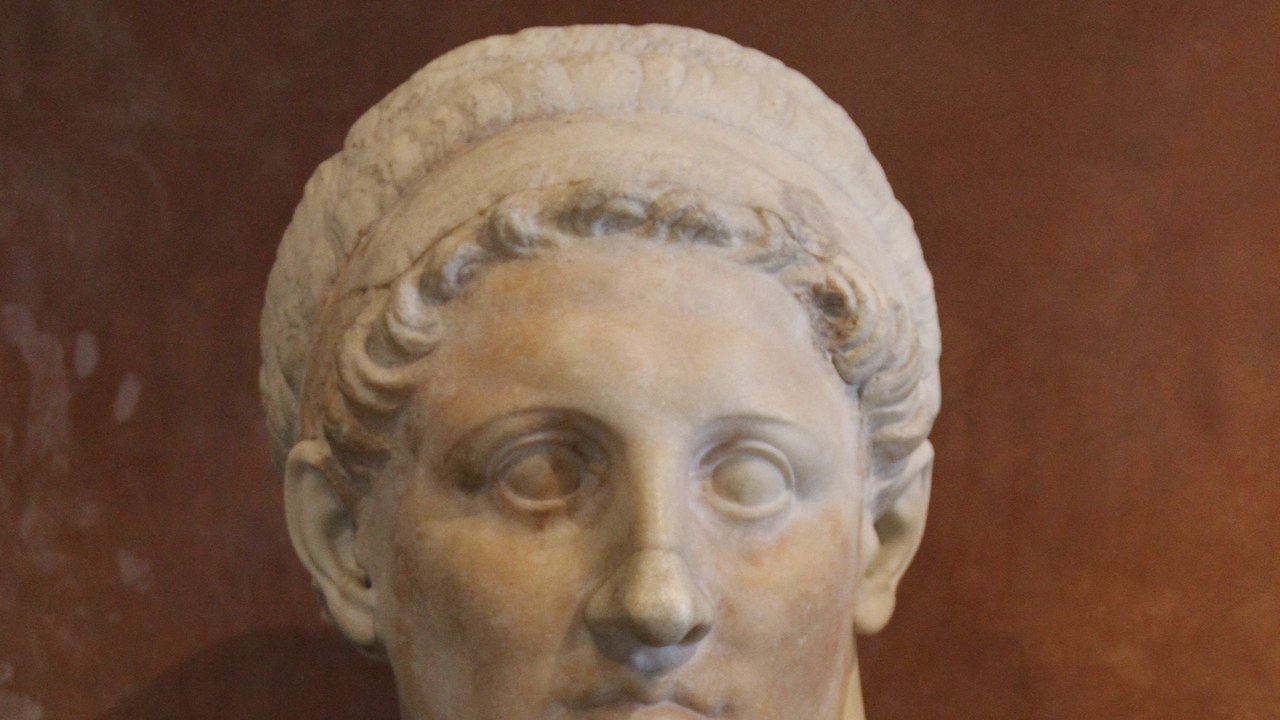
The Ptolemaic dynasty began in 305 B.C., when one of Alexander the Great’s generals, Ptolemy, became Ptolemy I of Egypt. Kingship then passed down through his descendants for nearly three centuries, according to the Metropolitan Museum of Art.
Officials dated most of the new burials to the early Ptolemaic period, in the third and second centuries B.C., using soil layers, pottery, coffin styles, burial customs and building methods. A few burials go back to the end of the Late Period, just before Alexander’s conquest of Egypt in 332 B.C.
Alexandria: The Capital on the Coast
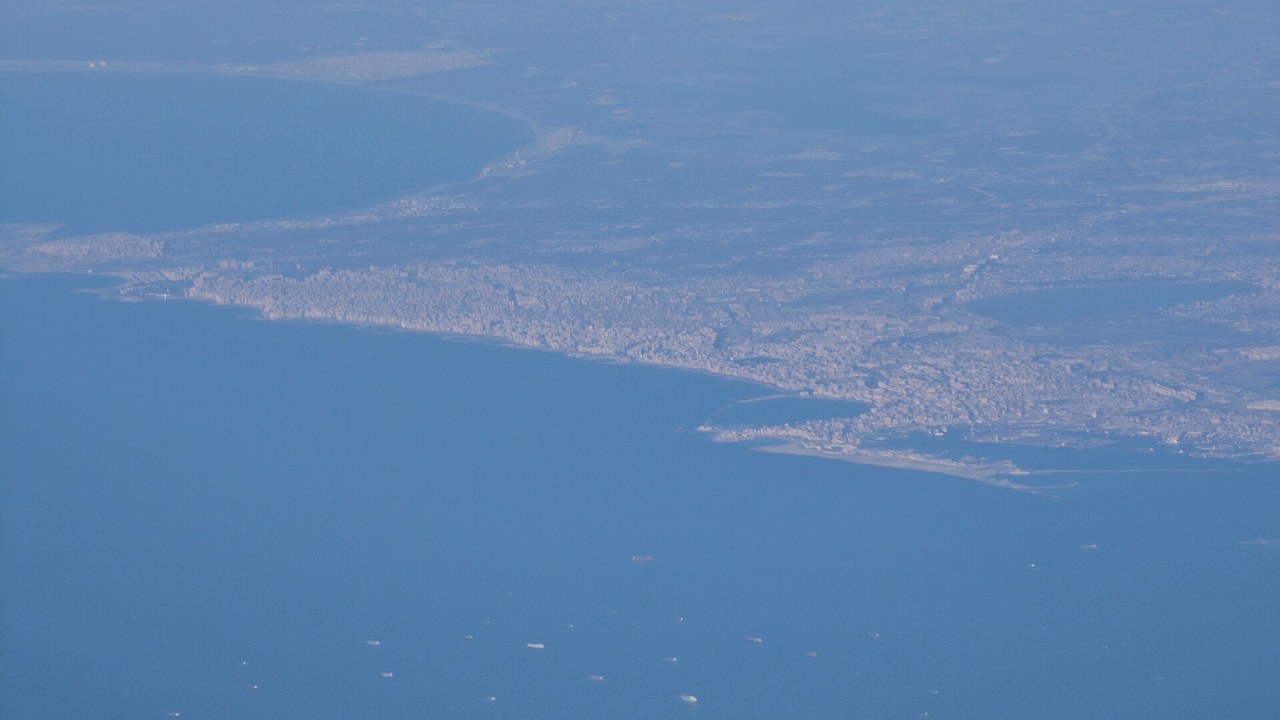
Alexander founded the new city of Alexandria on the northwestern Delta coast, and the Ptolemies ruled from it as Hellenistic kings. The Met describes a magnificent city with splendid palaces, temples and libraries laid out on a Hellenistic street grid, with cemeteries stretching to the east and west.
The Pharos lighthouse at the entry to the great harbor announced the city to arriving ships. Greek became a major language alongside Egyptian, which was now written in the Demotic script except on monuments, and the Ptolemies also set up colossal statues of themselves in traditional Egyptian style.
Temple of Edfu: Temples Built by Greek Kings
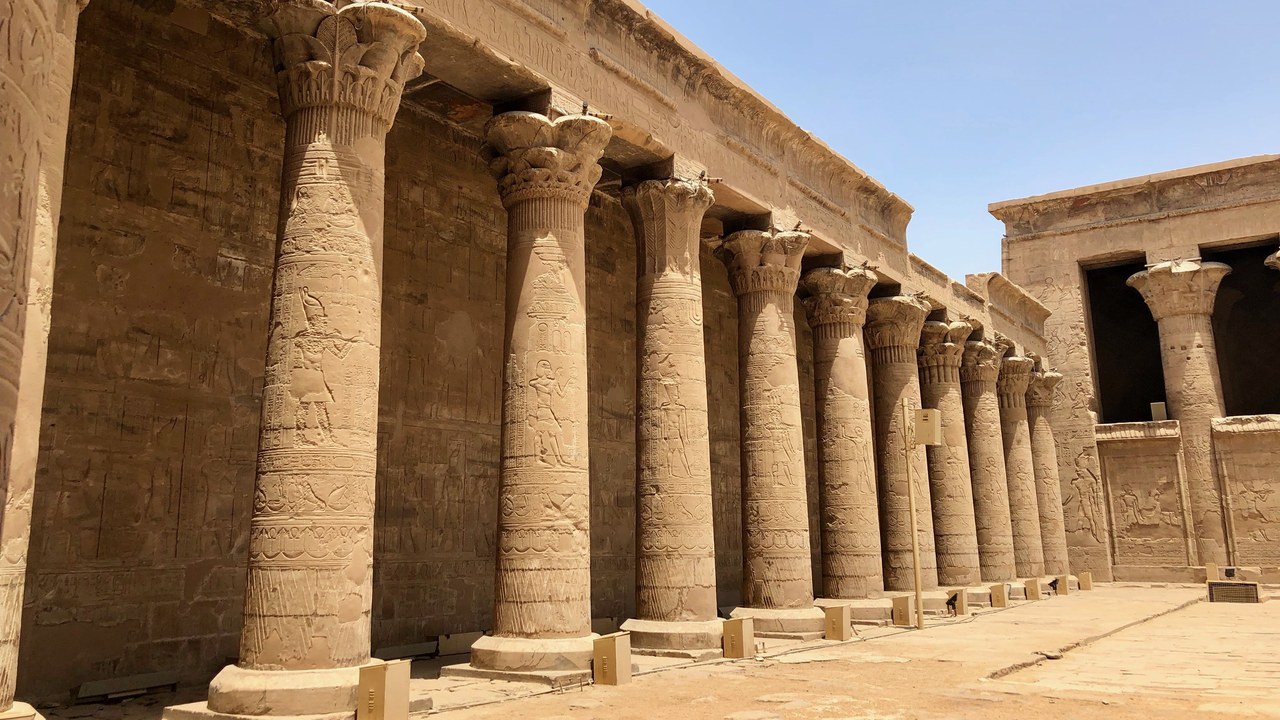
The Ptolemies did not abandon Egypt’s old gods, and the Temple of Edfu in Upper Egypt shows it. Built between 237 and 57 B.C., it was started under Ptolemy III Euergetes and finished under Ptolemy XII Auletes, and it is one of the best-preserved shrines in Egypt.
The temple is dedicated chiefly to Horus, whom Greeks identified with Apollo, and its wall inscriptions are an important source on language, myth and religion in the Hellenistic period. Over the centuries it was buried as deep as 39 feet under drifting sand and Nile silt before it was cleared.
Cleopatra VII: The Last Queen of the Dynasty
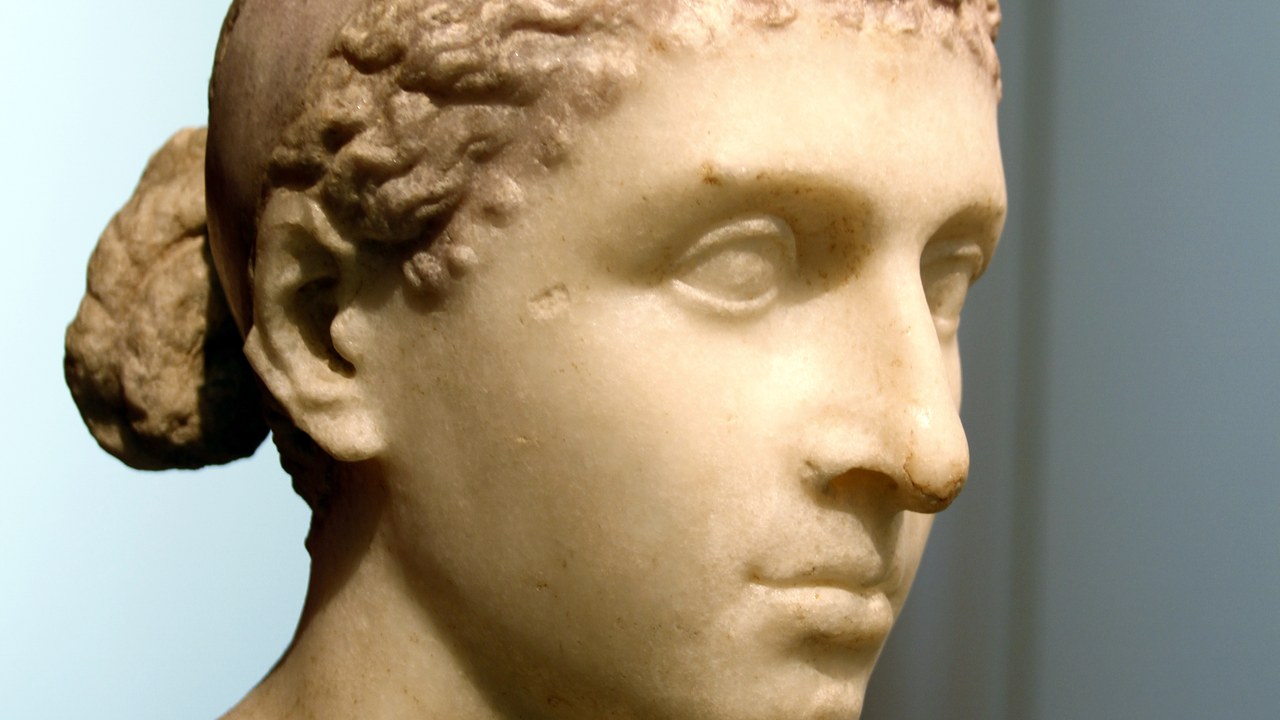
Ptolemy’s line held the throne until 30 B.C., when Roman takeover followed the defeat of Cleopatra VII. The new cemetery dates mostly from the dynasty’s earlier centuries, and The National reports that the burials span the end of the Late Period to the early Roman era.
The work at Tell Abu Billou is not finished. Excavation, study and documentation at the site will continue, and officials expect to learn more about who used the cemetery and how they buried their dead. Tourism and Antiquities Minister Sherif Fathy said such finds add to what is known about how burial practices changed over time.
More from Morning Overview
- Arizona’s governor declared a statewide emergency after Flagstaff logged its wettest Nov. 1 on record
- Zero Motorcycles unveiled an electric motorcycle targeted at under $8K and a street-legal dirt bike at EICMA
- New FCC rules on how people can stop robocalls and texts take effect Nov. 25
- Neanderthals in Spain carved a wooden object that matches nothing archaeologists have ever found
