
Chevrolet took more than two years to answer the Ford Mustang, but when the Camaro arrived for 1967 it proved a formidable rival. Over six generations it went from a sedan-based coupe to a track-ready sports car sharing its platform with a Cadillac. Here are 10 Camaros that shaped one of the longest-running rivalries in the car world.
Read next on Morning Overview: A $1 billion gas plant planned for Superior, Wisconsin, has been abandoned
1. 1967 Chevrolet Camaro: Joining the Pony Car Club
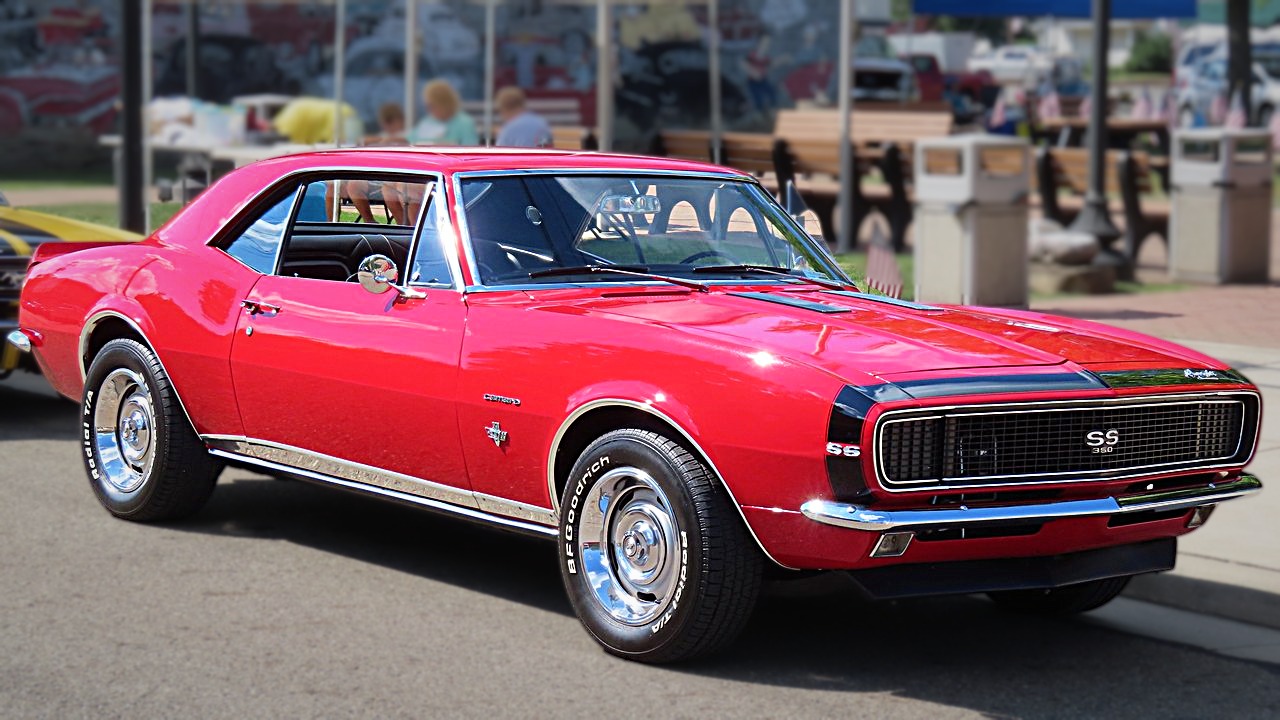
The Camaro joined the pony car club for 1967, bringing its own curvy style in coupe and convertible bodies and a smorgasbord of cosmetic, comfort and performance options.
The most popular combination was a base coupe with a 327-cubic-inch small-block V8 and a two-speed Powerglide automatic. But it was the muscular engines that established its street credibility, Hagerty says: the SS package debuted a 350 small block, and 396-cubic-inch big blocks were available with up to 375 horsepower. The Rally Sport package added hidden headlights, different taillights and an upgraded interior.
2. First-generation Camaro Z/28: The Secret Menu Racer
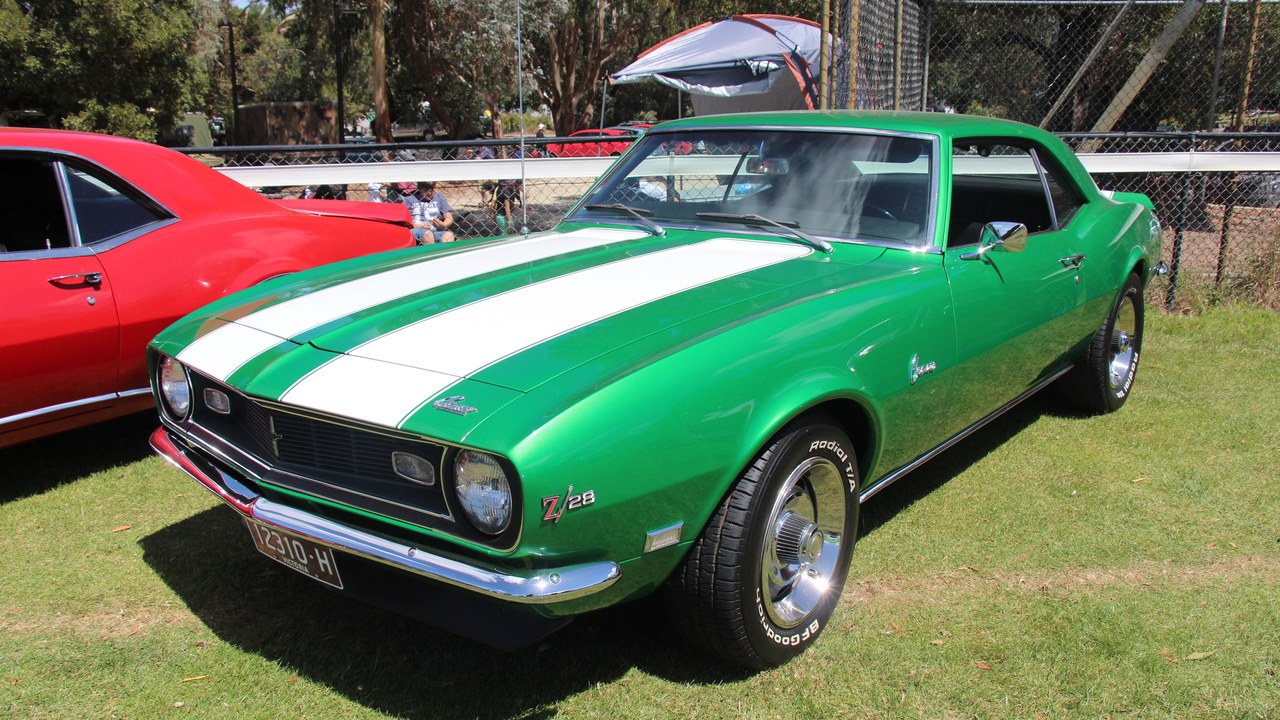
Not mentioned in sales literature, the 1967 Z/28 option was basically a factory-ready SCCA racer, AutoTrader.ca says, with a Muncie four-speed manual, power front disc brakes and a high-revving 302-cubic-inch engine.
Buyers who found the Camaro SS not quick enough could simply order it from their local GM dealer. Like the Mustang, the first-generation Camaro was built on humble sedan underpinnings, in this case the Nova II, yet it offered stylish coupe looks and a huge range of performance options, from a roughly 140-horsepower six to big V8s.
3. 1969 Yenko Camaro: Big Blocks Through the Back Door

Central Office Production Order cars were a specialized way to get the biggest-engined Camaros past GM’s official internal displacement limits. The infamous Yenko Camaros were ordered with the 7.0-liter Corvette L-72 engine.
That engine was officially rated at 425 horsepower and supposedly underrated. Even more expensive and rare was the all-aluminum ZL-1 Camaro, whose engine option cost as much as the rest of the car and could make upwards of 500 horsepower with a few choice tweaks, according to AutoTrader.ca.
4. 1970 Chevrolet Camaro: A Ferrari-Inspired Fastback
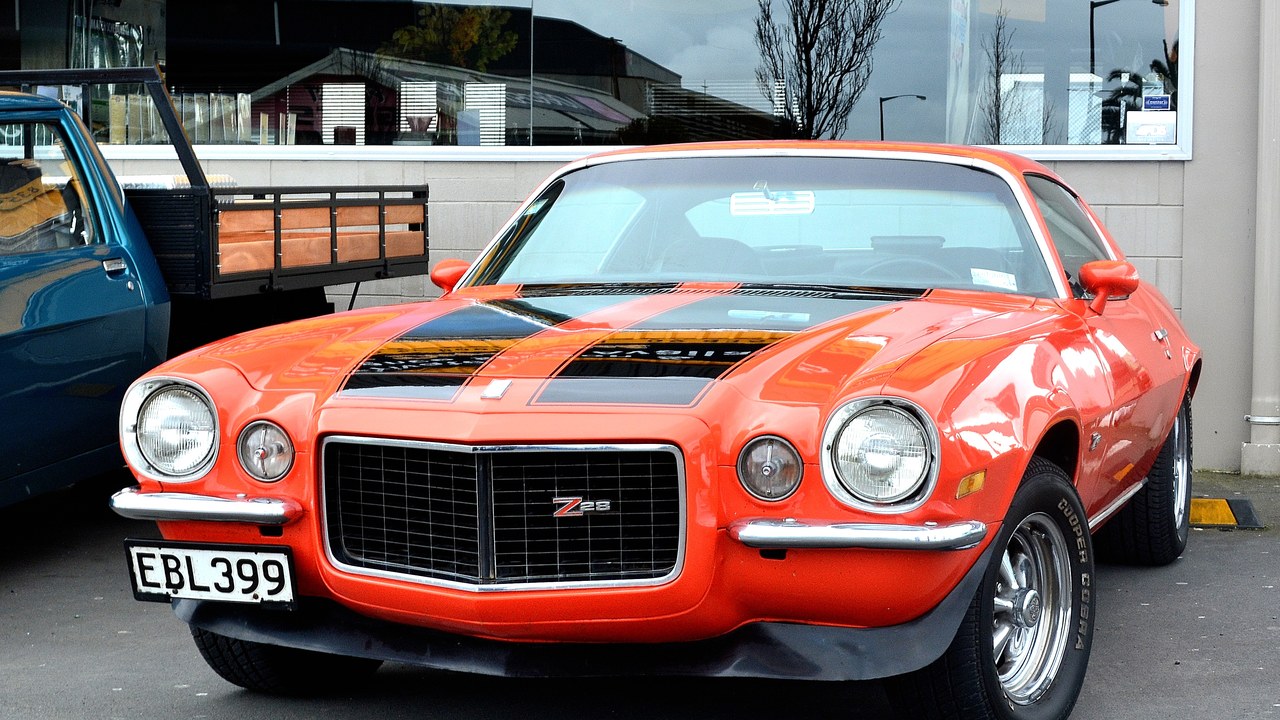
The midyear introduction of the 1970 Camaro brought a Euro-flavored fastback design inspired by the 1963 Ferrari 250 GT Lusso, and the Rally Sport option’s split-bumper front end accentuated the similarity. There was no convertible.
The second-generation Z28 used the Corvette’s solid-lifter LT-1 350, switching to the hydraulic-cam L82 for 1973, while the SS stayed through 1972 with small-block or big-block engines. Sales softened in the early 1970s, hurt by a GM strike and a recession, then rebounded in 1976. In 1979 the Camaro set its all-time sales record of 282,571, Hagerty says.
5. 1978 Camaro Z28: Beating the Mustang
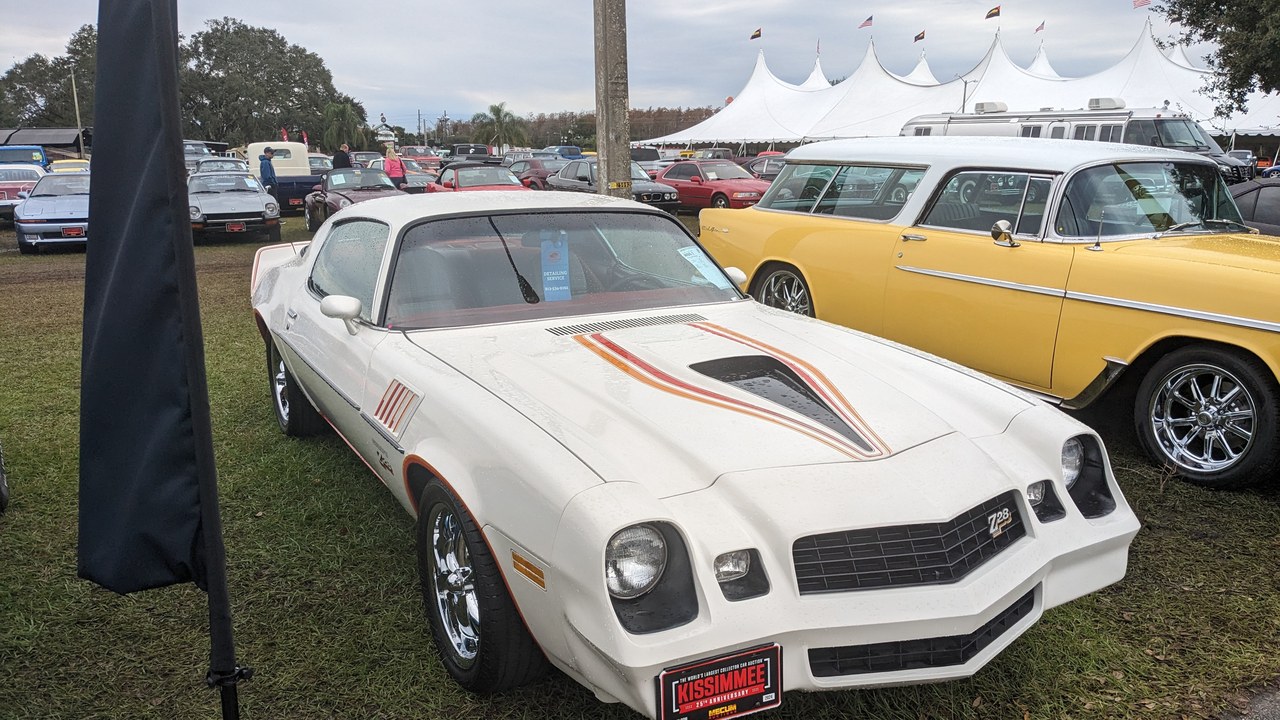
By the late 1970s, horsepower was down by half and luxury options and decal packages mattered more than speed. Yet sales went through the roof, which now had T-tops for the first time, and in 1977 the Camaro outsold the Mustang for the first time.
Ford had turned its pony car into the Pinto-based Mustang II, leaving the Camaro with a wide-open playing field, AutoTrader.ca notes. It would not be the last time the Chevy came out ahead. The 1978 Z28 stood in stark contrast to the burly early second-generation cars, but buyers kept coming.
6. Third-generation Camaro: A Symbol of the 1980s
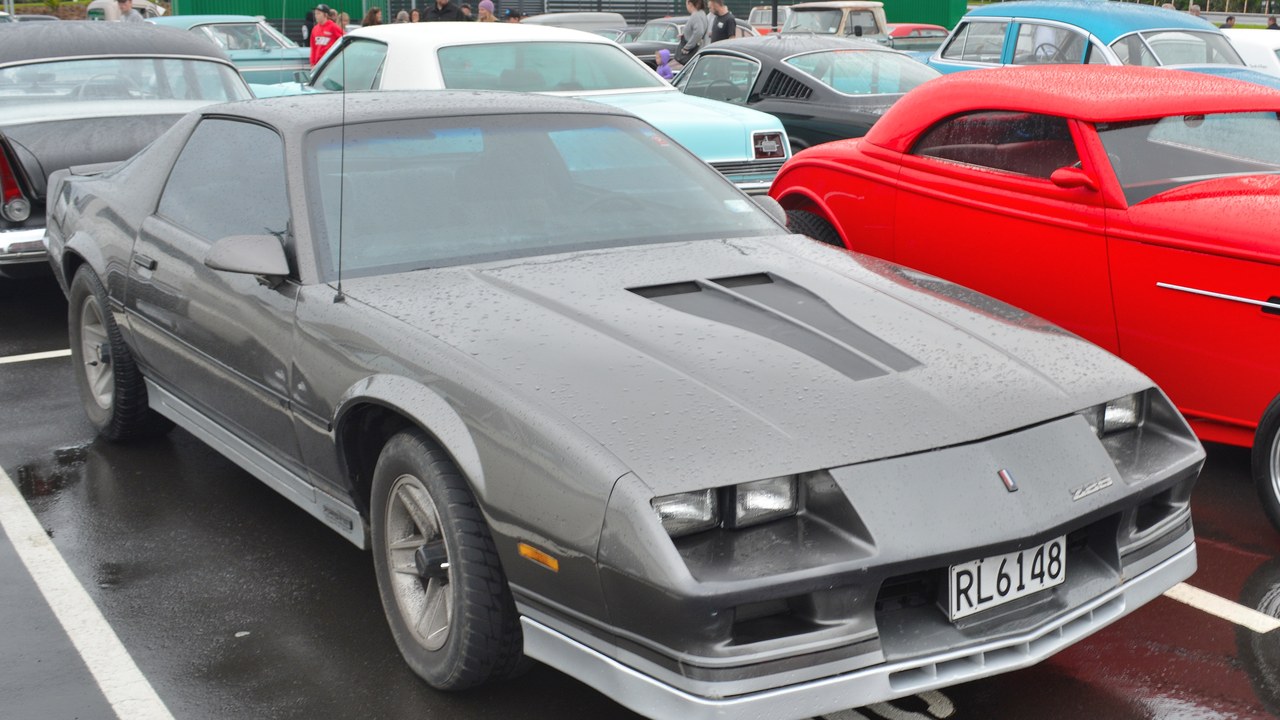
GM designer John Cafaro says the third-generation Camaro will always be a cultural symbol of the 1980s because its design epitomized the era’s high-tech trends. It also grew into more of a serious sports car.
Cafaro called it a distinct breakaway from earlier generations, which were undeniably influenced by European grand touring cars. This was a uniquely American design with a form developed for function, and its aggressive front-end styling was deemed almost too aggressive by some inside the company, according to the GM design history shared by Classic Industries.
7. Camaro IROC-Z: Named for a Race Series
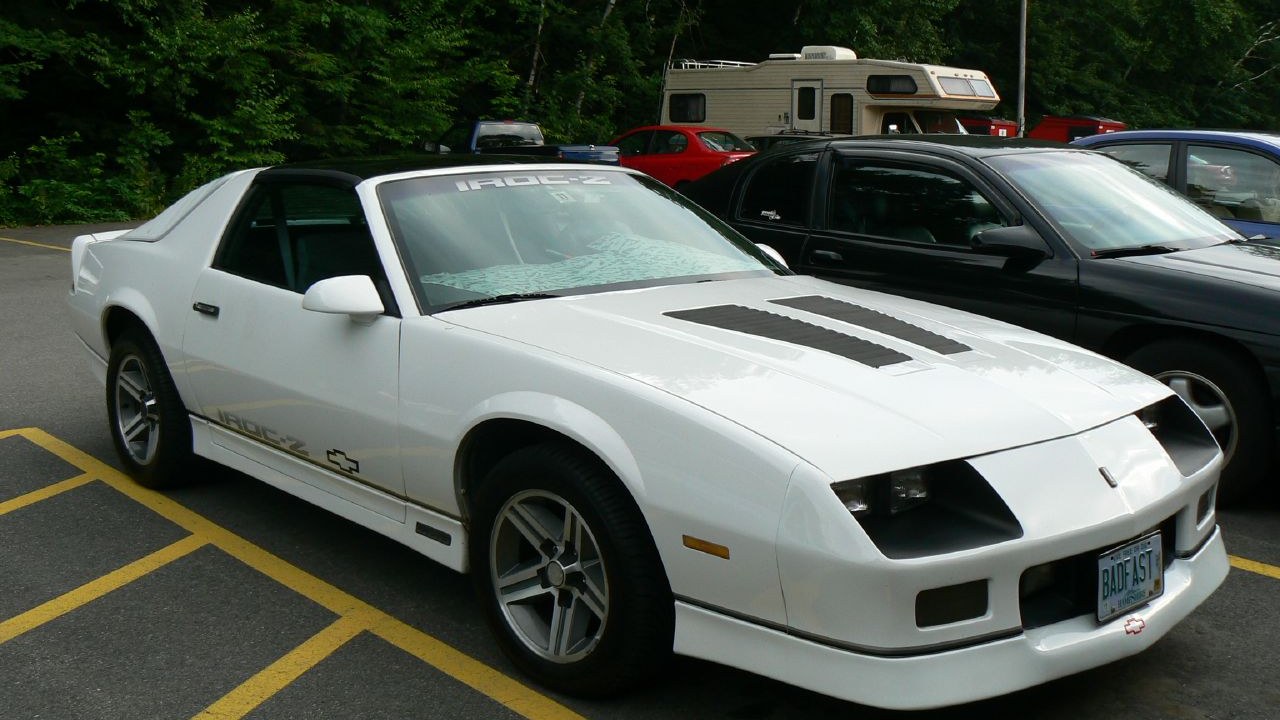
Chevy’s sponsorship of the International Race of Champions series spawned the popular IROC-Z handling and styling package for the Z28, creating the most memorable third-generation Camaros, Hagerty says.
The downsized 1982 Camaro had disappointed with its standard 145-horsepower V8, but a 190-horsepower H.O. engine and five-speed manual redeemed the Z28 for 1983, followed in 1985 by Tuned Port Injection. A convertible returned for 1987, along with a fuel-injected 350 V8. A 1991 to 1992 police package was essentially a Z28 in a plain RS body.
8. 1993 Chevrolet Camaro: Too Sporty for Its Own Good
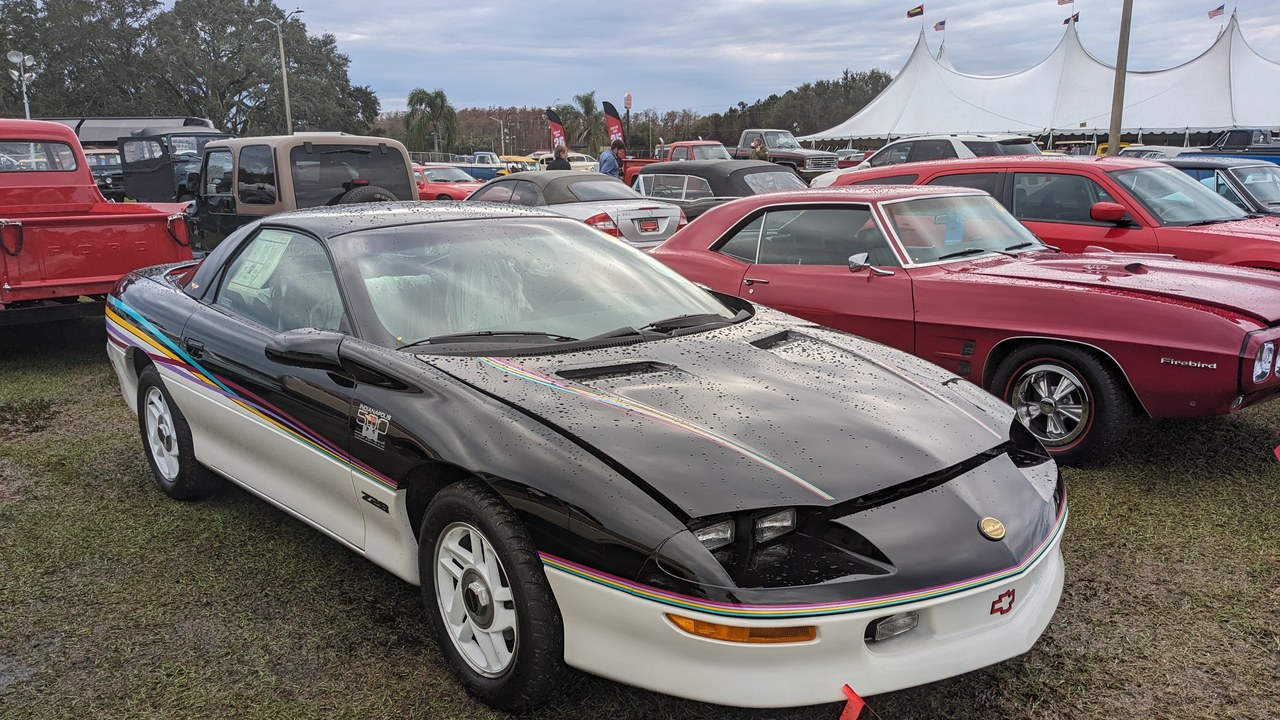
The fourth-generation Camaro might have been too sporty for its own good, Hagerty says, with a rakish design that lacked its predecessor’s wide appeal. The Z28 was a scorcher, with a 275-horsepower 5.7-liter V8 and a six-speed manual.
A new SS joined it in 1996, and a 1998 restyle brought even hotter performance from the aluminum LS1 V8. Still, sinking sales led Chevrolet to cancel the Camaro after 2002, and the Camaro would not return until the 2010 model year with a platform from GM’s Australian subsidiary, Holden.
9. 2010 Chevrolet Camaro: The Comeback
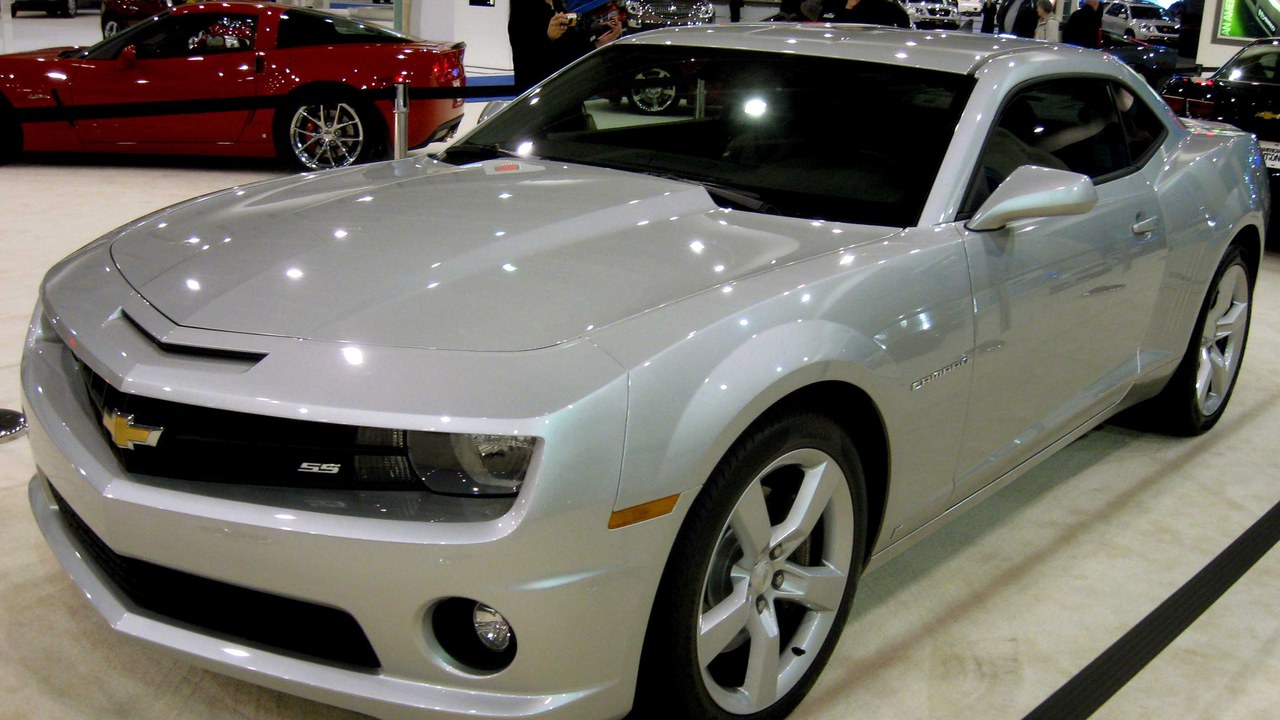
GM exterior design director Tom Peters says the return of the Camaro after an eight-year absence was a thunderbolt that reignited the passion of enthusiasts around the world.
The fifth-generation car was clearly inspired by the first generation but aimed to stay original. Peters said the challenge was distilling the timeless essence of the design into a fresh, contemporary car, and that it straddled the line between heritage and retro. With five straight years at the top of its segment, he said, it connected with a whole new group of enthusiasts.
10. 2016 Chevrolet Camaro: Eating Mustangs Again
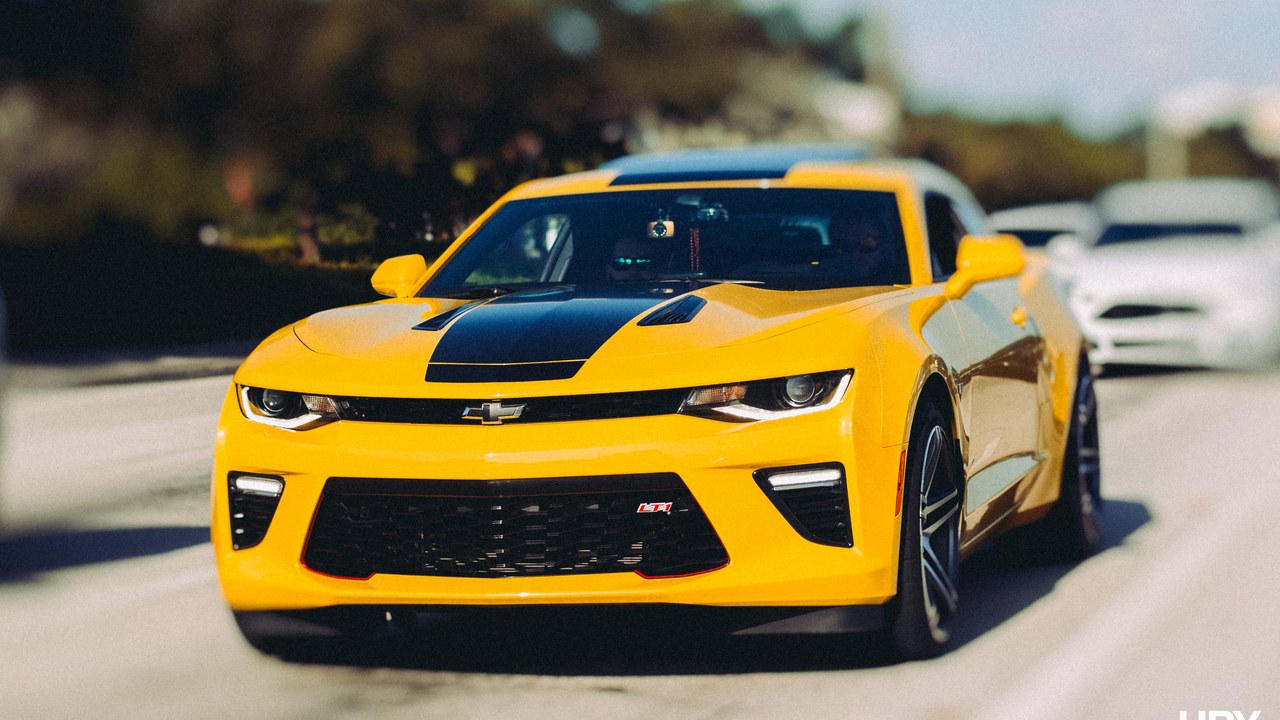
The 2016 Camaro is built on the Alpha platform it shares with the excellent-handling Cadillac ATS, AutoTrader.ca says. It kept an optional big V8, added a turbocharged four and made the V6 standard.
Equipped with a manual, the SS ran to within a few tenths of the Corvette in acceleration, could turn nearly 1 g on the skidpad, handled transitions better and had fade-free brakes. GM had launched the original as a small, vicious animal that eats Mustangs, and AutoTrader.ca says the sixth generation was once again exactly that.
More from Morning Overview
- Zero Motorcycles unveiled an electric motorcycle targeted at under $8K and a street-legal dirt bike at EICMA
- New FCC rules on how people can stop robocalls and texts take effect Nov. 25
- Neanderthals in Spain carved a wooden object that matches nothing archaeologists have ever found
- The FAA wants $2.39 million from a flight school it says flew a Cessna about 280 times with an unapproved part
