
Toyota’s Land Cruiser traces its roots to a rugged four-wheel-drive truck that Toyota pitched to Japan’s police reserve in the early 1950s, and Toyota has since sold more than 10 million of them. Along the way it turned from a spartan workhorse into a luxury SUV that kept its off-road skills. Here are nine Land Cruisers that mark that long evolution.
Read next on Morning Overview: The Justice Department asked courts to undo approvals for three offshore wind farms, one already making power
1. Land Cruiser 20 Series: The First Export
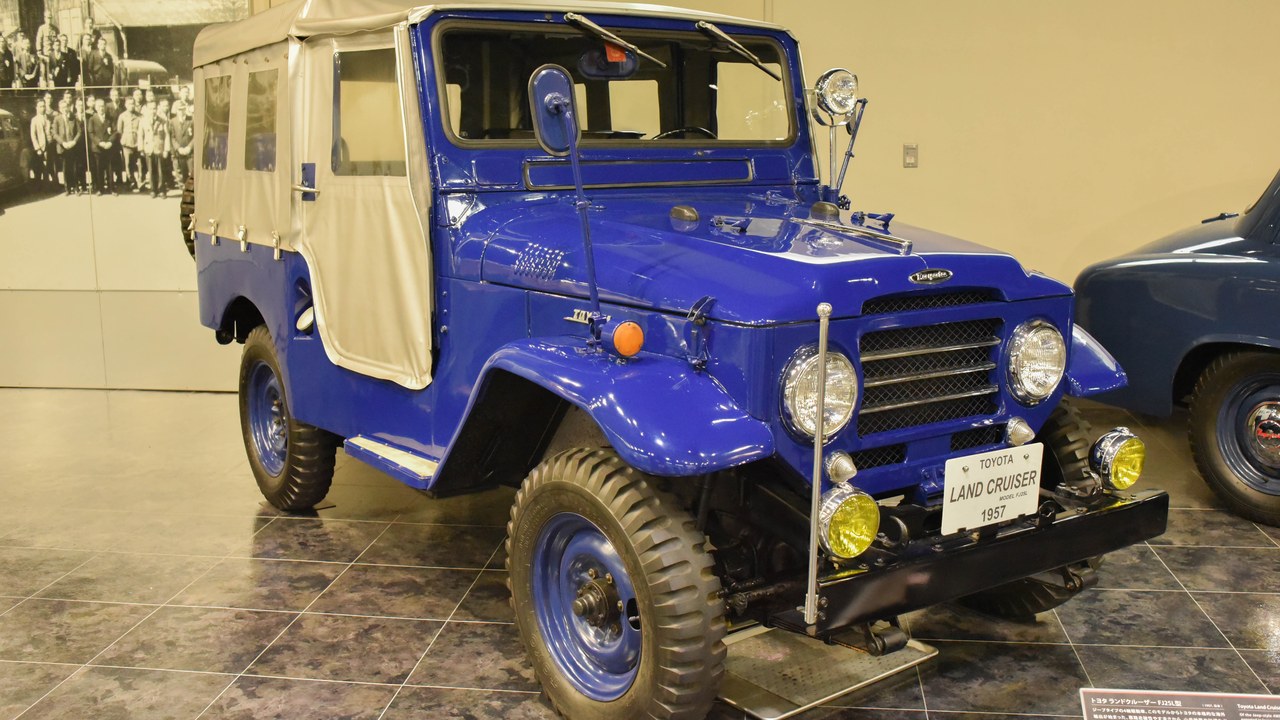
The Jeep BJ name quickly became a problem because Willys had trademarked Jeep, so Toyota went with Land Cruiser and created a civilian model, the 20 Series. It was the first Land Cruiser exported to the United States, Gear Patrol says.
It had rounder bodywork, a roomier cabin, better suspension and a shorter wheelbase, and it used the F-Series inline-six that would remain a mainstay until 1992. Toyota sold exactly one 20 Series, alongside 287 Toyopet Crown sedans, in 1958, its first year selling cars in America.
2. Land Cruiser FJ40: Birth of an Icon
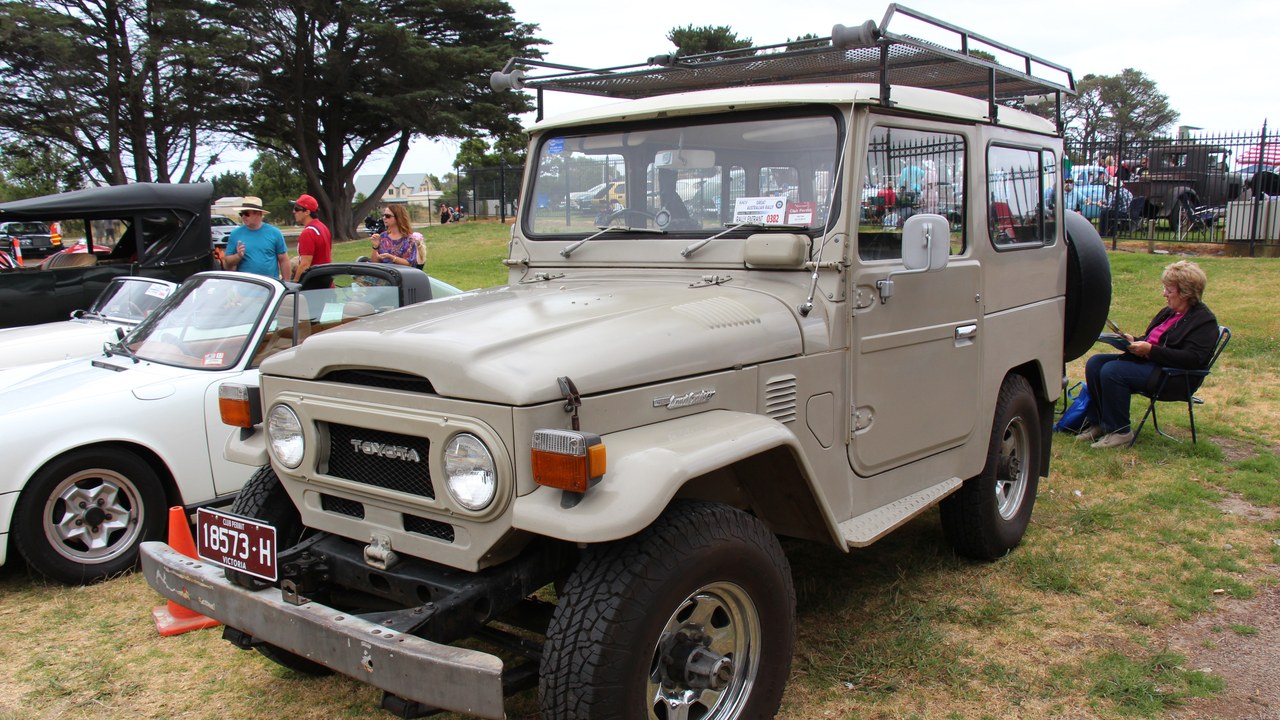
Arriving in 1960, the 40 Series kept solid axles on leaf springs and a fold-down windshield, but its angular styling, flat white roof and short overhangs established a new look, soon to become iconic.
Its inline-six made 125 horsepower and 200 pound-feet of torque, and it was the first Land Cruiser with a two-speed transfer case. The FJ40 was Toyota’s best-selling vehicle in the U.S. through 1965. In 1979 it retailed for about $6,000 with neither air conditioning nor power steering, and Toyota noted in 2019 that some had sold at major auctions for more than $50,000.
3. Land Cruiser FJ55: The First Wagon
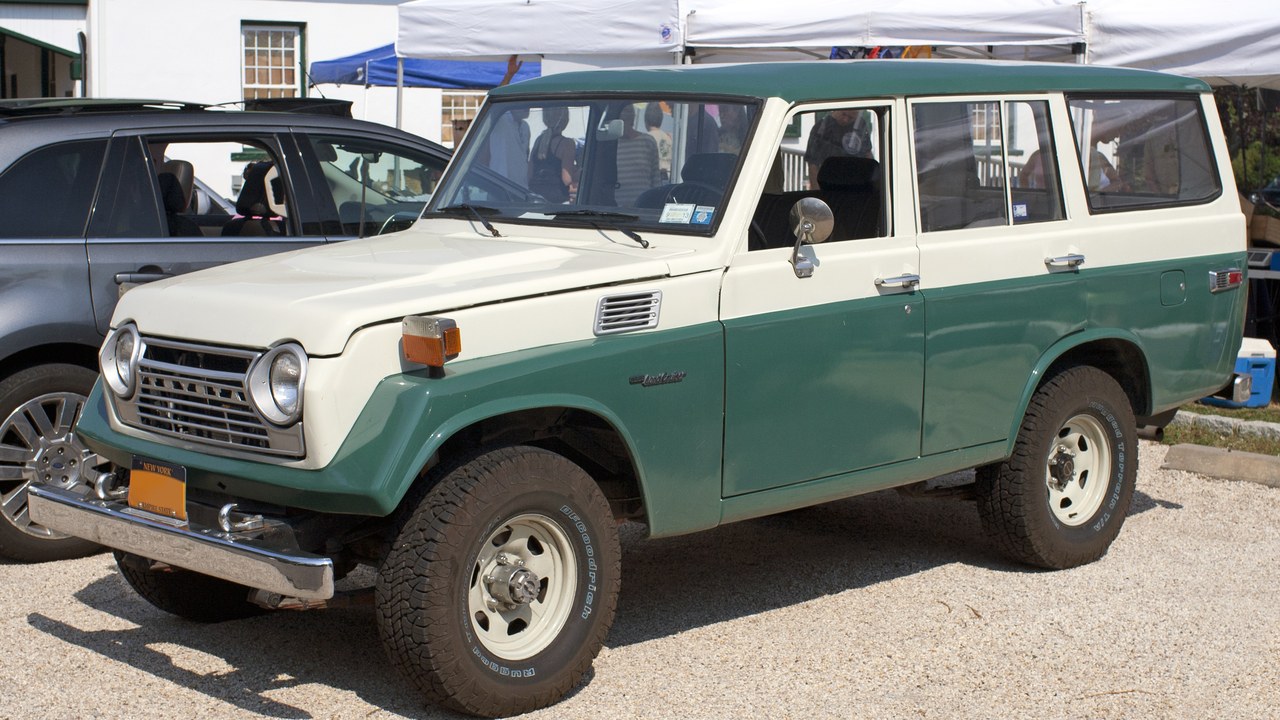
Originally a long-wheelbase FJ40, the FJ55V was the first regular production Land Cruiser wagon, in the style of a Land Rover, The Drive says. It rapidly evolved into its own model with a strengthened, fully boxed frame.
Toyota built it from 1967 to 1979 with two main markets in mind, the United States and Australia. For Australia it had massive articulation and durability, while for America it met a 20 mph frontal crash standard and could cruise at 80 mph on the highway. Its long-roof shape traced back to the short-lived FJ35V wagon of 1960, which The Drive says inspired the Land Cruiser wagons that followed.
4. Land Cruiser 60 Series: The Family Land Cruiser
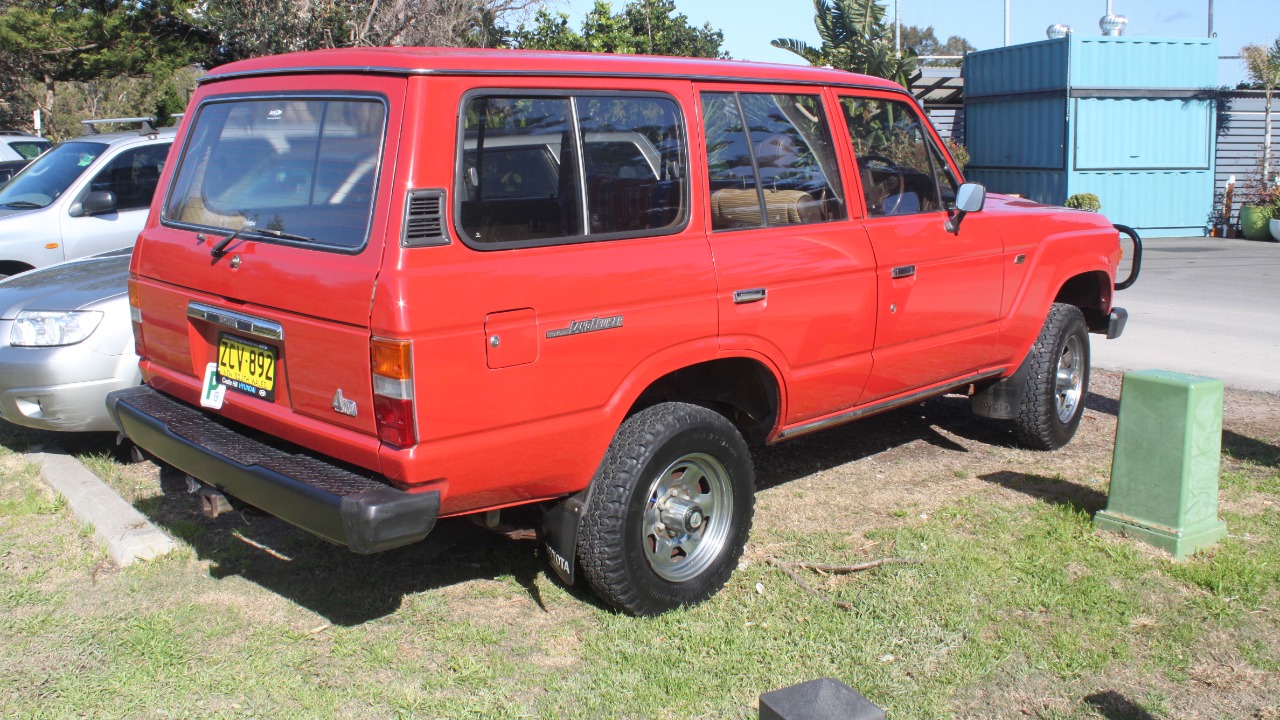
The 60 Series replaced the 50 Series as the four-door wagon and, from 1984 onward, was the only Land Cruiser on sale in the U.S. It was much more family-friendly than the FJ40, with a comfortable interior, standard air conditioning, rear heating and power windows.
It came as the FJ60 from 1980 to 1987 and the facelifted FJ62 from 1988 to 1990, which switched to a four-speed automatic, gained about 20 horsepower from the 3F six and swapped round headlights for square ones. Well-kept 60 Series trucks are still out there with astronomical mileage, Gear Patrol notes.
5. Land Cruiser 70 Series: The Workhorse That Stayed
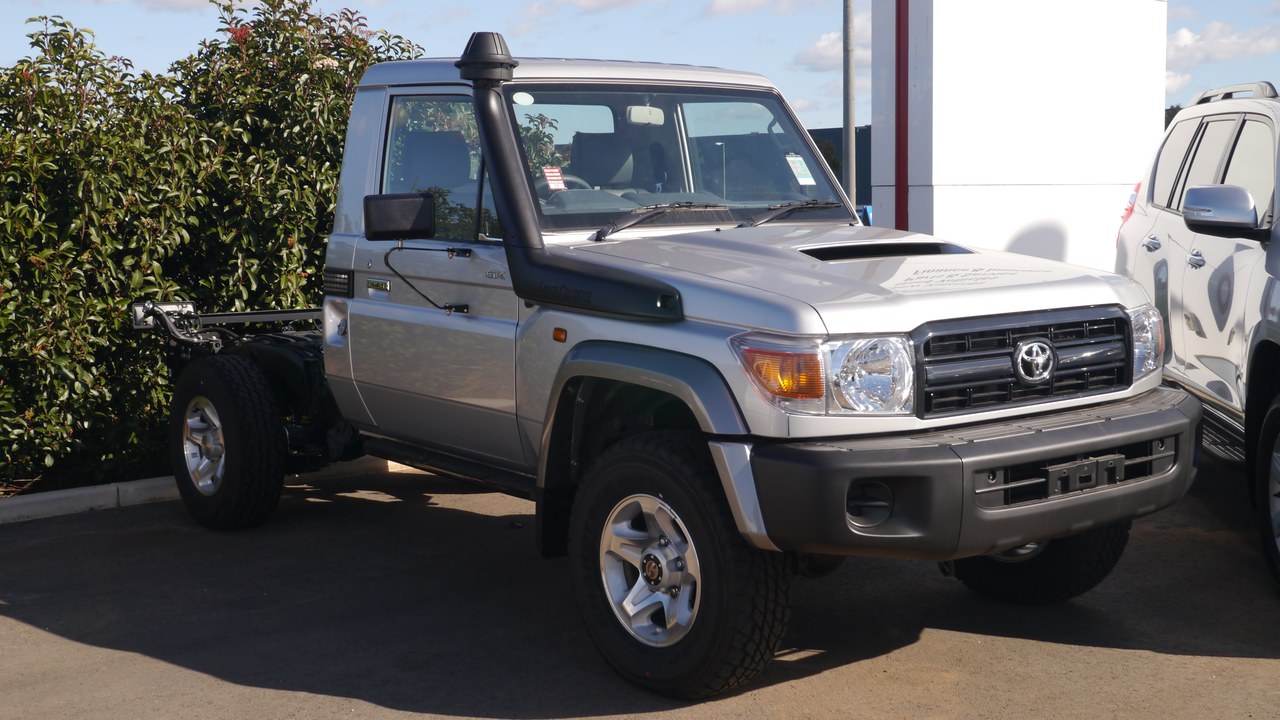
After 1984, the Land Cruiser split into separate lines. Alongside the station wagon sold in America came a heavy-duty 70 Series and a light-duty 70 Series, which recovered the boxiness the FJ60 had lost.
The light-duty version, related to the 4Runner, eventually came in seven body styles including a pickup and was renamed Prado in 1990, The Drive says. It split into its own line, and its 2002 120-series descendant came to the U.S. as the Lexus GX 470. The station wagon was the line that came to America, while the heavy-duty and light-duty trucks served other markets.
6. Land Cruiser 80 Series: Full-Time Four-Wheel Drive
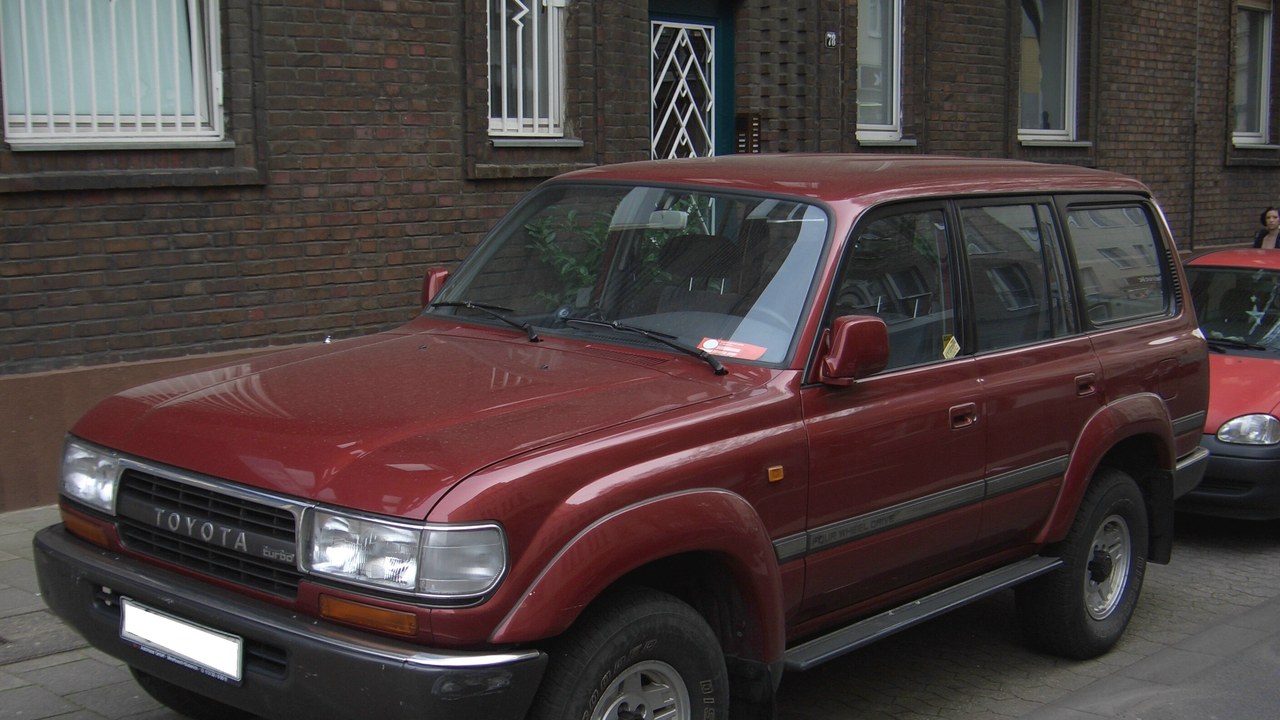
Introduced in spring 1990 as a 1991 model, the 80 Series represented a major leap forward. Coil springs improved ride quality, and for the first time a full-time four-wheel-drive system could be used in all conditions, including dry roads.
Leather seats, air conditioning and upgraded audio pushed it toward luxury, while airbags and ABS improved safety. For 1993 it got a new 4.5-liter 24-valve six with 212 horsepower. It still had front and rear locking differentials, Toyota says, and it became the basis for the Lexus LX 450, the brand’s first SUV.
7. Land Cruiser 100 Series: The First V8
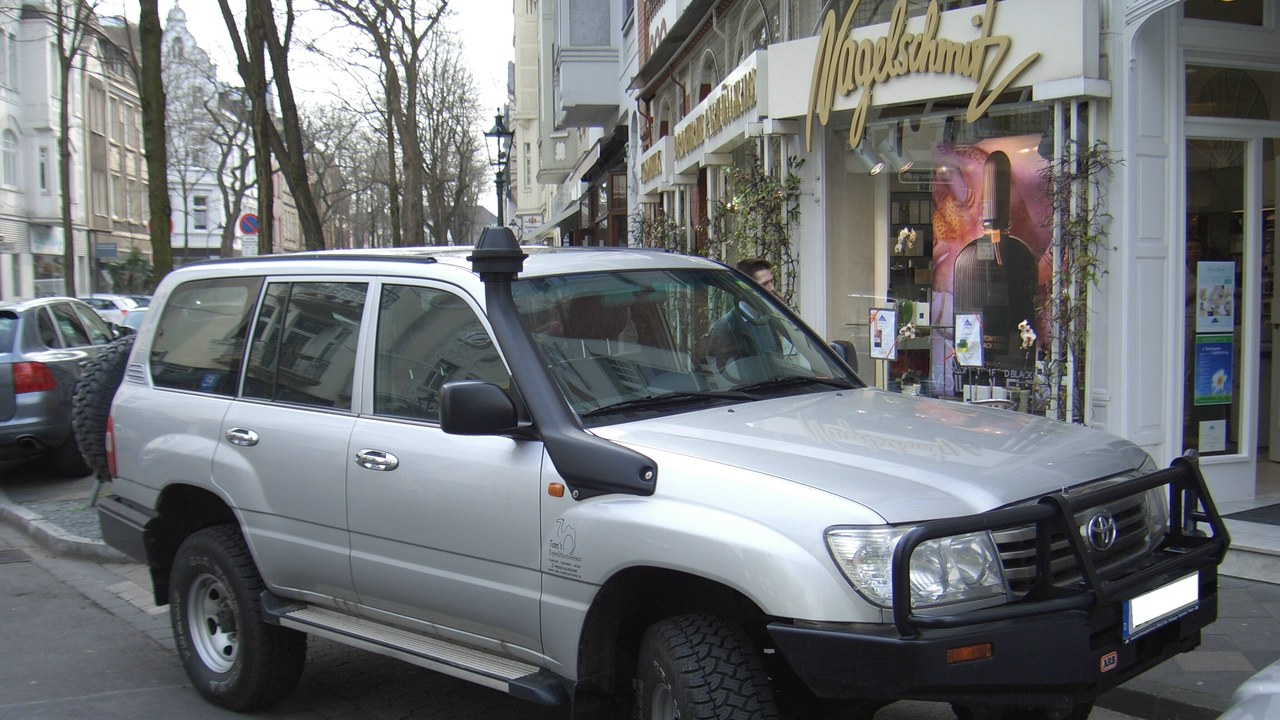
The 100 Series introduced for 1998 had a chassis 50% stiffer than before and a more comfortable ride thanks to the Land Cruiser’s first independent front suspension.
For the first time, its engine was not an inline six but a 4.7-liter V8 with 230 horsepower, rising to 275 horsepower for 2006. As plush as it had become, it was as capable as ever, Toyota says, with steep approach and departure angles for trail driving, along with automatic height adjustment suspension that could raise or lower the body.
8. Land Cruiser 200 Series: An $84,000 Yacht
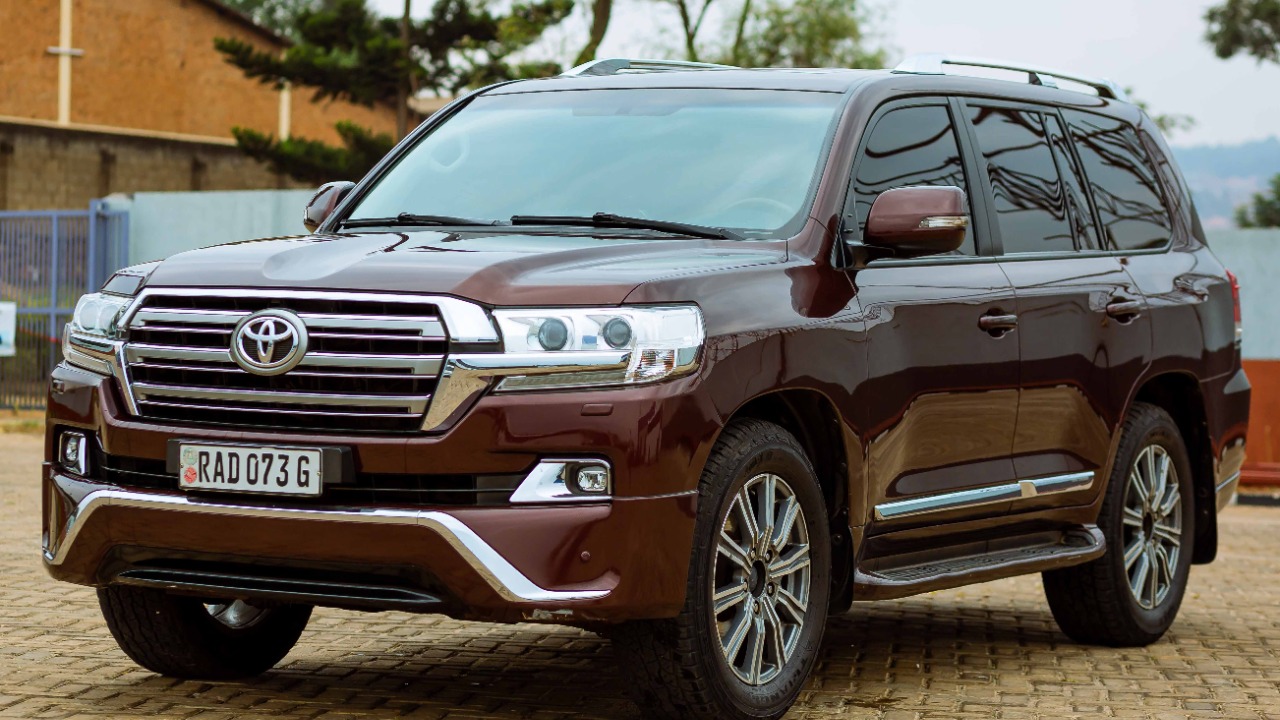
The 200 Series completed the Land Cruiser’s transformation into an $84,000 yacht competing with G-Wagens and Range Rovers, The Drive said, yet it kept full-time four-wheel drive, a two-speed transfer case and a locking differential.
For the 2008 model year it gained a 5.7-liter V8, and city fuel economy climbed just 1 mpg from 1980 levels, to 13 mpg. Its six-speed automatic and later eight-speed returned the same combined 15 mpg. The Drive noted the irony of such a truck coming from the company that makes the Prius.
9. Land Cruiser 300 Series: A V6 and a New Platform
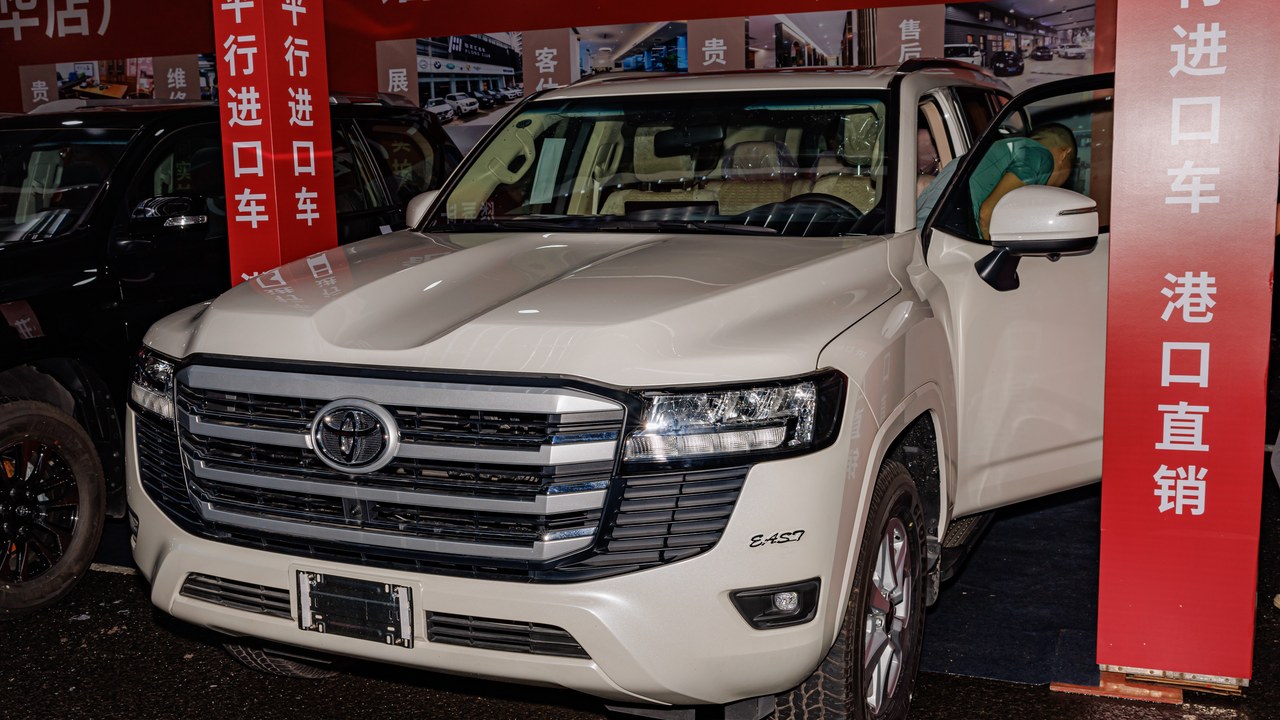
Toyota replaced the 200 Series with the 300 Series for the 2022 model year, and the changes were significant: it moved to Toyota’s TNGA-F body-on-frame platform used by the Sequoia and the Tundra pickup.
It also shed about 440 pounds and abandoned the V8 for a more efficient turbocharged V6. When the 300 Series launched, Toyota did not sell it in America under the Land Cruiser name, Gear Patrol noted, bringing it over only as the Lexus LX 600. Its heavy predecessor had weighed 5,815 pounds in 2020 form.
More from Morning Overview
- Neanderthals in Spain carved a wooden object that matches nothing archaeologists have ever found
- The FAA wants $2.39 million from a flight school it says flew a Cessna about 280 times with an unapproved part
- A $1 billion gas plant planned for Superior, Wisconsin, has been abandoned
- Shaq spent $1.3 million on three Rolls-Royce Phantoms to prove a point to a salesman
