
Castles were built to show power, guard borders and survive sieges, and many of them did far more than that. Some became royal homes for a thousand years, others ended up as ruins, museums or the settings of famous stories. Here are eighteen famous castles and the history behind their walls, from the Tower of London to Neuschwanstein.
Read next on Morning Overview: Arizona’s governor declared a statewide emergency after Flagstaff logged its wettest Nov. 1 on record
1. Tower of London: The Conqueror’s Fortress
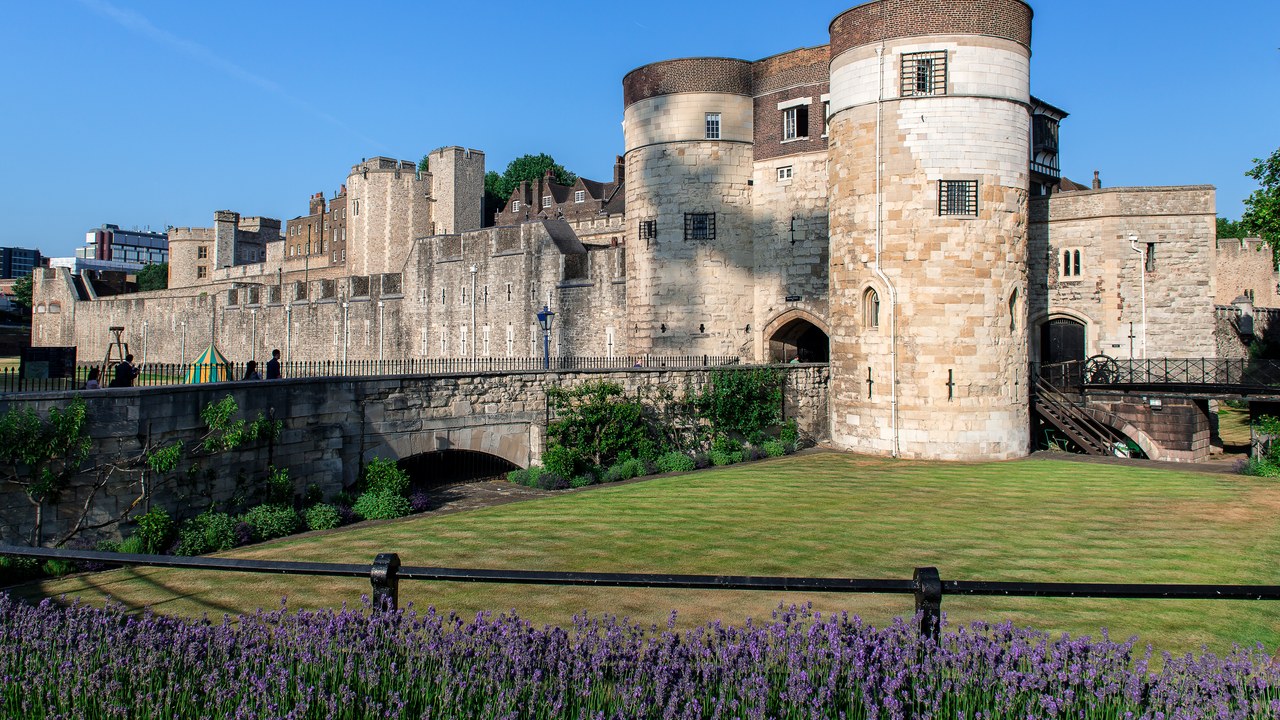
William the Conqueror built the White Tower in 1066 as a show of Norman power, placing it on the River Thames as both fortress and gateway to the capital. It is the most complete 11th-century fortress palace left in Europe.
Royal buildings kept growing around it from the 11th to the 16th centuries, and the Tower became one of the great symbols of the monarchy. It also helped give rise to several major English state institutions, including the nation’s defense.
2. Windsor Castle: A Thousand Years of Royals
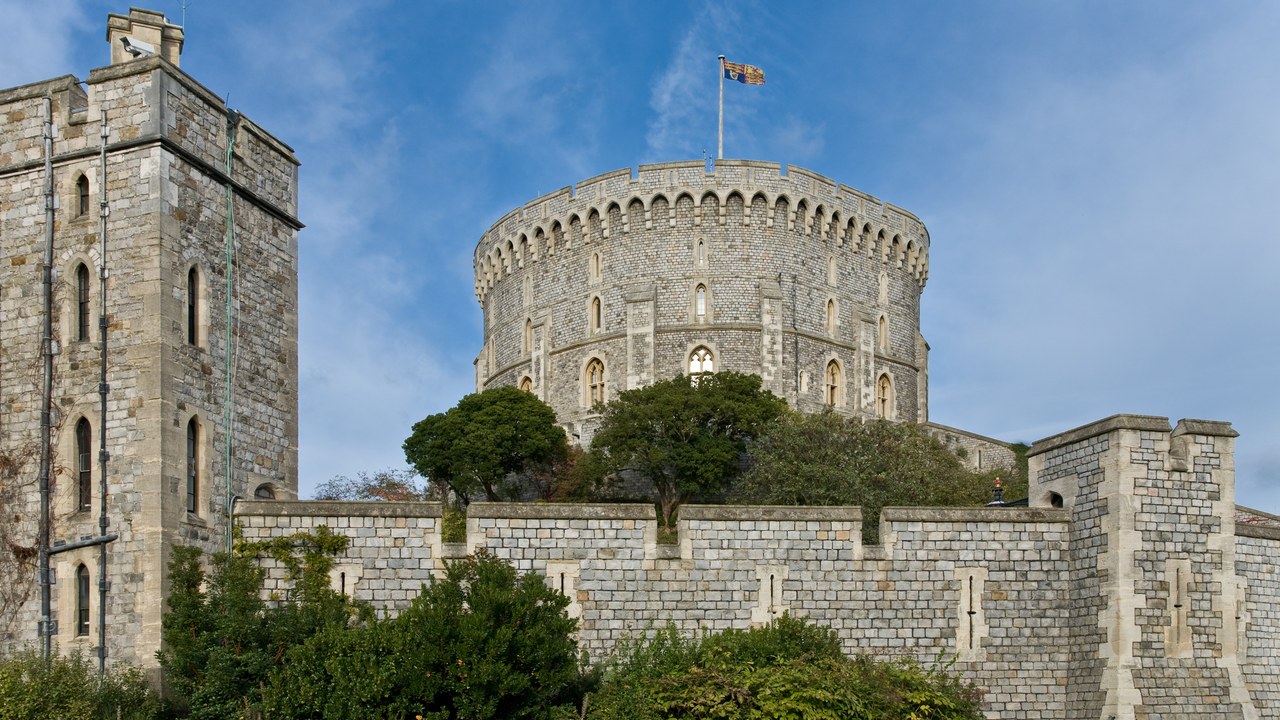
Windsor Castle is a royal residence about 25 miles west of central London. The original castle was built in the 11th century, after William the Conqueror’s invasion of England.
Monarchs have used it since the reign of Henry I, making it the longest-occupied palace in Europe. It embodies almost a millennium of architectural history and remains closely tied to the British royal family.
3. Warwick Castle: From Wooden Fort to Stone Giant
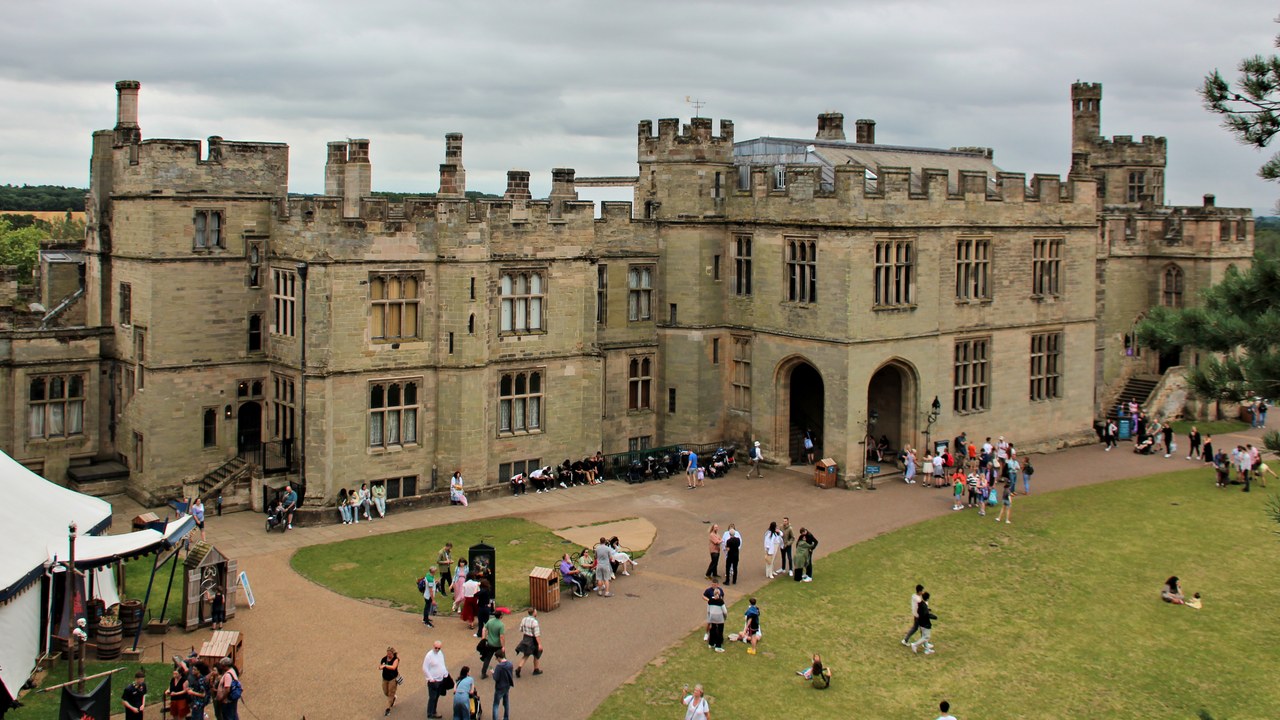
Warwick Castle grew from a wooden fort that William the Conqueror built in 1068 above the River Avon. The original motte-and-bailey castle was rebuilt in stone in the 12th century.
During the Hundred Years’ War its town-facing side was refortified, creating one of the best-known examples of 14th-century military architecture. It served as a stronghold until James I granted it to Sir Fulke Greville in 1604.
4. Edinburgh Castle: The Castle on the Rock
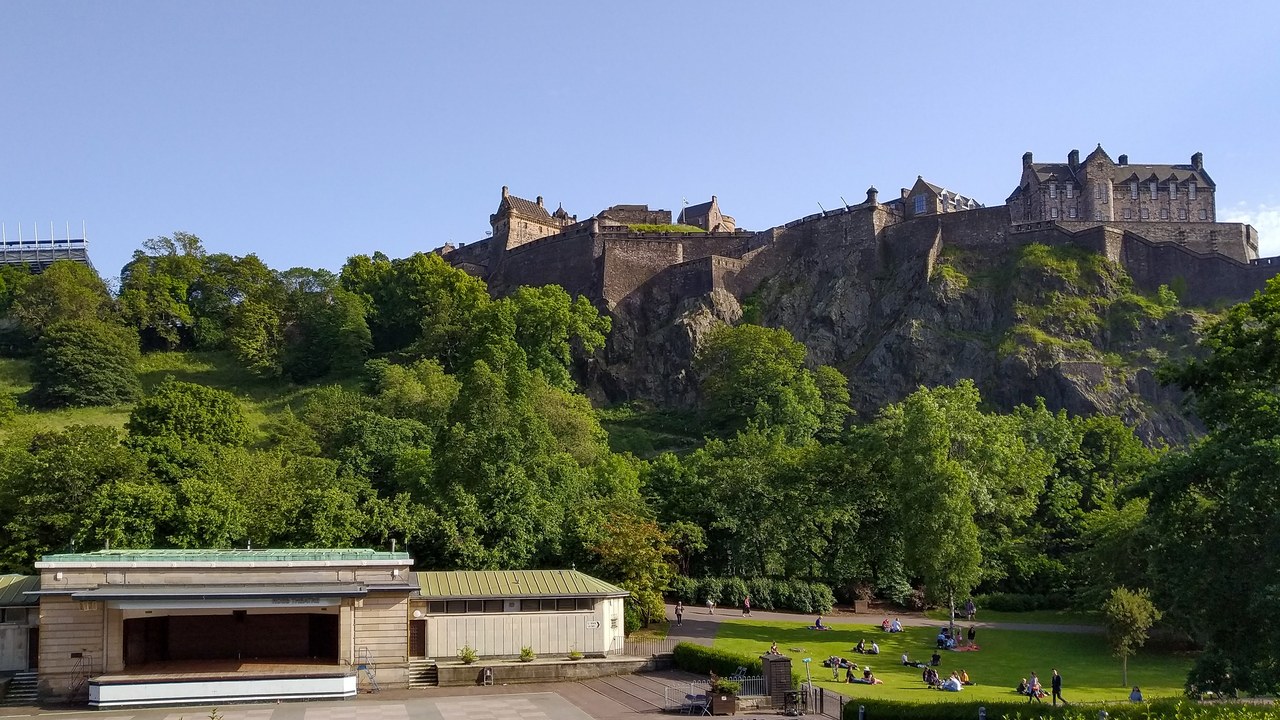
Edinburgh Castle stands on Castle Rock, a site occupied by people since at least the Iron Age. There has been a royal castle on the rock since the reign of Malcolm III in the 11th century.
It remained a royal residence until 1633, though by the 17th century it was mainly a military garrison. Its importance to Scotland’s national heritage was increasingly recognized from the early 1800s, leading to restoration work.
5. Caernarfon Castle: Edward I’s Masterpiece
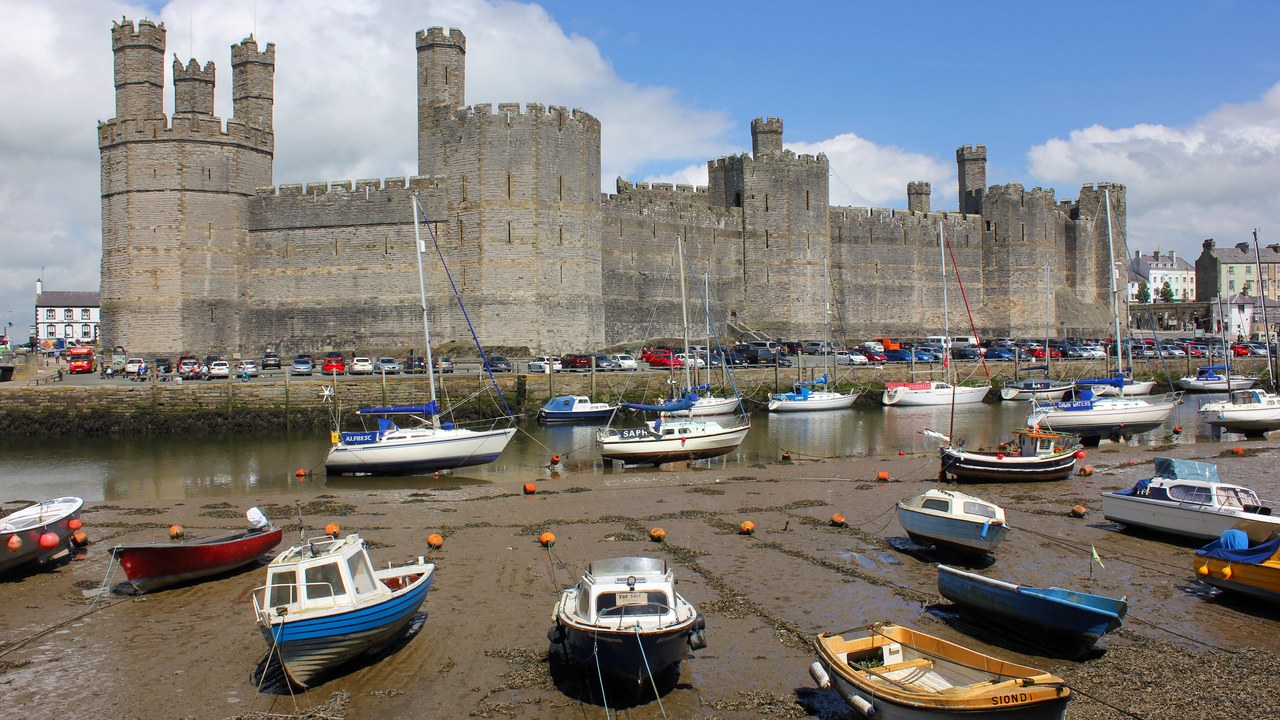
The castles of Edward I in Gwynedd, North Wales, including Caernarfon, are the finest examples of late 13th- and early 14th-century military architecture in Europe, according to UNESCO.
They were designed and directed by James of St George, Edward I’s chief architect and the greatest military architect of his age. Caernarfon was built along with fortified town walls, and the group is remarkable for how complete and well preserved it remains.
6. Conwy Castle: A Castle and Its Walled Town
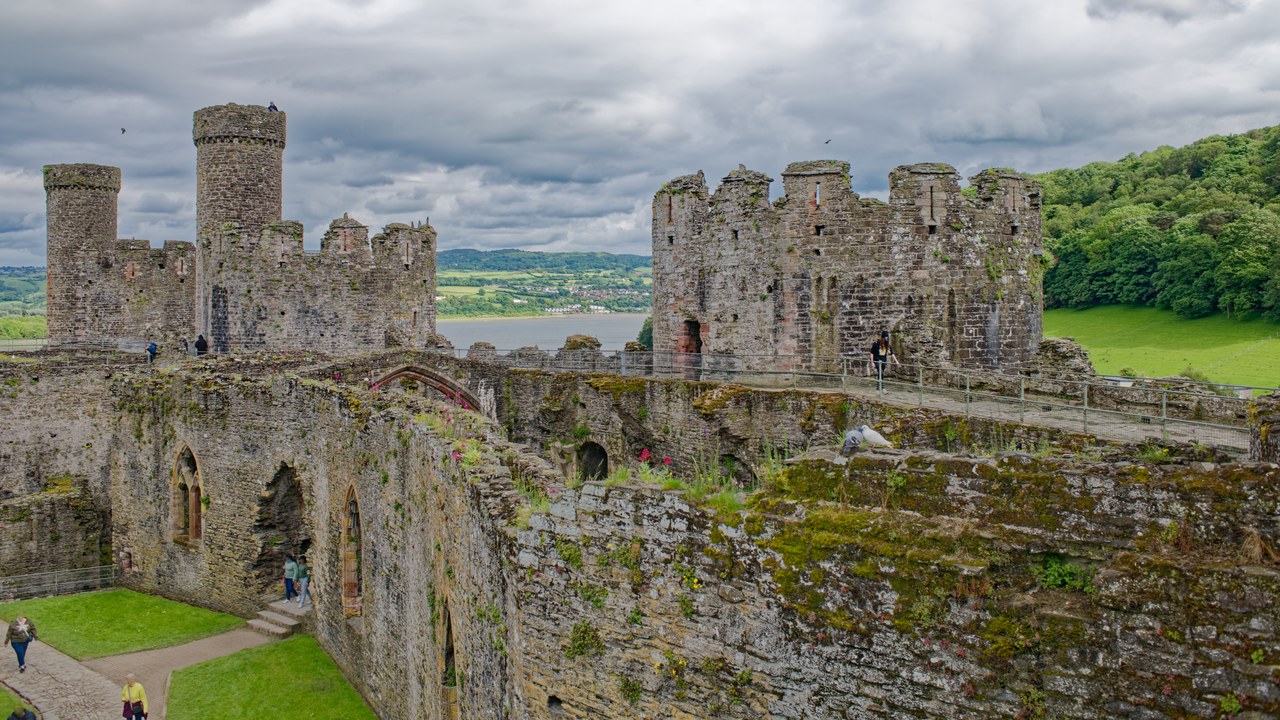
Conwy Castle belongs to the same group of Welsh fortresses built for King Edward I, which UNESCO ranks as a supreme example of medieval military architecture. Like Caernarfon, Conwy was built with an attendant fortified town.
The castles stand out for their completeness, their pristine state and the evidence they hold of organized domestic life. As a stylistically coherent group, they show the full repertory of medieval castle design under a single master architect.
7. Carcassonne: The Walled City
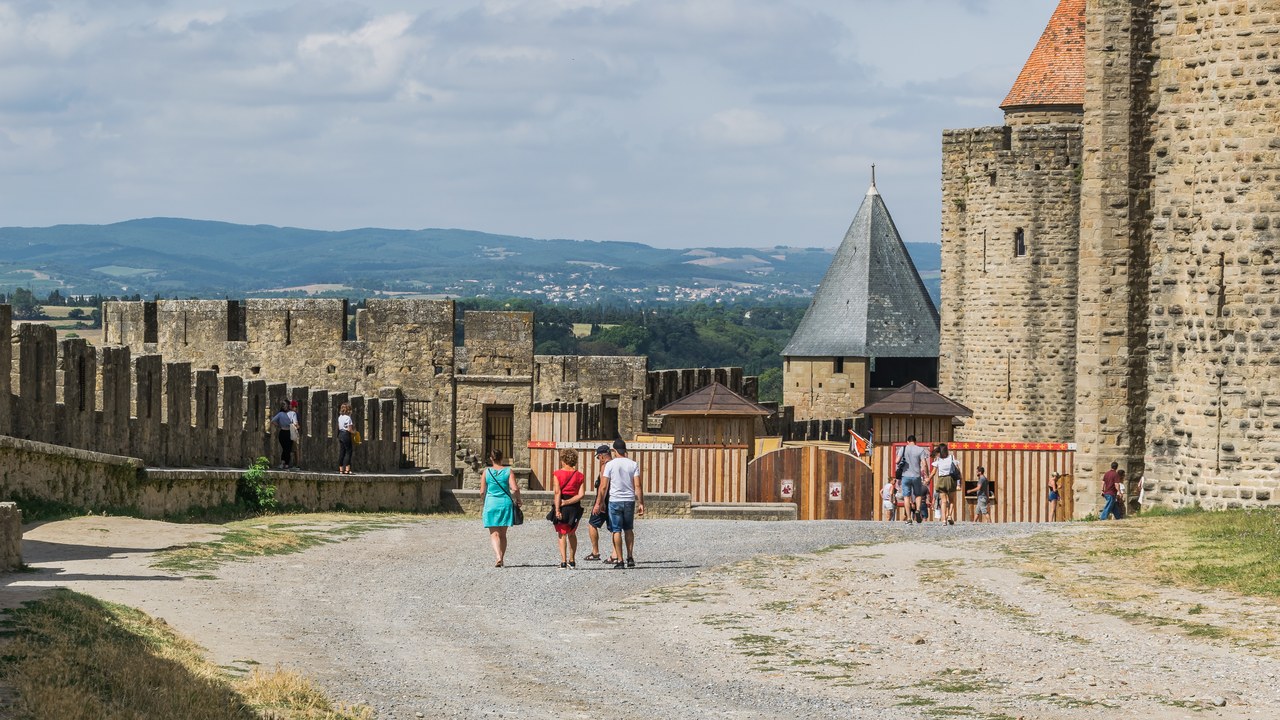
Carcassonne, in southern France, is an outstanding example of a fortified medieval city, with an enormous defensive system built mainly in the 13th century. Fortifications have stood on its hill since before the Romans.
Two rings of walls, separated by barriers, enclose the houses, streets, a Gothic cathedral and the castle itself. The city sits on a rocky outcrop above the Aude, on an old route linking the Atlantic and the Mediterranean.
8. Château de Chambord: A King’s Hunting Lodge
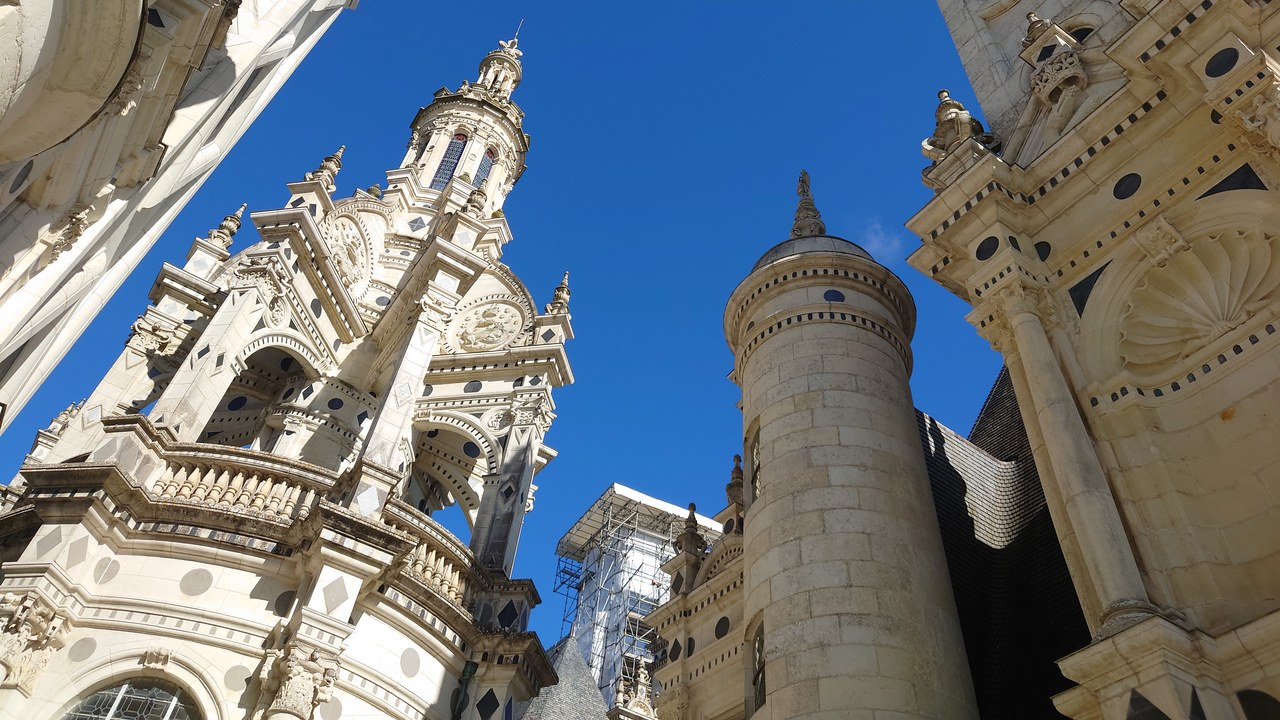
The Château de Chambord was commissioned by Francis I of France and built between 1519 and 1547. It is the largest château in the Loire Valley and one of the most recognizable in the world.
Despite its size, it was built as a hunting lodge for the king, who kept his main residences at Blois and Amboise. Its design blends medieval French forms with classical Renaissance structures and is attributed to the Tuscan architect Domenico da Cortona.
9. Alhambra: Granada’s Red Palace
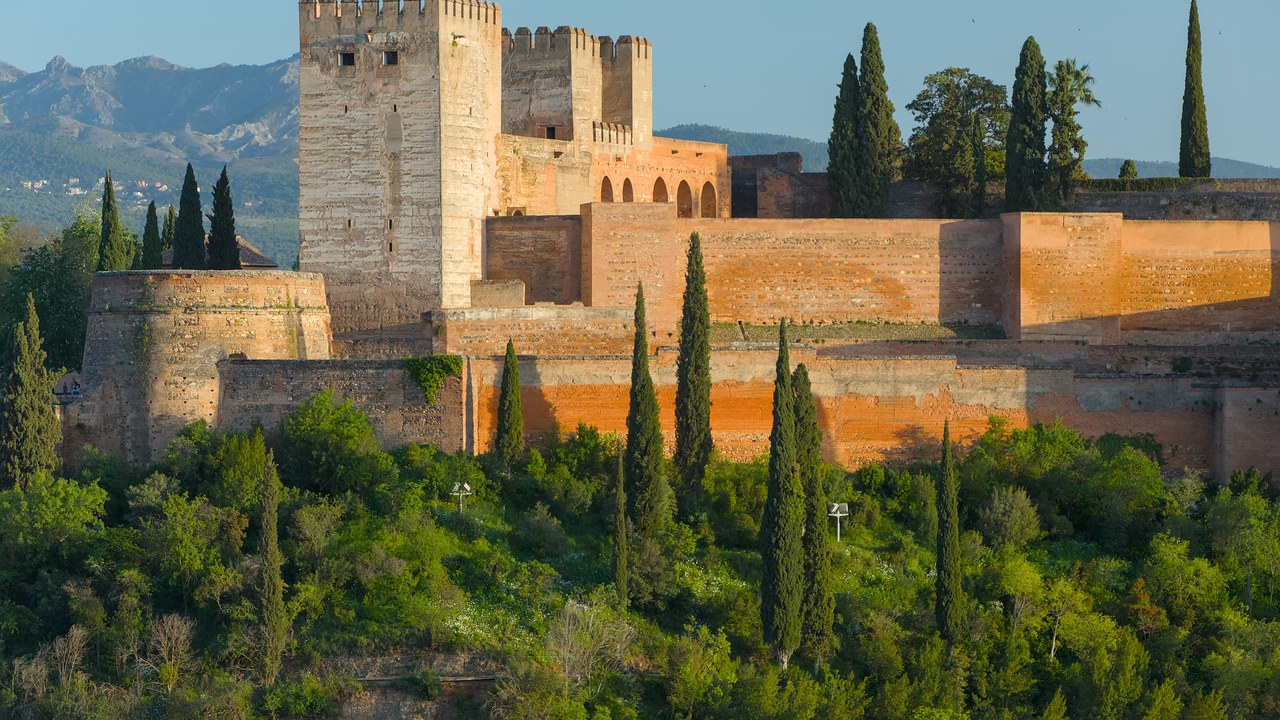
The Alhambra is the palatine city of Granada, rising above the modern town on a hill beside the Albayzín, the city’s old Arabic quarter. UNESCO calls it the best example of Nasrid art in architecture and decoration.
East of the fortress lie the gardens of the Generalife, a rural residence of the emirs built in the 13th and 14th centuries. Its palaces relied on the advanced irrigation engineering of Al-Andalus.
10. Eltz Castle: Never Destroyed
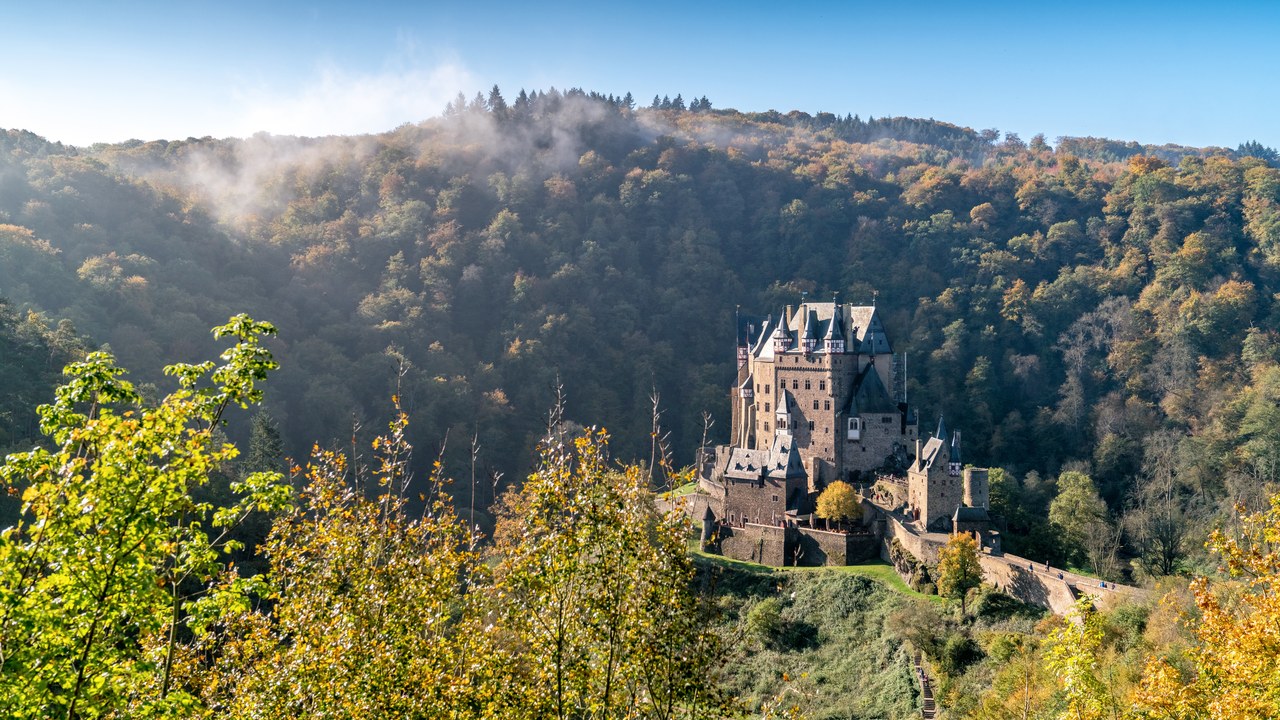
Eltz Castle sits in the hills above the Moselle between Koblenz and Trier, on a rock spur 70 meters high, surrounded on three sides by the Elzbach river. It is still owned by a branch of the Eltz family, who have lived there since the 12th century.
Along with two other castles, it is one of the only castles in Germany’s Eifel region never to have been destroyed. The forest around it is protected as a nature reserve.
11. Castel del Monte: The Perfect Octagon
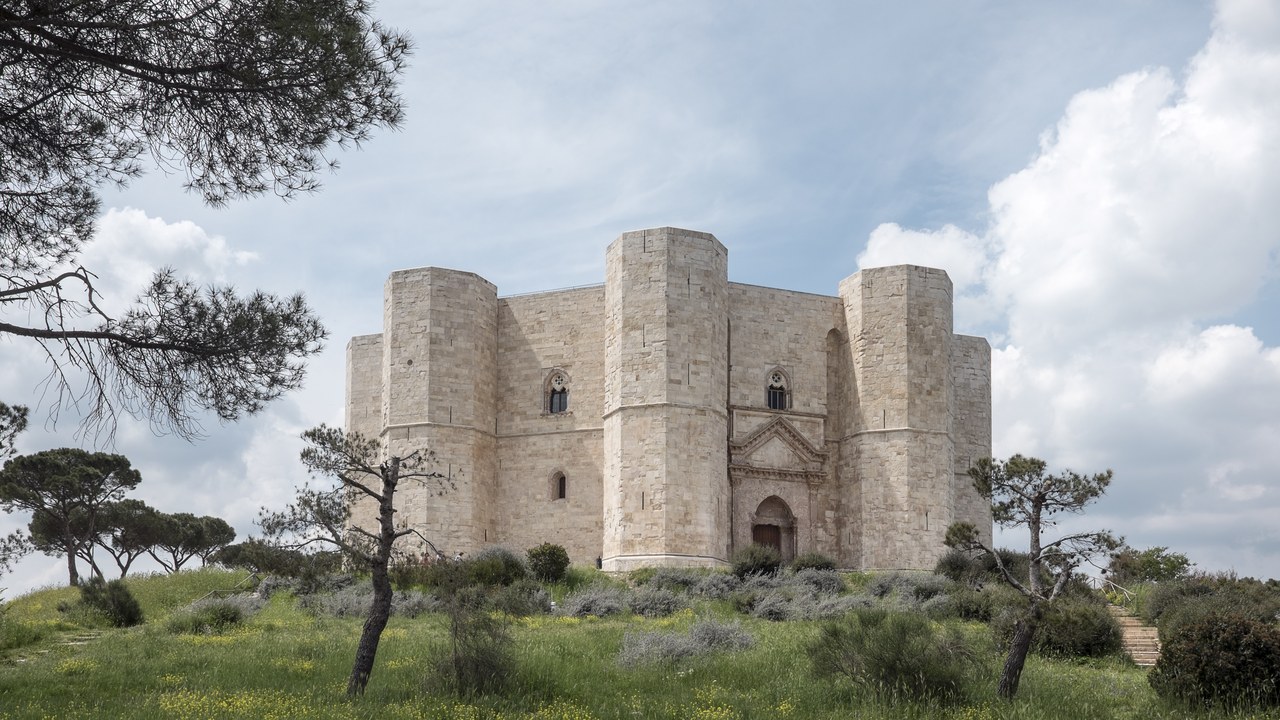
Castel del Monte rises on a rocky hill in southern Italy’s Murgia region and was completed in 1240. Its perfect octagonal shape and precise layout reflect the learning of its founder, Emperor Frederick II.
Frederick brought scholars from across the Mediterranean to his court, blending Eastern and Western traditions. The castle’s octagonal plan, with octagonal towers at the corners, makes it a unique piece of medieval architecture.
12. Krak des Chevaliers: The Crusaders’ Stronghold
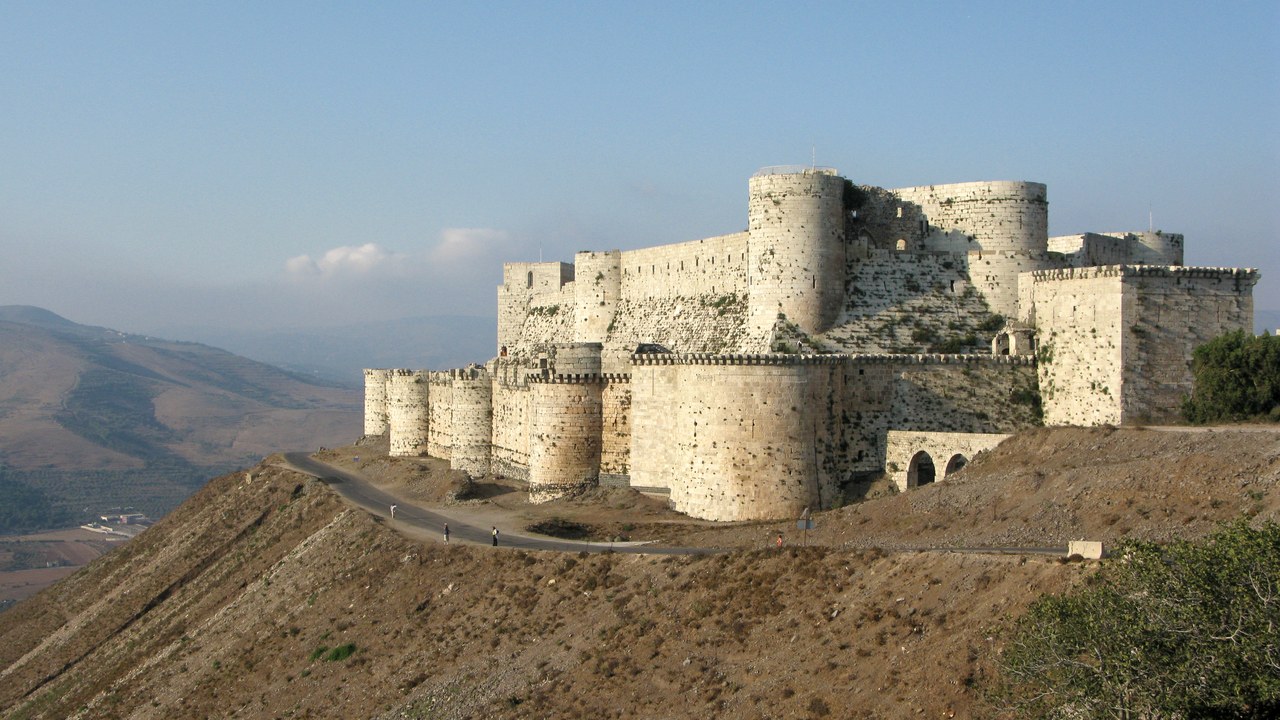
The Krak des Chevaliers in Syria was built by the Hospitaller Order of Saint John of Jerusalem from 1142 to 1271. With more work by the Mamluks in the late 13th century, it ranks among the best-preserved Crusader castles.
UNESCO lists it with a second fortress, Qal’at Salah El-Din, as examples of how fortified architecture evolved in the Near East through the Byzantine, Crusader and Islamic periods.
13. Malbork Castle: The Knights’ Brick Fortress
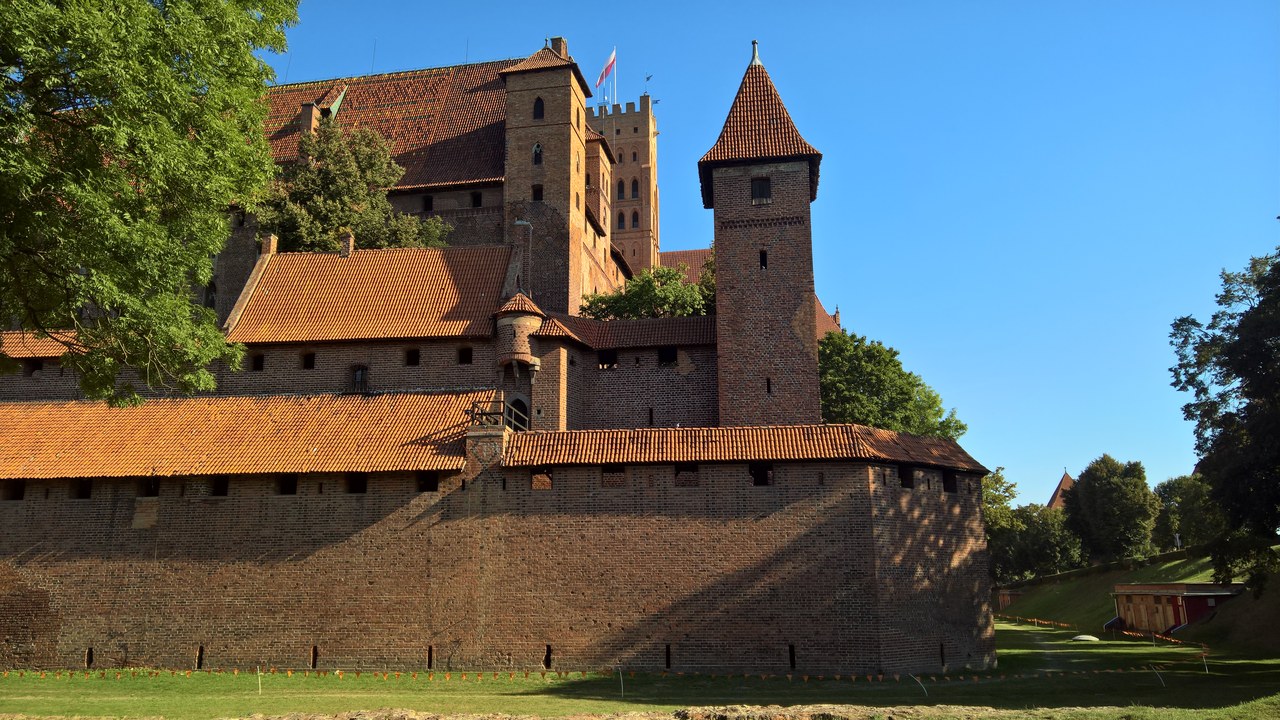
Malbork Castle in northern Poland is the most complete and elaborate Gothic brick castle complex built in the style of the Teutonic Order, a state founded by crusading military monks in the 13th century.
The castle later fell into decay but was meticulously restored in the 19th and early 20th centuries. After severe damage in World War II, it was restored again using the detailed records of earlier conservators.
14. Prague Castle: Above the Vltava
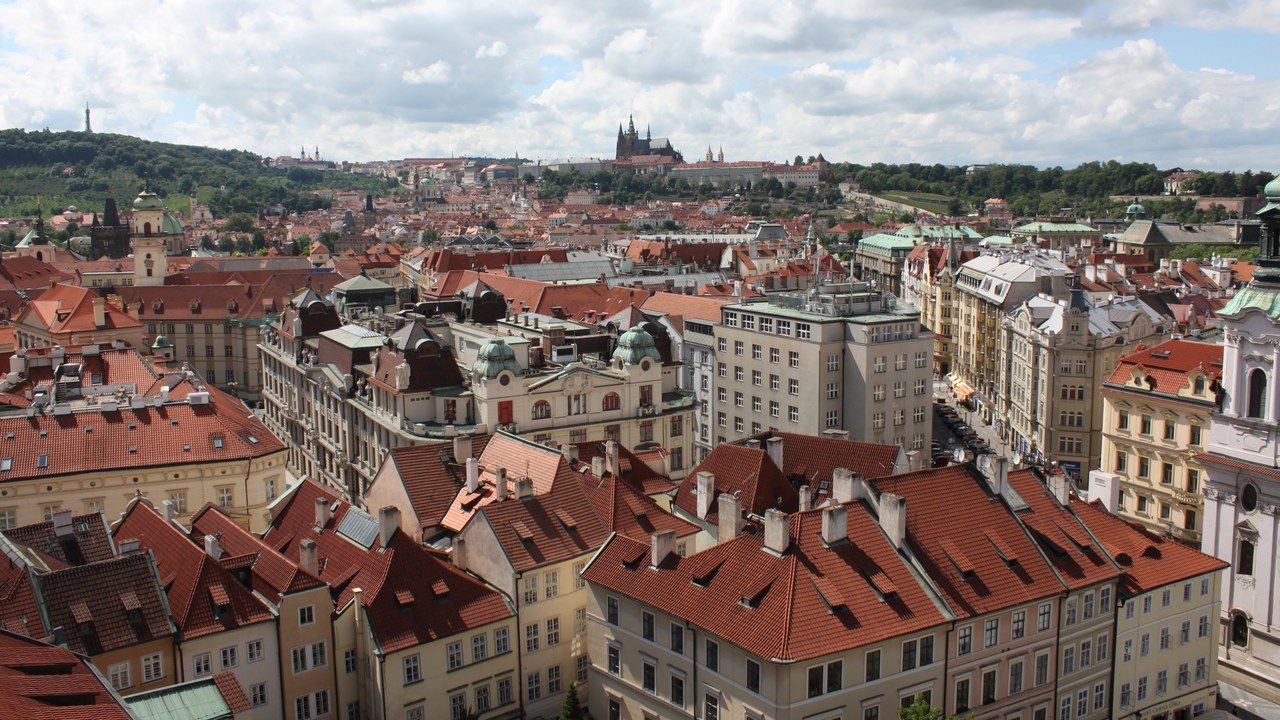
Prague’s historic centre, with Hradcany Castle, St. Vitus Cathedral and Charles Bridge, is among the most beautiful city settings in Europe. Many of its great monuments were built in the 14th century under Holy Roman Emperor Charles IV.
The castle district looks down on a townscape of burgher houses and palaces punctuated by towers on both banks of the Vltava. UNESCO notes that the centre has escaped large-scale urban renewal.
15. Kronborg: Hamlet’s Elsinore
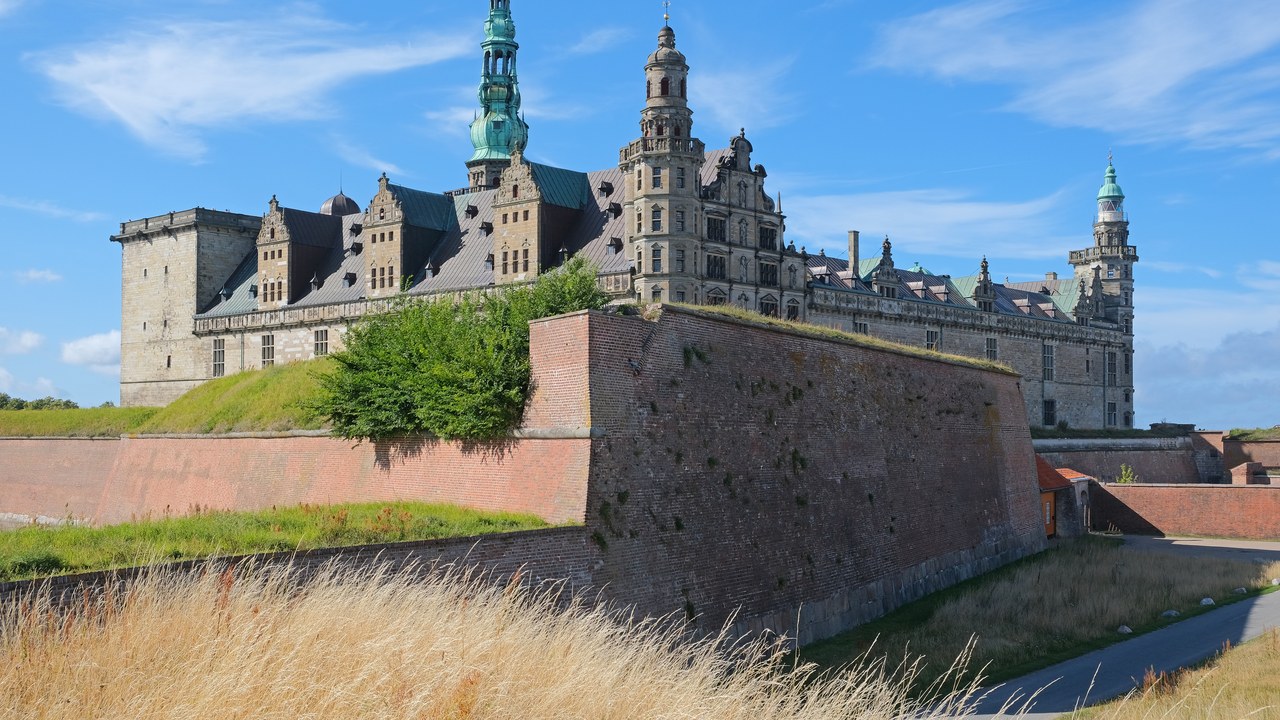
Kronborg Castle stands north of Elsinore at the narrowest point of the Sound, just four kilometers wide. From 1429 to 1857, it let Denmark control the passage to the Baltic, and about 1.8 million ships had to pay a toll there.
It played a key role in Northern European history from the 16th to the 18th centuries. Today it is world-renowned as Elsinore, the setting of Shakespeare’s Hamlet.
16. Bran Castle: Dracula’s Castle
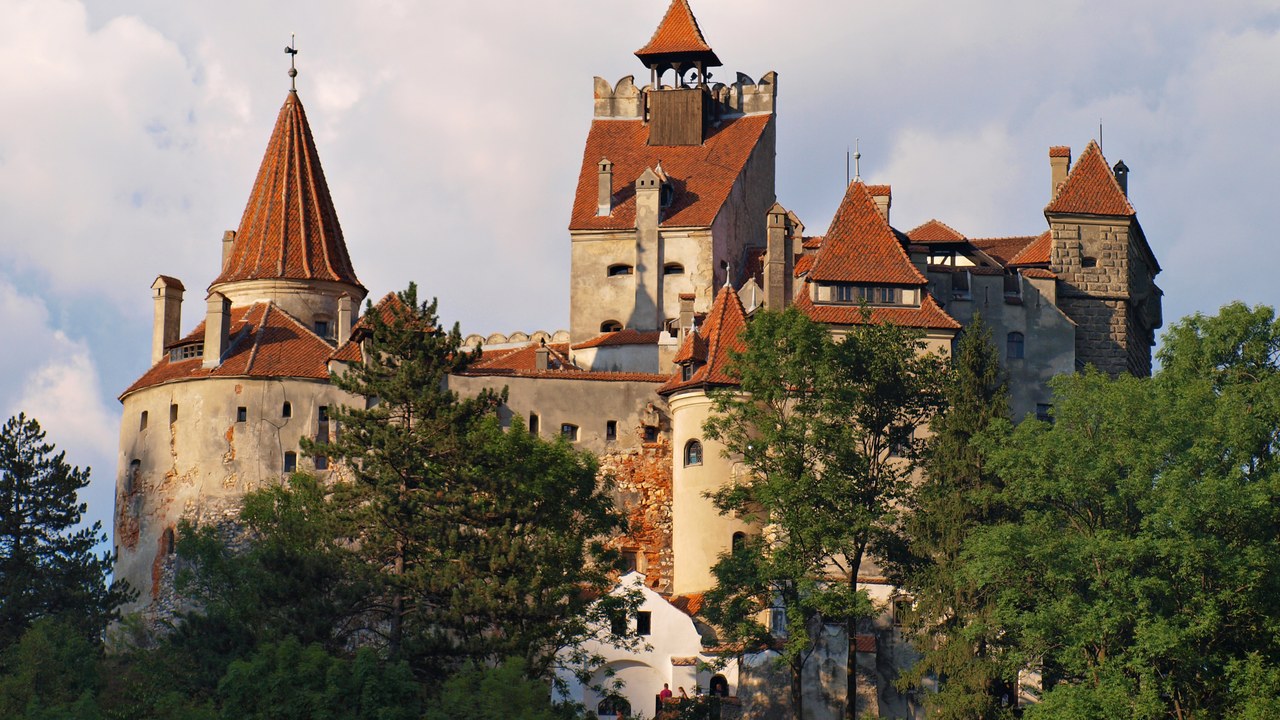
Bran Castle in Transylvania was built by Saxons in 1377 under a privilege from Louis I of Hungary. It stands on the old border between Transylvania and Wallachia, about 25 kilometers southwest of Brasov.
Outside Romania it is marketed as Dracula’s Castle, the home of Bram Stoker’s character. There is no evidence that Stoker knew anything about it, and it has only loose ties to Vlad the Impaler.
17. Himeji Castle: Japan’s Finest Castle
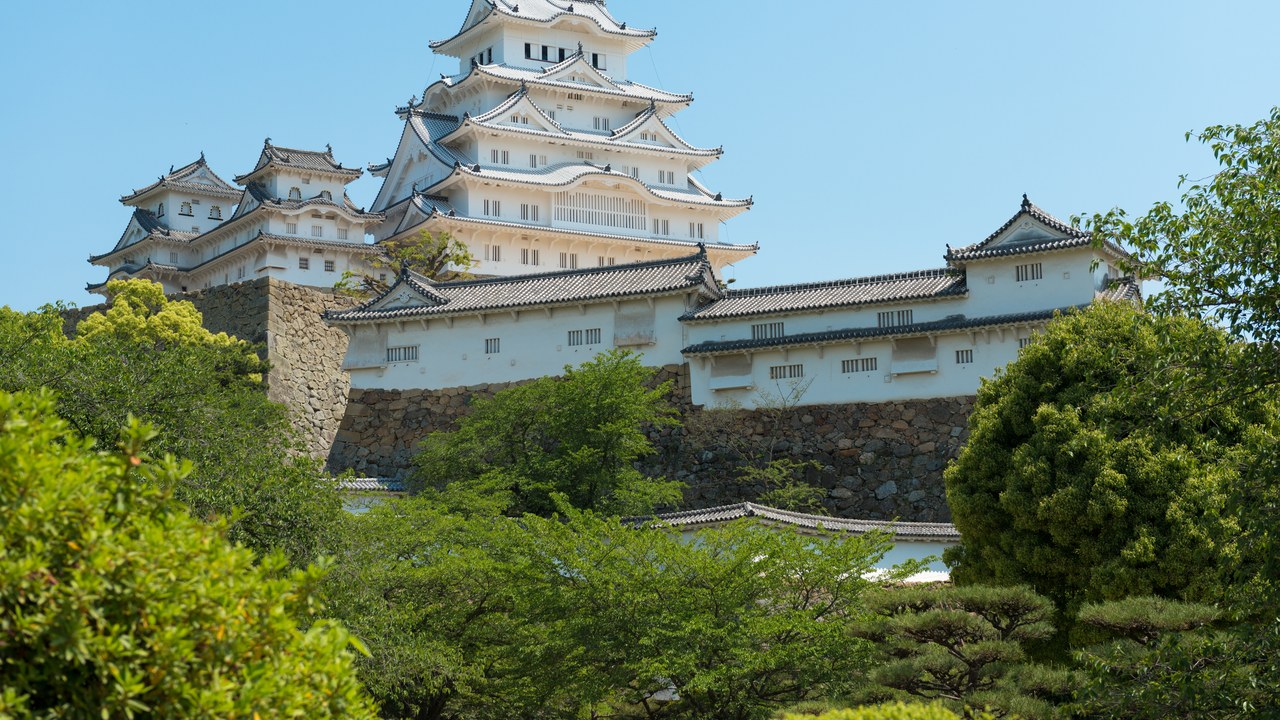
Himeji-jo is the finest surviving example of early 17th-century Japanese castle architecture. Set on a hill in the Harima Plain, the property covers 107 hectares and includes 82 buildings.
At its center is a complex of the main keep, smaller keeps and connecting structures, with ingenious defenses dating from the start of the Shogun period. The castle served continuously as the center of a feudal domain.
18. Neuschwanstein Castle: A Fairy-Tale Palace
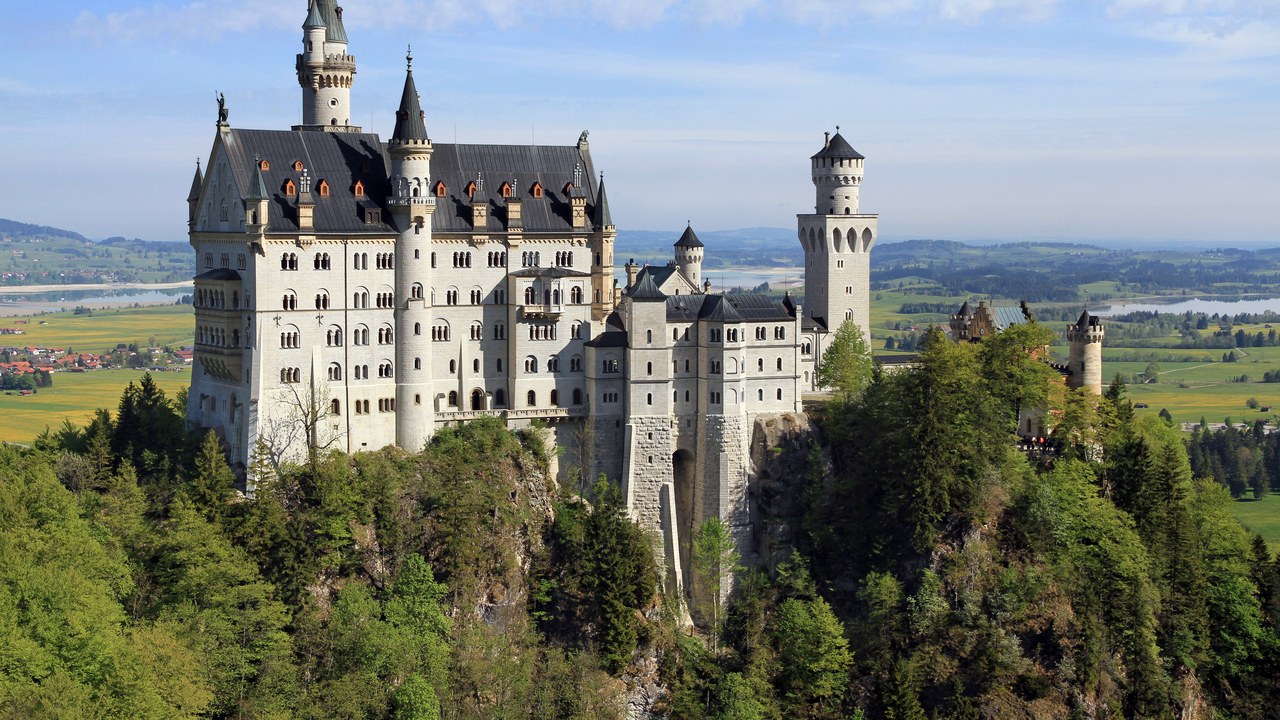
Neuschwanstein Castle is a 19th-century palace on a rugged hill in the Bavarian Alps, near the Austrian border. King Ludwig II built it as an escape from the constraints of life in Munich.
He paid for it from his personal fortune and heavy borrowing rather than public funds, and it opened in 1886. Since 2025 it has been part of a UNESCO World Heritage Site covering Ludwig II’s palaces.
More from Morning Overview
- A handful of car transmissions are so tough that mechanics say they almost never die
- Melting permafrost is setting off a newly identified kind of catastrophic landslide, scientists say
- Cadillac cut the price of its cheapest EV, which goes up to 317 miles on a charge
- Winter weather advisories cover I-80, I-70 and the Bighorns with up to 15 inches of snow
