
Charles Nash, a former president of Buick and General Motors, bought the Jeffery company of Kenosha, Wisconsin, and put his own name on its cars. Nash went on to pioneer unibody construction, conditioned air and the American compact car before merging with Hudson in 1954 to form American Motors. These 10 vehicles trace its story.
Read next on Morning Overview: The FAA wants $2.39 million from a flight school it says flew a Cessna about 280 times with an unapproved part
1. Jeffery Quad: The Truck That Went to War
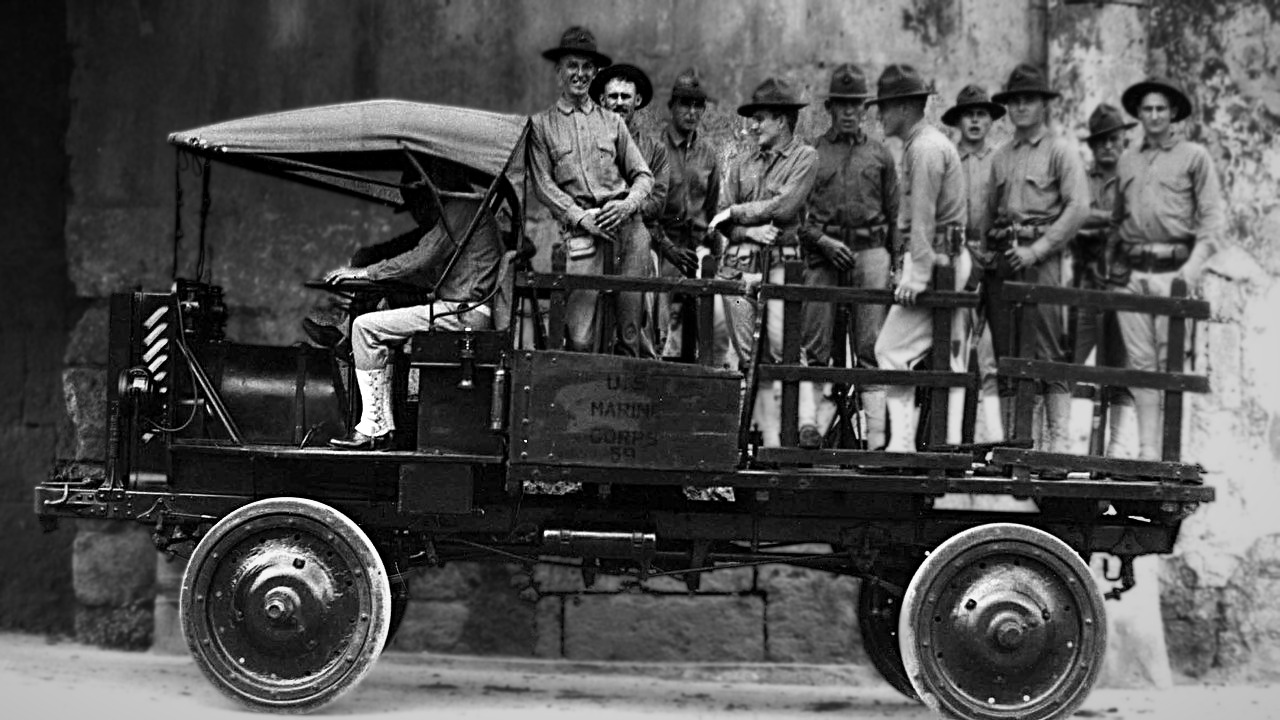
Developed by the Thomas B. Jeffery Company from 1912 and built by Nash after it acquired Jeffery, the Quad was a four-wheel-drive truck that became one of the most successful vehicles in World War I.
The U.S. Army wanted a truck to replace the four-mule teams that hauled one-and-a-half-ton loads. Jeffery had its truck ready for public demonstration by July 1913, and its design and durability proved effective on the muddy, unpaved roads of the time. Production continued unchanged through 1928, and other makers also built it under license.
2. Nash Six Model 681: Sixes for the Middle Class
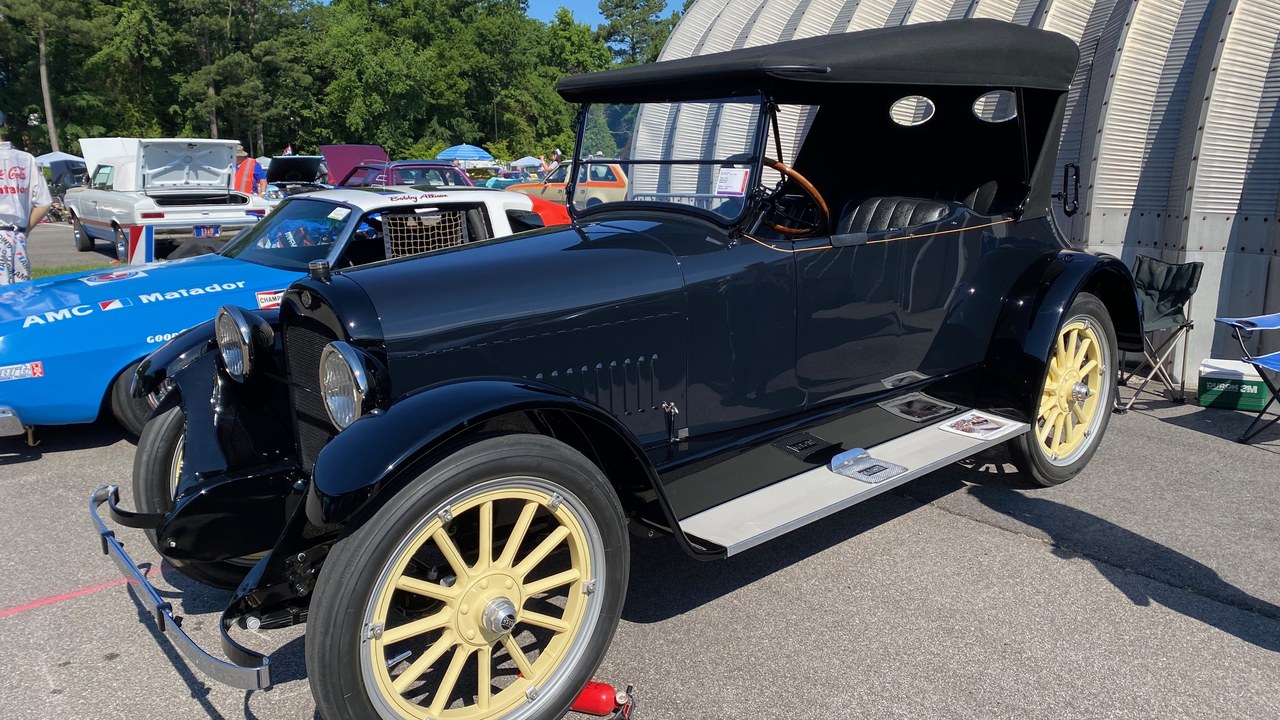
Nash used former GM engineer Nils Wahlberg to design cars for a middle class that favored conservative vehicles with good engineering. His early models were all powered by a straight-six engine and were numbered from 681 upward.
They came as touring cars, roadsters, sedans and coupes. The Irish Times notes that the new company had already doubled Jeffery’s previous sales by 1920 and kept growing through the 1920s. Nash also developed a four-cylinder two-door sedan called the Carriole, and later the affiliated Ajax sedans and touring cars of the mid-1920s.
3. Ajax and Nash Light Six: A Free Rebadge for Every Owner
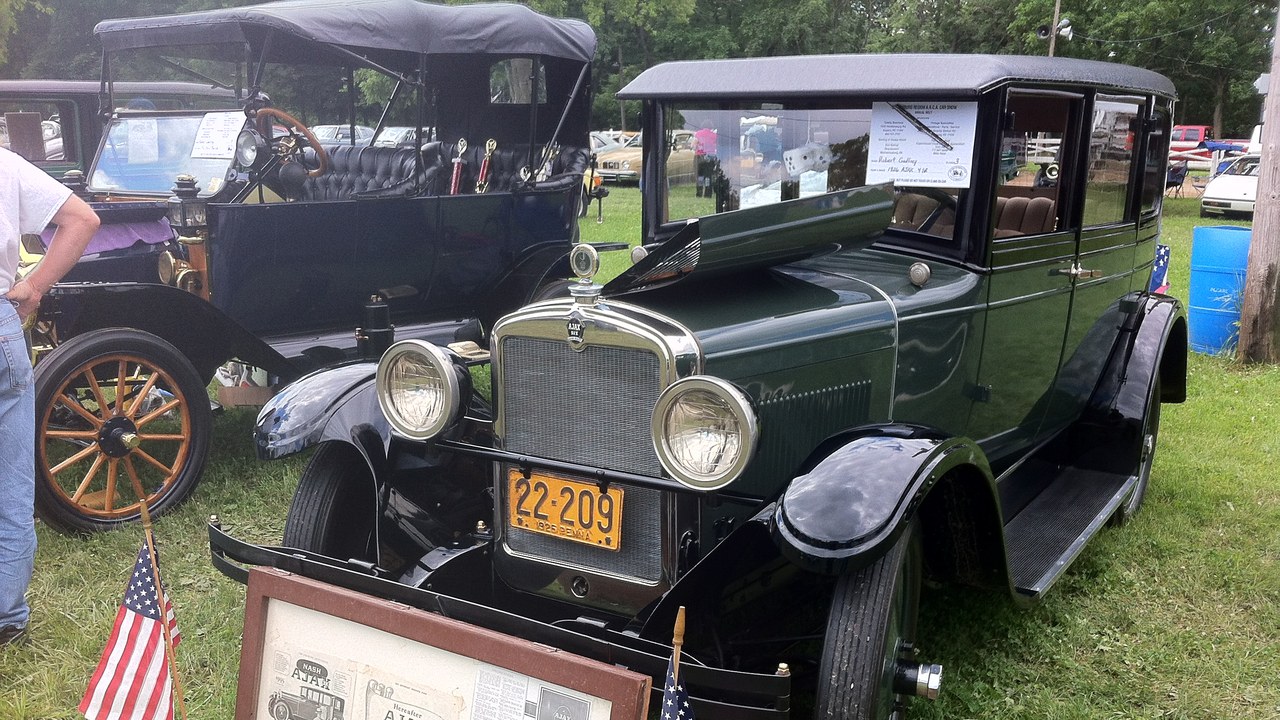
Nash launched the entry-level Ajax for 1925, built in the former Mitchell factory in Racine, Wisconsin. Sales lagged, so in June 1926 the Ajax became the Nash Light Six, and Nash offered all Ajax buyers a free kit to convert their cars.
The kit included new axle caps, a radiator emblem and every other part needed to turn an Ajax into a Light Six, protecting owners from the loss of value tied to the Ajax name. Most owners took the offer, so unconverted Ajax cars are very rare today, Motor-Car.net reports.
4. Nash Ambassador Eight: More Than the Customer Paid For
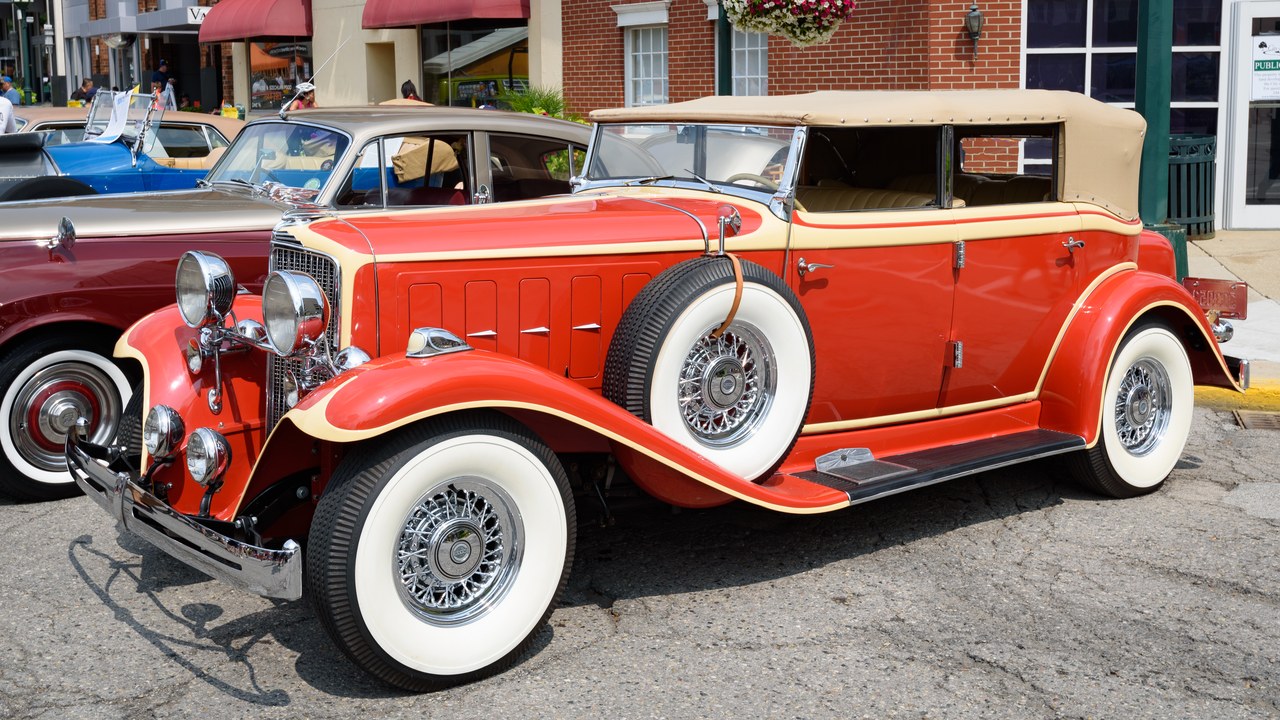
Nash’s slogan in the late 1920s and 1930s was “Give the customer more than he has paid for,” and its cars lived up to it with a straight-eight engine with twin spark plugs, overhead valves and nine crankshaft bearings. The 1932 Ambassador had synchromesh transmissions and a freewheel.
Its suspension was even adjustable from inside the car. Build quality and engineering excellence carried Nash through the Depression, and when it ended, Nash was one of the few marques that had not creaked under financial difficulty, according to The Irish Times.
5. Nash LaFayette: The Budget Nash
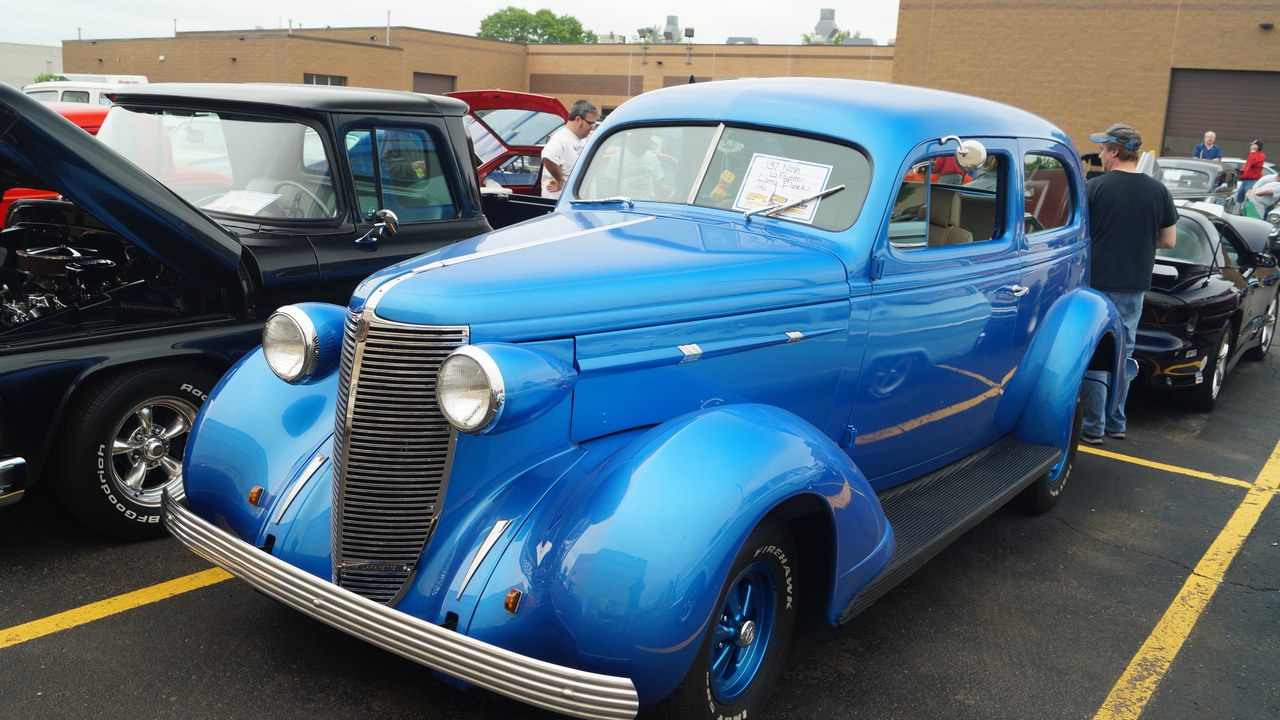
LaFayette began as a separate maker of big, expensive luxury cars that did not sell well. Nash took over the company in 1924, and the LaFayette name returned in 1934 as a starter brand of Nash.
With the 1937 models, LaFayette disappeared again as an independent brand. From 1937 to 1940 the Nash LaFayette was the cheapest Nash model, and it was replaced for 1941 by the new Nash 600 with its monocoque body. Motor-Car.net notes that Nash Motors was the major shareholder of LaFayette from its start in 1920.
6. Nash 600: 600 Miles on a Tank
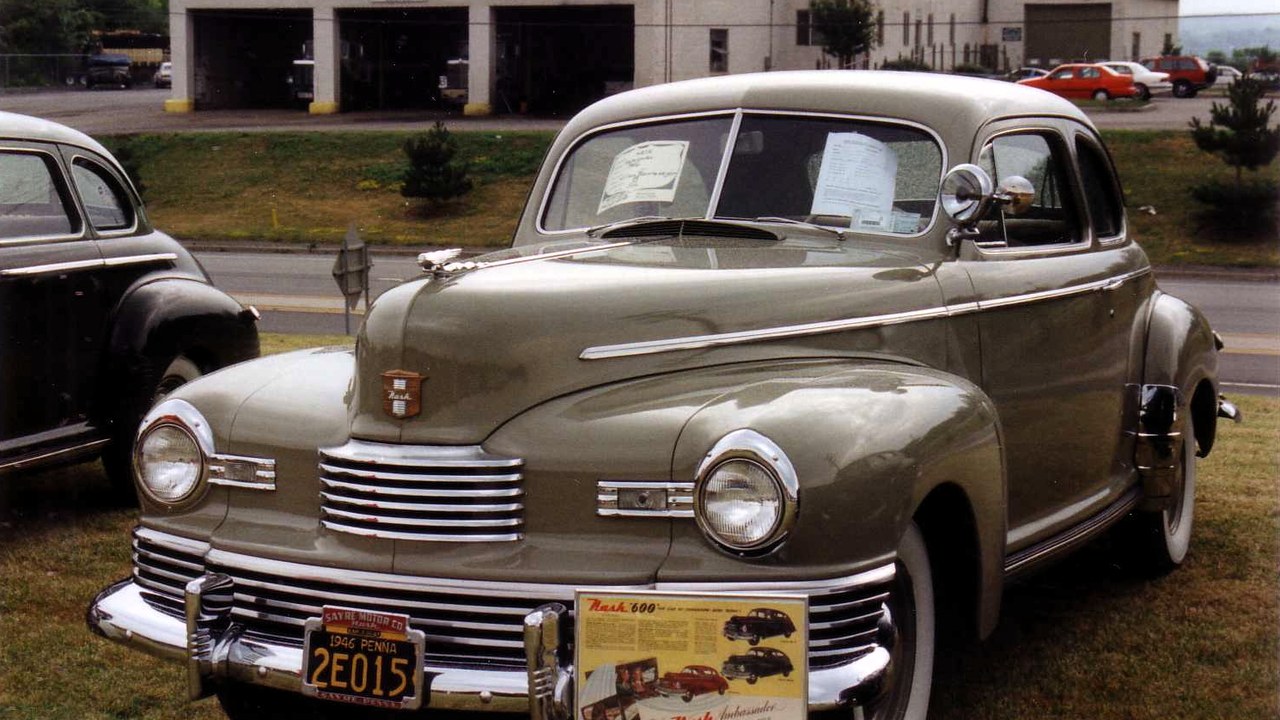
Introduced for the 1941 model year to replace the LaFayette, the Nash 600 was the first mass-produced unibody car in the United States. It was aimed at the low-priced market.
Its name came from its advertised ability to travel 600 miles on one tank of gasoline. Under Nash-Kelvinator president George W. Mason, the company relied on Ted Ulrich of the Budd Company for innovations in body manufacturing; Ulrich also worked with chief engineer Nils Wahlberg on the radically styled 1949 Airflyte. The 600 was built through the 1949 model year and was renamed the Nash Statesman for 1950.
7. Nash Airflyte: Shaped in the Wind Tunnel
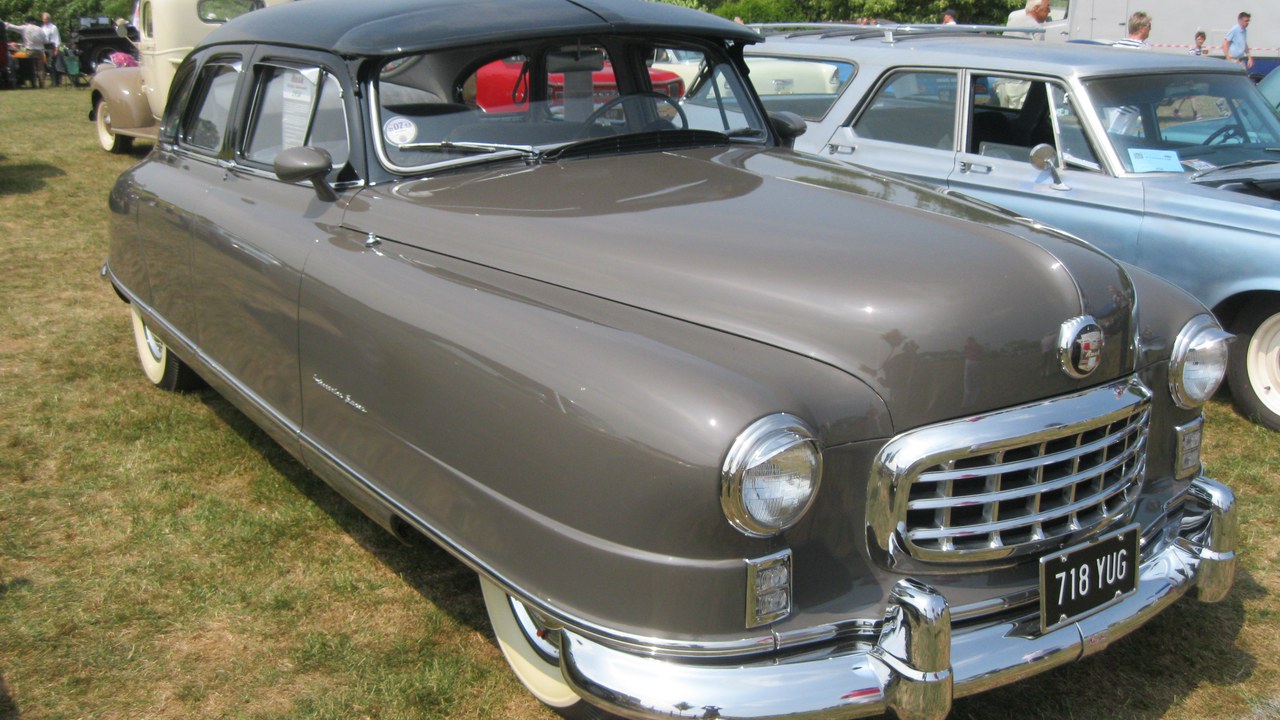
The streamlined 1949 Airflyte was Nash’s first car with a radically new design after World War II. Its aerodynamic body was developed in the wind tunnel, following engineer Nils Wahlberg’s theories on lowering drag.
Those theories called for a round body and integrated front fenders. Wide and low, it offered more interior space than the 1948 models, though the enclosed fenders gave it a larger turning radius than most cars. For 1952 the big Nashes were redesigned as Golden Airflytes, marking the company’s 50th year of building cars counting the Jeffery era, which some compared to upturned bathtubs.
8. Nash Rambler: The First Compact
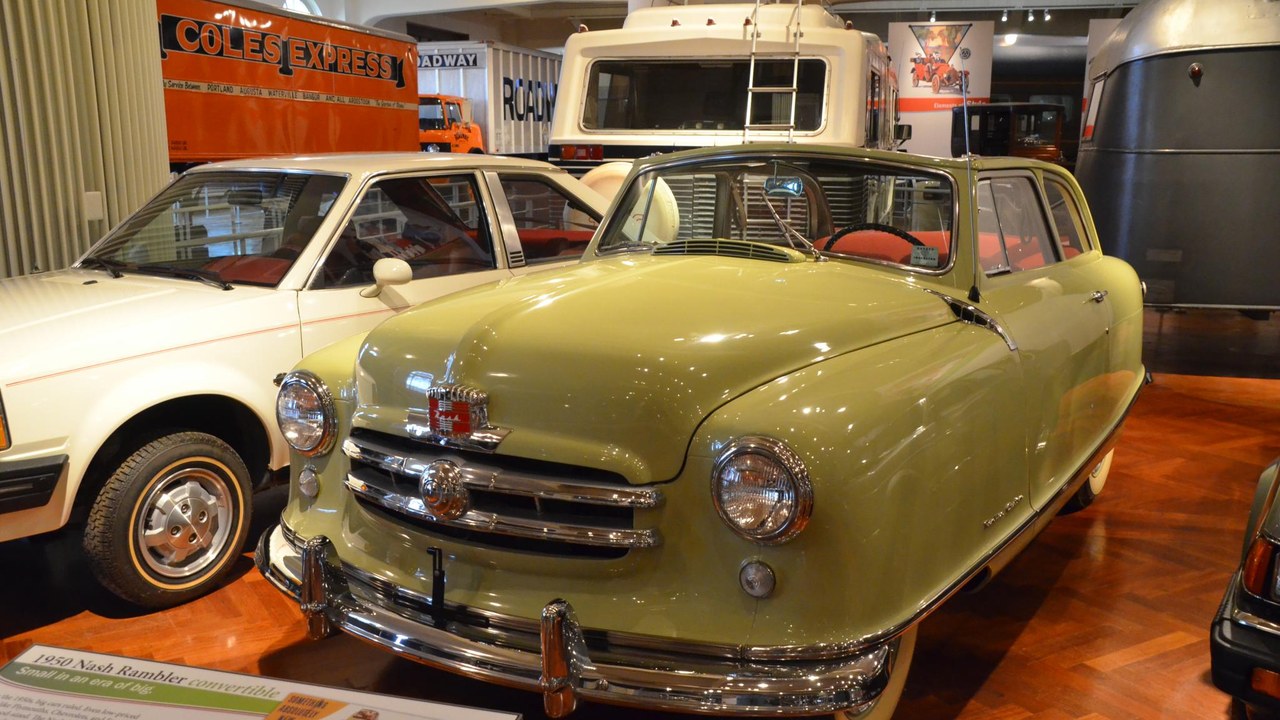
Built for 1950 to 1954, the Rambler was small and economical but offered more equipment than typical compact cars, and Nash used that combination to establish the compact market segment.
Nash-Kelvinator president George W. Mason insisted a new car had to be different from what the Big Three offered, and he grasped the problem that had eluded other automakers trying to sell smaller cars. It came as a sedan, a station wagon and a fixed-profile convertible. In a rare feat, American Motors later brought the Rambler back for the 1958 to 1960 model years, building it again in Kenosha.
9. Nash-Healey: A Sports Car From Three Countries
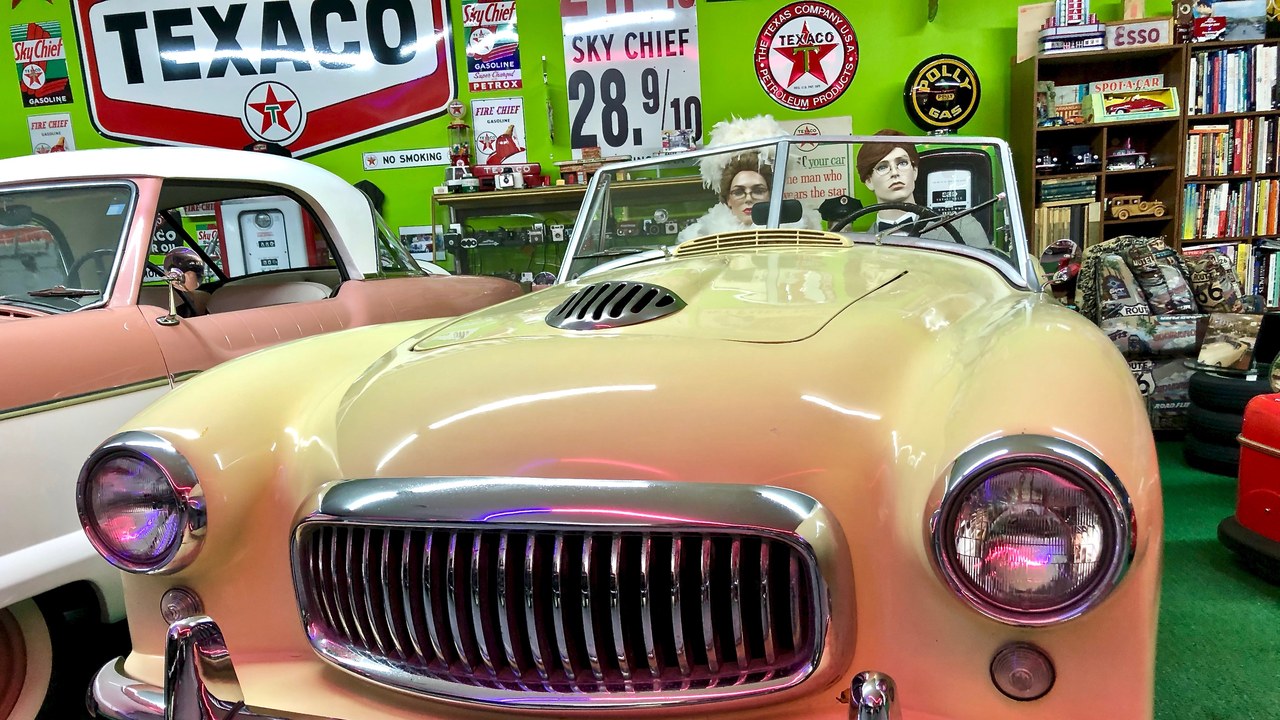
Produced from 1951 to 1954, the Nash-Healey came from a joint venture with Britain’s Donald Healey Motor Company, which provided the chassis and early bodies while Nash supplied the Ambassador drivetrain.
A year after its debut, Pininfarina restyled it and final assembly moved to Italy. Some describe it as the first sports car introduced in the U.S. by a major automaker after the Great Depression. The idea began when Healey sailed to America in December 1949 hoping to buy Cadillac V8 engines for his Silverstone racer. Nash-Healeys raced in endurance events, most notably finishing third at the 1952 24 Hours of Le Mans.
10. Nash Metropolitan: The Little Met
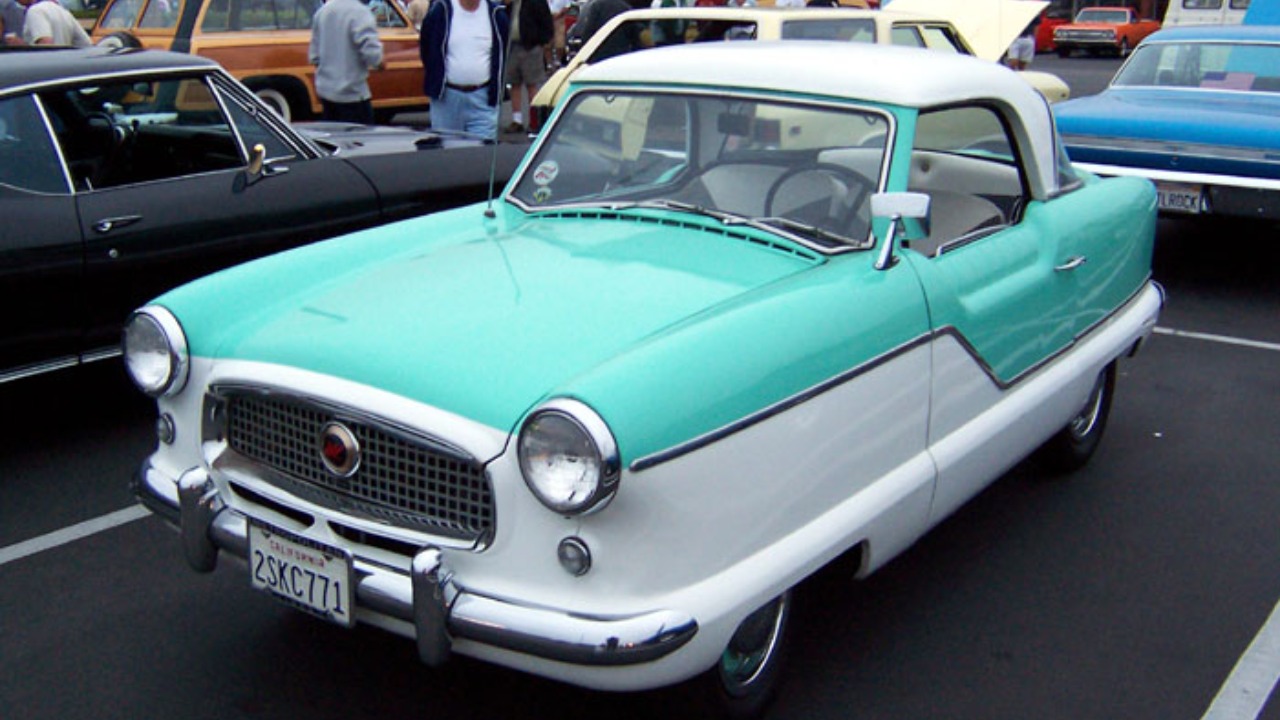
Nash decided to enter the small-car business in the early 1950s and, lacking small-car expertise, contracted Britain’s Austin to build the Metropolitan, using Austin’s 1.2-litre four.
The two-door came as a hardtop and a convertible and lasted until 1962, gaining a 1.5-litre engine from 1959. By then Nash itself was gone. A postwar merger proposal from Nash to Hudson, Studebaker and Packard never happened, but in 1954 Nash finally merged with Hudson to form American Motors, and within three years both brands had officially disappeared as Rambler became the company’s main name.
More from Morning Overview
- Arizona’s governor declared a statewide emergency after Flagstaff logged its wettest Nov. 1 on record
- Zero Motorcycles unveiled an electric motorcycle targeted at under $8K and a street-legal dirt bike at EICMA
- New FCC rules on how people can stop robocalls and texts take effect Nov. 25
- Neanderthals in Spain carved a wooden object that matches nothing archaeologists have ever found
