
Some statues are famous for their size, others for their beauty, and a few for the mysteries they still hold. Many were lost, buried or broken for centuries before anyone found them again. Here are fifteen legendary statues and the stories behind them, from a tiny Stone Age figurine to the giant moai of Easter Island.
Read next on Morning Overview: New FCC rules on how people can stop robocalls and texts take effect Nov. 25
1. Venus of Willendorf: 30,000 Years Old
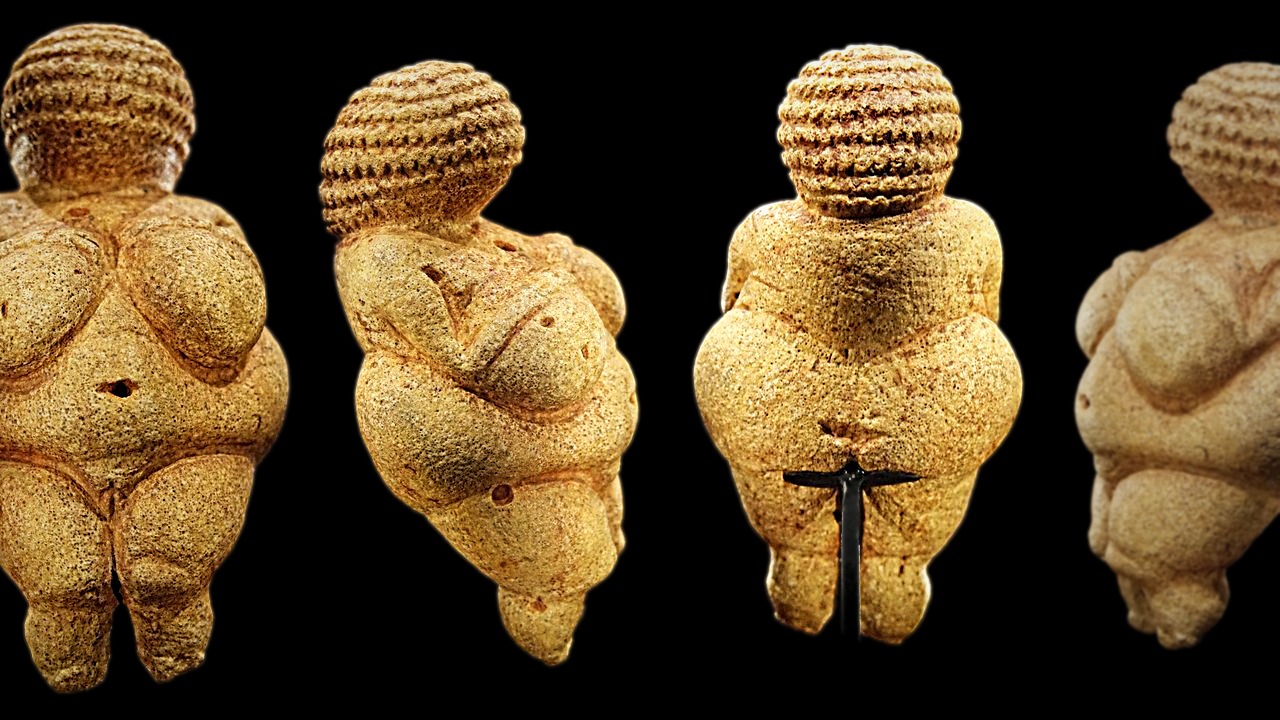
The Venus of Willendorf is an 11.1-centimeter figurine estimated to have been made about 30,000 years ago. It was found on 7 August 1908 during a dig at a Paleolithic site near Willendorf, a village in Lower Austria.
It is carved from a limestone that is not local to the area and was tinted with red ochre. The tiny figure is kept at the Natural History Museum in Vienna, and the sculptor’s intent remains largely a matter of speculation.
2. Great Sphinx of Giza: Guardian of the Plateau
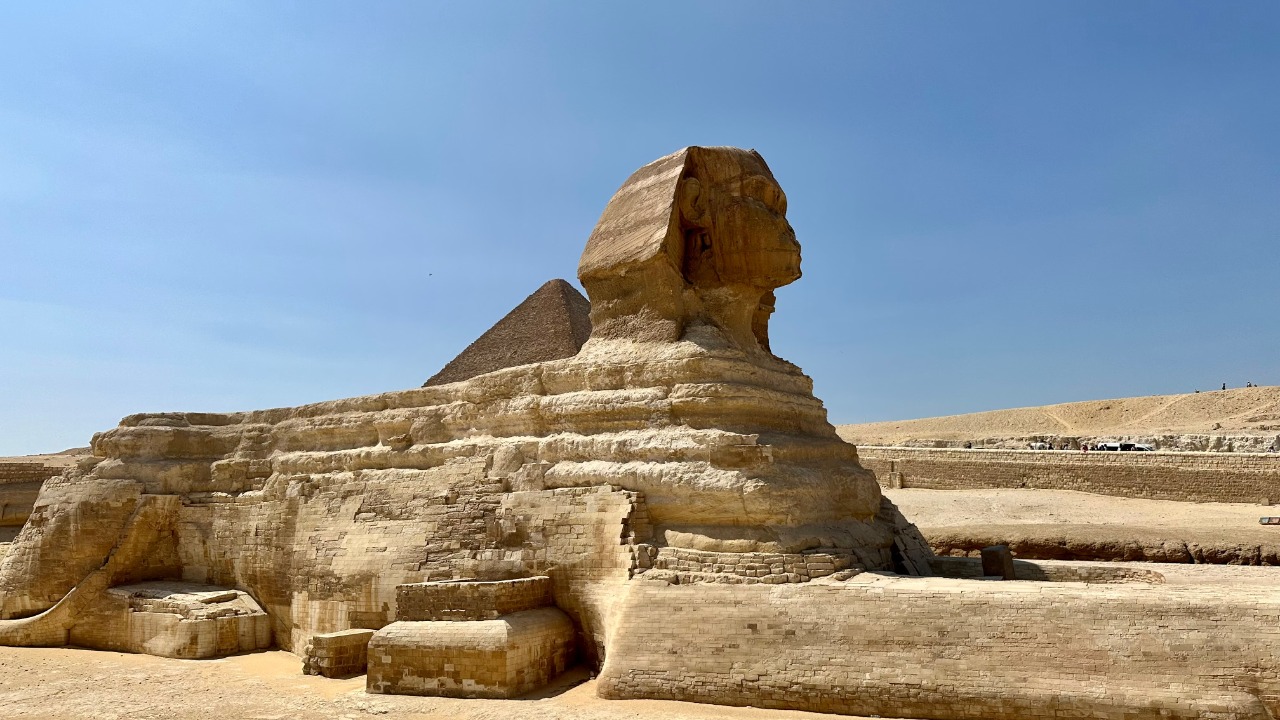
Carved from the limestone bedrock of the Giza Plateau, the Great Sphinx is the oldest known monumental sculpture in Egypt. It measures 73 meters from paw to tail and stands 20 meters high.
Evidence suggests it was made during the reign of Khufu or Khafre in the 26th century BC. Scholars believe its face represents either Khufu or one of his sons, the pharaohs Djedefre and Khafre.
3. Nefertiti Bust: The Face of a Queen
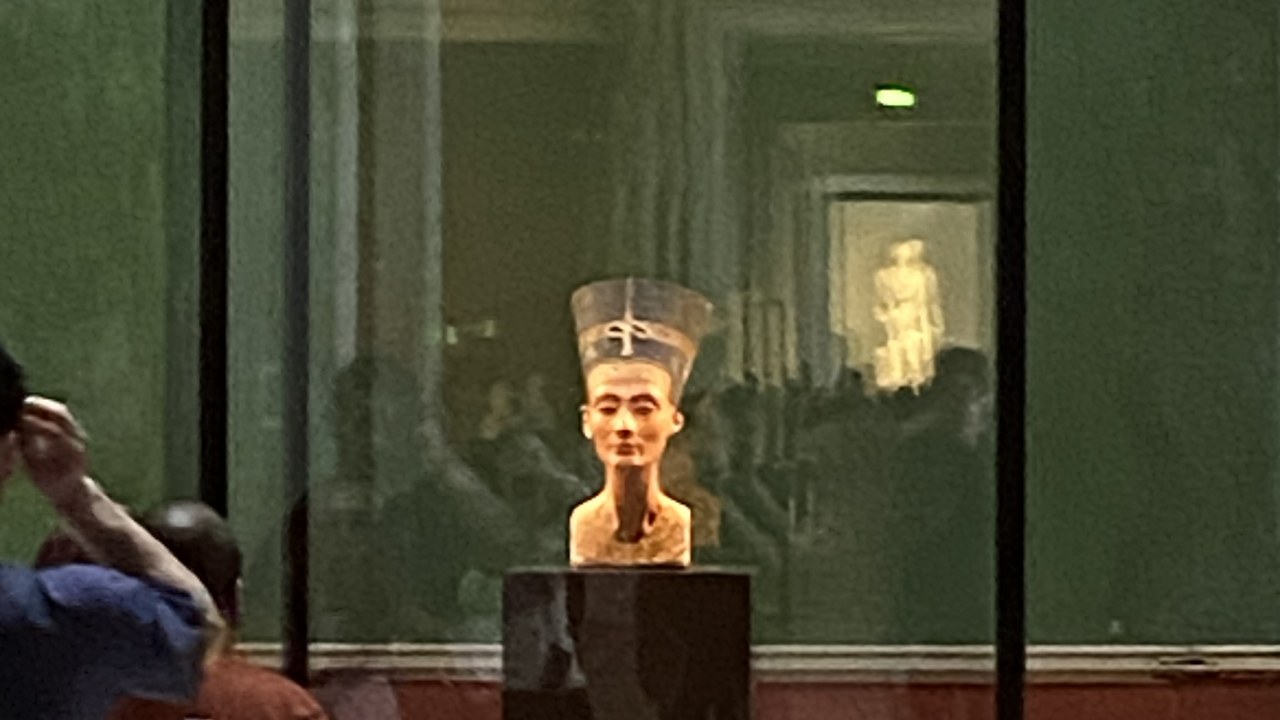
The painted limestone Nefertiti Bust is believed to have been made in 1345 BC by the sculptor Thutmose, because it was found in his workshop at Amarna. A German team led by Ludwig Borchardt uncovered it in 1912.
Nefertiti was the Great Royal Wife of the pharaoh Akhenaten. The bust, now displayed in Berlin’s Neues Museum, is one of the most-copied works of ancient Egypt and has made her an icon of beauty.
4. Colossi of Memnon: Two Giants on Guard
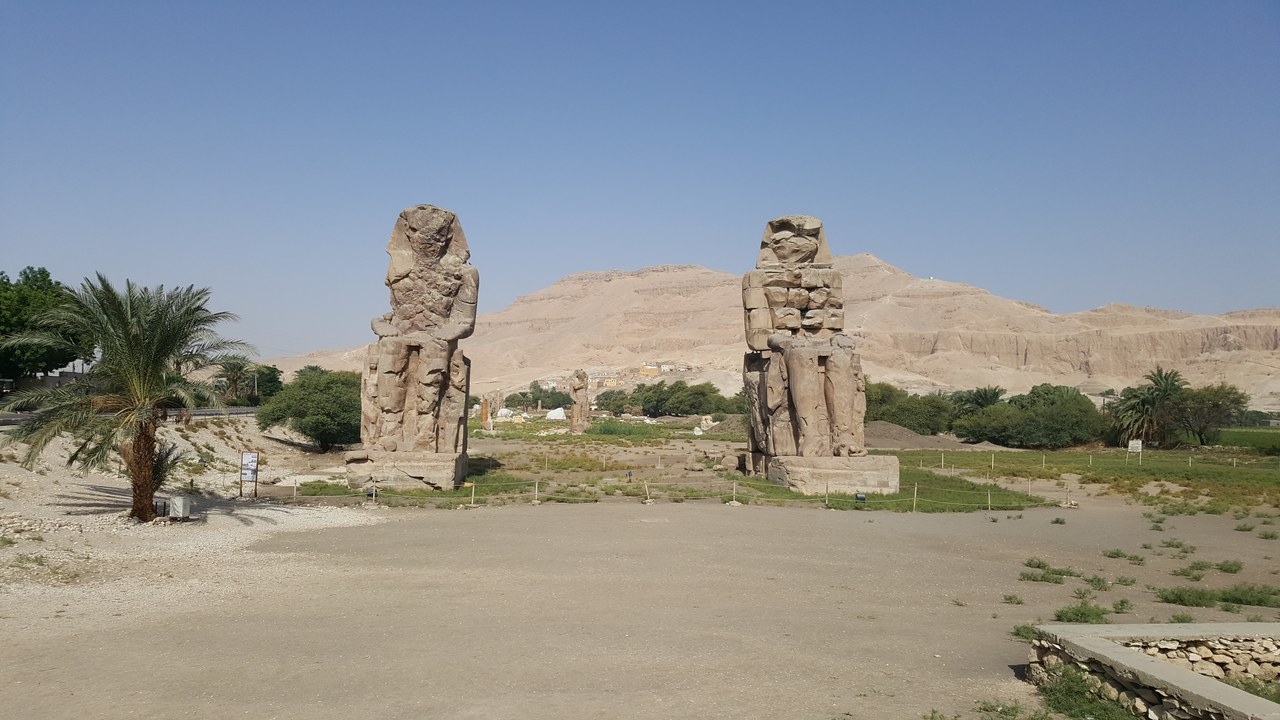
The twin Colossi of Memnon near Luxor depict the pharaoh Amenhotep III. Including the platforms they stand on, they reach 18 meters high and weigh an estimated 720 tons each.
They once guarded the entrance to Amenhotep’s memorial temple, in its day the largest and most opulent temple complex in ancient Egypt. Upper sections of one statue are a later reconstruction in a different sandstone.
5. Abu Simbel: Rescued From the Nile
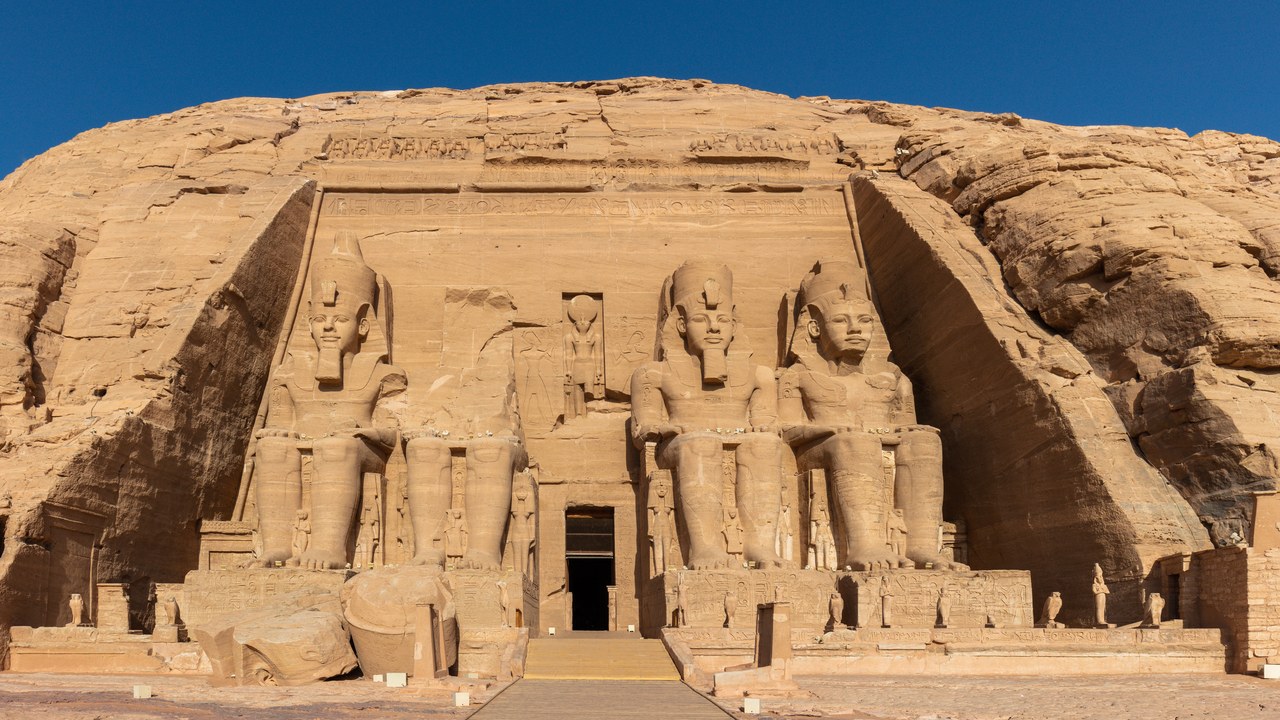
The temples of Ramses II at Abu Simbel, among the most magnificent monuments of ancient Nubia, were saved from the rising waters of the Nile by an international campaign that UNESCO ran from 1960 to 1980.
The threat came from the building of the Aswan High Dam. Abu Simbel is now part of a World Heritage listing that runs along the Nile to the Sanctuary of Isis at Philae.
6. Olmec Colossal Heads: Giants of the Olmec
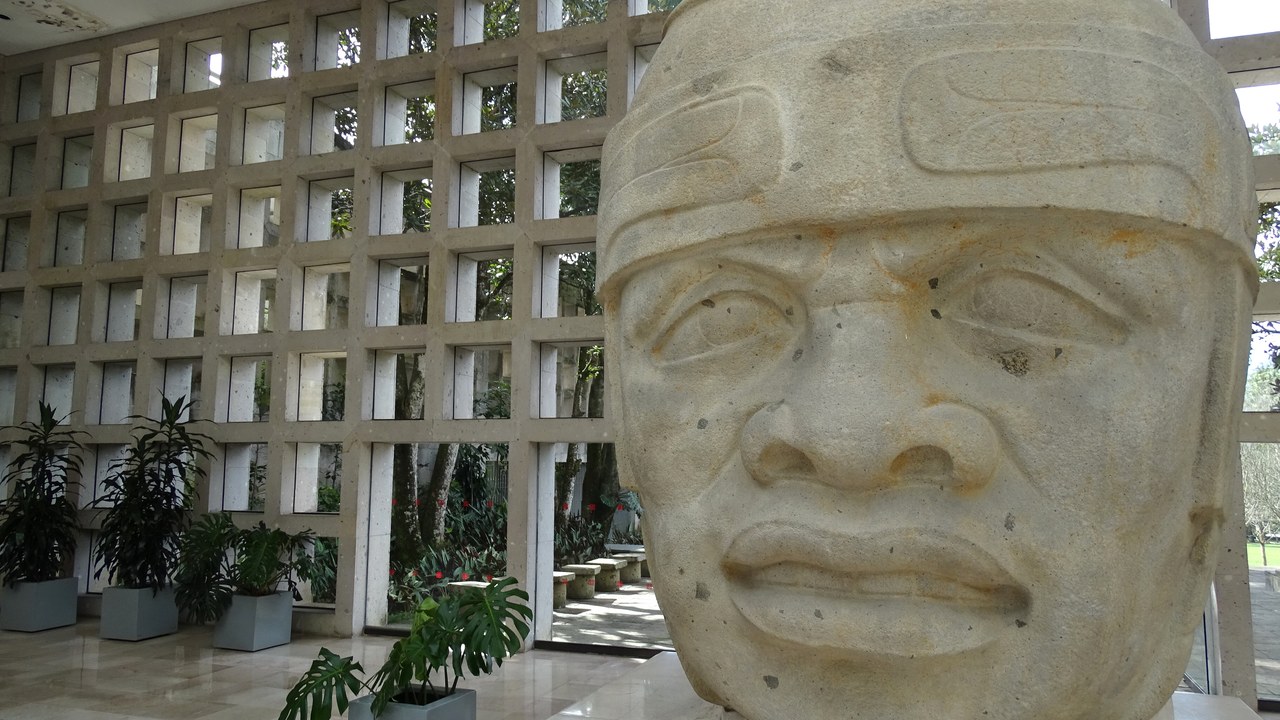
The Olmec colossal heads are carved from large basalt boulders and range from 1.17 to 3.4 meters tall. They date from at least 900 BCE and are a hallmark of the Olmec civilization of Mexico’s Gulf Coast.
The stone was hauled more than 150 kilometers from the Tuxtlas mountains, a huge effort that suggests the heads portray powerful rulers. The first one was found by accident in the 19th century near Tres Zapotes.
7. Charioteer of Delphi: A Rare Bronze Survivor
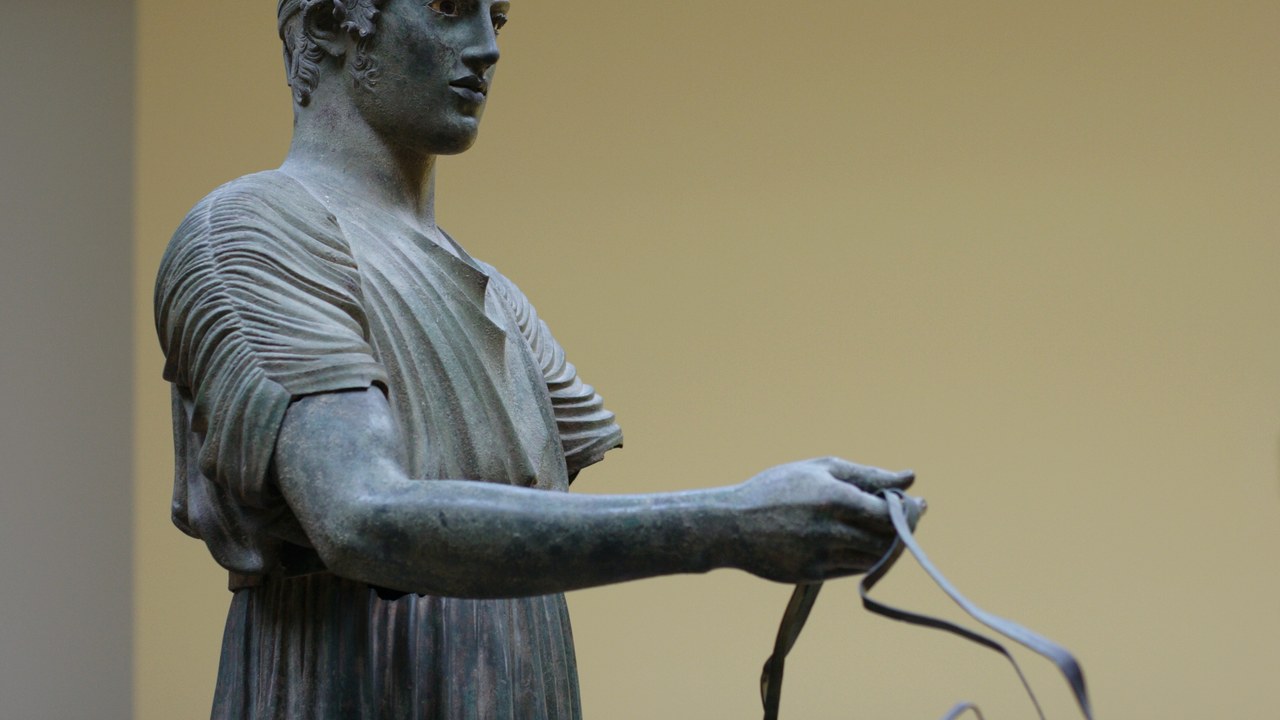
Standing 1.8 meters tall, the Charioteer of Delphi was discovered in 1896 during excavations at Delphi. It was part of a larger group with a chariot, horses and attendants, set up to honor a victory at the Pythian Games.
Most ancient bronzes were melted down for their metal long ago, which makes the Charioteer one of the finest surviving examples of the Greek Severe style. It is displayed in the Delphi Archaeological Museum.
8. Discobolus: The Discus Thrower
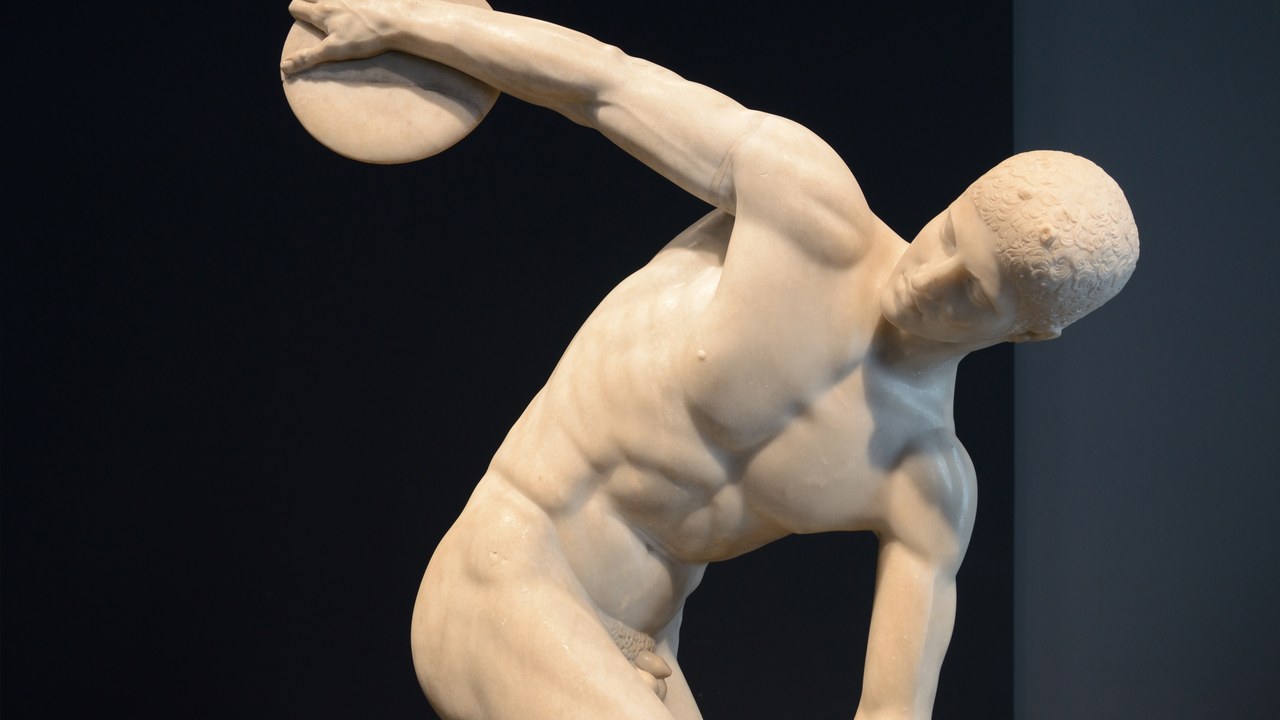
The Discobolus was completed around 460 to 450 BC and shows a Greek athlete throwing a discus. The original bronze is lost, and the work survives through Roman copies in marble and bronze.
The first copy found, the Discobolus Palombara, turned up in 1781 on Rome’s Esquiline Hill. By modern standards the twisting pose is considered a rather inefficient way to throw a discus.
9. Riace Bronzes: Warriors From the Sea
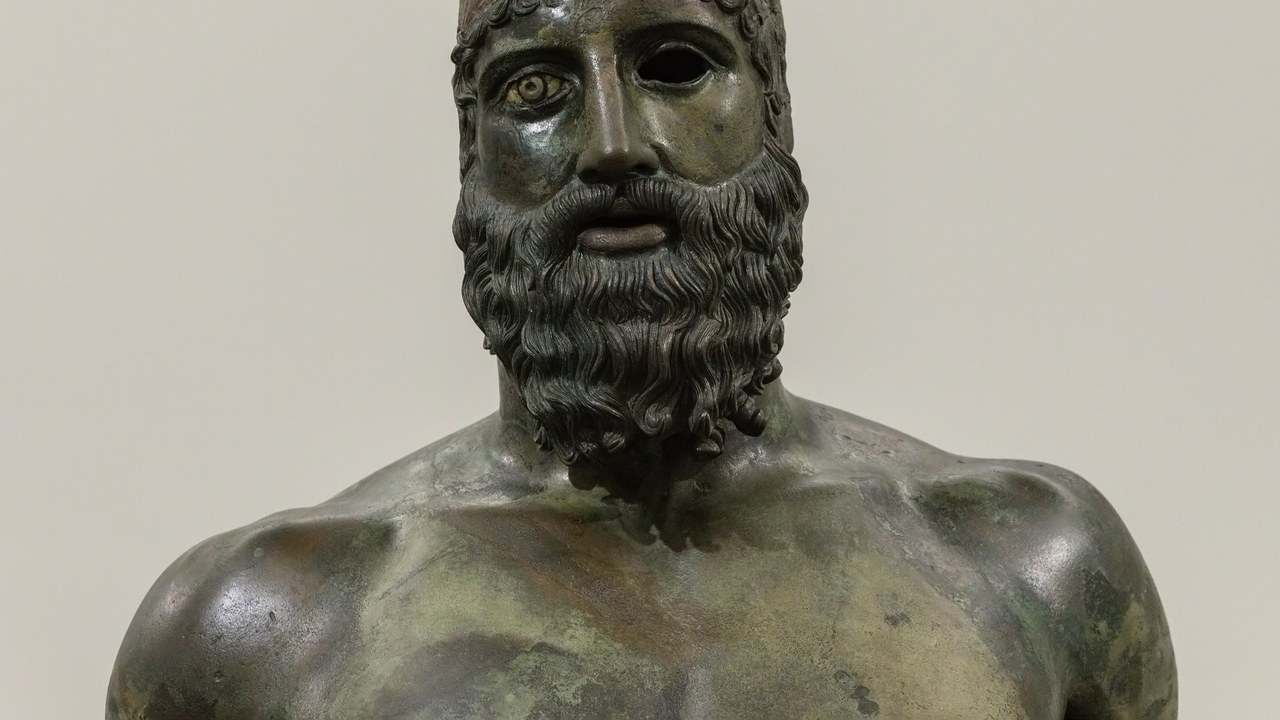
The Riace bronzes are two full-size Greek statues of nude, bearded warriors, dated to about 460 BC and 430 BC. They were found in the sea on 16 August 1972 off Riace Marina in southern Italy.
They are among the few surviving originals of large Greek bronze statuary from the 5th century BC. The figures once carried weapons and wore headgear, now lost, and their eyes and lips use materials other than bronze.
10. Capitoline Wolf: The Symbol of Rome
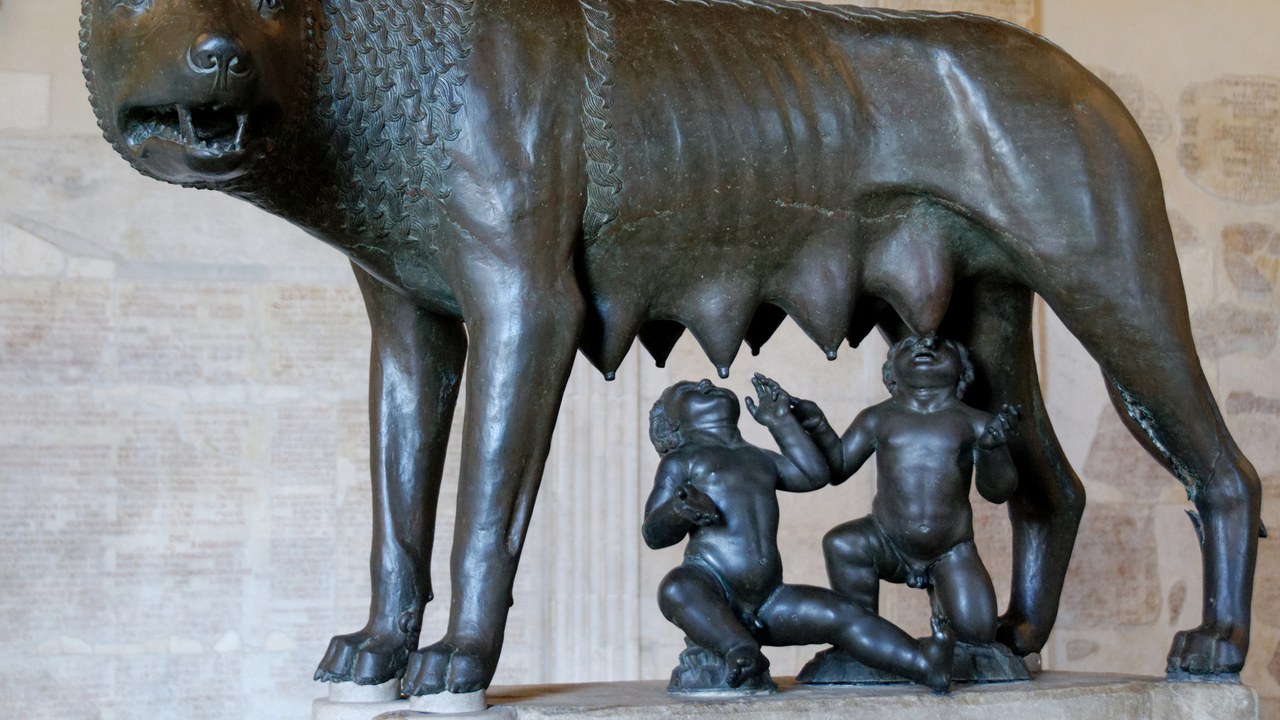
The bronze Capitoline She-wolf is the symbol of Rome, and the Capitoline Museums trace its making to Etruscan or southern Italian workshops of the 5th century BC. A papal donation brought it to the Capitoline Hill.
The suckling twins were added much later, attributed by some to Pollaiolo, turning an old symbol of justice into the mother of the Romans. The museum notes the original work probably had nothing to do with Rome’s founding legend.
11. Winged Victory of Samothrace: Victory on the Prow
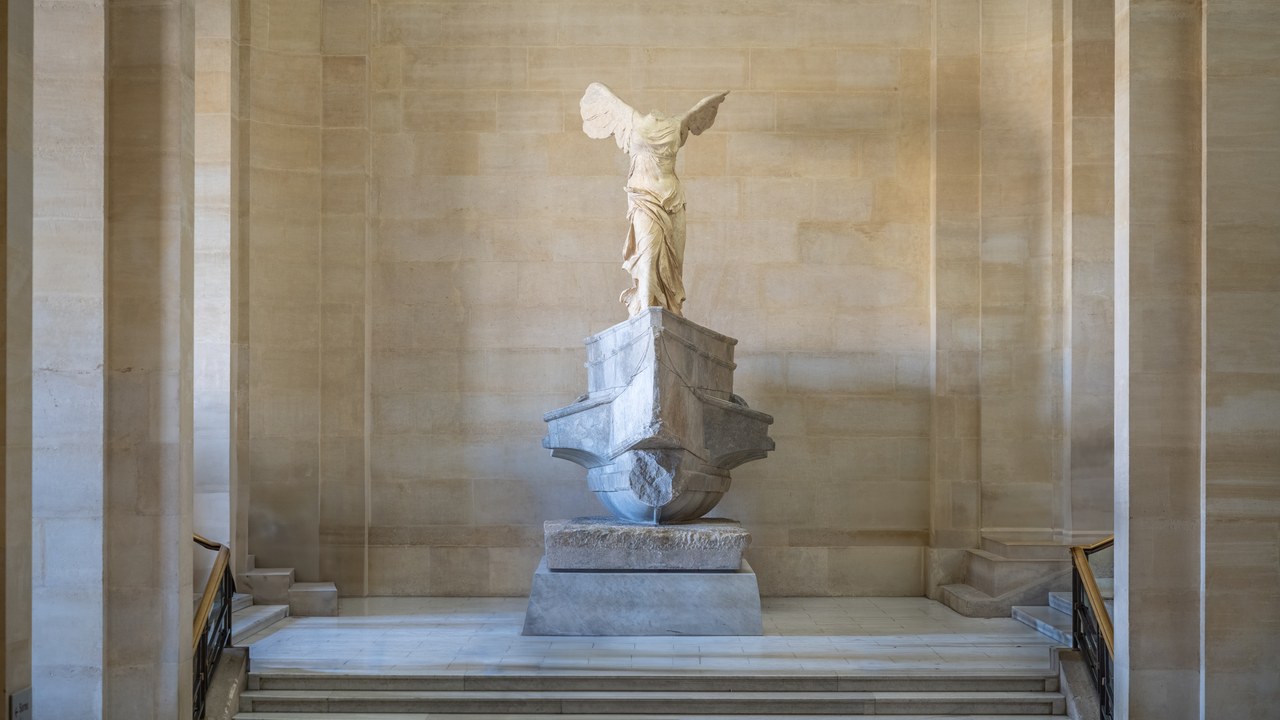
The Winged Victory of Samothrace is a masterpiece of Hellenistic sculpture from around 190 BC, showing the goddess Nike on a base shaped like a ship’s bow. Her head and arms are missing.
The whole monument stands 5.57 meters tall, with the statue alone at 2.75 meters. It is one of the few major Hellenistic statues surviving as an original rather than a Roman copy, and it is displayed in the Louvre.
12. Venus de Milo: The Missing Arms
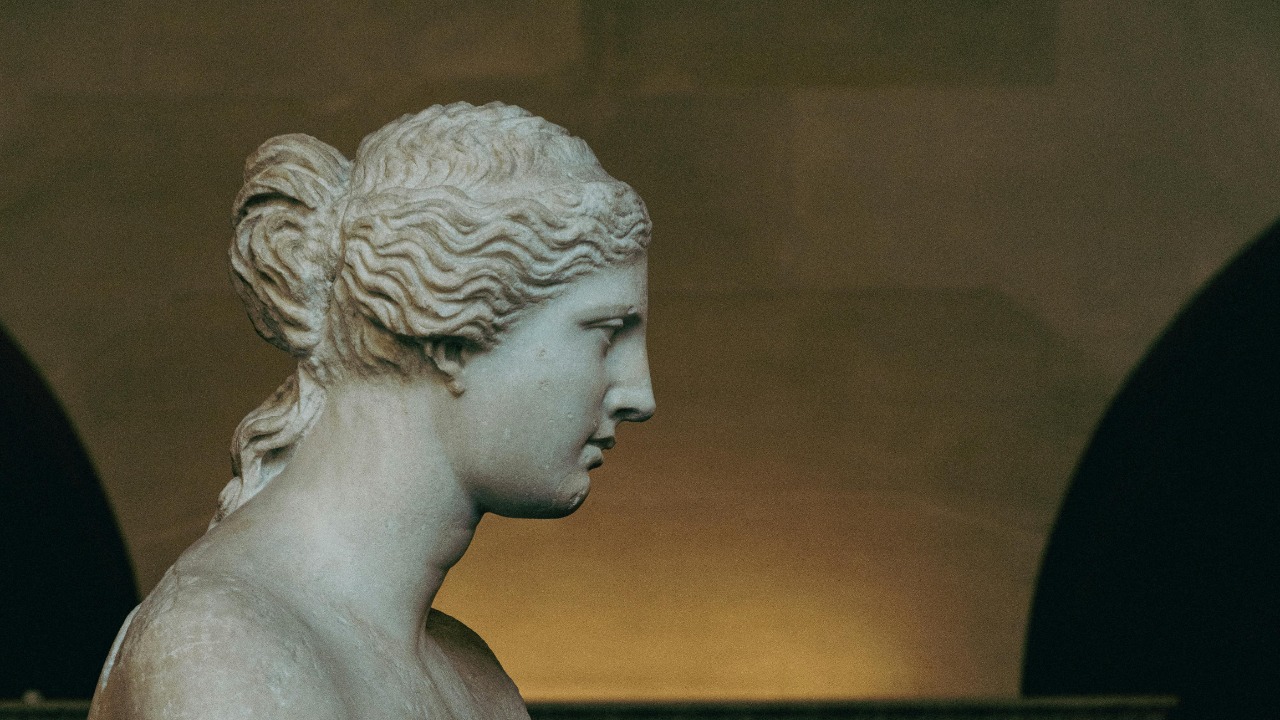
The Venus de Milo was found on the Greek island of Melos in 1820, acquired by the French ambassador and presented to King Louis XVIII, who gave her to the Louvre in March 1821. She quickly became a celebrated masterpiece.
Restorers once planned to give her new arms but dropped the idea. Without them, her identity was debated, but a hand holding an apple found nearby, carved from the same marble, tipped scholars toward Aphrodite.
13. Laocoön and His Sons: The Sea Serpents
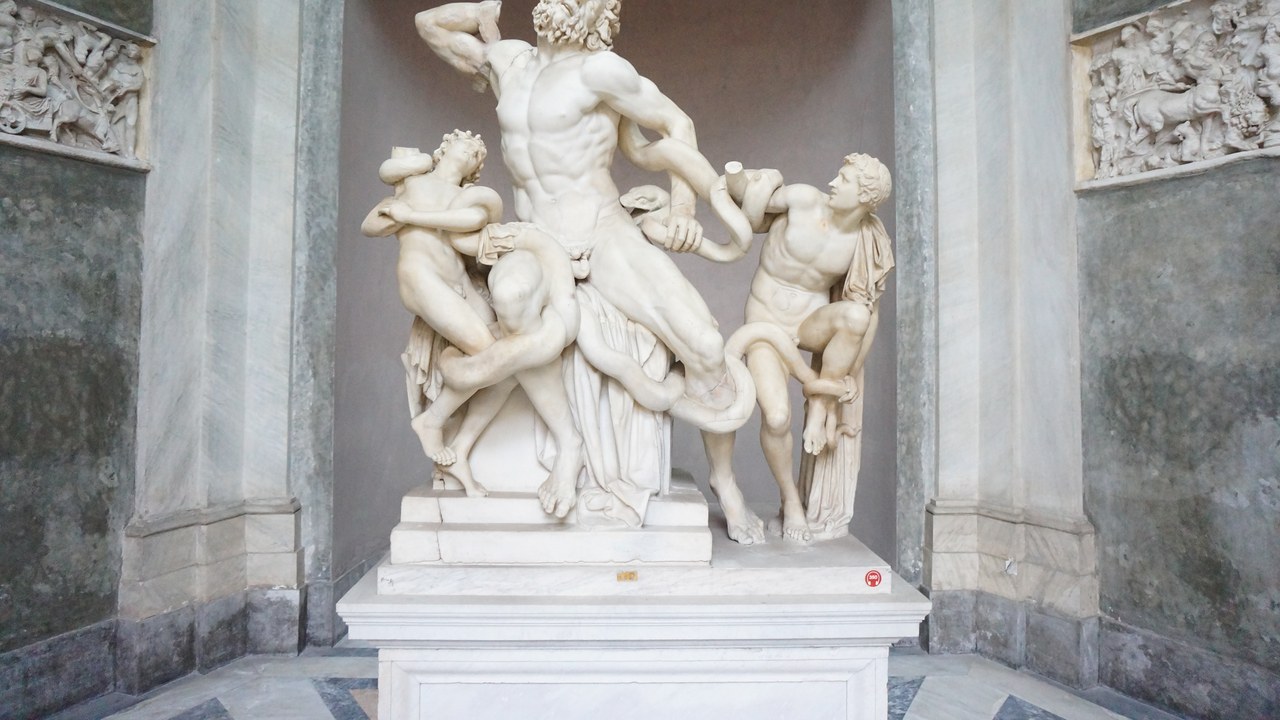
The Laocoon group was found in 1506 on the Esquiline Hill in Rome and quickly identified as the masterpiece Pliny the Elder had praised. Pope Julius II bought it at once for his Statues Courtyard.
It shows the Trojan priest Laocoon and his sons crushed by sea serpents after he warned Troy against the wooden horse. Its date is debated, but it seems to have been made around 40 to 30 BC.
14. Bamiyan Buddhas: The Buddhas the World Lost
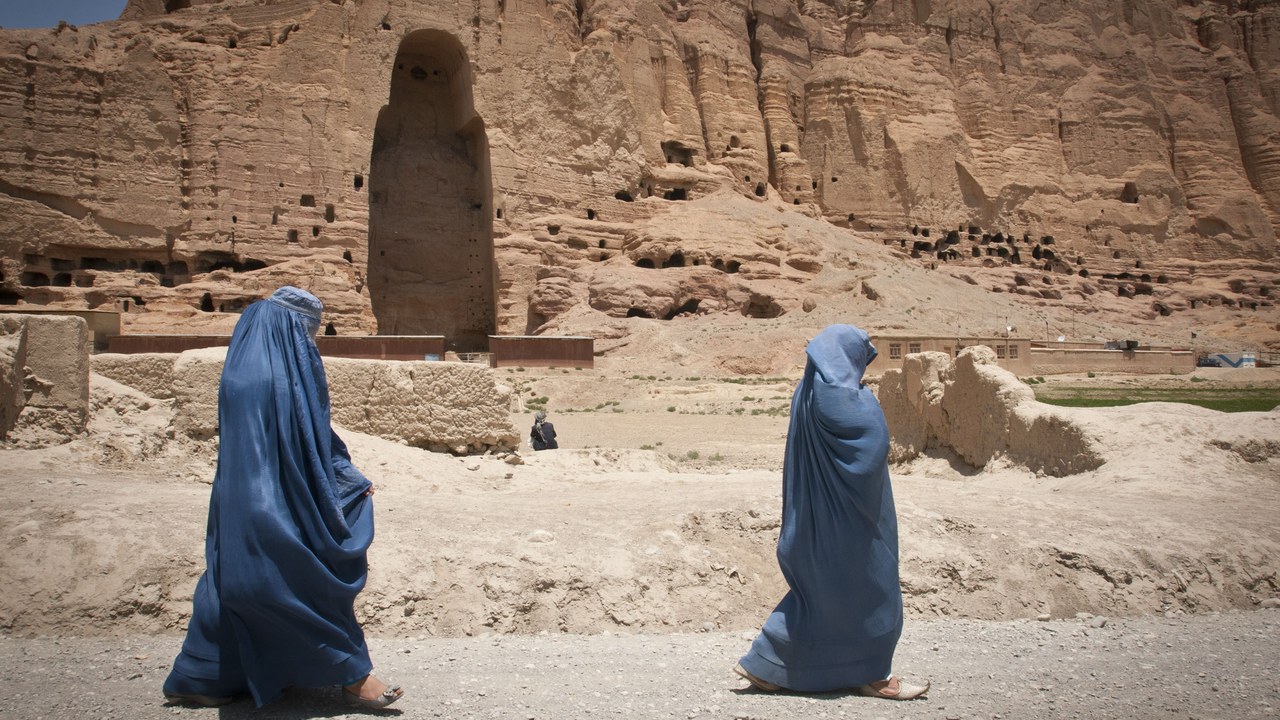
Two giant standing Buddhas once filled cliff niches in Afghanistan’s Bamiyan Valley. Their destruction by the Taliban in March 2001 shook the world, and the empty niches still stand as testimony.
The valley’s cultural landscape and archaeological remains reflect artistic and religious developments from the 1st to the 13th century. UNESCO lists the valley’s cultural landscape and remains together as a single World Heritage property in Afghanistan.
15. Moai: Easter Island’s Stone Giants
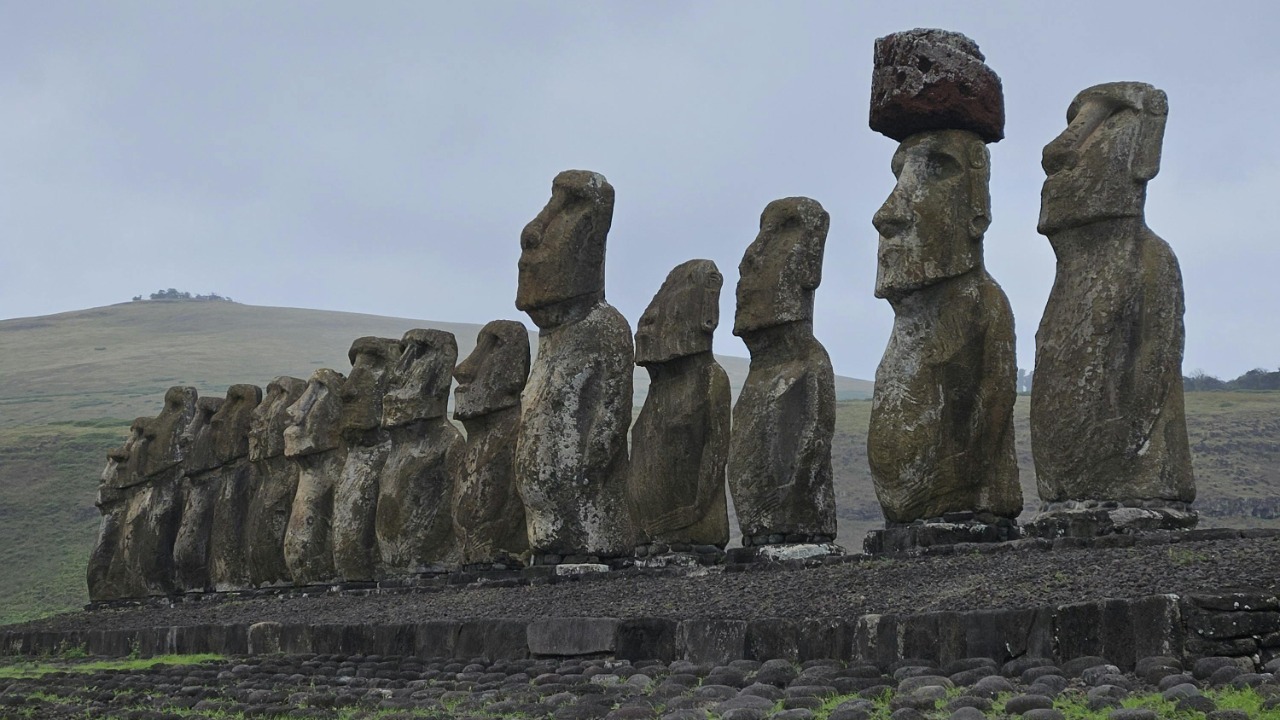
From the 10th to the 16th century, the people of Rapa Nui built shrines and erected the enormous stone figures known as moai. Together they form a cultural landscape UNESCO calls unrivaled.
A Polynesian society that settled the island around AD 300 developed a powerful tradition of monumental sculpture free from any outside influence. The moai continue to fascinate people around the world, and the island is protected today as Rapa Nui National Park.
More from Morning Overview
- Cadillac cut the price of its cheapest EV, which goes up to 317 miles on a charge
- Winter weather advisories cover I-80, I-70 and the Bighorns with up to 15 inches of snow
- Arizona’s governor declared a statewide emergency after Flagstaff logged its wettest Nov. 1 on record
- Zero Motorcycles unveiled an electric motorcycle targeted at under $8K and a street-legal dirt bike at EICMA
