
Porsche has kept the 911’s basic recipe since 1963: a six-cylinder boxer engine hung out behind the rear axle and a shape that is recognizable at a glance. Over eight generations it went from a 130-horsepower coupe to turbocharged cars with several times that output. Here is what each generation of the 911 changed.
Read next on Morning Overview: Shaq spent $1.3 million on three Rolls-Royce Phantoms to prove a point to a salesman
1. Original Porsche 911 (1963-1973): The 901 Becomes the 911
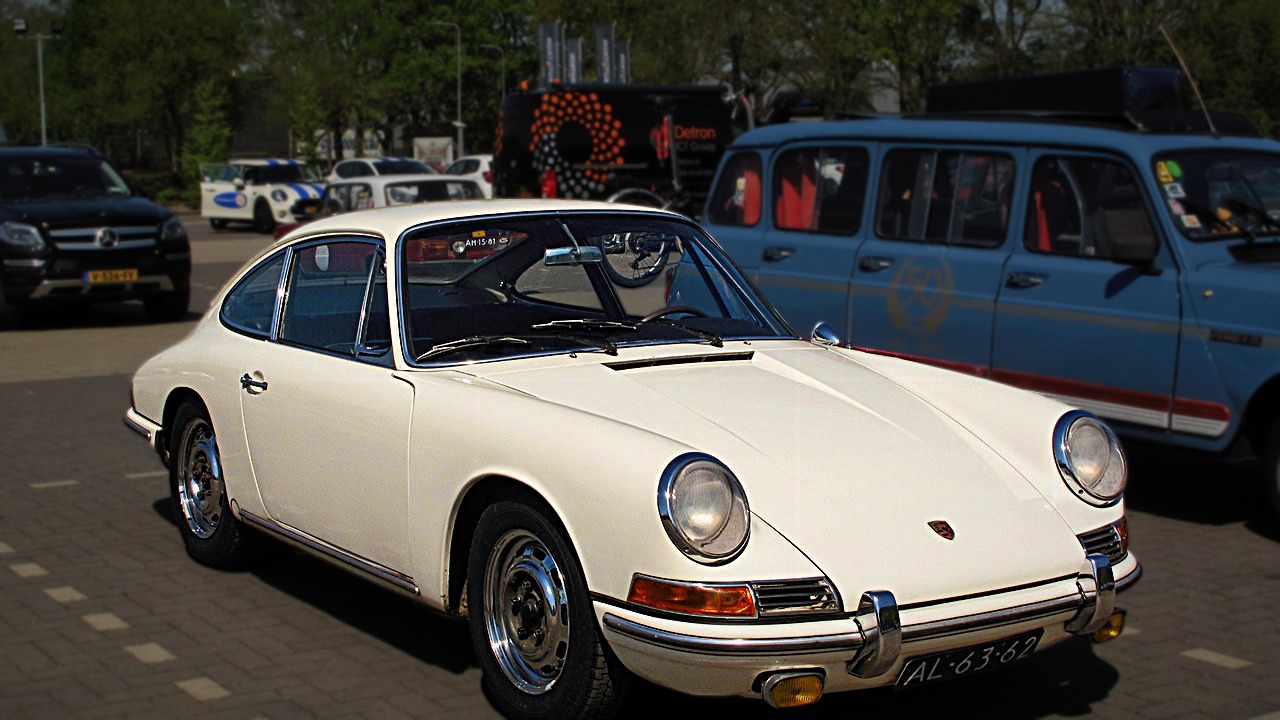
The 901 concept of 1963 heralded the start of a production run that has now passed six decades, Top Gear says. Trivia fans like to point out that the name changed from 901 to 911 to avoid a dispute with Peugeot.
It was designed as a larger, more practical version of the 356 with an extra pair of seats, and critics were quick to pounce on its lack of focus. Early 911s used two-liter engines with as little as 130 horsepower but weighed about a tonne. Engine sizes and power grew over the next decade, culminating in perhaps the most coveted early 911 of all, the 210-horsepower 2.7 Carrera RS.
2. Porsche 911 G-Series (1973-1989): Bellows Bumpers
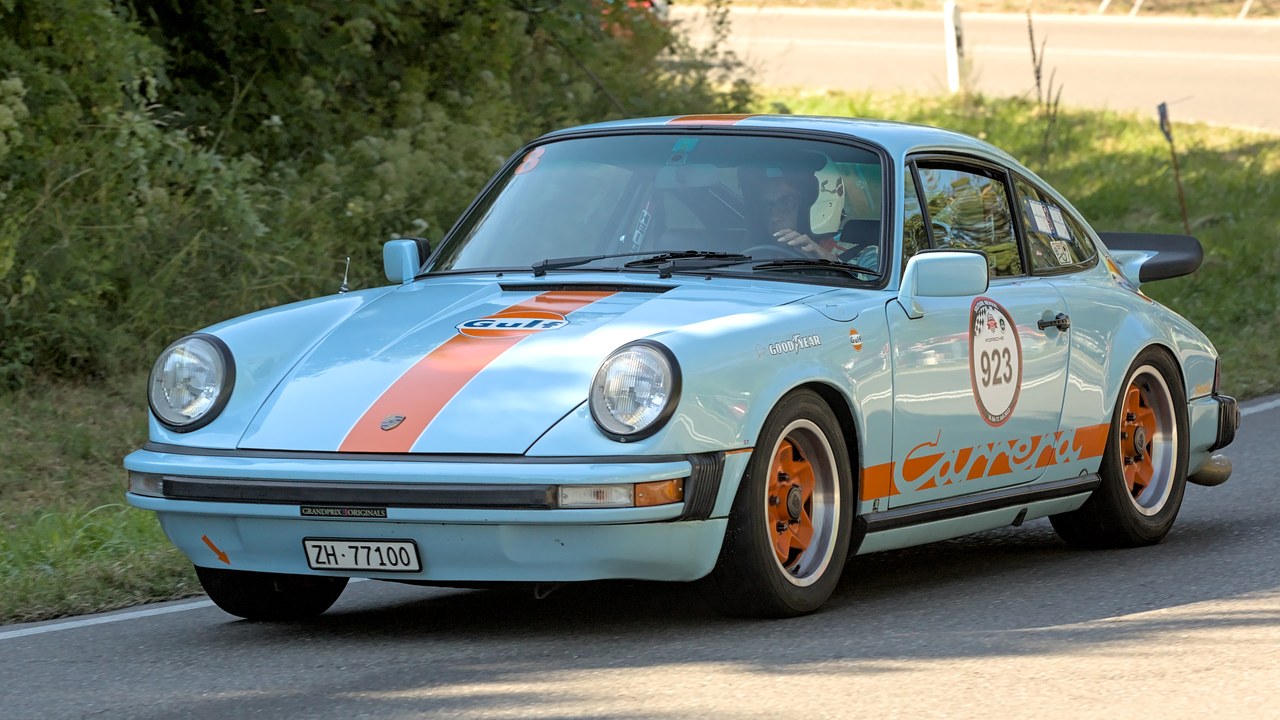
The first major design change to the 911 came in 1973 with the G Series, now generally known as the G Model. Its bumpers with black side bellows were its most striking feature, and they stayed on the 911 for 16 years.
Adapted to more modern crash standards, they arrived as chrome disappeared from the car. Inside, drivers got a much smaller steering wheel, integrated headrests and a normal shift pattern for the optional five-speed. The 1975 Carrera 2.7 in Porsche’s eight-generation comparison made 210 PS and wore a large rear wing. Porsche says that even this car looks like a far-reaching update of the original 911 idea.
3. Porsche 911 Type 964 (1989-1994): 85 Percent New
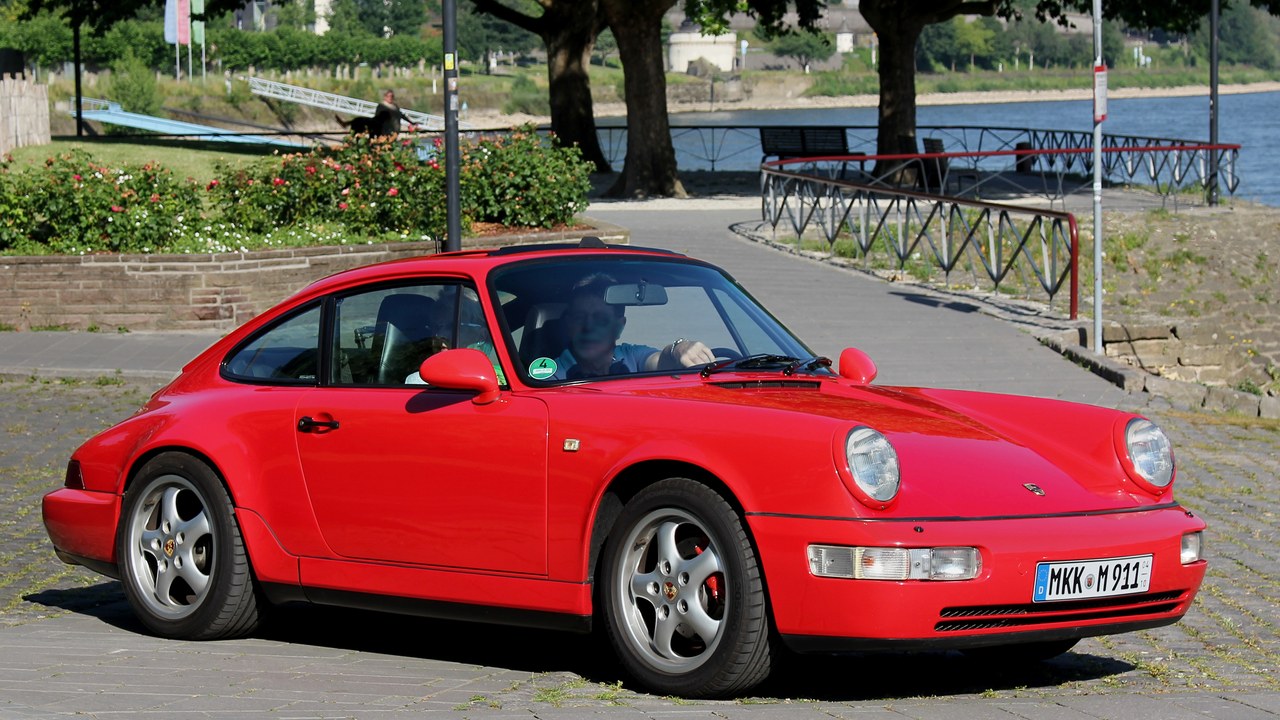
Arriving at the very end of the 1980s with mildly updated styling, the 964 was in fact 85 percent new underneath. Four-wheel drive arrived for the first time, along with power steering, ABS brakes and airbags.
Until recently, used examples could be bought exceedingly cheap, and its design has been viewed as the least attractive in 911 history. Many have since become donor cars for Singer’s reimagined 911s, Top Gear says, while the stripped-out 964 RS has spiraled in value in recognition of being one of the most focused 911s ever made.
4. Porsche 911 Type 993 (1994-1998): The Last Air-Cooled 911
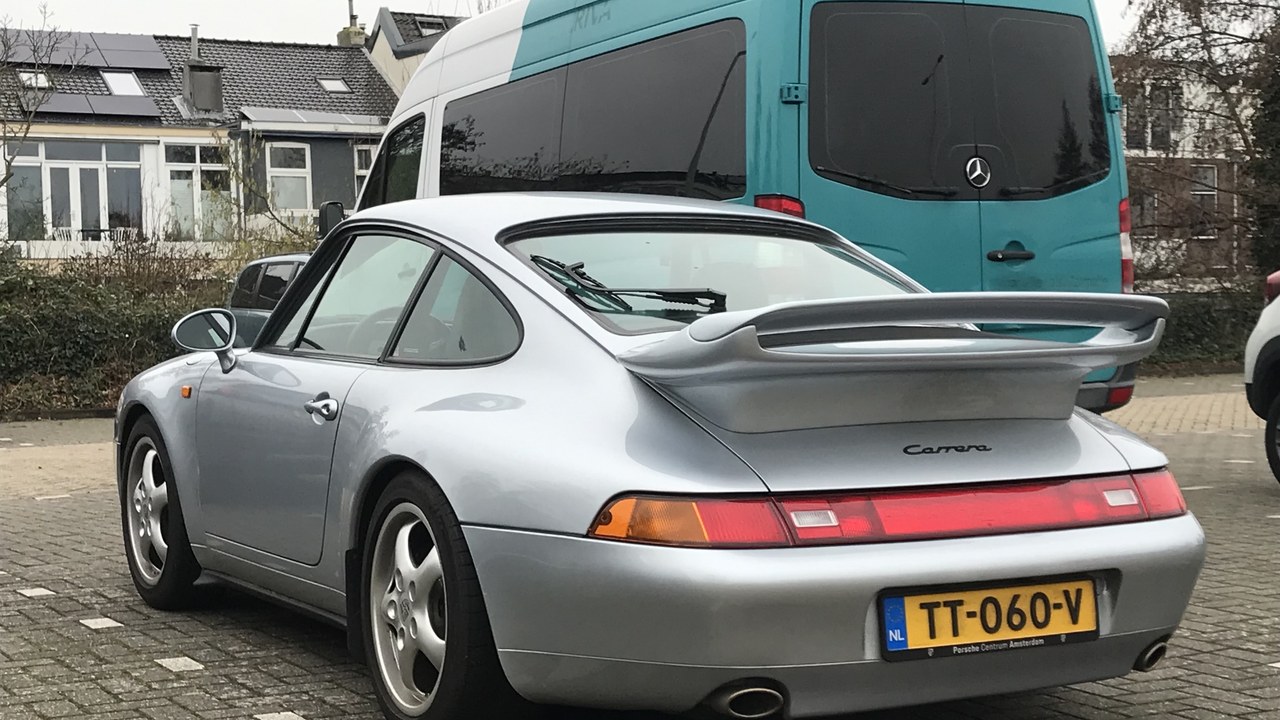
The 993 arrived just five years after the 964 and is still regarded by many Porsche die-hards as the prettiest and best-judged of all the 911s, Top Gear says.
It was the last 911 with an air-cooled engine. It also introduced perhaps the wildest 911 to drive, the GT2, a badge that has continued ever since. The original GT2 best displayed the tail-happy tendencies of the 911’s unconventional rear-engine layout, which earned it the nickname Widow Maker. The water-cooled 996 that replaced it in 1998 was met with grumbles that the 911 had lost its character.
5. Porsche 911 Type 996 (1997-2004): Water Replaces Air
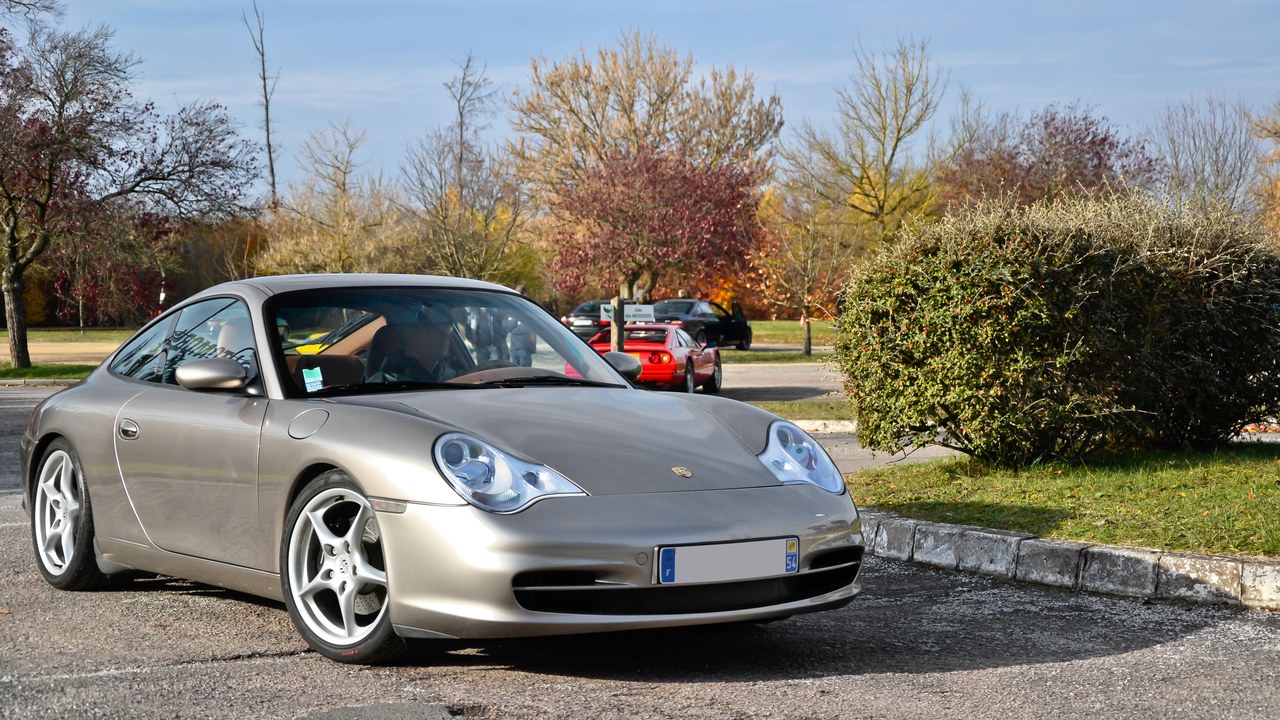
In September 1997, Porsche revealed its first water-cooled 911, the 996. Besides breaking the air-cooled cycle, it took a significant design leap for the 911, especially in its headlight shape, which mimicked the entry-level Porsche Boxster.
Its 3.4-liter flat-six made 296 horsepower, but that was the tip of the iceberg. The Turbo, Turbo S and GT2 pushed past 400 horsepower, while enthusiasts were most taken by the new GT3, a road-legal, stripped-down take on the racing GT3 with 360 naturally aspirated horsepower in 1999 and more added later, according to Digital Trends.
6. Porsche 911 Type 997 (2004-2012): Round Headlights Return
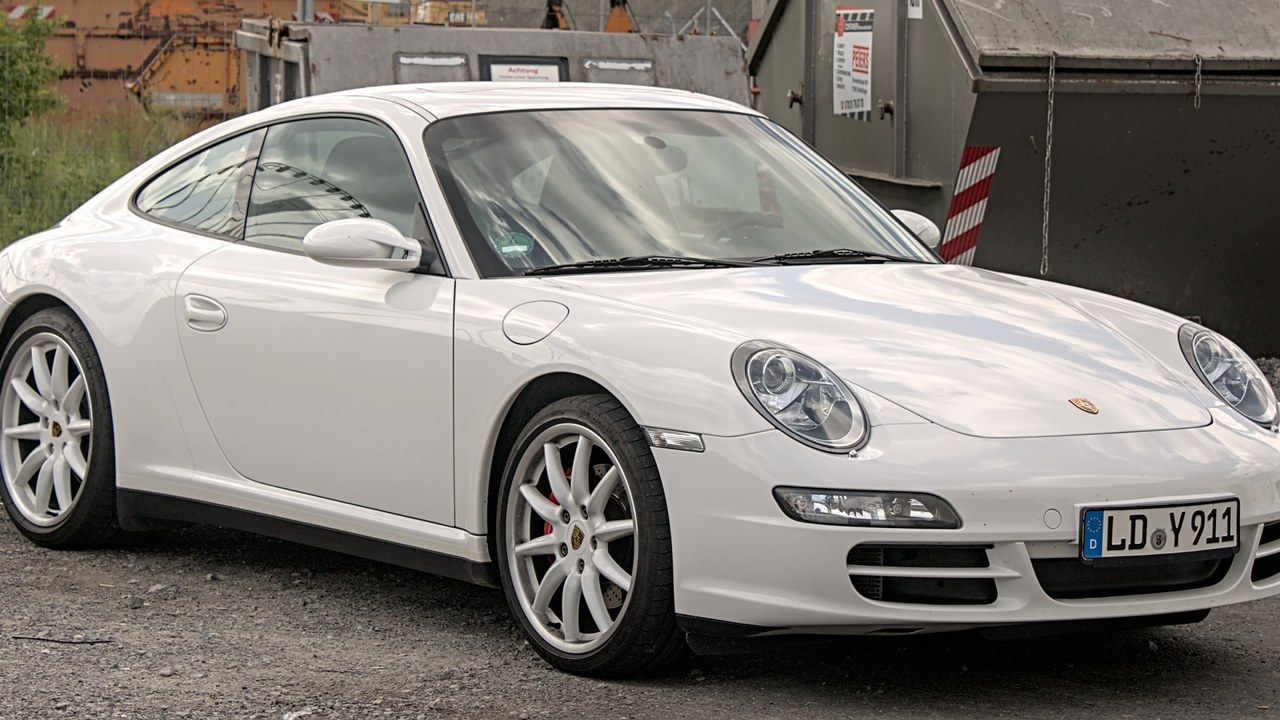
Switching from the 996 to the 997 feels like entering a completely new car, but Porsche says appearances are deceptive: the 997 introduced in 2005 is a type of super-facelift of the 996.
With the 997, Porsche returned to the clean shapes of the 964 and the G Model. The Carrera 4S in Porsche’s comparison made 355 PS from a 3.8-liter engine with all-wheel drive. The designs of both the 996 and 997 were created under the direction of Harm Lagaaij, who had returned to Porsche as chief designer in 1989.
7. Porsche 911 Type 991 (2011-2019): Bigger, Lighter and Electric-Steered

In 2012, Porsche introduced its third platform for the 911 since the car’s inception. Longer and sleeker, the 991 offered more powertrain and drivetrain options than ever while staying engaging to drive.
Though larger than its predecessor, it was 110 pounds lighter and more powerful, with over 400 horsepower in Carrera S trim. It offered a seven-speed manual transmission, an industry first, or a PDK dual-clutch. Some enthusiasts bemoaned more artificial components such as the electric steering, Digital Trends notes, even as Porsche released several new or refreshed variants and performance kept rising.
8. Porsche 911 Type 992 (2019-present): Wider and Turbocharged
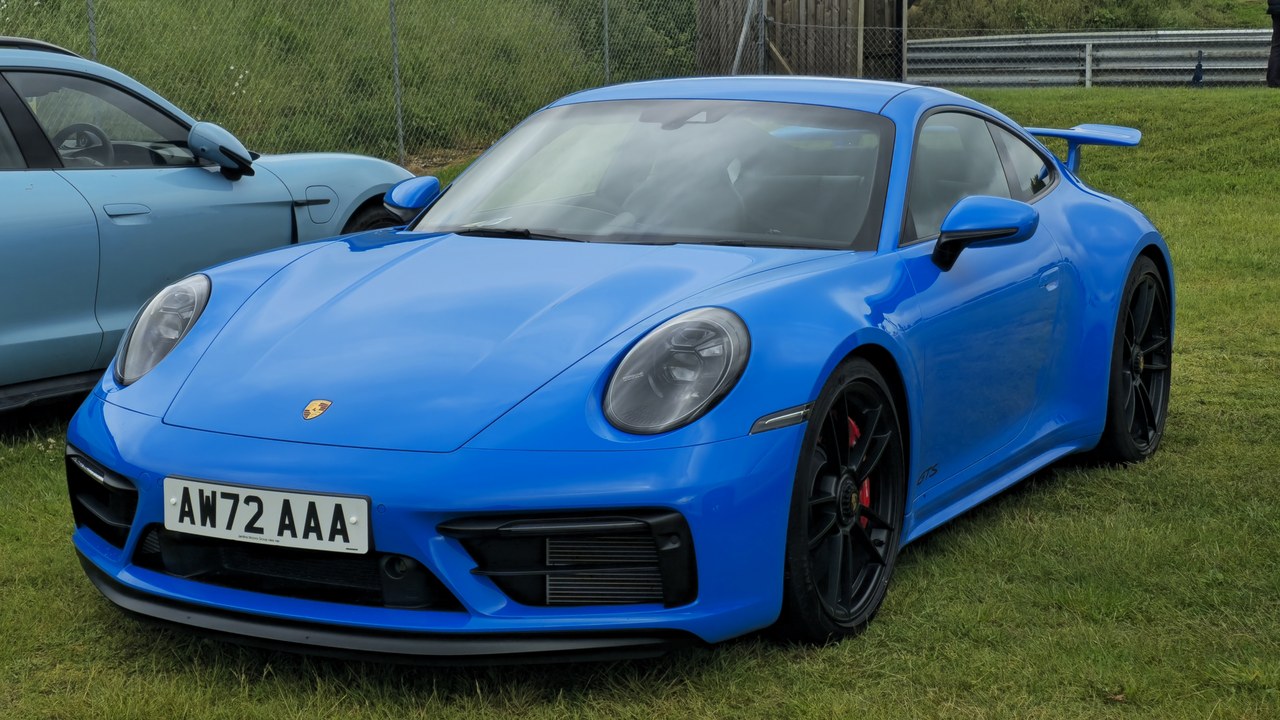
Chief designer Michael Mauer’s second 911 followed in 2019, and he stayed true to his rule: “I have to be able to see that it’s a 911. And I have to be able to see that it’s the new 911.” With wings and wheels drawn further out of the body, the design team followed in the footsteps of the first 911 Turbo.
Porsche describes the 991 as the more elegant sports car and the 992 as visually striking. The turbocharged 3.0-liter engine of the Carrera 4S in its comparison developed 450 PS. Mauer says the rear-mounted boxer engine is the most important part of the 911’s DNA, linking all eight generations.
More from Morning Overview
- New FCC rules on how people can stop robocalls and texts take effect Nov. 25
- Neanderthals in Spain carved a wooden object that matches nothing archaeologists have ever found
- The FAA wants $2.39 million from a flight school it says flew a Cessna about 280 times with an unapproved part
- A $1 billion gas plant planned for Superior, Wisconsin, has been abandoned
