
Rome’s engineers built with stone, brick and concrete that has outlasted the empire by more than fifteen centuries. Across Europe, North Africa and the Middle East, their arenas, temples, bridges and whole towns still stand for visitors to walk through. Here are eighteen ancient Roman wonders that are still standing, from the Colosseum to the buried streets of Pompeii.
Read next on Morning Overview: Cadillac cut the price of its cheapest EV, which goes up to 317 miles on a charge
1. Colosseum: Rome’s Great Arena
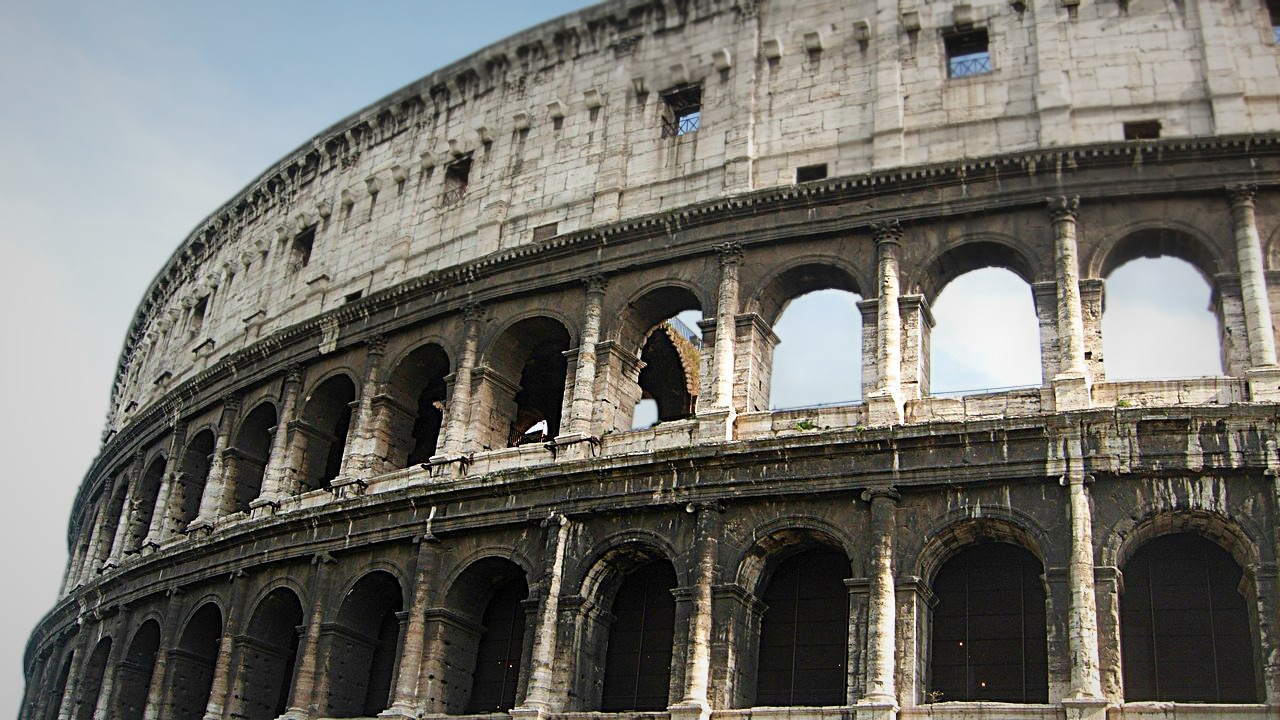
Construction of the Colosseum began under Emperor Vespasian in 72 and was completed in AD 80 under his son Titus. It is the largest ancient amphitheatre ever built and still the largest standing one in the world.
Built of travertine, tuff and Roman concrete, it could hold an estimated 50,000 to 80,000 spectators, with an average crowd of about 65,000. It staged gladiatorial contests and public spectacles for centuries.
2. Pantheon: A Dome Nobody Has Beaten
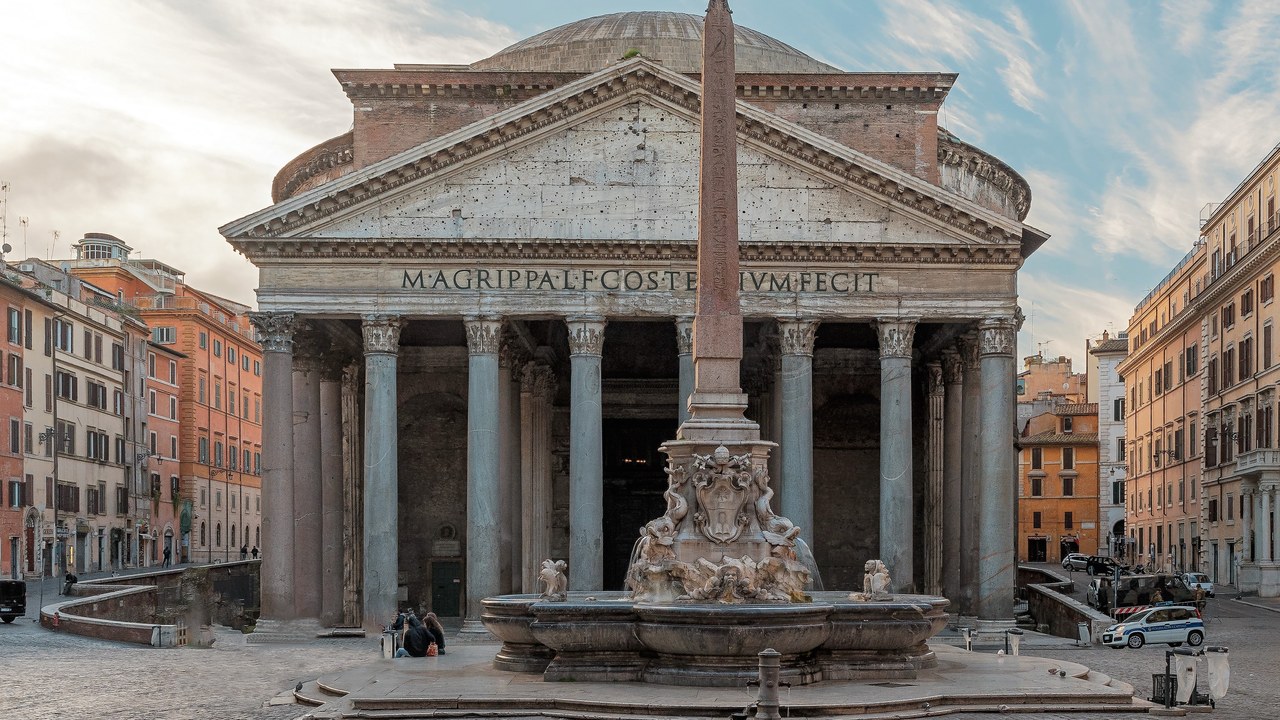
The present Pantheon was completed by Emperor Hadrian and probably dedicated around AD 126, on the site of an earlier temple commissioned by Agrippa. Hadrian put Agrippa’s original inscription back on the front, which is why its date is uncertain.
Almost two thousand years later, its coffered dome is still the world’s largest unreinforced concrete dome. The height to the oculus and the interior diameter are identical, at 43 meters.
3. Pont du Gard: Water Across a River
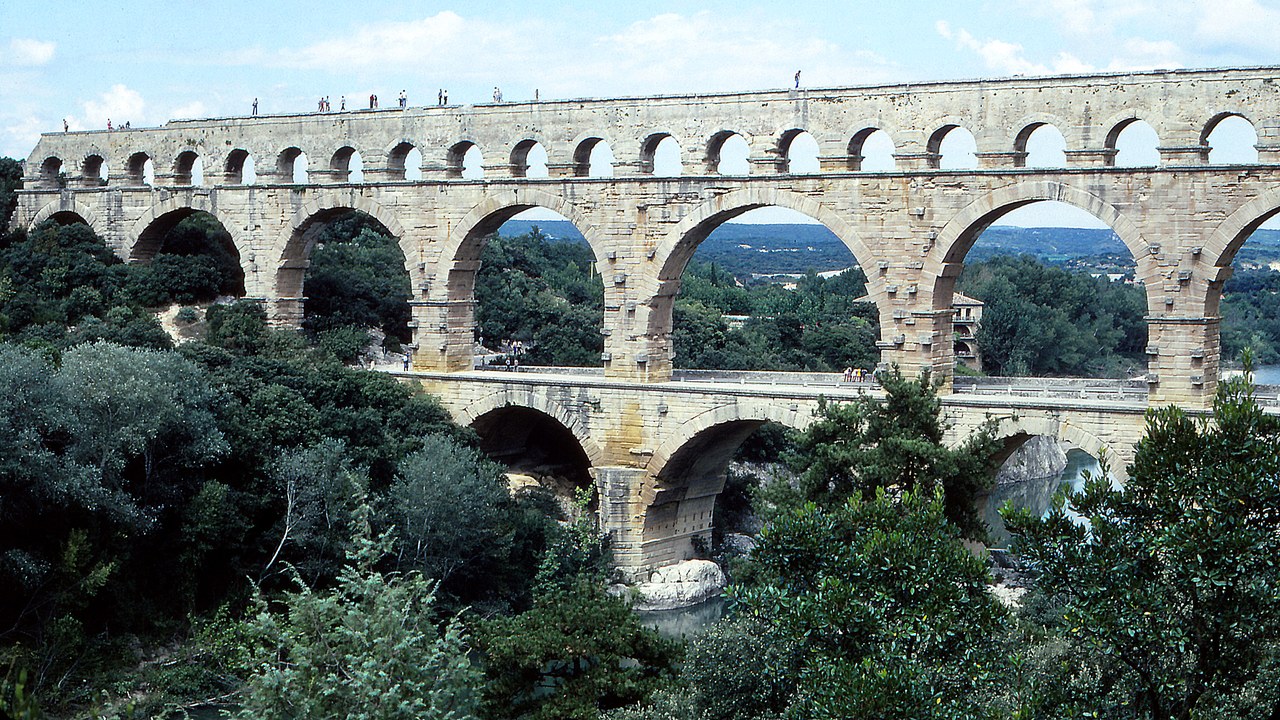
The Pont du Gard is the major element of a 50-kilometer aqueduct built in the middle of the 1st century to bring water to Roman Nimes. Its three tiers of arches rise to nearly 49 meters to carry the channel across the Gardon River.
UNESCO calls it a masterpiece of Roman architectural technique. The top level once stretched 360 meters, and the gentle tapering of the arches gives a massive structure a remarkably airy look.
4. Maison Carrée: A Temple in Perfect Shape
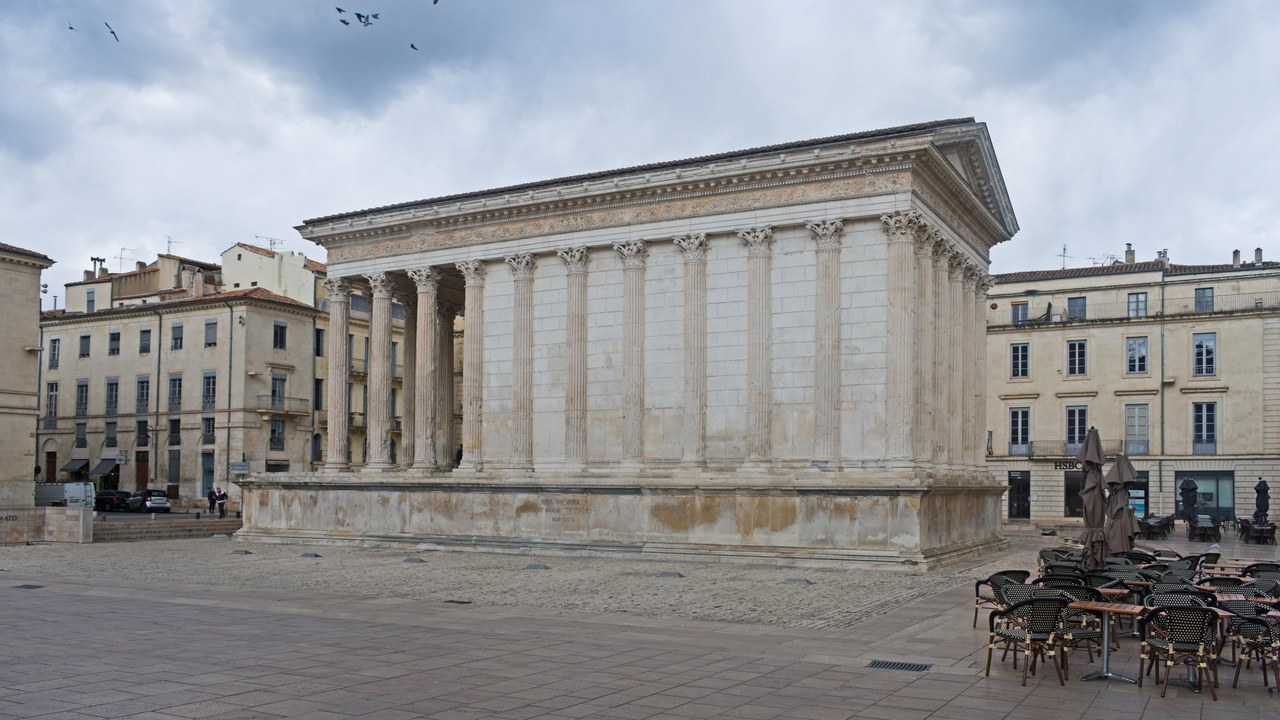
The Maison Carrée is a Corinthian-style temple erected in the 1st century CE in the forum of the Roman colony of Nemausus, today’s Nimes. It was dedicated to Gaius and Lucius Caesar, the heirs of Augustus who died young.
That dedication turned the building into a temple of the imperial cult. Its design recalls key buildings of Augustan Rome, and it stood as a symbol of Rome’s authority over the city and its citizens.
5. Roman Theatre of Orange: The Wall That Still Holds the Stage
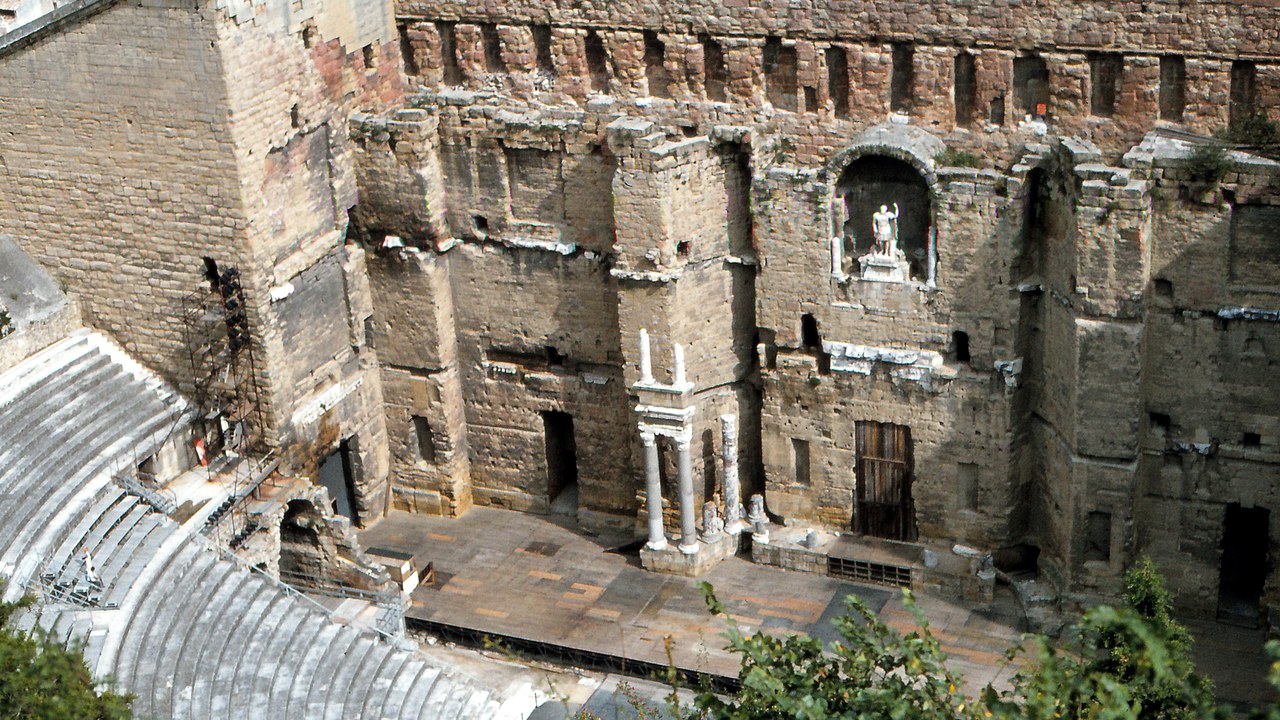
With a facade 103 meters long and 37 meters high, the ancient theatre of Orange is one of the best preserved of all the great Roman theatres. Its stage wall survives in remarkable condition, along with a statue of Augustus.
An imperial decree closed the theatre in 391, and it was later looted. Restoration began only in 1825. A Roman triumphal arch built between 10 and 25 AD still stands nearby.
6. Aqueduct of Segovia: Two Tiers Above Segovia
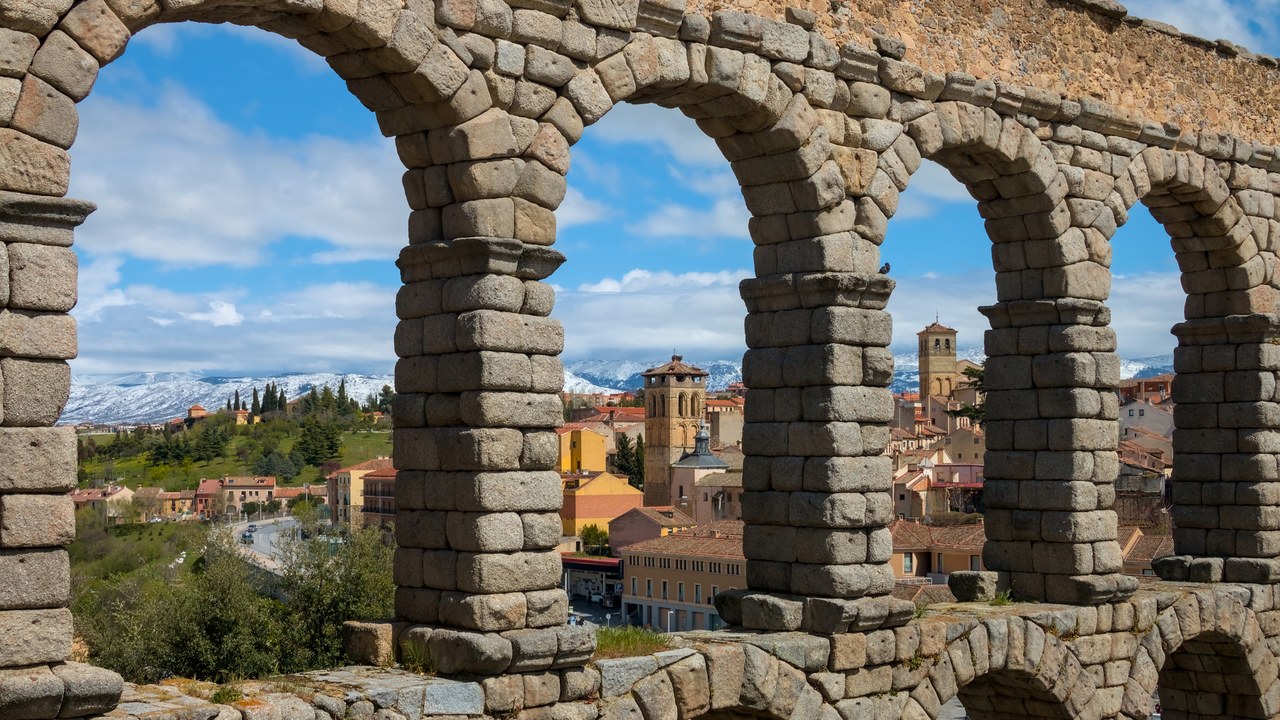
The Roman aqueduct of Segovia, probably built about AD 50, is remarkably well preserved and dominates the old town in central Spain. At the lowest point of the valley, its two tiers of arches stand 28.5 meters above the ground.
The aqueduct is the standout monument of a city that also holds an 11th-century Alcázar, Romanesque churches and the last Gothic cathedral built in Spain. Segovia’s old town and aqueduct share a single World Heritage listing.
7. Alcántara Bridge: Trajan’s Bridge Over the Tagus
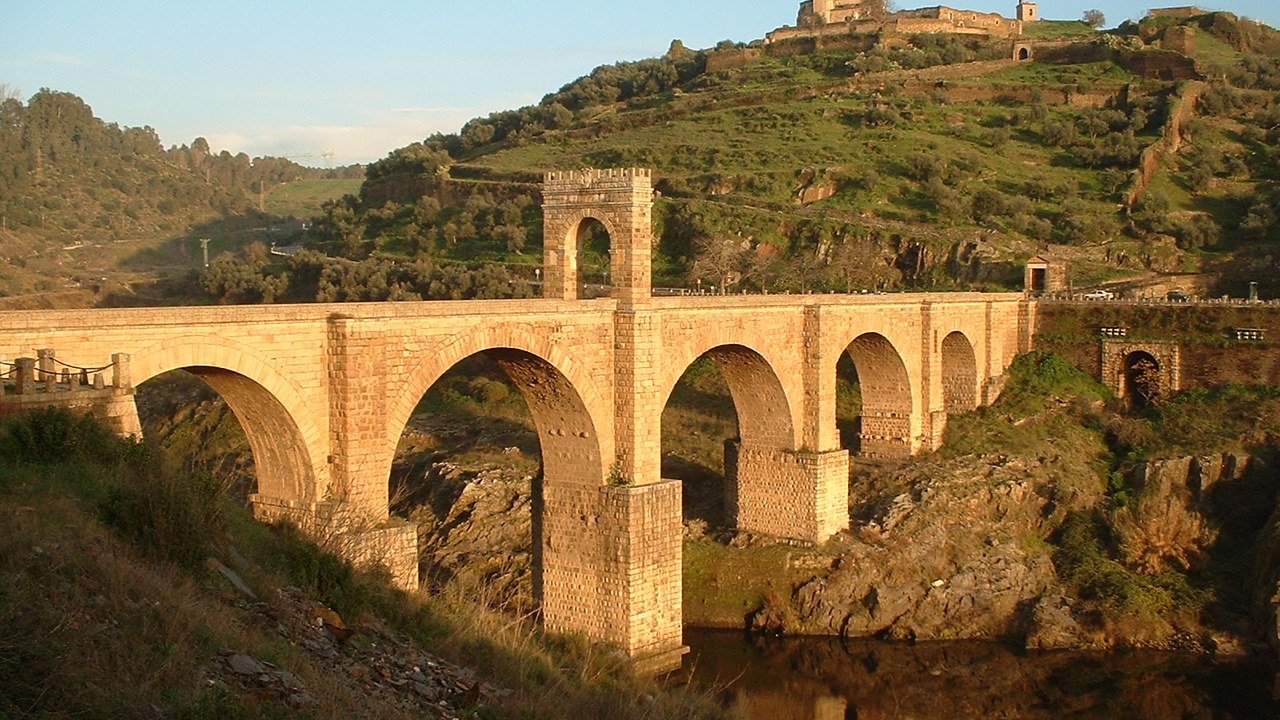
The stone arch Alcántara Bridge was built over the Tagus River between 104 and 106 AD on the order of Emperor Trajan. Its name comes from the Arabic al-Qantarah, meaning “the arch.”
War has damaged it more than the weather. The Moors destroyed an arch in 1214, Spanish forces blew up another in 1760, and Wellington’s troops wrecked it again in 1809, yet the repaired bridge still spans the river.
8. Hadrian’s Wall: The Edge of the Empire
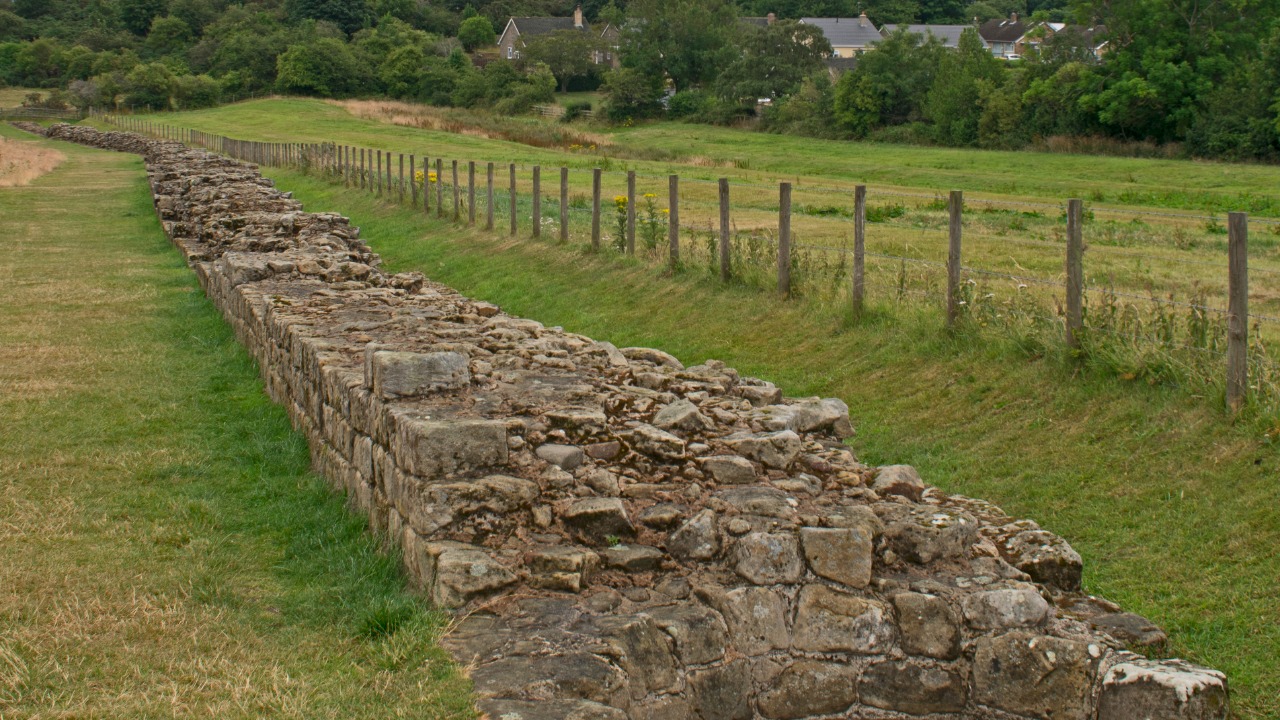
Hadrian’s Wall was built on the orders of Emperor Hadrian around AD 122, running from the mouth of the River Tyne to the Solway Firth. It formed part of a frontier network that ringed the Roman world.
Those frontiers stretched from the Atlantic to the Black Sea and from Scotland to the Sahara. UNESCO lists Hadrian’s Wall together with the Antonine Wall and the Upper German-Raetian Limes as one World Heritage property.
9. Roman Baths: Rome’s Hot Springs Spa
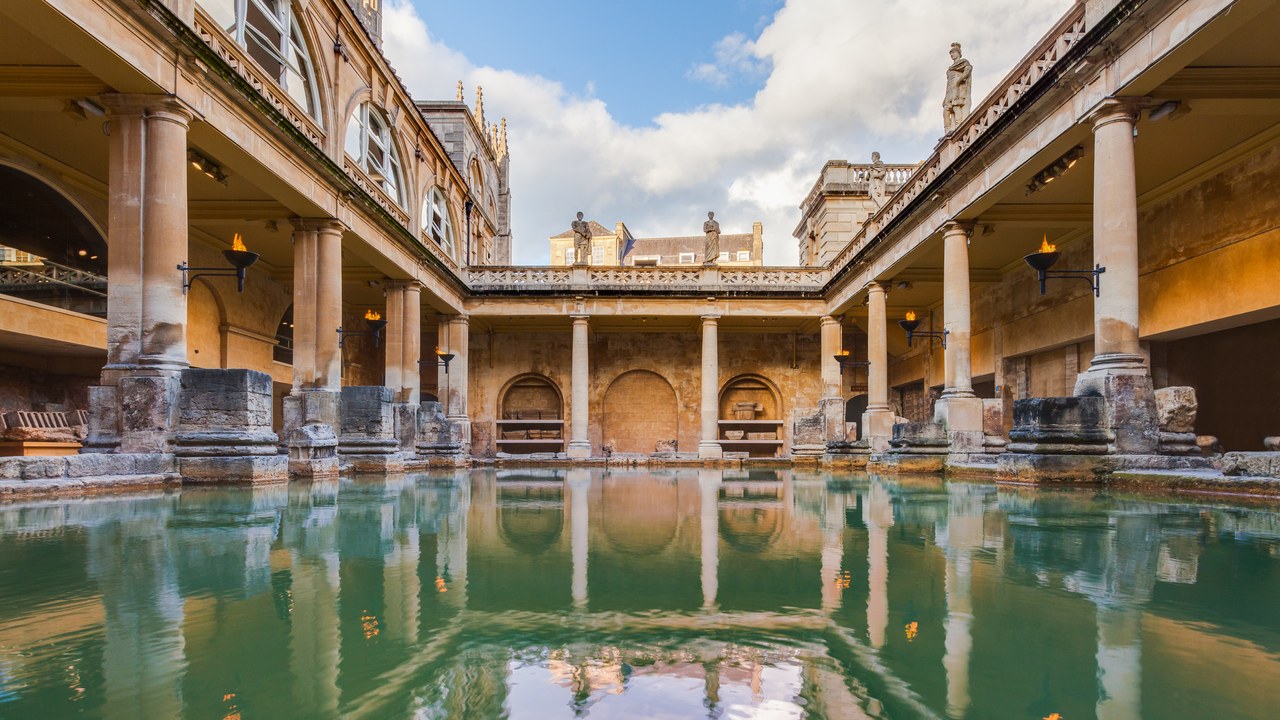
The Romans founded the city of Bath in the 1st century AD and used its natural hot springs as a thermal spa. The baths complex and the Temple of Sulis Minerva stand at the heart of the Roman town of Aquae Sulis.
UNESCO ranks those remains among the most famous and important Roman sites north of the Alps. The hot springs have stayed at the center of the city’s life ever since, through its Georgian heyday as an elegant spa.
10. Porta Nigra: The Black Gate of Trier
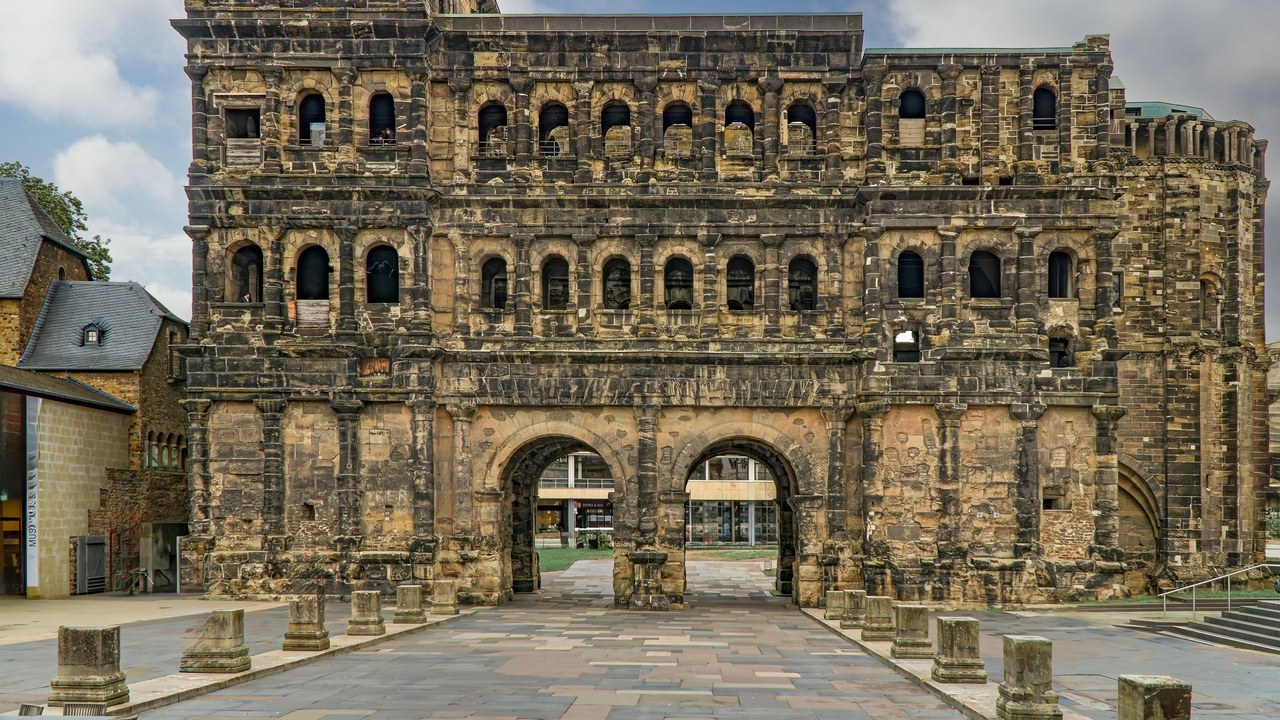
The Porta Nigra is the best known of the monuments of Roman Trier, a colony from the 1st century AD and later one of the capitals of the Tetrarchy. Nowhere north of the Alps preserves so many important Roman buildings.
In late antiquity Trier was one of the largest cities in the empire and earned the name “Rome of the North.” Its 1st- and 2nd-century buildings, including the gate, reflect a rich trading city that supplied Rome’s Rhine forts.
11. Pula Arena: The Arena With Its Wall Intact
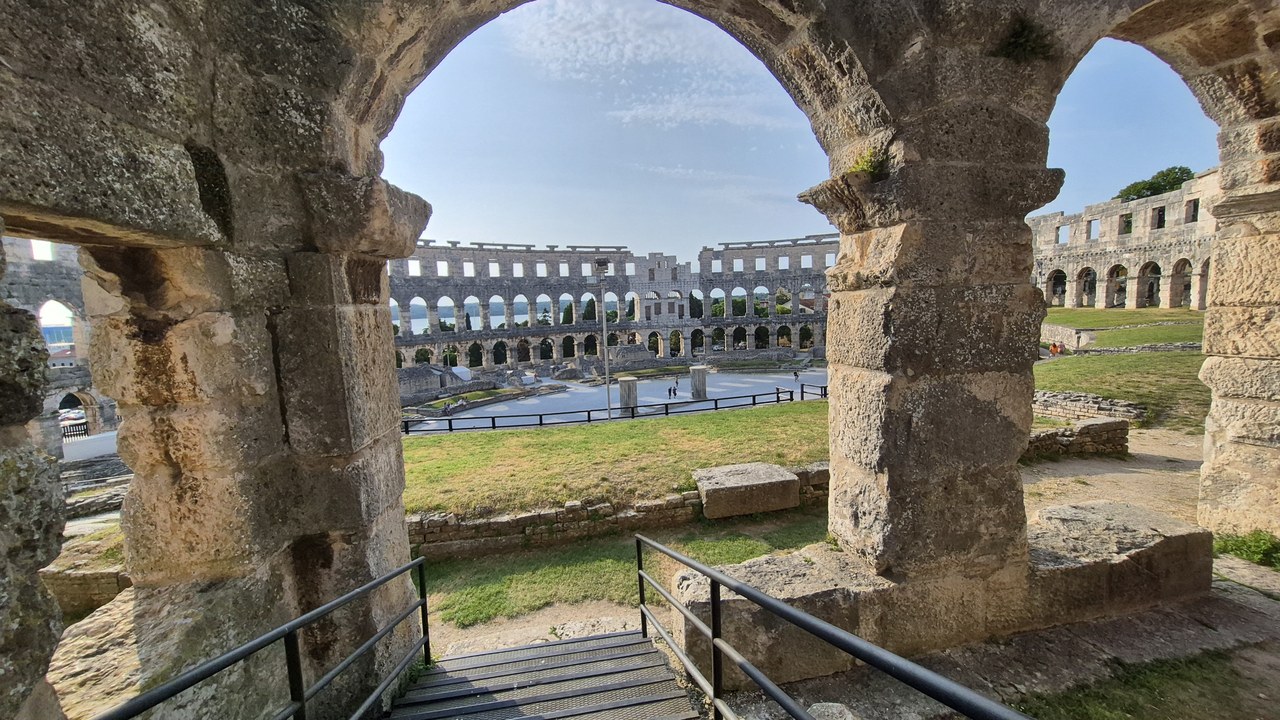
Pula Arena was constructed between 27 BC and AD 14 under Augustus and later expanded under Vespasian. It is the only remaining Roman amphitheatre that keeps its entire circular outer wall.
The limestone arena once held up to 23,000 spectators for gladiator fights and animal hunts. It measures about 132 by 105 meters and rises 32 meters at its highest point above Pula’s harbor.
12. Diocletian’s Palace: An Emperor’s Palace Turned City
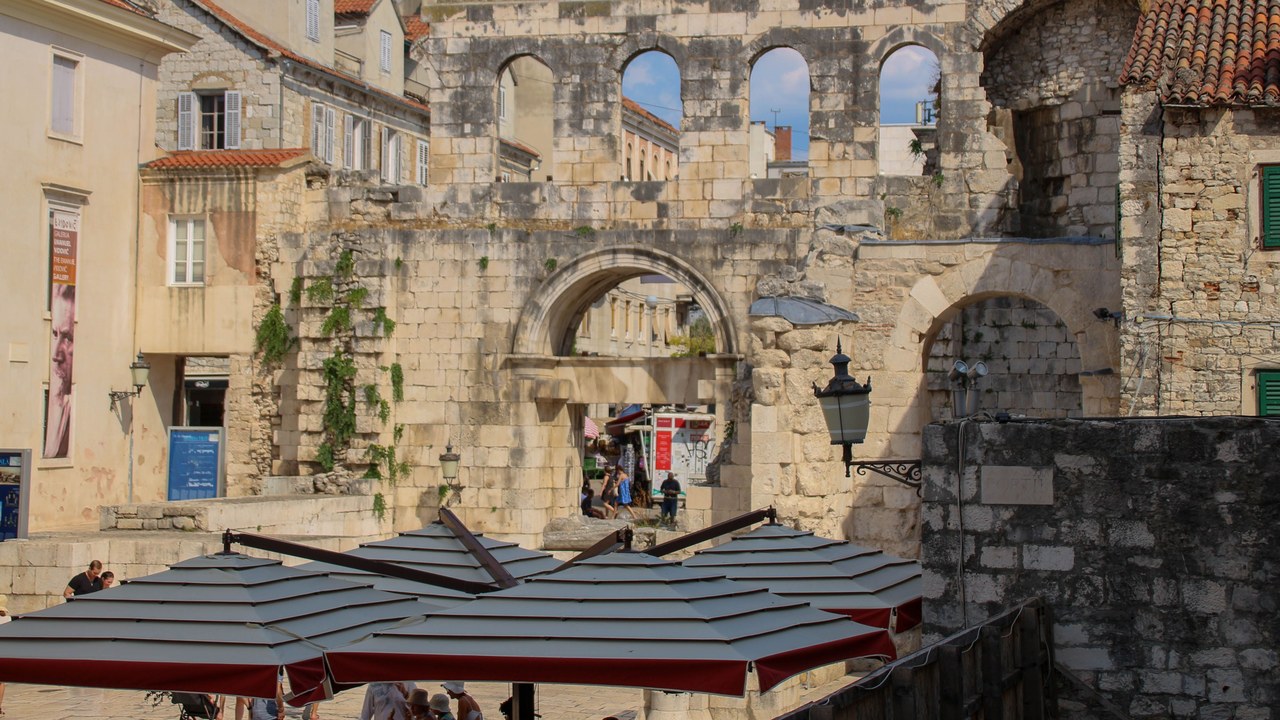
The ruins of Diocletian’s Palace, built between the late 3rd and early 4th centuries AD, are spread throughout the Croatian city of Split. The old Roman complex now forms the heart of the city.
The city’s medieval cathedral reused material from the emperor’s mausoleum. Romanesque churches, medieval fortifications and Gothic, Renaissance and Baroque palaces fill in the rest of the old Roman complex.
13. Amphitheatre of El Jem: Africa’s Colosseum
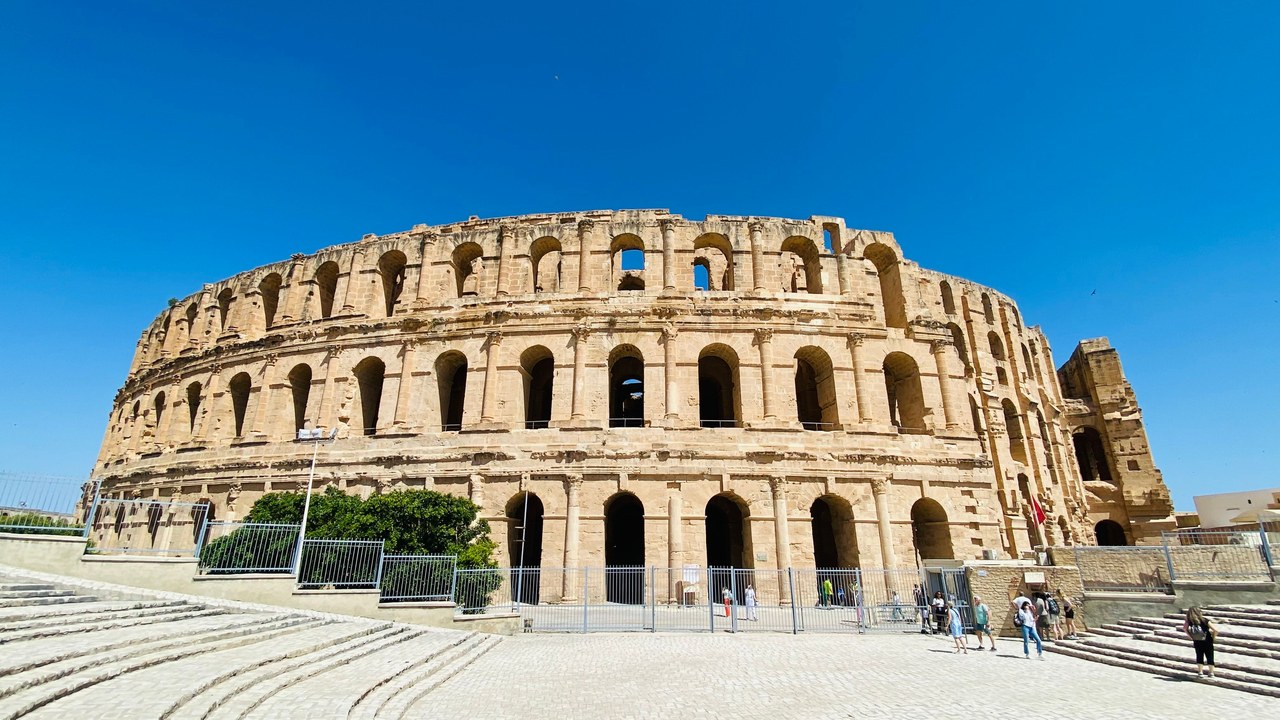
The Amphitheatre of El Jem in central Tunisia was built around AD 238, entirely of stone blocks and with no foundations. It was modeled on Rome’s Colosseum without being an exact copy.
Measuring 148 by 122 meters and judged to hold about 35,000 people, it ranks among the largest amphitheatres in the world. The podium wall, arena floor and underground passages are practically intact.
14. Leptis Magna: Splendor on the Libyan Coast
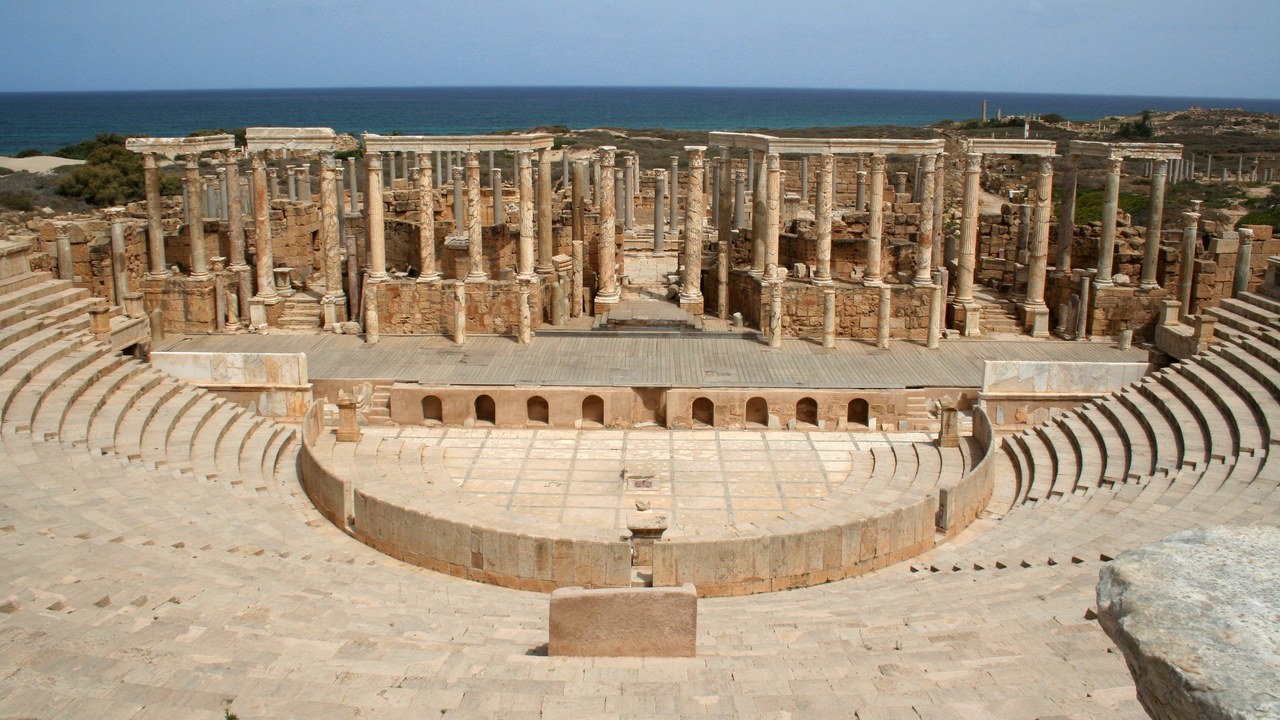
Leptis Magna began as a Phoenician trading port in the 7th century BCE and expanded under the Roman Empire. The Severan emperors embellished it in the 3rd century CE, making it one of the most splendid cities of Roman North Africa.
Its port, with an artificial basin, a dam and a canal to control the Wadi Lebda, is one of Rome’s outstanding works of engineering. The remains give a vivid picture of life in a Roman provincial city.
15. Timgad: A Grid Laid Out in AD 100
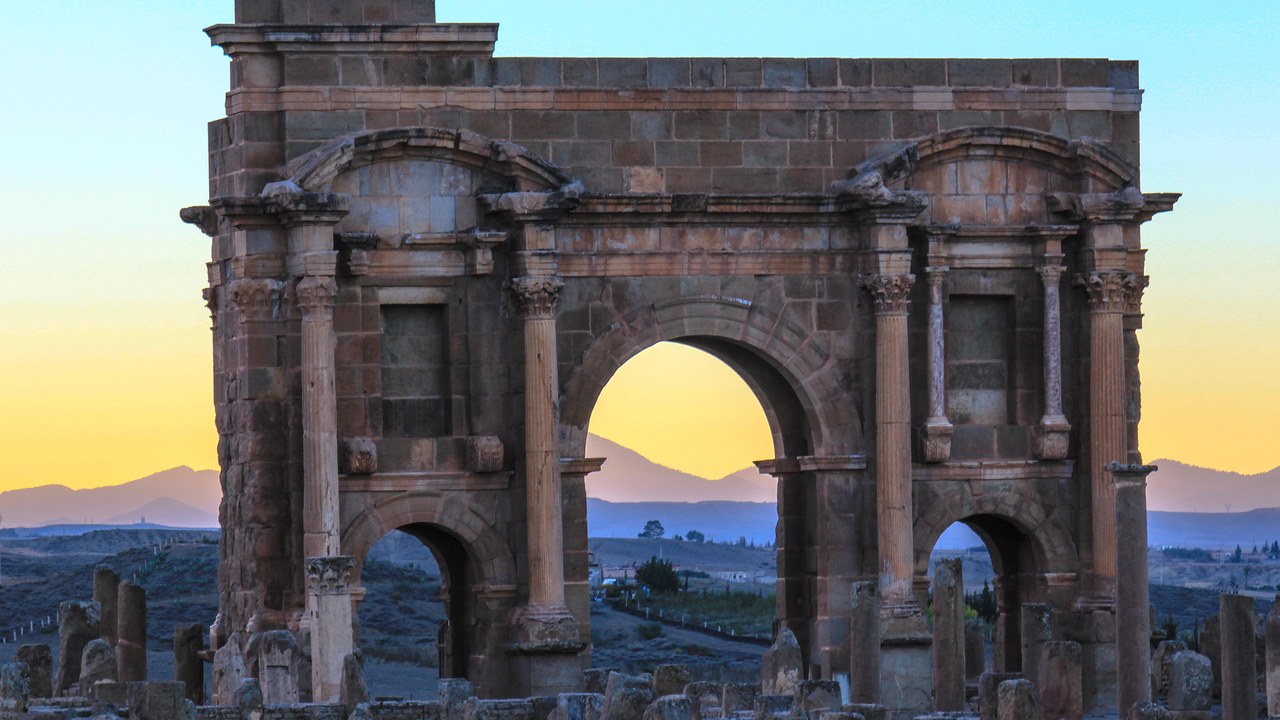
Emperor Trajan founded Timgad in Algeria in 100 AD as a military colony built from scratch, probably for the Third Augustan Legion. Its precisely laid-out plan shows Roman town planning at its height.
By the middle of the 2nd century, the city had outgrown its walls and spread outward with a Capitolium, temples, markets and baths. Most of those buildings date from its Severan golden age.
16. Ephesus: The Library of Celsus City
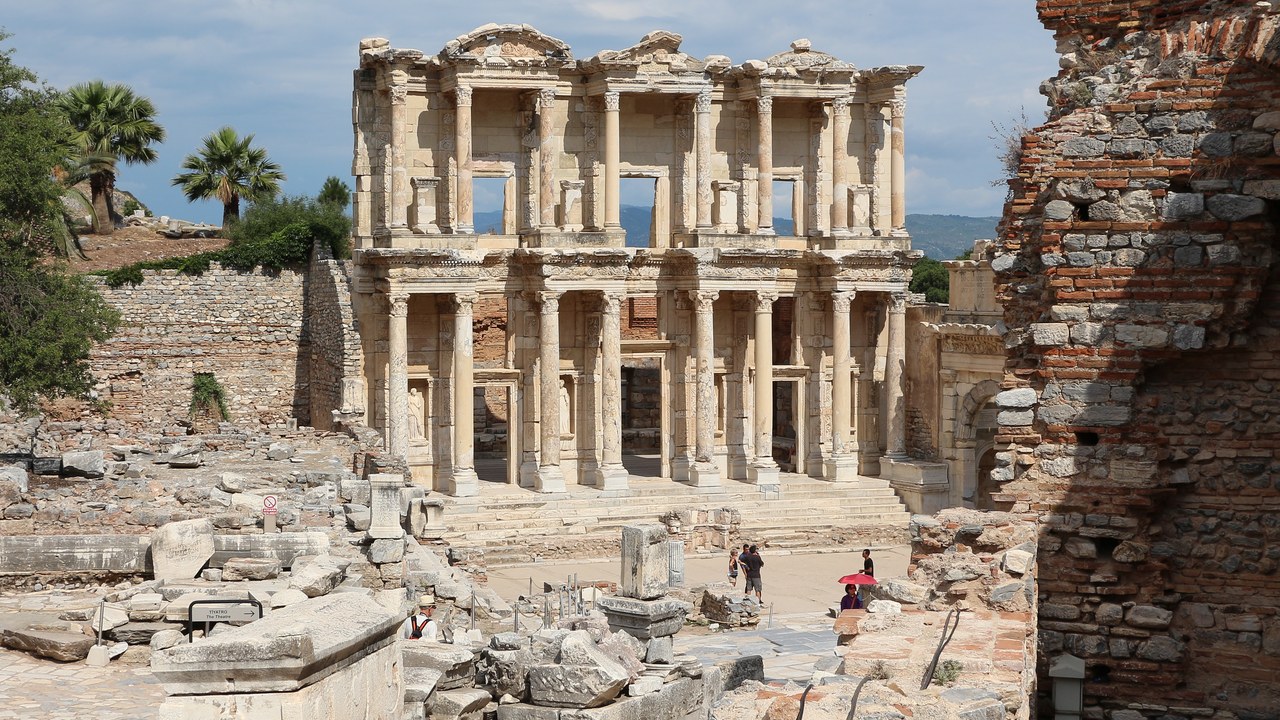
Excavations at Ephesus, in modern Turkey, have revealed grand monuments of the Roman Imperial period, including the Library of Celsus and the Great Theatre. The site’s history stretches back thousands of years before Rome.
Ephesus was also home to the sanctuary of Artemis, one of the largest in the ancient world, whose temple was one of the Seven Wonders. Little of that famous temple remains today, so the Roman ruins carry the site.
17. Baalbek: Temples Built for Giants
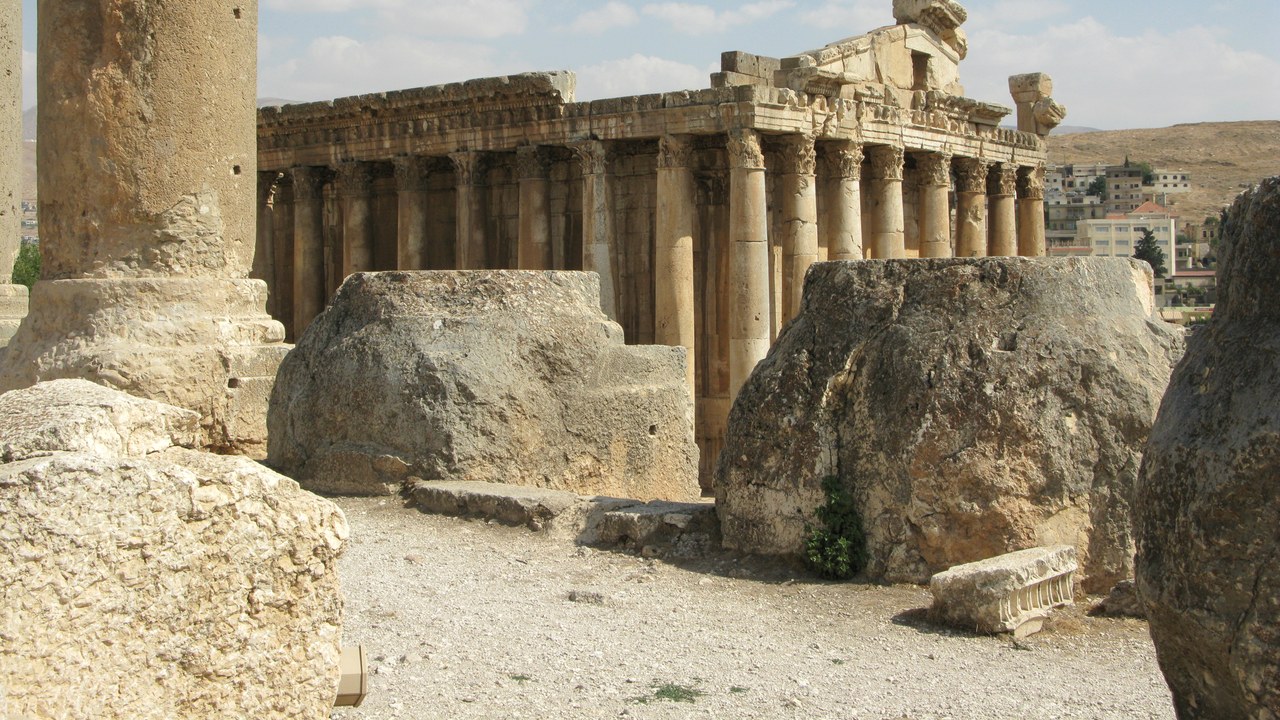
The colossal temples of Baalbek, in Lebanon’s Bekaa Valley, were built over more than two centuries. They made the town one of the most famous sanctuaries of the Roman world and a model of imperial architecture.
Pilgrims crowded in to worship a triad of gods, Jupiter, Venus and Mercury, rooted in an older Phoenician cult. The Roman builders set their temples on top of even earlier ruins.
18. Pompeii: Frozen on August 24, AD 79
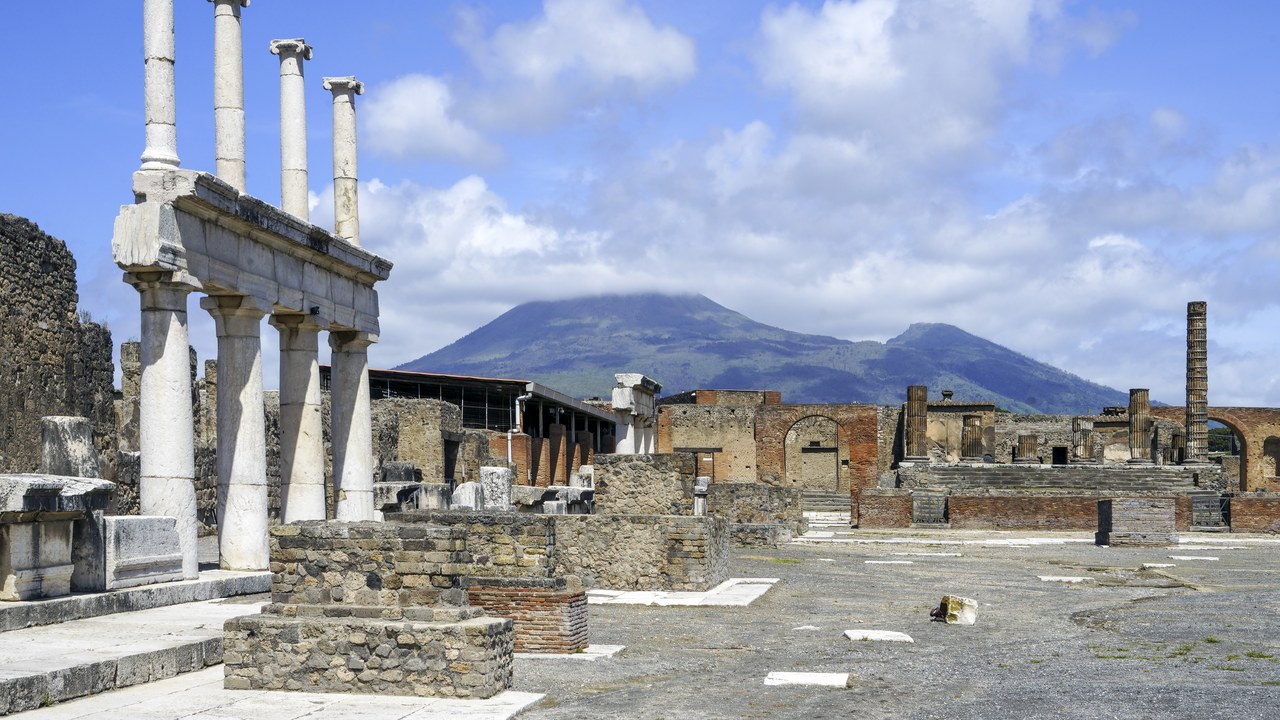
When Vesuvius erupted on 24 August AD 79, it engulfed the flourishing Roman towns of Pompeii and Herculaneum, along with many wealthy villas. Excavation began in the mid-18th century and has opened the sites to the public bit by bit.
Pompeii was a large commercial town, while Herculaneum was a smaller, better-preserved resort. Together with the wall paintings of Villa Oplontis, they offer a vivid view of daily life in the early Roman Empire.
More from Morning Overview
- 11 engines built to run well past 200,000 miles
- Two Kentucky residents died when a small plane crashed at Missouri’s Lake of the Ozarks, and the NTSB is investigating
- A handful of car transmissions are so tough that mechanics say they almost never die
- Melting permafrost is setting off a newly identified kind of catastrophic landslide, scientists say
